A review of mink predation and control
for Ireland
A review of mink predation and control for Ireland
Roy Sugoto1, Neil Reid2 & Robbie A. McDonald1.
1. Central Science Laboratory, Sand Hutton, YORK YO41 1LZ, U.K.. http://www.csl.gov.uk/
2. Quercus, School of Biological Sciences, Queen's University Belfast, BELFAST BT9 7BL, Northern Ireland. http://www.quercus.ac.uk
Citation:
Roy, S., Reid, N., McDonald, R.A. (2009) A review of mink predation and control in Ireland. Irish Wildlife Manuals, No. 40. National Parks and Wildlife Service, Department of the Environment, Heritage and Local Government, Dublin, Ireland.
Cover photo: Mink on Taransay, Outer Hebrides © S. Roy
Irish Wildlife Manuals Series Editors: F. Marnell & N. Kingston
© National Parks and Wildlife Service 2009
C
ONTENTSEXECUTIVE SUMMARY... 3
ACKNOWLEDGEMENTS... 4
1.INTRODUCTION... 5
1.1 Legislation and policy... 5
1.2 American mink as an invasive species... 7
1.2.1 The establishment of mink in Ireland... 8
1.3 Mink control in Ireland ... 9
2.THE CURRENT STATUS OF MINK CONTROL IN EUROPE... 11
2.1 Techniques ... 11
2.1.1 Trapping and catching... 11
2.1.2 Baits ... 12
2.1.3 Dispatch of live caught animals... 13
2.1.4 The use of dogs... 16
2.1.5 Direct mortality in the field ... 16
2.1.6 Monitoring... 17
2.2 Strategies ... 17
2.2.1 Basing strategy on spatial and seasonal resource allocation... 17
2.2.2 Staffing resources... 19
2.2.3 Research ... 20
3. QUESTIONNAIRE SURVEY OF MINK CONTROL PRACTITIONERS ACROSS EUROPE... 21
3.1 Reasons for controlling mink ... 22
3.2 When respondents control mink... 23
3.3 Mink trapping and dispatch ... 24
3.4 Monitoring and evaluation of success ... 24
4. IMPORTANT PUBLICATIONS... 25
4.1 Invasion, impacts and ecology... 25
4.2 Projects and techniques ... 25
5. CASE STUDY OF THE HEBRIDEAN MINK PROJECT (HMP)... 27
5.1 Mink on the Western Isles ... 28
5.2 Methods ... 28
5.2.1 Seasonality ... 29
5.2.2 Seabird monitoring ... 29
5.3 Results... 29
5.3.1 Trapping ... 30
5.3.2 Dog Searching ... 31
5.3.4 Lessons learned ... 33
6. MINK CONTROL ON THE THAMES CATCHMENT AREA... 34
6.1 Background and methods... 35
6.2 Results... 35
6.3 Conclusion and comments ... 35
7.PREDATOR CONTROL IN NEW ZEALAND’S MAINLAND ISLANDS... 37
7.1 Boundaries ... 38
7.2 Applicability of mainland island concepts to Ireland ... 39
8. AN ASSESSMENT OF MINK POPULATIONS IN IRELAND... 40
8.1 Mink habitat in Ireland ... 40
8.1.1 Mink record collation... 40
8.1.2 Statistical analysis ... 41
8.1.3 Results ... 42
8.1.4 Conclusions ... 42
8.2 Prioritising mink control in the SPAs of Ireland... 43
8.3 Population estimates for mink in Ireland ... 44
9. THE POTENTIAL COSTS OF MINK CONTROL IN IRELAND... 46
9.1 Modelling populations ... 46
9.1.1 Model output ... 47
9.2 Estimating the cost of control ... 48
9.2.1 Cost parameters ... 48
9.2.2 Costs ... 48
10. CONCLUSIONS... 50
10.1 Techniques ... 50
10.2 Strategies ... 50
11. REFERENCES... 51
EXECUTIVE SUMMARY
Invasive American mink Neovison vison populations are well established in Ireland as a result of escapes from fur farms, some of which still operate. They are important predators of globally threatened seabirds and waders. As a member state of the EU and signatory to a number of international agreements, Ireland has a legal obligation to conserve biodiversity, and species such as mink need to be managed through control or eradication.
A review of the capture, monitoring and euthanasing techniques currently used for mink was carried out drawing on information in the literature, from ongoing or recently completed projects and from a questionnaire survey of mink control practitioners across Europe. The review also explored the different strategies used in mink control, focussing on eradications, control over large areas, and intensive control at sites specifically for bird conservation. Recommendations for techniques and strategies have been made for potential mink control projects in Ireland. Finally, the review looks at the likely cost of a mink control operation in a 800km2 area in the west of Ireland.
Trapping, monitoring and euthanasing techniques: Live capture trapping is the most common technique currently used for mink control in Europe and traps are most commonly either baited with fish or left unbaited, though a small number of projects make extensive use of mink scent glands. Air weapons and to a lesser extent, firearms are the most common means of euthanasing mink. Air weapons are the recommended technique as they are safer to operate at close quarters.
Large projects that are run throughout the year by formally employed staff, use either bankside cage traps, raft traps or a combination of the two. Searching for spraints is a commonly used technique for monitoring populations, especially in projects that cover a large area. Rafts are also used as a monitoring tool as they provide a medium for recording footprints which, when confirmed allow operators to trap reactively using the rafts themselves. Thus raft trapping is the main technique used by smaller projects, especially those that run seasonally, as it allows volunteers or a smaller number of staff to carry out mink control.
carried out annually for a short period prior to the breeding season of the vulnerable species in question.
Case studies: Two case studies are discussed; the 1100km2 Hebridean mink project and a smaller scale Thames catchment project. Both projects used strategies and techniques appropriate to their aims. In the Hebrides where the preliminary goal was to eradicate mink from a well defined, large area, it was critical that the project was well-resourced, used professional staff and several capture techniques seasonally adapted to the seasonal behaviour of mink. This project was supported by a smaller, ongoing research project running concurrently. In the resource limited Thames project, where the primary goal was to safeguard reintroduced water vole populations, volunteers carried out reactive trapping using mink rafts that were important both as a means of monitoring and capture.
Mainland Islands in New Zealand: The lessons learned in the management of predators in New Zealand, and in particular on her mainland through a scheme known as the “mainland islands” project is also discussed to explore any strategies and techniques not covered by the formal case studies, that may be applicable to the management of mink in Ireland.
Mink distribution and populations: The current known distribution of mink in Ireland suggests that the species is highly prevalent in the east but less widespread in the west. Our habitat favourability modelling suggests that the mink still has considerable potential to increase its range and population in western areas, areas that hold internationally important bird populations in designated sites. It has been estimated that the mink population in Ireland is potentially between 20,500 and 33,500 individuals based on the carrying capacity of available habitats. An 800-km2 area holding an estimated population of 300-730 mink was modelled under varying levels of population control. It was found that the population could be eradicated, at a cost of € 1,062,425, by annual
removal of 75% of the population over a five-year period. Other approaches are also discussed.
ACKNOWLEDGEMENTS
1.INTRODUCTION
Invasive alien species (IAS) are currently listed as one of the greatest threats to global biodiversity (Atkinson, 1996; Diamond, 1984; Vitousek et al., 1997). They often prey on, compete with, or spread diseases to native species. This is particularly true on offshore islands, where ecosystems tend to be impoverished; populated with less stable and more vulnerable restricted range species (Cronk, 1997; Simberloff, 2000). The prevention, management and eradication of invasive alien species, especially on island ecosystems, is frequently highlighted as an important component of global conservation (Atkinson, 1996; Cruz et al., 2005; Diamond, 1984; Genovesi, 2005; Myers et al., 2000). It is recognised that to succeed there is an increasing need for eradication schemes to be more collaborative, with active input from all stakeholders (Donlan et al., 2003; Genovesi, 2005; Stokes et al., 2006).
In Ireland, badgers Meles meles, otters Lutra lutra, the stoat Mustela erminea and pine marten Martes martes are the only native Mustelids (Dayan & Simberloff, 1994). The lack of a diverse predator base makes it difficult to predict the impact of introduced American mink Mustela vison on the Irish fauna and flora. Lack of meso-predator interspecific competition may enable invasive mink to obtain higher densities than obtained in continental systems with a more diverse predator base (Stokes et al., 2004).
1.1 Legislation and policy
Figure 1: Designated conservation sites in the island of Ireland. Note that many sites have multiple designations.
[image:10.595.125.452.89.518.2]1.2 American mink as an invasive species
[image:11.595.126.487.255.446.2]The American mink is listed as one of the world’s worst 100 invasive non-native species by the IUCN’s Invasive Species Specialist Group (www.issg.org), as it has a wide invasive range having been established as a result of deliberate or accidental releases from fur farms (Figure 2; Bonesi & Palazon, 2007; Dunstone, 1993). It can achieve high population densities and has major impacts on native fauna, such as ground nesting birds. In continental Europe, the species has negative impacts on the indigenous European mink Mustela lutreola through direct interspecific competition including direct aggression (Sidorovich et al., 1999), and has been implicated in the local extinction of water voles Arvicola amphibius in Great Britain (Strachan & Jefferies, 1993).
Figure 2: The native (green) and invasive (red) range of American mink (after Dunstone 1993).
Ireland has internationally important assemblages of bird species listed under Annex 1 of the Birds Directive. Species particularly vulnerable to mink predations due to their size or their ground nesting habits can be listed under the following categories:
• In more inland areas, such as machair and low moorland, species such as black-throated and great northern divers Gavia sp., corncrake, other waders, swans Cygnus sp. (in particular whooper swans) and barnacle geese Branta rufficollis are vulnerable to predation.
• In upland areas merlin Falcocolumbarius, short-eared owls Asioflammeus (adults) and even hen harrier Circus cyaneus (chicks) are vulnerable to predation by ground-based predators.
It should also be noted that a number of species listed under the Habitats Directive may also be at risk including lampreys (Lampetra fluviatilis and Petromyzon marinus), salmon Salmo salar, and white-clawed crayfish Austropotamobius pallipes.
In order to safeguard these species, wide-scale mink management as opposed to smaller-scale intensive control is favourable as mink populations can quickly re-colonise areas from which they have been removed. As wide-scale management of any pest species is likely to be expensive, management options need to be cost-effective and need to incorporate a range of management scenarios, including small-scale trapping on an annual basis at multiple sites to safeguard local bird populations coupled with large-scale culling/regional eradication efforts to achieve more effective long-term control over landscape scales.
1.2.1 The establishment of mink in Ireland
(a)
(b)
Figure 3: (a) Location of Irish mink fur farms 1900-1960 and (b) mink sightings from 1961-2008 (Bailey & Rochford, 2006; Chapman & Chapman, 1982; Deane & O’Gorman, 1969; Preston et al., 2001; Smal, 1994).
1.3 Mink control in Ireland
NPWS have been overseeing a small-scale mink control programme at eleven sites across Ireland (Warner and Cormacan 2008 unpublished), mainly to control ground-based predators in an effort to safeguard terns and corncrakes. The sites are as follows:
• Black Islands, Lough Ree and Carrownure Bay, Lough Ree.
• Frans Callow, Tower Callow and Borranangh Callow, River Shannon.
• Crolly Lough Co Donegal.
• Carrowmore Lough, Co. Mayo.
• Loughs Conn and Cullin, Co. Mayo.
• Cross Lough, Co. Mayo.
• Inch Lough, Donegal.
• Baltray, Meath.
• Kilcoole beach, Wicklow.
• Lady’s Island Lake, Wexford.
In 2008 using live capture traps baited with fish or scent glands, 49 mink were caught over 2944 trap nights. The average catch/trapnight was 0.044 mink/trapnight with a maximum of 0.26mink/trapnight seen at Black Islands, Lough Ree and Carrownure Bay, Lough Ree, and the lowest of 0.0028mink/trapnight seen at Crolly Lough. Capture rates are comparable with those seen early on in the Hebridean mink Project, although in the latter, these fell dramatically as the project progressed.
As seen with the Hebridean mink project (discussed in Section 5.0), most animals were caught within the first two-three days of trapping, and mink were trapped easily. However, in Ireland, mink were found to be active throughout the summer months, a period when they were not so on the Hebrides. The main reason for this, apart from any ecological differences between the two areas, could be that trapping in Ireland was focussed in and around colonial ground nesting bird areas, a rich and seasonally abundant food source, and did not cover a large bio-geographical area. Denning female mink may be actively seeking out and feeding in these areas during the summer, as seen in other projects (Harrington et al.2009). Once caught, these were replaced by new colonists. In effect the mink population was continuously harvested in a small food rich area, a sink, resulting in animals always colonising cleared areas, thus remaining mobile (and therefore trappable) in the summer. This is known as the vacuum effect and is seen in a number of species removal programmes (Efford 2000). Through this effect large numbers of mink can be trapped with a small number of traps in small areas. Although this can be a cheap and effective way to protect species of conservation concern in small areas, the strategy does not have any lasting impact on the mink population itself. The results can be misleading, as large numbers continue to be caught year upon year for a long time, mainly due to the fact that removed animals are quickly replaced by immigrant animals from the surrounding area.
2.THE CURRENT STATUS OF MINK CONTROL IN EUROPE
2.1 Techniques
A large number of techniques are available for the capture and subsequent dispatch of mink. Each is discussed in turn, illustrating advantages and disadvantages relevant to the control of mink in Ireland.
2.1.1 Trapping and catching
Bank side live-trapping: Live trapping is widely used to catch mink. Traps are generally made from wire mesh, with the doors made of solid metal or wire mesh. Once baited and set, it is recommended that traps are checked daily (Iossa et al., 2007) so that non-targets can be released
unharmed, while mink are humanely dispatched in situ. Some professionals recommend the use of
otter guards to prevent the capture of otters (R. Strachan, pers comm.). In the Hebrides, without the use of otter guards, over the course of five years and 200,000 trap-nights adult otters were never caught, and the two young otters that were, were released unharmed. Live trapping was the main technique used in an Estonian project (T. Maran, pers. comm.) to protect European mink whilst removing American mink, mainly due to the advantage this technique has with regards to the safety of non-targets.
Plate 1: Buried bank-side live trap, as used in the Hebridean mink project. (Photograph S. Roy)
Disadvantages of live trapping are that the traps themselves can be expensive and need to be checked daily, which is expensive in terms of effort and staff cost. If buried, traps cannot easily be moved, and effectively form “permanent” traplines for the duration of a project, they can be supplemented with more mobile collapsible traps such as Tomahawk traps (Tomahawk Live Trap, Wisconsin USA).
If projects can avoid relying on a single live trapping technique, this will reduce the risk of animals that show a trap aversion avoiding capture (Baker et al., 2000; King et al., 2009). It is preferable that live trapping is used in conjunction with independent population assessment techniques such as remote camera trapping (González-Esteban et al., 2004) or sign surveys (Birks & Linn, 1982).
Raft traps: Raft trapping is a variation of bank side live trapping. Rafts, attached to the bank are floated on rivers and streams and have on them a medium for recording footprints of animals visiting (Reynolds et al., 2004). Traps are reactively targeted at rafts where signs are recorded. Rafts have many advantages over standard bankside trapping, as mink are often curious and will visit islands and floating targets in a water body (Reynolds et al., 2004). This may be due to the way that mink actually hunt for some slow moving aquatic prey (Bilsby, 2001); mink watch the water surface and catch and retrieve items after short swims. Rafts artificially provide vantage points. Rafts also provide a means of monitoring for mink presence; they are easily moved, and as trapping is deployed in response to mink detection, rafts do not need to be checked daily, thus reducing staff costs. As a result the technique can be cost effective over large catchment areas and can supplement standard bank-side trapping (J. Reynolds et al., 2004).
Although this technique has many of the advantages afforded by standard live trapping, the disadvantages of raft trapping is that it is difficult to apply in tidal systems and the potentially unstable and depth-variable river systems of Ireland. It is, therefore, suggested that the technique is trialled before widespread use in Ireland. Rafts themselves are expensive and the effort required to install each one is far greater than that required to set a standard trap.
2.1.2 Baits
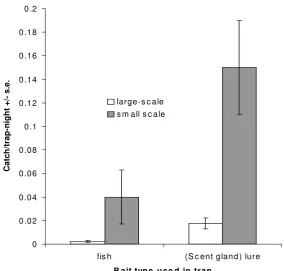
Figure 4: A comparison of scent and fish baits in a small scale experiment over five small offshore islands, and a larger scale field trial in the Uists (Figure 7, after Roy et al. 2006).
A range of other baits are used in mink trapping across Europe. Many use fish or meat based baits whilst others find no need to bait traps. Not using baits can still work for naïve populations that are curious towards novel objects in their surroundings, but may not be effective in a longer-term project. The efficacy of these options remains unquantified, but food based baits may have advantages in areas where mink are food stressed.
2.1.3 Dispatch of live caught animals
Air weapons: Humane dispatch of live-trapped animals is best achieved with the use of air weapons, which require a minimum of two hours training in order to use them effectively. Air pistols (0.22mm calibre) were used in combination with plastic sheathed Prometheus pellets effectively in the Hebridean Mink Project (Roy, 2006), and although these have low power, well placed shots through the front of the skull above the nose destroyed their brains, instantly rendering animals senseless and resulting in humane dispatch. Air pistols also have the advantage that they are easily transportable. Air rifles, though not as transportable, have an even greater advantage that they deliver more power. Shots do not need to be as well aimed, and any shots to the skull cause instantaneous death irrespective of operator skill. The power delivered by a standard air rifle was also sufficient for the larger animals found on the Isle of Mull, where air pistols had a higher failure rate of achieving humane death. Air weapons also have the added advantage in that, depending on local legislation; operators may not need firearms certification to use them, although a licence is required for these firearms in Ireland.
0 0.02 0.04 0.06 0.08 0 .1 0.12 0.14 0.16 0.18 0 .2
fis h (S c ent gland ) lure
B a it typ e u se d in tr ap
C a tc h /t ra p -n ig h t + s .e .
Pistols, shotguns and rifles: Although shotguns or rifles deliver sufficient power to kill animals quickly and humanely, operators do require certification to use them. Also, they deliver too much power, and as a result there is an increased risk of operator injury, directly, or through ricochet, together with the increased likelihood of damage to traps.
Figure 5: a) The seasonal variation in catch /trapnight from November 2001 – July 2006 in Harris, and the Uists in the Hebridean Mink Project, and b) its relation to the annual breeding cycle (after Dunstone 1993).
Oct Nov
De
Jan
Feb Mar Sept AugJul Jun
May Apr Juveniles disperse Females establish Territories Mating
Kits in den
a)
b)
0 0.002 0.004 0.006 0.008 0.01 0.012 0.014 0.016 N o v e m b e r D e c e m b e r J a n u a ry F e b ru a ry M a rc h A p ri l M a y J u n e J u ly A u g u s t S e p te m b e r O c to b e rterritorial rut denning dispersal
Catch/trapnight
2.1.4 The use of dogs
Use of dogs as locating and monitoring tools: Dogs can be an effective supplement to a live trapping operation. Mink territory stability is highly seasonal and ranging behaviour significantly varies with season. Hence trappability varies seasonally (Birks & Linn, 1982; Dunstone & Birks, 1983; Ireland, 1990). During the denning season, Roy (2006) found that catch/trapnight was reduced virtually to zero (Figure 5). During this period, dogs trained on mink scent glands were used to find den sites where females were then subsequently trapped. By using multiple traps side by side, kits close to weaning were also caught on the same or over subsequent nights. If not close to weaning, kits were unearthed from the den. Second, trained dogs can also be used to monitor areas for the presence of mink as they will also locate feeding dens and lie up sites where traps can be placed. If dogs are used singly, or in pairs, and are well trained and obedient, once mink breeding or lie up dens are found, they can be called back and restrained, thus minimising disturbance to the animal (or indeed to non-targets such as other mustelids). Also, minimising disturbance is important to maximise trapping success at the identified site.
Hunting with dogs: Hunting with hounds, searching, chasing and killing mink by using dogs, is still legal in Ireland, and some hunts do use “otter hounds” to hunt mink. Hunting with hounds is a sporting activity, and as such is restricted spatially and seasonally. Thus, although this may have some localised effects, the numbers caught over a large area are likely to be too low to have an impact on the population (White et al., 2003). The use of hounds raises issues of the effects on non-targets. Consideration of the legal and humane aspects of hunting with hounds is outside the scope of this review.
Mink terriers are also currently widely used in Iceland (Hersteinsson, 1999). Packs of terriers are released into areas where they seek out and kill mink. When dens are found, mink are sometimes flushed by the use of chemicals or blowers where they encounter dogs and are killed. Over small areas this has been found to be effective (Thorssen pers. comm.), although its efficacy has yet to be quantified.
2.1.5 Direct mortality in the field
Free-living animals can be culled directly without restraining:
are expensive. Also, the time taken to set individual traps is greater. Thus, as a technique, it would be difficult to apply over large areas. It is also recommended that kill-traps are checked daily (Iossa et al., 2007).
Shooting: Animals are killed using shotguns in some regions of Iceland (R. Stefansson pers. comm.). However, as mink are predominantly nocturnal, small, fast moving and inhabit areas with other native carnivores in Ireland, the technique has limited application.
2.1.6 Monitoring
Mink populations may be monitored by surveying for spraints (Strachan & Jefferies, 1993) which, when fresh, have a distinctive odour that can be used to positively identify mink (S. Roy pers. Obs.pers. comm.). DNA analysis can also be used to identify species and indeed individuals from faeces (Shimatani et al., 2008). Trained dogs (Roy 2006), remote camera trapping (González-Esteban et al., 2004), or footprints captured on substrates on raft surfaces (Reynolds et al., 2004) can also be used to verify mink presence. A concurrent record should also be kept of sighting data reported by the general public, which though crude, could highlight the presence of individual mink in low-density areas (Roy, 2006).
2.2 Strategies
For the purposes of this review, strategy is defined as the application of one or more techniques in space or time in order to maximise the resources available to have maximal effect in achieving preset goals. Goals need to be pre-defined before commencing on a control operation. For example, if the goal is to maximise the breeding success of corncrakes in the west coast of Ireland, the strategy would be to minimise mink populations in corncrake habitats prior to immigration and subsequent breeding in the spring, while if the goal is to reduce mink populations in the long-term, than the strategy would be to reduce mink populations quickly over a large area to reduce immigration and continue control and monitoring operations over a longer period of time.
2.2.1 Basing strategy on spatial and seasonal resource allocation
In an ideal world, with unlimited resources, the optimal strategy would be to eradicate mink from Ireland with a dedicated task force. The costs for such an operation are discussed later. Although this presents a major logistical and financial challenge, an indication of the likely costs is also given later. The range of strategies below discusses the options currently feasible in order of cost magnitude.
season of a ground nesting bird species. In this situation it is essential that as many mink as possible are removed from the area selected, as even a few individuals can decimate entire colonies of species, as was seen in the areas outside the first phase of the Hebridean Mink Project; on the isle of Lewis it is believed that an individual mink completely destroyed a tern colony (M. Scott RSPB pers. comm. Plate 2). Here the placement of individual traps and the effort allocated to them should be high in order to create a “mink free zone” for the duration of the breeding period. Trapping should begin in the mating season (Figure 5). Prior to the movement of mating individuals, and should continue until young birds have fledged. This should be reinforced by monitoring with rafts or remote camera trapping. This may not have any long term effects on mink population as the areas covered are often too small and easily re-colonised from the surrounding untrapped regions. However, it can be carried out cost effectively with limited staff and resources to maintain mink free areas for a short, but critical time period. Here it may also be possible to deploy techniques such as the careful placement of lethal traps at known den sites, and the use of dogs to locate potential den sites.
Plate 2: The remains of a tern colony in Lewis. Predation stopped after the removal of a single mink in the area (Martin Scott).
Pseudo-eradication followed by control over larger areas: In areas such as peninsulas and on offshore islands it may be possible to eradicate mink through intensive culling, and then follow this up with less intensive monitoring and trapping in the control area and a designated buffer zone using techniques such as rafts, remote camera trapping and trained dogs, removing any immigrating individuals as they are detected. Buffer zones should be larger than the dispersal distances seen in young mink leaving natal denning areas, these may need to be up to 30km the largest dispersal distances recorded was 27km (Helyar, 2005), while the largest distance swum by mink was reported at 14km (Northcott et al., 1974). This approach is currently being developed in Cornwall and Devon with a number of stakeholders such as the British Association for Shooting and Conservation (http://www.basc.org.uk/content/major_boost_for_water_vol).
Low-level seasonal control over a large area: This option may be selected to target the seasonality of mink populations, as opposed to the seasonality of vulnerable prey species. Where mink population densities are virtually absent with no control to prevent further spread it is deemed beneficial. Trapping using a combination of bankside and raft trapping, together with monitoring techniques as described above can be used to reduce mink populations when they are at their most mobile and trappable during the mating and dispersal seasons (Figure 5).
Year round control: Low level seasonal control over larger areas can be extended to year round control using bankside trapping, raft trapping, trapping at den sites and monitoring using the techniques described above. This can either be carried out intensively with a dedicated task force to achieve a high level of control over a large area or at a lower level of intensity using volunteers and seasonal staff drafted in as needed. Data from this technique is also useful for long term population monitoring over large areas. Staffing resources are described later.
Permanent eradication: In the absence of huge financial resources to cover large areas such as the whole of Ireland, permanent eradication is only an option where there is no chance of re-immigration into the managed area, for example on the offshore islands in the far west and far south west of Ireland such as Skelligs, Bills rock and Inishmurry and Tory island SPAs, and requires complete stakeholder collaboration, commitment from authorities and sufficient funding (Wittenberg & Cock, 2001).
2.2.2 Staffing resources
Task forces: For large scale operations such as the Hebridean Mink Project, full time staff are required as it is unreasonable to expect volunteers, particularly in inclement conditions, to check the large number of traps needed.
Bounty Schemes: Historically, bounty schemes do not work (Wittenberg & Cock, 2001). Bounties are considered to be counter-productive to more efficient, longer-term options, utilize resources better spent elsewhere, have the potential to result in fraud, and usually result in no appreciable reduction in the number of pest animals. This is particularly the case where individuals make an income from them and, in order to maximise their profit margins, will remain in high-density mink areas and avoid low-density areas. This has been the case in Iceland (Hersteinsson, 1999) where mink populations have continued to grow despite there being a long-term bounty scheme in place.
2.2.3 Research
3. QUESTIONNAIRE SURVEY OF MINK CONTROL PRACTITIONERS ACROSS EUROPE
A questionnaire survey was set up on the website www.surveymonkey.com and the link was sent to 120 individuals working on American mink across Europe (see Appendix 1). The questionnaire covered the following topics:
• Name, institution and country of respondent. (Respondents could remain anonymous if they wished to.)
• The capacity in which mink control is carried out: i.e. as part of a larger strategy for invasive species management, or simply to protect local wildlife, and if the latter, which species.
• The size of the area or areas that mink control is carried out on.
• When mink control is carried out: i.e. all year round, seasonally, or intensively followed by a longer-term low level maintenance programme.
• How mink are caught, and the bait used. • How animals are dispatched.
• How mink populations are monitored.
• The approximate cost of the project/year, and the catch/unit cost.
• How success is monitored: i.e. through a reduction in the mink population, or an increase in the species of conservation concern.
Although only 30 responded, the responses cover a wide range of control operations, including small-localised scale control through to large landscape scale eradication. Respondents also covered a large geographical area, representing: England (7), Scotland (6), Wales (4), France (3), Ireland (2), Spain (2), Germany (1), Finland (1), Estonia (1), Iceland (1), Denmark (1) and Italy (1)
3.1 Reasons for controlling mink
Table 1 Showing the reasons why respondents carried out mink control.
Eradication from an island
Eradication from a defined area
Eradication from a river catchment
Small scale control
Long term control over a large undefined area
Only to protect a bird site during breeding seasons
Totals
(counts)
To protect an ecosystem and
many species
3 1 6 5 5 3 16
To protect specific species
5 1 7 6 8 2 19
Economic reasons (e.g. fish farms)
0 1 0 2 1 0 3
Simply to remove an invasive species
The majority of respondents carried out mink control to protect either an entire ecosystem and a multitude of species, or a few selected species, and were evenly split between small scale control, long term control over undefined areas, or catchment level eradication (Table 1). When asked what species they were trying to protect, the results break down as: water voles (11), wetland birds/ground nesting birds (9), Fish and amphibians (4), sea birds (3) and European mink (3). When asked about the sizes of the areas that they carried out mink control over, most carried out trapping over areas greater than 1000km2 (Table 2).
Table 2: Areas over which respondents controlled mink.
Area (km2) Single offshore
island
Multiple small islands
Large “mainland island” e.g.
Iceland
Continental Europe
Total
<10 2 1 1 0 4
10-100 1 0 1 1 3
100-1000 0 1 0 2 3
>1000 2 0 5 1 8
Multiple sites of varying size
0 2 3 1 5
3.2 When respondents control mink
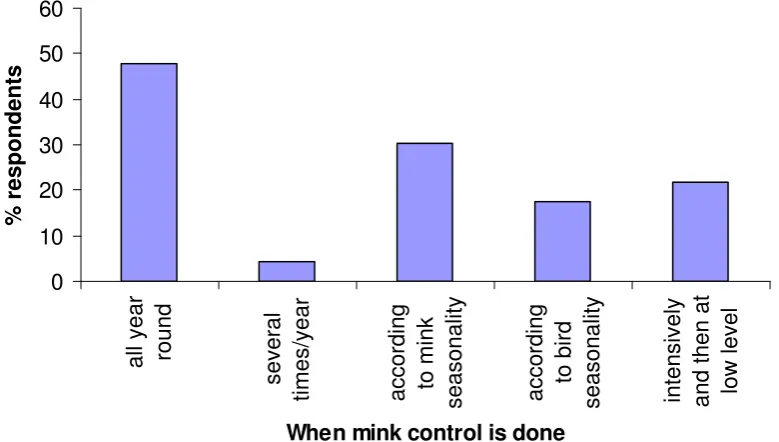
Figure 6: When respondents carried out mink control
0
10
20
30
40
50
60
a
ll
y
e
a
r
ro
u
n
d
s
e
v
e
ra
l
ti
m
e
s
/y
e
a
r
a
c
c
o
rd
in
g
to
m
in
k
s
e
a
s
o
n
a
lit
y
a
c
c
o
rd
in
g
to
b
ir
d
s
e
a
s
o
n
a
lit
y
in
te
n
s
iv
e
ly
a
n
d
t
h
e
n
a
t
lo
w
l
e
v
e
l
When mink control is done
[image:27.595.106.496.500.721.2]When asked when they carried out mink control, most respondents (50%) said they did so all year round. Most of these respondents were responsible for large-scale eradications programmes. The respondents who were mostly responsible for catchment level or smaller scale projects tended to target the mink-breeding season (30% of all respondents), or the bird-breeding season (25% of all respondents) and had replied that they were mainly interested in reducing mink populations to protect species of conservation concern, and that mink eradication was not the primary goal. Twenty percent of all respondents used a mixed strategy of intensive trapping followed by lower level control (Figure 6).
3.3 Mink trapping and dispatch
The majority of respondents use bankside live traps (16) or raft traps (10). All of the respondents carrying out this form of trapping were involved in large scale or catchment scale control. Few (5) used lethal traps, mainly in Iceland, and in some small estates in England, while two, (Finland and Iceland) used direct hunting and shooting. Where live trapping was used, 21 respondents used air weapons to kill mink, five used firearms, and one used lethal injections. In terms of bait, nine of the respondents used nothing (and all but one of these used rafts), 11 used fish, five used scent glands, and the remainder used chicken or eggs.
3.4 Monitoring and evaluation of success
4. IMPORTANT PUBLICATIONS
4.1 Invasion, impacts and ecology
Understanding the ecology of an invasive species is an important component in the development of management strategies (Roy et al., 2009). There is a large body of research looking at the population and behavioural ecology of mink in its introduced range (Birks & Linn, 1982; Bonesi et al., 2006; Clode & MacDonald, 2002; Craik, 2008; Gerell, 1967, 1970; Halliwell & Macdonald, 1996; Lindstrom & Hubert, 2004; Macdonald & Harrington, 2003; McDonald et al., 2007). All of these papers give information on home ranges, movement patterns, and habitat use. Together they show that mink populations are very transient, and patterns of territoriality are only shown for short seasons annually (Birks & Linn, 1982). Populations can achieve high density (Birks & Linn, 1982; Clode & MacDonald, 2002), and animals show great variation in their population age structures and sex ratios, possibly in response to control (Bonesi et al., 2006; Craik, 2008). They also show the species to be highly adaptable in terms of their diet which can range from fish and amphibian through to birds and mammals (Birks & Linn, 1982; Halliwell & Macdonald, 1996; Lindstrom & Hubert, 2004; Macdonald & Harrington, 2003).
One of the most important review papers has been published by Bonesi and Palazon (2007) detailing the distribution of mink in 28 European countries together with ongoing projects and impacts on native species. They conclude that source populations could still arise from fur farming, mostly in Northern countries, and mink have important local, rather than widespread, impacts on birds, small mammals, amphibians and reptiles. Meanwhile, a number of pieces of work looking at mink population, ecology and impacts at a country level have been published, dating back several decades (Deane & O’Gorman, 1969; Cuthbert, 1973; Smal, 1991; Hersteinsson, 1999;), detailing how mink populations arose and alluding to their negative impacts on native bird and mammals species. These papers all show how quickly mink populations have spread, colonising Ireland, 80% of Scotland, and Iceland within forty-fifty year periods.
Much research has been carried out on the impacts of mink on seabirds, and the positive effects of their removal on species of conservation concern. Seabirds show dramatic declines with entire offshore tern colonies being wiped out (Clode & MacDonald, 2002), or showing almost complete recovery after mink removal (Nordstrom et al., 2003; Nordstrom et al., 2002; Nordstrom et al., 2004). Modelling mink and tern populations has shown that mink trapping over large areas can greatly increase the productivity of tern colonies (Ratcliffe et al., 2008a). The removal of mink can also cause rapid population increases in small mammals such as voles (Banks et al., 2008; Fey et al., 2008) and in fish (Areal & Roy, 2009; Heggenes & Borgstrøm, 1988; Lindstrom & Hubert, 2004).
4.2 Projects and techniques
by trapping over large areas. Harrington et al. (2009) give details of a small-scale project being carried out over several sites in the Thames Catchment area. Details of this are given as one of the case studies (see Section 6). Moore et al. (2003) give details on the logistical undertaking needed to live trap mink over large areas (again presented as one of the case studies - see section 5). Nordstrom et al. (2003) show how mink removal results in recovery of offshore island seabird colonies both in terms of productivity and in terms of birds re-colonising areas from which they became locally extinct. There is a paucity of information on the efficacy of predator control regimes (Manchester & Bullock, 2000; Tyler et al., 2004). Instead, there is a large body of grey literature, mostly in the form of unpublished reports, which is difficult to access (Harrington et al., 1999; Rae, 1999; Roy, 2006; Strachan & Jefferies, 1993 ).
There are also important publications detailing techniques or methodologies that other practitioners would find useful: Craik (2008) gives details on trapping and baiting techniques on offshore islands; González-Esteban et al. (2004) gives details of trapping techniques and successful
monitoring through remote camera use in Spain; In Denmark Hammershoj et al. (2004) show how
5. CASE STUDY OF THE HEBRIDEAN MINK PROJECT (HMP)
[image:31.595.152.456.197.668.2]The Hebridean mink project is a good example of a regional eradication project where, in the first instance, the goals were to eradicate mink from the Uists while reducing immigration rates from Harris (Figure 7).
Figure 7: The area over which mink were eradicated in the first Phase of the Hebridean mink project (North Uist, Benbecula and South Uist (collectively known as the Uists)), the area over which mink were controlled (Harris), and the area where mink ecology was studied as part of a PhD study (boxed areas). The shaded areas are SPAs and SACs.
5.1 Mink on the Western Isles
Feral mink populations established on the Western Isles after escaping or being deliberately released from two fur farms at Carloway on the Isle of Lewis in the 1950s (Angus, 1993; Cuthbert, 1973). Since that time they have spread steadily southwards through Harris, and although attempts were made to stop them from colonising the Uists (North and South Uists and Benbecula) (Angus, 1993), they had successfully established feral populations across the entire archipelago within 40 years, having colonised South Uist as recently as 2002.
On the Western Isles mink have had severe impacts on bird populations (Clode & MacDonald, 2002), in particular on ground-nesting species, and fish populations (Bilsby, 1999; 2001). As up to £30 million of the Western Isles economy is based on tourism, with a large proportion of that based on wildlife tourism, hunting and fishing, mink potentially have an important economic as well as an ecological impact on the islands (Areal & Roy, 2009; Moore et al., 2003).
In 2001, the first phase of the Hebridean Mink Project was established with the main aims of protecting ground nesting bird colonies, especially tern species, in SPAs in North Uist, Benbecula and South Uist (http://www.jncc.gov.uk/ProtectedSites/SACselection). This was to be achieved by eradicating mink from North Uist, Benbecula and South Uist and reducing South Harris populations to prevent recolonisation. The entire area covered 1100km2. The project was also a pilot study for the formulation of an island wide eradication campaign and had an associated PhD research project. More specific details about the establishment of the project, area of land covered, and techniques used can be found in Moore et al (2003).
5.2 Methods
5.2.1 Seasonality
The seasonality in the movement patterns, and subsequent capture rates of mink has already been discussed in previous sections, and being more mobile in the mating season (January to March) and the dispersal season (July-September), they are easier to trap. In order to maximise efforts, extra staff were drafted in to cover as many traps as possible throughout the control area during these seasons. Conversely, they are not particularly mobile during the denning season (April-June), and females in particular remain close to their den sites during this period. At this time the project made use of 9 dogs (mostly collies and spaniels), trained to react to mink scent using the scent glands described above, to locate den sites. Once located, multiple traps were set 20 m away from the den entrances and the female and the kits were caught and dispatched as normal. Dogs were also used throughout the year as part of a monitoring campaign to confirm mink presence or absence throughout the control area. In addition to this, sighting records were collated throughout the duration of the project and were weighted according to the member of the public making the report (Birks et al., 2004; Proulx et al., 1997).
5.2.2 Seabird monitoring
Sea bird colonies, in particular tern and gull species were monitored annually during their breeding season, within and outside of the control area from 2002-2006, and data were gathered on productivity, hatching success and nest failure. These data show that productivity in terms of fledging success and reduced mortality is higher inside as compared to outside the control area (Roy 2006). These data are then used to parameterize spatial models of mink populations along the west coast of Scotland, focussing on areas important for tern species as terns are particularly vulnerable to mink predation, having a large degree of overlap in their habitat preferences. The models show that mink control over a large area can greatly benefit tern colony productivity, (Ratcliffe et al., 2008)
5.3 Results
5.3.1 Trapping
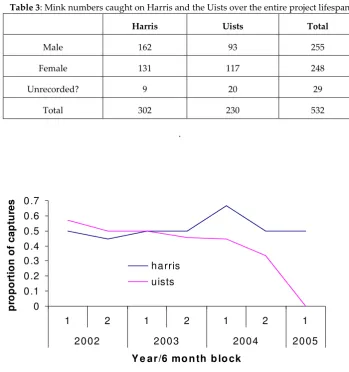
Table 3: Mink numbers caught on Harris and the Uists over the entire project lifespan
Harris Uists Total
Male 162 93 255
Female 131 117 248
Unrecorded? 9 20 29
Total 302 230 532
[image:34.595.102.429.307.501.2].
Figure 8: The proportion of males in the Uists falling as the project progressed.
The proportion of males in the Uist populations decreased markedly after 2004 but remained stable on Harris (Figure 8). This may be because in solitary carnivores, males are more mobile than females and are more likely to colonize vacant territories (Sandell 1989). As populations are cleared from the control area, animals migrate in from untrapped areas. However, while a male biased population is able to migrate into South Harris from North Harris, which is currently untrapped, this is not possible in the Uists as all adjacent areas fall within the control area (Sound of Harris, South Harris) and are heavily trapped. Indeed there is a clearly visible catch/trapnight bias running
0 0.1 0.2 0.3 0.4 0.5 0.6 0.7
1 2 1 2 1 2 1
2002 2003 2004 2005
Y e ar/6 mo n th b lo ck
Figure 9: The catch/trapnight/10km2 throughout the control area over the lifespan of the project, ranging from 0.015animals/trapnight/10km2 (darkest colour) through to the 0.0008 animals/trapnight/10km2 (lightest colour).
5.3.2 Dog Searching
This approach was first trialled on Harris in 2002. In 2003 staff only managed to search 25% of the control area while in 2005 approximately 85% of the control area was searched. Despite the increase in effort, fewer dens were found. This was for a number of reasons: firstly, animals were successfully trapped before they could breed, secondly there was a paucity of males in the Uists and the encounter rates between potential mates were much lower (Figure 10).
Figure 10: The area searched by dogs (pink) and the location of den sites found by dogs (Black triangles) in 2003 (6), 2004 (2) and 2005 (1).
5.3.3 Overall results
The last mink in the Uists was caught in March 2005, with only females being caught in the five months leading up to that time. The effects on seabird populations have shown that there was a significant reduction in failure of tern colonies due to predation in areas within the control area, as opposed to areas outside (Figure 11). Thus the objectives of the project have been achieved.
Figure 11: A comparison of the failure rates of tern colonies within and outside of the control area 2004-2005.
5.3.4 Lessons learned
The following lessons have been learned from the project:
• Data on the operational elements, such as the catch/unit effort, the unit effort/ area etc, are just as important as ecological data but are rarely collected (Roy et al., 2009). These need to be monitored. In the HMP for example, it was found that operator skill greatly influenced the total number of mink caught in a trap. These data were incorporated into models together with population data such as age, sex and location, and greatly aided decision-making.
• Not all data important to decision-making are available in the early stages of a project. These need to be collected as the project progresses, with early, crude estimates being replaced with more refined ones as data becomes available. Projects need to be modified as they progress incorporating better information through an “adaptive management” process, and incorporating new techniques as they arise (Walters & Holling, 1990).
• Stakeholder participation was important throughout the project, allowing access to land to set up trap lines for example. Members of the community also regularly reported mink sightings, or poultry losses, to trappers.
• The research project carried out alongside the project was designed to answer very specific questions that were useful to the project. As such the research project was invaluable.
failure due to predation
0 20 40 60 80 100
Lewis
Harris
North Uist
6. MINK CONTROL ON THE THAMES CATCHMENT AREA
[image:38.595.67.457.195.614.2]This case study is taken from recently published work and shows a different strategy for controlling mink over a wide area (Harrington et al., 2009).
6.1 Background and methods
The project was set up over a number of sites within the catchment to protect reintroduced water vole populations, and used previous modelling work (Bonesi et al., 2007) that suggested that mink populations could be reduced by 80% from river catchments by trapping for three critical months a year over a period of three years. The three “target months are the pre-denning mating season, the dispersal season and the winter territorial season, and the main method of both capture and monitoring used was rafts placed at high density (1km apart), to record footprints, and when footprint became apparent, to trap reactively. Traps were fitted with otter exclusion devices in this study. Sign survey (mainly for faeces) along riverbanks was also used as a monitoring method.
[image:39.595.148.511.347.533.2]6.2 Results
Figure 13: A sample of the results reported by Harrington et al. (2009). Stretches of river occupied by mink in trapped (“removal”) areas is markedly lower than in untrapped (“non-removal”) areas.
6.3 Conclusion and comments
• The project achieved its objectives of reducing mink presence through trapping seasonally, over a three-year period (Figure 13).
• Individuals were removed from a small area that was still open to immigration from surrounding untrapped areas. As a result, once the population had been lowered, monitoring for immigrating individuals was critical. The technique can also be extended to create artificial sink habitats and “suck in” mink from the surrounding area to extend the control effect beyond the immediate area of trapping.
• The project relied heavily on reactive trapping, which in turn again relies heavily on a good monitoring technique. Rafts, together with sign surveys on riverbanks were adequate for this purpose and individuals that were recorded through monitoring were picked up quickly by subsequent raft trapping.
• It also demonstrates that with limited staff effort and time availability, trapping even in only a few target months a year can achieve a rapid mink population reduction, to approximately one individual/km of stream or less.
• Using this strategy, monitoring effort remains constant while trapping effort is variable and dependant on the recording of mink presence. Also, as mink populations are reduced, trapping effort is also reduced.
• This strategy can be applied to large catchment scale areas inland where mink populations are low or have been heavily reduced, as part of an ongoing follow up programme.
• Ultimately, the project achieved its main aim of safeguarding reintroduced water vole populations, which are now breeding in the area. In areas outside of the control area the presence of low density mink populations have caused the local extinction of water voles.
7.PREDATOR CONTROL IN NEW ZEALAND’S MAINLAND ISLANDS
Up until relatively recently the islands of New Zealand were free of terrestrial mammals apart from bats, and since their introduction, mammals, in particular predators, have caused the extinction of 40% of her bird species. Most of the bird species that remain extant are found on predator free offshore islands. As a result of her poor conservation record, New Zealand has a long history of managing mammalian predators such as stoats, and is currently a world leader in the management of invasive species, especially of predatory species on offshore island ecosystems. The main control techniques used are lethal and live capture trapping, direct poisoning and poisoning predators indirectly or secondarily through poisoning their invasive prey species – mainly rodents. (Parkes and Murphy 2004). Work is also currently underway to develop mustelid specific toxins and biological control agents such as diseases (Murphy pers. comm.).
[image:41.595.218.484.426.698.2]Many of the skills and techniques developed in offshore island predator eradication, such as the application of control over large areas, the detection of animals at low density and reducing immigration into cleared areas (where offshore islands are close to others) have been applied to reserves on the New Zealand mainland (Saunders 1990). These are managed as if they were islands – defined areas with discrete albeit virtual boundaries within which all predators are managed to a near-zero density. It is accepted that eradication cannot truly be achieved, as there is always scope for immigration from surrounding unmanaged areas. There are currently six mainland island reserves (Figure 14).
7.1 Boundaries
The boundaries of mainland islands are defined in the following ways:
• Boundaries are defined by natural geographical boundaries such as rivers, as is the case with the Hurunui Reserve, peninsular landforms or mountains as in the case of the Boundary Stream Reserve. Such boundaries form a natural impediment to the movement patterns of animals, thus reducing the risk of but never totally negating immigration once predators have been removed.
• Boundaries can also be man made, usually in the form of multi-species, predator proof fencing. A highly successful fence has been established in the Karori reserve in Wellington, not listed as a mainland island in the figure above (Clapperton and Day 2001). Areas are fenced and cleared of all predators, and are then maintained as predator free islands. As fencing, especially electric fencing, has traditionally been expensive, this option has been effective only for small areas. Fences may also be cost effective for very large areas, where the cost is offset by reduction in other costs such as long-term trapping (Clapperton and Day 2001). The integrity of a fence needs to be maintained through regular repairs and monitoring, adding to the cost. A fence line design also needs to incorporate landscape features such as stream and rivers that may cross it, as these may compromise them. Fencing is effective at reducing the recolonisation risk to zero, but also has the disadvantage in that it impedes the natural movements of native species to and from the management area. Boundaries of mainland reserves can often be combined, for example large peninsular areas can be fenced, combining geographical as well as man made barriers, thus increasing the affordability of managing larger areas.
• More recently, mainland island boundaries have been virtual, as is the case with Trounson
7.2 Applicability of mainland island concepts to Ireland
There are many lessons to be learned from the work that is currently being carried out on New Zealand’s mainland islands.
• The development of mainland islands through the use of natural geographical boundaries
is a technique that could be used to manage a mink population over a large area that encompasses a large number of SPAs where such geography allows.
• The concept of the “virtual” mainland island is also one that would work well in Ireland in
areas where the main aim of predator removal is to safeguard birds of conservation concern in a defined area.
• The techniques associated with developing and maintaining such mainland islands could
also easily be used in an Irish context, such as the use of different trapping techniques and detecting predators at increasingly low densities over large areas through the use of dogs or tracking tunnels. Where mink are concerned, rafts already form a good monitoring technique and have been shown to reliably detect low-density populations.
8. AN ASSESSMENT OF MINK POPULATIONS IN IRELAND
8.1 Mink habitat in Ireland
For the purposes of the map below the whole of Ireland, incorporating both the Republic of Ireland and Northern Ireland have been included as the mink population is contiguous throughout the island as a whole.
8.1.1 Mink record collation
No mink-specific surveys have been conducted in Ireland but the species’ presence has been noted and recorded during several national otter surveys, a national badger survey, numerous smaller surveys and by amateur naturalists (Bailey & Rochford, 2006; Chapman & Chapman, 1982; Deane & O’Gorman, 1969; Preston et al., 2001; Smal, 1994). Existing published and grey literature was reviewed and data for the distribution of mink sightings or signs within 10km Irish grid squares collated. A total of 618 mink records were collated with mink recorded present in 430/979 (c. 43.9%) of 10km Irish grid squares (Figure 15).
Landscape data: ArcGIS 9.3 (ESRI, California, USA) and CORINE (EEA, 2000) were used to compute landscape and habitat variables across Ireland. The total area of each habitat type was calculated and expressed as a percentage of each 10km2 square. The total length of all riparian features (streams, rivers and canals) was merged with the total length of water-body edge (ponds, lakes and reservoirs) as well as the coastal high water mark to create a variable for the total length of all riparian and coastal habitats. Habitat richness was taken as the number of habitats present within each 10km square (Table 4).
Table 4: Variables used to model the favourability of habitat for mink on a 10km square scale. Percentage variables were arcsine square-root transformed prior to analysis.
Explanatory variable Type Description
Mink Binary Present (1) at some point since 1961-2008 and pseudo-absent (0)
i.e. never recorded
Agricultural landscapes Percentage Area of arable, pastures, complex cultivation patterns and areas dominated by agriculture with significant natural vegetation. Bog, moor, heath & mire Percentage Area of lowland and upland raised bog, blanket bog, moorland and
heath
Broad-leaved woodland Percentage Area of broad-leaved woodland Coniferous woodland Percentage Area of coniferous woodland
Habitat richness Number of habitats per 10km square
Latitude Y Y spatial coordinate
Longitude X X spatial coordinate
Mixed woodland Percentage Area of mixed woodland
Natural grassland Percentage Area of natural grassland
Riparian & coastal length Kilometres Total length of all streams, rivers, canals, pond, lake and reservoir edges plus coastal high tide mark
Scrub Percentage Area of scrub
Sparsely vegetated areas Percentage Area of sparsely vegetated land
Urban & rural development Percentage Area of urban and rural towns, house and man-made surfaces
8.1.2 Statistical analysis
[image:45.595.103.538.264.494.2]8.1.3 Results
Habitat favourability was largely constrained by the geographic spread of mink records with longitude, and to a lesser extent latitude, influencing predicted landscape favourability (Table 2). However, there is no reason to believe that mink should remain geographically constrained. It is expected that the species will spread to occupy the entire island given sufficient time. Mink habitat favourability was positively influenced by the cover of agricultural landscapes and bog, moor, heath and mire, however, as these landscapes are also geographically constrained it is likely that any significant relationships may be an artefact of the eastern bias in mink records. More biologically meaningful is the positive relationship between mink landscape favourability and the total length of riparian and costal features indicative of typical habitats in which mink are likely to be found. In addition, mink were associated with habitat richness, scrub and broad-leaved woodland (Table 5). Notably, there were no negative landscape or habitat relationships, indicating the general favourability of the Irish landscape for mink colonisation.
8.1.4 Conclusions
(a)
(b)
Figure 16: Predicted habitat favourability for mink if the model is (a) geographically constrained by their recorded distribution (i.e. includes longitude and latitude) and (b) if the model is based on habitat parameters only.
8.2 Prioritising mink control in the SPAs of Ireland
Figure 17: A map of the SPAs in the ROI colour coded according to an index incorporating the number of Annex one species present on them and how vulnerable these species are to mink predation.
On the basis of this scoring system used above, priority should be give to coastal areas in the southwest such as the Dingle Peninsula, West Donegal coast and Tramore Back Strand, while lower priority areas are Roaninish, Wicklow Mountains and Lough Ree. This prioritisation only serves as a crude exercise to show how this could be done. The results would be very different if mink control was carried out to protect a particular species, such as corncrakes or tern species.
[image:48.595.96.395.134.440.2]keeping the lower estimate in Table 6 constant, but allowing mink populations to reach 100% of their upper limit in coastal areas, salt marshes and inter tidal flats, 90% in estuaries, 80% in inland marshes, 70% in mixed and broadleaved forests and scrub, 60% in moorland and peat bog, 50% in pasture land, 40% in other agricultural areas, 30% in green urban areas, 20% in sparsely vegetated areas. Built up and developed areas were kept at the lower limit. These weightings are based on work by Helyar (2005).
[image:49.595.106.532.328.483.2]This was applied at four selected scales using ArcGIS: 1. The whole of Ireland; 2. Regional scale (16,000km2); 3. Local scale (2,500km2); 4. Catchment level scale (800km2) (Figure 18). The areas were chosen arbitrarily from the map on the basis of the SPAs and SACs they encompass. The varying sizes were selected on the basis of the subdivisions of the sizes of the areas managed by the questionnaire respondents (Section 3).
Table 6: The estimated potential mink populations in each of the habitats and the potential mink populations at each of the four spatial scales (Figure 16): The whole of Ireland, Regional (A), Local (B) and catchment level (C). Values are based on carrying capacities, not actual values.
Habitat Density/km length of habitat
National 84043 km2
Regional 16000km2
Local 2500 km2
Catchment 800 km2
Rivers 0.14 - 0.20 17,440 - 23,250 2,758-3,377 252-336 120-160
Other freshwater 0.13 - 0.17 852 - 1,115 684-895 556-727 52-68
Coast 0.25 - 1.0 2,280 - 9,119 755-3,020 740-2,961 125-500
Total 20,573 - 33,488 4,197-7,592 1,549-4,025 297-728
Figure 18: Areas of varying spatial scale selected in order to estimate hypothetical mink populations they can sustain. This has later been used to estimate the costs of control. The areas in red are SPAs.
A
B
C
[image:49.595.111.566.531.709.2]9. THE POTENTIAL COSTS OF MINK CONTROL IN IRELAND
9.1 Modelling populations
In this exercise a hypothetical area of catchment level size (Figure 18 -C) was selected and a simple population model was developed. A schematic for a simple population model is shown in Figure 19.
[image:50.595.55.490.389.599.2]The population model was constructed in Excel with the extension “Crystal Ball” (Crystal ball v 5.1, Denver USA). These parameters were collected from published data and results of previous studies (Table 7). The model runs 1000 iterations, within which the value of each parameter is varied within predefined limits (Table 7). The model was used initially to assess how the populations in the selected area might change given different levels of control effort. Annual removal of 25%, 50% and 75% were used as level of control. For the purposes of this model, density dependence has only been included as a reduction of encounter rates leading to a reduction of the number of females breeding as populations fall, a phenomenon seen in the HMP (pers. obs.).
Figure 19:.A simple schematic diagram of a mink population.
Adult population Females breed
Denning
Dispersing
Adult survival
Kit survival Territorial + rut
Animals dying
emigration
9.1.1 Model output
[image:51.595.122.464.219.422.2] [image:51.595.99.532.510.734.2]Removal of 75% of the pre-breeding population causes dramatic declines in the populations over a short period of time, within 2-3 years, followed by a longer-term persistence of a few individuals (Figure 20). Immigration is estimated at 10-15% as seen in South Harris by Helyar (2005).
Figure 20: The changes in population growth as different levels of control are applied.
Table 7: The parameters of a hypothetical mink population
Parameter Value
Population size 300-730
Adult lifespan Approximately 3 years (varying from 2-5)
Sex ratio male:female 1:1 in an untrapped population. Juvenile:adult ratio pre-breeding in an untrapped
population
1:1, as population is culled the ratio of young to adults will increase
Juvenile:adult ratio, post breeding in an untrapped population
1.2:1, as population is culled the ratio of young to adults will increase
Age of first breeding Within first year
No. females breeding 85% in an untrapped population, decreasing in a culled population to 65% as encounter rates falls
Estimated no. kits/female (range) 2.9 (1-6)
Annual juvenile survival (range) 30% (30-50%) used for all regions Annual adult survival (range) 55% (45-65%) used for all regions
0
100
200
300
400
500
600
700
800
900
1000
20
09
20
10
20
11
20
12
20
13
20
14
20
15
20
16
20
17
20
18
20
19
9.2 Estimating the cost of control
9.2.1 Cost parameters
A crude estimation of the costs required to achieve 75% annual population control in an 800km2 catchment over a 5-year period has been carried out. The estimate compromises the following information:
• The number of traps has been estimated from the dimensions of riparian and coastal features in the selected area.
• The number of staff required to operate the number of traps and rafts