META-ANALYSIS: EFFICACY OF PEDOMETER-BASED WALKING
INTERVENTIONS AND WEIGHT LOSS
Abdullah Mohammed Khairy*1, Khalid Seraj Almalki2, Afnan Ateeg Batwie3, Atef Homayed Aljahdaly4, Raheef Abdulaziz Bagaresh5, Majed Mohamad Alomari6, Sultan
Mahdi Assaf Alqarni7, Badryh Saad Albalwi8, Rawan Saeed Alasmari9, Abdullah Ahmed Almontashiri10, Fuad Musllam ALHarbi11
1,2,3,4,5
General Practitioner, Jeddah KAU University, Jeddah, Saudi Arabia.
6,7
General Practitioner, Makkah, UQU University, Makkah, Saudi Arabia.
8
General Practitioner Tabuk Unevirsty, Tabuk, Saudi Arabia.
9
Medical Intern Almaarefa University, Riyadh, Saudi Arabia.
10,11
General Practitioner, Makkah, Umm Al Qura University, Makkah, Saudi Arabia.
ABSTRACT
Background & Purpose: Moderate bodily activity from taking walks is considered useful for prevention and management of diverse chronic
illnesses including: obesity, excessive blood pressure, diabetes
mellitus, musculoskeletal disorders (MSD), and cardiovascular disease,
and is related to a reduction in premature mortality and development in
quality of lifestyles. Pedometer is an effective, user-friendly tool to
screen PA with the goal of enhancing health. The Aim of this work is
to provide cumulative data about the effect of pedometer-based
walking interventions on weight loss in people with sedentary life
styles. Methods: A systematic search was performed of PubMed,
Cochrane library Ovid, Scopus & Google scholar to identify Family medicine RCTs, clinical
trials, and comparative studies, which studied the outcome of Intervention group versus
Control group of people with sedentary life styles. A meta-analysis was done using fixed and
random-effect methods. The main outcome was weight change. Secondary outcomes were
correlation between weight change and step count and baseline body mass index (BMI).
Results: A total of 5 studies were identified involving 298 patients, with 169 patients in Intervention group, and 129 patients in Control group. Regarding main outcome measure, the
fixed-effects model of the meta-analysis study showed highly significant decrease in mean
*Corresponding Author Abdullah Mohammed Khairy
General Practitioner, Jeddah KAU University, Jeddah, Saudi Arabia.
Article Received on 21 Oct. 2019,
Revised on 11 Nov. 2019, Accepted on 01 Dec. 2019,
DOI: 10.20959/wjpr201913-16494
weight in Intervention group compared to Control group (p < 0.01). Regarding secondary
outcome measures, the correlation analysis showed significant negative correlation between
weight change and step count / day (p < 0.05). The correlation analysis also showed
non-significant correlation between weight change and baseline BMI (p > 0.05). Conclusion: To
conclude, pedometer-based walking program without a dietary intervention component do
result in a modest amount of weight loss. Pedometer-based walking programs also do
increase step counts and thus can be expected to confer health benefits that are associated
with both a modest decrease in weight and an increase in physical activity.
KEYWORDS: Pedometer-based walking, Weight loss. INTRODUCTION
Obesity, one of the most substantial illnesses within the world consistent with world health
organization (WHO) statistics, affects extra than 300 million humans (WHO, 2009). Obesity
is thought to be related to numerous illnesses, along with diabetes, hypertension,
cardiovascular illnesses, sleep apnea and osteoarthritis, and even numerous forms of cancer.[1]
Pharmacological and surgical procedures are diagnosed as being quite powerful in reaching
large weight loss, and nutritional energy restriction is considered largely accountable for the
preliminary weight loss in lifestyle-intervention programs. but, everyday physical activity,
another vital factor of life-style intervention, remains a cornerstone in weight control.[2]
Moderate bodily activity from taking walks is considered useful for prevention and
management of diverse chronic illnesses including: obesity, excessive blood pressure,
diabetes mellitus, musculoskeletal disorders (MSD), and cardiovascular disease, and is
related to a reduction in premature mortality and development in quality of lifestyles.[3]
Regardless of such evidence, greater than 31% of adults do now not participate in encouraged
levels of physical activity leading to potential increases in health risks related to inadequate
bodily activity, and a possible multiplied economic burden at the health care system.
Increasing ranges of physical activity to assist inactive people turn out to be more active, has
substantial capability for reducing the burden of persistent illnesses and improving health-
associated quality of life (HRQL).[3]
Physical activity (PA) might also enhance cardiometabolic health and increase
the goal of enhancing health.[4]
A pedometer is a tool that counts the variety of steps taken. While you walk, there may be an
up and down motion on the hip. Inside the pedometer there is a small lever arm that
movements up and down in response to the motion of your hips that takes place with each
step you take, thereby counting your steps as you move. A few pedometers can report
distance walked and energy burned.[5]
AIM OF THE STUDY
The Aim of this work is to provide cumulative data about the effect of pedometer-based
walking interventions on weight loss in people with sedentary life styles.
METHODS
This review was carried out using the standard methods mentioned within the Cochrane
handbook and in accordance with the (PRISMA) statement guidelines.[6]
Identification of studies
An initial search carried out throughout the PubMed, Cochrane library Ovid, Scopus &
Google scholar using the following keywords: Pedometer-based walking, Weight loss.
We will consider published, full text studies in English only. Moreover, no attempts were
made to locate any unpublished studies nor non-English studies.
Criteria of Accepted Studies Types of Studies
The review will be restricted to RCTs, clinical trials, and comparative studies, either
prospective or retrospective, which studied the outcome of Intervention group versus Control
group of people with sedentary life styles.
Types of outcome measures
1. Average weight change (1ry outcome)
2. Correlation between weight change and step count (2ry outcome)
3. Correlation between weight change and baseline BMI (2ry outcome)
Inclusion criteria
English literature.
Between 2002 until 2019.
Describing people with sedentary life styles in either Intervention group or Control group.
Human studies.
Exclusion criteria
Articles describing other types of interventions for weight loss (e.g. dietary regimens).
Irrelevance to our study.
METHODS OF THE REVIEW
Locating Studies
Abstracts of articles identified using the above search strategy will be viewed, and articles
that appear of fulfill our inclusion criteria will be retrieved in full, when there is a doubt, a
second reviewer will assess the article and consensus will be reached.
Data Extraction
Using the following keywords: Pedometer-based walking, Weight loss, data will be
independently extracted by two reviewers and cross-checked.
Statistical Analysis
Statistical analysis done using MedCalc ver. 18.11.3 (MedCalc, Ostend, Belgium). Data were
pooled and odds ratios (ORs) as well as standard mean differences (SMD), were calculated
with their 95 per cent confidence intervals (CI). A meta-analysis was performed to calculate
direct estimates of each treatment, technique or outcome. According to heterogeneity across
trials using the I2-statistics; a fixed- effect model (P ≥ 0.1) or random-effects model (P < 0.1)
was used.
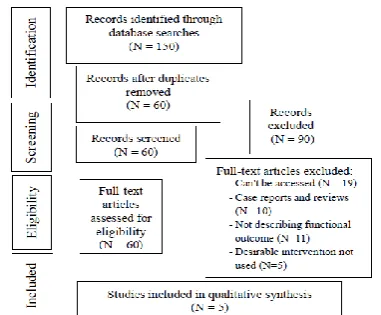
[image:4.595.199.390.588.745.2]Study Selection
RESULTS
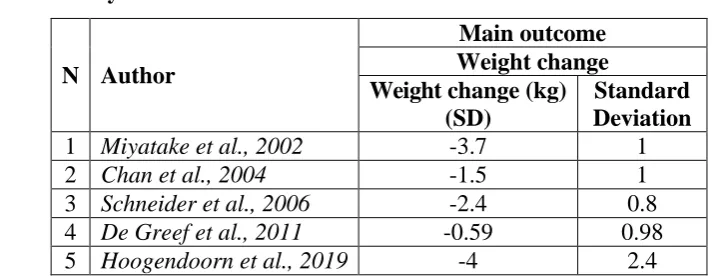
[image:5.595.108.468.350.490.2]Descriptive Analysis of all Studies Included (Tables 1, 2) Table 1: Patients and Study Characteristics.
N Author
Duration of intervention (months)
Number of patients Steps count / day
Baseline BMI Total Intervention
Group
Control Group 1 Miyatake et al.,
2002 12 16 15 8840 28.6
2 Chan et al., 2004 3 61 45 10480 29.5
3 Schneider et al.,
2006 9 19 19 9117 33.5
4 De Greef et al.,
2011 3 43 24 5924 31.5
5 Hoogendoorn et
al., 2019 6 30 26 10000 30.7
#Studies were arranged according to publication year.
Table 2: Summary of Outcome Measures in All Studies.
N Author
Main outcome Weight change Weight change (kg)
(SD)
Standard Deviation
1 Miyatake et al., 2002 -3.7 1
2 Chan et al., 2004 -1.5 1
3 Schneider et al., 2006 -2.4 0.8
4 De Greef et al., 2011 -0.59 0.98
5 Hoogendoorn et al., 2019 -4 2.4
The included studies published between 2002 and 2019.
Regarding patients’ characteristics, the total number of patients in all the included studies was
298 patients, with 169 patients in Intervention group, and 129 patients in Control group.
The average baseline BMI of all patients was (30.8), and the average steps count / day was
(8872 steps).
Meta-analysis of outcome measures Data were divided into two groups:
1) Intervention group
Meta-analysis study was done on 5 studies which described and compared the 2 different
groups of patients; with overall number of patients (N=298).
Patients who achieved outcome measures were pooled:
Each outcome was measured by
Standard Mean Difference (SMD) For weight change.
Correlation
Correlation between weight change and step count Correlation between weight change and baseline BMI
Regarding main outcome measure,
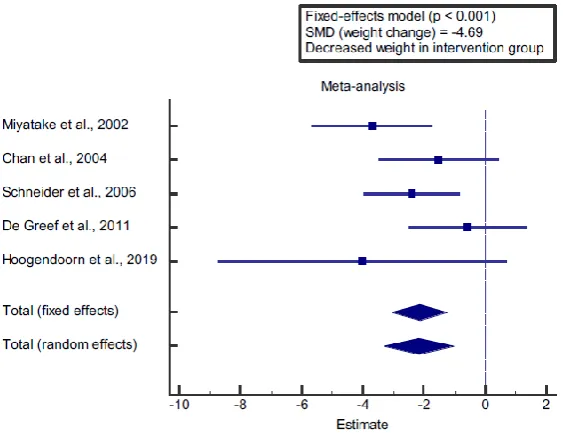
We found 5 studies reported weight change with total number of patients (N=298).
I2 (inconsistency) was 33% with non-significant Q test for heterogeneity (p > 0.05), so
fixed-effects model was carried out; with overall SMD= -4.69 (95% CI -3.04 to -1.25).
The fixed-effects model of the meta-analysis study showed highly significant decrease in
mean weight in Intervention group compared to Control group (p < 0.01).
Figure 2: Forest Plot of (Weight Change) on Intervention Group Vs Control Group – Smd.
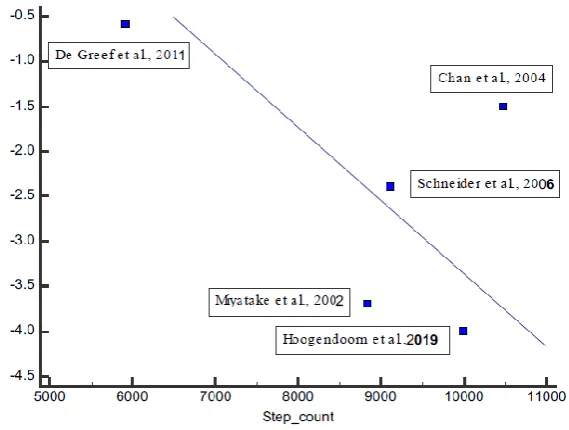
Regarding secondary outcome measures,
The correlation analysis showed significant negative correlation between weight change and
[image:6.595.157.439.429.646.2]Figure 3: Correlation between weight change and step count.
The correlation analysis also showed non-significant correlation between weight change and
baseline BMI (p > 0.05).
DISCUSSION
The Aim of this work is to provide cumulative data about the effect of pedometer-based
walking interventions on weight loss in people with sedentary life styles.
The included studies published between 2002 and 2019. Regarding patients’ characteristics,
the total number of patients in all the included studies was 298 patients, with 169 patients in
Intervention group, and 129 patients in Control group.
The average baseline BMI of all patients was (30.8), and the average steps count / day was
(8872 steps).
Regarding meta-analysis of outcome measures: data were divided into two groups:
(Intervention group and Control group).
Meta-analysis study was done on 5 studies which described and compared the 2 different
groups of patients; with overall number of patients (N=298).
Regarding main outcome measure, we found 5 studies reported weight change with total
The fixed-effects model of the meta-analysis study showed highly significant decrease in
mean weight in Intervention group compared to Control group (p < 0.01). which came
agreement with Yu et al. 2018[7] and with Pinola, Davidson, and Reed 2018.[8]
Yu et al. 2018[7] reported that, eligible participants included 802 Chinese occupational persons, and 718 of them followed exercise interventions with 89.5% (718/802) adherence to
the exercise programs. Of them, 688 participants completed the program with 85.8%
(688/802) adherence to the exercise program and their data were analyzed. Weight decreased
by 2.2% among all overweight/obese participants, with 1.8% reduction in waist
circumference and 3.3% reduction in body fat percentage (p < 0.001). Weight and body fat
percentage in normal-weight individuals decreased by 0.7% and 2.5%, respectively (p <
0.01).
Pinola, Davidson, and Reed 2018[8] reported that, the pedometer group experienced significant (p<0.05) weight loss from pre to post-test (186.2lbs + 9.7 to 180.7 + 8.9), while
the control group did not (191.3lbs + 16.8l to 190.1 + 17.0).
Regarding secondary outcome measures, the correlation analysis showed significant negative
correlation between weight change and step count / day (p < 0.05), which came in agreement
with Masi, Peterman, and Kaminsky 2019[9] and with Hasan et al. 2018.[4]
Masi, Peterman, and Kaminsky 2019[9] reported that, with increased stepping, significant improvements in body composition were observed. Improvements included reduced body
mass index (pre: 27.2 ± 3.6 kg/ m2; post: 26.9 ± 3.6 kg /m2; P = 0.026), reduced total percent
body fat (pre: 35.7 ± 9.9%; post: 34.3 ± 10.4%; P < 0.001).
Hasan et al. 2018[4] reported that, in all participants, the number of steps per day was inversely correlated with all anthropometric measurements and body composition parameters,
showing a significant correlation with BMI (r = −0.33, p = 0.017), BFM (r = −0.29, p =
0.037), and WHR (r = −0.401, p = 0.003). Furthermore, a strong significant inverse
correlation was established between the daily steps count and Mets score (r =−0.49, p <
0.001).
Regarding correlation analysis also showed non-significant correlation between weight
Cai et al. 2016[2] reported that, meta-regression analyses showed that the modest weight loss related to pedometer intervention seemed to be non-significantly associated with the baseline
values (Base line BMI P=0.19).
Mendoza et al. 2015[10] reported that, no significant correlation between loss of weight in pedometer group and baseline BMI (p=0.57).
CONCLUSION
To conclude, pedometer-based walking program without a dietary intervention component do
result in a modest amount of weight loss. Pedometer-based walking programs also do
increase step counts and thus can be expected to confer health benefits that are associated
with both a modest decrease in weight and an increase in physical activity.
ACKNOWLEDGMENTS Conflict of interest
None.
Authorship
All the listed authors contributed significantly to conception and design of study, acquisition,
analysis and interpretation of data and drafting of manuscript, to justify authorship.
Funding Self-funding.
REFERENCES
1. Cayir, Y.; Aslan, S. M.; Akturk, Z. The Effect of Pedometer Use on Physical Activity and
Body Weight in Obese Women. European journal of sport science, 2015; 15(4): 351–356.
2. Cai, X.; Qiu, S. H.; Yin, H.; Sun, Z. L.; Ju, C. P.; Zügel, M.; Steinacker, J. M.; Schumann,
U. Pedometer Intervention and Weight Loss in Overweight and Obese Adults with Type 2
Diabetes: A Meta-Analysis. Diabetic Medicine, 2016; 33(8): 1035–1044.
3. Mansi, S.; Milosavljevic, S.; Tumilty, S.; Hendrick, P.; Higgs, C.; Baxter, D. G.
Investigating the Effect of a 3-Month Workplace-Based Pedometer-Driven Walking
Programme on Health-Related Quality of Life in Meat Processing Workers: A Feasibility
Study within a Randomized Controlled Trial. BMC public health, 2015; 15(1): 410.
4. Hasan, H.; Attlee, A.; Jan Bin Jan Mohamed, H.; Aris, N.; Muda, B. W.; Manan, W. A.
Syndrome among Young Female Adults in the United Arab Emirates. Journal of obesity,
2018; 2018.
5. Wise, J.; Hongu, N. Pedometer, Accelerometer, and Mobile Technology for Promoting
Physical Activity. College of Agricultural Life Sciences, University of Arizona.
Retrieved, September, 2015.
6. Liberati, A.; Altman, D.; Tetzlaff, J.; Mulrow, C.; Gøtzsche, P.; Ioannidis, J.; Clarke, M.;
Devereaux, P.; Kleijnen, J.; Moher, D. The PRISMA Statement for Reporting Systematic
Reviews and Meta-Analyses of Studies That Evaluate Healthcare Interventions. Bmj,
2009; 339.
7. Yu, Y.; Lv, Y.; Yao, B.; Duan, L.; Zhang, X.; Xie, L.; Chang, C. A Novel Prescription
Pedometer- Assisted Walking Intervention and Weight Management for Chinese
Occupational Population. PloS one, 2018; 13(1): e0190848.
8. Pinola, J.; Davidson, P.; Reed, M. The Effects of Pedometers on Body Weight and
Metabolic Factors in Patients with Prediabetes. In International Journal of Exercise
Science: Conference Proceedings, 2018; 9: 106.
9. Masi, E.; Peterman, J. E.; Kaminsky, L. A. The Health Benefits of a Pedometer-Based
100,000 Steps/Week Physical Activity Program. Journal of Science in Sport and Exercise,
2019; 1(2): 176–183.
10.Mendoza, L.; Horta, P.; Espinoza, J.; Aguilera, M.; Balmaceda, N.; Castro, A.; Ruiz, M.;
Díaz, O.; Hopkinson, N. S. Pedometers to Enhance Physical Activity in COPD: A
Randomised Controlled Trial. European Respiratory Journal, 2015; 45(2): 347–354.
Papers included in our meta-analysis:
Miyatake, N., Nishikawa, H., Morishita, A., Kunitomi, M., Wada, J., Suzuki, H.,
Takahashi, K., Makino, H., Kira, S. and Fujii, M., Daily walking reduces visceral adipose
tissue areas and improves insulin resistance in Japanese obese subjects. Diabetes research
and clinical practice, 2002; 58(2): 101-107.
Chan, C.B., Ryan, D.A. and Tudor-Locke, C., Health benefits of a pedometer-based
physical activity intervention in sedentary workers. Preventive medicine, 2004; 39(6):
1215-1222.
Schneider, P.L., Bassett Jr, D.R., Thompson, D.L., Pronk, N.P. and Bielak, K.M., Effects
of a 10,000 steps per day goal in overweight adults. American Journal of Health
Promotion, 2006; 21(2): 85-89.
physical activity in Belgian type 2 diabetes patients: a three-arm randomized controlled
trial. International journal of behavioral medicine, 2011; 18(3): 188-198.
Hoogendoorn, S.W., Rutten, G.E., Hart, H.E., de Wolf, C. and Vos, R.C., A simple to
implement and low-cost supervised walking programme in highly motivated individuals
with or at risk for type 2 diabetes: An observational study with a pre-post design.