Preface
Five and a half years ago, it was hard for me to even imagine finishing two Bachelor degrees. With a good deal of motivation and perseverance, however, I have finished a Bachelor of Arts degree in History in July 2013 at the University of Utrecht. And now the time has come to finish my Bachelor of Science degree in European Studies at the University of Twente.
I would like to take the opportunity to thank both universities and its teacher for guiding me toward my degree. In particular, I owe a great deal to dr. RingoOssewaarde, whose teachings of sociology was not only very valuable, but enlightening too. I feel fortunate that he consented to supervise my bachelor thesis’ research process. Thank you. Also, I would like to thank dr. GuusMeershoek for co-reading my thesis.
Abstract
In December 2008 the European Union launched a counter-piracy operation to curb Somali piracy practices that are chiefly conducted in the Gulf of Aden. Not all EU member states were operationally involved: rather, their contributions were entirely voluntary. This paper reviews to what extent states are driven by national interests. These are defined and operationalized as economic costs (vessel transit frequency through the Gulf of Aden) and human costs (transgressions of human security, e.g.
2 Table of contents
I. Introduction 3 – 5
Context 3
Problem definition 4
Research aim 4
II. Theoretical framework 6 – 10
Constructivism 6
Instititutionalism 6
Rational Choice Theory 6
The divide 7
Theory and Atalanta 9
Conclusion 10
III. Methodology 11 - 15
IV. Data Analysis 16 – 26
Contributing versus non-contributing states 16
State specific analysis 19
Contributing states
Portugal 19
Sweden 19
Germany 20
Netherlands 20
France 20
Spain 20
Luxumbourg 21
Belgium 21
Italy 21
United Kingdom 22
Greece 22
Finland & Romania 22
Norway 23
Malta 23
Non-contributing states
Denmark 24
Cyprus 24
Conclusion 25
V. Conclusion 27 - 29
VI. References 30 – 32
VII. Appendices
Appendix A – Piracy Attacks 43
Appendix B – Impact on national trade 46
Appendix C – Human costs 49
Appendix D – Costs of participation in Atalanta 53
3 I. Introduction
Context
In December 2008the EU launched European Naval Force Somalia (EU NAVFOR) - Operation Atalanta, a multilateral military effort to combat Somali piracy, which has haunted a large share of the Gulf of Aden since 2000 but became very acute in 2008 (Treves, 2009). EUNAVFOR conducts operations to protect vessels of the World Food Programme (WFP) delivering food to emergency areas in Somalia, protects African Union Mission on Somalia shipping, deters and prevents acts of piracy and armed robbery, monitors and secures a transit corridor for vulnerable shipping in the Gulf of Aden and monitors fishing activities off the Somali coast (European Union, 2012). The operation is jointly funded by EU member states, with each state contributing a share relative to their domestic GDP (a procedure known as the Athena Mechanism).1 This joint funding serves to bear common costs, such as those pertaining to Operation Headquarters (located in Northwood – UK) and Force Headquarters (onboard the Flagship) and transport. Additionally, a number of states make an operational
contribution: Portugal, Germany, Sweden, the Netherlands, France, Spain, Luxembourg, Belgium, Italy, United Kingdom, Greece, Romania and Finland. Furthermore, a number of non-EU countries contribute in a similar manner: Norway, Ukraine, Croatia and Montenegro. These countries contribute to the operation mainly by deploying aircrafts (for reconnaissance purposes) and/or maritime vessels. Each state bears the cost of the resources it deploys and as such the costs for contributing states are proportionate to its involvement in the operation (European Union, 2012).
Motivations for participation range from domestic and transnational concerns and interests (Sterio, 2010). Domestic concerns over piracy are two-fold. First, there is the risk of vessel crew members or even passengers on commercial ships being kidnapped by pirates and subjected to harsh treatment in order for the pirates to demand a ransom. There have even been several instances of killings of hostages by Somali pirates. Second, economic considerations generally revolve around the
destabilizing effects of piracy on international trade. With approximately 20 per cent of both EU and global trade passing through the Gulf of Aden,2 delays (either because of the seizure of vessels by pirates or detours resulting from re-routing) and mounting insurance and security costs clearly impose a significant burden on international trade (Germond and Smith, 2009): in 2012, for instance, the costs of Somali piracy to the international economy was estimated between 5.7 and 6.1 billion dollars (Oceans Beyond Piracy, 2013). Transboundary concerns are typically motivated by
international security concerns. First, there is the possibility of the revenue resulting from acts of piracy being transferred to terrorist and/or criminal organizations in Somalia and thus potentially causing a hazard to regional and international security. Second, piracy constitutes a threat to energy security and a risk to the marine environment, as weapons (e.g. machineguns and grenade launchers) wielded by pirates may inflict damage on vessels carrying chemical substances (such as oil) and therefore cause severe marine pollution. Finally, even ships carrying resources for humanitarian relief in Somalia (such as the World Food Program shipments) are not safe from piracy (Germond and
1
The funding of EU NAVFOR ATALANTA amounted to EUR 8.4 million for 2010 and EUR 8.05 million for 2011. For 2012, parties agreed to a budget up to 8.3 million EUR. Furthermore,a budget of EUR 14.9 million is provided for the common costs of the prolonged mandate until December 2014 (European Union, 2012).
2
4 Smith, 2009). The purpose of this research is to determine to what extent participating states are driven by national interests. These interests are conceptualized as quantitative or quantifiable -national economic and human security interests.The aim of this research is therefore to contribute to the knowledge regarding state incentives for participation in multinational/-lateral security
operations. It will enrich the understanding of the extent to which domestic factors play a role in supranational cooperation and integration processes, in particular those touching upon the controversial domain of security governance.
Problem definition
Whereas both constructivist (c.f. Struett et al, 2012) and institutionalist (c.f. Orsini et al, 2013) accounts on the emergence of global governance architectures in anti-piracy efforts have been advanced, stricly rationalist approaches – emphasizing consequentalist logic on part of the decision-making agents - have thus far been ignored, although Rothe & Collins (2011) have proposed a constructivist account of how economic considerations have been framed in political discourse on Somali piracy and hence motivated a military response. Furthermore, whereas Shortland and Vochtknecht (2011:28) have asserted that “quite possibly the mission has been a highly effective counter-terrorism operation”, thereby stressing concerns over international security, they have not captured the relevance of domestic state interests. Sterio proposes that both threats to international security (emanating from Somalia’s state fragility and empowerment of terrorist organizations) as well as economic considerations sparked Operation Atalanta, adding that “no single country’s interests are harmed through the pirate attack” (2010: 1451) given the transnational diffusion of economic interests. Germond and Smith (2009) hint at the relevance of member states’ national interests, but take a predominantly (historical) institutionalist approach in their analysis of the decision-making process of Atalanta, in which the relative significance of member states’ foreign and domestic interests, the growing importance of a maritime dimension to EU security policy and the rise of Somali piracy remains unresolved.
Although the point of transnationalization of maritime trade interests is certainly valid (as we shall later see), there are vast differences in the extent of interests enjoyed by various European states. The variety in national contributions raises questions concerning the rationale of EU member states to provide for operational contributions, especially given the potential risks for the force deployed and - most notably - the inevitable costs of deployment. Why do some member states contribute in operational terms, whereas others do not? Why do some countries contribute more resources than others? Of course, political considerations and even the availability of military resources are also relevant for determining contributions to the operation, but confining the analysis to the interplay between domestic interests and participation in the operation will uncover the relevance and importance states attach to a number of core state interests in general. Most importantly, however, is there any relation between the extent to which national economies and the physical integrity of domestic citizens are harmed by Somali piracy and the magnitude of participation of the associated state in Operation Atalanta?
Research aim
To address this question, participation is first dichotomized into ‘yes’ or ‘no’ in order to delineate contributing and non-contributing states. Second, for participating states, the costs of their
5 on cost-benefit considerations, and are these costs and benefits confined to that particular state only? Given the complexities of accurate cost-estimation, in particular regarding the costs of Somali piracy, cost-benefit considerations are conceptualized not as strict cost-benefit considerations but rather as being to some extent corresponding to the magnitude of contribution. The research thus considers, in the context of joint EU security operations and particularly Operation Atalanta, if and in what sense states are driven by national, rather than supranational interests. Three sub-questions address the key components of the main research aim:
1) What is the relationship between the national amount of trade potentially at risk (i.e. annual vessel transit frequency) in the Gulf of Aden and participation (i.e. estimated costs borne by the contributing state) pertaining to the same state?
2) What is the relationship between the amount of trade historically captured (i.e. total number of ships hijacked in the given period) in the Gulf of Aden and participation (i.e. estimated costs borne by the contributing state) pertaining to the same state?
3) What is the relationship between the human costs pertaining to an EU member state and participation?
The relationship between the extent to which domestic interests are potentially or actually affected are related to state responses – i.e. annual expenditure for Atalanta versus annual vessel transit frequency, the date of deployment versus the date of attacks on ‘domestic’ vessels and
transgressions against domestic citizens. In other words, are states more likely to respond if their interests are affected? The findings of this research indicate that most participating states contribute to the operation as there are domestic interests at stake, whereas virtually all non-participating states defect from participation given their negligible interests in the Gulf of Aden. However, the absence of cost-benefit considerations by the states implies that strategic interaction among the actors is ultimately decisive in shaping the constellation of the operation.
Inasmuch as piracy is often viewed “as a product of rational cost-benefit analysis conducted by the potential pirates” (Kiourktsoglou&Coutroubis, 2012: 53), this research is concerned with the extent to which counter-piracy operations are guided by a rational cost-benefit logic. The analysis is therefore premised on the assumption that states will offset the estimated costs (i.e. of employing counter-piracy measures) against benefit (i.e. the absence of Somali piracy). In my analysis, I thus relate incurred piracy attacks, vessel transit frequency and human ‘costs’ sustained to state
6 Chapter II – Theoretical framework
The question as to what motivates states to participate in Atalanta is at the very heart of
international relations theories that deal with inter-state cooperation. This chapter considers the most commonly adopted theories in explaining European integration, and more specifically within the context of the Common Foreign and Security Policy (CFSP). Three predominant strands of theory will be discussed here: rational choice theory, institutionalism and constructivism (c.f. Sodha, 2011; Galariotis, 2008; Tonra, 2003; Jupille et al, 2003; Toje, 2008; Held & McGrew, 2002; Martin, 2008). Domestic interests being central to this research, this framework provides a theoretical justification of whether interests are shaped according to a calculative, utility-maximizing logic (rational choice theory), strategically within a procedurally constrained environment (institutionalism) or discursively through social interaction and in accordance with generally accepted norms (constructivism). After a concise overview of each theory, their often contending assumptions are compared and discussed and their merits and limitations addressed. The final section considers all theories in light of this thesis’ research question.
Constructivism
Constructivists find common ground in the idea that knowledge is constructed through social
processes and hence constructs social reality (Carlsnaes et al, 2002: 95). Constructivism highlights the impact of values, norms and social rules and conventions on the behavior, role and identities of actors within (institutional) frameworks. More closely related to the research questions of this thesis, it is an approach “based on the hypothesis that state interests are derived endogenously from the social interaction of actors rather than created exogenously, taken as pre-determined ‘givens’ before any social interaction takes place” (Galariotis, 2008:1).
Institutionalism
Institutionalism locates actors within organizational structures that are influential in shaping human behavior and hence in decision-making. Thus, “an institutionalist approach is one that emphasizes the role of institutions and institutionalization in the understanding of human actions within an organization, social order, or society” (March and Olsen, 1998: 948). The concept of institutions is not always clear-cut: it may be defined as a set of social and cognitive features that influence behavior, or point to more formalized procedures and structures (e.g. formalized decision-making procedures and agenda-setting).
Rational choice theory
Rational choice theory (RCT) postulates that actors in a given circumstance will always seek an optimal outcome based on the actor’s preferences and possible courses of action. According to RCT, rationality is instrumental in determining actors’ behavior; in reviewing their potential strategies, actors are always driven by motives of utility maximization, the latter being determined by the actor on the basis of a cost-benefit calculation. These core premises of RCT are the cornerstone of RCT’s conception of an agent as ‘rational economic man’. Whereas constructivism and institutionalism do not incorporate incentive structures and the behavioral consequences, this is central to RCT. In other words, although “rationalism *is+ incapable of grasping the generative origins, institutional
7 promises a more direct, logical and straightforward approach to explaining behavioral consequences (Cooley, 2003).
The divide
The meta-theoretical debate surrounding these theoretical strands has ranged from outright polemical in nature to sympathetic to contrary paradigms. In recent years, due to inadequate explications of empirical regularities, these theories have not remained in exclusive realms; rather, various tenets and axioms of each of these theories have supplemented their counterparts to increase explanatory power, scope, logical coherence and robustness (c.f. Wagner, 2003, Hodgson, 2012, Ostrom, 1991). As such, these theoretical approaches should rather be perceived as
‘compound’ theories, each capable of generating a broad array of specific theories and hypotheses about a wide range of state behavior. The theoretical debate has often focused on the constructivist-rationalist divide, with institutionalism often taking the middle ground. For example, more specific approaches to institutionalism have diverged into rational institutionalism (emphasizing agents employing constrained rationality – or ‘logic of consequences’ - within an institutional structure that affects the outcome as well), historical institutionalism (detailing the development of regularized practices and routines through a logic of ‘path dependence’) and sociological institutionalism (claiming that social agents act according to a ‘logic of appropriateness’ – or according to socially constituted and culturally framed rules and norms – in political institutions). More recently, a constructivist-institutionalist synthesis – discursive institutionalism – has resulted in an analytical framework that stresses the conveyance and exchange of ideas and discourse within institutional structures (Schmidt, 2008). Yet more competitive dialogues have also ensued among proponents of the various strands. Primarily, the divergence results from disagreements over the relevant
explanatory variables. The extent to which state behavior is motivated by the actors’ perception of the optimal outcome (i.e. rational behavior) rather than culture and identity, emotions and affects, and norms and values, or even the external constraints imposed by the institutional environment, has sparked ongoing debates between sociologists, political scientists and international relations theorists.
RCT assumes that agents act based on individual, exogenous preferences. In other words, RCT employs methodological individualism: the assumption that social situations or collective outcomes are the result of individual actors alone, with no role for larger institutions. Notwithstanding external factors (e.g. institutional constraints) or internal barriers (e.g. emotional appeals or heed to norms and values), RCT assumes ‘rational economic man’ to behave in order to optimize gains in his own interest, based on a calculative logic that incorporates nothing outside materialist reality. This is contrary to the ideational reality constructivists adhere to. For them, material structures – with the probable exception of basic necessities – are given meaning by the social context through which they are interpreted. RCT assumes these preferences to be transitive and fixed; preferences can be valued hierarchically and do not change over time. In cases where actors are states, “they directly or
indirectly locate the source of state preferences inside the state” (Martin, 2008: xiv). For their part, these preferences are based on actors’ information (presumed to be genuine, accurate and
8 Finnemore and Peter Katzenstein) thus emphasize a process of interaction between agent and structures (conceptualized as the body of norms, rules and identities), whereby agent interests emerge from and are endogenous to interaction with institutional structures (Finnemore, 1996a). RCT, on the other hand, forecloses social processes in the formation of collective preferences and identities and the realization of collective choices. In this sense, RCT’s methodological individualism thus imposes the problem of translating multiple preferences into aggregates.
Agents therefore follow a consequentialist logic of action to undertake means-end calculation in choosing their optimal course of action.This optimality assumption would imply selfish behavior in many cases, although many accounts of the European integration process have observed altruistic or other-regarding tendencies. Optimality is defined as the largest perceived sum of benefits, after offsetting costs and benefits against one another (Jupille, 2003). This importance of perception is particularly prominent in more recent adaptations of RCT; hence, while they maintain that values – and the preferences derived from them – are instrumental in determining the behavior of agents, the choice process is in fact a subjective endeavor, based on the information available to the agent, its interpretation of that information and its perception of eventual outcomes (Hechter& Kanazawa, 1997). Tversky and Kahneman (1986) posit a generalized description of how agents arrive at a final perception of expected outcomes. First, agents are presumed to conduct “a preliminary analysis of the decision problem, which frames the effective acts, contingencies, and outcomes”. The framing of the decision problem is steered by norms, habits and expectancies of the agent. Thus, two different formulations of the same problem will elicit different prospects and thus different preferences as to the course of action. Furthermore, agents eliminate options that are expected to be subordinate to other alternatives. In the second phase, “the framed prospects are evaluated, and the prospect of highest value is selected” (Tversky&Kahneman, 1986:257). In other words, “the formation of preferences concerning specific actions must include a process by which actors weigh the relative importance of different interests *…+” (Katznelson & Weingast, 2005: 17).
The notion of rationality adopted by rational choice theorists has varied substantially in scope and has attracted criticism from opposing currents of thought. One of the criticisms of RCT is that it adopts a rather narrow and limited conception of rationality by focusing on intentionality, self-interest and optimization of individual gains (Boudon, 1998). Furthermore, rationality is often conceived as being instrumental and objective. It is conceived as being objective in that it assumes that preferences are predetermined and unproblematic, and that an actor is an intelligent being, fully informed (or partially)3 and thereby able to contemplate all possible courses of action and to make a sound inference of the likely consequences of such actions. Similarly, ‘rational economic man’ is conceived as being strictly calculative, unhampered by the human psyche, ignorant of social reality (e.g. norms and rules) and acting autonomous from procedures that filter and modify their actions (e.g. institutions). Constructivists defy this conceptualization, claiming that while they adhere to rationality and reason to be fundamental to their explanations, their notion of rationality is of a practical and communicative nature. According to this view, agents do not necessarily choose the most optimal strategy, but “follow rules that associate particular identities to particular situations, approaching individual opportunities for action by assessing similarities between current identities
3
9 and choice dilemmas and more general concepts of self and situations” (March & Olsen, 1998: 951). A further critique to RCT is that it is sustainable only when payoffs are manifest; only then can we conceive what the agents conceive, and only then can we falsify the hypothesis. In the absence of transparent payoffs, falsification is impossible. In recent years further elaboration of RCT and syntheses with other strands of theoretical thought have been put forth to account for the deficiencies mentioned above. Cognitive and constructivist approaches have been incorporated in RCT models to account for the impact the human psyche and cultures may have on social and political outcomes, thereby diminishing the robustness of RCT (Hodgson, 2012).
The ‘logic of consequences’ collides with the ‘logic of appropriateness’ central to the constructivist school. The ostentatious asymmetry between these two logics could, however, be bridged by an institutionalist account of strategic interaction among actors. Rather than pitting utility-maximizing and rule-guided behavior against each other, it focuses on the interactive process of deliberation among actors that result in “the rules of the game” that shape the final outcome (Risse, 2000).Thus, the two logics are not mutually exclusive: actors “calculative *expected+ consequences and follow rules, and the relationship between the two is often subtle” (March and Olsen, 1998: 952).
Notwithstanding the myriad strands of institutionalism, constructivist and rationalist accounts have been synthesized with institutionalism: the former in the guise of sociological and the latter as rational choice institutionalism. Sociological institutionalism is concerned with “norms of behavior, intersubjective understandings, culture, identity, and other social features of political life”
emphasizing the social and cognitive features of institutions, whereas rational choice institutionalism adapt rational choice theory to a structural and constraining institutional environment (Finnemore 1996b: 325). According to rational choice institutionalism (ardently advocated by Pollack, 2006), agents partake in institution building to reduce transaction costs, pursue goals more economically, and/or secure expertise (Kassim&Menon, 2003: 122). It applies core RCT tenets to an institutional environment: agents (X) are assumed to have fixed preferences, follow a highly instrumental utility-maximizing logic that incorporates anticipation of other actors’ behavior, hence affecting agent X bargaining behavior. Institutions facilitate strategic interaction through enforcement mechanisms and by providing information that reduce uncertainty for each agent about the corresponding behavior of others. The institutional setting is thus highly influential in determining policy outcomes (Hall & Taylor, 1996; Jupille, 2003).
Theory and Operation Atalanta
A constructivist account of Atalanta would hold that anti-piracy efforts are driven by a (historically and socially constructed) body of norms, values and rules; for instance, historical condemnation of piracy by the global community has formalized into conventions legally prohibiting piracy, and this body of values, norms and formal rules has been the vehicle driving international piracy efforts. Institutionalism, on the other hand, would posit that institutions have been instrumental in mobilizing actors and resources for anti-piracy efforts; for instance, the EU has labeled the fight against (Somali) piracy an urgent concern (agenda-setting) and qualified majority voting (QMV) in the EU makes it more probable that agreement is reached, as opposed to decision-making procedures where unanimity is required, and therefore stalemate is more likely to result from the latter
10 Atalanta.4 RCT, with its focus on cost-benefit considerations and employment of methodological individualism, would imply that there are different costs and benefits holding for different states; therefore, courses of action taken differ per state.Costs are those inevitably resulting from operational deployments, whereas the potential benefits are those accrued from a Gulf of Aden without piracy. Of course, Somali piracy engenders costs other than adverse trade impacts and human costs, but this is beyond the scope of this research. In an RCT context, EU member states are therefore the agents5 – ‘rational economic man’, as it were – that are assumed to employ a rational, calculative logic to participation in Operation Atalanta. However, in institutional settings where strategic interaction is endemic, methodological individualism and imputed and fixed preferences in particular become problematic. Thus, one needs to incorporate behavior by the strategic community into account when considering actor behavior, as the latter may be contingent on the former
(although power relationships may define the extent to which an actor heeds its strategic
environment). Furthermore, although preferences may be considered fixed at the outset of decision-making, bargaining within an institutional environment will often lead actors to reconsider their preferences and strategies.
Conclusion
The debate between the theories here discussed has centered chiefly among the main tenets of rational choice and constructivism, or instrumental goal-seeking behavior versus action inspired by social emulation, with their applications seeking to discover under what conditions the ‘logic of consequences’ versus ‘logic of appropriateness’ prevails, respectively. The application of RCT has been attacked due to its alleged inability to be empirically tested and falisified. Thus, as rational choice theory itself cannot be tested, specific hypotheses and substantive theories and assumptions derived from RCT are the alternative. This means that rational choice theory itself cannot adequately explain all social phenomena; hence, practical applications to substantive issues are necessary. Given the multi-actor scenario, a rational institutionalist account seems to hold most promise for
explicating the ‘ontological blind spots’ likely to emerge as a result of methodological individualism. Actor behavior is contingent on other actors’ behavior within a strategic environment, albeit subject to power relationships (although this may be relatively insignificant within the ‘horizontal’ strategic setting of the EU). A constructivist account is hard to reconcile with the research question, given the materialist component. Furthermore, a ‘logic of appropriateness’ is difficult to confirm given the variance in state participation and contribution.
4
Although constructivism may be able to account for it, at least partly, by observing how national cultures can be aligned with EU security operations and its related body of norms and values.
5
11 Chapter III – Methodology
The research aim is to observe a relationship between domestic economic and human security interests (benefits)6 versus the ‘magnitude’ of participation (i.e. scale of costs) of states in operation Atalanta. Economic considerations are primarily concerns of adverse trade impacts, which is thus sub-categorized into the number of (domestic) ships sailing through the Gulf of Aden (drawn from data by the Suez Canal Authority) and historically sustained piracy attacks (drawn from data by the International Maritime Bureau). Data on human ‘costs’ (i.e. kidnapped, abused, or killed) is provided by Oceans Beyond Piracy reports. Data on participation (i.e. operational deployments) is gathered from the EU NAVFOR website. This data is subsequently processed by means of a cost-estimation procedure that captures the components of deployment, maintenance and operating costs (see Appendix D). All EU member states and non-EU member states involved in Atalanta (i.e. Norway, Ukraine, Croatia,7Montenegro) are included in the sample. Given that no complete and wholly accurate data exists on the effects of Somali piracy, politicians and policy makers are likely to use their best judgments – i.e. estimations and perceptions – in determining their strategies. I therefore resort to a more descriptive analysis based on the data available, in order to account for the
complexity of relevant decision-making variables.
Variables, operationalization and data compilation
Four variables are relevant to this research: impact on trade, human costs,pirate attacks and magnitude of contribution. First, in the absence of clear figures on financial losses due to Somali piracy, impact on trade is operationalized as the number of ships sailing through the Gulf of Aden. This is subcategorized into the number potentially at risk (i.e. all ships sailing through the Gulf) and the number actually captured within the demarcated period.8 This data is gathered from the Suez Canal Authority, which publishes data on the number of ships sailing through the Suez Canal and then through the Gulf of Aden, categorized per nation (the flag state registered with by the particular ship) and on a monthly basis. The number of ships and number of people actually affected per state is based on data by the International Maritime Bureau, which publishes data on pirate attacks (in particular, date and type and flag state of vessel). Human costs are operationalized as the number of people kidnapped, abused or even killed by Somali pirates and are categorized per nationality on the basis of citizenship.9 Further data on human costs is readily available through an Ocean Beyond Piracy report on human costs of Somali piracy and refers to the number of people kidnapped,
abused, or even killed and has been supplemented by newspaper articles that identify the nationality of affected seafarers. Finally, the magnitude of contribution (i.e. costs for operational engagement in Atalanta) per state is based on data of their deployment of military resources, which is extrapolated
6The benefits are related to protection of national interests. Diminishing financial and human losses can
therefore be seen as benefits.
7
As of 2013, Croatia has acceded to the European Union, but since it joined Atalanta as a non-EU state, it is regarded here as a non-EU member state involved in Atalanta.
8
Of course not every location in the Gulf of Aden is proportionately prone to pirate attacks. Yet, for the purpose of clarity and investigative simplicity, I do not take into account an estimate of the risk for each location.
9I will categorize human costs as such (kidnapped, abuse (i.e. equivalent to violations of human rights) and
12 by estimated mean costs of similar military resources. These data are then extrapolated to an
estimate of the costs borne by states allocating naval resources to Atalanta, thus reflecting the ‘magnitude’ of contributions per state (Appendix D). The extrapolation is based on operating costs disclosed by the British House of Parliaments for naval vessels and aircraft. A more precise cost estimation is established by accounting for differences in number of personnel (based on pay scales by the Dutch Navy) and daily fuel costs (based on data by a 2010 Government Accountability Office (GOA) report on Maritime Security, as used by Ocean’s Beyond Piracy reports on their reports on the economic costs of Somali piracy). A similar, if however more crude, methodology of cost estimation has been applied by Ocean’s Beyond Piracy for their reports on the economic costs of Somali piracy and by the European Institute in their analysis of EU and U.S. efforts to combat Somali piracy. Finally, the cost estimates have been compared to similar estimates and methodology of a 2004 U.S. Army report on operating costs estimates; with a rather similar methodology, no discrepancies were found in terms of cost estimates.10 However, not all detachments of resources are reported by EU NAVFOR. For instance, while the Netherlands has provided a sizeable contribution of Vessel Protection
Detachments (VDP’s; consisting of small boats manned by Marines),11 this has not been reported by EU NAVFOR. We should therefore consider the cost estimates provided here as minimums. Still, given that unreported deployments are of a low-cost nature, the difference is therefore marginal.
Of course, the extent of global economic integration problematizes the very notion of ‘national’ trade. As Struettet al. (2013) astutely point out, “*…+ a single vessel *registered with one flag state+ usually involves dozens of national interests.” Not only does this complicate jurisdiction for the international (legal) regimes addressing Somali piracy, it also renders the notion of national interests for the purpose of his research less straightforward. In the words of Burnett (cited in Struett et al., 2013) a vessel can be “managed by a company in Cyprus, chartered by the French, skippered by a Norwegian, crewed by Indians, *and+ registered in Panama.” For the purpose of this research, I assume that the flag state the vessel is sailing under is the most relevant, and therefore defines the nationality of the ship and its commodities. In the face of risk of piracy to the vessel or in the event of actual pirate attacks the vessel is most likely to resort to the national government of the flag state it is sailing under to press for anti-piracy measures. Thus, national governments can be held
accountable by corporations that own vessels sailing under the flag of the same state as the national government.12 That such accountability may lead to pressure exerted by seafarer organizations and that this can be influential, is exemplified by a Dutch case: in September 2011 the Dutch government
10
Night, K. & Mathis, I., U.S. Army Corps Institute for Water Resources (date unknown). Appendix H: Guide to Deep-Draft Vessel Operating Costs. Retrieved July 30, 2013 from
http://www.iwr.usace.army.mil/Portals/70/docs/iwrreports/10-R-4_DeepDraft_AppendixH_VesselOperatingCosts.pdf
11
Ministerie van Defensie (date unknown). Beveiligingsteamschepen. Retrieved July 30 from http://www.defensie.nl/missies/somalie/beveiligingsteams_schepen
12
“The flag of a ship has, from earliest days, provided an indication of that vessel’s nationality – the country under which it derived its legal status and whose laws applied to its operations. [..]Flag states are provided with extensive powers of oversight and control of the safety of ships flying their flags, with specific obligations for the inspection of their ships, jurisdiction and administration of the owning entities, the Master and officers and crew of the ship.”
13 complied with Dutch seafarers requests to increase anti-piracy and on-board security measures. 13 In this sense, lobbying was influential in the decision-making process. This is not to say that political accountability is ultimately decisive, but that lobbying helps define national interests. Thus, this research will demarcate economic, or more specifically, national trade interests according to the flag state of the ship carrying goods.
Sampling
All EU member states contribute to Operation Atalanta; some provide mandatory financial assistance to the mission, whereas others contribute operationally, by deploying military personnel and
equipment. The following table lists the countries included in the sample, divided according to whether or not they voluntarily contribute resources to Operation Atalanta. The observant reader may notice that there is a rather clear demarcation with West- and Central and Eastern European countries.14
Voluntary/additional contributions Non-voluntary Portugal, Germany, Sweden, Netherlands,
France, Spain, Luxembourg, Belgium, Italy, United Kingdom, Greece, Finland, Romania, Norway, Malta
Austria, Bulgaria, Cyprus, Czech Republic, Denmark, Estonia, Hungary, Ireland, Latvia, Lithuania, Poland, Slovakia, Slovenia
Interestingly, the fact that there is a division between states contributing additional resources and states ‘merely’ providing the mandatory financial assistance, virtually divides the sample into both an experimental and control group. Of course, the fact that the research here is not designed for
experimental purposes means that I cannot control potentially intervening or confounding variables (e.g. budgetary or electoral considerations), but the observation of significant differences between both groups will improve the degree to which rational choice theory can explicate the research questions.
Data collection and compilation
As Operation Atalanta commenced in December 2008, data on pirate attacks in 2008 and their estimated impact is necessary to judge how urgent the matter became for the European Union. In order to account for the developments in Atalanta, the same data is required to relate to these developments. Previous years are excluded given the relatively far lower number of Somali piracy attacks and because it is very unlikely that the decision to employ a joint maritime operation took far
13
Rijksoverheid (January 1, 2011). Overheid aan zet bij extra bescherming koopvaardij tegen Somalische piraterij.Retrieved June 5, 2013 from http://www.rijksoverheid.nl/nieuws/2011/09/01/overheid-aan-zet-bij-extra-bescherming-koopvaardij-tegen-somalische-piraterij.html
14
The only exception being Romania. This observation could be reason for positing two distinct hypotheses. First, that signs of domestic affluence (West-European countries in general being more affluent than
14 more than one year (Atalanta commenced in December 2008). Currently, data for all relevant
variables is only available up until December 31, 2012. Therefore, data is collected from the period January 1, 2008 – December 31, 2012.
Data limitations
The data for this research is neither fully complete nor entirely accurate, nor can it ever be. First, not all pirate attacks are reported to the International Maritime Bureau (IMB), therefore no complete account exists. Second, I have drawn from a host of newspaper articles to add to the data on pirate attacks by including information on ransom payments, nationality of crew members, and so forth. I have been successful in most cases, yet some cases have gone unreported by newspapers. Third, the relevance of the Gulf of Aden to a state’s national trade can be depicted in various ways. Ideally, the net worth of all goods transiting the Gulf would paint this picture, but no data exists on this. I have therefore opted to use the number of vessels affiliated with a state (either with the owner residing in that state or the vessel flying the state’s flag) to denominate the importance of the Gulf to a state’s national trade. Finally, the costs of participation in Atalanta is based on data of deployment by EU NAVFOR. However, this list is not complete, in that not always the duration of deployment is noted. Second, costs have been estimated by using proxies and cost estimates for several types of military resources. Of course, costs differ per type of resource, but no data was available for all these resources. Furthermore, these different types are not expected to differ too much from each other.
Data analysis
16 IV. Data analysis
The following data analysis considers the research questions of this thesis systematically. It is conducted by means of a descriptive overview of the interests harmed (i.e. ships attacked and citizen’s security violated) and potential interests at risk (i.e. vessel transit frequency) which is offset against state responses (i.e. time span between impact on interests and deployment of resources, number of deployments and the magnitude of contributions). This analysis is divided into two sections; the first one considers averages of both contributing and non-contributing countries to establish whether there are indeed disparities between both sample groups. In both sections, I first consider the importance of the safe maritime transits through the Gulf of Aden for states by looking at the vessel transit frequency per state. Then I turn to human ‘costs’ incurred by states. Third, I relate the number of attacks to a state’s participation. Finally, I relate all aforementioned variables and data to the magnitude of contribution to find out whether states are more likely to spend more on Atalanta if they incur more costs or if there is potentially a lot at stake for them. The conclusion compiles and aggregates all relevant findings and relates it to the theoretical framework.
I. Contributing versus non-contributing countries
On average (2008-2012), the number of vessels owned and/or flying the state flag from a country participating in Atalanta was 242,15 compared to an average of 3 for non-contributing states.
Contributing states therefore account for almost 81 times as many vessels transiting the Gulf of Aden than non-contributing states. For non-contributing states, Denmark and Cyprus have been left out, as their numbers of vessels were far higher and thus would have yielded next to useless averages. This significant difference indicates that for contributing states, there are far more economic interests at stake than for non-contributing states. For contributing states, the average share of maritime trade transiting the Gulf of Aden (calculated as the total number of vessels that belong to a state compared to vessels transiting the Gulf) was 33,46 %.16 Thus, a considerable share of trade transits the Gulf of Aden for contributing states.
One would therefore expect human costs to be far higher for participating than for non-participating states. However, it should be noted – again17 – that even though a ship is owned and flying the flag of a given country, the nationality of the crew need not be related to that country. In fact, as a cursory glance at Appendix A may show, many vessels chartered by owners from developed countries are manned by crew from developing countries. Even so, Appendix C shows how much more
contributing states have incurred in terms of human costs; 542 compared to 36 for non-contributing states, or 15 times as much. No human costs were incurred during 2010 for non-contributing states.
The following Table (4.1) provides an overview of relevant data. The year 2008 is partially excluded because the Operation commenced as of December that year, so it does not make sense to include number of deployments and for that year. Data on human costs was unavailable for 2008 and 2012.
Year Average number of ships / percentage
Number of piracy
Human costs * Number of deployments to
Estimated costs total
15
With a standard deviation of 40,5.
16 With a standard deviation of 6,6. 17
17
transiting GoA attacks * Atalanta
2008 307 16 38 900 000
2009 251 28 275 20 324 800 000
2010 230 13 178 34 280 850 000
2011 215 10 89 21 174 600 000
2012 205 3 18 151 200 000
[image:20.595.70.528.345.609.2]TOTAL 1208 70 542 93 970 350 000
Table 4.1: trends in trade, piracy attacks and counter-piracy responses.
* only citizens of EU member state(s) or non-EU member states contributing to Operation Atalanta.
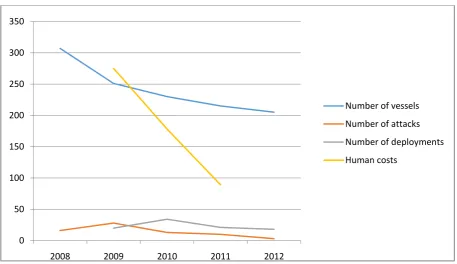
Graph 4.1 shows Table 4.1 in visual detail.
Graph 4.1: trends in trade, piracy attacks and counter-piracy responses.
Relating these trends to one another makes it quite likely that they are, in fact, related to one another in some way. First, there has been a steady decrease of the number of vessels transiting the Gulf of Aden. This decrease is all too likely to signify increasing costs to the maritime industry, such higher insurance premiums, security costs, higher wages for crew including risk premiums, costs for increasing speeds, et cetera. Thus, in order to curb these losses incurred by the maritime industry and inherently by (national) trade as well, states seek a solution to counter these practices of piracy.
0 50 100 150 200 250 300 350
2008 2009 2010 2011 2012
Number of vessels
Number of attacks
Number of deployments
18 By and large, concurrent with the number of attacks, the number of deployments changed the following year. Similarly, estimated total costs decreased as the number of attacks decreased. The only exception was the year 2009. However, since Operation Atalanta had just started, the high costs may be attributed to the fact that during this year it had first to be defined what level of involvement would be effective in curbing attacks. For other years (2010-2012), estimated expenditure for
Atalanta divided by the number of pirate attacks was no more than 1.5 times higher across these years. Thus, there is no “golden number” that establishes how much more there should be spent in order to keep the number of pirate attacks within a certain range. This is not surprising, as the operational state of Atalanta must also be maintained in order to prevent potential acts of piracy. In other words, estimated costs do not decrease in exactly the same way as the number of pirate attacks do, because a host of pirates may still launch attacks that need to be prevented. Furthermore, this analysis is based on a comparison of the costs incurred and expenditure for Atalanta the following year. Of course, states may respond far quicker to the risks of piracy and the needs of the operation. In this sense, especially for the year 2009, states have responded in line with the prevalence of piracy, as expenditure and both human and economic costs were highest that year. Although this finding does not comply with strict cost-benefit logic, the degree to which cost
estimates and number of deployments relate to the number of pirate attacks does indicate a rational logic of spending more or less on counter-piracy efforts if the incidences of pirate attacks increase or decrease.
Although the graph paints a different image and simple linear regression yields a correlation co-efficient of 0.996 – or a virtually perfect correlation between human costs and expenditure - a closer look at Table 4.1 shows how similar trends are noticeable in terms of human costs. In 2009, with human costs ranking the highest of all years, expenditure for Atalanta was highest. As human costs decreased in 2010 and 2011, so did expenditure, but there are clear differences per year. To provide some indication for this relation by dividing the expenditure of a given year with the human costs yields the following table (4.2):
Sum total of expenditure per year / human costs
2009 1 181 090 EUR
2010 1 577 808 EUR
2011 1 961 171 EUR
The variability over these years18 suggest that states are less likely to respond to human costs incurred than economic costs. Furthermore, contrary to economic costs, human costs can clearly be identified by means of strict numbers, whereas the economic costs of piracy can at best be inferred and estimated, and only after careful and comprehensive calculation. One would therefore expect a more congruous relationship between human costs and expenditure, but this is not the case.
In sum, the comparison between contributing and non-contributing states has established that there is a significant difference between both sample groups (having excluded Denmark and Cyprus from the non-contributing group) in terms of the number of vessels transiting the Gulf of Aden, which
18
19 provides an indication of how important this route is to a state’s trade. Furthermore, human costs were far higher for contributing states than for non-contributing states. Finally, although the relationship is not strictly congruous, the trend of annual expenditure to Atalanta is – by and large – commensurate with the number of attacks, much more so than the relationship between human costs incurred and expenditure to Atalanta. From these findings we may infer that economic considerations trump human costs and that these considerations are most important, perhaps ultimately decisive, in determining (the level of) participation in Atalanta.
II. State-specific analysis
On a country-by-country basis, this sections first considers the participating states before turning to non-participating states. This allows me, again, to differentiate between incentive structures across these two samples in order to establish the rationale for states to engage in Atalanta. More
specifically, it provides a measure of how relevant domestic interests are for (the magnitude of) participation. See Appendix E for the relevant data.
II.a.: Participating states Portugal
Portugal does not seem to have a significant economic stake in the Gulf of Aden. Just 109 ships are property of Portugese owners or flying the Portugese flag, of which between 12 and 22 (2008-2012) transited the Gulf of Aden. Altogether, 92 ‘Portugese’ vessels transited the Gulf between 2008 and 2012, of which 1 (a cruise ship) was attacked in 2008. However, the attack was not successful. No human costs were incurred in all years. In 2011 Portugal contributed resources with an estimated net worth of 9.300.000 EUR and in 2012 an estimated 8.500.000 EUR. In these years, total expenditure of Atalanta declined. In sum, Portugal contributed 1,8 % of the total estimated costs for Operation Atalanta, even though the economic stakes were low and no human costs were incurred. Thus, Portugal did not seem to act in response of domestic interests harmed, but Portugal’s deployments coincided with a decline in expenditure of key contributors (e.g. Spain, Greece, Italy, France, the Netherlands, Belgium) with the possible exception of Germany.
Germany
20 Sweden
In all years under consideration, Sweden incurred no direct economic costs nor human costs. However, in 2008 91 ships affiliated with Sweden transited the Gulf, and this number dropped considerably the next year (39). In 2009 Sweden contributed an estimated worth of 34.2 million EUR to Atalanta and in 2010 an estimated 12.3 million EUR, amounting to a sum total of 46.5 million EUR. Thus, perhaps in response to the sharp drop in transits through the Gulf, which brings considerable costs to the maritime industry as well, Sweden contributed to Atalanta. The drop in expenditure in 2010 can be explicated by vessel transit frequency remaining at virtually the same level that year (35 vessels transiting the Gulf), as well as by the significant rise in expenditure of France that year. Given that Swedish interests were not manifestly attacked, Swedish contributions could also be contingent on the general number of pirate attacks. The data simply do not provide a clear-cut answer as to whether Swedish contributions were a result of actor-centered or strategic calculus.
Netherlands
Both in 2008 and 2009 a vessel of Dutch origin was attacked by Somali pirates. No human costs were incurred in all these years. The Netherlands has a rather sizeable commercial maritime fleet (at 744 vessels in total), of which 34.4% transited the Gulf in 2008 and 24.2% in 2012. Similar to the Swedish case, therefore, the Dutch government may have felt itself necessitated to contribute to Atalanta as a result of this significant drop. From 2009 onwards, the Netherlands has contributed each year, up to a total of 55.6 million EUR. In 2009, the Netherlands first deployed a naval vessel 8 months after an unsuccessful attack on a Dutch-owned freighter. In 2010, costs reached their zenith at 24.6 million EUR, in a year where no attacks were launched on Dutch vessels or maritime personnel. However, in that year, the number of vessels transiting the Gulf dropped most dramatically, from 38% in 2009 of the total maritime fleet to 21.8% in 2010. The Netherlands may have considered an increase in contribution even more necessary given the substantial operational decrease of key contributors Germany (61.75 to 32 million EUR) and Spain (95.1 to 63.8 million EUR) in 2010 opposed to 2009.
France
In total, 4 vessels affiliated with French were subjected to attacks by Somali pirates; 2 in 2008, 1 in 2009 and 1 in 2011. In 2009 5 French people were harmed by Somali pirates and in 2011 2 more. A very significant number of vessels of French origin transit the Gulf: from a mere total of 363 vessels that belong to French owners or fly the French flag, in between 306 (2008) and 206 (2012) transited the Gulf (Appendix B). As of 2008, a downward trend in this number was noticeable. France is the chief contributor of Atalanta with an estimated sum total of 247.75 million EUR. Undoubtedly, the importance of the Gulf to the French maritime industry is instrumental in French participation in Atalanta. However, the peak contribution of 2010 at 100 million EUR (in 2009, 2011 and 2012
contributions approximated 40 million EUR with little variance) is hard to reconcile with self-centered calculative logic. Rather, it seems very plausible that France responded in this manner as a result of the sharp decline in contributions from such key participants as Germany and Spain.
Spain
21 contributor to Operation Atalanta. However, the importance of the Gulf to the Spanish economy seems to be almost negligible; in between 20 and 42 ‘Spanish’ ships have transited the Gulf between 2008 and 2012. Estimated costs for participation have, however, differed significantly in years when human interests were harmed. In 2009, 36 people were subjected to inhumane treatment of Somali pirates and Spain contributed an estimated 95.1 million EUR. In 2010, 24 people were harmed, and Spain contributed 63.8 million EUR that year. In 2011 and 2012, only one attack (2012) was launched by Somali pirates and the magnitude of contribution decreased substantially to around 30 million EUR. Given the negligible economic costs, human interests seemed to have been most important, but it does not account for the sheer magnitude of Spain’s contribution to Atalanta.
Luxembourg
Luxembourg’s economic costs are minimal, with 8 to 30 ships transiting the Gulf on an annual basis between 2008 and 2012. Two attacks were launched on Luxembourg vessels in 2012 and 7 citizens from Luxembourg were subjected to the will of Somali pirates. However, Luxembourg did not contribute after these incidents as it had already deployed an aircraft in 2009. This year, shortly after commencement of the operation, saw total expenditure at its peak, as well as the number of pirate attacks. Luxembourg, therefore, could have contributed as a result of the dire situation in general, or felt pressured given the myriad of deployments by other states that year.
Belgium
In April 2009, a Belgian vessel was successfully captured and the 10 (Belgian) crewmembers were kidnapped by Somali pirates. A ransom of 2.8 million was paid to release the crewmembers. In the fall of 2009, Belgium deployed a naval vessel (BNS Louise). The following year, the same vessel was deployed. In 2011 and 2012 Belgium made no contribution. It is not unlikely that Belgium felt necessitated to contribute given the seizure of the Belgian vessel, as deployment of the BSN Louise commenced several months after an attack on a Belgium dredger. Similarly, in line with the general trend of total expenditure and pirate attacks, Belgian efforts have been roughly proportional to the general effort. Thus, the data is not decisive in whether Belgian contributions resulted from the attack in April 2009, or can be attributed to the strategic environment. However, the former explication seems most plausible, given the lack of deployments in 2011 and 2012.
Italy
22 maritime trade in the Gulf for Italy ranged between 38.8 % and 51.2%. This important economic interest is likely to explain the consistent contribution to Atalanta.
United Kingdom
The United Kingdom seems to have a significant economic interest in the Gulf of Aden, as between 41.4% and 56.2% of UK maritime trade transited the Gulf between 2008 and 2012. Between 857 and 1165 vessels affiliated with the UK transited the Gulf annually in that same period. In 2009 two attacks were incurred, resulting in 28 UK crew members being kidnapped. In 2010 another vessel was successfully hijacked, resulting in 26 UK crew members being kidnapped. Surprisingly, in those two years no operational contributions were made by the UK to Atalanta. Instead, the UK commenced Atalanta by deploying a frigate in December 2008 and deployed another frigate in February 2011, over a year after the 2010 attack. Given the economic interests at stake and the historic record of attacks, it would be expected that the UK contribute more and in a shorter time span after attacks on UK vessels, but with a sum total of 13.8 million EUR on Atalanta expenditure, the UK’s record does not seem to support evidence that their naval deployments are approximately proportional responses to adverse impacts on domestic interests. Similarly, there is no indication the United Kingdom acted strategically; i.e. that their contributions were contingent on trends in general expenditure for the operation. Rather, the general Eurosceptic attitude in the United Kingdom could prove most enlightening in explicating the aloof disposition of the United Kingdom in Atalanta. This suspicion is given further credence in view of a House of Commons (2011) report that stressed the economic impact of piracy on the UK (human costs were negligible, according to the report): the maritime services sector accounts for £26.5 billion, or 1.8% of UK GDP, and a sizeable share of the estimated costs of piracy world-wide (between $8 and $12 billion) is a burden to the UK’s economy (House of Commons, 2011: 17). The need for recognizing the necessity of a counter-piracy response has been formalized within a NATO context: contrary to the two deployments by the UK in Atalanta, it deployed 8 naval vessels within a NATO setting (ibid.: 40).
Greece
Of all European states, Greece has been affected most adversely by Somali piracy. Between 2008 and 2011, it sustained a total of 15 attacks, and incurred a staggering 255 human costs between 2009 and 2011. As of 2009, it has therefore commenced participation in Atalanta and continued to do so up and until 2012. Between 454 and 699 Greek vessels transited the Gulf between 2008 and 2012, or between 52.8% and 81.3% of all vessels. Economic stakes are therefore high and the historic record is not in favor of the Greeks. It is evident that the Greeks have certainly participated in order to protect their interests and curb their losses. Up and until 2011, an approximate regularity can be noticed between attacks on Greek ships and the magnitude of contributions by Greece. As of 2011, the number of pirate attacks had reached its lowest point, but up until 2012, Greece still contributed. Given the lack of deployments from most other states, it seems that Greece found itself necessitated to maintain an operational effort, but that risk perception – as a result of the myriad attacks on Greek ships – incentivized Greece to maintain an operational presence.
Finland & Romania
23 However, Finland has contributed an estimated worth of 6.5 million EUR (2011) and Romania 7.1 million EUR (2012). With minimal interests at stake, it is quite likely that they contribute for the sake of maintaining proper relations with the participating states. Their deployments commenced in a later stage of Atalanta, when the enthusiasm from many key contributors had subsided.
Norway
A large share of the rather sizeable commercial fleet of Norway is reliant on the Gulf as a viable trade route: between 294 and 399 vessels from Norway transited the Gulf between 2008 and 2012, or between 50.2% and 68.2% of the total commercial fleet. In March 2009 a ship was attacked and in 2010 15 crewmembers from a tanker flying the Norwegian flag were captured by Somali pirates. Norway deployed 2 frigates in August, 2009, accounting for an estimated sum total of 32.2 million. Thus, deployment commenced six months after attack on a domestic vessel. Given that Norway is not an EU member state and would therefore not usually participate in a joint EU security operation, the attack on domestic interests has quite likely been decisive in shaping Norwegian engagement in Atalanta.
Malta
Malta’s large commercial fleet is largely dependent on the Gulf of Aden as a transit route. Between 882 and 1075 vessels transited the Gulf annually between 2008 and 2012, accounting for in between 53.2% and 65.2% of all national maritime trade. In 2008, 2011 and 2012 it sustained 1 pirate attack, and 2 in 2009. The attack in 2011 was successful for Somali pirates as 23 Maltese people were kidnapped. One may therefore expect a sizeable contribution by Malta, but given the size of the country (and a sheer GDP average of 7800 billion EUR between 2008 and 2012)19 it is apparent that it is not feasible. Most importantly, however, is the fact that Malta does not have a large naval force; it merely consists of a handful of patrol vessels.20 Malta has made one contribution to the operation, with costs estimated at 750.000 EUR. In particular, offsetting this estimation to the economic importance of the Gulf to Malta and the costs already incurred, it is apparent that the costs for deployment of an Vessel Protection Detachment (VDP) by Malta in 2010 does not weigh up to the costs of Somali piracy. However, given Malta’s significant stake in the Gulf of Aden and reliance on Atalanta for securing these interests, Malta may have felt necessitated to contribute – even if their contribution is relatively insignificant – to avoid being regarded as a free-rider and to effect
maintaining a naval presence in the Gulf.
For the remaining contributing states (i.e. Ukraine, Croatia and Montenegro) insufficient data exists to provide a similar analysis, but given that these states ostensibly have minimal interests in Somali
19 International Monetary Fund (April 2012). World Economic Outlook Database.Retrieved June 2, 2013 from
http://www.imf.org/external/pubs/ft/weo/2012/01/weodata/weorept.aspx?pr.x=26&pr.y=12&sy=2007&ey=2 012&scsm=1&ssd=1&sort=country&ds=.&br=1&c=941%2C914%2C946%2C911%2C137%2C962%2C122%2C912 %2C181%2C913%2C124%2C921%2C943%2C963%2C918%2C138%2C142%2C964%2C182%2C960%2C968%2C42 3%2C922%2C935%2C128%2C942%2C936%2C939%2C961%2C172%2C184%2C132%2C915%2C134%2C174%2C1 44%2C146%2C944%2C176%2C186%2C178%2C136%2C926%2C112%2C916%2C967&s=NGDPD&grp=0&a=
20 Malta Spotting (date unknown). Armed Forces of Malta. Retrieved August 10, 2013 from
24 piracy, it could be hypothesized that these states contribute some resources as a step-up to future accession to the EU.21
II.b. Non-participating states
Many non-participating states share several common features: zero to one incidence(s) of pirate attacks, no human costs incurred, and especially hardly any economic interests at stake. The following states have had no incidence of pirate attacks: Austria, Bulgaria, Czech Republic, Estonia, Hungary, Ireland, Latvia, Lithuania, Poland and Slovakia. Slovenia incurred 1 attack. All these states have a small number of vessels at their disposal, of which a negligible number transits the Gulf. The only exception may be Bulgaria, of which between 10 and 32 vessels transited the Gulf between 2008 and 2012 (see Appendix E). If we assume that these states act rationally and adopt a ((a)albeit crude) cost-benefit logic in deciding whether or not to participate in Atalanta, it is no surprise that they refrain from doing so, as their interests are hardly affected.
The exceptions are Denmark and Cyprus. First of all, all three states have significant economic interests in the Gulf of Aden as a maritime trade route that significantly differ from the rest of the non-participating countries.
Denmark
The number of ships affiliated with Denmark that transited the Gulf on an annual basis was between 468 and 561 in between 2008 and 2012. In both 2008 and 2009 Denmark sustained 4 attacks and in 2011 2 more. Furthermore, after successful attacks on a cargo ship and private yacht a total of 15 people of Danish nationality were physically and/or mentally harmed by Somali pirates. In all these respects, Denmark does not differ much from participating countries. In fact, most participating countries have less economic interests at stake or incurred less (direct) losses and it is therefore surprising that Denmark did not join Operation Atalanta. Instead, Denmark launched its very own counter-piracy operation as of 2011 (Danish Ministry of Foreign Affairs, 2010) and contributed to the NATO Operation Ocean Shield (formerly Allied Protector). Unfortunately, insufficient data exists to estimate the costs of these operations, which would otherwise have contributed to the findings of this research and rational choice theory in particular. The question remains why Denmark refrains from multilateral cooperation in this affair, but given the scope of rational choice theory, suffice it to say that Denmark is acting to protect its interests.
Cyprus
Cyprus also has considerable interest in the Gulf of Aden, as between 222 and 556 vessels have transited the route between 2008 and 2012 (the number dropped considerably after 2008). This amounts to a percentage of in between 26.5% and 66.3% of Cyprus´ total maritime trade. Yet with only 1 (unsuccessful) attack on a cruise ship in 2009, Cyprus may not have been tempted to join the operation. Or could it be that, given that Cyprus is quite comparable to Malta (average GDP between 2008 and 2012 of 18 800 billion EUR)22, it simply does not have the means at its disposal to
21
Croatia, at the time of commencement of Atalanta, was an aspiring EU-member state.
22
Retrieved June 2, 2013 from
25 effectively contribute to the counter-piracy strategy? This seems to be the case, as several informal sources indirectly point to Cyprus´ naval ´fleet´ being superior to Malta´s only in terms of numbers, not the actual strength of ships. This does not explain why Cyprus did not engage at all in Atalanta, although there may be several reasons for this. First, that the resources were not needed (unlikely, as several other states have deployed VDP´s). Second, that the resources were necessary for national security. Third, Cyprus could not spare the expense (unlikely, but not wholly unreasonable in light of the global economic crisis).
III. Conclusion
Based on the vast differences witnessed between participating and non-participating states in terms of economic interests historically and potentially affected and human costs historically incurred, it is clear that there has been and is much more at stake for most participating states. Most participating states are affluent, economically well-developed states (most of them West-European, with the exception of Romania). All of them have (a wide range of) naval resources at their disposal, with the exception of Luxembourg. Conversely, most non-participating states are Central- or East-European states, many of them landlocked, which explains no or minimal naval resources and commercial maritime fleet. With the sole exceptions of Denmark and Cyprus, most non-participating states have minimal interests at stake in the Gulf of Aden. Denmark has launched its very own counter-piracy strategy in 2011, which may explain rational behavior, but raises the question of why it did not join Atalanta and why it only started in 2011, several years after the adverse repercussions of Somali piracy had been made painfully clear. It has, however, engaged within a NATO context to counter Somali piracy. Cyprus´ and Malta’s strategy is probably best explained by considering the resources at their disposal. Since they do not have effective means and resources to counter (Somali) piracy, they are very much reliant on the more affluent states that do participate in Atalanta.
State-specific analysis yields findings that do not hold any clear-cut empirical regularities and patterns, thus refuting a strict cost-benefit logic of economic interests and human costs and the magnitude of operational contributions.Furthermore, the fact that some countries such as Finland and Romania hardly possess a national interest in Somali piracy, complicates the rational choice assumption of utility-seeking actors as proposed by Snidal (2002) and Cooley (2003). However, the lack of strict correlation can be attributed to various factors, such as errors in risk perception (pointing to more complex models of rational choice theory, such as expected utility theory and prospect theory (Tversky&Kahneman, 1986)), an inability to mobilize or deploy resources, budgetary constraints, the interconnectedness of domestic economies and thus of trade interests, or simply because the exigencies of the operation dictate no necessity of certain contributions. While indeed it does seem to be the case that the countries more affected by Somali piracy spend more on Atalanta (e.g. Spain, Germany and France), such findings do not hold for all cases. For instance, the UK´s expenditure seems limited given their interests, although it contributed significantly in a NATO context. Generally, it was found that economic considerations trump considerations of human security. The same goes for a comparison between the historic record of attacks on vessels and the number of vessels potentially subject to pirate attacks (i.e. transiting the Gulf). These findings indicate that decision-making procedures are mainly affected by factoring in the economic interests
26 potentially at stake. This finding in particular may be explained by the fact that the maritime industry exerts pressure on governments to utilize their military resources to secure a maritime transit route (obviously, in this case, the Gulf of Aden).