Resolving post-formation challenges in shared IJVs: The
impact of shared IJV structure on inter-partner
relationships
OWENS, Martin, RAMSEY, Elaine and LOANE, Sharon
Available from Sheffield Hallam University Research Archive (SHURA) at: http://shura.shu.ac.uk/23313/
This document is the author deposited version. You are advised to consult the publisher's version if you wish to cite from it.
Published version
OWENS, Martin, RAMSEY, Elaine and LOANE, Sharon (2018). Resolving post-formation challenges in shared IJVs: The impact of shared IJV structure on inter-partner relationships. International Business Review, 27 (3), 584-593.
Copyright and re-use policy
See http://shura.shu.ac.uk/information.html
1
Resolving post-formation challenges in shared IJVs: The impact of shared IJV structure on inter-partner relationships
1. Introduction
Highly symbolic of the co-operative spirit, the shared management international joint
venture (shared IJV) is a popular management control structure to govern IJVs
(Buckley & Casson, 2002). Often known as the “50:50”, this structure requires IJV
parents to hold an equal equity, equally share control and co-manage IJV operations
(Killing, 1983). Yet research contends shared IJVs are inherently problematic and
unstable (Owens and Quinn, 2007; Brouthers & Bamossy, 2006; Ding, 1997; Killing,
1983). The conditions of effective shared control, participatory decision-making,
integrative operations, extensive resource and task interdependencies are difficult to
sustain due to cultural misunderstanding between partners, operational conflicts,
competition for control, and other issues (Ding, 1997; Johnson, 1997; Hambrick, Li,
Xin, & Tsai, 2001; Killing, 1983; Pearce, 2000; Owens and Quinn, 2007). Indeed,
some authors have found that shared JVs often evolve into either majority control
ventures or wholly owned subsidiaries as partners become frustrated by their
challenges (e.g. Brouthers & Bamossy, 2006).
At the same time, other authors consider potential performance-related
benefits of shared IJV structures (e.g. Steensma & Lyles, 2000). They suggest that
equal management input between partners may enhance learning and improve
decision-making through mutual involvement and familiarity with IJV operations
(Hill & Hellrigel, 1994; Saxton, 1997). Equal ownership and participation in
decision-making may also engender commitment and perceptions of justice (e.g. Child, 2000).
Notwithstanding the valuable contribution of both perspectives, the research in
2
& Brannan, 2000), has been limited to examining the direct relationship between IJV
structure and performance (e.g., Beamish, 1984; Ding, 1997; Killing, 1983; Mjoen &
Tallman, 1997; Phatak & Chowdhury, 1991; Yan & Gray, 1994). Existing research
primarily sought to compare the IJV performance outcomes of the shared structure
compared with the dominant or unilateral structure (Killing, 1983; Fryxell, Dooley, &
Vryza, 2002; Yan & Gray, 1994). Yet the lack of agreement on the significance of the
shared IJV structure described above suggests that other factors may interfere to
determine its performance outcomes (Child & Yan, 2003; Steemsa & Lyles 2000;).
Importantly, the impact of IJV structure on post-formation challenges and JV
performance may be more complex than a simple positive/negative effect. For
instance, Barden et al. (2005, p. 157) find that “the entire debate may be overly
constrained and simplistic” and propose that the impact of JV structure is mediated by
other factors such as whether managers perceive the equity distribution as just. This
suggests that we need to supplement the performance studies with more in-depth
investigations of how IJV structures are associated with various post-formation
conditions and processes that may in turn impact managers’ ability to address
post-formation challenges.
There are a number of studies on how IJV partners may manage
post-formation challenges, and many authors have suggested strategies such as adjustment
and compromise, personnel exchanges, training and intensified communication
(Arino & De Le Torre, 1998; Brouthers & Bamossy, 2006; Buchel, 2000, 2002; Das
and Teng, 1998; Doz, 1996; Koza & Lewin, 1998; Kim & Parkhe, 2009; Kumar &
Nti, 1998; Reuer, Zollo, & Singh, 2002). However, these studies have not specifically
examined the interplay between IJV structure and post-formation IJV conditions. In
3
structure shapes post-formation management processes, including formal controls and
partner relations (Contractor, 2005; Contractor & Reuer, 2014; Hennart & Zeng,
2005). The IJV’s structure has been recognized as the organizational architecture that
generates certain formal and informal control conditions that may provide the means
to resolve post-formation problems (Gulati & Singh, 1998; Fryxell, Dooley, & Vryza
2002; Yan & Gray, 1994). However, none of the studies examine in detail how
particular IJV structures generate specific control conditions and how, in turn, these
conditions may help resolve specific post-formation challenges.
In this paper, we start to address these research gaps in the context of shared
or 50:50 IJV structure that is widely regarded as problematic in the IJV literature. We
aim to explore how the shared IJV structure makes possible certain relational
conditions such as trust, commitment and communication. We also examine how
these relational conditions, in turn, allow managers to cope with particular
post-formation challenges. We focus on relational conditions as past IJV management and
process studies have firmly established that positive relationships or “relational
capital” has a major bearing on how IJVs proceed and perform (Brouthers and
Bamossy, 2006; Cullen, Johnson & Sakano, 2000; Das and Teng, 1998; Doz, 1996;
Kale & Singh, 2009; Liu, Ghauri, & Sinkovics, 2010; Muthusamy & White, 2006).
To accomplish this, we draw upon four case studies of shared IJVs between
British multinationals and Asian partners. The institutional and organizational
differences between European and Asian partners will often lead to challenges in IJV
relationships – e.g. conflicts resulting from cultural differences (Mohr & Puck, 2005;
Swierczek, 1994) – which provide a fertile context to investigate how shared IJVs
4
The analysis of our case studies revealed that such features of the 50/50
structure as equal equity and equal division of management responsibilities in the IJV
encourage partners to build trust, respect and commitment in their relationship and
also to use more participatory and consensus-building strategies to address
inter-organizational differences. These positive relational developments effectively provide
opportunities and sometimes forceful motivation for the partners to resolve the
challenges they experience in the post-formation stage.
Our findings contribute to the shared IJV literature through a more detailed
and nuanced picture of the 50/50 structure post-formation (Child and Faulkner, 1998;
Killing, 1983; Pearce, 2000). We respond to the call to create a more complex
understanding of the post-formation effects of IJV control structures (Barden et al.
2005; Child & Yan, 2003; Steemsa and Lyles, 2000), and ours is the first empirical
investigation to examine the three-way relationship between the shared structure,
relational conditions and the possibility of addressing post-formation challenges. Our
finding that the shared structure can create organizational conditions that promote
inter-partner trust and commitment challenges the argument that 50/50 structures are
inherently detrimental to IJV performance (e.g. Brouthers & Bamossy, 2006; Ding,
1997; Killing, 1983). We further provide support for prior tentative conceptualisations
of shared structures as having positive effects on cooperation in IJVs (Child, 2000;
Hebert, 1996; Steensma & Lyles, 2000) and yet we detail the organizational and
relational outcomes of shared structures. We connect specific features of the shared
structure, such as high operational interdependence and shared decision-making, to
specific outcomes such as trust, commitment and diplomacy. These conditions help
managers steer the IJV through conflicts and external crisis situations. In this way, we
5
structural decisions of IJV shape post-formation IJV behaviour and outcomes
(Contractor, 2005; Contractor & Reur, 2014). On the practical level, our findings will
assist practicing IJV managers in better understanding the ramifications of the initial
decision of a shared IJV structure for post-formation IJV management.
The remainder of this article is organized as follows. We first explain the
conceptual understandings that underlie our research. We present our
conceptualization of the shared IJV’s management structure, and then explain how the
IJV relational conditions or the nature of the relationship between the IJV partners
may impact the ability of the partners to manage IJV challenges. We then outline our
theoretical understanding of how the shared structure may create particular relational
conditions that then impact the ability of IJV partners to manage IJV challenges.
Second, we explain our case study design, data collection procedures, and analysis.
We then show our case analysis and discuss the findings. Finally, we illustrate the
academic implications of the results, followed by limitations and future research
directions.
2. IJV management structure
2.1 Definition and dimensions
Management structure has been defined as the pattern of division of power between
the IJV partners in governing the IJV (Killing, 1983; Yan, 1998). The literature
highlights two primary features of management structure: equity ownership and
management control (division of management responsibility). The level of equity
contributed by each partner provides control and influence through legally defined
authority and formal decision rights (Liu, Adair & Bello, 2015; Mjoen & Tallman,
6
debated (Killing, 1983; Mjoen & Tallman, 1997), much scholarship agrees with the
established theoretical argument of transaction cost economics that equity aligns the
interests of partners, promotes future investments and reduces partner opportunism
(Beamish, 1985; Hennart, 1988; Mjoen & Tallman, 1997). In cases of unequal equity
share, partners with the larger equity can use majority voting rights to overrule other
partners when disagreements occur (Brouthers & Bamossy, 2006).
Another important feature of an IJV structure is the management control
arrangement. Yan and Gray (1994, p. 1994) define this as “the control exercised by
the sponsoring organization in influencing a joint venture’s strategic and operational,
decisions and regulating its important activities”. Control arrangement establishes the
managerial division of labour and the amount of decision power each partner
exercises over IJV strategy and operations. Although the management control
arrangement is negotiated when the IJV is formed, it can change as the IJV progresses
with some partners becoming more or less influential (Liu et al. 2015; Mjoen &
Tallman, 1997; Yan & Gray, 1994;).
2.2 Shared management structure
The “50:50” or shared IJV structure is a common approach to organize IJVs. In a
shared IJV, partners make an equal equity contribution, have equal contractual control
rights and formal power. As IJV parents co-manage IJV operations, they tend to share
resources extensively and engage in frequent interaction and mutual consultation
(Hambrick et al. 2001; Killing, 1983; Pearce 1997; Salk, 1996).
Research on the impact of the shared structure on the IJV performance is
largely inconclusive. Many view the shared structure as prone to instability and
7
find that shared power and decision-making often causes serious conflicts as partners’
objectives usually cannot be perfectly aligned. Moreover, integrated operations and
frequent shared decision-making may offer one partner opportunities to appropriate
the other partner’s assets (Kogut, 1988; Park & Ugson, 1997). Other studies, however,
suggested that shared IJV can facilitate better relationships and performance. For
example, shared IJVs can improve knowledge transfer and decision-making through
mutual partner involvement and familiarity (Hill & Hellrigel, 1994; Saxton, 1997).
Equal management control may generate more mutual consideration between IJV
parents, promoting trust and reducing conflict (Bleeke & Ernst, 1993; Beamish, 1993;
Steensma & Lyles, 2000; Yan & Gray, 1994).
3. IJV inter-partner relationship and managing IJV challenges
IJV and alliance scholarship has long established the quality inter-partner relationship
as a crucial factor for IJV success (Brouthers & Bamossy, 2006; Cullen et al. 2000;
Das & Teng, 1998; Krishnan, Geysken, & Steenkamp, 2016; Mohr & Puck, 2013; Liu
et al. 2010; Madhok, 1995; Robson, Skarmeas, & Spyropoulou, 2006). Strong
relationships mean closer partner interaction, foster knowledge transfer and encourage
the partners to adapt the IJV to evolving contingencies (Brouthers & Bamossy, 2006;
Das & Teng, 1998; Kale & Singh, 2009; Madhok, 1995; Poppo & Zenger, 2002).
Closer bonds between managers help them deal with conflicts and crisis situations
more effectively (Robson et al., 2006; Schreiner, Kale, & Corsten, 2009).
Conceptually, inter-partner relationships are often described using the
dimensions or conditions of trust, commitment and communication and/or influencing
(e.g., Cullen et al, 2000; Kim & Parkhe, 2009; Mayer, Davis, & Schoorman, 1995;
8
outline the possible benefits of these three specific relational conditions for managing
IJV challenges:
Trust has been often considered a central issue in IJVs and other alliance forms (Boersma, Buckley, & Ghauri, 2003; Das & Teng, 1998; Krishnan et al. 2016;
Mayer et al. 1995; Mohr and Puck, 2013; Schoorman, Mayer, & Davis, 2007). A
common definition of trust is “the willingness of a party to be vulnerable to the
actions of another party based on the expectation that the other will perform a
particular action important to the trustor, irrespective of the ability to monitor or
control that party” (Mayer et al. 1995, p.712). Trust has been considered valuable in
IJVs because it can reduce transaction costs and help generates new ideas when
partners pool their knowledge (Bachmann & Inkpen, 2011; Brouthers & Bamossy,
2006). Trust can also influence the way partners perceive their disagreements (Ness,
2009). It may diffuse conflict as trusting partners are more likely to interpret each
other's actions in a positive manner or view conflict as functional, encouraging them
to discuss problems openly (Madhok, 1995; Lin, 2004). Trust can increase
information sharing between partners, aiding problem-solving negotiations (Ness,
2009). Moreover, trusting partners are likely to have respect for another and
empathise with each other’s point of view (Krishman et al., 2006).
Commitment has been viewed as highly beneficial for trust building, decision-making, and enhanced performance in IJVs (Chung & Beamish, 2010; Cullen et al.
2000; Isidor, Schwens, Hornung, & Kabst, 2015; Kwon, 2008). Commitment reflects
a desire for continuing the IJV relationship via maximum effort, and the willingness
to invest resources into the relationship (Cullen et al. 2000; Morgan & Hunt, 1994;
Sarkar, Aulakh & Cavusgil, 1998). As commitment represents an internalised
9
the strong motivation to manage post-formation challenges (Brouthers & Bamossy,
2006). Committed partners are more likely to balance short-term problems against
long-term goals and resolve to work through issues (Cullen et al. 2000; Nakos &
Brouthers, 2008).
The literature identifies two forms of commitment. Calculative commitment reflects the rational and economic side of commitment (Cullen et al. 2000).
Calculative commitment is driven via the anticipated profits of the IJV and the costs
of leaving it (Voss, Johnson, Cullen, Sakano, & Takenouchi, 2006). It is based on
factors such as cost/benefit analysis, potential for returns, past investments, and
switching costs associated with an IJV (Cullen et al. 2000; Voss et al. 2006). Affective
commitment, on the other hand, involves a sense of identification, loyalty and
psychological attachment between IJV team members (Cullen et al. 2000).
Finally, communication and influencing has been considered important for post-formation management of IJVs (Kim & Parkhe, 2009; Mohr & Puck, 2005).
Communication is defined as “the formal and informal sharing of timely information
between firms” (Anderson & Narus, 1990, p. 44). Quality communication may help
address post-formation challenges. For instance, honest and open communication may
allow partners to better understand the extent of their differences and get to know
each other’s respective goals or practices (Kim & Parkhe, 2009; Mohr & Puck, 2005).
On the other hand, partners may utilize communication to resolve challenges
on their own terms. Managers may attempt to change the actions of others through
influencing (Pearce, 1997). Muthusamy and White (2006, p. 59) defined mutual
influence as "the relative degree to which partners influence each other's decisions
10
appeals. Influencing may facilitate conflict resolution and joint decision-making
(Beamish, 1993; Muthusamy, White, & Carr, 2007). The ongoing exchange and
co-ordination between partners enhances relational ties and promotes mutual trust.
It is clear that relationship conditions and strategies play a highly constructive
role to manage post-formation IJV challenges (Barden et al. 2005; Brothers &
Bamossy, 2006). Yet none of the studies examine in detail the link between particular
IJV structures and specific relational conditions and how, in turn, these conditions
contribute to the managers’ ability to address specific post-formation challenges.
To sum up, the nature of the relational conditions can significantly impact IJV
partners’ efforts to manage challenges. In the next section, we explore the linkage
between the 50:50 structure, inter-partner relational conditions and opportunities for
managing post-formation IJV challenges.
4. Shared structure, inter-partner relationship and post-formation challenges
Existing studies suggested a number of ways in which the shared IJV structure may
facilitate better relational conditions within the IJV. Active sharing of management
responsibility may encourage strong personal bonds between key managers,
facilitating timely responses to problematic situations and enabling one way or mutual
adaptation to overcome disputes (Schreiner et al. 2009). High level of investment
(50% of capital costs for each partner) and perceived high exit costs can engender
calculative commitment, which in turn, motivates partners to actively resolve
disagreements (Sharma, Young, & Wilkinson, 2006). Balanced formal power and
extensive resource interdependencies can sensitize partners against using hard or
forceful measures to resolve challenges. Instead, they may adopt softer or informal
11
Pearce, 1997; Park & Russo, 1996; Salk & Brannen, 2000). Moreover, partners may
find that the interactive and participative nature of shared decision-making
encourages the development of managerial communication skills and politicking
(Johnson, Cullen, Sakano, & Takenouchi, 1996). Such tactics may include rational
communications, persuasion, consultation, personal appeals to pressure and
legitimating tactics (Pearce, 1997). As Beamish (1988) argued, “shared management
requires people who are willing to understand, learn and be persuaded, as well as
being persuasive (p.65).
To conclude, the shared management structure may yield relationship
conditions that could positively contribute to managing post-formation challenges.
The relationship between shared management structure, inter-partner relationship and
managing IJV challenges will constitute the primary focus of our study. We now
detail our methodological approach.
5. Methodology
We employed a case study methodology in this project. Previous research has proven
the ability of case studies to yield rich data for investigating shared management IJVs
(Salk, 1996; Salk & Brannan, 2000) and more generally, the IJV post-formation stage
(Brouthers & Bamossy, 2006, Buchel, 2000, 2002; Hyder & Ghauri, 1989; Ness,
2009). We based our investigation on four cases of shared IJVs in order to increase
the validity and reliability of our results by considering whether our findings would be
replicated across different organisational situations (Eisenhardt, 1989; Yin 2003).
Following Eisenhardt (1989), our desire for in-depth enquiry restricted the
number of cases to four. We employed “purposive sampling” for case selection
12
IJV parent contributed 50% of the equity and equally shared control in the IJV. These
structural characteristics were verified through telephone conversations with
corporate managers and site visits. The site visits for one to three days in each case
thereby allowing the researcher to develop good relationships with the interviewees.
All shared IJVs were based in the British retail sector as there was vibrant IJV activity
in this sector when this study was conducted, which increased our chances of gaining
access to organisations. In addition, at the time of the study, British retailers were
actively forming partnerships with companies from culturally and institutionally
distant locations, mainly in Asia, which provided a fertile context for exploring the
management of post-formation challenges that can be heightened in contexts
involving great institutional diversity. Our selected IJVs involved British
multinational retailers with partners based in Taiwan (x 2), Turkey (x 1) and Japan (x
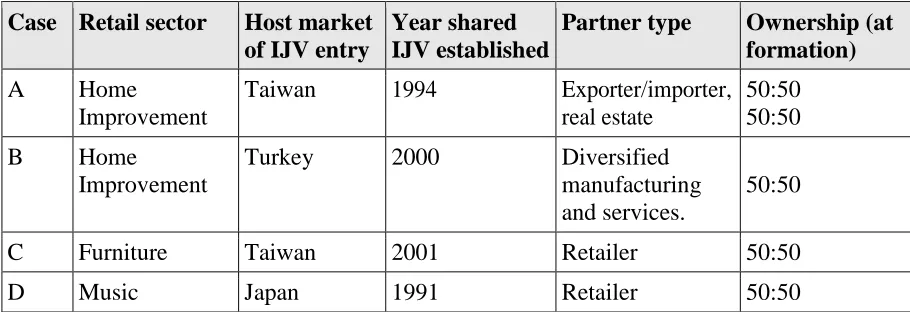
[image:13.595.70.525.486.642.2]1). Table 1 provides an overview of the case companies.
Table 1: Overview of Case Companies
Case Retail sector Host market of IJV entry
Year shared IJV established
Partner type Ownership (at formation) A Home
Improvement
Taiwan 1994 Exporter/importer, real estate
50:50 50:50
B Home
Improvement
Turkey 2000 Diversified manufacturing and services.
50:50
C Furniture Taiwan 2001 Retailer 50:50
D Music Japan 1991 Retailer 50:50
We collected the data in 2004. We interviewed 26 British senior managers directly
involved in shared IJVs. Access to partner managers was not possible as they were
based at geographically distant locations. Interviews were conducted in person, on the
13
duration and were recorded with respondent’s permission and transcribed within five
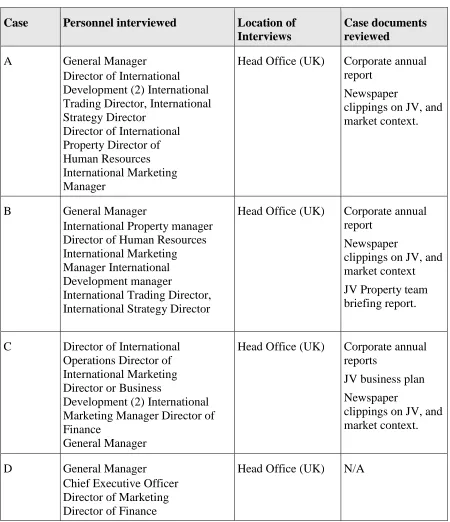
[image:14.595.74.524.151.673.2]days. Table 2 provides details of interviews.
Table 2: Interview Details
Case Personnel interviewed Location of Interviews
Case documents reviewed
A General Manager Director of International Development (2) International Trading Director, International Strategy Director
Director of International Property Director of Human Resources International Marketing Manager
Head Office (UK) Corporate annual report
Newspaper
clippings on JV, and market context.
B General Manager
International Property manager Director of Human Resources International Marketing Manager International Development manager
International Trading Director, International Strategy Director
Head Office (UK) Corporate annual report
Newspaper
clippings on JV, and market context
JV Property team briefing report.
C Director of International Operations Director of International Marketing Director or Business
Development (2) International Marketing Manager Director of Finance
General Manager
Head Office (UK) Corporate annual reports
JV business plan
Newspaper
clippings on JV, and market context.
D General Manager Chief Executive Officer Director of Marketing Director of Finance
Head Office (UK) N/A
We interviewed multiple informants within each shared IJV to minimize recall
bias and yield rich data (Eisenhardt, 1989; Yin, 2013). The focus was on the
14
establishment and management of the IJVs. The interviews were loosely structured to
give our respondents the freedom to discuss subjects that they considered pertinent.
The structure was provided by the general framework derived from the literature: we
encouraged the interview respondents to reflect on specific areas of their IJV
experience such as the meaning and nature of the shared management structure in
their IJVs, the challenges they experienced in post-formation IJV management,
whether and how they addressed these challenges, and what helped them address
them. In this way, we ensured that the interviews contained information relevant to
our research objectives but that the interview respondents were not overly constrained
in their responses by the researchers’ perspectives. The resulting verbatim interview
transcripts were about 20 single-spaced pages in length each and contained rich
narratives of IJV experiences.
Although most of the IJVs were no more than three years old when our data
was collected, we specifically used the recall method to elicit respondents’
experiences of IJV management. Recall method is typically used to tap into
individuals’ memories where information specific to one's personal history or
experiences is stored (Bagozzi & Silk, 1983; Bradburn, 2004, Gardial, Clemons,
Woodruff, & Schumann, 1994; Tulving, 1983). To minimize recall bias, we asked
respondents to focus on their most recent, and therefore best memorized experiences
of the shared IJV. We provided stimulus cues that were highly relevant in an IJV
management context – asking managers about their experiences of IJV
conflict/disagreements, social bonds, communication and persuasion – to facilitate
good recall (Sudman & Bradburn, 1973).
The interview transcripts were sent back to the interview participants for
15
further enrich and corroborate the interview data, secondary data was used (Loane,
Bell, & McNaughton, 2006; Piekkari & Welch, 2011), for example, annual reports,
newspaper clippings, and internal briefing reports, where permission was granted.
Data was analyzed through thematic content analysis. Several stages of coding
were used (Miles & Huberman, 1984). We used manual coding (without the
assistance from qualitative data coding software) in order the preserve the narrative
integrity of the transcripts and make sure that we always interpreted the coded
sections of the text within the context of the rest of the conversation. First, we
identified and highlighted interview passages that referred to various aspects of the
key themes in our research questions – the nature of the shared management set up
within the case IJVs, post-formation problems experienced by the interview
respondents, formation relational conditions, and managerial responses to
post-formation challenges. This level of coding involved themes found in the literature
(e.g. task-related conflicts) and also themes that emerged from the data (e.g.
management errors).
The second stage of analysis involved reducing the number of codes through
comparing the text in each code and merging closely related codes. This process also
involved comparing the coding structures of different interviews within and between
cases. This helped organise the data and make key themes more visible by
establishing clearer coding system that was consistent over the whole data set.
Finally, we explored the relationships between the different categories of codes to
each other – e.g. whether post-formation challenges were discussed in relation to
features of the IJV structure, whether managers used particular approaches to address
post-formation challenges, and whether, in turn, these approaches themselves were
16
between the three key areas of our research – the shared IJV structure, the relational
conditions created by it, and managers’ attempts to resolve post-formation challenges.
The important limitation of our methodology is the fact that it was not possible
for us to examine the non-British partners’ perspectives. The non-British IJV partners
may have offered a different view of the relational outcomes, post-formation
challenges and how they were managed. To compensate for this limitation and to
improve data validity and reliability we relied on triangulation (Eisenhardt, 1989). We
have triangulated the data in two ways: the use of multiple cases, and multiples
informants within each case. First, we used four cases which allowed for comparative
analysis between the cases, as well as a deeper and richer look at each case. Second,
we interviewed multiple informants within the British partner companies to reduced
selective memory bias. As a result, we found a strong degree of agreement in the
accounts of our multiple informants.
6. Findings
The findings section is structured as follows: First, we outline the major features of
the shared structure of the case IJVs to provide the background information on the
cases. Second, we summarize the challenges that our interviewees experienced during
the post-formation stage. Finally, we present the analysis that demonstrates how the
shared IJV structure allowed particular relational conditions to arise between the IJV
partners that, in turn, helped them address the post-formation challenges.
6.1 Shared management structure
All IJVs in our sample included two partners, each contributing 50% equity into the
decision-17
making authority and responsibility for strategy and operations. In case A, for
example, partners agreed to share strategic control, with the joint IJV board taking
decisions in each quarter. The partners jointly formulated major policies and engaged
in joint decision-making in store operations, marketing, finance and HR. Case B
partners had equal representation on the IJV board, meeting quarterly to discuss
strategy and policy, and engaged in joint decision-making over operations, sourcing,
marketing and personnel.
At the same time, our cases showed that shared IJV structures are more
complex than a simple equality of decision-making power based on equal equity and
contractual control arrangements. Equal equity contribution did not always mean
equal power. The partners sometimes used other management tools to gain influence.
In some cases, the attempts to gain influence beyond the 50% vote resulted in
problems. In other cases, subtler strategies were used that allowed the companies to
increase their influence while maintaining good relations with their partners. In cases
A, B and C, British partners used expatriate managers to supplement their control. In
Case A, the British company sent seven British expatriates into the IJV during the
initial period to work with two partner managers and the partner’s chairman. These
British expatriates had significant influence on operations but not without problems.
They tended to promote their own corporate philosophy for the IJV and were reluctant
to involve the partner in operational decision-making. This resulted in conflicts with
the local partner. In Case C, however, the British seconded three British expatriates to
the venture and the local partner contributed three managers. This more balanced
team worked well together. Through prior experience of franchising in Asia, the
British partner in Case C recognized the need to develop good relations with their
18
British partners also used their operational business knowledge to gain more
influence in the relationship. In Cases A, B and C, the British partner had somewhat
greater influence over operations. In Case C, for example, the IJV was based on the
British business model and the British partner had superior retailing expertise,
allowing them stronger influence in store operations. However, both partners were
committed to consensus-based decision-making and managed to maintain excellent
relations:
“This joint venture is very much operationally led by us, however we makes
decisions together as it is a 50:50. The partner is learning about the business.” (Case C/General Manager)
“I think if is to be a joint venture, I believe it has got to be a 50:50 and you have got to work out your differences on that basis. We never saw the need to have control. We saw the need to have influence, but we didn’t see that being through equity, we saw that through the relationship.” (Case C/Finance
Director)
6.2. Post-formation challenges
Our analysis identified the following categories of post-formation challenges:
operational task-related conflicts generated by inter-firm diversity that sometimes also
led to relational conflicts, disagreements over IJV strategy, and resourcing issues and
management errors. We discuss each category in turn below.
19
The most common challenge in our cases involved task conflict or disagreements on
operational policy. A major source of inter-organizational differences were the
diverse institutional and organizational backgrounds of the British and Asian partners.
For example, British companies in Cases A and C partnered with family Asian
companies. Organizational governance differences between the British MNEs and
Asian family firms created conflicting viewpoints in strategic and operational
planning. In Case A, for example, divergent styles of decision-making generated
disagreements in planning, store operations and media engagement. Moreover,
relational type conflict resulted when frustrated British expatriates ignored the partner
in operational decisions:
“We started to have a lack of understanding and communication with the
partner as to their need for involvement in operations, that is, we were ignoring them” (Case A/International Trading Manager).
The behaviour of the British partner in Case A angered the local partner who
then punitively removed British IJV staff work permits, which escalated the crisis and
raised discussions about IJV termination. In contrast to Case A, the British and Asian
partners in Case B enjoyed good co-operation, capitalizing on similar corporate
values, formal structures and internal governance procedures. However, despite these
similarities, several operational differences resulted in task conflict. The first conflict
concerned sourcing: extensive diversification allowed each partner to advance
themselves as a likely supplier of operational resource inputs. Second, partners
disagreed on the financial procedures for funding new stores:
20
finance, and we prefer equity. Until you can reach agreement on the financing of the business, it will be very difficult to move anywhere. So for two years during the crisis we have stood still.” (Case B/International Business Development Director)
Case C also experienced task-related disagreements. In contrast to the British
managerial style, management by objectives was not the norm for the Taiwanese,
neither was the formalized strategic planning. The Taiwanese partner rarely used
quantitative metrics in strategic planning, nor was strongly devoted to the logic of
profit maximization. At store level, the British expected the Taiwanese staff to
identify process errors or products that required adaption to the local market.
However, Taiwanese staff did not feel comfortable pointing out shortcomings of
higher-ranking British managers. At a broader level, the Taiwanese partner in Case C
resisted the British operating model. This generated disagreements between the
partners, resulting in slower decision-making.
6.2.2 Strategy-related conflict
Much of the strategy-related conflict was linked with environmental volatility. In
Case B, the 2000/2001 economic crisis in Turkey resulted in a sharp depreciation of
the Turkish Lira and a contraction of GDP by 5.7%. Decreased sales and store
performance altered the partners’ strategic priorities for the IJV. The Turkish partner
adopted a short-term and risk averse position, arguing to postpone expansion until
trading conditions improved. The British, however, preferred to proceed with the
initial strategic plan to gain competitive and scale advantages
Underlying this strategic conflict was a difference in the centrality of the IJV
21
highly diversified and conglomerate Turkish partner than for the British multinational
whose whole business model was focused on retailing.
Similar to Case B, the partners in Case D experienced incompatible strategic
goals. Strategic differences generated disagreements over strategic plans and fostered
internal competition for management control. British ability to maintain a strong
bargaining position declined as dependency on partner resources increased. The
company’s subsequent entry into the US absorbed group resources, reducing capital
and managerial support to the venture. Consequently, increasing dependency on the
local partner securing debt finance and managerial resources forced the British to
accept greater partner influence on strategy.
6.2.3 Resource issues and management errors
Resource issues and management errors created further challenges. In Case D,
insufficient managerial and financial resources for the Japanese shared IJV created
problems. In Cases A and B, when the British partners initiated the IJV, they gave
limited consideration to how divergent partner characteristics would impact the
operations. Moreover, the British partners’ expatriates did not initially have the
expertise to adjust to organizational differences. In case A, for example, the British
partner staffed the shared IJV with inexperienced senior expatriate managers whose
lack of regard for the partner and shared control led to misunderstandings and
undermined co-operation:
“In terms of our staffing, the expatriates in the early days of the business were not the right personalities from our side. We didn’t look at personality and attitude to work in an Asian context that we do today” (Case A/International
22
In a similar way, in Case C, insufficient British organizational resourcing
exasperated the challenges of sharing management control with a partner without
retailing expertise. The internal training provision to upgrade partner knowledge and
skills was grossly inadequate. This forced the British to totally rely on experiential
and operational learning to upgrade the partner’s knowledge and skill. Yet this was
ineffectual because not all the British team had good product and sector expertise.
Finally, in Case B, the contract failed to specify those policy issues which partners
disagreed on.
6.3 Managing post-formation challenges in shared IJVs
In each part of this section, we first outline our broad conclusions about the
relationship between shared structure, relational conditions and the opportunities
available for managers to cope with post-formation challenges, and then provide
detailed examples of how the relationships between these factors unfolded in
individual case IJVs. All positive outcomes of shared management structure were not
observed in all cases.
6.3.1 Mutual trust and respect
As discussed above, shared management led to conflicts in some of our cases. At the
same time, the requirement for close cooperation and shared the decision-making in a
shared structure forced the partner companies in situations of prolonged exposure to
each other, allowing them to learn about each other’s strategic priorities and
operations. This greater insider knowledge decreased uncertainty in interaction and
23
Cases B, C and D showed how joint IJV management provided partners with
motivation and opportunity to develop trust. Contractual shared responsibility and
shared contributions formally required the partners to work closely together to
manage multiple functional areas of the venture. This meant intensive co-operation,
interaction and information transfers. For example, in Case B, while partners
experienced task-related conflicts, they also had to learn about each other in order to
share control. We observed a similar situation in Case D:
“There an extraordinary level of learning that goes to make shared management a reality; … in terms of learning and trusting each other and
knowing what makes the other person tick.”(Director of Finance/Case D)
“As we were sharing control over [the IJV], we had to work very close
together on a range of areas pretty much every day, including the senior people. We made decisions together, shared all the information necessary about the market, about company performance, about our views, so that has helped to establish trust in each other”. (General Manager/Case C)
The growth of trust and respect between the partners helped manage
post-formation challenges. In Case C, the formal mandate of shared operational control
required IJV managers to work closely with each other in the same office. This
physical proximity and the shared responsibility, supported by inter-personal
similarity (gender and age) and good initial performance facilitated trust and respect
within the team. When disagreements appeared, the already established trust and
respect between the partners smoothed the tension and supported constructive open
24
“When we have had those operational problems, we have been able to sit round the table and sort it out. So that’s what I mean about relationship. It’s
not all been smooth, we have had some times to look at each other in the eye and say this is not working out. The best part of having that sort of relationship is honesty and trust.” (Case C/General Manager)
6.3.2 Commitment
Shared management also provided opportunities for the growth of commitment in
inter-partner relationships. The fact that both partners provided large portions of
equity and had high exit costs increased their calculative commitment and motivated
them to make the relationship work. Partners put effort into resolving conflicts to
recover their investment. Prolonged and intense interaction between the partners in
some cases also resulted in strong affective commitment.
Calculative commitment was a major factor motivating the British partner in
Case A to resolve conflicts. The 50% capital contribution, the significant ongoing
financial returns and the exit cost encouraged the British partner to continue with the
venture following the relationship crisis in 1997:
“So even if the marriage is bad, both sides do not want to lose the children.
We do not want to sell it and the partners don’t want to sell it. [Chairman of partner] knows how much it is worth to us … when we say “we’ll give you £7m for it”, he’ll “ it’s worth £14m!!” And so it is that kind of argument that
he knows what its worth and we know what it’s worth and therefore we will be married forever.” (International Trading Manager/Case A)
The calculative commitment of the British partner in Case A motivated them
25
own role in the conflict, including their inappropriate organizational expectations,
planning and managerial resourcing. As a result, the British changed their
management team, removing two British expatriates and transferring a highly skilled
senior manager to direct operations and work with the partner’s chairman. This new
manager signaled renewed commitment to the Taiwanese partner and adopted a more
conciliatory decision-making style:
“What shared control means is that technically you both bring the best of your
businesses to the table but you also bring the worst of both businesses as well. And if you can’t agree, where do you go? So I have sought to persuade my
team that both sides should be prepared to be flexible, concede and look for win-win at all times. Even if you can’t find win-win - be prepared to accept lose-win.” (Case A/International Business Development Director)
This situation was ongoing for Case A. Even the transfer of the new
experienced British manager improved co-operation, later operational changes created
further disagreements, compromising trust and leading the partners to revisit the
buyout option. Again, however, high termination costs prevented termination.
In Cases B, C and D, the shared structure was associated with both calculative
and affective commitment. In Case B, the British partner perceived the IJV as being
more important for themselves than for their Turkish partner as it was firmly
connected to the core of the British parent retailing business but formed only a
peripheral part of the diversified Turkish partner’s business. Despite this asymmetry,
the initial investment of £12.5m and optimistic future returns prognoses meant the
British partner felt a high level of calculative commitment. In addition, the complex
26
negotiate. This prolonged negotiating period allowed the partners the time to establish
a close relationship and affective commitment.
The affective commitment between partners in Case B facilitated open
discussions and smoothed the tensions resulting from disagreement over strategy. The
British compromised, agreeing to hold expansion and concentrate on existing stores.
The compromise, however, did not immediately lead to tangible positive results. The
British witnessed a retraction of the Turkish partner effort within IJV property
operations while they continued to acquire sites for their domestic business. As
partner opportunism became apparent, the British realized their concern for the
preservation of a harmonious relationship led them to act too passively:
“Our thinking at that point was that 50:50 is a very delicate balance. You
fall out in a 50:50 and you are in big trouble, … so you end up being very, very polite and that again can waste a hell a lot of time and the big thing for us is property and we should have been stronger.” (Case B/International Director)
This experience led the British to negotiate a small joint-project team to find
store sites, which improved cooperation with the Turkish partner. Ultimately,
however, what encouraged the British partner to work through the difficulties was
their committed relationship with the Turkish partner:
“I mean Turkey has survived everything that can happen to a joint venture:
27
In Case D, we found affective commitment between managers operating the
shared IJV. The British and Japanese general managers jointly managed operations
and worked close together. The managers equal management input and responsibility
and their commitment to their fostered trust and respect, which gradually morphed
into loyalty and attachment between the two. As the General Manager explained:
“There was strong respect between us and if he really thought strongly about
something and I would support him 100% even if parent management maybe didn’t agree and if I thought strongly about something, he would support me
as well. It was like an unwritten rule if you like” (Case D/General Manager)
The British manager further indicated that this commitment enabled them
some influence over their respective parent companies. This was especially useful to
smooth the tensions on the strategic disagreements. However, the growing
asymmetrical levels of calculative commitment and investment into the venture (as
noted earlier) allowed the Japanese more bargaining power over the disagreement
through provision of capital and managerial resources into the venture.
6.3.3 Managerial influencing
In our 50:50 cases, it was not possible for either partner to have unilateral control and
use the higher equity to force particular decisions on the venture. Instead, they had to
adopt a more subtle, participatory and conciliatory approach to influence their partner
and also be prepared to be influenced themselves. We observed the use of managerial
influencing or rational persuasion, consultation and personal appeals in our cases.
These subtler approaches allowed the partners to maintain more cordial relationships
28
In Case C, for example, British managers openly admitted the impossibility of
applying formal means to achieve favorable positions:
“We saw the need to have influence, but we didn’t see that being through equity, we saw that through the relationship…Equity control is not going to make a difference.” (Finance Director/Case C)
Instead, they adopted careful influencing to persuade their partner of divergent sector
origins to accept specific aspects of the operating model:
“We have spent the first two years influencing, persuading, cajoling the
partner. The good news is we have a good relationship. We talk about everything. No they don’t always like our decisions and yes they will say they don’t like them but because we respect each other we will sit down and talk
and it takes weeks sometime.” (Case C/General Manager)
“We don’t have big arguments, we work things through. So from day one it is
all about compromise, talking about things, listening.” (Case C/International Marketing Manager)
The influencing strategy required commitment and investments, the
introduction of new staff, socialization, and increased parent level management visits.
First, members of the British team were replaced with more experienced managers.
Second, both partners replaced several store-level employees and sales managers with
staff new to the industry. This aimed to socialize new employees into the company’s
vision. Third, the British increased parent-level senior management visits which
facilitated communication and further relationship development.
The British company in Case D learned to influence their partner while also
29
own way all the time in a 50:50 structure would cause tensions, they sometimes
acquiesced to avoid confrontation and legal disputes and to protect the relationship.
This openness of the British to being influenced was also indicative of the loyalty and
attachment prevailing between them and the Japanese managers:
“In the midst of disagreement, we realised that having a 50:50 partnership in
Japan, we had to listen to what opinions came forward from that and sometimes we imposed our way and sometimes we gave in because there is no point in getting into a legal battle because once you to do you may as well close the joint venture and I believe that completely. It has got to be a friendly partnership” (Case D/Senior Manager)
7. Discussion and conclusions
7.1 Discussion
Our findings linked the shared management IJV structure to the development of
formation relational conditions which, in turn, help the IJV partners address
post-formation challenges. This link between shared management, relational conditions
and managing post-formation challenges contains a paradox: while increasing the
likelihood of post-formation conflicts, the shared structure simultaneously offers
scope for cohesive relationship development.
As identified by IJV scholars (Hambrick et al. 2001; Pearce, 1997), shared
management is highly integrative in orientation and involves high task and resource
interdependence between partners. This can lead to sustained close inter-partner
interaction, extensive information sharing, close co-operation, learning about each
other and developing cohesive relationships. Our data suggests this only occurs when
30
companies shared control and co-managed their IJVs with their partner, and
developed close relationships, except case A. These companies developed positive
relational conditions – trust and respect, commitment and influencing – that helped
manage post-formation IJV challenges.
The findings show how shared management contributes to the development of
trust and respect between partners. We also found that trust and respect helped diffuse
conflicts and promoted the ability of partners to understand each other’s position and
point of view.
In addition to providing opportunities for trust development, shared
management encouraged commitment in the inter-partner relationships. Building on
IJV commitment research (Cullen et al. 2000; Isidor et al. 2015; Kwon, 2008; Voss et
al. 2006), our study suggests shared management can increase affective and
calculative commitment in the IJV and that both types of commitment play a positive
role in addressing post-formation challenges. Some case partners were motivated to
resolve post-formation issues and correct their own mistakes (e.g. resourcing errors)
as a result of the instrumental worth of continuing the relationship. The fact that both
partners provided large portions of equity and would suffer high exit costs provided
them with the motivation to resolve conflicts. Furthermore, prolonged and intense
interaction between the partners in some cases also resulted in affective commitment.
Equal formal authority, the lack of formal dominance by one partner and the
inappropriateness of forceful tactics provides partners with and incentive to employ
intensive communication and influencing to resolve disagreements. Supporting the
studies of Pearce, (1997), Muthusamy and White, (2006), and Muthusamy et al.
31
partner opinion to their own preferences even thought this influencing could be time
consuming.
Our study makes three key contributions. First, our study contributes to the
research on shared management IJVs. Decades of IJV control research predominately
examined the relationship between IJV management structure and performance,
largely comparing shared versus dominant structures (e.g., Beamish, 1984; Ding,
1997; Killing, 1983; Lane & Beamish, 1990; Mjoen & Tallman, 1997; Yan & Gray,
1994). The performance agenda diverted attention away from understanding the
evolution and management of shared IJVs. However, in this study, we focused on the
post-formation management of shared IJVs, specifically on the relationship between shared structure, relational conditions and management of post-formation challenges.
Our key finding is that the shared or 50:50 management IJV structure does not always
generate paralyzing inter-partner conflicts, as many existing IJV studies contend (e.g.,
Ding, 1997; Killing, 1983) or lead to changed ownership and termination (Brouthers
& Bamossy, 2006), but also can result in particular relational conditions that help
partners resolve their conflicts and manage their differences. In this way, our study
supports those studies that have promoted a more nuanced and complex
understanding of the post-formation effects of IJV control structures (Barden et al.
2005; Child & Yan, 2003; Steemsa et al. 2001).
Second, we add to prior research on shared IJVs which have identified, to a
degree, some positive co-operative and relational effects of shared IJV structures
(Beamish, 1984; Child, 2000; Hebert, 1996; Steensma & Lyles, 2000). Unlike these
studies, we have provided more in-depth insights into the interplay between shared
structures and relational outcomes. Our findings suggest the central structural
32
the development of trust, commitment and intense communication, which in turn,
perform a highly constructive role for managing post-formation challenges. Our
findings suggest the highly integrative nature of shared IJVs, including high
operational interdependence and shared decision-making, encourages partners to work
closely together, communicate frequently and intensely and exchange personnel.
Although share management can lead to inter-partner conflicts, the equal investment
and mutual responsibility provides partners with the motivation and opportunities to
learn about each other, to learn how to better implement the control structure, to build
trust, and to commit to the venture and partner. Our findings provide new insights into
how the relational conditions of shared IJVs facilitate the management of IJVs.
Finally, we provide empirical support to the conceptual arguments that the
initial IJV design shapes how IJV partners behave during post-formation stage
(Contractor, 2005; Contractor & Reuer, 2014; Hennart & Zeng, 2005). As a result,
this study provides an initial response to Contractor (2005) and Hennart and Zeng
(2005) who have called for more research linking structure to post-formation partner
behaviors.
7.2 Limitations and future research
The study contains a number of limitations. Considering the qualitative nature of this
research, generalisations must be done with care. The research is based on a small
sample of UK retail multinationals with Asian partners, potentially limiting the
implications to a particular sector and national context. Future studies may adopt
larger and varied sample sizes to enhance external validity and expand
generalisability. Second, we relied on data from one IJV parent only due to access
33
differently, not interviewing the partners of the British companies may have resulted
in omission of different points of view. However, we found strong agreement in the
accounts of the multiple informants we did interview within each case study. Third, in
our definition of formal structure we relied on the established decision-making power
perspective (Killing, 1983), which largely restricted our appreciation of formal
structure to two structural elements: equity share and agreed division of managerial
responsibility. However, we appreciate how IJV control encompasses a wider set of
formal and informal elements or mechanisms. Nevertheless, our findings should serve
as a springboard for future research to examine how other management structures
shape post-formation managerial actions.
References
Anderson, J. C., & Narus, J. A. (1990). A model of distributor firm and manufacturer
firm working partnerships. Journal of Marketing, 54, 42-58.
Arino, A., & de la Torre, J. (1998). Learning from failure: Towards an evolutionary
model of collaborative ventures. Organization Science, 9, 306-325.
Bachmann, R., & Inkpen, A. C. (2011). Understanding institutional-based trust
building processes in inter-organizational relationships. Organization Studies,
32, 281-301.
Bagozzi, R. P., & Silk, A. J. (1983). Recall, recognition, and the measurement of
memory for print advertisements. Marketing Science, 2, 95-134.
Barden, J. Q., Steesma, H. K., & Lyles, M. A. (2005). The influence of parent control
structure on parent conflict in Vietnamese international joint ventures: An
34
Beamish, P. W. (1984). Joint venture performance in developing countries. Unpublished doctoral dissertation, University of Western Ontario.
Beamish, P. W. (1985). The characteristics of joint ventures in developed and
developing countries. Columbia Journal of World Business, 20, 13-19.
Beamish, P. W. (1988). Multinational joint ventures in developing countries. London:
Routledge.
Beamish, P. W. (1993). The characteristics and performance of joint ventures in the
People’s Republic of China. Journal of International Marketing, 1, 29-48.
Bleeke, J., & Ernst, D. (eds.) (1993). Collaborating to compete: Using strategic
alliances and acquisitions in the global market place. New York: Wiley. Boersma, M. F., Buckley P. J., & Ghauri, P. N. (2003). Trust in international joint
venture relationships. Journal of Business Research, 56,1031-1042.
Bradburn, N. M. (2004). Understanding the question-answer process. Survey Methodology, 30, 5-15.
Brouthers, K.D., & Bamossy, G. (2006). Post-formation processes in Eastern and
Western European joint ventures. Journal of Management Studies, 43, 203-229.
Buchel, B. (2000). Framework of joint venture development: Theory-building through
qualitative research. Journal of Management Studies, 37, 637-661.
Buchel, B. (2002). Joint venture development: Driving forces towards equilibrium.
Journal of World Business, 37, 199-207.
Buckley, P. J., & Casson, M. (2002). The future of the multinational enterprise.
(25th anniversary ed.). London: Palgrave Macmillan.
Child, J. (2000). Occupying the managerial workforce in Sino-foreign joint ventures:
35
workplace relations in the Chinese economy (pp. 139-162). London: Macmillan.
Child, J., & Faulkner, D. (1998). Strategies of co-operation. Managing alliances,
networks and joint ventures, New York: Oxford University Press.
Child, J., & Yan Y. (2003). Prediction the performance of international joint ventures:
An investigation in China. Journal of Management Studies, 40, 283-320.
Chung, C., & Beamish. P.W. (2010). The trap of continual ownership change in
international equity joint ventures. Organization Science, 21, 995-1015.
Contractor, F. J. (2005). Alliance structure and process: Will the two research streams
ever meet in alliance research? European Management Review, 2, 123–129.
Contractor, F. J., & Reuer, J. J. (2014). Structuring and governing alliances: New
directions for research. Global Strategy Journal, 4, 241-256.
Cullen, J. B., Johnson, J. L., & Sakano, T. (2000). Success through commitment and
trust: The soft side of strategic alliance management. Journal of World Business, 35, 223-240.
Das, T. K. & Teng, B. (1998). Between trust and control: Developing confidence in
partner co-operation in alliances. Academy of Management Review, 22, 491-512.
Ding, D. Z. (1997). Control, conflict, and performance: A study of U.S.-Chinese joint
ventures. Journal of International Marketing, 5, 31-45.
Doz, Y. L. (1996). The evolution of cooperation in strategic alliances: Initial
conditions or learning processes? Strategic Management Journal, 17, 55-83.
36
Fryxell, G., Dooley, R. S., & Vryza, M. (2002). After the ink dries: The interaction of
trust and control in US-based international joint ventures. Journal of Management Studies, 39, 865-886.
Gardial, S. F., Clemons, D. S., Woodruff, R. B., & Schumann, D. W. (1994).
Comparing consumers’ recall of pre-purchase and post-purchase product
evaluation experiences. Journal of Consumer Research, 20, 548-560.
Gulati, R., & Singh, H. (1998). The architecture of cooperation: Managing
coordination costs and appropriation concerns in strategic alliances.
Administrative Science Quarterly, 43, 781-814.
Hambrick, D.C., Li, J. Xin, K., & Tsui, A.S. (2001). Compositional gaps and
downward spirals in international joint venture management groups. Strategic Management Journal, 22, 1033–1053.
Hebert, L. (1996). Does control matter? A path model of the control-performance
relationship in international joint ventures. Management International, 1, 27.
Hennart J. F. (1988). A transaction cost theory of equity joint ventures. Strategic
Management Journal, 9, 361-374.
Hennart, J. F., & Zeng, M. (2005). Structural determinants of joint venture
performance. European Management Review, 2, 105–15.
Hill, R. C., & Hellriegel, D. (1994). Critical contingencies in joint venture
management: some lessons from managers. Organization Science, 5, 594–607.
Hyder, S. A., & Ghauri, P. N. (1989) Joint venture relationship between Swedish
firms and developing countries: A longitudinal study. Journal of Global