TEXTING TO INCREASE THE IMPACT OF PARENTING (TIIP) PROGRAM: EXAMINING THE EFFECTS OF A TEXTING SUPPLEMENT ON PARENT AND CHILD OUTCOMES IN
THE INCREDIBLE YEARS PRESCHOOL BASIC PARENTING PROGRAM
Emily Z. Holding
A dissertation submitted to the faculty at the University of North Carolina at Chapel Hill in partial fulfillment of the requirements for the degree of Doctor of Philosophy in the School of
Education (School Psychology).
Chapel Hill 2020
Approved by: Steven Knotek Gregory Cizek Marisa Marraccini Xue Rong
iii ABSTRACT
Emily Z. Holding: Texting to Increase the Impact of Parenting (TIIP) Program: Examining the Effects of a Text Messaging Supplement on Parent and Child Outcomes in the Incredible
Years Preschool BASIC Parenting Program Under the direction of Steven Knotek
The Incredible Years (IY) Parenting Program is an evidence-based program shown to improve parent-child interactions, increase positive parenting practices, and reduce child externalizing behavior problems. This program provides parents with strategies for setting expectations and providing positive and negative consequences to shape behavior. The current pilot study is a Randomized Controlled Trial (RCT) examining the effects of a supplemental text message intervention on parent and child outcomes. This study will contribute to the field of psychology by investigating a low-cost, high-impact supplement to an existing parenting program. Results demonstrated that majority of parents in the experimental group liked the program and felt it assisted them in practicing the skills, and from pre- to post-test the
iv
To James, Susan, Brady, and Benjamin Holding:
v
TABLE OF CONTENTS
TABLE OF FIGURES……… x
TABLE OF TABLES……… xi
CHAPTER ONE: INTRODUCTION...……….. 1
CHAPTER TWO: LITERATURE REVIEW...……… 5
Behavioral Parent Training………... 5
Interventions for Preschool and School Age Children……….. 5
Effectiveness of BPT………. 6
Moderators of BPT………... 8
BPT Programs and IY………... 10
Incredible Years Preschool BASIC Parenting Program……… 10
Description of IY Parenting Program……… 10
Evidence Base of IY………... 11
Effectiveness and Moderators of IY……….. 11
IY Implementation……… 12
Potential Mediators between IY and Parenting Behaviors……… 13
Moderators of IY………... 14
IY in North Carolina………. 16
vi
Texting to Increase the Impact of Parenting (TIIP) Program Rationale…………... 18
CHAPTER THREE: METHODS………... 20
Usability and Feasibility Testing………... 20
Aims and Hypotheses……… 22
Research Question 1……….. 22
Research Question 2……….. 23
Methods………. 23
Human Subjects Plan……… 23
Participants……… 25
Procedure………... 26
Sampling and Randomization………... 26
TIIP Program Administration………... 27
Group Attrition……….. 29
Instrumentation……….. 29
TIIP Post-Test Questionnaire……… 30
Eyberg Child Behavior Inventory (ECBI)……… 30
Parenting Practices Inventory (PPI)……….. 31
Research Design……… 33
Quantitative Data………... 35
Qualitative Data………. 35
Data Integration………. 36
Planned Analyses……….……. 36
vii
Missing Data Plan………. 40
Person-level Missing Data……… 40
Item-level and Construct-level Missing Data………... 41
CHAPTER FOUR: RESULTS………. 44
Demographics……… 44
Participants……… 44
Research Question 1……….……. 46
Descriptive Statistics………. 47
Within-Group Differences………. 49
Within-Group Differences on the Parenting Practices Inventory (PPI)………... 49
Within-Group Differences on the Eyberg Child Behavior Inventory (ECBI)………. 50
Between-Group Differences in Child Behavior by Cut-off Scores……….……….. 50
Between Group Differences……….. 51
Assumptions……….. 52
Univariate Analyses of Between-Group Differences……… 56
Post-Hoc Analyses of Between Group Differences……….. 56
Research Question 2……….………. 58
Experience with the TIIP Program………... 58
Frequency and Utility of IY Parenting Skills………... 60
Parent-reported Impact of TIIP Program……….. 61
Integration of Results……… 62
viii
Findings………. 63
Study Summary………. 63
Summary of Findings……… 63
Research Question 1………... 64
Intervention Group Findings………. 64
Summary of Differences Between Groups……… 66
Research Question 2……….. 67
Experience with the TIIP Program……… 68
Suggested Changes to the TIIP Program………... 69
Likelihood of Recommending the TIIP Program……….. 69
Frequency of IY Parenting Skills………. 70
Utility of IY Parenting Skills……… 71
Clinical Implications………. 71
Effects of the IY Preschool BASIC Parenting Program………... 71
Effects of the TIIP Program………. 72
Within-Group Differences……… 73
Between-Group Differences………. 74
Attendance………. 75
Considerations for Adaptation of the TIIP Program………. 75
Limitations……… 76
Future Directions……….. 79
Adaptations to Implementation………. 79
ix
Conclusion………. 81
APPENDIX A………... 82
APPENDIX B………... 83
REFERENCES……….. 88 …. ..
x
TABLE OF FIGURES
Figure 1. Agency recruitment flow chart……… 26
Figure 2. Illustration of Mixed Methods Design………. 34
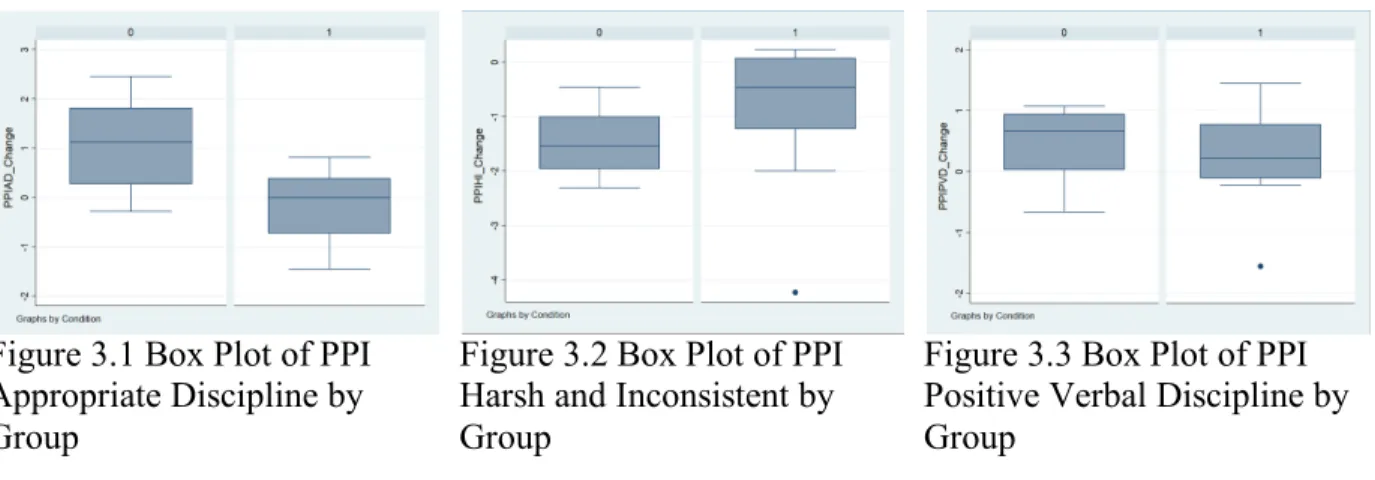
Figure 3.1. Box Plot of PPI Appropriate Discipline by Group……… 52
Figure 3.2. Box Plot of PPI Harsh and Inconsistent by Group……… 52
Figure 3.3. Box Plot of PPI Positive Verbal Discipline by Group……….. 52
Figure 3.4. Box Plot of PPI Physical Punishment by Group……… 53
Figure 3.5. Box Plot of PPI Positive Incentives by Group………... 53
Figure 3.6. Box Plot of PPI Clear Expectations by Group………... 53
Figure 3.7. Box Plot of ECBI Intensity by Group……… 53
Figure 3.8. Box Plot of ECBI Problem by Group……… 53
Figure 4.1. Linear Correlations of PPI Composite Scores by Group………... 54
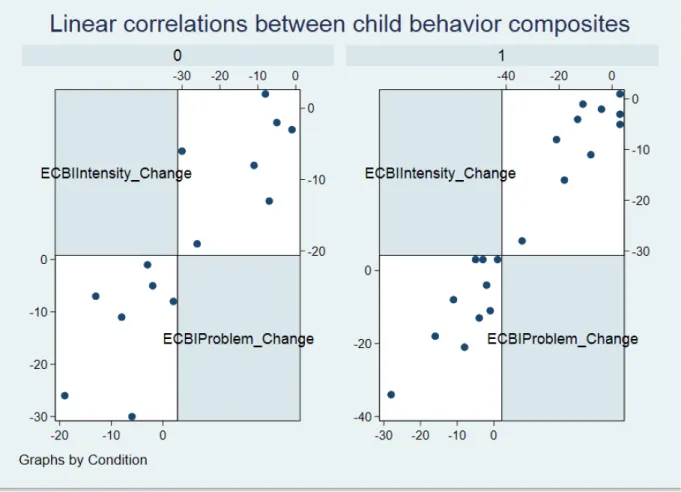
Figure 4.2. Linear Correlations of ECBI Composites by Group……….. 55 …... …... …... . …... .
…... . …...
.. …... .. …... . …...
xi
TABLE OF TABLES
Table 1. Analytic Plan by Research Design……… 43
Table 2. Characteristics of Parent Participants and Children Targeted by the IY Parent Training……… 45
Table 3. Results of Chi-square Analyses for Demographic Variables……… 46
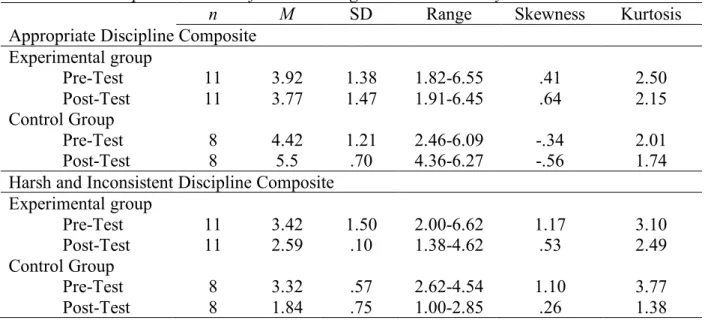
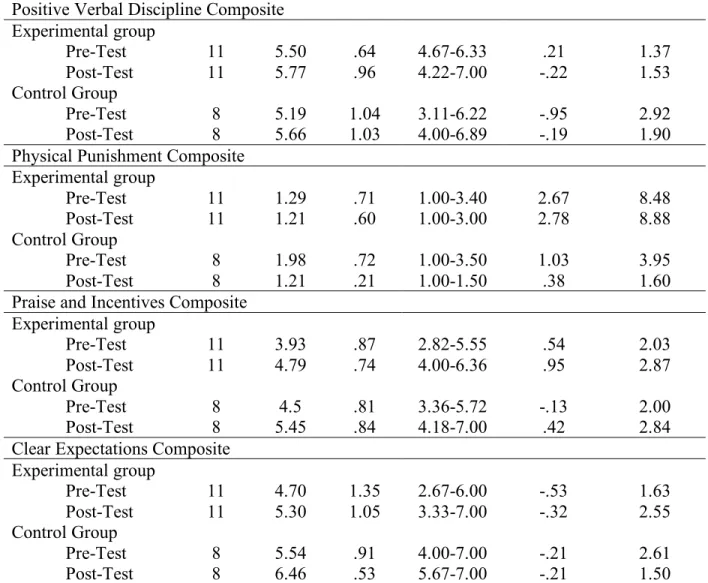
Table 4.1. Descriptive Statistics of the Parenting Practices Inventory……… 47
Table 4.2 Descriptive Statistics of the Eyberg Child Behavior Inventory……… 48
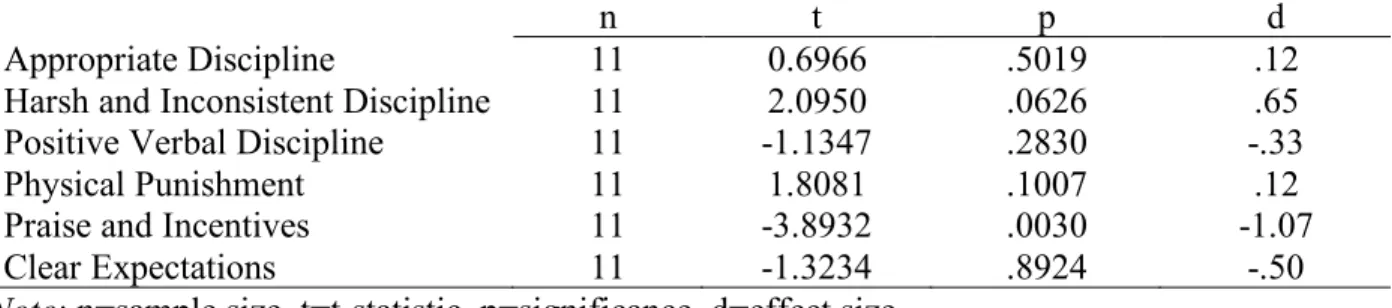
Table 5.1 Pre- to Post-Test Change on the PPI……… 50
Table 5.2 Pre- to Post-Test Change on the ECBI……… 50
Table 6.1. Shapiro-Wilks Test of Normality on the PPI Composites……… 55
Table 6.2. Shapiro-Wilks Test of Normality on the ECBI Composites……… 55
Table 7.1. Leven’s Test of Homogeneity of Variances on PPI Composites……… 56
Table 7.2. Leven’s Test of Homogeneity of Variances on the ECBI Composites……… 56
Table 8.1 Pre- to Post-Test Change on the PPI……… 57
Table 8.2. Pre- to Post-Test Change on the ECBI……… 58
Table 9. TIIP Post-Test Questionnaire Code Book……… 59
Table 10. Coded Responses by Question……… 59
Table 11. Skill Frequency of Use……… 61
CHAPTER ONE: INTRODUCTION
Childhood mental illness is a critical public health concern. Symptoms of mental illness often negatively impact the developmental trajectory of the child, and without effective intervention, result in a more severe manifestation of the illness in adulthood. According to the Centers for Disease Control (CDC) and Prevention’s National Health and Nutrition Examination Survey the prevalence of children ages 8-15 with a diagnosable mental disorder was approximately 13% within the last year (NIMH, n.d.). Research conducted by the National Institute of Mental Health demonstrates that half of lifetime cases of mental illness are present by the age of 14 (NIMH, 2009). The most common disorders among children were Attention Deficit/Hyperactivity Disorder (ADHD, 8.6%), Mood Disorders (3.7%), Major Depression (2.7%), and Conduct Disorder (2.1%), and the number of children with both ADHD and serious emotional or behavioral difficulties is increasing (CDC, 2015; NIMH, n.d.). Moreover, serious behavioral difficulties were identified in approximately 12% of preschoolers in the general population and up to 30% in low-income samples (Shepard & Dickstein, 2009).
The etiology of mental disorders within children can be attributed to both biological factors and adverse psychosocial experiences (DHHS, 1999). Children are inherently resilient; therefore, it follows that a biological vulnerability may make a child more susceptible to the effects of an adverse psychosocial experience or environment (DHHS, 1999). An environment that impacts a child’s development is one with familial risk factors (e.g., harsh and erratic parenting practices), which are associated with internalizing and externalizing behavior problems (Shephard & Dickstein, 2009; Webster-Stratton & Reid, 2010). Additionally, environments resulting in child
2
maltreatment are linked to physical and mental health disorders that persist throughout the lifetime (APA, 2009). Specifically, child maltreatment is a risk factor for anxiety, depression, post-traumatic stress, delinquency, violent acts by youth, alcoholism, drug abuse, severe obesity, smoking, and suicide (APA, 2009). In 2013, there were 679,000 children abused or neglected; 91.4% of these cases were perpetrated by the child’s parent(s) (NREPP, 2015).
Childhood mental illness is a public health concern due to the impact on the individual, family, and community. Financially, treatment and management of childhood mental disorders is estimated to cost $247 billion per year (Perou et al., 2013). Child maltreatment costs between $24 billion to $94 billion for associated legal and health care costs, including short-term
hospitalization due to physical injury, alternative placements to remove children from abuse and neglect, treatment of mental health issues and substance use, child protective services and investigations, as well as loss of productivity and an increase in poor physical and mental health in adulthood (APA, 2009). Additionally, problem behaviors that originate in childhood, such as pervasive aggression and conduct problems, reliably predict delinquency, aggression, and risky behaviors in adolescence (Kaminski, Valle, Filene, & Boyle, 2008). Adolescents with problem behaviors since childhood, account for a disproportionate number of youth offenses due to committing more serious and violent acts than adolescents without early conduct problems (Kaminski et al., 2008).
3
treatment can help address developmental disadvantages related to mental health issues. Behavioral parent training targets the environmental supports and has produced more positive outcomes for changing behaviors of children than interventions focused on individual children working directly with a clinician (Kaminski, et al., 2008). Additionally, these interventions are used to target and decrease negative parenting practices that may lead to child maltreatment (APA, 2009). Child welfare entities refer 800,000 families to parenting programs each year (Kaminski et al., 2008). Parenting interventions are widely utilized as early interventions to prevent and treat child mental illness and problem behaviors. Therefore, ensuring that these parenting programs are evidence-based, accessible, and effective for target populations is a public health concern.
A significant issue across parenting interventions, which target child behavior change through parent behavior change, relates to the critical nature of parents practicing learned strategies at home, with recent studies indicating this as a significant moderator of treatment effectiveness (Kaminski et al., 2008). One of the most utilized and effective parenting programs is the Incredible Years (IY) BASIC parenting program. Researchers familiar with IY have called for ways to capitalize on technological advances in an effort to increase accessibility (Gardner & Leijten, 2017). Therefore, the current research project will examine the integration of a coaching supplement in the form of text message prompts into the IY Preschool BASIC parenting program in order to increase the program’s effectiveness. This program, the Texting to Increase the
4
study will use a mixed methods experimental design to investigate whether incorporating the technological coaching prompts will affect gains made during and after the completion of the IY program. A mixed methods design was chosen to ensure that effects observed within the
5
CHAPTER TWO: LITERATURE REVIEW Behavioral Parent Training
Interventions for Preschool and School Age Children
The CDC (2018) recommends behavioral interventions to address childhood mental illness and behavioral disorders. Behavioral Parent Training (BPT) and Cognitive Behavioral Therapy (CBT) are the two behavioral interventions typically used to treat children depending on their age. CBT is an intervention based on the theoretical assumption that thoughts in response to an event or situation influence emotions, which impact behavioral responses (Wright, 2006). These behavioral responses in turn influence the thought process in response to future events (Wright, 2006). CBT targets the thought and behavioral responses of an individual to modify this cycle (Wright, 2006). BPT provides parents with skills to structure their child’s environment in order to manage their child’s behavior (CDC, 2018).
A meta-analysis conducted by Lundahl, Risser, and Lovejoy (2006) found that BPT is a robust intervention, with moderate effect sizes, for modifying disruptive behaviors in children following treatment. Further evidence for BPT, specifically for younger children, was
6
control group, and have an outcome measure of antisocial behavior (McCart et al., 2006). The total sample of studies had a mean age of 5.44 years old for BPT and 11.28 years old for CBT. Due to the discrepancy between mean age, the authors isolated studies to those including children age 6-12, which resulted in 7 BPT (mean age= 8.50) studies and 21 CBT (mean age= 9.68) studies (McCart, et al., 2006). Cohen’s d was used to calculate the following effect sizes, which allows for the cautious interpretation of the following effect sizes to be small (d=0.2), medium (d=0.5), or large (d=0.8) (Cohen, 1988). BPT (d=0.45) was shown to be a more effective behavioral intervention than CBT (d=0.23) for children ages 6-12 (McCart, Priester, Davies, & Azen, 2006). This finding is attributed to the developmental level of younger children, which increases their dependence on their parents for guidance and support, and decreases their ability to grasp abstract concepts due to their cognitive abilities (McCart et al., 2006). This theory is reinforced by the finding that for adolescents, results from the meta-analysis supported CBT as a more effective intervention (McCart et al., 2006). The CDC’s recommendation and this meta-analysis supports the use of BPT as an early intervention for children with behavioral difficulties. Further understanding the effects and moderators of BPT will allow clinicians to tailor BPT implementation and researchers to address gaps in current programming and implementation, in an effort to increase effectiveness of BPT programs for their target populations.
Effectiveness of BPT
7
ages 0-7 with early behavioral problems. The effectiveness of BPT programs on parent and child outcomes were examined. Parenting measures examined knowledge, attitudes, values, self-efficacy, and behavior, and demonstrated improvement with an average weighted effect size for parents of g=0.43 (Kaminski et al., 2008). Hedges’s g accounts for the discrepancy between the effect size in the sample size and population (McCart et al., 2006), but may be interpreted on the same scale as Cohen’s d (Cohen, 1988). Within individual parenting measures, results supported a large average effect size (g=0.88) for Knowledge and Information Acquisition, but a modest average effect size of g = 0.39 for Behaviors and Skills (Kaminski et al., 2008). Average effect sizes captured by measures of externalizing, internalizing, academic or socially competent child behaviors were small to medium (g = 0.30) (Kaminski et al., 2008). Within measures of child behaviors, internalizing behavior was associated with the largest effect sizes and social skills measures with the smallest effect sizes (Kaminski et al., 2008). Van Aar et al., (2017) also conducted a meta-analysis of 40 randomized BPT studies (n=2955 families in intervention and n= 2580 families in the control) that targeted disruptive child behavior. The results show that disruptive child behavior between pre-test and post-test was significantly reduced and had a small to moderate weighted effect size (d= -0.32, p<0.001). These results illustrate that BPT programs are effective, but vary according to individual outcomes.
In terms of a mechanism of action, BPT targets parents’ behavior in order to change child behavior, therefore child outcomes are dependent on parent outcomes. Understanding the impact of program content and delivery on changing parents’ behaviors in their home is important. This knowledge will allow for further promotion of effective components and elimination of
8
illustrates, parenting measures can capture a variety of outcomes (i.e., parent knowledge, and skill and behaviors); understanding how these measures are corresponding to child outcomes is important for program evaluation.
Moderators of BPT
Kaminski et al. (2008) also examined variation in treatment components of BPT programs to better understand how these factors moderated observed parent and child outcomes. The authors examined variations in the following program content and delivery variables: child development knowledge and care; positive interactions with child; responsiveness, sensitivity, and nurturing; emotional communication; disciplinary communication; discipline and behavior management; promoting children’s social skills or prosocial behavior; promoting children’s cognitive or
academic skills, curriculum or manual; modeling; homework; rehearsal, role-playing, or practice; separate child instruction; and ancillary services (Kaminski et al., 2008). Larger program effects were observed in BPT interventions that included emotional communication, consistent
9
For studies examining the effectiveness of BPT on child externalizing behavior, interventions that included positive interactions with child; responsiveness, sensitivity, and nurturing; time out; problem solving; modeling; and practicing with own child resulted in larger program effects compared to interventions that did not include these components when analyzed using ANOVA and mixed-effects regressions (Kaminski et al., 2008). Predictors of smaller program effects on child externalizing behavior were emotional communication, promoting social skills, having a curriculum or manual and ancillary services (Kaminski et al., 2008). In sum, this meta-analysis highlights some of the critical components that contribute to larger effect sizes for outcomes of BPT programs. Specifically, practicing with their own child was the component that contributed to larger effect sizes for both parent and child outcomes. Therefore, enhancing parent-child practice within parenting programs will be an important component to emphasize to increase both parent and child outcomes.
In addition to understanding specific intervention components of BPT that lead to greater effects, it is also important to understand the differential effects of BPT with varying
populations. A meta-analysis conducted by Lundahl et al. (2006) on 69 randomized and non-randomized studies of BPT programs examined specific moderators (i.e., treatment type,
10
(d=0.52, p=.05) than mixed groups (d=0.22) or children without clinically significant behaviors (d=0.31) (Lundahl et al., 2006). Finally, parents who participated in individual (d=0.69, p=.01) rather than group interventions (d=0.34) delivered parent training benefited significantly more (Lundahl et al., 2006). Although significant differences based on these moderators were not observed across all meta-analyses of BPT (i.e., Gardner, Hutchings, Bywater, & Whitaker, 2010), they are notable, because group, as opposed to individual, BPT are often the programs most accessible to low-income, high-risk families.
BPT Programs and IY
An example of an early intervention BPT is The Incredible Years (IY) BASIC parenting program. This program has been shown to be effective in reducing symptoms of childhood externalizing disorders (Webster-Stratton, Rinaldi, Reid, 2011). It was developed to target oppositional defiance disorder and conduct disorder, but has also been found to be effective at intervening with other disorders in children (e.g., ADHD) and as a preventative program for children and families at risk (Menting et al., 2013).
Incredible Years Preschool BASIC Parenting Program
Description of IY Parenting Program
The Incredible Years (IY) parenting program has been identified as an effective early
11
child directed play; academic, persistence, social, and emotion coaching; praise and
encouragement skills; tangible reward systems; establishing routines; effective limit setting; ignoring behavior; time-out; and natural and logical consequences. Each week, parenting knowledge and skills are taught through the use of video vignettes, discussion, and role-plays during the sessions, as well as homework, buddy calls, and coaching calls throughout the week. Evidence Base for IY
12
the use of Eyberg Child Behavior Inventory (ECBI; Colvin, 1999), a parent report measure that measures the number and severity of problem behaviors, random assignments after blocking or matching, and comparison to participants on a waitlist, which all led to larger improvements in child behavior as reported by parents (Menting et al., 2013). The authors suggested the larger improvements regarding the ECBI could be due to it being a scale that concentrates on behaviors that are likely to change during treatment (Menting, et al., 2013). Overall, these results support that IY is an effective BPT program. Additionally, findings show that number of sessions is positively related to intervention effects suggesting that dosage of the IY program may be an important moderator for child outcomes, and that the ECBI captures child behavior outcomes of the IY program.
IY Implementation
Program implementation with fidelity in community agencies and other settings is important as the IY program is implemented across the United States and a number of other countries around the world in an effort to provide early intervention to high-risk families. In their meta-analysis, Menting et al. (2013) examined effect-sizes of studies that both included and did not include the program developer, Dr. Webster-Stratton, and found that the effect-sizes were unaffected by her involvement. This finding is contrary to expectations; studies with the developer are typically expected to have greater effect-sizes than those without the developer’s involvement. Menting et al. (2013) suggested that the fidelity of implementation may not vary significantly due to Dr. Webster-Stratton requiring all IY group leaders to undergo a 3-day in-person training as a minimum requirement to administer the IY curriculum. To attain
13
and ongoing consultation, as well as checklists and materials in the program that guide the treatment planning for each session. The rigorous training process was also acknowledged as a likely source of the reproducible positive outcomes for the IY program by Gardner et al. (2010). Due to these requirements, however, the start-up cost of implementation is substantial. In North Carolina, Prevent Child Abuse North Carolina’s (PCANC) sample budget was approximately $6,500 to launch the IY Program (PCANC, n.d.). Gardner and Leijten (2017) highlight the need for further research to test ways to increase the accessibility of the program for service providers. Further, Gardner and Leijten (2017) posited developing an innovative delivery system and/or researching the essential components of parenting interventions to increase program
accessibility.
Potential Mediators between IY and Parenting Behaviors. As previously discussed, Kaminski et al. (2008) examined components of BPT with at least 5 of these studies
investigating IY specifically, that contributed to larger or smaller effects for improved parent behaviors. In addition to considering these moderators, the researchers also point to the importance of understanding variables that are typically considered mediators of IY and parenting behaviors, such as parenting attitudes and self-efficacy (Kaminski et al., 2008).
14
parenting (i.e. parents receiving IY intervention showed improvements in positive parenting practice), which led to positive changes in parent-reported child conduct problems (Gardner et al., 2010). Reduction in harsh or negative parenting practices was not found to be a mediator of change in the intervention (Gardner et al., 2010). Interestingly, harsh or negative parenting practices predicted outcomes in the control group, which suggests that these practices contribute to change over time (Gardner et al., 2010). The mediating variable of positive parenting practices is consistent with the goal of the IY BASIC Parenting Program, “enhance positive parenting interactions, coaching & attachment with children and proactive discipline” (Webster-Stratton, 2011, p. 46).
Moderators of IY. Gardner et al. (2010) also investigated moderators specific to the IY
parenting program. As previously discussed, a meta-analysis conducted by Lundahl et al. (2006) of BPT programs in-general found that children of socio-economically disadvantaged and single parents benefited less than their counterparts and children with clinically significant behavior problems benefited more than children with mixed or no behavioral problems from BPT programs. These results were not replicated by Gardner et al. (2010) who found no significant moderator effects of the IY parenting program from single parenthood (ES=.005), low income (ES=.002), teenage parents (ES=.002), and child behavior (ES=0). Instead, significant
15
IY to effectively treat populations that may not benefit from other BPTs is notable. Results from Gardner et al.’s (2010) randomized control trial need to be interpreted in context of the Lundahl et al.’s (2006) meta-analyses of BPT’s in general that found different results concerning
socioeconomically disadvantaged and single parents. It should be noted that despite this
difference Gardner et al. (2010) and Lundahl et al. (2006) both found that parenting programs are more beneficial for children with clinically significant behaviors. Further research should seek to replicate Gardner et al.’s (2010) findings in order to determine if these results are unique to the IY program.
Further research (Beuchaine et al., 2005; Baydar, Reid, and Webster-Stratton, 2003; Beuchaine, 2001) supports that IY is an effective parenting program for parents that are
experiencing other significant life stressors (Gardner et al., 2010). These have important clinical implications because IY is often a program that serves high-risk, low-income families.
16 IY in North Carolina
North Carolina has a number of local agencies across the state that offer IY programs in their communities (PCANC, 2017). PCANC is a state agency that supports the implementation of the IY Preschool BASIC parenting program by providing technical assistance, video clip reviews, preservice training, and on-site and phone coaching to members within their support network (PCANC, 2017). Members secure funding from sources such as Smart Start and North Carolina Division of Social Services (PCANC, 2017). This infrastructure is intended to help group facilitators implement the IY parenting program with fidelity (PCANC, 2017). PCANC evaluates the agencies they support each year.
In 2016-2017, 25 sites representing 983 parent(s)/caregiver(s) in North Carolina were evaluated. Seven hundred and thirty-eight parents participated in the pre- and post-test evaluation (PCANC, 2017). The results, based on parent report, demonstrated large, statistically significant program effects resulting in increases in positive parenting for 79.8% of the participants,
17
range at pre-treatment compared to 17.5% at post-treatment (PCANC, 2017). A clinically
significant score is indicative of conduct problems that need further evaluation because they may indicate psychopathology (PCANC, 2017).
As demonstrated above, IY parenting programs in North Carolina are showing large and moderate effects for parent and child outcomes. Appendix A provides a graph of IY program effects by year (2012-2017) and illustrates that 2016-2017 showed better outcomes than previous years. However, the number of participants is increasing almost every year, whereas the number of agencies providing the IY parenting program has plateaued. In order to ensure that these effect sizes can consistently be reproduced, and the agencies are able to serve as many families as possible, ways to support group facilitators in the administration of the IY program should be considered. One possibility for increasing agency capacity without requiring a significant increase in time or financial resources is supplemental technological interventions.
Technological Interventions
With the increase in the ubiquity of technology, there have been a number of recent efforts to integrate technology into medical settings to enhance patient care and support
treatment to improve outcomes. For example, Foreman, Stockl, Le, Fisk, Shah, Lew, Solow, and Curtis (2012) examined the use of a text message reminder program in an effort to support medication adherence. Patients that used the program had a significantly higher proportion of days covered (i.e., adhered more to their medication) than those in the control (Foreman et al., 2012). These results were observed across two types of medications (i.e., anti-diabetes
18
increase the dosage of the intervention, and increase the fidelity with which the parents implement the intervention in order to improve parent and child outcomes. The parenting intervention, Planned Activities Training, used in the study is significantly shorter than IY, including only 5 sessions, but of the 19 parents the parenting intervention and parenting intervention plus cell-phone component were tested on, 90% met mastery criterion on at least three different activities during intervention and improved in their parenting behaviors (Bigelow et al., 2008). Findings from this preliminary study also suggested that parents were receptive to the intervention (Bigelow et al., 2008). The use of technology has been used in a number of settings to support patients in implementing interventions at home, including preliminarily to enhance a parenting program (i.e., Planned Activities Training). Outcomes have shown that these interventions have increased patient implementation of the intervention and had positive effects (i.e., medication adherence and skill acquisition) (Bigelow et al., 2008; Stockl et al., 2012).
Texting to Increase the Impact of Parenting (TIIP) Program Rationale
IY is a widely used early intervention to address problem behaviors of young children (typically ages 0-12). Although IY has been shown to be effective at reducing externalizing behavior symptoms, studies have demonstrated that the program is not effective for all families participating in the intervention. Additionally, fidelity of program implementation is important to replicating program effects, therefore finding ways to further support families through the IY program without adding additional work for group facilitators is key for effective
implementation.
19
Although, IY has been shown to be effective in reducing externalizing disorders and even sustaining these outcomes, the reliance of the public on parenting interventions as the early intervention to treat symptoms that have the potential to impact children throughout their life, requires an additional effort to investigate options that may increase the effects demonstrated by these programs (Webster-Stratton, Rinaldi, & Reid, 2011). TIIP aims to increase the
effectiveness of the current IY parenting program by providing a means to reach families within their homes when the application of effective parenting skills is most important.
The Texting to Increase the Impact of Parenting (TIIP) Program will serve as another vehicle to disseminate and support the implementation of the IY Preschool BASIC parenting program. The program is designed to specifically target increasing the number of days that parents practice the skills learned in group each week and provide information or cues to parents to support correct use of the skills. Menting et al.’s (2013) moderator analysis demonstrated an increase in effects with increased attendance suggesting the importance of program dose to outcomes. Although the TIIP program is not a replacement for group attendance, the TIIP program has the potential to be a means to increase dosage for parents attending group consistently and parents experiencing difficulty attending group. This program will be disseminated throughout the parenting program to further support the practice with their child component identified by Kaminski et al. (2008) to increase effect sizes beyond homework assignments, buddy and
20
CHAPTER THREE: METHODS Usability and Feasibility Testing
Initial feasibility testing for the TIIP program occurred in a series of interviews with IY content and implementation experts. Between Fall 2017-Winter 2018, five in-person and phone interviews were conducted. The interviews were conducted with content and implementation experts, Dr. Carolyn Webster-Stratton, Dr. Stephanie Shepard, and Dr. Desiree Murray, who are the IY program developer; an IY parenting program researcher, trainer, and group facilitator; and an IY teacher program researcher, respectively. Dr. Kim McCombs-Thornton, Research and Evaluation Director at Smart Start, and Ms. Stephanie Pavlis, Director of Implementation support at PCANC, were also interviewed. Both professionals are involved in supporting local agencies in North Carolina in the implementation of IY parenting programs. These interviews helped to refine the final design of the intervention. This refinement incorporated expert feedback to ensure that the intervention would contribute to the effectiveness of the program differently than other components, as well as ensure it could be feasibly implemented in the population typically served by the IY Preschool BASIC parenting program.
21
Chapter Two. Needs of individuals (i.e., community perception or data indicating need for the intervention) was endorsed during an interview conducted with Dr. Kimberly McCombs-Thornton in November, 2017. She reported that agencies had inquired about using text
messaging programs in the past, however Smart Start, one of the local funding agencies for IY, may only provide funds for evidence-based programs. She indicated that once investigated, the TIIP Program would be the first text messaging intervention for parenting programs, to her knowledge, supported by research. Notably, this researcher found only one texting intervention to support parenting programs in her literature search (described above). In another interview, Dr. Desiree Murray challenged the researchers to consider the additional burden the TIIP program would place on group facilitators and agencies. Based on the feedback regarding need and resource availability the researchers have designed the TIIP program to be a low-cost and highly standardized program. The prompts were developed to align with the IY parent program content (see Appendix B). The program can provide existing automated texting programs (i.e., Red Oxygen) to group facilitators to send the texts on pre-programmed dates and times.
In each of the interviews, the researchers inquired about the fit of the TIIP program with the IY Preschool BASIC parenting program. All interviewees concurred that the program would fit with the IY program. Dr. Desiree Murray, Ms. Stephanie Pavlis, Dr. Stephanie Shepard, and Dr. Carolyn Webster-Stratton all inquired about the difference between the TIIP program and the buddy and coaching calls that are already components of the program. The concern regarding differentiation aided in the refinement of the TIIP program to be content based, which
22
but it is not interactive. Any questions that arise from text message prompts will be answered by group facilitators. The lack of reciprocal interaction through text messaging addresses another concern raised by Ms. Stephanie Pavlis, Dr. Stephanie Shepard, and Dr. Carolyn Webster-Stratton that the text messages would interfere with group facilitators’ rapport with the parent. Directing inquires to group facilitators is intended to increase or have a null effect on rapport as opposed to interfere with it.
Resource availability and readiness for replication was addressed primarily by Ms. Stephanie Pavlis and Dr. Kimberly McCombs-Thornton. These professionals are leading experts on the IY programs being implemented in North Carolina. The infrastructure provided by PCANC and Smart Start allow for the resources and capacity of the agencies implementing IY to do so with fidelity. During the interviews, both experts expressed that the intervention could be supported by these agencies as long as group facilitators’ work load was not increased. As previously mentioned, the TIIP program is designed to be easily maintained and administered by group leaders, however for the purposes of the study, the researchers will take on the responsibility of sending out the text messages each week. Administration of the prompts by the researchers is due to the researchers’ recognition that additional burden will be placed on group facilitators to assist the researcher in data collection for the duration of the study.
Aims and Hypotheses
The study addressed the following research questions (RQ): Research Question 1
23
behavior outcomes as measured by the Eyberg Child Behavior Inventory (ECBI; Eyberg, McDiarmid, Duke, & Boggs, 2004) compared to the IY treatment control condition at the conclusion of the IY parenting program? Hypothesis: It is expected that the supplement will result in an increase in utilization of positive parenting practices and decrease in utilization of negative and harsh parenting practices as measured by the PPI and a decrease in child problem behaviors and intensity to subclinical ranges (cutoff scores: problem scale: raw score less than 15, t-score less than 60; intensity scale: raw score less than 131, t-score less than 60; Colvin, 1999; Rich & Eyberg, 2001) measured by the ECBI above that of the change for the IY treatment only control group.
Research Question 2
Does the subjective experience as measured by the post-treatment questionnaire explain any variance in outcomes between participants who received the TIIP Program and participants who received IY treatment only control as measured by the PPI? Hypothesis: Parents who had a positive experience with the supplement will demonstrate an increase in positive parenting practices and a decrease in negative and harsh parenting practices as measured by the PPI as compared to parents who did not have a positive experience with the supplement or parents placed in the IY treatment only control.
Methods
Human Subjects Plan
24
Carolina sent out a recruitment email on behalf of the investigator. The investigator also individually contacted agencies with an IY program not funded through Smart Start using a recruitment email or phone call. Agencies that indicated interest received an email response within a week from the investigator requesting a phone call to discuss the study further and answer questions. Phone calls serve as an initial screening mechanism to ensure the agency is offering groups that meet the inclusion criteria (described below) and the agency can
accommodate the additional burden of the study.
The Institutional Review Board (IRB) at the University of North Carolina approved the study in January 2019. A memorandum that outlined the responsibilities of the agency and the
25
participant names and phone number used to send the text messages were kept in a locked cabinet separately from the data. Specifically, data were stored in a locked file cabinet separate from the informed consents or on encrypted laptops. De-identification and secure storage of personal information will ensure the confidentiality and privacy of parent responses and data.
Parents may have benefit from participating in the study. Parents received greater IY curriculum support through the text message prompts during the parenting program than is typically provided in IY. It was expected that these prompts may increase the utility and
effectiveness of the program and sustain the effects of the program by providing daily reminders and information to guide their practice throughout the week.
There were minimal foreseeable risks for participation in the study. Study measures may have asked questions that were considered to be personal in nature and may have cause
participants to feel uncomfortable. To ameliorate this risk, participants were given the choice to abstain from answering uncomfortable questions or withdraw from the study at any time. The questions developed for the TIIP Post-Test Questionnaire have been designed in such a way as to be minimally intrusive and threatening by focusing on their practice as it relates to the IY
program and their perception of the experience with the text message prompts. Similarly, receiving daily text message prompts may have been perceived as intrusive or excessive to some participants. These participants were given the choice to withdraw from the study at any time. Participants
As part of this pilot study, the investigator sought to collaborate with up to 26 sites across North Carolina that offered community-based IY parent groups. Figure 1 outlines the
26
participate in the study during Spring 2019. Within those two agencies, twenty-seven group members agree to participate in the study.
Procedure
Sampling and Randomization. The study utilized a purposive and convenience sampling technique (Teddlie & Yu, 2007). The investigator used purposive sampling by targeting agencies offering IY groups as this was the curriculum of interest. Convenience sampling was then
27
execute the study because group leaders must be willing to take on the additional burden of coordinating with the investigator regarding scheduling to conduct pre- and post-treatment assessment and to ensure alignment of text message content.
Selection of agencies to be included in the study was limited to agencies offering IY groups administering the IY Preschool BASIC parenting program curriculum in North Carolina during the Spring of 2019. Further, the curriculum must be administered in English and the group leaders must have completed training in IY Preschool BASIC parenting program.
The study planned to use a fixed block design, which is used to reduce error variance and capture a better estimate of treatment effects (Kirk, 2014). This design was selected to control for clustering that would have occurred if multiple agencies were assigned to each condition. As such, IY groups would have been matched by group leader training and socioeconomic status of the county to create blocks prior to randomization. Due to limited recruitment, block
randomization was used to ensure equal sample sizes (i.e., one group was placed in treatment, one group in control; Suresh, 2011). While, matching the groups based on variables was no longer needed prior to randomization, due to the lack of potential clustering effects, the group leaders IY training for both treatment and control were comparable.
28
notify the group members that they received the text message. One member did not receive the text and the number was adjusted. By the end of the second group, all indicated receiving the test text message. This indicated to the investigator that the phone number collected and inputted was correct. This ensured that the TIIP program was administered to all participants in the
intervention condition.
The text message prompts were administered in the same order to every participant. The first text message prompt was sent out after the first group session concluded at 8pm. The remaining prompts during the first week were sent at 5:30pm. This time was chosen to target parents on their way home from work. However, at the second session, a number of parents provide feedback to the investigator that this time was extremely inconvenient because they were traveling and didn’t have the ability to look at the text message being sent. There was a consensus that mid-morning would be a more preferred time. Therefore, the remaining text messages were sent at 8pm on session days to target parents after group, and 11am on the remaining days of the week.
In the event that a group is not progressing according to the curriculum (i.e., an extra week is spent on a content area), group leaders will communicate with the investigator the content being covered, and the investigator will default to the bank of additional prompts. Deviations in
29
There were deviations from standardization that occurred as the TIIP program was
administered due to difficulties with the texting software, administration errors, and in response to programmatic scheduling. Deviations from the standardized administration occurred during Week 5, 8, and 10 due to difficulties working the software; during these weeks, texts were sent out daily, but at the incorrect time. Additionally, deviations from content occurred on Week 6, 8, and 13 due to administration error. Week 6 the administrator accidentally sent out texts from the prior week due to difficulties with tracking in the spreadsheet. On week 8, instruction of two skills was covered in one week instead of two, so content that represented both were mixed together to reflect instructions. On week 13, there was not an “extra” bank for that content area, so content from the extra banks on week 7,9,11 were administered instead.
Group Attrition. Participants who opted-in to the study but discontinued attending group continued to receive the text message prompts. They had the option to contact the investigator and withdraw from the study, however no participants withdrew during the study. To collect post-treatment data, these participants were emailed the post-treatment questionnaires for
completion. A follow-up email or mailed copy of the questionnaires was sent after two weeks to parents who did not respond.
Instrumentation
30
TIIP Post-Test Questionnaire. A questionnaire developed by the researcher was
administered at post-test to both experimental and control groups (Appendix D). This measure asked participants open-ended questions regarding barriers to treatment, knowledge and skills practiced at home, perceived helpfulness of program components, and for the experimental group, multiple choice and open-ended questions regarding their experience with the TIIP program.
Eyberg Child Behavior Inventory (ECBI). The ECBI is a 36-item parent-report
questionnaire that assesses child conduct behavior problems such as noncompliance, defiance, aggressiveness, and impulsiveness in children from 2 to 16 years-old (Colvin, 1999). The items are rated on 7-point Intensity scales (i.e., “Never” to “Always”; Colvin, 1999). The Intensity Scale measures frequency of occurrence for each problem behavior with raw scores ranging from 36 to 252 (Colvin, 1999). On the Problem Scale, parents are asked to indicate if a behavior is problematic by circling “yes” or “no”; scores on this scale can range from 0 to 36 (Colvin, 1999). A study investigated a sample of 798 children, with age group and socioeconomic status evenly distributed and ethnicity corresponding to the U.S. Census of 1990, was used to update the original ECBI normative data with new standardization and to evaluate psychometric characteristics of the ECBI in that population (Colvin, 1999). This study adjusted the cutoff scores to 132 on the Intensity scale and 15 on the Problem scale suggest the need for treatment (Colvin, 1999). Once the raw scores are converted to scores, the cut-off for both scales is a T-score of 60 or higher (Colvin, 1999). A study by Ross & Eyberg (2001) investigated the
31
and a sample of non-referred children from a pediatric clinic. This study found an overall sensitivity accuracy of 0.91 (i.e., the intensity scale correctly classified 91% of young children who require treatment for behavior difficulties), negative predictive power was 0.96 and positive predictive power was 0.88 (Ross & Eyberg, 2001).
Additionally, the ECBI has high internal consistency (Intensity Scale, a=0.95 and Problem Scale, a=0.93; Colvin, 1999), test-retest reliability (test-retest coefficient of 0.98; Robinson,
Eyberg, & Ross, 1980), and interrater reliability (k=0.82; Rich & Eyberg, 2001), as well as convergent, discriminant, and predictive validity (Eyberg & Ross, 1978). In the current study, the internal reliability for each scale was calculated at pre-test (Intensity Scale, a=94; Problem Scale, a=.89) and post-test (Intensity Scale, a=94; Problem Scale, a=.94). The internal
consistency in the current study is similar to prior studies examining the ECBI. These
psychometric properties enable the measure to be sensitive to changes that may occur during treatment.
Parenting Practices Inventory (PPI). Adapted from the Oregon Social Learning Center’s Discipline Questionnaire and revised for young children, the PPI is a 72-item self-report
32
Appropriate Discipline a=.82, Harsh and Inconsistent Discipline a=.80, Positive Verbal Discipline a=.75, Monitoring a=.54, Physical Punishment a=.76, Praise and Incentives a=.67, and Clear Expectations a= .66) and is often used as an indicator of change in parenting practices
during intervention (Webster-Stratton, et al., 2001).
A factor analysis, internal reliability coefficient, and stability over time were further investigated by Baydar, Reid, and Webster-Stratton (2003) who separately analyzed three sets (negativity/hostility, parenting competence in response to positive and negative child behavior, and ineffective parenting strategies for negative behaviors) consisting of a total of 19 items. Using an exploratory factor analysis with orthogonal rotation, the sets of items resulted in dominant factors that accounted for 50% of harsh parenting, 44% positive parenting, and 33% inconsistent parenting (Baydar et al., 2003). Items whose dominant factor loading exceeded 0.3 were used to form a scale representing the corresponding domain and the internal reliability coefficient of the scales was calculated (PPI Harsh/Negative Parenting scale, a=0 .73; PPI Supportive Parenting scale, a=0.57, and PPI Ineffective Parenting Scale, a=0.63) (Baydar et al.,
2003). The stability of the scale over time was assessed by calculating the correlations between pre- and post-assessment for the control condition (PPI Hash/Negative scale, r=0.77; PPI Positive Scale, r=0.50; PPI Inconsistent Parenting scale, r=0.57) (Baydar et al., 2003).
In the current study, the measure was shortened, the internal reliability on each composite was calculated at pre-test (Appropriate Discipline, a=.89; Harsh and Inconsistent Punishment,
a=.92; Positive Verbal Discipline, a=.69; Physical Punishment, a=.81; Praise and Incentives,
a=.77; Clear Expectations, a=.73) and post-test (Appropriate Discipline, a=.90; Harsh and
33
Praise and Incentives, a=.74; Clear Expectations, a=.81). It is notable that the internal
consistency was calculated with only items that appeared on the form administered, which differs slightly from the PPI (further information regarding missing data detailed below). Given this difference, it is also important to highlight that the internal reliability for the current study was higher for all the composites with the exception of pre-test Positive Verbal Discipline and post-test Physical Punishment.
Research Design
The current study used a mixed methods approach to investigate the effects of the TIIP program. Mixed methods involve the collection of qualitative and quantitative data that are integrated during data analysis (Creswell & Creswell, 2017). Combining quantitative and
qualitative approaches minimizes the limitations of each approach. Additionally, qualitative data for the current study allowed for further interpretation of the quantitative results (Creswell & Creswell, 2017). Specifically, qualitative data aided in determining if any effects observed in the quantitative data are due to participant experience with the text messaging prompts through coding of participant perspective and comparing it with the parent and child outcomes (Creswell & Creswell, 2017). The frequency of each code was reported numerically by question.
Qualitative data was quantized (i.e., process of assigning numerical values to non-numerical data) in order to better recognize patterns that emerge and allow for consistency in reporting of multiple choice and open-ended questions from the TIIP Questionnaire, which allowed for ease in comparing the data (Maxwell, 2010; Nzabonimpa, 2018). Further, this allowed for the examination for the amount of qualitative evidence for or against the acceptability and
34
In order to minimize the loss of nuance or context that may result from quantizing the qualitative data (Nzabonimpa, 2018), examples were provided in-text as well to support the patterns
observed from the frequency counts.
In this study, a concurrent triangulation experimental design will embed the qualitative data as a secondary data source, with quantitative data as the primary data source, to further assess the participants experiences with the TIIP program and collect additional data around parenting practices utilized each week (see Figure 2; Tashakkori, & Teddlie, 2003). Qualitative interviews were conducted prior to beginning the experiment in order to identify the need for the intervention, to identify pre- and post-test measures, develop the TIIP Post-test questionnaire, to identify barrier to implementation, and to assist in recruitment of participants (Creswell & Clark, 2017).
Quantitative (Qualitative) Design Before the Intervention:
Qualitative Data Collection
• Information interviews with content and implementation experts Qualitative Analysis
• Identify need and acceptability of the TIIP Program and identify barriers to implementation
• Determine appropriate pre- and post-test questionnaires and develop a post-test questionnaire
During the Intervention: Quantitative Data Collection:
• Demographic questionnaire
• Pre-test parent rating scales (PPI, ECBI) After the Intervention:
Quantitative Data Collection
35 Quantitative Data Analysis:
• Descriptive statistics
• Group comparisons: t-tests, ANOVAs Qualitative Data Collection:
• TIIP post-test questionnaire Qualitative Data Analysis:
• Thematic Analysis
Integration & Interpretation • Enhance interpretation of qualitative outcomes
• Detect patterns within and between groups in their experience with the IY Parenting program
• Understand the acceptability and efficacy of the TIIP Program Figure 2. Illustration of Mixed Methods Design
Quantitative Data. The primary data source was used to examine the dependent
variables of parenting practices and child outcomes was the Parenting Practices Inventory (PPI) and Eyberg Child Behavior Inventory (ECBI) collected during pre-treatment and post-treatment. The data plan was then to analyze using the data using t-tests and ANOVAs. Demographic information was also collected and analyzed by calculating descriptive statistics and conducting a chi-square analysis to investigate whether any significant differences exist between the
participants in the intervention and control groups.
Qualitative Data. The TIIP post-test questionnaire was used to collected data from
36
order to capture both deductive and inductive data in the code book (Guest, et al., 2014).
Thematic analysis is also an appropriate approach for large data sets, which is uncharacteristic of alternative methods (e.g., phenomenology, grounded theory) (Guest et al., 2014).
Data Integration. A simple form of quantitative and qualitative data triangulation is to present the data sequentially in the discussion section (Creswell & Creswell, 2017; Mizrahi & Rosenthal, 2001). Results from the quantitative data are reported on in order to answer RQ1. To answer Q2, the qualitative data is then presented after the quantitative summary and patterns with specific quotations were cited (Maxwell, 2010; Nzabonimpa, 2018). Finally, the integration of the data occurs in-text. The convergent findings are presented first, by describing qualitative data that supports the quantitative findings stated in RQ1. Then, any divergent findings are presented by reporting the quantitative results and relevant qualitative findings that are discrepant or unsupportive of the qualitative findings. The data collected regarding the experimental group experience with the TIIP program is reported on first, then information collected from the experimental and control group regarding the IY parenting skills is presented and group similarities and differences are highlighted.
Planned Analyses
37
demonstrate that all composite scores with the exception of Physical Punishment, were normally distributed. Parameters of a normal distribution within a population are typically a kurtosis value of 3 and skew value of 0 ± 2 (Boslaugh, 2008). Note, however, that the determination of the parameters that constitute a normal distribution may vary by sample. The Physical Punishment composite data does not meet the assumption of a normal distribution due to the nature of the data (i.e., it is expected most parents are not using physical punishment and provide a rating of zero), therefore a transformation was not conducted (Denis, 2019). Therefore, although a dependent sample t-test was conducted to test the hypothesis, with the validity of the Physical Punishment composite should be interpreted cautiously.
38
Assumptions of the one-way MANOVA and one-way ANOVA were checked after running the analyses in order to examine the validity of their results. Post-hoc analysis of assumptions is necessary due to the calculation of residuals required to run the tests being dependent on the one-way MANOVA results. The one-one-way MANOVA analyses relies on the following assumptions: 1) two or more dependent variable are continuous; 2) the independent variable consists of two or more categorical, independent groups; 3) the observations are independent; 4) adequate sample size (i.e., more observations than dependent variables); 5) no univariate or multivariate outliers; 6) multivariate normality; 7) linear relationship between the dependent variables; 8)
homogeneity of variance-covariance matrices; and 9) no multicollinearity (Denis, 2018). These assumptions were tested by generating box plots to examine the presence of outliers, using the Doornik-Hansen omnibus test to test multivariate normality, scatter plot matrices were generated to examine the linear relationship between dependent variables by the independent variables, and Box’s M test of equality of covariance.
The one-way ANOVA assumptions are similar to those of the one-way MANOVA includes, 1) a continuous dependent variable, 2) two or more categorical, independent variables, 3)
independence of observations, 4) no significant outliers, 5) dependent variable is normally distributed, and 6) homogeneity of variances. Assumptions were tested using box plots to detect the presence of outliers, Shapiro Wilk’s test of normality, and Levene’s test of homogeneity of variance.
39
post-test, it is also meaningful to evaluate if the change represented children determined to be at-risk (i.e., above the cutoff score) at pre-test demonstrating fewer problem behaviors and lower intensity of those behaviors to no longer being at-risk (i.e., below the cutoff score) at post-test.
RQ2 was examined using mixed methods analyses. To address RQ2, the qualitative responses provided on the TIIP post-test questionnaire regarding the experimental groups experience with the intervention were coded using a priori codes based on the measure and research questions. Although the proposed analytic plan involved thematic analysis, no emergent themes were identified, therefore only a priori codes were applied. The open-ended questions were all coded by two independent coders. Inter-rater reliability was determined using the kappa statistic, which is a measure of difference on a scale of -1 to 1 (Viera & Garrett, 2005). The scale uses 1 to represent perfect agreement, 0 to represent what would occur by chance, and negative values represent less than chance or systematic disagreement (Viera & Garrett, 2005). Kappa can be interpreted using the following descriptors: less than chance agreement is <0, slight agreement is 0.01-0.20, fair agreement is 0.21-0.40, moderate agreement is 0.41-0.60, substantial agreement is 0.61-0.80, and almost perfect agreement is 0.81-0.99 (Viera & Garrett, 2005). In the current analyses, the investigator chose to accept inter-rater agreement represented by kappa statistic in the range of substantial agreement or almost perfect agreement.
40
responses for multiple choice questions on the TIIP post-test questionnaire that examined outcomes relevant to the current study were counted and reported for each group. The questions reported on were those that specifically asked about parents’ practice of specific skills or their experience with the TIIP program. Differences between the experimental and control group were used to highlight similarities and differences in parents’ implementation of the skills. It also provided information regarding parent experience with the TIIP program.
Sample Size Considerations: Power for the t-tests and ANOVA analyses was computed using Stata 15 (StataCorp et al., 2017). Based on a recent meta-analysis examining the expected
outcomes of IY, effect sizes range from d = 0.35 to 0.85, with the majority of studies falling in the moderate range of d = 0.4 to 0.6 (Rosanbalm & Christopoulos, 2011). Using an alpha of .05 and a power estimate of .80, power analysis results indicated that a minimum sample size of 100 parents (10 per group during the IY program; 5 groups in each condition) would be needed to detect a significant effect size of d=0.6 for the PPI and d=0.6 for the ECBI for the IY +TIIP group (RQ1a) (Kirk, 2014).
Missing Data Plan
41
therefore there is not a preferable solution (Newman, 2014). Due to ease of use, list wise deletion was for participants who had missing data at one time point. However, list wise deletion was only used in the case of non-response (i.e., an individual did not respond to any questions at pre-treatment and/or post-pre-treatment). For subjects that completed forms at both time points, pair wise deletion was chosen due to the small sample size. While it is not typically the preferred method for multivariate statistics, the investigator did not want to further reduce the sample size by removing cases with missing data (Denis, 2019).
Item-level and Construct-Level Missing Data. Item-level missing data occurs when
few items are not answered on a multi-item scale and construct-level missing data is when zero items of a scale are answered (Newman, 2014). In the current study, item-level missing data happened for two reasons. First, the investigator was using existing data, which involved collecting the PPI and ECBI forms from the funding agencies. The funding agencies,
unbeknownst to the investigator, removed items from the PPI. The investigator hypothesizes this is likely due to the agencies attempting to decrease the level of burden on parents by reducing the number of questions that parents need to answer, and/or some questions removed asked
construct-42
level missing data for the Monitoring composite. Second, parents did not always fill out the form correctly or purposefully skipped items.
Missing data due to questions being eliminated from the PPI form was addressed at both the item and construct level. For the Monitoring composite, there were no questions on the PPI that represented that construct, therefore no data was collected and the composite could not be calculated. The Monitoring composite was therefore eliminated from the analyses. For the Appropriate Discipline, Harsh and Inconsistent Discipline, and Clear Expectations composites, the composite scores were calculated based on available data. This aligns with the techniques of list wise deletion cutoffs (i.e., calculating scale composite scores if the participant responds to half or more) and mean across available items (i.e., calculating scaled scores based on available items) since there is not more than half of the items missing for any one individual (Newman, 2014). It is also notable that there were six participants who had missing data due to skipping a question, but there were no more than two questions missed by a single participant. Additionally, even with missing information due to skipping a question and the reduced number of items on the form, none of the participants responded to fewer than half the items for any one composite. The investigator made the decision not to replace missing values due to the majority of the values being part of a larger pattern of missing data as opposed to missing at random (Denis, 2019).
Missing data on the ECBI had clear parameters based on the scoring rules for the measure. The measure outlines that no more than four items can be skipped on a given
43
(i.e., two from the control group, one from the experimental group) were excluded from the ECBI Problem composite analyses and two participants (i.e., one from each group) were excluded from the analyses.
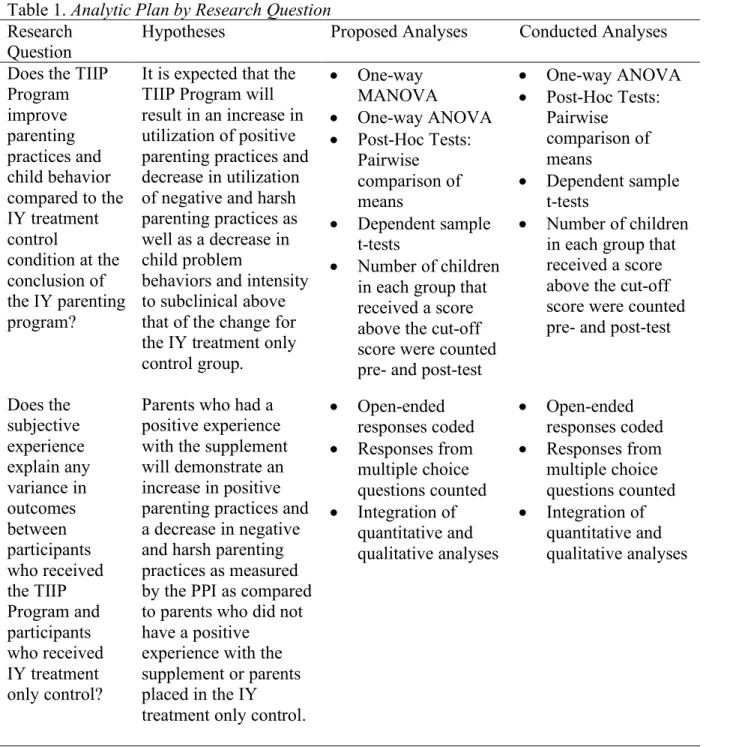
Table 1. Analytic Plan by Research Question Research
Question
Hypotheses Proposed Analyses Conducted Analyses Does the TIIP
Program improve parenting practices and child behavior compared to the IY treatment control
condition at the conclusion of the IY parenting program?
It is expected that the TIIP Program will result in an increase in utilization of positive parenting practices and decrease in utilization of negative and harsh parenting practices as well as a decrease in child problem
behaviors and intensity to subclinical above that of the change for the IY treatment only control group.
• One-way MANOVA
• One-way ANOVA • Post-Hoc Tests:
Pairwise comparison of means
• Dependent sample t-tests
• Number of children in each group that received a score above the cut-off score were counted pre- and post-test
• One-way ANOVA • Post-Hoc Tests:
Pairwise comparison of means
• Dependent sample t-tests
• Number of children in each group that received a score above the cut-off score were counted pre- and post-test
Does the subjective experience explain any variance in outcomes between participants who received the TIIP Program and participants who received IY treatment only control?
Parents who had a positive experience with the supplement will demonstrate an increase in positive parenting practices and a decrease in negative and harsh parenting practices as measured by the PPI as compared to parents who did not have a positive
experience with the supplement or parents placed in the IY
treatment only control.
• Open-ended responses coded • Responses from multiple choice questions counted • Integration of
quantitative and qualitative analyses
• Open-ended responses coded • Responses from multiple choice questions counted • Integration of
44
CHAPTER FOUR: RESULTS
Demographics Participants
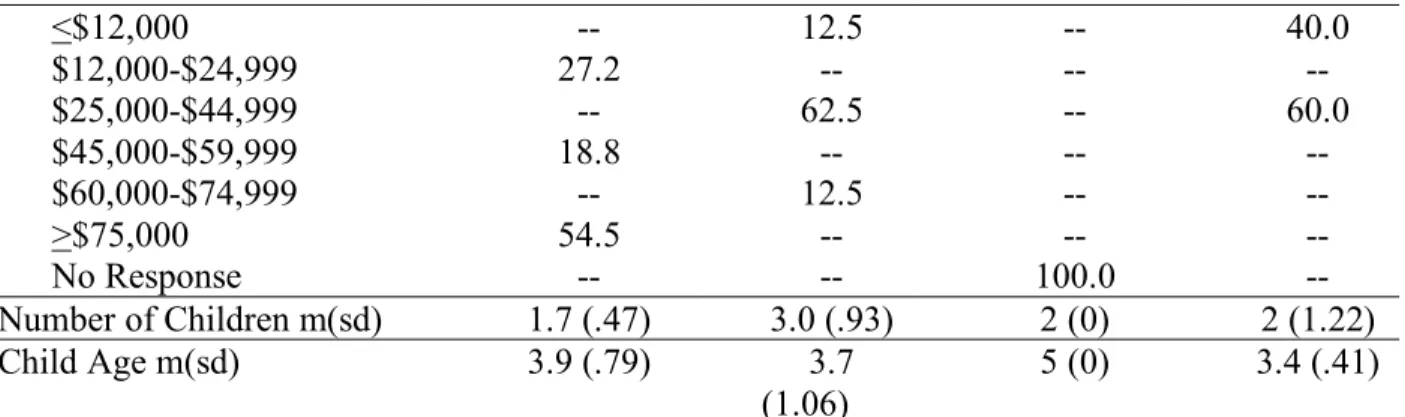
Two community agencies participated in the study. Within those two agencies, twenty-seven group members participated in the study. Participants’ demographic information is reported in Table 2. Chi-square analyses were conducted to examine significant differences in reported characteristics in the sample (see Table 3). No significant differences between demographic characteristics emerged (p>.05) with the exception of income and number of children. Families in the control group all had between 2 to 4 children, whereas the experimental group had three families with one child and eight families with two children. None of the families in the experimental group had more than two children. Further, the income variable, when
contextualized to demonstrate the families’ classification as above the poverty line, below the poverty line, or near the poverty line (i.e., used for families whose income range included their poverty threshold) as part of the Poverty Threshold variable, this variable was no longer significant. In addition to minimal differences in the two samples, the study incorporated