Table of Contents
1. Abstract………3
2. Introduction……….4
3. Review of the Literature……….8
A. Benefits of Gastric and Enteral Feeding Tubes………..……9
B. Challenges and Complications of Gastric and Enteral Feeding Tubes…………10
C. Quality of Life of Patients………..……….………15
D. Role of Family as Caregivers………..17
E. Role of Nurses……….………..18
4. Design……….21
5. Methods………..21
6. Results……….23
7. Implications for Future Practice………..63
8. Limitations……….64
9. Discussion………...67
10. Conclusion………68
11. Acknowledgments………68
12. References………69
Abstract
Gastric and enteral feeding tubes have been used for people with an intact
regards to feeding tubes and believed that their nurses were caring and compassionate, a greater number of respondents expressed that their nurses were less informed regarding feeding tubes and less able to provide help with the emotional challenges that these patients present. With these results, further investigation is needed to assess how nurses can better support patients with feeding tubes and better identify the successful and transformative interventions that would be helpful to this patient population.
Introduction
within the pediatric, adolescent, and adult population (Colbrunn, van den Bogert, Mino, Montiero, & Stallion, 2013). Examples of low profile “button” tubes as they are commonly referred to, include MicKey® and AMT® brands which are the most commonly-utilized brands (Colbrunn, van den Bogert, Mino, Montiero, & Stallion, 2013).
Images of Various Types of Feeding Tubes
Gastrostomy “G Tube” on left and Jejunostomy “J Tube” on the right
Both of these types of tubes may be either the traditional feeding tube with long tubing that extends from the abdomen, or they may be low profile tubes that have attachable extension tubing.
Source:http://www.mskcc.org/sites/www.mskcc.org/files/imagecache/medium/node/20492/imag es/fig1and2.png
Gastro-Jejunostomy Tube (GJ Tube)
while the J port is most often used for nutrition and hydration (Lucendo, A. & Friginal-Ruiz, A.; Blumenstein, Shastri, & Stein (2014). (2014).
Source: http://www.uofmchildrenshospital.org/fv/groups/public/documents/images/115678.jpg
Low Profile “Button” Feeding Tube (This type can be either a G, J, or GJ combined tube.)
Low Profile “Button” Feeding Tube with extensions attached, may be a G, J, or GJ combination tube
Source: https://ourlifewithk.files.wordpress.com/2013/06/06-23-13_8678.jpg
Gastric and enteral tubes are indicated when patients are not able to receive adequate nutrition through standard oral intake methods (Whitney, 2013). The medical diagnoses which may require one of these tubes include but are not limited to eating disorders including anorexia nervosa and bulimia, orofacial fractures, head and neck cancer, major central nervous system neurologic disorders, severe burns, and gastrointestinal (GI) disorders including inflammatory bowel disease, pancreatitis, and Crohn’s disease (Whitney, 2014; Brotherton & Judd, 2007). When nutrition is lacking, it is general practice to start with less invasive interventions such as a nasogastric tube (NG) and then progress with, for example, a G tube, to assess how the patient will respond to the medical device (Whitney, 2013).
From clinical experience with various patients, my interest piqued to determine how nurses, specifically, can improve care for this patient population. These patients are facing complicated medical diagnoses, and the use of these tubes can be seen as invasive and
for the results of this study to guide the future practice of nurses as it relates to patients with these feeding tubes. The questions in this survey were created to assess what feelings and emotions these patients have whether positive or negative, the interventions which have been put into practice, as well as some practices that the patients themselves would like to see
implemented given their individual experiences. Nurses are in a key position to assess and intervene for this patient population because they care for patients in the hospital or tertiary care institutions, long-term care centers, skilled nursing facilities, as well as outpatient clinics and the community setting for home health care nurses. Nurses will repeatedly see these patients and will be able to work jointly with these patients to maintain and improve their quality of life (QoL) if it is in jeopardy. This survey was developed to be an exploratory and investigative study given the lack of information regarding these specific patients in the written literature and to document the specific challenges that these patients face. Furthermore, this survey will serve to document which interventions are already being performed in the clinical setting that are helpful so that recommendations can be made for nurses to continue with these practices. Survey respondents were given the opportunity to share personal experiences through the use of open-ended questions as well as questions which have a selection of choices where they may select one answer, multiple answers, or provide their own response in a free-text box. The results of this study will be shared throughout this report.
Review of the Literature
have increased metabolic needs which are unable to be met through oral eating alone, or the patients may be facing chronic illness which may increase their metabolic needs (Whitney, 2014). This review of the literature is organized into five categories--benefits of gastric and enteral feeding tubes, challenges and complications of gastric and enteral feeding tubes, quality of life of patients, role of family as care givers, and role of nurses with tube feeding.
Benefits of Gastric and Enteral Feeding Tubes
improved self-esteem and were able to tolerate the tube in terms of physical appearance, and the tube was more acceptable to these patients given that it would be hidden under their clothes versus having a nasogastric (NG) tube which is visible to those around them (Bannerman, Pendlebury, Phillips, & Ghosh, 2000). Any efforts to increase the QoL for these patients can be seen as a benefit and should be encouraged. In order for patients to experience the full physical and physiological benefits that feeding tubes may offer and to experience the most favorable patient outcomes, all patients, young and older, should be assessed and be offered the option of a low-profile tube if the patient desires and no contraindication is present. These more low-profile “buttons,” are ideal for children, adolescents, and adults who desire to have a smaller tube and who may feel self-conscious in regards to their body image and confidence (Rahnemai-Azar, Rahnemaiazar, Naghshizadian, Kurtz, & Farkas (2014). If patients are well-taught and are able to manage their own care at home, the patients will be able to maintain their independence and a sense of control over their circumstances resulting in steps towards beneficial health outcomes (Bjuresӓter, Larsson, Nordstrӧm, & Athlin, 2008). . The patients have reported an overall healthy well-being status when they are able to manage their tube feeding routines at home. (Brotherton & Judd, 2007). This sentiment is supported by a similar study which showed that as patients are able to regain their independence with a set routine for their tube feeds, they feel a sense of increased independence (Verhoef & Van Rosendaal, 2001).
Challenges and Complications of Gastric and Enteral Feeding Tubes
the differences in the patients, their personal medical history, and the approach to care, whether or not a patient does well with a feeding tube cannot always be predicted with complete
accuracy. As noted before, family members caring for patients with feeding tubes have described their lives as being ruled by the tube feeds and feeling disconnected from the world outside of their medical care routine (Bjuresӓter, Larsson, & Athlin, 2011). Given that these tube feedings may continue for months, years, or indefinitely, this sense of loss of independence may be significant. Additionally, the patients themselves express that tube feedings can be
challenging. One of the main concerns expressed by family is that they have a continuing concern for their loved one who is reliant on the tube feeds (Bjuresӓter, Larsson, & Athlin, 2011). These family members will often find themselves in an ethical dilemma of whether or not to dedicate a large part of their time to their loved one (Bjuresӓter, Larsson, & Athlin, 2011). These dilemmas will weigh heavily on patients’ family members and may increase stress levels among this population.
Before a feeding tube is surgically placed, the patient’s medical history will need to be reviewed thoroughly in order to assess if the procedure will be safe and is not contraindicated (Rahnemai-Azar, Rahnemaiazar, Naghshizadian, Kurtz, & Farkas, 2014). In order for feedings to be effective and safe, the patient must have a functioning GI tract as well as no obstructions throughout the stomach, small intestines, and colon (Verhoef & Van Rosendaal, 2001).
When patients are considering having a feeding tube placed, it is a general practice to start with the less invasive tube such as a nasogastric tube (NG) or nasojejunal tube (NJ) and then move to a more invasive, surgically-placed tube such as a G tube (Findlay, Toews, & Grant, 2011). The nasogastric (NG) and nasojejunal (NJ) tubes are often utilized when patients need approximately three weeks or less of tube feeds while other tubes such as the G tube and J tube are indicated for long-term use or for greater than 3-4 weeks (Verhoef & Van Rosendaal, 2014). With tubes that are more visible, patients may experience self-consciousness while other patients report not feeling bothered by the visible tube (Findlay, Toews, & Grant, 2011). If
self-consciousness is experienced, patients may be less likely to participate in activities that they enjoyed before getting the tube which could lead to further issues adjusting to the tube (Findlay, Toews, & Grant, 2011). This same study determined that there is a correlation between feeling acceptance of having the tube with accelerated re-entry into activities which were
age-appropriate and were previously enjoyable to the patient (Findlay, Toews, & Grant, 2011).
Once feeding tubes are placed, mechanical failure, misplaced or poorly placed tubes, and issues with the physical integrity of the tubes themselves are possible (Whitney, 2013).
Naghshizadian, Kurtz, & Farkas, 2014). In order to avoid infections in the abdomen as a result of the tube, most gastroenterologists and surgeons caring for these patients recommend allowing the tube to be in place for at least one month allowing the tract and the stoma to heal around the tube before allowing the patient to transition to a low-profile “button” tube (Rahnemai-Azar, Rahnemaiazar, Naghshizadian, Kurtz, & Farkas (2014). These “button” tubes are ideal for children, adolescents, and adults who desire to have a smaller tube and who may feel self-conscious in regards to their body image and confidence. (Rahnemai-Azar, Rahnemaiazar, Naghshizadian, Kurtz, & Farkas (2014).
(Epocrates, 2013). Additionally, in 2014, The Joint Commission issued a Sentinel Event Alert warning health care practitioners and nursing staff to be cautious regarding the administration of medications and other substances by way of the GI tract through feeding tubes versus
administration of substances such as medications through intravenous (IV) access. (TJC, 2014). The most common mistake has been to administer substances through the IV route when the enteral or gastric route was intended. Manufacturing companies will now make feeding tube connectors which will be exclusively compatible with the gastric or enteral feeding tube system and will not be mistaken for IV access devices. These connectors should be available in early 2015 (TJC, 2014).
In addition to mechanical failure of the tube, the formula itself can cause a myriad of side effects and digestive issues (Whitney, 2013). Formula typically has a high osmolarity due to the increased protein content which is typical of these medical formulas (Whitney, 2013). These formulas tend to pull fluid into the GI tract through osmosis which can then result in diarrhea. If diarrhea continues without sufficient fluid and electrolyte replacement, dehydration may result and can be severe (Whitney, 2013). Given that many patients with feeding tubes may be confined to their home if they are unable to do mobile feeds, this addition of GI distress may further complicate the circumstances of the patient and their caregivers. In addition, these formulas may also increase the production of gastric acids which can then decrease the pressure on the lower esophageal sphincter resulting in gastroesophageal reflux disease (GERD)
dehydration in the patient (Whitney, 2013). Also of note is the increased viscosity of many of the medical formulas that are used (Rahnemai-Azar, Rahnemaiazar, Naghshizadian, Kurtz, & Farkas, 2014). Patients and their caregivers must be vigilant in flushing the tubes with warm water throughout the day and especially immediately before and after feeds (Rahnemai-Azar, Rahnemaiazar, Naghshizadian, Kurtz, & Farkas, 2014). With an emphasis on a team approach to assist these patients, a nutritionist or dietician is an essential team member for these patients as they will be able to help monitor whether or not the patient is receiving enough protein and calories to maintain adequate electrolyte levels and albumin levels as well as able to maintain, lose, or gain weight when necessary (Whitney, 2013).
Additionally, many patients with feeding tubes suffer from dysphagia whether it is secondary to a GI motility issue or is a neurological deficiency. Pills and other medicines that are given through the tube must be crushed well, completely, and dissolved in a liquid, such as warm water or other fluid that is not contraindicated for that specific patient (Rahnemai-Azar, Rahnemaiazar, Naghshizadian, Kurtz, & Farkas, 2014). If medications are continually clogging the tube, the full dose of the medicine may not be able to be absorbed into the body which may introduce additional complications. Liquid form of the medications is preferred to administer through tubes, but non-availability of all medications in liquid or compounded form is another barrier faced by patients.
Quality of Life of Patients
role and perception of the family members of those on enteral feeds was conducted and found that the majority of health care professionals, including doctors and nurses in the study, would not choose for themselves or for family members to be on artificial feeding if they were in a bed-ridden state due to irreversible cognition in old age (Komiya, Ishii, Teramoto, Yasuda, Sato, Yamamoto, Kimura, Takahashi, Hiramatsu, & Kadota, 2012). For this study, the health care professionals who took care of tube-fed patients, more often than not, rejected the idea of tube feedings for themselves or for family members (Komia et al., 2012).
Role of Family as Caregivers
Once patients are discharged from the hospital after the initial surgery to place the feeding tube, they often times rely on home health care nurses who will visit the patients in their home and monitor how well their feedings and general health are progressing (Bjuresӓter, Larsson, & Athlin, 2011). After careful and thorough teaching through the home health nurse, families may be able to function more independently, and many times family members
care givers to regain a sense of control over what may feel to be a chaotic transition, every effort should be made to include the family and patient in the decision-making process with the
medical and nursing team (Todd, van Rosendaal, Duregon, & Verhoef, 2005). If the patients have the mental capacity to make their own decisions regarding their medical care, they should be asked directly who in their family that they would like to be included in their care plan (Todd, van Rosendaal, Duregon, & Verhoef, 2005). One study has also shown that patients who have strong family support in the home will adjust more readily to their new routine with the tube feeds versus those who may not have a strong family or social support system in place (Padilla & Grant, 1985). In this same study, patients who reported that they were able to maintain their social interactions were more satisfied with their routine of tube feeds (Padilla & Grant, 1985). Nurses are in an ideal position to advocate on behalf of the patient and serve as a bridge between the patient and their family. Given that nurses excel in holistic and patient-centered care,
including the family in teaching sessions is essential and allows the family to play a key role in the care of their loved one.
Role of Nurses
Considering the tremendous challenges of this patient population, nurses are in a key position to act in a supporting and guiding role for patients and their families especially since many of these patients are cared for as outpatients or in the setting of community health. Nurses may see the patient more often than the provider, especially if the patient is being seen by a community health nurse. During continual visits and ongoing assessments, nurses will become well-acquainted with the patient and what their highest priority needs are (Bannerman,
1985). Reporting an increase in their QoL with increased mobility and ability to enjoy activities previously enjoyed, nurses can advocate for using mobile pumps so that patients are able to run feeds while out in public or moving freely in their home versus being attached to a movable but cumbersome IV pole (White & King, 2014). An additional benefit of portable tube feedings is that patients can accomplish and maintain their mobility with a small portable pump in a
backpack which allows patients better mobility while receiving their feeds versus being restricted to running feeds while at home (Bjuresӓter, Larsson, & Athlin, 2011). This additional option is beneficial for pediatric and adult patients alike. During discharge teaching in a hospital setting or in follow-up clinic appointments, nurses can instruct patients how to preserve and maintain their mobility and independence. Manufacturers of these pumps should look to this patient population for guidance regarding how to develop more effective and mobility-friendly devices (Bjuresӓter, Larsson, & Athlin, 2011). With their increased mobility and confidence, many patients are able to thrive with feeding tubes, especially those with portable pumps.
Nurses must be prepared to include the patient and their family in the decision making process. While it is worthwhile for the nurse to help the patient to set a progress goal, if the patient is not willing to make those specific steps, change is much less likely to occur. If patients themselves develop their own goals with the guidance of the nurse, the patient will be much more likely and more motivated to continue with their plan of action.
Many patients and family members alike report a loss in togetherness because the patient was not able to eat and enjoy the same foods as the rest of the family which resulted in some tension in the household (Bjuresӓter, Larsson, & Athlin, 2011). Family members have also reported not being aware what their role should be with the patient given that the health care team and health care system is not always clear about the role of the family (Bjuresӓter, Larsson, & Athlin, 2011). Nurses, especially in the community health setting, are able to bridge this gap and to teach and include family members in the care of the patient.
acceptable to stop tube feedings or if that will ever be an option depending on the course of the disease with which the patient is affected.
Design
This investigative effort takes an exploratory approach with a self-administered, in-depth, online survey which utilizes a series of multiple-choice questions and open-ended responses which encourages respondents to use their own words to describe their feelings. The link to the survey was posted in three private social media groups for two weeks starting from January, 25th, 2015 through February, 6, 2015. These groups include the target individuals, mainly teenagers and adults, with gastric and enteral feeding tubes. Individuals were able to participate by clicking on the link and filling out the survey. All responses were anonymous and untraceable. The survey includes demographic questions as well as general questions regarding their living status and experiences in regards to their health.
Methods
In speaking with patients who have gastric and enteral feeding tubes, many have expressed concerns with having them. Even if patients have these tubes as a source of life-saving and life-sustaining nutrition, many patients feel confined with the tube and the challenges that it presents. In order to explore and obtain more information about these patients, an online survey was created with the UNC Qualtrics software. The survey allowed respondents to answer questions regarding their feelings about having a feeding tube as well as presented open-ended questions for patients to share their feelings in their own words. The link for the survey was posted in 3 different social media groups which target teenagers and adults with gastric and enteral feeding tubes, and the survey was active for two weeks as to allow maximum
Participants were also encouraged to share the link to the study with any other subjects who would fulfill the criteria of having a feeding tube but were not necessarily a member of one of these groups. The survey was originally posted on January, 25th, 2015 and was closed on February, 6, 2015. The survey was re-posted with one week remaining and then with twenty-four hours remaining in order for potential respondents to be reminded of the closing of the survey link. Once link was deactivated, the UNC Qualtrics software was used to synthesize the data.
Given that this exploratory effort involved human subjects sharing information regarding their health, the survey was submitted to the UNC Institutional Review Board (IRB) which then determined that this particular study was exempt from approval citing that it does not constitute human subjects research as defined under federal regulations [45 CFR 46.102 (d or f) and 21 CFR 56.102(c)(e)(l)] and does not require IRB approval. The social behavioral compliance tutorials on the Collaborative Institutional Training Initiative (CITI) webpage were completed. In order to avoid multiple answers from a single respondent which could skew results, a limit of one response per Internet Protocol (IP) address was implemented. None of the questions forced the respondent to answer before progressing to the next question so all questions do not reflect the total number of respondents which was 66. Additionally, 66 surveys were initiated with all 66 being completed for this study. With this particular exploratory study, many of the questions provided an open-ended text box for respondents to reply in their own words. Many of these questions sought to gather information on the subjective feelings of this patient population, so freedom with regards to expression of emotions and thoughts was encouraged.
feeding tube utilized. Subsequent questions attempted to assess why patients have these feeding tubes with regard to their individual diagnoses and what aspects of living with a feeding tube were challenging and which were empowering. Multiple opportunities were given to patients to express their feelings in their own words and vocabulary.
After gathering the results of this study, the intention is to be able to determine how nurses should be caring for these patients. If there are concerns from the patients regarding how they are treated by nurses, the results of this study may serve to encourage and promote nursing interventions which patients find to be helpful and fulfilling. The final question of the survey asks patients to share reasons why they may not actively seek assistance and the potential barriers which exist for these patients to access the care that they need or desire.
Results
A total of 66 people responded to the survey. All 66 responses were recorded and none discarded. Of the 66 responses to Question 1 which asks for gender, 92% were women, and 8% were men. A rough estimate of the number of male and female members of these social media groups where the survey was posted is approximately 74% female and 26% male. This count was determined by simply counting the number of male and female group members as
were men while 52.08% were women (HCUP, 2012). The HCUP includes parenteral along with enteral nutrition, but our particular research effort does not include parenteral nutrition since it is through the vascular route, not gastric or enteral. Additionally, information from the HCUP categorizes the information for gastrostomy (G tube) procedures, both temporary and permanent to include 51.10% males and 48.89% females (HCUP, 2012). This is the most common type of feeding tube, so attention will be directed towards this data (Blumenstein, Shastri, & Stein, 2014). Additionally, when searched, there was no match for “jejunostomy” procedures or for “percutaneous gastrostomy procedures” (PEG). Continuing with the gastrostomy data
discussion, in order to assess what the socioeconomic status of these patients is, HCUP lists that 33.72% of the gastrostomy tube patients in their database have low median income for their zip code while 64.32% do not have low income, and 1.96% have missing data. The database does not give specifics as to what income range constitutes “low” or “not low” income. With regards to the geographical location of these patients, 32.64% are in a large central metro area, 22.61% are in suburbs, 27.21% are in medium and small metro areas, and 17.24% are rural areas. For 0.30% of the patients, this geographical data is not provided. Lastly, the status and type of hospital where gastrostomy procedures were performed are also provided. Nearly 75% of the hospitals utilized are private, not-profit facilities, along with government and private and for-profit facilities comprising the remaining 25% nearly equally (HCUP, 2012). Just over half, 54.61% of hospitals utilized are urban, teaching hospitals followed by urban non-teaching hospitals at 36.15%, and rural hospitals at 9.24%.
the percentage of females in these social media groups in general as well as surpasses the percentage of women who had a procedure to place one of these feeding tubes. Additionally, participants for this study were not asked their income, socioeconomic status, geographic location, or the type of hospital or healthcare facility. In order to improve future studies, this information would be asked for and documented accordingly.
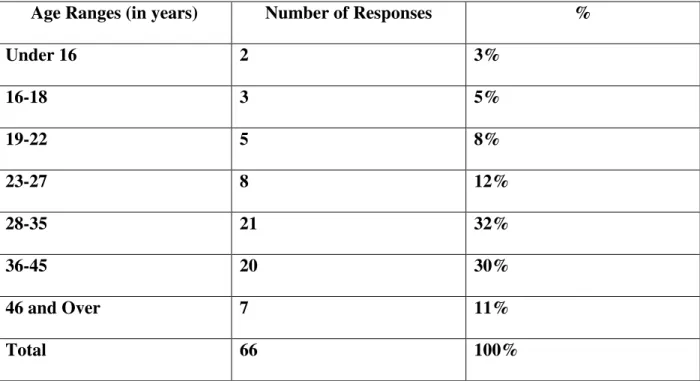
For Question 2 which assesses age, all age ranges had at least 2 respondents with the majority (74%) falling into the age range of 23-45 years old.
Table 1 What is your age?
Age Ranges (in years) Number of Responses %
Under 16 2 3%
16-18 3 5%
19-22 5 8%
23-27 8 12%
28-35 21 32%
36-45 20 30%
46 and Over 7 11%
Total 66 100%
65-81+ while the group aged 19-46 comprised only 4.45% (HCUP, 2012). Given that for our study respondents fell into the young adult and middle-aged categories, one must consider the implications that this data represents. Further assessment is needed to determine if there are truly more older or more younger adults with feeding tubes or if the discrepancy resulted from the sampling method of this study which required access to a computer, internet, and an account on social media sites. These younger age groups are traditionally given a great deal of freedom in terms of being students and working in the professional world. This age group is also
characterized by efforts of beginning to establish financial independence, being married or partnered, and beginning to plan for, have, and raise children. The demands that having a feeding tube entails will likely be a challenge to this population as they are usually charged with caring for themselves as well as their family regardless if they are women or men. Being social and an active part of the community is essential for this 18-44 year-old age group as relationships and holding a job can be significantly important and meaningful for this population. Having a feeding tube and possibly a concurrent chronic illness may isolate these patients denying them the social interaction that is essential for physical and mental wellbeing.
overall population with feeding tubes. The HCUP does not provide information regarding the ethnicity or race of those individuals undergoing enteral, parenteral, or gastrostomy procedures. Additionally, the ethnic and racial makeup of these online support groups cannot be determined given the dilemma of determining one’s race or ethnic identity based solely on their name or a profile picture which may not be that particular person. Specific to this study, the vast majority of subjects identify as young adult/middle-aged, Caucasian females. Even though the results of this study may be skewed for this particular study, additional questions are raised which may inform future studies. One might speculate that the social media outlets that were used to access this population are not inclusive of the other patients who have feeding tubes. If this is true, future studies would need to find an outlet to present this study so that more men, younger and older adults at the ends of the spectrum, and racial/ethnic minorities are represented and given the opportunity to add their personal experiences.
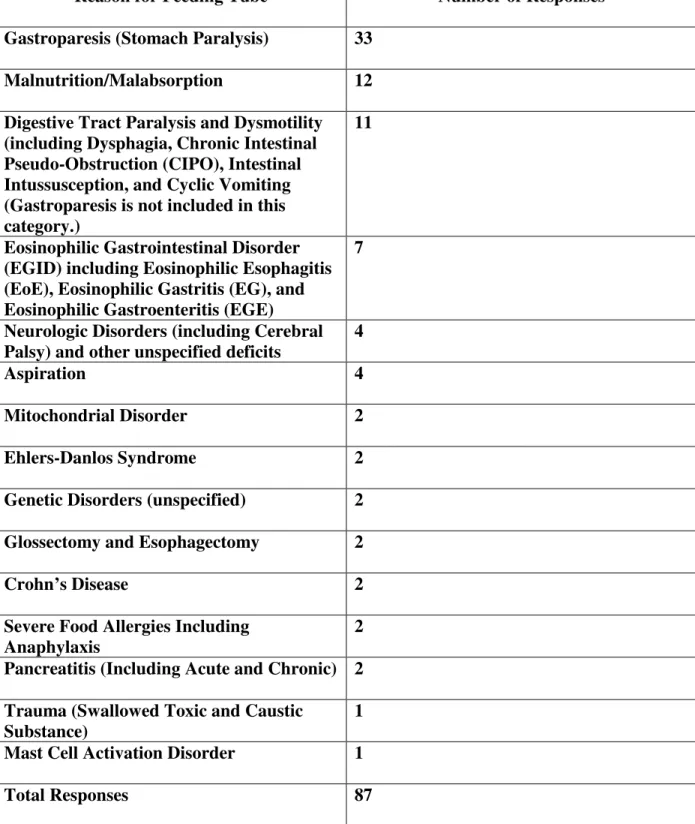
Table 2 What is your understanding of why you have a feeding tube?
Reason for Feeding Tube Number of Responses
Gastroparesis (Stomach Paralysis) 33
Malnutrition/Malabsorption 12
Digestive Tract Paralysis and Dysmotility (including Dysphagia, Chronic Intestinal Pseudo-Obstruction (CIPO), Intestinal Intussusception, and Cyclic Vomiting (Gastroparesis is not included in this category.)
11
Eosinophilic Gastrointestinal Disorder (EGID) including Eosinophilic Esophagitis (EoE), Eosinophilic Gastritis (EG), and Eosinophilic Gastroenteritis (EGE)
7
Neurologic Disorders (including Cerebral Palsy) and other unspecified deficits
4
Aspiration 4
Mitochondrial Disorder 2
Ehlers-Danlos Syndrome 2
Genetic Disorders (unspecified) 2
Glossectomy and Esophagectomy 2
Crohn’s Disease 2
Severe Food Allergies Including Anaphylaxis
2 Pancreatitis (Including Acute and Chronic) 2 Trauma (Swallowed Toxic and Caustic
Substance)
1
Mast Cell Activation Disorder 1
When one takes note of these results, it is readily apparent that gastrointestinal
dysmotility, both gastric and intestinal, as well as malnutrition and malabsorption were the most prevalent. These medical challenges were also identified in the review of the literature to be common causes for having a feeding tube. Given that a great deal of participants are diagnosed with gastroparesis (GP) and state that as their reason for having a feeding tube, further future study would be warranted to determine if this population is truly affected more and requires feeding tubes more often versus determining if these social media groups cater to patients with GP therefore attracting them in these groups. Also of note for this question was that a parent responded to the survey for their affected child (age not stated) and made that aware given that it was an open-ended question allowing for personalized response. One notable finding for this question as well was that 2 participants shared that they are also dependent on total parenteral nutrition (TPN) in addition to tube feeds or that they are no longer on tube feeds and are solely reliant on TPN for their nutrition.
Question 5 on the survey asks participants if they have medical insurance, and if so, is it adequate. All 66 participants responded to the question. The majority of respondents, 59 people (89%) do have health insurance while 7 (11%) responded that they do not currently have
need to advocate for the support for this population ensuring that they are able to sign up for an insurance plan that is both adequate in terms of services offered as well as affordable since these patients are most likely responsible for costly and ongoing medical expenses. After seeing the results of this question, it would have been helpful and ideal to include a question regarding the income of these same patients and compare that data to see if there is a correlation between
having insurance and a sufficient income as determined by the individuals replying to the survey.
In addition to asking if they have medical insurance, the respondents with insurance were also able to write in a free-text box if they felt that their insurance adequately met their needs. In general, these responses can be broken down into 3 categories.
Table 3
Do you think that your insurance adequately meets your needs?
Number of Responses
Yes 34
No 12
Not Sure/Not Always 8
Total Responses 54
The next question, Question 6, asks participants to identify their living status in one of the following categories and allows participants to select all that apply—
• Single or divorced living alone
• Single or divorced living with friends and/or family
• Married/Partnered
• Responsible for a child or children under 18 in the household
The survey also asks participants to share if they are also responsible for a child or children under 18 in the household in order to determine what other responsibilities and challenges these patients may have in their daily activities. For this question, there were 65 responses indicating that one individual did not answer this question. With the highest percentage, 28 (43%) of the participants identified themselves as married/partnered followed by 24 (37%) categorized as single or divorced living with friends and/or family. Additionally, 12 (18%) identified as single or divorced living alone. Finally, 13 (20%) also indicated that they were responsible for a child under 18 in the household. Within those 13 responses, 10 people identified as being
Question 7 asks for respondents to supply their employment status. The results were as follows. 65 participants provided an answer for this question.
Figure 1
These results demonstrate that 41% of respondents were receiving disability. For future studies, the reasons for being on disability could prove to be enlightening as to how provide support for these patients to be able to return to a job given that having an occupation can help to provide meaning and motivation in one’s life. Providing an open-ended text box to allow people to share their reasons for being on disability would be appropriate to assess how these patients view their ability to work. In the Americans with Disabilities Act (ADA) of 1990, the term "disability" means, with respect to an individual:
(A) a physical or mental impairment that substantially limits one or more major life activities of such individual;
(B) a record of such an impairment; or
(C) being regarded as having such an impairment (as described in paragraph (3)). 17%
11%
31% 41%
What is your employment status?
Full-time
Part-time
Unemployed
In regards to bodily functions, the ADA states the following:
For purposes of paragraph (1), a major life activity also includes the operation of a major bodily function, including but not limited to, functions of the immune system, normal cell growth, digestive, bowel, bladder, neurological, brain, respiratory, circulatory, endocrine, and
reproductive functions. (Americans with Disabilities Act, 2009). Given these parameters, it is understandable for those with feeding tubes to be considered to have a disability.
Acknowledging that having a disability may prevent one from working at a full-time job, it is reasonable that in some cases these patients may be able to have a part-time job or even to spend even a small number of hours volunteering in order to enjoy some level of fulfillment if that is lacking in their lives. However, it is acknowledged that many of those with feeding tubes may not be able to do so even if they have a strong desire. Again, this line of questioning would be useful to pursue in future research efforts. Once the limitations and barriers to having a job are assessed, appropriate interventions can be tailored for each individual patient.
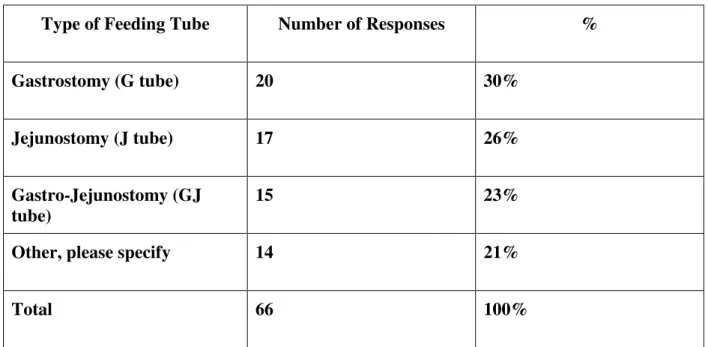
Table 4 What type of feeding tube do you have?
Type of Feeding Tube Number of Responses %
Gastrostomy (G tube) 20 30%
Jejunostomy (J tube) 17 26%
Gastro-Jejunostomy (GJ tube)
15 23%
Other, please specify 14 21%
Total 66 100%
Table 5
Additional Types of Tubes Number of Responses
Separate G and J Tubes 8
Percutaneous Endoscopic Gastrostomy Tubes (PEG)
1
Nasojejunal Tube (NJ) 1
Low Profile Tube including a Mic-Key® or AMT® Button
4
Total Parental Nutrition Central Lines (These are not considered feeding tubes, but this information is being shared because the participants provided this feedback.)
3
Total Number of Additional Types of Feeding Tubes
17
The discrepancy of the 17 total number of additional types of feeding tubes in Table 5 and the 14 “other” responses in Table 4, is that there were some responses which included more than one type of additional tube. When identifying trends that appear in regards to the types of tubes being utilized, G tubes, including PEG tubes, are used most often (Blumenstein, Shastri, & Stein (2014). This is consistent with data including those who have feeding tubes but were not included in this particular study.
To participate in this study, it was clearly stated in the introduction of the survey that participants can either currently have a feeding tube at the time of filling out the survey, or they could have previously had a tube and no longer have it. Question 9 asked if the participant currently had their feeding tube. A total 65 people responded to this question. Of the 65
tube. This breakdown is significant in that feelings, whether positive or negative in regards to the tube, can be amplified if the patient still has the tube. Thankfulness for the tube or frustration in having the tube may be more pronounced if the patient still has it. For future studies, it could be useful to ask these same participants to respond to the question of whether or not they are satisfied if they currently have their tube and to compare that data to how many patients actually still have their feeding tube. These tubes are most often utilized by health care practitioners when long-term nutrition therapy is needed—usually at least four weeks, so these patients may be facing months or years of having the tube (Bosek & Whitney, 2013).
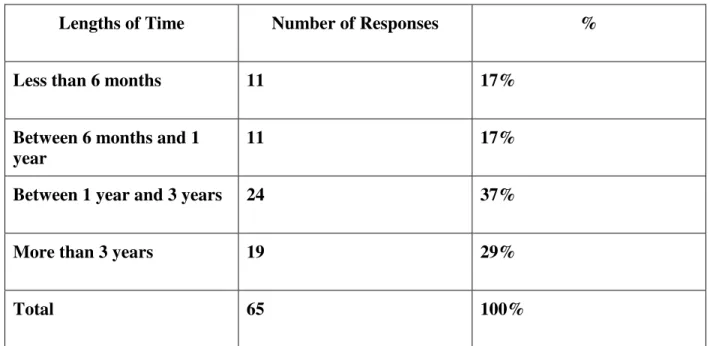
In order to assess the chronicity of feeding tubes in patients, the respondents were asked how long they have actually had their feeding tube whether or not they still have one. 65 of the participants provided an answer to this question.
Table 6 How long have you had or did you have your feeding tube?
Lengths of Time Number of Responses %
Less than 6 months 11 17%
Between 6 months and 1 year
11 17%
Between 1 year and 3 years 24 37%
More than 3 years 19 29%
Total 65 100%
therapy which extends beyond the 4-week minimum time of use (Bosek & Whitney, 2013). The longer that they are used, the more closely that research needs to be done to continue to assess this patient population. Continuing benefits may be realized as well as challenges which may present themselves the longer that the feeding tubes are used. As further research is done and more data is gathered regarding those individuals who will be using feeding tubes long-term and even indefinitely, this data can be used to help those who have just gotten their feeding tubes and those who may have had their feeding tubes for a few weeks or less than 6 months.
Question 11 in the survey asks participants to share how long they had anticipated having their feeding tube if they no longer have it or how long they anticipate having it if they currently have it.
Figure 2 How long do you anticipate having this feeding tube if you still have it, or how long did you anticipate having it if you no longer have it?
3% 2%
9%
86%
How long did you or do you anticipate having your feeding
tube?
The results for this question are significant in that most respondents feel that they will have their feeding tube indefinitely. Given the sense that these patients may not know how long they will be dependent on these medical devices, uncertainty may give way to feelings of
frustration in being a long-term patient and needing relatively constant medical supervision. Close supervision of these patients as well as their caregivers is essential to evaluate for
appropriate coping skills and assessment of a variety of factors positively or negatively affecting quality of life (Trivedi, 2014).
The results of this particular question bring into question how this patient population seeks help and support given that many of these patients see themselves as having chronic medical issues which require feeding tubes indefinitely. Furthermore, since this study was conducted using social media groups, one must ask if these social online groups provide sufficient support and improvement of mental health wellness. Many of these people access these online groups in hopes of escaping their own personal isolation by connecting with others who may share similar circumstances. The findings of this question can potentially inform and encourage further studies that assess how medical and nursing professions can access this group of people in order to provide them with the best and most supportive assistance and early intervention if necessary.
responses out of 66 total are indicated in this table. In the survey, the following statement in Question 12 was presented to the respondents:
“Patients with gastric and/or enteral feeding tubes may have concerns about those tubes. Many times, patients with these tubes experience various emotions. What follows is a list of common thoughts, emotions, or experiences that many people have when they are using a feeding tube. After each item in the list below, please indicate whether or not you thought about that issue, emotion, or experience, and if so, how often you experienced it.”
Table 7 Feelings or Emotions Very rarely or never Sometimes (3-4 times a
month)
Very Frequently
(4 times a week) Daily (every day) Total Responses Worried about how I look
18 28 13 7 66
Worried about being rejected
27 19 13 7 66
Thankful that the tube allowed me to get adequate nutrition
3 8 24 30 65
Frustrated because the tube made it hard to do the things I need to do
16 22 14 14 66
Felt good about feeling better
9 18 21 17 65
Interfered with my ability to enjoy my life
Felt isolated from family or friends
25 19 12 9 65
Gave friend(s) and/or family member(s) an important way to participate in my care
32 17 7 8 64
Increased stress around holidays and special events if I was unable to eat the same foods served to everyone else
10 24 16 16 66
Stressed at work
33 9 14 6 62
Feeling ashamed or embarrassed
21 31 7 7 66
Felt
productive and able to do daily tasks
7 19 27 12 65
Appreciation for being able to work at a job
27 7 12 14 60
Fear of the tube leaking while out in public
14 18 15 19 66
Fear of losing health
insurance and not being able to pay for treatments or supplies
16 16 13 18 63
Feeling of satisfaction at watching
myself learn to cope Uncomfortable with sexual intimacy or sexuality
16 11 20 13 60
Worried about health getting worse
5 7 29 24 65
Difficulty with sleep and fatigue
5 5 21 34 65
Fear that life may never feel normal
7 6 20 33 66
Worried about complications related to tube/tube feedings
10 20 21 14 65
Overwhelmed with managing personal health care including feeds, medications, and appointments
10 21 17 18 66
Restricted in terms of work/career choices
15 9 13 26 63
Increased energy and stamina
during the day
Other, please explain.
7 0 0 3 10
Participants were able to use a free-text “other” box to share additional information regarding the feelings that they have experienced in relation to their tube feedings. A sample of the responses that were shared follows:
“I do better on total parenteral nutrition (TPN) than tube feeds, but I miss the ease of tube feeds.” One respondent expressed the fear of the tube falling out or failing. Also, another subject
worried about support. Finally, one respondent shared that he or she had developed anorexia nervosa. The respondent did not share if they developed it as a result of tube feedings or as a coincidental occurrence while tube feedings were being implemented.
that these patients are able to enjoy their lives, many patients continue to struggle on a regular basis often times with energy and feeling that life may never regain a sense of normalcy. In response to the question regarding how concerned respondents were that life may never return to normal, 53 responses (80%) reported that they experienced doubts very frequently or daily as to whether life would return to normal. Along the same continuum, on a very frequent and daily basis, 53 respondents (82%) worried about their health situation getting worse. With this relatively constant worry among some of these patients, QoL can certainly be affected negatively. However, with early recognition of struggles in any particular patient, early intervention can be encouraged to help patients develop adequate coping skills.
While patients may generally worry about life not seeming normal again, there is encouraging data from this survey which shows that these patients can still maintain a positive body image. In response to the question regarding patients worrying about their physical
sometimes felt that they worried about rejection. Ideally, these patients would be able to interact with those around them without the fear of rejection. Feelings of rejection are not confined to those with feeding tubes or anyone with physical challenges or disabilities. Therefore, it is encouraging to see that some of the participants in this study are resilient and are not restricted by their feeding devices.
Another trend in this set of questions which deserves more careful consideration is the notion that these patients struggle with fatigue and loss of stamina in their daily lives. First of all, 55 respondents (85%) acknowledged that on a very frequent and daily basis they struggled with lack of sleep and fatigue. This piece of information is crucial to consider because these gastric and enteral feeding tubes are intended to improve the nutritional status of this patient population. If these patients continue to suffer from fatigue, it is essential for interventions to be planned and implemented to ensure that these patients get the assistance that they need from either the medical or nursing staff or from another team member such as a dietician or
desire but may not feel physically adequate for, perhaps a compromise can be reached by pursing a similar but less strenuous occupation. Furthermore, 27 respondents (45%) responded that they very rarely or never felt appreciation for being able to work at a job. These patients may not feel confident enough to work at a job, or they may not be able to perform the physical requirements of the job itself. The reason that participants cite that prevents them from performing a job would be a useful question to investigate in future studies. Careers and even volunteer opportunities have the potential to provide people with an outlet for their skills, creativity, and provide self-fulfillment and a sense of satisfaction in contributing to their environment and surrounding community.
For the following portion of this survey, the following statement was posed to the participants in Question 13—
“During the time that you have had or had your tube, how much would the following resources have been helpful to you? Also, please let us know how helpful each of these things was if it was actually done. We have included a separate box at the end of this list if there is any more information that you would like to share with us.”
This portion of the study was created to assess which interventions have been helpful to individuals with feeding tubes and which interventions were not considered beneficial.
item in this question. A number of participants only answered the “yes” or “no” part, so a discrepancy may exist between the total number of participants as compared to the tally of results in the table.
Table 8
Was this intervention actually done?
Yes If it was done, was it helpful to you? # of responses
No If this
intervention was not done, do you think it would have been helpful to you? # of responses
Total Responses
Individual learning session with a nurse while you were in the hospital or at a later appointment soon after the tube was placed
43 Not really
helpful- 0 Moderately helpful-16 Extremely helpful-24 I don’t know-20
21 Not really
helpful- 1 Moderately helpful-5 Extremely helpful-16 I don’t know- 4 64 Follow-up teaching session and visit with a home health care nurse to check in on you once you are home
35 Not really
helpful- 5 Moderately helpful-15 Extremely helpful-12 I don’t know-3
30 Not really
helpful- 4 Moderately helpful-9 Extremely helpful-16 I don’t know-0 65
Any chance to talk with a nurse about emotionally coping with having a feeding tube
11 Not really
helpful- 4 Moderately helpful-1
54 Not really
helpful- 7 Moderately helpful-12
Extremely helpful-6 I don’t know-3 Extremely helpful-24 I don’t know-4 Information
about a local support group
5 Not really
helpful- 1 Moderately helpful-0 Extremely helpful-3 I don’t know-3
59 Not really
helpful- 3 Moderatel4 helpful-18 Extremely helpful-26 I don’t know-1 64 A phone number for a free nurse advice line for use during after-hours of clinics
26 Not really
helpful- 3 Moderately helpful-9 Extremely helpful-12 I don’t know-1
39 Not really
helpful- 0 Moderately helpful-12 Extremely helpful-18 I don’t know-4 65 Information about stress reduction or health promotion
7 Not really
helpful- 5 Moderately helpful-1 Extremely helpful-2 I don’t know-3
57 Not really
helpful- 8 Moderately helpful-18 Extremely helpful-15 I don’t know-6 64 A meeting with a nutritionist to be sure nutritional needs are being met
43 Not really
helpful- 7 Moderately helpful-9 Extremely helpful-15
22 Not really
I don’t know-3 I don’t know-6 Education sessions that focus on helping people with feeding tubes develop effective coping skills
5 Not really
helpful- 1 Moderately helpful-1 Extremely helpful-2 I don’t know-3
59 Not really
helpful- 8 Moderately helpful-20 Extremely helpful-18 I don’t know-4 64 A group meeting with family and friends so that they may see how they can participate in your care
5 Not really
helpful- 2 Moderately helpful-1 Extremely helpful-2 I don’t know-6
60 Not really
helpful-11 Moderatelyl5 helpful-15 Extremely helpful-15 I don’t know-6 65 Other, please explain.
1 1 2
As noted previously, participants were given the opportunity to provide a response in the “other” box if they would like to share some information which was not assessed with the questions they were provided. Following are the responses provided—
“I wanted to begin a support group in my area but was not sure how to go about it with HIPAA.”
care after from home where I don't have things readily available as I do with patients where I work.” These responses indicate that, in general, nurses can improve their assessment skills in order to determine which interventions could be implemented for each individual person given that each person’s perspective is unique to their medical needs, their coping skills, and ability to maintain a positive attitude.
The final questions of the survey post open-ended questions in order to allow participants to use their own words to answer the questions. These questions were created in order to assess what nurses in particular can do to help to care for this patient population. Once these
suggestions are compiled, it is our intention to be able to make recommendations to nurses in regards to how these patients can be well-cared for. The first question, Question 16, and responses follow:
“Please share your personal thoughts in regards to each of the following questions. When planning for your care, what is one thing that the nurses did or should have done to meet your needs better?”
The responses given follow. There were 55 total responses out of the 66 total respondents. For this section, responses were not clear if the intervention had actually been performed. In future studies, respondents would be asked to make the distinction. All responses reflect direct quotes from the participants who shared this information for this study.
Table 9
When planning for your care, what is one thing that the nurses did or should have done to meet your needs better?
“My nurses were awesome.”
“Step-by-step instructions were provided by my home health care nurse.”
“My nurses actually talked to me about the tube, what to expect, what to do if it malfunctions, how to identify possible infection, and who to contact about feed rates.”
“Everything was done that needed to be done.”
Table 9 continued
When planning for your care, what is one thing that the nurses did or should have done to meet your needs better?
“I wish that my nurses had allowed me to ask questions that were specific to my care.”
“I wish that someone had talked to me about emotional/social issues of being a young person with a feeding tube. I felt very alone and sad after getting my first tube. It was a lot to adjust to physically and emotionally. I also would have loved some resources and support regarding issues being a student or in the work force when feeding tube-dependent.”
“I wish that someone would have taught me how to use the tube after I got it and explained potential problems and their solutions.”
“I wish the nurses spent more time teaching me how to use the pump. I had a quick tutorial but got home and realized I had basically no idea how to do my feeds. It was so
overwhelming!”
“It would have been nice if they took the time to listen to me when I told them feeds were making me sick. Then they would have noticed I needed a different formula much sooner.” “I wish that my nurses were better educated about feeding tubes in general. My nurses and doctors did not realize they had my feedings hooked up to my G port rather than my J port. It took a friend seeing a picture of my hookup to find out they had my tubes hooked up
incorrectly.”
“Ask if the patient would prefer to administer flushes, meds, and hooking the tube up to do feeds. So many nurses are in a hurry. It can be painful and nauseating.”
”Including patients or families in the care process can help to empower patients to embrace their skills and to encourage independence in regards to their health care.”
“My nurses should have believed in post-op pain, and they did not seem to know much about the tubes themselves. Also, they ran feeds too fast causing vomiting immediately after surgery, despite patient complaints of nausea.”
“I wish they would have told me more about infections, granulation tissue, and barrier creams.”
feel fine. No one even told me that a portable pump was an option, and I had to figure that all out myself. I was stuck in my room for over 15 hours a day.”
“It would have been helpful if I was given information about online support groups. I have since found great support pages online.”
“I wish that my nurse had made me aware of mental health resources for people in a similar situation.”
Even though many of these patients had positive experiences with their nurses and health care providers, many were able to share ways in which nurses can provide improved and more patient-centered care. Each patient will need to be assessed individually according to their learning needs and health care needs as well in order for teaching and patient education to be effective and impactful. Patient care plans must be individualized for each patient and their family. Nurses are key individuals in the healthcare team, especially in regards to patient teaching and including families in the care of the patient. The data from this particular question reveals that many nurses need to continue to assess this patient population in regards of their psychosocial and mental health, especially with coping skills. Additionally, nurses will need to request further training from their employers if they lack the knowledge that is necessary to care for patients with feeding tubes. Since ongoing and accurate patient education is a cornerstone of excellent nursing care, these requests to employers are not unreasonable. If nurses do not
expected and which are abnormal or serious, patients may wait to seek assistance which could result in the significantly compromised health status of these patients who may also suffer from co-morbidities and health challenges.
Question 17 which addresses compassionate nursing care follows.
In terms of responses, many of the same responses were given to the previous question. Therefore, the following responses will reflect the variety of responses that was received. For this question, the respondents did not always differentiate if the intervention was performed or if they wished it had been performed. In future studies, participants would be specifically asked if the intervention was performed or if they wished it had been performed. A total of 54 people responded to this question. Question 17 was posed as follows.
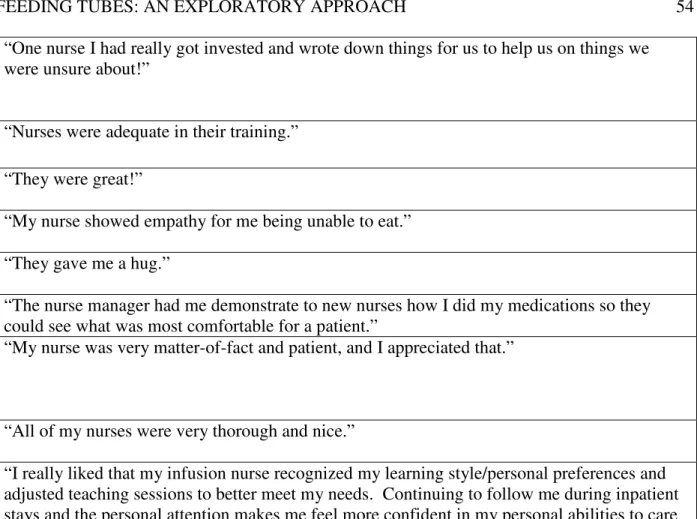
“What is one thing that your nurse could have done, should have done, or actually did to care for you in a more compassionate way?”
Many of the participants shared positive experiences that they had with their nurses. Again, all responses reflect direct quotes from the respondents of the survey.
Table 10
What is one thing that your nurse could have done, should have done, or actually did to care for you in a more compassionate way?
“I was pleased with their compassion.”
“One nurse I had really got invested and wrote down things for us to help us on things we were unsure about!”
“Nurses were adequate in their training.” “They were great!”
“My nurse showed empathy for me being unable to eat.” “They gave me a hug.”
“The nurse manager had me demonstrate to new nurses how I did my medications so they could see what was most comfortable for a patient.”
“My nurse was very matter-of-fact and patient, and I appreciated that.”
“All of my nurses were very thorough and nice.”
“I really liked that my infusion nurse recognized my learning style/personal preferences and adjusted teaching sessions to better meet my needs. Continuing to follow me during inpatient stays and the personal attention makes me feel more confident in my personal abilities to care for my tubes and makes me feel cared for as a person.”
Many of the respondents were able to offer some advice for nurses in regards to how they could provide better care. Many of these responses were similar to those in the previous
question, #16. The ongoing themes include need for empathy, continual patient education and the opportunity to ask questions, pain control, empathy, need for support groups, and general patient safety issues. All responses are direct quotes from survey respondents.
Table 10 continued
What is one thing that your nurse could have done, should have done, or actually did to care for you in a more compassionate way?
“I’ve been inpatient multiple times since getting my tube, and I’m always shocked that so few nurses will listen about how I care for my tube and what should be done. I use and deal with this much more frequently than they do, and I know what works and what doesn’t.”
“Stop treating tubes as inherently negative and something I should want out ASAP.”
“Get to know the patient and listen to the patient because they know their body the best!”
“Don’t treat me like it is all in my head and thinking I want to be here. This was not a life choice or something that I did for attention.”
“Administer pain meds on time—they did not order meds until they were due, and it took over an hour for meds to arrive and to be administered.”
“Take the pain more seriously after placement. It hurts like crazy!”
“It would have been nice if they withheld their own opinions on pain care and advocated more for me to get the pain meds that I needed after surgery.”
“They could have given more information instead of asking if we had questions. Maybe I should have done more research beforehand; I just felt completely overwhelmed by the whole situation.”
“I would have liked to be asked about how the tube site was feeling while I was in the hospital post-placement.”
I have had nurses cut feeding tubes by accident. No scissors near any tube or line!”
education and teaching, and medication administration are all within the nurse’s scope of
practice. While ordering pain medications is not within the scope of practice of nurses, they can advocate for the patients in order to get effective pain medications to the patient in a timely manner. Once nurses are better able to asses this population and to anticipate their needs and concerns, nursing care will improve, and these patients will experience more positive short-term and long-term outcomes.
For the final open-ended question in this part of the survey, Question 18, participants were asked the following--
“What is one thing that you would like to tell your family and friends that could help them better understand what it is like or what it was like to have a feeding tube?” A total of 56 respondents provided feedback. All responses are direct quotes from respondents.
Several participants praised their families and the support system that they had.
Table 11
“What is one thing that you would like to tell your family and friends that could help them better understand what it is like or what it was like to have a feeding tube?” “My family is very supportive!”
“My tube is an awesome tool to keep me healthy!”
“I don’t hate being around food, but I can’t eat it. The feeding tube keeps me alive, and I’m happy having it solely for that reason.”
“It can be frustrating or embarrassing at times, but it’s another way to get nutrition when you can’t eat on your own.”
Despite many positive experiences with family, other participants expressed some frustration with their family members and friends regarding their feeding tubes and eating. Overall, many of the respondents talked about the struggle with not being able to eat whether they thought it would be a temporary restriction or lifelong. Many expressed anger or profound sadness in not being able to express to their family and friends how they felt. Nurses may be able to include family and friends in teaching sessions as needed so that these family members can have a role in the patient’s care helping the patient to feel less of a burden and more as just a loved one needing assistance. Additionally, many of the responses centered on the difficulties involved with not being able to eat normally or not being able to enjoy the same foods as those around them and how difficult that can be given that food is a constant presence in life.
Table 11 continued
“What is one thing that you would like to tell your family and friends that could help them better understand what it is like or what it was like to have a feeding tube?” “I would tell my family that it is not my fault that I have a feeding tube and that I don’t have it for attention. I need it for nutrition.”
“It’s an incredibly difficult thing to feel marginalized. Commenting on my weight and what I can and cannot eat brings unwanted attention.”