REDUCING NURSING STIGMA OF PATIENTS DIAGNOSED WITH PSYCHIATRIC ILLNESSES ON A MEDICAL-SURGICAL INPATIENT UNIT
Brittany Danielson
A project submitted to the faculty at the University of North Carolina at Chapel Hill in partial fulfillment of the requirements for the degree of Doctor of Nursing Practice in the
School of Nursing.
Chapel Hill 2017
Approved by:
ABSTRACT
Brittany Danielson: Reducing Nursing Stigma of Patients Diagnosed with Psychiatric Illnesses on a Medical-Surgical Inpatient Unit
(Under the direction of Victoria Soltis-Jarrett)
Background: Individuals diagnosed with psychiatric illnesses are frequently hospitalized
in non-psychiatric settings for either medical illnesses, surgery, and/or for symptom exacerbation. The nurses who care for those patients often do not have adequate education and training to provide clinically competent and culturally sensitive psychiatric-mental health nursing care.
Purpose: The purpose of this project was to: (a) increase medical-surgical nurses’ and
nursing assistant’s understanding of psychiatric illnesses, (b) enhance compassionate care, and (c). decrease the negative attitudes associated with stigma related to patients who have comorbid physical/psychiatric illnesses in the inpatient medical-surgical setting.
Methods: This Quality Improvement Project followed a step-by-step process (PDSA) to
using the Mental Illness: Clinicians’ Attitudes, Version Four Scale (MICA v4). A post-survey was administered to assess the nursing staff’s perception of compassion and understanding after program completion.
Results: Overall, the QI project was successfully implemented and focused on
patient-centered nursing care. The post-program evaluation indicated that the project promoted nursing staff to have a better understanding of psychiatric illnesses, while also enhancing their ability to provide compassionate nursing care. The MICA v4 scores (using
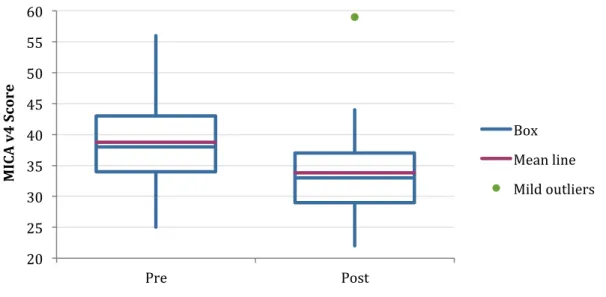
aggregate data) decreased from 38.8 to 33.8, indicating an improved attitude (and
decreased stigma) towards patients with psychiatric illnesses. An unpaired t-test resulted in a p-level of 0.00067 indicating a potential correlational relationship between the education/training program and attitudinal change.
Conclusion/Implications: The project was able to meet and exceed its three main
purposes, with the potential of replicating this program hospital-wide. Limitations included low attendance, use of a low strength statistical correlational test, and use of a stigma tool that requires further research. Future programs should track individual stigma scores, measure behavioral outcomes, and use a stigma survey that has been widely used.
To every patient I have encountered in the past and will encounter in the future. You are brave, worthy, and inspiring. Thank you for sharing your stories with me. I promise to be
ACKNOWLEDGEMENTS
First and foremost, I want to thank God for helping me to discover my true passion in life. If you had told the younger version of myself that I would one day be a psychiatric-mental health nurse practitioner, I would not have believed you. I vividly remembering being a nursing student and thinking, ‘what in the world have I gotten myself into?’ but I had this gut feeling that I needed to continue to trust God and the plans He had for me. Now, looking back, it all makes sense. I can now see how every event in my life and every person I have met has prepared me to take on this role. He helped me realize that life isn’t about money or success, but rather about using my talents to help those most in need. I will continue to place my trust in Him as I embark on this journey as a psychiatric-mental health nurse practitioner.
To my project chair, Dr. Victoria Soltis-Jarrett. You have supported me in more ways than one and I cannot thank you enough. You took me under your wing when I entered the program and helped evolve this medical-surgical nurse into a PMHNP. You are a true mental health advocate, educator, mentor, innovator, and leader. Most
To my Mama: You didn’t just watch me on this journey, but you were there right next to me every step of the way. Thank you for providing everything I needed to reach this goal. I love you!
To my Daddy: You have always been the inspiration behind the work that I do. I am thankful for everything that we have experienced together. Without it, I would not be where or who I am today. I hope you know how much I love and admire you.
To Stacey Thompson and the 7E staff: I could not have asked for a better group of nurses and nursing assistants to spend the last six years with. Thank you for your
dedication to this project.
To the group of nurses who have helped shape me into the nurse I am today and who encouraged me when I doubted myself: Ann Hart, Brucene Bechtel, Mimi Alvarez, and Elizabeth Rochin. I am lucky to have had you all as mentors and role models.
And finally, to my friends and family who have continued to believe in me. I could not have done this without your support. Thank you for helping me to
TABLE OF CONTENTS
LIST OF FIGURES ... XII
LIST OF TABLES ... XIII
LIST OF ABBREVIATIONS ... XIV
CHAPTER 1: INTRODUCTION ... 1
PROBLEM STATEMENT ... 2
PURPOSE OF PROJECT ... 3
CLINICAL/PRACTICE QUESTION ... 4
CHAPTER 2: REVIEW OF LITERATURE ... 5
CONCEPTUALIZING STIGMA ... 6
STEREOTYPES AND PREJUDICIAL BELIEFS OF PSYCHIATRIC ILLNESSES IN HEALTHCARE ... 9
DISCRIMINATORY BEHAVIOR EXHIBITED TOWARDS PATIENTS WITH PSYCHIATRIC ILLNESSES ... 12
THE INTERFACE OF PHYSICAL AND MENTAL HEALTH ... 14
PHYSICAL EFFECTS OF STIGMA ON PATIENTS WITH PSYCHIATRIC ILLNESSES ... 17
EMOTIONAL EFFECTS OF STIGMA ON PATIENTS WITH PSYCHIATRIC ILLNESSES ... 18
CONTRIBUTORS OF NEGATIVE ATTITUDES ... 19
Lack of Skills and Knowledge ... 19
Role Adequacy, Role Legitimacy, and Role Support ... 20
Fear ... 21
ANTI-STIGMA PROGRAMS ... 22
Education ... 23
Direct Contact ... 25
Protest ... 26
Multimodal interventions ... 26
Future Program Development ... 28
CONCLUSION ... 29
CHAPTER 3: THEORETICAL FRAMEWORK ... 30
THEORY OF THE PROBLEM ... 30
THEORY OF THE INTERVENTION ... 31
CHAPTER 4: METHODOLOGY ... 32
OVERVIEW ... 32
INSTRUMENTS ... 34
Learning Needs Assessment ... 34
Mental Illness: Clinicians’ Attitudes Scale: Version 4 (MICA v4) ... 36
Post-Survey ... 37
SETTING ... 38
PARTICIPANTS ... 40
KEY PERSONNEL/STAKEHOLDERS ... 40
HUMAN SUBJECT PROTECTION ... 41
RESOURCES AND BUDGET ... 41
BENEFITS/HARMS ... 42
CONCLUSION ... 43
LEARNING NEEDS ASSESSMENT ADMINISTRATION ... 44
EDUCATIONAL SESSIONS ... 44
Educational Session Planning Using Learning Needs Assessment ... 45
Program Meeting #1: Implicit Bias ... 47
Program Meeting #2: Family Perspectives and Bipolar Disorders ... 48
Program Meeting #3: The Client Perspective and Addiction ... 49
Program Meeting #4: Mental Health Care on a Medical-Surgical Unit ... 50
POST-SURVEY ADMINISTRATION ... 51
CONCLUSION ... 51
CHAPTER 6: DATA ANALYSIS ... 52
OVERVIEW ... 52
PRE-SURVEY AND LEARNING NEEDS ASSESSMENT:CHARACTERISTICS OF SAMPLE ... 53
PRE-SURVEY AND LEARNING NEEDS ASSESSMENT:DESCRIPTIVE RESULTS ... 54
POST-SURVEY:CHARACTERISTICS OF SAMPLE ... 55
POST-SURVEY:DESCRIPTIVE RESULTS ... 55
CORRELATIONAL RESULTS ... 58
SUMMARY ... 59
CHAPTER 6: DISCUSSION ... 60
PURPOSE #1:UNDERSTANDING OF PSYCHIATRIC ILLNESSES ... 60
PURPOSE #2:ENHANCE COMPASSIONATE CARE ... 63
PURPOSE #3:CHANGE ATTITUDES ... 64
QUALITY IMPROVEMENT ... 66
QUALITY IMPROVEMENT VERSUS RESEARCH ... 69
CONCLUSIONS ... 73
APPENDIX 1: LEARNING NEEDS ASSESSMENT ... 74
APPENDIX 2: STIGMA INFLUENCES ... 78
APPENDIX 3: MENTAL ILLNESS: CLINICIANS’ ATTITUDES SCALE V4 ... 80
APPENDIX 4A: PERMISSION TO USE MICA V4 ... 82
APPENDIX 4B: PERMISSION TO USE MICA V4 ... 83
APPENDIX 5: PERMISSION TO CONDUCT PROGRAM FROM CHIEF NURSING OFFICER ... 84
APPENDIX 6: POST-PROJECT EVALUATION QUESTIONS ... 85
APPENDIX 7: CHARACTERISTICS OF RESPONDENTS ... 87
APPENDIX 8: INFLUENCES OF STIGMA ... 88
APPENDIX 9: POST-INTERVENTION QUALITATIVE RESPONSES ... 89
APPENDIX 10: PRE- AND POST- PROGRAM MICA V4 SCORE DISTRIBUTIONS ... 90
LIST OF FIGURES
FIGURE4.1:MODEL FOR IMPROVEMENT ... 32
FIGURE 4.2:PLAN-DO-STUDY-ACT ... 33
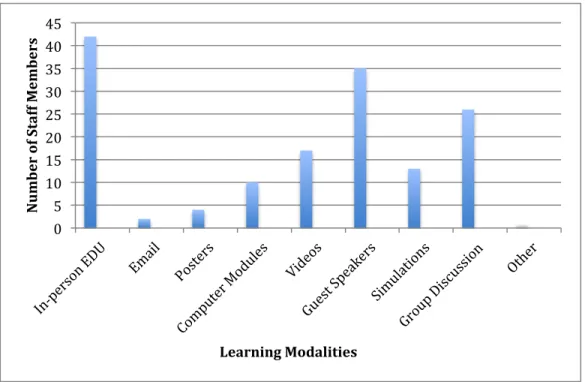
FIGURE 5.1:PREFERRED LEARNING MODALITIES ... 46
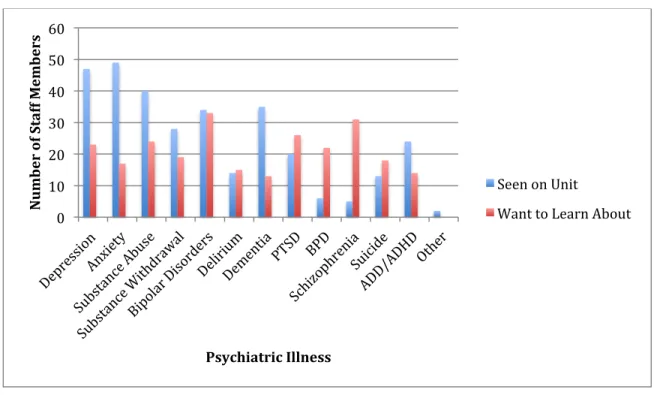
FIGURE 5.2:ILLNESSES SEEN ON UNIT AND LEARNING INTERESTS ... 47
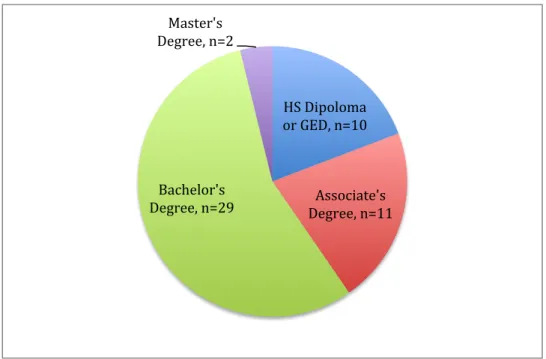
FIGURE 6.1:LEARNING NEEDS ASSESSMENT:EDUCATION LEVEL ... 53
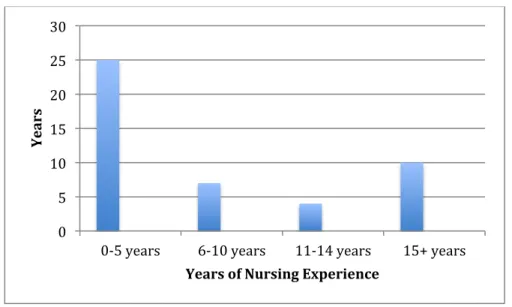
FIGURE 6.2:LEARNING NEEDS ASSESSMENT:NURSING EXPERIENCE ... 54
LIST OF TABLES
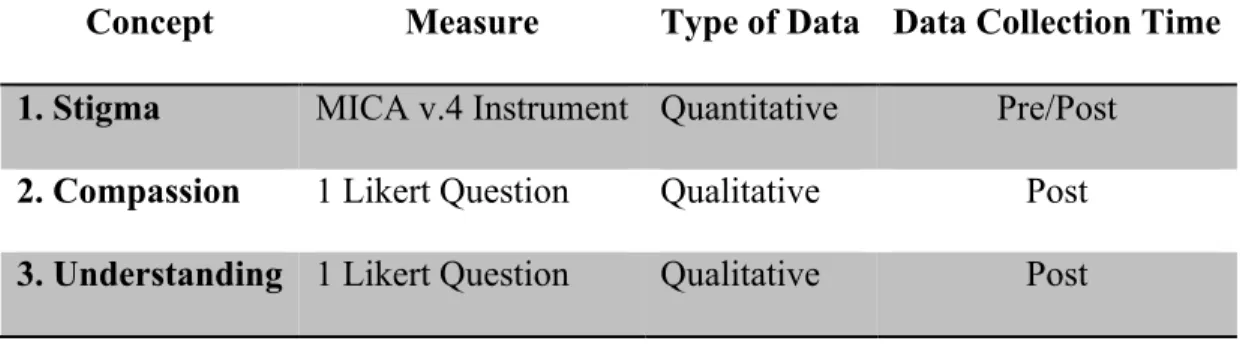
TABLE6.1:OUTCOME MEASURES ... 52
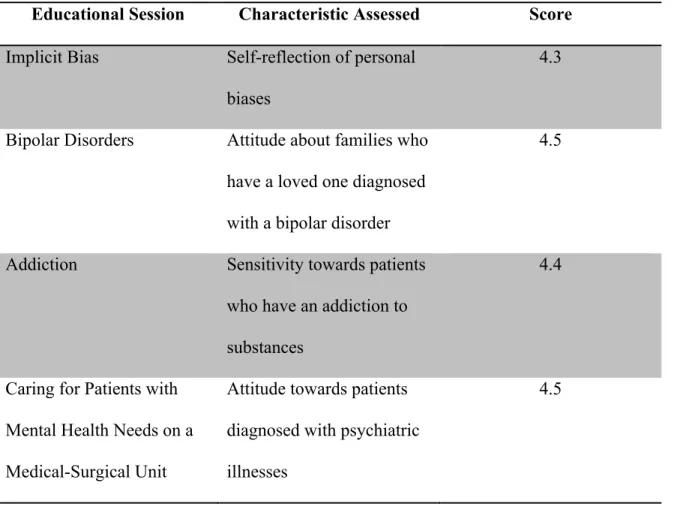
TABLE 6.2:INDIVIDUAL SESSION SCORES ... 56
LIST OF ABBREVIATIONS
ADD Attention Deficit Disorder
ADHD Attention Deficit Hyperactivity Disorder
APA American Psychiatric Association
BPD Borderline Personality Disorder
CNO Chief Nursing Officer
DNP Doctor of Nursing Practice
DSM Diagnostic and Statistic Manual of Mental Disorders ERMIS Emotional Reactions to Mental Illness Scale
HIV Human Immunodeficiency Disorder
IHI Institute of Healthcare Improvement
IOM Institute of Medicine
IOOV In Our Own Voice
MI Myocardial Infarction
MICA V4 Mental Illness Clinician’s Attitudes Scale, Version 4 NAMI National Alliance on Mental Illness
NIMH National Institute of Mental Health
OMS-HC Opening Minds Scale for Healthcare Providers
PDSA Plan-Do-Study-Act
PEP Provider Education Program
PTSD Post-traumatic Stress Disorder
RIBS Reported and Intended Behavior Scale
TRA Theory of Reasoned Action
USDHHS United States Department of Health and Human Services
CHAPTER 1: INTRODUCTION
It is believed that the term stigma originated in ancient Greek culture when women who presented with excessive emotions were described as having a wandering uterus (Traniello, 2014). It was labeled hysteria, coming from the Greek word hystera, meaning uterus (Traniello, 2014). Since that time, stigma has been researched,
conceptualized by various disciplines, and applied to social injustices; however, a widely accepted contemporary definition describes it as stereotypes and prejudicial beliefs that lead to discriminatory behavior directed towards a particular group (Corrigan, 2000). Stigma affects all facets of an individual’s life and results in several forms of
discrimination (Corbiere, Samson, Villotti, & Pelletier 2012).
Over the past decade, there has been a growing interest in abolishing the stigma associated with individuals and their families diagnosed with psychiatric disorders (Ungar, Knaak, & Szeto, 2015). This is particularly significant for patients hospitalized in non-psychiatric settings with comorbid physical and psychiatric illnesses. According to patients who experience symptoms of a psychiatric illness, healthcare providers and nurses are the primary contributors to stigmatization (Ross & Goldner, 2009).
more harmful than the diagnosis and symptoms of a psychiatric illness itself, making it a central barrier to overcome in healthcare (World Health Organization, 2001).
Problem Statement
An estimated one in four adults suffers from at least one psychiatric illness, making it the leading cause of disability in the United States (NIMH, 2014). Of those individuals who suffer from a psychiatric illness, nearly 58% also have a comorbid medical illness such as diabetes, hypertension and/or obesity that can often require medical hospitalization (Mather, Roche, & Duffield, 2014). Despite research indicating its neurobiological, psychosocial and genetic basis, healthcare providers, consciously and/or unconsciously, continue to endorse stereotypes and/or exhibit stigmatizing behaviors toward those who suffer from psychiatric symptoms and disorders (Ross & Goldner, 2009). Additionally, stigma is exacerbated by both societal and individual factors that further negatively impact the health of individuals diagnosed with psychiatric illnesses. The prevalence of stigma and its wide array of societal and individual
contributors creates an environment where those with mental health care needs are subject to injustices and inferior health care.
nurses who may lack the knowledge and understanding to provide nonjudgmental, compassionate care (Mather et al., 2014). Studies have shown that nurses’ negative attitudes often lead to under-diagnosis and neglect of physical and emotional complaints, which contributes to mediocre care and overall poorer patient outcomes (Stubbs, 2014).
Research also indicates that individual factors, such as a person’s negative attitudes or biases about psychiatric disorders, are often a result of health care providers lacking the skills, knowledge, confidence, and support in caring for this specialized population (Atkin, Holmes, & Martin, 2005; Munro, Watson, & McFadyen, 2007; Giandinoto & Edward, 2015). While several studies have revealed the prevalence of general nurses’ negative attitudes when caring for patients with co-existing
psychiatric/physical illnesses, none have assessed the presence of individual and societal factors empirically shown to contribute to these negative attitudes nor how these factors could be used to develop an effective anti-stigma program.
Purpose of Project
The purpose of this project is to: (a) increase medical-surgical nurses’ and nursing assistant’s understanding of psychiatric illnesses, (b) to enhance compassionate care, and (c) to decrease the negative attitudes associated with stigma related to patients who have comorbid physical and psychiatric illnesses in an acute care setting.
Administration of a learning needs assessment helped guide and develop a 4-week interactive psychoeducational-training program to increase the nurses’ understanding of psychiatric illnesses and enlighten nurses’ attitudes towards caring for this population, subsequently decreasing stigma. Nurses’ attitudes were measured prior to immediately after the intervention to evaluate the program using the Mental Illness: Clinicians’ Attitudes, Version Four Scale (MICA v4) (Gabbidon et al., 2013).
Clinical/Practice Question
Will a psychoeducational intervention that is grounded in empowering nurses and nursing assistants with knowledge change their attitudes about planning and
CHAPTER 2: REVIEW OF LITERATURE
This section will address the relevant literature and theoretical underpinnings responsible for shaping the concept of stigma and understanding its effects within society. The following sections will be presented and discussed: (a) conceptualizing stigma; (b) stereotypes and prejudicial beliefs of psychiatric illnesses in healthcare; (c) discriminatory behavior exhibited towards patients with psychiatric illnesses; (d) the interface of physical and mental health; (e) physical effects of stigma; (f) emotional effects of stigma; (g) contributors of stigma and (h) anti-stigma programs in the research. The review of literature lays the foundation for why an anti-stigma program is warranted for a medical-surgical inpatient unit.
For the purpose of this paper, several terms need to be clarified and presented as a means of understanding the historical underpinnings of stigma and how language has perpetuated its negative connotations. The term psychiatric illness is used throughout this paper rather than mental illness, since the latter is highly stigmatizing and sends the message that the patient is mentally incompetent. The phrase mental illness also
disregards the multifaceted etiology of psychiatric conditions and places shame on an individual. Secondly, while the term psychiatric illness is frequently used throughout this paper, recent advancements in research have shifted medicine and specifically
Statistical Manual of Mental Disorders (DSM) (American Psychiatric Aassociation, 2013) criteria for a psychiatric illness yet they are clearly suffering in their overall health and well being. In other instances, patients may experience signs and symptoms that are applicable to various psychiatric diagnoses but do not consider their symptoms related to one psychiatric illness. Additionally, in this paper, the term stigma will reflect its three components: (a) stereotypes; (b) prejudice; and (c) discrimination. Each factor will be discussed separately but use of the word stigma collectivelyreferences its three
characteristics. Finally, the focus of this project was to decrease stigma as measured by attitudinal change. Negative attitudes influence all three components of stigma;
therefore, by targeting negative attitudes the DNP project aimed to target stigma.
Conceptualizing Stigma
Erving Goffman, a renowned sociologist and anthropologist, is considered a pioneer within the field of stigma research. He is credited with being one of the first to observe human interactions where an individual was mistreated for being different from mainstream society. His conceptualization is commonly used to analyze the social phenomenon of stigma, specifically forms of discrimination, within a broad range of settings. Although he spent much of his career studying the experience between patients and their caretakers, he also studied encounters involving prisoners, prostitutes, and those with physical disabilities (Goffman, 1963). Through his observations in the asylums, he noticed that individuals (providers) interacted differently with patients who were
Goffman (1963) further argued that there are certain human conditions commonly viewed as abnormal, different or marginalized within society, including psychiatric problems, behaviors, and illnesses. Goffman (1963) was able to identify language
(words) and behaviors that contributed to a patient’s understanding of their self in relation to others without psychiatric illnesses. Individuals who had characteristics that were outside of the ‘norm’ were deemed inferior members of society and subsequently were susceptible to social rejection, shame or judgment by others in their social group. In other words, Goffman articulated that societies decide what behaviors and conditions are “abnormal” or “normal,” leading to either acceptance or isolation and social discrediting of the human being. Those who are not stigmatized tend to increase their social distance from these individuals and consider themselves superior. Additionally, those who were marginalized by stigma could also experience discrimination in other aspects of life (Goffman, 1963).
Corrigan and Watson (2002), both prominent researchers of stigma, elaborated on the social construct by creating a paradigm delineating two types of stigma: public and self-stigma. Public stigma refers to the general public’s negative attitudes, beliefs and behaviors towards those with a psychiatric illness (or any other stigmatized group). An example of public stigma related to this project is the negative attitudes, prejudicial beliefs, and discriminatory practices exhibited by nurses to patients with psychiatric behaviors (i.e. avoiding patient encounters in the hospital). Self-stigma is a common consequence of a psychiatric diagnosis and/or public stigma and results in the
Goffman’s findings that public stigma can negatively impact the course of an individual’s illness, ability to care for themself, and self-worth. Both of these concepts will be further discussed within the review of literature in order to understand stigma’s presence and effect within the hospital setting; thus, underscoring the need for an anti-stigma program.
In addition to differentiating between types of stigma, Corrigan and Watson (2002) also identified three core characteristics of stigma; (a) stereotypes; (b) prejudice and (c) discrimination. Stereotypes are a set of widely shared false beliefs about a particular group of people. For example, individuals suffering from an addiction to substances are often stereotyped as being irresponsible, uncooperative, erratic, and manipulative (Bjorkman, Angelman, & Jonsson, 2008; van Boekel, Brouwers, van Weeghel, & Garretsen, 2015).
The authors further explain that a stereotype evolves and proliferates to become a prejudicial belief when a person endorses or condones a community’s negative label of a particular group; thus, causing the “stigmatizer” to rapidly form impressions and
expectations of another human being based on their illness or disease process (Corrigan, Markowitz, Watson, Rowan, & Kubiak, 2003). Prejudice creates a dichotomous culture of “us” versus “them,” similar to what can occur in the health care setting (Corrigan et al., 2003). For example, the nurse who is caring for the patient with an addiction to substances may verbally express that the patient is going to be “crazy” and
Discrimination is a visible, behavioral response directed toward the stigmatized individual that is reflective of prejudicial beliefs (Corrigan et al., 2003). For example, taking the issue above (the nurse caring for the patient with an addiction to substances), discrimination would be evident if the nurse approaches the patient with hostility and intentionally ignores the patient’s requests. Discrimination can be direct and intentional, as seen with this particular example, but it can also be quite understated. Some
psychiatric illnesses are more subtly discriminated against through the use of segregation (Corrigan et al., 2003). For example, many healthcare providers believe that persons with severe and persistent psychiatric illnesses should be institutionalized rather than managed in the community (Corrigan et al., 2003). This belief could potentially lead to the assumption that the mental health care needs are not a clinician’s responsibility. They may also defer from making needed psychiatric referrals and collaborating with mental health care providers. This unwillingness to help care for the psychiatric needs of a patient and provide holistic care is also an inconspicuous form of discrimination
(Corrigan et al., 2003). The manifestations of discrimination within the healthcare sector will be thoroughly discussed later in this paper.
Stereotypes and Prejudicial Beliefs of Psychiatric Illnesses in Healthcare
In order to fully discern how stigma functions within the health care system and affects patients, we must first identify the stereotypes surrounding this population in our society. Several research studies have identified various types of stereotypes shared by nurses. One common theme identified is that stereotypes can be general or specific to a particular illness. An example of a generalized stereotype is that anyone with a
lacking self-control (Bjorkman et al., 2008; Davey, 2013; Griffith & Kohrt, 2015; Ross & Goldner, 2009).
In a study conducted by Bjorkman, Angelman, and Jonsson (2008), negative attitudes were more prevalent on medical-surgical units than in other psychiatric settings. In other words, psychiatric nurses were aware of stereotypes but did not necessarily believe them. On the contrary, medical-surgical nurses endorsed these beliefs
(prejudice). Bjorkman et al (2008) surveyed nurses about their attitudes towards patients diagnosed with the following illnesses: (a) severe depression, (b) panic attacks, (c)
schizophrenia, (d) dementia, (e) eating disorders, and (f) addiction to alcohol and/or other substances. Overall, the nurses’ responses indicated negative beliefs with perceptions that all patients with psychiatric disorders, regardless of diagnosis, are dangerous, unpredictable, hard to talk to, blame-worthy, unusual, and unlikely to recover from their illness with medical or psychiatric treatment. Bjorkman’s study (2008) also found that registered nurses and nursing assistants share the same negative views as the general public despite their health care training. Through a thorough review of the literature, it was determined there are no studies that evaluated whether are differences in attitudes between nurses and nursing assistants.
As previously mentioned, some psychiatric illnesses and/or behaviors are linked to specific prejudices or are more highly stigmatized than others. Like other studies that explored the attitudes within healthcare (Livingston, Milne, Fang, & Amari, 2012; Ross & Goldner, 2009), schizophrenia and addiction to substances were more feared and linked to more negative attitudes (Bjorkman et al., 2008). Certain symptoms of
are, therefore, more severely stigmatized. Individuals diagnosed with borderline
personality and bipolar disorder are most harshly stigmatized and stereotyped as difficult, annoying, manipulative, attention seeking, and in control of suicide attempts (Ross & Goldner, 2009; Thornicroft, Rose, & Kassam, 2007). The diagnosis of severe depression, an eating disorder, and/or panic attacks was associated with less negative attitudes. This data suggests that some patients are more susceptible to stigma and may need to be targeted in anti-stigma programs.
In addition to stereotypes and prejudicial beliefs being categorized as general versus specific, there are certain prejudicial beliefs that are thought to lead to more discrimination. Corrigan, Markowitz, Watson, Rowan, and Kubiak’s research (2003) identified three stereotypes that are most prevalent within society and that frequently lead to discrimination. They include the beliefs that: (a) people with psychiatric illnesses are dangerous and should be avoided, (b) that having a psychiatric illness is a character flaw, and (c) that persons with psychiatric illness are incompetent and incapable of making healthy living choices. This data suggests that providing interventions that challenge these commonly held false assumptions could potentially raise awareness of both attitudes and nursing care.
assessment of prejudicial beliefs is a key component of a successful stigma intervention and a characteristic that has been frequently overlooked (Pinto-Foltz & Logsdon, 2009). Perhaps careful integration of these factors in program planning could lead to changes in how nurses care for patients and, subsequently, counteract the individual and societal perpetuators of stigma.
Discriminatory Behavior Exhibited Towards Patients with Psychiatric Illnesses
The aforementioned prejudicial beliefs often influence behavior and emerge into conscious and unconscious discriminatory care practices of healthcare providers.
Negative attitudes have been shown to complicate inpatient nursing care, leading to some of the nurses responding differently to medical problems of those patients diagnosed with a psychiatric illness versus those without one (Zolnierek, 2009). Discriminatory care is reported by between 17% and 31% of patients and can lead to detrimental physical and emotional effects (Henderson et al., 2014).
Poor engagement is a result of healthcare providers not engaging and/or incorporating interventions that meet the specific needs of acutely ill patients
experiencing perceptual disturbances, thought disorders, and/or disorientation (Doherty & Gaughran, 2014). Avoidant nursing care is most often experienced by patients who suffer from an addiction to substances or those diagnosed with schizophrenia and is influenced by the stereotypes discussed in the previous section (Bjorkman et al., 2008; Buechter, Pieper, Ueffing, & Zschorlich, 2013; Corrigan & Watson, 2002). Patients hospitalized for diabetes control, cardiovascular events, or post-operative care are
susceptible to adverse events because of nurse-patient engagement difficulties (Bjorkman et al., 2008; Doherty & Gaughran, 2014). Avoidance can lead to a multitude of other medical complications and will be discussed later in this chapter.
Discrimination is also manifested through diagnostic overshadowing, which occurs when health complaints are given little credibility or even completely dismissed, potentially leading to worsened medical status and longer hospital stays (McDonald, Frakes, Apostolidis, Armstrong, Goldblatt, & Bernardo, 2003; Ross & Goldner, 2009). Discriminatory care diminishes the amount of patient education and interaction necessary to provide optimal nursing care. This then leads to the potential for neglectful health services and decreased patient adherence to treatments (Oliveira, Martins, Richter, & Ronzani, 2013).
fragmented health care system and separation of physical and mental health care, has created an illusion that an individual’s mental health care needs are not a
medical-surgical nurse’s responsibility. Yet, the two are intricately related and affect one another. A broad and simplified explanation of the mind-body relationship will be explained in the following section. Afterwards, medical conditions exacerbated by stigma will be
discussed.
The Interface of Physical and Mental Health
The review of literature has shown that stigma is present on medical-surgical units and that it affects patient outcomes, yet there is a paucity of anti-stigma programs.
Perhaps the relationship between psychiatric and medical health has been overlooked (Mather et al., 2014). Recognition and coordination of a patient’s whole health (mental and physical health) is vital for providing holistic and optimal care (Institute of Medicine, 2007). However, without mental health, there is no health (WHO, 1946) and stigma continues to contribute to dismissal of any bodily complaints (Bjorkman et al., 2008; Lambert & Salmon, 2014). To this end, the World Health Organization has named integrated care education as essential in improving patient outcomes by honoring the whole person-body and mind (WHO, 2008).
physical and mental health. The broad and simplified explanation will further support the need for the project.
Individuals with psychiatric illnesses are already a vulnerable group and susceptible to developing chronic, medical conditions such as cardiovascular disease, diabetes, cancer, and HIV/AIDS (Giandinoto & Edward, 2015). Their poorer state of health is due, not only to poor disease management, financial insecurity, medication side effects, inactivity, service fragmentation, and substance misuse, but also because of stigma (Giandinoto & Edward, 2015; Gill, Murphy, Zechner, Swarbrick, & Spagnolo, 2009). Psychiatric illnesses and substance use disorders are also associated with asthma, gastrointestinal orders, diabetes, cancer, neurological disorders and acute respiratory disorders (Lambert & Salmon, 2014).
In a systematic literature review that included 12 studies that assessed outcomes of medically hospitalized patients with co-existing psychiatric illnesses, Zolnierek (2009) highlighted the patients’ susceptibility to adverse outcomes. Outcomes reported that patients had longer hospitalizations with functional impairments that could last nearly one year after discharge from the hospital
A higher incidence of morbidity and mortality is partially attributable to
unhealthy, high-risk behaviors that are used as coping mechanisms for patients (Gill et al., 2009). Gill (2009) listed these coping mechanisms as abuse of substances, a sedentary lifestyle, an unhealthy, unbalanced diet, and smoking. Additionally, the
(HIV) and other blood borne diseases. The high prevalence of nicotine dependence contributes to cancer, respiratory illnesses, and cardiovascular disease (Gill et al., 2009).
Perhaps the most documented relationship is the one between second-generation antipsychotics and the resultant metabolic syndrome. Clients prescribed this category of psychotropic medication commonly develop secondary metabolic diseases such as diabetes mellitus, dyslipidemia, coronary artery disease, and obesity (Gill et al., 2009). These secondary effects place clients at higher risk for heart disease and stroke (Gill et al., 2009).
Cardiovascular disease and depression have been shown to have a strong correlation (Doherty & Gaughran, 2014) and nearly 20% of hospitalized patients post-myocardial infarction (MI) also suffer from major depression, while depression itself is a risk factor for heart disease and increased mortality (Pozuelo, 2009). Depression alone is also associated with increased hospital mortality (Farley-Toombs, 2012). Additionally, patients with comorbid cardiac disease and psychiatric illnesses have a 40 to 60% increased chance of dying prematurely, with an average reduced life expectancy of 25 years, when compared to those without a psychiatric illness (Giandinoto & Edward, 2015; Gill et al., 2009; Viron & Stern, 2010).
This data shows that those diagnosed with a psychiatric illness are especially susceptible to poor health conditions and increased mortality, even without the influence of stigma. In order to improve their chances of recovery and living a healthy and
and often receive poor care in the acute setting (Giandinoto & Edward, 2015). Providing stigma free, holistic nursing care is critical during hospitalization for this vulnerable population.
Physical Effects of Stigma on Patients with Psychiatric Illnesses
Research within the past few years has begun investigating the secondary physical effects of stigma (Farley-Toombs, 2012; Henderson et al., 2014; Mather et al., 2014; McDonald et al., 2003; Ross & Goldner, 2009; Thornicroft et al., 2007). As previously discussed, stigma has the potential to exacerbate medical conditions and contribute to preventable hospital complications. The discriminatory care practices of avoidance, neglect, and diagnostic overshadowing have been associated with negative physical consequences.
Stigmatization of psychiatric illnesses has also led to the over administration of anxiolytics, sedatives, and antipsychotics in acute care settings (Farley-Toombs, 2012). When non-psychiatric providers witness agitated or aggressive behavior, they tend to medicate the patient instead of determining the etiology of the exhibited behavior. The caveat to this ‘quick fix’ is that it contributes to a higher risk of delirium (Farley-Toombs, 2012) and the potential for serious and lethal adverse effects such as neuroleptic
malignant syndrome or tardive dyskinesia. As a consequence, a vicious cycle begins with using medications to control behavior, which then leads to decreased mobility, increased medication side effects, and longer hospital stays.
Patients diagnosed with psychiatric illnesses have also been shown to receive inferior care for comorbid illnesses, especially diabetes mellitus and myocardial
patients with schizophrenia experience more “hospital acquired infections, postoperative respiratory failure, postoperative deep vein thrombosis, and postoperative sepsis”
(Farley-Toombs, 2012, p. 151). Acutely ill patients with comorbid psychiatric illnesses are generally at greater risk for the previously discussed hospital adverse events,
morbidity, and mortality (Farley-Toombs, 2014).
With recent healthcare reform, there is a greater emphasis on quality of care and prevention of hospital acquired infections, indicating the need to engage with these patients and assist them to understand how to care for their wound and/or surgical site after discharge from the hospital. Not doing so prevents engagement and, as a
consequence, contributes to unfavorable hospital events and decreased treatment adherence (Farley-Toombs, 2012). In addition to the previously discussed physical effects, patients also suffer from emotional consequences when they perceive a caregiver as judgmental.
Emotional Effects of Stigma on Patients with Psychiatric Illnesses
the patient doesn’t experience an adverse hospital event or hospital acquired infection, they’re still at risk for self-neglect if made to feel poorly by others.
Contributors of Negative Attitudes
Determining the origins of stigma can help in designing effective anti-stigma programs that target the various causes and in achieving the overall goal of enlightening those who have negative attitudes. The drivers of stigma found in literature were incorporated into the learning needs assessment and evaluated for their presence on the unit. This helped tailor the intervention to the nurses and the unit. The major
contributors of stigma were related to the nurses’ perceived ability to provide care and included: (a) lack of clinical skills, (b) lack of knowledge about psychiatric illnesses and psychopharmacology, (c) fear, (d) negative attitudes, (e) not feeling supported in the job to care for these patients, and (f) not feeling that it’s one’s responsibility to tend to a patient’s mental health care needs (Giandinoto & Edward, 2015; Reed & Fitzgerald, 2005).
Lack of Skills and Knowledge
population are not a personal choice but rather a symptom of a brain disease. Many nurses who feel unprepared to care for these patients have not had much, if any,
experience inpsychiatry. Because of this, it can be assumed that these nurses also aren’t familiar with the individuality and uniqueness of each patient story. In other words, they don’t hear the life stories, struggles, triumphs, traumas, and lived experiences of these patients; all of which are integral personal awareness and empathy development.
Non-psychiatric nurses also do not feel well prepared to clinically care for this population. In a multi-site study to assess non-psychiatric nurses’ perceptions of their competency to care for patients with psychiatric illness, medical-surgical nurses ranked in the bottom five of 10 subspecialty areas surveyed (Rutledge, Wickman, Cacciata,
Winokur, Loucks, & Drake, 2013). With a score of zero representing no competency and five representing total competency, medical-surgical nurses scored a 3.4, with the lowest level of perceived competency associated with knowledge of psychotropic medications and assessment skills (Rutledge et al., 2013). Deficits in these competencies contribute to overall negative attitudes.
Role Adequacy, Role Legitimacy, and Role Support
In a randomized controlled trial, Munro and colleagues (2007) identified
that necessary resources and personnel are readily accessible to assist the nurse when caring for a patient with a psychiatric illness (Munro et al., 2007).
A feeling of unpreparedness and not feeling supported can quickly lead to frustration and burn out on a fast-paced, medical-surgical unit. As a result, negative attitudes are formed that can lead to prejudicial thinking and discriminatory care practices that interfere with the nurse-patient relationship. Aiming to improve role adequacy, legitimacy, and support helps improve overall negative attitudes (Munro et al., 2007). If there is a perceived deficit in available resources to effectively care for this population, this information can be relayed to the setting’s managerial and executive team. By assessing the presence of stigma contributors within a particular setting, appropriate anti-stigma interventions can be implemented.
Fear
Nurses have not only voiced fears of being hurt by patients, but also fear of physically or ethically harming the actual patient (Reed & Fitzgerald, 2005). They attribute this fear to some of the other general causes of stigma such as lack of workplace support, lack of education and clinical skills, lack of accessibility to professional mental health clinicians, and negative past experiences (Reed & Fitzgerald, 2005). In fact, nurses felt most comfortable engaging with patients when they felt supported and educated (Reed & Fitzgerald, 2005). This data reveals that fear and vulnerability can be reduced when nurses are given tools to care for and communicate with this specialized population.
nursing assistants, and the general public (Corrigan & Watson, 2002; Opening Minds, 2013).
Conclusions
This data suggests that negative attitudes are not just innate feelings of nurses, but rather that they are acquired and intensified by a myriad of factors. In reality, several of the previously discussed risk factors are related to one another and are modifiable. In other words, there are ways to address the barriers that produce negative attitudes and inhibit quality nursing care of patients diagnosed with psychiatric illnesses. Awareness of these factors yields anti-stigma programs that target negative attitudes through education, direct contact, and protestation.
Anti-Stigma Programs
The recognition of stigma, identification of its numerous causes, and heightened awareness of its detrimental effects on patients has resulted in the emergence of anti-stigma interventions aimed to target negative attitudes; however, the majority of programs have been implemented and directed towards clinicians in specialized psychiatric settings. While several studies have explored the perceptions of medical-surgical nurses when caring for patients exhibiting psychiatric symptoms, there are few that assess the transferability of anti-stigma programs in the medical unit setting.
as human beings rather than defining them by their diagnosis. In other words, the audience is able to learn the patient’s unique personal attributes and role in society. Recovery content focuses on psychiatric rehabilitation and the ability of the person to lead a meaningful life. Reflexive consciousness facilitates opportunities for nurses to self-reflect and restructure negative beliefs, attitudes, and perceptions (Corbiere et al., 2012).
Education
Education can be provided about several topics and delivered in a variety of forms. The education must be implemented with the delivery method, content, and applicability to the unit in mind. Education planning should also be guided using the previously discussed thematic content associated with lowering stigma and includes: (a) addressing myths, (b) using a recovery focus, (c) skills training, and (d) presentation of communication techniques. Most of the following educational interventions included at least one of these themes incorporated into the content.
One major theme shared among studies was that education must be tailored to the setting’s patient population in order to be effective (Dalky, 2012). For example, anti-stigma programs with a psychosis emphasis will not necessarily be beneficial or change attitudes of nurses who rarely encounter psychotic illnesses. Additionally, the learning preferences of the target population must be considered prior to program development.
education to be effective. Education that solely highlights characteristics of psychiatric illnesses such as signs, symptoms, and treatment can result in minimal attitudinal change or even exacerbate negative symptoms (Corrigan, 2015; Dalky, 2012; Griffiths, Carron-Arthur, Parsons, & Reid, 2014).
It seems that a large proportion of the general public is under the false assumption that patients cannot function in the community (i.e. work, live independently) even with medication management and psychotherapy; therefore, a recovery-oriented approach has been incorporated and evaluated in some studies. In Knaak’s synthesis of evaluative studies (2014), educational programs that emphasized recovery from psychiatric illness were most predictive of positive changes. In an evaluation of training modules
implemented within a mental healthcare organization, Wilrycx and colleagues (2012) discovered that emphasis and education about how patients can recover from psychiatric illnesses improved providers’ attitudes and beliefs. Additionally, education that
emphasizes skills and communication training to enhance the clinician-patient
relationship has been shown to be most effective among the different types of educational offerings (Collins, Wong, Cerully, Schultz, & Eberhart, 2012; Opening Minds, 2013).
Multiple learning modalities (e.g. live presentations, discussions, movies) should be incorporated within the program to ensure that the audience is able to connect and understand the content (Knaak et al., 2014). Some educational interventions have been successful through the utilization of empathic video portrayals of individuals with
psychiatric illness as well as through interactive, web-based interventions (Dalky, 2012).
Direct Contact
Direct contact interventions involve the interaction between an individual with a psychiatric illness and all others. Direct contact interventions can take the form of video or live, in-person interaction. Evidence has shown that providing an opportunity for clinicians to engage with individuals who have a psychiatric illness to be highly effective in decreasing negative attitudes associated with stigma (Corbiere et al., 2012; Farley-Toombs, 2012). Direct contact also has the ability to result in long-term attitudinal change (Dalky, 2012). Some studies have found psychiatric education in conjunction with direct patient care to be the most effective method in decreasing stigma (Bjorkman et al., 2008, Collins et al., 2012; Cook, Purdie-Vaughns, Meyer, & Busch 2014; Griffiths et al., 2014).
Clement and colleagues (2012) led a randomized controlled study to determine whether filmed or live contact interventions were more effective in reducing stigma in nursing students. The DVD and live interventions were similar in their effectiveness, but were shown to reduce negative attitudes more than lecture alone (t= -2.72, P = 0.003) (Clement et al., 2012).
Researchers studying anti-stigma programs funded by the Mental Health
effective when social contact, skills training, and interactive education are utilized (Opening Minds, 2012). Effectiveness of these 13 programs were evaluated using the Opening Minds Stigma Scale for Healthcare Providers (OMS-HC) which measures attitude and intended behavior (Opening Minds, 2013). The programs that provided an incentive, multiple forms of direct contact, additional sessions, and focused on one specific illness were more successful than others (Opening Minds, 2013).
Protest
Protestation incorporates campaigns and message portrayals that condemn the stereotypes, prejudicial beliefs, and discriminatory behaviors associated with psychiatric illnesses. Protests often target negative representations of psychiatric illness shown by the media and filmmaking industry (Corbiere et al., 2012). Protestation is minimally effective in decreasing negative attitudes and has not been shown to influence behavioral change. The directedness of protestation interventions is also capable of increasing levels of stigma (Corbiere et al., 2012).
Multimodal interventions
While educational and direct contact interventions have been found to be most successful, there are variations in what content is provided and how it is presented that influence a program’s effectiveness. Additionally, studies have tested the effectiveness of combining both education and direct contact into anti-stigma programs. Examples of various multimodal interventions will be discussed below.
(Wong, Collins, Cerully, Roth, Marks, & Yu, 2015). The program also includes
discussions hosted by the client’s family member and mental health care provider. This study used a pre- and post-test assessment tool to evaluate changes in attitudes/prejudice and behavior. Researchers used mean effect sizes to analyze changes in stigma with 0.2 being a small effect size, 0.5 a medium effect size, and 0.8 a large effect size with p < 0.5 to be considered statistically significant. Knowledge about supporting people with psychiatric illnesses most significantly increased (ES=0.44) with small to moderate changes in willingness to socialize (ES = 0.38) and willingness to move next door to someone with a psychiatric illness (0.44) (Wong et al., 2015). There was only a small change in the belief that people with psychiatric symptoms are dangerous/violent
(E=0.27). There were not significant changes in beliefs of recovery, awareness of stigma, or treatment seeking attitudes, but this could be attributable to a small sample size (N=73) (Wong et al., 2015).
Both of Wong’s studies were also included in a data synthesis that evaluated 22 anti-stigma interventions that targeted healthcare providers (Knaak et al., 2014).
Programs that included recovery-focused content and multiple forms of direct contact were found to be most effective (p < 0.05) in reducing stigma measured by the Opening Minds Scale (Knaak et al., 2014). Additionally, the evaluative study identified six key ingredients of anti-stigma programs that were most effective in reducing the level of stigma. These elements included a recovery focus, providing multiple forms of contact, setting the tone, sharing personal testimony, teaching skills, and dispelling myths (Knaak et al., 2014).
In a comprehensive evaluation of anti-stigma programs called Opening Minds, the Mental Health Commission of Canada (2013) also identified key characteristics that made their programs successful. Twenty-four anti-stigma interventions targeting healthcare providers in various multidisciplinary settings were analyzed. Programs that emphasized various methods of social contact, incorporated skills training, and tailored the program to the environment’s specific patient population were found to be most effective in decreasing stigmatic attitudes and behaviors of clinicians (Mental Health Commission of Canada, 2013).
Future Program Development
within a nursing unit as well as its patient population must be judiciously evaluated to deliver programs that lead to long-term attitudinal and behavioral change (Wilcryx, Croon, van den Broek, & van Nieuwenhizen, 2012).
Conclusion
Due to the growing number of hospitalized patients who suffer from comorbid and chronic illnesses, the literature suggests that more evidence-based anti-stigma programs should be implemented on medical-surgical inpatient units. Research about stigma and its consequences on patients’ overall health indicates the need for such programs. Since there is a paucity of stigma programs targeted towards the general inpatient unit, this gap could be closed by assessing for the presence of those factors that exacerbate stigma. Stigma reduction modalities that have been successful in other studies could be also be used in the medical-surgical setting to determine their effectiveness in addressing negative attitudes.
CHAPTER 3: THEORETICAL FRAMEWORK
Stigma is a complex and multifaceted phenomenon that can be conceptualized in a variety of ways. In order to successfully decrease the stigma associated with
psychiatric illnesses, one must understand how it arises and recognize factors that exacerbate its effects on patients. Both Goffman and Corrigan provide theories that explain both of these considerations that create the problem of stigma. This project’s primary aim was to change attitudes, which can be a difficult goal to achieve. Ajzen and Fishbein developed a model that explains attitudinal change and its effect on behavior.
Theory of the Problem
As discussed in the review of literature, Goffman’s philosophical underpinnings and Corrigan’s conceptual model of stigma was used to guide the understanding of the problem of stigma. Goffman (1963) explained the sociological phenomenon of stigma while Corrigan (2003) described the different types of stigma as well as three of its many components. Both researchers identify components of stigma that must be assessed and targeted to promote attitudinal change.
Theory of the Intervention
Additionally, Ajzen and Fishbein’s Theory of Reasoned Action (TRA) was used to guide the project planning and implementation. TRA has been applied to various social problems including discrimination and racism. The theoretical framework aids in the prediction and change of human social behavior and, in the past, has been used to examine racism (Fishbein, 2010). According to the authors, behavior is predicted by a person’s beliefs. These beliefs are influenced by the media, Internet, television, personal experiences, education, and family/friends. Behavior is also influenced by three key components, (a) attitude, (b) normative beliefs, or the social pressure felt to perform the behavior and (c) control considerations, or the skills/abilities to and facilitators/barriers of performing the behavior. Identification of these three beliefs helps in attitudinal change and predicts behavioral changes (Fishbein, 2010).
CHAPTER 4: METHODOLOGY
Overview
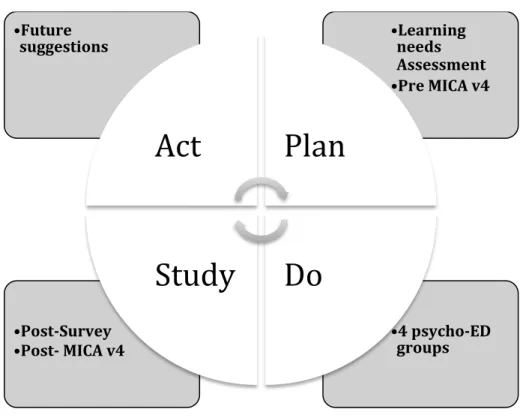
The Institute for Health Care Improvement’s (IHI) Model for Improvement (IHI, 2017) was selected to develop a psychoeducational program with the aim to improve attitudes and the overall quality of nursing care on a medical-surgical unit in North Carolina. This quality improvement model incorporates three fundamental steps: (a) setting aims, (b) establishing measures, and (c) selecting changes, followed by a Plan-Do-Study-Act (PDSA) cycle (IHI, 2017). Figures 4.1 and 4.2 illustrate the application of this model to the DNP project.
FIGURE 4.1: Model for Improvement
Aim To change nurses’ and nursing assistants’
attitudes about planning and implementing nursing care for individuals with
psychiatric symptoms and/or illnesses by targeting attitudes, knowledge, and compassion.
Measures Attitude: Measured pre- and post-program
with MICA v4
Compassion & Knowledge: Post-program evaluation questions
Change Psychoeducational program guided by a
Figure 4.2: Plan-Do-Study-Act
The DNP project implemented an anti-stigma program on a medical-surgical unit using suggestions from previous researchers with an ultimate goal of improving, as well as enlightening, attitudes. The project was unique in that it first conducted a learning needs assessment to the nursing staff. This survey was developed based on the literature review and was used to assess the learning needs of the nurses and nursing assistants (now known as nursing staff) (Appendix 1). There were no other studies identified in the literature that initiated this step prior to implementing an anti-stigma program.
The educational sessions were then planned using the information obtained from this needs assessment. The main outcome of the project, nursing staff attitudes, was measured quantitatively using the Mental Illness: Clinicians’ Attitude Scale-Version 4 (MICA v4), which was completed by the staff prior to and immediately after program
• 4 psycho-ED
groups
• Post-Survey • Post- MICA v4
• Learning
needs Assessment
• Pre MICA v4 • Future
suggestions
Act
Plan
completion (Gabbidon et al., 2013). In addition to completing the MICA v4, the staff answered three questions that yielded qualitative data (Appendix 6) and that addressed the other two purposes of the DNP project: (a) understanding of psychiatric illnesses and (b) ability to provide compassionate care. In order to prepare for the project’s
implementation, each of the instruments and survey will be presented, followed by a description of the setting, nursing participants, key personnel/stakeholders, human subjects protection, resources/budget, and predicted project benefits.
Instruments
The instruments used in this project included a pre-program learning needs assessment, the MICA v4, and a post-program evaluation survey. A description of each instrument’s development and purpose in the stigma reduction program will be provided below.
Learning Needs Assessment
The learning needs assessment gathered information about the nursing staff’s self-reported learning needs as it related to caring for individuals diagnosed with psychiatric illnesses on their medical-surgical unit. It was developed to help inform the planned intervention to be clinically relevant for the medical-surgical environment as well as address gaps identified in the literature that could potentially improve the project’s effectiveness and the duration of its effects over time (Appendix 1). Each of the 15 questions in the needs assessmentevaluated for the presence of major contributors of stigma identified within the literature:
• Fear and/or negative attitudes towards patients diagnosed with psychiatric
illnesses (Reed & Fitzgerald, 2005; Ross & Goldner, 2009).
• A lack of knowledge about the signs and symptoms of psychiatric
illnesses, treatment, and/or the relationship between physical and mental health
• Role adequacy, or the degree to which the staff felt prepared to care for
patients diagnosed with psychiatric illnesses (Munro et al., 2007).
• Role support, or the availability of appropriate resources and/or support in
the workplace (Munro et al., 2007).
In addition to questions that assessed for the presence of specific contributors of stigma, demographic questions were incorporated and included: (a) highest level of education achieved, (b) years of experience as a registered nurse/nursing assistant and, (c) previous volunteer and/or work experience in a psychiatric setting (Appendix 1). It also inquired about psychiatric illnesses the nurses and nursing assistants most often
encountered on the unit as well as their learning style/preferences. These questions were included in the needs assessment because they were identified as critical information needed for effective project design (Collins et al., 2012). The demographic information was also used for data analysis. Demographic questions were used to describe only the sample and structured to protect each individual’s identity. For example, when asked about years of nursing experience, the answers included the following: (a) 0-5 years, (b) 6-10 years, (c) 11-14 years, and (d) 15+ years (Appendix 1).
Each answer was coded 1 to 5, with 1 correlating with: (a) not well at all, (b) not at all confident, (c) none at all, and (d) not at all important. A higher score indicated a more positive response (i.e. very well, very confident, very important).
In summary, the learning needs assessment was created to incorporate education into the sessions because it (a) assessed for major contributors of stigma and negative attitudes, (b) determined the types of psychiatric illnesses seen on the unit to make the intervention applicable and, (c) identified the nurses’ learning style preferences to create a conducive learning setting.
Mental Illness: Clinicians’ Attitudes Scale: Version 4 (MICA v4)
Permission was sought from and provided by the authors to use this scale for the project (Appendix 4). This scale was chosen as the pre- and post- program multimodal anti-stigma evaluation tool because of its previous use in stigma reduction programs (Gabbidon et al., 2013). The MICA v4 is used specifically to measure healthcare professionals’ attitudes of patients diagnosed with psychiatric illnesses in non-mental health care settings (Gabbidon et al., 2013). It is composed of 16 Likert questions with each question requiring a response on a 5-point scale. Questions 3, 9, 10, 11, 12, and 16 are scored as follows: 6=strongly disagree, 5=disagree, 4=somewhat disagree,
In a study that assessed the scale’s psychometric properties, Gabbidon and colleagues (2013) analyzed stigma scores by calculating the data distribution, sample mean, and standard deviation to examine score differences. Authors of the MICA v4 scale participated in this study. The scale’s reliability was assessed using Cronbach’s alpha and was found to have good reliability with an internal consistency α ≥ 0.7. The
scale’s validity was assessed using convergent validity and was compared with the
Reported and Intended Behaviour Scale (RIBS) and the fear subscale of The Emotional
Reactions to Mental Illness Scale (ERMIS) (Gabbidon et al., 2013). Pearson correlation
analysis revealed a moderate relationship with the RIBS (r=0.49) and a low-moderate
relationship with ERMIS’s fear subscale (r=0.32). The required threshold for moderate
correlation was 0.3-0.5, classifying correlations to the other two scales as ‘moderate’
(Gabbidon et al., 2013). Additionally, face validity was suggested as “good” from a
research group of students and professionals working in various healthcare disciplines,
including nurses (Gabbidon et al., 2013).
Post-Survey
In addition to quantifying the project’s three main outcomes of attitudes (stigma), compassionate care, and understanding of psychiatric illnesses, the post survey also allowed the nurses to self-reflect on variables specific to each of the four
psychoeducational sessions. The educational sessions will be described further in detail later in this chapter.
The first of these class-specific questions asked the nursing staff whether the Implicit Bias presentation allowed them to reflect on their own personal biases related to patients diagnosed with psychiatric illnesses. The second question asked whether the Bipolar Disorder presentation improved their attitude about families who have a loved one diagnosed with bipolar disorder. The next question assessed whether the Addiction presentation increased their sensitivity towards individuals with an addiction to
substances. The final question asked whether the last presentation improved their attitude about caring for patients with mental health care needs on a medical-surgical unit.
The final portion of the post-survey included a question that asked how the psychoeducational sessions changed the nursing staff’s ability to care for patients diagnosed with psychiatric illnesses. This was a free-text response that allowed the nurses to describe their overall perception of the program.
Setting
6:1 for night shift nurses. Nursing assistants were usually assigned between six and nine patients for both day and night shifts.
The hospital was chosen for the project because it did not have a psychiatric unit or psychiatric emergency department. Until about three years ago, the project unit was considered a women and children’s unit that provided care solely to pediatric,
gynecological surgical, and bariatric weight loss patients. The unit had evolved into a medical-surgical unit providing care to patients undergoing bariatric weight loss,
gastrointestinal, thyroid, gynecological, thoracic and other surgical interventions as well as to those with psychiatric illnesses. The unit also cared for an increasing number of patients with chronic health conditions that are highly correlated with psychiatric illnesses such as heart disease, diabetes mellitus, and obesity. In the past, the nursing staff voiced concern regarding difficulty providing care to and communicating with the growing number of patients diagnosed with comorbid psychiatric illnesses and/or symptoms admitted to the unit.
There were few classes offered at the institution that focused on the education and management of psychiatric illnesses. Courses offered included crisis prevention
intervention, handling agitation/aggression, end of life issues, emergencies in the
(IVC) patients. The majority of these programs were only available online and addressed acute crises rather than patients admitted with comorbid medical and psychiatric
illnesses. There was one online annual compliance course titled Bariatric Sensitivity, which aimed to improve nurses’ empathy towards patients with obesity; however, this was the only course that specifically targeted nurses’ attitudes and behaviors towards a stigmatized patient population. It was only available online and was composed of slides and a short video. Besides these few courses, there were no educational programs that addressed nurses’ attitudes towards patients with psychiatric illnesses or provided opportunities for direct contact.
This DNP project aligned well with the hospital’s mission of “providing the best in health services by bringing together compassionate care (UNC REX Healthcare, 2016).” The hospital also valued both clinical care and patient perceptions of care. The organization utilized the Hospital Consumer Assessment of Health care Provider Systems (HCAHPS) survey to measure patient satisfaction.
Participants
The anti-stigma program was open to all nurses and nursing assistants who worked on the designated unit. As previously discussed, the medical-surgical unit employed a total of 42 nurses and 19 nursing assistants at the time of the learning needs assessment administration.
Key Personnel/Stakeholders
program was sought and granted from the organization’s Chief Nursing Officer and Director of Practice, Quality, and Research (Appendix 5). The unit’s manager was the designated supervisor for the project and attended all educational meetings with the exception of one. Lastly, the Director of Practice, Quality, and Research was available to support navigation of the internal systems needed to conduct the project.
Key personnel involved in project delivery included the three speakers who discussed and provided interactive education on three different topics. Dr. Kim Cox, MSN, DNP, ANP-BC, APNP is an assistant professor at The University of San Francisco who was consulted on her expertise in managing psychiatric illnesses in medical-surgical patients. She granted the DNP student permission to use information in the program from one of her own presentations (Cox, 2015). Lastly, the needs assessment was designed using project-relevant literature, collaboration with committee members, and consultation provided by The University of North Carolina’s Odum Institute.
Human Subject Protection
Each individual’s responses to the pre- and post-survey were anonymous and without identifiers. The DNP student was the only individual with access to the data in the Qualtrics electronic polling system. Each program speaker’s privacy was also protected due to the confidentiality of the information provided. The speakers signed a consent agreeing to be filmed. The videos were made available via a limited access folder.
Resources and Budget
support of the intervention and allocated finances in the budget to provide educational pay to all nursing staff as an incentive to participate. Light refreshments were provided at each educational session. Additionally, the speakers were provided with a gift certificate or honorarium in exchange for their time and project involvement. The educational department within the institution transferred the recorded presentations to a limited access folder.
Benefits/Harms
Before project implementation, the DNP student listed the following as possible benefits of the proposed project:
• Increased awareness of stigma and how it relates to assessment and
communication skills
• Understanding of the nature of compassion and empathy
• Increased knowledge of psychiatric illnesses and their relationship with physical
illnesses
• Understanding of the nurse-patient engagement and advocacy
Based on the review of literature, the program also had the potential to:
• Improve unit patient satisfaction scores • Decrease duration of patient hospitalizations
• Reduce the number of hospital acquired and post-operative infections • Contribute to health cost savings.
at this setting voiced the possibility of continuing the anti-stigma program in the future and/or adding it to the new employee orientation.
There was no anticipated harm associated with participating in this project. There was always a possibility of increasing negative attitudes associated with stigma, which could indirectly affect patient care.
Conclusion
CHAPTER 5: PROJECT IMPLEMENTATION
This next chapter will describe the “Do” stage of the PDSA cycle. Details will be provided regarding administration of the previously discussed instruments and each educational session. There will also be an explanation of how the sessions were designed and tailored to the chosen nursing unit.
Learning Needs Assessment Administration
The learning needs assessment was administered four weeks prior to project implementation and was used to plan the content incorporated into the educational sessions. It was distributed via Qualtrics, which is an online survey tool made available to UNC students. It was accessible to the entire nursing staff regardless of their intent to attend the sessions.
The pre-survey assessment provided a baseline stigma score to the unit and revealed educational needs to be addressed by the project. The results of the learning needs assessment will be presented in the next chapter. After completion of the pre-intervention assessment, there were a total of four educational sessions. Each of these will be discussed in further detail below.
Educational Sessions