PERSPECTIVE
Jinbing Bai
A dissertation submitted to the faculty at the University of North Carolina at Chapel Hill in partial fulfillment of the requirements for the degree of Doctor of Philosophy in the School of
Nursing.
Chapel Hill 2016
2016 Jinbing Bai
JINBING BAI: Parent Distress, Parent-Child Interactions, Child Distress and Child Cooperation during Cancer Treatment–Related Port Starts: A Caring Perspective
(Under the direction of Sheila J. Santacroce)
Children reported more suffering from cancer treatment−related painful procedures than cancer itself. Appropriate parent interaction behaviors can help children cope with these painful procedures. Swanson’s Theory of Caring provides a framework to formulate parent interaction behaviors. This dissertation consisted of three separate papers to investigate parent-child interactions during cancer treatment−related port starts.
The first paper reviewed 15 extant observational coding systems of parent-child
interactions during painful procedures. These measures had at least an acceptable reliability and some evidence for validity. Only two coding systems were informed with clear theoretical foundations. Parent nonverbal behaviors were under-represented especially for older children (ages 3–18 years). Four of the coding systems were evaluated well-established measures.
The second paper reported the development of the Parent Caring Response Scoring System (P-CaReSS) by the hybrid approach of inductive and deductive coding and tested its psychometric properties. The 18-item P-CaReSS assesses parent verbal (11 items), nonverbal (6 items), and emotional behaviors (1 item). It is feasible to develop an observational measure based on Swanson’s Theory of Caring. The P-CaReSS has acceptable inter-rater reliability and construct validity for use during cancer painful procedures.
behaviors over time and parent verbal caring behaviors did not change significantly. Sequential analyses showed that children were significantly less likely to display verbal and behavioral distress following parent caring behaviors than at any other time. If a child is already engaged with distress, parent verbal and nonverbal caring behaviors can significantly reduce child verbal and behavioral distress.
This dissertation adds new knowledge to current literature in two ways−validating the impact of theory-based parent caring behaviors on child treatment−related responses by
I could not have finished this work without the help and support from so many. I would like to express my deepest gratitude to all my mentors, teachers, and colleagues. As mentors of my graduate thesis, Lily Hsu from the Project HOPE foundation in Shanghai, China, and
Monique van Dijk from the Erasmus MC-Sophia Children’s Hospital in Rotterdam have set great models as good nursing researchers. Both of you are great supporters for me in both good and bad times during the doctoral study. I appreciate Jie Hu from Ohio State University for the valuable support and suggestions on my study plans and career goals. A special thanks to April Vallerand for your generous sharing of research ideas and letting me stay in your house when I was a visiting student in Wayne State University in Detroit, Michigan.
Biobehavioral & Field Core at Karmanos Cancer Institute and Wayne State University; The BioBehavioral Lab at the University of North Carolina at Chapel Hill School of Nursing; and the FaSP Project group (PI: K. Knafl). I also thank the following people for the statistical consultant: Dr. Vicenç Quera from the University of Barcelona, Spain, and the librarians from Health
Science Library and Davis Library.
LIST OF TABLES ... xiii
LIST OF FIGURES ... xv
LIST OF ABBREVIATIONS ... xvi
CHAPTER 1. PARENT-CHILD INTERACTIONS DURING CANCER TREATMENT−RELATED PAINFUL PROCEDURES ... 1
Background ... 1
Literature Review... 4
Child Factors and Invasive Procedures ... 4
Parent Factors and Invasive Procedures ... 4
Parent-Child Interactions and Invasive Procedures ... 5
Observational Measures of Parent-Child Interactions During Painful Procedures ... 7
Theoretical Framework ... 10
Impact and Innovation of the Proposed Research... 13
Outline of Dissertation ... 14
Chapter 2: Observational Measures of Parent-Child Interactions During Painful Procedures ... 14
Chapter 3: Developing and Testing a New Observational Coding System of Parent Interaction Behaviors ... 18
Chapter 4: Relationships Between Parent Interaction Behaviors and Child Treatment Responses... 22
Human Subjects Considerations ... 25
A SYSTEMATIC REVIEW ... 33
Introduction ... 33
Methods... 35
Search Strategies ... 35
Inclusion and Exclusion Criteria ... 36
Data Extraction ... 37
Coding System Evaluation ... 37
Results ... 38
Study Characteristics ... 38
Characteristics of the Coding Systems ... 40
Evaluation of the Specific Coding Systems ... 40
Overall Evaluation of the Coding Systems ... 53
Discussion ... 54
Conclusion ... 59
REFERENCES ... 60
CHAPTER 3. PARENT CARING RESPONSE SCORING SYSTEM (P-CaReSS) FOR CHILDREN DURING CANCER TREATMENT−RELATED PORT STARTS: ITS DEVELOPMENT AND PRELIMINARY PSYCHOMETRIC EVALUATION ... 65
Introduction ... 65
Theoretical Framework ... 66
Methods... 69
Design ... 69
Sample... 69
P-CaReSS ... 76
Support for Reliability ... 77
Support for Validity ... 79
Discussion ... 83
Conclusion ... 87
REFERENCES ... 88
CHAPTER 4. PARENT DISTRESS, CHILD DISTRESS, AND CHILD COOPERATION DURING CANCER TREATMENT−RELATED PORT STARTS: DOES PARENT INTERACTION BEHAVIOR MATTER? ... 91
Introduction ... 91
Methods... 94
Overview ... 94
Participants ... 95
Measures ... 96
Coder Training ... 98
Coding Process... 99
Statistical Analysis ... 100
Results ... 102
Demographics and Cancer-Related Information ... 102
Indicators of Parent and Child Well-Being: Parent Distress, Child Distress, and Child Cooperation ... 105
Study Aim 1: Change in Parent Interaction Behaviors over the Repeated Port Starts ... 106
Study Aim 2: Relations Between Parent Interaction Behaviors and Various Raters-Report Indicators of Parent and Child Well-Being ... 114
Conclusion ... 131
REFERENCES ... 132
CHAPTER 5. BEING A “CARING PARENT” IS THE BEST THING PARENTS CAN DO FOR THEIR CHILD DURING CANCER TREATMENT−RELATED PROCEDURES ... 135
Prologue ... 135
Synthesis of Findings and Implications: What Have We Learned? ... 136
Observational Measures of Parent-Child Interactions ... 137
Relations Between Parent Interaction Behaviors and Child Treatment-Related Responses ... 139
Methodological Insight for an Observational Study ... 142
Strengths of Dissertation ... 144
Limitations of Dissertation ... 146
Future Research Perspectives ... 147
Epilogue ... 148
REFERENCES ... 150
APPENDIX 1. DEFINITION AND OPERATIONALIZATION OF THE PSYCHOMETRIC PROPERTIES (BAI & JIANG, 2015) ... 153
APPENDIX 2. CODING SYSTEM EVALUATION BASED ON THE SOCIETY OF PEDIATRIC PSYCHOLOGY ASSESSMENT TASK FORCE (SPP-ATF) CRITERIA ... 155
APPENDIX 3. PARENT CARING RESPONSE SCORING SYSTEM (P-CaReSS) ... 156
APPENDIX 4. THE CODING MANUAL OF THE P-CaReSS ... 159
APPENDIX 5. THE P-CaReSS CODING GUIDELINE ... 167
APPENDIX 6. INTER-RATER RELIABILITY AS MEASURED BY PERCENT AGREEMENT OR KAPPA VALUE BETWEEN TWO CODERS ... 169
Table 1.1. The Society of Pediatric Psychology Assessment Task Force (SPP-ATF) Criteria for Evaluating the Clinical Utility
of Assessment Instruments ... 18
Table 1.2. Study Measures ... 24
Table 2.1. Database Search by Key Words and Key Researchers ... 36
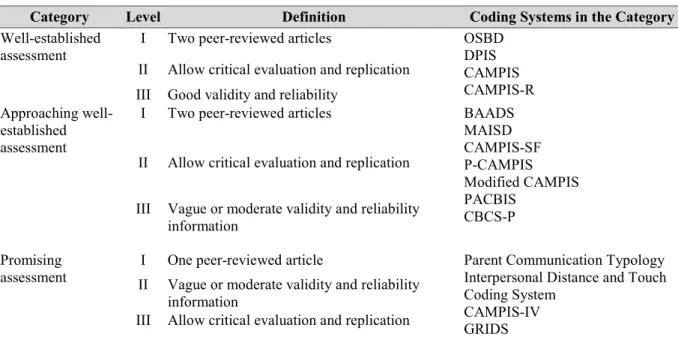
Table 2.2. The Society of Pediatric Psychology Assessment Task Force (APP-ATF) Criteria... 38
Table 2.3. Participant Demographics in the Included Studies ... 42
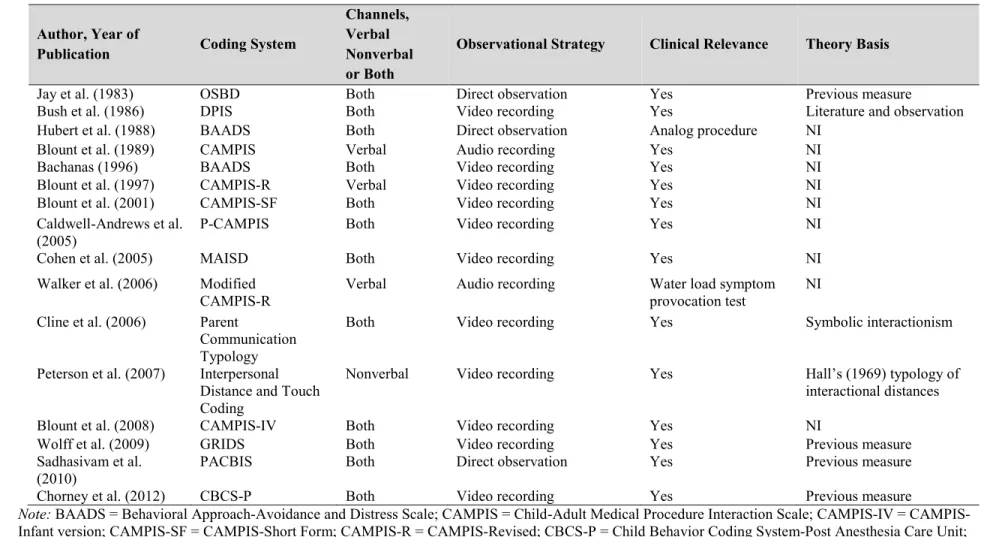
Table 2.4. Characteristics of Observational Coding Systems of Parent- Child Interactions in the Included Studies ... 43
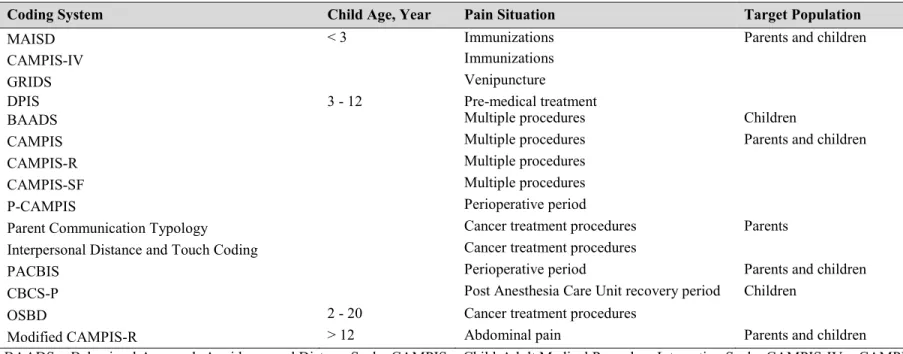
Table 2.5. Use of Parent-Child Interaction Observational Coding Systems Based on Child Age, Pain Situations, and Target Population ... 44
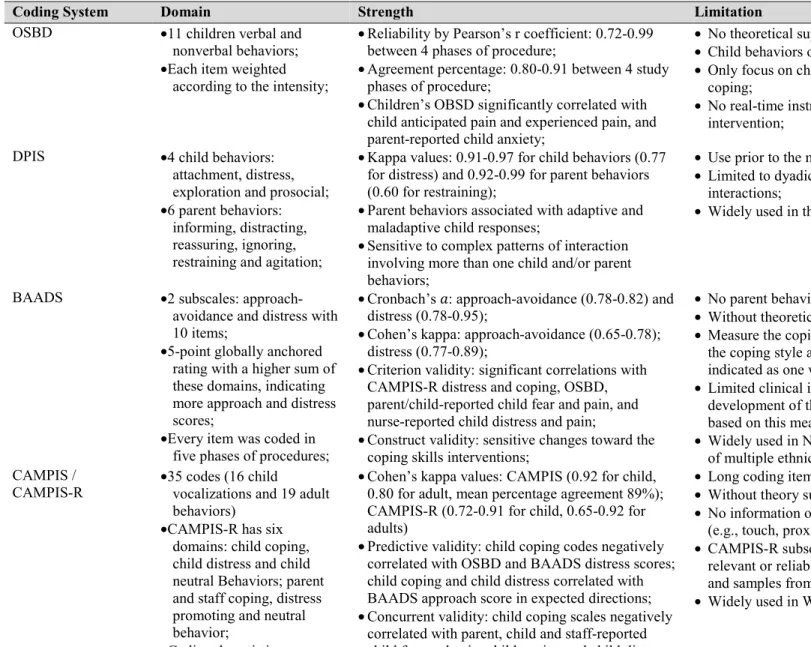
Table 2.6. Domains, Strengths, and Limitations for the Observational Coding Systems of Parent-Child Interactions ... 45
Table 2.7. Overall Evaluation of the Observational Coding Systems of Parent-Child Interactions ... 54
Table 3.1. Developing and Testing the P-CaReSS ... 71
Table 3.2. The Parent Caring Response Scoring System (P-CaReSS) ... 77
Table 3.3. Participants for the Inter-Rater Reliability Analysis... 78
Table 3.4. Inter-Rater Reliability of the P-CaReSS ... 79
Table 3.5. Participants for the Validity Analysis ... 80
Table 3.6. Spearman Correlations between the P-CaReSS Behavioral Codes and Parent Distress, Child Distress and Child Cooperation ... 82
Table 4.1. Study Measures ... 97
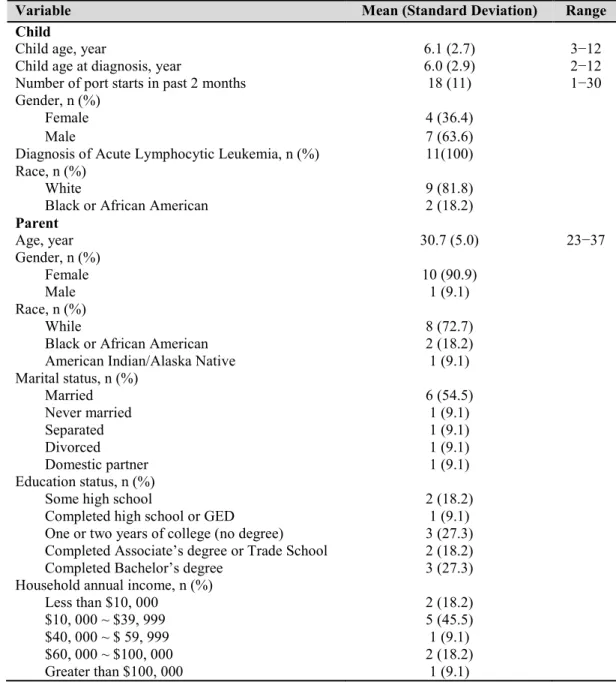
Table 4.2. Participant Demographic Information ... 103
Table 4.3. Child Cancer-Related Information ... 104
Table 4.6. Parent Interaction Behaviors During the Three Phases of the
Port Start Procedure Over Time, n (%) ... 107 Table 4.7. Pairwise Comparisons of Parent Interaction Behaviors from
T2 to T4 Controlling for Pre-Procedure Behaviors ... 111
Table 4.8. Change in Parent Interaction Behaviors Over Time ... 112 Table 4.9. Correlations between Parent Interaction Behaviors and Parent
Distress Ratings by Various Raters ... 116 Table 4.10. Correlations between Parent Interaction Behaviors and
Child Distress Ratings by Various Raters ... 117 Table 4.11. Correlations Between Parent Interaction Behaviors and
Child Cooperation Ratings by Various Raters ... 118 Table 4.12. Correlations between Domains of Parent Interaction Behaviors
and Parent Distress Reported by Various Raters ... 119 Table 4.13. Correlations between Domains of Parent Interaction Behaviors
and Child Distress Ratings by Various Raters ... 120 Table 4.14. Correlations between Domains of Parent Interaction Behaviors
and Child Cooperation Ratings by Various Raters ... 121 Table 4.15. Time-Window Sequential Analyses of Parent Interaction
Behaviors and Subsequent Display of Distress by the Child ... 122 Table 4.16. Time-Window Sequential Analyses of Child Displays of
Figure 1.1. Swanson’s Theory of Caring. ... 11
Figure 1.2. Flowchart of the study search, screening, and extraction process. ... 16
Figure 1.3. The development process of the P-CaReSS. ... 20
Figure 2.1. Flow diagram in the study. ... 39
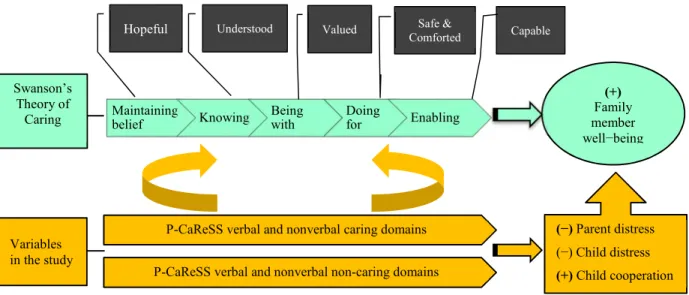
Figure 3.1. Swanson’s Theory of Caring and relationships to study variables... 68
Figure 3.2. Formulating the P-CaReSS... 74
Figure 4.1 Flow diagram for the sample selection. ... 96
Figure 4.2. Trends in parent interaction behaviors during the three port start phases over time... 109
Figure 4.3. Trends of parent interaction behaviors during the entire procedure over time... 113
Figure 5.1. Conceptual framework. ... 142
ALL Acute lymphocytic leukemia
BAADS Behavioral Approach-Avoidance and Distress Scale BMA(s) Bone marrow aspiration(s)
CAMPIS Child-Adult Medical Procedure Interaction Scale
CAMPIS-IV Child-Adult Medical Procedure Interaction Scale-Infant Version CAMPIS-R Child-Adult Medical Procedure Interaction Scale-Revised CAMPIS-SF Child-Adult Medical Procedure Interaction Scale-Short Form CBCS-P Child Behavior Coding System-Post Anesthesia Care Unit CI(s) Confidence Interval(s)
CINAHL Cumulative Index to Nursing and Allied Health Literature CSF Cerebral spinal fluid
CVI Content validity index
DPIS Dyadic Pre-stressor Interaction Scale
EMLA Eutectic mixture of local anesthetics−prilocaine and lidocaine GEE Generalized estimating equation
GRIDS Generation R Infant Distress Scale GSEQ General Sequential Querier Program HaPI Health and Psychosocial Instruments
HIPAA Health Insurance Portability and Accountability Act IASP International for the Study of Pain
IQR Interquartile Range
IRB(s) Institutional Review Board(s) IRR Inter-rater reliability
IV Intravenous
K-CCD Karmanos Child Coping and Distress Scale LP(s) Lumbar puncture(s)
MAISD Measure of Adult and Infant Soothing and Distress
mos. Months
NA Not applicable
NI None indicated
NIH National Institute of Health
OR(s) Odds ratio(s)
OSBD Observational Scale of Behavioral Distress
PACBIS Perioperative Adult Child Behavioral Interaction Scale PACU Post-Anesthesia Care Unit
P-CAMPIS Perioperative Child-Adult Medical Procedure Interaction Scale P-CaReSS Parent Caring Response Scoring System
PI Principal investigator
PRC Protocol Review Committee
PRISMA Preferred Reporting Items for Systematic Reviews and Meta-Analyses PTSS Post-traumatic stress symptoms
SD Standard deviation
CHAPTER 1. PARENT-CHILD INTERACTIONS DURING CANCER TREATMENT−RELATED PAINFUL PROCEDURES
Background
Cancer, a major public health problem in the United States, is the second most common cause of death in children and adolescents (Siegel, Naishadham, & Jemal, 2013). Approximately 12, 400 children are diagnosed with cancer each year in the United States (American Cancer Society, 2013; Pizzo & Poplack, 2010, p.1256) and the incidence of childhood cancer has been increasing by 0.5% per year (Siegel et al., 2013). However, with the development of multi-modal therapies (i.e., surgery, chemotherapy, radiation therapy, hematopoietic stem cell transplant, and biological response modifiers), aggressive anticipatory supportive care, and specialty nursing, the 5-year survival rate for children with cancer in the United States has increased from 58% during the mid-1970s to 83% today (American Cancer Society, 2013).
Children being treated for cancer require regular monitoring for disease extension or recurrence, treatment effectiveness, and treatment toxicities or side effects. This monitoring is done by laboratory assays of body tissue samples that are obtained through one of several means: cerebral spinal fluid (CSF) is obtained via lumbar punctures (LPs); cells in the bone marrow that produce various blood components are obtained via bone marrow aspirations (BMAs); and blood is obtained via venous access device (VAD) puncture, which is commonly referred to as a “port start” when used to establish intravenous (IV) access through which chemotherapies and
within a relatively short period of time—for example, during diagnostic evaluation and treatment initiation—and repeated at regular intervals as determined by the child’s clinical condition and treatment protocol requirements.
The International Association for the Study of Pain (IASP) has defined pain as “an unpleasant sensory and emotional experience associated with actual or potential tissue damage, or described in terms of such damage” (Bonica, 1979). Children can report pain due to both actual or potential connective tissue disruption and anticipatory distress during cancer treatment– related procedures (Jay, Elliott, Ozolins, Olson, & Pruitt, 1985). Owing to their limited cognitive and affective development status, children tend to rely on parent caring to somewhat buffer their pain and distress during invasive procedures (Blount et al., 1989; Caldwell-Andrews, Blount, Mayes, & Kain, 2005). Throughout this document, the term “during an invasive procedure(s)” is used to connote the process of anticipating, undergoing, and recovering from the invasive
procedure. Thus, parents play essential and important roles in physically and emotionally caring for their child throughout the trajectory of cancer treatment–related procedures. Children with cancer could experience higher levels of procedure-related pain and distress if their parents also experience procedure-related distress and thus are less able to care for the child during an invasive procedure.
2010). As an example, 30% of children with cancer reported moderate to severe pain as a direct or indirect effect of cancer−related therapies or treatment−related procedures (Jacob,
Hesselgrave, Sambuco, & Hockenberry, 2007; Ljungman, Gordh, Sorensen, & Kreuger, 1999; Ruggiero et al., 2007). Unrelieved pain can cause more pain-related time in bed and sleep disturbances for children with cancer (Ljungman et al., 1999), which can significantly decrease children’s quality of life (Miller, Jacob, & Hockenberry, 2011). In addition, memories of procedure-related pain and distress can make the anticipation of subsequent treatment−related procedures more difficult (Frank, Blount, Smith, Manimala, & Martin, 1995) and can have negative consequences for childhood cancer survivors such as avoidance of regular primary and long-term follow-up care (Davies, Butler, & Goldstein, 1972; Pate, Blount, Cohen, & Smith, 1996). Moreover, experiencing their child’s treatment−related procedures has been associated with the development of anxiety and post-traumatic stress symptoms (PTSS) in parents of children with cancer (Harper et al., 2014; Kazak, Penati, Waibel, & Blackall, 1996a).
behavioral and emotional responses and parent-child interactions that contribute to child pain, distress, and cooperation during port starts and potentially in the long run. To improve the port start experience for children with cancer, research that examines child factors, parent factors, parent-child interactions, and child outcomes of port starts is needed.
Literature Review
Child Factors and Invasive Procedures
Child-related factors have been shown to predict child’s experience with invasive procedures. Previous studies indicated that child temperament (e.g., distractibility and, conversely, persistence) could partially account for their pain and distress during painful
procedures (Broom, Rehwaldt, & Fogg, 1998; Helgadottir & Wilson, 2004; Schechter, Bernstein, Beck, Hart, & Scherzer, 1991). Also, Chen and colleagues (2000) found that child pain
sensitivity measured by the self-report Sensitivity Temperament Inventory of Pain was significantly associated with their pain and distress both in anticipation of and during LPs, indicating that a higher level of pain sensitivity is significantly associated with higher pain and anxiety levels. Chen et al. (2000) also found that younger children reported higher procedural distress and pain, and girls reported more pain than boys during LPs. However, the impact of these child-related factors on a child’s experience is rarely explored for children in the context of cancer treatment–related port starts.
Parent Factors and Invasive Procedures
Benoit, & Goubert, 2014). Studies that have examined parent distress and parent pain-attending behaviors in relation to port starts are rare. Additionally, the moderating effect of parent
demographic factors (i.e., age, race, education, and prior experiences with distressing
procedures) on the relationships between parent behaviors and child treatment responses are also under-explored in relation to port starts. Parents can play important roles in the provision of physical and emotional support to their child throughout the cancer treatment trajectory,
including around the time of treatment procedures. Children with cancer could suffer more pain and distress if their parents are less able to provide this care due to parent coping behaviors.
Parent-Child Interactions and Invasive Procedures
al., 1989, 2001). The same might be true for children in the context of cancer treatment–related port starts.
Among distress-promoting parent verbal behaviors, reassurance and empathy have been identified as being the primary parent vocalizations toward their child during invasive procedures (Cohen, Manimala, & Blount, 2000). However, previous studies reported mixed findings for both of these parent verbal behaviors. First, Cline and colleagues (2006) found that more parental verbalizations of empathy and reassurance were associated with less pain and distress during port starts. Additionally, McMurtry and colleagues (2006, 2007) proposed that reassurance is a
complex concept with sub-concepts that could cause contradictory outcomes in children undergoing immunizations. Likewise, Penner et al. (2008) re-conceptualized parent empathy comments into two categories (i.e., empathy concern and empathy distress) and found that parent empathy concerns had negative correlations with child’s distress and parental empathy distress showed positive correlations with child’s distress during port starts in children with cancer.
procedures, which might be attributed to the mixed findings of previous studies. A systematic evaluation of these widely used coding systems of parent-child interaction could potentially explain these mixed findings.
Observational Measures of Parent-Child Interactions During Painful Procedures
The importance of parent-child interactions during invasive procedures arises from findings of strong relationships between parental behaviors and child coping behaviors in previous studies. As previously mentioned, child’s pain and distress showed negative correlations with parental coping-promoting behaviors and positive correlations with parent distress-promoting behaviors (Blount et al., 1989, 2001). Clinical applications and research in this area require ways to accurately and reproducibly categorize parent-child interactions during invasive procedures. Use of different parent-child interaction coding systems could explain inconsistent findings in the literature on parent-child interaction studies. Thus, choosing a comprehensive and appropriate observational coding system is of great importance to study the influence of parent interaction behaviors on child’s pain, distress, and cooperation during treatment-related procedures.
In general, three types of approaches have been used to measure and evaluate the process and outcomes of parent-child interactions during invasive procedures: pain and distress measures completed by child self-report, pain and distress measures completed on the child’s behalf by one or more persons proximal to the child (i.e., parents and healthcare providers), and
processes (Bakeman & Gottman, 1997; Sharpe & Koperwas, 2003). However, appropriate use of these observational measures can generate valuable and objective data about children, parents, and healthcare providers in relation to invasive procedures (Blount et al., 1989; Cline et al., 2006). Until now, multiple observational coding systems have been developed and widely used in the parent-child interaction studies. Reliability and validity of these coding systems have been addressed as well.
Two types of observational coding systems, also referred to as interaction analysis systems (IASs), have been identified: “cure” systems that are meant to conduct measurements of instrumental behaviors (i.e., task-focused) and “care” systems that meant to conduct
measurements of affective behaviors (i.e., emotion-based) (Bensing, 1991; Ong, De Haes, Hoos, & Lammes, 1995). In the context of parent-child interaction, these two systems reflect the child’s need to know and understand (i.e., to cure) and child’s need to feel known and understood (i.e., tobe cared for). Parent cure behaviors, such as giving information, distraction, and mandating coping strategies, can be captured by available coding systems; parent care behaviors, such as empathy and touch, have been explored as well, but parent emotion is rarely studied including in the context of invasive treatment−related procedures for children with cancer. The pain and distress associated with invasive procedures cannot be relieved by either instrumental-based or affective-based parent behaviors. An observational coding system that attempts to capture both types of behaviors should be constructed in future studies, the ultimate goal being to intervene in parent coping behaviors during invasive procedures, which in turn can improve child treatment responses (i.e., less pain and distress but more cooperation).
Besides the definitive distinctions between “cure” and “care” coding systems,
criteria: the population (i.e., to whom can the system be applied?), clinical relevance (i.e., is the system specifically designed for studying communication interaction during medical
procedures?), observational strategy (i.e., is the coding done from video, audiotape, direct observation, or literal transcripts?), reliability and validity (i.e., has the system been shown to reliable and valid with regard to capturing the targeted behaviors?), and channels of
communicative behavior (i.e., does the system have a plan for coding verbal behavior, nonverbal behavior, or both?) (Ong et al., 1995). Although the observational measures used in previous studies state clear operational definitions to promote validity of the conclusions about the study results, how to conceptualize aspects of parental behaviors such as reassurance and empathy is still unclear. Most coding systems were constructed based on clinical observations or in-depth literature review rather than theory. A systematic analysis of the available observational measures for coding parent-child interactions that specifically examines their strengths and limitations is essential to the development of theory-based observational measures for use in future research. The theory-based observational coding system can help understand and improve parent-child interactions during invasive procedures as a means to improving child pain, distress, and cooperation in the short term and potentially anticipatory pain and anxiety in the future.
The proposed dissertation research comprises three distinct studies in the area of parent-child interactions during painful procedures. The purpose of the first study (Chapter 2) is to systematically review and evaluate the extant observational coding systems that have been used to study parent-child interactions during painful procedures. The purpose of the second study (Chapter 3) is to develop a parent interaction coding system (i.e., the Parent Caring Response Scoring System [P-CaReSS]) informed by Swanson’s Theory of Caring and conduct its
P-CaReSS to examine the longitudinal change in parent interaction behaviors toward their child with cancer during port starts and relationships between parent interaction behaviors and parent distress, child distress and child cooperation over time.
Theoretical Framework
A theoretical framework can organize the study of parent interaction behaviors during treatment−related invasive procedures for a child by informing the development of a set of theoretically derived statements or operational definitions that can be used to categorize and provide insight into the behaviors. In terms of the “cure” and/or “care” features of parent-child interactions during invasive procedures, one of the caring theories seems a reasonable option to guide the study of parent interaction behaviors and child treatment-related responses. Among these caring theories is Swanson’s Theory of Caring. Swanson (1991) conducted three phenomenological studies to inductively develop this theory and has defined caring as “a nurturing way of relating to a valued other person, towards whom one feels a personal sense of commitment and responsibility” (Swanson, 1991, p.165). Empirical interventions provide support for the use of Swanson’s Theory of Caring to guide the development and testing of interventions that aim to improve patient care outcomes (Swanson, 1991, 1999; Swanson et al., 2009).
or transitions and face a future with meaning” (Swanson, 1991). Swanson (1991, 1993) also defined subcategories for each caring process. Figure 1.1 presents this theory and the relationships between these five caring processes. Swanson (2013) has continued exploring relationships among these caring processes and suggested that these processes are interconnected with each other with the purpose of providing a holistic care environment for improving
outcomes.
Figure 1.1. Swanson’s Theory of Caring.
*Permission to use this image was obtained from Dr. Kristen Swanson
middle-range theories (e.g., Swanson’s Theory of Caring) are available to describe, understand, and explain specific phenomena or concepts that reflect and emerge from or focus on clinical practice such as parent-child interaction. A specific reason why this theory is selected is that parent interaction behaviors have a good fit with the five caring processes. For example, parent nonverbal behaviors (e.g., interpersonal distance and touch) echoed the domains of Being with and Doing for of Swanson’s Theory of Caring; parent verbal behaviors (e.g., distraction talk and mandating coping strategies) can be conceptualized by the Doing for or Enabling domains of this theory. Thus, Swanson’s Theory of Caring is suitable for use in parent-child interaction studies in terms of its middle-range theory characteristics and the conceptual congruence of parent behaviors with its five caring processes.
Second, Swanson’s Theory of Caring has been developed and applied in studies with various populations, for example, parents and health professionals in social risk and critical care settings (Swanson, 1990, 1991, 1993); this bodes well for its applicability to other populations. Also, Swanson used nursing and non-nursing literature to develop her theory and gave a unique and generalizable description of the dynamics of the phenomena of a caring relationship
(Kavanaugh et al., 2006; Swanson 1990, 1991, 1993). Given its history of having a diverse basis and applicability, Swanson’s Theory of Caring is a reasonable theory to explore parent
interaction behaviors toward their child during invasive procedures.
pain, distress, and cooperation) by promoting parent interaction behaviors during invasive procedures such as port starts.
Impact and Innovation of the Proposed Research
Multiple observational measures have been developed for use in the parent-child
interaction studies during invasive procedures. Evaluation of these existing measures is lacking and whether these measures account for all crucial behaviors is unknown. A systematic review and evaluation of the current observational measures of parent-child interactions is essential for improving the quality of future research (Chapter 2). The proposed review provided solid directions for the future study of these complex interactions and also provided clinicians with reliable and valid tools for use in care of children and parents.
In paper 2 (Chapter 3), Swanson’s Theory of Caring informed the development of a new observational measure of parent interaction behaviors toward their child, i.e., the P-CaReSS. This new interaction coding system filled a gap—few observational measures of parent-child interactions are theory-based and include nonverbal behaviors. The use of an appropriate theory can help connect new knowledge with the previous knowledge by coherent and operational definitions. An observational coding system with clear theoretical foundations can be used as an important tool to guide evidence-based intervention programs. Moreover, Swanson’s Theory of Caring has been used to inform the development of standardized questionnaires (Andershed & Olsson, 2009; Swanson, 2002); however, the current study extended its use in instrument
development to the development of observational coding systems. Finally, this study provides an exemplar of how to develop an observational measure using a middle-range theory.
(i.e., distress and cooperation) during port starts. This study used a newer method (i.e., time-window sequential analysis). All the findings can help nurses and parents identify how to comfort their child during these procedures. In addition, findings of this study can advance parent roles in cancer treatment–related procedures and be used to assist healthcare providers and nurse educators in changing clinical practice policy related to nurse-operated procedures such as port starts. An adequate addressing of parent behaviors can potentially increase child’s
cooperation and thereafter increase nurse work efficiency and efficacy during the procedures. Taken all together, this dissertation research has significant clinical implications for updating current healthcare policy and benefiting children with cancer, their parents, and clinicians in relation to treatment-related invasive procedures and possibly throughout the childhood cancer trajectory.
Outline of Dissertation
Chapter 2: Observational Measures of Parent-Child Interactions During Painful Procedures
Background
For the adult population, the IASs have been systematically reviewed to address physician-patient communications during painful procedures (Ong et al., 1995). For instance, several widely used IASs are identified as task-oriented coding systems (such as the Bales’ Interaction Process Analysis [Bensing, 1991]) or as socio-emotional coding systems (such as the Patient-Centered Method [Henbest & Stewart, 1990]) or as both task-oriented and
not been systematically reviewed; the categories of these IASs and the investigation of parent socio-emotional behaviors are still unknown among the pediatric population.
Purpose
The purpose of this paper was to systematically review and evaluate observational IASs that have been used to study parent-child (or adult-child) interactions during painful procedures.
Methods
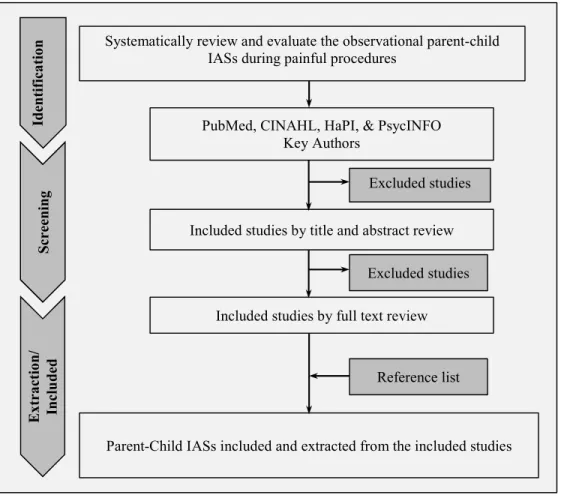
Search strategies. The Preferred Reporting Items for Systematic Reviews and Meta-Analyses (PRISMA) statement (Moher, Liberati, Tetzlaff, Altman, & The PRISMA Group, 2009) informed the conduct and reporting of this systematic review (Figure 1.2). Several databases were searched for eligible studies, including PubMed, CINAHL, and PsycINFO, and Health and Psychosocial Instruments (HaPI). The databases were searched from their inception until
December 2015. A string of search terms was developed as “(parent-child interaction OR adult-child interaction OR parent-adult-child communication) AND (procedure*) AND (scale OR
assessment OR measure OR coding).” Besides the searches using key terms, searches were conducted using the names of key researchers (i.e., Penner, L. A., Blount, R. L., and Caldwell-Andrews, A. A.).
texts were not available. The reference list of all included studies were reviewed to identify studies that the database searches might have missed.
Figure 1.2. Flowchart of the study search, screening, and extraction process.
Data screening and extraction. The principal investigator (JB) searched all the databases to identify potentially eligible studies and scanned the identified studies first by title and abstract and then by the full text to assess their eligibility. A standard form was developed for data extraction in advance. For each included parent-child IAS, the extracted data included: study characteristics (i.e., authors, year of publication, name of the IAS, and study region), participant (i.e., child and parent) information (e.g., age, gender, ethnicity, diagnosis, or painful
PubMed, CINAHL, HaPI, & PsycINFO Key Authors
Systematically review and evaluate the observational parent-child IASs during painful procedures
Included studies by title and abstract review Excluded studies
Excluded studies
Included studies by full text review
Id
en
ti
fi
ca
ti
o
n
S
cr
ee
n
in
g
E
x
tr
a
ct
io
n
/
In
cl
u
d
ed
procedures and sample size), and measures information—content (what does it measure?), clinical relevance (is it related to clinical practice?), observational strategies (e.g., audiotapes, videotapes, and direct observation), psychometric properties of IASs (i.e., inter- and intra-rater reliability and validity), channel of communicative behaviors (i.e., verbal behaviors, non-verbal behaviors, or both), and other strengths and weaknesses.
Evaluation criteria of the IASs. The criteria developed by the Society of Pediatric Psychology Assessment Task Force (SPP-ATF) were chosen to evaluate the observational systems for designing therapeutic interventions or broadening our understanding of the disease, the participants, and the studied phenomenon (Blount et al., 2008). According to the SPP-ATF criteria list, the observational parent-child IASs can be classified into three levels:
developed assessment (to guide treatment or to broaden understanding), approaching well-developed assessment, and promising assessment (Table 1.1). Based on the criteria, all the included IASs were evaluated by the principal investigator (JB) in this study with their strengths and limitations specifically addressed.
Results
The study results were presented in tables and also in narrative form. Information to be presented in the tables included for each measure: demographic information, strengths and limitations of these identified IASs for use in children, and their levels based on the SPP-ATF criteria. Further recommendations for research and clinical applications of these measures were provided.
Implications
observational measures that aim to capture and describe the influence of parent behaviors on child outcomes during painful procedures.
Table 1.1. The Society of Pediatric Psychology Assessment Task Force (SPP-ATF) Criteria for Evaluating the Clinical Utility of Assessment Instruments
Measure Level Specific Criteria
Well-established assessment that: (A) Guide treatment or
(B) Broaden understanding
I The measure must have been presented in at least two peer-reviewed articles by different investigators or investigatory teams.
II Sufficient detail about the measure to allow critical evaluation and replication (e.g., measure and manual provided or available upon request).
III Detailed (e.g., statistics presented) information indicating good validity and reliability in at least one peer-reviewed article.
Scales classified as Well-established were further classified as:
A Guide treatment: Results from the measure lead directly to the design of treatment interventions. Additionally, results from the measure may broaden understanding.
B Broaden understanding: Results of measure broaden understanding of the participants, disease, or other aspect of the studied phenomenon.
Approaching well-established assessment
I The measure must have been presented in at least two peer-reviewed articles, which might be by the same investigator or investigatory team. II Sufficient detail about the measure to allow critical evaluation and
replication (e.g., measure and manual provided or available upon request).
III Validity and reliability information either presented in vague terms (e.g., no statistics presented) or only moderate values (e.g., IRR coefficients and correlations with theoretically-based variables) presented. Promising assessment I The measure must have been presented in at least one peer-reviewed
article.
II Validity and reliability information either presented in vague terms (e.g., no statistics presented) or moderate values presented.
III Sufficient detail about the measure to allow critical evaluation and replication (e.g., measure and manual provided or available upon request).
Chapter 3: Developing and Testing a New Observational Coding System of Parent Interaction Behaviors
Background
(CAMPIS-SF) (Blount, Bunke, Cohen, & Forbes, 2001). However, most of these observational measures are not theory-based and emphasize more parent verbalizations rather than nonverbal behaviors, particularly the widely used CAMPIS, CAMPIS-R, and its derivatives (e.g.,
CAMPIS-SF). Recently, nonverbal behaviors have been included in observational measures but only for young children (i.e., the CAMPIS-Infant Version [CAMPIS-IV]) or when verbal
communications are limited by the circumstances (i.e., the Perioperative-CAMPIS [P-CAMPIS]) (Blount, Devine, Cheng, Simons, & Hayutin, 2008). An observational measure that is informed by theory and considers both verbal and nonverbal behaviors is needed.
Purpose
The purposes of this study were: 1) to use Swanson’s Theory of Caring to inform the development of an observational measure of parent interaction behaviors (i.e., P-CaReSS) and 2) to conduct preliminary psychometric evaluation of the new observational measure.
Methods
Sample. This study used two extant sources of data: a publicly available documentary film and both video-recordings and questionnaire data from a primary study of children with cancer (Title: Resources, parent-child communication and adjustment to pediatric cancer, RO1CA138981; PI: L. Penner). First, six video clips showing parents’ interactions with their daughter as she underwent venipuncture during her visit to an Emergency Room were extracted from the documentary “The Waiting Room” (Nicks, 2012). Together, the video clips were about 15 minutes in duration. The video clips were used to inductively generate preliminary
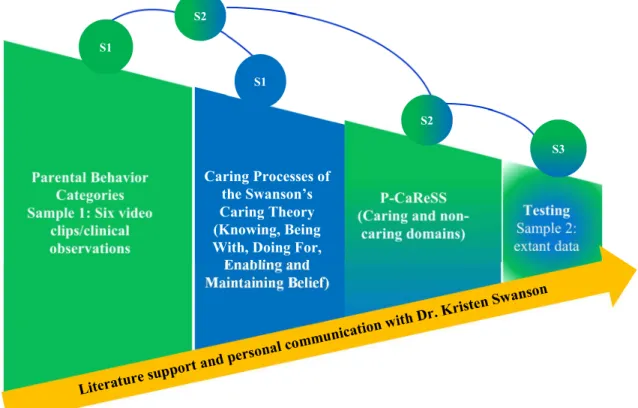
observational codes for the new observational measure (i.e., P-CaReSS) (Figure 1.3 S1). Parent
Theory of Caring. These codes formed the basis of the P-CaReSS (Figure 3 S2). Second, a subset
of 29 children receiving repeated port starts was used to refine this new observational measure and test its inter-rater reliability (IRR) and validity (Figure 1.3 S3).
Figure 1.3. The development process of the P-CaReSS.
S1: Parental behaviors are inductively identified from six video clips; the caring domains of the Swanson’s Theory of Caring are reflected; S2: Parental behaviors identified in S1 are deductively constructed based on Swanson’s Theory of Caring, resulting in the Caring and Non-caring domains of the CaReSS; S3: Further testing of the P-CaReSS by an extant dataset. Through all the S1-S3, previous literature and personal communication with Dr. Kristen Swanson are continuously used to support the development process of the P-CaReSS.
Note: P-CaReSS = Parental Caring Response Scoring System; S1 = Step 1; S2 = Step 2; S3 = Step 3
Development of the P-CaReSS. The P-CaReSS is comprised of mutually exclusive and exhaustive behavioral codes that had simple characteristics (Bakeman & Gottman, 1997; Sharpe & Koperwas, 2003). The five-step procedure described by Backman and Gottman (1997) was used to develop the P-CaReSS. These five steps were: 1) defining the purpose of developing the
Caring Processes of the Swanson’s Caring Theory (Knowing, Being With, Doing For, Enabling and Maintaining Belief)
S1
S3 S2
S2
new observational measure (i.e., to assess parent behavioral interactions toward their child during invasive procedures); 2) deciding the feature of the codes (i.e., social-based codes rather than physical-based codes); 3) formulating the initial P-CaReSS, 4) constructing operational definitions that meet the following criteria: objectivity, clarity and completeness; and 5) refining the P-CaReSS (Sharpe & Koperwas, 2003). The new tool was tested as follows: 1) training coders to use the tool reliably, with retraining indicated if the observer(s) indicated unacceptable IRR (i.e., Cohen’s kappa < 0.70); and 2) testing its preliminary psychometric properties using the extant videos recordings of children during port starts.
Reliability and validity. A random selection of between 10% and 30% sample of the possible sessions is adequate to examine the IRR by more than one observer (Ostrov & Hart, 2013). Thus, video data from 11 of 83 children (13%) in the primary study was randomly chosen to estimate the IRR using Cohen’s kappa coefficient (Bakeman & Gottman, 1997; Ostrov & Hart, 2013; Sharpe & Koperwas, 2003). Bakeman and Gottman (1987) suggested that kappa values less than 0.70 are worrisome. Validity of the P-CaReSS was examined by estimating correlations between P-CaReSS domains and ratings of indicators of theoretically-related variables (e.g., parent distress, child distress, child cooperation by multiple raters.
Implications
Chapter 4: Relationships Between Parent Interaction Behaviors and Child Treatment Responses
Background
Port start is a regular procedure for children receiving cancer treatment and is normally carried out by nurses in the presence of parents. Studying parent interaction behaviors during port starts can be a means for understanding how nurses can care for parents so that they can in turn care for their child during this invasive procedure. Previous studies have provided explicit evidence regarding the importance of parent-child interaction behaviors during painful
Purpose
The purposes of this study were to: 1) examine changes over time in parent interaction behaviors and 2) investigate associations between parent interaction behaviors and parent distress, child distress and cooperation in the context of cancer treatment–related port starts.
Methods
Sample. This study was a secondary analysis of video and questionnaire data from the primary study (Resources, parent-child communication and adjustment to pediatric cancer; RO1CA138981; PI: L. Penner). Eligibility criteria for the primary study were: 1) child age between 3 and 12 years at study entry, 2) child currently in active cancer treatment, and 3) child scheduled to have a clinically indicated port starts, LPs, or BMAs. In the primary study, a total of 83 parent-child dyads were involved in at least one video-recorded treatment–related port start per dyad. To study parent interaction behaviors longitudinally, video and questionnaire data from 43 of the 83 parent-child dyads was subjected to secondary analysis; only these 43 dyads had 2-3 port starts that were included in the primary study.
Measures. Details about the study measures are displayed in Table 1.2. Parents completed self-report measures of parent and child demographic data form and trained coders coded parent interaction behaviors using the P-CaReSS. Child distress was assessed by
Karmanos Child Coping and Distress System (Harper et al., unpublished data). Child pain and distress were assessed by the Wong-Baker Faces Scale (Wong & Baker, 1988). Child
cooperation was measured by the Child Cooperation Scale (Peterson et al., 2014).
and StudioCode© software (StudioCode Business Group, Australia) to code the data. Five
recorded videos presenting parent-child interaction during one port start per child were selected from the primary dataset to train the RA; these videos were not used in subsequent data analysis. Both coders coded the frequency of parent-child interaction behaviors and the onset-offset of these behaviors. The RA was considered reliable in assigning codes and credentialed to assign codes for use in data analysis when at least 80% of the RA and PI codes were in agreement or Cohen’s κ value ≥ 0.80.
Table 1.2. Study Measures
Variable Measure Data Source Time-point
Parent demographics
Gender, ethnicity, education, economic status Parent Baseline
Parent distress Revised Wong-Baker Faces Scale (Wong & Baker, 1988) Parent, nurse, observer During* Parent interaction behaviors
P-CaReSS (Bai et al., unpublished data) Trained observer Pre, during, post Child
demographics
Age, gender, time since the treatment, total number of procedures since diagnosis
Parent & medical chart
Baseline
Child behavioral distress
Karmanos Child Coping & Distress Coding System (Harper et al., unpublished data)
Trained observer Pre, during, post Child distress Revised Wong-Baker Faces Scale (Wong & Baker,
1988)
Parent, nurse, child, observer
During*
Child cooperation Child Cooperation Scale (Peterson et al., 2014) Parent, nurse, observer
During*
Note: P-CaReSS = Parent Caring Responses Scoring System; Pre = pre-procedure; during = during the procedure; post = post-procedure
* Children reported the worst pain/distress and best cooperation during the whole procedure after completing the procedure
start, 2) a 5-minute slice during the port start (i.e., when the child is distressed/not distressed), and 3) an additional 5-minute slice after the port start. Each coder (the PI and the RA) reviewed the selected video slices multiple times and then coded parent interaction behaviors once using the P-CaReSS.
Statistical analysis. Mean (standard deviation, SD) was used for the data with normal distribution and median (interquartile range, IQR) for the data without normal distributions. Number (percentage) was used to present the categorical data. Mixed modeling with the generalized estimating equation (GEE) method was used to investigate change in parent interaction behaviors over time, as well as the influence of parent interaction caring (vs. non-caring) behaviors on parent distress, child distress, and child cooperation. Finally, time-window sequential analysis—one type of time-event sequential analysis that asks whether the presence of a particular behavior (i.e., “given” code) increases or decreases the probability of occurrence of another behavior (I.e., “target” code) within a particular temporal window (e.g., 5 s)—was used to explore whether parent interaction behaviors can lead to less child distress and more child cooperation within a time period (i.e., 5 s) than parent interaction behaviors at any time. Use of the time-window sequential analysis was guided by the work of Chorney et al. (2010, 2013).
Implications
Findings of this study provided a basis for developing interventions that aim to support parents in caring for their child during port starts and to decrease the negative effects of invasive procedures on child and parent psychological health in the short and long term.
Human Subjects Considerations
REFERENCES
American Cancer Society. (2014). Cancer facts and figures 2013. Retrieved from
http://www.cancer.org/research/cancerfactsfigures/cancerfactsfigures/cancer-facts-figures-2013. On August 30, 2014.
Andershed, B., & Olsson, K. (2009). Review of research related to Kristen Swanson’s middle-range theory of caring. Scandinavian Journal of Caring Science, 23(3), 598-610. doi: 10.1111/j.1471-6712.2008.00647.x.
Bakeman, R., & Gottman, J. M. (1997). Observing interaction: An introduction to sequential analysis (2nd eds.). Cambridge, UK: Cambridge University Press.
Bensing, J. M. (1991). Doctor-patient communication and the quality of care. An observation study into affective and instrumental behavior in general practice. Dissertation. NIVEL, Utrecht.
Blount, R. L., Bunke, V. L., Cohen, L. L., & Forbes, C. J. (2001). The Child-Adult Medical Procedure Interaction Scale-Short Form (CAMPIS-SF): Validation of a rating scale for children’s and adults’ behaviors during painful medical procedures. Journal of Pain and
Symptom Management, 22(1), 591-599. doi:10.1016/S0885-3924(01)00303-7.
Blount, R. L., Cohen, L. L., Frank, N. C., Bachanas, P. J., Smith, A. J., Manimala, M. R., & Pate, J. T. (1997). The Child-Adult Medical Procedure Interaction Scale-Revised: An
assessment of validity. Journal of Pediatric Psychology, 22(1), 73-88. doi: 10.1093/jpepsy/22.1.73.
Blount, R. L., Corbin, S. M., Sturges, J. W., Wolfe, V. V., Prater, J. M., & James, L. D. (1989). The relationship between adults’ behavior and child coping and distress during BMA/LP procedures: A sequential analysis. Behavior Therapy, 20(4), 585-601. doi:
10.1016/S0005-7894(89)80136-4.
Blount, R. L., Devine, K. A., Cheng, P. S., Simons, L. E., & Hayutin, L. (2008). The impact of adult behaviors and vocalizations on infant distress during immunizations. Journal of Pediatric Psychology, 33(10), 1163-1174. doi: 10.1093/jpepsy/jsn030.
Blount, R. L., Piira, T., Cohen, L. L., & Cheng, P. S. (2006). Pediatric procedural pain. Behavior
Modification, 30(1), 24-49. doi: 10.1177/0145445505282438.
Blount, R. L., Simons, L. E., Devine, K. A., Jaaniste, T., Cohen, L. L., Chambers, C. T., & Hayutin, L. G. (2008). Evidence-based assessment of coping and stress in pediatric psychology. Journal of Pediatric Psychology, 33(9), 1021-1045. doi:
10.1093/jpepsy/jsm071.
Broome, M. E., Rehwaldt, M., & Fogg, L. (1998). Relationships between cognitive behavioral techniques, temperament, observed distress, and pain reports in children and adolescents during lumbar puncture. Journal of Pediatric Nursing, 13(1), 48-54. doi: 10.1016/S0882-5963(98)80068-7.
Caes, L., Vervoort, T., Devos, P., Verlooy, J., Benoit, Y., & Goubert, L. (2014). Parental distress and catastrophic thoughts about child pain: Implications for parental protective behavior in the context of child leukemia related medical procedures. The Clinical Journal of Pain,
30(9), 787-799. doi: 10.1097/AJP.0000000000000028.
Caldwell-Andrews, A. A., Blount, R. L., Mayes, L. C., & Kain, Z. N. (2005). Behavioral interactions in the perioperative environment: A new conceptual framework and the development of the perioperative child-adult medical procedure interaction scale.
Anesthesiology, 103(6), 1130-1135. doi:10.1097/00000542-200512000-00005.
Chen, E., Craske, M. G., Katz, E. R., Schwartz, E., & Zeltzer, L. K. (2000). Pain-sensitive temperament: Does it predict procedural distress and response to psychological treatment among children with cancer? Journal of Pediatric Psychology, 25(4), 269-278.
doi:10.1093/jpepsy/25.4.269.
Chorney, J. M., Garcia, A. M., Berlin, K. S., Bakeman, R., & Kain, Z. N. (2010). Time-window sequential analysis: An introduction for pediatric psychologists. Journal of Pediatric Psychology, 35(10), 1061-1070. doi: 10.1093/jpepsy/jsq022.
Chorney, J. M., Tan, E. T., & Kain, Z. N. (2013). Adult-child interactions in the post-anesthesia care unit: Behavior matters. Anesthesiology, 118(4), 834-841. doi:
10.1097/ALN.0b013e31827e501b.
Cline, R. J., Harper, F. W., Penner, L. A., Peterson, A. M., Taub, J. W., & Albrecht, T. L. (2006). Parent communication and child pain and distress during painful pediatric cancer
treatments. Social Science & Medicine. 63(4), 883-98. doi: 10.1016/j.socscimed.2006.03.007.
Cohen, L. L., Manimala, M. R., & Blount, R. L. (2000). Easier said than done: What parents say they do and what they do during children’s immunization. Children’s Health Care, 29(2), 79-86. doi: 10.1207/S15326888CHC2902_1.
Davies, R., Butler, N., & Goldstein, H. (1972). From birth to seven: The second report of the National Child Development Study (1958 Cohort). London: National Children’s Bureau. Frank, N. C., Blount, R. L., Smith, A. J., Manimala, M. R., & Martin, J. K. (1995). Parent and
staff behavior, previous child medical experience, and maternal anxiety as they relate to child procedural distress and coping. Journal of Pediatric Psychology, 20(3), 277-289. doi: 10.1093/jpepsy/20.3.277.
Gedaly-Duff, V., Lee, K. A., Nail, L. M., Nicholson, H. S., & Johnson, K. P. (2006). Pain, sleep disturbance, and fatigue in children with leukemia and their parents: A pilot study.
Harper, F. W. K., Peterson, A., Uphold, H., Albrecht, T. L., Taub, J. W., Phipps, S., & Penner, L. (2014). Post-traumatic stress symptoms in parents of pediatric cancer patients: A
mediational analysis. Journal of Traumatic Stress Disorders and Treatment,3(4), 1-9. doi:10.4172/2324-8947.1000133.
Hedstrom, M., Haglund, K., Skolin, I., & von Essen, L. (2003). Distressing events for children and adolescents with cancer: Child, parent, and nurse perceptions. Journal of Pediatric Oncology Nursing,20(3), 120-132. doi: 10.1053/jpon.2003.76.
Helgadottir, H. L., & Wilson, M. E. (2004). Temperament and pain in 3 to 7-year-old children undergoing tonsillectomy. Journal of Pediatric Nursing, 19(3), 204-213.
doi:10.1016/j.pedn.2004.01.009.
Henbest, R. J., & Stewart, M. A. (1990). Patient-centeredness in the consultation 2: Does it really make a difference? Family Practice, 7(1), 28-33. doi: 10.1093/fampra/7.1.28.
Henry, S. G., & Eggly, S. (2012). The effect of discussing pain on patient-physician
communication in a low-income, black, primary care patient population. The Journal of Pain, 14(7), 759-766. doi: 10.1016/j.jpain.2013.02.004.
Im, E. O., & Meleis, A. I. (1999). Situation-specific theories: Philosophical roots, properties, and approach. ANS Advances in Nursing Science, 22(2), 11-24. doi: 10.1097/00012272-199912000-00003.
Jacob, E., Hesselgrave, J., Sambuco, G., & Hockenberry, M. (2007). Variations in pain, sleep, and activity during hospitalization in children with cancer. Journal of Pediatric Oncology
Nursing, 24(4), 208-219. doi: 10.1177/1043454207299875.
Jay, S. M., Elliott, C. H., Ozolins, M., Olson, R. A., & Pruitt, S, D. (1985). Behavioral management of children’s distress during painful procedures. Behavior Research and
Therapy, 23(5), 513-520. doi: 10.1016/0005-7967(85)90098-1.
Kavanaugh, K., Moro, T. T., Savage, T., & Mehendale, R. (2006). Enacting a theory of caring to recruit and retain vulnerable participants for sensitive research. Research in Nursing and Health, 29(3), 244-252. doi: 10.1002/nur.20134.
Kazak, A. E., Penati, B., Boyer, B. A., Himelstein, B., Brophy, P., Waibel, M. K., Blackall, G. F., Daller, R., & Johnson, K. (1996a). A randomized controlled prospective outcome study of a psychological and pharmacological intervention protocol for procedural distress in pediatric leukemia. Journal of Pediatric Psychology, 21(5), 615-631. doi:
10.1093/jpepsy/21.5.615.
Kestler, S. A., & LoBiondo-Wood, G. (2012). Review of symptom experiences in children and adolescents with cancer. Cancer Nursing, 35(2), e31-e49. doi:
10.1097/NCC.0b013e3182207a2a.
Ljungman, G., Gordh, T., Sorensen, S., & Kreuger, A. (1999). Pain in pediatric oncology: Interviews with children, adolescents and their parents. Acta Paediatrica (Oslo, Norway: 1992), 88(6), 623-630. doi: 10.1111/j.1651-2227.1999.tb00011.x.
Maeve, M. K. (1994). The carrier bag theory of nursing practice. ANS Advances in Nursing
Science, 16(4), 9-22. doi:10.1097/00012272-199406000-00004.
McMurtry, C., McGrath, P., & Chambers, C. (2006). Reassurance can hurt: Parental behavior and painful medical procedures. The Journal of Pediatrics, 148(4), 560-561. doi: 10.1016/j.jpeds.2005.10.040.
McMurtry, C. M., McGrath, P. J., Asp, E., & Chambers, C. T. (2007). Parental reassurance and pediatric procedural pain: A linguistic description. The Journal of Pain, 8(2), 95-101. doi:10.1016/j.jpain.2006.05.0.
Miller, E., Jacob, E., & Hockenberry, M. J. (2011). Nausea, pain, fatigue, and multiple
symptoms in hospitalized children with cancer. Oncology Nursing Forum, 38(5), e382-e393. doi: 10.1188/11.ONF.E382-E393.
Miser, A., McCalla, J., Dothage, J., Wesley, M., & Miser, J. (1987). Pain as the presenting symptom in children and young adults with newly diagnosed malignancy. Pain, 29(1),
85-90. doi: 10.1016/0304-3959(87)90181-3.
Moher, D., Liberati, A., Tetzlaff, J., Altman, D. G., & The PRISMA Group. (2009). Preferred Reporting Items for Systematic Reviews and Meta-Analyses: The PRISMA Statement.
PLoS Medicine, 6(6), e1000097. doi:10.1371/journal.pmed1000097.
Nicks, P. (2012). The waiting room (a documentary). United States: Open’hood, Inc. and the Independent Television Service (ITVS).
Ong, L. M. L., De Haes, J. C. J. M., Hoos, A. M., & Lammes, F. B. (1995). Doctor-patient communication: A review of the literature. Social Science & Medicine, 40(7), 903-918. doi:10.1016/0277-9536(94)00155-M.
Ostrov, J. M., & Hart, E. J. (2013). Observational method (pp. 285-303). In T. D. Little: Oxford handbook of quantitative methods, volume 1: Foundations. New York, NY: Oxford University Press.
Pate, J. T., Blount, R. L., Cohen, L. L., & Smith, A. J. (1996). Childhood medical experience and temperament as predictors of adult functioning in medical situations. Children’s Health Care, 25(4), 281-296. doi: 10.1207/s15326888chc2504_4.
patients. Basic and Applied Social Psychology, 30(2), 102-113. doi: 10.1080/01973530802208824.
Peterson, A. M., Harper, F. W., Albrecht, T. L., Taub, J. W., Orom, H., Phipps, S., & Penner, L. A. (2014). Parent caregiver self-efficacy and child reactions to pediatric cancer treatment procedures. Journal of Pediatric Oncology Nursing, 31(1), 18-27. doi:
10.1177/1043454213514792.
Pizzo, P. A., & Poplack, D. G. (2010). Principles and practice of pediatric oncology (6th eds.,
Chapter 42, pp. 1256-1287). Philadelphia, PA: Lippincott Williams & Wilkins. Pöder, U., Ljungman, G., & von Essen, L. (2010). Parents’ perceptions of their children’s
cancer-related symptoms during treatment: A prospective, longitudinal Study. Journal of
Pain and Symptom Management, 40(5), 661-670.
doi:10.1016/j.jpainsymman.2010.02.012.
Roter, D., & Larson, S. (2002). The Roter interaction analysis system (RIAS): Utility and flexibility for analysis of medical interactions. Patient Education and Counselling, 46(4),
243-251. doi:10.1016/S0738-3991(02)00012-5.
Ruggiero, A., Barone, G., Liotti, L., Chiaretti, A., Lazzareschi, I., & Riccardi, R. (2007). Safety and efficacy of fentanyl administered by patient controlled analgesia in children with cancer pain. Supportive Care in Cancer, 15(5), 569-573. doi: 10.1007/s00520-006-0193-8.
Schechter, N. L., Bernstein, B. A., Beck, A., Hart, L., & Scherzer, L. (1991). Individual differences in children’s response to pain: Role of temperament and parental characteristics. Pediatrics, 87(2), 171-177.
Sharpe, T., & Koperwas (2003). Behavior and sequential analyses: Principles and practice. Thousand Oaks, CA: Sage Publications.
Siegel, R., Naishadham, D., & Jemal, A. (2013). Cancer statistics, 2013. CA: A Cancer Journal for Clinicians, 63(1), 11-30. doi: 10.3322/caac.21166.
Spielberger, C. (1977). State Trait Anxiety Inventory for adults. Redwood, CA: Mind Garden. Spielberger, C., Sydeman, S., Owen, A., & Marsh, B. (1999). Measuring anxiety and anger with
the State-Trait Anxiety Inventory (STAI) and the State-Trait Anger Expression Inventory (STAXI) (pp. 993-1021). In M. Marush (eds.): The use of psychological testing for treatment planning and outcomes assessment(2nd eds.). Mahwah, NJ: Lawrence Erlbaum
and Associates.
Swanson, K. M. (1990). Providing care in the NICU: Sometimes an act of love. ANS Advances in
Nursing Science, 13(1), 60-73. doi: 10.1097/00012272-199009000-00008.
Swanson, K. M. (1991). Empirical development of a middle range theory of caring. Nursing
Swanson, K. M. (1993). Nursing as informed caring for the well-being of others. Image: the Journal of Nursing Scholarship, 25(4), 352-357. doi:
10.1111/j.1547-5069.1993.tb00271.x.
Swanson, K. M. (1999). Effects of caring, measurement, and time on miscarriage impact and women’s well-being. Nursing Research, 48(6), 288-298. doi: 10.1097/00006199-199911000-00004.
Swanson, K.M. (2002). Caring Professional Scale (Chapter 18, pp. 203-206). In J. Watson (eds.): Assessing and measuring caring in nursing and health science. New York, NY: Springer Publishing Company.
Swanson, K. M. (2013). Kristen Swanson’s theory of caring. In M. Parker: Nursing theories and nursing practice (3rd eds.). Philadelphia, PA: Davis.
Swanson, K. M., Chen, H. T., Graham, J. C., Wojnar, D. M., & Petras, A. (2009). Resolution of depression and grief during the first year after miscarriage: A randomized controlled clinical trial of couples-focused interventions. Journal Women’s Health and
Gender-based Medicine, 18(8), 1245-1257. doi: 10.1089/jwh.2008.1202.
Tonges, M., & Ray, J. (2011). Translating caring theory into practice: The Carolina Care Model.
Journal of Nursing Administration, 41(9), 374-81. doi: 10.1097/NNA.0b013e31822a732c.
CHAPTER 2. OBSERVATIONAL CODING SYSTEMS OF PARENT-CHILD INTERACTIONS DURING PAINFUL PROCEDURES: A SYSTEMATIC REVIEW
Introduction
Children undergo an array of painful procedures associated with the prevention or diagnosis and treatment of disease. These procedures commonly include heel sticks,
A variety of factors can influence children’s responses during painful procedures. McCarthy and Kleiber (2006) have built a model to understand the various types of factors that contribute to these responses. According to this model, child characteristics, parent
characteristics and procedural variables play significant roles in explaining children’s treatment-related responses. Importantly, this model also pinpointed that parent behaviors (e.g., distraction performance) can reduce children’s pain and distress during painful procedures. With the
emphasis on family-centered care by the Institute of Medicine (IOM) and other organizations (American Academy of Pediatrics, 2003; IOM, 2001; Institute for Patient- and Family-centered Care, 2012), a paradigm shift has occurred wherein understanding the nature, quality, and impacts of parent-child interactions during painful procedures takes precedence over merely documenting parent presence (Chorney, Tan, & Kain, 2013). Studies from Blount and colleagues (1989, 1992) have grouped parent-child interaction behaviors into three categories: coping-promoting, neutral, and distress-promoting behaviors. Recent studies further support conjectures that parent coping-promoting behaviors can reduce pain and distress, conversely, that parent distress-promoting behaviors can heighten their child’s pain and distress (Chorney et al., 2013; Spagrud et al., 2008; Taylor, Sellick, & Greenwood, 2011). Taken together, these findings suggest that parent-child interaction behaviors matter a great deal in shaping children’s responses during painful procedures.
which measure to use are challenging given the diverse conceptualizations and elements of parent-child interactions during painful procedures. Choosing a coding system that is reliable and valid and using it consistently across studies are fundamental to develop the science of how parent-child interactions can be improved to reduce children’s pain and distress during painful procedures. A critical evaluation of how these parent-child interaction coding systems have been used can provide information about the strengths and limitations of extant measures that can both guide decisions about their use in practice and research and direct the development of new tools to address identified limitations and gaps. Thus, the purpose of this study was to systematically review and evaluate extant observational coding systems of parent-child interactions during painful procedures.
Methods
This study used the Preferred Reporting Items for Systematic Reviews and Meta-Analyses (PRISMA) guidelines, which include four components: identification, screening, eligibility, and included (Moher, Liberati, Tetzlaff, Altman, & The PRISMA Group, 2009).
Search Strategies
2.1). All searching reports were filtered by language (English) and age (birth to 18 years). Eligible reports identified through the database search were screened by title and abstract first, and then potential eligible reports were screened further for eligibility by full text. Last, the reference lists of reports that meet eligibility criteria were reviewed to identify reports that eluded the database searches.
Table 2.1. Database Search by Key Words and Key Researchers
Database Key Words Key Researchers
PubMed
(Parent-child interaction OR adult-child interaction OR parent-child communication) AND (procedure*) AND (scale* OR assessment* OR measure* OR coding*)
Blount, R.L., Kain, Z.N., Penner, L.A.
Web of Science NA
CINAHL (Parent-child OR adult-child) AND (interaction OR communication) AND (scale* OR assessment* OR measure* OR coding*)
NA PsycINFO
HaPI
Note: CINAHL = Cumulative Index to Nursing and Allied Health Literature; HaPI = Health and Psychosocial Instruments; NA = Not Applicable
Inclusion and Exclusion Criteria