JOURNAL OF SOCIAL WORK
& SOCIAL DEVELOPMENT
Volume 07, Number 01 & 02, 2016
JSWSD is a bi-annual refereed journal to publish original ideas that will promote issues pertinent to social justice, well being of individuals or groups or communities, and social policy as well as practice from development perspectives. It will encourage young researchers to contribute and well established academics to foster a pluralistic approach in the continuous efforts of social development. JSWSD is a UGC approved journal (Category: Social Science - all, Sl. No. 1112, Journal Number - 47298).
Editor:
Asok Kumar Sarkar Professor, Visva-Bharati, Santiniketan
Editorial Advisors:
Surinder Jaswal Professor, Tata Institute of Social Sciences, Mumbai B. T. Lawani Director, Bharati Vidyapeeth University, Pune Sukladeb Kanango Retired Professor, Visva-Bharati, Santiniketan Sonaldi Desai Professor, University of Maryland, USA
Editorial Board:
P. R. Balgopal Professor Emeritus, University of Illinois, USA Monohar Pawar Professor, Charles Stuart University, AU Niaz Ahmed Khan Professor, University of Dhaka, Bangladesh D. Rajasekhar Professor, ISEC (Centre of Excellence), Bangalore Rama V. Baru Professor, JNU, New Delhi
Swapan Garain Professor, TISS, Mumbai
Kumkum Bhattacharya Professor, Visva-Bharati, Santiniketan P. K. Ghosh Professor, Visva-Bharati, Santiniketan Debotosh Sinha Professor, Visva-Bharati, Santiniketan
Paramita Roy Associate Professor, Visva-Bharati, Santiniketan
Editorial Assistance:
Dr. Sasmita Patel Assistant Professor, Visva-Bharati, Santiniketan Dr. Subhashree Sanyal Assistant Professor, Visva-Bharati, Santiniketan Mr. Neelmani Jaysawal Assistant Professor, Visva-Bharati, Santiniketan Mrs. Sudeshna Saha Assistant Professor, Visva-Bharati, Santiniketan
© Copyright 2016 by Department of Social Work, Visva-Bharati
The material printed in this journal should not be reproduced without the written permission of the Editor. The statements and opinions contained within this publication are solely those of the contributors and not of the Editor or Department of Social Work, Visva-Bharati.
For more information about subscription or publication, please contact:
Prof. Asok Kumar Sarkar Department of Social Work Visva-Bharati
The two issues, i.e. June and December 2016, have been clubbed together in the present volume. There are eight articles and one book review paper presented here keeping in view the thrust of the journal. Most of the articles are research based. In the first article, Dr Sarath Chandra Gamlath asserts that community engagement through volunteering enables a closely connected community. In this regard, a community volunteering project was observed by the author. It was seen that community volunteering and connection is mutually inclusive and influential. Healthy and closely connected communities set antecedents of community volunteerism and then experience and consequences of community volunteerism reiterates the strong connections. Healthy and connected communities have enormous positive impacts on the wellbeing and emotional health of community members.
The second article written by Dr. K.P. Devi and Dr M. T. Devi analyses that a person is considered normal when he/she is well balanced between physical, mental and social reactions. Unfortunately, MSM are treated as diverted people from social functioning because of their different sexual orientation and sexual identity. Aauthors highlight the issues encountered by MSM which affect their psycho-social well-being in the context of Manipur. They find that in Manipur, MSM are not free from tensions and stress. Some of them are coming out and mingling with others and try to live in normal life but people’s acceptance towards them is very low due to social reluctance of same sex behaviour. In such situations, they easily engage in risk behaviour and get infected by HIV/AIDS, STD, STI, etc. The double stigma of HIV/AIDS and homosexuality identity make them face social ostracism, discrimination, prejudice and homophobia leading to low self-esteem, feeling of worthlessness, feeling of guilty, isolation, feeling of rejection and neglected, etc. The third article is also a jointly written research based work that focuses on the vulnerabilities and factors responsible for the poor health of the internal migrants in India. Internal migrants constitute about one third of India’s urban population and this has been increasing from 31.6 percent in 1983 to 33 percent in 1999-2000 to 35 percent in 2007-2008. The authors conclude with critical evaluation of some of the existing policies and programmes in connection with right to health of internal migrants.
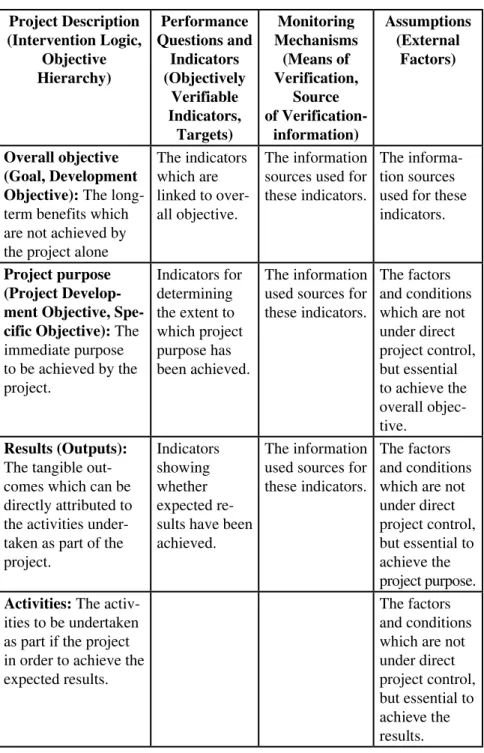
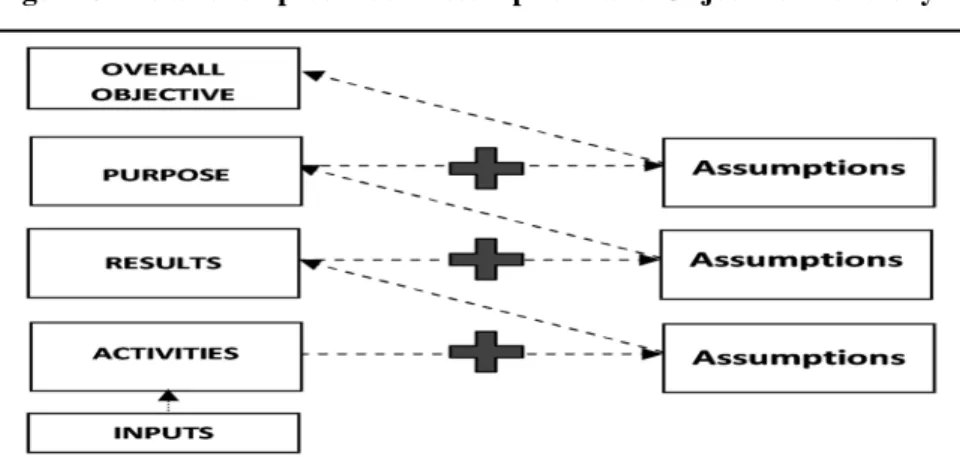
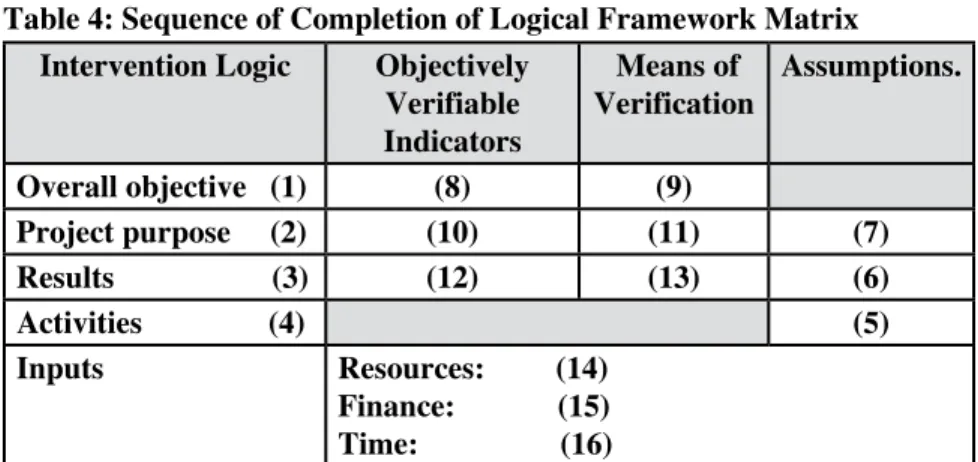
the reference to a particular thermal power station in Bandel of West Bengal. Dr Phukan in the next article states that the promulgation of The Companies Act, 2013 changed the landscape of social responsibility of business houses in India. Based on in-depth interviews with twenty senior functionaries of development sector organisations, he attempts to trace the perception of functionaries towards corporate social responsibility (CSR) activities of the companies. He highlights the importance of logical framework approach in designing CSR interventions.
Now-a-days, urban flood has become a challenge to urban planners because of its disastrous consequences. Dr. Paul’s article aims to assess the impacts of urban flooding and mitigation processes in Kolkata. He suggests that technical solutions are not sufficient to ensure safety and human security. A judicious combination of structural and non-structural responses, including institutional, economic, financial, and social efforts is essential. According to Dr. Botcha, Continuous Professional Development (CPD) in social work is essential to update the knowledge levels and enhance the capacities of social work fraternity. Social work practicum is soul of social work education to train the learners. Nowadays, UGC, NAAC and several International bodies focus on establishment of Field Action Projects (FAPs) to train social work learners. These field action projects help the social work fraternity in applying knowledge, following principles and using tools and techniques. In order to prepare the article, Dr. Botcha collected primary data from three schools of social work located in Delhi.
In the last article, Ms Samhita Barooah focuses the issues of Single Mothers in India especially in the context of North-East region. She has made an exploratory study in understanding the single motherhood from a feminist perspective and portrayed a graphical representation of the responses generated for the purpose of this study. The recommendations mentioned in her paper is part of the policy advocacy process which included the state and national women commissions to address the gender specific needs, structural challenges and policy gaps pertaining to single mothers. There is also a book review paper included at the end where Mrs Moumita Laha has critically examined the authors’ perspective on NGOs. Hope the contents, views and opinions published in this volume would be useful and serve the academic purpose of the readers.
Asok Kumar Sarkar
Editor
Editor’s Note
Community Volunteering: A New Way of 1
Community Engagement and Connection in Modern Societies
Sarathchandra Gamlath
Identity and Marginalization: A Study of the MSM in Manipur 17
Khagokpam Pramodini Devi & M. Tineshowri Devi
Internal Migration, Vulnerability and Right to Health 30
Helga Thomas & Lakshmana G
‘Culture of Waste’: Accretion of Peoples’ Grievance against a 41 Thermal Power Station of West Bengal
Sukanya Saha & P. S. De
Using Logical Framework Approach for Designing Corporate 50 Social Responsibility Interventions in Indian Context
Digvijoy Phukan
An Assessment on the Impact of Urban Flooding on the Coastal 70 Megacity – Case Study of Kolkata
Atreya Paul
Field Action Projects (FAPs) and Continuous Professional 83 Development (CPD) in Social Work Education and Training
Rambabu Botcha
Single Mothers in India and North East India: A Situational Analysis 96
Samhita Barooah
Book Review 109
Community Volunteering: A New Way of Community
Engagement and Connection in Modern Societies
Sarathchandra Gamlath
*Abstract
There is a plethora of literature arguing that community engagement through volunteering enables a closely connected community. The activities of a community volunteering project were observed for understanding this assertion initially. It was seen that community volunteering and connection is mutually inclusive and influential. Healthy and closely connected communities set antecedents of community volunteerism and then experience and consequences of community volunteerism reiterates the strong connections. Healthy and connected communities have enormous positive impacts on the wellbeing and emotional health of community members. It helps develop feeling of bonding and belongingness, which is inexplicable and inexpressive. Community engagement through volunteering builds closely connected and harmonious communities.
Keywords: community-volunteering, community-engagement, community- connection, shared-identity, belongingness
Introduction
Unlike traditional forms of volunteering, modern volunteering has new purposes and outcomes. It is now recognized as a legitimate way for individuals to formally participate in local affairs. In many countries, volunteers have a nationally legislated policy and institutional structures to facilitate the action. Community volunteers are bound with specific codes of conduct, guiding principles, rights and responsibilities etc. These arrangements have made modern volunteer action “somewhat professional”.
The stories of thousands of volunteers, all around the world, demonstrate that modern volunteering generates benefits to communities in both material and non-material terms. Many countries have valued non-material benefits much more over material benefits appreciating its’ enormous contribution to the country’s social development, and therefore have encouraged and facilitated volunteering among the country’s populations. For example, Australia has recognised the community connection benefits of volunteering to its’ strong multi-cultural society. One third of Australia’s population is said to be involved in some form of volunteering activity. The country continues to promote and support it through formal policy, institutional and financial facilities (Volunteering Australia, 2011).
An important positive contribution of modern community volunteering is
said to be that it brings individuals and groups together and connects them to their local community. Some argues that it helps rebuilding the “community”, which is claimed to be at risk of fragmentation at the face of expanding values of individualism, and therefore community volunteering is, in a sense, a new form of community engagement.
How the action of community volunteering enable people to engage each other and hence build connected communities and what form of connection it is was examined by observing the activities of a formal Community Volunteer Group (CVG) by participating in their project as a volunteer over a period of six month in Kandy district in Sri Lanka. The members of the volunteer group carried out the activities with the active involvement of the community itself. The key strategy of the volunteers to motivate community to participate was, as they said, “authentic engaging” in the community and “building the trust and harmony” first. The trust was gradually built up. The collective work created opportunities for community members to join together, work for a common purpose and engage each other.
People seemed to be so keen in what they had been involved in because, mainly, they could first experience the material benefits of their own collective action. However, at the same time, their stories indicated the benefits of a range of indirect, non-material, benefits. For example, new situation of harmony and connection with collective actions and equal participation was highly appreciated. People had recognized the value of “inter-connection” and then authentically accepted and respected the dignified and autonomous presence of everyone in the community irrespective of any difference.
This paper focuses on this aspect of community volunteering and attempts to elaborate on the fact that modern forms of community volunteering, as an effective way of community engagement, connects differences within community together and promotes and creates harmonious communities with a shared identity and strong feeling of belonging. As their voices reiterated, the feeling of bonds and belongingness was inexplicable and inexpressive. In conclusion, simply, it was seen that community engagement through volunteering builds closely connected, harmonious communities.
Community
values shared by all its members. It was “reciprocal binding sentiment” and in this kind of community people remained essentially united in spite of all separating factors. According to Cox (2001), while community is not often defined, the core meaning is usually clear. It implies a geographical area within which primary face-to-face relationships dominate over a wide range of human activities. Willmott (1984) identifies “community” at a variety of levels from national to local and in a variety of senses but clearly the essence is having something in common. According to Willmot (1984) there are three main factors, 3 “I”s: Interaction – a relatively large population have personal relationships with others locally; Interests - a relatively large proportion feel that their interests and, perhaps, values, are to some degree the same as those of many of their neighbours; Identity with place - a relatively large proportion recognise an identifiable area and feel attachment to it as a place, that helps make a high degree of community sense. While many attribute the term community to a set of close relationships, sometimes face-to-face, and shared interests and identity, Pawar (2014) signifies it as relatively a self-contained local level socio-economic residential unit.
Depleting Community Bonds
call community, for us to carry out community development. Etziony (1993 and 1995) suggests that, especially in industrial societies, community life has been declining and it has significantly affected deterioration of emotional health and social wellbeing of individuals, and the erosion of humanity. Etziony (1993) writes that American people have realized the shortcomings of lives living without communities. Some agrees that not only deteriorations in emotional health and humanity, rapidly distorting community relationships have created and entrenched various forms of disadvantage in society (Payne, 2005; Morales et.al, 2011) and triggered off unprecedented turbulence in human society probably unseen in any era of human history (Howe, 2009).
Volunteering and Community Connection
While there are suggestions of declining community connections and its negative consequences in human society, on the other hand, there is enough evidence available to demonstrate successful application of community volunteering as a strategy to revitalize depleting community bonds, and promote connections and rebuilding fragmented communities (IAVE, 1990; Omoto, 2012; Leong, 2008; Wilson and Mayer, 2006; Leigh, 2011; Etziony, 1993 and 1995; Putnam, 2000). Leigh (2011) says that the terms which define volunteer action and the form of its expression may vary in different languages and cultures but the values which drive it bringing people together and connecting each other are common and universal. Some countries have used community volunteering successfully as a strategy to enable people to engage each other at the local level and consequently strengthen community connections even in extremely complex and complicated situations of social and cultural diversity (Volunteering Australia, 2013; UNV, 2011). Omoto (2012) writes that normally, common situations of volunteer involvement are crisis social situations but community volunteers in response to crisis not only help traumatized victims, repair physical damage and recover from crisis but also strengthen the psychological sense of community by bringing people together and stimulating helping each other. These positive impacts seem especially likely when volunteers work to empower community members rather than simply providing for their needs (Omoto, 2012). When the volunteers turn out to show their concern and empathy, they provide visible evidence of the worth of more and stronger bonds of connections and social capital.
a process between people which establish networks, norms and social trust, and facilitate coordination and cooperation for mutual benefit. Community volunteering can be recognized as one expression or outcome of social capital or conversely, the lack of participation in volunteering as one indication of social capital decreasing (Putnam, 2000). In the definitions of social capital, there is significant emphasis on the connections between individuals, social networks, shared norms and trust and the outcomes of this for individuals and communities. People who are better connected have both social and personal wellbeing outcomes. When community members are engaged by and with networks, the community strengthened, social capital base built up and individual and community resiliency increased. Such resilience, as Leigh (2011), emphasizes, in effect promotes the attitude of respecting the rights, dignity and culture of others. It stimulates people to tolerate diversity and difference, and promotes human rights and equality. Community volunteering is an act of empowerment and hence the outcomes of the act are essentially sustainable.
Modern Community Volunteering
benefit to the community and the volunteer; undertaken of the volunteer’s own free will and without coercion; done for no financial gain; in a position not designated as paid; and, underpinned by the principles of volunteering” (Volunteering Australia, 2013).
All these suggest that modern volunteering has new purposes and outcomes though still however embedded in benevolent and / or charity purposes and outcomes as well. It is now widely recognized as a legitimate way for individuals to formally participate in local affairs through community level action. The community volunteers of many countries have nationally endorsed institutional structures, rights and responsibilities and set of principles which they agree to be adhered to. It ensures a best practice model for the community volunteers and the organizations and programs they are involved in, and set nationally endorsed standards legislating volunteering action. This makes their action somewhat professional and hence publicly accountable.
Community Volunteer Group
Model
The Community Volunteer Group (CVG) had been formed based on a conceptual model developed incorporating ideas from (1) strength-based and task-centered framework of action in social work (Payne, 2005), (2) community organizing (Ife and Tesriero, 2006; Kenny, 2006)),(3) social development practice at local level (Midgley, 1995; Cox and Pawar, 2010; Pawar, 2014; Eliott and Mayadas, 2000), and (4) social capital (Putnam, 2000; Hampshire and Healey, 2000) perspectives. The CVG was the social structure for people to participate. In that there was an opportunity for everyone to listen to each other, clearly identify common needs and design strategies to meet them by themselves using their own personal and community resources. It was believed to be fundamental to bring people together and their strengths and capacities to mobilize themselves towards achieving the progressive change they want in their own community. Once the community thrives, people could benefit for their own personal progress. Again, once the journey towards progress is started it is virtually impossible to return, and the journey becomes a constant ongoing process towards change and progress. Broadly, the model had fundamentally recognized that the strength of a collective of people facilitates the social development process to take place effectively at the grassroots.
Principles
informed and encouraged to adhere to four key principles. It sets benchmark for all CVG activities at the community level. They were:
(1) Community centrality - keeping community members central so that they actively participate in the planning and implementation of the activities they are involved in;
(2) Equality and social justice - recognizing everyone’s equal rights, worth and power and encouraging everyone to exercise it as strengths for their own wellbeing and then transferring it to the community to benefit everyone through collective efforts;
(3) Collective identity - stimulating the attitudes of collective identity and a cohesive community while maintaining unique individual socio-cultural and religious identities; and,
(4) Civil society and social capital - motivating people to be involved in the processes of strengthening a healthy civil society, building social capital and contributing to democratic social progress.
Process
The CVG was a formal group. Yet, when everyone was involved in a community activity, there was no division between a CVG member, community member and member of the facilitative staff. The entire process enabled that when a collective activity was in operation, it was an informal group and everyone was adhered to the key principles which held them together as a cohesive group. Even the decisions were always collective. The CVG constantly consulted the community in the needs assessment, to find out what actually the community identified as their priority needs and how they would best likely to be involved in the strategies to meet them within the existing resource base available to them in the community.
The CVG conducted a range of small scale community development activities identified by the local community. Broadly, they could be categorized as individual, group and community format activities as follows:
Individual format activities:
• personality development oriented specific activities, for example, counseling sessions at individual level, especially for students who had personality disorders.
• provision of direct services and facilities to economically disadvantaged students and students with disabilities
Group format activities
• personal development supported activity similar sessions through community health camps at group level with professional facilitators • Knowledge building and awareness raising educational and
information sessions, interactive discussions, workshops etc. • leadership training workshops, personal support sessions such as
advice, counseling, health clinics, primary health care information sessions, education support sessions, self-help etc.
Community format activities
• provision of external support to school libraries and to schools in general as appropriate
• work-share camps in public places, schools, religious places etc., helping disadvantaged families, community organizing for common purposes such as community water management society, self-employment oriented micro-credit schemes, collective activities to help individual households living in the conditions of absolute poverty, for example, helping roof-thatching etc.
• information and educational sessions and programs
• opportunities for recreational, literature, arts exhibition activities etc. • social opportunities for involvement, interactions and presentation as
well as skill development, for example, local sports and literature competitions, arts exhibitions, appropriate entertainment and recreational events etc.
• tools developed for dissemination of project information and achievements and publication of students’ skills and talents, for example, newsletters
The observation of the project outcomes of which this paper builds on was conducted while the project was in operation in Kurukuththala village in Kandy district. The observation was in a sense authentically participatory as the observer himself actively participated in a range of collective activities with CVG and community in the community over a period of six month.
Outcomes
The outcome of the above activities could be identified under two broad themes.
1. Personal development; and 2. Collective strength and identity
Personal Development
to be back on their normal personality development path through various skilled development and recreational activities. For them it was in a sense a resumption of moving forward from standstill through engagement and reflection. They had the opportunities for divulging their traumatic feelings, thoughts, experiences etc. freely through various creative activities like paintings, poems, storytelling etc. They engaged in discussions around their creations and received positive, constructive and appreciative feedback which stimulated them to reconnect themselves to a process of independent leaning. They were all involved in various capacity building and skill development activities too, for example, educational and information sessions, brainstorming discussions and focused groups on chosen topics appropriate to their capacities and, sometimes, to project objectives.
Some of the students had outstanding natural talents but were unable to surface with them due to severe economic hardships and other types of social barriers, for example, unawareness and accessible issues. They were attended with individually curtailed direct support services and facilities. They were made aware of the opportunities and linked to the local and regional institutions and services so that they could present their talents to wider audience, become motivated and progress ahead. Once they were motivated and further supported, scopes expanded and, the opportunity itself generated more important benefits than simply being a one-off incident of demonstrating natural talents, for example, sponsorships for professional training, foster parent support etc. There were donors and philanthropists who were willing to support these students. The project maintains a list of them and continues to look for and add to the list. These students were linked to them and the project monitored and coordinated the assistance and progress.
Some opportunities turned into social structures, for example network or collectives of parents and donors or sponsors etc. A significant benefit of these networks was that they all engaged each other in the community in harmony, even with project facilitators, learnt from each other and worked collaboratively to identify the issues at grassroots and deal with them collective ways, sometimes in conjunction with top-down services and facilities. This added new resources to the CVG and the community too. In the networks, the students and their parents learnt to take collective responsibility and work for common purpose, help others and identify their opportunity as a community asset. The networks had become nucleuses for help.
Collective Strength and Identity
that grassroots communities could contribute to the development of their own communities. Essence of ethnic harmony, socio-cultural and religious interrelations and mutual respect were integral component in ongoing discussions and community dialogue. The message of good virtues, positive attitudes of sentimental relationships, collective identity and the value of participation, collective action and community rebuilding was explained in the sessions in very simple manner. Everyone was communicated in the way that the ordinary people could understand. It helped building the trust. The authentic participation was key theme that underlined almost every discussion
In one of the session, the following story was presented to explain the strength of collectivity in a dramatic way by a session facilitator and it received an applauded response with enthusiasm from the inspired participants.
“A development worker went to a remote village. He was highly motivated and fully prepared to solve all the villagers’ problems and transform the ‘primitive’ community. He saw the people as living in fear and apathy, not prepared to do anything to change their situation. The community told him about a ‘monster’ across the valley which they believed was sent by the evil spirits to kill them.
They went to show the development worker where the ‘monster’ was. They left him to face the beast alone. After crossing the valley he discovered that the ‘monster’ was nothing but an overgrown watermelon. nevertheless, to satisfy the villagers, he acted ‘brave’ by drawing out his sword and dramatically cutting the watermelon into pieces as the villagers watched from a ‘safe distance’.
To his great dismay, the villagers would not welcome him back despite what he had done for them! They requested him to leave the village in peace, fearing that he was yet another monster. They wondered how he could overcome the ‘monster’ all alone if he was not one himself. Later there was again another watermelon. Another development worker came to the village, learning of their fear he asked them to join in with their traditional weapons and ‘face’ the ‘monster’. On reaching the place they all set on the ‘monster’ with their traditional weapons until they had shattered it to pieces. They proudly walked back to the village, singing and dancing, celebrating their great achievement” (Schenck & Louw, 1995)
with natural leadership characteristics emerged at the very first instance of the activity. This was also again one of the most important outcomes of the project. New leaders emerged from the community. They had already become somewhat empowered through the process.
Collective activities across the community contributed to build collective identity. It held individuals and groups together, above differences. While engaging in a “roof-thatching” activity to help a poorest household in the village, people’s chat implicated the meaning that “if we come together and help each other we don’t need anyone to come to our village saying that we are here to help you develop”. It reminded me what Julius Nyerere once said, “We don’t develop people, people develop themselves” (quoted from Schenck and Louw, 1995). It also reminded me that this was really social development approach to welfare. If people are facilitated to come together, realize their capacities and resources, share the values of reciprocity, allow them to carry out their plans for their development, they would look after their own welfare.
A few key values which promoted collective strength and identity building in the community could be identified. They had emerged though collective activities and gradually being embedded in community consciousness.
Openness and Influence
There was openness and honesty about the scope and purpose of the group, engagement and trust, the community’s views, experiences and aspirations. Processes which sought to engage people were transparent. Diversity of opinions was fully reflective in the sessions and all voices were authentic expressions and genuinely heard. It had laid solid foundation for trust-based relationships even at the very initial stage of participation and had shredded off attitudes of suspicion and rivalry that had been instilled by extreme forces in the community. As the situation was open and transparent, people were not hesitant to participate in the community and have a say, it had influenced a difference in the way things were done. Then the policies and services and the ways the other organizations work in the community started reflecting the inputs and involvement of local people.
Inclusion and Access
discriminated and adequately resourced, supported & empowered to participate meaningfully. Once people were included, it cleared the access to connect them to the local services and facilities. Even the people were empowered to seek their access. It improved their participation too in the processes to deal with the barriers to access. The people were aware of their rights and entitlements and self-advocacy was evident in many circumstances.
Local and Connection
The people were connected in the locality. Locally available resources were identified and they were fully used in collective activities. CVG had connected the community to local socio-economic process, and people had a say in them. Involvement in local affairs gave people more opportunities to meet other people and form purposeful relationships. They engaged in face-to-face contacts and the activities had enabled it. The collectively-shared work too fostered relationships. It had extended to social and cultural spheres and events as well. Overall, there was one unique expression gradually emerging and engulfing across individuals and groups; the expression of reciprocal binding sentiment based on unquestioned fundamental virtues of human relationships, with which people remain essentially united in spite of all separating factors. They were seen so subjective and hence probably inexpressible and unexplainable.
Commonality and Individuality
Everyone valued, acknowledged and respected the differences in the community. The activities were utilized to further promote social and cultural diversity within the community, and supported participation among diverse individuals and groups. Different individuals and families worked side-by-side. It was clearly noticed that they were strongly bound together by a common purpose. It enabled them to identify themselves as belonging to single uniqueness. There was a shared identity and interests but, nevertheless, had already empowered enough to respect individuality in a particular social or cultural group.
Empowerment and Identity
Collective activities had created an empowered person who was able to take control of self-development and participate in local decision making processes and promote civil society. Collective actions in the community resulted in cohesive community with shared identity and interests.
Sustainability
benefits. Community engagement activities that met current needs had positive influence on community’s ability to meet future needs. There was a feeling of ownership to what they were doing established. It had fostered the feeling of ownership to outcome as well. Community-centered nature of the strategy had enabled firm commitment to ensure that outcomes of what they were involved in continue to generate benefits for themselves and future generations.
Conclusions
Volunteering is now recognized as somewhat a professional activity, because of the way it is handled in many developed countries which have incorporated the benefit of community volunteering successfully into social development. It is also recognised as a legitimate way for people to formally participate in community level activities and be involved in local affairs. Community volunteering is now widely discussed as a way of promoting community connection, because it enables people to engage each other and their communities for a common purpose. It creates strong sense of solidarity. In this way, community volunteering contributes to rebuilding the “community”, which is claimed to be at risk of fragmentation influenced by the expanding values of individualism.
This assertion was examined by observing the outcomes of a community project in which a group of community volunteers engaged in a range of small scale community activities with the active participation of people themselves. The community volunteers were a formal group and it formed a social structure for the community members to participate. Some activities were carried out at the individual level while some others were done collectively in group and community format. However, both were intrinsically interwined because even the individual level activities were also a result of collective needs assessment and decision. The project outcomes could also be seen in terms of individual and community forms, but again, neither was separable as all benefits ultimately manifested a common community uplifting, identity building, and emergence of civil society and social capital accumulation. This is in a sense local level social development through community organizing and action.
Therefore, it was always intrinsically linked to the collective actions and objectives too because everyone appreciated that even this personal progress was an outcome of collective decision and action. Self-support groups mutual support networks had emerged in the community and it was evident that there was a firm foundation for a healthy civil society to emerge and social capital to accumulate.
People seemed to be so interested in what they had engaged because, mainly, they could first experience the material benefits of their own collective action. However, at the same time, their voices reiterated feelings of a range of indirect, non-material benefits with which, by example, people had recognized the values of accepting and respecting the dignified and autonomous presence of everyone in the community irrespective of any difference. Broadly, it was seen that community engagement encouraged by volunteer community action had exerted a change at both individual and community levels, which was not somewhat easily separable, and in the way it had interwined and established the attitude of reciprocity, there was a feeling of common identity and belonging among everyone in the community.
As such, the project activities had clearly contributed to promote community volunteering and through the action of volunteering people had been enabled to engage each other. It was further driven with peoples’ enthusiasm and motivation as people and their families could experience the benefits of this new community situation. This clearly enable us to conclude that the most important positive contribution of modern community volunteering is that it brings individuals and families together and connects them to a modern day local community of which everyone shares at least one “commonality”, a shared identity or feeling of belonging. Community volunteering is, in a sense, a new form of community engagement promoting connection among each other which is inexpressible and unexplainable. It was a healthy and closely connected community situation.
Community volunteering and connection is mutually inclusive and influential. Healthy and closely connected communities set antecedents of community volunteerism and then experience and consequences of community volunteerism reiterates the strong connections. Healthy and connected communities have enormous positive impacts on the wellbeing and emotional health of its’ members. It helps develop feeling of bonds and belongingness, which is, as their voices reiterated, unexplainable and inexpressive.
“If our hopes of building a better and safer world are to become more than wishful thinking, we will need the engagement of volunteers (ourselves) more than ever. At the heart of volunteerism are the ideals of service and solidarity and the belief that together we can make the world a better place”
In conclusion, simply, it was seen in this study that community engagement through community volunteering builds closely connected and harmonious communities.
References
Anderson, H. & L.B. Kasperson (2000), Classical and Modern Social Theory, London: Blackwell.
Bauman, Z. (2001), Community: Seeking Safety in an Insecure World, Cambridge: Polity Press.
Cox, D.R. (2001), International Social Work and Social Development, Bundoora : School of Social Work and Social Policy, La Trobe University.
Cox, David and M. Pawar (2010), Social Development, Critical Themes and Perspectives, London: Routledge.
Cox, Eva (1995), A Truly Civil Society, Sydney: ABC Books.
Eliott, D. and N. Mayadas (2000), International Perspectives on Social Work Practice, in The Handbook of Social Work Direct Practice, Ed. Paula Allen-Meares and Charles Garvin, Thousand Oaks, California: Sage Publications.
Etzioni, A. (1995), The Spirit of Community, London: Fontana.
………….(1993), New Communitarian Thinking: Persons, Virtues, Institutions and Communities, Charlottesville: University Press of Virginia.
Hampshire, A. and K. Healy (2000), Family Futures: Issues in Research and Policy, Social Capital in Practice, 7th Australian Institute of Family Studies Conference,
Sydney.
Howe, David (2009), A Brief Introduction to Social Work Theory, Houndmills, UK: Palgrave Macmillan.
Huges, P. et. al. (2006), Building Stronger Communities, Sydney: UNSW.
IAVE (1990), Universal Declaration on Volunteering, International Association for Volunteer Effort, Paris.
Ife, J. (2002), Community Development: Community-Based Alternatives in an Age of Globalization, French Forest, NSW: Pearson Education Australia.
Ife, J. & F. Tesriero (2006), Community Development: Community-Based Alternatives in an Age of Globalization, French Forest, NSW: Pearson Education Australia. Kenny, S. (2006), Developing Communities for the Future, Melbourne: Thomson. Leigh, L. (2011), State of the World’s Volunteerism Report, Universal Values for
Global Well-being, United Nations Volunteers.
Leong, R. (2008), Volunteering: Pathway to Inclusion, Australian Journal of Volunteering, 13 (2), 67-73.
Midgley, James (1995), Social Development: The Development Perspective in Social Welfare, London: Sage Publication.
Morales, A. and B.W. Sheafor and M.E. Scott (2011), Social Work – A Profession of Many Faces, 12th edition, Boston: Allyn & Bacon.
understanding volunteerism, in Kai Jones and Thomas A Morton ed, Restoring civil societies: The Psychology of intervene and engagement following crisis, Oxford: Jon Willey & Sons.
Payne, M. (2005), Modern Social Work Theory, Chicago: Lyceum Books.
Pawar, M. (2014), Social and Community Development Practice, New Delhi: Sage Publications.
Putnam, R. (2000), Bowling Alone: The Collapse and Revival of American Community, New York: Simon and Schuster.
Schnck, C.J. & H. Louw (1995), A People-Centred Perspective on People-Centred Community Development, Journal of Social Development in Africa, 10 (2), 81-91.
United Nations (2001), United Nations Volunteers Report, Prepared for the UN General Assembly Special Session on Social Development, Geneva.
Volunteering Australia (2011), State of Volunteering in Australia, Canberra: Volunteering Australia.
Volunteering Australia (2013), Universal Declaration of Volunteering, Melbourne, Australia,
Willmott, P (1984), Community and Social Policy, London: Policy Studies.
Wilson, L and P. Mayer (2006), Upward Mobility and Social Capital: Building Advantage through Volunteering, A Report to the Office for Volunteering, Adelaide: University of Adelaide.
www.unv.org/sites/default/files/UNV_Strategic_Framework_2014_2017_0.pdf www.ilo.org/global/statistics-and-databases/statistics-overview-and-topics/
Identity and Marginalization: A Study of the MSM
1in Manipur
Khagokpam Pramodini Devi
*M. Tineshowri Devi
**Abstract
A person is considered normal when he/she is well balance between physical, mental and social reactions. Unfortunately, MSM were taken as diverted people from social functioning because of their different sexual orientation and sexual identity. Since 1990, the word MSM has been used in the literature of HIV. Thus, they are facing sexual identity crisis in their life time which becomes one of the factors of impairment in judgment, stability, reliability or general social and vocational capabilities. So there is a lack of social acceptance of diversity in gender identities which in turn affects an individual self-worth and functioning. It makes them reduce their mental capability leading to stress, depression, anxiety, worriy, suicidal tendency, etc. Thus, this paper tries to highlight the issues encountered by MSM which affects their psycho-social well-being in the context of Manipur. The study has adopted descriptive research design determined by sample of 150 MSM through non-probability snowball sampling. The study finds that in Manipur, MSM are not free from tensions and stress. Some of them are coming out and mingling with others and try to live in normal life but people’s acceptance towards them is very low due to social unacceptance of same sex behaviour. In such situations, they easily engage in risk behavior and get infected by HIV/AIDS, STD, STI, etc. The double stigma of HIV/AIDS and homosexuality identity make them face social ostracism, discrimination, prejudice and homophobia leading to low self-esteem, feeling of worthlessness, feeling of guilty, isolation, feeling of rejection and being neglected.
Keywords:MSM, sexual identity, sexual orientation, marginalization
Introduction
The term ‘sex’ refers to biologically determined differences, whereas ‘gender’ refers to difference in social roles and relations. Gender roles are learned through socialization and vary widely within and between cultures. Gender roles are also affected by age, class, race, ethnicity, and religion, as well as by geographical, economic, and political environments (UNAIDS, 2011). The term ‘sex’ and ‘gender’ are often used interchangeably. However, sex is biological and cannot be changed without surgery while the second is a social construct which can be changed. A social construct is a group of ideas, belief, norms that are specially manifested. Constructs are not natural or inherent
* Research Scholar, Department of Social Work, Assam University, Silchar. ** Associate Professor, Department of Social Work, Assam University, Silchar.
but made, thus change with time and place. Historically, the term gender was adopted as means of distinguishing between biological sex and socialized aspects of femininity and masculinity (Marecek et al., 2004). Contemporary constructionists proposed gender as an activity (doing) of utilizing normative prescriptions and beliefs about sex categories based on situational variables. These “gender activities” constitute our belonging to a sex as based on the socially accepted dichotomy of “women” and “men”. Since gender is a construct which is based on biological sex, i.e. if you are a man you must be masculine and if you are a woman, you must be feminine, man and woman are expected to behave according to a set of norms, rules, and conditions which may be spelled out or unsaid. Therefore, some of the men and women may find difficult to live according to the expectations upon them. According to Alsop, Fitzsimmons & Lennon (2002), “Gender is a part of an identity woven from a complex and specific social whole, and requiring very specific and local readings”. Thus, gender identity can be defined as part of socially situated understanding of gender. LaFrance, Paluck & Brescoll (2004) noted that a term, “gender identity” serves a specific function. It allows individuals to express their attitudes towards and stance in relation to their current status as either women or men.
interpersonal and intrapsychic factors. Bell and Weinberg (1978) described that the component of sexual orientation as sexual behavior (physical) and erotic fantasy (intrapsychic). Sexual orientation is dynamic in nature and can be seen from four aspects: sexual attraction, sexual behaviour, sexual fantasies and self-identification. There are different types of sexual orientation that are commonly described as heterosexual, homosexual and bisexual.
Concept of MSM
MSM are behavioral aspects of those men who have sexual or emotional relationship with another man. MSM refers to men who engage in sexual activity with other men, regardless of how they identify themselves. The category MSM encompasses a range of sexual and gender identities and behaviour among people in various socio-cultural contexts. It includes men who identify as gay or bisexual, as well as some who identify as heterosexual or transgendered (such as the Katoey in Thailand or the Hijras in India). UNAIDS (2010) defined MSM as males who have sex with males where male persons who engage in sexual activity with members of the same sex, regardless of how they identify themselves; many men do not (or cannot for other reasons) sexually identify as gay, homosexual or bisexual. Homosexual is used to describe the behaviours that are taking place as a part of sexual act or series of acts between two individuals of the same gender. It is seen that “MSM’, “gay”, and “homosexual” are interchangeable terms.
Materials and Methods
The study has adopted descriptive research design to describe the issues encountered by MSM which affects their psycho-social well-being. The study was conducted in Imphal East and Imphal West Districts of Manipur. Samples of 150 MSM were selected through non-probability snowball sampling. Snowball sampling has helped to discover the unknown respondents in the study area. Unlike common people, MSM are very rare to see together at a place and only few of them are living in a specific area. Most of them are not coming out in public. Therefore, selection of respondents was started from few respondents who were known and available. In 150 MSM, there were married MSM who got married with female partner; Transgender Unmarried MSM who were more effeminate in their way of acting, dressing, walking rather than change of organ. One self-developed interview schedule was used for collecting information from MSM respondents.
Results and Discussion
Profile of MSM under the Study Area
and regarded as more effeminate MSM because of their feminine talents and skills in these professions. However, majority of MSM are not able to extend their business because of financial problems and also due to customers’ negative attitudes towards their effeminate personalities. It is also seen that only few with 2 percent of respondents engaged in government jobs. The data further indicated that very few MSM were engaged in white collar job in Manipur. 61.3 percent of respondents were from nuclear family followed by joint family with 22 percent. The finding suggested that the family structure and character of parents may make difference in child socialization. It is also seen that 6 percent of respondents got married and the remaining 94 percent were unmarried at the time of the study. It further revealed that out of 6 percent of married MSM, 3.3 percent of respondents were living with spouses and 2 percent were separated and 0.7 percent was divorced at the time of the study. Parksyastha (1999); Humsafer Trust (2000) mentioned that many of homosexual people got married because of family and societal pressure. Further, the finding revealed that respondents got married at late adulthood (34-42 age groups) which indicated that respondents might not consider marriage as important aspects of their life.
Sexual Orientation and Sexual Identity of MSM
The finding of the study revealed that 93.3 percent of respondents were having sexual relationship with only male partners where 6.7 percent were with both male and female. Further, 92.7 percent of respondents expressed of having more emotional attachment with male. 83.3 percent of them felt more comfortable in spending time with male than female. The study found that the respondents had their fantasies and sexual attraction towards male than female.
regarded as bisexual. Majority of respondents with 68 percent were regarded as MSM B followed by 26.7 percent as Transgender (TG) and 5.3percent, bisexual. The study also found that 68 percent of respondents were aware of their same sex attraction at the age of 11-20 years i.e., during the adolescence period, followed by 32 percent, below 10 years of age. Maximum with 71.3 percent of them had experienced of first time sex as sexual abused. Out of 71.3 percent, they revealed that 35.3 percent of abusers were from their friend circles and partners, and 26 percent were local goonda/ local elder/ relatives. The finding noticed that sexual abuse is done by near and dear ones who were well acquainted with the client, Pandya (2011) found that child sexual abuse give significant negative effects such as depression, stress, anxiety and such experiences bring low self-esteem. Ninety two percent of respondents had disclosed their sexual orientation and identity at the age of 11-20 years followed by 1.3 percent at the age group of 31-40 years. The study found that majority of the respondents came out during adolescent periods. The studies of Pandya (2010); D’ Augelli and Hershberger (1993) and Rosario
et al., (1996); Russell and Joyner, (2001) also found that the modal age of a male’s first sexual experience were at the age of adolescence. It is seen that 40.7 percent of respondents disclosed of their sexual orientation and identity to their mothers, 28 percent to peer groups followed by 20 percent to MSM community, 8.7 percent to relatives and 4.6 percent to siblings respectively. The study found that majority of respondents expressed their sexual identity and behaviour to their mothers.
Problems Encountered in Living with MSM Identity
The finding of the study showed that 85.3 percent of respondents faced problems in living with MSM identity whereas14.7 percent of them did not face problems. It is also seen that 42.6 percent of respondents had experienced of verbal abuse, 36 percent physical abuse followed by 6.7 percent with sexual abuse, 10 percent with physical and sexual abuse, 10.7 percent with physical and verbal abuse and 8.7 percent with physical, verbal and sexual abuse. The finding revealed that the problems faced by MSM are because of their sexual orientation and sexual behaviour.
• Problems Encountered at Individual Level
and 20 percent did not experience of it. The finding revealed that respondents found difficulties in taking up or performing their roles and responsibilities in family as well as in society. The finding of the study suggested that the concept of gender role affects MSM in various forms. 80 percent of respondents had experienced harassment and blackmail whereas 20 percent did not experience it. 62 percent of respondents expressed not feeling comfortable in meeting police, local goonda and sometimes the insurgency groups. The respondents revealed that they were physically and sexually abused by police and local goonda.
• At Family Level
The study found that 84 percent of respondents had experienced threatenings by family members. Out of 84 percent, 69.3 percent experienced threatening by family members due to their role conflicts. The respondents experienced threatening by family members because of not performing or taking their roles and responsibilities like a man in family. The finding suggested that the nature of threatening and violence may elevate risk behaviour like suicidal ideation and suicidal attempt, leaving home, engaging in sex work, depression, drug use, etc. Pandya (2011); Goffman (1963) found that discrimination of MSM in family and society were based on their effeminate behaviors leading to deep seated psychological unrest, creating psychological problems such as low self-esteem, shame, disgust, illness, depression and suicidal ideation.
• Society Level
• Experience at Work Place/School/College
Martinez and Sullivan (1998) expressed “Statistics suggests that homophobia remains the nation’s most enduring form of prejudice”. 74 percent of respondents had experienced unfair treatment at school/college and 26 percent did not experience such problems. The finding revealed that some of the common negative attitudes that they experienced at educational places were bullying, teasing, stigma, discrimination and homophobic. 75.3 percent of respondents experienced negative treatment at work place whereas 24.7 percent of them did not face of such experiences. The finding revealed that MSM had encountered stigma and discrimination at work place. It led to frustration, dissatisfaction, poor mental and physical health. The finding also revealed that some employers treated them positively and kept them in job, only because of sexual preference due to their feminine mannerism that attracted the employer.
situations, this IPC Section 377 is preventing them from approaching legal help or protection. The finding noted that the Section is violating Article 21 of the Indian Constitution i.e. Right to live with dignity and Right to privacy.
Recommendations
MSM community is regarded as one of the marginalized groups of people because of their sexual behaviour and they are often stigmatised and discriminated in society. Stigma is a dynamic process of devaluation (Goffman, 1963) and social discrimination is a mean, unfair, or unequal treatment intended to marginalize. Stigma and discrimination can lead to psychological problems which affect the mental well-being of MSM. Thus, the consequence of poor mental health leads MSM to have low self-esteem. An individual’s consistent achievement and success or failures are strongly affected by their self-esteem. MSM had experienced of unfair treatment in school/ college and at work place, public places and health care setting. The consequences of such problems are due to lack of proper socialization, self-stigmatization, loss of family and social support, loss of employment, etc. Thus, there is necessary for encouraging education among MSM and also by introducing topics of sexuality in academic syllabus and formulation of anti-bullying and safe school legislation. There is required to extend services for promotion of mental health services of MSM and family. Further update of code of conduct related to sexual minority and make free from discrimination in family, society, institutional setting, and healthcare setting is necessary. There is also required to provide education and sensitization programme for service providers about MSM at regular basis so that MSM people can seek information and obtain treatment without fear of discrimination or harassment.
In order to cope up from the situation stress, anxiety, they engaged in high risk behaviour such as substance abuse, multiple sexual partners, engage sex without safer ways, sex work, gift sex etc. Finally, they are infected by HIV/AIDS leading them to face double stigma of HIV positive and living with MSM identity. They are often thrown out from families. Thus, Open rehabilitation centre and short stay home for homeless MSM are required. There is necessary for expansion of public and private fund which will help in increasing investment in MSM- and HIV-related work.
Being a marginalized group, they are not able to access government beneficial schemes to improve their living standard. Unfortunately, they are being deprived of such opportunities due to social stigma, discrimination and prejudice and homophobia. To help the marginalised MSM in improving their social status, greater involvement of MSM in policy formulation and program development are required which may help in tackling social discrimination. Government and civil society can create enabling environment and advocate for safe spaces of MSM and inclusion of income generation programs for MSM by encouraging formation of self-help groups among MSM.
Conclusion
MSM are always looked down upon and oppressed by other sections of people. Their sexuality make them more vulnerable and give them little space in society. Stigma and discrimination diminish their efficiency of being human and make them psychologically impaired. With the advancement of science and technology, society needs to see them as an individual rather than their sexual behaviour. Such group of people require empowerment and moral support so that they can contribute to family and society. It is expected that this study will help MSM get social and family acceptance which is much needed for improving the living conditions of MSM and also for enhancing their quality of life. GO and NGOs in collaboration with family and society at large need to provide special attention, support, care and love to protect and prevent MSM community from risk behaviours which further will help in reducing HIV/AIDS, STIs, STDs, and other psycho-social problems.
References
Alsop, R. Fitzsimmons, A. & Lennon, K. (2002), Theorizing Gender, Oxford, UK: Polity Press.
Bell, A. P. & Weinberg, M. S. (1978), Homosexualities: A Study of Diversity among Men and Women, Australia: The Macmillan Company.
Branden, N. (1987), How to Raise Your Self-Esteem, New York: Bantam Books. D’Augelli, A.R. & Hershberger, S. (1993), Lesbian, Gay, and Bisexual Youth
in Community Settings: Personal Challenges and Mental Health Problems,
American Journal of Community Psychology, 21(4), 421– 448.
Ellen, I.G. Mijanovich, T. & Dillman, K. (2001), Neighborhood Effects on Health: Exploring the Links and Assessing the Evidence, Journal of Urban Affairs, 23 (3-4), 391–408.
Goffman, E. (1963), Stigma: Notes on the Management of a Spoiled Identity, New York: Prentice-Hall.
Herek, M. Gregory, P. (1990), Homophobia, In W.R. Dynes (ed.), Encyclopedia of Homosexuality, New York: Garland.
Humsafer Trust, Mumbai. (2000), A Baseline Study of Knowledge, Attitude, Behaviour and Practices among the Men who have Sex with Men in Selected Sites of Mumbai, Mumbai. Mumbai: The Humsafar Trust.
Joseph, S. (2005), Social Work Practice and Men who have Sex with Men, New Delhi: Sage Publication.
Kinsey, A. C. Wardell, B. P. & Clyde, E. M. (1948), Sexual Behaviour in Human Male, Philadelphia: W.B. Saunders.
LaFrance, M. Paluck, E. L. & Bescoll, V. (2004), Sex Changes: A Current Perspective on the Psychology of Gender, In A. H. Eagly, A. E. Beall, & R. J. Sternberg (Eds.), The Psychology of Gender, New York: Guilford Press.
Manipur State AIDS Control Society (MSACS), (2008), HIV Sentinel Surveillance Report (Prevalence) of Manipur, Retrieved from http://manipursacs.nic.in/ download.html
Marecek, J. Crawford, M. & Popp, D. (2004), On the Construction of Gender, Sex, and Sexualities. In A.H. Eagly, A.E. Beall, & R.J. Sternberg (Eds.), The Psychology of Gender, New York: Guilford Press.
Martinez, D. G. & Sullivan, S. C. (1998), African American Men and Lesbians: Examining the Complexity of Gay Identity Development, Human Behavior in the Social Environment, 1, 243-264.
National AIDS Control Organisation, (2011), HIV Sentinel Surveillance and HIV Estimation Report 2010-2011. Retrieved on March 21, 2012 from http://www. nacoonline.org/NACO
National AIDS Control Organization, India, (2010), Annual Report 2009-2010, New Delhi.
National AIDS Control Organization, (2010), United Nations General Assembly Special Session on HIV/AIDS, India, New Delhi.
Pandya, A. (2010), Voices of Invisible: Coping Responses of Men Who Have Sex With Men, In Chris Blazina & David S. Shen-Miller (Eds). An International Psychology of Men- Theoretical Advances, Case Studies, and Clinical Innovations, New York: Rutledge Publications.
Pandya, A. (2011), Psycho-social Cultural Issues of Men who have Sex with Men Gujarat, India, International Journal of Psychology and Behavioural Science,
1(1), 18–23.
Purkayastha, D. (1999), Networks of Men Who Have Sex With Men: Identity Categories Versus Identity Continnum. Kolkata: Praajak Development Society (mimeograph).
Rosario, M. Meyer, B. Hunter, J., Exner, T.M. Gwadz, M. & Keller, A.M. (1996), The Psychosexual Development of Urban Lesbian, Gay, and Bisexual Youths,
Journal of Sex Research, 33(2), 113–126.
Russell, S.T. & Joyner, K. (2001), Adolescent Sexual Orientation and Suicide Risk: Evidence from a National Study, American Journal of Public Health, 91(8), 1276–1281.
Homosexuality, 3(1), 41– 48.
Social Awareness Service Organization (SASO), (2001), SASO Annual Report of (1999 & 2001), Manipur.
UNAIDS, (2010), UNAIDS Terminology Guidelines, retrieved from http://www. gfmer.ch/SRH-Course-2010/adolescent-sexual-reproductive-health/pdf/ UNAIDS-TerminologyGuidelines-2010.pdf
Internal Migration, Vulnerability and Right to Health
Helga Thomas
*Lakshmana G
**Abstract
The aim of this paper is to focus on the vulnerabilities and factors responsible for the poor health of the internal migrants in India. Internal migrants constitute about one third of India’s urban population and this has been increasing from 31.6 percent in 1983 to 33 percent in 1999-2000 to 35 percent in 2007-2008. The paper concludes with critically evaluating some of the existing policies and programmes in connection with right to health of internal migrants.
Keywords:migration, internal migrants, right to health, vulnerability
Introduction
Migration is a form of mobility of people, which includes change in their residential location within defined administrative boundaries, which can be voluntary, involuntary or both. Migration may be internal or international. Internal migration is an integral part of development and cities are important destinations for migrants. The rising contribution of cities to India’s GDP would not be possible without immigration and migrant workers. India’s urban population has increased from about 286 million in 2001 to 377 million in 2011, and is expected to increase further in the coming years. Urban population growth (91 million) has also exceeded rural population growth (90.5 million) within the last decade (Census of India, 2011).Internal migrants constitute about one-third of India’s urban population, and this proportion has been increasing: from 31.6 per cent in 1983 to 33 per cent in 1999-2000, and to 35 per cent in 2007-08 (NSSO, 2007-08). There is a marked increase in the migration rate of women to urban areas from 38.2 per cent in 1993 to 45.6 per cent in 2007-08. Most women migrants take up work and join the pool of migrant workers in urban areas. Male migration rate in urban areas has remained constant over this period (between 26 and 27 per cent), but employment-related reasons for migration of males increased from 42 per cent in 1993 to 52 per cent in 1999-2000 to 56 per cent in 2007-08. This shows the increasing importance of employment-related migration to urban areas (Census of India, 2011; NSSO, 2007-08).
Internal Migrants constitute an integral part of the country. It contributes
* Ph.D Scholar, Department of Social Work, Central University of Karnataka, Gulbarga, Karnataka.