THE EFFECTS OF DISRUPTIONS IN CARE ON WELLBEING IN ORPHANS
Christine Lynn Gray
A dissertation submitted to the faculty at the University of North Carolina at Chapel Hill in partial fulfillment of the requirements for the degree of Doctor of Philosophy in the Department
of Epidemiology.
Chapel Hill 2018
ABSTRACT
Christine Lynn Gray: The Effects of Disruptions in Care on Wellbeing in Orphans (Under the direction of Brian W. Pence)
Caring for the world’s more than 150 million orphans and separated children (OSC) is a global priority. Current polices advocate deinstitutionalization, but recent evidence from low- and middle-income countries (LMICs) shows similar outcomes in institution-based and family-based care settings. We used data from the longitudinal POFO cohort of OSC from five LMICs to examine the effects of transitioning OSC from institution-based care to family-based care on incident abuse, emotional difficulties, and cognitive functioning among institution-based OSC. We characterized the familial adult structure among family-based OSC, and assessed
associations between changes in that structure and wellbeing outcomes.
Among the 1,194 institution-based OSC in Aim 1, we found a small effect of
95% CI:-0.33, 0.79; 2 changes: mean difference: 0.57, 95% CI: 0.00, 1.16; ≥3 changes: mean difference: 0.73, 95% CI: 0.18, 1.29).
Global deinstitutionalization policies may not confer the presumed benefits of reductions in abuse and improved cognitive functioning, but the disruption may increase emotional
ACKNOWLEDGMENTS
It takes a village to raise an epidemiologist, and I am so grateful to my wonderful village for supporting me throughout my studies. First, to my committee, thank you for agreeing to work with me and for giving me your time in the midst of your incredibly busy lives.
Fortunately for me, Brian Pence was too new to know what he was signing up for (life sentence) when he hired me for “just an RA” his first year on faculty. He has been a patient,
knowledgeable, and supportive mentor and teacher to whom I am deeply indebted. Julie Daniels has provided a lot of substantive feedback, helping me see different perspectives on this work. Michael Hudgens has been patient and helpful at identifying appropriate methods to use. Audrey Pettifor has been a practical and knowledgeable voice, always cutting through to the most
important points. And finally, Kate Whetten has entrusted me with her data and been a never-ending wealth of knowledge and support.
The Pence Advisee Group, past and present, has been a wonderful and just-plain-fun group that I deeply appreciate. Kat Tumlinson, Tiffany Breger, Julie O’Donnell, Nadya Belenky, Nalyn Siripong, Bryna Harrington, Sara Levintow, Jane Chen, Bethany DiPrete, and Melissa Stockton: I have learned so much from all of you.
treating people with genuine warmth, kindness, and respect. There is no way for me to sufficiently thank Amy Hobbie. Her coordination, on-the-ground knowledge, institutional memory, and critical input were essential to every piece of this. Lynne Messer, with whom I work on two very different lines of research, has been an inspirational social epidemiologist, teacher, and mentor who always challenges my thinking while making me laugh. Karen
O’Donnell fielded my questions – sometimes resulting in hour-long phone calls – to understand the measures for the psychological and cognitive outcomes. Her candor and great sense of humor made the conversations simultaneously entertaining and helpful. Jan Ostermman routinely
received out-of-left-field emails about particulars of the data structure, and would respond so instantaneously (with code!) that I will forever be in awe of his brain. Nathan Thielman always has the right question, the overlooked angle, the salient point. His calm, thoughtful demeanor has been a steady and reassuring force. Andy Weinhold has spent countless hours managing the back-back end of data to get it into an accessible format, and been unbelievably patient with my frequent (and sometimes repetitive) questions. Rachel Whetten was a source of constant
encouragement that has motivated me even when things seem out of reach. Thanks to Alisa Barrett, Kyle Hamilton, Anna Koons, and Melissa McGovern for keeping all the moving parts running smoothly. Go CHPIR!
Likewise, my EPA family has been an important part of my doctoral experience, and I am so thankful for their support, mentorship, and friendship. Danelle Lobdell has always looked out for me, not only for my experience on her projects, but my overall growth during my
doctoral training. I am truly fortunate to have had such a wonderful mentor. Lynne Messer, aforementioned, has been an essential part of my experience and development as an
exact right thing to say. Kristen Rappazzo, a few years ahead of me in the Epi program, has provided me endless hours of candid and practical wisdom over the years. This team has been a constant in my epi development that I so appreciate.
I have been fortunate to work with a number of incredible faculty in the epidemiology department. I am grateful to Til Sturmer, Michele Jonsson-Funk, and Andy Olshan, who were kind enough to support me during my first two years in the program while I figured out my path. Whitney Robinson offered her mentorship, time, and research group despite never officially being my advisor, and allowed me to work on one of her Carolina Population Center projects. David Richardson gave me a shot at TA’ing 718, an experience so rewarding that I held onto it for years! Alison Aiello gave me the opportunity to work directly with her re-shaping and revitalizing the social epi program area, which was quite important to me. Finally, I am forever grateful to Steve Wing, on whose environmental justice study I worked, in some form, for the duration of my time in the program, and from whom I learned so much about what really matters in studying epidemiology.
There are several folks in the department without whom none of this would be possible. Nancy Colvin, mother hen, knew my name (and interests!) from Day 1 and continues to check on me. Similarly, Valerie Hudock has been an advocate and cheerleader since before I even knew her. Both have been supports beyond what I ever imagined anyone in their role could or would do for us students. Carmen Woody and Jennifer Moore were always available and ready for my questions, whenever I happened to stop by or send a semi-panicked email. Thank you!
Kinlaw, Jess Rinsky, Laura McGuinn, Kaitlin Kelly-Reif, Ellen Chetwynd, Emily Learner, Jean Strelitz. You all are the best!
Thanks to Angie Bengtson, Tiffany Breger, Stephanie DeLong, Joann Gruber, and Marissa Seamans for the methodological and motivational consults, often of an emergent nature, in completing this dissertation, and to Melissa Arvay, Liz Cromwell, Katie Lesko, Xiaojuan Li, and Nalyn Siripong for their incredible friendship and support over the years.
My writing group of brilliant, motivating, and amazingly supportive women is one I hope continues forever. Special thanks to Anna Bauer, Melanie Napier, Dana Pasquale, and Sabrina Zadrozny for All The Things.
Finally, thank you to my family. My parents, Kathy and Web, and siblings, Laurie, Patty, and Sam are eternally supportive; I have long known that I hit sibling and parent jackpot. And to my nieces and nephews, Madeleine, Liam, Lucie, Jaxon, and Samuel: You are a constant
TABLE OF CONTENTS
LIST OF TABLES ... xiii
LIST OF FIGURES ... xiv
LIST OF ABBREVIATIONS ... xv
CHAPTER 1: STATEMENT OF SPECIFIC AIMS ... 1
1.1 Rationale ... 1
1.2 Specific Aims ... 3
CHAPTER 2: BACKGROUND AND SIGNIFICANCE ... 5
2.1 Historical Context ... 5
2.2 Current Status and Critical Outcomes for Orphans in LMICs ... 6
2.3 Emerging Evidence for Orphan Care in LMICs ... 8
2.4 The Importance of Studying Disruptions in Care ... 10
2.5 Limitations of Existing Studies ... 10
2.6 Current Policy and Gaps in Knowledge ... 11
2.7 Summary ... 13
CHAPTER 3: RESEARCH DESIGN AND METHODS ... 14
3.1 Overview ... 14
3.2 Parent Study Data Source ... 15
3.3 Study Population Characteristics ... 17
3.4 Measures ... 19
3.4.1 Outcome definitions and assessment ... 20
3.4.3 Exposure overview... 24
3.5 Aim 1 Methods ... 24
3.5.1 Inclusion and exclusion criteria ... 24
3.5.2 Exposure assessment and definition ... 25
3.5.3 Analytic approach ... 26
3.6 Aim 2 Methods ... 30
3.6.1 Inclusion and exclusion criteria ... 30
3.6.2 Exposure assessment and definition ... 30
3.6.3 Analytic approach ... 31
CHAPTER 4: MARGINAL STRUCTURAL MODELS TO ESTIMATE EFFECTS OF TRANSITIONING FROM INSTITUTIONAL CARE TO FAMILY CARE ON WELLBEING OF ORPHANS IN LOW-AND MIDDLE-INCOME COUNTRIES ... 33
4.1 Introduction ... 33
4.2 Methods ... 35
4.3 Results... 41
4.4 Discussion ... 42
CHAPTER 5: ORPHANS LIVING WITH FAMILY MEMBERS: STABILITY IN THE ADULT FAMILY STRUCTURE AND ASSOCIATIONS WITH ORPHAN WELLBEING ... 47
5.1 Introduction ... 47
5.2 Methods ... 49
5.3 Results... 54
5.4 Discussion ... 56
CHAPTER 6: DISCUSSION ... 65
6.1 Summary of Findings ... 65
LIST OF TABLES
Table 3.1 Characteristics of family-based OSC and non-OSC in the full POFO
cohort and in the Aim 1 study sample ... 18 Table 3.2 Characteristics of family-based OSC and non-OSC in the full POFO
cohort and in the Aim 2 study sample ... 19 Table 4.1 Baseline characteristics of institution-based OSC ... 44 Table 4.2 Distribution of treatment, observation, censoring, and final weights for
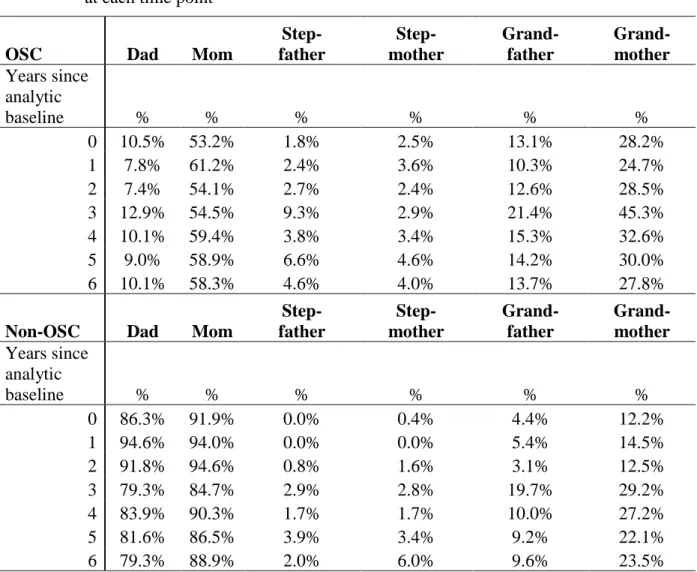
each outcome ... 45 Table 4.3 Effects of transitioning from institution-based care to family-based care ... 46 Table 5.1 Baseline characteristics of family-based OSC and non-OSC in the study ... 61 Table 5.2 Percentage of OSC and non-OSC with each type of adult relation in their
household, at each time point* ... 62 Table 5.3 Associations between cumulative changes in adult household caregiving
LIST OF FIGURES
Figure 3.1 Conceptual model for the overall study... 15
Figure 3.2 Map of POFO study sites ... 16
Figure 3.3 Simplified Directed Acyclic Graph depicting time-varying confounding ... 27
Figure 4.1 Age at which children transitioned to family-based care ... 45
LIST OF ABBREVIATIONS
AIDS acquired immunodeficiency syndrome CI confidence interval
DAG directed acyclic graph
GEE generalized estimating equations HIV human immunodeficiency virus IPW inverse probability weighting
IPCW inverse probability of censoring weight IPOW inverse probability of observation weight IPTW inverse probability of treatment weight IRB institutional review board
LEC Life Events Checklist
LMIC low- and middle-income countries MI multiple imputation
MSM marginal structural model OSC orphaned or separated child
POFO Positive Outcomes for Orphans study PTSD posttraumatic stress disorder
RD risk difference
RR risk ratio
SD standard deviation SE standard error
UNC University of North Carolina at Chapel Hill
UN United Nations
UNCRC United Nations Convention on the Rights of the Child UNICEF United Nations Children’s Fund
US United States
CHAPTER 1: STATEMENT OF SPECIFIC AIMS
1.1 Rationale
More than 150 million children worldwide have lost one or both parents, including 17 million orphaned by AIDS; additional millions are separated.1 The number of orphans and separated children (OSC) is increasing, particularly in areas such as sub-Saharan Africa and South Asia that have been disproportionately affected by the HIV/AIDS epidemic.1 OSC are vulnerable to substantial adversity including food insecurity2, emotional and cognitive
deprivation,3,4 stigma,5 exposure to traumatic events6, and sexual risk behaviors resulting in HIV or other sexually transmitted infections (STIs).7,8
As world leaders struggle to provide care for OSC, the appropriateness of institutional care has become a central question in international aid policy. Early studies describing
institutional care of orphans documented severe abuse and neglect as well as decreased cognition among neglected infants.3,4,9 Although these studies were limited by small sample sizes, selective focus on destitute Romanian orphanages, and inability to make comparisons across settings, their impact has been far-reaching: International aid policies surrounding care for OSC are structured to minimize time in institutional settings or to eliminate institutions all together.10-13
More recent comparisons between the experiences of orphans cared for in institutions and in family-based settings revealed no overall differences between OSC in the two settings in physical growth, traumatic experiences, or cognitive, behavioral or emotional functioning.14-17
findings imply that the global effort to eliminate institutional care settings may be removing a viable – and in some cases protective – placement option for the world’s 150 million orphans. Yet, a recent Lancet review called for worldwide deinstitutionalization.18
Despite the call for deinstitutionalization, it is unclear whether a transition to family-based care confers a benefit on key health outcomes, or whether family-family-based care offers a more stable care structure for OSC already in the family-based setting in low- and middle-income countries (LMIC). Families and communities in resource-poor settings are increasingly
economically constrained, creating potential for less stable environments in terms of caregiving structure in the household and added tension for the child as caregiver burden increases.19-21 The caregiving environment for orphans in family-based care in LMIC is not well-understood. The gaps in knowledge include understanding a) with which adult family members OSC are living, (b) the extent to which that familial adult structure is stable over time, and c) whether any instability in the familial adult structure is associated with long-term outcomes for the OSC.
As OSC age into adolescence and young adulthood, outcomes that have received comparatively little research attention assume increased importance. Exposure to sexual and physical abuse may put OSC at risk of a range of negative physical and mental health
outcomes.6,22 Reduced cognitive function may restrict future wage-earning potential and general functioning as an adult.23,24 Emotional difficulties can increase risk of substance abuse, earlier
The Positive Outcomes for Orphans study (POFO) is a longitudinal study conducted over nine years at six geographically, politically, and culturally diverse sites in five low-and-middle income countries (Cambodia, India, Ethiopia, Kenya, and Tanzania). Statistically representative samples of 1,480 family-dwelling OSC and 1,357 institution-dwelling OSC ages 6-12 at baseline were identified using two-stage random sampling. This research uses POFO data to 1) examine the effects of transitioning from institutional to family-based care on abuse, cognitive
functioning, and emotional wellbeing; and 2) describe the familial adult household caregiving structure for family-based OSC, including stability in that household adult caregiving structure over time, and examine whether instability in the household structure is associated with the same outcomes.
1.2 Specific Aims
Aim 1: Estimate the total effect of transitioning from institutions to family-based
settings on 1) incident abuse 2) cognitive functioning, and 3) emotional wellbeing. Rationale:
Current policy is oriented toward moving children from institutions to family-based settings as quickly as possible. However, the transition itself is a major life adjustment that includes change in location, primary caregiver, and sibling structure, among other alterations to everyday life; the effects of transition are unknown. Hypotheses: Compared to children who remain in institutional-based care, those who transition to family-institutional-based care will experience higher incidence of abuse, lower cognitive functioning, and more emotional difficulties.
Aim 2: Characterize the familial adult household structure among family-based
OSC, including stability over time, and examine the association between changes in that
structure and 1) incident abuse, 2) cognitive functioning, and 3) emotional wellbeing.
and how cumulative changes in that structure impact OSC wellbeing. Better understanding can facilitate more effective development and targeting of interventions to improve OSC outcomes. Hypothesis: Changes in the familial adult household structure, are associated with incident abuse, decreased cognitive functioning, and decline in emotional wellbeing.
Care for orphans is a major concern for leaders worldwide, particularly in areas greatly affected by the HIV/AIDS epidemic such as sub-Saharan Africa and South Asia. Current policy efforts to limit or eliminate institutional care are not supported by recent evidence, and the caregiving environment for orphans placed in family-based care is not well understood.
CHAPTER 2: BACKGROUND AND SIGNIFICANCE
2.1 Historical Context
Orphanages (here, used interchangeably with institution-based care) have been a feature of societies dating back at least hundreds of years, but their role in care for vulnerable children today is perhaps best understood through contextualization of the 20th century. Formalization of the rights of children began to take shape in the early 1900s. Reforms emerging from the atrocities of World War I (WWI) and the establishment of the League of Nations (1919, forerunner of the United Nations (UN))30,31 following the war included attention on protection-based rights for children. In 1924, the Geneva Declaration of the Rights of the Child was
adopted, providing explicit international focus on responsibilities toward children.32 With World War II (WWII), the numbers of orphans and displaced persons increased dramatically, prompting additional global collaborations focused on children, including what we know today as the
United Nations Children’s Fund (UNICEF).33 In 1989, the Convention on the Rights of the Child
(UNCRC) treaty was adopted by the UN General Assembly; it specifies child rights including the right to life, to a name and national identity, and to a relationship with their parents.34 The 196 signatories to the treaty are bound to it by international law.
world left millions of children in need of care during the second half of the 20th century; that
need persists today.
The discovery of the severe deprivation occurring in Romanian orphanages during the fall of the communist Ceausescu regime in 1989 put a spotlight on the inhuman conditions to which those children were subjected and garnered worldwide attention.35 The regime had a pro-natalist policy that outlawed abortion and contraception, and monitored and questioned women who were not conceiving; families could not support all of their children and placed them in state-run orphanages that were over-crowded and poorly managed.36 The visceral images of
malnourished children and infants in rows of cribs, unstimulated and barely alive, prompted widespread condemnation of institution-based care and a global response to place the children in adoptive families.35,37
During the same period (1980s – 1990s), the AIDS crisis was emerging and wreaking havoc in low-and middle-income countries (LMICs), especially in sub-Saharan Africa. Already impoverished families were faced with disproportionate loss of life of adults in their productive years and additional economic instability.38-40 The AIDS crisis both exacerbated and called attention to a growing population of orphans in LMICs. Even for children who had a remaining parent, that parent may also have been quite sick from HIV or otherwise unable to adequately care for the children in the household. This reality motivated UNICEF and other aid
organizations to define children in these settings as orphans if they were “single” orphans (loss of one parent) or “double” orphans (loss of both parents) as a means of underscoring their needs.41
2.2 Current Status and Critical Outcomes for Orphans in LMICs
orphaned by the death of one or both parents, including over 17 million AIDS orphans.1 Millions
more had been separated from or abandoned by their families,1 occurrences which are often the result of poverty, war, or internal displacement.42 Leaders and policymakers need evidence-based strategies to provide OSC with quality care that provides a foundation for a healthy life
trajectory.
LMICs in particular have disproportionate numbers of orphans and separated children (OSC), due in part to the HIV/AIDS epidemic.43 Much of the attention in recent years on OSC has been a function of the AIDS epidemic, and has prompted leaders to put substantial funding into addressing the needs of orphans and vulnerable children through the President’s Emergency Plan for AIDS Relief (PEPFAR),43,44 with attention not only on providing direct materials, but also on systems of care.45,46 However, while the overall conclusion of a 2013 Institute of Medicine evaluation of PEPFAR was to recommend continued funding,47 separate studies have indicated that quality data on evidence-based strategies for systems of care for OSC are still needed.48,49
OSC experience substantial adversity, making them vulnerable to a range of negative experiences, including food insecurity,2,50 stigma and discrimination,5 and increased exposure to potentially traumatic events beyond parental death, such as physical or sexual abuse, family violence, or war.6 Each of these in turn contribute to poor longer-term outcomes including
decreased educational attainment,51 psychological distress,6 and, in some countries, increased HIV.7,52
through adolescence and into early adulthood requires consideration of outcomes that cut across multiple domains of health. Maltreatment, increased emotional difficulties, and low age-adjusted cognitive functioning each contribute to a broader, overarching trajectory for OSC. Sexual and physical maltreatment can put OSC at risk for a range of negative health outcomes, including anxiety, depression, and behaviors associated with increased risk of HIV and other STIs.6,22,53-55 Emotional regulation is necessary for long-term mental health stability; emotional difficulties are associated with poor mental health sequelae and lagged cognitive development.24,56 Reduced cognitive function is likely to restrict general functioning as an adult, as well as future wage-earning potential, either directly or through lower educational attainment.23,24
Key features of child development, including attachment and stability, are critically important for long-term positive outcomes. The importance to child development of secure attachment and a stable nurturing environment has been well described,57,58 as have the
consequences of the absence of that nurture and attachment.4,59-63 Studies of severe deprivation
during infancy in institutional care have contributed to understanding the long-term effects of early deprivation, including inability to sustain attention, poor working memory, and lack of inhibitory control and behavior regulation.64-67 A recent study reviewing both evidence from animal models and observational data on humans presented a hypothesis describing plausible biologic mechanisms for the negative effects of early deprivation on behavioral development in later adolescence.68
2.3 Emerging Evidence for Orphan Care in LMICs
Many existing articles on OSC in institution-based care have documented severe abuse and neglect, concluding that institution-based care is not viable.4,9,69-75 However, those studies
to family-dwelling OSC found lower IQ among institution-dwelling OSC; however the results did not hold for three of the four countries ranking low on the Human Development Index (HDI), a commonly used global measure of health, education and standard of living.77
Furthermore, recent studies designed to compare OSC across care settings in LMIC have reported no differences between those in institution-based care and those in family-based care on multiple outcomes, cognitive functioning, physical growth, or emotional or behavioral.14-16,78,79
Studies from the randomly sampled, longitudinal POFO cohort of OSC in five LMICs have also shown that trauma, including physical and sexual abuse, is highly prevalent in both institutional and family-based care; annual incidence of abuse is higher in family-based care (19.4%) than in institution-based care (12.9%).17
A study in Kenya used the UN Convention on the Rights of the Child framework to understand the extent to which institution-based care and family-based care aligned with protecting children’s rights.80 The researchers evaluated specific articles from the framework,
such as the right to information; the right to health; the right to protection from abuse or exploitation; the right to know and be cared for by one’s parents; and the right to education. Children were sampled from both institutions, many of which were charitable children’s institution (CCIs), and families. Important needs for improvement were identified in both settings, but OSC in CCIs had more basic needs met, higher standard of living, and greater access to books. Corporal punishment was more prevalent in family-based care.80 A separate study in China similarly found that AIDS orphans living in orphanages reported a higher standard of living and better support than those living with families.81
households, or results in placement with caregivers who do not have the resources to properly care for the orphaned child; case studies have described that such instances of inadequate care can result in failure to achieve educational aspirations, exploitation and even child
trafficking.82,83 Furthermore, several studies have documented substantial caregiver burden in LMICs when caregivers do not have the resources to support an additional child, including reduced economic security, missed work, poorer heath, and stress.19-21 These factors can create
added household tension and, for the orphaned child, a sense that he or she is unwanted. 2.4 The Importance of Studying Disruptions in Care
As described above, the ability to form proper attachment has consequences into adulthood; children with secure attachment formation are able to forge relationships and effectively engage social supports.84 A key aspect of facilitating secure attachment is to create stability in a child’s care. Disruptions in care can threaten the security of the caregiving structure and have lasting impact. Certainly, in cases of maltreatment (e.g., neglect, physical or sexual abuse), disruption is beneficial, and with the right relationship supports, coping with some adversity helps children learn adaptation and regulation.85
However, evidence suggests that in general, disruptions are negatively experienced as a departure from stability, and that instability can occur in several domains, including residential and family instability.86 Much of the existing literature is from the United States (US), but it indicates that disruptions can include residential moves as well as transitions in familial structure, both of which have been associated with worse behavioral, emotional and cognitive outcomes.87-92
2.5 Limitations of Existing Studies
Project (BEIP) was a randomized trial of Romanian orphans living in orphanages known for severe abuse and neglect. Children were randomly assigned to remain in institutional care or moved to foster care; an additional never-institutionalized group was also followed. Results from the trial showed worse cognitive development, physical growth, emotional functioning,
attachment, and neural development among the children who remained in the severely deprived and abusive institutions compared to those moved to foster care or those who were never institutionalized.63,93-101
The English and Romanian Adoptees (ERA) study similarly examined outcomes of children reared in Romanian orphanages (described as ranging from “poor to abysmal”)4 but
adopted into families in the United Kingdom (UK). To control for the possible effects of adoption, the comparison group was UK children adopted into UK families. Several studies of this population showed that cognitive outcomes, attachment formations, and neurological imaging were worse in the Romanian adoptees who experienced severe institutional deprivation than the UK adoptees who did not, and that longer duration of deprivation yielded worse
outcomes.4,74,102-107
Both the BEIP trial and the ERA study were seminal in their documentation of the effects of early deprivation, as well as in the possibility for improvement when young children were placed into better care. However, neither reflected the heterogeneity of institutions, nor of families, making conclusions limited to Romanian children who entered orphanages known for severe deprivation as infants.
2.6 Current Policy and Gaps in Knowledge
Government Action Plan for Children in Adversity: Framework for International Assistance is to “put families first” by reducing the number of children in institutions.108 In 2014, the Children in
Families First (CHIFF) Act, which formalizes implementation of the Action Plan for Children in Adversity, was passed by the U.S. Congress to encourage family-based care.11 A recent Lancet review summarizing studies of institutionalized children concluded that: “With a robust evidence base to guide transformations, political will and social organisation are now needed to overcome remaining barriers to deinstitutionalization.”18 However, the studies cited in the review relied heavily on the BEIP and ERA cohorts referenced above, as well as government reports that were not peer-reviewed; the review did not discuss the emerging evidence that OSC in institution-based care in LMICs are not worse off than their counterparts in family-institution-based care. The review also did not address the abuse that occurs in family-based settings, or how to protect against child-headed households, homelessness, or child trafficking that may result if the safety net of institution-based care is eliminated.
Furthermore, family-based care in LMICs is not well-characterized. Existing studies have described how families are economically constrained and increasingly overwhelmed by
caregiving duties for disproportionate numbers of orphans. What remains unknown is how many OSC in LMICs are living with adult familial relations or the extent to which that caregiving structure is stable over time.
Understanding the effects of transitions from institution-based to family-based care on OSC wellbeing, as well as better characterizing family-based care, its stability, and the
association of cumulative changes in the familial adult structure with OSC wellbeing, can
2.7 Summary
Care for OSC is an urgent need, especially for countries disproportionately affected by AIDS, war, and other emerging crises (e.g., Ebola) that deplete resources while simultaneously increasing the number of OSC. Current policy is to use institutional care as a last resort11,109 and to move children out of institutional care if at all possible, despite a growing body of evidence from LMICs that OSC in institution-based care are not worse off than OSC in family-based care.14-16,78,79 Moreover, the move itself from one setting to another is a disruption that may negatively impact wellbeing outcomes. Knowing whether the move itself from institution-based care to family-based care has a positive or negative effect on key outcomes will help inform the appropriateness of current policy, and has the potential to broaden policymakers’ perspective on viable care options for OSC. Furthermore, better characterizing the family-based care
CHAPTER 3: RESEARCH DESIGN AND METHODS
3.1 Overview
The overall goal of this research was to examine the role of disruptions in care on key adolescent indicators of health and well-being among orphans and separated children (OSC) in low- and middle-income countries (LMIC). Longitudinal data from the Positive Outcomes for Orphans (POFO) cohort study were used to estimate effects of care disruptions on three outcomes of interest: 1) incident abuse, 2) emotional wellbeing, and 3) cognitive functioning.
First, the effect of transitioning from institution-based care to family-based care on each outcome among institution-dwelling OSC was estimated (Aim 1). Second, the familial adult household structure was characterized among the family-based OSC and assessed for changes over time; those changes were related to each outcome (Aim 2).
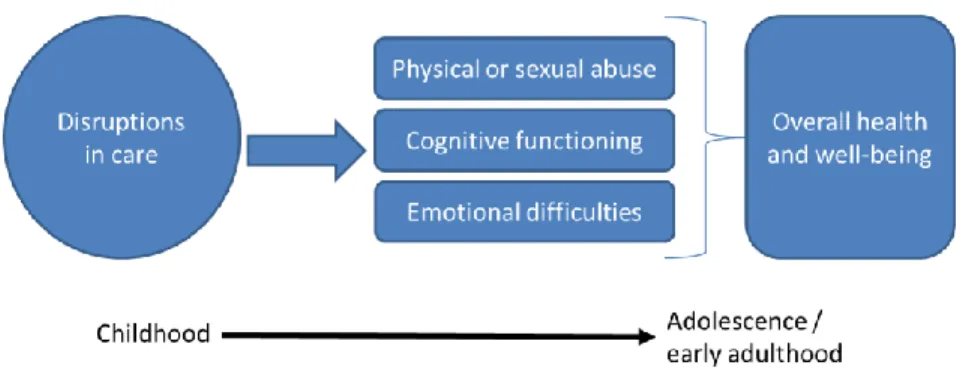
Figure 3.1 Conceptual model for the overall study
More specifically, the central hyptheses of this study were that both transition from institution-based care to family-based care (Aim 1) and instability in the familial adult household caregiving structure (Aim 2) adversely impact each of the outcomes of interest: physical or sexual abuse, emotional wellbeing, and cognitive functioning.
3.2 Parent Study Data Source
The Positive Outcomes for Orphans (POFO) study data were collected longitudinally for approximately 7 years of follow-up. Study enrollment took place between May, 2006 and February, 2008, depending on study site. Children ages 6–12 at baseline were enrolled based on their caregiving setting, institution-based or family-based care, using a two-stage sampling design at each of six study sites: Battambang District, Cambodia; Addis Ababa, Ethiopia;
Figure 3.2 Map of POFO study sites
For the institution-dwelling sample, all institutions in each of the six regions were
enumerated, excluding institutions dedicated to street children, adoption, or children with special needs.14 The comprehensive list was randomized and institutions were sequentially approached until 250 OSC were enrolled, with a maximum of 20 children ages 6–12 randomly selected from any institution. In three sites, the maximum limit of 20 children per institution was removed to ensure the targeted total enrollment. In total, children from 83 institutions ranging in size from five to over 250 children were included in the study.
Additionally, 50 non-OSC from each site were sampled as a qualitative referent group. The non-OSC were identified using the same geographic clusters as the family-based care
sample; one household with non-OSC was randomly selected from each of the 50 clusters. These non-OSC were used as a qualitative referent for understanding the adult familial structure and changes in that structure among family-based OSC in Aim 2.
3.3 Study Population Characteristics
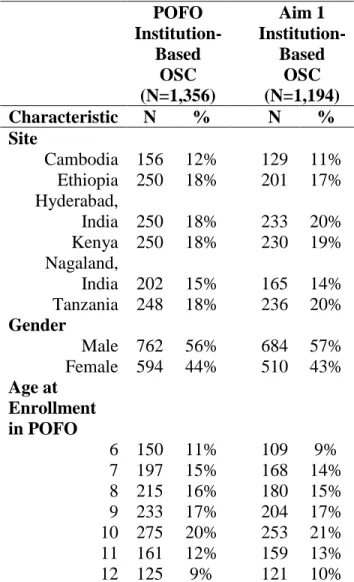
The full POFO cohort consists of 2,837 OSC (1,481 family-based and 1,356 institution-based OSC) and 300 non-OSC. Table 3.1 reflects the distribution of key characteristics (site, gender, and POFO enrollment) in the in the full POFO sample of institution-based OSC and the distribution among those included in Aim 1. Those included in Aim 1 had approximately the same distribution across sites as the full sample of institution-based OSC; the maximum
Table 3.1 Characteristics of family-based OSC and non-OSC in the full POFO cohort and in the Aim 1 study sample
POFO Institution-Based OSC (N=1,356) Aim 1 Institution-Based OSC (N=1,194) Characteristic N % N % Site
Cambodia 156 12% 129 11% Ethiopia 250 18% 201 17% Hyderabad,
India 250 18% 233 20% Kenya 250 18% 230 19% Nagaland,
India 202 15% 165 14% Tanzania 248 18% 236 20% Gender
Male 762 56% 684 57% Female 594 44% 510 43% Age at
Enrollment in POFO
6 150 11% 109 9% 7 197 15% 168 14% 8 215 16% 180 15% 9 233 17% 204 17% 10 275 20% 253 21% 11 161 12% 159 13% 12 125 9% 121 10%
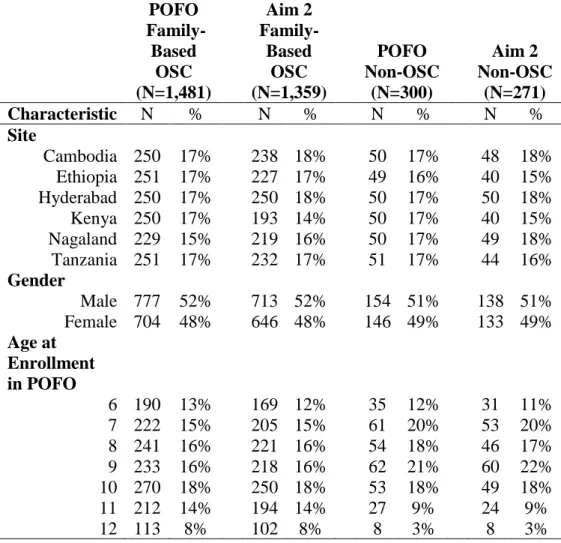
Table 3.2 Characteristics of family-based OSC and non-OSC in the full POFO cohort and in the Aim 2 study sample
POFO Family-Based OSC (N=1,481) Aim 2 Family-Based OSC (N=1,359) POFO Non-OSC (N=300) Aim 2 Non-OSC (N=271) Characteristic N % N % N % N % Site
Cambodia 250 17% 238 18% 50 17% 48 18% Ethiopia 251 17% 227 17% 49 16% 40 15% Hyderabad 250 17% 250 18% 50 17% 50 18% Kenya 250 17% 193 14% 50 17% 40 15% Nagaland 229 15% 219 16% 50 17% 49 18% Tanzania 251 17% 232 17% 51 17% 44 16%
Gender
Male 777 52% 713 52% 154 51% 138 51% Female 704 48% 646 48% 146 49% 133 49% Age at
Enrollment
in POFO
6 190 13% 169 12% 35 12% 31 11% 7 222 15% 205 15% 61 20% 53 20% 8 241 16% 221 16% 54 18% 46 17% 9 233 16% 218 16% 62 21% 60 22% 10 270 18% 250 18% 53 18% 49 18% 11 212 14% 194 14% 27 9% 24 9% 12 113 8% 102 8% 8 3% 8 3% 3.4 Measures
3.4.1 Outcome definitions and assessment
As OSC age into adolescence and early adulthood, outcomes that signal long-term wellbeing become increasingly important. This dissertation examined three main outcomes that reflect domains of physical, intellectual, and emotional wellbeing: physical or sexual abuse, cognitive functioning, and emotional difficulties. Each outcome was assessed with respect to each of the exposures represented in Aims 1 and 2.
For the abuse and emotional difficulties outcomes, only children who were at least 10 years old at the time of a given interview were administered these questions. The exclusion of children under 10 was based on both pilot testing and IRB recommendations.14 Thus, older children provided information on experiences of abuse and emotional difficulties starting at baseline, whereas younger children only started once they reached age 10. Cognitive functioning was measured regardless of age.
Physical or sexual abuse was measured at baseline and annually at an additional seven
follow-up visits using 17 items from the Life Events Checklist (LEC). The LEC is an instrument developed by the National Center for Posttraumatic Stress Disorder to assist with detection of posttraumatic stress disorder (PTSD).112 The LEC was selected based on its wide use in a multitude of cultural settings and prior research113, along with its measurement of events
predictive of anxiety, depression, and PTSD112. Children in the POFO study were asked about 17 “things I have seen and heard”; at each assessment they indicated whether the event had ever happened, and if it had happened, whether the event had happened in the last year, and whether the event happened once or more than once.
was raped or sexually molested.” For this research, the outcome of interest was whether or not the child was abused either physical or sexually. The outcome was defined to match that of prior studies: the four items were collapsed into a single dichotomous variable indicating whether or not the child experienced any of the four possible abuses.6,78,114,115
Both lifetime prevalence and annual incidence are captured in the LEC trauma questions. For both aims, incident abuse is the outcome of interest. Specifically, the abuse outcome was defined as experiencing (or not) any of the four types of abuse in the past year.
Cognitive functioning was measured at baseline and annually at an additional seven
follow-up visits using the Market List. The Market List is a culturally adapted version of the California Verbal Learning Test (CVLT); memory and verbal learning are tested through
recitation of items commonly seen in local markets.116 During administration of the Market List, an interviewer reads a list of 15 items from categories that match the CVLT: items a child eats, wears, or plays with. The child repeats back as many items as possible, and is scored from 0 to 15 based on the number of items recalled. Three trials of this test were administered and the average of those three scores was used as the continuous outcome variable to represent cognitive functioning. A higher score indicates better cognitive functioning.
During initial rounds of data collection, the Kaufman Assessment Battery for Children II (KABC-II) was also used.117 However, it was not used in later rounds, and an evaluation of both
measures in the POFO population indicated that both could be used successfully in the LMIC setting.118 To fully leverage all rounds of data collection for this outcome, the Market List was used for both aims.
Emotional wellbeing, assessed as emotional difficulties, was measured at baseline and at
The SDQ is a 25-item assessment tool used to evaluate the child’s emotional and behavioral wellbeing, and pro-social behavior. The child is asked five questions in each of five domains (emotional symptoms, conduct problems, hyperactivity/inattention, peer relationships, and pro-social behavior) to self-report whether the statement presented is “not true,” “somewhat true,” or “certainly true.” For scoring purposes, answers to the first four scales (20 questions) are assigned values of 0, 1, or 2 to contribute to a Total Difficulties score ranging from 0-40.119-125 The Total
Difficulties score was used as a continuous outcome variable to represent emotional wellbeing. A higher score indicates more difficulties and poorer wellbeing.
3.4.2 Covariate definitions and assessment
Several covariates were considered in one or both aims.
Site: Each of the six study sites (Cambodia, Ethiopia, Hyderabad, Kenya, Nagaland, and Tanzania) reflects a different culture, including different social norms and expectations, family and community structures, etc. Site is a time-fixed, nominal categorical variable that contributed to defining inclusion in the POFO cohort; it can be controlled as part of the survey sampling design or by indicator terms.
Gender: At baseline, each child’s gender was recorded as male or female. Gender is a time-fixed binary variable used to control for the differential experience of males and females.
Age: Age (in months) was established at baseline and current age is calculated at each assessment using the baseline age and interview date. Baseline age is used as a time-fixed variable to control for expected differences in experience or functioning based on age. While age increases annually and is thus time-varying, it increases by the same unit for each child at each time point, essentially reflecting time, which was controlled separately.
Parental status: While orphaning (loss of one or both parents) is a defining criterion for inclusion into the POFO OSC cohort, parental death varies by child. OSC may have one, both, or neither parents deceased. The “neither” category exists for children who are permanently
separated from one or both parents due to abandonment or other severe circumstances such as war or refugee crises, with no expectation of reunification. In that case, the parent may not be dead or death status may be unknown or unconfirmed.
Educational attainment: Educational attainment was measured at each round of data collection. To be meaningfully related to the child’s expected attainment given his or her age, for-age was calculated by assigning a value of 0 if the child was at the appropriate grade-for-age, and positive or negative values corresponding to the number of years ahead of or behind target, respectively. Educational attainment is a time-varying continuous variable that represents socioeconomic opportunity and is a predictor of future social, economic, and health outcomes.
History of physical or sexual abuse: As described in the outcomes above, abuse is
measured using the LEC and assessed at baseline and annually during follow-up. As a covariate, abuse was assessed dichotomously as having ever experienced physical or sexual abuse. It was considered a time-varying binary variable.
Past emotional difficulties: The Market List, as described in 3.3, was also used to control for prior experience of emotional difficulties. It was used as a time-varying continuous variable.
3.4.3 Exposure overview
Each aim was defined by a unique exposure and examined with respect to each of the three outcomes; complete exposure definitions are detailed within each aim in subsequent sections (3.4 and 3.5). In brief, the Aim 1 exposure was defined as the transition from institution-based care to family-based care. For Aim 2, exposure was defined as cumulative changes in the familial adult household caregiving structure. The Aim 2 analysis included novel descriptive characterization of the family members with whom family-based OSC are living. 3.5 Aim 1 Methods
3.5.1 Inclusion and exclusion criteria
In Aim 1, the study population was the institution-based OSC. The analytic samples for each outcome in Aim 1 were slightly different. Children were excluded from interviews about abuse and emotional difficulties until they reached 10 years of age. For all outcomes, children were excluded if there was no data on abuse history during follow-up because abuse history was considered an important confounder for all outcomes.
Because incident abuse could not be observed until one year after baseline, and had an age restriction, the number of children eligible for this outcome during follow-up was smaller than other outcomes (N=1,152). The analytic sample assessing emotional difficulties (N=1,193) excluded children on whom there was no data for abuse history or no data for emotional
assessed as change from baseline, children on whom there was no baseline measure of cognitive functioning were also excluded; the analytic sample for cognitive functioning was N=1,180. 3.5.2 Exposure assessment and definition
The exposure for Aim 1 was transition from institution-based care to family-based care. At each round of data collection, interviewers documented where children were currently living and whether that location was an institution or the “community,” which meant family-based care. In a very few cases, children may have spent part of the year in boarding school. Generally, those in boarding school were institution-based OSC whose education was supported by the institution. Since they were institution-based when not at school, they were classified as institution-based. For the purposes of this analysis, children were classified dichotomously at each round as being “institution-based” or “family-based.”
The exposure was coded as a binary variable (0=not exposed, still in institution-based care; 1= exposed, transitioned to community/family-based care). We defined the transition exposure as “once exposed, always exposed.” Therefore, once a child had moved to the community, they were coded as “1” for subsequent rounds of follow-up. Many children were transitioned because institutions were closed in response to pressure to support family-based care. Based on anecdotal evidence from study site coordinators, there was no expectation that any children later returned to institution-based care. The data supported these observations; we did not find evidence of children returning to institution-based care from family-based care.
3.5.3 Analytic approach
For Aim 1, the objective was to estimate the average causal effect of transition to family-based care on each of the three outcomes (incident abuse, cognitive functioning, and emotional wellbeing) among OSC who were in institutional-based care at study enrollment. There were very few transitions in type of care among family-dwelling OSC, i.e., OSC in the POFO cohort did not typically move from family care to an institution.
Because the data are observational, rather than collected through randomized assignment of treatment (exposure), causal interpretation is limited. In particular, causal inference requires meeting identifying assumptions of exchangeability (no unmeasured confounding), positivity (probability of exposure is greater than 0 and less than 1 at every level of modeled confounders), and consistency (treatment variation irrelevance).127 However, with careful design and analysis, conclusions will be similar to those reached via experiment.128
We used a directed acyclic graph (DAG) to assess potential confounding and identified the following possible confounders for the emotional difficulties and cognitive functioning outcomes: study site, baseline age, gender, parental status, history of abuse, prior emotional difficulties, child health, and educational attainment. We identified the same confounders with the exception of prior emotional difficulties for the incident abuse outcome.
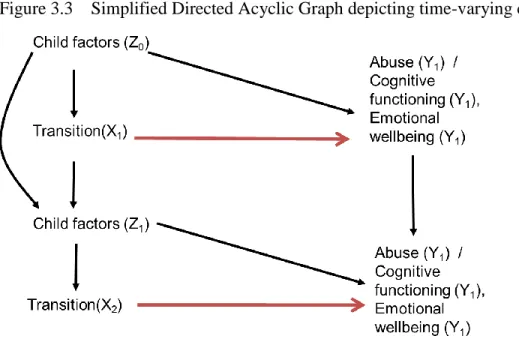
The longitudinal nature of this aim enabled repeated assessments of each of the three outcomes such that the child’s dynamic outcomes over the course of study could inform the final effect estimates. Several of these variables were time-varying: history of abuse, prior emotional difficulties, child health, and educational attainment. Time-varying factors such as child health status and emotional difficutlies could affect susceptibility to abuse or lower cognitive
may also be determined by prior disruptions in care. A simplified DAG illustrating the time-varying confounding is presented in Figure 3.3.
Figure 3.3 Simplified Directed Acyclic Graph depicting time-varying confounding
Marginal structural models (MSMs) are a class of models often used to control for time-varying confounding, a situation that arises when a confounder affects the outcome as well as subsequent exposure, and prior exposure affects subsequent levels of the confounder.129 Standard adjustment fails in the presence of time-varying confounding because the time-updated exposure history represented in subsequent values of the confounder is blocked, preventing estimation of the total exposure effect; this failure to capture the total effect is analogous to controlling for a mediator.130 With MSMs, the association between confounders and exposure is removed, generally through a parametric or nonparametric approach to standardization, and the marginal probability of exposure is related to the outcome to estimate average treatment effects.
balance in covariates across levels of the exposure.130 Effectively, the newly created
pseudo-population is standardized to have the same covariate distribution in both the exposed and unexposed, thus adjusting for confounding (of measured variables). The weights are calculated as the inverse probability of exposure to upweight observations in which the predicted
probability of having the observed exposure is low and down-weight the observations in which the predicted probability of having the observed exposure is high. Often, weights are stabilized by the marginal probability of exposure.
Overall retention in POFO has been quite high, with 82% and 78% participants remaining in the study at 36-month and 90-month follow-up, respectively.78 However, missing data points for multiple the visits in the longitudinal analyses exceeded a reasonable threshold (10%) for producing unbiased estimates if the data is not missing completely at random (MCAR).134 Complete case analysis, which only uses observations with complete information on variables included in the analysis, is a common approach for handling missing data because it is simple and is the default for most statistical packages.135,136 However, this approach requires an assumption that data are MCAR; otherwise estimates will likely be biased.137 Prior studies in other adolescent populations suggest that loss to follow-up is higher among sub-populations at greater risk of poor outcomes such as abuse, risk behaviors and educational achievement,138-140 suggesting that attrition in this study was unlikely to be MCAR.
account for loss-to-follow-up. We considered a child lost to follow-up if they missed more than 2 consecutive visits, or if they were reported to have died.
Sampling weights that account for the complex study design and selection into the POFO cohort were incorporated into the final weights, which reflected the product of the IPTW, IPOW, IPCW, and the sampling weights. The exposure variable was lagged from the incident abuse outcome to ensure the changes occurred before the abuse, which reflected the prior year before the interview at which it was reported.
For the final marginal models, we used generalized estimating equations (GEEs), which enable estimation of parameters even when there is correlation between observations, as is the case with repeated measures on children.143-145 We used an autoregressive correlation structure, though GEEs are robust to misspecification of the correlation structure, unlike the alternative mixed model regression.145,146 As is common practice in application of the GEEs, the Huber-White sandwich estimator for robust standard errors was used.147,148
For the incident abuse outcome, we estimated a weighted GEE with robust variance, binomial distribution and log link to account for repeated binary outcome observations to
estimate risk ratios (RRs); a Poisson distribution was used if convergence was not achieved. The same approach with a binomial error term and identity link was used to estimate risk differences (RDs). For the cognitive functioning and emotional difficulties outcomes, a weighted GEE with robust variance, a normal error distribution, and identify link was used to estimate mean
3.6 Aim 2 Methods
3.6.1 Inclusion and exclusion criteria
For Aim 2, the population was family-based OSC; we also assessed the non-OSC in family-based care as a comparison. In Aim 2, the exposure of interest was the familial adult household caregiving structure. Questions about the household composition were not asked until the second year of the study. Therefore, the analytic baseline for this aim was year 2 of the overall study, rather than enrollment date. We restricted Aim 2 analyses to family-based OSC (N=1,359) and non-OSC (N=271) who were observed at year 2; we observed them for an additional 6 rounds of follow-up until the end of the study.
As with Aim 1, only children who were at least 10 years old at the time of interview were asked about abuse or about their emotional difficulties. For Aim 2, the analytic samples for both incident abuse and cognitive functioning were the same (N=1,356) and the sample for cognitive functioning was the complete 1,359 available at analytic baseline since there was no age
restriction. For each outcome, the non-OSC sample was the same (N=271). 3.6.2 Exposure assessment and definition
In Aim 2, we first characterized the adult familial household structure. This was based on a series of questions in which children were asked “Of the adults and children in your household, how many are your [mother, father, stepmother, stepfather, grandmother, grandfather]?” Children were also asked about non-relatives, but because we could not distinguish between adults and children, we could not assess nonrelatives as part of the adult household caregiving structure. Therefore, we limited the assessment to the six adult familial relations that were specified (father, stepmother, stepfather, grandmother, grandfather).
the familial adult household structures, which was related to the three wellbeing outcomes to examine associations.
The exposure was calculated in three steps. In step 1, we assessed “change” since last interview for each of the sex adult relations. If the children reported differently than the prior round in terms of the presence or absence of the particular relation, we coded the change as a 1; if status of that relation was the same, change was coded as a 0. Because the overall stability of the adult household structure was the question of interest, we treated both “gains” and “losses” equally; both were considered changes.
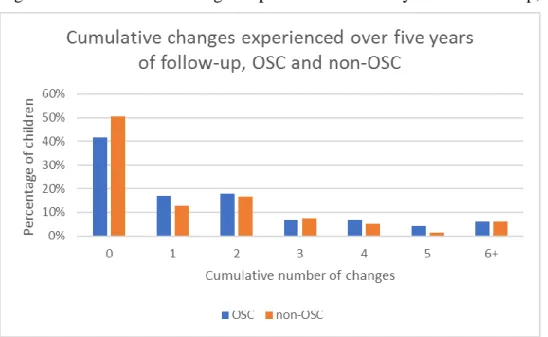
In Step 2, we summed the number of changes experienced across all six relations for each time point. Therefore, the maximum possible changes for any child at one time point was six. Finally, in Step 3, the number of changes was accumulated over time for each child, creating the “cumulative change” variable. Therefore, at each time point, the cumulative change variable reflected the total number of changes in the adult household caregiving structure since analytic baseline.
Each family member was treated equally because the importance of any particular relation may be variable by child, and while parents are assumed to have greater importance, there was no established metric for weighting or quantifying the value of one relation over another.
3.6.3 Analytic approach
As with Aim 1, we controlled for several potential confounders identified with a DAG: study site, baseline age, gender, parental status, history of abuse, and educational attainment.
than other variables, which would have resulted in loss of available information had another approach been selected. In MI, missing values are filled in by sampling from a probability distribution of the missing value conditional on specified observed covariates.149 This process is repeated over several imputed datasets and the final estimate is a mean of the imputed datasets, along with a standard error incorporating variability across datasets; the imputed information is incorporated into the final outcome model.149
For this analysis, the Markov Chain Monte Carlo (MCMC) data augmentation algorithm in Stata was used to create 10 imputation datasets. MI datasets were created separately for each outcome because each had different inputs into the imputation.
The cumulative change exposure was categorized into four categories: 0 changes (referent), 1 change, 2 changes, and 3 or more changes to explicitly observe how numbers of changes were related to the outcomes. As with Aim 1, the exposure was lagged from the incident abuse outcome to ensure it temporally preceded the outcome.
GEEs with an autoregressive correlation structure and robust variance estimator were used to estimate associations between cumulative change in the familial adult household
caregiving structure and each of the three outcomes.147,148 Incident abuse was estimated using a Poisson regression model to estimate RRs and 95% CIs. Cognitive functioning and total
CHAPTER 4: MARGINAL STRUCTURAL MODELS TO ESTIMATE EFFECTS OF TRANSITIONING FROM INSTITUTIONAL CARE TO FAMILY CARE ON WELLBEING OF ORPHANS IN LOW-AND MIDDLE-INCOME COUNTRIES
4.1 Introduction
Orphans and separated children (OSC) are among the world’s most vulnerable
populations. Their orphan status puts them at increased risk of food insecurity,2,50 stigma and discrimination,5 traumatic experiences,6,17 psychological distress,6 lower educational
attainment,51 and in some countries, diseases such as HIV.7,52 Globally, the number of children orphaned by the death of one or both parents exceeds 150 million;152 still more are separated from their parents through circumstances of abandonment, poverty, war, or internal
displacement.42 Protecting the human rights of children is a global imperative, formalized by the Convention of the Rights of the Child.34 However, placing these children in a care setting that will provide them basic needs, protect them from abuse and neglect, and nurture their
development toward a positive life trajectory is a challenge for leaders, policymakers, and caregivers worldwide.
Current United States (US) policy strongly advocates family-based care and suggests institution-based care should be minimized or eliminated everywhere in the world.11,108 This position is commonly held153 and is supported by international organizations such as the United Nations Children’s Fund (UNICEF).109 Advocates for the elimination of institution-based care
primarily cite two key studies that document the effects of severe deprivation observed in Romanian orphanages. The Bucharest Early Intervention Project (BEIP) and the English and Romanian Adoptees (ERA) project were seminal in their observations of cognitive decline due to severe deprivation, as well as in their findings that such decline could be arrested or even
reversed if a child was moved to an improved set of conditions (i.e., was provided appropriate stimulation and nurturing).4,93,101 However, these findings were based on observations of
institutions selected for their severe deprivation; the BEIP and ERA studies were not designed to compare the variety of institution-based and family-based care settings in which OSC around the world live.
Yet, the conclusion of these studies was that the institutional setting per se, rather than neglectful and abusive care that occurred within the specific selected institutions, was the cause of poor outcomes. This conclusion – that all institutions are inherently and irrevocably worse than all families – has persisted despite randomized trials showing that outcomes can be significantly improved with caregiver training, including one in sub-Saharan Africa.154,155
Furthermore, the largest multi-country study of OSC in low-and middle-income countries
(LMIC), has shown that the average experiences of OSC in institution-based care are no different than OSC in family based care,14,79 which is consistent with findings from other studies in
In LMICs in particular, many families are already economically constrained; taking on additional children presents substantial economic and caregiving burden.19-21 Transitioning children from institutions to family-based care, as is currently advocated, may itself present risks in terms of disrupting potentially beneficial caregiving conditions and potentially placing an orphan in a living situation with fewer resources or other unintended risks.
Our objective is to estimate the effects of transitioning from institution-based care to family-based care among OSC in LMIC. We use the Positive Outcomes for Orphans (POFO) study, the largest randomly sampled, statistically representative cohort of OSC in LMIC, to examine the effect of moving from institution-based care to family-based care is beneficial with respect to multiple indicators of child wellbeing.
4.2 Methods
Study population
The POFO cohort is a representative sample of OSC randomly selected from the OSC living in institution-based and family-based care settings in six study sites: Battambang District, Cambodia; Addis Ababa, Ethiopia; Hyderabad, India; Nagaland, India; Bungoma District, Kenya; and Kilimanjaro Region, Tanzania. In this analysis, we focused on 1,194 children who were in institution-based care at baseline. Study enrollment began in 2006 to 2008, depending on study site, and continued until 2015; OSC were followed for approximately eight years.
POFO participants were identified through a two-stage sampling process. First, institutions caring for OSC were randomly selected from a comprehensive list enumerated through government and community-based organizations, local leaders, and key informants in the study site regions.14 Second, age-eligible children were randomly selected from within each
was reached.14 Additional details of the complex sampling design are described in a prior
publication.14 Outcomes
This paper applies a whole-child approach that examines multiple facets of child wellbeing. Specifically, we focused on three outcomes: incident abuse, reported emotional difficulties, and changes in cognitive functioning.
Incident abuse was measured with the Life Events Checklist (LEC), a widely used 17-item questionnaire that assesses traumatic experiences.112 The LEC has been used in culturally
diverse settings.113 The LEC includes 4 questions addressing physical and sexual abuse, in which the participant indicates if they have experienced: 1) unwanted touching of private sexual parts, 2) rape or molestation, 3) being hit, kicked, or beaten at home, or 4) being hit, kicked or beaten by other children. Incident abuse was defined as experiencing of any of these four types of abuse in the past year. We coded incident abuse as a binary variable.
“Total Difficulties” score. The score is a continuous measure ranging from 0 to 40, where higher values reflect worse emotional wellbeing.
We used the Market List to assess cognitive functioning. The Market List is a variation on the California Verbal Learning Test (CVLT) and assesses memory and verbal learning.116 Children are asked to recite back a 15-item list that is read to them by the interviewer. The Market List is culturally adapted and site-specific, mapping categories from the original CVLT to items familiar to participants from their local markets. The performance of the Market List was evaluated in a prior study in the POFO population, which determined it could be
successfully used in non-standard settings.118 The average of three trials of reading and reciting is calculated as the child’s cognitive functioning score, which ranges from 0 to 15. We used change since baseline as our outcome measure.
Based on pilot testing and recommendations from the Institutional Review Board (IRB), questions about traumatic experiences and emotional difficulties were only asked of children at least 10 years of age. Because both of these measures serve as outcomes in this analysis, and are important potential confounders of the cognitive functioning outcome and potential predictors of missed visits and loss-to-follow-up, this analysis is limited to observations occurring after children were at least 10 years old.
Exposure
We defined our exposure as experiencing a transition from institution-based care to family-based care. At each round, interviewers documented whether the child was still living in an institution, or had transitioned to family care. Because children begin to age out of
exposures. This exposure was coded as a binary variable (1=moved to family, 0= still in institution).
Covariates
We used several time-fixed covariates: gender (male or female), age at baseline, study site, and orphan type. While all children in this study are orphans, we used indicators to describe whether they were single orphans (one parent deceased), double orphans (both parents deceased, or neither (the parent is not known to be dead, but has either abandoned the child or been
permanently separated due to war, poverty or other circumstances).
We also used several time-varying covariates. Self-reported general health was measured at each round on a five-point scale ranging from “Excellent” to “Poor”; the question is
commonly used on the Short Form 36 Health Survey.38 Cumulative history of abuse was measured as a time-updated binary variable reflecting whether or not the child had ever
experienced abuse at each point in time, which is a predictor of future abuse and other negative outcomes. Grade-for-age was an indicator of educational achievement measured in number of years above or below target. In this study, the rounds of data collection reflect one-year time intervals. We used a continuous variable for time that indicated number of years since baseline. Statistical analysis
Our goal was to estimate the average treatment effect of transitioning from institution-based care to family-institution-based care on three wellbeing outcomes: incident abuse, emotional wellbeing, and cognitive functioning. To do so, we constructed inverse probability weights to control for potential confounding, potentially informative missed visits, and potentially
it enables appropriate control for time-varying confounders that are influenced by prior exposures.130,131,141,156
Weight estimation
We estimated inverse probability of treatment weights using potential confounders identified through examination of directed acyclic graphs. For the incident abuse outcome, time-fixed covariates included sex, study site, baseline age, and orphan status. Time-varying covariates included lagged cumulative history of abuse, lagged grade for age, lagged general health, and time. We used the same variables for the emotional wellbeing and cognitive functioning outcomes, but also included the last observed measure of emotional wellbeing as a predictor of both current emotional wellbeing and cognitive functioning.
We differentiated observation (“missed visit”) weights from censoring (“lost to follow-up”) weights to more precisely account for the variability in types of follow-up and potential selection bias that can occur. We estimated inverse probability of observation weights
conditional on not being censored; observation weights were fixed once a subject was censored. Subjects were censored if they missed more than two visits in a row; censoring weights were estimated in the usual fashion. For each outcome, we used the same covariates for observation and censoring weights as were used in the treatment weights.