University of Pennsylvania
ScholarlyCommons
Publicly Accessible Penn Dissertations
1-1-2012
Testing the Soil Carbon Saturation Theory:
Maximal Carbon Stabilization and Soil Organic
Matter Stability as a Function of Organic Carbon
Inputs
Wenting Feng
University of Pennsylvania, [email protected]
Follow this and additional works at:http://repository.upenn.edu/edissertations
Part of theEcology and Evolutionary Biology Commons,Environmental Sciences Commons, and theSoil Science Commons
This paper is posted at ScholarlyCommons.http://repository.upenn.edu/edissertations/507 For more information, please [email protected].
Recommended Citation
Feng, Wenting, "Testing the Soil Carbon Saturation Theory: Maximal Carbon Stabilization and Soil Organic Matter Stability as a Function of Organic Carbon Inputs" (2012).Publicly Accessible Penn Dissertations. 507.
Testing the Soil Carbon Saturation Theory: Maximal Carbon Stabilization
and Soil Organic Matter Stability as a Function of Organic Carbon Inputs
Abstract
Soil carbon (C) stocks and fluxes represent significant components of the global C cycle. Application of the soil C saturation theory can help identify soils with large C storage potentials and estimate rates and durations needed to reach maximal soil C storage. The goal of my dissertation was to test the soil C saturation theory by estimating C saturation levels of fine soil particles and quantifying changes in soil organic matter (SOM) stability as fine soil particles approach C saturation. Current model using least-squares linear regression generally underestimates C the maximal amount of soil C stabilization in fine soil particles. Using an analysis of published data, I proposed two alternative methods (boundary line analysis and the organic C loading method) to improve estimates, and found that while the organic C loading method is better since it
incorporated mineral specific surface areas which would influence C saturation, it requires information about soil mineralogy and further tests to determine whether the monolayer-equivalent C loading indeed represents a maximal C stabilization potential. Laboratory batch sorption experiment of dissolved organic matter onto soil minerals generated organo-mineral complexes with a range of organic C loadings. These organo-mineral complexes, as well as silt+clay fractions physically isolated from soil samples from three long-term
agroecosystem field experiments with differing fertilizer and manure addition treatments, were used to test for differences in SOM stability as a function of organic C loading. Biological, chemical, and thermal test of SOM stability showed little change or the increase trend of SOM stability with increasing organic C inputs, which do not support the notion of the soil C saturation theory that SOM stability decreases as organic C inputs increase. This observation of SOM stability is likely due to the fact that most samples did not exhibit C saturation behavior. The results show that most soils are likely well below C saturation, and further studies of the driving factors (e.g., chemical composition of organic C inputs, mineralogy, and organo-mineral binding types and strength) is needed to determine maximal C loadings and estimate the maximal soil C storage potentials.
Degree Type
Dissertation
Degree Name
Doctor of Philosophy (PhD)
Graduate Group
Earth & Environmental Science
First Advisor
Alain F. Plante
Second Advisor
Keywords
carbon saturation, long-term, soil organic matter, specific surface area, stability, thermal
Subject Categories
TESTING THE SOIL CARBON SATURATION THEORY:
MAXIMAL CARBON STABILIZATION AND SOIL
ORGANIC MATTER STABILITY AS A FUNCTION OF
ORGANIC CARBON INPUTS
Wenting Feng
A DISSERTATION
in
Earth and Environmental Science
Presented to the Faculties of the University of Pennsylvania
in
Partial Fulfillment of the Requirements for the
Degree of Doctor of Philosophy
2012
Supervisor of Dissertation
_____________________
Dr. Alain F. Plante, Assistant Professor, Earth and Environmental Science
Graduate Group Chairperson
_______________________
Dr. Arthur H. Johnson, Professor, Earth and Environmental Science
Dissertation Committee
TESTING THE SOIL CARBON SATURATION THEORY: MAXIMAL CARBON
STABILIZATION AND SOIL ORGANIC MATTER STABILITY AS A FUNCTION OF
ORGANIC CARBON INPUTS
© 2012
ACKNOWLEDGEMENTS
To those who help me complete my PhD dissertation and go through my PhD study.
I would first like to thank my dissertation advisor Dr. Alain F. Plante, for his
patience, encouragement, support, and guidance throughout my PhD study. I have learned
a lot from him about how to do research, especially about critical thinking, scientific
writing, and the attitudes towards doing research. I am also grateful to other members of
my committee, Dr. Frederick N. Scatena for his encouragement all the time, Dr. Johan
Six in University of California Davis for the discussion to prepare manuscripts, and Dr.
Arthur H. Johnson for the support and proof-reading of this dissertation.
I would like to thank other faculty and staff in Department of Earth and
Environmental in University of Pennsylvania, especially Drs. Gomma Omar and David
Vann, for the assistance, discussion, and support to complete my experiments for this
dissertation. I am also grateful to Drs. José Manuel Fernández and Clément Peltre for the
discussion in developing my PhD dissertation proposal and dissertation as well as the
assistance in laboratory work.
I would like to particularly thank Dr. Dick Heinrich Holland.He has inspired and
guided me to rethink how to do research during the short period of time when I was
studying in his class and was taking one question from him for my qualifying exam.
Graduate student coordinator Joan Buccilli and Department Coordinator Arlene
Mand deserve of profuse thanks for their kindness, encouragement, tireless efforts, and
daily support all the time. A number of graduate students accompanied me to go through
my study at Penn: Xin Song in Department of Biology , the “Carbon club” members
My PhD study cannot be done without the help and support from my
collaborators Chunmei Chen, Dr. Kyung Yoo, and Dr. Deb Jaisi in University of
Delaware, Dr. Anthony K. Aufdenkampe and Stephanie Dix in Stroud Water Research
Center, Katherine Heal and Madelenie Mayes in Oak Ridge National Lab, Drs. Minggang
Xu, Huiming Zhang, and Wenjun Zhang in Chinese Academy of Agricultural Sciences,
Drs. Mingshen Fan, Haigang Li, and Fushuo Zhang in China Agricultural University,
Sukhdev S. Malhi in Agriculture and Agri-Food Canada, and Jeff J. Schoenau in
Department of Soil Science of University of Saskatchewan, for their assistance in
analyzing samples, sharing samples and information, and discussions.
My research has been funded by Benjamin Franklin Fellowship, DOE-BER grant
ER63912, Greg and Susan Walker Endowment, SAS Travel Grant, and GAPSA Travel
Grant.
I owe too much to Dr.Douglas A. Schaefer since I met him in 2007. He, as my
mentor and friend, has introduced me a different way to do research and has guided me to
choose science as my career.
My PhD study cannot be completed without the emotional support from the
friends I met at Penn (Ling Wang, Li Tang, Xingxing Hao, Wei Han, Na Zhang, and
Zhaoxia Qian) and my close friends in China (Shi Hong, Lingling Shi, and Min Zhang).
Last but definitely not the least, I cannot tell how much I owe to my parents and
ABSTRACT
TESTING THE SOIL CARBON SATURATION THEORY: MAXIMAL CARBON
STABILIZATION AND SOIL ORGANIC MATTER STABILITY AS A FUNCTION
OF ORGANIC CARBON INPUTS
Wenting Feng
Advisor: Alain F. Plante
Soil carbon (C) stocks and fluxes represent significant components of the global C
cycle. Application of the soil C saturation theory can help identify soils with large C
storage potentials and estimate rates and durations needed to reach maximal soil C
storage. The goal of my dissertation was to test the soil C saturation theory by estimating
C saturation levels of fine soil particles and quantifying changes in soil organic matter
(SOM) stability as fine soil particles approach C saturation. Current model using
least-squares linear regression generally underestimates C the maximal amount of soil C
stabilization in fine soil particles. Using an analysis of published data, I proposed two
alternative methods (boundary line analysis and the organic C loading method) to
improve estimates, and found that while the organic C loading method is better since it
incorporated mineral specific surface areas which would influence C saturation, it
requires information about soil mineralogy and further tests to determine whether the
monolayer-equivalent C loading indeed represents a maximal C stabilization potential.
generated mineral complexes with a range of organic C loadings. These
organo-mineral complexes, as well as silt+clay fractions physically isolated from soil samples
from three long-term agroecosystem field experiments with differing fertilizer and
manure addition treatments, were used to test for differences in SOM stability as a
function of organic C loading. Biological, chemical, and thermal test of SOM stability
showed little change or the increase trend of SOM stability with increasing organic C
inputs, which do not support the notion of the soil C saturation theory that SOM stability
decreases as organic C inputs increase. This observation of SOM stability is likely due to
the fact that most samples did not exhibit C saturation behavior. The results show that
most soils are likely well below C saturation, and further studies of the driving factors
(e.g., chemical composition of organic C inputs, mineralogy, and organo-mineral binding
types and strength) is needed to determine maximal C loadings and estimate the maximal
Table of Contents
Acknowledgements ... iii
Abstract ... v
List of Tables ... xi
Lists of Illustrations ... xii
Background ... 1
1.1 Soil organic matter in the global carbon cycle ... 1
1.2 Soil organic matter stabilization ... 1
1.3 Soil C saturation theory ... 3
Research questions and hypotheses ... 6
Figure 1 ... 8
Literature cited ... 9
Chapter One ... 17
Abstract ... 18
1.1. Introduction ... 20
1.2. Materials and methods ... 22
1.2.1 Data collection ... 22
1.2.2 Least-squares linear regressions ... 24
1.2.3 Over-saturation calculations ... 24
1.2.4 Organic C loading method ... 25
1.2.5 Boundary line analysis ... 26
1.2.6 Estimates of maximal organic C stabilization ... 27
1.3. Results and discussion ... 28
1.3.1 Regressions of organic C contents of fine soil particles with mass proportions ... 28
1.3.2 Drawbacks of the least-squares linear regression approach ... 29
1.3.3 Organic C loading method ... 31
1.3.4 Boundary line analysis ... 34
1.3.5 Effect of land use on estimates of maximal C stabilization ... 35
1.4. Conclusions ... 37
Literature cited ... 39
Table 1.1 ... 48
Table 1.2 ... 49
Table 1.3 ... 50
Figure 1.2 ... 52
Figure 1.3 ... 53
Figure 1.4 ... 54
Figure 1.5 ... 55
Chapter Two ... 56
Abstract ... 57
2.1 Introduction ... 59
2.2 Materials and Methods ... 60
2.1.1 Batch sorption experiment ... 61
2.2.2 Laboratory incubation ... 64
2.2.3 Thermal analysis ... 65
2.2.4 Data analysis ... 65
2.3 Results and Discussion ... 67
2.3.1 DOM sorption ... 67
2.3.2 Stability of C sorbed in organo-mineral complexes... 70
2.4 Conclusions ... 71
Literature cited ... 72
Table 2.1 ... 76
Table 2.2 ... 77
Figure 2.1 ... 79
Figure 2.2 ... 80
Figure 2.3 ... 81
Figure 2.4 ... 82
Figure 2.5 ... 83
Chapter Three ... 84
Abstract ... 85
3.1. Introduction ... 87
3.2. Methods... 90
3.2.1 Study sites and sampling ... 90
3.2.2 Soil fractionation ... 93
3.2.3 Chemical analyses ... 94
3.2.4 Estimation of organic C inputs ... 96
3.2.5 Statistical analysis ... 97
3.3.1 Bulk soil C responses to long-term C additions ... 98
3.3.2 Distributions of soil mass and C in physically isolated fractions ... 99
3.3.3 Soil C saturation behavior ... 101
3.3.4 Regressions between C concentrations and soil mineral properties ... 105
3.4. Summary and conclusions ... 107
Literature cited ... 109
Table 3.1 ... 113
Table 3.2 ... 114
Table 3.3 ... 115
Table 3.4 ... 116
Table 3.5 ... 117
Table 3.6 ... 118
Table 3.7 ... 119
Table 3.8 ... 120
Figure 3.1 ... 121
Figure 3.2a ... 122
Figure 3.2b ... 123
Figure 3.2c ... 124
Figure 3.3 ... 125
Chapter Four ... 126
Abstract ... 127
4.1. Introduction ... 129
4.2. Methods... 131
4.2.1 Study sites and sampling ... 131
4.2.2 Stability of soil organic matter ... 131
4.2.3 Statistical analysis ... 135
4.3. Results and discussion ... 136
4.3.1 SOM stability of silt+clay as a function of C inputs ... 136
4.3.2 SOM stability of bulk soil with different levels of C inputs ... 140
4.3.3 Correlations between biological and thermal stability indices ... 141
4.4. Summary and conclusions ... 142
Literature cited ... 144
Table 4.1 ... 147
Table 4.3 ... 149
Figure 4.1 ... 150
Figure 4.2 ... 151
Figure 4.3 ... 152
Figure 4.4 ... 153
Figure 4.5 ... 154
Summary and conclusion ... 155
Conclusions ... 157
Future studies ... 158
Appendix ... 162
LIST OF TABLES
Chapter One ... 17
Table 1.1 Least-squares linear regression ... 48
Table 1.2 Over-saturation of organic C content of fine soil particles ... 49
Table 1.3 Estimated maximal organic C stabilized ... 50
Chapter Two ... 56
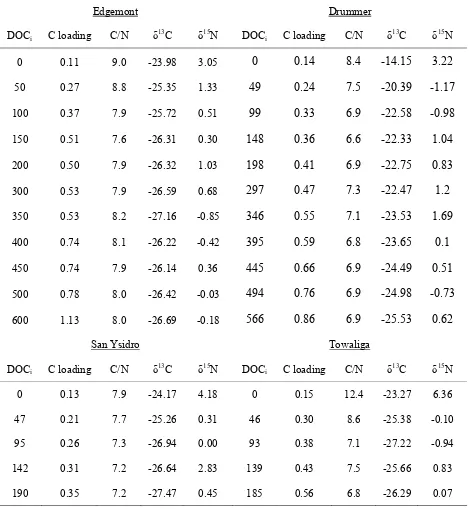
Table 2.1 Properties of soils used for DOM sorption ... 76
Table 2.2 Properteis of organo-mineral complexes after DOM sorption ... 77
Chapter Three ... 84
Table 3.1 Characteristic properties of study sites ... 113
Table 3.2 Annual mineral fertilizer and manure application rates ... 114
Table 3.3 Equations and parameters used to estimate plant C inputs ... 115
Table 3.4 Gross organic C inputs ... 116
Table 3.5 Mass and C recovery of the size and density fractionation ... 117
Table 3.6 Linear and asymptotic regressions of C concentrations of silt+clay with C inputs ... 118
Table 3.7 Soil mineralogical properties ... 119
Table 3.8 Regressions between C concentration and soil mineralogical properties ... 120
Chapter Four ... 126
Table 4.1 Organic C concentrations of silt+clay and bulk soil ... 147
Table 4.2 Changes in ratios of relative mass loss and CO2 evolved at three exothermic temperature ranges ... 148
LISTS OF ILLUSTRATIONS
Figure 1 Soil C saturation conceptural model ... 8
Chapter One ... 17
Figure 1.1 Least-squares linear regression ... 51
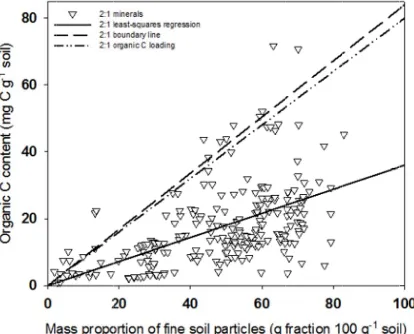
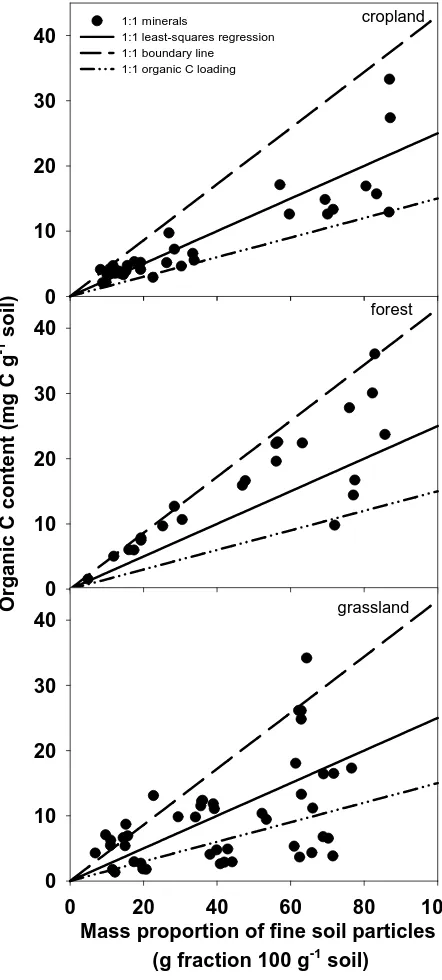
Figure 1.2 Maximal organic C for soils dominated by 1:1 minerals ... 52
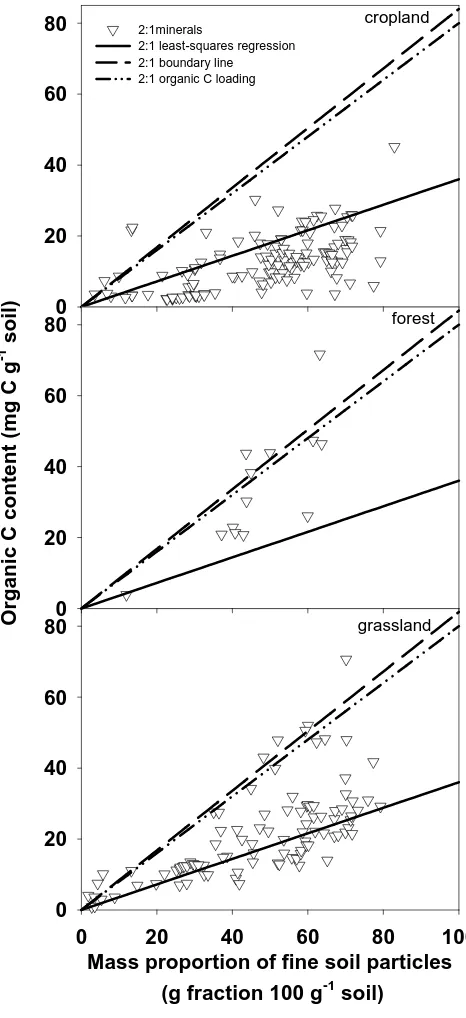
Figure 1.3 Maximal organic C for soils dominated by 2:1 minerals ... 53
Figure 1.4 Current organic C content in cropland, forest, and grassland soils dominated by 1:1 minerals ... 54
Figure 1.5 Current organic C content in cropland, forest, and grassland soils dominated by 2:1 minerals ... 55
Chapter Two ... 56
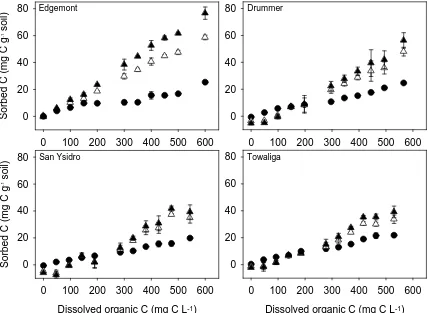
Figure 2.1 Amounts of sorbed dissolved organic matter using three methods ... 79
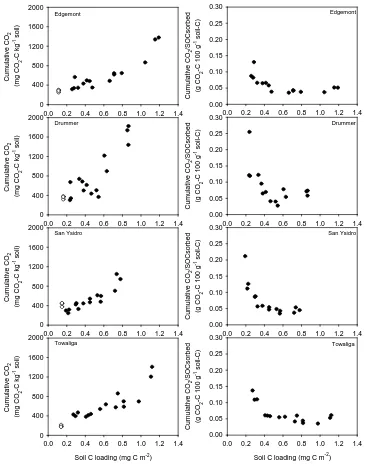
Figure 2.2 Total and sorbed C normalized cumulative CO2 of organo-mineral complexes ... 80
Figure 2.3 Soil organic C decomposition constants of organo-mienral complexes ... 81
Figure 2.4 CO2-T50 as a function of C loadings ... 82
Figure 2.5 Patterns of CO2 evolution during thermal analysis ... 83
Chapter Three ... 84
Figure 3.1 SOC storage efficiency of bulk soil, POM, and silt+clay ... 121
Figure 3.2a C concentraitons of silt+clay with C inputs in Gongzhuling, Zhengzhou, and Qiyang ... 122
Figure 3.2b C concentraitons of silt+clay with C inputs in Laiyang ... 123
Figure 3.2c C concentraitons of silt+clay with C inputs in Dixon and Melfort... 124
Figure 3.3 C loadings of silt+clay with C inputs ... 125
Chapter Four ... 126
Figure 4.1 Biological SOM stability of silt+clay at four treatments... 150
Figure 4.2 Biological SOM stability of bulk soil at four treatments ... 151
Figure 4.3 Chemical SOM stability against organic C concentrations of silt+clay .... 152
Figure 4.4 Thermal SOM stability against organic C concentrations of silt+clay ... 153
BACKGROUND
1.1 Soil organic matter in the global carbon cycle
Soil organic matter (SOM) is an important component of the global carbon (C)
cycle, containing more C (3150 Pg C) than plant biomass (650 Pg C) and the atmosphere
(750 Pg C) combined (Field and Raupach, 2004; Houghton, 2005), making soils the third
largest C pool after the oceanic and geologic pools. The global soil C stock of 3150 Pg C
includes 450 Pg C in wetlands, 400 Pg C in permafrost soils, and 2300 Pg C in upland
soils, which is further subdivided into 1500 Pg C in top 1 meter and 800 Pg C in the
deeper layers up to 3 meter (Jobbagy and Jackson, 2000; Sabine et al., 2003). Fluxes of C
into and out of soils are also large. Raich and Schlesinger (1992) estimated the global
respiratory flux of CO2 from soils to be 68 Pg C yr-1, of which 50 Pg C yr-1 results from
the decomposition of litter and SOM. Hence, any change in the balance of soil C stocks,
sources or sinks can significantly affect the global C cycle.
1.2 Soil organic matter stabilization
Soil organic matter storage is the net balance of organic C inputs and outputs.
Organic matter inputs are affected by plant productivity related to nutrient supply,
temperature, and moisture (Chapin and Eviner, 2005) or by land use management (e.g.:
use of organic amendments). Organic matter output is mainly controlled by microbial
decomposition, which is greatly affected by moisture and temperature (Kirschbaum,
1995). In addition to environmental factors, it is widely accepted that SOM can be
protected from microbial decomposition in three ways – biochemical protection, physical
Sollins et al., 1996; von Lützow et al., 2006).
Biochemical protection refers to chemical recalcitrance as a mechanism that
stabilizes SOM against microbial decomposition. Soil organic matter is a heterogeneous,
composite material that includes components differently susceptible to degradation such
as litter, microbial biomass, water soluble organics, and humus (Stevenson, 1994).
Although some organic substances decompose rapidly (e.g. starch and cellulose) (Martin
and Haider, 1986), some decompose slowly due to complex chemical structure (e.g.,
lignin contains no hydrolytic bonds and black C comprises aromatic groups), and is
therefore considered biochemically recalcitrant (Berg et al., 1982; Schmidt and Noack,
2000; Stevenson, 1994). Recalcitrance may be inherited from the original substrate or
generated through the partial decomposition and formation of metabolites. Recently,
SOM recalcitrance as a primary stabilization mechanism has been called into question
using evidence from compound-specific isotopic analyses (Schmidt et al., 2011; Thevenot
et al., 2010), and hence it has been proposed that no organic substance can escape
microbial attack under optimal conditions (Hamer and Marschner, 2002; Hamer and
Marschner, 2005; Hamer et al., 2004; Marschner et al., 2008). Instead, there is increasing
appreciation for the stabilization potential afforded by the soil matrix itself.
Soil organic matter can be physically protected within soil aggregates
(Christensen, 1996; Oades and Waters, 1991; Tisdall and Oades, 1982). Physical
protection is the result of isolating organic matter from microbes or enzymes (Killham et
al., 1993) or limiting O2 diffusion (Sexstone et al., 1985). Soil aggregates are
agglomerated by fungal hyphae and polysaccharides derived from root exudates or
by soil aggregates distribution and stability (Six et al., 1999; Six et al., 2000), and it
becomes easily decomposable when fungal hyphae or polysaccharides are disturbed.
Turnover time of SOM within soil aggregates was found to be shorter than that associated
with silt and clay particles (Balesdent et al., 1987; Balesdent et al., 1988), suggesting that
while aggregates afford some protection in the short- to medium-term, long-term
stabilization is achieved through direct mineral association (Balabane and Plante, 2004).
Soil organic matter can be protected by physical-chemical interactions between
organic matter and soil minerals (Kaiser and Guggenberger, 2003; Sollins et al., 1996;
von Lützow et al., 2006). Organic matter can react with soil minerals through ligand
exchange, cation briding, H-bonding, or van der Waals forces (Arnarson and Keil, 2000;
Feng et al., 2005; Gu et al., 1994; Stevenson, 1994). Strong chemical bonds between
organic matter and soil minerals make organic matter less susceptible to desorption or
more resistant against biological mineralization (Gu et al., 1994; Kaiser and
Guggenberger, 2007; Keil et al., 1994; Mikutta et al., 2007). Through these interactions,
organic matter is associated with silt and clay particles to form organo-mineral complexes.
Organic matter in organo-mineral complexes constitutes more than 50% of total SOM
(Christensen, 1996; Kahle et al., 2002a). Organic matter associated with soil minerals has
long turnover times and is therefore considered stable (Balesdent et al., 1987; Balesdent
et al., 1988; Trumbore, 2000).
1.3 Soil C saturation theory
Many soils, especially those with low soil organic carbon (SOC) levels due to
intensive cultivation practices, show a linear response of SOC amount to increasing
SOC amount rises linearly with increasing organic C inputs, which is attributable in part
to their underlying first-order kinetics (Manzoni and Porporato, 2009). However, some
long-term experiments show little or no response of SOC amount to long-term organic C
additions when initial SOC amount is high (Campbell et al., 1991; Huggins et al., 1998;
Huggins and Fuchs, 1997; Soon, 1998). In native grassland and cultivated cropland with
the same type of soil, Hassink (1997) observed no difference in the amount of organic C
associated with fine soil particles (< 20 μm) but significant difference in organic C
amount in bulk soil, implying a maximal organic C amount associated with fine soil
particles. These observations of a potential maximal SOC amount, led to the development
of the soil C saturation theory (Campbell et al., 1991; Hassink 1997; Six et al. 2002).
There is an important distinction to be made between an equilibrium soil C
content and the soil C saturation level. Soil organic matter dynamics are typically viewed
in terms of changes in stocks over time. If changes in management practices or land cover
increase C input levels, then over time, soil C content will increase until a new
equilibrium soil C content is reached (Figure 1). Multiple increases in long-term C inputs
will produce multiple equilibrium SOC levels because equilibrium soil C levels are
achieved where C additions are balanced by C losses. However, these steady-state levels
may still be below the soil C saturation level. With no saturation, SOC content can
continue rising with increasing C inputs (Figure 1, upper right). The soil C saturation
theory predicts that there is a maximum equilibrium C level that will be attained, and as
equilibrium SOC increases with greater C input rates, the incremental increase in SOC
declines as the rate of C addition increases (Figure 1, lower right). Hence the storage
is therefore essential to have a wide range of steady-state organic C inputs to test for the
presence of a soil C saturation level.
In the conceptual soil C saturation model constructed by Six et al. (2002), organic
C associated with silt and clay particles, microaggregrate-protected, biochemically
protected, and unprotected will all reach their own saturated levels. Considering large
pool size and long turnover time of organic C associated with silt and clay particles, it is
more meaningful to understand organic C saturation in this pool. Moreover, chemically
protected organic matter is associated with soil minerals, and therefore the amounts of
chemically protected organic C would be limited by finite mineral surface areas. Hassink
(1997) observed that fine soil particles, rather than bulk soil, reached organic C
stabilization potentials since C amounts of fine soil particles did not change when
comparing them under agricultural practice and grassland. Gulde et al. (2008) also found
an asymptotic relationship between organic C concentrations and manure inputs for silt
and clay particles, suggesting organic C amount associated with silt and clay particles
was approaching a saturated level. Stewart et al. (2008) reported that the relationship
between concentrations of organic C associated with silt and clay particles and a wide
range of steady organic C inputs well fitted soil C saturation model.
However, none of these studies specifically address the mechanism responsible
for the saturation of organic C associated with silt and clay particles. Based on
physical-chemical reactions between organic matter and soil minerals, mineral specific surface
area (SSA) and soil charge characteristics likely affect organo-mineral interactions and
may generate physical limits to C stabilization. Finite soil mineral SSA is considered as a
be positively related to organic C associated with silt and clay particles (Kahle et al.,
2002b; Wiseman and Püttmann, 2006). After measuring organic C loadings (i.e., organic
C concentration normalized by SSA) for a variety of soil and sediment particles, Mayer
(1994) proposed using 1 mg C m-2 (the so-called monolayer-equivalent) as the maximal C
loading. Additionally, soil cations, ionic strength, and soil pH could regulate organic
matter adsorption and precipitation (Feng et al., 2005; Jardine et al., 1989; Schneider et
al., 2010). Soil organic matter associated with silt and clay particles was found to be
correlated with CEC (Guibert et al., 1999; Leinweber et al., 1993). Amounts of Fe/Al
oxyhydroxides and oxides were also found to be intimately related to organic C
concentration (Kaiser and Guggenberger, 2003; Kleber et al., 2005; Soares and Alleoni,
2008; Zinn et al., 2007). Higher hydroxyl density on Fe/Al oxides than on phyllosilicates
enables them to adsorb more organic matter (Gu et al., 1994; Murphy et al., 1990). Soil
mineralogical properties would greatly influence C saturation behaviors of silt+clay sized
fine soil particles.
RESEARCH QUESTIONS AND HYPOTHESES
The soil C saturation theory is important to identify soils with large, unmet SOC
storage potentials and to predict rates and durations needed for soils to reach the maximal
SOC storage. However, details are still unknown about soil C saturation in specific
soil-climate and management conditions, which can eventually be applied for SOC stock
management. Critical questions remain unanswered, such as: how can the soil C
saturation level be determined and quantified, and how does SOM stability change
as soils approach C saturation? The main objective of this dissertation was to further
particles and quantifying organic matter stability of soil minerals at different degrees of
soil C saturation. My dissertation is structured into four research chapters seeking to
answer the following questions:
Chapter 1: Improving the estimate of maximal soil C stabilization by fine soil
particles. How can the current method to estimate maximal organic C stabilization by
fine soil particles (i.e., least square linear regression) be improved?
Chapter 2: Examining changes in soil organic matter stability in
organo-mineral complexes with increasing organic C loading. How does SOM stability
change as soils approach C saturation with increasing organic C inputs?
Chapter 3: Seeking carbon saturation behavior in agricultural soils receiving
long-term manure amendments. What are C saturation behaviors of fine soil particles
from different soils receiving long-term multi-level organic C inputs? How do soil
mineralogical properties influence soil C saturation behaviors of fine soil particles?
Chapter 4: Quantifying soil organic matter stability in agricultural soils
receiving long-term manure amendments. How does the biological, chemical, and
thermal stability of SOM change as a function of differing amounts of long-term organic
F
R
so
is
in
Figure 1
Relationship
oil C saturat
s achieved. I
ncrease in C
between C i
tion. After a
If soil is C sa
inputs. (Ada
nputs and so
change in m
aturated, no
apted from W
oil organic C
management
increase in s
West & Six,
C content at s
t or land-use
steady-state
2007 and St
steady-state
e a new stea
C content w
tewart et al.,
with and wi
dy state in s
will occur aft
2007).
ithout
soil C
Literature cited
Arnarson, T.S., Keil, R.G., 2000. Mechanisms of pore water organic matter adsorption to
montmorillonite. Marine Chemistry 71, 309-320.
Balabane, M., Plante, A.F., 2004. Aggregation and carbon storage in silty soil using
physical fractionation techniques. European Journal of Soil Science 55, 415-427.
Baldock, J.A., Skjemstad, J.O., 2000. Role of the soil matrix and minerals in protecting
natural organic materials against biological attack. Organic Geochemistry 31,
697-710.
Balesdent, J., Mariotti, A., Guillet, B., 1987. Natural 13C abundance as a tracer for studies
of soil organic matter dynamics. Soil Biology & Biochemistry 19, 25-30.
Balesdent, J., Wagner, G.H., Mariotti, A., 1988. Soil organic matter turnover in long-term
field experiments as revealed by 13C natural abundance. Soil Science Society of
America Journal 52, 118-124.
Berg, B., Hannus, K., Popoff, T., Theander, O., 1982. Changes in organic-chemical
components of needle litter during decomposition - long-term decomposition in a
scots pine forest. 1. Canadian Journal of Botany-Revue Canadienne De Botanique
60, 1310-1319.
Campbell, C.A., Bowren, K.E., Schnitzer, M., Zentner, R.P., Townleysmith, L., 1991.
Effect of crop rotations and fertilziation on soil organic-matter and some
biochemical-properties of a thick black chernozem. Canadian Journal of Soil
Science 71, 377-387.
Chapin, F.S., Eviner, V.T., 2005. Biogeochemistry of Terrestrial Net Primary Production.
Christensen, B.T., 1996. Carbon in primary and secondary organomineral complexes. In:
Carter, M.R., Stewart, B.A. (Eds.). Structure and Organic Matter Storage in
Agricultural Soils. CRC Press, Boca Raton, Florida, pp. 97-165.
Feng, X.J., Simpson, A.J., Simpson, M.J., 2005. Chemical and mineralogical controls on
humic acid sorption to clay mineral surfaces. Organic Geochemistry 36,
1553-1566.
Field, C.B., Raupach, M.R., 2004. The global carbon cycle: integrating humnas, climate
and the natural world, p. 526. Island Press, Washington, DC.
Gu, B., Schmitt, J., Chen, Z., Liang, L., McCarthy, J.F., 1994. Adsorption and desorption
of natural organic matter on iron oxide: mechanisms and models. Environmental
Science & Technology 28, 38-46.
Guibert, H., Fallavier, P., Romero, J.J., 1999. Carbon content in soil particle size and
consequence on cation exchange capacity of alfisols. Communications in Soil
Science and Plant Analysis 30, 2521-2537.
Gulde, S., Chung, H., Amelung, W., Chang, C., Six, J., 2008. Soil carbon saturation
controls labile and stable carbon pool dynamics. Soil Science Society of America
Journal 72, 605-612.
Hamer, U., Marschner, B., 2002. Priming effects of sugars, amino acids, organic acids
and catechol on the mineralization of lignin and peat. Journal of Plant Nutrition
and Soil Science-Zeitschrift Fur Pflanzenernahrung Und Bodenkunde 165,
261-268.
Hamer, U., Marschner, B., 2005. Priming effects in soils after combined and repeated
Hamer, U., Marschner, B., Brodowski, S., Amelung, W., 2004. Interactive priming of
black carbon and glucose mineralisation. Organic Geochemistry 35, 823-830.
Hassink, J., 1997. The capacity of soils to preserve organic C and N by their association
with clay and silt particles. Plant and Soil 191, 77-87.
Houghton, R.A., 2005. The comtemporary carbon cycle. In: Schlesinger, W.H. (Ed.).
Biogeochemistry. Elsevier-Pergammon, Oxford, pp. 473-513.
Huggins, D.R., Buyanovsky, G.A., Wagner, G.H., Brown, J.R., Darmody, R.G., Peck,
T.R., Lesoing, G.W., Vanotti, M.B., Bundy, L.G., 1998. Soil organic C in the
tallgrass prairie-derived region of the corn belt: effects of long-term crop
management. Soil & Tillage Research 47, 219-234.
Huggins, D.R., Fuchs, D.J., 1997. Long-term N managment effects on corn yield a field a
soil C of an Aquic Haplustoll in Minnesota. In: Paul, E., Paustian, K., Cole, C.V.
(Eds.). Soil Organic Matter in Temperate Agroecosystems: Long-term
experiments in North America. CRC Press, New York, pp. 121-128.
Jardine, P.M., Weber, N.L., McCarthy, J.F., 1989. Mechanisms of dissolved
organic-carbon adsorption on soil. Soil Science Society of America Journal 53, 1378-1385.
Jobbagy, E.G., Jackson, R.B., 2000. The vertical distribution of soil organic carbon and
its relation to climate and vegetation. Ecological Applications 10, 423-436.
Kahle, M., Kleber, M., Jahn, R., 2002a. Carbon storage in loess derived surface soils
from Central Germany: Influence of mineral phase variables. Journal of Plant
Nutrition and Soil Science-Zeitschrift Fur Pflanzenernahrung Und Bodenkunde
165, 141-149.
from surface area, cation exchange capacity and dithionite-extractable iron.
European Journal of Soil Science 53, 639-644.
Kaiser, K., Guggenberger, G., 2003. Mineral surfaces and soil organic matter. European
Journal of Soil Science 54, 219-236.
Kaiser, K., Guggenberger, G., 2007. Sorptive stabilization of organic matter by
microporous goethite: sorption into small pores vs. surface complexation.
European Journal of Soil Science 58, 45-59.
Keil, R.G., Montlucon, D.B., Prahl, F.G., Hedges, J.I., 1994. Sorptive preservation of
labile organic matter in marine sediments. Nature 370, 549-552.
Killham, K., Amato, M., Ladd, J.N., 1993. Effect of Substrate Location in Soil and Soil
Pore-Water Regime on Carbon Turnover. Soil Biology & Biochemistry 25, 57-62.
Kirschbaum, M.U.F., 1995. The temperature dependence of soil organic matter
decomposition, and the effect of global warming on soil organic C storage. Soil
Biology & Biochemistry 27, 753-760.
Kleber, M., Mikutta, R., Torn, M.S., Jahn, R., 2005. Poorly crystalline mineral phases
protect organic matter in acid subsoil horizons. European Journal of Soil Science
56, 717-725.
Kong, A.Y.Y., Six, J., Bryant, D.C., Denison, R.F., van Kessel, C., 2005. The relationship
between carbon input, aggregation, and soil organic carbon stabilization in
sustainable cropping systems. Soil Science Society of America Journal 69,
1078-1085.
Leinweber, P., Reuter, G., Brozio, K., 1993. Cation-exchange capacities of
Science 44, 111-119.
Manzoni, S., Porporato, A., 2009. Soil carbon and nitrogen mineralization: Theory and
models across scales. Soil Biology & Biochemistry 41, 1355-1379.
Marschner, B., Brodowski, S., Dreves, A., Gleixner, G., Gude, A., Grootes, P.M., Hamer,
U., Heim, A., Jandl, G., Ji, R., Kaiser, K., Kalbitz, K., Kramer, C., Leinweber, P.,
Rethemeyer, J., Schäffer, A., Schmidt, M.W.I., Schwark, L., Wiesenberg, G.L.B.,
2008. How relevant is recalcitrance for the stabilization of organic matter in soils?
Journal of Plant Nutrition and Soil Science 171, 91-110.
Martin, J.P., Haider, K., 1986. Influence of mineral colloids on turnover rates of soil
organic carbon. In: Huang, P.M., Schnitzer, M. (Eds.). Interactions of Soil
Minerals with Natural Organics and Microbes. Soil Science Society of America,
Madison, pp. 283-304.
Mikutta, R., Mikutta, C., Kalbitz, K., Scheel, T., Kaiser, K., Jahn, R., 2007.
Biodegradation of forest floor organic matter bound to minerals via different
binding mechanisms. Geochimica Et Cosmochimica Acta 71, 2569-2590.
Murphy, E.M., Zachara, J.M., Smith, S.C., 1990. Influence of mineral-bound humic
substances onthe sorption of hydrophobic organic compounds. Environmental
Science & Technology 24, 1507-1516.
Oades, J.M., Waters, A.G., 1991. Aggregate hierarchy in soils, p. 815-828.
Raich, J.W., Schlesinger, W.H., 1992. The global carbon dioxide flux in soil respiration
and its relationship to vegetation and climate. Tellus Series B-Chemical and
Physical Meteorology 44, 81-99.
LeQuere, C., Prinn, R.G., Richey, J.E., Romero-Lankao, P., Sathaye, J., Valentini,
R., 2003. Current status and past trends of the carbon cycle. In Field, C.B.,
Raupac, M.R., Eds. Toward CO2 stabilization: Issue, strategies, and consequences.
Island Press, Washington, DC.
Schmidt, M.W.I., Noack, A.G., 2000. Black carbon in soils and sediments: Analysis,
distribution, implications, and current challenges. Global Biogeochemical Cycles
14, 777-793.
Schmidt, M.W.I., Torn, M.S., Abiven, S., Dittmar, T., Guggenberger, G., Janssens, I.A.,
Kleber, M., Kogel-Knabner, I., Lehmann, J., Manning, D.A.C., Nannipieri, P.,
Rasse, D.P., Weiner, S., Trumbore, S.E., 2011. Persistence of soil organic matter
as an ecosystem property. Nature 478, 49-56.
Schneider, M.P.W., Scheel, T., Mikutta, R., van Hees, P., Kaiser, K., Kalbitz, K., 2010.
Sorptive stabilization of organic matter by amorphous Al hydroxide. Geochimica
Et Cosmochimica Acta 74, 1606-1619.
Sexstone, A.J., Revsbech, N.P., Parkin, T.B., Tiedje, J.M., 1985. Direct measurement of
oxygen profiles and denitrification rates in soil aggregates. Soil Science Society
of America Journal 49, 645-651.
Six, J., Conant, R.T., Paul, E.A., Paustian, K., 2002. Stabilization mechanisms of soil
organic matter: Implications for C-saturation of soils. Plant and Soil 241, 155-176.
Six, J., Elliott, E.T., Paustian, K., 1999. Aggregate and soil organic matter dynamics
under conventional and no-tillage systems. Soil Science Society of America
Journal 63, 1350-1358.
Distribution of aggregate-size classes and aggregate-associated carbon. Soil
Science Society of America Journal 64, 681-689.
Soares, M.R., Alleoni, L.R.F., 2008. Contribution of soil organic carbon to the ion
exchange capacity of tropical soils. Journal of Sustainable Agriculture 32,
439-462.
Sollins, P., Homann, P., Caldwell, B.A., 1996. Stabilization and destabilization of soil
organic matter: Mechanisms and controls. Geoderma 74, 65-105.
Soon, Y.K., 1998. Crop residue and fertilizer management effects on some biological and
chemical properties of a Dark Grey Solod. Canadian Journal of Soil Science 78,
707-713.
Stevenson, F.J., 1994. Humus chemistry: gensis, composition, reactions. John Wiley and
Sons, Hoboken, NJ,
Thevenot, M., Dignac, M.F., Rumpel, C., 2010. Fate of lignins in soils: A review. Soil
Biology & Biochemistry 42, 1200-1211.
Tisdall, J.M., Oades, J.M., 1982. Organic-matter and water-stable aggregates in soils.
Journal of Soil Science 33, 141-163.
Trumbore, S., 2000. Age of soil organic matter and soil respiration: Radiocarbon
constraints on belowground C dynamics. Ecological Applications 10, 399-411.
von Lützow, M., Kogel-Knabner, I., Ekschmitt, K., Matzner, E., Guggenberger, G.,
Marschner, B., Flessa, H., 2006. Stabilization of organic matter in temperate soils:
mechanisms and their relevance under different soil conditions - a review.
European Journal of Soil Science 57, 426-445.
preservation of soil organic matter. Geoderma 134, 109-118.
Zinn, Y.L., Lal, R., Bigham, J.M., Resck, D.V.S., 2007. Edaphic controls on soil organic
carbon retention in the Brazilian Cerrado: Texture and mineralogy. Soil Science
CHAPTER ONE
Improving estimates of maximal organic carbon stabilization by fine soil particles
Wenting Feng1, Alain F. Plante1* and Johan Six2
1. Department of Earth & Environmental Science, University of Pennsylvania,
Philadelphia, PA 19104-6316, USA;
2. Department of Plant Sciences, University of California, Davis, CA 95616, USA.
Published as:
Feng W, Plante AF, Six J (2012) Improving estimates of maximal organic carbon
Abstract
Organic carbon (C) associated with fine soil particles (< 20 µm) is relatively
stable and accounts for a large proportion of total soil organic C (SOC). The soil C
saturation concept proposes a maximal amount of SOC that can be stabilized in the fine
soil fraction, and the soil C saturation deficit (i.e., the difference between current SOC
and the maximal amount) is presumed to affect the capacity, magnitude, and rate of SOC
storage. In this study, we argue that predictions using current models underestimate
maximal organic C stabilization of fine soil particles due to fundamental limitations of
using least-squares linear regression. The objective was to improve predictions of
maximal organic C stabilization by using two alternative approaches; one mechanistic,
based on organic C loadings, and one statistical, based on boundary line analysis. We
collected 342 data points on the organic C content of fine soil particles, fine particle mass
proportions in bulk soil, dominant soil mineral types, and land use types from 32 studies.
Predictions of maximal organic C stabilization using linear regression models are
questionable because of the use of data from soils that may not be saturated in SOC and
because of the nature of regression itself, resulting in a high proportion of presumed
over-saturated samples. Predictions of maximal organic C stabilization using the organic C
loading approach fit the data for soils dominated by 2:1 minerals well, but not soils
dominated by 1:1 minerals; suggesting that the use of a single value for specific surface
area, and therefore a single organic C loading, to represent a large dataset is problematic.
In boundary line analysis, only data representing soils having reached the maximal
amount (upper 10% percentile) were used. The boundary line analysis estimate of
estimate by the linear regression approach (33 ± 1 g C kg-1 fraction). These results show
that linear regression models do not adequately predict maximal organic C stabilization.
Soil properties associated with soil mineralogy, such as specific surface area and organic
C loading, should be incorporated to generate more mechanistic models for predicting
soil C saturation, but in their absence, statistical models should represent the upper
1.1. Introduction
Land use management practices, such as no-till, manure and compost additions,
and enhanced residue return are used to increase soil organic carbon (SOC) content.
Current models of soil C dynamics assume that SOC content rises linearly with
increasing organic C inputs, which is attributable in part to their underlying first-order
kinetics (Lugato et al., 2007). However, several long-term field experiments have found
that SOC, especially organic C associated with fine soil particles, did not always increase
with increasing organic C inputs (e.g., Campbell et al., 1991; Chung et al., 2008; Gulde et
al., 2008).
Organic matter can be stabilized in soils by selective recalcitrance, spatial
inaccessibility, and organo-mineral interactions (Six et al., 2002; Sollins et al., 1996; von
Lützow et al., 2006). Organo-mineral complexes result from the association of organic
matter with soil minerals, which is largely controlled by soil texture (Christensen, 1998).
Organic C retained in association with fine soil particles has relatively longer turnover
times (Balesdent et al., 1998) and accounts for a large proportion of total SOC
(Christensen, 1998; Kahle et al., 2002b), thus making this C pool of particular interest in
the context of the broader global C cycle. The amount of organic C associated with fine
soil particles is correlated to their mass proportions in bulk soil (Hassink, 1997; Liang et
al., 2009; Six et al., 2002; Zhao et al., 2006), and are affected by soil mineral types
(Kaiser and Guggenberger, 2003; Mikutta et al., 2007; Schulten and Leinweber, 2000;
Six et al., 2002) and composition of organic C inputs (Oades, 1988). Soil specific surface
area, which is closely associated with mineralogy, has also been found to be positively
In paired cultivated cropland and undisturbed grassland of the same soil, Hassink
(1997) observed considerable differences in the organic C content of bulk soils, but no
significant differences in the organic C content of fine soil particles (< 20 μm), which he
attributed to the existence of a limit of organic C content retained on fine soil particles.
Using soils with a wide range of mass proportions of fine soil particles in bulk soil, he
hence proposed using the mass proportion of fine soil particles in bulk soil to predict the
maximal organic C content associated with fine soil particles. In his least-squares linear
regression model, y = 0.37x + 4.07, the dependent variable, y, is the organic C content of
fine soil particles on a bulk soil basis (mg C g-1 soil), and the independent variable, x, is
the mass proportion of fine soil particles in bulk soil (g fraction 100 g-1 soil). Hassink
(1997) used the slope of the regression model to predict the maximal organic C content of
fine soil particles, which he termed the protective capacity.
Six et al. (2002) reviewed additional studies of organic C contents of fine soil
particles under different land uses and soil mineralogy, and found different regression
parameters for different size cut-offs for the fine fraction (i.e., < 20 µm versus < 50 µm),
for soils dominated by 1:1 versus 2:1 minerals, and for soils from cropland, forest, versus
grassland. The slopes of the least-squares linear regression lines generated by Hassink
(1997) and Six et al. (2002) represent the organic C concentrations of fine soil particles
(mg C g-1 fraction) at the theoretical protective capacity. The values of these slopes (0.37
for Hassink (1997) and 0.21-0.41 for Six et al. (2002)) are relatively low compared to
observed C concentrations of fine soil particles published in a large number of studies,
suggesting the theorized maximal organic C stabilization by fine soil particles may be
a least-squares linear regression approach to estimating maximal C stabilization, 2) to test
two alternative methods (i.e., organic C loadings and boundary line analysis) to estimate
maximal organic C stabilization, and 3) to compare organic C stabilized on fine soil
particles in soils dominated by 1:1 and 2:1 minerals in cropland, forest, and grassland.
1.2. Materials and methods
1.2.1 Data collection
Analyses in the current study were performed on data collected from previously
published studies. Publications reporting data on organic C concentration (mg C g-1
fraction) or C content (mg C g-1 soil) of fine soil particle fractions, and mass proportion
of fine soil particles in bulk soil were selected for this analysis. In addition, publications
required information concerning soil mineralogy or taxonomic classification, as well as
land use. The selected studies were largely focused on organic matter associated with
primary particle size fractions, but used a variety of methods for soil dispersion. This
variation is known to impact the abundance of the fine soil fraction as well as the amount
of organic matter associated with this fraction. Unfortunately, too few studies have used
consistent methods or methods known to achieve complete dispersion of the silt- and
clay-sized fraction. As such, it was not possible to determine the degree of full dispersion
and hence the amount of potential microaggregation. We also selected studies using < 20
μm as the criterion for fine soil particles composed of silt and clay because organic C
contents of fine soil particles compiled in this study were compared with those of Hassink
(1997), in which 20 μm was used to fractionate silt and sand. The criterion of 50 µm as
the boundary between silt and sand was not used because Six et al. (2002) found
with their mass proportions for fine soil particles less than 20 µm and for those less than
50 µm. In addition, the use of the smaller size for silt fraction (20 µm) can alleviate
effects of organic C associated with the large silt fraction (20 – 50 µm) that may exist in
the form of silt-sized microaggregates (Balabane and Plante, 2004; Virto et al., 2008). We
found 32 suitable publications, 18 of which have previously been compiled in Six et al.
(2002). Soil organic C content of fine soil particles (mg C g-1 soil) was calculated by
multiplying organic C concentration of each fraction (mg C g-1 fraction) by the
corresponding mass proportion of the fraction in bulk soil (g fraction 100 g-1 soil). Only
three out of 32 studies did not further separate fine soil particles (i.e., Barthes et al., 2008;
Hassink, 1997; Liang et al., 2009), and the remainder of the compiled studies reported
fine soil particles separated into multiple fractions (see Appendix). For studies with
further fractionation of fine soil particles, mass proportions and organic C contents of the
sub-fractions were summed. In total, we collected 342 data points of organic C contents
of fine soil particles and mass proportions in bulk soil from 32 studies.
Interactions between fine soil particles and organic C are likely affected by soil
mineralogical properties such as specific surface area and charge density (Schulten and
Leinweber, 2000; Six et al., 2002). Therefore, we divided the dataset into two sub-groups
consisting of soils dominated by 1:1 and 2:1 minerals based on the identification of clay
mineralogy in the original publication or by inference from the soil classification. Soils
dominated by 1:1 minerals were mainly kaolinitic, while soils dominated by 2:1 minerals
were mainly illitic, montmorillonitic, or vermiculitic. The sub-group of soils dominated
by 1:1 minerals consisted of 101 data points, and the 2:1 minerals sub-group consisted of
sub-divided by land use: cropland, forest, and grassland. Cropland consisted of cultivated
land under different management practices such as no tillage, conventional tillage, and
organic and inorganic fertilizer application. Forest land uses included natural forest and
plantation. Grassland included pasture, savanna, and grazed and non-grazed grassland.
1.2.2 Least-squares linear regressions
The method used by Hassink (1997) to determine what he termed the protective
capacity of a soil is least-squares linear regression, using mass proportion of fine soil
particles (g fraction 100 g-1 soil) as the independent variable and soil organic C content of
the fine soil particles (mg C g-1 soil) as the dependent variable. We performed similar
regression analyses on collected data for all 32 studies collectively, on sub-groups based
on mineral type, and on each of the 28 individual studies that did not previously report
regression results. Regression parameters and their uncertainties determined for the two
sub-groups based on mineralogy were compared to those previously reported by Hassink
(1997), a previous meta-analysis by Six et al. (2002), and other individual studies
reporting such relationships (i.e., Liang et al., 2009; Zhao et al., 2006). In a second set of
regression analyses, we forced intercepts to be zero because any positive intercept would
represent organic C not directly associated with fine soil particles and thus not stabilized.
Correlation coefficients (r) and probabilities (P-values) were reported as measures of
goodness of fit for both the slopes and intercepts.
1.2.3 Over-saturation calculations
The regression model published by Hassink (1997; i.e., y = 0.37x + 4.07) and the
mass proportions of fine soil particles in bulk soil from the compiled dataset from 32
predictions were then compared to the measured organic C contents reported in the
studies. The saturation ratio for each data point was calculated as the measured organic C
content of fine soil particles divided by the predicted organic C content using the Hassink
regression model; soils with a saturation ratio larger than one were considered
over-saturated.
1.2.4 Organic C loading method
Soil physical-chemical properties such as specific surface area are positively
correlated with soil organic C of bulk soil and soil fractions (Kahle et al., 2002a; 2002b;
Mayer, 1994; Wiseman and Püttmann, 2005; Zinn et al., 2007). Different soil minerals
have different specific surface areas (Mitchell and Soga, 2005), and based on data from
marine sediments and upland soils, the monolayer-equivalent C loading of ~1 mg C m-2
was proposed as a potential maximal organic C associated with fine particles (Keil et al.,
1994; Mayer, 1994). Subsequent studies (e.g., Mayer and Xing, 2001; Wagai et al., 2009)
indicated that organic matter is not distributed as an actual monolayer on the mineral
surface, but is instead patchy. However, the organic C loading of ~1 mg C m-2 remains a
reasonable estimate for maximal organic C stabilization because organic C loadings
greater than this value have generally been observed in low density fractions with rapid C
turnover time (Kahle et al., 2002a; Mayer, 1994; Wiseman and Püttmann, 2005),
therefore not likely representing a stabilized pool. Soils with organic C loading less than
~1 mg C m-2 are more likely to be found where C inputs are low, such as agricultural soils
or in deep soil horizons (Wagai et al., 2009; Wiseman and Püttmann, 2005).
We used an organic C loading of 1 mg C m-2 and estimated soil specific surface
fine soil particles. Soil mineral specific surface area (SSA) of 15 m2 g-1 was assigned to
soils dominated by 1:1 minerals, and SSA of 80 m2 g-1 for soils dominated by 2:1
minerals. These values were the averages of soil mineral specific surface areas of 1:1
minerals (i.e., kaolinite) and of 2:1 minerals (i.e., montmorillonite, vermiculite, and illite)
(Mitchell and Soga, 2005). The SSA of the fine soil fractions will clearly vary with
mineralogical composition, but the values stated above were used to represent overall
mean estimates. Organic C content of fine soil particles was calculated by multiplying the
organic C loading by soil mineral SSA, which was then normalized by mass proportion
of fine soil particles in bulk soil. These estimates of the maximal organic C contents
generated using the organic C loading were compared with lines of maximal organic C
contents using the linear regression models.
1.2.5 Boundary line analysis
Boundary line analysis is a technique used to estimate the upper or lower limit of
a response to independent variables. It was first introduced by Webb (1972) to estimate
maximal plant productivity, and then widely used to assess maximal responses relative to
limited and independent factors in other studies (e.g., Elliott and Dejong, 1993; Schmidt
et al., 2000). Generally, a boundary line is made by fitting a line or curve to points
identified on a boundary (Milne et al., 2006). A subset of data points along the upper
boundary in the current study were assumed to represent soils having reached the
maximal organic C content, and would be more appropriately used to predict the maximal
organic C content of fine soil particles with mass proportion in bulk soil. We used
boundary line analysis as an alternative statistical tool to least-squares regression to
sub-groups based on clay mineral type and land use.
First, data were sorted by mass proportions of fine soil particles in bulk soil (g
fraction 100 g-1 soil), then separated into groups with intervals of 10 g fraction 100 g-1
soil. For the entire data set, soils dominated by 1:1 minerals, and soils dominated by 2:1
minerals, data were separated into nine groups from < 10.00 to 80.00 - 89.99 g fraction
100 g-1 soil. The upper tenth percentile of organic C content of fine soil particles in each
group was then identified, and finally the upper tenth percentile of organic C contents of
fine soil particles and the corresponding mass proportions from each group were
combined together and used in a regression analysis where the intercept is forced through
zero. While the selection of the upper tenth percentile is somewhat arbitrary, we believe it
accounts for a reasonable amount of variability without selecting too many soils that are
not at saturation. We reported r and P values for the boundary lines of the entire dataset
and sub-group datasets based on mineralogy and land use as measures of goodness of fit.
1.2.6 Estimates of maximal organic C stabilization
Estimates of the maximal amount of organic C that can be stabilized by fine soil
particles are represented by the slope of the regressions, which represents the organic C
concentration in the fine soil particle fraction on a fraction mass basis. Estimates of
maximal organic C stabilization from least-squares linear regressions and boundary line
analyses were determined for the entire dataset, and mineral type and land use sub-groups.
Conversely, estimates of maximal organic C stabilization from the use of the organic C
loading approach is dictated by the selected specific surface area. That is, the organic C
loading (1 mg C m-2) multiplied by soil specific surface area (in units of m2 g-1) yields a
Soil C saturation deficit can be determined by comparison of the maximal versus
measured organic C content once an estimate of the maximal soil organic C content is
generated. Different land use types have different organic C inputs, typically resulting in
different degrees of soil C saturation deficit. Thus, for soils dominated by 1:1 minerals
and 2:1 minerals in cropland, forest, and grassland individually, measured and the
maximal organic C contents of fine soil particles (< 20 μm) were plotted against mass
proportions in bulk soil to demonstrate C saturation deficit.
1.3. Results and discussion
1.3.1 Regressions of organic C contents of fine soil particles with mass proportions
A number of previously published studies have reported least-squares linear
regressions similar to that developed by Hassink (1997) to estimate maximal C
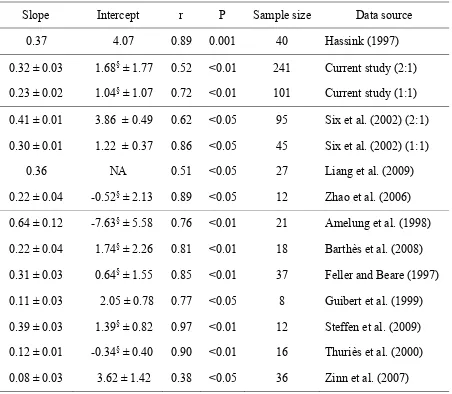
stabilization (third group in Table 1). Slopes of regression lines from these studies ranged
from 0.22 to 0.41. We found statistically significant regressions for data from seven out
of 32 individual studies (e.g., Amelung et al., 1998; Barthes et al., 2008; Feller and Beare,
1997; Guibert et al., 1999; Steffens et al., 2009; Thuriès et al., 2000; Zinn et al., 2007;
fourth group in Table 1). Using data collected from these studies, regression slopes
showed a wider range: from 0.08 to 0.64 (IPCC et al.). The slope of the regression line
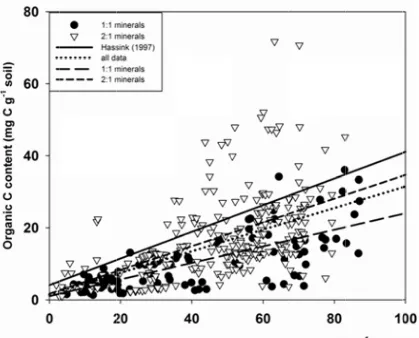
based on the entire dataset of the current meta-analysis was 0.30 with standard error of
0.02 (solid line in Figure 1), which is relatively close to the value reported by Hassink
(1997). This similarity is somewhat surprising because Hassink (1997) used only
uncultivated and grassland soils, while a large number of soils included in the current
analysis were cultivated soils that would presumably decrease the slope.
relationships were not found to be statistically different from zero (third group, Table 1).
Only the data from Guibert et al. (1999) and Zinn et al. (2007) were found to have a
positive intercept. Intercepts were also found to be zero for the composite analyses of
subsets of data for 1:1 and 2:1 minerals (IPCC et al.). Comparison of the slopes generated
in regressions with and without intercepts found that the slopes did not significantly differ.
In their analysis, Liang et al. (2009) found the intercept for their regression was not
significant and therefore used a reduced model without intercept as their final regression
model.
1.3.2 Drawbacks of the least-squares linear regression approach
We propose that the least-squares linear regression approach used by Hassink
(1997) and others to estimate the protective capacity for soil C stabilization suffers from
several significant limitations. One such limitation is the implicit assumption that soil
mineralogy does not affect organic C stabilization on fine soil particles. This was
previously addressed by Six et al. (2002), who generated separate regressions based on
mineral type (IPCC et al.). Our own meta-analysis also showed significantly different
regression parameters: a slope of 0.23 ± 0.02 for 1:1 minerals and a slope of 0.33 ± 0.03
for 2:1 minerals (Table 3; dashed lines in Figure 1). Direct experimental evidence for the
influence of soil mineralogy on organic C stabilization is, however, sparse.
Wattel-Koekkoek et al. (2001) found that the organic C concentration of smectite did not differ
significantly from that of kaolinite, and concluded that soil mineral types did not affect
organic C concentrations. Conversely, Schulten and Leinweber (2000) reviewed studies
of organo-mineral complexes and concluded organic C capacity of different soil minerals
minerals contained greater amounts of organic matter than Luvisols dominated by
kaolinite, feldspars, and quartz, and Denef et al. (2004) reported differing degrees of C
stabilization in soils of contrasting mineralogy through the effect on aggregation. One
difficulty in establishing a strong link between mineralogy and C stabilization is that the
dominance of specific mineral species is frequently associated with climate, which in turn
alters soil C dynamics.
Perhaps a more important drawback lies in the application of least-squares linear
regression itself. Assuming the regression line represents the maximum protective
capacity implies that all samples used to generate the line are near their maximum C
stabilization, with the difference between observed and predicted organic C contents (i.e.,
the dependent variable in the regression) being due to random error. If the organic C
contents of fine soil particles have not reached their maximum, then it is unreasonable to
use such soils to develop a model to predict maximal organic C stabilization. In spite of
the use of only uncultivated and grassland soils in the analysis, there was no information
regarding the degree of C saturation in the soils used to develop the regression in the
original Hassink (1997) study. Given the range of organic C concentrations, land uses,
and soil mineral types in our broader analysis, we suppose that the probability that all
samples were near the protective capacity is quite low.
Additionally, an inherent outcome of a good regression is that the total squared
error above and below the regression line is approximately equal. In essence, the
regression line is designed to pass through the middle of the data points and therefore
represents the mean value. This is contrary to the desire to estimate the maximum SOC
should generally be lower than the predicted maximal stabilization value (i.e., exhibiting
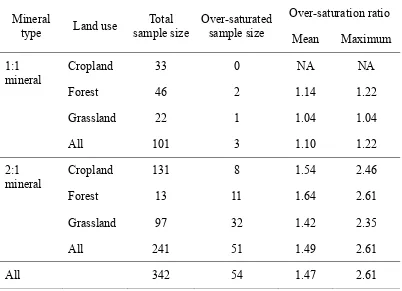
a C saturation deficit), with few and predictable exceptions. We found that a significant
proportion (54 out of 342, 15.8%) of soils to be over-saturated based on predictions using
the Hassink (1997) regression (Table 2). Few soils dominated by 1:1 minerals were found
to be over-saturated, and these were only found in forest and grassland land uses where C
inputs are relatively high. Conversely, for soils dominated by 2:1 minerals, the proportion
of over-saturated soils was much higher: 21.2% overall, 84.6% in forest, 33.0% in
grassland, and 6.1% in cropland.
Lastly, in the case of the compiled data of this analysis, the least-squares
regression between organic C content stabilized on fine soil particles and their mass
proportions in bulk soil violates the assumption of equal variance of the dependent
variable. That is, there is greater variation in values of organic C content as the mass
proportion of fine soil particles in bulk soil increases (Figure. 1).
More generally, a least-squares linear regression approach allows the data to
determine the model. We would argue that an alternative approach that will test the data
against a given, more mechanistic, model is more valuable. The difference between these
approaches is most easily illustrated by the use of an intercept in the regression model.
While an uninformed linear regression approach would allow a non-significant intercept
to remain in the model, a mechanistic approach would provide the rationale for using a
reduced model with no intercept.
1.3.3 Organic C loading method
One alternative approach to estimating maximum soil C stabilization was to use
monolayer-equivalent C loading (~1 mg C m-2). Using this method, the predicted
maximal organic C content of fine soil particles in soils dominated by 1:1 minerals was
generally less than measured organic C contents (Figure 2). Conversely, in soils
dominated by 2:1 minerals, predictions using the organic C loading were higher than
most observed data (Figure 3). There are two ways to explain these observations: an
organic C loading of 1 mg C m-2 does not represent a correct maximal value, or the
assumed value of SSA for 1:1 mineral-dominated soils was incorrect.
The assumption in using this method to predict the maximal organic C content of
fine soil particles was that the organic C loading value of 1 mg C m-2 represents the
maximal amount of C that can be stabilized by fine soil particles. Previous studies have
demonstrated positive relationships between organic C concentration and specific surface
area for both marine sediments and soil particles (Kahle et al., 2003; Keil et al., 1994;
Mayer, 1994; Zinn et al., 2007). Organic C loadings vary greatly, from less than 1 mg C
m-2 often observed in deep soil horizons or with low organic C input (Kahle et al., 2002a;
Mayer, 1994) to those larger than 1 mg C m-2 found in low density fraction samples or
soils dominated by labile organic C (Kahle et al., 2002a; Kögel-Knabner et al., 2008;
Mayer, 1994). Though their intent was not to test for maximal C sorption, Schneider et al.
(2010) generated organo-mineral complexes by mixing dissolved organic matter with
amorphous Al hydroxides, and the resultant C loadings were all below 1.2 mg C m-2. In
another mixing experiment using dissolved organic C and goethite, pyrophyllite, and
vermiculite, the maximal organic C loadings were all less than 1 mg C m-2 (Mikutta et al.,
2007). Several studies have demonstrated the organic matter is not uniformly distributed