Original Research Article.
Awareness and Attitude Concerning Chronic Kidney Disease Risk Factors
In Medina, Saudi Arabia
Abrar Alharbi, Kenana Owidah, Nehal Aluofi, Kafaf Jalali, Mohammad Karbouji
Medical Interns, Faculty of Medicine, Taibah University, Medina, Saudi Arabia.
ABSTRACT
Background: Chronic kidney disease (CKD) is a condition characterized by a gradual loss of kidney function. It’s a major public health problem worldwide. It is an epidemic health problem of increasing prevalence. Chronic kidney disease ranked the 18th grade as the cause of world deaths in 2010. Awareness about chronic kidney disease and its risk factors encourage an early screening and patient can obtain proper treatment earlier without facing complications, however awareness about chronic kidney disease is low across populations.
Aim: To determine the awareness level of Medina population about chronic kidney and it's risk factors.
Methods: This study is cross-sectional descriptive study conducted in Saudi Arabia, Medina. It was conducted between the period from July 2017 until November 2017 using random sampling. The study was performed using questionnaire via social media to be reach for large number of individuals. Inclusion criteria included the general adult population aged from 15-88. Diabetic and hypertensive patients.
Results: The study included 401 individuals, the mean of age ± SD was 42.4±16.1, females represented 71.8% and males represented 28.2%. The awareness rate about CKD was 64.1%, 21.8% of patients with HTN and 23.7% of diabetic
patients had awareness. The individuals with university, high and secondary education level, individuals in the health fields, Female and having hypertension were significant factors. Conclusion: Good level of awareness between population was found, but awareness between HTN and diabetic patients was low. Age, education level, sex, income and relation to health field were significant factors that affected the level of awareness of participants.
Keywords:CKD, CKD Awareness, CKD in KSA.
*Correspondence to:
Abrar Alharbi, Medical Interns, Faculty of Medicine,
Taibah University, Medina, Saudi Arabia. Article History:
Received: 27-10-2017, Revised: 22-11-2017, Accepted: 15-12-2017
Access this article online
Website: www.ijmrp.com
Quick Response code
DOI:
10.21276/ijmrp.2018.4.1.005
INTRODUCTION
Chronic kidney disease (CKD) is major public health problem which is kidney damage irrespective of the type of kidney disease that exceeds 3 months’ duration with a threshold of GFR <60 ml/min/1.73 m2.1 CKD is a universal and growing problem
worldwide. It is absolutely an epidemic of increasing prevalence.2
It is a global problem which affects a population’s health, putting a major load on healthcare systems.3 CKD was rated 18th in the list
of causes of overall number of world deaths in 2010. On the other hand, it was in 29th position in 1990.4 2010 the prevalence of
CKD in Saudi Arabia was 5.7%.5 While this prevalence has
increased in China; to be 13.0%.6 This is close to the percentage
of the population with CKD in USA in all four stages in the period between 1999 and 2004.7 In India, 17.2% presented the
prevalence of CKD.8 In 2013 the World Health Organization’s
(WHO) Global Action Plan for the Prevention and Control of Non-communicable Diseases (NCDs) 2013– 2020 was adopted. This international plan includes a list of nine public health objectives which will help to reduce the global concern of NCDs through
focusing on lifestyle factors and specific NCDs.9 Interestingly, five
of the WHO targets are aimed at important CKD risk factors, namely: physical inactivity10, high dietary salt intake11, smoking12,
diabetes and hypertension.13 Diabetes is one of precipitating
causes of CKD, determining 33% of adult patients with CKD.14
Further, 20% to 40% of diabetic patients will suffer from diabetic nephropathy at the end stage of their disease.15 The number of
diabetic cases increases therefore the incidence of CKD.16
Hypertension is considered a strong leading cause of CKD and found in most patients with renal failure.17 Obesity has been
established as a danger leading to the development of CKD, independently of hypertension, diabetes, and pre-existing renal disease.18 In addition, one of modifiable factors which leads to the
progression of CKD in community is smoking.19,20 According to an
outcome of CKD, one of the major outcomes is Cardiovascular events in those patients where it is regarded to be a leading cause of morbidity and mortality in individuals with kidney disease.21,22
has been a common phenomenon in patients with CKD since it leads to impaired salt and water excretion, resulting in intravascular overload. The abnormal fluid status will increase cardiac load, later causing hypertension, which will in turn cause ventricular hypertrophy, and congestive heart failure. Moreover, also having congestive heart failure is shown to reduce the quality of life and imposes additional health care costs.23-26 A number of
biomarkers of fluid retention include: brain natriuretic peptide (BNP) and N-terminal pro-brain natriuretic peptide (NT-proBNP). These biomarkers can accumulate in CKD patients.27-29 In a
retrospective study conducted in Canada between 2001 and 2008 of 2,887 patients with a GFR between 15 and 60 ml/min per 1.73 m2 at nephrology clinic concluded that heart failure is associated with a stepwise increase of developing ESRD and increased risk of mortality before ESRD in patients with CKD.30 One more
outcome of CKD is dialysis. Unfortunately, those patients on dialysis have a 10- to 30-fold increased risk of cardiovascular mortality compared with the general population.31 Dialysis has
also shown to reduce the quality of life of those patients in relation to the environment and social relationships including suffering from depressive symptoms, anxiety, suicidal attempts and sleep disturbance, all of which more in hemodialysis compared to peritoneal dialysis.32 Awareness of CKD was assessed by several
studies in different countries that indicate a high prevalence of the disease in the presence of low awareness level. It is shown that prior acknowledgment of CKD slows down its progression, and so reducing complications and cardiovascular events. Moreover, early referral to a nephrologist has been shown to improve outcomes for those who progress to the end-stage of renal disease.33-36 Among the African American population a
prospective study revealed prevalence of CKD of 20.0%. It also revealed a high prevalence of kidney disease risk factors such as 60% suffering from HTN, and 20% diabetics, and 40% metabolic syndrome. The study included taking anthropometric measures, BP measurements, urine and blood collection and physical activity. Generally, the awareness level was quiet low ranging from 13-17 %. Only 15.8% of participants with CKD were aware of their disease with no gender differences. A lower level of education was noted, less physical fitness and an increased risk of cardiovascular conditions.37,38 In Tanzania, community-based
studies also proved little knowledge about kidney diseases correlated with the low level of education which triggered a target to establish educational programs in the future.39 Further studies
demonstrate the value of the physician's awareness of CKD. This is shown to be unacceptably low while it is no less important than the community's awareness. The less knowledge physicians have about the risk factors, the fewer diagnostic tests and management of kidney diseases will be available for the patients, which may cause a decline in their kidney function status and contribute to patients’ ignorance about their condition. It should be said that this is not restricted to nephrologists only, but more importantly includes primary health-care practitioners since the number of nephrologists is yet not enough to treat all patients with CKD.40 A
cross–sectional descriptive study based in Nigeria assessed knowledge and risk factors of CKD among 563 adult residents. The analysis showed low levels of awareness (33.7%) and little knowledge of CKD in the community (27.1%) and physicians should discuss the risk factors of kidney disease and correct misconceptions in the clinic with the patients at the nephrology
clinics.41 A study that evaluated the level of awareness in internal
medicine residents revealed among a total of 479 respondents, 99% of residents identified the usual risk factors for CKD as diabetes and hypertension. 87% were aware of the proper assessment of renal function, 90% knew the ideal blood pressure in those patients. On the other hand, more than half were not aware of any guidelines for CKD (KDOQI guidelines) and just half of the residents were lacking awareness of the exact definition of CKD, the CVD outcome of CKD and even less knowledge regarding specific risk factors and the effectiveness of lifestyle modifications on reducing progression to CKD.42 The aim of this
study is to determine the level of awareness of Medina’s population of chronic kidney disease and its risk factors, particularly in diabetic and hypertensive patients.
METHODOLOGY
A cross-sectional descriptive study conducted in Medina, Saudi Arabia. The period of the study is from July 2017 until November 2017 using random sampling. Inclusion criteria included the general adult population aged 14-88 including diabetic and hypertensive patients. Exclusion criteria included incomplete data. After obtaining consent from the participants, the data were collected through social media such as WhatsApp or Twitter as a part of a self-administered electronic questionnaire sent to more than 400 Saudi civilians living in Medina, Western Region, Saudi Arabia. The questions were asked to draw information about age, gender, marital status and education level and patient awareness, which includes general knowledge of CKD, its risk factors, consequences and management. Consent from participants will be taken after explaining to them that all of the information will be confidential and for research purposes only. The data will be entered into the computer and will be analyzed by using the SPSS Version 20 Descriptive Statistics. This will be used to describe demographic and disease characteristics of the patients and their knowledge will be assessed. Percentages and frequencies will be used for the categorical variables, while means and standard deviations will be calculated for the continuous variables. Data are presented as mean ± standard deviation categorical variables were compared using Chi‑square and contingency tables.
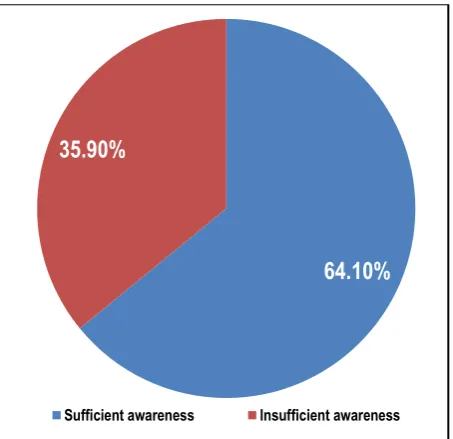
Fig 1: The prevalence of awareness between individuals
64.10%
35.90%
Table 1: Demographics of participants
Variable Participants (n=401)
N (%) AGE (YEARS)
Range 15-88
Mean ± SD 42.4 ± 16.1
Median 40
EDUCATIONAL LEVEL
Illiterate 32 (8)
Elementary 20 (5)
Intermediate 18 (4.5)
Secondary 74 (18.5)
High 38 (9.5)
University 219 (54.6)
RELATED TO HEALTH FIELD
Yes 50 (12.5)
No 351 (87.5)
SEX
Male 113 (28.2)
Female 288 (71.8)
NATIONALITY
Saudi 385 (96)
Non-Saudi 16 (4)
MARITAL STATUS
Single 68 (17)
Married 283 (70.6)
Divorced 15 (3.7)
Widow 35 (8.7)
INCOME
2K-5K 95 (23.7)
5K-7K 69 (17.2)
7K-10K 84 (20.9)
> 10K 153 (38.2)
CHRONIC DISEASE **
Yes 186 (46.4)
No 215 (53.6)
CHRONIC KIDNEY DISEASE
Yes 78 (19.5)
No 323 (80.5)
HTN
Yes 102 (25.4)
No 299 (74.6)
DM
Yes 94 (23.4)
No 307 (76.6)
DM TYPE
Type I 15 (16)
Type II 79 (84)
CARDIAC DISEASE
Yes 33 (8.2)
No 368 (91.8)
OTHER CHRONIC DISEASES
Yes 29 (7.2)
No 372 (92.8)
** Some of them have more than 1 chronic disease, HTN; Hypertension, DM; Diabetes Mellitus.
RESULTS
The present study included 401 individuals; the age range of participants was 15 to 88 years old with a mean ± SD of 42.4± 16.1 years. Females were more dominant 71.8% than males 28.2%. The large majority of individuals had university education 219 (54.6%), while high education and secondary education represented 38 (9.5%) and 74 (18.5%) respectively, there were 18 (4.5%) with intermediate education, 20 (5%) with elementary education and 32 (8%) were illiterate.
Most of individuals weren’t related to health field 351 (87.5%), whereas 50 (12.5%) reported that they were related to health field. There were 385 (96%) Saudi individuals and 16 (4%) only were non-Saudi. There were 283 (70.6%) married individuals, 68 (17%) singles, 35 (8.7%) and 15 (3.7%) were widows and divorced respectively. Regarding the income, 95 (23.7%) had income of 2000 to 5000 SR, 69 (17.2%) had 5000 to 7000 SR, 84 (20.9%) had 7000 to 10000 SR and 153 (38.2%) had more than 10000 SR income. There were 8 questions to investigate the chronic diseases that the participants suffered, some participants suffered more than one disease. There were 186 (46.4%) had chronic diseases, 78 (19.5%) had chronic kidney disease, 102 (25.4%) had hypertension, 33 (8.2%) had cardiac disease, 94 (23.4%) had diabetes mellitus; 15 (16%) of them had type I and 79 (84%) had type II and finally there were 29 (7.2%) suffered other chronic diseases. The demographics of participants are shown in table1. Regarding awareness of individuals, there were 257 (64.1%) had sufficient awareness, while 144 (35.9%) had insufficient awareness, figure1.
Table 2: Answers of participants about the factors lead to CKD
Questions No I don’t Know Yes
Do you think DM lead to CKD 31
(7.7)
126 (31.4)
244 (60.8)
Do you think HTN lead to CKD 26
(6.5)
136 (33.9)
239 (59.6)
Do you think CHD lead to CKD 41
(10.2)
156 (38.9)
204 (50.9) Totally
Agree
Disagree Indifferent Agree Totally Agree
Do you think obesity lead to CKD 4
(1)
53 (13.2)
121 (30.2)
154 (38.4)
69 (17.2)
Genetic material lead to CKD 4
(1)
76 (19)
97 (24.2)
152 (37.9)
72 (18) Do you think repeated inflammation lead to CKD 1
(0.2)
17 (4.2)
52 (13)
204 (50.9)
127 (31.7)
Kidney stones lead to CKD 2
(0.5)
24 (6)
55 (13.7)
201 (50.1)
119 (29.7) Do you think analgesic cold lead to CKD 5
(1.2)
16 (4)
78 (19.5)
149 (37.2)
153 (38.2)
Smoking lead to CKD 3
(0.7)
20 (5)
75 (18.7)
158 (39.4)
145 (36.2)
Table 3: Comparison between the two groups regarding CKD awareness Characteristics of
Participants
Awareness about CKD P value
Sufficient (n=257)
Insufficient (n=144)
AGE MEAN ± SD 40.7 ± 15.3 45.4 ± 17.1 0.006*
EDUCATIONAL LEVEL
Illiterate 17 (6.6) 15 (10.4) 0.035*
Elementary 11 (4.3) 9 (6.3)
Intermediate 6 (2.3) 12 (8.3)
Secondary 47 (18.3) 27 (18.8)
High 26 (10.1) 12 (8.3)
University 150 (58.4) 69 (47.9)
RELATED TO HEALTH FIELD
Yes 41 (16) 9 (6.3) 0.005*
No 216 (84) 135 (93.8)
SEX
Male 63 (24.5) 50 (34.7) 0.029*
Female 194 (75.5) 94 (65.3)
NATIONALITY
Saudi 247 (96.1) 138 (95.8) 0.892
Non-Saudi 10 (3.9) 6 (4.2)
MARITAL STATUS
Single 52 (20.2) 16 (11.1) 0.060
Married 178 (69.3) 105 (72.9)
Divorced 7 (2.7) 8 (5.6)
Widow 20 (7.8) 15 (10.4)
INCOME
2K-5K 57 (22.2) 38 (26.4) 0.024*
5K-7K 38 (14.8) 31 (21.5)
7K-10K 50 (19.5) 34 (23.6)
CHRONIC DISEASE
Yes 115 (44.7) 71 (49.3) 0.380
No 142 (55.3) 73 (50.7)
CHRONIC KIDNEY DISEASE
Yes 45 (17.5) 33 (22.9) 0.189
No 212 (82.5) 111 (77.1)
HTN
Yes 56 (21.8) 46 (31.9) 0.025*
No 201 (78.2) 98 (68.1)
DM
Yes 61 (23.7) 33 (22.9) 0.853
No 196 (76.3) 111 (77.1)
DM TYPE
Type I 11 (18) 4 (12.1) 0.455
Type II 50 (82) 29 (87.9)
CARDIAC DISEASE
Yes 19 (7.4) 14 (9.7) 0.416
No 238 (92.6) 130 (90.3)
OTHER CHRONIC DISEASES
Yes 18 (7) 11 (7.6) 0.814
No 239 (93) 133 (92.4)
DISCUSSION
Awareness of CKD and its risk factors increases availability for early screening and early diagnosis43, hence treatment of CKD is
performed early and this result in decrease in the progression rate of the disease.44 Knowledge of CKD still low across populations40,
low awareness is related to lower CKD perceived susceptibility.45
The present study included 401 participants, there was sufficient awareness in 64.1%, while 35.9% had insufficient awareness about CKD. Our results are better than that found in survey on US adults, where<10% of individuals with CKD had awareness and awareness was present in <40% of individuals with CKD stage 4.46 Another survey from Taiwan on CKD patients showed that the
awareness was 8% and 25% among those with CKD stages 3 and 4, respectively.47 It should be noted that our study performed on
the population with or without CKD and it showed higher rate of awareness than previous studies on patients with CKD. A study reported from rural community of south-west Nigeria showed that the level of awareness was low, where the awareness rate was 33.7% only in general population.41 Tamura et al48 reported 10 %
level of awareness. Globally, it is well known that hypertension was a risk factor for CKD49, and the increase in diabetes
prevalence is associated with CKD50 and 25-40% of those with
type 2 diabetes risk of developing CKD.51 The current study
showed that 60.8% thought that DM was a risk factor for CKD, 59.6% and 50.9% informed that HTN and CHD respectively were risk factors for CKD. In a study on urban African-American adults52
it was found that only 18% and 14% knew that diabetes and hypertension respectively were risk factors for the development of CKD. Lower percent of awareness about diabetes and hypertension as risk factors were reported in an Australian study, where 9% and 3% knew that diabetes and hypertension respectively were risk factors.53 It was reported from a study on
rural population that less than 50% and 1/3 of population thought that hypertension and diabetes respectively lead to CKD.41 In this
study, 38.4% and 17.2% of individuals were agreed and totally agree that obesity was a risk factor for CKD respectively. It is
known that obesity is related to CKD and its progression.50 By
asking participants if genetic material was a risk factor for CKD, there were 37.9% agree and 28% were totally agree, while only 10 % thought it was hereditary in a previous study.41 There were
50.9% agree and 31.7% totally agree that repeated inflammation leads to CKD. Regarding kidney stones as a risk factor for CKD, there were 50.1% agree and 29.7% totally agree. It was reported that continues use of NSAIDs compounds may increase the risk of CKD54, NSAIDs have adverse renal effects including nephrotic
syndrome with interstitial nephritis, interstitial nephritis, papillary necrosis, acute renal failure and chronic renal failure with or without glomerulopathy.55 In one study41 it was reported that 30%
of individuals thought that NSAIDs adversely affected the kidney. In the current study, there were 37.2% agree that analgesic was CKD risk factor and 38.2% were totally agree. It was thought that CKD prevalence will increase, where smoking increase substantially56 as smoking has serious consequences on CKD
patients by its influence on CKD progression.57 In the present
study, there were 36.2% totally agree that smoking was a risk factor and 39.4% were agree. Regarding the factors that may influence awareness of population, we found that nationality, marital status, chronic disease as CKD, cardiac disease and diabetes mellitus type didn’t effect on the awareness of participants, however age, higher education, individuals' relation to health field, gender, income and having HTN were significantly affected the awareness of individuals about CKD. Patients with HTN represented 21.8% of individuals with sufficient awareness, while there were 23.7% of diabetic patients had sufficient awareness. It was found that increased age was related to increase in awareness in African- Americans58, and it was found
no effect of age on awareness of CKD status46, however in the
present study, younger age was related to higher awareness and this was in agreement with the results of a Nigerian study on the rural population, which reported that older individuals were of less awareness.41 The previous study showed that there was a positive
was in agreement with our results. In the contrary to our results, the previous study41 demonstrated that males had higher
awareness than female, whereas in our study we found that 75.5% of sufficient awareness were females. As far as we know, the present study was the first study to assess the awareness about CKD between population, the previous studies were performed either on CKD patients or those with CKD developing risk, the only study was found performed on population was from Nigeria, however our study covered investigation about more risk factors and factors that may influence the awareness level of individuals. Further studies are recommended to investigate the awareness between larger sample size.
CONCLUSION
From the present study we concluded that there was a good level of awareness (64.1%) between Saudi population in Medina. Age, education level, relation to health field, gender, income and hypertension were significant factors that affected awareness of patients. Low percentage of either hypertensive or diabetic patient had sufficient awareness about CKD although they are at risk of developing CKD.
ACKNOWLEDGMENT
We would like to acknowledge the efforts of our supervisors Prof. Ghada A. Wassif and Dr. Abdulwahab alharthi who helped us in every step of our study. We also appreciate the medical inters Doa'a alamri, Bashayr Saeed Alharbi, Lamia Khalif Alharbi and the medical student Amjad Taj Mohammad for their effort as data collectors.
REFERENCES
1. Levey AS, Coresh J, Balk E, Kausz AT, Levin A, Steffes MW, Hogg RJ, Perrone RD, Lau J, Eknoyan G: National Kidney Foundation practice guidelines for chronic kidney disease: evaluation, classification, and stratification. Ann Intern Med 2003,139:137-147. 2. McCullough, B., et al. [2010] Sustainable community-based CKD screening methods employed by the National Kidney Foundation’s Kidney Early Evaluation Program [KEEP]. American Journal of Kidney Diseases, 57, S4-S8
3. Khalil, A., Frazier, K., Lennie, T. & Saway, P. [2011]. Depressive symptoms and dietary adherence in patients with end-stage renal disease. Journal of Renal Care, 37, 30-39
4. Bikbov B, Perico N, Remuzzi G. Mortality landscape in the global burden of diseases, injuries and risk factors study. Eur J Intern Med 2014;25:1‑5.
5. Abdulkareem O, Youssef M.K et al. Epidemiology of Chronic Kidney Disease in the Kingdom of Saudi Arabia (SEEK-Saudi Investigators) – A Pilot Study, Saudi J Kidney Dis Transplant 2010;21(6):1066-1072
6. Zhang L, Zhang P, Wang F, et al. Prevalence and factors associated with CKD: A population study from Beijing. Am J Kidney Dis 2008; 51:373-84.
7. Coresh J, Selvin E, Stevens LA, et al. Prevalence of chronic kidney disease in the United States. JAMA 2007;298(17):2038-47.
8. Ajay K, Youssef MK et al. Epidemiology and risk factors of chronic kidney disease in India – results from the SEEK (Screening and Early Evaluation of Kidney Disease) study, Singh et al. BMC Nephrology 2013, 14:114
9. WHO. Global Action Plan for the Prevention and Control of Noncommunicable Diseases 2013–2020. Geneva: WHO, 2013,
10. Warburton DE, Nicol CW, Bredin SS. Health benefits of physical activity: the evidence. CMAJ 2006; 174: 801–809
11. Thijssen S, Kitzler TM, Levin NW. Salt: its role in chronic kidney disease. J Ren Nutr 2008; 18: 18–26
12. Orth SR, Hallan SI. Smoking: a risk factor for progression of chronic kidney disease and for cardiovascular morbidity and mortality in renal patients—absence of evidence or evidence of absence? Clin J Am Soc Nephrol 2008; 3: 226–236
13. Gansevoort RT, Correa-Rotter R, Hemmelgarn BR et al. Chronic kidney disease and cardiovascular risk: epidemiology, mechanisms, and prevention. Lancet 2013; 382: 339–352 .
14. National Kidney Foundation. K/DOQI clinical practice guidelines for chronic kidney disease: evaluation, classification, and stratification. Am J Kidney Dis 2002; 39(2 Supple 1): S1–266.
15. Levin A, Singer J, Thompson CR, Ross H, Lewis M. Prevalent LVH in the predialysis population: identifying opportunities for intervention. Am J Kidney Dis. 1996; 27: 347–354.
16. Ernesto L. Schiffrin et al. Cardiovascular Involvement in General Medical Conditions; Chronic Kidney Disease: Effects on the Cardiovascular System. Circulation. 2007; 116: 85-97.
17. Guyton AC, Coleman TG, Wilcox CS. Quantitative analysis of the pathophysiology of hypertension.J Am Soc Nephrol.1999;10:2248-49. 18. Ejerblad E, Fored CM, Lindblad P, et al. Obesity and risk for chronic renal failure. J Am Soc Nephrol. 2006;17:1695–702. 19. Yamagata K, et al.: Risk factors for chronic kidney disease in a community-based population: a 10-year follow-up study. Kidney Int 2007, 71(2):159-66.
20. Rabi Yacoub, Habib Habib, Ayham Lahdo, et al. Association between smoking and chronic kidney disease: a case control study. BMC Public Health 2010, 10:731.
21. Anderson, R.N. and Smith, B.L. Deaths (leading causes for 2002). Natl Vital Stat Rep. 2005; 53: 1–89
22. Levey, A.S., Coresh, J., Balk, E. et al. National Kidney Foundation practice guidelines for chronic kidney disease (Evaluation, classification, and stratification). Ann Intern Med. 2003; 139: 137–147 23. Meguid ElNahas A, Bello AK: Chronic kidney disease: The global challenge. Lancet 365: 331–340, 2005
24. Go AS, Chertow GM, Fan D, McCulloch CE, Hsu CY: Chronic kidney disease and the risks of death, cardiovascular events, and hospitalization. N Engl J Med 351: 1296–1305, 2004
25. Wizemann V, Leibinger A, Mueller K, Nilson A: Influence of hydration state on plasma volume changes during ultrafiltration. Artif Organs 19: 416–419, 1995
26. Wizemann V, Schilling M: Dilemma of assessing volume state— the use and the limitations of a clinical score. Nephrol Dial Transplant 10: 2114–2117, 1995
27. Kalantar-Zadeh K, Regidor DL, Kovesdy CP et al. Fluid retention is associated with cardiovascular mortality in patients undergoing longterm hemodialysis. Circulation 2009; 119: 671–679.
28. Agarwal R. Hypervolemia is associated with increased mortality among hemodialysis patients. Hypertension 2010; 56: 512–517. 29. Wang AY, Lai KN. Use of cardiac biomarkers in end-stage renal disease. J Am Soc Nephrol 2008; 19: 1643–1652
30. Sud, Maneesh, et al. "ESRD and Death after Heart Failure in CKD." Journal of the American Society of Nephrology 26.3 (2015): 715-722.
31. Foley RN, Parfrey PS, Sarnak MJ. Clinical epidemiology of cardiovascular disease in chronic renal disease. Am J Kidney Dis. 1998;32(5)(suppl 3):S112-119.
33. Lin CL, Chuang FR, Wu CF, Yang CT. Early referral as an independent predictor of clinical outcome in end-stage renal disease on hemodialysis and continuous ambulatory peritoneal dialysis. Ren Fail 2004;26(0886-022; 5):531–537. [PubMed: 15526911]
34. Kinchen KS, Sadler J et al. The timing of specialist evaluation in chronic kidney disease and mortality. Ann Intern Med 2002;137(6):479–486. [PubMed: 12230348]
35. Roderick P, Jones C, Drey N, Blakeley S, Webster P, Goddard J, Garland S, Bourton L, Mason J, Tomson C. Late referral for end-stage renal disease: a region-wide survey in the south west of England. Nephrol Dial Transplant 2002;17(7):1252–1259. [PubMed: 12105249] 36. Jungers P, Massy ZA et al. Longer duration of predialysis nephrological care is associated with improved longterm survival of dialysis patients. Nephrol Dial Transplant 2001;16(12):2357–2364. [PubMed: 11733627]
37. Flessner, Michael F., et al. "Prevalence and awareness of CKD among African Americans: The Jackson heart study." American journal of kidney diseases 53.2 (2009): 238-247.
38. Taylor H, Liu J, Wilson G, Golden S, Crook E, Brunson C, Steffes M, Johnson W, Sung J. Distinct component profiles and high risk among African Americans with metabolic syndrome: the Jackson Heart Study. Diabetes Care. 2008;31:1248–1253.
39. Stanifer, John W., et al. "Knowledge, attitudes, and practices associated with chronic kidney disease in northern Tanzania: a community-based study." PloS one 11.6 (2016): e0156336.
40. Plantinga, Laura C., Delphine S. Tuot, and Neil R. Powe. "Awareness of chronic kidney disease among patients and providers." Advances in chronic kidney disease 17.3 (2010): 225-236.
41. Oluyombo, R., et al. "Awareness, knowledge and perception of chronic kidney disease in a rural community of South West Nigeria." Nigerian journal of clinical practice 19.2 (2016): 161-169.
42. Agrawal, Varun, et al. "Awareness and knowledge of clinical practice guidelines for CKD among internal medicine residents: a national online survey." American Journal of Kidney Diseases 52.6 (2008): 1061-1069.
43. Veluswamy SK, Maiya AG, Nair S, Guddattu V, Nair NS and Vidyasagar S. Awareness of chronic disease related health benefits of physical activity among residents of a rural South Indian region: A cross sectional study. Int J Behav Nutr Phys Act; 2014:11:27. 44. Prochaska JO and DiClemente CC. Stages and processes of self change of smoking: Toward an integrative model of change. J Consult Clin Psychol; 1983:51:390 5.
45. Boulware LE, Carson KA, Troll MU, Powe NR and Cooper LA. Perceived susceptibility to chronic kidney disease among high risk patients seen in primary care practices. J Gen Intern Med; 2009:24:1123 9.
46. Plantinga LC, Boulware LE, Coresh J, Stevens LA, Miller ER , Saran R, et al. Patient awareness of chronic kidney disease: trends and predictors. Arch Intern Med; 2008:168(20):2268–2275.
47. Hsu CC, Hwang SJ, Wen CP, Chang HY, Chen T, Shiu RS, et al. High prevalence and low awareness of CKD in Taiwan: a study on the relationship between serum creatinine and awareness from a nationally representative survey. Am J Kidney Dis;2006:48(5):727–38.
48. Tamura MK, Anand S, Li S, Chen SC, Whaley Connell AT, Stevens LA, et al. Comparison of CKD awareness in a screening population using the Modification of Diet in Renal Disease (MDRD) study and CKD Epidemiology Collaboration (CKD EPI) equations. Am J Kidney Dis; 2011:57 3 Suppl 2:S17 23
49. Barri YM. Hypertension and kidney disease: a deadly connection. Curr Cardiol Rep; 2006:8:411-417.
50. Ginawi IB, Ahmed HG and Al-hazimi AM. Assessment of Risk Factors for Chronic Kidney Disease in Saudi Arabia. International Journal of Science and Research (IJSR);2014:3(7)446-450.
51. Whiting DR, Guariguata L, Weil C, et al. IDF diabetes atlas: global estimates of the prevalence of diabetes for 2011 and 2030. Diabetes Res Clin Pract; 2011: 94:311–21.
52. Waterman AD, Browne T, Waterman BM, Gladstone EH and Hostetter T. Attitudes and behaviors of African Americans regarding early detection of kidney disease. Am J Kidney Dis; 2008:51(4):554– 562.
53. White SL, Polkinghorne KR, Cass A, Shaw J, Atkins RC and Chadban SJ. Limited knowledge of kidney disease in a survey of AusDiab study participants. Med J Aust; 2008:188(4):204–208. 54. Fored CM, Ejerblad E, Lindblad P et al. Acetaminophen, aspirin, and chronic renal failure. N Engl J Med; 2001: 345: 1801–1808. 55. Bennett WM, Henrich WL and Stoff JS. The renal effects of nonsteroidal anti-inflammatory drugs: summary and recommendations. Am J Kidney Dis; 1996:281 suppl 1S56–62. 56. Cass SL, A, Atkins RC and Chadban SJ. Chronic kidney disease in the general population. Adv Chronic Kidney Dis; 2005:12 :5– 13. 57. Orth SR, and Hallan SI. Smoking: A Risk Factor for Progression of Chronic Kidney Disease and for Cardiovascular Morbidity and Mortality in Renal Patients—Absence of Evidence or Evidence of Absence? CJASN; 2008:3(1): 226-236.
58. Flessner MF, Wyatt SB, Akylbekova EL, Coady S, Fulop T, Lee F, et al. Prevalence and awareness of CKD among African Americans: the Jackson Heart Study. Am J Kidney Dis; 2009:53(2):238–247.
[
Source of Support: Nil.
Conflict of Interest: None Declared.
Copyright: © the author(s) and publisher. IJMRP is an official publication ofIbn Sina Academy of Medieval Medicine & Sciences, registered in 2001 under Indian Trusts Act, 1882.
This is an open access article distributed under the terms of the Creative Commons Attribution Non-commercial License, which permits unrestricted non-commercial use, distribution, and reproduction in any medium, provided the original work is properly cited.
Cite this article as: Abrar Alharbi, Kenana Owidah, Nehal Aluofi, Kafaf Jalali, Mohammad Karbouji. Awareness and Attitude Concerning Chronic Kidney Disease Risk Factors In Medina, Saudi Arabia. Int J Med Res Prof. 2018 Jan; 4(1):14-20.