
R E V I E W
Open Access
Animal contact as a source of human
non-typhoidal salmonellosis
Karin Hoelzer
*, Andrea Isabel Moreno Switt and Martin Wiedmann
Abstract
Non-typhoidalSalmonellarepresents an important human and animal pathogen world-wide. Most human salmonellosis cases are foodborne, but each year infections are also acquired through direct or indirect animal contact in homes, veterinary clinics, zoological gardens, farm environments or other public, professional or private settings. Clinically affected animals may exhibit a higher prevalence of shedding than apparently healthy animals, but both can shedSalmonellaover long periods of time. In addition, environmental contamination and indirect transmission through contaminated food and water may complicate control efforts. The public health risk varies by animal species, age group, husbandry practice and health status, and certain human subpopulations are at a heightened risk of infection due to biological or behavioral risk factors. Some serotypes such asSalmonellaDublin are adapted to individual host species, while others, for instanceSalmonellaTyphimurium, readily infect a broad range of host species, but the potential implications for human health are currently unclear. Basic hygiene practices and the implementation of scientifically based management strategies can efficiently mitigate the risks associated with animal contacts. However, the general public is frequently unaware of the specific disease risks involved, and high-risk behaviors are common. Here we describe the epidemiology and serotype distribution ofSalmonellain a variety of host species. In addition, we review our current understanding of the public health risks associated with different types of contacts between humans and animals in public, professional or private settings, and, where appropriate, discuss potential risk mitigation strategies.
Table of contents
1. Public Health and Economic Costs Associated with Salmonella
2. Salmonella Epidemiology and Transmission Dynamics
3. Mammals as Source of Human Infection
3.1. Mammalian livestock species andSalmonella 3.1.1. The global distribution and economic importance of livestock.
3.1.2. Cattle andSalmonella
3.1.2.1. The clinical and economic impor-tance ofSalmonellainfections among cattle 3.1.2.2. The public health importance of Sal-monellainfection among cattle
3.1.3. Small ruminants andSalmonella
3.1.3.1. The clinical and economic impor-tance of Salmonellainfections among small ruminants
3.1.3.2. The public health importance of Sal-monellainfection among small ruminants 3.1.4.Salmonellaand pigs
3.1.4.1. The clinical and economic impor-tance of Salmonellainfections among pigs 3.1.4.2. The public health importance of Sal-monellainfection among pigs
3.2. Companion animals andSalmonella
3.2.1. The changing role of companion animals in the 20th century
3.2.2. Salmonella infections in horses and humans
3.2.2.1. The clinical and economic impor-tance of Salmonellainfections among horses 3.2.2.2. The public health importance of Sal-monellainfection among horses
3.2.3. Salmonella infections in dogs, cats and humans
* Correspondence: [email protected]
Department of Food Science, 410 Stocking Hall, Cornell University, Ithaca, NY 14853, USA
3.2.3.1. The veterinary importance of Salmo-nellainfections among dogs and cats
3.2.3.2. The public health risk associated with Salmonellainfection among dogs and cats 3.2.4. Commercial pet food and treats as sources of infection.
3.3. Rodents, Rabbits andSalmonella
3.3.1. The clinical and environmental importance of Salmonella infections among rodents and rabbits
3.3.2. The public health importance of Salmo-nellainfections among rodents and rabbits 3.4. The role of non-traditional mammalian pets and wildlife
3.4.1. Exotic pets, wildlife andSalmonella
4. Avian Sources of Human Salmonellosis
4.1. Overview ofSalmonellainfections in birds 4.2.Salmonellainfections among galliform birds 4.3.Salmonellainfections among anseriform birds 4.4.Salmonellainfections among columbiform birds 4.5. Salmonellainfections among passerine birds, psittacine birds, and other non-domesticated birds
5. Reptiles, Amphibians and Fish as Sources of Human Infection
5.1. Reptiles andSalmonella
5.1.1. Salmonellaprevalence and serotype diver-sity among reptiles
5.1.2. The risk associated with contacts to reptiles
5.1.3.Salmonella–related regulations of pet tur-tle commerce
5.2. Amphibians andSalmonella 5.3. Fish and Salmonella
5.3.1. The risk associated with contacts to fish
6. Invertebrates andSalmonella
7. Animal Contact in Public Settings as Source of Human Infection
7.1. Human outbreaks linked to animal contacts in public settings
7.2. Current legislation and recommendations: case study USA
8. Conclusions
1. Public Health and Economic Costs Associated with Salmonella
Salmonella is an important foodborne pathogen world-wide. A recent study estimated that approx. 93.8 (95%
Confidence Interval: 61.8-163.6) million human cases of gastroenteritis and 155 000 (95% Confidence Interval: 39 000 - 303 000) deaths occur due toSalmonella infec-tion around the world each year [1]. In the USA alone, Salmonella causes an estimated 1.4 million human cases, 15 000 hospitalizations and more than 400 deaths annually [2,3]. However, only a fraction of cases is reported, and in the USA, only an estimated 1-5% of cases are laboratory confirmed and reported to the Cen-ters for Disease Control and Prevention (CDC) [4]. In 2006, the national case rate in the USA equaled 13.6 reported cases per 100 000 population per year [4]. Rates varied considerably by geographic region, with estimates particularly high in the Mid-Atlantic and New England States. This heterogeneity is likely in part due to differences in reporting. Differences in salmonellosis case rates between geographically and socio-economically similar USA states have been documented, with rates dif-fering by as much as 200% between neighboring states [4]. Similarly, of the 168 929 human cases reported in the European Union (EU) during 2005, 31% stemmed from Germany even though less than 20% of the EU’s popula-tion resides in Germany, again suggesting reporting differences [5,6].
In 1999, non-typhoidal Salmonella infections in the USA were estimated to contribute 10% of foodborne human illnesses, 26% of hospitalizations, and 31% of deaths attributable to infections by known foodborne pathogens, thereby ranking first among all bacterial foodborne pathogens in hospitalizations and deaths and second afterCampylobacter in the number of illnesses [3]. In 2009, Salmonella was the most commonly reported bacteriological agent of human foodborne dis-ease in the USA, causing approx. 44% of confirmed foodborne bacterial infections [7]. More than 20% of human clinical Salmonella isolates in the USA are obtained from children under the age of 5 years, emphasizing the great importance of this age group [8,9]. Approx. 1% of Salmonella cases are thought to require hospitalization [10]. However, due to the high prevalence of Salmonella infections, the Economic Research Service of the United States Department of Agriculture (USDA) [11] estimated the annual cost inflicted on the USA economy to equal approx. 2.5 bil-lion US dollar, thereby clearly exceeding the annual economic cost attributable to human infections by Escherichia coli($460 million) orListeria monocytogenes ($2 billion) [12].
2. SalmonellaEpidemiology and Transmission Dynamics
Host specific serotypes, for instance serotypes Paratyphi A, Gallinarum biovars Gallinarum and Pullorum, or Typhi only cause disease in one host species [13,14]. In contrast, host restricted serotypes are predominantly associated with one host species, but can cause disease in other species as well [13]. Salmonella Dublin, for example, is adapted to cattle but infections in small ruminants, pigs and humans have also been documen-ted, and serotype Choleraesuis is adapted to swine but has also been isolated from a range of other host species [15,16]. Generalist serotypes such asSalmonella Typhi-murium commonly cause disease in a broad range of hosts, even though a narrow host range has been described for certain subtypes, for instance Typhimur-ium subtypes DT2 and DT99, which appear to be adapted to pigeons [17]. Serotypes with broad and nar-row host range seem to differ in clinical manifestation even though other factors such as host species, age, and concomitant disease affect the clinical manifestation as well (see [17] for a comprehensive review). Infections with generalist serotypes are often characterized by high morbidity but low mortality, and gastro-intestinal symp-toms are the predominant clinical manifestation [13,17]. On the contrary, infections with host adapted or restricted serotypes, such as Choleraesuis, Abortusequi, Gallinarum biovar Gallinarum, or Gallinarum biovar Pullorum, are typically characterized by low morbidity and high mortality, and systemic disease is common [13,17].
Salmonella serotypes clearly seem to differ in their pathogenic potential for humans and serotype distribu-tions often vary vastly between human and animal populations as well as among different animal popula-tions in the same geographic area (see Additional file 1: Table S1). For instance, approximately 40% of all known Salmonellaserotypes are predominantly associated with reptiles or amphibians, yet less than 1% of human sal-monellosis cases are caused by these reptile-associated serotypes. The molecular determinants of serotype-specific host range differences have so far largely remained elusive. However, serotype-specific differences in virulence have been characterized in some cases. For instance, in competition experiments with Salmonella Typhimurium, reptile-associated Salmonella Arizonae and Diarizonae showed a significantly reduced ability to colonize and persist in the intestine of BALB/c mice, clearly suggesting virulence differences [18].
Majowicz et al. [1] recently estimated that approx. 80.3 of 93.8 million humanSalmonella-related gastroen-teritis cases that are estimated to occur globally each year are foodborne, thus representing approx. 86% of human salmonellosis cases. Another study based on for-mal elicitation of expert opinion estimated that approx. 55% (range 32-88%) of human Salmonella cases are
foodborne, 14% (range 3-26%) are travel-related, 13% (range 0-29%) are acquired through environmental sources, 9% (range 0-19%) occur due to direct human-to-human transmission and 9% (range 0-19%) are attri-butable to direct animal contact [5,19]. Yet another study, based on surveillance data, estimated that 95% of non-typhoidal human Salmonellacases in the USA are foodborne, emphasizing the complexity and controversy of the subject matter [3]. Food products derived from the animal species discussed in this review can also serve as sources of human infection, and such products have been implicated in numerous human outbreaks. However, as this review focuses on animal-acquired infection, foodborne infections will not be further dis-cussed here. Several excellent reviews of foodborne sal-monellosis have been published in recent years, and the reader is referred to these publications for further details regarding infections associated with the consumption of meat, eggs, dairy products, vegetables, reptile products, and other foods (see for instance [10,20-29]).
The comparison of Salmonellaoutbreak and surveil-lance data across geographic regions or from different time periods represents a considerable challenge. The advent of novel molecular subtyping methods has noticeably improved discriminatory power, with impor-tant impacts on sensitivity and specificity [30]. The impacts of differences in public health infrastructure, disease surveillance sampling plans, public health legisla-tion etc. are difficult to measure, but differences in apparent prevalence between states or countries are clearly noticeable. Case and outbreak definitions are also variable. For clarity, we will henceforth define“case”to refer to any instance where strong epidemiological or molecular evidence suggests an animal source of human infection, while trying to point out instances where such conclusions are solely based on serotype data or circum-stantial epidemiological links. Furthermore, we will define an outbreak as an event where two or more human cases are presumably linked to the same source. We acknowledge that the epidemiological definition of an outbreak differs from this definition, but due to the large amount of underreporting and the problem of attributing cases with broad host-range serotypes to ani-mal sources we chose this definition.
literature. Animal acquired infections are therefore prob-ably strongly underreported, and the data is potentially biased towards larger outbreaks, uncommon serotypes, certain animal species, and unusual exposures.
3. Mammals as Source of Human Infection 3.1. Mammalian livestock species andSalmonella 3.1.1. The global distribution and economic importance of mammalian livestock
The estimated number of mammals farmed for agricul-tural purposes around the world exceeds 4 billion ani-mals [37]. In 2006, approx. 20% of the world’s population, equaling approx. 1.3 of 6.55 billion people, were employed in the livestock sector, and livestock accounted for approx. 40% of global agricultural output [38]. An estimated 1 billion pigs and 2 billion small ruminants are farmed worldwide [39]. The global cattle population is believed to equal approx. 1.3 billion animals, and 181 million buffaloes as well as approx. 24.7 million camels are farmed for commercial purposes around the world [37]. The relative and absolute abun-dance of livestock differs considerably by country and geographic area. For instance, the USA is the world’s largest producer of beef and the third-largest producer of pork, while large numbers of cattle and pigs are also farmed in the EU [37]. Australia is a leading producer of wool and sheep meat, and India is an important cer of goat, buffalo and cow milk and a leading produ-cer of goat and buffalo meat. Africa as well as parts of Western Asia are major producers of camel and goat products [37].
3.1.2. Cattle and Salmonella
3.1.2.1. The clinical and economic importance of Sal-monella infections among cattleAbortions attributable toSalmonella infection are possible but rare in cattle, thus economic losses in cattle operations are primarily due to increased mortality, performance losses, and direct and indirect costs associated with treatment and infection control (see [40] for a review of the topic). Mortality rates attributable to Salmonellainfection are particularly high in young animals, which also gener-ally require the greatest amount of treatment. Signifi-cant weight losses in calves due to Salmonella infection have been reported in numerous studies, even though surviving calves seem to regain the weight after recovery (see [40]). In addition, Salmonella infec-tion often leads to increased feed costs due to dimin-ished feed conversion [40].
Clinically, Salmonella infection in cattle is typically manifested as watery or bloody diarrhea, and often asso-ciated with fever, depression, anorexia, dehydration and endotoxemia. Less common clinical manifestations include abortion and respiratory disease, and mortality rates can be high. Particularly in adult animals
Salmonellafrequently causes subclinical disease, and is known to persist on infected farms for months or years [41-44]. Individual animals shed Salmonella intermit-tently, over variable periods of time, and infections with host adapted serotypes such as SalmonellaDublin may potentially result more frequently in the development of asymptomatic shedders than infections with broad host-range serotypes [45]. One recent study estimated the median duration of shedding in dairy cattle to equal 50 days, with a maximum duration of 391 days, and the results appear comparable to previous reports [46,47]. However, the duration of Salmonella persistence in herds exceeds maximum shedding durations observed for individual animals, and is believed to be largely attri-butable to endemic Salmonella infections within the herd [47]. Several studies report isolatingSalmonellaat high rates from farm environments, a likely important Salmonellareservoir [43,47-50].
Salmonellawithin- and between-herd prevalence esti-mates vary considerably, with between-herd point preva-lence estimates for cattle operations ranging from 2-42% and within-herd estimates for these operations ranging from 0-37% [47,51-57]. In addition, herds with clinically sick animals are generally characterized by higher within-herd prevalence than herds where clinical salmo-nellosis is absent, and serotype distribution may differ between herds with and without clinical cases [58-63]. Large herd size represents an important risk factor for salmonellosis, and the risk of Salmonella shedding seems to vary by production system, housing type, gen-eral hygiene level, management type and animal age, although the results reported in the literature have been somewhat contradictory [64]. Calves, heifers, and peri-parturient cows generally appear to be at a particular risk of infection, and one study found heifers and peri-parturient cows to be the most likely cattle to become asymptomatic carriers [47,65,66].
the serotypes most commonly isolated from healthy USA dairy cattle in 1996 [68]. In comparison, serotypes Montevideo, I 6,7:k:-, Braenderup, Meleagridis, Newport and I 3,10:-:1, were the serotypes most commonly iso-lated from USA beef cattle in 2007/2008, and serotypes Typhimurium, Anatum, Dublin, Montevideo, and New-port were the serotypes most commonly isolated from USA beef herds in 1999 [69,70]. The implications of these differing serotype distributions for human health, however, are currently difficult to assess.
3.1.2.2 The public health importance of Salmonella infection among cattleCattle play a paramount role as source of foodborne infection, and a considerable number of serotypes frequently isolated from humans have been isolated from sick or clinically healthy cattle (Additional file 1: Table S1). Some human cases have also been linked to direct cattle exposure (Table 1). For instance, in 2002 and 2004, human SalmonellaNewport outbreaks in Michigan were linked to cattle contact in a public setting; in 2001, SalmonellaNewport was trans-mitted to humans during a farm visit, even though the consumption of contaminated raw milk may have been a contributing factor; and in 2000, serotype Typhi-murium was transmitted to children at a farm camp. In several instances, attribution of human cases to cattle exposure is further complicated by simultaneous con-sumption of raw milk or cheese from the same farm, as illustrated by recent outbreaks ofSalmonellaNewport and Dublin (Table 1). Nail biting, contact with manure, thumb sucking, eating, or having soiled hands and shoes have been identified as risk factors for animal-acquired E. coli infections, and a similar role for Salmonella appears likely [71]. Much less is known about the Sal-monellarisk posed to humans by indirect animal con-tacts, especially through environmental contamination. Further studies, especially on spatial clustering of human cases around livestock premises, are needed to assess the indirect risks posed by livestock operations.
In conclusion, the studies summarized above show that direct cattle contacts represent a potential human health risk. Clinically sick animals probably pose the greatest risk to humans because they are more likely to shed Salmonella, and at higher concentration, than apparently healthy animals. However, even asympto-matic carriers can shed Salmonella for long periods of time, and increased stress, as often experienced during exhibitions, represents an important risk factor for shed-ding. In addition, herds with clinical signs ofSalmonella have higher within-herd prevalence than those without clinical signs, Salmonellaprevalence is correlated with animal age as well as management-related factors, and environmental contamination can play an important epi-demiologic role. Clinically affected herds and certain management systems may therefore pose an increased
risk to the public. Several additional management prac-tices may mitigate the human health risk associated with cattle contacts, for instance strict enforcement of good hygiene practices, the prevention of contact with manure, or targeted education of vulnerable human sub-populations. Several Salmonella infections have been attributed to occupational livestock contact (see for instance [36,72,73]). Surprisingly, a considerable number of cutaneous infections among veterinarians have been reported as results of obstetric manipulations, reinfor-cing the need for good hygiene practices and adequate protective equipment (Table 1). However, quantitative estimates of the occupational risks are scarce. One study reportedSalmonella-specific antibodies in 60% of poul-try workers and nearly 10% of workers in meat-packa-ging plants in Russia, with highest prevalence among those handling sick poultry or pathological material (or consuming raw meat sausages) [74]. Similarly, occupa-tional transmission of Salmonella Typhimurium to a slaughterhouse employee has been reported by Molbak et al. [75]. Another study found nearly 9% of poultry workers and 6% of duck workers were Salmonella car-riers, with intermittent clinical symptoms [76]. Conver-sely, another study ofSalmonellaMuenster reported no occupational transmission in an affected dairy herd, but the study relied exclusively on self-reporting of clinical disease in farm personnel, and sample size as well as observational period were limited [77]. Future studies are therefore clearly needed to understand the magni-tude and specific nature of the risks associated with occupational exposure.
3.1.3. Small ruminants and Salmonella
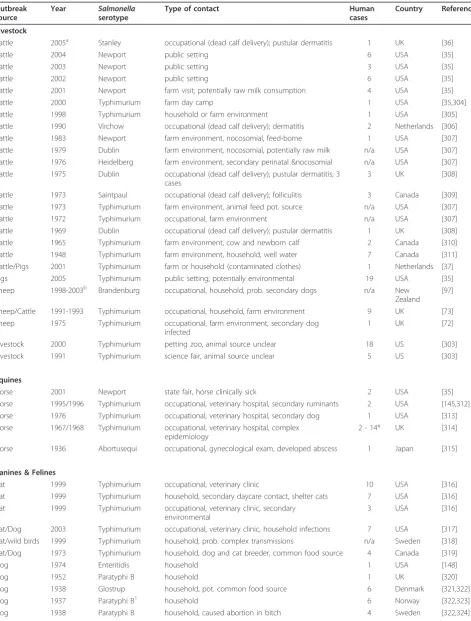
Table 1 Documented reports ofSalmonellatransmissions from mammals to humans available in the peer-reviewed literature or otherwise published by public health agencies
Outbreak source
Year Salmonella serotype
Type of contact Human
cases
Country Reference
Livestock
Cattle 2005a Stanley occupational (dead calf delivery); pustular dermatitis 1 UK [36]
Cattle 2004 Newport public setting 6 USA [35]
Cattle 2003 Newport public setting 3 USA [35]
Cattle 2002 Newport public setting 6 USA [35]
Cattle 2001 Newport farm visit; potentially raw milk consumption 4 USA [35]
Cattle 2000 Typhimurium farm day camp 1 USA [35,304]
Cattle 1998 Typhimurium household or farm environment 1 USA [305]
Cattle 1990 Virchow occupational (dead calf delivery); dermatitis 2 Netherlands [306]
Cattle 1983 Newport farm environment, nocosomial, feed-borne 1 USA [307]
Cattle 1979 Dublin farm environment, nocosomial, potentially raw milk n/a USA [307] Cattle 1976 Heidelberg farm environment, secondary perinatal &nocosomial n/a USA [307] Cattle 1975 Dublin occupational (dead calf delivery); pustular dermatitis; 3
cases
3 UK [308]
Cattle 1973 Saintpaul occupational (dead calf delivery); folliculitis 3 Canada [309] Cattle 1973 Typhimurium farm environment, animal feed pot. source n/a USA [307]
Cattle 1972 Typhimurium occupational, farm environment n/a USA [307]
Cattle 1969 Dublin occupational (dead calf delivery); pustular dermatitis 1 UK [308] Cattle 1965 Typhimurium farm environment, cow and newborn calf 2 Canada [310] Cattle 1948 Typhimurium farm environment, household, well water 7 Canada [311] Cattle/Pigs 2001 Typhimurium farm or household (contaminated clothes) 1 Netherlands [37] Pigs 2005 Typhimurium public setting; potentially environmental 19 USA [35] Sheep 1998-2003b Brandenburg occupational, household, prob. secondary dogs n/a New
Zealand
[97]
Sheep/Cattle 1991-1993 Typhimurium occupational, household, farm environment 9 UK [73] Sheep 1975 Typhimurium occupational, farm environment, secondary dog
infected
1 UK [72]
Livestock 2000 Typhimurium petting zoo, animal source unclear 18 US [303] Livestock 1991 Typhimurium science fair, animal source unclear 5 US [303]
Equines
Horse 2001 Newport state fair, horse clinically sick 2 USA [35]
Horse 1995/1996 Typhimurium occupational, veterinary hospital, secondary ruminants 2 USA [145,312] Horse 1976 Typhimurium occupational, veterinary hospital, secondary dog 1 USA [313] Horse 1967/1968 Typhimurium occupational, veterinary hospital, complex
epidemiology
2 - 14* UK [314]
Horse 1936 Abortusequi occupational, gynecological exam, developed abscess 1 Japan [315]
Canines & Felines
Cat 1999 Typhimurium occupational, veterinary clinic 10 USA [316]
Cat 1999 Typhimurium household, secondary daycare contact, shelter cats 7 USA [316] Cat 1999 Typhimurium occupational, veterinary clinic, secondary
environmental
3 USA [316]
Cat/Dog 2003 Typhimurium occupational, veterinary clinic, household infections 7 USA [317] Cat/wild birds 1999 Typhimurium household, prob. complex transmissions n/a Sweden [318] Cat/Dog 1973 Typhimurium household, dog and cat breeder, common food source 4 Canada [319]
Dog 1974 Enteritidis household 1 USA [148]
Dog 1952 Paratyphi B household 1 UK [320]
Dog 1938 Glostrup household, pot. common food source 6 Denmark [321,322]
Dog 1937 Paratyphi B1 household 6 Norway [322,323]
to abortion [85]. Mortality rates in ewes are highly vari-able, and mortality is often associated with the occur-rence of secondary diseases such as placental retention. Neonatal mortality in affected herds is usually high. Lambs carried to term frequently die of septicemia [78]. While neonates often die within hours of birth, lambs can in some cases survive for weeks, and in these instances disease is often manifested as polyarthritis, pneumonia, and severe diarrhea. Salmonella Abortusovis infection in non-pregnant ewes and rams appears to be predominantly asymptomatic and venereal infection have been described in some instances [86].
The prevalence ofSalmonellaamong small ruminants seems to vary considerably between serotypes, herds, and geographic regions. Large outbreaks of Salmonella Abortusovis among sheep have been reported repeat-edly, for instance in Switzerland, where infections with serotype Abortusovis seem to have contributed up to 70% of lambing losses between 2003 and 2007 [87]. The prevalence of serotype Abortusovis within herds can be high, and within-herd prevalence estimates of between 20 and 50% have been reported [82,87]. Animals that survive infection with Salmonella Abortusovis usually
develop robust immunity, so that infections tend to be associated with primigravide animals [82]. Salmonella Diarizonae is the causative agent of winter dysentery, a disease of sheep that is also associated with abortion and stillbirth. Serotype Diarizonae represents another common, sheep-adapted serotype. The prevalence of serotype Diarizonae in Norwegian sheep herds, for instance, has been estimated at approx. 12%, with within-herd prevalence in the range of 0-45%, even though the samples were collected at the abattoir and increased stress may have contributed to the high observed prevalence [88]. Other studies have also reported a high prevalence of various Salmonella sero-types including for instance serosero-types Typhimurium, Anatum, or Saintpaul, in goats and sheep at slaughter-houses in different countries, with prevalence estimates generally in the range of 17-60%, even though a consid-erably lower prevalence among slaughtered goats and sheep in India and Ethiopia has been reported in some studies [81,89-93]. The prevalence of Salmonellaamong healthy goats and sheep on farms generally appears to be considerably lower, with reported prevalence esti-mates often in the range of 0-4% [94,95]. However,
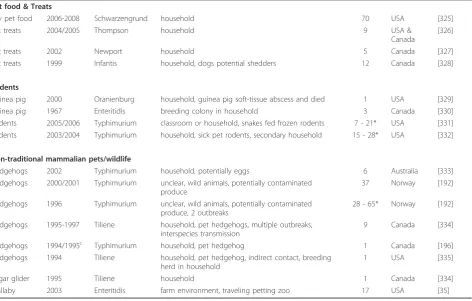
Table 1 Documented reports ofSalmonellatransmissions from mammals to humans available in the peer-reviewed lit-erature or otherwise published by public health agencies(Continued)
Pet food & Treats
Dry pet food 2006-2008 Schwarzengrund household 70 USA [325]
Pet treats 2004/2005 Thompson household 9 USA &
Canada
[326]
Pet treats 2002 Newport household 5 Canada [327]
Pet treats 1999 Infantis household, dogs potential shedders 12 Canada [328]
Rodents
Guinea pig 2000 Oranienburg household, guinea pig soft-tissue abscess and died 1 USA [329]
Guinea pig 1967 Enteritidis breeding colony in household 3 Canada [330]
Rodents 2005/2006 Typhimurium classroom or household, snakes fed frozen rodents 7 - 21* USA [331] Rodents 2003/2004 Typhimurium household, sick pet rodents, secondary household 15 - 28* USA [332]
Non-traditional mammalian pets/wildlife
Hedgehogs 2002 Typhimurium household, potentially eggs 6 Australia [333]
Hedgehogs 2000/2001 Typhimurium unclear, wild animals, potentially contaminated produce
37 Norway [192]
Hedgehogs 1996 Typhimurium unclear, wild animals, potentially contaminated produce, 2 outbreaks
28 - 65* Norway [192]
Hedgehogs 1995-1997 Tiliene household, pet hedgehogs, multiple outbreaks, interspecies transmission
9 Canada [334]
Hedgehogs 1994/1995c Typhimurium household, pet hedgehog 1 Canada [196]
Hedgehogs 1994 Tiliene household, pet hedgehog, indirect contact, breeding herd in household
1 USA [335]
Sugar glider 1995 Tiliene household 1 Canada [334]
Wallaby 2003 Enteritidis farm environment, traveling petting zoo 17 USA [35]
1
identical to serotype Abortuscanis.
a
environmental contamination on farms is potentially high, and Edrington et al. [96], for instance, reported isolating Salmonellafrom 50% of wool samples but only 7% of fecal samples collected from feedlot sheep in the USA, indicating a potentially important epidemiological role of environmental reservoirs.
3.3.2. The human public health importance of Salmonella infections among small ruminants
A limited number of zoonotic transmissions from sheep to humans have been reported in the literature, mostly associated with occupational exposures (Table 1). For instance, occupational sheep exposure was found to be significantly associated with human Salmonella Bran-denburg infections in New Zealand [97]. In addition, human outbreaks have repeatedly been linked to occu-pational contacts on farms in the UK, reiterating the potential public health importance of sheep and goat contacts [73].
In conclusion, Salmonellainfections represent an eco-nomic and potential public health risk on sheep and goat farms, but considerable differences between the serotypes exist. Infections with serotype Abortusovis are responsible for large economic losses, but carry little health hazards for humans. However, several other sero-types such as Typhimurium can cause similar clinical disease in ewes, with potentially important implications for human health. Good hygiene practices and personal protective clothing are crucial to prevent occupational infections, especially during lambing or obstetrical inter-vention. Secondary transmissions to family members after occupational exposure have also been documented, reinforcing the importance of good hygiene practices on farms to reduce the human health risk [73]. Animals with clinical signs of gastro-intestinal disease or septice-mia may pose the highest risk for humans, but asympto-matic shedding at relatively high prevalence has been documented at slaughter, indicating that clinically healthy animals may also pose a considerable risk. Sal-monella carriage among healthy animals on farms appears to be relatively rare, but environmental contam-ination likely contributes to the infection risk. In conclu-sion, contacts with small ruminants pose a potential health risk to occupationally exposed subpopulations as well as the general public, but the risk depends strongly on the serotype involved.
3.4.Salmonellaand pigs
3.4.1. The clinical and economic importance of Salmonella infections among pigs
A variety of clinical manifestations have been observed inSalmonellainfected pigs, ranging from asymptomatic to peracute disease. Infections with generalist serotypes such as Typhimurium usually cause mild or no disease, and infected animals may shed Salmonella for
considerable periods of time. For instance, piglets experimentally inoculated with Salmonella Typhimur-ium developed mild gastro-intestinal disease and were found to shed bacteria in their feces for several days [98]; however, systemic disease and mortality associated with broad host-range serotypes has also been reported [99]. In contrast, infection with host adapted serotype Choleraesuis generally causes severe systemic disease with high mortality (see [99] for a recent review). All age groups are susceptible to Salmonellainfection, but disease is most commonly observed among weaned pigs more than eight weeks of age, and asymptomatic car-riers are thought to represent the most important source of Salmonellaintroduction onto pig farms. A variety of clinical manifestations have been documented among Salmonella-infected pigs, including enteritis, sep-ticemia, pneumonia, meningitis, and arthritis. Fever, diarrhea, inappetence, depression, respiratory distress, lameness, edema, and hypoxia in the extremities are common symptoms in clinically sick pigs, and mortality rates in such instances are high. Schofield [100], for instance, reported salmonellosis outbreaks among pigs manifested as ataxia, fever, depression, diarrhea, and necrotic enteritis, which resulted in approx. 17% mortality.
prevalence in pigs sampled at the abattoir than in ani-mals from the same herds sampled on farm, indicating an important effect of stress or other transportation-related factors [103]. In addition to host adapted sero-type Choleraesuis, serosero-types Typhimurium, Derby, Agona and Anatum are frequently isolated from sick and clinically healthy pigs, indicating a potential risk for human health (Figure 1, Additional file 1: Table S1).
3.1.4.2. The human public health importance of Sal-monella infections among pigsOn few occasions, likely zoonotic transmissions of Salmonella from pigs to humans have been described (Table 1). For instance, in 2005, a Typhimurium outbreak among humans in Wisconsin was linked to indirect pig contact in a public setting [34]. Similarly, in 2001 occupational exposure to pigs likely led to human infection, even though in this case the possibility of a transmission from calves could not be conclusively eliminated [36].
In conclusion,Salmonellarepresents an occupational hazard for those working with pigs, especially since asymptomatic carriage of broad host-range serotypes appears to be relatively common. Environmental reser-voirs appear to play an important role in maintaining endemic infections, and contaminated clothing has been implicated in the transmission ofSalmonellafrom pigs or calves to the son of a farmer, indicating the paramount importance of good hygiene practices [36]. Stress prob-ably represents a major reason for the increased Salmo-nellaprevalence among pigs at slaughter relative to that observed on farms, and a similarly increased prevalence
of shedding during exhibitions or at other public venues appears likely. Contact with pigs on farms, at the slaugh-terhouse, or in the scope of public exhibitions therefore likely represents a risk to occupationally exposed popula-tion subgroups and the general populapopula-tion.
3.2. Companion animals andSalmonella
3.2.1. The changing role of companion animals in the 20th century
The keeping of animals as pets has a long tradition, but historically, companion animals were foremost held for labor [104,105]. Dogs served as guard dogs, hunting companions, or were used for herding, while cats were kept to catch rodents. Dogs and cats were rarely kept in homes, even pet animals [104]. During the 19thcentury engine-powered machines replaced horses as sources of labor. Simultaneously, the public’s attitude towards ani-mals changed, manifested in the foundation of animal welfare organizations such as the British Royal Society for the Prevention of Cruelty to Animals (RSPCA) in 1824 [104,105]. The number of pet animals held for companionship increased drastically after World War II [104]. Currently, an estimated 63% of households in the USA own at least one pet; approximately 83.2 million households own dogs or cats, and roughly 4.3 million households own horses [106]. Similarly, in the United Kingdom, an estimated 26% of households own cats and 31% of households own dogs, amounting to approxi-mately 10.3 million cats and 10.5 million dogs [85]. Today, dogs and cats primarily live indoors, share living
spaces with their owners, and assume integral roles as companions, family members, or service animals [104,107]. In one recent survey 95% of USA dog owners reported petting their animals, 67% reported playing with them, and 30% reported sharing their beds with their dogs [108]. Companion animals are also increas-ingly used in therapeutic settings, for instance in psy-chotherapy, or to support AIDS patients, children with disabilities, orthopedic and cardiac patients, Alzheimer patients, or the elderly [109-114]. The potential risks associated with such contacts, particularly for young children or immune-compromised patients, are difficult to quantify. In some parts of the world, companion ani-mals still fulfill functional roles as source of food or labor, and may be allowed to roam around freely [115]. 3.2.2. Salmonella infections in horses and humans
3.2.2.1. The clinical and economic importance of Sal-monella infections among horses Salmonellosis is an important disease of horses. Equine mortality rates vary depending on host age, predisposing factors and potentially the Salmonella serotype involved [116]. Mortalities as high as 40 to 60% have been reported, but in general, mortality appears to be considerably lower [117,118]. In most cases, animals present with profuse, watery and malodorous diarrhea, frequently associated with abdominal pain and endotoxemia. Fever, dehydration and depression are common, and in severe cases these symptoms are accompanied by colic, gastric reflux, cardiovascular shock or coagulopathies. However, the severity of disease can vary considerably and, in animals of the same age group, may range from severe to asymptomatic [119]. Both peracute and chronic forms of disease are common, and convales-cent carriers may shed Salmonella for months, but a carrier state does not appear to develop in all instances [118,120,121]. Disease may also manifest without gas-trointestinal signs. Some serotypes appear to result more frequently in systemic disease than others, but the underlying mechanisms are still incompletely understood [122]. Respiratory forms are comparably frequent, and systemic forms of infection are com-monly associated with arthritis, osteomyelitis, or soft-tissue abscesses [123,124]. Foals, pregnant mares, and immune compromised horses are at a heightened risk of infection and, among foals, Salmonella-associated meningoencephalitis has been described [125,126]. Abortions due to Salmonella cause important eco-nomic losses on stud farms [127-129].
Numerous studies have focused on horses in equine hospitals, with apparent prevalence estimates ranging from 1.8 to 18%; Anderson and Lee, however, report isolating Salmonella from 26.6% of slaughter horses [125,130-135]. The prevalence among healthy horses on
farms or in riding schools appears to be considerably lower, in the range of 1 to 2% [117,131,135,136]. Asymptomatic carriers shedSalmonella intermittently. Increased shedding has been associated with antibiotic treatment and stressful situations such as transportation, horse competitions, co-morbid disease, or surgery [125,133,137-140]. High population density is thought to be another predisposing factor. The epidemiological sig-nificance of environmental contamination remains diffi-cult to assess, but good environmental hygiene practices have been efficient in controlling hospital outbreaks [132,141-143]. Numerous serotypes have been isolated from clinically healthy or sick horses, and a considerable number of outbreaks involving a variety of medically important serotypes have occurred in large animal hos-pitals (Table 1, Additional file 1: Table S1).
3.2.2.2. The public health importance of Salmonella infection among horsesZoonotic transmission in large animal veterinary hospitals and private veterinary clinics is thought to occur frequently, even though only a small number of human cases associated with such transmis-sions have been documented (Table 1) [144,145]. Salmo-nella transmission to humans at a state fair has also been reported (Table 1) [34].
In conclusion, horse contacts clearly represent a risk to humans. However, clinically healthy horses in riding schools or on farms, especially if held under optimal conditions, seem to pose a comparably low risk. The risk at competitions, state fairs or other public venues might be considerably higher due to increased stress, whereas pregnant mares, foals and hospitalized horses clearly represent a high risk.Salmonella-infected horses often present with no or atypical clinical symptoms, emphasizing the need for strict quarantine, environmen-tal contamination control, and good hygiene practices. Due to the highSalmonellaprevalence, high risk popu-lation subgroups may choose to refrain from entering equine hospitals or stud farms, or take particular pre-cautionary measures.
3.2.3. Salmonella infections in dogs, cats and humans
analyzed the apparent Salmonella prevalence among greyhounds on race tracks and found 43.5% of dogs were shedders, while another study described the appar-ent prevalence among racing Alaskan sled dogs at approx. 60%, and the prevalence among stray dogs is likely equally high [147,152-154]. In general, however, the rate of shedding is thought to be much lower, and a number of studies on non-racing client-owned dogs and client-owned cats report shedding rates in the range of 1-5% [155-160].
Ingestion of contaminated food is thought to be the predominant risk factor.Salmonellahas been isolated at high frequency from raw dog food on greyhound race tracks, and asymptomatic carriers developed after experimental oral inoculation, with shedding observed for periods of up to four weeks [161,162]. Dogs fed raw food diets appear to be at particular risk. Finley et al. [163] report that, in the absence of clinical signs, 50% of dogs fed contaminated raw food diets shed Salmonella in their feces, while none of the control dogs fed Salmo-nella-free diets shedSalmonella. In another, longitudinal study, Joffe et al. [164] isolatedSalmonellaat least once from the feces of 80% of client-owned dogs fed a com-mon bone and raw food (BARF) diet. Surprisingly, Sal-monella was also isolated on one or more occasions from 30% of client-owned controls, which were fed commercial dog food. Some serotypes such as Salmo-nellaTyphimurium, Heidelberg, and Kentucky appear to be predominantly isolated from dogs fed raw food diet, and one study estimated the odds of shedding Salmo-nella to be approx. 23 times greater for dogs fed raw food diets than commercial diets [165]. Asymptomatic carriers shedSalmonellaintermittently, and longitudinal studies provide evidence for multiple coinfections during relatively short time periods [166].
3.2.3.2. The public health risk associated with Salmo-nella infection among dogs and cats A number of medically important serotypes for humans have been isolated from domestic dogs and cats (Figure 1, Addi-tional file 1: Table S1), and several studies have reported the isolation of multidrug-resistant isolates (see [167] for a comprehensive review of the topic). Human Sal-monella cases have been attributed to contact with infected dogs or cats at home or in veterinary clinics (Table 1). For instance, in 1938 the family dog was implicated as source of a human SalmonellaGlostrup outbreak and in 1952 a human case of Paratyphi B was linked to direct dog contacts at home. In 1999 human outbreaks of Salmonella Typhimurium in Idaho and Washington were linked to contact with clinically ill kit-tens in veterinary clinics, and a human outbreak in Min-nesota was linked to contact with cats from a shelter. A 2003 outbreak of Salmonella Typhimurium among humans in New York was also linked to a small animal
veterinary clinic, but the index animal was not clearly identified. A recent case-control study of childhood sal-monellosis in Michigan identified cat exposure, as well as reptile contacts, as risk factor for Salmonella infec-tion, emphasizing the potential risk [168]. The risk posed to humans by indirect contact, for instance with excrement, is currently not clear. Infected humans also represent a possible source of infection for their ani-mals. In addition, animal-to-animal spread occurs read-ily and has been clearly documented during a Salmonella outbreak in a military dog kennel [169]. In this instance, the index case acquired Salmonella through feed.
Together, these data indicate that contacts with dogs and cats in homes, veterinary clinics and shelters clearly represent potential threats to human health. Raw food diets are associated with a significantly higher preva-lence ofSalmonellathan other pet food diets, and since asymptomatic shedding is common it appears that ani-mals on such diets might be suspected of Salmonella shedding regardless of clinical symptoms. Especially if some household members are at a heightened risk of infection, or if animals are introduce into therapeutic settings, other feed types may be preferable. Salmonella represents a clear occupational hazard. Good hygiene practices, environmental infection control, strict quaran-tine procedures, personal protective equipment, and other biosecurity measures are therefore crucial to reduce the risk wherever dogs or cats are kept in large groups or subjected to high levels of stress.
3.2.4. Commercial pet food and treats as sources of infection
animal-derived pet treats, and a 2003 study found 41% of animal derived pet treats sold commercially in the USA contaminated with Salmonella [172,173]. Isolates includedSalmonellaTyphimurium, Heidelberg, Anatum, Infantis, and Derby, and a considerable number of sam-ples contained more than one serotype (Additional file 1: Table S1). Voluntary preventive measures implemen-ted by the pet treat industry appear to have led to a considerable reduction in contamination rates, but a dis-ease risk remains [174]. For instance, in December 2009, pig ears and beef hoof products were recalled in the USA because of a potentialSalmonellacontamination.
Exposure to commercial pet food and animal derived pet treats has also repeatedly led to human outbreaks (Table 1). For instance, in 2007 the CDC identified a multi-state outbreak of Salmonella Schwarzengrund linked to commercial dry pet foods, which affected dogs and their owners in 18 states of the USA and led to a nation-wide product recall. In 1999, pig ear treats con-taminated withSalmonellaInfantis led to a human out-break of salmonellosis in Canada, and in 2002, pet treats contaminated withSalmonellaNewport were responsi-ble for humanSalmonellainfections in Canada. Salmo-nellaoutbreaks among humans have also been linked to rodents commercially sold as pet food, but these are more appropriately described in the section regarding rodents.
In conclusion, pet feeds represent a direct and indirect threat to human and animal health. The choice of pet food and treats can considerably influence the Salmo-nellarisk for animals and humans, and might be of par-ticular importance if high-risk human population subgroups are exposed at home or in therapy settings, or if animals are exposed to stressful situation such as in kennels, veterinary clinics or shelters. However, good hygiene practices such as hand washing before and after feeding, appropriate cleaning of bowls and contact sur-faces, and adequate storage can probably decrease the direct risk for humans considerably.
3.3. Rodents, rabbits andSalmonella
3.3.1. The clinical and environmental importance of Salmonella infections among rodents and rabbits
Salmonellahas repeatedly been isolated from wild mice and rats, which represent important reservoir hosts on farms and in food production environments (Additional file 1: Table S1). Prevalence estimates for wild or captive rodents are relatively scarce, variable among geographic regions, and the numbers of studies as well as the preva-lence seem to have decreased over time. In general, Sal-monellashedding rate estimates are in the range of 1 to 15% [175-179]. Salmonella prevalence among captive rodents is low, and environmental reservoirs may play a paramount epidemiologic role [180]. Salmonella has
also been isolated from pet rabbits, indicating a potential risk associated with this animal species [181]. However, the available prevalence data, especially for pet rabbits, is currently very scarce. Salmonella might to be fairly common in intensive rabbit meat production systems, with one study reporting that as many as 30% of inten-sive rabbit farms in Italy were positive for Salmonella [182]. However, a low prevalence of Salmonellaamong rabbit carcasses in Spanish slaughterhouses has also been reported, indicating that Salmonella prevalence among commercially farmed rabbits is probably variable [183].
Salmonellainfection can cause severe disease in rab-bits, which is sometimes associated with high mortality [182]. Clinical symptoms include enteritis, metritis and abortion, but striking differences in pathogenic potential seem to exist among different Salmonella serotypes [182]. In contrast, the majority of infections in mice and rats are asymptomatic. However, clinical disease among rodents has also been described, for instance during large outbreaks among laboratory rodents, which were associated with high mortality rates (Additional file 1: Table S1). Indeed,SalmonellaTyphimurium and Enteri-tidis have been widely used as rodenticide in the first half of the 20th century and continue to be used in some countries despite the public health risk [184,185]. Systemic disease appears to be the most common clinical manifestation in mice and rats, and mortality is predominantly attributable to septicemia [186]. Patho-genicity is age and host strain dependent, with the high-est mortality rates observed in young animals under three weeks of age [187]. A number of serotypes with importance for humans have been isolated from wild, laboratory or pet rodents (Figure 1, Additional file 1: Table S1). Clinical Salmonellaoutbreaks among guinea pigs and hamsters, associated with conjunctivitis and soft tissue abscesses, have also been described [188,189]. 3.3.2. The public health importance of Salmonella infection among rodents and rabbits
water or the environment, and they can conceivably infect dogs, cats or other animals if ingested. Salmonel-losis represents an occupational hazard for extermina-tors, rodent breeders, and others that professionally handle rodents. Rodents often show no or atypical signs of salmonellosis, thus clinical symptoms in animals are of limited diagnostic value. To our knowledge, data on zoonotic transmissions from rabbits is not available at the point of writing, likely at least in part due to under-reporting of human salmonellosis cases. Contacts with sick or clinically healthy rodents or rabbits can poten-tially lead to human exposures, and the enforcement of good hygiene practices is important to minimize the risk for humans.
3.4. The role of non-traditional mammalian pets and wildlife
Non-traditional pets are captive-bred or wild-caught, endogenous or exotic animals held as pets that have not reached wide-spread popularity among pet owners and are therefore not commonly bred for human compa-nionship [190]. Apart from reptiles, amphibians, and fish, non-traditional pets include a variety of mammalian species such as non-human primates, African pygmy hedgehogs, ferrets, prairie dogs, and sugar gliders [190,191]. Lack of husbandry expertise often results in stress, malnutrition or abandonment, and bites or scratches pose a considerable risk to pet owners [191]. 3.4.1. Exotic pets, wildlife and Salmonella
Little is known about the prevalence, pathogenicity, and distribution of Salmonellaamong non-traditional mam-malian pets or their wild relatives, but Salmonellahas been isolated from a large number of wild mammals or their feces, including opossums, squirrels, woodchucks, raccoons, foxes, mink, cougars, tigers, wild boars, hippo-potami, rhinoceroses, seals and whales (Figure 1, Additional file 1: Table S1). Serotypes with particular importance for human health have also been isolated from white-tailed deer feces in Nebraska, even though Salmonellaprevalence in this species is believed to be quite low (Additional file 1: Table S1). One Norwegian study ofSalmonellain feral hedgehogs reported preva-lence estimates between 0 and 41%, which varied con-siderably by geographic area [192]. High prevalence corresponded to human outbreaks in the same region, and isolates with identical PFGE patterns were isolated from wild hedgehogs and humans, potentially indicating an epidemiological link, which is also supported by an independent Danish study [193].Salmonella prevalence among captive hedgehogs, sugar gliders and other non-traditional pets is currently unknown. Clinical disease associated with Salmonellainfection has been described in sugar gliders and hedgehogs, but a large number of cases are believed to be asymptomatic [194,195].
Several human cases and outbreaks of serotypes Typhimurium and Tielene have been linked to pet hedgehog contacts (Table 1), andSalmonellaEnteritidis and Sofia have also been isolated from hedgehogs kept as pets (Additional file 1: Table S1).SalmonellaTielene represents a very rare serotype. Human cases are strongly associated with hedgehog exposure, and chil-dren appear to be at heightened risk of infection [195]. SalmonellaTielene was first isolated in the USA in 1994 during a human outbreak associated with an African pygmy hedgehog breeding colony [195]. In Canada the geographic distribution of human Tielene cases starkly resembles that of pet hedgehogs, emphasizing the epide-miological role of this pet species [196]. Human Tielene outbreaks have also been linked to sugar glider expo-sure, indicating a role of this exotic pet in Salmonella Tielene epidemiology [196].
In conclusion, wildlife and exotic pets clearly repre-sent potential sources of human infection, but relevant data is so far scarce. Salmonellacan cause disease in these animals, but asymptomatic carriers appear to be common and likely also pose a considerable infection risk. Good hygiene practices and measures that reduce stress, such as adequate housing, nutrition and care, can likely reduce the risks associated with captive animals.
4. Avian Sources of Human Salmonellosis 4.1. Overview ofSalmonellainfections in birds
World-wide, birds are held for meat or egg production, companionship, sports, scientific or educational pur-poses. In 2007, an estimated 17.9 billion chickens, 1.1 billion ducks, 447 million turkeys and 343 million geese and guinea fowl were farmed world-wide [39]. Of these, approx. 9.4 billion chickens, 997 million ducks, 14 million turkeys and 307 million geese were farmed in Asia alone. In addition, a considerable number of ani-mals are held as pets, with 6.4 million households in the USA alone owning pet birds [106].
4.2.Salmonellainfections among galliform birds
Chickens, turkeys, quails, pheasants and other gamebirds are members of the order galliformes. Salmonella is common in galliform birds, and has been isolated at high rates from commercially reared chicken, turkeys, and other poultry (Figure 1, Additional file 1: Table S1). Apart from the associated foodborne risk, farms may represent a direct risk to public health, even though relevant studies are so far missing and high biosecurity standards in most commercial poultry productions probably minimize the risk.
clinical disease in galliform birds and most animals become asymptomatic carriers, even though severe clini-cal disease with high mortality has been observed in some instances, particularly during infections of young birds [198,199]. Infections with the host adapted serotype Gallinarum biovars Gallinarum and Pullorum, however, cause severe disease with high mortality and immense economic losses on chicken and turkey farms (see [200] for a review of the topic).Salmonella Gallinarum biovar Pullorum causes“Pullorum disease” in young animals, which is associated with septicemia and high mortality that can exceed 85% in some instances [197].SalmonellaGallinarum biovar Pullorum infections of adult birds are generally mild or asympto-matic, even though decreases in fertility and egg produc-tion as well as increased mortality have been observed in some instances. Adult animals can develop a carrier state, and transovarian transmission is thought to be the primary rout of transmission to young birds, even though rodents and other vectors are also thought to play an important epidemiologic role (see for instance [201]). Clinical symptoms include anorexia, diarrhea, dehydration, decreased hatching, and high mortality. SalmonellaGallinarum biovar Gallinarum causes “fowl typhoid” in young and particularly adult birds [200]. Clinical symptoms are very similar to those observed during infections with biovar Pullorum, and economic losses during outbreaks can be very high. Both Galli-narum biovars GalliGalli-narum and Pullorum are host restricted and therefore pose a negligible risk to human health. In contrast, infections with Salmonella Enteriti-dis are typically asymptomatic in adult birds but can cause systemic disease in young birds, and transovarian transmission of serotype Enteritidis has also been described [202]. Infections with SalmonellaEnteritidis pose a considerable human health risk, and have been estimated to inflict costs of approx. 1 billion US dollar per year on the USA economy [203].
Salmonella prevalence varies considerably by poultry type, differs between serotypes and biovars, and intest-inal carriage often appears to be lower than isolation rates from egg shells, dead birds, and environmental samples [204,205].Salmonellaprevalence in hatcheries is estimated between 0 and 17% for chickens, compared to approx. 25% for geese, and 20-60% for ducks [204,205].SalmonellaGallinarum biovars Pullorum and Gallinarum have been eradicated in commercial poultry productions in the developed world, but are still impor-tant in backyard flocks as well as the developing world [197]. It is conceivable that serotype Enteritidis filled the ecologic niche left by the eradication of serotype Galli-narum biovar GalliGalli-narum, since a considerable increase in Enteritidis prevalence co-incided with the eradication of biovar Gallinarum in the 1960s (see [206] for a review
of the subject). In fact, mathematical modeling results have suggested a potential role of competitive exclusion between serotypes Enteritidis and Gallinarum biovar Gallinarum in poultry [207]. Salmonella Enteritidis, as well as serotypes Typhimurium, Kentucky, and Heidel-berg, are commonly detected among clinically healthy as well as sick chickens and turkeys, indicating a poten-tially important risk for human health (Figure 1, Addi-tional file 1: Table S1).
A number of people raise chickens and other poultry in their backyards for meat, egg production or as pets [208]. In addition to household exposure, human cases have been linked to poultry contact on farms, in agricul-tural feed stores, and at country fairs [209]. Young hatchlings pose a particularly high risk for humans, and remarkably often infect children (Additional file 2: Table S2). The number of human outbreaks increases strik-ingly around Easter, when chicken or duck hatchlings are especially popular pets. Such outbreaks have been documented every few years since the 1950s (see for example [209-211]). To reduce the risk associated with hobby farming, the sale of poultry for meat or egg pro-duction at feed stores is prohibited in all USA states [212]. In addition, the USA CDC and some state health departments work to increase public awareness and to promote customer education at the store level. Some USA states have passed additional regulations, such as legislations restricting the minimum age of animals at sale or the maximum number of animals purchased per person [212]. However, enforcement of these laws is dif-ficult and legislation varies among states [213]. The USA CDC has published recommendations regarding pet poultry, including that no children under the age of 5 handle baby poultry [214].
In conclusion, the human health hazards posed by pet poultry, and young hatchlings in particular, are substan-tial, but fairly well understood. The laws and recom-mendations provided by the USA CDC and comparable institutions can successfully mitigate the risks. However, public awareness and collaboration between governmen-tal agencies, related industries, special interest groups, and the veterinary community is crucial to assure sus-tainable results. The risks of direct transmission to humans that are associated with commercial poultry productions are less well understood. Salmonella cer-tainly poses an occupational risk to farmers, veterinar-ians and slaughterhouse employees, but whether commercial poultry farming poses direct risks to the general population remains yet to be determined.
with high mortality has also been described [215]. Clini-cal disease is predominantly observed in young animals, and seems to generally be associated with environmental or management stressors. Common symptoms include anorexia, depression, diarrhea, dehydration, ataxia, opis-tothotonus, arthritis, and synoviatis, and decreases in fertility and hatching have also been reported [215].
The prevalence ofSalmonella shedding appears to be species and age group dependent. Salmonellashedding is comparably common among commercially raised ducks and geese, yet highly variable across age groups. Salmonella Typhimurium, for instance, has been iso-lated from 40% of hatchlings and 1% of older ducklings in Taiwan, even though clear host species specific differ-ences were also detected [216]. The prevalence of Sal-monellashedding among wild birds appears to be quite variable (see for instance [217] for a review). Mitchell and Ridgwell, for instance, reported isolatingSalmonella from approx. 4% of bird droppings in London [218]. Conversely, Cizec et al. reported isolating Salmonella from 19% of wild gulls sampled in the Czech Republic [219]. However, lower prevalence estimates among gulls have also been reported in the literature, in the range of 3-13%, and considerable differences between bird spe-cies and age groups seem to exist [219-221].
A number of human outbreaks have been linked to duckling exposure, and often both ducklings and chicken hatchlings are involved in the same outbreak, indicating great similarities in transmission and epide-miology (Additional file 2: Table S2). Analogous to chicken farms, it remains yet to be determined whether commercial duck and geese farms represent a substan-tial direct risk to human health. Similarly, the potensubstan-tial role of wild ducks and geese for human health is still subject to debate and conclusive evidence for or against an important role has yet to be presented (see [217] for a review of the subject). In conclusion, the risk asso-ciated with pet ducklings is high, but relatively well understood and bears great similarities to that observed for young chicken. Commercially reared or wild anseri-form birds might conceivably pose a substantial risk to human health, but more data is needed before the sub-ject can be evaluated conclusively.
4.4.Salmonellainfections among columbiform birds Doves and pigeons belong to the order of columbiform birds. UponSalmonellainfection, most adult birds show no or mild signs of disease, but severe paratyphoid dis-ease with high mortality has been reported among young birds [222]. Clinical manifestations are variable and include gastro-enteritis, growth retardation, anor-exia, depression, fever, torticollis, opisthotonos, oophori-tis or orchioophori-tis, arthrosynovioophori-tis, and abscesses. While a variety of serotypes have been isolated from pigeons and
doves,SalmonellaTyphimurium var. Copenhagen phage types 2 and 99 are the most commonly isolated subtypes [223]. Intriguingly, the Typhimurium isolates from pigeons differ biochemically and antigenically from other Typhimurium isolates, likely indicating host adap-tation of these Typhimurium subtypes to pigeons [217,222,223].
Salmonella appears to be a relatively common patho-gen among pigeons and doves, but the prevalence seems to differ by serotype and habitat (see [217] for a review of the subject). Petersen [224], for instance, compared Salmonella prevalence in wild pigeons from urban areas and dairy farms in Colorado, and detected Salmonella in approx. 8% of samples from dairy-exposed pigeons but not in samples from pigeons in urban areas. How-ever, the isolation of variousSalmonellaserotypes from wild pigeons in urban areas in Japan has also been reported, indicating a potential risk for human health [225]. Endemic infections among domestic pigeons in lofts have been described, and prevalence estimates of 25-30% within individual lofts have been reported [217]. Salmonella Typhimurium var. Copenhagen phage types 2 and 99 seem to be the predominant serotypes among domestic pigeons, but other serotypes have also been isolated [217].
In conclusion, Salmonella appears to be relatively common among pigeons. However, most infections seem to be due to host adapted subtypes of Typhimur-ium, and therefore likely only pose a limited risk to humans. In fact, to our knowledge, no zoonotic trans-mission from pigeons to humans has been documented in the literature, even though underreporting of human cases likely contributed to this lack of observation. Sal-monella can also be found in wild doves, probably mostly at low prevalence. Broad-spectrum serotypes have been isolated from wild pigeons and environmental contamination appears to represent an important risk factor for shedding in doves and pigeons, indicating that such birds may represent potentially important vectors on livestock premises and possibly carry some direct risk for humans.
anorexia, dehydration, depression, crop stasis, septicemia or osteomyelitis [226-228]. For instance,Salmonellahas been isolated from pet shop and household birds in Tri-nidad, imported finches, lories and parakeets in Japan, a variety of captive birds imported into Britain, numerous psittacine species held in Brazil, psittacine pet birds in Texas, Tennessee and Kansas, and captive as well as free-ranging parrots in Bolivia (Additional file 1: Table S1). Salmonella outbreaks with high bird mortalities have been described in zoologic exhibits, captive bird colonies and falcon collections [229-231].
Captive birds can also pose aSalmonellarisk to humans, even though only a very limited number of cases have been documented (Additional file 2: Table S2). For instance, parakeets were involved in the transmission of SalmonellaTyphimurium to a human infant and a cat, even though the exact transmission routes were not clearly determined [232].
Asymptomatic Salmonella carriage in wild birds is thought to be high, and wild birds have repeatedly been implicated as vehicles on farms and in feed mills [233-236]. Around the world, a variety of serotypes, including those frequently isolated from humans, have been isolated from free-ranging songbirds, parrots and parakees, with clinical manifestations ranging from asymptomatic to peracute death (Figure 1, Additional file 1: Table S1). Stress increases the risk of shedding, and in songbirds salmonellosis commonly peaks in win-ter months, likely due to crowding and increased con-tact rates at bird feeders [237].Salmonella prevalence among birds at feeders is commonly higher than in the general population, and epidemics have been reported repeatedly, for example during the winter of 1997/98, when an epidemic affected songbirds across the eastern parts of North America [237-239].
Wild songbirds have also been repeatedly implicated as source of human infection (Additional file 2: Table S2). For instance, during the winter of 2000, Typhimur-ium isolates with identical Pulsed Field Gel Electrophor-esis (PFGE) patterns were associated with aSalmonella outbreak among wild birds as well as human cases in New Zealand, and an epidemiologic link, potentially due to contaminated water, appears plausible [239,240]. Evi-dence also suggests that a large number of human Typhimurium cases in Norway were associated with wild bird contacts [241]. Other non-domesticated birds also potentially pose a risk to human health. In 2001 an elementary school Typhimurium outbreak involving at least 40 human cases was linked to dissecting owl pellets collected from captive owls, and more recently another outbreak in Massachusetts was also linked to owl pellets [242].
In conclusion, contacts with wild or captive birds pose a possible threat to human health, even though many
epidemiological details remain to be understood. Birds, bird droppings, pellets, and feathers, as well as contami-nated water and environments represent a potential risk.
5. Reptiles, Amphibians and Fish as Sources of Human Infection
Contact with reptiles, amphibians or pet fish also repre-sents an important source of Salmonella infection (Additional file 2: Table S3). Reptiles, amphibians and fish have become popular pets in many countries. For example, approx. 3% of households in the USA own one or more reptiles as pets, resulting in a total of approx. 7.3 million reptiles [106]. The number of pet turtles has doubled in recent years, and in the USA approx. 2 mil-lion turtles are now kept in over 1 milmil-lion households. More than 400 000 USA households keep snakes and in excess of 700 000 households own lizards [106]. Pet fish are present in an estimated 15 million USA households, with approx. 0.8 million households owning salt water fish tanks [191]. An estimated 1.3 million reptiles and 203 million fish were imported legally into the USA in 2005 alone, and a considerable number of pets are imported illegally each year [191]. Imports include cap-tive-bred as well as wild-caught animals and the exotic pet trade poses a potential public health threat [191].
5.1. Reptiles andSalmonella
5.1.1. Salmonella prevalence and serotype diversity among reptiles
Salmonellaoccurs naturally in the gastrointestinal tract of many reptiles, is commonly shed by these animals, and around the world a large number of serotypes have been isolated from feral and captive reptiles as well as their eggs (Figure 1, Additional file 1: Table S1). Clinical disease, including septicemia, osteomyelitis, salpingitis, nephritis, dermatitis and abscesses, seems to be occa-sionally associated with Salmonellainfection in snakes, turtles, and lizards, but the overwhelming majority of infections in reptiles are undoubtedly asymptomatic; clinical salmonellosis in reptiles is rare, appears to be associated with underlying disease or other stressors, and a causal relationship betweenSalmonella infection and disease is generally difficult to establish conclusively [243-245]. WhetherSalmonellainfection causes diarrhea in reptiles is still subject to debate, and might depend on a variety of factors including host species and ambi-ent temperature during infection [246,247]. For instance, links between a case of necrotizing gastritis in a snake and Salmonellainfection or between atrophic gastritis in a tortoise andSalmonellahas been suggested, but so far reports are predominantly anecdotal (see for instance [248] for a review).
Salmonellain their study populations [249,250]. Preva-lence estimates in other studies range from 6 to 100% in turtles, from 30 to 76% in lizards and from 54 to 100% in snakes [251-257]. It has been estimated that as many as 90% of all captive reptiles carrySalmonella, including a large number of‘reptile-associated’ as well as “broad host-range” serotypes [196,246]. Some stu-dies have investigated the efficacy of antimicrobial treatments, sometimes combined with physical treat-ments, in reducing reptile Salmonella carriage, and initial laboratory experiments proved promising [258-260]. However, the routine treatment of reptiles, eggs, or pond water on commercial farms is compli-cated by farming conditions, intermittent Salmonella shedding, transovarian infections, coprophagy, and environmental reservoirs, and these treatments appear to be associated with a heightened risk of antibiotic resistance [261-264]. Salmonella has been isolated from commercially raised turtles, crocodiles, alligators, and iguanas, their meat, or the farm environment, and contamination levels appear to be substantial, with prevalence estimates for farmed turtles as high as 40% (Additional file 1: Table S1). The stress of transporta-tion and the close physical contact during transport may further contribute toSalmonella shedding, espe-cially among baby turtles and lizards.
5.1.2. The risk associated with contacts to reptiles
Human salmonellosis attributable to reptile exposure was first documented in the 1940s, and a large number of case reports have since described zoonotic transmis-sions ofSalmonellafrom reptiles to humans (Additional file 2: Table S3). The exact number of reptile-associated salmonellosis cases among humans is difficult to deter-mine, but one study estimated that in the USA, reptile exposure contributes approx. 70 000 human cases each year [265]. This represents 6% of all sporadic human cases, and reptile-associated cases are estimated to con-tribute 11% of sporadic human cases in the population < 21 years of age [265]. In the European Union, appar-ent prevalence estimates vary considerably among mem-ber states and over time [266]. In Sweden, for instance, 339 human reptile associated cases have been reported between 1990 and 2000, equaling approx. 5% of reported human cases [266,267]. This number increased markedly in subsequent years until a public education campaign was launched in 1997 [267].
A large number of human salmonellosis cases have been linked to contact with turtles, terrapins, snakes, and lizards such as iguanas, bearded dragons, geckos, and chameleons (Additional file 2: Table S3). Reptile-associatedSalmonella infections in humans tend to be more likely associated with systemic disease than food-borne infections. Especially among children, the elderly or pregnant women, septicemia, meningitis, arthritis,
soft-tissue abscesses, osteomyelitis, pericarditis, myocar-ditis, peritonitis and urinary tract infections have been repeatedly described, leading to severe disease and com-parably high mortality rates (Additional file 2: Table S3). However, frequently only a single person or household is affect, and many reported cases involve children and infants. The reasons for the high prevalence among infants and children are not clear and might include biological, immunological and behavioral determinants [268,269]. Few reptile owners are aware of the disease risk. In the USA, the CDC recently reported that only approx. 20% of interviewed human cases were aware of the link between reptiles and Salmonella [269]. Good hand hygiene, which has been shown to be a very effec-tive measure to prevent infection, may therefore not be strictly enforced [270].
![Figure 1 Distribution of the 20 most common human Salmonella serotypes [7]among animals, based on US data from 2006](https://thumb-us.123doks.com/thumbv2/123dok_us/812929.1578662/9.595.57.540.464.701/figure-distribution-common-human-salmonella-serotypes-animals-based.webp)