ONLINE LABORATORY INTRODUCTIONS TO PROMOTE STUDENT INTERACTIONS WITH TWO SCIENCE AND ENGINEERING PRACTICES OF THE
NEXT GENERATION SCIENCE STANDARDS
by
Catherine K. Howlett
A dissertation
submitted in partial fulfillment of the requirements for the degree of
Doctor of Education in Curriculum and Instruction Boise State University
DEFENSE COMMITTEE AND FINAL READING APPROVALS
of the dissertation submitted by
Catherine K. Howlett
Dissertation Title: Online Laboratory Introductions to Promote Student Interactions with Two Science and Engineering Practices of the Next
Generation Science Standards Date of Final Oral Examination: 27 April 2018
The following individuals read and discussed the dissertation submitted by student Catherine K. Howlett, and they evaluated her presentation and response to questions during the final oral examination. They found that the student passed the final oral examination. Sara Hagenah, Ph.D. Chair, Supervisory Committee
Keith W. Thiede, Ph.D. Member, Supervisory Committee Patrick R. Lowenthal, Ph.D. Member, Supervisory Committee Kerry Lynn Rice, Ed.D. Member, Supervisory Committee
iv
v
vi
Online science courses are becoming increasingly available to K-12 students in the United States. With the utilization of these courses, it is important to facilitate student completion of laboratories as well as student interest in and use of the science and
engineering practices (SEPs) of the Next Generation Science Standards (NGSS). This exploratory research provided online laboratory introductions to help students interact with the content and the instructor. The research studied if the laboratory introductions led students to ask questions about laboratories, complete laboratories, and think about and use two NGSS SEPs, specifically analyzing and interpreting data and constructing explanations and designing solutions. Archived data provided information for the
background of the study. The intervention class experienced introductions to the content, procedures, and focus NGSS SEPs for online laboratories. The researcher studied
qualitative and quantitative data and determined there was an increase in student completion of the laboratories in general as well as identifiable impacts on student
vii
DEDICATION ... iv
ACKNOWLEDGEMENTS ... v
ABSTRACT ... vi
LIST OF TABLES ...xii
LIST OF FIGURES ... xv
LIST OF PICTURES ... xvii
LIST OF ABBREVIATIONS ...xviii
CHAPTER ONE: INTRODUCTION ... 1
Overview ... 1
Statement of the Problem ... 5
Purpose of the Study ... 6
Context ... 8
Theoretical Framework ... 10
Framework for Science Education ... 11
Transactional Distance... 11
Chapter Summary ... 13
CHAPTER TWO: LITERATURE REVIEW ... 14
Online Course Design and Teaching Standards ... 14
viii
Quality Matters K-12 Standards ... 17
iNACOL Online Teaching Standards ... 18
Science Standards and the NRC Framework... 21
NRC Framework ... 21
Next Generation Science Standards (NGSS) ... 26
Three Areas of Learning ... 26
NGSS in Action ... 31
Course Design and Teaching Practices ... 32
Clear Expectations ... 32
Focusing on Key Ideas ... 33
Activities ... 36
Resources ... 38
Accessibility ... 42
Copyright ... 43
Interactions ... 44
Online Laboratory Design and Best Practices ... 45
Laboratory Activities ... 46
Science Simulations and Virtual Laboratories ... 47
Hands-on Laboratories... 48
Remote Laboratories ... 48
Current Usage... 49
ix
Chapter Summary ... 60
CHAPTER THREE: METHODS ... 61
Research Questions ... 61
Research Methods ... 61
Participants ... 63
School ... 65
Course ... 65
Intervention ... 75
Instruments ... 77
Data Collection and Analysis by Research Question... 77
Quantitative Data ... 78
Qualitative Data... 78
Research Question One... 84
Research Question Two ... 88
Research Question Three ... 90
Research Question Four ... 93
Synthesis of Data ... 96
Reliability ... 96
Validity ... 97
Study Considerations ... 97
Limitations ... 98
x
CHAPTER FOUR: FINDINGS ... 100
Question One Findings: Student-Teacher Interactions Before Laboratories ... 100
Overall Neutral Responses About Help Before Laboratories ... 101
Procedural Questions Most Common ... 102
Introductions Helpful ... 103
Question Two Findings: Laboratory Completion Rates ... 104
High Intervention Student Expectations About Completing Laboratories ... 105
Higher Levels of Simulation Laboratory Completion ... 106
Lower Levels of At-Home Laboratory Completion ... 109
Reasons for Non-Completion... 112
Relationship Between Interactions and Completion ... 118
Question Three Findings: Shifts in Student Thoughts ... 118
No Changes in Focus NGSS SEPs Interest ... 119
Shifts in Laboratory Practices Thinking ... 120
Shifts in Focus NGSS SEPs Thinking ... 121
Question Four Findings: Use of the Focus NGSS SEPs ... 126
Simulation pH Laboratory NGSS SEP Use ... 126
Simulation Density Laboratory NGSS SEP Use ... 129
At-Home Soil Laboratory NGSS SEP Use ... 132
At-Home Fingerprint Laboratory NGSS SEP Use ... 134
At-Home Hair Laboratory NGSS SEP Use ... 137
xi
At-Home Drug Survey Lab NGSS SEP Use ... 145
At-Home Red Cabbage Laboratory NGSS SEP Use ... 148
At-Home Chromatography Laboratory NGSS SEP Use ... 150
At-Home Strawberry DNA Extraction Laboratory NGSS SEP Use ... 152
At-Home Blood Splatter Laboratory NGSS SEP Use ... 154
Key Patterns in Focus NGSS Use Across Laboratories ... 156
Chapter Summary ... 157
CHAPTER FIVE: DISCUSSION ... 158
Online Science Students ... 158
Question One: Student-Teacher Interactions... 159
Question Two: Laboratory Completion ... 163
Question Three: Shifts in Student Thoughts ... 166
Question Four: Use of the NGSS SEPs... 167
Synthesis ... 169
Future Study Recommendations ... 170
Conclusions ... 171
REFERENCES ... 173
APPENDIX A ... 185
APPENDIX B ... 190
APPENDIX C ... 200
xii
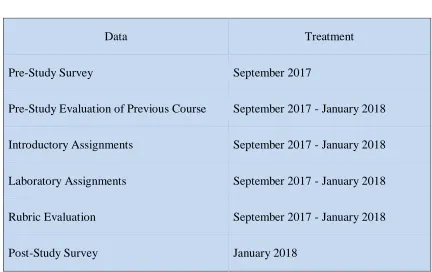
Table 3.1 Study Timeline ... 62
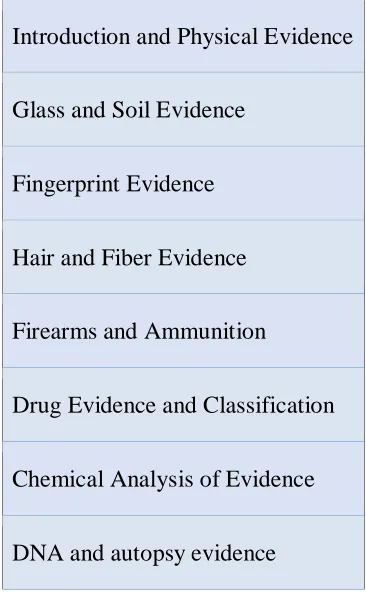
Table 3.2 Forensic Science Content Knowledge ... 67
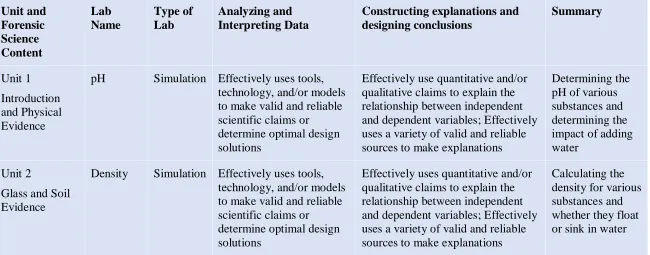
Table 3.3 Laboratory Types and NGSS SEPs in Each Unit ... 68
Table 3.4 Data Types ... 78
Table 3.5 Coding Framework ... 80
Table 3.6 Alignment of Research Questions to Data Collection and Data Analysis. 86 Table 4.1 T-test Results for the Means of All Simulation Laboratory Grades Between the Intervention and Comparison Classes ... 109
Table 4.2 T-test Results for the Means of All At-Home Laboratory Grades Between the Intervention and Comparison Classes ... 112
Table 4.3 Intervention Class Pre- and Post-Survey Student Interest in SEPs ... 119
Table 4.4 Analyzing and Interpreting Data Scores from the NGSS SEPs Rubric for the pH Laboratory ... 128
Table 4.5 Constructing Explanations and Designing Solutions Scores from the NGSS SEPs Rubric for the pH Laboratory ... 129
Table 4.6 Analyzing and Interpreting Data Scores from the NGSS SEPs Rubric for the Density Laboratory ... 131
Table 4.7 Constructing Explanations and Designing Solutions Scores from the NGSS SEPs Rubric for the Density Laboratory ... 132
Table 4.8 Analyzing and Interpreting Data Scores from the NGSS SEPs Rubric for the Soil Laboratory ... 133
xiii
Table 4.11 Constructing Explanations and Designing Solutions Scores from the NGSS SEPs Rubric for the Fingerprint Laboratory ... 137 Table 4.12 Analyzing and Interpreting Data Scores from the NGSS SEPs Rubric for
the Hair Laboratory ... 139 Table 4.13 Constructing Explanations and Designing Solutions Scores from the
NGSS SEPs Rubric for the Hair Laboratory... 140 Table 4.14 Analyzing and Interpreting Data Scores from the NGSS SEPs Rubric for
the Target Laboratory ... 141 Table 4.15 Constructing Explanations and Designing Solutions Scores from the
NGSS SEPs Rubric for the Target Laboratory ... 142 Table 4.16 Analyzing and Interpreting Data Scores from the NGSS SEPs Rubric for
the Projectile Motion Laboratory ... 144 Table 4.17 Constructing Explanations and Designing Solutions Scores from the
NGSS SEPs Rubric for the Projectile Motion Laboratory ... 145 Table 4.18 Analyzing and Interpreting Data Scores from the NGSS SEPs Rubric for
the Drug Survey Laboratory ... 147 Table 4.19 Constructing Explanations and Designing Solutions Scores from the
NGSS SEPs Rubric for the Drug Survey Laboratory ... 147 Table 4.20 Analyzing and Interpreting Data Scores from the NGSS SEPs Rubric for
the Red Cabbage Laboratory... 149 Table 4.21 Constructing Explanations and Designing Solutions Scores from the
NGSS SEPs Rubric for the Red Cabbage Laboratory ... 150 Table 4.22 Analyzing and Interpreting Data Scores from the NGSS SEPs Rubric for
the Chromatography Laboratory ... 151 Table 4.23 Constructing Explanations and Designing Solutions Scores from the
NGSS SEPs Rubric for the Chromatography Laboratory ... 152 Table 4.24 Analyzing and Interpreting Data Scores from the NGSS SEPs Rubric for
xiv
Table 4.26 Analyzing and Interpreting Data Scores from the NGSS SEPs Rubric for the Blood Splatter Laboratory ... 155 Table 4.27 Constructing Explanations and Designing Solutions Scores from the
xv
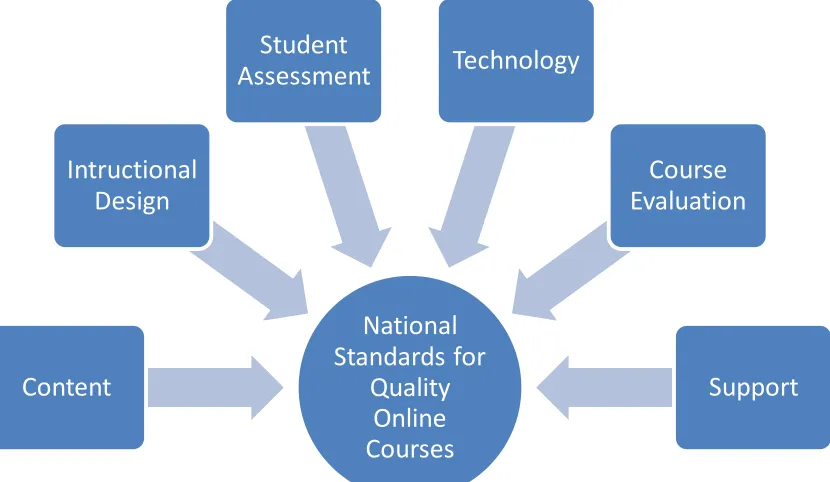
Figure 1. Components of iNACOL’s National Standards for Quality in Online
Courses Version 2 ... 16
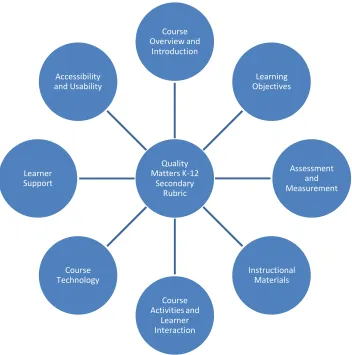
Figure 2. Components of the Quality Matters K-12 Secondary Rubric, Fourth Edition... 18
Figure 3. Components of National Standards for Quality Online Teaching Version 2 ... 19
Figure 4. Components Used in Developing the NRC Framework ... 24
Figure 5. Three Main Areas of the NRC Framework ... 25
Figure 6. Components of the NGSS ... 27
Figure 7. Focus Principles of Multimedia Learning ... 40
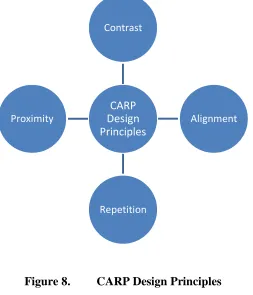
Figure 8. CARP Design Principles ... 41
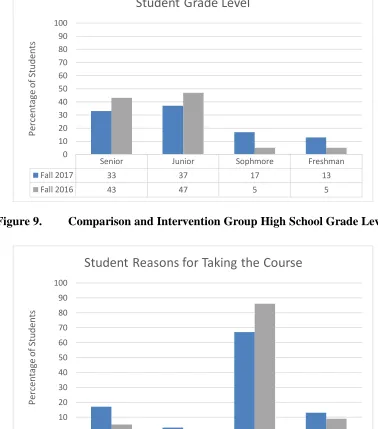
Figure 9. Comparison and Intervention Group High School Grade Level ... 64
Figure 10. Comparison and Intervention Group Reasons for Taking the Course ... 64
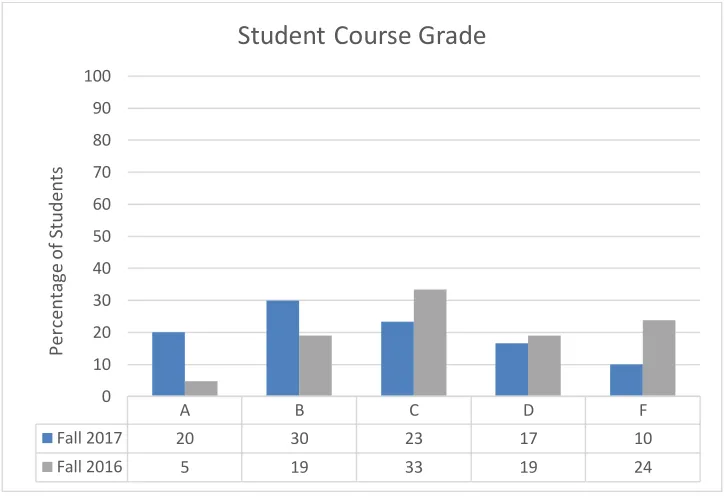
Figure 11. Comparison and Intervention Group Course Grades ... 65
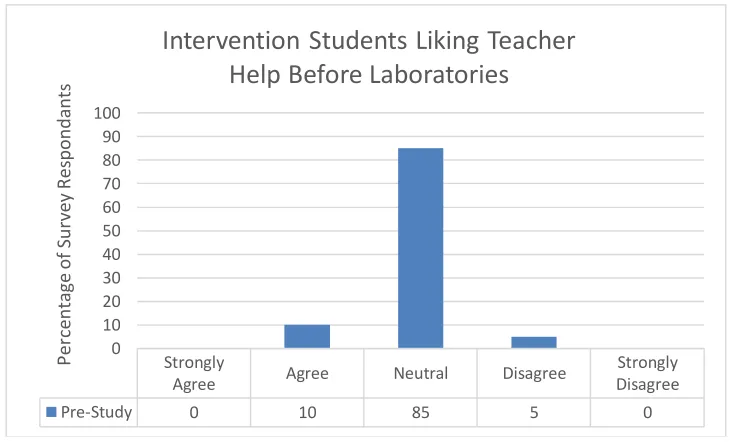
Figure 12. Intervention Students Liking Teacher Help Before Laboratories ... 101
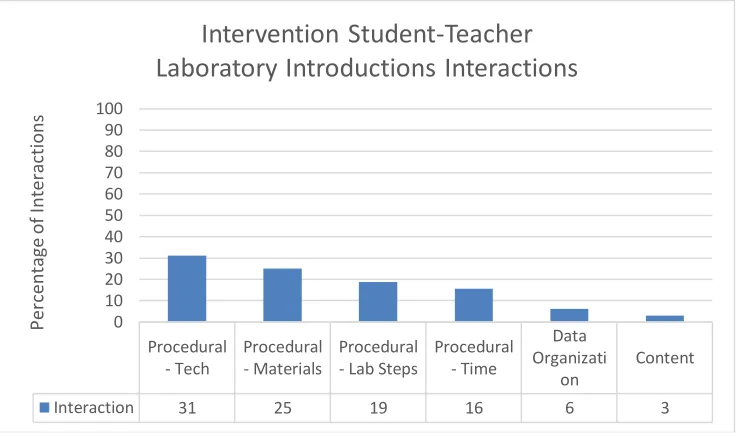
Figure 13. Intervention Student-Teacher Interactions Before Laboratories Based on Teacher Logs ... 103
Figure 14. Intervention Student Survey Responses about Introductions Being Helpful ... 104
Figure 15. Intervention Students Expecting to Complete All Laboratories ... 106
Figure 16. Percentage of Intervention Students Completing 0-4 Simulation Laboratories ... 107
xvi
Figure 19. Percentage of Intervention Students Completing 0-8 At-Home Labs ... 110 Figure 20. Comparison and Intervention Students At-Home Laboratory Completion
... 111 Figure 21. Comparison and Intervention Students At-Home Laboratory Grades .... 111 Figure 22. Intervention Student Expectations About Liking Simulation and At-Home
Laboratories ... 114 Figure 23. Student Pre- and Post-Survey Responses About Liking Simulation
Laboratories ... 115 Figure 24. Student Pre- and Post-Survey Responses about Liking At-Home
Laboratories ... 116 Figure 25. Intervention Student Pre- and Post-Survey Responses About Laboratory
Completion ... 117 Figure 26. Pre- and Post-Survey Scores for Intervention Student Thoughts About
xvii
Picture 1. Screenshot from the pH Lab Introduction ... 127
Picture 2. Screenshot from the Density Lab Introduction ... 130
Picture 3. Screenshot from the Soil Lab Introduction ... 133
Picture 4. Screenshot from the Fingerprint Lab Introduction ... 135
Picture 5. Screenshot from the Hair Lab Introduction ... 138
Picture 6. Screenshot from the Target Lab Introduction ... 141
Picture 7. Screenshot from the Projectile Motion Lab Introduction ... 143
Picture 8. Screenshot from the Drug Survey Lab Introduction ... 146
Picture 9. Screenshot from the Red Cabbage Lab Introduction ... 148
Picture 10. Screenshot from the Chromatography Lab Introduction ... 151
Picture 11. Screenshot from the DNA Extraction Lab Introduction ... 153
xviii
AAAS American Association for the Advancement of Science CARP Contrast, Alignment, Repetition, and Proximity
iNACOL International Association for K-12 Online Learning NRC National Research Council
CHAPTER ONE: INTRODUCTION
This chapter gives an overview of the research project, a statement of the
problem, purpose of the study, the context, and a theoretical framework. This information justifies the necessity of the research while presenting key ideas considered when
formulating the study.
Overview
In our contemporary technology-based world, online educational opportunities have become important in the education of all subjects including science. According to the United States Department of Education statistics, the number of students enrolled at online K-12 schools in the United States during the 2009-2010 school year was estimated to be 1,816,400 with 74% studying at the high school level (Queen & Lewis, 2011). Furthermore, Gemin, Pape, Vashaw, and Watson (2015) share data for the 2014-2015 school year showing that there were a projected 4.5 million supplemental course
enrollments for K-12 students online; their data more specifically estimates that 14.1% of online courses were in science. Additionally, 49% of the principals surveyed by Project Tomorrow (2015) state that they were specifically using online science courses.
high school administrators believe online and blended learning help enhance course offerings (79%), provide for credit recovery (73%), deliver AP courses (61%), and allow schools to meet the needs of learners (60%). Along with school interest in digital
learning, students appreciate social and collaborative learning that is untethered with minimal limitations, as well as “learning that is digitally rich in context and relevancy” (Project Tomorrow, 2015, p. 15).
As online courses are being used to meet the needs of schools and students, it is important to make sure they are highly effective. The National Science Teachers Association (NSTA, 2016a) has a position statement backing the implementation of a variety of online science learning opportunities for K-12 students. They state that online learning must help better the work of science teachers and students (NSTA, 2016a). However, the organization goes on to recommend that such experiences be carefully planned. Educators must ensure the pedagogical integrity for science courses be maintained with digital instruction (Miller, 2008). According to the NSTA (2016a), online instruction must be based on both research about learning and best instructional environments. Some important items highlighted by the NSTA (2016a) include focusing on course design, student interest, relevance, standards, and interactions.
The most current national science standards are the Next Generation Science Standards (NGSS), which are based on the previous National Science Education
Standards (NGSS, 2013e). These standards call for teachers to focus on disciplinary core
1. Asking questions and defining problems 2. Developing or using models
3. Planning and carrying out investigations 4. Analyzing and interpreting data
5. Using mathematics and computational thinking 6. Constructing explanations and designing solutions 7. Engaging in argument from evidence
8. Obtaining, evaluating, and communicating information (NGSS, 2013e) The SEPs are skills that are important for students to demonstrate in science classes and are not just teaching practices (Pruitt, 2014). These practices facilitate student
understanding of knowledge formation and connect activities to content (NGSS, 2013b). In addition to the NGSS there are resources establishing high quality design for online instruction, including the National Standards for Quality Online Courses (iNACOL, 2011a) and Standards from the Quality Matters K-12 Secondary Rubric, Fourth Edition (Maryland Online, 2016). Other resources, such as the National Standards
for Quality Online Teaching (iNACOL, 2011b), focus on online instructional practices.
Clear course expectations, focusing on key ideas, incorporating active and relevant learning activities, and designing supportive resources through links and media are some relevant insights offered by these standards.
student-student, student-content, student-teacher, teacher-content, teacher-teacher, content-content, learner-group, and teacher-group, can allow for course dialogue (Anderson, 2008).
When considering online science instruction specifically, the NSTA (2016a) recommends that online education be structured to facilitate strong instruction in science. Some ways it suggests to do this is through careful design, clear goals, active and
authentic experiences, and frequent interaction. Furthermore, the National Research Council (NRC, 2012) asserts that the development and use of SEPs are important in describing phenomena and creating solutions.
Jeschofnig and Jeschofnig (2011) stress the importance of laboratories in online courses. Kennepohl (2013) discusses that considering laboratories in the online
environment can be hard, but the goal of such laboratories should be to help students understand how to utilize knowledge. Crippen, Archambault, and Kern (2013) share some options for laboratory activities in the online environment such as:
virtual laboratories calling for student set up and work with virtual equipment hands-on laboratories requiring students to set up and complete laboratories at
home
simulation laboratories using virtual activities without student setup
remote laboratories allowing students to use laboratory equipment at another location
Reeves & Kimbrough, 2004; Shegog, Lazarus, Murray, Diamond, Sessions, & Zsifmond, 2012; Stucky-Mickell & Stuckey-Danner, 2007; Swan & O’Donnell, 2009) and found many positive aspects of such activities. Adding videos is one recommendation that exists for improving online laboratories (Clary & Wandersee, 2010). Another is providing scaffolding (Scalise, Timms, Moorjani, Clark, Holtermann, & Irvin, 2011). Online introductions to laboratories may help with these recommendations. They can be one way to enhance laboratory courses online to better achieve the highest quality science instruction.
Statement of the Problem
Online courses are becoming an important way to provide more course offerings and flexibility to meet the needs of students and schools (Picciano & Seaman, 2010; Project Tomorrow, 2015). Therefore, it is critical to ensure that teachers teach these courses with the most effective instructional strategies to meet current standards (NSTA, 2016b; Miller, 2008). With the NGSS (2013e), one important requirement is using the eight SEPs.
SEPs. In an online class setting students can choose to skip the laboratory activities or struggle to adequately analyze and interpret data and construct explanations and design solutions.
The introductions designed for this study addressed this by explaining key
laboratory content, procedures, and two NGSS SEPs (analyzing and interpreting data and constructing explanations and designing solutions) (Appendix A). I developed the
introductions using h5p, which is an online tool to make interactive content (H5P, 2017). As I constructed each I considered good multimedia design (Clark & Mayer, 2011; Lewis, 2000; Mayer, 2001), copyright (U.S. Copyright Office, 2016), and accessibility to meet the needs of various learners (ADA, n.d.; U.S. Department of Justice, 2009; W3C, 2018). I posited that this might be beneficial to student learning by helping students better interact with the content and the teacher, complete laboratories, and think about and use the focus NGSS SEPs. This could not only help students in the online classes I teach, but also facilitate the creation of resources to benefit other students.
Purpose of the Study
introductions impacted student laboratory completion rates, student questions about laboratories, and thoughts about and use of the two NGSS SEPs (analyzing and interpreting data and constructing explanations and designing solutions).
This study answered several research questions. Do introductions before online forensic science laboratories focused on key content, procedures, and two NGSS SEPs (analyzing and interpreting data and constructing explanations and designing solutions) promote (1) student interaction with the course instructor by asking questions before completing the laboratories?, (2) student completion of those laboratories?, (3) student thinking about the NGSS SEPs?, and (4) student use of those NGSS SEPs in laboratory responses?
There was significance but also limitations to the study. It was significant because it provided introductions for students to interact with the content and the teacher. This dynamic offered students the opportunity to articulate their questions about the
laboratories and caused students to be more likely to complete some laboratories and think about and use the two NGSS SEPs of focus. It is important for instructors to
tracking to determine how much students interacted with the interventions and a
previously published survey and rubric to evaluate student reactions to the intervention. Context
My teaching and educational experiences provided me with a strong background for the study. My background includes teaching math and science at a charter school for nearly three years, science at a traditional face-to-face public school for five years, and science at an online state virtual school for over 10 years. I hold a Bachelor of Science in Biology, a Master of Science in Environmental Science, a secondary science teaching certificate, and an Education Specialist Degree in Education. I have also completed coursework towards an Ed.D. in Curriculum and Instruction. Combined, this experience and education has provided a firm foundation in science education and prepared me to complete this study.
for the Advancement of Science (AAAS, 1990), and Benchmarks of Science Literacy (AAAS, 2009).
After teaching face-to-face science classes, I obtained employment as a science instructor in an online environment. Initially, I worked to promote inquiry in science labs and achieve the goals of the National Science Education Standards (NRC, 1996) in my online courses. I also became proficient in the National Standards for Quality Online Teaching by iNACOL (2011b), the National Standards for Quality Online Courses
(iNACOL, 2011a), and the Quality Matters K-12 Secondary Rubric (Maryland Online, 2016) through cognate coursework during my Ed.D. program. I obtained both a Graduate Certificate in K-12 Online Teaching and a teaching endorsement in that area. These opportunities helped me to identify and implement best online teaching practices in my online science courses.
While enrolled in the Ed.D. program, the NGSS (2013e) became the national science standards. These standards provided me with new ideas about science proficiency for K-12 students today. They describe science as both knowledge and an endeavor that uses evidence, models, and theories to continually build knowledge. It consists of three dimensions: disciplinary core ideas, crosscutting concepts, and SEPs. Disciplinary ideas are key science concepts that are important to science understanding. Crosscutting
concepts are science ideas that are important across all areas of science. SEPs are used by scientists and engineers to apply knowledge.
together during the online laboratories I teach, my thoughts moved towards introductory interventions for these practices. This study tested the effectiveness of the introductions to increase student interactions with content and the teacher to help laboratory completion rates and student thoughts about and use of the NGSS SEPs.
I approached this study as a teacher with about 19 years of experience instructing a variety of face-to-face and online science courses. There are several different formats available to deliver course content online. According to Gemin et al. (2015), online learning occurs with teacher instruction over the Internet. Students and instructors are not present in the same location, but instead rely on the web and educational software for learning to occur. This can be achieved through real time, synchronous instruction or by asynchronous interactions. Such courses can be delivered to students inside or away from brick and mortar school locations. For the purpose of this study, I considered an online science course as a web-based, asynchronous class delivered via Blackboard.
Theoretical Framework
In this study, I drew on two theories: the NRC’s (2012) Framework for K-12 Science Education and transactional distance in online learning and the importance of
Framework for Science Education
The NRC framework sees science and engineering as important in providing solutions to alleviate problems in today’s world (NRC, 2012). In this view, science is needed by all students for success in life and also offers a means to keep the United States competitive. The framework centers on key SEPs, crosscutting concepts, and disciplinary core ideas. It offers a vision of science education that incorporates these parts to deepen student understanding. Its goal is to provide a way to allow students to become:
critical consumers of science information lifelong science learners
people with an appreciation for science
Since the framework relates the SEPs to key ideas and crosscutting concepts, it provides a foundation for the present study. This study sought to add introductory information about two SEPs (analyzing and interpreting data and constructing
explanations and designing solutions) before laboratories. This design is meant to help students think about and utilize SEPs better during online course laboratories. Learning about the SEPs may help students think about and use the NGSS SEPs.
Transactional Distance
compensated for with using distinct educational behaviors in order to meet instructional goals (Moore, 1991).
Two ways to overcome transactional distance are with dialogue and course design (Moore, 1991). Dialogue is “the interplay of words and actions and any other interactions between teacher and learner when one gives instruction and the other responds” (Moore & Kearsley, 2005, p. 224). Course structure includes the various components of course design such as “learning objectives, content themes, information presentations, case studies, pictorial and other illustrations, exercises, projects, and tests” (Moore &
Kearsley, 2005, p. 226). With increasing levels of transactional distance, learners need to use more autonomy (Moore, 1991). Therefore, designers can carefully create courses for quality (Moore & Kearsley, 2005).
Interactions can be instrumental in distance education. Some interactions include student-student, student-content, student-teacher, teacher-content, teacher-teacher, content-content, learner-group, and teacher-group (Anderson, 2008). In this study, I focused on three types of interactions: student-content, student-teacher, and teacher-content.
First, learner-content interactions happen as a result of teachers organizing content (Moore & Kearlsey, 2005). Learners have to make their own knowledge through adding new information to previous cognition with teachers facilitating this process (Moore & Kearsley, 2005). Anderson (2008) adds that some content can be interactive to adjust to student needs.
provides opportunities for the teacher to respond most appropriately to individual learners (Moore & Kearsley, 2005). Moore (1989) adds that this type of learning is highly wanted by students. Anderson (2008) points out that such interactions can be asynchronous or synchronous.
Finally, Anderson (2008) shares that teachers can interact with content. This happens as teachers construct course content, as well as review courses and adjust current courses as needed (Anderson, 2008).
By adding introductory activities before laboratory assignments, students have the opportunity to interact with SEPs and the instructor as they prepare to learn science knowledge and skills during the laboratory assignments. This may help ensure that the online science course delivers the highest quality instruction based on the NRC (2012) framework with the least amount of restrictions due to increased transactional distance. The teacher can also interact with students and content through the introductions to better meet the needs of all learners.
Chapter Summary
CHAPTER TWO: LITERATURE REVIEW
This chapter provides a review of literature related to the study. The goal of the research was to study how adding introductions before laboratories in online courses helped improve student interactions with laboratory content and the teacher, laboratory completion, laboratory report scores, and student thoughts about and use of two NGSS SEPs. The SEPs of focus for the study were analyzing and interpreting data and constructing explanations and designing conclusions. Topics for the literature review include online course design and teaching standards, science content standards,
introduction features and best practices, and online science laboratories. Being aware of current science content standards helped focus my research on important science
practices. Knowing about the online course design and teaching standards, the best introduction design features, and information about online laboratories allowed me to carefully create laboratory introductions and maximize their potential for effectiveness.
Online Course Design and Teaching Standards
There are distinct factors to consider with online learning. With students and teachers separated from one another by geography, there can be variations in
Data Driven Online Learning
One way to carefully design online courses is by consulting quality assurance frameworks that include rubrics for developing quality online courses. Course design rubrics are usually based on a set of standards focused on the content, design, technology, assessment, and overall management of online courses (iNACOL, 2011a). Such rubrics help course instructors design effective courses. For example, a report by the Florida International University Online (2016) showed how Quality Matters Certification helped lead its courses towards more student interactions, higher course access minutes, and improved grades. I have highlighted two sets of online course design standards in this literature review as these are the focus course design rubrics at the study school. One is the National Standards for Quality in Online Courses Version 2 from iNACOL (2011a). The other is the Quality Matters K-12 Secondary Rubric, Fourth Edition (Maryland Online, 2016).
In addition to course design rubrics, there are also rubrics available to help teachers utilize the best practices in the online teaching environment. For this study, I consulted the iNACOL (2011b) National Standards for Quality Online Teaching Version 2.
iNACOL Online Course Design Standards
iNACOL (2011a) based their initial online course design standards from the Southern Regional Education Board (SREB) standards. iNACOL National Standards for Quality in Online Courses Version 2 help course designers create online courses with
(Figure 1). Content describes the need for effective academic standards and assessment, clear course overviews and introductions, legal and acceptable use policies, and instructor resources. Instructional design should consider audience needs, careful course design with clear units and lessons, instructional activities that meet a variety of learning needs through engaging activities, high levels of communication and interactions, and enriching materials. Student assessment ought to include effective evaluation strategies and
frequent varied feedback with the necessary assessment materials. Technology should allow for teachers to add content and use it with multiple schedules, clear navigation and media, the ability to meet technical requirements, and interoperability. It must also enhance course accessibility and security. Finally, courses should be analyzed for effectiveness, be updated frequently, and offer support (Figure 1).
Figure 1. Components of iNACOL’s National Standards for Quality in Online Courses Version 2
National
Standards for
Quality
Online
Courses
Content
Intructional
Design
Student
Assessment
Technology
Course
Evaluation
Quality Matters K-12 Standards
The Quality Matters K-12 Secondary Rubric, Fourth Edition is from Maryland Online (2016). The original standards release was in 2010 with improvements added due to the input of online teachers, instructional designers, and standards from online
education organizations. Researchers also evaluated them in light of current literature. There are eight areas listed in the rubric: course overview and introduction, learning objectives (competencies), assessment and measurement, instructional materials, course activities and learner interaction, course technology, learner support, and accessibility and usability (Maryland Online, 2016) (Figure 2). The course overview should make it easy to get started on the course with the purpose and structure, necessary technical skills, netiquette, standards, instructor information, and required knowledge identified. Learning objectives ought to be clearly defined, measurable, and aligned to students, standards, and activities. Multiple assessments must align with the course, have clear evaluation
standards, allow for self-reflection, and provide for clear course expectations.
Instructional materials should align to learning, be clear, appropriate, have depth, be cited correctly, and be free of bias and advertisements. Course activities ought to be aligned to objectives, support learning, be clear, and explain necessary interactions. Course
Figure 2. Components of the Quality Matters K-12 Secondary Rubric, Fourth Edition
iNACOL Online Teaching Standards
Another guide for online courses is online teaching rubrics. iNACOL’s National Standards for Quality Online Teaching Version 2 offers standards to lead organizations
towards good online teaching (iNACOL, 2011b). This version, which is a modification of the standards from the SREB, has information to describe both what online teachers need to know and do (iNACOL, 2011b). The main items to consider from the rubric are: online instruction, technologies, teaching strategies, promotion of student success, legal
Quality Matters K-12
Secondary Rubric Course Overview and
Introduction
Learning Objectives
Assessment and Measurement
Instructional Materials Course
Activities and Learner Interaction Course
Technology Learner
Support
and ethical issues, student needs, assessments, standards-based learning goals, assessment data, professional behavior, and instructional design (iNACOL, 2011b) (Figure 3).
Figure 3. Components of National Standards for Quality Online Teaching Version 2
A summary of these quality teaching standards (iNACOL, 2011b) is as follows. For online instruction, the teacher should be able to identify best practices, prepare students for global learning, understand the different types of online instruction, know the
National Standards for Quality Online Teaching
Online Instruction
Technologies
Teaching Strategies
Promotion of Student
Success
Legal and Ethical
Issues
Student Needs Assessments
Standards-based Learning
Goals Assessment
Data Professional
Behavior
need for continuous professional development, be aware of the content and learners of the course, and recognize how important it is to improve the field. Instructors must be able to use technology tools, emerging technology, and troubleshooting as well as stay current on available technology. Teaching strategies should include instruction based on current applications, developing community, promoting interactions, facilitating online groups, tailoring communications to specific learners, and differentiating instruction. Promotion of student success can occur through communication with clear expectations for a variety of aspects of the course, including course objectives, interactions, student behavior, feedback, student engagement, and course expectations. Teachers must be prepared to address legal and ethical issues including digital citizenship, academic honesty,
acceptable use, appropriate use of technology, and privacy. They can also meet the needs of all learners by making appropriate and legally required accommodations, enrich learning, and address student diversity. Assessments should be appropriate, valid, reliable, and secure. Assignments ought to be authentic, based on standards, and continually updated based on feedback. Teachers should be able to utilize data in
instructional planning to meet student needs, self-assess, recognize different assessments for ability, evaluate instructional strategies, keep records, use time well, manage classes, assess student readiness, measure their own readiness, and help students form goals for online learning. They also need to participate in professional development and
Science Standards and the NRC Framework
Effective teachers have a grasp of the content along with knowing how to facilitate student understanding of content through well-designed activities (Bransford, Brown, & Cocking, 2000). This does not change in the online environment. Online teachers should know the content area they are teaching and match up assignments with desired standards-based learning outcomes just like face-to-face teachers (iNACOL, 2011b). In much the same way, online course designers must be able to align learning goals with recognized content standards (iNACOL, 2011a; Maryland Online, 2016). Given this, I began this research project by reviewing the current national science standards. These national science standards were instrumental in determining the most effective course design and teaching practices for the online science course being studied. NRC Framework
The science content standards have a rich history. In 1996, the NRC (1996) implemented the National Science Education Standards to guide teachers toward the goals of helping students comprehend the natural world, utilize science to make good choices, participate in discussions about science topics, and become more productive through scientific literacy. The National Science Education Standards were individual content standards describing the knowledge students should gain and the skills they should be able to do throughout their K-12 experiences. The content standards consisted of inquiry, physical science, life science, earth and space sciences, science and
In 2012, the NRC (2012) updated the science content standards in A Framework for K-12 Science Education. As states began adopting common standards for both math
and English/language arts, the NRC (2012) believed the time was right to develop national science standards as well. The NRC (2012) used some additional sources to guide the development of the new science education standards. These include Science for All Americans by the AAAS (1990), the AAAS’s (2009) Benchmarks for Science
Literacy, and the NSTA (n.d.) Anchor’s Project.
Science for All Americans stresses the importance of scientific literacy to help
people have fulfilled lives, be responsible, and develop thinking skills (AAAS, 1990). It recognizes science is a tool to solve problems and supports an educator focus on
scientific literacy. Additionally, Science for All Americans provides an explanation of the nature of science, mathematics, and technology (AAAS, 1990). The text shares some of the fundamental knowledge of science, and there is a discussion of the areas of science and human society, the designed world, the mathematical world, and historical
perspectives (AAAS, 1990). After identifying key areas, there are highlights of common themes (AAAS, 1990). These themes include systems, models, and constancy versus change.
end of 12th grade, students should know that the universe has consistent rules and patterns which can be determined by science, major ideas in science often stay the same with some changes over time, new theories may work better, testing theories is an ongoing process, and value for science grows as researchers better explain and predict phenomena (AAAS, 2009).
Later, the NSTA (n.d.) Anchor’s Project set out to create a key set of science education standards for the nation that could be available in print and online. These standards could serve as a guide for science teaching. According to the NSTA (n.d.), they would focus on key skills and knowledge to best utilize limited teaching time. Three reasons for the project were to address the overabundance of science standards being required by states, a lack of clear information about science standards, and concerns about how to properly match up standards with different assessments.
Finally, with the National Science Education Standards, texts from the AAAS, and input from the NSTA Anchor’s Project, work began to form A Framework for K-12 Science Education (NRC, 2012). The framework authors sought to make sure that all
high school seniors gain an understanding of the beneficial features of science, have the science knowledge necessary for informed citizenship and consumerism, be able to independently grow in their knowledge of science throughout life and have the background to obtain jobs of their choosing (NRC, 2012). Figure 4 illustrates the
Figure 4. Components Used in Developing the NRC Framework The NRC (2012) framework has three areas of focus: disciplinary core ideas, crosscutting concepts, and science and engineering practices (SEPs) (Figure 5). The SEPs that relate to this study and, therefore, will be discussed in more detail are:
asking questions (for science) and defining problems (for engineering), developing and using models,
planning and carrying out investigations, analyzing and interpreting data,
using mathematics and computational thinking,
constructing explanations (for science) and designing solutions (for engineering),
engaging in argument from evidence, and
Figure 5. Three Main Areas of the NRC Framework
The crosscutting concepts for all science topics are “patterns; cause and effect: mechanism and explanation; scale, proportion, and quantity; systems and system models; energy and matter: flows, cycles, and conservation; structure and function; and stability and change” (NRC, 2012, p. 3). Core ideas are main topics specific to each content area. An example of a disciplinary core idea related to life science is “from molecules to organisms, structures and processes.” (NRC, 2012, p. 3). The authors of the framework expected it to facilitate the creation of new standards as well as guide curriculum, instruction, evaluation, and teacher professional studies (NRC, 2012).
understanding of the core ideas presented.” (NRC, 2012, p. 11). Finally, the framework was a way to show that both “knowledge and practice” can be used together during K-12 science instruction (NRC, 2012, p. 11).
Next Generation Science Standards (NGSS)
After the framework structure came together, Achieve, Inc. helped guide the development of the NGSS based on the framework (NRC, 2012). In April of 2013, the NSTA (2014) welcomed the standards as a transformative agent in science education. Forty-one writers, including teachers and other professionals from key fields, helped with the development of the standards (NSTA, 2014). The effort was led by 26 states (NRC, 2012).
There was a need for these standards (NGSS, 2013e). It had been 15 years since the National Science Education Standards were released and many changes in science had taken place during that time. These standards provide new information to better guide science education. They are also a way to encourage more students to enter science, technology, engineering, and mathematics (STEM) fields by focusing on science and engineering practices. Finally, the new standards better prepare learners to think critically and use inquiry both in their college experiences and careers.
Three Areas of Learning
engineering and technology and performance expectations. Furthermore, the standards allow for the integration of Common Core State Standards related to math and
English/language arts. Figure 6 shows how the NGSS are laid out.
Performance Expectations Science and Engineering
Practices
Disciplinary Core Ideas
Crosscutting Concepts Connections to Disciplinary Core Ideas in the Grade
Articulation of Disciplinary Core Ideas across Grades Common Core State Standards Connections
Figure 6. Components of the NGSS
The NGSS include performance, foundations, and coherence (NGSS, 2013d). In addition to the previous practice of expressing what students ought to learn, these new standards go further by adding measurable performances that can be achieved with the knowledge. Students should be able to show mastery of all major performance
expectations, however, there is no specific curriculum for these goals. Furthermore, NGSS focus on what students should be able to accomplish after successful course completion.
There are several items supporting performance expectations. Disciplinary core ideas are key ideas from the various science topics that students should learn about during their K-12 instruction (NGSS, 2013d). These also have sub-ideas for specific grades. There are also SEPs (NGSS, 2013d). Participating in science practices allows students to see how science knowledge is created while engineering practices help them to
The NGSS SEPs require student engagement and interaction with content. Fredricks, Blumenfeld, and Harris (2004) identify three components of student engagement. The first component of engagement is behavioral, which is shown by student participation in activities. Next, there is emotional engagement, or students having positive thoughts towards learning activities. Lastly, cognitive engagement is demonstrated when students exhibit the work to make sure they comprehend a concept. Engagement with SEPs assists students in seeing how knowledge in science is formed, enhancing positive awareness of scientific activities, grasping how professionals work, and creating meaningful links to ideas (NGSS, 2013b).
The first SEP is “asking questions and defining problems” (NGSS, 2013b, p. 4). The NGSS (2013b) discuss this practice in detail. Questions in science can develop through inquisitiveness; can be driven by models, theories, or data; or form as a result of necessity. An initial question can even lead to new questions to explore. Question quality is a key factor in question development.
Students can articulate how they will study a concept by using the third SEP, “planning and carrying out investigations” (NGSS, 2013b, p. 7). According to the NGSS (2013b), people participate in this practice as they study both science and engineering investigations (NGSS, 2013b). Engineering investigations relate to how to make a product better or analyze different solutions for maximum effectiveness. To plan and carry out an investigation, one must always share his/her goal, predictions, and activities. There should be improvement in one’s ability to plan and complete scientific studies over time.
Along with completing investigations, students must participate in “analyzing and interpreting data” (NGSS, 2013b, p. 9). The NGSS (2013b) discuss student analysis and interpretation of data. One’s ability to show data should get better over time. People should be able to show patterns, utilize math to depict variable relationships, and consider error. Data can also enhance conclusions.
“Using mathematics and computational thinking” is a key SEP (NGSS, 2013b, p.10). The NGSS (2013b) share why these are so important. Math can show relationships between variables and also help with predictions. Logical thinking and various types of math can be applied to science. Furthermore, computers can assist in calculations, estimating additional data points and studying data. Competency in using tools in conjunction with a computer for data collection and analysis is a must. One should also participate in the search for information, such as the use of sequenced algorithms, and simulations.
(2013b) elucidate that explanations and solutions are critical in science. Information can help with the creation of understanding. In science, assertions relate to variables. Claims are usually formulated after asking a question and collecting data. In engineering, problems are the focus. Problems are expressed to test and enhance possible solutions over time.
After students have their explanations and solutions, they should be “engaging in argument from evidence” (NGSS, 2013b, p. 13). The NGSS (2013b) discuss that it is through reflecting and evaluating arguments and evidence that explanations of science or the best solutions to problems can form. In order to effectively come up with
explanations and solve problems, one must be able to actively listen and consider multiple thoughts.
The last area of SEPs is “obtaining, evaluating, and communicating information” (NGSS, 2013b, p. 15). The NGSS (2013b) articulate that reading, explaining, and creating scientific writing is a key process. People must be able to digest and generate thoughts about scientific and engineering writing. They must consider more than one source of information to express how valid a claim is. They should also be able to show information in more than one way, such as through graphing, making tables, writing, equations, etc.
Crosscutting concepts are select concepts that relate to more than one
performance expectation (NGSS, 2013d). They are not designed to restrict instruction. The seven crosscutting concepts are patterns; cause and effect: mechanism and
(2013d) share some information about these concepts. They are designed to facilitate the understanding of core ideas and science and engineering practices, increase familiarity with contexts by revisiting concepts, and provide a shared language. Achievement of these should be determined along with core ideas and practices. However, the
performance expectations may not concentrate on all the possible crosscutting concepts (NGSS, 2013a). It is also important to remember that every student should learn about crosscutting concepts and not just higher-level learners.
Connections help identify links to other instructional aspects (NGSS, 2013e). They include various science topics, grade levels, and Common Core State Standards.
A summary of the NGSS can be described for high school physical science to illustrate the general design of these standards (NGSS, 2013c). There are five main topics in the NGSS for physical science, including structure and properties of matter, chemical reactions, forces and interactions, energy and waves, and electromagnetic radiation (NGSS, 2013c). The standards incorporate all eight SEPs, four disciplinary core ideas, and six crosscutting concepts. There are also connections to the nature of science along with connections to engineering, technology, and the application of science. Links to other disciplinary core ideas at the grade level, across other grade levels, and in relation to the Common Core State Standards are present.
NGSS in Action
information about two focus NGSS SEPs, analyzing and interpreting data and
constructing explanations and designing solutions. Looking at ways to enhance student understanding of key ideas, activities, and SEPs aligns well with the goals of current national science standards and has the potential to add one strategy to help with
implementation of the NGSS (2013d) in online science courses. It is the hope that with these introductions students might be more likely to complete laboratory assignments with high quality work while thinking about and using the focus SEPs.
Course Design and Teaching Practices
After looking at the current science standards, I explored some standards for online course design and teaching. The following section describes some key factors I considered about online course design and best practices in online instruction. There are links between various online course design standards, teaching practices, and the
laboratory introductions. Such links show what I considered as I designed the laboratory introductions and how they support best practices for online science course design and teaching.
Clear Expectations
Course expectations are important in online course design and teaching. Maryland Online (2016) standards state that learning objectives for activities should be clear as well as address how instructional materials are being used. iNACOL’s (2011b) teaching standards advocate that teachers be able to clearly define objectives, concepts, and learning goals.
(2009) found that 95% of students studied “believed that the structure and coherence of the course was very or somewhat important, and that expectations had to be explicit.” (p. 166). Additionally, DiPietro, Ferdig, Black, and Preston (2010) learned through a study of Michigan Virtual School teachers that one characteristic of its best online instructors was that they provided students organized content to use. Cohen and Ellis (2004, p. 166) conducted a study showing that one quality indicator of online courses was “expectations clearly articulated”. One of Barbour’s (2007) seven guidelines for effective web-based content based on interviews with course developers and teachers is making sure that expectations and directions are clear. Finally, Thomson (2010) states that courses should be organized with well-articulated expectations and instructions.
The laboratory introduction design in this study can help add to the clarity of online science laboratories. They provide a place to elaborate on laboratory expectations for content knowledge, procedures, and the focus SEPs.
Focusing on Key Ideas
Along with clear expectations, rigorous coursework should provide instruction focusing on key ideas. According to the iNACOL course design standards, topics must be explored in enough depth and breadth. Maryland Online (2016) supports this suggestion by stating that items used for instruction should have the proper level of topic coverage with current information and the necessary depth.
observations and experiments help explain scientific information (Bloom et al., 1956). They assert that knowledge provides the foundation for learning how to complete the scientific method. This holds true even if the knowledge learned is later proven incorrect.
Once recognizing a need for factual knowledge, it is important to carefully consider what will be taught and how it will be taught. Bransford, Brown, and Cocking (2000) state that students must have a deep understanding of facts and ideas in context to organize information for later access and application. Therefore, instructors ought to concentrate on a limited number of facts and a multitude of examples. According to AAAS (1990), when thinking about learning, it is important for teachers to remember that research on cognition shows that even with good teaching many learners do not comprehend all teachers think they do. Therefore, it is vital to remember that effective science instructors de-emphasize memorization and make understanding the key to instructing science (AAAS, 1990).
Wiggins and McTighe (2005) add to this by recommending a focus on big ideas and the backward design process to reach more effective levels of learning. Backward design starts with determining desired results, or what a teacher expects students to learn. This is done by considering standards, curriculum, and a variety of student factors. Next, teachers figure out what will be acceptable proof of learning. Finally, educators can plan learning experiences with a focus on the knowledge and skills needed. Knowledge should be focused on big ideas, or high priority items, instead of encompassing many minute facts about a topic.
and construct different ideas. Leonard, Fowler, Mason, Ridenour, and Stone (1991) research on teachers instructing introductory high school biology courses supports this. Teachers expressed the need to reduce the amount of content delivered to students at that level. Instead of requiring students to learn large vocabulary lists and volumes of
unrelated facts, “some content expectation needs to be traded off for high quality instruction in science process skill development, for the development of general principles and themes, and for developing a relationship to the real world” (Leonard et al., 1991, p. 402).
The NGSS (2013e) reinforce the need to limit factual knowledge by focusing on pivotal concepts through core ideas. For example, when writing about the standards and biology, Bybee (2012) says that despite the multitude of ideas in biology a limited amount of key concepts provides the foundation for science learning. With a limited number of disciplinary core ideas, teachers can begin to focus on the most important concepts students should understand about a topic (NRC, 2015).
Another influence affecting the acquisition of knowledge is the fact that students must construct meaning for themselves (AAAS, 1990). If students are not able to
consider new information in light of previous understanding, they may not be able to understand a concept well and apply that concept away from school (Bransford, Brown, & Cocking, 2000). Students enter classes with many thoughts and skills related to nature (Duschl, 2003). Minstrell (1989) supports this saying that each student comes to class with different knowledge, therefore, teachers must realize this and work to show differences between previous and present knowledge or bring the two knowledges
together. Therefore, instructors have to address the previous conceptual understandings of students (Bransford, Brown, & Cocking, 2000).
Focusing on key ideas supports both best online course design and online science teaching practices. The laboratory introduction design emphasizes key content for the laboratory, thus making it clear to students what the key concepts are and providing them with information as they try to understand these concepts.
Activities
Activity design is important in online education. Online course activities must be well designed to help students be active learners and higher-level thinkers (iNACOL, 2011a). The Standards from the Quality Matters K-12 Secondary Rubric, Fourth Edition provide recommendations for learner interaction and engagement, specifically stating that assignments must be designed to allow for active learning (Maryland Online, 2016).
It is also critical for students to have opportunities to understand their learning through multiple contexts, activities incorporating transfer, and metacognition
information in different ways and be better able to represent the knowledge in their minds. Activities focusing on transfer allow students to consider their original ideas about a topic and work to new understandings that they can apply outside of school. It is also important to develop the metacognitive abilities of students so that they can think about their learning by saying what they learned and reflecting on their understanding.
According to the AAAS (1990), if students are only able to practice using novel problems, they can only solve such problems. They state that, “students cannot learn to think critically, analyze information, communicate scientific ideas, make logical
arguments, work as part of a team, and acquire other desirable skills” until they have the opportunity to do these things many times (AAAS, 1990, p. 199). Krajcik et al. (2014) support this view suggesting that both content and practice are important components of science instruction. This is further reinforced in the NGSS (2013e) by the inclusion of performance expectations. The NRC (2015) shares that learners should have many opportunities to “ask questions about, investigate, and seek to explain phenomena, as well as to apply their understanding to engineering problems” (p. 26). Krajcik et al. (2014) show how performance expectations aid in determining what learners ought to know and how they should use such knowledge.
(Selco, Bruno, & Chan, 2012). Heui-Baik, Fisher, and Fraser (1999) explored the impacts of moving to a more constructivist approach with a focus on problem solving in science education in Korea. Korea developed a new national science curriculum to decrease required knowledge and focus on problem solving (Heui-Baik, Fisher, & Fraser, 1999). The results of their study on 10th- and 11th-grade science courses showed science curriculum reform in Korea towards more problem-solving approaches had a positive impact on student attitudes and achievement in science.
The laboratory introductions are for students to complete before working on online course laboratory activities. They could help focus learners on concept knowledge, procedures that promote higher-level thinking through active learning, and analysis through the focus SEPs. They can be a resource to students as they participate in laboratory activities to achieve the highest levels of thought.
Resources
Resources are important in both online course design and teaching. Students in online classes should have access to multiple learning resources and materials that enhance content (iNACOL, 2011a). Furthermore, an online teacher should be able to utilize new technology and a variety of tools and resources (iNACOL, 2011a).
(DiPietro et al., 2010). A study of gifted students and teachers by Thomson (2010) revealed that it is important to offer students valuable and suitable resources, especially because students often value more than one way to explain a topic. Barbour (2007) recommends easy course navigation with a diversity of ways to deliver content information to engage students. Elbaum, McIntyre, and Smith (2002) also advocate making templates and structuring course items in an organized manner while using graphics and animations to support learning.
Visual aids can be a valuable way to illustrate concepts for students (Thomson, 2010). Schmidt (2009) specifically describes the benefits of visuals on learning by saying it improves educational experiences by allowing what cannot be seen to be visualized. She lists some examples used in her undergraduate Introduction to Food Science and Human Nutrition class. These include detailed explanatory images, video and animation clips, anthropomorphic images, cartoons, demonstrations, experiments, and performances (Schmidt, 2009). Cys (1997) discusses the use of graphic organizers, visual symbols, word pictures, and presentations to help learners visualize what is being communicated. Jeschofnig and Jeschofnig (2011) outline some ways to deliver content to online
laboratory science learners. They say to completely involve all learners in classes, activities ought to be very interactive (Jeschofnig & Jeschofnig, 2011). Interaction with content can come from “audio files, video clips, imbedded links, journal articles,
simulations, and online tutorials that address the needs of auditory, visual, and kinesthetic learners” (Jeschofnig & Jeschofnig, 2011, p. 74).
principles about designing multimedia for learning. When making the introductions I focused on some of these principles, mainly using both words and pictures, placing corresponding words and pictures together, excluding extra words and pictures, using animation and narration use instead of animation and text use, avoiding redundancy, being conversational and friendly in my narration, chunking appropriate segments, and preparing students for multimedia (Figure 7).
Figure 7. Focus Principles of Multimedia Learning Multimedia
Design Focus Students learn
best from words and
pictures
Placing words and pictures
together in space and time
Excluding extra words
Using animation and
narration instead of text
Avoiding redundancy Personal
narration Segmentation of information
Preparing students for
The design principles of contrast, alignment, repetition, and proximity (CARP) can help improve the quality of design (Lewis, 2000) (Figure 8). Contrast is making various elements different to show they are not the same (Williams, 2004). Good
contrasts help attract readers (Williams, 2004). Alignment allows the page to look united by using a similar layout (Lewis, 2000). This gives the page a clean look (Williams, 2004). Repetition of fonts, colors, etc. can add unity, organization, and interest to a presentation (Lewis, 2000). Proximity involves putting similar items close together on a page to show they are related and making the page organized and clear (Williams, 2004).
Figure 8. CARP Design Principles
Introductory assignments before each laboratory can allow for teacher creation of and student use of targeted multimedia to best educate students about content, laboratory procedures, and NGSS science and engineering practices. As I designed each
introduction, I incorporated Mayer’s multimedia principles and the CARP design
CARP Design Principles
Contrast
Alignment
principles. This was done to make the introductions easy to understand and beneficial to student learning.
Accessibility
Accessibility is another important area in online course design and teaching standards. iNACOL (2011a) shares that coursework should be made so that all students have access. Course design should follow universal design principles, meet U.S. Section 504 and 508 requirements, and W3C’s Web Content Accessibility Guidelines. Maryland Online (2016) supports this saying that course materials should meet the needs of learners and facilitate ease of use. With respect to teaching standards, online teachers should be aware of and comprehend the Americans with Disabilities Act (ADA), the Individuals with Disabilities Education Act, the Assistive Technology Act, Section 508, and other guidelines for accessibility (iNACOL, 2011b).
The Americans with Disabilities Act (ADA, n.d.) ensures equal opportunities for individuals with disabilities. The Individuals with Disabilities Education Act (IDEA) requires schools to provide a free education to students with disabilities in the least restrictive way while meeting student needs. Section 504 of the Rehabilitation Act
mandates that people with disabilities not be excluded from programs that receive federal funding, and Section 508 of the Rehabilitation Act necessitates that electronic and other technology that is made, sustained, acquired, or used by the federal government be accessible to those who have disabilities (U.S. Department of Justice, 2009).
W3C (2018) put together documents entitled Web Content Accessibility
accessibility requirements. There are three types of checklists, Level A (beginner), Level AA (intermediate), and Level AAA (advanced).
When creating the introductions, accessibility was of utmost importance. I created alt tags for pictures and offered video, audio, and text. I also worked to organize
information in a logical order, carefully considering colors, fonts, and texts. Copyright
A final concern is copyright law. The iNACOl (2011a) course design standards state that copyright and licensing status for all course content must be explained and easy for course users to find. Maryland Online (2016) shares that all content inside of an online class must be cited properly. Online teachers must be capable of following laws related to intellectual policy and fair use (iNACOL, 2011b).
The U.S. Copyright Office (2016) has published a summary of all laws related to copyright. Copyright protection extends to literature, music, drama, choreography, pictures, video, sound, and architecture (U.S. Copyright Office, 2016). Authors of copyrighted works can exclusively copy, make derivative work, hand out copies, make performances, and deliver audio. Some items and uses are allowable under copyright law because they fall under fair use or their authors have made them acceptable to use. Creative Commons (n.d.) is one resource that provides legal help to people wanting to share their work with others and can be a good source for usable materials.