ScholarWorks
Walden Dissertations and Doctoral Studies Walden Dissertations and Doctoral StudiesCollection
2019
Teachers Experiences with Learning Through
Making
Kelly Jurkowski Walden University
Follow this and additional works at:https://scholarworks.waldenu.edu/dissertations
Part of theEducation Commons
This Dissertation is brought to you for free and open access by the Walden Dissertations and Doctoral Studies Collection at ScholarWorks. It has been accepted for inclusion in Walden Dissertations and Doctoral Studies by an authorized administrator of ScholarWorks. For more information, please [email protected].
Walden University
College of Education
This is to certify that the doctoral dissertation by
Kelly Girton Jurkowski
has been found to be complete and satisfactory in all respects, and that any and all revisions required by
the review committee have been made.
Review Committee
Dr. Narjis Hyder, Committee Chairperson, Education Faculty Dr. Jaclyn Gerstein, Committee Member, Education Faculty Dr. Danielle Hedegard, University Reviewer, Education Faculty
Chief Academic Officer Eric Riedel, Ph.D.
Walden University 2019
Abstract
Teachers’ Experiences with Learning Through Making by
Kelly Girton Jurkowski
MEd, Indiana Wesleyan University, 2000 BS, Indiana University, 1993
Dissertation Submitted in Partial Fulfillment of the Requirements for the Degree of
Doctor of Philosophy
Learning, Instruction, and Innovation
Walden University May 2019
Abstract
Experts describe maker education as activities relating to the construction of artifacts that encourage learning through teamwork, problem-solving, and innovation. Teachers in recent years have been turning to maker-centered learning strategies to develop 21st century skills along with emphasizing strong content knowledge focusing on creation and creativity. Previous maker-based learning research focused primarily on the technology and tools associated with these activities; however, little research exists on the teachers’ involvement with these learning strategies. The purpose of this phenomenological study was to explore the experiences of teachers currently using maker-centered learning strategies as an instructional practice in grade 5–12 classrooms. Based on the idea of constructing knowledge through active learning, the conceptual framework for this research encompasses multiple learning theories including constructionism,
constructivism, experiential learning, and cooperative learning. The research examined the motivation of teachers’ using maker-centered learning strategies and the challenges and benefits they have experienced. Data were collected using semistructured interviews and written lived experience descriptions from seven teachers currently using maker-based learning in their classrooms and analyzed using InVivo coding. The participants described their experiences as facilitators in student-centered classrooms that focus on collaboration and learning through failure. Time and assessment are common challenges while increased student engagement and student social and academic growth are common benefits. Experts maintain that maker-centered learning improves 21st century skills and prepares students for success in college, careers, and lifelong learning opportunities.
Teachers’ Experiences with Learning Through Making by
Kelly Girton Jurkowski
MEd, Indiana Wesleyan University, 2000 BS, Indiana University, 1993
Dissertation Submitted in Partial Fulfillment of the Requirements for the Degree of
Doctor of Philosophy
Learning, Instruction, and Innovation
Walden University May 2019
Dedication
I dedicate this doctoral study to my parents- my father, the late Richard Girton and my mother, Anne Girton Kumeh - your love and support have made me the person I am today. Thank you for believing in me even when I did not believe in myself. To my amazing husband, Bob. You always knew when I needed an extra push, a break, or a good laugh to reduce my stress. Thank you for listening to me talk through ideas even when I made absolutely no sense, for being supportive of my decision to undertake this journey, and for not letting me give up no matter how often I wanted. I love you more than you know.
Acknowledgments
First, I want to thank Dr. Narjis Hyder, my chairperson, for her unending confidence in me and my work and for always being available when I had questions or doubts. Thank you also to Dr. Jackie Gerstein for agreeing to join as my committee member. Your knowledge of maker education was invaluable. Finally, thank you to Dr. Cheri Toldedo for your help on this rocky journey.
This study represents a long, arduous journey that would not have been possible without the constant support and encouragement from my dearest friends and
family. There are no words to adequately thank my dear friend Sue Tobias who spent countless hours listening to me go on endlessly about my research along with my worries, struggles, and successes. Thank you for continually encouraging me, comforting me, and most importantly celebrating with me over even the smallest accomplishments.
Thank you to those teachers who participated in my research. With your dedication to students, you are changing our world for the better! I am also eternally grateful to the many friends for their help and understanding along the way:
My wonderful friends of Group 1 Cohort A: It seems a lifetime ago that we sat around that table at our first residency in 2013. You guys are amazing. I am confident in saying that without your support, this dissertation would not have been possible, and I would not be where I am today. I love you all!
Scott Shelhart: I am incredibly grateful to you for introducing me to the idea of teaching outside the box, helping me to develop this idea, and for always letting bounce an idea off you. I appreciate all you have done for me.
Chris Zander: Thank you for listening to me talk about this dissertation and sharing your amazing way with words!
KVMS: To the staff and students- Thank you for your proofreading, your confidence, and your support while keeping me grounded. You mean the world to me!
Finally, to my favorite rock star, Ginger Lewman, my life changed that day in the Blogger’s Cafe at ISTE. Thank you for always answering my questions, sharing your vast knowledge, assisting in gathering the participants for this study, and just being your fantastic self.
i
Table of Contents
Abstract ... iii
Chapter 1: Introduction to the Study ...1
Background of the Problem ...1
Problem Statement ...4
Purpose of the Study ...6
Societal Impact...7 Research Questions ...9 Conceptual Framework ...10 Research Design ...11 Definitions of Terms ...11 Assumptions ...13 Limitations ...13
Significance of the Study ...13
Organization of the Remainder of the Study ...16
Chapter 2: Literature Review ...17
Maker Movement ...17
Conceptual Framework ...20
Constructivist Learning ... 21
Constructionism ... 22
ii
Similarities of Approaches to Learning ... 33
Review of Broader Problem...34
Maker Mindset ... 35
STEM / STEAM ... 36
Design Thinking... 39
The Role of the Teacher in Maker-based Learning ... 43
Benefits of Maker-based Learning... 45
Challenges of Maker-based Learning ... 48
Future of Maker-based Learning ... 50
Synthesis of Findings ...50
Chapter 3: Methodology ...52
Research Design ...53
Role of the Researcher ...56
Target Population and Participant Selection ...59
Methodology ...63 Procedures ... 63 Instruments ... 64 Data Analysis ... 66 Ethical Assurances ...70 Expected Findings ...73 Summary ...74 Chapter 4: Results ...76
iii Introduction ...76 Pilot Interview ...77 Research Background ...78 Setting ...79 Demographics ...80 Participant 1 ... 83 Participant 2 ... 84 Participant 3 ... 84 Participant 4 ... 84 Participant 5 ... 84 Participant 6 ... 85 Participant 7 ... 85 Data Collection ...86 Data Analysis ...88 Evidence of Trustworthiness...95
Themes and Results ...98
Theme One: Learning Environment ... 100
Theme Two: Focus ... 105
Theme Three: Experiences ... 111
Summary ...120
Chapter 5 ...122
iv
Interpretation of Findings ...124
Active Learning Theories ... 125
Teacher Focus – Maker Mindset... 131
Benefits of Maker-Based Learning Strategies ...132
Engagement... 133
Skills ... 133
Challenges of Implementing Maker-Based Learning ...135
Time 135 Assessment ... 136
Limitations of the Study...137
Recommendations ...138
Implications...139
Positive Social Change ... 139
Conclusion ...140
References ...143
Appendix A: Questionnaire ...169
Appendix B: Interview Guide ...172
v List of Figures
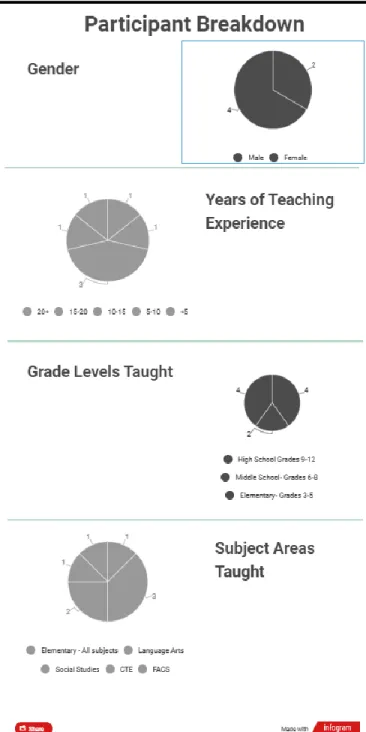
Figure 1. Participants Breakdown ...80
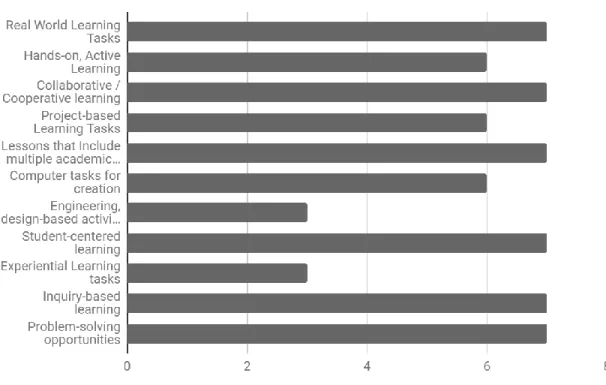
Figure 2. Maker-based Learning Strategies ...81
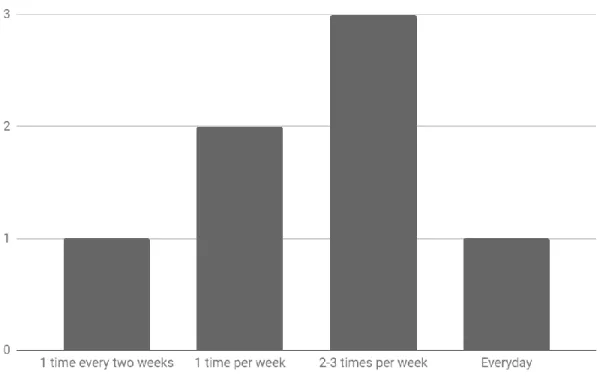
Figure 3. Frequency of Use ...82
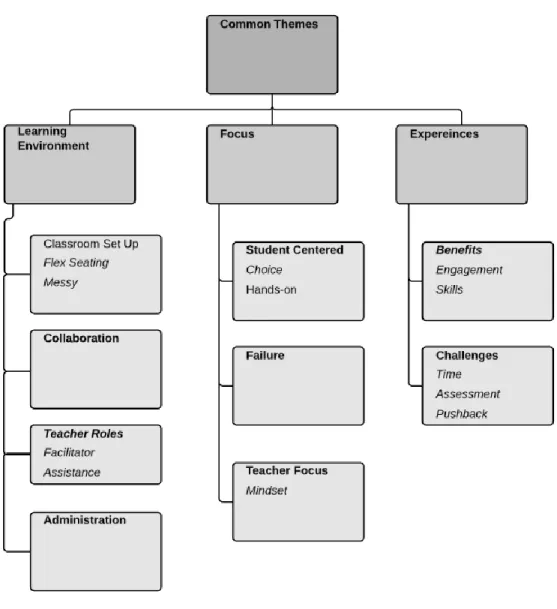
Figure 4. Common Themes...91
Chapter 1: Introduction to the Study
Background of the Problem
The need for more science, technology, engineering, and mathematics (STEM) curriculum has become a commonly used mantra in education over the last
decade. According to Reeve (2014), a need for a globally competitive workforce drives the push for STEM curriculum. STEM careers require 21st century skills such as
problem-solving, collaboration, critical thinking, and communication (Hilton, 2015). According to Greenstein (2012), the time has come for schools to stop focusing on what students know and instead to focus on what students can do with that knowledge. It is becoming increasingly important to prepare students with the abilities to think critically, collect and evaluate evidence, and solve complex problems. STEM-based learning activities are commonly used to teach these skills.
Educators need to teach students skills to solve problems never seen before and that they may not see for years. Jerman et al. (2018) discuss careers in digital and virtual factories and high-tech smart system jobs, along with the areas of artificial intelligence, mechatronics, and robotics. The traditional classroom is data-driven and policies such as No Child Left Behind and Race to the Top rely heavily on standardized test data to monitor student growth and teacher performance (Lauen & Gaddis, 2016). Students take an average of 112 mandatory standardized achievement tests during their education (Hart et al., 2015). These standardized test scores influence student promotion, remediation or extension opportunities, class placement, course suggestions, and graduation. These test scores are also publicly reported and linked to teacher evaluations, school funding,
teacher contract decisions, school rewards, and sanctions (Segool, Carlson, Goforth, Von Der Embse, & Barterian, 2013). According to Ackerman (2004), these direct instruction based methods have shown little impact on improving student achievement.
The increased pressure on schools to offer STEM curriculum and meet student achievement goals has led to the use of maker education. The term maker education refers to hands-on activities that encourage academic learning through teamwork, experimentation, and problem solving (Herold, 2016). While the label maker education is relatively new to the educational arena, according to Martinez and Stager (2013), solid educational constructs that include hands-on learning, problem-based learning, and arts-based initiatives are the foundation of this movement. Maker education has developed into a significant movement in the field of education with schools and teachers attending workshops and conferences dedicated to making and attempting to implement maker approaches in their classrooms.
In this study, I focused on maker-centered learning and the experiences of teachers who follow this mindset. Experts describe making and the maker as those activities relating to construction and fabrication using technological resources in a learner-centered environment that promotes design through collaboration and innovation (Papavlasopoulou, Giannakos, & Jaccheri, 2017). Dougherty (2016) described the maker movement as a platform for collaboration and creativity beyond what previously existed.
Maker-based learning practices encompass the do-it-yourself movement, STEM and STEAM education, increased technological resources, project-based learning, and the need to get more students interested in STEM fields. The focus of the maker mindset as
it applies to educational settings is on learning through encouraging students to have a sense of inventedness to explore answers in an engaging and interactive manner. Over the last decade, maker-based learning has moved into K–12 settings to provide hands-on learning opportunities for students of all ages. Making in the classroom includes
activities in science and math classes as well as courses specifically devoted to making such as the Project Lead the Way curriculum.
Project Lead the Way (PLTW) is a nonprofit organization that has developed a hands-on curriculum for use in schools to develop students’ appreciation of how math and science relate to the world around them. PLTW teaches students to apply what they learn to real-world concepts and enable students to use the knowledge and skills they need to be successful in a technology-based world (Cahill, 2016). Making in the K–12 educational setting takes on many forms in multiple settings, including classrooms, school libraries, computer labs, industrial arts classrooms, and visual or fine arts classrooms.
Student-centered maker-based classrooms differ significantly from traditional classrooms. A growing number of schools are embracing the philosophy of the maker movement to create meaningful and engaging learning experiences. Recently, the
addition of increased focus on creativity in STEM curriculum and technology has schools utilizing the arts in a movement referred to as STEAM (Peppler & Wohlwend, 2018). Research shows that creativity, accompanied by structure and guidance, supports deep student learning (Bevan, Petrich, & Wilkinson, 2015). These types of creativity have existed at such places as the Tinkering Studio in San Francisco and making can provide
this creativity in the classroom (Bevan, Petrich, & Wilkinson, 2015). According to Halverson and Sheridan (2014), making is poised to make an impact on schools and students, but there is little research to support the use and benefits of making in schools or the teachers who use maker-centered activities in the classroom. Harlow and Hansen (2018) stated that the maker movement is on the verge of transforming education from a focus on testing and monotony to emphasizing creation and creativity.
Problem Statement
Today’s teachers are expected to meet many demands, including strong content knowledge, meeting all types of students’ learning needs, and developing 21st century skills. One way that teachers are doing this is by utilizing a maker-centered learning philosophy. According to Dougherty (2016), making is a mindset rather than a curriculum or set of planned activities. Chu, Quek, Bhangaonkar, Ging, and
Sridharamurthy (2015) found that developing a maker mindset in children supports their ability to complete technical tasks and problem solve. In their future education and careers, students will be asked to synthesize the available information efficiently and effectively apply that knowledge to solve increasingly more complex tasks.
The amount of research that focuses on the use of maker tools and strategies with various student populations, including research on 3D printing (Wang, Zhou & Wu, 2016) the use of computer software (Sullivan, 2012), and design thinking approaches (Retna, 2016) has grown over the course of the last decade. Researchers have examined learning experiences and benefits of making with specific student populations including students in a hands-on museum environment (Brahms &
Wardrip, 2016), high school engineering students (Nichols, 2016) and early
childhood students (Brahms and Wardrip, 2017). However, the research concerning educator experiences in this area is limited.
Of the studies I was able to locate during the course of completing this literature review, research included experiences of pre-service teachers who
developed a one-time Maker Faire activity at a school (Madden, Beyers & O’Brien, 2016), teachers who took part in workshops exposing them to various maker tools and strategies for integrating maker-based learning (Cohen, Jones, Smith, & Calandra, 2017, Jones, Smith, & Cohen, 2017; O’Brien et al., 2016; Paganelli et al., 2016). Cohen, Huprich, Jones, and Smith (2017) and Hsu, Ching, and Baldwin (2018) conducted research examining teachers’ perceptions as they participated in graduate courses using maker projects.
Researchers have also studied maker-based learning practices in areas outside the K–12 classroom such as libraries (Curry, 2017; Lugya, 2017), mobile maker labs (Craddock, 2015), higher education settings (Gaskins, Johnson, Maltbie & Kukreti, 2015), and extracurricular learning opportunities (Vossoughi, Escude, Kong, & Hooper, 2016). Other research on teacher experiences focused on related concepts such as educational games for hands-on learning (Qian & Clark, 2016) or project-based learning approaches (deChambeau & Ramlo, 2016).
While each of these studies has contributed to the understanding of the
benefits to students and their perceptions of maker-based learning as well as educator attitudes toward integrating maker tools and activities into their instruction, none
have included the teachers’ experiences with these learning processes. The purpose of this qualitative study was to describe the experiences of K–12 teachers currently using maker-centered learning as an instructional strategy within their learning environments. In this study, I explored and why teachers use maker-based learning practices as part of the curriculum. I explored how and why teachers use making as part of their classrooms as well as the benefits and challenges for themselves and their students encountered in the use of making as part of the curriculum.
Purpose of the Study
The purpose of this qualitative study was to describe the experiences of teachers currently using maker-centered learning as an instructional strategy in their learning environments. The experiences these teachers shared provide a rich context to explore why these teachers instituted maker-based learning practices and how they implemented this change in their teaching practices. I researched the benefits and challenges teachers perceived as affecting their classroom environments. This research is particularly
important as teachers are expected to provide more services and meet higher expectations in their classrooms. I interviewed current teachers of Grades 5–12 who use maker-centered learning in their classrooms in an effort to describe their experiences, as well as perceptions of the benefits and challenges, and motivation. I sought to understand why teachers chose to use maker-based learning practices as an educational pedagogy and what knowledge or practical wisdom the teachers have gained from using this type of teaching and learning.
I interviewed teachers from multiple states who are currently integrating maker-centered learning activities as a part of their instructional practices. The participating teachers were volunteers that I located using the participant list from a workshop led by an educational consultant at a nonprofit educational service center. The facilitator of this professional learning experience, who is a member of my professional learning
community, agreed to provide the contact information for the participants in her
workshops. Participants were teachers who have participated in a professional learning experience where they learned how to shift from a traditional classroom to a STEAM-based maker-centered classroom environment. I found the second pool of participants using recommendations from teachers in the researcher’s professional learning network.
Participants shared background information using an online questionnaire. The questionnaire involved topics including the subject and level taught, the length of
experience in using maker-centered learning activities, and the demographics of the area they are teaching in. The list of participants who met the decided upon criteria was then asked to participate in more in-depth interviews. The requirements for participation included a minimum of 2 years teaching in a K–12 classroom using maker-centered learning activities regularly.
Societal Impact
There are two aspects of societal change related to the study of hands-on, collaborative STEM education. Maker-based learning experiences are of particular importance for students in low-income areas and urban or very rural areas, where funds and opportunities for access to experts and mentors knowledgeable in STEM topics are
limited (Barton, Tan, & Greenberg, 2017). Researchers posit that the purpose of encouraging STEM careers is for improved global economic competition (Garibay, 2015). According to Phelan, Harding, and Harper-Leatherman (2017), STEM careers correlate with higher salaries, and the disproportional number of underrepresented students engaged in STEM opportunities contributes to economic and social inequity in the United States. Underrepresented students include students of color, female-students, and students from lower income areas who may not have access to maker-based learning practices. Maker-based learning practices have been found to breakdown socioeconomic barriers, according to Barton, Tan, and Greenberg (2017). Somanath, Morrison, Hughes, Sharlin, and Sousa (2016) found that maker-based learning practices increased school engagement, improved technical literacy skills, and led to healthier personality
development through collaboration, peer involvement, and self-efficacy skills. Similarly, Sheffield, Koul, Blackley, and Maynard (2017) found that girls involved in maker-based learning practices were more likely to show increased communication, perseverance, and positive attitudes regarding STEM topics.
While research leans toward the economic benefits of maker-based learning practices, Clapp et al. (2017) assert that maker-based education helps to promote students’ comprehension of social issues and finding solutions that are meaningful to their community. Researchers in STEM education emphasize that maker-based learning practices aide in the development of students’ understanding regarding social issues, their potential to design solutions for these problems, and other needs of a global society (Barton, Tan & Greenberg, 2017; Schell, 2016). The Next Generation Science Standards
for K–12 students stress the importance of teaching students to ask questions, define problems, and design solutions for issues in their own communities and the world at large to become agents of change (Rachmawati, Prodjosantoso, & Wilujeng, 2019).
One of the main tenets of maker-based learning is the collaborative nature of making and learning. Students and makers in general work together to solve problems in social settings (Dougherty, 2016). In the same way, students can grow to work
collaboratively to solve real-world problems. Those with a maker mindset work together to identify and solve social, environmental, and global problems. Garibay (2015)
suggests that making social change a focal point in education and providing students the opportunities to research real-world issues may increase students’ social empowerment, which encourages students to understand that they can make a difference that results in change (Clapp et al., 2017).
Research Questions
The questions that I used to guide this research were as follows:
Research Question 1 (RQ1): What are the experiences of teachers planning, creating, and using maker-centered learning as an instructional strategy in their classrooms?
Research Question 2 (RQ2): What motivates a teacher to implement a maker-centered curriculum as an instructional strategy in their classrooms?
Research Question 3 (RQ3): What do teachers understand to be the challenges and benefits that they have encountered as they use maker-centered learning?
Research Question 4 (RQ4): What types of changes have teachers seen in themselves and their students since the implementation of maker-centered learning activities?
Conceptual Framework
The constructivist theory describes the experiential nature of learning and how individuals construct what they learn. Experiential learning and the construction of knowledge are essential components of maker-based learning practices. According to Hasan Khan (2013), a constructivist learning environment is student-centered, with the teacher acting as a facilitator who must create a learning environment conducive to active learning. Active learning refers to a method of instruction in which students are
purposefully involved in the learning rather than just listening to and absorbing content (Bonwell & Eisan, 2005). In the case of maker education, learning takes place as students work to solve a problem.
According to Dewey (1938), the construction of knowledge is a cognitive activity, and that while engaging students with physical activities and hands-on lessons may be essential to learning, it is often not enough. Teachers must provide activities that involve the minds and hands of students to build knowledge through a process of education and experience. Piaget (1968) stated that the teacher’s role is to facilitate learning. Maker-centered learning activities provide the teacher with opportunities to engage students in building knowledge.
Constructionism states that learning occurs best when students actively work with media or objects to create and build artifacts shared with others (Papert, 1993). This
theory of active learning is found throughout all aspects of the maker movement as well as other educational approaches often linked with maker education and maker-based learning practices including work on peer learning, cooperative learning, project-based learning, experiential learning, and challenge-based learning.
Research Design
The purpose of this phenomenological qualitative study was to describe the experiences of teachers currently using maker-centered learning activities as an
instructional strategy within their learning environments. The phenomenological research included data collected through interviews from teachers using maker-based learning practices in their classrooms. Through the interviews, I sought to determine the participant’s successes, obstacles, and motivations in developing and using maker-centered learning practices as a part of their learning environments. According to Vagle (2014), phenomenological research is used to explore the connections and relationship between the person and the experience. In this study, I aimed to explore the relationship between teachers who choose to use maker-centered learning activities and their
perceptions of this approach to student learning.
Definitions of Terms
Maker education: Maker education is an instructional approach that relies on hands-on, collaborative learning experiences focused on solving authentic, real-world problems, according to Dougherty (2016). As an offshoot of the maker movement, maker-centered learning activities emphasize students’ creativity, problem-solving, and critical thinking skills. Maker education programs take place across a variety of
environments including, classrooms, university settings, camps, community programs, and libraries. For the sake of this research study, the focus will be maker-based learning practices in a K–12 classroom.
STEAM education: STEAM fields are science, technology, engineering, art, and math connected and designed to integrate STEM subjects into other disciplines to teach students to think critically and take a creative approach to problem-solving (Jolly, 2014). According to Moreau and Engeset (2016), business leaders and educators are rating creativity as a critical leadership quality that is lacking in many individuals entering the workforce. The need for creativity has led to the addition of an arts component to STEM education, resulting in STEAM education. Hunter-Doinger and Sydow (2016) state that evidence shows creativity to be equally as important as the other components in the learning process. Artistic elements to learning increase traits such as motivation, innovation, responsibility, and self-efficacy (Madden, Beyers, & O’Brien, 2013).
STEM education: Science, technology, engineering and math (STEM) make up the academic subjects typically associated with education policy and curriculum
decisions in schools (Gonzalez & Kuenzi, 2012). The influence of STEM education has grown in both education and the workforce. An increase in expectations for schools to provide STEM education opportunities is a common theme in the media. According to Erdogon and Stuessy (2015), careers in STEM are estimated to grow significantly over the next decade. The typical teacher certification demands little in the way of STEM which requires teachers to engage in continuing education events and professional development opportunities, according to Nadelson et al., (2013).
Assumptions
I assumed that the teachers gave me honest and open responses during the
interviews. The interview data were kept confidential to make this possible. Because the interviewees agreed to take part in the research study regarding the use of maker-centered learning activities, I also assumed that the participating teachers used making as an instructional method in their curriculum and had a positive feeling about the impact of maker-centered learning activities on students and their learning.
Limitations
The number of participants was limited to no more than ten teachers, thus not allowing for generalizations of a large population. However, teachers represented different grade levels, educational settings, years of teaching experience, and experience using maker-centered learning practices to provide different insights into learning. A second limitation involved consistency in coding. With only one researcher the data analysis could lack interrater reliability. A peer debriefer aided in the research process and provides interrater reliability. The peer debriefer has experience with qualitative research analysis and supports the credibility and trustworthiness of the research by reviewing the emerging themes and clarifying interpretations. Additionally, I tried to ask clarifying follow-up questions and consistently code all data as collected.
Significance of the Study
According to Maughan (2018), the maker movement is poised to change education radically. Unlike the regimented traditional classroom, the maker-based learning classroom encourages student-centered, interest-driven, and process-oriented
curricula. Where a conventional school environment has separated subject matter into efficient categories of learning, such as reading, social studies, science, and math classes, a maker-based learning classroom advocates the fusing of these parts together in support of the understanding that in the real world, no such divisions exist. Sheridan et al. (2014) explained the value of the multidisciplinary classroom saying that maker-centered
learning practices seem to break down disciplinary boundaries and facilitated process- and product-oriented practices leading to innovation. In a school with maker-based teaching and learning, students are challenged to be creators rather than consumers of their learning. Advocates of maker-centered learning practices claim that this integrated format has the capability of reframing the way students learn in the areas of STEM education. Daugherty (2013) urged institutions to rethink the purpose of school and to consider how students learn best.
Schools are focusing on preparing students for college, but manufacturing companies are seeing a shortage of skilled workers. Schools need to provide technical training and include programs that support on-the-job apprenticeships (Kavanaugh, 2017; Smith & White, 2017). This interdisciplinary approach focuses on creativity, innovation, design thinking and inquiry which mesh with the maker education and maker-based learning movement (Schooner, Nordlof, Klasander, & Hallstrom, 2017).
A classroom that focuses on maker-centered learning activities offers a new type of learning environment that moves beyond the traditional practice of a teacher imparting knowledge at the students sitting in a cemetery style classroom setting to one of student exploration in learning. Introducing this type of education may be challenging for
teachers who are more familiar with textbook-based teaching. A maker-centered classroom is not the neat and tidy, quiet learning environment that many teachers are experienced with using (Herold, 2016).
The role of the teacher in a maker classroom must change from the sage on the stage distributing information to the position of mentor, problem-solver, facilitator, activist or networker, according to Rico and Ertmer (2015). Dougherty (2016) state that educators using maker-centered learning activities see their roles as facilitators who guide the students’ learning experiences.
Preservice teacher education programs and traditional teacher role models have conditioned teachers and school administrators to align classroom practice with a
predetermined set of learning expectations, with very little flexibility to support a culture of innovation, according to Goh, Yusaf, and Wong (2017). This misalignment between formal teacher training experiences and the pedagogical philosophy tied to making might be a challenge with regard to implementing a maker-centered program for some teachers and school administrators (Goh, Yusaf & Wong, 2017). Maker-centered learning requires a classroom environment and teacher that can successfully manage an experiential
teaching and learning style with less focus on subjects and more time spent on the experience of learning, according to Dougherty (2016).
According to Martinez and Stager (2013), the ability to cultivate classroom conditions that are supportive of creativity is critical to developing a thriving maker-centered classroom environment. The authors go on to explain that the support of
innovation in these educational spaces is vital for success in classrooms using maker-based learning. Students should feel a sense of acceptance, creativity, and freedom.
The influence of maker-based learning practices can increasingly be felt in the K– 12 classroom, and there is a belief that implementation of the maker movement within education can bridge the ever-growing gap between formal classroom knowledge and real-world problem-solving (Martinez & Stager, 2013). However, there is little known about the ways in which teachers have chosen to implement maker practices, what their overall perceptions of the movement are, and how their own maker experiences have impacted their teaching practices. This study fills a significant gap in the literature regarding teachers using maker-centered learning as an instructional tool within their classroom environments.
Organization of the Remainder of the Study
The remainder of this study will include an overview of maker-centered learning and the experiences of those educational professionals using it. The literature review includes a discussion of the conceptual framework of the research discussing
constructivism and constructionism. The literature on the learning theories associated with maker-centered learning is examined in the analysis of the research section. I explored maker environments and the recent push for increased education in STEM/ STEAM areas in the next portion of the literature review. The collaborative nature of maker-centered learning is in the following section where I expand upon the need for STEM / STEAM learning to prepare students for future success. Finally, I summarize the findings as this section leads to the selected research methodology.
Chapter 2: Literature Review
The purpose of this phenomenological qualitative study was to describe the experiences of teachers currently using maker-centered learning practices as an instructional strategy within their learning environments. I sought to determine the participants’ experiences in developing and applying maker-based learning practices, their perceptions of the benefits, challenges, and student learning outcomes associated with a maker-centered classroom, and their understanding of their roles as teachers in this type of learning environments. I sought to explore why and how teachers use maker-based learning practices and the teachers’ perceptions of making as a method for
increasing student learning. In this chapter, I provide an examination of the evolution of centered learning, the educational theories and models associated with maker-centered learning, and finally, the benefits seen in classrooms using maker-based learning practices.
Maker Movement
Making is defined as the use of resources to create something of interest (Chu, Quek, Bhangaonkar, Ging, & Sridharamurthy, 2015). There are several viewpoints of making as a movement. The maker movement, according to Dougherty (2013), is a social movement encouraged by people who create their own way with a sense of what they can do as well as what they are capable of learning to do. Papavlasopoulou et al. (2017) refer to the maker movement as a broad topic that builds on the idea of an
individual as a maker. Dougherty describes makers as people who see new, inexpensive technologies as an invitation to play (Thomas, 2014). According to Thomas (2014), the
maker movement acknowledges and rewards the principles of responsibility, resourcefulness, skill, and persistence. This acknowledgment develops a sense of empowerment for people who believe that they are capable of making.
Maker-based learning practices in schools are generally associated with the areas of science, technology, engineering, and math. Educational leaders in recent years have called on institutions to encourage student learning through maker-centered learning activities that grow the maker mindset through meaningful and engaging learning activities (Cohen et al., 2017). Although not focused explicitly on education, the maker movement advances many goals in formal education. Making has been found to improve STEM education and to promote 21stcentury skills such as creativity, problem-solving, collaboration, and self-expression (Kalil, 2013). In maker-based learning practices, the emphasis is on fostering this maker mindset to empower learners of all ages.
The concept of making something and exchanging the knowledge and expertise is fundamental to the maker movement and maker-based learning, according to Hatch (2013). Learning and sharing are critical components in settings in which maker-centered learning practices are used. According to Dougherty (2013), there are several
requirements for bringing the maker movement to education. Schools must create a culture in the learning environment that develops a maker mindset or a growth mindset. Educators must also strive to link the practice of making to formal academic standards and concepts. Schools and preservice teacher programs must develop new measures of
teaching to encourage making in the classroom and prepare teachers who utilize these goals (Maughan, 2018). Educational settings need to identify, promote, and share an
extensive database of projects and kits based on the varied interests of those involved. According to Dougherty (2013), schools should host online social platforms to encourage and support collaboration among teachers, students, and the community. To promote the maker movement schools should foster programs that help students to take control of expanding the interests of others and build the group of makers. Finally, educators should work to foster confidence and creativity in all students as agents of change in their own lives, their schools, and their communities (Doughtery, 2013).
According to Dougherty (2013), the process for bringing the maker movement to school involves creating a context in which to build a maker mindset including designing and developing maker-based learning environments. Seymour Papert’s work on
constructionism and making began with the formation of the Fab Lab at MIT in 2001 and spread quickly as other Fab Lab branches opened at other universities (Barrett et al., 2015). Fab Labs, short for Fabrication Laboratories, offers a variety of machines and tools, including computer-aided design cutting machines, drill presses, 3D printers, and laser cutters. These open spaces are available for anyone to use if they share what they make and learn with others (Doughtery, 2016). According to Forest et al. (2014), while creativity and innovation are central to the engineering process, open-ended design programs in a university setting are uncommon. K–12 educational settings can offer this same accessibility.
According to research completed by Project Zero of Harvard School of Education, three characteristics can evolve from using maker-centered learning practices. The first theme is that of a community characterized by collaboration, an expectation to share
information and ideas with others and distributed teaching and learning (Clapp et al., 2017). The second characteristic of making is a process which includes problem-solving, flexibility, experiential learning, and a driving curiosity. Finally, the environment where making takes place is an important characteristic. The environment generally consists of open and accessible places rich in tools and a variety of media, according to Clapp et al. (2017).
The process of making involves teamwork and problem-solving, which allows students to construct their own knowledge. These learning processes have been in classrooms since before the maker movement formally began. Similarly, many teachers are familiar with other common themes in maker-centered learning including
collaborative learning, peer learning, experiential learning, and cooperative learning (Clapp et al., 2017). The conceptual framework for this study involves these common theories and learning strategies.
Conceptual Framework
The conceptual framework connects research to show the system of perceptions, assumptions, expectations, and theories that promote and inform research (Jabareen, 2009). The notion of constructing knowledge through active learning is the basis of the conceptual framework for this study. Dewey believed that motivation to learn occurs when students have some choice about how and what to study (Dougherty, 2016).
Many of the educational theories that experts associate with maker-centered learning practices are not new to teachers, including the theories influencing this research of constructivism and constructionism. Experts express that making involves theorists
studied by all educators including Piaget, Montessori, and Paper (Maughan, 2018). According to these theories, learning takes place in an active, hands-on social manner. Each of these approaches supports one another and in their own ways impacts maker-based strategies as a learning method.
Constructivist Learning
Constructivist learning evolved from the work of childhood development scholar Jean Piaget as he synthesized the work of Dewey, Montessori, Frobel, and others with his own work. Constructivism focuses on cognitive development and a deep understanding of a topic as a learner constructs knowledge in an efficient manner (Fosnot & Perry, 1996). Piaget believed that learning occurred by tinkering, making, and engineering solutions to problems (Stager & Martinez, 2013). Piaget theorized that when teachers present students with a learning environment grounded in action, students can meet with success in all areas (Dougherty, 2016). Feedback and self-reflection reinforce new insights. According to Yoders (2014), constructivist teaching features cognitively active learners, building on their prior knowledge. Hands-on, constructivist learning is learner-centered, and learner-driven and allows students to create their knowledge as they build upon experience (Sharma, 2014).
There are several constructivist learning models available and each focus on a cyclical approach. As children work together in constructivist settings and engage in meaningful activities, learning and development occur (Li & Liam, 2013). Yoders (2014) found several essential aspects of constructivism in practice. One fundamental facet is that learning occurs when students are cognitively and actively involved. New
knowledge is built upon prior experience as learning is applied and feedback provided. Finally, reflection by the learner is key to the process (Yoders, 2014).
Teaching behaviors associated with constructivism include the encouragement of student initiative, student-driven lessons, questioning techniques used to garner student understanding, and encouraging students to discuss their ideas and perceptions with one another and the teacher (Keiler, 2018). According to Martinez and Stager (2013), making is a way to approach education and the ability to solve problems through active learning, discovery, and experimentation with creativity. This meaningful experimentation is a primary connection between constructivism and maker-centered learning practices.
Constructionism
Constructionism is often confused with constructivism. Both constructivism and constructionism incorporate the concept of building knowledge. Constructionism, or the process of thinking about learning, is described as how people learn by beginning a task or creating a prototype, reflecting on the work, revising, and sharing (Martinez & Stager, 2013). Constructionists posit that learning comes from experience and the construction of understanding, often in a social setting (Martinez & Stager, 2013).
Papert used the term constructionism to propose that students be permitted to utilize a focused learning model that relies on hands-on learning. Constructionism emphasizes building an artifact, discovering issues, and comprehending them is the most effective approach to learning (Noss & Clayson, 2015). The objective of constructionism is to give students activities with the goal that they can learn by showing improvement over what they could previously, according to Khanlari (2013). Papert effectively
anticipated the use of innovation, that would enable students to apply their learning to different subjects through inventiveness.
When teachers utilize Papert's constructionism to incorporate making and
planning, they see the artifact as a model of student learning (Khanlari, 2013). Martinez and Stager (2013) give credit to Seymour Papert as the father of the maker movement because the process of making plays an active role in learning through experiences. Papert takes the constructivist approach further toward the action end of the learning spectrum with constructionism as learning takes place in a meaningful activity that makes learning authentic and shareable (Martinez & Stager, 2013). These experiences build on existing knowledge with exposure to new ideas. According to constructionism, the creation of shareable artifacts is essential to the ability to construct knowledge or formulate understanding. These artifacts are evidence of learning (Martinez & Stager, 2013).
The constructionist learning theory promotes student-centered discovery learning where students build connections between ideas aided by the teacher who facilitates rather than offering direct instruction (Noss & Clayson, 2015). The most effective learning, according to Noss and Clayson (2015), takes place when learners are active participants in the making of objects in authentic learning situations. With active learning, activities replace the direct instruction of information by the teacher. These activities include class discussion, role-playing, peer review, and game-based learning tasks. This active participation in collaborative learning environments is central to Papert’s theory of constructionism and maker-centered learning practices (Thompson,
Lindstrom & Schmidt-Crawford, 2017). In programs using maker-based strategies, learners have control over their own learning through the building of knowledge (Papavlasopoulou et al., 2017)
A framework known as Makification bridges constructivism, constructionism, and the maker movement (Cohen, Jones, Smith, & Calendra, 2017). The principles of
Makification include creation, iteration, sharing, and autonomy (Cohen et al., 2017). These principles of Makification coincide with Hatch’s principles in the Maker
Manifesto. The first principle of the Maker Manifesto is that physically making artifacts is fundamental to building deeper learning (Hatch, 2013). The second principle of the framework, iteration, is modifying the design process. Researchers found this acceptance of failure and the willingness to persevere in being critical to the idea of maker-based learning practices (Martin, 2015). According to Papert (1993), sharing and reflection are vital to making. The process of sharing, personally or digitally, inspires and encourages students to build on the work and ideas of others (Sullivan, 2015). Ardito, Mosley, and Scollins (2014) found that students using robotics in mathematics had an increase in academic skills and collaborative thinking and working. The final principle of
Makification is autonomy, per Cohen et al. (2017). This personal connection to making results from the choice involved in making, students’ personalization of projects, and the ownership arising out of creating artifacts.
Ownership results in enhanced motivation, according to Savery (2006).
According to Gerstein (2016), maker-based learning practices involve student-centered tasks based on authentic problems that involve creativity and innovation. Motivation and
student engagement also increases with other active learning strategies associated with maker-centered learning practices. These active learning strategies are features of constructivist and constructionist learning theories. While not educational theories, active learning strategies are also found to promote experimentation and collaboration with peers (Herold, 2016).
Active Learning and Maker-based Learning
While constructionism and constructivism are two widely touted learning theories associated with maker-centered learning practices, other instructional strategies are also related to the maker movement in education. The strategies discussed in the following section have all been termed active learning strategies, meaning that students are learning through active processes or learning by doing. Researchers found that an average of 98% of the teachers asked felt that students learn better by doing through some active task (Moye, Dugger, & Starkweather, 2016). According to Freeman et al., (2014), active learning strengthens students’ abilities to develop their own answers. Active learning concentrates on the teaching function, enables students to be responsible for their own learning, involves the students with thinking and problem-solving as they process through the tasks presented. These active tasks can be associated with Vygotsky’s social
constructivism and his theory of peer learning and the Zone of Proximal Development.
Zone of Proximal Development.
Integral to maker-centered learning is the theory of peer learning and the work of Lev Vygotsky. Peer learning involves students interacting with one another to complete educational tasks and meet academic goals (Clapp et al., 2017). Vygotsky’s social
constructivist model focuses on the social interaction that increases learning. Vygotsky posits that learning moves along a continuum from a social context to the internalization of knowledge by the learner (Amineh & Asl, 2015). According to Vygotsky, students learn from and with one another, resulting in increased self-esteem, teamwork, and
communication skills (Clapp et al. 2017). The cycle includes engaging in and exploring a topic during an activity, explaining and elaborating on the concept with teacher guidance, and evaluating or reflecting on the idea (Sharma, 2014). One aspect of the social
constructivist learning model is that of Vygotsky’s Zone of Proximal Development within which learners transcend developmental stages though processes such as scaffolding and apprenticeship (Li & Lam, 2013). Vygotsky found that students can reach educational goals otherwise outside their ability levels with assistance from others, a concept referred to as scaffolding. The range between a student’s independent
developmental level and the level of potential development when working with peers is considered the zone of proximal development.
Like other constructivist theories, social constructivism stresses problem or project-based learning, peer interaction, and collaboration among both learners and experts from outside the classroom (Gross & Gross, 2016). According to Amineh and Asl (2015), collaboration is an essential aspect of Vygotsky’s theory of the Zone of Proximal Development and constructivist learning to aid students in the construction of knowledge. This construction of knowledge is evident in maker-based learning practices. The interdependence of learners leads to collaboration between students as they work together to construct knowledge.
Interdependent learning theories.
Collaboration and the construction of knowledge are not fundamental to only constructivist and constructionist theories. Over the past few decades, changes in education have resulted in a variety of models for this learner-driven style of education. These discovery-based learning experiences involve more inquiry, collaboration, and experiential learning situations (Reynolds, 2016). Researchers identified teamwork and cooperation as the central core in building meaning to solve complex problems (Asunda & Mativo, 2016).
Cooperative learning is an example of a student-centered instructional strategy in which students work as a team, are responsible for their own education and are also charged with assisting in the teaching of all group members (Li & Liam, 2013). During cooperative learning activities, students interact with other group members and work together to solve a problem or reach a common goal.
Collaborative learning, a central element of inquiry-based learning, builds on the view that knowledge is a social construct as students work collaboratively to solve complex problems, complete tasks, or create artifacts (Alamjed, Skinner, Peterson, & Winning, 2016). The ideas that learning is student-centered, students learn by doing through group work and peer support, and authentic activities are real-world based are the basis of collaborative activities (Hummel, 2015). These collaborative skills often need to be taught and modeled by the teacher, according to Farrell and Jacobs (2016). The use of these principles ensures cooperative efforts.
Researchers have found four elements that teachers should encourage and monitor during cooperative learning to ensure collaborative efforts. Positive interdependence recognizes that each group member has a unique contribution to make to the group and students must rely on one another to make those contributions (Desai & Kulkarni, 2016). Heterogeneous groups formed with members whose skills and experiences vary in
numerous ways and these abilities and differences provide diverse abilities and
perspectives to a task (Farrell & Jacobs, 2016). A third principle discussed in research is the individual accountability that each member is expected to contribute to and be a part of the work of the team. Members are expected to interact with one another through discussions, feedback, and supporting one another (Li & Lam, 2013). This element is affected using interpersonal skills, including time management, communication, and conflict resolution skills.
Research has shown several advantages to interdependent learning, including increased academic achievement and the development of skilled communication, according to Li and Lam (2013). Collaborative learning in group settings provides students with the academic and social supports needed to enhance learning (Alamjed et al., 2016). Other research has found that collaborative learning is critical to
accomplishing a goal as learners are challenged to listen to differing viewpoints and defend their ideas (Asunda & Mativo, 2016). Peer motivation to master content and improved attitude toward learning were also noted in the research (Kyndt et al., 2013).
Other researchers have found more interpersonal benefits to cooperative learning, including increased benefits for students of all ability levels and ethnic groups, with
increased self-esteem and self-concept while also enhancing perceptions of one another (Clapp et al., 2017). Similarly, Han, Capraro, and Capraro (2015) discussed the
collaborative and interdisciplinary aspects of STEM Project-based learning and found deeper understanding, higher engagement, and increased academic success for students.
Collaboration and cooperative learning are critical aspects of a classroom involved in maker-based learning practices. These learning processes take a variety of forms. In classrooms using maker-centered learning practices, when students work in cooperative learning groups, they collaborate within their groups, but also as they talk amongst themselves and observe other groups (Martinez & Stager, 2013). Bowler and Champagne (2016) found that relationships and communication through interdependent learning practices were central to the maker movement. Students share resources, provide feedback, and share their work with one another. Martinez and Stager (2013) refer to this as a development of interpersonal connections as students collaborate and work cooperatively with one another.
Through connected learning in maker-based learning strategies, student
engagement increases more than in a traditional classroom setting (Rees, Olson, Schweik, & Brewer, 2016). Interdependent learning aids students in creating their knowledge rather than relying on merely accepting facts from an expert (Sahin, Ayar, & Adiguzel, 2014). Students involved in interdependent learning gain knowledge from one another through the sharing of insights, perceptions, and experiences. This theory of experiential learning is a critical component of maker-based learning practices.
Experiential learning is a well-known approach to learning related to many other areas of education including self-directed learning, lifelong learning, and active learning. Experiential learning is as an educational philosophy based on what Dewey referred to as a “theory of experiences” (Kolb & Kolb, 2005). Dewey believed that curriculum
designed around real-world problems motivated students to learn as they assume responsibility for how to explore the topic (Dougherty, 2016). Dewey felt that learners created new knowledge and transformed themselves as they connected new experiences to what they already know (Fenwick, 2001). By choosing what to study and how to study the topic, students are motivated to study topics that interest them (Stebner, King, & Baker, 2016).
Kolb’s experiential learning theory focuses on the assertion that learning is a process. Kolb defines experiential learning as the transformation of knowledge through experience (Coker & Porter, 2015). According to Kolb and Kolb (2005), students learn from experiences through active involvement in the task and the time is taken to reflect on the experience. Kolb’s experiential learning model spirals through four stages: experience, observation, the formation of new concepts, and experimentation ((McCarthy, 2016).
While Kolb’s experiential learning theory is one of the most well-known, his is not the only work on the topic. Joplin’s theory of experiential learning closely resembles Kolb’s theory. Joplin (1981) stresses that experiential education is student-centered rather than teacher or group centered. Experiential learning is personal to the learner, focused on the process and aimed at a more holistic approach formulated around student
experiences (Joplin, 1981). Similar to Kolb’s four-stage circular approach, Joplin’s five-step model includes focus, a challenge, feedback, support, and finishes with debriefing in that same cyclical fashion (Joplin, 1981).
While Kolb and Joplin stress a cyclical approach to experiential learning, Jarvis argued that learners move freely through the learning process. Jarvis posited that learning is a process as primary and secondary experiences transform into knowledge, skills, and beliefs (Dyke, 2017). While he agreed with Kolb that reflection is essential, Jarvis stressed that the engagement with different ideas and beliefs is critical for learning to take place (Dyke, 2017). The learner must acquire and use analytical skills to
conceptualize the experience. Additionally, students must maintain the decision making and problem-solving abilities necessary to use the new ideas gained from experience.
According to Kolb, Kolb, Passarelli, and Sharma (2014), highly effective
educators using experiential learning have not taken on just one role but take on multiple positions in the classroom addressing experiences, reflection, thinking, and acting. The four familiar educator roles include facilitator, subject matter expert, evaluator, and coach. Service learning, a form of experiential learning, helps students bridge real-world life experiences and classroom learning, and transform these connections into useful knowledge, according to Eyler (2009). According to Coker and Porter (2015), experiential learning opportunities should help students develop a broad range of knowledge and skills to enable a student to not only maximize their learning but also to transfer that knowledge to other settings. In order to best achieve knowledge with
experiential learning, educators must also encourage and include opportunities for reflection and feedback (Eyler, 2009).
Research has found multiple benefits to the use of experiential learning.
According to McCarthy (2016), experiential learning practices promote student interest in the concepts studied, increase understanding and retention of knowledge, and develop intrinsic lifelong learning. Experiential learning has also been found to develop critical thinking skills, improve communication, and encourage teamwork between students from various backgrounds, according to Coker and Porter (2015). These same benefits appear with the use of maker-based learning activities in classrooms. One learning approach that uses experiential learning practices is Project Based Learning as students work to solve driving questions.
Project Based Learning
Connected to, but not synonymous with maker-based learning practices, is the instructional approach known as Project Based Learning. Project Based Learning is an interdisciplinary teaching method in which students gain knowledge and skills by investigating and engaging in collaborative, real-world challenges over an extended period of time (Han, Capraro, & Capraro, 2015). There are many similarities between maker-based learning practices and Project Based Learning. Project Based Learning involves complex tasks and challenging problem-solving processes (Wang, Zhou, & Wu 2016). According to Clapp et al. (2017), maker-centered learning and Project Based Learning is often interest-driven and involves creating products that represent student
learning. Research has shown Project-based learning methods to increase students’ motivation and engagement (Ball, 2016).
Similarities of Approaches to Learning
These learning processes have several recurring themes. Constructivist approaches to learning, teaching, and education emerge in active learning pedagogies (Cattaneo, 2017). The fundamental aspects of each of the pedagogies described remain interwoven. Active learning approaches are those designed to involve students in the learning process. Each of these active learning strategies is learner-centered and encourages student reflection to be most successful. The value of these active learning strategies for students includes improved attitudes toward themselves and their peers, development of social experiences between students, and time for the teacher to perform other necessary functions.
Other similarities between these strategies involve the role of the teacher. Teachers move from being the transmitter of knowledge to more of a guide working to encourage and question students (Dougherty, 2013). Teachers using active learning strategies regularly involve students in making, communicating, sharing, working
together, and reflecting on the process and their learning (Anagün, 2018; Whitton, 2018). Teachers serve to document the learning that takes place in active learning pedagogies. Active learning also allows the teacher the freedom to coach, network, listen, and
advocate for student learning (Kudryashova, Gorbatova, Rybushkina, & Ivanova, 2016). According to Freeman et al. (2012), fundamental principles of active learning include opportunities for learners to exercise creativity through multiple media, increased
motivation when engaged in meaningful play, and the development of activities involving students’ personal interests. This learning approach connects the classroom, community, and home while respecting each learners’ strengths and abilities (Freeman et al.,
2014). The connections between these principles and the explanations of
maker-centered learning practices are readily apparent. Maker-based learning practices propose a model of active learning that allows learners to delve into personal interests with
increased engagement and motivation (Bowler, 2014). Purposeful play, inventiveness, and tinkering are fundamental to the maker-centered learning culture, according to Whitton (2018). Basing their ideas on constructionism, educators using maker-based learning practices advocate that learners be allowed to employ a student-centered learning model allows learners to construct their knowledge of various subjects through inquiry, personal experiences and learning by doing (Halverson & Sheridan,
2014). Learning through the making of things is constructionism in action.
Review of Broader Problem
The term “maker” began with Make magazine from O’Reilly publishing in 2005, and the amount of data has grown exponentially since that time (Dougherty, 2016). However, the concept of making has existed for ages with the do-it-yourself attitude found in many people and groups. The topic of making outside of education is not without a full range of information. Articles related to the subject matter describe how to start making, books exist on various projects to be made, and educational publications contain articles with reasons why making is essential for student learning. There are YouTube videos and channels, like Sylvia’s Super-Awesome Maker Show, DIY projects
created and blogs such as Instructables, MakerBridge, and Makezine, outlining every aspect of the concept (Martinez & Stager, 2014; Mallon, 2014).
However, in all this information, minimal academic research has been conducted on the how or why of using maker-based learning practices as a part of a learning environment. Little research exists on teachers’ experiences in using maker-centered teaching approaches as a part of their curriculum. This research study sought to examine the experiences of teachers using maker-centered learning practices in their classrooms.
Maker Mindset
Making is a source of innovation. The maker mindset has been described as a frame of thinking that encompasses the values of the production of artifacts and problem solving by seeking do it yourself solutions (Chu et al., 2015). Individuals with a maker mindset see themselves as having the ability to acquire the knowledge to formulate a creative solution that they can construct. Chu et al. (2015) found three characteristics of a maker mindset, including a sense of self-efficacy, increased engagement in tasks, and accomplishment of tasks based on student interest. According to Dougherty (2013), a school can create the space with all the needed tools and materials, but unless they can nurture a maker mindset, they will not be able to develop innovative thinkers and makers successfully. Maker-centered learning supports the formation of a maker mindset and encourages students’ identities with a sense of capability to make things for themselves (Rodriguez, Allen, Harron, & Gadri, 2019). Teachers and adults need to benefit from making, too. Having the mindset of a maker is essential when leading young students as
well as a chance to explore and make. The maker mindset and maker-based learning practices are often associated with STEM and STEAM curriculum areas.
STEM / STEAM
Dougherty (2013) stated STEM began with the founding of NASA during the Eisenhower administration and Ramaley first used the term in 2001 by Ramaley.
According to Hunter-Doniger and Sydow (2016), the study of STEM subjects has spiked over the last decade, and while student achievement in these areas has improved, creativity scores have declined. Beside the career skills, teamwork, critical thinking, and
communication required for 21st century jobs, employers are also looking for creative problem solvers (Daugherty, 2013, Hilton, 2015, Hunter-Doniger & Sydow, 2016). This innovative component comes when the arts connect to STEM, and it becomes STEAM. Artistic learning strategies that enhance inventing, innovating, and creating include self-reflection, flexible thinking, and overcoming limitations (Hunter-Doniger & Sydow, 2016). Rees, Olson, Schweik, and Brewer (2015) found that STEAM is a natural extension of STEM that is critical to design, exploration, and collaboration.
STEM, and more recently, with the addition of an arts component, STEAM education are fundamental aspects of maker-centered learning activities in school settings by providing an outlet for people to work and learn together (Rees et al., 2015). Liao, Motter, and Patton (2016) found that STEAM aids students in making correlations
between subjects using problem-solving skills, collaboration, and other 21st century skills. Gettings (2016) maintained that studio thinking relates directly to academic disciplines and maker education. The eight studio habits of mind include the idea of developing craft