Exploring the Impact of Diverse Urban Environments on Well-being by
Emily Grant
A thesis
presented to the University of Waterloo in fulfilment of the
thesis requirement for the degree of Master of Arts
in
Recreation and Leisure Studies
Waterloo, Ontario, Canada, 2015 ©Emily Grant 2015
ii
AUTHOR’S DECLARATION
I hereby declare that I am the sole author of this thesis. This is a true copy of the thesis, including any required final revisions, as accepted by my examiners.
iii
The World Health Organization (WHO) defines health as not simply the absence of disease or infirmity, but a state in which a complete sense of well-being is present (World Health Organization, 2003). A healthy population must, therefore, consist of individuals that display positive attributes associated with well-being and, in circumstances when well-being has diminished, have access to resources that increase it. Evidence has indicated that outdoor recreation in forest environments can help improve well-being (Hartig, Mang, & Evans, 1991; Horiuchi et al., 2013; Lee et al., 2011), but these studies have often relied on large natural parks as the experimental context or setting, and participants are often given prolonged exposure (hours or days) (Hartig et al., 1991; Morita et al., 2007). The goal of this research is to examine the impact of different accessible urban forest environments on the well-being of university students. It focuses on feelings of happiness, vitality, mood and stress reduction, while investigating the link between well-being and nature relatedness. Key measures include the Vitality Scale, the Positive Affect Negative Affect Schedule (PANAS) Scale, Overall Happiness Scale, Profile of Mood (POM) Scale, Nature Relatedness scale, heart rate, and blood pressure. The study uses a pre-test- post-test design and one-way repeated measures ANOVA to analyze results. Results demonstrated that the urban forest environment was associated with elevated levels of happiness, vitality, mood, and decreased heart rate. Minimal differences were found for blood pressure. Similarly, exposure to the forest stream environment showed no significant differences between any of the well-being indicators and the forest environment. The overall results indicated that small accessible urban forest environments can improve well-being,
providing support for the biophilia hypothesis, the concept of nature relatedness, and the value of outdoor recreation.
iv
I would first like to thank my supervisor Bryan Grimwood for helping me through the stages of this process and project. His helpful guidance, support, assistance and keen work ethic were crucial in the completion of this study. I am also thankful for the space and freedom he allowed me to follow my passion and research interests.
I would also like to thank my committee member Steve Mock. Without his knowledge, expertise, and assistance this study would not have been successful.
Finally I would like to thank my family. Their support and encouragement was as helpful as their ability to spot mistakes in my writing. These wonderfully helpful people were essential to this process and I cannot thank them enough.
v Table of Contents
AUTHOR’S DECLARATION ... ii
ABSTRACT ... iii
ACKNOWLEDGEMENTS ... iv
List of Tables ... viii
List of Figures ... x
CHAPTER 1- INTRODUCTION ... 1
1.1 Social and Scholarly Contexts ... 1
1.2 Research Purpose, Hypotheses, and Study Overview ... 8
1.3 Anticipated Contributions ... 13
CHAPTER 2- LITERATURE REVIEW ... 17
2.1 Well-being ... 18 2.1.2 Subjective Well-being. ... 20 2.1.3 Vitality. ... 21 2.1.4 Happiness... 22 2.1.5 Mood states. ... 25 2.1.6 Stress. ... 25
2.2 Nature and Well-being ... 30
2.2.1 Nature’s effects on well-being ... 30
2.2.2 Preferences for natural environments ... 31
2.2.3 Nature Relatedness. ... 33
2.2.4 The Biophilia Hypothesis. ... 35
2.3 Benefits of nature ... 41
2.4 Time spent in environments ... 42
2.5 Sounds of nature ... 44
2.6 Effect of trees and forest ... 44
2.6.1 Forest Environments. ... 45
2.6.2 Greenspace. ... 46
2.7 The effects of water on well-being ... 46
CHAPTER 3- METHODOLOGY ... 48
3.1 Design... 48
vi
3.2 Measures... 56
3.2.1 Vitality Scale. ... 56
3.2.2 Happiness... 58
3.2.3 Overall Happiness Scale. ... 59
3.2.4 Profile of Mood. ... 59 3.2.5 Physiological Measures. ... 60 3.2.6 Nature Relatedness. ... 61 3.3 Procedure ... 63 3.3.1 Phase 1. ... 63 3.3.2 Phase 2. ... 64 3.3.3 Phase 3. ... 65 3.4 Analysis ... 66 CHAPTER 4- RESULTS ... 68 4.1 Demographic characteristics ... 69
4.2 Comparison of Forest and Forest-Stream Environment ... 74
4.3.1 Overview of ANOVA results. ... 77
4.3.2 Profile of Mood. ... 78
4.3.3 Heart Rate. ... 78
4.3.4 Overall Happiness Scale. ... 80
4.3.5 Affect. ... 82 4.3.6 Vitality. ... 83 4.3.7 Nature Relatedness. ... 87 4.3.8 Blood Pressure. ... 88 4.4 Other analysis ... 89 4.4.2 Correlations. ... 90 4.4.3 Ethnicity... 91 CHAPTER 5- DISCUSSION ... 92
5.1 Water improving well-being ... 93
5.2 Well-being indicators that changed over each environment ... 95
5.3 Measures that changed in one environment ... 96
5.4 Indicators of well-being that showed no change ... 101
vii
5.8 Biophilia and Leisure ... 108
5.9 Limitations ... 109 5.10 Future Research ... 111 CHAPTER 6- CONCLUSION ... 113 6.2 Implications ... 114 REFERENCES ... 118 Appendix A ... 133
Mark Havitz email to ethics board ... 133
Appendix B ... 134
Additional Credit ... 134
Appendix C ... 137
Ethics approval email ... 137
Appendix D ... 138
Presentation to classes ... 138
Appendix E ... 141
Sign-up card for recruitment ... 141
Appendix F... 142
Preliminary email to participants ... 142
Appendix G ... 144
Email/ text message to be sent out to participants the day before participation in the study .. 144
Appendix H ... 145
Email/ text message to be sent out to participants the day before participation in the study .. 145
Appendix I ... 146
Information Form ... 146
Appendix J ... 149
Consent form ... 149
Appendix K ... 150
Survey package with demographic characteristics... 150
Appendix L ... 156
Survey package for field measures... 156
Appendix M ... 160
viii List of Tables
Table 1- Study environments, descriptions and expected outcomes………..……...52
Table 2- Demographic of males and females………...……….70
Table 3- Demographic of age………....70
Table 4- Demographic of the cities participants grew up in……….70
Table 5- Participants’ level of education………...71
Table 6- Demographic of sick participants………71
Table 7- Demographic of the cultural background of participants………71
Table 8- Demographic of where the participants grew up……….71
Table 9- Demographic of the type of building participants lived in growing up……...………...72
Table 10- Demographic of participants who live within walking distance of a park or forested area……….………72
Table 11- Demographic of participants who pass parks or forest environments areas everyday..72
Table 12- Demographic of programs being attended by participants………73
Table 13- Demographic of participants who enjoy being in nature………...73
Table 14- Demographic of how much of participant’s free time is spent outside……….73
Table 15- Demographic of activities participants were most interested in………74
Table 16- Demographic of activity participant was most interested in………...…..74
Table 17- Analysis of variance results across the three environments………..…....77
Table 18- Paired sample t-tests comparing mean heart rates in the built and forest environments ………....80
Table 19- Frequency of feeling state ‘Unhappy’………...81
Table 20- Percentages of participants who indicated ‘not at all’ or ‘a little’ selected mood states……….…………..85
ix
x List of Figures
Figure 1- Pictures of environments used in study……….……….……..51
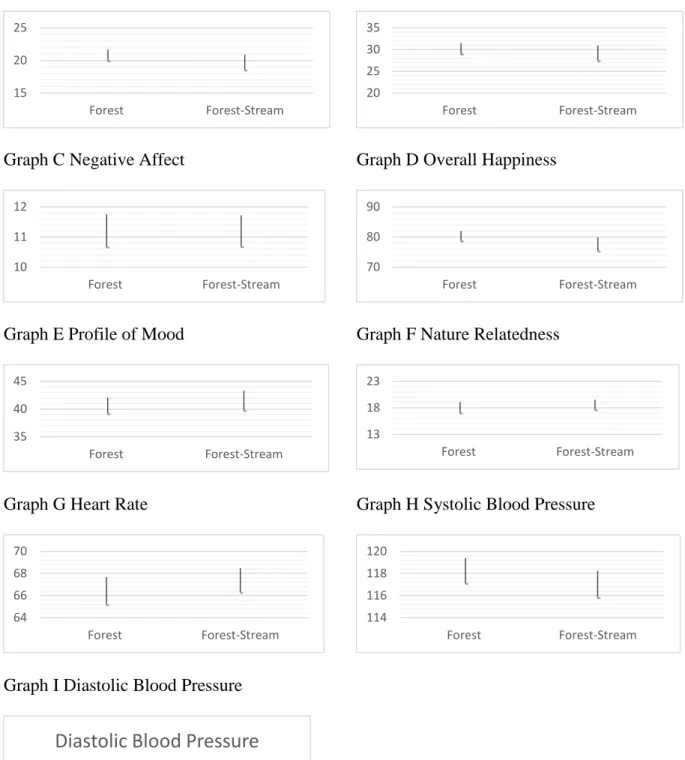
Figure 2- Confidence interval graphs for dependent variables from the forest and forest-stream environment………..…..………..76
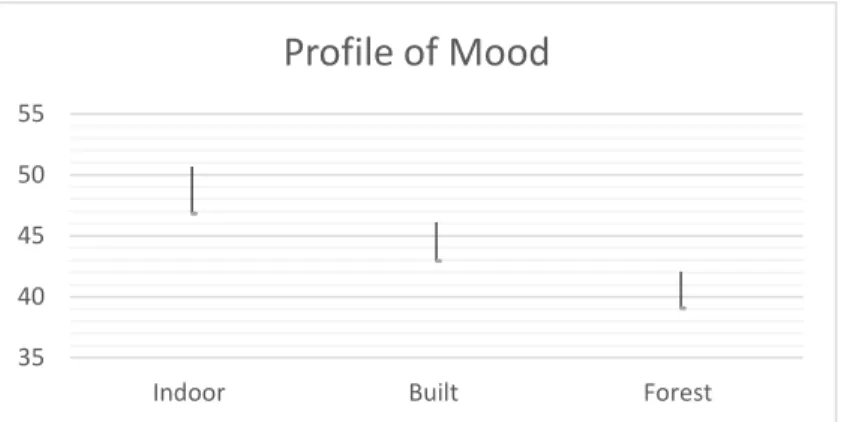
Figure 3- Profile of mood scale confidence intervals………...78
Figure 4- Heart rate confidence intervals ……….…………...…79
Figure 5- Heart rate over time outdoors………..…………...……...80
Figure 6- Overall Happiness Scale confidence intervals……….…….…….82
Figure 7- Positive affect confidence intervals………..…….83
Figure 8- Negative affect confidence intervals………...…83
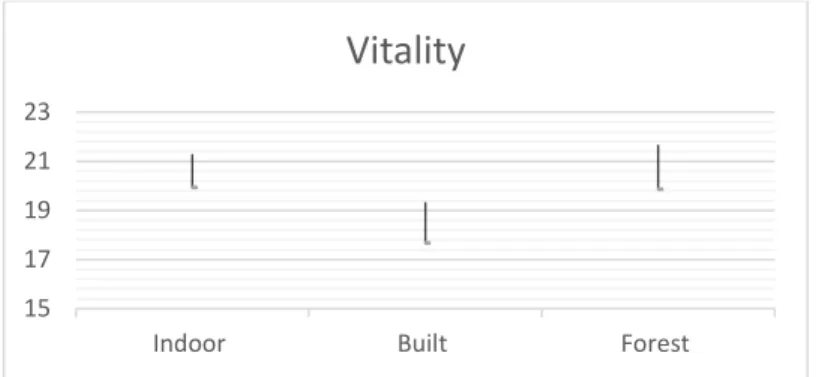
Figure 9- Vitality scale confidence intervals……….………...…….84
Figure 10- Nature relatedness confidence intervals………..……...88
Figure 11- Systolic blood pressure confidence intervals……….…..88
1
CHAPTER 1- INTRODUCTION
1.1Social and Scholarly Contexts
Stress levels are increasing in developed countries (Tsunetsugu, Park, & Miyazaki, 2010) for many reasons including increased workload (Park et al., 2007; Degenhardt, Frick, Buchecker, & Gutscher, 2011), noise, crowding, and air pollution (Ulrich et al., 1991). As a result, people are more frequently dealing with stress related disorders (Valarde, Fry, & Tveit, 2007) such as illness, depression, back problems, and general fatigue (Degenhardt et al., 2011). These ailments contribute to a reduction in well-being and illustrate the potential of stress to inhibit well-being (Laumann, Gärling, & Stormark, 2003; Hartig et al., 1996). This reduction of well-being has also been attributed to growing urbanization and the concomitant disconnect from natural
environments. Wilson (2007) argues that this general increase of stress may result from the fact that people have only recently in human history moved from living in nature and hunter gatherer societies to living in urban environments. In his view, humans have not yet adapted emotional responses to this new environment and this unfamiliarity induces stress while decreasing well-being. Concern over stress related problems has caused people to seek new strategies to improve their well-being (Park et al., 2007).
According to the World Health Organization (2003), well-being is a cornerstone of individual health. The WHO’s view on health is not simply that it is absence of disease or infirmity, but a state of being in which an individual feels a complete sense of well-being. Thus the maintenance or achievement of optimal health is tied to the aspect well-being. Research has demonstrated that outdoor recreation in natural environments can help increase well-being and
2
reduce stress (Hartig, Mang, and Evans, 1991; Horiuchi et al., 2013; Lee et al., 2011; Park, Tsunetsugu, Kasetani, Kagawa, & Miyazaki, 2010). For example, medical evidence from Japan has shown that shinrin-yoku, or bathing in the atmosphere of large rural forests, can significantly reduce stress and increase positive emotions (Parket al., 2010; Horiuch et al., 2013; Park et al., 2007; Tsunetsugu et al, 2007). Previous research regarding nature’s impact on well-being has also shown similar positive responses to nature using park lands and rural forests environments (Nisbet et al., 2011; Ulrich et al., 1991; Hartig et al., 1991).
The positive feelings and relaxation associated with being in a forest have been explained through the Biophilia Hypothesis. This theoretical perspective states that humans, who have evolved in nature and only recently stepped out of it, have an inherent need for natural
experiences (Wilson, 1984). Biophilia was described by Wilson as “the innate tendency to focus on life and lifelike processes” (Wilson, 1984 p. 1) and “the innately emotional affiliation of human beings to other living organisms” (Wilson, 2007, p. 249). One of the main premises of this hypothesis comes from research regarding natural selection. Some humans may have acquired and retained approaches to survival that involved the identification of competitive advantaged landscapes which included food, water, and shelter (Ulrich, 1993). It is suggested that this produced a higher survival rate among certain groups of humans, allowing them to pass on these survival genes to future generations. These survival oriented populations would have maintained a predisposition to feel relaxed or even happy when in environments that provide competitive advantages and stress in environments of scarcity (Gullone, 2000). The present study defines nature as both urban and wilderness environments that are heavily vegetated and lack manmade structures. Drawing on the biophilia hypothesis, this study will argue that nature increases well-being.
3
The contemporary problem with accessing environments that foster positive emotional responses and well-being is closely related to a global increase in migration to urban areas. Almost half of the world’s population now live in urban environments (United Nations, 2004). Urban environments hinder stress recovery (Ulrich, 1984) and make connecting with nature difficult (Nisbet & Zelenski, 2011). As suburbs expand horizontally to meet the needs of urban centers, roads and parking lots progressively limit the possibilities for accessing natural
environments (van den Berg, Hartig, & Staats, 2007: Nisbet & Zelenski, 2011). This limitation of accessibility thereby reduces the possibility of stress reducing strategies and the hedonic benefits of nature. (van den Berg, Hartig, & Staats, 2007: Nisbet & Zelenski, 2011).
Accordingly, there is a need to investigate whether small accessible urban forest environments can be used as sources for well-being and stress reduction. Indeed the driving question is: to what extend does the creation of urban forest environments help support a healthier population in ways similar to those in other studies based upon large rural forests (Tsunetsugu, Park, &
Miyazaki, 2010).
To demonstrate the importance of increased access to natural environments, researchers have examined health and well-being indicators and benefits of nature in urban environments. For example, Nisbet and Zelenski (2011) and Zelenski and Nisbet (2011) have demonstrated that a physical connection with nature, even in urban environments, can increase positive moods and happiness. They found that university students who walked to their classes using outdoor
pathways instead of indoor tunnels became unexpectedly happier than the students who used the tunnels. Nisbet, Zelenski, and Murphy (2008; 2011) focused on a concept called Nature
Relatedness (NR), which evaluates an individual’s connection with nature and “encompasses one’s appreciation for and understanding of our interconnectedness with all other living things”
4
(p. 304). Nisbet et al. (2011) found that individuals who reported greater connection to nature through exposure to nearby natural environments, also reported higher levels of well-being as indicated by increases in positive affect, vitality, autonomy, personal growth, purpose in life, and life satisfaction. They also found that students who were part of environmental courses had slightly higher vitality levels than those who were not, potentially explained by a closer
connection to nature. The biophilia hypothesis is used as one explanation for the higher levels of NR and its correlation to happiness and well-being (Nisbet et al., 2011). The argument here is that by regaining our connection with nature we are fulfilling our need to be in nature, which promotes well-being (Kellert, 1997). Through research that involves increasing people’s connection to nature through their NR, it may be possible to understand how to cultivate and sustain positive emotions and reduce negative moods (Nisbet, et al., 2011). Nisbet et al. (2011) also indicated that more research is needed to determine the impact of different types of nature experiences on NR and well-being. Finally, Nisbet et al. (2011) indicated that nature has predominantly been studied as a recovery space as opposed to as a source of well-being. Therefore, this study on urban forests was meant to provide evidence on indicators of negative mood reductions and increased positive emotions that would fill the gap on the role of nature as a support for well-being. The study examined changes in well-being over different environments that contained varied amounts of nature (natural light, fresh air, young dispersed trees, fully encapsulating biodiverse forest, etc) as suggested by Nisbet et al. (2011).
This study assesses the psychological and physical benefits to well-being of nature based outdoor recreation in urban environments. It will focus on intermediate sedentary outdoor recreation in urban environments with a particular focus on forests. Plummer (2009) defined outdoor recreation as a “free time activity that occurs in the outdoors and embraces the
5
interaction of people with the natural environment” (p.1). Austin and Crawford (2001) add to this definition, arguing that “through recreation people restore themselves” (p. 8). Outdoor recreation has been shown to have a positive impact on the overall health and well-being of individuals (Hartig, 2004). Forest environments are ideal for the study of outdoor recreation because they connect the participants with nature providing restorative benefits (Pretty et al., 2005; Hartig, Mang, & Evan, 1991; Laumann et al., 2003; Kaplan, 2001). For example, Hartig et al. (1991) found that after participants were exposed to a weeklong wilderness trip the participants reported that their happiness levels were sustained long after the trip ended. This suggests that outdoor recreation has the ability to inoculate individuals from reduced well-being. Furthermore many studies on forest therapy in Japan have provided strong evidence regarding the ability for large rural forest environments to increase well-being through positive emotions and stress reduction (Park et al 2007; Park et al 2010). These well-being benefits were all induced by nature based recreation where the primary focus of the activity was to be in nature.
Participating in nature based outdoor recreation has many benefits as advocates have indicated this activity’s ability to act as a sanctuary for contemplation and solitude which has been shown to ease strain (Jensen & Guthrie, 2006). Roper-Starch (1999) found that up to 80% of Americans participate in outdoor recreation for its ability to provide a space for relaxation (as cited in Jensen & Guthrie, 2006) with restoration and escape from civilization as other major motivations for outdoor recreation participation (Van den Berg, Hartig, Staats, 2007).The
physical activity that usually accompanies outdoor recreation also helps to provide this benefit as exercise in nature has been known to “tranquilize the mind and yet enliven it, and create the effect of both rest and invigoration to the whole system” (Jensen & Guthrie, 2006, p. 41).
6
Many of the articles reviewing the psychological and physical benefits of outdoor recreation in nature have had participant’s physically activity during the study. For example many have participants walk through large forests for hours or days on wilderness trips to inducing positve changes in well-being (Hartig et al. 1991; Park et al 2007; Tsunetsugu et al., 2013). Indeed outdoor recreation in nature has consistently shown to increase positive well-being in terms of faster stress recovery rates with reduced heart rate and blood pressure, and higher rates of positive emotions and vitality (Park et al, 2011; Hartig, Evans, Jamner, Davis, & Garling, 2003).
While the research cited above demonstrates the benefits of active wilderness experiences in outdoor recreation, the current study looks to show that the recreational benefits can be
achieved using intermediate recreation areas such as urban forests for a sedentary observation experience. The concept of using intermediate recreation, that is, recreation done in relatively natural accessible areas adapted and controlled by people is important because there have been many studies conducted on the use of nearby outdoor recreation areas (parks or walking paths adjacent to overgrown natural vegetation) showing the benefits they have on well-being (Nisbet et al., 2011; Barbara, Degenhardt, & Buchecker; Martens, Gutscher, & Bauer, 2011), but few defined the characteristics and size of the beneficial environments. Furthermore, the
intermediate recreation area was expected to provide well-being benefits as Martens, Gutscher, and Bauer (2011) found that positive moods increased further when participants were walked through tended forest instead of the wild forest.
Finally the study uses environmental psychology, which is the study of how environments affect people (Kaplan & Kaplan, 2009) to understand how the participants experience the effects of the study. This area of psychology is different from other areas of
7
psychology because it focuses on how the environment impacts the participants and not how particular populations or psychological processes change the persons experience (Kaplan & Kaplan, 2009). Kaplan and Kaplan (2009) suggest environments are patterns of information that are inextricably linked to people’s cognition and emotions. Kaplan and Kaplan (2009) argue that if patterns in environments can be understood and positive environments can be located because of these patterns, people who are aware of these positive environmental patterns will have an easier time helping themselves increase their well-being. This is because positive environments play a major role in human health and behavior. The current interest in environmental
psychology according to Kaplan and Kaplan (2009) is focused on how environments foster a positive side of humans. Conn (1998) has suggested that environments connecting people to nature have the ability to increase people’s happiness and health, so this study focuses on the human nature relationship and how it affects human health.
The academic literature suggests that having a connection to nature, and experiencing diverse natural environments, enriches people’s lives through increased happiness, affect, positive moods, vitality, and stress reduction (Kellert, 1997; Nisbet et al., 2009; Fuller et al., 2007). However, while several studies have looked at urban environments versus wilderness type environments, there have not been any that examined the effects of different accessible urban forest environments and how they differentially impact subjective well-being in terms of vitality, happiness, mood, and stress recovery. Other studies that investigated the effects of nearby nature areas and forests did not provide a comprehensive definition of the natural areas studied (Meyer & Burger-Arndt, 2014), making it challenging to assess the impact of these spaces (e.g., based on size or characteristics of these areas) on well-being. For a comprehensive understanding of the specific impacts different nature areas have on well-being, it is clear that more research is needed
8
to describe the specific natural conditions under which positive effects on well-being occur. In particular, there has been little conclusive evidence supporting the theory that exposure to water features such as streams related to increases in well-being (Velarde, Gry, & Tveit, 2007). Water has mostly been studied as a preferential element of natural environments (Kaplan & Kaplan, 1989) and not as a source of well-being. Accordingly this study will address the gaps in the literature described by Nisbet et al. (2011) pertaining to the effects of different types of environments on well-being; the use of nature as a sources of well-being; and finally how the connection to nature, analyzed by the NR scale, relates to people’s positive emotions and reductions in negative moods.
1.2 Research Purpose, Hypotheses, and Study Overview
The purpose of this thesis is to examine the impacts of different accessible urban environments on the well-being of university students, and specifically feelings of happiness, affect, vitality, mood, and stress reduction. NR will be analyzed in conjunction with these measures to provide further explorations into the relationship between nature and well-being. High NR results should correspond to high levels of the well-being indicators. In exploring the impact of four urban environments on well-being, the expectation was that natural forest
environments would produce the greatest sense of well-being. The four environments used in the study were an indoor classroom (baseline), a built outdoor environment, a forest environment, and a forest-stream environment with a stream in close proximity that could be heard and seen. The study used: a) physiological and mood measurements used in previous studies that assessed the relationship between well-being and experiences in large rural forest environments (Parks et al., 2007; Tsunetsugu et al., 2013; Morita et al., 2007); and b) happiness and vitality measures
9
used in previous urban studies that assessed the impact of nearby nature on individual happiness and well-being (Nisbet et al., 2011; Nisbet & Zelenski 2011; Zelenski & Nisbet 2014). Four hypotheses guided the study:
1. Exposure to outdoor environments would be associated with higher levels of well-being within the sample compared to the indoor (baseline) environment.
2. Exposure to the forest environments would be associated with higher levels of well-being within the sample compared to the indoor environment (baseline) and built outdoor environment.
3. Exposure to the forest with audible stream environment would be associated with the highest sense of well-being across the environments.
4. Nature Relatedness would increase as participants are exposed to environments with increasing natural elements in the order of the built environment, the forest, and the forest-stream environment.
To test the hypotheses, the study used a field experiment and exposed participants to each of the environments indoor, built, forest, and forest-stream following methods used in earlier research (Park et al., 2010; Park et al., 2008; Nisbet, Zelenski, & Murphy, 2011). Participants began in an indoor environment (classroom with no windows) for the collection of baseline measures. Participants were then taken to an outdoor environment: either a forest environment first, or a built environment at the University of Waterloo. The built environment surrounded the students with buildings and was in close proximity to a major roadway producing urban noises and smells. The forest environment was comprised of two areas: one centered the students in a forest, and the other had the students in the same forest, but in close proximity to an audible stream that the students could easily hear and see. All students were taken to the indoor, built,
10
and forest environments, however no student was taken to both forest environments. Therefore the study design used both a within groups (indoor, built, and forest) and between groups (forest or forest-stream) design.
The participants were exposed to 20 minutes of sitting in each environment and then given a survey package to complete that included the measures of well-being. Their blood
pressure and heart rate were also recorded at the end of each study environment to measure stress levels. A digital blood pressure cuff was used to take these physiological measurements. In addition, a heart rate monitor was worn for the duration of the study to measure the participant’s heart rate throughout the time in the environments.
Indications of increased well-being were examined through measures of vitality, happiness, affect, mood, and stress reduction. Again these were expected to change through a connection to nature and have been used in previous studies such as in Nisbet et al. (2011) and Park et al. (2011). Well-being was measured using these indicators because vitality has been shown to represent energy and wellness (Nix et al., 1999). Happiness is an important element in measuring well-being. Supporting this idea, Ryan and Deci (2001) indicated happiness measured hedonic well-being, so to measure happiness is to measure well-being. Affect is being used because it is a measure of self-rated moods (Watson, Clark, & Tellegen; 1988, 1984) and according to Park (2004) and Diener and Lucas (2000) a measure of subjective well-being as they note it consists of three components: high positive affect, low negative affect, and life satisfaction. Life satisfaction was not measured in this study because the study was done over a short period of time (20 minutes) and it was not anticipated that life satisfaction would be a measurable variations. Instead, both positive affect and negative affect were measured as indicators of well-being. Finally, mood was used to assess well-being as it has been described as
11
a barometer of our general state of psychological well-being (Berger & Motl, 2000). In addition, Diener and Lucas (2000) describe mood to be a measure of hedonic well-being. These indicators of well-being have all been used in different studies regarding the impact physical environments have on well-being, to indicate the presence of well-being.
The study has conceptualized the concept of well-being as hedonic well-being because measures of hedonic well-being can change quickly in a short amount of time and there is no consensus regarding what components compose well-being, so it was easier to focus on one well defined field of well-being that is measured using indicators that can show change in a limited amount of time. This tradition of well-being is measured by happiness, high positive affect (including positive emotions and mood), and low negative affect (Diener and Lucas (2000). Vitality as a measure of well-being because it is an aspect of positive affect, so it can be used in conjunction with positive affect to substantiate the increases or decreases in well-being. It was also the only aspect of positive affect that was highly correlated with the amount of connection to nature that participants felt in the Nisbet et al. (2011) study. It has therefore been considered an important aspect of positive affect for measurement.
Measuring stress was important in this study because stress is considered an impediment to well-being (Laumann et al., 2003; Hartig et al., 1996). It also serves as an indicator for
environments that can reduce physical well-being. Environmentally produced stress factors have been shown to increase mortality rates (measured by high blood pressure) and illness among other physical disabilities (Laumann et al., 2003; Hartig et al., 1996). In order to locate
environments that can be used as sources of well-being it is important to locate the environments that keeps stress factors to a minimum. Stress was also used in many other studies conducted on
12
natures ability to increase well-being (Velarde, Fry, & Tveit, 2007; Park et al., 2010), so it was important to measure to compare the results of this study to others.
Finally the nature relatedness measure was not used to calculate well-being, but rather to calculate people’s connection to nature. In this way the study would contributing to the literature regarding the possibility of a relationship between people’s connection to nature and their well-being.
Overall, the study took roughly two hours for each participant to complete. Participants were recruited from the University of Waterloo’s Recreation and Leisure Studies classes. However, one of the classes that provided the bulk of the participants was an open class, meaning students from all departments were enrolled. This allowed for a diverse sample of students from different faculties. Using students is consistent with many other studies (Nisbet et al., 2011; Park et al., 2011; Park et al., 2008; Park et al., 2007). University students are known to have high stress levels, especially during exams periods and while studying for tests (Abouserie. 1994), so they are a good sample to represent populations that endure high work stress. More than half of the study took place during an exam period, so the study may help provide evidence related to environments that promote stress reduction in highly stressed individuals. Student populations have also shown rates of depression as high as 30.9% (Ibrahim, Kelly, Adams, Glazebrook 2013). It has also been shown that individuals who are more resistant to stress, have higher levels of mental health, are good problem solvers, and perform better at work, are happy and satisfied with life (Frisch 2000; Veenhoven, 1989). These were the expected outcomes of exposure to the forest environments and the outdoors. Moreover the U.S. Department of Education (2007) found that approximately half of the young adult population attend
13
appear during these early adulthood years where students are at a critical stage of development. If students had access to environments that promoted well-being the result could be highly advantageous. Addressing, preventing and treating the early-onset mental disorders of early adulthood could have significant positive effects on student’s education, economics, and social outcomes providing broad benefits to the future adult population (Zivin, Eisenberg, Gollust, & Golberstein, 2009). Finally many aspects of students’ lives exist within the university
environment including housing, social networking spots, health care, and provisions of extracurricular activities (Mowbray et al,. 2006) making them ideal places to increase living standards through the provision of environments that increase well-being.
1.3 Anticipated Contributions
The study extends the research of Nisbet and colleagues (Nisbet & Zelenski, 2011; Nisbet, Zelenski, & Murphy, 2009; Nisbet et al., 2011; Zelenski & Nisbet, 2014), which focuses on achieving greater levels of well-being through a connection with nature. The study will build on Nisbet and Zelenski’s (2011) study which showed that outdoor campus environments have the potential to increase happiness. However where their work focused on happiness, this study has included other measures of well-being including blood pressure, heart rate, and mood to assess whether these environments could do more than simply increase happiness. Furthermore, the study seeks to build on research by Nisbet et al. (2011) which showed that proximity to nature increases well-being. To further establish nature as a source of well-being and not just a recuperative space, they used well-being indicators similar to those used in this study such as happiness, vitality, and affect. They also employed different types of environments including a university campus environment and a nearby nature area, however, they declined to describe the
14
characteristics of the physical environment they exposed their participants to. Explicated in the following, this study analyzed participants’ levels of NR and well-being to see if there is a relationship as has been suggested elsewhere (Nisbet et al., 2011).
The study will also contribute to research related to Japanese forest bathing (Parks et al., 2007; Horiuchi et al., 2013, and Parks et al., 2010). The present study however focuses on small, accessible urban forest environments near the University of Waterloo, Canada. Techniques similar to those used in shinrin-yoku studies—specifically those focused on mood and stress levels (Park et al., 2010) were employed in the study to gather evidence of the therapeutic effects of urban forests environments. In this regard, the study seeks to contribute to the fields of
outdoor recreation by investigating how accessible urban forest environments can be used as a preventative treatment and to increase well-being, positive emotions and stress reduction.
Outdoor recreation has been shown to have a positive impact on the overall health and well-being of individuals (Hartig, 2004). The current study goes beyond simple restoration and seeks to demonstrate a contribution of outdoor recreation to overall well-being with a focus on cognitive, emotional, and physical benefits as some authors found in studies of outdoor
recreation (Beard & Ragheb, 1983; Degenhardt & Buchecker, 2008; Manfreedo, Driver, &Tarrant, 1996; and Manning, 1999, as cited in Degenhardt, Frick, & Buchecker, 2011).
Environmental psychology will also be used to assess the outcomes of the study.
Currently, contextual models of EP are based on the idea that individuals may be affected by the physical and social context of the environment they are in, which impacts their experiences and behaviors (Winkel et al., 2009). However, there is limited research on this contextual model, so research is currently being conducted on the impact the physical environment has on people and what variable can be used to predict outcomes for individuals. An example of this is a study
15
conducted by Danielsson and Bodin (2008) where seven different types of offices and their effects on workers’ health and job satisfaction was conducted.
The study presented here is situated in this research field as it focuses on the human-environment relation between nature and human health. The study looks at the cognitive role the environment (presenting patters of information) has on participants. The patterns observed in the environments was the amounts of nature (sun light, fresh air, trees, biodiversity, etc). It was expected that increasing the amounts of nature would increase well-being, so environments were used with varying amounts of natural elements to study how they differentially impacted well-being. The study made sure to follow Winkel et al. (2009) instructions on growing the field of ecopsychology enforcing the three conditions they put forth: 1) that the physical environment of interest makes a significant and unique contribution to the changes in the outcome, 2) the results of the physical environments impact cannot be a proxy for another variable which could also explain the outcome (i.e physical activity), 3) assume the physical environment is the main factor effecting the participants, develop a theory as to why this effect is occurring (this study used a theory that already exists the biophilia hypothesis, so it did not develop a theory, but it helped contribute evidence to the hypothesis).The current study attempts to demonstrate that brief exposure to outdoor and forests with passive recreation in these environments can contribute to improvements in well-being and reductions in stress.
The following document is structured in six chapters. The first chapter is a literature review of the research that has been conducted in the field of being, nature’s effect on well-being, nature relatedness, the biophilia hypothesis, and how types of nature have been shown to impact people. The following chapter is the methods section which discusses the various aspects of the study environments, participants, and recruitment strategy. This section is followed by a
16
section that discusses the different variables used to assess well-being, concluding with the procedure used to complete the experiment. The following chapter, chapter 4 reveals the results of the study and chapter 5 is a discussion of what the results mean in relation to this study and to the literature. Finally the last section of this document is the conclusions, which summarizes the importance of the results and the social implications of the study.
17
CHAPTER 2- LITERATURE REVIEW
This study seeks to provide evidence on different types of urban environment that lead to a sense of increased well-being. The focus is on forest environments as these environments have been shown to increase well-being better than built urban environment. Throughout this study a built environment will be defined as an area where the surrounding environment is
predominantly concrete and glass. Trees have been shown to induce relaxation and increase people’s well-being through the sight and smells they provide (Nowak et al., 2001; Lohr and Pearson-Mims, 2006; Park et al., 2008; Cheng et al., 2009). In this literature review section, background information on the link between people’s well-being and nature will be reviewed. The chapter will begin with a review of the concept of well-being. It will draw particular attention to how the concept has been defined and the various measurements or indicators used to study and understand it (e.g., vitality, happiness, affect, mood, and stress). The following section will discuss nature and well-being, touching on peoples preferences for natural
environments. Following this the theories guiding this research, including nature relatedness and the biophilia hypothesis, will be introduced explored and defined. Current research regarding nature’s effects on individuals will then be introduced in the final section of this chapter. It will cover the following affective relations: time spent in nature; the sounds of nature; the effects of trees and forest environments; green-spaces; and finally the effects that water has on well-being.
18 2.1 Well-being
There are a wide variety of factors that impact human health, and well-being is one of them (World Health Organization, 2003). For many people, well-being transcends economic prosperity and is considered to be more important than money (Diener et al., 1999). A study conducted on college students also found that almost all of their respondents believed happiness was more important than money (Diener & Oishi, in press). A good example of this is Taylor (1988) who concluded that the way people view themselves determines their well-being. People who view themselves in a positive way have the ability to adapt to negative information better because they have the illusion that their abilities match the situation. This in turn makes them perceive the negative information as unthreatening. Thus the individual feels more relaxed when handling the negative feedback, reducing negative feelings and increasing well-being (Taylor, 1988). It is therefore important to study what helps create well-being in individuals because the results will help researchers and city planners better understand their subjects.
Well-being has been organized into two broad traditions: (1) hedonic well-being, which is conceptualized as happiness (high positive affect and low negative affect), and (2) eudaimonic well-being, which deals with human potential and the lifetime of challenges and growth in that the individual experiences (Ryan & Deci, 2001). Waterman (1993) argues that eudaimonic well-being is associated with well-being challenged and exercising effort to deal with the challenges over a long period. On the other hand he argues that hedonic well-being means gaining relaxation, happiness, and separation from problems. The following will address the details of this distinction through the contemporary literature.
Hedonic well-being is also referred to as Subjective Well-Being (SWB). This includes happiness as indicated by affective measures that assess varying degrees of happiness with
19
variable environmental factors (Ryff, Keyes, & Shmotkin, 2002; Ryan & Deci, 2001). SWB is therefore attempts to gauge a comprehensive view of affect and quality of life (Ryff et al., 2002). The components of SWB include people’s emotional responses, domain satisfactions, and global judgment of life satisfaction (Diener, Suh, Lucas, & Smith. 1999). Finally it can act as a buffer against psychological disorders and it promotes and maintains optimal mental health (Park, 2004).
Eudaimonic well-being or psychological well-being encompasses aspects of personal growth, purpose in life and challenges such as pursuing meaningful goals and developing as a person to achieve self-fulfillment (Ryff et al., 2002). Studies of psychological well-being focus on existential challenges in life. Ryff and Keyes (1995) believe psychological well-being is multidimensional and therefore to the extent to which each dimension is present. They postulate that six dimensions of positive psychological well-being can be attained through: 1)
self-acceptance or the ability to look at one’s life and positively reflect on past and present events that have happened with in it; 2) environmental mastery or the ability to manage life events and the world around the individual; 3) a sense of purpose or meaning in life; 4) positive relations with others, or the feeling that an individual has meaningful relationships with others; 5)
personal growth which comes from the individual’s sense that they are growing and changing in their life; and finally, 6) autonomy is felt when the individual feels they can accomplish their goals. These dimensions of psychological well-being are individually linked to different
problems involving psychological well-being (Simon & Durand-Bush, 2015). An example of this is a study that studied the impact of interpersonal problems and work stress which were shown to be linked causing issues for individuals at work with interpersonal issues (Falkum & Vaglum, 2005).
20 2.1.2 Subjective Well-being.
SWB was used as the measure of well-being for this study because it changes based on environment, happiness, stress. Moreover, because SWB changes quickly over short periods of time depending on affective stimuli, it can be measured in individuals with relative simplicity (Ryff, Keyes, & Shmotkin, 2002; Ryan & Deci, 2001; Waterman, 1993; Watson, Clark, & Tellegen 1988). The difficulty in studying variations in an individual’s well-being over the course of life, as would be necessary in a study of eudaimonic well-being, (Ryan & Deci, 2001) makes SWB a more suitable field of research.
SWB first became prominent in the 1950s when researchers were trying to measure individual’s quality of life (Land, 1975). Ryff et al. (2002) summarized Andrews and Withey (1976) and Campbell, Converse, and Rodgers (1976) results by saying “although people live in objectively defined environments, it is their subjectively defined worlds that they respond to, thus giving prominence to SWB as a relevant index of people’s life quality” (p. 1007).
The component of SWB focused on in the study is the participant’s emotional responses, as these change relatively quickly and this study is interested in improving well-being in a short period of time. However there are many SWB researchers interested in long term moods (Diener et al., 1999). The importance of shorter term mood changes was suggested by Nisbet and
Zelenski’s (2011) study in which they indicate frequent short term exposure periods to natural environments may increase and prolong well-being.
Since SWB is not a single entity, it needs to be measured using a multitude of measures (Diener, Suh, Lucas, & Smith, 1999). The study employs happiness indicators of affect and overall happiness scores to measure hedonic well-being: vitality indicators, which have been shown to be related with eudaimonic well-being (Nix et al., 1999); mood which can be used as a
21
barometer of psychological well-being (Berger & Motl, 2000); and stress indicators which, if detected, may provide evidence for a lack of developed well-being (Hartig et al., 1996). Stress was also assessed across each environment in order to determine the environmental capacity to reduce stress (Parks et al. 2007). Specific measures of well-being are presented below.
2.1.3 Vitality.
Vitality has been defined as the energy that an individual experiences (Ryan & Frederick, 1997). Thayer (1996) refers to it as a calm energy without tension. It can be measured using positive affect similar to happiness; however happiness is different than vitality (Nix, Ryan, Manly, & Deci, 1999). When measuring vitality, the affective feelings include activated, peppy, energetic, vigorous, and liveliness. This is to be opposed to the happiness indicators of affect: pleasantness and contentment (Nix et al., 1999).
Vitality is important in measuring well-being because researchers have shown that it represents energy and wellness (Nix et al., 1999). McNair, Lorr and Doppleman (1971) indicate in their manual for the Profile of Mood States, that vitality has a positive relationship with mental health and is negatively related to feelings of fatigue. Mental health was also shown to have a positive relationship with subjective feelings of subjective vitality (Stewart, Hays, & Ware, 1992). Therefore to maintain or increase well-being and mental health, vitality is an important element for understanding the relationship between different environments and their impact on well-being.
Thayer (1987) indicated that moderate to high levels of stress or tension affect the calm energy people feel as vitality. If an individual can reduce stress levels and tense energy they can positively impact their vitality. Forest environments have been shown to help reduce stress (Park
22
et al., 2007; Kaplan and Kaplan, 1989), so they are valuable environments to anticipate increases in feeling of vitality.
Vitality was measured using the Vitality Scale created by Ryan and Frederick (1997). Vitality measures are important in helping to understand the psychological well-being of an individual. However other measures are needed to assess a more complete sense of well-being since it may also be felt in the form of peace and contentment (Ryan & Frederick, 1997). The Vitality Scale measures psychological and somatic factors of an individual’s “health of spirit” (p.557) or subjective vitality (Ryan & Frederick, 1997). “Subjective vitality was therefore expected to be related not only to the individual’s experience of physical health and bodily functioning, but also to variables associated with sense of agency, self-actualization, and personal well-being” (Ryan & Frederick, 1997. p. 557). Subjective vitality was confirmed to be associated with psychological and physical well-being and is able to assess individual’s vitality at the specific moment it is given attaining the “readily available feeling state” (Ryan &
Frederick, 1997. P. 559). Stewart, Hays, and Ware (1992) indicated that this energy feeling state is related to mental health and poor mental health could lead to poor well-being, so measuring vitality is important when assessing well-being.
2.1.4 Happiness.
Happiness is an indication of subjective (hedonic) well-being (Ryff, Keyes, & Shmotkin, 2002), so measuring happiness provides insight into a person’s subjective well-being.
Lyubomirsky and Lepper (1999) stated “anecdotal evidence and everyday experience alike suggests that one of the most salient and important human disposition is that of happiness of well-being” (pp. 137-138). Many scales are used to measure subjective well-being such as the
23
Affect Balance Scale developed by Bradburn (1969), which is the most widely used happiness scale (Lyubomirsky & Lepper, 1999). Other scales measure cognitive subjective well-being, which assesses people’s happiness with their life or their life satisfaction such as the Satisfaction With Life Scale (SWLS) developed by Diener, Emmons, Larsen & Griffin (1985). The SWLS scale looks at happiness within an individual’s life and not at a given moment in time, as is required in this study. Lyubomirsky & Lepper (1999) devised a scale to measure subjective happiness through a measure “that is a global, subjective assessment of whether one is a happy or an unhappy person” (p. 139). This scale is also not ideal because it does not measure changes in immediate happiness, but rather longer term happiness, using questions such as: “some people are generally very happy. They enjoy life regardless of what is going on, getting the most out of everything. To what extent does this characterization describe you?”(Lyubomirsky & Lepper, 1999. p. 151). Psychophysiological measures and brain assessment techniques have also been developed to analyze happiness levels, but these are inefficient (Lyubomirsky & Lepper, 1999). Affect is a good measure for immediate fluxes in happiness levels because it indicates immediate changes in experience (Watson, Clark, & Tellegen 1988). Measuring affect is ideal when trying to determine which environments increase happiness in a short period of time.
2.1.4.1 Affect.
Affect refers to the emotions or moods that people feel in their immediate experience (Watson, Clark, & Tellegen 1988). It is important in this research because SWB is measured by affect (Diener, 2000) and because the indicators of well-being used in this study must assess changes in the participant’s well-being in a short period of time. Furthermore, Nisbet et al. (2011) have hypothesized that given frequent exposure to positive natural environments, the
24
happiness feeling that is measured through positive affect may be sustained over extended
periods of time (Nisbet & Zelenski, 2011). The urban forest in this study may, therefore, have the ability to provide prolonged feelings of well-being through positive affect and happiness. Nisbet and Zelenski (2011) used the Positive Affect and Negative Affect Schedule (PANAS) to assess affect. Affect is associated with well-being and happiness as proposed by Bradburn (1969) who suggested a balance between positive and negative affect results in happiness.
Affect has also been used in multiple studies examining the impact of different urban and natural environments on individuals (Kaplan, 1995; Nisbet & Zelenski, 2011; Hartig, Mang, & Evans, 1991) and as Ulrich (1979) indicated, positive affect was generally found in participants who were exposed to nature images while urban images produced feelings of sadness. This data follows similar findings of forest environments and thus it was expected that affect would change across different environments. Affect has also been shown to be a prominent component in people’s environmental encounters as there are few times when it does not change indicating different affective sates (Mace, Bell, & Loomis, 2010). It is therefore expected that the affect measure will make possible the assessment of the four environments in terms of positive and negative affect. This means that if individuals have a negative experience in the natural environment the negative feelings will be able to be assessed. This is important to the study because, as Russell and Snodgrass (1987) have indicated, there is a strong connection between negative affect and a reduction in health levels. The forest environment used in this study is in an urban area, which will produce many experiences (sounds, smells) that do not exist in the rural forest environments used in previous studies. By measuring affect it will be possible to spot the changes the environments have on the participants both negative and positive.
25 2.1.5 Mood states.
Mood states have also been used to study well-being and in particular studies in which participants sit or walk through forest environments (Park et al., 2007; Tsunetsugu, Park, & Miyazaki, 2010; Horiuchi et al., 2013). Mood can “serve as a barometer of our general state of psychological well-being” (Berger & Motl, 2000. p. 70). This is shown through the general level of enjoyment, self-concept, and subjective well-being people feel (Thayer, 1996). Mood can also affect people’s health as it has been connected to immune function (Melamed, 1995). People regulate their mood seeking and maintain a good mood, and reducing negative moods to maintain their well-being (Berger & Motl, 2000). Berger and Motl (2000) also argued that personal happiness can be regulated through self-regulation of moods. Thus, mood states are important to study when measuring subjective well-being.
Mood states will be assessed using the Profile of Moods scale. This scale was employed in many studies on the psychological effects of forests (Park et al., 2010; Mao et al., 2012; Tsunetsugu et al., 2013; Lee et al., 2014; Ochiai et al., 2015), so in keeping with previous studies on large rural forests the same mood scale was used in this study to allow for comparisons with a small accessible urban forest.
2.1.6 Stress.
Stress levels are high in developed countries, as Tsunetsugu, Park, & Miyazaki (2010) have indicated. For example the Ministry of Health Labor and Welfare of Japan concluded that 54.2% of the Japanese population had stress levels that were either “very high” or “relatively
26
high” (Tsunetsugu et al., 2010). Stress can be defined as the “relationship between the person and the environment that is appraised by the person as taxing or exceeding his or her resources and engendering his or her well-being” (Lazarus & Folkman, 1984. p.19). Parks et al. (2007) measured high levels of stress in the Japanese public and attributed the high stress levels to an increase in workload. This which was also indicated in Degenhardt et al. (2011) study which focused on Canada and the United States. Degenhardt et al. (2011) also noted that studies focusing on individuals with stress inducing workloads have shown there to be a link between such strains and increases in depression, fatigue, back problems, and other illnesses. In addition, Ulrich et al. (1991) argue that increased population, community noise, and air pollution have contributed to the increase in stress. Brod (1984) argues that modern stress is due primarily to the increase in technology and the way in which society is becoming increasingly complex and highly industrialized. Further, Laumann et al. (2003) showed that stressful mental activities can increase stress levels. As well, Vrijkotte, van Doornen, de Geus (2000) found that people with high stress jobs had corresponding stress levels. Finally, Kaplan (1995) showed that stressful mental activities are felt by students in particular as they are frequently required to work under tight deadlines causing high stress levels. Stress has also been shown to cause anxiety, depressed and angry moods, exhaustion, frustration, boredom and irritability (Michie, 2002). All of these studies are important to this project because stress has been shown to reduce or inhibit well-being (Laumann et al. 2003; Hartig et al., 1996). Therefore, in order to attain increased levels of well-being, stress levels need to be reduced, and environments, such as urban forests, are
expected to increased well-being as forests have been shown to reduce stress.
Ulrich (1993) suggests the biophilia hypothesis might be an explanation for why people are feeling more stressed. In this explanation, people are becoming more stressed because the
27
world is becoming more urbanized and people are losing their connection with nature (Nisbet & Zelenski, 2011). Humans have evolved in nature and thus have developed innate responses to the natural environments. However, humans have recently removed themselves from this
environment. The unfamiliar urban environments induce stress because human animals have not developed innate responses to these environments. Stress therefore occurs because of a lack of familiarity and understanding of how to react to the new urban environment. Evidence for this theory comes from studies that show stress levels decreasing with exposure to natural
environments (Kaplan & Kaplan, 1989; Hartig, Mang, & Evans, 1991; Ulrich et al., 1991; Kaplan, 1995). Kaplan and Kaplan (1989) are proponents of the theory that natural stimuli help to lessen the effects of mental load and Ulrich (1993) believes that emotional and physiological stressors can be reduced from exposure to natural landscapes. Exposure to relaxing environments for periods as short as 20 minutes have be shown to produce reductions in stress (Pawlow,
O’Neil, & Malcom, 2003). Trenberth, Drewe, and Walkey (1999) note the importance of using passive forms of leisure to manage and reduce work-related stress. As well Hutchinson, Bland, and Kleiber (2008) speak to the value of using leisure as a buffer and distraction for individuals, thus providing relief from every day and persistent stress.
2.1.6.2 Measures of stress.
Research has been conducted on the relationship between stress levels and natural environments. Many studies measuring the impact that environments have on participants have used blood pressure and heart rate to assess stress levels (Ulrich et al., 1991; Vrijkotte, van Doornen & de Geus, 2000; Park et al., 2007; Tsunetsugu et al., 2013).
28
Ulrich et al. (1991) investigated stress recovery across natural and urban landscapes using blood pressure and heart rate. Using a stress inducing video of industrial accidents he increased participants stress levels, and then had some participants watch a video on nature scenery, while others watched a video of urban scenes. The participants watching the natural scenes reduced their stress levels significantly faster than those watching the urban video. Additionally, increased positive moods and decreased feelings of fear and aggression were felt by the participants watching the nature scenes. Ulrich (1991) concluded that nature can lessen tress recovery time.
Pretty et al. (2005) studied people exercising on treadmills and viewing pleasing natural pastoral scenes, unpleasing natural scenes, urban pleasant scenes, and urban unpleasant scenes. The results showed a reduction in blood pressure from the exercise, but there were additional reductions in blood pressure levels when the pleasant natural rural scenes were being viewed. This indicated the high level of influence that certain experiences can have on physiological and psychological functions (Pretty et al., 2005). Theoretically then, if we place people in a more natural environment, as in outdoor recreation, we should see a decrease in stress levels through decreased levels of heart rate and blood pressure.
Laumann et al. (2003) also used heart rate comparison measures collected after a stress inducing task that increased mental load. The participants had their heart rate taken during their exposure to either a nature video or a video depicting urban scenes. Laumann et al. (2003) found that heart rate was lower during the viewing of the nature video as compared to the urban video. Vrijkotte, van Doornen and de Geus (2000) studied ambulatory blood pressure and heart rate to measure stress from high workloads. They found that heart rate and blood pressure rose when the
29
subjects experienced high workloads indicating an increase in stress (Vrijkotte, van Doornen & de Geus, 2000). This suggests that stress levels can be inferred using heart rates.
Ambulatory blood pressure is the monitoring of blood pressure over an extended period of time to avoid recording measures of high blood pressure that may have been caused by stress occurring during the reading period (Pickering, 2000). This study however took single measures of blood pressure because the goal was to measure the brief changes in stress that the
environments put on the participants. Another reason for not using ambulatory blood pressure measures was that it was very uncomfortable for participants to have their blood pressure taken more than three times in two hours. This was noted by many of the participants in the
preliminary summer experiment period.
Other urban forest studies have used heart rate, blood pressure and salivary cortisol level measurements. This latter measures stress hormones to identify increases or decreases in stress from exposure to urban and forest environments (Park et al., 2007; Tsunetsugu et al., 2013). It was shown that the three aforementioned measures of stress decreased with exposure to forest environments (Park et al., 2007; Tsunetsugu et al., 2013). Further studies have been conducted using blood pressure and heart rate as predictors of stress leading Laumann et al., 2003 to
conclude that heart rate and blood pressure are appropriate measures of stress. These measures of stress were assessed using a digital heart rate monitor and a digital blood pressure cuff.
Overall, these studies indicate that heart rate and blood pressure measures are good indicators of stress and demonstrate the ability of the different environments to lower or heighten stress levels. Using heart rate and blood pressure is also important in this study because they are a measure of well-being that cannot be manipulated by the expectations of participants. They
30
will be used in conjunction with the other measures of well-being and it is expected that as heart rate and blood pressure decrease the indicators of well-being will increase as has been shown in other forest studies (Park et al., 2007; Tsunetsugu et al., 2013) and as indicated would happen by Laumann et al., (2003) and Hartig et al., (1996).
2.2 Nature and Well-being
2.2.1 Nature’s effects on well-being
People have always had a fascination with nature from the hanging gardens of Babylon to Ancient Persian’s word for an ideal heavenly garden “Pairi-daeza” or “paradise” as we refer to it now (Thompson, 2011). Wilson (2007) describes peoples need to affiliate with nature and the attraction to it as biophilia. He argues that people have been disconnected from the natural environment because of our shift into urban environments (Wilson, 2007) with almost half of the world’s population now living in urban areas (United Nations, 2004). Nature gives us pleasure to look at as an esthetic resource described in poetry, and replicated through paintings and
photographs (Aurther, Daniel, & Boster, 1977). Nature has been shown to foster positive feelings, emotions and reduce stress, while providing restorative benefits thus improving our overall health and well-being (Degenhart et al., 2011; Horiuchi et al., 2013; Park et al., 2010). It is important to study the areas that connect people to nature to further define and disseminate the benefits it holds. People are unaware of the potential benefits even small natural environments provide (Nisbet & Zelesnki, 2011) and as people become increasingly disconnected and isolated from nature (Miller, 2005) they lose the positive benefits that may be accumulated from
31 2.2.2 Preferences for natural environments
Kaplan and Kaplan (1989) reviewed the literature on the effect natural landscapes have on people. They noted that a dominant theme produced by their review of the research was that natural elements, no matter how small, affected people’s positive perception of the natural scenes they were viewing. They argue that although preference is considered a luxury, organisms thrive in environments they prefer and preferences are tied to basic concerns. These preferences can also be tied to underlying human needs, so preference is an important factor to take into account when finding environments that have all the elements needed to increase well-being.
In Kaplan and Kaplan’s (1989) review of the literature on perceptions of greenspaces they noted that built environments affected individual’s perception of natural environments negatively. Parklands and natural environments provided pleasure from the natural settings; however the presence of built objects in these natural settings reduced people’s preference for these scenes of nature. Therefore optimal pleasure from natural areas can only be gained when elements of the built environment are reduced such as in forests where vegetation may block out the built environment.
Kaplan and Kaplan (1989) also investigated people’s perceptions of nature in their review of the literature on natural settings. They found that even small natural elements such as
vegetation improved people’s perception on the areas they were in. This provides further evidence for the hypothesis that outdoor environments, including the built ones, will increase well-being as long as there are some elements of nature included in them. They also noted that in Herbert’s (1981) experiment on the perception of landscapes people showed a preference for views with rivers running through them. The presence of water is therefore an important element that may help to increase positive moods.
32
2.2.2.2 Cultural perceptions of nature.
Yang (1988) noted a cultural component to views of nature specifically that Westerners preferred to have water in their scenery. Yang (1988) also noted that Westerners and Koreans disliked nature scenes with rocks in them. This could indicate that cultural backgrounds have an impact on how the natural areas are perceived.
Van Den Born et al. (2001) compiled a number of research articles on cultural views and nature. They found that in many Western cultural centers, represented by nations such as the U.S.A, Ireland, Norway, Sweden, and the Netherlands, there was a preference for nature and a wish to preserve it for its intrinsic value. Kahn (1999) also showed that children valued nature with a question regarding harming birds. The results were that 90% of the U.S.A, Brazilian, and Portuguese children wished birds would not be harmed, indicating they value nature, according to the study (as cited in Van Den Born et al., 2001).
As for non-Western cultures the research indicates a lack of appreciation for nature. For example, a study conducted on Ugandans appreciation for nature reported that only 34% of the people living near a forests that once had elephants responding positively to seeing them return. This indicates according to the study that many Ugandans in the report did appreciate nature (Hill, 1998). Cattle owners in the Amazon also showed a lack of appreciation for nature as they explained the forest as a problem for ranch houses because it impedes progress (Van Den Born et al., 2001).
Another cultural difference that could affect this study is the different rating styles of well-being. Diener et al. (1995) found a cultural difference in ratings of subjective well-being in terms of life satisfaction. Diener et al. (1995) indicated Chinese individuals consistently rated their well-being lower than other cultures. Finally it was noted by Kaplan and Kaplan (1989) that
33
the Canadian culture has a love for nature, so the Canadians in the study may rate the forest environment higher than other cultural groups assessed in the study.
Kaplan and Kaplan (1989) also investigated people’s perceptions of parkland and noted that in general Westerners enjoyed more wilderness than groomed parkland. Kaplan and Talbot (1988) indicate that a population of low to moderate income African-American people from Detroit did not provide positive review of overgrown parkland that seemed the most natural, because they were concerned for safety and lack of visibility.
This literature may suggest that simply being exposed to nature may not maximize the amount of well-being, but the cultures of the individuals in the area and the elements of the natural world may need to be considered when using nature to help increase positive well-being. The demographic used in this study was more likely to enjoy natural environments because the majority were Canadians. Given the literature reviewed, it was expected that the forest
environments will improve the well-being of the participants because it would connect them to a setting that is familiar and preferred: a natural area that is partially groomed, reducing fear, while still allowing for the perception of a wild environment.
2.2.3 Nature Relatedness.
As Wilson (1984) has indicated, being in nature can provide positive feelings and
therefore nearby nature may provide natural stress reducing opportunities. Because humans have only recently moved into cities and we have not become physically and psychologically
accustomed, the fast paced, constructed, technologically determined urban centers produce an excess of stress in modern individuals. We therefore need to regain our connection with nature in order to reap the benefits it provides (Nisbet et al., 2009) as has been shown by Ulrich (1993)