
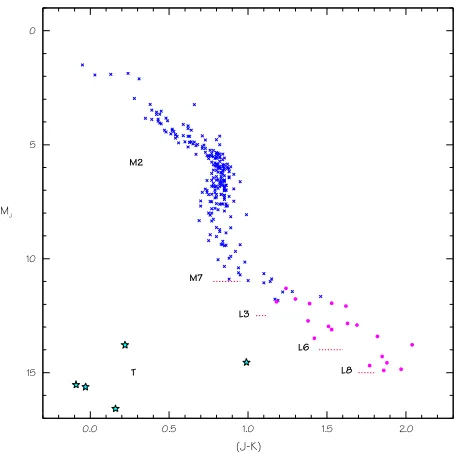
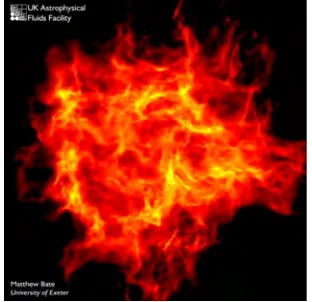
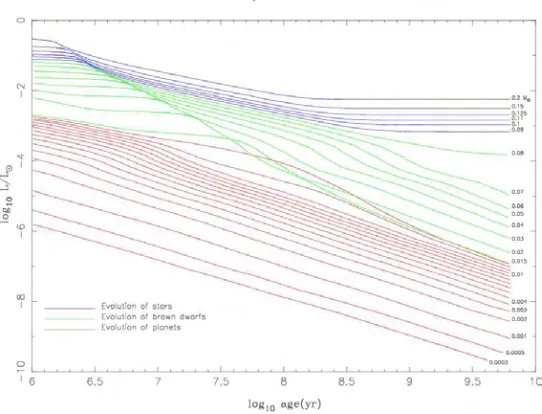
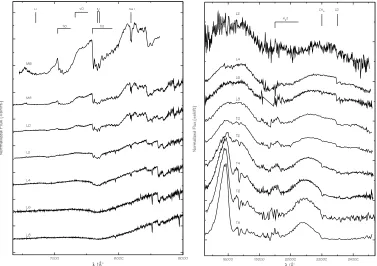
Bouy, Herve (2004): Fundamental Properties of very low mass star and brown dwarf binaries. Dissertation, LMU München: Fakultät für Physik
Full text
Figure


Outline
Related documents
Heim N, Griesbeck O (2004 ) Genetically encoded indicators of cellular calcium dynamics based on troponin C and green fluorescent protein. Heim R, Tsien RY (1996 ) Engineering
Die Aufnahme des Stoffes allein reicht aus, um ihn grundsätzlich zu einem Lebensmittel zu machen (GORNY, 2004). Definiert werden mit dem Begriff „Lebensmittel“ alle Stoffe
Heterologous bone graft material (Osteoplant-Flex) is thought to be a good alternative to autologous grafts in de- creasing relapse rates and reducing the morbidi- ty of the
The degree of fatty streaking of the aorta (percentage of the intimal surface that stains red with Sudan IV) in 18 cases of fibro- cystic disease of the pancreas was compared with
“ ribosomal tree of life ” [19], it is a reasonable starting point for rooting the reticulate phylogeny, as it serves to polarize the proposed scaffold, allowing the full complexity
It was decided that with the presence of such significant red flag signs that she should undergo advanced imaging, in this case an MRI, that revealed an underlying malignancy, which
Also, both diabetic groups there were a positive immunoreactivity of the photoreceptor inner segment, and this was also seen among control ani- mals treated with a
Twenty-five percent of our respondents listed unilateral hearing loss as an indication for BAHA im- plantation, and only 17% routinely offered this treatment to children with
