Review
1
An exploration into the origins and pathogenesis of
2
Anaplastic Large Cell Lymphoma, Anaplastic
3
Lymphoma Kinase (ALK)-positive
4
Suzanne D. Turner 1,*
5
1 Division of Cellular and Molecular Pathology, Department of Pathology, University of Cambridge;
6
* Correspondence: [email protected]; Tel.: +44-1223-762655 8
9 10
Abstract: T cell Non-Hodgkin lymphoma is a heterogeneous disease ranging from malignancies
11
arising from thymic T cells halted in development, through to mature, circulating peripheral T cells.
12
The latter cases are diagnostically problematic with many entering the category of peripheral T cell
13
lymphoma, not otherwise specified (PTCL, NOS). Anaplastic Large Cell Lymphoma is one of the
14
exceptions to this whereby aberrant expression of Anaplastic Lymphoma Kinase and distinctive
15
presence of cell surface CD30 places this entity in its own class. Besides expression of a well-studied
16
oncogenic translocation, ALCL, ALK+ may also have a unique pathogenesis with a thymic origin
17
like T lymphoblastic lymphoma but a peripheral presentation akin to PTCL. This review discusses
18
evidence towards the potential origin of ALCL, ALK+ and mechanisms that may give rise to its
19
unique phenotype.
20
Keywords: ALCL; ALK; thymus; lymphoma
21 22
1. Introduction
23
Systemic Anaplastic Large Cell Lymphoma (ALCL) is a relatively rare malignancy of T cells and is
24
sub-divided dependent on expression of Anaplastic Lymphoma Kinase (ALK) creating ALCL,
25
ALK+ and ALCL, ALK- sub-classes [1, 2]. The former is largely diagnosed in younger patients, has
26
a good prognosis and is addicted to ALK, whilst the latter is seen in an older patient demographic
27
with a relatively poor prognosis and a scarcity of driving oncogenic events. ALCL can also present
28
as a cutaneous form or in the context of breast implants, both being ALK negative [3, 4]. Given the
29
various presenting forms and differing prognoses, it makes sense that the ALCL sub-types should
30
form distinct disease categories but also raises the issue of whether they are the consequence of a
31
shared pathogenesis and origin. Indeed, mounting evidence points towards a thymic or
more-32
primitive haemopoietic origin for ALCL, ALK+ with perhaps in utero derivation akin to some
33
childhood leukaemia, in contrast to a putative peripheral and adulthood initiation of ALCL,
ALK-34
[5-7]. However, it is likely that there are overlapping mechanisms of pathogenesis given their
35
shared and unique histopathology. This review will discuss and present evidence eluding towards
36
the aforementioned mechanisms, comparing and contrasting disease processes with reference to the
37
relative merits of model systems and techniques that have been employed to divulge this
38
information.
39
2. T cell development and the origins of ALCL
40
Solid cancers of T cells are considered as having either mature or immature origins dependent on a
41
number of diagnostic factors ultimately presenting as either immature or mature T cell lymphoma
42
located in the thymus or at nodal/extranodal sites in the periphery. A thymic origin is reserved for
43
T lymphoblastic lymphoma (T-LBL) whereby tumours can present in the thymus and/or periphery
44
and may even have a leukaemic presentation but T cell receptor (TCR) rearrangements are in all
45
cases supportive of a primitive origin [8-10]. In contrast, ALCL is considered a peripheral T cell
46
lymphoma due to the expression of mature, activated T cell markers as well as largely peripheral
47
presentation of tumours. However, in the absence of ALK expression, diagnosis can be difficult and
48
may overlap with peripheral T cell lymphoma, not otherwise specified (PTCL, NOS) although
49
expression of CD30 and key histological features enable better distinction as can the gene
50
expression profile [11-13]. Regardless, broadly speaking, if a T cell malignancy shares features with
51
an immature T cell, it is called a lymphoblastic lymphoma thought to arise from thymic T cells with
52
all others presumed to derive from peripheral T cells. Whilst this is an easy way to define
53
malignancies, one must consider that the final form in which a malignancy presents may mask its
54
natural history.
55 56
2.1. T cell receptor gene rearrangement status presents a history and time stamp of thymocyte development
57
Like B cells, T cells uniquely rearrange antigen receptors which provide a tattoo of their progression
58
through the thymus; thymic progenitors rearrange the TCR genes in a temporal and
location-59
specific manner on encountering neighbouring, thymic-resident cells presenting antigen in an
60
MHC-restricted manner [10, 14]. Ultimately, successful rearrangement leads to the emergence of T
61
cells from the thymus that recognize foreign antigens presented together with MHC but not
self-62
proteins. Most commonly, T cells leave the thymus with rearranged α and β chains to become αβ T
63
cells whilst some emerge as γδ T cells having not progressed to rearrangement of α and β chain
64
genes. As such, T cells only emerge into the periphery if these processes are successful except in
65
cases where thymocyte survival is subverted by the presence of TCR-bypass events. As such,
66
analysis of TCR rearrangement status in malignancies of these cells can provide clues as to their
67
origin and the stage of T cell development they reached prior to transformation [10].
68 69
2.2. TCR rearrangements in ALCL are suggestive of stalled thymocyte development of apparently mature T
70
cells indicative of a primitive T cell origin for this malignancy
71
ALCL is considered a T cell lymphoma despite not often expressing any cell surface proteins
72
indicative of this cellular phenotype but instead having molecular TCR rearrangements. An
in-73
depth analysis of these molecular rearrangements in ALCL, ALK+ has highlighted some unusual T
74
cell receptor (TR) genotypes not normally permissive of thymocyte survival and T cell development
75
[6]. Whilst 56% of tumours displayed apparently normal TRab rearrangements, 82% of these did not
76
have major clonal TRb rearrangements. This was also the case in a TRG category (11%) whereby
77
most patients, despite having TRg and TRa rearrangements did not display clonal TRb
78
rearrangements. Furthermore, 14% had no TR rearrangements at all consistent with a null cell
79
immunophenotype. The remaining 19% could potentially originate in normal γδ T cells with
80
apparently normal TRg and TRd rearrangements. Overall, there was a consistent lack of major
81
clonal TRb rearrangements suggesting that thymic processes may have been perturbed in these
82
patients whereby expression of a strong survival factor may allow T cells without
survival-83
permissive TCR to develop and escape into the periphery. Indeed, in a murine model, NPM-ALK
84
has the capacity to enable this whereby even in the absence of RAG, the enzyme responsible for this
85
process, T cell development appears normal [6]. This is perhaps not surprising given the plethora of
86
mitogenic/survival signaling pathways known to be activated by this oncogene including those
87
normally active as a consequence of TCR engagement [15, 16].
88 89
Intriguingly and together with the detection of NPM-ALK in cord blood of 2% of the healthy
90
population [17], these data raise the possibility that like T-LBL, ALCL is also a malignancy arising
91
in thymocytes but in the latter case, thymocytes that can still apparently progress through T cell
92
developmental stages in the absence of TR rearrangement [6]. Alternatively, the translocation may
93
be induced at a more primitive stage as suggested by the findings in cord blood although this then
raises the question as to why NPM-ALK is restricted to T cell lymphoma as opposed to any other
95
malignancy derived from haemopoietic stem cells. Yet, myeloid cell surface proteins such as CD13
96
are present on ALCL cells again supportive of an origin in a pluripotent cell [18].
97 98
3. NPM-ALK induced signaling events may counteract thymic beta-selection
99
NPM-ALK is a hyperactive tyrosine kinase by virtue of its ability to dimerise and subsequently
100
autophosphorylate on tyrosine residues [19]. These then form docking sites for SH2 domain
101
containing proteins activating a plethora of signaling pathways largely including those expected of
102
a hyperactive intracellular kinase [20]. For example, signaling through PI 3-Kinase-AKT, RAS MAP
103
Kinase, JAK/STAT and PLCg/Ca2+ pathways is well-established, all pathways with the potential to
104
drive proliferation and promote cell survival, two key hallmarks of malignancies [20-27]. The first
105
key checkpoint in thymic development is β-selection, a process whereby the absence of a signal
106
emanating from an engaged pre-TCR leads to cell death. Cell survival is dependent on activation of
107
Notch 1, and NPM-ALK is able to activate signaling via this pathway in murine thymocytes at the
108
DN2/3 stages of thymic development [6]. Indeed, NPM-ALK expression in thymoctyes also leads to
109
the upregulation of CD98 and CD71, nutrient transporters required for massive cellular
110
proliferation associated with post-β -selection thymocytes [6]. It follows that Notch 1 is expressed in
111
the surface of established ALCL tumour cells, possibly a remnant of their time in the thymus [28]
112
although Notch 1 is also known to play a role in mature, peripheral T cells [29] but the relative
113
importance of Notch 1 to thymic development is underscored by the detection of Notch 1 mutations
114
in thymic-derived T-ALL [30].
115 116
4. Accounting for the activated cellular phenotype of ALCL
117
ALCL has an unusual presentation with an immunophenotype that does not place it neatly into any
118
specific T cell subset. In general, most tumours are negative for CD8 but produce cytotoxic proteins
119
such as perforin and Granzyme B, and whilst being largely CD4 positive, they lack expression of a
120
TCR/CD3 [4, 31]. Regardless, expression of CD30 is consistent but does not confer a lineage identity
121
to the cells beyond their apparent activation status [4, 32]. However, as mentioned above, if
NPM-122
ALK can substitute for pre-TCR signaling in thymocytes then it can also potentially mimic signals
123
activated on engagement of a full TCR [33]. Beyond these lineage-defining cell surface proteins,
124
molecular TCR rearrangements are supportive of a T cell status [6].
125 126
4.1. Is NPM-ALK, the tumour microenvironment and/or the cell of origin responsible for the
127
immunophenotype of cells in ALCL, ALK+?
128
It is possible to garner more information on a cell’s identity by its secretome, particularly in the T
129
cell lineage whereby distinct cytokines can both induce a skew towards a specific effector cell type
130
and likewise, when secreted can divulge the identity of the producing cell, as can the distinct profile
131
of transcription factors active within it. Hence, even though primitive forms of gene expression
132
profiling have been unable to align ALCL with either cytotoxic or helper T cells, some enriched
133
gene sets have highlighted specific associations [32]. For example, a Th17 profile could be extracted
134
whereby expression of a set of genes including IL17A, IL17F, IL26, IL22 and RORg was noted [12].
135
Interestingly, IL22 and IL17 are also present in the circulation of ALCL, ALK+ patients [34].
136
Naturally, immune cells are heavily influenced by their microenvironment and cytokines within it
137
that may have stimulatory effects on them. A Th17 skew is induced by IL6 in the presence of TGFb
138
and it follows that IL6 is produced in an autocrine manner by ALCL in an NPM-ALK
dependent-139
manner via STAT3 and miR135b [35]. This oncogene-driven pathway was also shown to be
140
responsible for production of IL17A and IL17F suggesting that the Th17 phenotype could be
141
attributable to NPM-ALK expression and activity rather than microenvironmental factors or even
142
cell of origin [35]. Furthermore, perforin and Granzyme B are produced in an NPM-ALK-dependent
143
manner again providing evidence towards a cell phenotype modelled by the driving oncogene [35,
144
36]. Of note, in the study by Matsuyama et al, the Th17-associated transcription factor RORg was
145
not dependent on miR-135b activity although it remains to be determined whether it is expressed in
an NPM-ALK-dependent manner [35]. Altogether, these data suggest that the immunophenotype
147
of ALCL, ALK+ is not incompatible with a thymic origin whereby NPM-ALK is able to drive
148
thymic development in the absence of complete and survival-compatible TCR rearrangements to
149
allow cells to ‘mature’, enter the periphery and appear to be of a Th17/cytotoxic T cell origin.
150 151
4.2. What shapes the phenotype of ALCL, ALK-?
152
Whether a similar scenario applies to ALCL, ALK- remains to be determined but as oncogenic
153
drivers are identified for this heterogeneous category, a similar picture emerges. For example,
154
miR155 is up-regulated in ALCL, ALK-, a miR that is known to induce a Th17 cell skew and despite
155
some cases displaying JAK1/STAT3 mutations, cells remain cytokine-dependent [37-39]. Whilst it
156
can be difficult to tease apart mechanisms specific to ALCL, ALK- due to a relative paucity of model
157
systems, the more recent description of breast-implant associated ALCL (BIA-ALCL) has provided
158
more clues [3, 40, 41]. Cell lines derived from BIA-ALCL and cutaneous ALCL also produce IL17A,
159
IL17F and IL6 but IL10, IL13, IL21, IFNg, GM-CSF, IL7 and TNFa are also produced, cytokines that
160
are attributable to other helper T cell subsets [39]. However, the presence of activating JAK/STAT
161
mutations in BIA-ALCL may also be driving this particular secretome [42, 43]. Indeed, ALCL, ALK-
162
are also associated with activating mutations/translocations in JAK/STAT family proteins [44] and
163
4% of cutaneous ALCL with TYK2 fusion proteins [45]. Could it be the case that each individual
164
case of ALCL has a unique profile that is shaped not only by the intrinsic oncogenic events but also
165
its particular microenvironmental circumstance? Th17 cells are known to react to large extracellular
166
pathogens such as bacteria whereas Th1 cells, for example, respond to intracellular pathogens.
167
Bacterial biofilms have been reported in the context of BIA-ALCL which fits with this hypothesis
168
and would also give rise to an activated cell surface phenotype as exemplified by CD30 expression
169
[46]. In this regard, ALCL have been reported associated with tick and other insect bites which
170
could lead to infection [47, 48].
171 172
4.3. Does infection play a role ALCL lymphomagenesis and cellular immunophenotype?
173
The fact that the tumour cells appear to be activated by virtue of CD30 expression yet not having a
174
gene expression profile compatible with an activated CD30+ T cell hints towards an
oncogene-175
driven rather than environmental event [32]. Indeed, CD30 expression has been reported as an
176
NPM-ALK driven JunB-induced event in ALCL [49]. Whilst this suggests that activation is not a
177
consequence of antigenic stimulation, as mentioned previously, ALCL, ALK+ have been reported in
178
the context of tick and other insect bites although in some cases, ALCL, ALK+ do not have the
179
ability to express a functional TCR and proximal signaling proteins are silenced in an epigenetic
180
manner [6, 31, 47, 48, 50]. However, some lymphoid cells exist that respond to inflammatory
181
environments in a receptor-independent manner. These cells are the relatively recently described
182
innate lymphoid cells (ILC) of which there are three distinct groups with origins in common
183
lymphoid progenitors. Of interest, group 3 ILC share many facets with Th17 cells: expression of
184
RORg and AHR as well as production of IL17 and IL22 [51]. It may therefore be the case that
185
incipient ALCL without functional TCR respond to infections akin to ILC 3 cells whereas those
186
with, act as Th17 or as another T cell subset. In the latter case, the TCR is subsequently
down-187
regulated as results from a murine model show that a combination of signaling through a TCR and
188
NPM-ALK are not compatible with lymphomagenesis and the TCR is rarely expressed in primary
189
ALCL [6, 31].
192
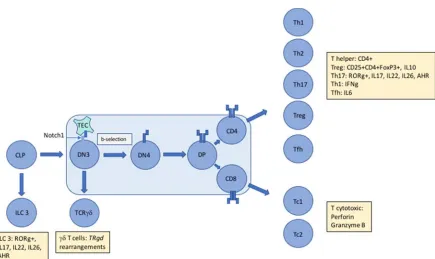
Figure 1. The unique immunophenotype of ALCL makes it difficult to assign an exact cellular origin 193
with gene expression studies unable to divulge a distinct cell of origin. The presence of aberrant TCR 194
rearrangements suggest subversion of thymic development mediated by NPM-ALK in a Notch1-195
dependent manner proposing an early origin for this largely paediatric cancer. However, tumour cells 196
express and secrete proteins (denoted by yellow boxes) that inhibit assignment to an exact T cell 197
subset. Whether these proteins are induced by driving oncogenic events and/or the tumour 198
microenvironment remains to be determined but in the case of ALCL, ALK+ at least, it is clear that 199
NPM-ALK is capable of partially mimicking the immunophenotype of multiple T cell subsets. TEC = 200
Thymic Epithelial Cell, ILC = Innate Lymphoid Cell, AHR = Aryl Hydrocarbon Receptor, Th = helper 201
T cell, Tc = cytotoxic T cell, Treg = regulatory T cell, Tfh = follicular helper T cell, TR = T cell receptor 202
gene 203
5. Conclusions
204
ALCL and other T cell lymphoma remain malignancies of unknown origins and causes with few
205
aetiological associations. This is largely due to a lack of model systems and a relatively scarcity of
206
patient material from which to divulge information. However, marrying together clinical
207
observations with laboratory studies has allowed some progress to be made.
208 209
Acknowledgments: SDT is in receipt of a fellowship award from Bloodwise 210
Author Contributions: S.D.T wrote the paper. 211
References
213
1. Turner, S.D.; Lamant, L.; Kenner, L., and Brugieres, L. Anaplastic large cell 214
lymphoma in paediatric and young adult patients. Br J Haematol2016, 173, pp.
560-215
572, 10.1111/bjh.13958. 216
2. Fornari, A.; Piva, R.; Chiarle, R.; Novero, D., and Inghirami, G. Anaplastic large cell 217
lymphoma: one or more entities among T-cell lymphoma? Hematol Oncol2009, 27,
218
pp. 161-170, 10.1002/hon.897. 219
3. Ye, X.; Shokrollahi, K.; Rozen, W.M.; Conyers, R.; Wright, P.; Kenner, L.; Turner, 220
S.D., and Whitaker, I.S. Anaplastic large cell lymphoma (ALCL) and breast implants: 221
breaking down the evidence. Mutation research. Reviews in mutation research2014,
222
762, pp. 123-132, 10.1016/j.mrrev.2014.08.002.
223
4. Swerdlow, S.H., WHO classification of tumours of haematopoietic and lymphoid
224
tissues. 2008, Lyon: International Agency for Research on Cancer. 439 p.
225
5. Malcolm, T.I.; Hodson, D.J.; Macintyre, E.A., and Turner, S.D. Challenging 226
perspectives on the cellular origins of lymphoma. Open Biol 2016, 6, pp.
227
10.1098/rsob.160232. 228
6. Malcolm, T.I.; Villarese, P.; Fairbairn, C.J.; Lamant, L.; Trinquand, A.; Hook, C.E.; 229
Burke, G.A.; Brugieres, L.; Hughes, K.; Payet, D.; Merkel, O.; Schiefer, A.I.; 230
Ashankyty, I.; Mian, S.; Wasik, M.; Turner, M.; Kenner, L.; Asnafi, V.; Macintyre, 231
E., and Turner, S.D. Anaplastic large cell lymphoma arises in thymocytes and 232
requires transient TCR expression for thymic egress. Nature communications 2016,
233
7, pp. 10087, 10.1038/ncomms10087.
234
7. Ford, A.M. and Greaves, M. ETV6-RUNX1 + Acute Lymphoblastic Leukaemia in 235
Identical Twins. Adv Exp Med Biol 2017, 962, pp. 217-228,
10.1007/978-981-10-236
3233-2_14. 237
8. Le Noir, S.; Ben Abdelali, R.; Lelorch, M.; Bergeron, J.; Sungalee, S.; Payet-Bornet, 238
D.; Villarese, P.; Petit, A.; Callens, C.; Lhermitte, L.; Baranger, L.; Radford-Weiss, 239
I.; Gregoire, M.J.; Dombret, H.; Ifrah, N.; Spicuglia, S.; Romana, S.; Soulier, J.; 240
Nadel, B.; Macintyre, E., and Asnafi, V. Extensive molecular mapping of 241
TCRalpha/delta- and TCRbeta-involved chromosomal translocations reveals distinct 242
mechanisms of oncogene activation in T-ALL. Blood 2012, 120, pp. 3298-3309,
243
10.1182/blood-2012-04-425488. 244
9. Callens, C.; Baleydier, F.; Lengline, E.; Ben Abdelali, R.; Petit, A.; Villarese, P.; 245
Cieslak, A.; Minard-Colin, V.; Rullier, A.; Moreau, A.; Baruchel, A.; Schmitt, C.; 246
Asnafi, V.; Bertrand, Y., and Macintyre, E. Clinical impact of NOTCH1 and/or 247
FBXW7 mutations, FLASH deletion, and TCR status in pediatric T-cell 248
lymphoblastic lymphoma. J Clin Oncol 2012, 30, pp. 1966-1973,
249
10.1200/JCO.2011.39.7661. 250
10. Dadi, S.; Le Noir, S.; Asnafi, V.; Beldjord, K., and Macintyre, E.A. Normal and 251
pathological V(D)J recombination: contribution to the understanding of human 252
lymphoid malignancies. Adv Exp Med Biol2009, 650, pp. 180-194.
253
11. Piccaluga, P.P.; Fuligni, F.; De Leo, A.; Bertuzzi, C.; Rossi, M.; Bacci, F.; Sabattini, 254
Hartmann, S.; Hansmann, M.L.; Piva, R.; Iqbal, J.; Chan, J.C.; Weisenburger, D.; 256
Vose, J.M.; Bellei, M.; Federico, M.; Inghirami, G.; Zinzani, P.L., and Pileri, S.A. 257
Molecular profiling improves classification and prognostication of nodal peripheral 258
T-cell lymphomas: results of a phase III diagnostic accuracy study. J Clin Oncol
259
2013, 31, pp. 3019-3025, 10.1200/JCO.2012.42.5611.
260
12. Iqbal, J.; Weisenburger, D.D.; Greiner, T.C.; Vose, J.M.; McKeithan, T.; Kucuk, C.; 261
Geng, H.; Deffenbacher, K.; Smith, L.; Dybkaer, K.; Nakamura, S.; Seto, M.; 262
Delabie, J.; Berger, F.; Loong, F.; Au, W.Y.; Ko, Y.H.; Sng, I.; Armitage, J.O., and 263
Chan, W.C. Molecular signatures to improve diagnosis in peripheral T-cell 264
lymphoma and prognostication in angioimmunoblastic T-cell lymphoma. Blood
265
2010, 115, pp. 1026-1036, blood-2009-06-227579 [pii]
266
10.1182/blood-2009-06-227579. 267
13. Savage, K.J.; Harris, N.L.; Vose, J.M.; Ullrich, F.; Jaffe, E.S.; Connors, J.M.; Rimsza, 268
L.; Pileri, S.A.; Chhanabhai, M.; Gascoyne, R.D.; Armitage, J.O., and Weisenburger, 269
D.D. ALK- anaplastic large-cell lymphoma is clinically and immunophenotypically 270
different from both ALK+ ALCL and peripheral T-cell lymphoma, not otherwise 271
specified: report from the International Peripheral T-Cell Lymphoma Project. Blood
272
2008, 111, pp. 5496-5504, blood-2008-01-134270 [pii]
273
10.1182/blood-2008-01-134270. 274
14. Shah, D.K. and Zuniga-Pflucker, J.C. An overview of the intrathymic intricacies of 275
T cell development. J Immunol 2014, 192, pp. 4017-4023,
276
10.4049/jimmunol.1302259. 277
15. Turner, S.D.; Yeung, D.; Hadfield, K.; Cook, S.J., and Alexander, D.R. The NPM-278
ALK tyrosine kinase mimics TCR signalling pathways, inducing NFAT and AP-1 by 279
RAS-dependent mechanisms. Cellular Signalling 2007, 19, pp. 740-747,
280
10.1016/j.cellsig.2006.09.007. 281
16. Hallberg, B. and Palmer, R.H. Mechanistic insight into ALK receptor tyrosine kinase 282
in human cancer biology. Nat Rev Cancer2013, 13, pp. 685-700, 10.1038/nrc3580.
283
17. Laurent, C.; Lopez, C.; Desjobert, C.; Berrebi, A.; Damm-Welk, C.; Delsol, G.; 284
Brousset, P., and Lamant, L. Circulating t(2;5)-positive cells can be detected in cord 285
blood of healthy newborns. Leukemia2012, 26, pp. 188-190, 10.1038/leu.2011.209.
286
18. Popnikolov, N.K.; Payne, D.A.; Hudnall, S.D.; Hawkins, H.K.; Kumar, M.; Norris, 287
B.A., and Elghetany, M.T. CD13-positive anaplastic large cell lymphoma of T-cell 288
origin--a diagnostic and histogenetic problem. Arch Pathol Lab Med2000, 124, pp.
289
1804-1808, 10.1043/0003-9985(2000)124<1804:CPALCL>2.0.CO;2. 290
19. Morris, S.W.; Kirstein, M.N.; Valentine, M.B.; Dittmer, K.G.; Shapiro, D.N.; 291
Saltman, D.L., and Look, A.T. Fusion of a kinase gene, ALK, to a nucleolar protein 292
gene, NPM, in non-Hodgkin's lymphoma. Science1994, 263, pp. 1281-1284.
293
20. Turner, S.D. and Alexander, D.R. Signal transduction pathways mediated by the 294
nucleophosmin-anaplastic lymphoma kinase. Biochemical Society Transactions
295
2001, 29, pp. A133.
296
21. Slupianek, A.; Nieborowska-Skorska, M.; Hoser, G.; Morrione, A.; Majewski, M.; 297
kinase-Akt pathway in nucleophosmin/anaplastic lymphoma kinase-mediated 299
lymphomagenesis. Cancer Res2001, 61, pp. 2194-2199.
300
22. Zhang, Q.; Raghunath, P.N.; Xue, L.; Majewski, M.; Carpentieri, D.F.; Odum, N.; 301
Morris, S.; Skorski, T., and Wasik, M.A. Multilevel dysregulation of STAT3 302
activation in anaplastic lymphoma kinase-positive T/null-cell lymphoma. J Immunol
303
2002, 168, pp. 466-474.
304
23. Chiarle, R.; Simmons, W.J.; Cai, H.; Dhall, G.; Zamo, A.; Raz, R.; Karras, J.G.; Levy, 305
D.E., and Inghirami, G. Stat3 is required for ALK-mediated lymphomagenesis and 306
provides a possible therapeutic target. Nat Med2005, 11, pp. 623-629, nm1249 [pii]
307
10.1038/nm1249. 308
24. Cui, Y.-X.; Kerby, A.; McDuff, F.K.E.; Ye, H., and Turner, S.D. NPM-ALK inhibits 309
the p53 tumor suppressor pathway in an MDM2 and JNK-dependent manner. Blood
310
2009, 113, pp. 5217-5227, 10.1182/blood-2008-06-160168.
311
25. Bai, R.Y.; Dieter, P.; Peschel, C.; Morris, S.W., and Duyster, J. Nucleophosmin-312
anaplastic lymphoma kinase of large-cell anaplastic lymphoma is a constitutively 313
active tyrosine kinase that utilizes phospholipase C-gamma to mediate its 314
mitogenicity. Mol Cell Biol1998, 18, pp. 6951-6961.
315
26. Bai, R.Y.; Ouyang, T.; Miething, C.; Morris, S.W.; Peschel, C., and Duyster, J. 316
Nucleophosmin-anaplastic lymphoma kinase associated with anaplastic large-cell 317
lymphoma activates the phosphatidylinositol 3-kinase/Akt antiapoptotic signaling 318
pathway. Blood2000, 96, pp. 4319-4327.
319
27. Shiota, M. and Mori, S. Anaplastic large cell lymphomas expressing the novel 320
chimeric protein p80NPM/ALK: a distinct clinicopathologic entity. Leukemia1997,
321
11 Suppl 3, pp. 538-540.
322
28. Kamstrup, M.R.; Biskup, E.; Gjerdrum, L.M.; Ralfkiaer, E.; Niazi, O., and Gniadecki, 323
R. The importance of Notch signaling in peripheral T-cell lymphomas. Leuk
324
Lymphoma2014, 55, pp. 639-644, 10.3109/10428194.2013.807510.
325
29. Osborne, B.A. and Minter, L.M. Notch signalling during peripheral T-cell activation 326
and differentiation. Nature reviews. Immunology 2007, 7, pp. 64-75,
327
10.1038/nri1998. 328
30. Weng, A.P.; Ferrando, A.A.; Lee, W.; Morris, J.P.t.; Silverman, L.B.; Sanchez-329
Irizarry, C.; Blacklow, S.C.; Look, A.T., and Aster, J.C. Activating mutations of 330
NOTCH1 in human T cell acute lymphoblastic leukemia. Science2004, 306, pp.
269-331
271, 10.1126/science.1102160. 332
31. Bonzheim, I.; Geissinger, E.; Roth, S.; Zettl, A.; Marx, A.; Rosenwald, A.; Muller-333
Hermelink, H.K., and Rudiger, T. Anaplastic large cell lymphomas lack the 334
expression of T-cell receptor molecules or molecules of proximal T-cell receptor 335
signaling. Blood2004, 104, pp. 3358-3360, 10.1182/blood-2004-03-1037.
336
32. Eckerle, S.; Brune, V.; Doring, C.; Tiacci, E.; Bohle, V.; Sundstrom, C.; Kodet, R.; 337
Paulli, M.; Falini, B.; Klapper, W.; Chaubert, A.B.; Willenbrock, K.; Metzler, D.; 338
Brauninger, A.; Kuppers, R., and Hansmann, M.L. Gene expression profiling of 339
origin, pathogenesis and relation to Hodgkin lymphoma. Leukemia 2009, 23, pp.
341
2129-2138, 10.1038/leu.2009.161. 342
33. Turner, S.D.; Yeung, D.; Hadfield, K.; Cook, S.J., and Alexander, D.R. The NPM-343
ALK tyrosine kinase mimics TCR signalling pathways, inducing NFAT and AP-1 by 344
RAS-dependent mechanisms. Cell Signal 2007, 19, pp. 740-747,
S0898-345
6568(06)00266-X [pii] 346
10.1016/j.cellsig.2006.09.007. 347
34. Savan, R.; McFarland, A.P.; Reynolds, D.A.; Feigenbaum, L.; Ramakrishnan, K.; 348
Karwan, M.; Shirota, H.; Klinman, D.M.; Dunleavy, K.; Pittaluga, S.; Anderson, 349
S.K.; Donnelly, R.P.; Wilson, W.H., and Young, H.A. A novel role for IL-22R1 as a 350
driver of inflammation. Blood 2011, 117, pp. 575-584,
10.1182/blood-2010-05-351
285908. 352
35. Matsuyama, H.; Suzuki, H.I.; Nishimori, H.; Noguchi, M.; Yao, T.; Komatsu, N.; 353
Mano, H.; Sugimoto, K., and Miyazono, K. miR-135b mediates NPM-ALK-driven 354
oncogenicity and renders IL-17-producing immunophenotype to anaplastic large cell 355
lymphoma. Blood2011, 118, pp. 6881-6892, 10.1182/blood-2011-05-354654.
356
36. Pearson, J.D.; Lee, J.; Bacani, J.T.; Lai, R., and Ingham, R.J. NPM-ALK and the JunB 357
transcription factor regulate the expression of cytotoxic molecules in ALK-positive, 358
anaplastic large cell lymphoma. Int J Clin Exp Pathol2011, 4, pp. 124-133.
359
37. Merkel, O.; Hamacher, F.; Griessl, R.; Grabner, L.; Schiefer, A.I.; Prutsch, N.; Baer, 360
C.; Egger, G.; Schlederer, M.; William Krenn, P.; Nicole Hartmann, T.; Simonitsch-361
Klupp, I.; Plass, C.; Staber, P.; Moriggl, R.; Turner, S.D.; Greil, R., and Kenner, L. 362
Oncogenic role of miR-155 in anaplastic large cell lymphoma lacking the t(2;5) 363
translocation. J Pathol2015, 10.1002/path.4539.
364
38. Merkel, O.; Hamacher, F.; Laimer, D.; Sifft, E.; Trajanoski, Z.; Scheideler, M.; Egger, 365
G.; Hassler, M.R.; Thallinger, C.; Schmatz, A.; Turner, S.D.; Greil, R., and Kenner, 366
L. Identification of differential and functionally active miRNAs in both anaplastic 367
lymphoma kinase (ALK)+ and ALK- anaplastic large-cell lymphoma. Proc Natl Acad
368
Sci U S A2010, 107, pp. 16228-16233, 1009719107 [pii]
369
10.1073/pnas.1009719107. 370
39. Chen, J.; Zhang, Y.; Petrus, M.N.; Xiao, W.; Nicolae, A.; Raffeld, M.; Pittaluga, S.; 371
Bamford, R.N.; Nakagawa, M.; Ouyang, S.T.; Epstein, A.L.; Kadin, M.E.; Del 372
Mistro, A.; Woessner, R.; Jaffe, E.S., and Waldmann, T.A. Cytokine receptor 373
signaling is required for the survival of ALK- anaplastic large cell lymphoma, even 374
in the presence of JAK1/STAT3 mutations. Proc Natl Acad Sci U S A2017, 114, pp.
375
3975-3980, 10.1073/pnas.1700682114. 376
40. Miranda, R.N.; Aladily, T.N.; Prince, H.M.; Kanagal-Shamanna, R.; de Jong, D.; 377
Fayad, L.E.; Amin, M.B.; Haideri, N.; Bhagat, G.; Brooks, G.S.; Shifrin, D.A.; 378
O'Malley, D.P.; Cheah, C.Y.; Bacchi, C.E.; Gualco, G.; Li, S.; Keech, J.A., Jr.; 379
Hochberg, E.P.; Carty, M.J.; Hanson, S.E.; Mustafa, E.; Sanchez, S.; Manning, J.T., 380
Jr.; Xu-Monette, Z.Y.; Miranda, A.R.; Fox, P.; Bassett, R.L.; Castillo, J.J.; Beltran, 381
L.J. Breast implant-associated anaplastic large-cell lymphoma: long-term follow-up 383
of 60 patients. J Clin Oncol2014, 32, pp. 114-120, 10.1200/JCO.2013.52.7911.
384
41. de Jong, D.; Vasmel, W.L.; de Boer, J.P.; Verhave, G.; Barbe, E.; Casparie, M.K., 385
and van Leeuwen, F.E. Anaplastic large-cell lymphoma in women with breast 386
implants. JAMA2008, 300, pp. 2030-2035, 10.1001/jama.2008.585.
387
42. Kadin, M.E.; Deva, A.; Xu, H.; Morgan, J.; Khare, P.; MacLeod, R.A.; Van Natta, 388
B.W.; Adams, W.P., Jr.; Brody, G.S., and Epstein, A.L. Biomarkers Provide Clues to 389
Early Events in the Pathogenesis of Breast Implant-Associated Anaplastic Large Cell 390
Lymphoma. Aesthetic surgery journal / the American Society for Aesthetic Plastic
391
surgery2016, 36, pp. 773-781, 10.1093/asj/sjw023.
392
43. Blombery, P.; Thompson, E.R.; Jones, K.; Arnau, G.M.; Lade, S.; Markham, J.F.; Li, 393
J.; Deva, A.; Johnstone, R.W.; Khot, A.; Prince, H.M., and Westerman, D. Whole 394
exome sequencing reveals activating JAK1 and STAT3 mutations in breast implant-395
associated anaplastic large cell lymphoma anaplastic large cell lymphoma. 396
Haematologica2016, 101, pp. e387-390, 10.3324/haematol.2016.146118.
397
44. Crescenzo, R.; Abate, F.; Lasorsa, E.; Tabbo, F.; Gaudiano, M.; Chiesa, N.; Di 398
Giacomo, F.; Spaccarotella, E.; Barbarossa, L.; Ercole, E.; Todaro, M.; Boi, M.; 399
Acquaviva, A.; Ficarra, E.; Novero, D.; Rinaldi, A.; Tousseyn, T.; Rosenwald, A.; 400
Kenner, L.; Cerroni, L.; Tzankov, A.; Ponzoni, M.; Paulli, M.; Weisenburger, D.; 401
Chan, W.C.; Iqbal, J.; Piris, M.A.; Zamo, A.; Ciardullo, C.; Rossi, D.; Gaidano, G.; 402
Pileri, S.; Tiacci, E.; Falini, B.; Shultz, L.D.; Mevellec, L.; Vialard, J.E.; Piva, R.; 403
Bertoni, F.; Rabadan, R.; Inghirami, G.; European T-Cell Lymphoma Study Group, 404
T.C.P.P.C.o.D.i.P.w.P.T.C.L., and the, A.x.C.G.-D.T.M.o.L.M. Convergent 405
mutations and kinase fusions lead to oncogenic STAT3 activation in anaplastic large 406
cell lymphoma. Cancer Cell2015, 27, pp. 516-532, 10.1016/j.ccell.2015.03.006.
407
45. Velusamy, T.; Kiel, M.J.; Sahasrabuddhe, A.A.; Rolland, D.; Dixon, C.A.; Bailey, 408
N.G.; Betz, B.L.; Brown, N.A.; Hristov, A.C.; Wilcox, R.A.; Miranda, R.N.; 409
Medeiros, L.J.; Jeon, Y.K.; Inamdar, K.V.; Lim, M.S., and Elenitoba-Johnson, K.S. 410
A novel recurrent NPM1-TYK2 gene fusion in cutaneous CD30-positive 411
lymphoproliferative disorders. Blood 2014, 124, pp. 3768-3771,
10.1182/blood-412
2014-07-588434. 413
46. Hu, H.; Johani, K.; Almatroudi, A.; Vickery, K.; Van Natta, B.; Kadin, M.E.; Brody, 414
G.; Clemens, M.; Cheah, C.Y.; Lade, S.; Joshi, P.A.; Prince, H.M., and Deva, A.K. 415
Bacterial Biofilm Infection Detected in Breast Implant-Associated Anaplastic Large-416
Cell Lymphoma. Plastic and reconstructive surgery 2016, 137, pp. 1659-1669,
417
10.1097/PRS.0000000000002010. 418
47. Lamant, L.; Pileri, S.; Sabattini, E.; Brugieres, L.; Jaffe, E.S., and Delsol, G. 419
Cutaneous presentation of ALK-positive anaplastic large cell lymphoma following 420
insect bites: evidence for an association in five cases. Haematologica 2010, 95, pp.
421
449-455, 10.3324/haematol.2009.015024. 422
48. Piccaluga, P.P.; Ascani, S.; Fraternali Orcioni, G.; Piccioli, M.; Pileri Jr, A.; Falini, 423
Application to a case of anaplastic large cell lymphoma with huge granulomatous 425
reaction. Haematologica2000, 85, pp. 978-981.
426
49. Atsaves, V.; Lekakis, L.; Drakos, E.; Leventaki, V.; Ghaderi, M.; Baltatzis, G.E.; 427
Chioureas, D.; Jones, D.; Feretzaki, M.; Liakou, C.; Panayiotidis, P.; Gorgoulis, V.; 428
Patsouris, E.; Medeiros, L.J.; Claret, F.X., and Rassidakis, G.Z. The oncogenic 429
JUNB/CD30 axis contributes to cell cycle deregulation in ALK+ anaplastic large cell 430
lymphoma. Br J Haematol2014, 167, pp. 514-523, 10.1111/bjh.13079.
431
50. Ambrogio, C.; Martinengo, C.; Voena, C.; Tondat, F.; Riera, L.; di Celle, P.F.; 432
Inghirami, G., and Chiarle, R. NPM-ALK oncogenic tyrosine kinase controls T-cell 433
identity by transcriptional regulation and epigenetic silencing in lymphoma cells. 434
Cancer Res2009, 69, pp. 8611-8619, 0008-5472.CAN-09-2655 [pii]
435
10.1158/0008-5472.CAN-09-2655. 436
51. Spits, H.; Artis, D.; Colonna, M.; Diefenbach, A.; Di Santo, J.P.; Eberl, G.; Koyasu, 437
S.; Locksley, R.M.; McKenzie, A.N.; Mebius, R.E.; Powrie, F., and Vivier, E. Innate 438
lymphoid cells--a proposal for uniform nomenclature. Nature reviews. Immunology
439
2013, 13, pp. 145-149, 10.1038/nri3365.
440
441