The purpose of this study was to document and analyze a unique effort at creating a responsive middle school program for young adolescents and a school-university partnership, both of which are found at Centennial Campus Middle School in Raleigh, North Carolina. The research was
necessary for four reasons. First, the planning that was undertaken in preparation for opening the school required more than ten years and represented an unprecedented effort in collaboration between the Wake County Public School System and North Carolina State University. Second, the result of the planning was a school whose program is based on the most current middle level education research and is intended to be truthfully responsive to the needs of young adolescents. Third, Centennial Campus Middle School represents a school-university partnership that is unlike the traditional partnership models that exist across our nation. Fourth, the tale of Centennial Campus Middle School is a story that should be documented for the contribution it makes to other educators who endeavor to create a new middle school and a university partnership.
Kenneth A. Branch lives in Raleigh, North Carolina. Born in Rich Square, North Carolina, in 1954, he attended the University of North
Carolina at Chapel Hill where he obtained a Bachelor of Arts in Education in 1976. With teaching certification in social studies for grades seven through twelve, he spent nine years as a classroom teacher between 1976 and 1992. He also worked for the U.S. Committee for UNICEF and The American
University in Washington, DC, as well as the North Carolina School of Science and Mathematics in Durham, NC. He completed a Master of Education in School Administration degree at North Carolina State
University in 1992 and became an assistant principal in Granville County, North Carolina. He joined the Wake County Public School System as an assistant principal in 1993 and was appointed principal of Zebulon Middle School in 1995. He also served as principal of Lynn Road Elementary School in Raleigh.
Ken enrolled in the Educational Administration and Supervision doctoral program at North Carolina State University in January 1999 and graduated in December 2003. He is currently the principal of Centennial Campus Middle School in Raleigh and may be contacted at
This study was actually the work of many. I am thankful for the efforts of those from the Wake County Public School System and North Carolina State University who devoted years to crafting the vision for Centennial Campus Middle School and who assisted me in gathering the data I needed.
I fully acknowledge and am exceptionally appreciative of the
dedication of the Centennial Campus Middle School faculty and staff. These devoted educators work tirelessly everyday responding to the changing
List of Figures ... viii
List of Terms ...ix
Chapter 1. Introduction ...1
Background ...2
Statement of Purpose ...5
Significance of Study ...6
Research Questions...7
Limitations of Study ...8
Biography...9
2. Review of Related Literature ...13
Introduction ...13
Middle School Concept ...14
Adolescence...14
Development of Middle School Concept...15
Organizational Structure of Middle School Concept...20
Summary ...35
School-University Partnerships...35
Introduction ...35
Background...36
Origin and Definition of School-University Partnerships...37
Summary ...50
3. Research Methodology ...51
Introduction ...51
Site Selection ...51
Research Design...52
Pilot Study ...55
Data Collection...56
Data Analysis ...61
Role of Researcher...64
Validity ...65
Generalizability ...68
Summary ...69
4. Centennial Campus Middle School Planning Process ...70
Introduction ...70
Timeline of CCMS Planning Process...71
5. Operationalization of the CCMS Concept ...89
Introduction ...89
Age-Appropriate Instruction ...91
Organization and Structure ...101
Collaboration Among Teachers ...111
Exploratory Program ...119
Architectural Design...127
NCSU Partnership ...130
Summary ...140
6. Summary and Suggestions for Additional Research ...142
Introduction ...142
Lesson Number One ...143
Lesson Number Two ...146
Lesson Number Three...152
Lesson Number Four ...154
Lesson Number Five ...156
Lesson Number Six ...158
Lesson Number Seven ...160
Lesson Number Eight ...164
Suggestions for Additional Research ...166
Summary ...167
Concluding Statement ...170
References...172
List of Documents ...180
Appendix A. Centennial Campus Middle School Concept Document...184
Appendix B. Interview Guide for Data Collection...232
Appendix C. Consent Form for Interviews ...235
Appendix F. Curriculum Integration Coordinator Roles
and Responsibilities...240
Appendix G. Eighth Grade Curriculum Map ...242
Appendix H. Sixth Grade Curriculum Map...243
Appendix I. Seventh Grade Curriculum Map...246
Appendix J. Instructional Planning Web I ...247
Appendix K. Instructional Planning Web II...248
Appendix L. Outreach Coordinator Roles and Responsibilities ...249
Appendix M. CCMS Daily Schedule, 2003-2004...252
Appendix N. CCMS Daily Schedule, 2002-2003 ...253
Appendix O. CCMS Teacher Profile ...254
Appendix P. List of Teacher Interview Questions ...256
Appendix Q. CCMS Teacher Interview Format...259
Appendix R. CCMS House Leader Roles and Responsibilities ...264
Appendix S. Curriculum Area Contact Roles and Responsibilities ...266
Appendix T. CCMS Program Guide ...268
Appendix U. Advisory Program Planning Web ...271
Appendix V. Map of CCMS Building...272
Appendix W. Outreach Activities Summary, 2002-2003 ...274
Chapter 3. Research Design
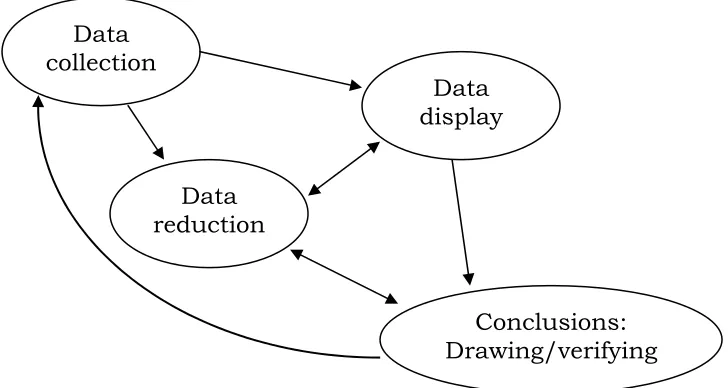
Figure 1: Components of data analysis: interactive model..……….61
Chapter 6. Lessons Learned and Suggestions for Additional Study
CCMS Centennial Campus Middle School. In some of the planning documents, especially the concept document found in Appendix A, the name of the school appears as Centennial Campus
Magnet Middle School or CCMMS. WCPSS Wake County Public School System NCSU North Carolina State University Triangle J Council of Governments
A voluntary organization of municipal and county governments in North Carolina's Region J (Chatham, Durham, Johnston, Lee, Moore, Orange and Wake counties). It is one of 18 regional councils established in 1972 by the General Assembly. The organization works to meet the region's needs in a wide range of areas, from land-use planning, economic development and emergency medical services support to environmental
protection, programs for the aging and information services. See http://www.tjcog.dst.nc.us/ for additional information. RTP Research Triangle Park, North Carolina.
See http://www.rtp.org/ for additional information. BOE Wake County Public School System Board of Education Centennial
Campus North Carolina State University’s research and
development center. See http://centennial.ncsu.edu/ for additional information.
COEP College of Education and Psychology at North Carolina State University.
Chapter One
INTRODUCTION
Do not go where the path may lead,
go instead where there is no path and leave a trail.
Ralph Waldo Emerson
Centennial Campus Middle School opened in July 2000 with little fanfare. The school, uniquely situated on the campus of North Carolina State University, began operation with 450 students in grades six through eight and a teaching staff of 36. As the buses delivered their charges that rainy first day in the school’s life, and the staff, dressed in State red shirts, welcomed them, few realized what was happening. Yes, a new school was opening in a glittering building that was state-of-the-art, but it was the program within the building that set the school apart. After more than ten years of planning and the involvement of over 150 compassionate educators, a carefully crafted program was being introduced – a school-university
partnership that would speak to the demands of adolescence and of being adolescent.
planning process represented an unprecedented effort in collaboration between the Wake County Public School System, which is a large urban school district, and North Carolina State University, a major research
university. Second, the result of the planning was a school whose program is based on the most current middle level education research and is
intended to be truthfully responsive to the needs of young adolescents. The school was designed to be a true middle school. Third, and in addition to the above, CCMS represents a school-university partnership, which is unlike the traditional partnership models that exist across our nation. Finally, the tale of Centennial Campus Middle School is a story that needed to be documented for the contribution it makes to other educators who endeavor to create a new middle school and a university partnership.
Background
In 1988, around a conference room table located in offices of the Triangle J Council of Governments in Research Triangle Park, North
the nation. As its first step toward creating a world-class regional education system, the Council pictured a series of model schools that would bring together technology and innovative organizational techniques within the walls of one school. These model schools would serve as demonstration sites that could expose teams of educators and policy makers to a vision of what education could and should be in tomorrow’s schools.
Five years later and as a direct result of this initiative, the Wake County Public School System (WCPSS) and North Carolina State University (NCSU) agreed to enter into a partnership to create a model middle school that would be located on NCSU’s Centennial Campus. This agreement evolved after three years of “on again, off again” (G. Richeson, WCPSS, memorandum, April 19, 1993) planning that involved discussions between WCPSS and NCSU. The agreement became a reality after the two
institutions muddled through the tasks of making the notion of a model middle school less “nebulous” (R. Wentz, WCPSS, memorandum, May 28, 1992), of defining how collaboration between the two institutions would be shaped, and of defining the roles of the school and university players (May 28, 1992).
WCPSS and NC State University have collaborated on numerous projects over the years, this endeavor goes well beyond others in scale, breadth, and commitment…CCMS will…be the first middle school in the country to
combine the resources of a respected school system, a major university and a technologically advanced campus comprised of business, industry,
education and government agencies” (WCPSS and NCSU, CCMS concept document, 1995, p. 3).
A formal concept document describing Centennial Campus Middle School (CCMS) and its partnership with NCSU was presented and approved by the WCPSS Board of Education in 1995 (see Appendix for the concept document).
The plans for CCMS continued to be refined and the construction details were hammered out between 1995 and 1999. The school, which opened in the summer of 2000, is a Wake County Public School System-funded school uniquely situated on the campus of North Carolina State University’s Centennial Campus. The school’s mission is to provide an exemplary learning center for young adolescents and to enhance their education with the resources of a major research university. Its mission is to achieve the following:
1. An educational experience that is firmly grounded in the most current research on responsive middle level education and adolescent
2. Instructional interaction between university personnel and students across all academic disciplines working in large groups, small groups, or with individual students;
3. Demonstrations within the area of expertise of the university personnel that reinforces skills and concepts being taught by the regular teacher in the classroom;
4. Opportunities for students to interact with university facilities in a manner that enhances or enriches their educational experiences; and 5. Research opportunities for university personnel representing the ten
different colleges comprising the university (WCPSS & NCSU, CCMS concept document, Nov. 1995, p 10).
Statement of Purpose
The purpose of this study is four-fold. The first purpose is to
document the planning process, which represented an unprecedented effort in collaboration between the Wake County Public School System and North Carolina State University. This decision-making process lasted for more than ten years and involved over 150 concerned citizens. The second
accomplishing the fourth purpose, this study contributes to the existing literature on middle school education and school-university partnerships.
Significance of the Study
Centennial Campus Middle School was conceived from discussions that began in 1988. The original idea was to create a model middle school program that would serve as a demonstration site for other educators. After WCPSS and NCSU agreed to co-develop the school, the focus turned to designing a program that was truly responsive to the needs of young adolescents. This is important to note as the research on middle level education includes volumes on the definition of the middle school concept and what constitutes an effective middle school, but may fall short on how such programs are actualized in practice.
This study also contributes to the body of literature that exists on school-university partnerships. Timpane (1998), writing about school
that grow out of the successes and frustrations evident in the cases, which ultimately confirm the value of the project” (p. xix).
After three years in operation, this analysis of the experiences of the Centennial Campus Middle School staff in cultivating and sustaining a school-university partnership will be useful to other schools, school systems, and universities who endeavor to do the same.
In summary, this study establishes that Centennial Campus Middle School represents an educational program that was designed to respond to the wide-ranging needs of young adolescents. Concurrent with the
aforementioned, this study confirms the challenges of creating such a truly responsive middle school program. Finally, this dissertation validates that the partnership that exists between CCMS and NCSU represents a model for school-university partnerships that does not exist elsewhere in our nation.
Research Questions
In an effort to establish that Centennial Campus Middle School represents a responsive middle school program, a unique school-university partnership, and a model for other schools or school systems to follow, this study focused on the following questions:
2. How was the school’s program actually implemented and what shape does it take today?
3. What are the implications from the establishment of this school that may assist other educational leaders in creating responsive middle school programs and/or school-university partnerships?
Limitations of the Study
This is a case study of one school. I analyzed documents from the Wake County Public School System and North Carolina State University that relate to the planning of CCMS. Since the original discussion about creating the school was held fifteen years ago, some documents were lost or destroyed over the years. Therefore, I based my analysis on the documents that were available to me. I also analyzed documents assembled since I began employment as principal of CCMS including those created by staff members of the school.
Due to the number of people who were involved in the planning of Centennial Campus Middle School, representing all of their contributions and thoughts was not feasible. Therefore data from a small sampling of those involved in the planning process were included. The role the person played and the length of time he or she was involved in the process
Finally, as the principal of Centennial Campus Middle School, I was responsible ultimately for the shape of the school’s program. The concept document that was provided by the planning committee was used as a guide for creating the program that is currently in place at CCMS (see Appendix A for a copy of the concept document). Because of my position in the school, I was involved in many of the activities that are related in this study, and I know well several of the participants that I interviewed. I included my personal experiences and reflections as principal of the school. I monitored my own subjectivity and remained aware of my own biases through the use of journals and notes. It was my desire to tell a story that is still unfolding and, in doing so, contribute to the educational literature on middle schools and school-university partnerships.
Biography
bussed 20 miles to a recently-consolidated high school seemed so normal. In 1970, an eastern North Carolina court determined that we, the students of Rich Square, would have to return to the high school in town and assist in the desegregation process. As a result I graduated from W. S. Creecy High School in 1972, one of eight white students in a class of 65.
From Creecy I ventured to Chapel Hill and obtained an undergraduate degree in education with a concentration in social studies and teacher
certification for grades seven through twelve. Three days after graduation in May 1976, I left the United States for a three-year stint teaching at the
Universal American School in Kuwait City, Kuwait. Opening my eyes to the world, the experience changed my life. Returning in 1979, I was hired by the Edenton-Chowan School System to teach in an alternative high school. There I received my first experiences working with at-risk students.
In 1981, I packed away my teaching certificate and moved to
I landed a job at the North Carolina School of Science and
Mathematics working in the development office, but within three years returned to the classroom. It was this experience teaching eighth grade social studies at Neal Middle School in Durham County, N.C., that turned me on to middle schools. Fortunately, I took the job at the time that Durham was moving from a junior high school model to the middle school model. The school system developed a middle school philosophy statement and worked diligently to implement the characteristics of the middle school concept. We, the teachers, got on board quickly and grew excited about the work we were able to accomplish as interdisciplinary teacher teams.
While teaching, I enrolled in the Master of School Administration Program at NCSU and received a master’s degree and administrative certification in 1992. I was hired as an assistant principal by Hawley Middle School in Granville County and moved to a similar position at
Carnage Middle School in Raleigh within six months. From Carnage, where I learned about Wake County’s magnet schools program, I moved to the principal’s position at Zebulon Middle School. A world away, Zebulon Middle School represented to me a neighborhood school in its warm and inviting community spirit.
nurturing environment. The Lynn Road family was embracing and willing to allow me the time I needed to learn how elementary schools operate.
It was just after my first year at Lynn Road, the summer of 1999, that I got the news that Centennial Campus Middle School would be opening the following year and that a principal was being recruited. I got a copy of the school’s concept document and knew that it would be the right place for me (see Appendix A for a copy of the concept document). Embarrassed and feeling a bit guilty, I approached my supervisor to garner support for
applying for the principal’s position. She demonstrated understanding and shared that she would support me in pursuing this dream. Luckily the Lynn Road staff members were equally understanding when I informed them that I had been offered the job.
The opportunity to finalize plans for and open Centennial Campus Middle School was indeed a dream. For one who is passionate about the shape of our middle schools and compassionate about young adolescents, I knew that this would be a once-in-a-lifetime chance.
Chapter Two
REVIEW OF RELATED LITERATURE Introduction
A review of the research literature is necessary to build a theoretical framework for this case study of Centennial Campus Middle School. The theories or concepts as they exist in the research serve as scaffolding for the underlying assumption that young adolescents succeed more easily in a school environment that is responsive to their developmental needs. Additional scaffolding from the research supports the idea that models for school-university partnerships exist, pertaining primarily to teacher training and professional development of teachers, and are challenging to implement and sustain.
This literature review is divided into two sections: the middle school concept and school-university partnerships. The evolution of middle
schools from the junior high school model and its significance for young adolescents is well documented in the literature. The first section of this review is subdivided by several of the components of the middle school concept: development of the concept, organizational structure, personnel and leadership, curriculum and instruction, exploratory programs, advisory programs, and athletics.
and providing a historical perspective on the evolution of such partnerships. This review also defines collaboration as it has existed between schools and universities that have entered into traditional partnerships and investigates some of the challenges that have hindered the formation of meaningful alliances.
Middle School Concept Adolescence
According to the Carnegie Council on Adolescent Development’s Turning Points (Jackson & Davis, 2000):
Early adolescence is a time of discovery, when young people have significantly greater capacity for complex thinking. They are more able to be out in the world, to participate in the wider universe of activities. They are better equipped to make important decisions affecting themselves and others, but their lack of experience leaves them vulnerable. They are better able to fend for themselves, yet they are caught up almost daily in a vortex of new risks. (p. 7)
during early adolescence is second only to that in infancy. From then on, there is no time in life that rivals early adolescence for rapidity of growth – or for self-consciousness about it” (p. 6).
Concurring with this statement from Lipsitz, the National Middle School Association’s This We Believe (1995) noted:
Young people undergo more rapid and profound personal changes during the years between 10 and 15 than at any other period of their lives. Although growth in infancy is also very extensive, infants are not the conscious witnesses of their development as are young adolescents. (p. 6)
Adolescents, therefore, are not only experiencing drastic changes on all fronts – physical, intellectual, emotional, and social – but they are also aware of these changes and must be guided through a period in their lives that will shape them as adults.
Development of the Middle School Concept
Every 50 minutes, perhaps 6 or 7 times each day, assemble with 30 or so of your peers, each time in a different group, sit silently in a chair in neat, frozen rows, and try to catch hold of knowledge as it whizzes by you in the words of an adult you met only at the beginning of this school year. The subject of one class has nothing to do with the subject of the next class. If a concept is confusing, don’t ask for help, there isn’t time to explain. If something interests you deeply, don’t stop to think about it, there’s too much to cover. If your feelings of awkwardness about your rapid growth make it difficult to
concentrate, keep your concerns to yourself. And don’t dare help or even talk to your fellow students in class; that may be considered cheating. (p. 236)
Lipsitz (1993) shared:
The challenge to schools is to work with people in an age group who have in many ways been isolated from the rest of the age span and to work with them at a time when they seek to extend their personal autonomy from adults and simultaneously to identify with them. (p. 7) The literature supports the need for education programs designed for the young adolescent to be child-centered and focused on development needs. According to Manning (2000), the Association for Childhood Education International (ACEI) defines the middle school as a school
well-being by providing developmentally appropriate and responsive
curricular, instructional, organizational, guidance, and overall educational experiences in a safe, violence-free, and peaceful environment…” (p. 1).
Specifically, the middle school experience for young adolescents should be “needs-responsive” (Jackson & Davis, 2000, p. viii) and should include the following:
• Small communities of learners;
• Core academic program;
• Success experiences for all students through the elimination of tracking, promotion of cooperative learning, and flexibility in arranging instructional time;
• Teachers and administrators who are empowered to make decisions especially about instructional programs;
• Personnel who are expert at teaching young adolescents… (pp.
viii-xi)
Manning also shared that the ACEI supports these recommendations and added that today’s middle school should:
• Provide exploratory programs so that young adolescents will have opportunities to discover their talents, abilities, and values.
• Ensure a positive and safe learning environment that
emphasizes cooperation, collaboration, and peaceful
existence…in other words, an environment that shows care and concern. (Manning, 2000, p. 1)
As the junior high school model was transformed into the middle school model over the past 40 years, the middle school concept resulted in an educational experience that attempts “…to meet the development needs of children in the in-between years…” (George, Lawrence, & Bushnell, 1998, p. 228). George et al. noted that “…there are a few central elements that most middle level educators accept as desirable for such schools” (p. 228).
Among the most important of these elements are:
1. Every student has a home base, a teacher-advisor, and an adequate guidance program.
2. The school day is scheduled flexibly, often with some form of block schedule.
4. Often, a form of school-within-school, house, or similar strategy is used to group teams of teachers and student into longer-term relationships.
5. Instruction is active, varied, and problem-centered, and students progress continuously at their own rates.
6. A wide range of age-appropriate exploratory classes and activities are provided.
7. Grouping for instruction is flexible and primarily heterogeneous. 8. A governance system balances spirited leadership with authentic
shared decision making. (pp. 228-229)
The middle school is not an advanced elementary setting; neither is it a little high school. According to Stevenson (1991), “Colleagues and parents sometimes confront us with the fervent view that the primary task at the middle level should be to get kids ready for high school” (p. 14). Lounsbury (1991) added that middle schools exist to “…guide, support, and educate youth during life’s most critical phase, a significant and demanding task in and of itself. And if it does that successfully the high school will be
negotiated successfully” (p. 6). Finally, Wavering (1995) noted that “…a teacher’s job is get people ready for the world, not just the classroom beyond the current grade level” (p. 235).
In summary, the development of the middle school concept
that schooling at this level should be responsive to young adolescents’ changing nature” (Stevenson, 1992, p. 13).
Organizational Structure of the Middle School
Flexible Scheduling
As education experiences for young adolescents moved from the
junior high school model to those represented in the middle school concept, there was an “…attempt to move from a fragmented, disjointed, subject-by-subject curriculum to an integrated interdisciplinary approach” (Walley & Gerrick, 1999, p. 72). This approach included the manner in which time is allocated during the school day and the manner in which teachers of middle school students team for instructional purposes.
In a conscious effort to steer clear of the strict scheduling of the junior high school model, leaders in the middle school movement looked at
different forms of flexible schedules. “These schedules organize classes and educational experiences to allow for daily variations…flexible schedules permit the allocation of time and effort according to the needs of the
students and the nature of the course content” (Manning & Bucher, 2001, p. 102).
According to Arnold (as cited in Manning & Bucher, 2001):
exercise and rest. This means allowing time for exploratory programs, advisor-advisee programs, extended blocks of uninterrupted
instructional time in which a variety of activities can occur, teacher planning time, integration of subjects, varied lengths of instructional time, and innovation and experimentation with varied time schedules. (p. 102)
When in proper operation, the use of flexible scheduling empowers teachers to allocate instructional time during the course of a school day based on the needs of the students they teach. They are allowed to make decisions about the length of lessons and the instructional strategies
employed based on their students’ requirements rather than a bell schedule. The literature does not address well the constraining factors that surround teachers’ and administrators’ ability to flex their instructional schedules while accommodating all curricular and special student services guidelines. This study determines that factors do exist that constrain teachers’ ability to consistently adapt daily instructional schedules to meet students’ needs.
Interdisciplinary Teacher Teams
students. According to George et al., “Teachers may organize the division of labor within the team in a variety of ways. They always share the same students, and usually the same schedule, space in the building, and interest in all the subjects taught by the team” (p. 231).
Erb (as cited in Manning & Bucher, 2001) noted that there are four elements in the “effective ITO [interdisciplinary team organization]: common planning time, shared students, common block of time schedule, and
spatial proximity of team members’ classes” (p. 112).
As these teams became more popular throughout middle schools, certain issues were identified as being critical to the teams’ success. According to Stevenson (1992), these issues are:
1. Governance: how the team is organized for decision making. 2. Team Identify: what the team stands for.
3. Operating Procedures: daily, monthly, or term calendar schedule. 4. Communication: how decisions are conveyed within and beyond
the team.
5. Recognition: how accomplishment is recognized. 6. Curriculum: what is to be taught and learned.
The challenge for middle school teachers has been, for the most part, in moving from “…working alone in an isolated classroom to working with a team of teachers…” (Capelluti & Brazee, 2003, p. 1). For the first time, teachers left the “…security of their isolated classrooms for a setting that requires collaboration, teamwork, and ongoing communication with other teachers” (p. 1). With this stated, middle school educators have reported that there are advantages of working on teams. These include “…increased program flexibility, improved interpersonal relationships, fewer discipline problems, and easy scheduling” (George et al., 1998, p. 231).
Another advantage for teaching on an interdisciplinary team, according to Lounsbury (1992), is that the teachers “…are involved in a broader range of decision-making affecting a greater range of school-wide issues than are the teachers in other settings where decision-making is more often limited to their own classrooms” (p. 9).
Lounsbury also noted that:
…teaming does permit certain conditions to exist that are directly related to instructional effectiveness and student success. It reduces isolation and anonymity; it allows teachers to know their students quite well; and it permits teachers to “gang up” on students in positive ways to affect their learning. (1992, p. 29)
previous section. As Walley and Gerrick (1999) noted, “Planning time is the first critical issue [for interdisciplinary teams]” (p. 110). Stevenson (1992) stated that:
Time is a precious commodity in schools, but to have a successful team, teachers must meet daily for as much as an hour in order to plan programs, address problems, discuss students, and coordinate the myriad of details that are a part of the operation of a successful team. (p. 214)
Walley and Gerrick (1999) believe:
Teams must have separate team planning time. The more time a team has to meet and work collaboratively, the more effective the team can become. A master program must be developed that gives teachers a team planning period in addition to the normal personal planning period. Many schools move into teaming by simply giving team teachers the same conference period. That is a formula, if not for failure, certainly for very limited success. (p. 110)
that such time is used in a meaningful, efficient, and productive manner. This study suggests a framework for collaboration among teachers that permits them to communicate with each other and to plan as a team.
Personnel
Effective teachers of middle school students share common
characteristics. According to Manning (2000), they should be “…trained in essential middle school concepts, the early adolescent period, and the characteristics of child-centered middle schools” (p. 10). In addition, teachers of sixth, seventh, and eight grade students “…must be genuinely committed to…middle schools and to providing young adolescents with educational experiences that demonstrate caring, concern, and nurturing” (p. 10). Finally, these educators “…need continuous learning experiences that contribute to their ability to teach young adolescents” (p. 10).
The effective middle school is student-centered and all adults in the school fulfill a counseling role. “This is different from the role of the
elementary teacher who may serve ‘in loco parentis,’ …This…role…is also different from that of the high school teacher who is a specialist in a particular content area…” (Compton & Hawn, 1993, p. 9).
Middle school teachers can be neither strict specialists with
depth in at least two content fields, who can recognize a connection among the various subject areas, and who is knowledgeable about sources of materials that may provide answers to problems posed in the process of instruction” (Lounsbury, 1992, p. 9).
The success of a middle school squarely rests on the shoulders of its teachers. They must understand adolescent development, be committed to creating and sustaining a nurturing environment with the child at the center and value collaboration with their colleagues.
Curriculum and Instruction
The developmental needs of the young adolescent require special attention in the design of curriculum and its delivery in the middle school classroom. As Stevenson (1992) noted:
Expecting every student to learn the same material at the same time as a result of the same exposure is contradictory to their
developmental diversity. Expectations that young adolescents will thrive in a teacher-focused, textbook-centered classroom hour after hour, day after day is at the very least naïve. (p. 13)
According to Clark and Clark (2000), the organization of curriculum in the middle school should be “…more developmentally responsive…” (p. 3). This can be accomplished by:
• Reorganizing the scope and sequence in many cases to include
interdisciplinary approaches;
• Implementing alternative organization structures (teams, alternative scheduling);
• Making connections (interdisciplinary approaches that emphasize relationships across the subject areas, connecting with the
community); and
• Incorporating appropriate instructional strategies (cooperative learning, project/problem-based learning, technology). (p. 3)
With this stated, the literature supports the notion of a continuum at the middle school level on which curriculum design and instructional
delivery exists (Beane, 1997; George et al., 1998; and Jacobs, 1997). On the far left of the continuum is disciplines-based curriculum. As found in
not easily made congruent with the characteristics and needs of young adolescent students” (p. 340).
As one moves toward the center of the continuum, one reaches a point that has been:
…identified as either ‘interdisciplinary’ or ‘thematic.’ …Typically, teachers choose a theme within which all of their separate disciplines can find a comfortable place. That is, teachers configure their lessons so that concepts, skills, and topics they would normally cover in
isolation are taught as part of a ‘unit.’ (George et al., 1998, p. 340) The advantages to this interdisciplinary approach include allowing teachers to feel “comfortable about not neglecting their own priorities… [as they] continue to teach topics in which they have background and
training…” (George et al., 1998, p. 340). Also the research indicates the students who participate in the interdisciplinary approach to instruction are “…often energized and enthusiastic…” (p. 341) about this innovative
teaching technique.
On the far right end of the continuum is integrated curriculum. George et al. (1998) describe this as similar to the interdisciplinary
According to Manning and Bucher (2001), “Integrated curriculum can be an effective means for addressing young adolescents’ developmental characteristics” (p. 5). This manner of delivering the curriculum to middle school students “… integrate[s] subject matter usually taught separately (e.g., literature, history, science) under a single integrated curricular theme. Rather than only learning isolated facts, young adolescents can begin to see the relationships among, and interconnectedness of curricular areas” (p. 5). In summary, the power of interdisciplinary and integrated instruction lies in the:
…intertwining of subject matter [which] not only reinforces what is taught, but also more closely resembles life outside the classroom where the subjects we teach are not found in isolation, but, rather, are constantly interacting with and overlapping each other.
(Lounsbury, 1992, p. 73)
Exploratory Programs
The concept of including exploratory programs in school programs designed for young adolescents is not a recent phenomenon. According to Anfara and Brown (2000):
In 1918, the Commission on the Reorganization of Secondary Education authorized the junior high to help ‘the pupil explore his own aptitudes and to make at least provisional choices of the kinds of work to which he shall devote himself.’ (p. 2)
Exploration at the middle school level is considered “developmentally responsive and academically challenging” (Brazee, 2000, p. 1). All students should be provided opportunities “…to assess their strengths and
weaknesses, to identify likes and dislikes and areas in which they may eventually want to develop expertise” (Lounsbury, 1992, p. 17). According to Stevenson and Carr (1993), “…activities that involve reading, writing, listening, and speaking should be balanced at least in equal measure by ones that involve doing” (p. 34).
Compton and Hawn (1993) noted “Exploratory activities should be fairly short in duration, provide opportunities for students to participate actively, hold students accountable for completing activities, but not impose mastery as a criterion” (p. 137). In addition, “exploratories [should] take into consideration the shorter attention spans and diverse interests of
young adolescents. Learners are allowed to change topics often before their interest wanes” (Manning & Bucher, 2001, p. 93).
Finally, effective exploratory programs are also valuable because they show “…students the interconnectedness of their learning experiences by linking courses across the curriculum” (George & Alexander as cited in Anfara & Brown, 2000, p. 2).
Strong middle schools include varied opportunities for students to explore personal interests. These exploratory adventures help students determine paths to pursue and offer balance to the academic component of the school day.
Advisory Programs
students know they have at least one adult who knows them personally, cares about their happiness and success, and is willing to listen to their problems and concerns” (Muth and Alverman, 1999, p. 6). Also, according to Irvin 1992, “Young adolescents, faced with dilemmas and pressures on a daily basis, need positive relationships” (p. 163).
According to Manning and Bucher (2001), advisory programs: …can be defined as efforts to include each student in small,
interactive groups with peers and staff to discuss school, personal, and societal concerns. The advisory program provides young
adolescents with a sense of ‘family,’ or belonging to a group. (pp. 8-9) The heart of advisory programs lies in its “…emphasis on the social and emotional development of every adolescent in a middle level school” (Irvin, 1992, pp. 162-163).
These programs require between 15 and 30 minutes of the school day and may occur at any time. There is some thinking that the best time for the students to meet with their advisors is in the morning (Arnold as cited in Manning, 2000, p. 13; and Muth & Alvermann, 1999, p. 6).
The challenge that many middle schools face in providing effective advisory services for their students is in protecting the time that the advisor has to meet with his or her students. The literature does note that
Advisory programs offer middle school students an additional opportunity to build a relationship with an adult. The adult serves as mentor and, perhaps academic coach, to the student. Middle schools are frequently confronted by the need to protect the time devoted to advisory programs in an effort to ensure they remain student-focused.
Intramurals and Interscholastic Athletics
The literature on middle school education encourages emphasis on helping to develop healthy adolescents (George and Alexander, 1993; Stevenson, 1992; Allen, Splittgerber, & Manning, 1993; and Romano & Georgiady, 1997). To address this need, many middle schools provide physical education opportunities for their students during the school day and an intramurals program or an interscholastic athletics program after the school day. As schools moved from the junior high school model to that of the middle school, some of the research began to point to the value of intramurals over the value of an interscholastic athletics program.
According to Romano and Georgiady (1997):
At no other point in childhood is there greater potential for physical injury than during the middle school years, where physically
or coordination. Intensely competitive interscholastic sports are not advisable for the middle school years. (p. 22)
For established middle schools, the idea of eliminating an
interscholastic athletics program in favor of an intramurals program has become a “volatile” issue according to Wavering (1995, p. 409). Although he continues by stating, “Many educators and physicians who deal directly with middle school youth are more cautious in their appraisal of the benefits of interscholastic sports for this age group” (p. 409).
The first advantage to an intramurals program is that it is open to all students in the middle school. Maximizing student participation in the program is emphasized instead of “…advanced levels of performance” (Compton and Hawn, 1993, p. 132). A second advantage to intramurals is that such a program can accommodate “The wide range of development associated with…early-developing and late-developing students in every grade” (p. 132). The third advantage is healthy competition. When properly implemented, “Competition is maintained at an appropriate level and fun for everyone… is provided” (p. 133).
Summary
This section of the literature review focused on defining the middle school concept. The introduction of middle schools and their evolution over the past 40 years is clearly represented in the literature. From this well of research, this section of the literature review has drawn from the areas that focus on the development of the middle school concept as well as middle school organization and structure, personnel, curriculum and instruction, exploratory programs, advisory programs, and athletics.
School-University Partnerships Introduction
The purpose of this section of the literature review is to wade into the waters of school-university partnerships by defining the concept and
providing a historical perspective on the evolution of such partnerships. This review also defines collaboration as it has existed between schools and universities that have entered into traditional partnerships and investigates the challenges that have hindered the formation of meaningful alliances.
different collaborative models that have been established as well as the challenges that have faced those who implement such models.
Background
The planners of Centennial Campus Middle School envisioned a
school that would “… involve an entire population of students, teachers, and parents frequently engaged with faculty, students, and facilities of each of [North Carolina State University’s] ten colleges, as well as its corporate and government partners on Centennial Campus” (WCPSS & NCSU, CCMS concept document, 1995, p. 3). As they mapped out these uncharted waters, they suggested that CCMS would not be a clone, that it would not be a laboratory school. Rather the school’s program would reflect a unique effort at allying a middle school not only with a College of Education but also with each of the colleges that comprise a major research university. These include the NCSU Colleges of Engineering, Design, Textiles, Graduate Studies, Management, Agriculture and Life Sciences, Humanities and Social Sciences, Physical and Mathematical Sciences, and Veterinary Medicine. “CCMS will…be the first middle school in the country to combine the resources of a respected school system, a major university, and a technologically advanced campus…” (p. 3).
These efforts at collaboration and partnership program
related literature. Although school-university partnerships have been present in our country since the mid-nineteenth century, the model that is present on the campus of North Carolina State University represents a new standard.
Origin and Definition of School-University Partnerships
“As a class, laboratory schools were created during a period of nationwide interest in and support of the idea that some schools were needed as sites for testing, demonstrating, or disseminating instructional innovations” (National Association of Laboratory Schools, 1991, p. 35). Campus laboratory schools have been operated and supported by teacher education institutions throughout the nation for more than a century (p. 38).
“Schools established as handmaidens to teacher-training schools have gone by many names: model school, practice school, experimental school, laboratory school, and campus school” (National Association of Laboratory Schools, 1991, p. 143). At first they were linked to normal schools, “…those barely respectable institutions pioneered in the United States between 1840 and 1880 when the idea gained currency that teachers should be trained” (p. 143).
on campuses of their sponsoring institutions and are often called “campus schools” or “campus laboratory schools” (National Association of Laboratory Schools, 1991, p. 1).
The National Association of Laboratory Schools, 1991, cited an
example of the early standing of campus schools in the Normal School Act of 1857 passed by the Pennsylvania Legislature:
Before designation as an official state normal school, each had to provide a ten-acre campus, housing for three hundred students, an auditorium capable of seating a thousand persons, rooms for
libraries, a minimum of six faculty members, and a model school of one hundred students. (National Association of Laboratory Schools,
1991, p. 2)
According to DePencier (1967):
An event which was destined to have a profound effect on educational thinking and practice throughout America took place at the University of Chicago in January 1896. That event was the opening of the
Dewey School, [which became known] as the Laboratory Schools of the University of Chicago. Conceived by the world-famous educator, John Dewey, the school was truly a laboratory from its inception – an experimental school where his theories of education could be put into practice, tested, and scientifically evaluated. (p. 13)
…wholly experimental, founded as a testing ground for John Dewey’s educational theories… The conception underlying the school is that of a laboratory… It [had] two main purposes: (1) to exhibit, test, verify and criticize theoretical statements and principles, (2) to add to the sum of facts and principles in its special line. (DePencier, p. 14)
According to Timpane and White (1998), there were several “waves” of school-university partnership activity in the second half of the twentieth century (p. 60). The first wave got under way “…in the 1960s and early 1970s when colleges and universities came under increasing pressure to increase the number of minority students enrolling at the undergraduate level” (p. 58). Colleges and universities provided two types of programs, “informational and preparatory” (p. 59). Although these programs were called “partnerships,” they were typically only “…collaborative in name…” (p. 59).
The second wave of school-college partnership activity got under way in the 1980s, in the aftermath of A Nation at Risk (National Commission of Excellence in Education, 1983). “This group of programs was motivated by concerns about quality, and aimed at helping teachers to achieve teaching excellence” (Timpane and White, 1998, p. 60).
idea was a “ ‘teachers-teaching-teachers’ ” or “ ‘trainer-of-trainers’ approach…” (Timpane and White, 1998, p. 61).
During the 1980s, Claire Gaudiana, then University of Pennsylvania professor and later Connecticut College president, led a national effort to spawn “Academic Alliances” (Ravid and Handler, 2001, p. 61). These
alliances were organizations that brought college faculty members together on a regular basis with K-12 teachers in the same discipline to discuss developments in the field and share teaching strategies. There are now more than 500 such alliances across the country, most of them organized quite informally and operating on shoestring budgets (p. 61).
The Holmes Group was formed in the late 1980s by ninety-six major research universities who sought to improve pre-service and in-service teacher education through increased ties to colleges of arts and sciences and to school-based educators (Ravid and Handler, p. 24). “…Professional development schools, designed as a part of the Holmes Group movement, provide a clinical setting for pre-service education, engage in professional development for practitioners, promote and conduct inquiry that advances knowledge of schooling, and provide an exemplary education for a segment of P-12 students” (p. 24).
would be involved in the processes of: (1) mutual deliberation on problems with student learning and their possible solutions; (2) shared teaching in the university and schools; (3) collaborative research on the problems of educational practice; and (4) cooperative supervision of prospective teachers and administrators” (Westbrook, Wheatley & Rogers, 2000, pp. 2-3).
According to Verbeke and Richards, 2001, “The professional development school combines the traditional K-12 and university
collaboration of placing student teachers with experienced K-12 teachers and once-prevalent university laboratory schools, which provided for long-term internship opportunities and demonstration teaching” (pp. 9-10).
The National Network for Educational Renewal (NNER) currently includes more than five hundred such schools in its most recent directory, and the research states that there are many others that are part of other initiatives (Sirotnik and Goodlad, 1999, p. 208).
Although the professional development school (PDS) may be the most often mentioned in the literature on school-university partnerships, three additional models have been identified in the literature. According to Ravid and Handler, 2001, the other school-university collaboration models that surface from the literature are the following:
1. Consultation – In the consultation model, one or several university faculty members work with one or several teachers. The faculty
the teachers. Other stakeholders may also join as collaborators. The main purpose of this partnership is improvement of instruction and teachers’ professional development.
2. One-to-one collaboration – A university faculty member works as equal partner with a school based practitioner in this model. Both partners plan and carry out the research project.
3. Multiple collaboration project teams under one umbrella organization acting as the facilitator – In this model, each project team is composed of university-based and school-based educators, as well as other
possible stakeholders. Collaboration takes place within each team, and across teams. (pp. 3-4)
What I did not found in the literature is information on partnerships between schools and universities that transcend this traditional alliance. That is, partnerships that exist to encourage participation by university faculty and students in the total education of school students. This
participation, as is present at Centennial Campus Middle School, may take the shape of:
2. Demonstrations within the area of expertise of the university personnel that reinforces skills and concepts being taught by the regular teacher in the classroom;
3. Opportunities for students to interact with university facilities in a manner that enhances or enriches their educational experiences; 4. Resident opportunities for university personnel on a school’s campus;
and
5. Research opportunities for university personnel representing the different colleges comprising a university (WCPSS & NCSU, CCMS concept document, Nov. 1995, p 10).
In summary, the creation of Centennial Campus Middle School represents an unprecedented effort in collaboration between a school
system and a major university. According to the report issued by the Model Middle School Planning Committee, the joint WCPSS and NCSU working group that developed the concept for CCMS, “Though WCPSS and NCSU have collaborated on hundreds of projects over the years, this endeavor goes well beyond others in scale, breadth, and commitment” (WCPSS & NCSU, CCMS planning committee report, June 1995, p. 4). The CCMS concept document, released in 1995, further noted, “CCMS will…be the first middle school in the country to combine the resources of a respected school
comprised of business, industry, educational and government agencies” (p. 3).
Collaboration in School-University Partnership Programs
The need for collaboration between our nation’s universities and K-12 schools is well documented in the literature. Ernest Boyer, in Gross, 1988, described the need for collaboration between universities and K-12 schools by stating:
Today with all the talk about education excellence, schools and
colleges still live in two separate worlds. Presidents and deans rarely talk to principals and district superintendents. College faculty
members do not meet with their counterparts in public schools, and curriculum reforms at every level are planned in isolation. It’s such a simple point – the need for close collaboration – and yet it is a priority that has been consistently ignored. Universities pretend they can have quality without working with the schools, which are, in fact, the foundation of everything universities do. (p. xii)
Maeroff, Callan, and Michael (2001) underscored Boyer’s succinct description by writing:
professional worlds, and networks – instead of existing as a coherent community of leaders… The “impossible dream” of partnership
between schools and colleges remains as elusive as that pursued by the Man of La Mancha. (p. 1)
Although there is a lot of talk about need to bring together our
universities and our schools, Patterson, Michelli, and Pacheco (1999) noted, “…the difficulty of bridging school, district, and university cultures is under-appreciated” (p. 21). They commented that we seem inclined to assume that district and university personnel will readily establish “widespread, deep agreement and commitment,” and that this commitment will be sufficiently strong and compelling to cause the separate groups “to back off from their own agendas, their own commitment, for a greater good” (p. 22).
According to Sirotnik and Goodlad (1988), school-university
partnerships represent “…a form of institutional collaboration that rarely (if ever) has occurred in practice” (p. viii). The paths of truly successful
partnerships between schools and school districts and universities are not at all clear. “Indeed, the literature suggests that symbiotic
partnerships…have scarcely been attempted. It is assumed, then, that there is much to be learned by everyone involved” (p. 25).
“collaboration is not easy to achieve” and that it remains “an elusive concept to many who have tried to engage it” (Patterson et al., 1999, p. 29).
Collaboration partnership participation by school and university personnel is recognized as “more than just talking and working together, and it is more complicated than simply ‘bridging the differences’ that separate schools and universities” (p. 30). They see it as a matter of altering
relationships, a means of “significant and lasting personal growth” (p. 30) that may lead to substantial organizational change.
Another reason that school-university partnerships are not well understood is that the day-to-day operation of such arrangements has not been well documented. Authors cite observers who note that “evidence of successful school-university collaboration is spotty at best” and that few participants “present either information about the initiation or maintenance of the collaboration or empirical evidence of program effectiveness”
(Patterson et al., 1999, p. 30).
Also noted is “that some collaborative efforts operate essentially outside the core activities of both the schools and the university [rather than as integral parts of the school’s daily life]” (Hoffman, Reed, & Rosenbluth, 1997, p. 43).
According to Teitel (1994), “Partnerships are easier to start on the margins of organizations, where the bending of rules necessary for
be integrated with and woven into the fabric of the entire institution” (p. 245). He also shared six steps to follow in creating meaningful partnerships between universities and schools. “They must decide to collaborate,
establish who will be involved, identify and select their partners, define and negotiate the extent of the collaboration, build inter-organizational
structures, and assess and reassess if the partnership is meeting their needs” (p. 248).
Verbeke and Richards (2001) wrote:
Collaboration between K-12 schools and higher education institutions is a complex undertaking. It is shaped by many forces. In addition to the differences among participants, perhaps the most critical factors that shape and sustain a school-university collaboration are the willingness to collaborate, the development of shared goals, and the creation of effective communication systems. (p. 43)
In summary, the research documents a need for meaningful
collaboration between K-12 schools and colleges and universities. It also documents the divide that has existed between the two institutions.
Need for Documentation of School-University Partnerships
One reason that school-university partnerships are not well
observers who note that “evidence of successful school-university
collaboration is spotty at best” and that few participants “present either information about the initiation or maintenance of the collaboration or empirical evidence of program effectiveness” (p. 30). Winitsky, Stoddart, and O’Keefe (1992) expressed a similar viewpoint: “Although partnerships have often been advocated, the literature that has accumulated to guide such reform is quite limited. We know little about what works, what does not, and why” (p. 9).
From Hoffman, Reed, and Rosenbluth, (1999), we learn that,
regarding partnerships between institutions of higher education and public schools, “history is very short on examples of carefully crafted agreements and programs accompanied by individual and institutional commitment on both sides” (p. 40).
According to Patterson et al. (1999), few partnership participants “present information about the initiation or maintenance of the
collaboration [between university and school]” (p. 30). They also add, “Although partnerships have often been advocated, the literature is quite limited” (p. 31).
Linda Darling-Hammond and Sharon Robinson (as cited in Patterson et al., 1999), “… encourage those engaged in collaborative endeavors such as professional development schools ‘to document the experience of
The absence of evidence from the literature on successful school-university partnerships is well documented by the researchers mentioned above. Again, according to Darling-Hammond and Robinson, (as cited in Patterson et al., 1999), “Although the encouragement is strong and the benefits obvious, few [school–university] collaborators find the time or the resources to provide systematic records of activities, challenges, and success or failures of partnership activity; the work of partnerships is so demanding that documentation and record keeping are often neglected” (p. 37).
Finally, Osguthorpe, (1995), wrote that the creation of a partnership school is:
…a journey into the unknown. The voyager knows some of the conditions and benefits of the destination, but not all of them. Most travelers have considered the price, but only a part of it. Most who set forth are aware of some of the dangers and pitfalls, but only those that can be inferred from journeys to other destinations. Reading the maps and logs of similar voyages undertaken by others can
substantially increase anyone’s personal knowledge about destination, price, and pitfalls. (p. 127)
It is clear from the literature on school-university partnerships that there is a need for “maps and logs” for those who are interested in
on the interactions between schools and universities; nor is there adequate evidence of functioning collaborative models that currently exist between the partnership institutions.
Summary
This section of the review of the literature has presented an overview of the concept of school-university partnerships by presenting information on their origin and reviewing the partnership models that are most
Chapter Three
RESEARCH METHODOLOGY Introduction
The method of research used for this study was qualitative. As an intrinsic case study, my goal was to investigate the creation of Centennial Campus Middle School and to document that the school represents a
responsive middle school model and a unique school-university partnership. First, this study included exploration of the decision-making process and collaboration that were established between the Wake County Public School System and North Carolina State University to achieve their vision of
designing a middle school and partnership program. Second, this study examined the operationalization of that vision by describing the program that is currently in place at the school and how it was implemented. Finally, this project included my own reflections and lessons learned based on my experiences as the school’s principal. It is through these lessons learned that this study contributes to the literature on middle school education and school-university partnership programs.
Site Selection
addition, the planning process, which extended over ten years, represented an unprecedented effort within the Wake County Public School System, which has 125 schools in operation (WCPSS & NCSU, CCMS concept document, 1995, p. 3).
Finally, the school was selected purposefully because of its effort to fully incorporate into its program the characteristics of the research-based middle school concept and to build a unique school-university partnership. The literature is rich with descriptions of middle schools and their
characteristics, as detailed in the previous chapter, but there is insufficient data on how middle schools develop those characteristics. This site was selected, in part, because of its efforts at incorporating those characteristics. In addition, although school-university partnership schools have existed for more than one hundred years in our nation, the university alliance that was envisioned for CCMS and is being cultivated today is unique in that it
transcends the concept of the traditional school-university partnership.
Research Design
According to Bogdan and Biklan (1998), “A case study is a
need to learn about that particular case. We have an intrinsic interest” (Stake, 1995, p. 4).
According to Stake (1995), “Case study research is not sampling
research. We do not study a case primarily to understand other cases. Our first obligation is to understand this one case” (p. 4). For the purposes of my study, “…the case [was] pre-selected” (p. 4). Patton (2002) categorized the selection of a case for study reasons as purposeful. “The logic and power of purposeful sampling derive from the emphasis on in-depth
understanding. This leads to selecting information-rich cases for study in-depth. Information-rich cases are those from which one can learn a great deal about issues of central importance to the purpose of the research…” (p. 46.)
Since the idea for this entire study was based on my knowledge of, experience with, and access to one particular school, this case study may be considered autoethnographical in nature.
experiences within a culture and addresses to academic and public
audiences” (p. 85). The “foundational question” for Patton was, “How does my own experience of this culture connect with and offer insights about this culture, situation, event,…” (p. 84). At the center of how autoethnography is distinguished from ethnography is “…the self-awareness about and
reporting of one’s own experiences and introspections as a primary data source” (p. 86).
Although I acknowledge the autoethnographical approach in this research project, I also acknowledge the risks in that approach. According to Delyser, “Because gaining perspective on something you’re in the middle of poses distinct challenges, texts on qualitative research methods often advise students not to study communities or situations of which they are already a part” (2001, p. 441). With autoethnography falling within the realm of insider research, Kitchin and Tate warned that those conducting insider research, “…may fail to notice pertinent questions or issues because of the inability to step back from a situation and fully assess the
circumstances” (2000, p. 29).
As Glesne stated, perhaps by entering into the research with “heightened consciousness of (these) potential difficulties,” one can be successful. It was my goal in exploring the planning for and