1
MESH TYPE AND NUMBER FOR CFD SIMULATIONS OF AIR
1DISTRIBUTION IN AN AIRCRAFT CABIN
2Ran Duan1, Wei Liu1, Luyi Xu1, Yan Huang1, Xiong Shen1, Chao-Hsin Lin2, Junjie Liu1, 3
Qingyan Chen3,1 and Balasubramanyam Sasanapuri4 4
5
1Tianjin Key Laboratory of Indoor Air Environmental Quality Control, School of Environmental 6
Science and Engineering, Tianjin University, Tianjin 300072, China 7
2Environmental Control Systems, Boeing Commercial Airplanes, Everett, WA 98203, USA 8
3School of Mechanical Engineering, Purdue University, West Lafayette, IN 47907, USA 9
4ANSYS India Pvt Ltd, Pune, India 10
11
This investigation evaluated the impact of three mesh types (hexahedral, tetrahedral, and hybrid 12
cells) and five grid numbers (3, 6, 12, 24, and >38 million cells) on the accuracy and computing 13
costs of air distribution simulations in a first-class cabin. This study performed numerical error 14
analysis and compared the computed distributions of airflow and temperature. The study found that 15
hexahedral meshes were the most accurate, but the computing costs were also the highest. 12-16
million-cell hexahedral meshes would produce acceptable numerical results for the first-class cabin. 17
Different mesh types would require different grid numbers in order to generate accurate results. 18
19
1. INTRODUCTION
20
NOMENCLATURE
αp,αnb coefficient of the variable at the xi spatial coordinates
present cell and neighboring cells, Гϕ,eff effective diffusion coefficient
respectively ρ density of fluid
b source term or boundary conditions average general variable Ero maximal round-off error , exact solution, approximated
Err total numerical error solution
N grid number p, nb variable of the present and
ri distance from the center point of cell i neighboring cells, respectively (center of gravity) to the interfacial center round-off error
f
Rϕ normalized residuals Subscripts and Superscripts
Sϕ source term c center point of cell
t time f interfacial center point
1 Address correspondence to Xiong Shen, Tianjin Key Laboratory of Indoor Air Environmental Quality Control, School of Environmental Science and Engineering, Tianjin University, Tianjin 300072, China. E-mail: [email protected]
n i
n i
inDuan, R., Liu, W., Xu, L., Huang, Y., Shen, X., Lin, C.-H., Liu, J., Chen, Q., and Sasanapuri, B. 2015 “Mesh type and number for CFD simulations of air distribution in an aircraft cabin,” Numerical Heat Transfer, Part B: Fundamentals, 67(6), 489-506.
2
TE truncation error i index of coordinate
i
u average velocity nb neighboring cells
V flow domain size p present cell
21
In the past decade, the number of air travelers worldwide increased to 11.3 billion [1]. Air 22
distribution in airliner cabins is important for the thermal comfort and well-being of travelers and 23
crew members [2]. However, many recent studies [3, 4] found that thermal comfort in airliner cabins 24
was not satisfactory. The spatial air temperature distributions in airliner cabins were not uniform, and 25
many passengers found that their upper bodies were too warm and lower bodies too cold. 26
Measurements in a large number of commercial airliner cabins by Guan et al. [5] identified many 27
pollutants that are potentially harmful to passengers and crew members and should therefore be 28
removed effectively from the cabins by ventilation. Adjustment of air distribution in cabins in order to 29
improve thermal comfort and reduce pollutant levels is an important subject for airplane cabin 30
designers and researchers. 31
Experimental measurements and computer simulations are two of the primary methods of 32
investigating air distribution in an airliner cabin [6]. For example, Zhang et al. [7] used a CFD 33
program to study the air distribution in an airliner cabin mock-up. Li et al. [8] measured contaminant 34
distribution experimentally in an airplane cabin. Liu et al. used both experimental measurements [9] 35
and computer simulations [10] to obtain the air distribution in a first-class cabin. These studies 36
showed that, while experimental measurements in an airliner cabin were reliable, it was difficult to 37
conduct the measurements on board with sufficient fine spatial resolution because of regulations 38
imposed by aviation authorities and the high costs associated with the experiments. Most of the 39
measurements were conducted on the ground in airplanes or cabin mock-ups [8, 11, 12]. CFD 40
simulation, on the other hand, is less expensive and more efficient [6]. Thus, recent studies of thermal 41
comfort and air quality in airliner cabins have been conducted primarily by CFD [13-15]. Because the 42
geometry of an airliner cabin is very complex and the airflow appears unstable [10], the experience 43
obtained in simulating airflow in other enclosed spaces, such as buildings, cannot be applied to 44
airliner cabins. Therefore, it is important to investigate the use of CFD for this application. 45
Significant effort has been made in recent years in studying air distributions in airline cabins by 46
CFD. For example, Liu et al. [10] evaluated different turbulence models for predicting air 47
distributions, and Zhang and Chen [16] assessed various particle models for predicting contaminant 48
dispersions. However, few studies have evaluated the mesh type and number used in CFD. Because 49
CFD solves discretize transport equations for flow (Navier-Stokes equations), the flow domain in an 50
airliner cabin should be divided into a large number of cells. The mesh type and size can be very 51
important factors in the cost of computation and the accuracy of the numerical results. 52
Since an airliner cabin is three dimensional, the commonly applied mesh types are hexahedral 53
[17], tetrahedral [18], and hybrid meshes [19]. The hexahedron, a structured mesh, was first developed 54
[20] in the 1970s. Compared with tetrahedral and hybrid meshes, hexahedral meshes can be aligned 55
with the predominant direction of a flow, thereby decreasing numerical diffusion [21]. However, it is 56
difficult to generate hexahedral elements for airliner cabins with complicated boundaries [6], although 57
there are examples of this application [17]. Developments in meshing techniques in the 1980s made 58
the tetrahedron a popular alternative [22]. Tetrahedral cells are more adaptive to a flow domain with a 59
complicated boundary [23]. Today, because commercial CFD software can generate tetrahedral 60
3
meshes automatically, such meshes are favored by inexperienced users. Many researchers [24, 25] 61
have applied these meshes to air cabins. However, a tetrahedron is not as accurate as a hexahedron 62
with the same grid number [26, 27]. The grid number of a tetrahedral mesh is larger than that of a 63
hexahedral mesh with the same cell dimensions. Therefore, hybrid meshes [28, 29] have been 64
developed that use tetrahedral meshes in the flow field with a complicated boundary and hexahedral 65
meshes in the other fluid domain. Several studies [10, 15] have applied hybrid meshes to the 66
investigation of air distributions in cabins. Unfortunately, hybrid meshes cannot be automatically 67
generated, and intensive labor is required to build such a mesh manually. 68
The above review illustrates the pros and cons of different mesh types. It is important to identify 69
the type mesh that is most suitable for use in airliner cabins. 70
Another important factor in the computing cost and accuracy of CFD simulations is the number 71
of cells. Many CFD studies have performed grid independence tests. For example, Liu et al. [10] 72
compared three grid quantities for a first-class cabin, but the maximum grid number was only 13 73
million, which was not sufficiently fine to obtain grid independency. A coarse mesh could lead to a 74
larger spatial discretization error, and refining the mesh could reduce the numerical dissipation. 75
However, if the grid number were very large, round-off error could increase rapidly and would exceed 76
truncation errors, and thus the accuracy could also become poor [30]. Therefore, a cell number that is 77
either too small or too large could lead to poor results. It is necessary to determine the most suitable 78
grid number. 79
On the basis of state-of-the-art CFD simulations of air distribution in airliner cabins, this 80
investigation conducted a systematic evaluation of mesh type and number. The goal was to identify a 81
suitable mesh type and number for studying air distribution in an airliner cabin in order to improve the 82
thermal comfort and well-being of passengers and crew members. 83
84
2. RESEARCH METHOD
85 86
2.1. Selection of Grid Type and Number
87
Our study used the first-class cabin of a single-aisle aircraft (an MD-82 airplane) to study the 88
impact of grid type and number on the computing costs and accuracy of numerical simulations of air 89
distributions in the cabin. Figure 1(a) is a schematic of the fully-occupied, first-class cabin. The role 90
of grid type was investigated by using hexahedral, tetrahedral, and hybrid meshes, as shown in Figure 91
1. For evaluating grid number, a mesh of at least 3 million cells is necessary in order to describe cabin 92
details that are crucial for simulating air distribution, such as diffusers. We progressively doubled the 93
grid number in order to study its impact on accuracy. Because of limitations on our computing 94
resources, the maximum grid number used was about 48 million. Since it took a long time to generate 95
the finer grids and it was not easy to control the grid number, the largest grid numbers for the 96
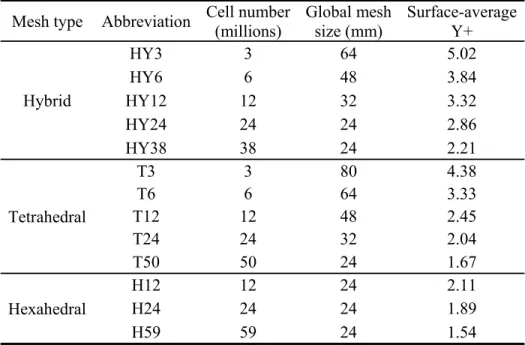
hexahedral, tetrahedral, and hybrid meshes were 59, 50, and 38 million, respectively. Table 1 shows 97
the grid numbers used in this investigation. 98
4 99 (a) (b) 100 101 (c) (d) 102
Figure 1. (a) Schematic of the fully-occupied, first-class cabin; and mesh distribution at the back 103
section for different mesh grid types: (b) hexahedral mesh, (c) tetrahedral mesh, and (d) hybrid mesh 104
with 24 million cells. 105
106
Table 1. Grid numbers, dimensions, and Y+ values used in this study 107
Mesh type Abbreviation Cell number (millions) Global mesh size (mm) Surface-average Y+
Hybrid HY3 3 64 5.02 HY6 6 48 3.84 HY12 12 32 3.32 HY24 24 24 2.86 HY38 38 24 2.21 Tetrahedral T3 3 80 4.38 T6 6 64 3.33 T12 12 48 2.45 T24 24 32 2.04 T50 50 24 1.67 Hexahedral H12 12 24 2.11 H24 24 24 1.89 H59 59 24 1.54 108 109 110
5
Figure 1 shows the grid distributions of the three mesh types. Different mesh types had similar 111
mesh distributions. For example, the mesh was very fine in the regions close to the walls, manikins, 112
and air diffusers because of large gradients in the variables, while coarse meshes were used in the 113
main flow region. This investigation defined the large mesh dimension used in the main flow region 114
as the global mesh dimension. For the hexahedral mesh, as depicted in Figure 1(b), the distribution of 115
the meshes was uniform in most of the main flow region. Because the diffuser size was only 3 mm 116
and the global mesh dimension was much larger than that, we gradually increased the mesh dimension 117
for the diffusers to the main flow to ensure grid quality. Figure 1(c) shows the tetrahedral mesh 118
distribution and Figure 1(d) the hybrid mesh distribution, under the same strategy as that used for the 119
hexahedral meshes. The hybrid mesh was divided into three flow regions: the region with regular 120
geometry close to the aisle and floor, where hexahedral meshes were used; the region with irregular 121
geometry close to the diffusers, walls, ceiling, seats, and manikins, where tetrahedral meshes were 122
used; and the transition regions, where pyramidal meshes were used. 123
124
2.2. Turbulence models and numerical scheme
125 126
CFD simulations of air distributions in airliner cabins would need to use turbulence models, as 127
current computer capacity and speed are insufficient to simulate the details of turbulence flow in 128
airliner cabin. Among various turbulence models, Liu et al. [10] recommended large-eddy-simulations 129
(LES) and detached-eddy-simulations (DES) for airflow simulations in airliner cabins. However, these 130
models require long a computing time and high mesh density. Zhang et al. [31] concluded that the 131
LES model provided the most detailed flow features, while the v2f and re-normalization (RNG) k-ε 132
models could produce acceptable results with greatly reduced computing time. Since the RNG k-ε 133
model is one of the most popular turbulence models used in design practice, the current study used 134
this model to simulate cabin flows. Because the airflow in an airliner cabin can be transitional, this 135
study also simulated the flow as transient or unsteady. 136
The governing equations for the RNG k-ε model for both steady and transient flows can be 137
written in a general form: 138 139 , [ ] i eff i i u S t t x x (1) 140 141
where ϕ represents the flow variables (air velocity, energy, and turbulence parameters), Гϕ,eff is the
142
effective diffusion coefficient, and Sϕ is the source term. When ϕ = 1, then equation (1) becomes the 143
continuity equation. 144
This study used commercial CFD software FLUENT [32] for all numerical simulations. The 145
Navier-Stokes equation was discretized by the finite-volume method [33, 34, 35]. We employed the 146
SIMPLE algorithm to couple the pressure and velocity calculations. The PRESTO! scheme was 147
adopted for pressure discretization, and the first-order upwind scheme was used for all the other 148
variables. We tested the second-order scheme, but the calculation did not lead to a converged solution 149
[10]; this result was unfortunate, and the scheme should be further investigated in the future. This 150
6
investigation started an unsteady-state simulation that was based on the results of a steady-state 151
simulation. We estimated that the unsteady-state simulation took one time constant of 50 s to reach a 152
stable flow field. The computation then continued for another 100 s, after which time-averaged 153
simulation results could be obtained. 154
For the regions near the walls, our study used the enhanced wall function [32], which required 155
that the Y+ value be less than 30. Table 1 shows the surface-averaged wall Y+ values, which were all 156
smaller than 5; thus, the wall function could be used. 157
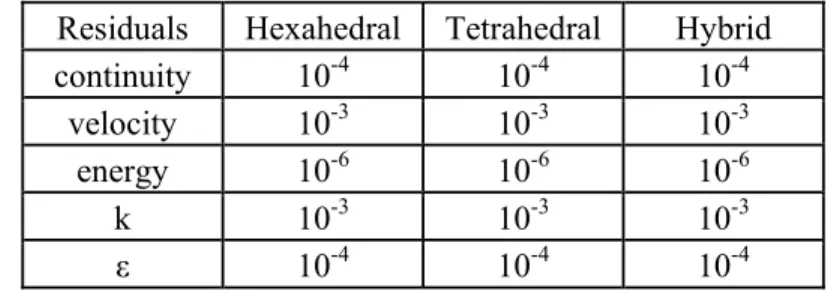
The study considered the solutions to be converged when the sum of the normalized residuals for 158
all the cells satisfied the conditions shown in Table 2. The normalized residuals were defined as: 159
160
(2) 161
162
where P and nb are the given variable at the present and neighboring cells, respectively; aP is the 163
coefficient of the variable at the present cell; anbare the correlation coefficients of the variable at the 164
neighboring cells; and b is the source term or boundary conditions. 165
166 167
Table 2. Residual values below which solutions are considered to be converged, for the three different 168
mesh grid types 169
Residuals Hexahedral Tetrahedral Hybrid
continuity 10-4 10-4 10-4 velocity 10-3 10-3 10-3 energy 10-6 10-6 10-6 k 10-3 10-3 10-3 ε 10-4 10-4 10-4 170 171 nb nb P P cellsP nb P P cellsP a b a R a
7
2.3. Numerical errors
172 173
Discretizing the partial differential governing equation (Eq. 1) gives rise to three types of errors: 174
truncation errors, errors introduced by the numerical definitions of boundary conditions, and round-off 175
errors [36]. The following two sub-sections present the method we used to estimate the truncation 176
errors and round-off errors because they are related to grid type and number. 177
178
2.3.1. Truncation errors
179 180
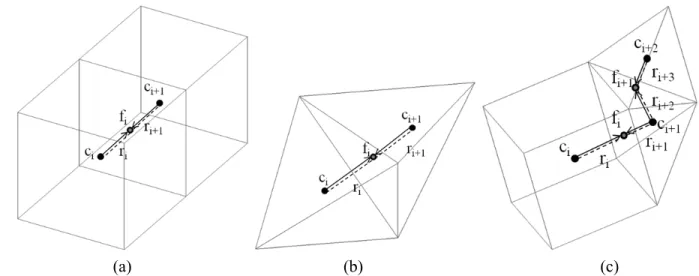
Figure 2 shows parameters of two adjacent cells and the truncation error between typical 181
neighboring cells for different mesh types. The variable ϕ was chosen as a general variable to account 182
for the truncation error. The variables f and c are the indices of the interfacial and cell center points, 183
respectively. CFD simulations are used to obtain ϕf, the ϕ value at f in the interface of two adjacent 184
cells, through interpolation by using the ϕ values at the two cell centers: 185 186 1 , , 1 , 1 i c i i c i f i i i r r r r
(3) 187 188where ri is the distance from the center of cell i (center of gravity) to the interfacial center point f, and 189
ri+1 is the distance from the center of cell i2 (center of gravity) to the interfacial center point f. 190
191
192
(a) (b) (c) 193
Figure 2. Typical neighboring cells and parameters of two adjacent cells for different mesh grid types: 194
(a) hexahedral mesh (b) tetrahedral mesh and (c) hybrid mesh. 195
196
By using a Tailor series, we can express the term on the right-hand side of Eq. (3) as: 197
8 2 2 1 +1 1 , , 1 1 , , 1 , , 1 , , 1 1 ( ) ( ) ( ) ( ) +... 2! 2! i i i i i c i i c i i f i i f i i f i i f i i f i i f i r r r r r r r r r r r r 199 (4) 200 i i r r , ri1 ri1 (5) 201 202
Therefore, the truncation error of Eq. (3) is: 203 204 2 2 1 1 1 , , 1 , , 1 1 ( ) ( ) 1 ... 2 i i i i i f i i f i i f i i f i i i i i r r r r r r r r TE r r r r (6) 205 206
Let us now study four different grid-type scenarios: 207
Scenario 1: Neighboring cells have the same geometrical shape and edge length (such as the 208
cubical and equilateral-triangular shaped cells shown in Figures 2(a) and (b), respectively). The 209
directions of ri and ri+1 are opposite one another, and ri+1 is thus: 210 211 1 i i r r (7) 212 213
The first term of the truncation error in Eq. (6) becomes zero, so the truncation error is second-214 order as follows: 215 216 2 2 1 1 , , 1 ( ) ( ) 1 ... 2 i i i f i i f i i i r r r r TE r r (8) 217 218
Scenario 2: Neighboring cells have different geometrical shapes, but each cell has equal edge 219
lengths, such as those shown in Figure 2(c). When hexahedral and pyramidal cells are adjacent to each 220
other, then ri+1 can be written as 221 222 1 1 i i i i r r r r (9) 223 224
The first term of the truncation error in Eq. (6) again becomes zero, and the truncation error is 225
also of second order. When tetrahedral and pyramidal cells are adjacent to each other, ri+2 and ri+3 are 226
not parallel. The first term of the truncation error cannot cancel out, and the truncation error will be of 227
first order. 228
In hybrid meshes with transitions between tetrahedral and pyramidal cells, the truncation error is 229
of first order, while in meshes of a single type such as hexahedral and tetrahedral meshes, the leading 230
term is of second order. Therefore, the truncation error for hybrid meshes will be higher than that for 231
the other two grid types. 232
9
Scenario 3: Neighboring cells have the same geometrical shape, but each cell has different edge 233
lengths (such as a rectangular parallelepiped and scalene-triangular shaped cell). The first term of the 234
errors arising on opposite hexahedral cell faces cancels out completely on the basis of Eq. (9), since 235
the cell faces are parallel. However, because the cell faces are not parallel for tetrahedral meshes, the 236
truncation error is still of first order. Hence, hexahedral meshes are superior to tetrahedral meshes 237
with a similar resolution [21]. 238
Scenario 4: Neighboring cells have different geometrical shapes, and each cell has different edge 239
lengths. The truncation error is always of first order. 240
241
Refining the meshes would reduce the truncation error. When the mesh is sufficiently fine, mesh 242
type has little influence on the accuracy of simulation results because 243 244 0 lim ( ) ( ) 0 i r TE O ri (10) 245 246 2.3.2. Round-off errors 247 248 Round-off error,
ni , is the difference between the exact solution n i
and the approximated249
solution
inof the governing equation, as shown in Eq. (11). Limited computer word length would250
lead to the round-off error. As the time step size and cell dimension decrease, the round-off error 251
increases while the truncation error decreases. Decreasing the cell dimension and time step size does 252
ensure more accurate results. When the time step size and cell dimension are very small, the accuracy 253
is compromised because the round-off error may overtake the truncation error. Therefore, the grid 254
number should be small enough to prevent round-off error. 255 256 n n n i i i (11) 257 258
It is necessary to identify the relationship between numerical errors (including round-off and 259
truncation errors) and grid number. Since the cell dimension may not be constant over an entire 260
computational domain because of the uneven mesh distribution, let us use an average cell dimension 261
to estimate the average truncation error. In the case in which ri and ri+1 have the same direction and the 262
second and higher order terms in Eq. (6) can be neglected, the averaged truncation error in the 263
computational domain will be maximal: 264 265 3
V f TE N (12) 266 26710
where N is the grid number and V is the flow domain size (15.5 m3 for the first-class cabin). In the 268
case in which ri and ri+1 have the opposite direction and the second and higher order terms in Eq. (6) 269
can be neglected, the averaged truncation error will be zero. 270
271
For a CFD program with double precision parameters, the storage accuracy of a computer can be 272
as high as 10-15. If we iterate 20,000 time steps for a 150 s unsteady-state simulation in the first-class 273
cabin, the maximal round-off error is: 274 15 20,000 /10 ro E N (13) 275 276
The total numerical error is then: 277 11 3 2 10
V f Err N N (14) 278 279A suitable grid number for achieving the minimal numerical error can be determined by equating 280
the derivative of the right-hand term of Eq. (14) to zero. By using V = 15.5 m3, we obtain 281 282 74 3 =9.2 10 f N
(15) 283 284Eq. (15) shows that a suitable grid number is a function of ϕ for the air cabin. 285
286
3. RESULTS
287 288
This section first compares the simulated results from the steady- and unsteady-state RNG k-ε 289
models with the measured data, and then discusses the impact of mesh type and number on the 290
simulated results. 291
292
3.1. Steady- and unsteady-state turbulent flow modeling
293 294
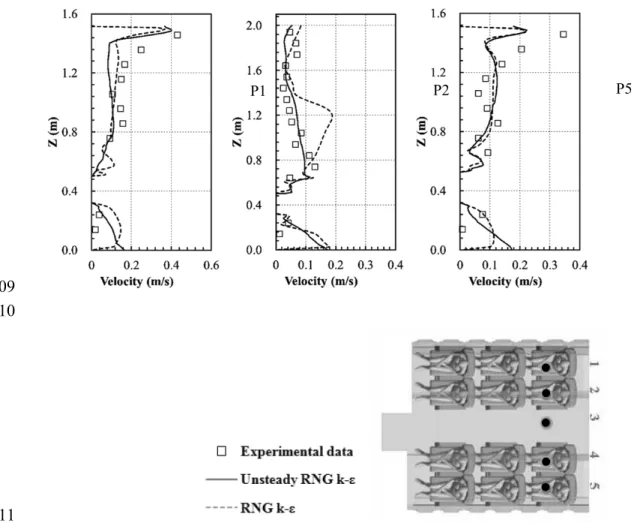
The steady-state RNG k-ε model (RANS) and unsteady-state RNG k-ε model (URANS) should 295
yield the same results for stable flow. However, as shown in Figure 3, different air velocity profiles 296
were obtained in the three selected vertical positions in the cabin with hexahedral meshes of 24 297
million cells. Because the URANS results were obtained by averaging them over 100 s (two time 298
constants), the differences in the two simulated results suggest that the flow in the cabin was unstable. 299
Kumar and Dewan [37] found that thermal plumes can be intermittent and give rise to time-dependent 300
fluctuated flow fields around human bodies. Figure 3 also shows that the prediction by URANS is 301
better than that by RANS when the simulated results are compared with the experimental data. 302
However, it is important to note that the experimental data contained some uncertainties resulting 303
from the complex boundary conditions, as reported by Liu et al. [6]. The experimental data should be 304
11
used only as a reference, rather than a criterion. Because of the unstable flow features, this 305
investigation used URANS to study the impact of grid type and number on the prediction of air 306
distributions in the airliner cabin. 307
308
309 310
311
Figure 3. Comparison of the simulated air velocity profiles obtained by the RNG k-ε and unsteady-312
state RNG k-ε models with those measured in the occupied first-class cabin. 313
314
3.2. Impact of grid number on the simulated results
315 316
Figure 4 compares the simulated velocity profiles at five vertical sampling lines with tetrahedral 317
meshes of different grid number. As the grid number increased, the truncation error decreased. 318
However, mesh density was high in the regions close to the walls and air diffusers, such as at P1 and 319
P5, and local truncation errors in these regions were smaller. Hence, a further increase in grid number 320
had little influence on the simulated velocity profiles at P1 and P5. 321
However, in the regions with large cell dimensions, such as at P2, P3, and P4, the corresponding 322
truncation errors were large. The different grid numbers led to different simulated results. The results 323
were very different from those with finer grids, especially when the grid numbers were low (3 and 6 324
million cells). The simulated air velocity profiles were similar with meshes of 12, 24, and 50 million 325
cells, which meant that the truncation errors were similar. 326
12
Figure 4 also shows the measured air velocity profiles at the five vertical positions. The 327
simulated and measured results show similar trends. The differences between the two results can be 328
attributed to numerical errors and experimental uncertainties. 329
330
331
332
Figure 4. Comparison of the vertical air velocity profiles computed using different tetrahedral meshes 333
with the experimental data at the five locations in the occupied cabin. 334
335
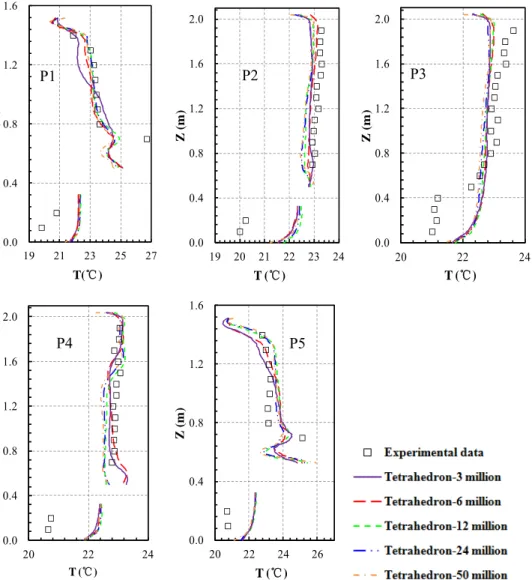
Figure 5 compares the simulated temperature profiles at the five vertical lines with tetrahedral 336
meshes of different grid number. The simulated temperature was less affected by truncation errors 337
than was velocity, as a result of the small temperature gradient in the cabin. The temperature profiles 338
for grid numbers of 3 and 6 million cells differed from those for finer grids, although the difference 339
was not as evident for temperature as for velocity. 340 341 0.0 0.4 0.8 1.2 1.6 0 0.1 0.2 0.3 0.4 0.5 Z (m ) Velocity (m/s) 0.0 0.4 0.8 1.2 1.6 2.0 0 0.1 0.2 0.3 Z (m ) Velocity (m/s) 0.0 0.4 0.8 1.2 1.6 2.0 0 0.1 0.2 0.3 Z (m ) Velocity(m/s) 0.0 0.4 0.8 1.2 1.6 2.0 0 0.1 0.2 0.3 Z (m ) Velocity (m/s) 0.0 0.4 0.8 1.2 1.6 0 0.1 0.2 0.3 Z (m ) Velocity (m/s) P1 P2 P3 P4 P5
13 342
343
Figure 5. Comparison of the vertical air temperature profiles computed using different tetrahedral 344
meshes with the experimental data at the five locations in the occupied cabin. 345
346
Although not discussed in this paper, the results for the hexahedral and hybrid meshes exhibited 347
patterns that were similar to those of the tetrahedral meshes. Because of the complicated geometrical 348
boundary, we found that hexahedral meshes with three million cells were insufficient for generating a 349
reasonable mesh distribution. The corresponding simulations did not lead to converged solutions. A 350
mesh size of at least 12 million cells was required for a hexahedral mesh in the first-class cabin. 351
352
3.3. Impact of mesh type on the simulated results
353 354
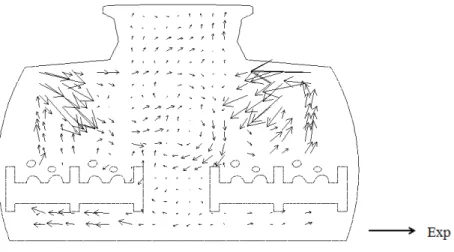
Figure 6 compares the simulated and measured airflow distributions with coarse (3 million cells), 355
medium (12 million cells) and fine (more than 38 million cells) meshes at a cross section in the first-356
class cabin. (The location of the cross section is shown in Figure 1(a).) Figure 6(a) presents only the 357
results for 3-million-cell tetrahedral and hybrid meshes, because the simulation with 3 million 358
hexahedral cells did not lead to a converged result. Since hybrid meshes have many transitional 359 0.0 0.4 0.8 1.2 1.6 19 21 23 25 27 Z (m ) T(℃) 0.0 0.4 0.8 1.2 1.6 2.0 19 20 21 22 23 24 Z (m ) T (℃) 0.0 0.4 0.8 1.2 1.6 2.0 20 22 24 Z (m ) T (℃) 0.0 0.4 0.8 1.2 1.6 2.0 20 22 24 Z ( m ) T (℃) 0.0 0.4 0.8 1.2 1.6 20 22 24 26 Z (m ) T (℃) P1 P2 P3 P4 P5
14
regions between mesh types, where the truncation errors are large according to Eq. (5), the two 360
airflow patterns obtained with the tetrahedral and hybrid meshes are very different, and one of the 361
hybrid meshes appears to be wrong when compared with the experimental data shown in Figure 6(d). 362
363
364
(a) 3 million cells 365 366 (b) 12 million cells 367 368
(c) More than 38 million cells 369
15
370
(d) Experimental data 371
Figure 6. Comparison of the airflow patterns simulated using different grid types and numbers with 372
the experimental data at a cross section in the cabin. 373
374
Because of the large cell dimension for T3 (Please see abbreviations for T3, H12, T12, HY3, 375
HY12, etc. in Table 1.), the truncation error was large. The grid resolution and numerical diffusion 376
were insufficient for correctly describing the circulation flow driven by the thermal plumes from the 377
human bodies and the jets from the diffusers on the right side of the cabin. Figure 6(b) shows that H12 378
and T12 led to reasonable solutions, but HY12 could not predict the circulation on the right side of the 379
cabin. Only when the grid number was sufficiently high did the three mesh types lead to similar 380
results, as shown in Figure 6(c). 381
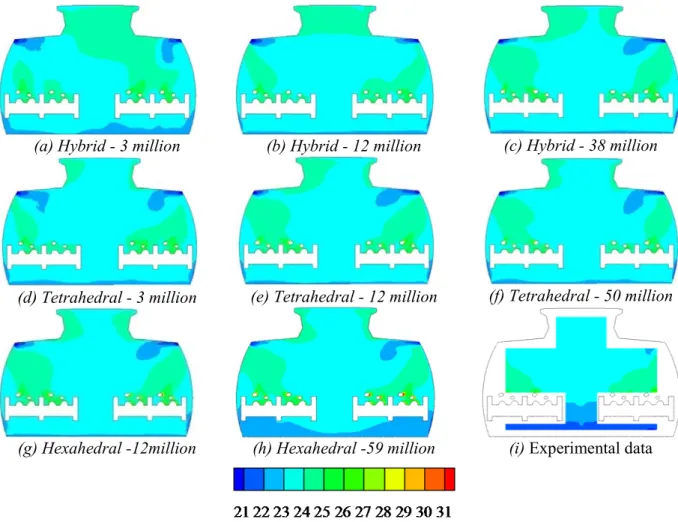
Figure 7 compares the simulated and measured temperature fields with different grid types and 382
numbers. Because HY3 did not accurately simulate the jet flow from the diffusers on the right side of 383
the cabin, the air temperature in the region was high. When the grid number was increased, the 384
predicted air temperature distributions agreed well with the measured distribution, as shown in Figure 385
7(i). Prediction accuracy with the hybrid meshes was poorer than with the other two mesh types, but 386
the differences between simulated and experimental results were not as evident as those for air 387
velocity. 388
389 390
16
(a) Hybrid - 3 million (b) Hybrid - 12 million (c) Hybrid - 38 million
(d) Tetrahedral - 3 million (e) Tetrahedral - 12 million (f) Tetrahedral - 50 million
(g) Hexahedral -12million (h) Hexahedral -59 million (i) Experimental data
391
Figure 7. Comparison of the air temperature distributions simulated using different grid types and 392
numbers with the experimental data at a cross section in the cabin. 393
394
A comparison of air velocity and temperature distributions showed that, because of truncation 395
errors, different mesh types produced simulation results of varying accuracy. Among the three mesh 396
types, the hexahedral grid had the highest accuracy, while the hybrid grid had the lowest. As the grid 397
number increased, the truncation error decreased. At sufficiently high grid numbers, the effect of mesh 398
type on the simulation results was small. 399
400
3.4. Impact of mesh type and grid number on the numerical errors and computing costs
401 402
Table 3 shows the numerical errors with the finest hexahedral meshes (H59), which were 403
calculated by Eq. (12, 13). The maximal round-off error was determined by assuming a double 404
precision simulation with a storage accuracy of 10-15 and a grid number of 59 million. The truncation 405
error was determined from the gradient distribution of ϕ and cell dimension. When the largest gradient 406
of parameter ϕ in the aisle region with the largest cell dimension was used in this calculation, the 407
maximal truncation error was found to be 0.012
fi. Table 3 provides the truncation errors for408
different ϕ. The round-off errors were comparable to the truncation errors with the finest grid. 409
17 410
411
Table 3. Analysis of numerical errors 412
Error Parameters Maximum Medium Minimum
Truncation error Velocity 10
-3 10-4 0
Temperature 10-2 10-3 0
Round-off error All parameters 10-3 n/a 10-15 n/a = not available.
413 414
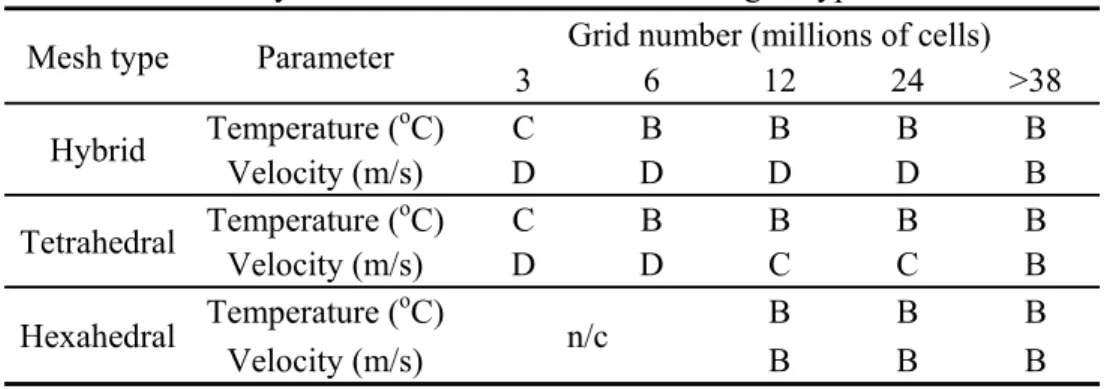
The accuracy of the simulation results for different grids is compared further in Table 5. This 415
study used the relative error between the key predicted and measured results as a criterion and ranked 416
the error in the range of Grade A to Grade D. Grades A, B, C, and D represent relative errors of 0-417
10%, 10-20%, 20-30%, and greater than 30%, respectively. Table 4 shows that simulations with the 418
hexahedral meshes most closely match the experimental data for both air velocity and temperature. A 419
grid number of at least 12 million cells were necessary for convergence with the hexahedral meshes. 420
When the grid number was increased to more than 38 million, all three grid types had similar results. 421
422
Table 4. Accuracy of the simulations with different grid types and numbers 423
Mesh type Parameter Grid number (millions of cells)
3 6 12 24 >38 Hybrid Temperature ( oC) C B B B B Velocity (m/s) D D D D B Tetrahedral Temperature ( oC) C B B B B Velocity (m/s) D D C C B Hexahedral Temperature ( oC) n/c B B B Velocity (m/s) B B B
A = good (≤10%), B = acceptable (10%, 20%), C = marginal (20%, 30%), D = poor 424
(>30%), n/c = not converged. 425
426
Table 5 summarizes the computing time required. All the simulations were performed on a stand-427
alone computer with 32 cores and 128G memory. It is clear that the larger the grid number, the longer 428
the computing time. The time was nearly proportional to the grid number. The computing time was 429
also related to the node numbers of the cells. The hexahedral meshes had more cells than the 430
tetrahedral meshes, which led to a longer computing time. In addition, the high aspect ratio for the 431
tetrahedral meshes may have influenced computing time. In summary, the hexahedral meshes required 432
the longest computing time, and the hybrid meshes the shortest. The computing time and the accuracy 433
of the simulated results with 24-million-cell hybrid meshes were similar to the time and accuracy, 434
respectively, with 12-million-cell hexahedral meshes. We can apparently conclude that, regardless of 435
the grid type used, similar computing times are required to achieve a given level of accuracy. 436
437
Table 5. Computing time for different grid types and numbers 438
18 3 6 12 24 >38 Hybrid 10.2h 24.8h 47.0h 92.4h 197.6h Tetrahedral 15.4h 37.6h 72.8h 141.7h 374.7h Hexahedral n/c 81.2h 188.2h 565.5h n/c = not converged 439 440 4. CONCLUSION 441 442
This study evaluated the performance of three mesh types and five grid numbers for predicting 443
airflow and temperature distributions in the first-class cabin of an MD-82 airplane. The investigation 444
led to the following conclusions: 445
The hexahedral meshes were the most accurate, while also being the most time-consuming. The 446
hybrid meshes were the least accurate but used the least computing time. By increasing the grid 447
number of the hybrid mesh to obtain the same accuracy as that with the hexahedral meshes, a similar 448
computing time is achieved. The results suggest that in simulations with 12-million-cell hexahedral 449
meshes, 24-million-cell hybrid meshes, and tetrahedral meshes of approximately 15 million cells, the 450
accuracy would be the same. Furthermore, the computing time for each of these simulations would be 451
about 80-90 hours on the computer cluster used for this investigation. 452
For the first-class cabin, this study found that a grid number of at least 12 million cells were 453
needed to produce acceptable results. When the grid was sufficiently fine (>38 million cells), all the 454
three mesh types produced similar results. 455
The truncation errors were typically larger than the round-off errors. When the grid number was 456
sufficiently large (>38 million), the round-off errors were comparable to the truncation errors. 457
458
ACKNOWLEDGEMENTS
459
This study was supported by the National Basic Research Program of China (the 973 Program) 460
through Grant No. 2012CB720100 and the Center for Cabin Air Reformative Environment (CARE) at 461
Tianjin University, China. 462
REFERENCES
463 464
[1] World Bank Group (Ed.), World Development Indicators 2013, World Bank Publications, 2013. 465
[2] A. Mangili and M. A. Gendreau, Transmission of infectious diseases during commercial air travel, The
466
Lancet, vol. 365, pp. 989-996, 2005. 467
[3] S. Park, R. T. Hellwig, G. Grün and A. Holm, Local and overall thermal comfort in an aircraft cabin and 468
their interrelations, Building and Environment, vol. 46, pp. 1056-1064, 2011. 469
[4] W. Cui, Q. Ouyang and Y. Zhu, Field study of thermal environment spatial distribution and passenger local 470
thermal comfort in aircraft cabin, Building and Environment, vol. 80, pp. 213-220, 2014. 471
19
[5] J. Guan, C. Wang, K. Gao, X. Yang, C. H. Lin and C. Lu, Measurements of volatile organic compounds in 472
aircraft cabins. Part II: Target list, concentration levels and possible influencing factors, Building and 473
Environment, vol. 75, pp. 170-175, 2014. 474
[6] W. Liu, S. Mazumdar, Z. Zhang, S. B. Poussou, J. Liu, C. H. Lin and Q. Chen, State-of-the-art methods for 475
studying air distributions in commercial airliner cabins, Building and Environment, vol. 47, pp. 5-12, 2012. 476
[7] Z. Zhang, X. Chen, S. Mazumdar, T. Zhang and Q. Chen, Experimental and numerical investigation of 477
airflow and contaminant transport in an airliner cabin mockup, Building and Environment, vol. 44, pp. 85-478
94, 2009. 479
[8] F. Li, J. Liu, J. Pei, C. H. Lin and Q. Chen, Experimental study of gaseous and particulate contaminants 480
distribution in an aircraft cabin, Atmospheric Environment, vol. 85, pp. 223-233, 2014. 481
[9] W. Liu, J. Wen, J. Chao, W. Yin, C. Shen, D. Lai, C. H. Lin, J. Liu, H. Sun and Q. Chen, Accurate and 482
high-resolution boundary conditions and flow fields in the first-class cabin of an MD-82 commercial 483
airliner, Atmospheric Environment, vol. 56, pp. 33-44, 2012. 484
[10] W. Liu, J. Wen, C. H. Lin, J. Liu, Z. Long and Q. Chen, Evaluation of various categories of turbulence 485
models for predicting air distribution in an airliner cabin, Building and Environment, vol. 65, pp. 118-131, 486
2013. 487
[11] T. T. Zhang, P. Li and S. Wang, A personal air distribution system with air terminals embedded in chair 488
armrests on commercial airplanes, Building and Environment, vol. 47, pp. 89-99, 2012. 489
[12] A. Wang, Y. Zhang, Y. Sun and X. Wang, Experimental study of ventilation effectiveness and air velocity 490
distribution in an aircraft cabin mockup, Building and Environment, vol. 43, pp. 337-343, 2008. 491
[13] M. Wang, C. H. Lin and Q. Chen, Determination of particle deposition in enclosed spaces by Detached 492
Eddy Simulation with the Lagrangian method, Atmospheric Environment, vol. 45, pp. 5376-5384, 2011. 493
[14] C. Chen, W. Liu, F. Li, C. H. Lin, J. Liu, J. Pei and Q. Chen, A hybrid model for investigating transient 494
particle transport in enclosed environments, Building and Environment, vol. 62, pp. 45-54, 2013. 495
[15] S. Liu, L. Xu, J. Chao, C. Shen, J. Liu, H. Sun, X. Xiao and G. Nan, Thermal environment around 496
passengers in an aircraft cabin, HVAC&R Res., vol. 19, pp. 627-634, 2013. 497
[16] Z. Zhang and Q. Chen, Comparison of the Eulerian and Lagrangian methods for predicting particle 498
transport in enclosed spaces, Atmospheric Environment, vol. 41, pp. 5236-5248, 2007. 499
[17] J. M. A. Hofman, Control-fluid interaction in air-conditioned aircraft cabins: A demonstration of stability 500
analysis for partitioned dynamical systems, Comput. Meth. Appl. Mech. Eng., vol. 192, pp. 4947-4963, 501
2003. 502
[18] T. Zhang and Q. Chen, Novel air distribution systems for commercial aircraft cabins, Building and
503
Environment, vol. 42, pp. 1675-1684, 2007. 504
[19] W. Liu, C. H. Lin, J. Liu and Q. Chen, Simplifying geometry of an airliner cabin for CFD simulations, 505
Indoor Air Quality and Climate 2011: Proc. 12th Int. Indoor Air Quality and Climate Conf., Austin, Texas, 506
2011.
507
[20] J. F. Thompson, F. C. Thames, C. W. Mastin, Automatic numerical generation of body-fitted curvilinear 508
coordinates for a field containing any number of arbitrary 2-D bodies, J. Comput. Phys., vol. 15, pp. 299-509
319, 1974. 510
[21] M. M. Hefny and R. Ooka, CFD analysis of pollutant dispersion around buildings: Effect of cell geometry. 511
Building and Environment, vol. 44, pp. 1699-1706, 2009. 512
[22] R. Löhner, K. Morgan, J. Peraire and M. Vahdati, Finite element flux-corrected transport (FEM-FCT) for 513
the Euler and Navier-Stokes equations, Int. J. Numer., vol. 7, pp. 1093-1109, 1987. 514
20
[23] A. Jameson and T. J. Baker, Improvements to the aircraft Euler method, AIAA-87-0425, 1987. 515
[24] V. Bianco, O. Manca, S. Nardini and M. Roma, Numerical investigation of transient thermal and 516
fluidynamic fields in an executive aircraft cabin, Appl. Therm. Eng., vol. 29, pp. 3418-3425, 2009. 517
[25] S. S. Isukapalli, S. Mazumdar, P. George, B. Wei, B. Jones and C. P. Weisel, Computational fluid 518
dynamics modeling of transport and deposition of pesticides in an aircraft cabin, Atmospheric
519
Environment, vol. 68, pp. 198-207, 2013. 520
[26] G. Yu, B. Yu, S. Sun, and W. Q. Tao, Comparative study on triangular and quadrilateral meshes by a 521
finite-volume method with a central difference scheme, Numer. Heat Transfer B, vol. 62, pp. 243-263, 522
2012. 523
[27] F. Juretic´ and A. D. Gosman, Error analysis of the finite-volume method with respect to mesh type,
524
Numer. Heat Transfer B, vol. 57, pp. 414-439, 2010. 525
[28] Y. Kallinderis, A. Khawaja and H. McMorris, Hybrid prismatic/tetrahedral grid generation for viscous 526
flows around complex geometries. AIAA J., vol. 34, pp. 291-298, 1996. 527
[29] Tysell, L, Hybrid grid generation for complex 3D geometries, Numerical Grid Generation in
528
Computational Field Simulations 2000: Proc. 7th Int. Numerical Grid Generation in Computational Field 529
Simulations Conf., Whistler, pp. 337-346, British Columbia, Canada, 2000. 530
[30] J. Tu, G. H. Yeoh and C. Liu, Computational Fluid Dynamics: A Practical Approach, pp. 147-148,
531
Butterworth-Heinemann, Oxford, 2007. 532
[31] Z. Zhang, W. Zhang, Z. Zhai and Q. Chen, Evaluation of various turbulence models in predicting airflow 533
and turbulence in enclosed environments by CFD: Part 2-Comparison with experimental data from 534
literature, HVAC&R Res., vol. 13, pp. 853-870, 2007. 535
[32] ANSYS, ANSYS Fluent 13.0 Documentation, ANSYS, Inc., Lebanon, NH, 2010. 536
[33] S. R. Mathur and J. Y. Murthuy, A pressure-based method for unstructured meshes, Numer. Heat Transfer 537
B, vol. 31, pp. 195-215, 1997. 538
[34] L. Sun, S. R. Mathur, and J. Y. Murthy, An unstructured finite-volume method for incompressible flows 539
with complex immersed boundaries, Numer. Heat Transfer B, vol. 58, pp. 217-241, 2010. 540
[35] A. Dalal, V. Eswaran, and G. Biswas, A finite-volume method for Navier-Stokes equations on 541
unstructured meshes, Numer. Heat Transfer B, vol. 53, pp. 238-259, 2008. 542
[36] P. V. Nielsen, Flow in air-conditioned rooms, Ph.D. thesis, Technical University of Denmark, Lyngby, 543
Denmark, 1976. 544
[37] R. Kumar and A. Dewan, URANS computations with buoyancy corrected turbulence models for turbulent 545
thermal plume, Int. J. Heat Mass Transfer, vol. 72, pp. 680-689, 2014. 546