San Jose State University San Jose State University
SJSU ScholarWorks
SJSU ScholarWorks
Dissertations Master's Theses and Graduate Research
Spring 2020
The Impact of the Language of Instruction on Second-Grade
The Impact of the Language of Instruction on Second-Grade
Latinx Emergent Bilinguals’ Understanding of Place Value in Two
Latinx Emergent Bilinguals’ Understanding of Place Value in Two
Spanish-English Transitional Bilingual Classrooms: An Exploratory
Spanish-English Transitional Bilingual Classrooms: An Exploratory
Study
Study
Angela Maria Rengifo
San Jose State University
Follow this and additional works at: https://scholarworks.sjsu.edu/etd_dissertations Recommended Citation
Recommended Citation
Rengifo, Angela Maria, "The Impact of the Language of Instruction on Second-Grade Latinx Emergent Bilinguals’ Understanding of Place Value in Two Spanish-English Transitional Bilingual Classrooms: An Exploratory Study" (2020). Dissertations. 38.
https://scholarworks.sjsu.edu/etd_dissertations/38
This Dissertation is brought to you for free and open access by the Master's Theses and Graduate Research at SJSU ScholarWorks. It has been accepted for inclusion in Dissertations by an authorized administrator of SJSU ScholarWorks. For more information, please contact [email protected].
The Impact of the Language of Instruction on Second-Grade Latinx Emergent Bilinguals’ Understanding of Place Value
in Two Spanish-English Transitional Bilingual Classrooms: An Exploratory Study
A Dissertation Presented to
The Faculty of the Educational Doctoral Program in Educational Leadership San José State University
In Partial Fulfillment
of the Requirements for the Degree Doctor of Education
by
Angela Maria Rengifo May 2020
© 2020 Angela M. Rengifo ALL RIGHTS RESERVED
The Designated Dissertation Committee Approves the Dissertation Titled
The Impact of the Language of Instruction on Second-Grade Latinx Emergent Bilinguals’ Understanding of Place Value
in Two Spanish-English Transitional Bilingual Classrooms: An Exploratory Study
by
Angela Maria Rengifo
APPROVED FOR THE DEPARTMENT OF EDUCATIONAL LEADERSHIP
SAN JOSÉ STATE UNIVERSITY
May 2020
Cheryl Roddick, Ph.D. Department of Mathematics Allison Briceño, Ed.D. Department of Teacher Education Delnaz Hosseini, Ed.D. Teacher, Castro Valley Unified School
ABSTRACT
The Impact of the Language of Instruction on Second-Grade Latinx Emergent Bilinguals’ Understanding of Place Value
in Two Spanish-English Transitional Bilingual Classrooms: An Exploratory Study
by Angela Maria Rengifo
The relationship between mathematics learning and the language of instruction in bilingual settings has been observed and analyzed widely in educational research. As Latinx Emergent Bilingual students start developing their mathematics knowledge and skills in elementary classrooms, the role that language plays in the process has been studied as a key aspect of classroom practice. A convergent parallel mixed-method approach was used to examine fourteen second-grade Latinx Emergent Bilingual students’ understanding of the concept of place value and whether this process was related to the language of instruction chosen in each of the two Spanish-English
transitional bilingual classrooms. Findings from the quantitative analysis suggest that the language of instruction did not impact the students’ understanding of place value, as measured by the increase in percentage points from pre- to post-test. In contrast, the qualitative analysis of the communication patterns used by participants in three small-group collaborative sessions revealed differences across the two classrooms.
Additionally, strategies and classroom practices reported by the two classroom teachers seemed to play an important role in the participants’ understanding of place value. In the concluding chapter, the researcher presents implications and suggestions for future research.
v
ACKNOWLEDGMENTS
This accomplishment means a lot to me. I dedicate it to the loving memory of my mother, Ana Julia, who always encouraged me to persevere and overcome obstacles. I want to thank everyone who has contributed to this accomplishment in one way or another. First, Sarah and Julian, my daughter and son. Thank you for your supporting words when I was about to give up this dream. I also want to thank all Cohort 4 members for making me feel part of such a great and diverse group. I learned different skills from each of you throughout these three years. Special thanks to the faculty of the Ed. D program at San Jose State University. Every single one of you taught me something new, and most importantly, modeled for me high academic standards. I want to thank Dr. Emily Slusser for her support with statistics. I am also very grateful for the support and guidance of my Dissertation Committee members. Dr. Roddick, thank you for your patience, insights, and encouragement when I needed them most. Dr. Briceño and Dr. Hosseini. I highly appreciate your thoughtful suggestions throughout this process. Finally, I want to thank the two classroom teachers and the fourteen students who
participated in the study. Their openness and commitment to the field inspired me. I wish to extend my heartfelt gratitude to every one of you!
vi TABLE OF CONTENTS List of Tables ... ix List of Figures ... x List of Abbreviations ... xi Chapter 1: Introduction ... 1
The Unresolved Issue in Education ... 1
Statement of the Problem ... 3
Significance of the Problem ... 5
Research Questions ... 6
Key Definitions ... 7
Site Selection and Sample ... 10
Scope and Limitations of the Study ... 11
Assumptions, Background, and Role of the Researcher in the Study ... 11
Chapter Two: Review of the Literature ... 14
Importance of Mathematics in Elementary Education Settings ... 17
Mathematical proficiency ... 18
Teaching for understanding in mathematics ... 19
Learning place value with understanding ... 20
Language and Mathematics Cognition ... 24
Language and mathematics learning for bilingual students in SEI classrooms. ... 26
Bilingualism, ... 27
The language of instruction and mathematics learning ... 30
Latinx-Emergent Bilinguals in the Mathematics Classrooms ... 31
Research Gaps and Opportunities ... 33
Theoretical Framework ... 34
Chapter Three: Research Design and Methodology ... 38
Research Methodology and Study Design ... 40
Research methods ... 41
Study population ... 42
Participant demographics ... 42
Sampling ... 45
Instrumentation ... 49
Pre- and post-test design ... 49
Small-group collaborative sessions and place-value tasks ... 50
Teachers’ questionnaire ... 51
Data collection procedures ... 51
Data Analysis ... 54
Quantitative data analysis ... 54
vii
Cognition... 55
Observation ... 56
Interpretation ... 56
Qualitative data analysis ... 56
Qualitative data analysis: Small-group collaborative sessions ... 57
Cognition... 58
Observation ... 58
Interpretation ... 59
Qualitative data analysis: Teachers questionnaire ... 59
Cognition... 59
Observation ... 60
Interpretation ... 60
Evidence for Validity and Reliability ... 62
Evidence for validity ... 62
First instrument: Pre- and post-test ... 63
Content validity ... 63
Response process validity ... 64
Internal structure validity ... 67
Relations to other external variables validity... 67
Consequence validity ... 67
Second Instrument: Small-group collaborative sessions ... 67
Content validity ... 68
Response process validity ... 69
Internal structure validity ... 69
Relation to external variables validity ... 69
Consequence validity ... 70
Third Instrument: Teachers’ Questionnaire ... 70
Content validity ... 70
Response process validity ... 71
Internal structure validity ... 71
Relation to external variables... 72
Consequence validity ... 72
Evidence for Reliability ... 73
Reliability for the quantitative data instrument (pre- and post-test) ... 73
Internal consistency ... 74
Alternate form, test-retest, and rater reliability ... 74
Random errors ... 74
Reliability for the qualitative data instruments ... 75
Credibility ... 76
Consistency ... 76
Transferability ... 77
Response bias ... 78
viii
Chapter Four: Findings ... 81
Research Question One ... 82
Comparisons between C1 and C2 quantitative results ... 84
Research Question Two ... 89
Thematic Analysis: Small-Group Collaborative Sessions ... 91
Thematic analysis of findings in C1 ... 91
Thematic analysis of findings in C2 ... 95
Discourse Analysis: Small Group Collaborative Sessions ... 98
Discourse analysis findings in C1 ... 98
Discourse analysis findings in C2 ... 105
Comparative Analysis: Teachers’ Questionnaire ... 113
Analysis of Quantitative and Qualitative Data ... 117
Chapter 5. Discussion and Conclusion ... 118
Summary of RQ1: Implications ... 118
RQ1: Implications for teachers and school administrators ... 119
RQ1: Implications for the districts ... 120
RQ1: Implications for future research ... 120
Summary of RQ2: Implications ... 120
RQ2: Implications for teachers and school administrators ... 122
RQ2: Implications for districts... 123
RQ2: Implications for future research ... 123
Limitations ... 124
Recommendations for Future Research ... 125
Conclusion ... 126
References ... 128
Appendices ... 134
Appendix A: Email to the Assistant Superintendent ... 134
Appendix B: Recruitment Teacher Email ... 135
Appendix C: Teacher Consent Form ... 136
Appendix D: Teacher Questionnaire ... 139
Appendix E: Parent Consent Form (English) ... 141
Appendix F: Parent Consent Form (Spanish) ... 144
Appendix G: Assent Script for Getting Verbal Assent from Children (English) ... 147
Appendix H: Assent Script for Getting Verbal Assent from Children (Spanish) ... 149
Appendix I: Pre-Post-Test (English) ... 151
Appendix J: Pre-Post-Test (Spanish) ... 153
Appendix K: IRB Protocol... 155
Appendix L: Letter of Support ... 157
ix
LIST OF TABLES
Table 1. Grade Level 2 - Standard 2 NBT 1-4 ... 40
Table 2. School 1 and School 2 Demographics for the 2019-2020 School Year ... 43
Table 3. Population Demographics: Entire C1 Classroom ... 44
Table 4. Population Demographics: Entire C2 Classroom ... 45
Table 5. Summary of C1 Participant Demographics ... 46
Table 6. Summary of C2 Participant Demographics ... 48
Table 7. T1 and T2 Demographics ... 49
Table 8. C1 and C2 Parallel Data Collection ... 53
Table 9. Pre-and Post-Test-Items Scale and Standards Addressed by Each Item ... 66
Table 10. C1 Pre- and Post-Test Results and Increase (or Decrease) in Scores ... 84
Table 11. C2 Pre- and Post-Test Results and Increase (or Decrease) in Scores ... 85
Table 12. Small-Group Collaborative Work Schedules for C1 and C2 ... 89
Table 13. Summary of Mathematical Topics Challenging to Learn (C1, Session 1) ... 92
Table 14. Academic Mathematical Language Related to Place Value (C1, Session 2) ... 94
Table 15. Summary of Mathematical Topics Challenging to Learn (C2, Session 1) ... 96
Table 16. Academic Mathematical Language Related to Place Value (C2, Session 2) ... 98
Table 17. Academic Mathematical Language Related to Place Value (C1, Session 3) . 104 Table 18. Academic Mathematical Language Related to Place Value (C2, Session 3) . 112 Table 19. Summary of Similarities in Teacher Responses to the Questionnaire ... 114
x
LIST OF FIGURES
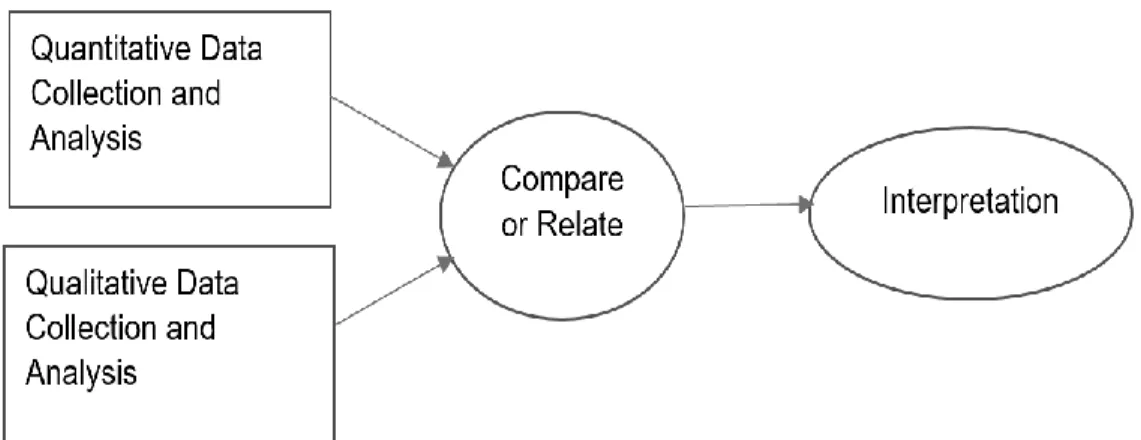
Figure 1. Convergent Parallel Mixed-Method (CPMM) approach ... 41
Figure 2. Instrumentation: place value end-of-unit assessment ... 55
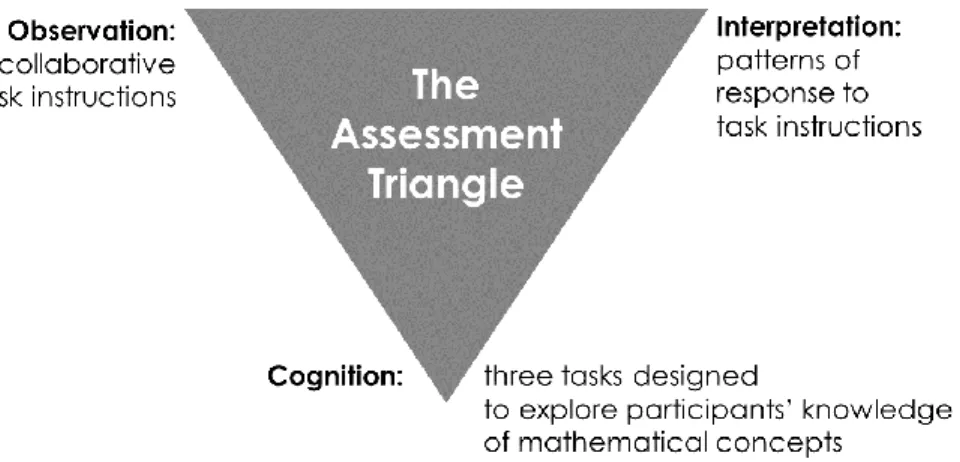
Figure 3. Instrumentation: Small-group collaborative sessions ... 57
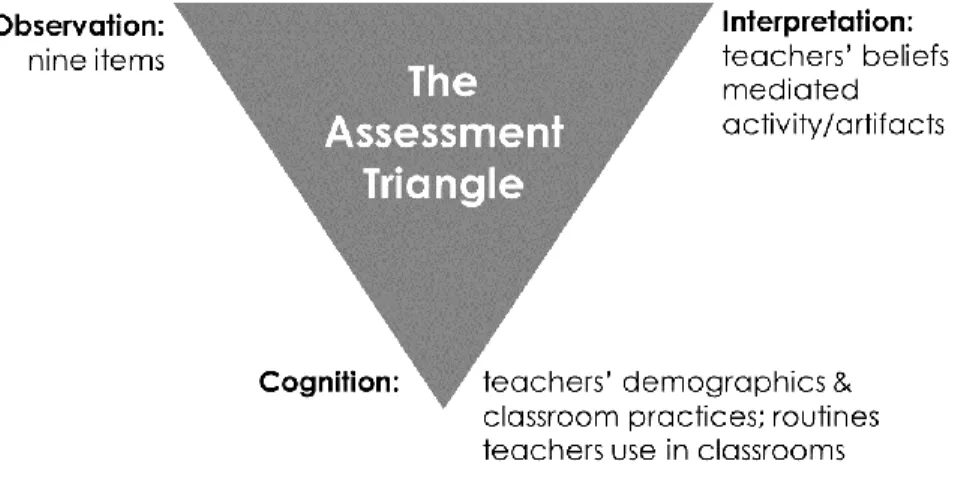
Figure 4. Instrumentation: Teacher questionnaire ... 59
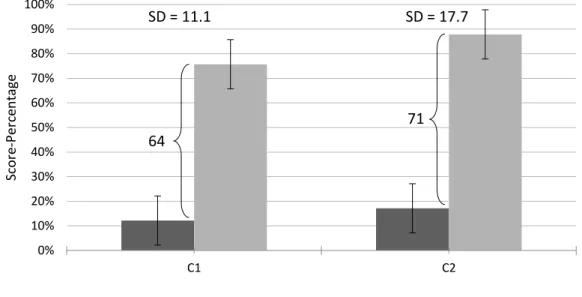
Figure 5. C1 and C2 pre- and post-test mean scores with error bars ... 87
Figure 6. Graphic models used by C1 participants in Session 2 ... 103
Figure 7. Graphic models used by C2 participants in Session 3 ... 110
xi
LIST OF ABBREVIATIONS AERA American Educational Research Association APA American Psychological Association
BICS Basic Interpersonal Communicative Skills
C1 Classroom One
C2 Classroom Two
CAASPP California Assessment of Student Performance and Progress CCM Constant Comparative Method
CA CCSS-M California Common Core State Standards for Mathematics CALP Cognitive Academic Language Proficiency
CDE California Department of Education CPMM Convergent Parallel Mixed Method
D-ELD Designated English Language Development
EBs Emergent Bilinguals
ELD English Language Development
ELs English Learners
ELP English Language Proficiency
I-ELD Integrated English Language Development NBT Number and Operations in Base Ten
NCME National Council on Measurement in Education NRC National Research Council
PCF Parent Consent Form
SEI Structured English Immersion program
SES Socio-economic status
T1 Teacher One
1
Chapter 1: Introduction The Unresolved Issue in Education
In the state of California, the California Assessment of Student Performance and Progress (CAASPP) has been used as the instrument to measure the progress that students make toward meeting the state language and mathematics standards. Despite considerable progress over the past two decades, the achievement gap between English Learners (ELs) and their English proficient peers in mathematics and science continues to be a matter of concern for researchers, policymakers, and educators. Although several factors, including the out-of-school factors, may cause this achievement gap (Berliner, 2009), the language proficiency levels have been seen as a strong barrier for ELs to understand essential mathematics content (Abedi & Lord, 2001; Bernardo & Calleja, 2005).
There is a common assumption among educators that young bilingual mathematics learners in Structured English Immersion (SEI) classrooms do not struggle to learn mathematics. This assumption suggests that since the mathematics content is sufficiently language-independent, then teaching and learning mathematics does not require intensive use of language as other content areas do (Van Rinsveld, Schiltz, Brunner, Landerl, & Ugen, 2016). Nonetheless, understanding mathematical concepts poses major challenges for young bilingual mathematics learners (Moschkovich, 2007). Also, the California Common Core State Standards for Mathematics (CA CCSS-M) include a focus on language, particularly Mathematical Practice 3: “Construct viable arguments and critique the reasoning of others” (CDE, 2013-2014, p. 10). It implies that mindful and intentional
2
use of language is needed to understand, express understanding, and construct reasonable explanations of mathematical ideas. The relationship between mathematics cognition and language is presented in more detail in Chapter Two.
When Proposition 58 was approved by voters with a 73.5% majority on Nov. 8, 2016, California public schools obtained more control over dual language immersion and transitional bilingual programs. This proposition repeals the English-only requirement of Proposition 227 (passed in 1998) that required all ELs to be taught in SEI classrooms unless parents signed waivers to enroll their children in bilingual or dual immersion programs. Under Proposition 58, students can learn English through multiple programs outside SEI classroom settings (Hopkinson, 2017).
Within this context, deciding what language to use for teaching mathematics in Spanish-English bilingual settings is a matter of concern for teachers and school administrators. Studying the effects of classroom language of instruction on early
learning and linguistic proficiency is very challenging since many factors play significant roles in this process (Ackerman & Tazi, 2015).
Deciding what language to use to teach mathematics is very critical when this decision affects students in Low Socio-Economic Status (Low-SES) communities. For instance, in the schools selected for this study, around 76% of the students enrolled for the 2019-2020 school year qualified for free or reduced-price school meal, as stated on the district’s webpage (the median for each of the two schools is 82% for School 1 and 72% for School 2). Although the focus of the study is not SES, it is important to note that Low-SES is one of the characteristics of the two schools selected.
3
The decision over the language of instruction to teach mathematics is even more crucial when the majority of the students in schools with bilingual programs are Latino or Latina English Learners (ELs). In this study, the term EBs refers to children who speak a language other than English at home, Spanish in this particular case, and are learning English and grade-level academic content. Garcia, Kleifgen, and Falchi (2008)
recommended this term as an option for the term English Learners (ELs), which lacks to recognize the resources that these students already have and bring into the classrooms. Also note that in this study, the term Latinx precedes the term EBs. Latinx is a gender-neutral, nonbinary alternative to Latino or Latina and describes the EBs’ ethnicity.
The instructional language for teaching mathematics in Spanish-English bilingual settings within a district is a critical part of the multiple aspects of classroom practice that affect Latinx EBs’ understanding of mathematical concepts and skills development. It might prevent them from getting a complete understanding of the concepts and higher performance in state standardized tests for mathematics. Consequently, it was necessary to examine this problem and determine whether and how the language of instruction had an impact on Latinx EBs’ understanding of mathematical concepts such as place value and their patterns for communication around this mathematical concept during small-group collaborative work.
Statement of the Problem
Third- and fourth-grade students in two schools with Spanish-English bilingual programs in a district were underperforming in mathematical state standardized tests, as evidenced by the 2018-2019 CAASPP test scores for mathematics (CAASPP, 2019). Half
4
of the students in third- and fourth-grade in these two schools were Latinx EBs enrolled in the bilingual program strands within the schools. This situation justified the need for examining if the language of instruction, among other important aspects of the classroom practice, would impact second-grade Latinx EBs’ understanding of the mathematical concept of place value and their subsequent mathematical performance. More explicitly, the need called for focusing on how second-grade Latinx EBs are learning mathematics and how to support them in this learning process.
Several research studies have pointed out the importance for students to understand the mathematical concepts related to place value due to its widespread application and connection to other mathematical concepts and skills such as basic operations with multi-digit numbers (Carpenter & Lehrer, 1999; Fuson & Briars, 1990; Major, 2012; Varelas & Becker, 1997). Supported by this research, the researcher focused this study on a specific second-grade CA CCSS-M, Number, and Operation in Base Ten (CDE, 2013-2014). The notation to refer to this focal standard in second-grade is 2.NBT. The CA CCSS-M 2.NBT has two cluster-headings: 1) Understand place value, 2) Use place value
understanding and properties of operations to add and subtract. This study only focused on the first cluster-heading: Understand place value. Under this cluster-heading, four standards are considered relevant knowledge necessary for developing an understanding of the concept of place value in this grade level. As noted, the second cluster-heading refers to the use of place value understanding, not to the process of developing this understanding. Third- and fourth-grade Number and Operation in Base Ten (3.NBT and 4.NBT) also called for the use of the understanding of place value in mathematics basic
5
operations. CA CCSS-M 2.NBT standards 1-4 represent the last opportunity for students to understand the concept of place value. After this moment on, it is expected that
students already understood and are ready to apply this concept. This information became an important reason for the researcher to focus this study on the participants’
understanding of the concept of place value. Significance of the Problem
The purpose of this study was to determine whether and how the language of
instruction impacted second-grade Latinx EBs’ understanding of key knowledge related to place value. It also examined if the impact (if any) was extensive to the participants’ patterns of communication around this mathematical concept in two Spanish-English bilingual classrooms. According to the CDE (2018), a total of 1,195,988 students in California public schools (19.3%) are ELs, with the majority of them enrolled in
elementary schools (70.2%). Furthermore, in California public schools, 41.8% of students speak a language other than English in their homes (CDE, 2018). As it is stated in the same document, 93% of ELs speak one of the top ten languages spoken in the state of California. Spanish is the top language—other than English—in the list, with 81.56% (CDE, 2018).
To support ELs, the CDE gets committed to assisting districts and schools to focus on two main goals: (1) to ensure that all ELs become English proficient and (2) to ensure their achievement of rigorous academic content standards. English language development (ELD) standards have been designed to support ELs in becoming English proficient students. Schools must provide instructional opportunities for students to develop and
6
acquire English through both Integrated and Designated English Language Development (I-ELD and D-ELD) instruction in every classroom serving ELs to improve their
academic achievement. ELD standards (I-ELD and D-ELD) are equally rigorous and specific as the standards for English Language Arts. However, in two schools with Spanish-English bilingual programs in a school district, the CAASPP (2019) test results in mathematics showed an achievement gap between Latinx EBs and their counter racial, social, and linguistic peers.
Although providing Latinx EBs with ELD instruction contributes to supporting them in becoming proficient in English, it is not sufficient to support them in understanding essential mathematical concepts that lead to mathematics proficiency on assessments in English. Zavala (2012) explored the role that language and race play in learning
mathematics by the time Latinx EBs are in high school. The researcher of the current study claims that it is necessary to look backward and, as researchers, learn more about the everyday mathematics learning process for Latinx EBs in the early elementary classrooms.
Research Questions
This study was aimed to explore the following research questions:
RQ1: How does the language of instruction impact second-grade Latinx EBs’ understanding of the mathematical concept of place value (CA CCSS-M 2.NBT 1-4) in two Spanish-English transitional bilingual classrooms?
7
RQ2: How does the language of instruction impact second-grade Latinx EBs’ communication patterns in small-group collaborative work around place-value tasks in two Spanish-English transitional bilingual classrooms?
A pre- and post-test was given to the participants in the beginning and at the end of the place-value unit. These test scores constituted the data to explore RQ1. In
approaching RQ2, audio recordings of the students’ linguistic interactions provided the data corpus to examine the impact (if any) of the language of instruction on participants’ communication patterns when solving collaborative mathematical tasks around place value. Besides, the two classroom teachers responded to a questionnaire about their teaching experiences, preferred strategies, and preferred language to teach and support students’ learning of mathematics in their classrooms. The questionnaire was designed based on a pilot interview given to bilingual teachers at a different site in the previous year. The questions refer to important aspects of classroom environments that support or hinder mathematics learning, as well as elements that reflect teachers’ beliefs and
preferred practices to teach mathematics. Key Definitions
This study uses the following terms:
Academic Language Proficiency:Academic Language Proficiency refers to the ability to understand and express concepts and ideas that relate to students’ success in school. It takes three to five years for children to learn academic language that allows them to interact with native speakers at high proficiency levels (MacSwan & Pray, 2005). Researchers have also found that academic language proficiency in the students’ native
8
language is highly related to mathematics achievement (Borgioli, 2008; Riches & Genesee, 2006). The concept of academic language proficiency first proposed by Cummins (1976) has been challenged by recent research. Although this conceptual disagreement is not the focus of the current study, it is briefly discussed in Chapter Two, when explaining the language and mathematics cognition relationship and mathematics and bilingualism (see Language and Mathematics Cognition in Chapter Two).
Conceptual understanding: This is the first of the five components that define mathematics proficiency. It refers to the ability to comprehend mathematical concepts, operations, and relations to support learners’ capability of drawing on this knowledge and applying it to different situations and problems (NCR, 2001a).
Curriculum: Refers to the knowledge and skills in subject areas or cognitive
disciplines that teachers teach, and students learn. It includes the scope of content and a sequence for learning and relates the specific methods to teach and learn that lead to the learning goals (NRC, 2001b).
English Learners (ELs): As suggested by the CDE (2018), an English Learner is a student whose primary language is a language other than English. ELs are required to learn academic content and English knowledge simultaneously in the classroom.
Emergent Bilingual students (EBs): In the context of this study, this term refers to students who speak one or more languages other than English and are learning English and core content areas in school at the same time (ELs). More information on the use of this term is provided in Chapter Two.
9
Instruction: According to the National Research Council, instruction refers to methods of teaching and learning activities used to help students master the content and skills specified by a curriculum. It includes activities for both teachers and learners. (NRC, 2001b).
Latinx:Although still controversial, this term is used to describe a person of Latin American origin or descent. It is a gender-neutral, nonbinary alternative to Latino or Latina. It refers to the ethnic spectrum of participants and family’s origin, either from Central or South America, also called Latin America.
Mathematical proficiency:The National Research Council (NRC, 2001a, p.116) defines mathematical proficiency, through five integrative components: (1) conceptual understanding, (2) procedural fluency, (3) strategic competence, (4) adaptive reasoning, and (5) productive disposition (see Chapter Two: Mathematical proficiency).
Place Value (Number Base-Ten NBT):Place value refers to the value of a digit. Such value depends on the digit’s place in a multidigit number. Understanding place value demands from the learner knowledge on the English system of number words and the systems of a written multidigit symbol (Fuson, 1990). Major (2012) points out that
students’ understanding of place value is a strong predictor for later mathematics success. Structured English Immersion (SEI) program: The SEI program is defined by the CDE (2018) as a language acquisition program designed for ELs in which nearly all classroom instruction is provided in English. Nonetheless, the program is accompanied by a curriculum and a presentation carefully designed for students who are learning
10
English. Students enrolled in this program are offered ELD and access to grade-level academic subject-matter content.
Title I Designation:Schools must have a child poverty rate of at least 40% to
implement a school-wide Title I program. Title I eligibility is usually calculated based on the number of students who sign up for free and reduced-price school meals.
Transitional Bilingual Program:Refers to a classroom setting for English Language Learners (ELs) in which literacy and academic instruction are provided to students in their native language (CDE, 2018). All the students in the program are native speakers of a language other than English and are learning the specific content area and English simultaneously. The goal for these programs is to support the transition to English, not the learning of the first language.
Site Selection and Sample
The main participants of this study were fourteen second-grade Latinx EBs whose ages range from 7 to 8 years old, enrolled in two second-grade bilingual classrooms in two different schools in a school district in the state of California. The two respective classroom teachers are the secondary participants of the study. The selection of the two sites was based on the following criteria:
• Both schools have bilingual programs within the schools.
• Both schools are urban elementary schools with classroom demographics made up of over 80% Latinx EB student population.
• Both schools use the materials provided by the district-adopted-curriculum for teaching and learning mathematics.
11
• Both schools are located in Low-SES neighborhood schools, as indicated by the percentage of free and reduced-price school lunch (Title I schools).
Scope and Limitations of the Study
The study’s findings are expected to inform teachers in decision making on the language of instruction to support Latinx EBs’ understanding of essential mathematical concepts. The researcher explored the impact of the language of instruction on second-grade Latinx EBs’ understanding of one specific mathematics standard (2.NBT. 1-4) in two different bilingual schools. In the study, the benefits of teaching mathematics
standards in either Spanish or English to support Latinx EBs development of mathematics proficiency are highlighted. This study also contributes to existing research on the
importance of linguistic and academic knowledge (or academic language) development to support higher levels of mathematics cognition. More research studies on mathematics instructional language across grade levels in Spanish-English bilingual elementary settings, with larger samples, might be needed to enlighten policy recommendations and decisions in this regard. The researcher did not examine whole-class mathematics instruction details, nor did she witness the teachers’ strategies in action. Neither teachers nor students were interviewed for this study.
Assumptions, Background, and Role of the Researcher in the Study
The researcher in this study challenged the common assumption that because mathematics is a language-independent content area, it does not require high levels of language from students to understand key concepts. The researcher also questioned whether Latinx EBs in a Spanish-English bilingual setting should be taught mathematics
12
in their native language or in their other language to ensure higher levels of conceptual understanding and build a stronger foundation for mathematics proficiency.
Having learned mathematics in my native language and being Latinx made me more empathetic with Latinx EBs in elementary grades when they are requested to learn mathematics content in their second language, with minimal support. Furthermore, they are expected to show mathematical fluency before constructing their conceptual
understanding of vital concepts such as place value. Mathematics instruction in students’ native language, at least in primary grades (K-2), might support higher levels of
mathematics understanding. The advocacy for EBs, more specifically, Latinx Spanish speakers’ rights to a high quality of education, is supported by a dense body of research. Several researchers have found that traditionally, in America’s Educational System, students from different socio-economic backgrounds continue to receive types of knowledge that differ in quality (Anyon, 1981; Borgioli, 2008; Bowles & Gintis 1976; Major, 2012). Latinx EBs need quality mathematics instruction to support their learning of mathematics. If the language of instruction turned to be a barrier for Latinx EBs to reach higher levels of understanding, then schools would need to implement changes and refine strategies to teach mathematics and link them to the language of instruction.
Current research points out the need for mathematical reflection and communication skills to develop a deeper understanding of mathematical concepts (Greeno & Boaler, 2000; Moschkovich, 2011). To reflect on what one is learning, one might need to be proficient in the language of instruction and a safe environment where one’s language is validated. As an ELD coach, I support teachers in helping Latinx EBs become proficient
13
in English, but I am aware that we cannot do so by risking their mathematical proficiency.
This contextual information has motivated me to conduct this study. I, the researcher, aimed to examine whether and how the language of instruction (either Spanish or
English) impact second-grade Latinx-EBs’ understanding of place value as measured by participants’ mathematics performance in a pre- and post-test and their communication patterns in small-group collaborative work with tasks around the concept of place value, in two Spanish-English transitional bilingual classrooms in a district in the state of California.
14
Chapter Two: Review of the Literature
As previously stated, third- and fourth-grade students in two schools with transitional Spanish-English bilingual programs in a district in California underperformed in
mathematical state standardized tests, as evidenced by the 2017-2018 CAASPP test scores for mathematics (CAASPP, 2019). There is a compelling need to focus on how second-grade students are learning mathematics. If additionally, 50% of the students enrolled in third- and fourth-grade were also enrolled in the transitional bilingual strands within the schools, and were Latinx EBs, the reasons for examining how second-grade Latinx EBs are learning mathematics makes sense. The need to focus on one standard or mathematical concept that has been considered difficult for mathematics learners, such as place value, adds to the equation. Place value is one of the most challenging
mathematical concepts for young learners, as reported by research (Carpenter & Lehrer, 1999; Fuson & Beckman, 2012; Fuson & Briars, 1990; Fuson & Li, 2009; Major, 2012; Varelas & Becker,1997).
The purpose of this study was to examine the impact of the language of instruction, either Spanish or English, on second-grade Latinx EBs’ understanding of the concept of place value, as stated in the CA CCSS-M 2.NBT. 1-4, in two Spanish-English transitional bilingual classrooms in a school district in California. A transitional bilingual program differs from a two-way bilingual immersion program in that the first one provides instruction to students in their native language. At the same time, students learn English and progress towards becoming English-proficient through ELD instruction. In contrast, the two-way bilingual immersion program provides language learning and academic
15
instruction for native speakers of both English and another language with different percentages for each language.
The term Latinx was used in this study because it is a more inclusive term for Latino and Latina students. The term Emergent Bilingual students or Emergent Bilinguals (EBs) used in this study was suggested by Garcia et al. (2008). It defines the learners based on their strengths in opposition to the deficit viewpoint of the term ELs. These authors highlight the inequities derived from policies that ignore research findings regarding the importance of building on children’s native language as they learn English and become English proficient. The fact that the term ELs continues to be used in official documents, such as the CDE, suggests a discrepancy between research findings and educational policy regarding equity in education. Thus, the researcher in the current study intentionally used the term EBs to refer to ELs, specifically students whose home language is Spanish and who are learning English and other content areas in school.
From the sociocultural perspective, the researcher explored one important aspect of classroom practice that contributes to students’ understanding of mathematical concepts: the language of instruction. However, three other aspects of classroom practice were interwoven closely with the language of instruction: (1) formative assessments, (2) small-group collaborative norms and tasks, and (3) the classroom environment for learning mathematics. From this perspective, the social nature of learning and development is spotlighted, as well as student participation in different academic ways of knowing and performing cognitive tasks. Across these aspects, the language of instruction is believed
16
to play a key role in understanding mathematical concepts. Consequently, the researcher in this study explored the following research questions:
RQ1: How does the language of instruction impact second-grade Latinx EBs’ understanding of the mathematical concept of place value (CA CCSS-M 2.NBT 1-4) in two Spanish-English transitional bilingual classrooms? RQ2: How does the language of instruction impact second grade Latinx EBs’
communication patterns in small-group collaborative work around place value tasks in two Spanish-English transitional bilingual classrooms?
This chapter includes an analysis of the extant literature on the relationships between mathematics learning, language, and bilingualism, synthesizing them into three topic sections. The first topic section is the importance of mathematics in elementary education settings. Under this topic, three subtopics were discussed: The components of
mathematics proficiency, teaching for understanding in mathematics, and the need for learning place value with understanding in elementary classrooms. Under the second topic section, the researcher reviewed the arguments behind language and mathematics cognition, including the distinction between linguistic and academic knowledge and language and academic proficiency. The relationships between mathematics learning and bilingualism were also explored in this section. The third topic section focused on the importance of the classroom environment for Latinx EBs to learn mathematics and how the mathematics classroom environment reflects teachers’ beliefs and knowledge about mathematics proficiency. Finally, the research gaps were presented, followed by the
17
theoretical framework from which the problem of practice and the research questions were examined.
Importance of Mathematics in Elementary Education Settings
The process of teaching and learning mathematics is considered of extreme importance not only in the United States educational system but all around the world. Some authors consider that mathematics in this country is a “privileged” subject area due to the excessive attention and central role it plays in people’s lives (Davis, 1995).
Furthermore, research suggests that mathematics prevent racially and linguistically marginalized students from accessing and pursuing higher levels of education (Murata, 2004). Nevertheless, the fact that for students to succeed in today’s world, they need to be mathematically proficient and able to communicate their mathematics knowledge to others clearly and precisely, is well sustained. The third mathematical practice in the California Common Core State Standards for mathematics (CA CCSS-M) makes this relationship between mathematics proficiency and language very evident (CDE, 2013-2014).
Learning mathematics is an important goal in the educational system, although it begins before the formal schooling process (Carpenter and Lehrer, 1999). Thus, it is critical to ensure that all students continue to understand and develop mathematical skills throughout their elementary school years in the process of reaching mathematics
proficiency or academic knowledge in mathematics. The researcher focused the study on one standard of the CA CCSS-M, understand place value (2.NBT. 1-4) because place value is an important mathematical concept that is also considered a “gatekeeper” in
18
developing mathematics understanding (Major, 2012). This concept relates to many other mathematical tasks, as research has pointed out. It is considered of extreme importance for mastering multi-digit addition, subtraction, multiplication, and division of whole numbers and the same operations with fractions by the time the students reach upper grades.
Mathematical proficiency. The NRC (NRC, 2001a, p. 116) defines mathematical proficiency through its five integrative components:
1. Conceptual Understanding: Refers to the comprehension of mathematical concepts, operations, and relations. When the students comprehend the fundamental ideas, operations, and relations among numbers, mathematical symbols, diagrams, representations, etc. in a conceptual manner, they are capable of drawing from this knowledge and apply it to other situations.
2. Procedural Fluency: Denotes a skill in carrying out procedures flexibly, accurately, efficiently, and appropriately.
3. Strategic Competence: Alludes to the ability to formulate, represent, and solve mathematical problems.
4. Adaptive Reasoning: Defines the capacity for logical thought, reflection, explanation, and justification.
5. Productive Disposition: Refers to a habitual inclination to see mathematics sensible, useful, and worthwhile coupled with a belief in diligence and self-confidence in one’s performance.
19
These components are interrelated and interdependent to ensure mathematics
proficiency. Among these components, the conceptual understanding might determine the subsequent flow. When the students comprehend mathematics’ central ideas, operations, and relations among numbers, math symbols, diagrams, or representations, etc., they can use this knowledge in different situations and problems. Hence, it is critical in
mathematics instruction to support students to reach high levels of understanding that leads to mathematics proficiency. Conceptual understanding in mathematics is commonly defined as opposed to rote memorization of facts, which refers to the second component, procedural fluency. Most mathematics teachers lean towards one of the two first
components of mathematics proficiency. Therefore, sometimes mathematics classroom instruction might have an emphasis on the active use of concepts and ideas (conceptual understanding development), while in other classrooms, the emphasis is on mechanical, rote, and repetitive procedures. As stated before, the five components of mathematics proficiency are integrated and interdependent. Needless to say that an isolated focus of either one of them does not result in mathematics proficiency.
Teaching for understanding in mathematics. According to Carpenter and Lehrer (1999), teaching and learning for understanding in mathematics have been around
educational research since the early years of the nineteenth century. In the beginning, the idea of teaching and learning for understanding was linked to replicating the ways mathematicians understood and explained mathematics. As this research-based approach evolved, it focused more on describing how learners construct meaning for mathematical concepts and procedures, and equally important, how the classroom environment
20
supports or hinders this construction. The social construction of knowledge is highly valued in the sociocultural perspective of learning. This perspective provides the framework for this study. Within this view, the importance of teaching and learning for understanding is at the core of the instructional practices used to teach mathematics.
Teaching and learning for understanding suggest that when the learners understand a concept, they can apply it with not much effort to new and different situations or
contexts. Learners who understand a concept make sense of it and connect it to a previously learned concept or bring it to a new learning context. Carpenter and Lehrer (1999) also suggested five forms of mental activity, from which mathematical
understanding and knowledge arise: a) Constructing concepts relationships, b) extending and applying mathematical knowledge, c) reflecting about experiences, d) articulating what one knows, and e) making mathematical knowledge one’s own. These forms are closely related to the five components that define mathematical proficiency, as proposed by the NRC (2001). The leading questions in this research study are connected to at least three of the five forms proposed by Carpenter and Lehrer (1999): Constructing concepts relationships, reflecting about experiences, and articulating (communicating) what students know.
Learning place value with understanding. Major (2012) points out that students’ understanding of place value is a strong predictor for later mathematics success. The understanding of place value is fundamental to perform more complex mathematical tasks such as multi-digit addition and subtraction, as well as multiplication and division (Fuson & Briars, 1990). Multi-digit basic mathematical operations are usually taught as
21
“sequential procedures of adding and subtracting single-digit numbers and writing digits in certain locations” (Fuson & Briars, 1990, p.181). Following a pre-determined
procedure to solve a mathematical operation does not mean that the concept that
underlies the operation was understood. It is reasonable to imagine how challenging for EBs it is to learn mathematics in English, since they would need to understand two systems: The English language system and the number system that gives different values to a single number, depending on the place it is in a multi-digit number.
Place value understanding requires the same mental activity needed from students to develop fractional and algebraic reasoning (MacDonald, Westenskow,
Moyer-Packenman, & Child, 2018). Therefore, the understanding of place value is fundamental in mathematics learning. Lacking this understanding leads to having students who can work relatively well in mathematics classrooms but would struggle to develop more sophisticated mathematics strategies to solve place value problems and provide reasonable explanations about their choices for solutions to a problem.
Research has investigated the development of students’ understanding of place value in upper elementary grades (Fuson & Briars, 1990; Fuson et al., 1997). Nevertheless, research on the development of this concept in early elementary grades is still very limited, considering the importance of the concept in building a strong number sense foundation. The understanding of place value is fundamental to perform more complex mathematical tasks such as multi-digit addition and subtraction, as well as multiplication and division (Carpenter & Lehrer, 1999; Fuson & Briars, 1990; Fuson et al., 1997; Major, 2012; Varelas & Becker, 1997).
22
The studies of Fuson and Briars (1990) and Fuson et al. (1997) have broadly contributed to the research on place value learning. Their analyses referred to English proficient students’ difficulties in understanding place value. Other minorities’ spoken and written numerical systems had been considered at a lower rate (Fuson & Li, 2009).
Despite the similarities that might exist between Spanish and English linguistic structures and the numerical systems used in both languages, Latinx EBs might find it challenging to understand place value in mathematics classrooms where the language of instruction is English.
In the current study, the importance of creating visual models to understand the concept of place value was also highlighted. Fuson and Beckman (2012) stated that leaders in mathematics education need to help teachers, parents, and administrators understand that standard algorithms are explained through and related to visual models. Models help students understand the underlying methods that highlight mathematical concepts, such as place value in this study.
Major (2012) stated that the importance of place value knowledge becomes evident in the students’ ability to read, write, and understand large numbers. Place value knowledge is needed to solve complex operations. It is embedded in a wide range of mathematical ideas because it is derived from a deep understanding of single-digit numbers, also called number sense. This study aimed to support the place value understanding in early
elementary grades through the close examination of the language of instruction as a key aspect of the mathematics classroom environment. If students in primary grades
23
it to other mathematical concepts. It would not be viewed as an obstacle for our Latinx EBs to be successful in mathematics learning.
Varelas and Becker (1997) added to the extensive body of research on place value by analyzing the two components of the place value system. They designed an intermediate system called Face Value-Complete Value to support children in differentiating the value of each digit in a multi-digit place value number representation. These authors proposed a semiotic lens to analyze the difficulties children have when learning place value in
school. The study had some limitations regarding the use of two-digit numbers only to test the authors’ design. The researcher in the present study questions whether and how Latinx EBs learn place value concepts in the classroom. One possibility is to think that by using their language of proficiency, they might learn place value and key constructs related to it with much more understanding and would be able to expand this knowledge to higher quantities.
Carpenter and Lehrer (1999) refer to the relationship between addition and
subtraction, multiplication, and division of multidigit numbers to the basic concepts of place value. Place value understanding is fundamental to mathematics learning. However, as reported by research, students show increasing difficulties with place-value related tasks from grades two and up. In many cases, these difficulties become barriers to low achieving populations (Murata, 2004).
The focus of this study is the understanding of place value as it relates to many other mathematical concepts and procedures that are essential to support second-grade Latinx EBs’ understanding of other mathematical concepts throughout their schooling.
24 Language and Mathematics Cognition
Recent studies continue to explore the relationship between language and
mathematics cognition, and more specifically, mathematics learning in bilingual settings. To better understand this relationship, it is necessary to discuss the different aspects of both language and mathematics learning.
Linguistic and academic knowledge vs. linguistic and academic proficiency. The Threshold Hypothesis and the concepts of cognitive academic language proficiency (CALP) and its counterpart, the basic interpersonal communicative skills (BICS), have been widely used in educational research and policy since they were proposed by
Cummins (1976, 1979, 2008). MacSwan (2000) and MacSwan and Rolstad (2014) called attention to problems derived from these constructs. Although their critique is powerful in questioning the validity of such a widely accepted theory, this conceptual disagreement is not the focus of the current study. Nonetheless, it is important to briefly address it since it is related to the purpose of the study.
The Threshold Hypothesis pointed to ability levels in the students’ first language as a mechanism that facilitated the learning of the second language. However, the ability levels lacked grounded theoretical support to describe them and simply associated them with students’ linguistic ability (MacSwan, 2000). According to MacSwan and Rolstad (2014), the Threshold Hypothesis and the concepts of CALP and BICS contributed to a deficit viewpoint of linguistic minority children. Both concepts referred to the language of school, and they happened to have many similarities with traditional prescriptivism, which emphasized complex grammatical structures and strict rules of language.
25
Since Cummins (1976, 1979, 2008) seemed to use the academic language proficiency to refer to both competence and performance, MacSwan and Rolstad (2014) proposed an alternative distinction: linguistic competence (or linguistic knowledge) and linguistic performance (or academic linguistic knowledge). MacSwan (2000) stated that all children have access to linguistic competence, regardless of their cultural background and
individual or social life experiences. Academic linguistic performance, on the other hand, refers to the use of that linguistic competence in concrete, everyday situations, as well as the knowledge of particular communities within the school such as science, social studies, and mathematics learning communities.
The transfer of academic subject knowledge (academic linguistic performance) that takes place in bilingual settings has been found to be accessible to any language or languages the students know (MacSwan and Rolstad, 2014). From this standpoint, language should not be an obstacle for bilingual learners to reach academic achievement. The implication is that even if the bilingual student is still learning the second language, academic content learning is happening.Linguistic knowledge in the present study alludes to particular linguistic structures that may or may not be part of oral language development. Still, forms of language learned in the school facilitate communication amongst teachers and students, and students and peers, in either the first or second language. Academic linguistic knowledge refers to concepts and skills learned in the classroom within a learning community; in this case, the mathematics classrooms. The language used in mathematics classrooms is different from that used in other school contexts. The distinction between these terms was necessary because part of this study
26
explored the impact of the language of instruction on the participants’ use of communication patterns around the mathematical concept of place value (academic linguistic knowledge).
Additionally, experts in academic knowledge assessment have pointed out the need for new ways of thinking about teaching and learning processes in science and
mathematics classrooms that benefit all students, specifically ELs (Castellano, Duckor, Wihardini, Tellez, and Wilson, 2016). These researchers support the idea of changing the tendency to teach language in isolation to one in which features about language are learned by using it for communication and learning in other disciplines.
Language and mathematics learning for bilingual students in SEI classrooms. According to Moschkovich (2007), the relationship between mathematics and language— and the way this relationship is viewed—influences mathematics cognition and
mathematics teaching. She described three ways through which bilingual mathematics learners are viewed and supported in the SEI classrooms. The first and second views focus on vocabulary and meaning-making, respectively. The third view uses the
sociocultural perspective of learning lens through which the process of constructing and negotiating meaning in the classroom interactions is analyzed. This view values social interaction within the mathematics classroom in the process of knowledge development. In the present study, the sociocultural perspective of learning is used as a framework to highlight students’ linguistic interactions as a means to construct mathematical
27
Borgioli (2008) called attention on the difficulties that young ELs (EBs in this study) have when they are asked to read and understand a text, read word problems, and explain and justify their mathematical strategies in an English (SEI) environment. Her
suggestions encourage mathematics teachers to relate language objectives and literacy tasks, attend to both language and mathematics learning, and create supportive
mathematics environments for ELs to succeed. The researcher of the present study valued Borgioli’s suggestions and examined if choosing the students’ native language to provide mathematics instruction helped them understand key mathematical concepts, such as place value, that students will need for future success in this subject area.
Bilingualism and mathematics learning. Research has found that teaching mathematics in the students’ native language is highly related to mathematics
achievement (Borgioli, 2008; Riches & Genesee, 2006). Kempert, Saalbach, and Hardy (2011) studied the positive cognitive effects of bilingualism and demonstrated that these effects could be observed and measured not only on highly proficient bilingual students, but also those with a low command of the instructional or native language. These
scholars highlighted research findings that explain how bilingual students constantly deal with conflicting response options for the same purpose. This process gives them the ability to focus on relevant information and ignore linguistic noise when solving
mathematics word problems with distractors. They also found that monolingual students outperformed or equally performed in comparison to the bilingual students with problems free of distractors. These researchers have added to the extensive body of research on mathematics cognition and bilingualism. However, their focus was on comparison
28
measures between monolingual and bilingual students’ behaviors when solving mathematics word problems. The researcher of the present study contends that the influence of the language of instruction, as an essential element of the mathematics classroom environment, goes beyond solving word problems. It begins with how the classroom is intentionally set up to support or hinder mathematics learning with understanding. The Language of instruction is an important aspect of the mathematics classroom environment, and as such, it has merited close observation.
MacSwan and Rolstad (2014) proposed the facilitation theory to overcome the Threshold Hypothesis and the BICS and CALP effects they critiqued. The facilitation theory favored the view of cognitive gains in bilingual students that allow the transfer of knowledge, more specifically, the transfer of literacy. Transfer, in this sense, was viewed as allowing learners to access knowledge stored in their brains, regardless of how this knowledge was acquired. In other words, students could access the knowledge they have acquired in their native language to facilitate their learning in the second language. Riches and Genesse (2006) had also referred to this idea when they posited common underlying storage of literacy abilities that become available to students who were good readers in their first language and were learning a second language. MacSwan (2000) and MacSwan and Rolstad (2014) have made significant contributions to research on the relationship between bilingualism and content learning. Their studies suggest that bilingual students need to be allowed to use either their native language or the language they are learning in the classroom in order for them to understand subject-matter content and communicate it to others.
29
In the context of this study, students might have linguistic and cognitive resources available, regardless of the language chosen as the language of instruction, then use these resources when they communicate their mathematics learning. Latinx EBs in the study had different reservoirs of knowledge, such as their linguistic knowledge in Spanish and English, and their mathematics academic knowledge in either or both languages.
Moreover, the qualitative data analysis in the present study referred to linguistic and mathematical patterns of knowledge that participants activated during the small-group collaborative sessions solving place value tasks.
Language and mathematical learning have strong links, and this relationship has been highlighted for decades. Research on the intersection between the language of instruction, mathematics understanding, and racial biases has also increased lately (Borgioli, 2008; Major, 2012; Moschkovich, 2011; Zavala, 2012). Most of these studies pay special attention to either the word problems and their linguistic structure to support
mathematical understanding or focus on middle or high school settings.
This research study’s purpose is to explore the intersection between the language of instruction and mathematics learning in an early elementary school setting, with the belief that language is an important aspect of the classroom environment. The level of understanding mathematical concepts when they are taught mathematics in a meaningful, interactive way enhances what the students bring into the classroom learning community. From the social construction of knowledge perspective, mathematical learning occurs when the classroom is seen as a learning culture in which students get involved in sense-making activities that require explanations, negotiation, sharing, and evaluation
30
(Clements & Battista, 1990; Clements, Sarama, & Wolfe, 2010). Consequently, language plays a key role in mathematics learning. Recognizing this role is essential to develop an understanding and sense-making of mathematical concepts.
Language of instruction and mathematics learning. The decision over the
language of instruction to teach mathematics is critical when most of the students in the selected schools are Latinx EBs, which is also the case for many schools in California (CDE, 2018). According to CDE (2018), Spanish is the top spoken language other than English in California schools. Research that favors the use of the native language to deliver mathematics instruction highlights its benefits for ELs’ comprehension of mathematics concepts and the development of mathematics skills (Abedi & Lord, 2010; Bernardo & Calleja, 2005).
Furthermore, several studies have demonstrated that learning mathematics in a second language may cause greater mathematics learning difficulties than those observed in students who learn mathematics in their first language (Yushau & Bokhari, 2015). Bernardo and Calleja’s (2005) findings suggest that mathematics students perform mathematics better in their first language than in their second language. These researchers have pointed out that bilingual children’s proficiency in the language of instruction during mathematics class is one of the most critical factors that impact bilingual students’ mathematical proficiency.
According to Bernardo and Calleja (2005), bilingual children’s proficiency in the language of instruction for learning mathematical concepts is a critical factor that is believed to impact their overall mathematical proficiency. In the selected samples for the
31
study, all participants were Latinx EBs in whose homes, Spanish is the spoken language. Among this group, some just have arrived in the country in the past six months and have no command of English. Understanding mathematical concepts when the lessons are delivered in English might become a big challenge for these Latinx EBs. These challenges might increase the achievement gap between Latinx EBs and English Proficient students in mathematics standardized test scores. The need to examine if the language of instruction had an impact on the target group’s understanding of mathematics content, in transitional bilingual classrooms, was compelling to conduct this study.
Latinx-Emergent Bilinguals in the Mathematics Classrooms
Khisty (2002) conducted informal classroom observations in which most Latino students were not exposed to the rich, challenging mathematics curriculum. She also suggested that effective instruction for Latino and Latina students in mathematics requires to consider biased assumptions that guide teachers’ instruction. One common assumption is that since mathematics is not directed linked to language, then teaching mathematics in English would not affect Latinx EBs’ understanding of mathematical key concepts. The same assumption appears to guide teachers’ decisions on the language of instruction. It leads to the belief that teaching mathematics in English to all EBs helps them understand mathematical concepts and perform at a proficient level in state standardized tests in English, by the time they are in third-grade. However, this assumption has been tested by the results of standardized tests in the present study’s selected settings.
32
The purpose of Razfar and Leavitt’s (2011) was to understand an effective model of mathematical meaning-making in classrooms with mostly Latino students. These researchers focused on sentence starters to mediate discussions and develop metacognitive awareness for ELs. Although Razfar and Leavitt’s (2011) study
encourages teachers to provide linguistic support to Latino students through the use of sentence starters, this support might not be enough for Latinx EBs to make sense of the concepts presented. In Razfar and Leavitt’s (2011) study, the problem is examined from a perspective that focuses on vocabulary and meaning-making without considering other factors that might add to the overall meaning-making process on the part of the students. These factors might be other elements of the classroom environment that foster or inhibit the use of their native language to construct and negotiate multiple meanings
(Moschkovich, 2011).
Students’ content knowledge development is highly determined by the pedagogical practices in which they engage in the classroom environment (Greeno & Boaler, 2000). The mathematics classroom environment set the ambiance for Latinx EBs to develop a positive and active relationship with mathematics learning. They need to experience engagement, success, inquiry, and creativity in these environments so that they can develop interest and self-confidence for learning mathematics. Latinx EBs begin their journey as mathematics learners in early elementary classrooms and will carry it out throughout their lives. Language and race, among the aspects of the classroom
environment, play very important roles. The current study contributes to research on the classroom environment by focusing on some aspects that support or hinder the
33
mathematics learning process, such as the language of instruction and its impact on Latinx EBs’ understanding of mathematical concepts.
Zavala (2012) has referred to the lack of research on Latinx EBs in mathematics education that emphasizes their voices and examines their strategies to navigate the mathematics classrooms while building their mathematics identities. The researcher of the current study recognized the importance of Zavala’s (2012) research. Still, she contends that the mathematics learning process starts in elementary classrooms where multiple aspects of the classroom environment might contribute to engaging young mathematics learners to continue developing interest and mathematical proficiency through and beyond their schooling years.
Research Gaps and Opportunities
This literature review highlighted the intersections between three main topics of research regarding mathematics learning and language. First, a dense body of studies has documented the importance of mathematics in educational settings. Still, most of these studies examined the mathematics learning processes in middle and high school, putting aside the importance of learning mathematics in early elementary education settings. Another caveat is that the majority of these studies focused on mathematics problem-solving. This review enhanced the importance of place-value studies in early elementary grades to support Latinx EBs’ conceptual understanding of this mathematical concept and their subsequent success in mathematics. Still, research on mathematics learning in bilingual early elementary classrooms is needed. The studies that explored Latinx students’ interest and performance in mathematics are more oriented to the outcomes of
34
the whole process of K-12 schooling. These studies need to acknowledge that
mathematical learning for Latinx EBs or any other marginalized group starts at early age. The process of finding mathematics interesting, applicable, and engaging begins in primary grades. It can be supported by teachers, parents, and communities that value mathematics as a discipline with which they can succeed. This study aimed to explore such relationships in two-second grade Spanish-English bilingual classrooms where the majority of students were Latinx EBs.
Theoretical Framework
The sociocultural theory is a research framework based on the seminal work of Vygotsky (1978) and his followers. According to Kozulin (2002), Vygotsky related the child’s development stages from Piaget and the social and cultural factors to define the social situation of learning and development. Vygotsky’s (1978) findings have supported educational, psychological, and sociological research for decades.
The sociocultural perspective emphasizes the importance of the social and cultural aspects that contribute to a child’s development and learning. More recently,
Moschkovich (2011) emphasizes the importance of the sociocultural perspective of learning to analyze bilingual students’ behaviors when learning mathematics. This perspective involves the analysis of the process of constructing and negotiating meaning through classroom interactions and the validation of the mathematics knowledge that students bring into the classroom. In this sense, parents, teachers, classmates, and the community shape children’s view of the world, the subsequent interaction with it, and their social and cultural being.