Exploring Collaborative
Agreement in Interactions
by
Onyinyechukwu Chigbo
A thesis submitted in partial fulfilment for the requirements of the degree of Doctor of Philosophy at the University of Central Lancashire
ii
STUDENT DECLARATION FORM
I declare that while registered as a candidate for the research degree, I have not been a registered candidate or enrolled student for another award of the University or other academic or professional institution.
I declare that no material contained in the thesis has not been used in any other submission for an academic award and is solely my own work.
I declare that in this thesis, no work was carried out as part of a collaborative project.
Signature of Candidate:
Type of award Doctor of Philosophy
iii
Abstract
The benefits of play and collaboration in children’s learning and development cannot be overemphasized. Through play, children learn many social skills and how to be creative but children’s play is not always harmonious as it relies on power relations between groups. As children grow, they build peer groups where they prefer to play with same-sex peers and may display gender-typed behaviours, which grows stronger as they grow into adolescence. On the other hand, working in small groups enhances children’s problem solving skills and motivation, encourages development of skills of critical thinking and communication and allows longer retention of concepts. To reap the benefits associated with collaboration, there is need for children to develop and practice skills for effective collaboration. Collaborative games provide platforms for children to practice the skills required for effective collaboration however, in some collaborative games where players are expected to collaborate and learn the skills associated with collaboration, competition still occurs. This can be detrimental especially in the classroom settings as it can increase hostility between students and weaken the intrinsic motivation to learn due to focus on winning. In this research, the concept of Enforced Collaborative Agreement (ECA) is introduced and explored. ECA is a type of interaction whereby collaborative agreement is required in order to play a digital game. It is believed that ECA games would make co-located children play together in an equitable and inclusive way thus allowing them to contribute and participate equally when working together. The aim of the research is to understand the behaviours participants aged between 11-16 years old grouped in pairs and within co-located spaces exhibit to reach agreement while playing an ECA enabled game using a range of interaction methods. While several research works have been undertaken to explore collaboration in enforced situations none has explored collaboration in the way described in this thesis (using a range of data gathering approaches and focusing on how participants reach agreement). Additionally, this research explores the effects of ECA on the participants’ enjoyment, one of the dimensions of gameplay experience and highlights the importance of ECA in enabling collaborative interactions. A mixed methods and user-centred approach was taken where established methods such as observation of the participants’ behaviours during interaction, survey (fun Toolkit and questionnaire), logging participants’ actions and unstructured interview were used. The key contribution of this research is the
iv
understanding of ECA as a concept and methods to study it. Additional contributions are the understanding of how participants collaborate to reach agreement within one part of the larger space where ECA can be applied and associated design guidelines for designers wishing to design games/applications that support ECA.
v
Table of Contents
1 CHAPTER ONE: INTRODUCTION ... 1
1.1 Research Motivation ... 1
1.2 ECA Model ... 4
1.3 Research Context ... 6
1.4 Research Aim and Objectives ... 8
1.5 Research Contributions ... 10
1.5.1 Major Contributions ... 10
1.5.2 Minor Contributions ... 10
1.6 Methodology ... 10
1.7 Outline of the Thesis ... 12
1.8 Conclusion ... 13
2 CHAPTER TWO: LITERATURE REVIEW ... 14
2.1 Introduction ... 14
2.2 Definition of the Child ... 14
2.2.1 Adolescence and their development ... 15
2.2.2 Challenges involving adolescents as participants in research studies ... 17
2.3 Understanding Collaboration ... 19
2.3.1 Mechanics of collaboration ... 22
2.3.2 Children and Collaboration ... 26
2.3.3 Measuring Collaboration ... 30
2.4 Understanding Input Technologies ... 32
2.4.1 Effects of input technologies on collaboration ... 36
2.5 Understanding User Experience ... 37
2.5.1 Evaluating UX in Gameplay ... 39
2.5.2 Tools for Evaluating Children’s Enjoyment ... 42
2.6 Conclusion ... 49
3 CHAPTER THREE: RESEARCH METHODOLOGY AND DESIGN ... 50
3.1 Introduction ... 50
3.2 Research Approaches ... 50
3.2.1 User–Centered approach ... 50
3.2.2 Mixed methods approach ... 51
3.3 Prototyping ... 52 3.4 Research Methods ... 53 3.4.1 Observation: ... 53 3.4.2 Interview... 55 3.4.3 Questionnaire ... 56 3.4.4 Fun toolkit ... 57
3.4.5 Children IMI Interest/Enjoyment Scale ... 57
3.4.6 Logging of participants interactions ... 58
3.5 Data Analysis Techniques ... 58
3.5.1 Thematic analysis ... 58
vi
3.5.3 Video Analysis ... 60
3.5.4 Statistical Analysis ... 62
3.5.5 Coding questionnaire and fun toolkit responses ... 64
3.6 Sources of data ... 64
3.7 Other research concerns ... 65
3.7.1 Sampling ... 65
3.7.2 Ethical Considerations ... 66
3.7.3 Reliability and Validity ... 67
3.8 Conclusion ... 68
4 CHAPTER FOUR: DESIGN DECISIONS AND RATIONALE ... 69
4.1 Introduction ... 69
4.2 Choice of Game and Justification ... 69
4.3 Game Description ... 69
4.4 Initial Game Requirements ... 70
4.4.1 Game versions ... 70
4.4.2 Input Technologies ... 70
4.4.3 Interaction Map ... 72
4.4.4 Game development Technology ... 73
4.4.5 Logging ... 73
4.5 Game Testing ... 75
4.6 Conclusion ... 77
5 CHAPTER FIVE: PILOT STUDY 1 ... 78
5.1 Introduction ... 78
5.2 Method ... 78
5.2.1 Participants and Setting ... 78
5.2.2 Research Design ... 78
5.2.3 Evaluation Instruments and Analysis ... 79
5.2.4 Procedure ... 81
5.3 Results ... 82
5.3.1 Participants profile ... 82
5.3.2 Understanding Collaborative Behaviours ... 83
5.3.3 Participants’ Game Play Experience ... 85
5.3.4 Enjoyment vs. Preference ... 88
5.4 Discussion ... 88
5.5 Conclusion ... 91
6 CHAPTER SIX: PILOT STUDY II ... 93
6.1 Introduction ... 93
6.2 Method ... 93
6.2.1 Participants and Setting ... 94
6.2.2 Research Design ... 94
6.2.3 Evaluation Instruments and Analysis ... 95
6.2.4 Procedure ... 101
vii
6.3.1 Participants’ Profile ... 102
6.3.2 Understanding Collaborative Behaviours ... 102
6.3.3 Participants’ Gameplay Experiences ... 108
6.3.4 Enjoyment vs. Preference ... 110
6.3.5 Performance ... 110
6.3.6 Interview Responses... 111
6.4 Discussion ... 114
6.5 Conclusion ... 117
7 CHAPTER SEVEN: MAIN STUDY ... 120
7.1 Introduction ... 120
7.2 Method ... 120
7.2.1 Participants and Setting ... 120
7.2.2 Evaluation Instruments and Analysis ... 121
7.2.3 Procedure ... 125
7.3 Results ... 126
7.3.1 Participants’ Profile ... 126
7.3.2 Understanding Collaborative Behaviours ... 129
7.3.3 Events occurring within gameplay ... 138
7.3.4 Participants’ Gameplay Experiences ... 161
7.3.5 Issues with controller and reaching agreement ... 164
7.4 Conclusion ... 165
8 CHAPTER EIGHT: UNDERSTANDING ECA ... 166
8.1 Introduction ... 166 8.2 Gameplay Model... 166 8.3 Collaboration Behaviours ... 168 8.4 Interactions ... 169 8.5 Gameplay Experience ... 171 8.6 Visualization ... 172
8.7 Issues that influenced collaboration ... 173
8.7.1 Strategy ... 173 8.7.2 Accidental interaction ... 174 8.7.3 Harmonious gameplay ... 175 8.7.4 Collaboration ... 175 8.8 Design Guidelines ... 175 8.9 Conclusion ... 178
9 CHAPTER NINE: CONCLUSION ... 179
9.1 Summary of Research ... 179 9.2 Research Question ... 180 9.3 Contributions to knowledge ... 184 9.3.1 Major ... 184 9.3.2 Minor ... 185 9.4 Research Limitations ... 186 9.5 Future work ... 187
viii
9.6 Concluding Remarks ... 188
10 REFERENCES ... 189
11 APPENDICES ... 204
11.1 Appendix1: Chapter 1 Documents... 205
11.2 Appendix2: Chapter 4 Documents... 206
11.3 Appendix 3: Chapter 5 Documents... 256
11.4 Appendix 4: Chapter 6 Documents... 266
11.5 Appendix5: Chapter 7 Documents... 333
ix
List of Tables
Table 5-1: Extract of participant log file ... 81
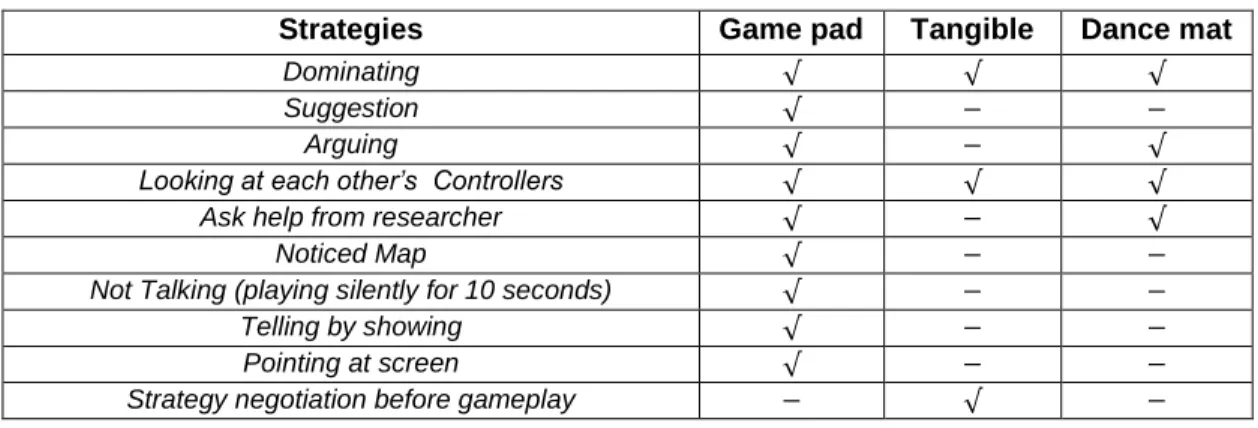
Table 5-2: Summary of strategies the participants adopted while playing the ECA game... 85
Table 6-1: Coding Scheme ... 97
Table 6-2: Btangible - Negotiation before game play ... 103
Table 6-3: Bgamepad – Conflict resolved ... 103
Table 6-4: Bdancemat- Conflict resolved with explanation ... 103
Table 6-5: Agamepad- Non-conflict situation ... 104
Table 6-6: Bdancemat – Giving suggestion with explanation ... 104
Table 6-7: Bgamepad –Negotiating a strategy during game play ... 105
Table 6-8: Bdancemat - Enquiry and response to enquiry ... 105
Table 6-9: Cgamepad – Not allowing partner dominate ... 106
Table 6-10: Summary of the strategies adopted by the participants during game play (G=Game pad, D= dance mat, T= Tangible) ... 107
Table 6-11: Group performance with three controllers ... 111
Table 7-1: Group composition of participants (x represents groups that played on their own) ... 127
Table 7-2: Familiarity with partner ... 129
Table 7-3: G25 (boy (12) - boy (13)) - Strategized before game play ... 130
Table 7-4: G16 (boy (140 – boy (14)) - Conflict Resolved quickly ... 131
Table 7-5: G6 (boy (15) – boy (15)) - Conflict resolved with explanation ... 131
Table 7-6: G6 (boy (15) – boy (15)) - Conflict taking longer to resolve ... 131
Table 7-7: G19 (boy (11) – boy (11)) - Conflict not resolved due to end of game ... 131
Table 7-8: G3 (girl (11) – girl (11)) - Non-conflict situation ... 132
Table 7-9: G19 (boy (11) – boy (11)) - Enquiry and response to enquiry ... 132
Table 7-10: G3 (girl (11) – girl (11)) - Not allowing partner dominate ... 133
Table 7-11: G5 (girl (11) – girl (11)) - Giving Encouragement ... 134
Table 7-12: G4 (boy (15) – boy (15)) - Aggressive Behaviours ... 135
Table 7-13: G18 (boy (13) – boy (13)) - Tutoring behavior ... 136
Table 7-14: Between group interaction ... 137
Table 7-15: G5 (girl (11) – girl (11)) and G4 (boy (15) – boy (15)) – Inter group interaction involving use of derogatory verbalization ... 137
Table 7-16: G18 (boy (13) – boy (13)) and G19 (boy (11) – boy (11)) - Inter group interactions (enquiry regarding game play) ... 138
Table 7-17: Performance metrics ... 143
Table 7-18: Game play duration in the first and second play sessions. ... 156
Table 7-19: Game play duration in the first and second play sessions for groups in category 1 ... 157
x
List of Figures
Figure 1-1: ECA Model ... 6
Figure1-2: The place of TeenCI (Fitton et al., 2013). ... 8
Figure 2-1: Smileyometer ... 44
Figure 2-2: Fun Sorter ... 45
Figure 2-3: Problem Identification Picture Card (PIPC) ... 46
Figure 2-4: Children IMI interest/Enjoyment Scale... 46
Figure 2-5: The Self-Assessment Manikin (SAM) used to rate the affective dimensions of valence (Top row), arousal (middle row) and dominance (bottom row) ... 47
Figure 2-6: Two versions of the FSDS with picture of a boy (Wafy) and picture of a girl (Alisa). ... 48
Figure 3-1: Typology of participant observation researcher roles (Gill & Johnson, 2010) ... 54
Figure 3-2: Collaborative network excerpt from Stanton and Neale's study ... 60
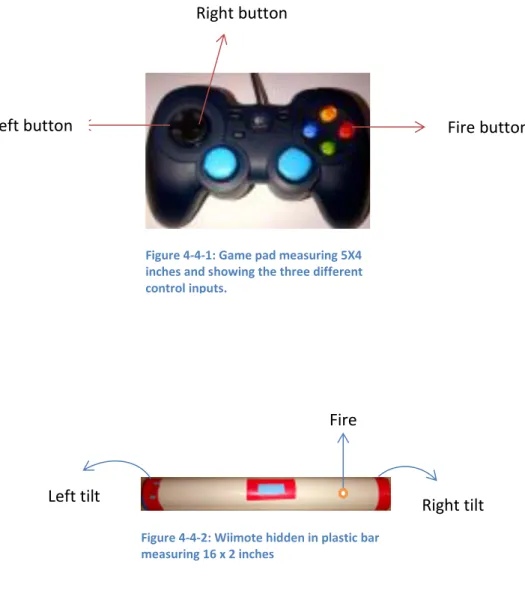
Figure 4-4-1: Game pad measuring 5X4 inches and showing the three different control inputs. ... 71
Figure 4-4-2: Interaction map showing two players firing at aliens ... 73
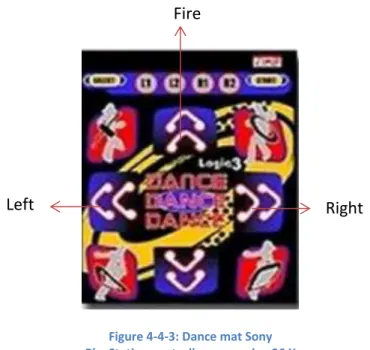
Figure 4-4-3: Visualization for Wiimote Input: Move right (Left), No input (Centre), Move left (Right) ... 73
Figure 4-4-4: Logging of children's interactions ... 74
Figure 4-4-5: Replication of Space Invader Game ... 76
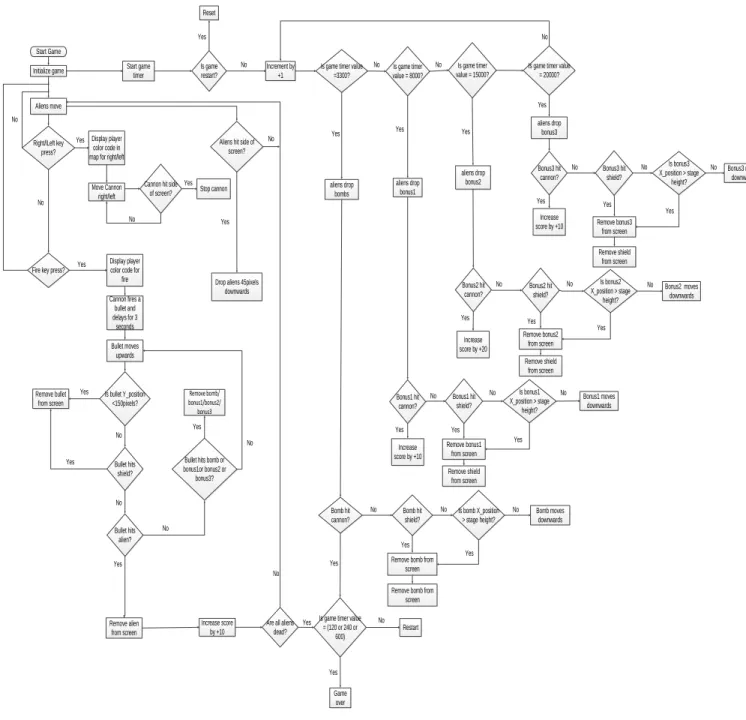
Figure 4-4-6: Game Flow Chart ... 77
Figure 5-1: Picture cards ... 80
Figure 5-2: Participants’ ratings of the three controllers. ... 86
Figure 5-3: Participants’ rankings of the three controllers ... 87
Figure 6-1: Participant playing single player version of game with tangible controller ... 94
Figure 6-2: Participants playing collaborative version of game with tangible controller ... 94
Figure 6-3: Participants playing collaborative version of game with dance mat ... 94
Figure 6-4: Participant playing single player version of game with dance mat ... 94
Figure 6-5: Participants playing collaborative version of game with game pad ... 95
Figure 6-6: Participant playing single player version of game with game pad ... 95
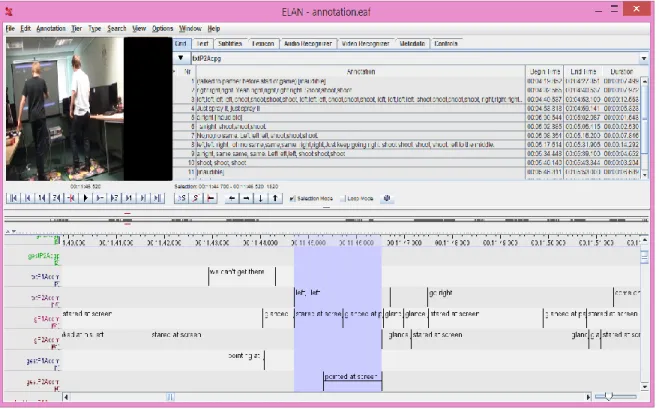
Figure 6-7: Screenshot of the subset of the Elan tiers used in the study and example of the multimodal annotation (player2 communicated with partner by talking and pointing at the screen and also focused his gaze on the screen). ... 96
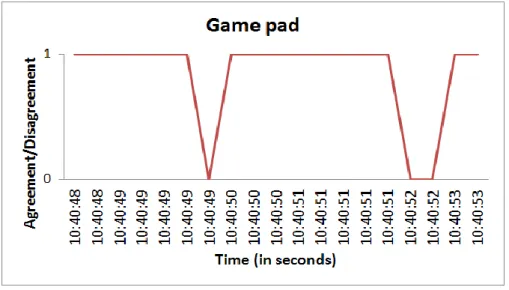
Figure 6-8: Excerpt from Group A’s Graph of Agreement and Disagreement per Time in real time (hh:mm:ss) while playing with the game pad. 1 represents ‘Agreement’ and 0 represents ‘disagreement’ ... 98
Figure 6-9: Excerpt from Group B’s Graph of Agreement and Disagreement per Time in real time (hh:mm:ss) while playing with the dancemat. 1 represents ‘Agreement’ and 0 represents ‘disagreement’ ... 100
Figure 6-10: Excerpt from Group A’s Graph of Agreement and Disagreement per Time in real time (hh:mm:ss) while playing with the dancemat. 1 represents ‘Agreement’ and 0 represents ‘disagreement’ ... 100
Figure 6-11: Participants’ ratings of the three controllers ... 108
Figure 6-12: Participants’ rankings of the three controllers ... 109
Figure 6-13: Average scores for Children’s Interest/Enjoyment Scale ... 110
xi
Figure 7-2: Explanation of how agreement is reached ... 124
Figure 7-3: Example of graph used during interview sessions with the participants ... 125
Figure 7-4: Two pairs of participants playing side-by-side during study sessions ... 126
Figure 7-5: Participants' favorite controllers ... 128
Figure 7-6: Participants' least favorite controller ... 128
Figure 7-7: Group Scores ... 139
Figure 7-8: Chart showing number of deaths ... 140
Figure 7-9: Measure of Agreement graph ... 141
Figure 7-10: Measure of Disagreement graph ... 142
Figure 7-11: The amount of time spent in the three interaction states for every 10seonds interval (Group 25) ... 145
Figure 7-12: Participants' rating of their experience playing the single-player version ... 162
Figure 7-13: Participants’ rating of their experience playing the collaborative version of the game 163 Figure 7-14: Participants' rating of the game pad ... 164
Figure 7-15: Issues reaching agreement ... 165
xii
ACKNOWLEDGEMENT
I would like to use this opportunity to appreciate the people who through their support contributed to the successful completion of the research.
Firstly, I would like to thank the children who participated in the research studies reported in this thesis. Without your involvement and contributions, this research would not have been successful.
I appreciate my supervisory team whose expert advice and support helped to shape my work. Big THANKS to my DOS, Dan Fitton for his great ideas, suggestions and words of encouragement even in my darkest moments during this research. Thank you Dan for showing a high level of understanding and not insisting on face-to-face meetings; you allowed Skype meetings when I could not travel down to Preston due to child care challenges.
Special thanks go to my ‘Sweet heart’, my husband, Dr Ernest Nnadi for his unending love and continuous support in this endeavour. It is unimaginable how I could have successfully completed this research without your selfless sacrifice, support and understanding. I appreciate you for waking up early on a daily basis to get our son ready for school while I’m still in bed snoring. I love you to bits and may God continue to bless you and enlarge your coast IJN. To my son Josiah (or ‘bobo’ as I fondly call you), the distractions were worth it!
To my Dad and Mum, I couldn’t have asked for any other parents. You guys rock! Thank you for your love, care and support financially and otherwise. Thanks for believeing in me- I will always make you proud. I also want to thank my sibblings for your support and prayers.
Dr Obelema Wodike Akobo, what a true friend I found in you and your family. I will forever cherish our friendship and I pray it grows stronger and stronger from generation to generation. To my friends Henry Adjei, Mary Morka (my bestie of life), Onoise, Dr Forbes and wife I truly appreciate your calls, prayers and encouragement.
1
1
CHAPTER ONE: INTRODUCTION
This chapter provides an overview of the research conducted in this thesis. Section 1.1 provides the motivation of this research, section 1.2 contextualizes the research, section 1.3 states the research aim, objectives and the questions the research seeks to answer, section1.4 states the contributions of the research with section 1.4.1 and section 1.4.2 as its major and minor contributions respectively, section 1.5 describes the methodology of the thesis followed by the ethical issues related to the research. Finally, section 1.6 outlines the summary of the content of each chapter and section1.7 concludes this chapter.
1.1 Research Motivation
Collaboration with others forms a large and important part of our lives from childhood games, through education, to workplaces and beyond. Research in psychology and education has consistently shown that working in small groups can have advantageous effects on children’s learning and development. For example, it enhances problem solving skills and motivation in children (Wilson, Hoskin, & Nosek, 1993), encourages development of skills of critical thinking, communication, coordination and conscious knowledge construction mechanisms (Dillenbourg, 1999), allows a longer retention of concepts and promotes positive attitudes towards the learning materials (Kreijns, Kirschner, & Jochems, 2003). To reap the benefits associated with collaboration, children need to develop and practice the skills for effective collaboration (Hayes, 2006).
On the other hand, play is vital in the cognitive, social and physical development of children. Through play, children learn how to be creative by creating and adapting game rules and characters (Verenikina, Harris, & Lysaght, 2003). Many basic social skills are also learnt and developed during play for instance, the ability to make inferences about themselves and others, peer inclusion and participation in social groups, how to interact with other children and how to make friends (Poppe, van Delden, Moreno, & Reidsma, 2014). The bodily actions in play help children to develop and maintain muscular fitness and flexibility and use of objects during play aids in the development of hand-eye coordination for young children (Poppe et al., 2014). Parten classified children’s play into various stages (Parten, 1933):
2
Unoccupied play: where a child is relatively stationary and appears to be performing random movements with no apparent purpose.
Solitary play: where a child plays alone with toys regardless of their proximity to other children. This type of play is mostly prevalent in children aged 2 years-old.
Onlooker play: where a child observes play of other without joining in.
Parallel play: where a child plays along with other children but with little interaction among them.
Associative play: where a child begins to show more interest in the toys other children are playing with.
Cooperative play: where children are more organized and are able to play together and have conversations with a common goal.
Parten noted that while children shift between the types of play, as they grow older, they participate less in the first four types of play and more in the last two which involves greater organization and interaction (Parten, 1933).
Children’s play however is not always harmonious as it relies on power relations between the groups. There would typically be a leader and follower, establishment of rules and bondaries (e.g. who sets or breaks the rules) and decision to play (e.g. a game might be picked but not everyone will want to play the game all the time). There is also developmental changes that occur for example, young children are very egocentric and are quite happy to play together with no distinction between the sexes (boys and girls). But as they get older, they notice this difference between the sexes and then start to build peer groups where they prefer to play with same-sex peers and may display gender-typed behaviours where for instance, boys who are active may seek out other children who are active, presumably boys or girls who are gentle and cooperative may show enhanced preference for same-sex play relative to other girls (Martin & Fabes, 2001). This division even gets stronger as they grow into adolescence.
In the world of digital gaming, most co-located multiplayer games (for example, chess, space invaders etc) are usually competitive as players compete against each other. But with the likes of Minecraft, a massively multiplayer online game, where ideally players are expected to collaborate, competition still occurs where someone sets a partner’s house on fire or kill
3
others’ virtual characters and destroy their creations (Ames & Burrell, 2013). This suggests that children still attempted to compete even when they are expected to play collaboratively. As opposed to collaboration, competition can be detrimental especially within the classroom context as it can increase hostility between students, lead to lower self-esteem and weaken the intrinsic motivation to learn because of the focus on winning (Huizenga, 2011).
In order to make co-located children play together in an equitable and inclusive way, the concept of Enforced Collaborative Agreement (ECA) is introduced and explored. ECA is a type of interaction where synchronous agreement between players is required in order to interact with a digital game. For example, within an ECA game all players must agree to press ‘left’ button at the same time in order to move the game character left. While several research works have been undertaken to explore collaboration in enforced situations (Kerawalla, Pearce, Yuill, Luckin, & Harris, 2008; Light, Foot, Colbourn, & Clelland, 1987; Pianesi, Zancanaro, Venuti, Gal, & Weiss, 2009; Piper, O’Brien, Morris, & Winograd, 2006;
http://www.bbc.co.uk/news/technology-26417482), the current research described in this thesis differs from these previous works in that it explored the concept of ECA where players have to synchronously generate the same control inputs in order to interact with a game within co-located settings where face-to-face negotiation, outside of the game environment, is required to reach agreement. ECA has the potential to foster new kinds of face-to-face collaboration around interactive applications, encourage equitable participation and eliminate social loafing practices such as ‘free riding’ thereby allowing participants to contribute and participate equally when working in groups. Additionally, ECA has the potential to make solitary single-player electronic games collaborative and social thereby offering a rich way for children to develop and practice the skills (e.g. language and communication skills) they need for effective collaboration in other contexts. It could also potentially provide game designers with alternative ways of designing collaborative applications for children. These benefits may be particularly valuable in the context of educational environments and serious games.
In the past, the design and evaluation of children’s interactive products involved adult users (e.g. parents and teachers) who served as proxies through which the views and opinions of children were sought. However, with the inception of Child-Computer Interaction (CCI) and
4
Interaction Design and Children (IDC) communities, it is now believed that children are a good source of data about their experiences because of the widely held belief that children have the right to give their opinions about products designed for them (J.C. Read, 2007) and the view that adults and children are two separate humans in two separate worlds with different likes, dislikes, curiosities, physical, emotional and cognitive needs (Bruckman, Bandlow & Forte, 2002; Druin, 2002a). Consequently, specific understandings and methods to work with child users have been developed. Within this context however, the age group of child users is predominantly between 3-12 years (Fitton, Read, & Horton, 2013); working with older participants i.e. children between 13 and 19 years old (also known as teenagers) have received comparatively less attention despite the fact they represent nearly one-fifth of the world’s population (Poole & Peyton, 2013). The research reported in this thesis involved a range of older children and early teenagers (11- 16 years old) as participants in the evaluation studies because they can combine the creativity of younger children with the articulation of adults therefore serving as a good representation in the design of adults as well as children technologies (Fitton & Bell, 2014). Also, they have the capacity to work collaboratively on a given task with no mediation (Lai, 2011). Furthermore, participants aged between 17 and 19 years old were not considered as the research work done within ChiCI research group focuses on school aged children aged 16 and under.
1.2 ECA Model
The vision for ECA is that there are different contexts where it can be applied depending on the type of game involved. This is because ECA depends greatly on making decisions in order to interact in games and in different games there are different ways of interacting in making decisions. As shown in Figure1-2, the ECA model describes the perceived effect of interaction and urgency within the context of gaming. Effect is described in this work as the degree to which an interaction influences the gameplay. On the other hand, urgency refers to how quickly players are required to interact within the game environment. Explicitly, urgency describes the rapid interaction occurring in gameplay as a result of players being required to quickly perform an action otherwise something either bad or good happens. Various possibilities for ECA as shown in the model include: Urgency-Low-effect, High-Urgency-High-Effect, Low-Urgency-Low-Effect and Low-Urgency-High-Effect. These spaces
5
alter the way collaborative agreement is reached in different types of games. For example, space invader game is in the High-Urgency/Low-effect space because players need to interact quite rapidly otherwise they get killed by the bomb, but the degree to which players interaction influences the game play is small (e.g. moving one pixel left). In the game, if every player is frantically pressing all the buttons, at some point players might probably reach agreement indicating that there is a degree of chance in the way they reach decision. However, in a roleplaying game such as ‘Junior Vets’ where players answer questions, there might not be a time limit on how long they get to answer the questions and the effect of their interaction on game play is bigger. In this case, there is no degree of chance as every player has to agree in order to give their answer. This type of role playing game falls within the Low-Urgency/High-Effect space. The Low- Urgency/High-Effect space is also occupied by the Separate Control of Shared Spaces (SCOSS) framework to encourage collaborative learning. In SCOSS framework, pairs of collocated children are provided with separate control of an identical version of a word categorization task for each child within their own private screen space that is visible to both children. Similar to the junior vets game scenario, there is no time limit on how long it takes to categorize the words, but the effect of their interaction is big (i.e. either they get the categorization right or wrong). The SCOSS framework share some similarities with ECA and include: control of the interface using separate input methods, participants are collocated and grouped in pairs and both participants need to agree in order to proceed. However, agreement in the SCOSS framework is more explicit requiring children to click their individual ‘we agree’ button to proceed. Also, agreement and disagreement are more visually explicit providing a good resource for discussions during interactions. Furthermore, ECA uses contemporary input methods and though participants have separate controllers, they can only move left, right or fire if they agree in their controller input while in SCOSS each child can control only their own task elements with their own mouse.
In the Low-Urgency-Low-Effect quadrant of the model, much slower pace is required during interaction and the effect of interaction on gameplay is very low. Jigsaw puzzles are typical examples of games that fall within this space. During gameplay, players might take their time to decide where to place the game pieces and any incorrect move has little effect on gameplay since the goal of the game is to assemble the numerous game pieces to form a
6
complete picture. Also in this case, there is no degree of chance as every player has to agree in order to move a game piece to a new location. In the High-Urgency-High-Effect space, players are required to interact quickly and the outcome of their interaction is important for example, in ‘Whack a mole’ game, to successfully hit the moles and force them back into their holes the players have to interact quite rapidly. The effect of the players’ interaction on game play is quite high as players can only gain scores if they successfully hit a mole or lose scores if they fail to hit the mole thus risk having low scores after the stipulated game time expires.
1.3 Research Context
The research reported in this thesis follows the User Centered Design approach and has its wider context in Human Computer Interaction (HCI) although it is majorly situated within the context of Child-Computer Interaction (CCI) and more specifically, Teen Computer Interaction (TeenCI). The research also cuts across other disciplines such as educational psychology, educational technology and sociology.
High
Low
High
Low
Ef
fect
Urgency
Space invader game Jigsaw puzzles game SCOSS Junior Vet Whack a mole7
HCI is multidisciplinary deriving its context from both natural sciences and design discipline (Mackay & Fayard, 1997). Historically, HCI has its roots in ergonomics, human factors and socio technical research with its attention on ways to enhance performance of machines maneuvered by humans (Mazzone, 2012; Read & Bekker, 2011). Initially, its interest focused on highly powered machineries such as airplanes, military and war machines but later spread into a wider area to include systems used in working contexts, deriving ways to minimize mistakes in systems when people use them (Mazzone, 2012). The advent of a new era in the use of computers from work based fixed systems to personally owned systems brought about a shift in focus of HCI research which now looks at how humans interact with the computers and consequently, devising methods to improve user experiences.
CCI is a relatively new research area within HCI which began with interests in the use of technologies within education and schools (Read & Bekker, 2011). CCI encompasses traditional HCI but also specifically reaches out into areas of child psychology, learning and play (Read et al., 2008). It involves the design and evaluation of technologies where the humans are children and is focused on developing innovative work through investigating the different context of children and technology use (Read & Bekker, 2011). The limited consideration of teens as participants and end users in CCI and mainstream HCI has led to the need for the development of a new field ‘TeenCI’ which though overlapping sits between CCI and HCI as shown in Figure 1-2(Fitton et al., 2013). While TeenCI is not yet a full blown research area or identifiable community within the HCI space, it has begun the process of maturing into its own discipline with its own associated methods and solutions. Efforts are being made to gather together researchers, interaction designers, academics and UX practitioners (through the organization of workshops) to share experiences, insights and methodos for teen research with the aim to understanding this unique population against the backdrop of HCI and technology development (Lang, Atkinson, & Fitton, 2014). The research reported in this thesis contributes to the development of TeenCI by adapting child-centered methods which have not been extensively used in studies with teens to evaluate teen UX.
8
Figure1-2: The place of TeenCI (Fitton et al., 2013).
1.4 Research Aim and Objectives
The overall aim of the research reported in this thesis was to explore the collaborative behaviours participants aged 11-16 years old grouped in pairs within co-located spaces exhibit to reach agreement while interacting with ECA games and to specifically determine whether the behaviours was influenced by the use of different input methods (gamepad, dancemat and tangible controller). In this research, small group collaboration was considered appropriate because it is easier for participants to identify and easily and quickly correct any misconception that may occur during game play. Besides, small groups are considered as more suitable than large groups for group discussions and equal contributions of group members (Finegold & Cooke, 2006). Also, studying collaboration in co-located spaces allows more direct interaction among collaborators enabling visibility of their body expressions and gestures that contribute to more effective communication (Bricker & Tanimoto, 1995). The three controllers represent different interaction possibilities: traditional, tangible and embodied and were chosen in this research because the researcher was keen to explore a range of interaction possibilities in order to understand whether the type of interaction method influenced the collaboration. Furthermore, the chosen controllers support away from the desktop interaction, relatively cheap to obtain, easy to integrate into game and have the ability to influence collaboration in diferent ways. An additional aim was to study the effect of ECA on participants’ enjoyment, one of the dimensions of game play experience and highlight the benefits of ECA in enabling
9
collaborative interactions. In order to achieve this aim, the work poses the following research questions:
RQ1: What collaborative behaviours do participants’ exhibit to reach agreement while playing games that support ECA?
RQ2: What factors influenced participants’ interactions during gameplay?
RQ3: Are the behaviours identified in RQ1 influenced by different input methods?
RQ4: What effect does ECA have on participants’ gameplay experience?
To respond to these questions, the following interlinked objectives are addressed in the work:
1. To investigate collaborative behaviours exhibited by participants to reach agreement within the context of ECA games and their implications to game design processes (OBJ1). This objective is addressed through evaluation studies involving observations of participants during gameplay (video recording and researcher observation) and logging of the participants’ interaction. These approaches helped in providing the answers to RQ1.
2. To identify the factors that influenced participants’ interactions whilst playing an ECA enabled game (OBJ2). These factors emerged from questionnaire responses and interview sessions with the participants complemented with analysis of log file data obtained throughout the studies and were beneficial towards achieving RQ2.
3. To investigate if the participants’ behaviours identified in RQ1 are influenced by different input methods (OBJ3). This objective was also addressed using similar approaches as in OBJ1.
4. To investigate the effect of ECA on participants’ gameplay experience (OBJ3). This objective is achieved through series of evaluation studies carried out in the research work involving user centred approaches and provides the answer to RQ3
10
1.5 Research Contributions
The following contributions to knowledge are envisaged:
1.5.1 Major Contributions
MA1: To explore the concept of ECA using a range of existing methods for evaluating collaboration and produce an Effect/Urgency model (ECA model) which describes the different contexts where ECA can be applied. This model would be used to inform game designers on how ECA fits into different game genres
MA2: To understand the behaviours exhibited by participants to reach agreement during interaction with ECA games and their associated design guidelines for incorporating ECA in games. These could also be adapted for other applications that support ECA.
1.5.2 Minor Contributions
MI1: To provide an understanding of user experience within the context of ECA
M12: To provide an understanding of a range of interaction methods and how they influence ECA.
1.6 Methodology
This research followed a mixed method and a user-centred approach in order to achieve the outlined objectives and provide the answers to the research questions. Two versions of the prototype used in the research were created: single-player version and collaborative versions. The requirements for the creation of the prototype were initially gathered by the researcher and then iteratively refined following user testing studies conducted with child users and an informal testing by members of the ChiCI group. Both qualitative and quantitative data collection and analysis methods were adopted in all evaluation studies conducted in this research, however, the methods evolved during the studies to effectively capture variables of interest.
In the first pilot study, both pre-test and post-test questionnaires were respectively used to obtain participants’ demographic information and gather their opinions on the technology, Fun Toolkit (smileyometer, Again-Again table and Funsorter) was used to measure participants’ enjoyment of the game (this helped in providing answer to RQ4), observation method, where the researcher observed the participants and took notes, was used to explore the strategies that participants adopted to reach decisions and control during game play (this helped in providing answer to RQ1 and RQ3) and lastly an attempt was made to
11
log participants’ interactions during gameplay to obtain quantitative data for analysing ECA. These initial set of methods were altered in the second pilot study for example video recording of participants interactions during gameplay as opposed to researcher observing the participants was adopted and participants interactions were logged differently as the log files from first pilot study were not designed in a way to provide useful data from participants key presses (or actions). In addition new methods were adopted e.g. Children IMI interest/enjoyment scale was used to compare the participants’ enjoyment of the single and collaborative versions of the game (this helped in providing answer to RQ4) and unstructured interview using graphs of the participants’ actions during gameplay as prompts to help the participants discuss as a group what went on during gameplay and to provide more thoughtful and detailed explanations to what influenced their interactions (this helped
in providing answer to RQ2). In the main study, some methods were dropped for example
Children IMI interest/enjoyment scale and Funsorter while improvements were made to some of the methods for example, the participants’ interactions (key presses) were again logged differently to enable more effective analysis of ECA and extra questions were included in the questionnaires.
During analysis, the participants’ responses to questions (questionnaire, Fun Toolkit and Children IMI interest/enjoyment scale) were coded and analysed using both descriptive and inferential statistics like counts, percentages, mean and median scores, range t-test and correlation. Also, in some cases graphs were used to illustrate findings and show relationships. The recording from unstructured interview sessions were transcribed verbatim and analysed using thematic analysis method. Also, the notes taken during observation by the researcher were analysed using thematic analysis method. The video data was transcribed using ELAN and coded, an in-depth narrative description of participants’ behaviours was provided and collaborative networks were used to show patterns of behaviours occurring within the video data. The logfile data were extracted and counted as well as represented graphically using GNU Plot.
To ensure the reliability and validity of this research, an extensive literature review was carried before selecting the methods adopted to ensure that the methods chosen were appropriate, well understood and applied correctly. In a case where adaptations were made to existing methods, it was ensured appropriate reasons and justifications were
12
provided (e.g. in the use of prompts during interview sessions). Also, it was ensured that the analysis of data obtained in the research was performed with appropriate method(s). In order to reduce bias, the observational notes taken by the researcher as well as the interview data were analysed with another researcher experienced in coding qualitative data and then sent to a senior researcher for validation. Furthermore, it was ensured that the questions asked were appropriate in answering the research questions
During the evaluation studies conducted in this thesis, participants played the single-player version of the game first before playing the collaborative version. The evaluation studies took place in two different settings: University labs where participants recruited from two schools in the UK visited the labs and Youth centres were participants performed leisure activities.
These methods, analysis approaches and study settings will be explained in more details in the relevant chapters of this thesis.
1.7 Outline of the Thesis
This section presents an overview of the contents of each of the eight chapters of this thesis. Following the introductory chapter is chapter 2 which presents literature on developmental psychology, collaboration, input technologies and evaluation which are relevant to the research.
Chapter 3 presents the design decisions and justifactions taken during the creation of the game as well as the controllers used in this research. It also reported the design of the logging used to record participants’ interactions with the game and how it evolved. Furthermore, it presents the user testing studies which served as means to identify and correct technical errors and wrong design decisions.
Chapter 4 presents the first pilot study which was an initial attempt to explore the collaborative behaviours participants adopted to reach agreement while interacting with an ECA enabled game. The study was carried out to test the appropriateness of the data collection methods and readiness of test materials for the research as well as monitor the
13
operation of the study design. It also served as a preliminary step to see if the technologies chosen for the research were appropriate.
Chapter 5 presents the second pilot study which sets out to address the shortcomings of the data colletion methods used in the first pilot study as well as served as pilot for the video analysis.
Chapter 6 reports the main study of this research carried out with a larger user population to explore the aims of the research and anwer the research questions.
Chapter 7 discusses the findings from the three studies reported in this thesis with more focus on the main study results and provides design guidelines for researchers who wish to design aplications that support ECA.
Chapter 8 concludes the thesis by summarizing the research and providing answers to the research questions. It also discussed the limitations of the work, contributions of the research to the HCI community and makes suggestions for possible directions for future research.
1.8 Conclusion
This chapter presented an introduction of this research highlighting the research motivation, the context in which the research is situated, the aim and objectives, the research questions and an overview of the methods used in the research. The next chapter will discuss in detail literature that are relevant to this research.
14
2
CHAPTER TWO: LITERATURE REVIEW
2.1 Introduction
An extensive literature review conducted to evaluate research within child development, collaboration, input technologies and user experience is reported in this chapter. Most of the papers reviewed in this chapter were gathered from top journals and conference proceeding papers in HCI including Interaction Design and Children (IDC), Child-Computer Interaction (CHI) and NordiCHi. These sources have also been complemented with articles found through keyword search from other scientific databases such as Science direct and ACM as well as child psychology databases (e.g. psychNet), papers and books. This chapter is divided into four key sections:
Section 2.1 provides the definition of the child and overview of adolescents with the aim of understanding the needs, nature, abilities and interest of the target user group of this research. Section 2.2 takes a look at understanding the concept of collaboration by exploring the various definitions of the term by researchers from diverse disciplines and highlighting the qualities that characterize true collaborative interactions. The section also reviewed previous research works which explored collaboration and children in collocated spaces as well as existing approaches and methods for measuring collaboration. Section 2.3 explores various input technologies and how these technologies impact collaboration. Section 2.4 reviews the concept of UX, its nature and dimensions. As one of the objectives of this thesis is to explore the effects of ECA on participants’ experience within the context of gaming and with focus on enjoyment, section 2.4 also presents a review of the tools for evaluating children’s enjoyment of interactive products.
2.2 Definition of the Child
There are several definitions of what a child is. The most commonly used definition comes from the United Nations Convention on the Rights of a Child (UNCRC) which has to do with legal requirements. In the definition a child is “every human being below the age of eighteen years old unless under the law applicable to the child, majority is attained earlier” (UN Assembly, 1989). This definition was ratified by 191 countries including the UK in 1989, however there are several other laws across the UK that specify age limits in different circumstances such as age of consent, child protection and age of criminal responsibility. From a biological point of view, children are considered as humans in the development phase of childhood which is a period
15
between infancy and the onset of puberty which cuts it off at 12 or 13 years (Keenan & Evans, 2010). This definition suggests that one can be legally considered a child but not in childhood. There is also a global complexity of what a child is, for example, children in the third world countries take on responsibilities such as going to wok at a very early age (11-12years). Though they are still officially children, their childhood has actually come to an end because they behave like adults. Therefore, age alone is a very blunt metric for discussing children because it assumes that at one specific point in time, one leaves childhood and enters adulthood (Panos Markopoulos, Read, MacFarlane, & Hoysniemi, 2008). Consideration needs to be given to the differences in cultures and societies when discussing children. Children have been involved in research across various disciplines such as sociology and psychology, computing, education, medical etc. but the majority of the research undertaken with this unique user group focuses on children aged sixteen and under (Horton, 2013). Older children are considered to be more like adults as their ideas and opinions often conforms to adult user groups.
As children grow up, they move through different stages of development; the rates at which they develop also vary from one child to another and even from one group to another. Additionally, children have their own likes, dislikes and needs which vary between different age groups and even from those of adults (Druin, 1996). In the instance, where children will perform evaluation of technologies, it is vital to understand that children are not a homogenous group for which a single theory and practice should be recommended rather they vary in diverse ways (cognitively, physically, emotionally and socially) at different stages of their development (Markopoulos & Bekker, 2003).
As stated earlier in chapter one, participants aged between 11-16 years old (also known as adolescents) were involved in the evaluation studies reported in this thesis. This unique group of individuals reside in a fascinating and dynamic space between childhood and adulthood (Fitton & Bell, 2014). Therefore when working with such user group as participants, it is important to understand the characteristics, needs and skills that differentiate them from other user groups which might help in understanding their world.
2.2.1 Adolescence and their development
Adolescence is the period of developmental transition between childhood and adulthood which is characterized by dramatic biological, cognitive, psychological and social changes (Blakemore & Mills, 2014). Initially, the period of adolescence was regarded as a single period in the life span
16
but studies of adolescents showed that there is a marked difference in the behavioural patterns of young and older adolescents (Hurlock, 1967). Consequently, adolescence have been classified in several ways sparking a debate in literature surrounding the age boundaries of adolescence (Dashiff, 2001; Poole & Peyton, 2013). This could be attributed to the fact the physical changes characterizing the start of adolescence may begin as early as the age of 6 and or as late as 15 (Dorn, Dahl, Woodward, & Biro, 2006) or in the case of brain development may extend into a person’s 20’s (Dahl, 2014). Also, there is no generally accepted age when adolescence ends; while Peterson and Leffert suggests 20 (Peterson & Leffert, 1995), popular imagination sees adolescence as ending when a person completes compulsory education, moves away from parents or leaves their ‘teen’ years, precisely at either 18 or 19 (Poole & Peyton, 2013). In this research, adolescence is considered as being three distinct phases (Smetana, Campione-Barr, & Metzger, 2006): early adolescence (10-13 years), mid adolescence (14-17 years) and late adolescence (18 until early twenties). While it is true that each adolescent is an individual with a unique personality, likes, dislikes and special interests, there are numerous developmental issues that all adolescents face during the early, middle and late adolescent years. As the research reported in this thesis involved 11-16 year olds, the discussion hereafter will focus on the changes that occur during early and middle adolescence.
Regardless of any culture, there are three types of fundamental changes that occur universally during the period of adolescence. These include biological, cognitive and social changes (Kendall, 2006) and can be influenced by individual and cultural differences in terms of the age at which they occur. The beginning of biological growth (which starts during early adolescence) is characterized by the onset of puberty in which a child is transformed to an adult and associated with a myriad of biological changes including sexual maturation, changes in body composition and increases in height and weight to mention but a few. During the early adolescence, girls and boys become more aware of their gender than they were when they were younger children, and they make adjustment to behaviour or appearance in order to fit with the perceived norm. The second fundamental change is cognitive change wherein a diverse range of cognitive developments (e.g. an increase in memory function, increased speed of processing and acquisition of abstract thought capabilities) occurs as the adolescent brain approaches physical maturation (Steinberg, 2005). With advancements in developmental neuroscience, researchers have shown how developing adolescent brains actually processes information
17
differently to children and adults (Steinberg, 2005), in particular social information (Blakemore & Mills, 2014). Within this period of brain development, adolescents display an increased willingness to take risks and a heightened sensitivity to immediate rewards as opposed to long-term rewards (Steinberg, 2004). Social change occurs when adolescents are increasingly no longer viewed as children and as a result given the privileges and responsibilities of adults (Fitton & Bell, 2014). In developed countries, these social changes may include age related milestones such as driving, voting, alcohol consumption or military service. ‘Context’ refers to the social environment such as family, schools, peer groups and work/leisure environments where teenagers spend most of their time (Smetana et al., 2006), which influences the way they experience the fundamental changes associated with adolescence and shapes the course of their development. In the modern world, technology and media feature heavily in all the four social environments (family, peer groups, schools and work /leisure places) and plays a crucial role in shaping the nature of the developmental contexts. For instance, the technological advancement in communication (including access to the internet, social networking sites, instant messaging and text messaging) have changed the nature of teen peer groups by increasing the number of peers with whom they can regularly communicate, the style of their social interactions and the medium through which they communicate. During the psychosocial stage of adolescent development (i.e. changes that are both psychological and social in nature), they face several challenges such as identity, intimacy, sexuality, autonomy and achievement (Steinberg, 2008). While these challenges are not unique to just adolescents and may be experienced by individual at any stage of life where change is occurring, the way they are experienced is considered to be unique to the adolescent population. For instance, most adolescents develop a sense of self (identity negotiation as individuals and as part of the broader social world) for the first time during the period of adolescence (Erikson, 1968; Lloyd, 2001). However, this sense of self or identity is not fully developed within this period but is continuously shaped throughout a person’s life and greatly influenced by the person’s experiences. Also, the sense of self that occurs in the period of adolescence could be considered as unique since they cannot be experienced prior to the period of adolescence due to the immature cognitive processing of a pre-adolescent brain (Fitton & Bell, 2014).
2.2.2 Challenges involving adolescents as participants in research studies
Adolescents are a very diverse and highly contextualized group of individuals who are influenced by a range of factors (biological, cognitive, social and psychological), thus posing
18
several challenges when involved in research. These challenges have been highlighted in literature (Dashiff, 2001; Fitton & Bell, 2014; Fitton et al., 2013) and includes issues related to use of methods, cultural understanding, context in which to engage teenagers and ethical considerations.
In terms of methodological challenges, special consideration is required as methods developed for child or adult users may not be appropriate or entirely successful with teen users. Several researchers have provided some useful guidelines on collecting reliable data when teenagers are involved in research studies; some of which were considered in the current research (Dashiff, 2001; Mack, Giarelli, & Bernhardt, 2009; Poole & Peyton, 2013). For example, use of prompts during interviews especially when open-ended questions are used (Mack et al., 2009). Furthermore, the increase in cognitive development in the area of abstract reasoning during adolescence (Piaget, 1972) allows adolescents to move beyond the concrete to use of verbal hypothesis and logical deduction. However, younger adolescents are more likely to be concrete in their reasoning and less likely to think about future consequences of their decisions compared to older adolescents (Dashiff, 2001). Also, decision making and reasoning ability are likely to affect responses to questions before age 14 but after 14, adolescents reasoning and decision making ability becomes as mature as in adulthood as long as the situation is one where the adolescent has experience in (Khun, Amsel, & O’Loughlin, 1988). Due to these cognitive differences, questioning approaches which require more abstract reflection or formal logic may not be well suited for younger adolescents. Therefore, it has been suggested to use more concreate rather than abstract questions during interviews with younger adolescents as they are more likely to be concrete in their thinking than abstract (Dashiff, 2001).
Several different settings exist for working with adolescents e.g. classrooms, homes, youth centres and research labs however the choice of where to conduct research studies is likely to impact their behaviours and the power relations between adolescents and the researcher (Fitton et al., 2013). For example, while a school setting (or classroom) presents easy access to large number of adolescent, high level of supervision, familiar and organized environment to observe and obtain feedback, their behaviours towards the researcher will be representative of their experiences with their teachers and if the research work involves group working, their behaviour is likely to be influenced by the presence of peers e.g. possible tension between mixed sex groups (Fitton et al., 2013). Furthermore, working with adolescents in their homes
19
may be problematic especially when scheduling appointments for studies as they are more independent and may have separate schedules (Dashiff, 2001). Conflicts with parents can also impact studies conducted at the homes of the adolescent participants.
Ethical considerations may include informing adolescents about the context of the research and the potential impact of their participation in the study to allow for appropriate consenting and participation as well as how their contributions will be disseminated e.g. in research papers. The Child-Computer Interaction (ChiCI) group at the University of Central Lancashire (UCLAN) has made a commendable effort in designing tools (CHECk1 and CHECk2) to assist researchers in communicating the purpose and practicalities of their research works (Read et al., 2013). These tools were used during the research studies reported in this thesis.
2.3 Understanding Collaboration
Collaboration is a ubiquitous term that can be used to describe a wide range of behaviours and generally refers to any activity performed together by a pair or a group of individuals. Within social sciences, collaboration is “a process in which autonomous actors interact through formal and informal negotiation, jointly creating rules and structures governing their relationships and ways to act or decide on the issues that brought them together; it is a process involving shared norms and mutually beneficial interaction”(Thomson & Perry, 2006). Within learning sciences, Lipponen provided two approaches adopted by researchers towards the definition of collaboration: collaboration as a process of participation in collective activities and collaboration as a special form of interaction (Lipponen, 2002). The former approach offers a broader definition of collaboration than the latter and is mainly concerned with the process of participating in knowledge communities (Lipponen, 2002). Rochelle and Teasley considered collaboration as a special kind of interaction and wrote that collaboration is “… a coordinated, synchronous activity that is the result of a continued attempt to construct and maintain a shared conception of a problem” (Teasley & Jeremy, 1998). Their definition stresses the role of shared understanding of a problem amongst the collaborators. They defined the ‘Joint Problem Space’ (JPS) as the shared knowledge structure that supports problem-solving by integrating goals, descriptions of the current problem state, and awareness of available problem solving actions, as well as associations that relates goals, features of current problem solving state and available actions. According to Roschelle and Teasley, collaboration takes place within this joint problem space, which provides the structure needed to allow meaningful conversations about the
20
problem (Teasley & Jeremy, 1998). To construct a joint problem space, partners must have ways to introduce and accept knowledge, monitor exchanges for evidence of divergent meanings, and repair any divergences identified.
Several qualities that characterize truly collaborative interactions have been identified by Dillenbourg (1999). Firstly, collaboration is characterized by a relatively symmetrical structure and various forms of symmetry are differentiated. In situations with symmetry of action, each participant has access to the same range of actions. This contrasts with the typical division of labour in cooperative learning structures; partners split up the work, solve sub-tasks individually, and then put their respective contributions together. Symmetry of knowledge occurs when all participants have roughly the same level of knowledge, although they may have different perspectives. Symmetry of status involves collaboration among peers rather than interactions involving supervisor/subordinate relationships. Finally, symmetry of goals involves common group goals rather than individual goals that may conflict (Dillenbourg, 1999). The quality of interactions, especially the degree of interactivity and negotiability is another marker of true collaboration (Dillenbourg, 1999). Interactivity does not refer to the frequency of interactions but to the extent to which interactions influence participants’ thinking (cognitive processes). Negotiability refers to the extent to which no single group member can impose his view unilaterally on all others, but rather will argue for his standpoint, justify, negotiate, attempt to convince other group members. Dillenbourg (1999) points out that negotiation can only occur if there is space for negotiation - obvious, trivial and unambiguous tasks provide few opportunities to observe negotiation because there is nothing about which to disagree. Besides, misunderstandings may actually be important from a learning standpoint; they force participants to construct explanations, give reasons, and justify their positions (Lai, 2011). Other features include positive interdependence where the success of an individual is dependent on the success of the group (Laal, 2013; Lew, Mesch, Johnson & Johnson, 1986), mutual support, intimacy among participants, the quality of interpersonal relations of those interacting already in place at the time collaborative encounter is initiated and a rich supply of external resources which facilitate mutual understanding and shared goals e.g. computers (Crook, 1998).
Roschelle and Teasley differentiated collaboration from cooperation (a form of working together) stressing that cooperation requires division of labour where each person is responsible for a portion of a problem while collaboration emphasizes on a mutual engagement
21
of participants in a coordinated effort to solve a problem together (Roschelle & Teasley, 1995). Thus participants work together on the same task rather than in parallel on separate portions of the task. Kerawalla et al. further highlighted that when a task is collaborative participants make joint decisions (Kerawalla et al., 2008) but in cooperative task situations, participants divide the task into parts taking responsibility for their own part and may come together to fit the parts together. Dillenbourg however noted that division of labour may occur spontaneously during collaboration hence the distinction between cooperation and collaboration is not certainly clear-cut (Dillenbourg, 1999). Additionally, the level of social interaction is necessarily high when participants collaborate and share in the decision making process whereas it may not be the case for cooperative workers (Underwood, Underwood & Turner, 1993).
In the context of gaming, Zagal et al. (2006) provided three distinct categories of games namely competitive, cooperative and collaborative. In competitive games, players form strategies that directly oppose those of the other players in the game which results to either a win or lose (e.g. chess, basketball and soccer). Cooperative games model situations where two or more individuals have interests that are “neither completely opposed nor completely coincident” (Zagal et al., 2006) and provide opportunities for players to achieve a win-win condition by working together (although it not assured that the cooperating players will benefit equally or even benefit at all). Additionally, cooperative games include enforceable rules for negotiation allowing players to identify desirable outcomes for the parties involved. In collaborative games, all players work together and wins/loses as a team (an example is the ECA enabled space invaders game described in this thesis). Consequently, success can only be achieved when all members of the group reach their goal which also assures joint rewards. Collaboration in gaming demands that players work together as a team having one goal and sharing the rewards or penalties of their actions whereas when individuals cooperate among themselves during gameplay, they may have different goals and payoffs (Zagal et al., 2006).
In this thesis, collaboration is viewed as a special kind of interaction stressing the idea of mutual engagement of the parties involved. Particularly, the work focuses on enforced collaborative situations in a gaming context and co-located settings where face-to-face interactions is required to reach agreement in player controller inputs.