University of Stirling
School of Education
Master of Research in Educational Research
The Simulated Human:
An Actor-Network exploration of the materialities of
mobilising practice learning in uncanny spaces
July 2015
Aileen V. Ireland
0021587
Supervised by
Professor Tara Fenwick
i
Declaration
I declare that this dissertation is my own work and that all critical and other sources have been specifically and properly acknowledged, as and when they occur in the body of my text and that the work it embodies has not been included in any other thesis. Signed:
ii
Acknowledgements
First and foremost, I owe a debt of gratitude to my supervisor, Professor Tara Fenwick, who has provided a wealth of support in her unwavering encouragement and in the depth and breadth of her knowledge, guiding us expertly Into the Woods and beyond.
Thanks must also go to the Scottish Graduate School of Social Science for generously funding my research studies.
I am also very grateful to my fellow postgraduate students who are always a source of inspiration and are so generous with their own support, wisdom and encouragement. Special thanks must go to Jessica for accompanying me so amiably through the woods, feeding me with her positive spirit, endless enthusiasm, and delicious food. Thanks must also go to the admin team in the School of Education, especially Janet, for her kindness and expert assistance. Kind thanks must also go to Beverly, for her intellectual ear, incomparable wit, and artistic skill.
I must also express my thanks to my family for their understanding, patience and support, but most of all, I must give many thanks to Gary, for his constant support, encouragement and endless good humour, keeping me steady and giving me time and space to study.
iii
Abstract
The use of simulated human mannequins in nursing education is widely assumed to provide active learning of clinical skills in the safety of a realistic ward environment without causing harm to patients. While the uptake of this pedagogy increases, research into its efficacy has concentrated mostly on student perceptions and outcomes with little regard for the perceptions of the lecturers or in relation to the purpose of simulation in nursing education. The body of research has been criticised for being considered only from a positivist perspective that might not adequately fit with the complexities and particular subtleties of how practice learning is mobilised in this context.
This study has been guided by Actor-Network Theory so as to trace the sociomaterial assemblages and identify the practices, patterns and connections that facilitate effective learning of immediate life support skills. Data were gathered by performing
ethnographic observations of the delivery of the immediate life skills course at a nursing school in Scotland and by conducting in-depth interviews with the lecturers. These were analysed thematically and the datasets compared in an iterative way. The findings suggest that the lecturers employ elements of both the real and the imagined nursing practice by creating a hybridity between their own past clinical experiences and the past placement experiences of the students in the simulated
scenarios and projecting them into future imaginings of practice. They draw greatly on the strength of this uncanny space to make the unreal real, using the hybridity to enact a form of créolité, which seems to facilitate this method of practice learning. This
assemblage provides a bridge or scaffolding between the two spheres of practice
placement and creates a hybrid space where opposing elements in nursing education are comingled effectively.
This study is the first to consider this particular pedagogy in a sociomaterial way
through a postcolonial lens. While this study is very small and cannot be generalised to the wider population of nursing schools, it has opened up new possibilities in
understanding this dynamic and multifaceted pedagogy from a more critical perspective so that future research might follow.
Key words: nursing education, high-fidelity simulation, Actor-Network Theory, the uncanny; practice learning
v
Table of Contents
Chapter 1 Introduction ... 1
Background to the research ... 1
Aims and Objectives ... 3
Research Questions ... 4
Chapter 2 Literature Review ... 6
Exploratory scoping of the literature ... 6
Mapping of the literature ... 8
Results ... 9
Discussion ... 10
Chapter 3 Research Design ... 15
Methodology ... 15
Sociomaterial spaces, artefacts and actors ... 16
Data collection ... 17
Observations of the lectures ... 19
Interviews with nursing lecturers ... 20
Data analysis ... 20
Ethical Considerations ... 21
Chapter 4 Fieldwork and Findings ... 23
Immediate Life Support Course ... 23
Setting and participants ... 24
Observations – emerging themes ... 25
The familiar and the unfamiliar ... 25
The real and the simulated ... 27
Real experiences and imagined experiences ... 28
vi
Interviews with nursing educators ... 32
Participants ... 32
Interview findings and analysis ... 32
The purpose of the simulation – the familiar ... 33
The benefits of simulation – the real and the imagined ... 34
The challenges of using simulation – the real and the simulated ... 34
The value of simulation – the human and the non-human ... 35
Mobility, movement and familiar routes ... 36
Chapter 5 Discussion ... 39
Chapter 6 Conclusion ... 44
Strengths and Limitations ... 46
Future Research ... 46
References ... 49
Appendices ... 57
Appendix 1: Project Information Sheet for Participants ... 58
Appendix 2: Participant Consent Form ... 61
vii
List of Figures and Tables
Figure 1: An excerpt from the observation notes ... 19
Figure 2: The simulated ward setting ... 24
Figure 3: The students begin to relate to SimMan® as a “real” person ... 26
Figure 4: The lecturer uses a commands on a tablet and her own voice to “perform” the role of the patient ... 29
Figure 5: The students employ a hybridity of the human and the non-human ... 31
Table 1: Number of sources found within each database search by search terms ... 8
Chapter 1
Introduction
In northern Canada, the Inuit have used a form of simulation as a tool of teaching and guidance for thousands of years; the inuksuk has functioned as a beacon for navigating unfamiliar territory, as a signpost of familiarity for conveying messages of safety or danger and of abundance of food, and as a memorial for historical events and attributes in the landscape. In Inuktitut (the language of eastern Canadian Inuit) morphology, the word inuksuk is made up of the two morphemes, “inuk” (one human being, or person)
and “–suk” (to act in the capacity of), with the combined meaning; “that which acts or performs the function of a human” (Heyes 2002, p. 134; personal correspondence). Traditionally a nomadic people, the Inuit employed the simulated human, in the form of
inuksuit (plural of inuksuk), to guide them across the arctic landscape, assisting them to make purposeful connections as they traversed the vast network that made up the multiple spaces that they inhabited. In an unexpected and similar way, nurse educators have been employing simulation of the human form as a method of teaching since the profession was in its infancy. Today, the use of increasingly more realistic mannequins, which perform the function of the human patient, is widespread in nursing education. This research project will explore the challenges, opportunities and possibilities that these simulated humans present within the domain of practice education for
undergraduate nurses by examining the application of high-fidelity mannequins as a teaching pedagogy within clinical skills training.
Background to the research
The accelerating advancement of technology in the electronic simulation of real-world healthcare scenarios has led to an increase in the number of nursing schools opting to provide software-programmed mannequins in their practical skills lectures for
undergraduate students. The justification for the use of simulation as an effective pedagogy in nursing education is based on the theoretical underpinnings of experiential and situated learning (Bland et al. 2011), and high-fidelity simulation is commonly assumed to provide active learning within a safe environment that closely represents reality. Nursing education providers across the UK have invested much capital in
acquiring and installing the mannequins and their software along with the
technologically advanced simulated clinical ward settings in which to house them. The effectiveness of using such pedagogies in medical education has been widely debated in the literature. While many benefits of the use of this technology have been identified within medical education research, others have taken a more critical view and question how its uptake has seemingly been unquestioningly accepted and developed without engaging in a debate about its theoretical foundations (Berragan 2011; Bligh and Bleakley 2006; Bradley and Postlethwaite 2003; Caplan et al. 2014; Hopwood et al. 2014). In nursing education, the benefits of high-fidelity simulation are usually reported in relation to the students’ satisfaction and its value in terms of assessment outcomes, but few have considered how technological advances within this particular pedagogy are changing the ways in which nursing education is delivered (Weaver 2011). Additionally, some argue that research about the effectiveness of simulation as a learning tool is built solely upon the infrastructure of meeting the demands of a
scientific (positivist) paradigm that may not fit with other effective learning pedagogies, and some researchers have been critical about the strong propensity of the positivist approach in exploring the effectiveness of simulation in teaching clinical skills (Bland et al. 2011; Bradley and Postlethwaite 2003; Cant and Cooper 2010; McGaghie et al. 2011). These researchers have concluded that simulation is a dynamic concept that deserves further empirical investigation in order to explore and understand the complexity, power and subtleties of this learning technique.
Some researchers have argued that the use of high-fidelity simulation is more student-centred (Berragan 2011; Bland et al. 2011), however, reviews of the evidence of the effectiveness of learning by using simulation-based pedagogies concluded that more research is needed on the efficacy and value of these techniques (McGaghie et al. 2011; Weaver 2011). Others have observed that the quality and rigour of previous research is inconsistent and that future research should be more thematic in nature (McGaghie et al. 2010, 2011; Cant and Cooper 2010). Principally, most research posits that the use of simulation pedagogy allows the educators to bridge the gap between classroom theory and practice by building students’ confidence while avoiding harm to patients
(Kneebone 2009; Yardley et al. 2013). However, in contrast, it has also been argued that the use of simulation may have a detrimental effect on student nurses’ construction of their professional identity (Berragan 2011; Sharma et al. 2011). These opposing
observations suggest that there is a need to unpick the ways in which this particular pedagogy is assembled to perform these translations of simulated practice situated within and across the boundaries of the curriculum and effective knowledge-making. In addition, the nursing education literature, in particular, has avoided considering the importance of how simulation might affect psychosocial elements such as power relations, inter-personal and inter-professional conflict, and emotions, which are all recognised as being factors that affect the ways in which student nurses prepare themselves for the world of work (Sharma et al. 2011).
Aims and Objectives
This project proposes to adopt a sociomaterial approach to attempt to identify the practices and patterns that link the assemblages of the human and non-human actors within the enactments of the simulated clinical skills learning space. To achieve this aim, the research will be informed by Actor-Network Theory (ANT) to examine how the social connects with the material within these learning spaces so as to move beyond the assumed purpose of these materialities, placing equal importance on both the social and the material, to explore these complex relationships more critically (Fenwick et al. 2011). Because ANT breaks from the dominant perceptions of learning by challenging the ontological and epistemological foundations of education research, it provides an appropriate set of tools with which to critically address the lack of focus on the theoretical validation of simulation learning in the literature. Moreover, drawing on ideas developed within critical theory that others have successfully combined with sociomaterial thought to thoughtfully examine similar networks of professional learning (Lin and Law 2014) will provide a novel approach that has not yet been considered in nursing education. By exploring these connections through a multi-faceted lens, the underlying subtleties of these pedagogies might be better understood.
To date, these sociomaterial enactments in the context of the simulated human patient in the nursing curriculum have largely been left unexamined. In addition, most of the research within nursing education tends to be guided by previous studies within medical education, which do not address the particular subtleties and nuanced differences that make nursing education distinct from medical. The existing literature for the use of simulation in nursing education tends to focus more on operational description and
student feedback rather than on critical reflection of its educational effectiveness and suitability to translate this learning to practice (Berragan 2011). Furthermore, and most importantly, while most of the literature supports the use of simulation in nurse
education from a learning outcomes and student satisfaction perspective (Roh et al. 2013; Thidemann and Söderhamn 2013; Weaver 2011), very few studies have considered the perspective of the nursing educator and how they value the use of simulation as an effective pedagogy (Nehring et al. 2013). Even within this body of research, most of the research to date that has involved nursing educators has focused on their technological and training needs, barriers in terms of simulation teaching skills, and their satisfaction with student learning outcomes, rather than on their perceptions of the purpose and merit of simulation as a teaching method. Again, and similar to most of the simulation literature in general, almost all of these studies have adopted a solely quantitative research design (Nehring et al. 2013). Adopting an ethnographic approach in this study will allow for a more in-depth, intricate and detailed understanding of the issues related to this particular phenomenon (Cohen et al. 2011) to perhaps contribute to the development of the theoretical tools with which to conceptualise simulation in nursing education.
Research Questions
Having to grapple with providing simulation pedagogy within nursing education creates multiple complexities within the already thorny network of practice learning. This research project aims to unravel these multi-faceted connections to illuminate the ways in which the nursing curriculum is enacted in this space and to illustrate how learning is entangled with this technological setting to assist in shaping professional knowing (Gherardi 2014). The research will consider these key questions:
How is simulation learning mobilised?
What are the educators’ perceptions of the purpose of simulation?
What do the educators think is valuable about using simulation as part of their pedagogy?
What kinds of knowledge are being valued most by the educators? What do the educators think is missing?
In order to provide an understanding of the current issues and debates within the research related to the use of high-fidelity simulation in nursing education, a review of the relevant literature will first be presented.
Chapter 2
Literature Review
Exploratory scoping of the literature
Because of the duality of the research topic, the literature review process evolved out of a combination of two search strategies; one grounded in the nursing literature, and the other in education research. These searches were modified and repeated several times throughout the research process. Initially, in October, 2014, when writing the project proposal, an exploratory search of the literature was conducted in order to provide a foundation on which to build a clear picture of the existing knowledge and debates in relation to the proposed research questions; not a precise representation, but one that was indicative of the main issues and who was writing about them (Thomson 2012). First, the relevant nursing knowledge databases were searched, using the terms, “nursing” and “education” and “simulation”: PubMed, ProQuest, CINAHL, and Web of Knowledge. No restrictions in relation to publication date or country of origin were placed on the searches, however, they were limited to peer-reviewed literature written in English. The initial number or articles identified was quite high, so the titles and abstracts for the first few pages of the results were scanned within each of the databases.
It soon became clear that the search results in these databases also included the use of simulation in undergraduate medical, paramedic, pharmacy and interdisciplinary workplace education, where qualified nurses were included in the key words as they may have been involved in simulation training within other disciplines. Many of these articles were useful in gaining information about the use of simulation as a teaching method in general, or because the authors discussed the use of simulated learning in terms of learning theory. However, it was necessary to modify the search criteria in order to focus the search within the research topic and reduce the number of articles that had been identified. It also became clear that there are vast inconsistencies within the literature in relation to the terminology used to relate to the use of mannequins in nursing education. However, because most of the authors referred to “high-fidelity mannequins” in the literature, the search was repeated within the same set of databases,
adding the term “hi* fidelity” and/or “mannequin” or “manikin” to reduce the scope of the search to relate more closely to the research topic.
Searches using the original terms as well as the list of modified terms were then repeated within education-related databases, including Education Abstracts, and through numerous publishers’ databases, such as Wiley Online, Taylor & Francis Online, and Sage Journals. The results within these databases, while offering
alternatives not identified within the nursing database searches, also included a large proportion of articles related to the use of simulation in pharmacy, paramedic and medical education, as well as for multidisciplinary team training. These searches did, however, identify several relevant articles not located in the nursing database searches. Searches using the full list of terms were also performed on Google Scholar and the ProQuest database of dissertations and theses, and these identified eight new sources, and included one book that was particularly useful in identifying additional articles and related quite closely to the research topic (Nehring and Lashley 2010). These searches also identified two PhD theses, both not found in previous searches; one that related directly to the use of high-fidelity simulation in nursing education (Alinier 2013), and one that was not related to pre-registration nursing education, but which was informed by ANT and considered the conceptualisation of technology in nursing practice (Booth 2013). Eventually, 83 journal articles and four PhD theses were included in this original review.
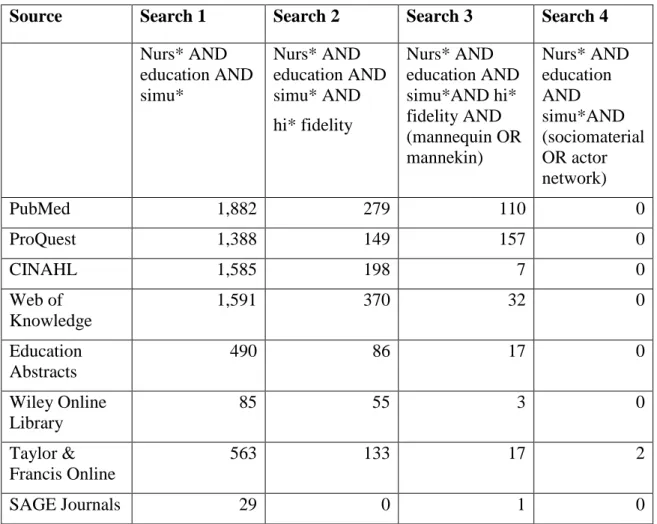
Several reviews were identified in this first scan of the literature that proved to be very useful in providing a background to previous literature related to the use of simulation in nursing education (Bland et al. 2011; Cant and Cooper 2010; Foronda et al. 2013; McGaghie et al. 2010, 2011; Nehring and Lashley 2004, 2009, 2010; Nehring et al. 2013; Rourke et al. 2010; Solnick and Weiss 2007; Weaver 2011). Relevant literature found in these reviews but not identified in the literature searches were also added to the list of articles for review. From these hand searches, 17 further sources were identified, bringing the total number of articles to be included in the original review to 100. To illustrate the diversity within the capacity of each individual search engine, Table 1 provides an overview of the numbers of articles identified in each of the database searches in relation to the search term criteria.
Table 1: Number of sources found within each database search by search terms
Source Search 1 Search 2 Search 3 Search 4
Nurs* AND education AND simu* Nurs* AND education AND simu* AND hi* fidelity Nurs* AND education AND simu*AND hi* fidelity AND (mannequin OR mannekin) Nurs* AND education AND simu*AND (sociomaterial OR actor network) PubMed 1,882 279 110 0 ProQuest 1,388 149 157 0 CINAHL 1,585 198 7 0 Web of Knowledge 1,591 370 32 0 Education Abstracts 490 86 17 0 Wiley Online Library 85 55 3 0 Taylor & Francis Online 563 133 17 2 SAGE Journals 29 0 1 0
Mapping of the literature
Importantly, my initial review of the literature revealed only one article that related specifically to the perspectives of nurse lecturers in the use of high-fidelity mannequins in the form of an informal review conducted in the UK (Dowie and Phillips 2011). Most notable, however, and perhaps most interesting, is that none of the studies related directly to the use of sociomaterial perspectives of simulation in nursing education. Considering the importance that is placed on high-fidelity simulation as a teaching method, and on its effectiveness in the realms of student learning outcomes, confidence, clinical competence and satisfaction, it is most surprising that the materialities of this particular pedagogy have not been prioritised in the research.
Because a literature review is an ongoing process that should form a major contribution to the development of the project (Thomas 2013), the literature was again reviewed in March, 2015, prior to conducting the fieldwork, and once more, before analysis and
writing up began. The searches were conducted using the same search terms and
databases, and several newly-published journal articles were identified. The subsequent searches and further hand searches of the reference lists of other key articles did reveal several other relevant articles (18), including one particularly helpful literature review of research directly related to nursing educators and high-fidelity simulation (Nehring et al. 2013), as well as two further PhD theses.
Results
This review revealed that there is a wealth of literature relating to the use of high fidelity mannequin-based simulation in nursing education, which has increased significantly in the past five years. The authors of one recent integrative review performed an evaluation of mannequin-based simulation in undergraduate nurse education between 2008 and 2012 and examined a total of 101 articles after excluding for other forms of simulation pedagogies (Foronda et al. 2013). However, the key findings were almost exclusively related to the experiences and outcomes of the students, and were reported in relation to their confidence/self-efficacy, satisfaction, anxiety/stress, skills/knowledge and interdisciplinary experiences, while the perceptions of nurse educators were not reported at all. Many of the articles identified in my review focus on learning styles (Bearnson and Wiker 2005; Fountain and Alfred 2009;
Shinnick and Woo 2015), and most of them (approximately 78) discuss the impact of high-fidelity simulation on student confidence and clinical competence to some extent (for example, Blum et al. 2010). Also prioritised is the emphasis that is placed on the benefit of safety, a theme that is highlighted in almost all of the articles (87), and is presented as a given in the literature in general, almost to the point of being a cliché. The aim of this research project is to determine what nursing educators perceive to be the purpose of using simulation and to explore what they think are the most valuable elements of this teaching method; what kinds of knowledge they value the most and how simulated learning is mobilised. After performing a thorough review of the full set of articles, only eight related closely to the perceptions of nursing educators and, of these, only one adopted a sociomaterial approach to their research (Hopwood et al. 2014). Two further articles adopted a sociomaterial approach to examining simulation in practice learning: one of these related to “medical simulation”, including nurses, and
addressed the potential of complexity theory in exploring this topic (Fenwick and Abrandt Dahlgren 2015); and the other related to learning in simulation in the training of both nursing and medical students and was informed by ANT (Ahn et al. 2015). Despite not relating directly to nursing education, these proved invaluable in relation to the discussion of the results of this dissertation. The most relevant results of the literature review will be discussed critically below.
Discussion
The informal review to determine how nursing lecturers perceive the use of high-fidelity simulation (Dowie and Phillips 2011) was particularly helpful. The authors provide a succinct and comprehensive history of the evolution of nurse education “from a vocational discipline to a profession immersed in a university culture”, describing how nursing has “become ‘academic’ as well as practical” (Dowie and Phillips 2011, p. 35). This article charts the effects of Project 2000 (UKCC 1986) on nursing curricula, a policy that marked the beginning of the “wholesale move” of nurse education into the higher education (Bentley 1995, p. 133) and away from developing practical skills in the ward setting. Most interestingly, the authors posit that these events provided the catalyst that led UK nursing education providers to embrace the use of simulation to support nursing students in the development of their clinical skills.
The authors provide a critical overview of the debate in the literature around the purported benefits of high-fidelity simulation training, citing Alinier et al. (2006), who compare it to the success of flight simulation training for pilots, as well as presenting a contrasting view by Glavin and Maran (2003) who propose that human simulation is “too limited in response and function to replace clinical practice” (Dowie and Phillips 2011, p. 37). Importantly, they highlight that no research has yet been conducted that looks specifically at the “anxieties or attitudes” of lecturers who deliver high fidelity simulation (Dowie and Phillips 2011, p. 37), and reiterate the importance of providing simulated learning in a safe environment to teach clinical and decision-making skills “where their practice can be explored in terms of what they do and why” (Dowie and Phillips 2011, p. 37). Interestingly, the authors describe simulation as being “on the periphery of nurse education” (Dowie and Phillips 2011, p. 38) and give an example of how educators describe returning to the clinical setting as being “like a foreign
language” (Dowie and Phillips 2011, p. 38). Their use of this type of language in relation to simulation draws attention to the perceived opposing spheres of the teaching space and the clinical space and the nurse educators’ positioning within them. It suggests that, in their fear of not having the appropriate knowledge to navigate the clinical sphere, the lecturers are resistant to simulating the culture of the clinical space. Moreover, the authors cite Cave (2005), who suggests that “teachers need to understand and appreciate the clinical realities” that relate to the “application of the theory they teach”, and that spending time in the clinical sphere will make the lecturers more “clinically credible” (Dowie and Phillips 2011, p. 38). These findings are very interesting in terms of the numerous ways in which only the “realities” of clinical practice will allow the lecturers to “practice” in the simulation setting, and are directly related to the constant tension of the perceived practice-theory gap in nursing education. The one issue that seems to be lacking most in this study was to explore the nurse
lecturers’ perceptions of the purpose of simulation in nursing education, or, as Schiavenato asks, “why nursing simulation?” (2009, p. 390).
Another related study, which is described by its authors as “modest”, is a qualitative exploratory study conducted at a regional university in Australia with seven academic staff members who taught subjects that either used simulation or had the potential to use simulation in nursing education (Miller and Bull 2013). The authors draw on the lack of research related to perspectives of nurse educators in relation to their choices in employing simulation, and stress that the literature that has been published is mostly quantitative, survey-based studies, an observation matching my own findings. They conducted semi-structured interviews that were analysed using cross-comparative thematic analysis. The authors admit that their sample was small, but they employed a robust validation of the interview questions, and the findings were validated through three strategies of peer review and expert checking, discussing the interpretation of the analysis thoroughly to reach agreement on the accuracy of the participants’ experiences. Interestingly, their findings revealed the importance of social factors in the
implementation of simulation in nursing education, which differ from the findings of previous studies that employed questionnaire surveys, in that they link to pedagogical rather than operational issues. Moreover, their principal finding that the nurse
terms of its effectiveness as a nursing pedagogy and places it in the periphery of nursing education, strengthening the observations of Dowie and Phillips (2011).
The authors highlight the doubt and scepticism expressed by the educators and report how they question “the extent to which simulation is superior to current practice” (Miller and Bull 2013, p. 244), with many of the participants comparing the quality of the learning experience and the realism of practice to simulated practice. Similar to others who have called for a more critical approach to simulation in health education in general (Berragan 2011; Bligh and Bleakley 2006; Bradley and Postlethwaite 2003), Miller and Bull conclude that a critical approach must be taken “when making decisions about the level of technology, and thus complexity, to meet learning outcomes” (2013, p. 245). These findings, when considered in tandem with those made by Dowie and Phillips (2011), are indicative of the first modest, tentative steps away from the
dominant positivist approach to determining the perceptions of nurse educators which, until now, have either been combined with student satisfaction surveys (Howard et al. 2011) or with interventions to increase uptake of simulation pedagogies (King et al. 2008).
Another exception to the dominant quantitative research is a study carried out in Canada to explore nursing educators’ perceptions of the implementation of simulation in nursing schools across Ontario (Akhtar-Danesh et al. 2009). The researchers gathered 104 statements from educators and students who had experienced simulation in relation to simulation in nursing education in general, that were then analysed by employing Q-methodology, a technique designed “to identify unique viewpoints as well as commonly shared views” (Akhtar-Danesh et al. 2009, p. 315) to determine the “concourse” of the use of high-fidelity simulators. While this method mixes
quantitative and qualitative methods, the classification of the statements into domains of perceptions and further refinement in a Q-sorting process was particularly robust, enlisting 28 nurse educators from 17 nursing schools to complete the task. In contrast to Miller and Bull’s (2013) findings, these researchers found very few negative perceptions, concluding that “it was evident that with the correct support and training, many faculty members would embrace clinical simulation because it could support and enhance nursing education” (Akhtar-Danesh et al. 2009, p. 314). This was the first study to explore nursing educators’ perceptions of simulation on a large scale.
However, perhaps because the use of high-fidelity simulation was then in its infancy, the results, again, mostly relate to operational considerations and do not really address the issue of educators’ perceptions of simulation as an effective pedagogy. Most interestingly, the authors conclude that while nurse educators perceive simulation to be an important element in nurse education, “it is one that can be used to support learning but cannot be used to replace ‘real-life’ clinical learning” (Akhtar-Danesh et al. 2009), a view that seems to be shifting somewhat in later commentaries. However, again, in this study, the nurse educators’ perceptions of the purpose of simulation are not explored.
By far the most relevant article in relation to the topic of my research is one that responds to the calls to examine the use of simulation in nursing education critically (Hopwood et al. 2014). To my knowledge, it is the first to present a sociomaterial account of simulation in nursing education. Relating to the shift in nursing education introduced by Dowie and Phillips (2011), Hopwood and his colleagues start by situating simulation in higher education as the “bridge between the classroom and the world of work” (2014, p. 1). The authors provide an in-depth outline of what is meant by sociomaterial approaches and then identify the need for new theoretical approaches to simulation pedagogy by describing the distinct lack of theoretical approaches in the literature, a lack also identified by others (Caplan et al. 2014; Kaakinen and Arwood 2009; Schiavenato 2009).
In their outline of the sociomaterial, the authors draw on writings that reshape the philosophy of educational research in such a way that allows “approaches that break out of structure/agency divides, eschew representationalist and disembodied views of knowledge and decentre human subjects” (Fenwick et al. 2011, cited in Hopwood et al. 2014, p. 2). The authors describe how actor-network theory has been used to explore how meaning and matter are produced through relationships established in practices: “the focus is on performance, not on stable isolated forms” (Hopwood et al. 2014, p. 2). Further, Hopwood and colleagues directly link the sociomaterial conceptions of
“knowing and learning through metaphors of emergence instead of possession/ acquisition or participation” (2014, p. 3) with the limiting construction of the barriers, real and imaginary, that the nursing curricula create between learning and work. These observations shift away from the very hierarchical manner in which other research has
considered simulation in relation to practice learning and are strongly linked with my own observations.
This article also identifies the increase in the use of simulation in nursing education and refers to others who have raised concerns about simulation pedagogies and the
readiness of graduates for work. The authors argue that a sociomaterial approach “provides a valuable basis to disrupt dominant approaches and offer new insights into simulation-based education” (Hopwood et al. 2014, p. 3). Drawing on Schatzki’s practice theory, the authors explore how his notion of “site ontology” provides a context where the material world is “not just a context for or used in social practices. Rather, the material world is seen as a dimension of all social phenomena” (Hopwood et al. 2014, p. 5). Hopwood and colleagues describe how the two are one and the same: the site encompasses both dimensions. Thinking back to the ways in which previous articles constructed the material world of simulated pedagogy as being distinct and separate from clinical practice, the authors in this article have instead opened up new possibilities to consider these two spheres in a way in which they might be understood to intersect and overlap within the sociomaterial understanding of simulated
pedagogies.
Refreshingly, Hopwood and his colleagues do not conform to the prescribed check-list norms of traditional nursing research, going beyond the explorations of other research and provide one distinct difference in posing their research question: “What is being simulated?” (2014, p. 1). This essential question has so far been avoided in the vast cannon of simulated learning research in favour of more limiting forms of exploration. As others have observed, and as this literature review has shown, there is a great need to look critically at this wholesale acceptance of the efficiency of simulation as a teaching method in nursing education. As Hopwood and colleagues affirm, the distinct lack of rich theoretical work in simulation pedagogy is “an explicit cause of concern” (2014, p. 4). It is my aim to take their recommendations forward into my own work so that these concerns might be addressed to some extent.
Chapter 3
Research Design
Methodology
It is obvious within the published literature that including simulation in the nursing pedagogy creates multiple complexities within the already thorny network of practice learning. Because the ANT approach prioritises neither the human nor the non-human “things” within these assemblages, the agency of the human elements, typically central to an empirical investigation, loses its hierarchical power. Instead, the objective of the research is to describe how all of the complexities of these actors intersect and connect to produce other more meaningful and powerful agencies (Fenwick et al. 2011, p. 111). This approach is particularly suitable for this project as there is an identified need to move beyond the practice-theory gap to explore and clarify the opportunities and limitations that these sociomaterial assemblages present for the enactment of the nursing curriculum (Edwards and Carmichael 2012).
In order to explore the sociomaterial assemblages in such a way that all actors within this network are treated equally and studied symmetrically, an ethnographic method of observation was employed. Adopting an “ANT-inflected” (Law and Singleton 2013, p. 485) ethnographic approach provided the opportunity to closely observe and chart the network of associations in such a way as to provide rich and “thick descriptions” (Geertz 1973, cited in Cohen et al. 2011, p. 220) of how these connections are made, what is produced through these connections, which things are prioritised and what changes occur when they come together (Fenwick et al. 2011). Previous research has highlighted that knowledge practice, particularly in nursing, is a fragmented, diasporic and multiple hybridity and that there is a need for simulation to “reflect the messy realities and challenges of clinical practice” (Kneebone 2009, p. 956). In addressing this issue, and in keeping with the response to appeals to examine simulation in nursing education more critically (Bradley and Postlethwaite 2003), the methodology attempts to consider this hybridity from a postcolonial perspective. Drawing on postcolonial thought will provide an understanding whereby those taken-for-granted elements of the benefits of simulation in nursing education that have so far been left unexamined and
marginalised can be given a voice, thereby allowing the subaltern to speak (Spivak 1988). Indeed, there are some surprising parallels between postcolonial ideas and the epistemological positioning of ANT. Because ANT is “more interested in associations than in causes or their equivalents” (Lin and Law 2014, p.17), it does not prioritise any one social order above another. In addition, it aims for a certain research equality; “to ‘follow the actors’ without either becoming lost in endless networks, or ‘othering’ important rivulets and lumpy messes that may be overlooked or dismissed” (Fenwick et al. 2011, p. 122). In effect, ANT is situated quite well alongside postcolonial thought in that it provides an alternative way of looking at the world without prioritising any one system of culture, tracing connections between the actors, human and non-human, in the fractured and multiple spaces that separate and connect them.
Sociomaterial spaces, artefacts and actors
A particularly useful concept in ANT is the notion of tracing a “token”, or a particular artefact (human or non-human) as it navigates the network (Gaskell and Hepburn 1998, p. 65). For this project, a prescribed set of clinical skills lectures provided the network and the token was a specific actor within it, that is, the nursing lecturer who “performs” the role of the simulated patient, SimMan®. The particular lecture chosen for this project was the immediate life support component of clinical skills training for undergraduate nurses, specifically, a course for which the content and teaching
methodology is dictated completely by the guidance of the Resuscitation Council (UK). To accommodate each student in the final year cohort, this lecture is provided in one-day intensive training sessions, and the classes run over four or five one-days to meet the Resuscitation Council’s instructor-to-student ratio of a maximum of 1:6. Computer-controlled mannequins are used exclusively for the students to practise skills in immediate life skills techniques, such as resuscitation and defibrillation, and to demonstrate competence in their technique. The most advanced of these is SimMan® 3G, a high-fidelity simulated patient that can reproduce clinical, neurological and physiological symptoms, and that can be programmed with a wide array of training scenarios in combination with realistic responses to the monitoring and treatment enacted by nursing students. The setting was a Scottish university school of nursing, and a total of four nursing lecturers taught the cohort of 80 students over a period of four days.
In this setting, there are multiple spaces: the classroom, the clinical skills teaching lab and a central control room within the lab, but separate from the ward rooms. Within the skills lab the spaces are further multiplied: there are four mannequins in three separate simulated ward rooms, each connected by a central corridor. Each mannequin is operated remotely by the lecturers by using either a laptop or tablet, and each is connected to a computer monitor that has the potential to display the pre-programmed “monitored” life signs such as heart rate, blood pressure and oxygen saturation rate. The lecturer is also able to manipulate the mannequin’s physiological characteristics, adjusting the software to adapt the mannequin’s “symptoms” in response to the actions of the students, either automatically, or by using programmed algorithms in the
software. In some scenarios, it is possible for the lecturers to observe the students remotely from the control room, where they are able to see and hear the activities in the ward, and they can perform all of the controls remotely. For the purposes of this particular course, however, all of these controls were performed by the lecturers in the simulated ward rooms during the sessions, and the control room was not used at all except as a room where they could withdraw to discuss the progress of the students in private. Instead of using the remote technology to provide the voice of the patient, the lecturers “performed” the voice in person.
The participants were recruited purposively; the nursing lecturers were approached in person and provided with information about the study via email (see Appendix 1). They all agreed to participate, and signed consent forms (see Appendix 2). The
school’s administrator was approached and provided with information about the project, and permission was sought and granted to perform the observations.
Data collection
Data were gathered in two ways: rich ethnographic observations and in-depth interviews. First, however, to obtain a firm understanding of the infrastructure that guides the simulated lesson, a review of the undergraduate nursing curriculum in relation to clinical skills development was performed, and the guides for both instructors and students provided by Resuscitation Council (UK) (2011) were
examined. In addition, the guidance for providing simulated learning within nursing education outlined in the Nursing and Midwifery Council (NMC) Standards for
Pre-registration Nursing Education (NMC 2010) were also reviewed as they were
significant in providing an understanding of how these texts illuminate the culture that has created them (Patton 2002). Becoming familiar with these texts also provided an understanding of how the trajectories of these materials (actors) connect and link with the context of the simulated clinical skills lecture (Hamilton 2012).
The first stage of data collection comprised rich ethnographic observation of the
sociomaterial practices within the three settings: the classroom where the lectures were delivered; the simulated ward where the scenarios took place; and the control room where the assessment discussions took place. The use of “multi-sited” ethnographic observation (Marcus 1995, cited in Hamilton 2012, p. 43) is particularly appropriate within ANT research in that it “links data across different geographical spaces and times” (Hamilton 2012, p. 43) to reveal the thick connections between the trajectories identified within the observations. Moreover, in ANT, the rationale for choosing the most significant data within the observations to include in the analysis is guided by the same principles followed by ethnographers (Hamilton 2012, p. 43), for example, artefacts as well as observations, field notes and texts are included, not just the human actions, gestures and speech. The purpose of the observations were to provide a rich understanding of how the lecturers connect with and between the other sociomaterial actors, both visible and invisible, both human and non-human, within simulation learning; for example, the curriculum, the technology, the other lecturers, the students, the control room and its contents, and the educator’s own knowledge and experience. In any ethnographic research, the presence of the researcher will always create the potential to influence the data. Acknowledging the effect that the actual process of research may have, and adopting a critical attitude towards the data will help to minimise these biases. Taking into consideration the relationship between the researcher and the participants, the culture and location of the setting, and being sensitive to the research topic and any issues that might arise around obtaining access and permissions, will also aid in obtaining robust data. To facilitate this, it was important for me to adopt a non-judgemental attitude and to set aside any personal ideals or preconceptions while continually following a system of reflexivity so that I was fully aware of any of these biases that might arise. Without reflexivity in
underemphasised” (Brewer 2000, p. 191). Therefore, I continually aimed to reflect on the processes of the data collection that might affect the data and to keep detailed notes of these reflections.
Observations of the lectures
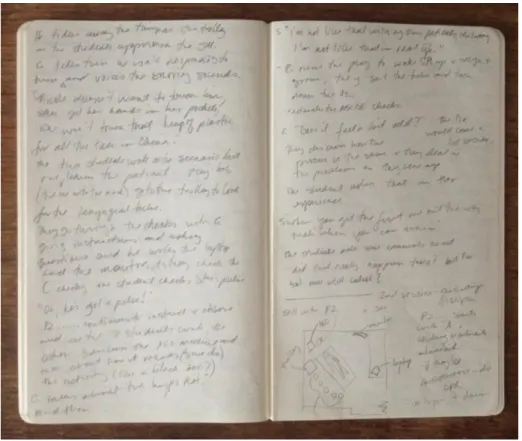
Observations took place over four days in March, 2015. All aspects of the delivery of the course were observed; the setting up of the learning spaces and equipment, the classroom sessions, the practical sessions, and attending the assessment sessions where the lecturers discussed the progress of the students together. Despite having obtained ethical permission to gather video-recorded data, delays were encountered in obtaining permission to video-record the students from the site chosen originally, and time did not permit me to seek this permission in the alternative site. Therefore, the observations were recorded in a notebook with handwritten notes and sketches (see Figure 1). These notes were word-processed and annotated with reflexive notes at the end of each day’s observation.
Interviews with nursing lecturers
The analysis of the findings of the observations informed the in-depth interviews with the lecturers. Each of the four lecturers participated in individual interviews using a semi-structured interview schedule developed after the initial analysis of the
observations was completed (see Appendix 3). The interview guide was designed to obtain a rich understanding (Flick 2011; Matthews and Ross 2010) of how the educator perceives the purpose and value of using simulation as pedagogy and what kinds of knowledge they value most. The interviews were digitally recorded and transcribed. At the beginning of each interview, the participants were reminded of the purpose of the research and their rights as participants, and permission to record the discussion was reconfirmed verbally.
Throughout each stage of data collection, the concepts of ANT were followed, that is, a “symmetrical” approach was adopted so that the fieldwork did not direct attention exclusively to the human actors (what they said and did), but instead, equal emphasis was placed on the significance of the non-human things (Whatmore 2003) that exercise influence in “assembling and mobilizing the network” (Fenwick et al. 2011, p. 10) that encompasses this knowledge-making activity. Great care was taken to ensure that the electronic data were stored securely on the University server and that files were password-protected to maintain confidentiality. In addition, all handwritten notes and printed transcripts were kept locked in a secure cabinet.
Data analysis
The data gathered from both the observations and the interviews were analysed
alongside reflexive notes gathered throughout the data collection stages and afterwards. The notes, sketches and transcripts were reviewed several times to allow me to become familiar with them (Matthews and Ross 2010), and each time I noted down emerging patterns and themes and identified connections between them. These initial themes were compared across both datasets and significant observations in relation to the research questions were compiled and interesting patterns were highlighted. These patterns were mapped, first in tables, and then combined with the notations to form a narrative discourse of the emerging findings. While it is generally accepted that observation produces research of great rigour when combined with other methods
(Adler and Adler 1998), great care must be taken so that the analyses of these observations are not biased by the subjective interpretations of the researcher.
However, not having a background in either nursing or the use of simulation in nursing education, it is possible that this bias is reduced, as I approached the data collection with less preconceived ideas, not having prior knowledge of the lectures that I had chosen to observe.
It is also vital to stress here, that these “discourses” that emerged out of the interviews and observations are not to be considered discursive narrative in the conventional sense of constructing a story; instead, these textual data were considered as occurrences of “doing things with words” (Gherardi 2014, p. 14). Thus, it is the “knowing-in-practice”, or the “enactments performed through assemblages that are more-than-human” (Fenwick and Nerland 2014, p. 3), that are crucial to this research and this method of analysis will best allow them to be illuminated in this context of the simulated nursing education lecture. In keeping with the tenets of ANT, caution was taken when analysing the data to avoid prioritising what “appears to be most important and visible” (Fenwick et al. 2011, p. 122) and thus marginalising those materialities that are subtle, silent, unexpected and ambivalent.
Ethical Considerations
Ethical issues were considered carefully and discussed thoroughly with more
experienced peers in order to fully explore the potential dilemmas that may arise out of the results of this research. One issue of particular importance was the ethical
implications of the role of the researcher as observer in considering the space in which the observation will take place. When people know they are being observed, they behave differently. Would gathering the observation data by “lurking” in the
classrooms have a detrimental effect on the performances of the students or lecturers taking part in the exercise (Matthews and Ross 2010, p. 306)? It was important to remain aware of the potentially intrusive aspect of performing the research and to attempt to minimise this risk.
One of the less obvious ethical issues was how to address the critical element that the research topic encompasses. The nature of the research has the potential to reveal issues that contest and contrast with the values and guidance that the curriculum aims to
control. These revelations may prove to be controversial in that they might challenge and oppose the authority embodied in the curriculum and those actors who work very hard to shape and administer it. Because of the relatively small sample of participants, it will be difficult to maintain the confidentiality of the individuals and to guarantee that their thoughts and ideas will not be able to be traced back to them (Thomas 2013, p. 47). If the results of the research are made public, these potential contestations may have a harmful effect on the participants within their working environment and thus the way that these results are reported must be considered very carefully before they are disseminated.
Ethical approval was sought and granted from the School of Education at the University of Stirling. The ethical principles and codes of conduct as dictated by the Stirling Code of Good Research Practice (University of Stirling 2014) were adhered to so as to accomplish ethical research that is of high quality that protects all of the individuals involved while maintaining the integrity of the research in its reporting. The next chapter will provide such a report, by presenting a summary of the data analysis and key findings of the research, discussed in relation to the research questions.
Chapter 4
Fieldwork and Findings
Immediate Life Support Course
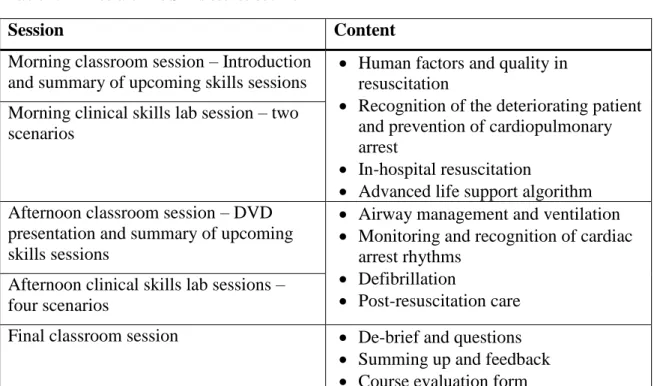
For the delivery of the immediate life support component of clinical skills training for student nurses, high-fidelity mannequins are used exclusively to demonstrate immediate life skills techniques, such as resuscitation and defibrillation, and for the students to practice the skills they are learning. By the end of the course, the students must demonstrate that they are able to work as a team to start cardiopulmonary resuscitation (CPR) in the clinical setting, achieving proficient life support skills that include “good quality chest compressions and ventilation with minimal interruption, and early safe defibrillation” (Resuscitation Council (UK) 2011, p. iii). They are given a copy of the manual a few weeks before they take the course and are expected to be familiar with it. The course lasts for one full day, and the day takes the form of a combination of two short classroom sessions as an introduction to the practical content of the course, which is to demonstrate skills in immediate life support in the simulated ward environment. Table 2 provides an outline of the programme of the day and the content that the course covers.
Table 2: Immediate Life Skills course outline
Session Content
Morning classroom session – Introduction and summary of upcoming skills sessions
Human factors and quality in resuscitation
Recognition of the deteriorating patient and prevention of cardiopulmonary arrest
In-hospital resuscitation
Advanced life support algorithm Morning clinical skills lab session – two
scenarios
Afternoon classroom session – DVD presentation and summary of upcoming skills sessions
Airway management and ventilation Monitoring and recognition of cardiac
arrest rhythms Defibrillation
Post-resuscitation care Afternoon clinical skills lab sessions –
four scenarios
Final classroom session De-brief and questions
Summing up and feedback Course evaluation form
Setting and participants
The course was taught by four nursing lecturers who are certified by the Resuscitation Council to teach the course, but who are also clinical skills teaching fellows employed permanently by the university (3 men and 1 woman, aged between 42 and 57 years). For the clinical skills lab sessions, the students were divided into four groups of up to a maximum of six students. The sessions took place in the simulated ward setting; three rooms with four high-fidelity mannequins lying in hospital beds, set up with their software programs ready to run (see Figure 2). The four lecturers worked individually at the four mannequins, and the groups of students rotated between the four stations. There are a total of six simulated scenarios, so each lecturer will instruct each group of students at least once. In the afternoon, the students first meet in the classroom to watch a DVD presentation, produced by Resuscitation Council, demonstrating the same skills they will be practising in the afternoon sessions. Over the four days, a total of 80 students participated in the course: day one, n=24 (23 women, 1 man); day two, n=22 (19 women, 3 men); day three, n=18 (13 women, 5 men; and day four, n=16 (14 women, 2 men).
Observations – emerging themes
In the clinical skills sessions, I was initially struck by the tempo and pace of the activities and the rate at which the students must grasp how they should relate to the materialities in the space, some of which will look familiar to them, but that they will not always have had the chance to use, or even to have seen being used in previous practice placements. They are tentative at first, seemingly waiting for permission to touch and use the equipment, but the lecturers encourage them to do so, all the while reinforcing that this is not a “real” situation. During the course of the day, the lecturers demonstrate great agility in coping with multiple roles and functions at once: teaching, assessing, demonstrating, performing, improvising and providing feedback in a
dynamic and fluid space filled with myriad “things”. Over the course of my
observations, several key themes emerged that were repeated and reinforced throughout the week, and each of these themes seemed to have an equal and opposite double that comingled simultaneously throughout each of the sessions. In turn, each of these themes interconnected with an ever-present element of a “disturbance of the familiar” (Bennett and Royle 1999, p. 36) in this teaching space; a central theme of the uncanny that haunts these assemblages as the learning is mobilised.
The familiar and the unfamiliar
The simulated ward is set up to look as realistic as possible, with each mannequin lying in a hospital bed, as a patient would be, covered by a sheet and blanket. The rooms are equipped with bedside tables, chairs, trolley tables, privacy curtains, observation lamps, oxygen and air valves and emergency trolleys with the equipment needed for
emergency resuscitation situations. Here is the first encounter with the uncanny: the simulated ward looks exactly like any ward in any Scottish hospital that would already be familiar to these students. However, the presence of the mannequins, the shift in the intended purpose of that space, combined with its simulated equipment, makes it an uncanny space; “the familiar made somehow new and unfamiliar” (Turkle 2005, p. 290). It appears to be a familiar hospital ward, but it is somehow an uncanny double, strangely unfamiliar. The students seem to be aware of the strangeness of the simulated space and often ask questions about the authenticity of the equipment:
Is it real oxygen? (Student)
No, it’s just air, it would be a fire hazard if we used real oxygen in here. (P2, Session 2)
Is it real morphine in the drawer? (Student)
No, it’s pretend pretend morphine. (P2, Session 2)
At first, many of the students found it difficult to relate to SimMan® as a “real” patient and were visibly disturbed when asked to interact with the mannequin. The lecturers often dealt with this by accentuating how far removed the situation is from the “real” clinical situation, drawing attention to its uncanniness in order to reduce these feelings of unfamiliarity. This in itself is an example of duality.
He’s disgusting. (Student)
It all feels a bit unreal, but it will feel real later, I promise. (P3, Session 1)
You’re not going to hurt him, he is only plastic. (P3, Session 3)
As the sessions progress, the students become more and more comfortable with the uncanniness of the situation and begin to relax and feel more comfortable speaking to SimMan®, apologising directly to the mannequin if they accidentally knock against him or if they let his arms or legs fall off the side of the bed during treatment.
The real and the simulated
Each of the lecturers constantly reinforced the idea that SimMan® is not a real person, but at the same time, encouraged the students to pretend that he is, and that they must treat him as though he were, straddling the opposing ideas that the simulation is not authentic, but that what they are learning is genuinely serious.
You need to do this right – this is people’s life here. (P1, Session 2)
In addition, the lecturers constantly remind the students that what they are doing is not real, but what it might be like if it were.
It feels a bit artificial and a bit odd, but that’s because Jim here is a lump of plastic. But I guarantee, by the end of the day you will be doing everything in your power to help a lump of plastic. If you can help a lump of plastic, you can help a real person. (P3, Session 1)
This reminder of the real and the simulated extends to the reinforcement of basic clinical skills that are excluded from the simulation. For example, when the lecturers demonstrate intimate procedures, such as inserting a cannula into the airway, they are not wearing gloves, but they often remind the students what should be happening in “real life”:
Of course, you’d have your gloves on. (P3, Session 3)
By drawing attention to the exclusion of these things that are integral to safe clinical practice in “real life”, the lecturers both reinforce the element of simulation while at the same time emphasise the “real” importance of cleanliness.
The students constantly ask questions with regards to how close the simulation is to “real life”:
What happens to the patient in real life? (Student, Session 1)
Often they express anxiety about how they might cope with the same situation in future practice or reassure their peers that they performed appropriately in the past:
I’m not like that with my own patients, don’t worry, I’m not like that in real life.” (Student, Session 3)
This continual acknowledgement by the lecturers that these assemblages are not “real” conveys a collective sense of performance; the students are aware that their actions are “pretend” and that they take place in a “pretend” space. The lecturers also constantly shift between the idea that what they are doing is not “real” and reinforcing that the magnitude of what they are rehearsing has consequences in “real life”. This doubling of the real contributes even more to the uncanniness of the simulated learning
experience.
Real experiences and imagined experiences
While the nursing lecturers continuously draw on their own “real” experiences to support each scenario, at the same time, they ask students to describe a situation from their previous placement experiences, incorporating these previous “real” experiences into the “imagined” experience of the simulation. This technique adds an additional layer of familiarity to the lessons, making the unfamiliarity of simulation seem more familiar. All of the nursing lecturers use this technique, often asking, “Who has done this before?” or “Has this happened to anyone on placement?” and getting the students to share their experiences with the others. Drawing on the real experiences of the students and comingling them within the imagined assemblage of the simulated ward affords the students the confidence to ask questions about what would happen in “real life”, providing the opportunity for them to question uncertainties they may not have resolved during practice placements. The lecturers employ this hybridity to significant effect, allowing these conversations to take place in a learning environment where “real life” can be paused without causing any harm or making the student feel embarrassed, while at the same time providing them with imagined experiences to take forward into future practice.
This theme is linked quite closely to the real and imagined experiences of the simulation itself. In combining the previous “real” experiences of lecturers and students, and fusing them with the imagined experiences of the simulated ward, the students begin to lose the disturbing feelings of the unfamiliar and begin to accept the uncanniness of the materialities of these assemblages and work with them. This is
demonstrated in the shift in students’ attitudes towards the mannequins as the day progresses, from describing SimMan® as “scary” and “disgusting”, to forming
emotional bonds with the imagined patient. For example, one of the scenarios always involves a situation where the patient cannot be saved. The team of students must decide amongst themselves when the very invasive treatment is no longer working and are faced with the decision of whether to stop CPR. The purpose of this scenario is to make the students work as a team to make a serious ethical decision and to feel comfortable in voicing their reasons for making that decision. The results were often quite emotive and some of the students expressed real grief in relation to the scenario.
I feel guilty – you’re the first one we’ve lost. (Student, Session 4)
So this is just – natural. (Student, Session 4)
It’s no dummy, that’s a real person. (Student, Session 3)
Some of the students became emotional when their “patient” “died” and they began to cry, showing how quickly they had moved from being disturbed by the unfamiliar to having genuine consideration for the familiar “lump of plastic” that is SimMan®.
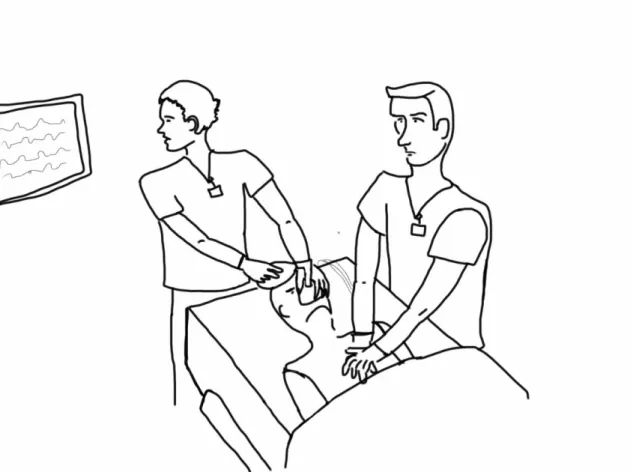
Figure 4: The lecturer uses commands on a tablet and her own voice to “perform” the role of the patient
The human and the non-human
At the beginning of the defibrillation scenario, the lecturer describes what the students will be doing, and displays different cardiac rhythms on the electrocardiogram (ECG) monitor connected to the mannequin. They are asked to recognise abnormal rhythms to determine those associated with cardiac arrest, and identify those abnormal rhythms that are “shockable” by defibrillation and those that are not. Afterwards, they turn back towards the mannequin, and the lecturer provides some background to the patient and the scenario in front of them and, providing the voice of the patient, complains of having chest pains and feeling unwell. Immediately the students gather round the monitor to determine what sort of cardiac rhythm the patient is experiencing. The point the lecturer is making here, however, is to show the students that they have missed out an important step: they know that simple ECG monitoring will not always reliably detect cardiac ischaemia (restriction in blood supply) and have been taught that their first action should be to treat the patient, not the ECG. The lecturer has purposely selected a cardiac rhythm that is ambiguous and difficult for the students to decipher so that they might examine the patient first. In all of the group scenarios, the students continue to cluster around the monitor, discussing the patterns on the ECG, ignoring the simulated human in favour of the non-human technology. Eventually, the lecturer points out that the mannequin has stopped breathing, and the students are quick to realise that they have not been following the correct order of the resuscitation
algorithm; to first speak to the patient and determine their condition while checking the airway for obstructions.
That patient will tell you 100 times more than that monitor. (P1, Session 3)
In the simulated space, it is not clear whether the students would have missed this step in a real ward situation, but here the lecturer has manipulated their relationship with the “human” patient and the non-human, technological actors in this space so that they do not prioritise the technological over the human, but work together with both the human and the non-human to resolve the issue.
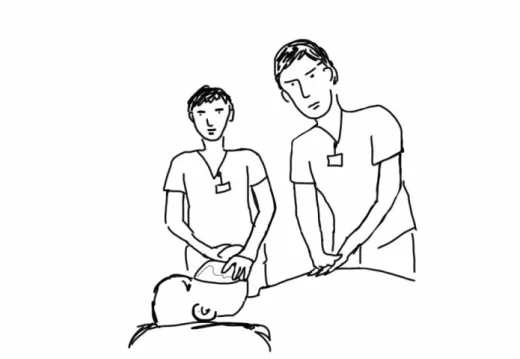
Figure 5: The students employ a hybridity of the human and the non-human
This method of teaching actually recalls the principles of ANT: while the students are taught that their patient (the human) must take priority over the technology (the non-human), in fact, they must employ both elements in symmetry, giving equal importance to both their own (human) interpretations of the human symptoms and the usefulness of the technology (non-human) in the space, in order to bring about effective practice learning. This duality is demonstrated clearly by one lecturer who merged the two contrasting ideas in one point during the scenario:
Spend time looking at the patient. Think of their humanity. Use your own perceptions and observation skills. Use the technology. (P4, Session 1)
In the simulated ward space, this duality is again doubled, because here, the human is represented by a simulated human, a non-human. Moreover, in each of these themes there are multiple dualities, adding layer upon layer to the assemblages presented in this network. These observations informed the development of the interview schedule, the findings of which will be discussed in the next section.