Louisiana State University
LSU Digital Commons
LSU Doctoral Dissertations Graduate School
2014
Examining the Persistence of Students in Academic
and Leadership Development Programs
Jared Christian Avery
Louisiana State University and Agricultural and Mechanical College, [email protected]
Follow this and additional works at:https://digitalcommons.lsu.edu/gradschool_dissertations
Part of theEducation Commons
Recommended Citation
Avery, Jared Christian, "Examining the Persistence of Students in Academic and Leadership Development Programs" (2014).LSU Doctoral Dissertations. 724.
EXAMINING THE PERSISTENCE OF STUDENTS IN ACADEMIC AND LEADERSHIP DEVELOPMENT PROGRAMS
A Dissertation
Submitted to the Graduate Faculty of the Louisiana State University and Agricultural and Mechanical College
in partial fulfillment of the requirements for the degree
Doctor of Philosophy in
The School of Education
by Jared C. Avery
B.S., Louisiana State University, 2008 M.A., Louisiana State University, 2010
August 2014
08
ACKNOWLEDGEMENTS
First and foremost, I would like to thank God for providing me with the mental acumen and spiritual perseverance to successfully complete my doctoral studies. Thinking back on my experiences as a PhD student, there were many moments of doubt and times where I felt so overwhelmed with the concept of completing a dissertation. However, through his power and grace, I was able to join a very small percentage of the population with a terminal degree.
Next, I would like to send a special thank you to my parents, Betty Magee Brumfield and Kenneth Avery. For my mother, thank you for being the most loving, supportive, and patient mother in the world. I will never forget the things you have done for me. For my father, thank you for being the ultimate provider and for being there for me—even if I was a bit bothersome at times. I have always admired your work ethic. Thank you both for believing in me from the very beginning and for providing me with the means to fulfill a lifelong dream.
Moreover, I would like to thank my sisters, Toya Avery and Kentrell Avery. You have both been a huge inspiration to me and I hope to do the same for Michal, Madden, and Karry (my nieces and nephew). They are the future and I will do everything in my power to support them as they pursue their dreams. Let this document serve as a reminder that anything is possible with hard work and discipline, especially for a young kid from New Orleans. I would also like to thank my other immediate and extended family members for all of their support.
Further, I would be remised if I did not acknowledge my wonderful and caring girlfriend, Tracy Adams. Your love and support through these past couple of years have been truly
growth as a man and as a scholar. I promise to always be there for you and Timothy “Tre” Waters, III.
In that same breathe, I would like to thank my closest friends and mentor for being there for me when I needed them the most. Most notably, I would like to acknowledge my Baton Rouge friends, George Becnel, II, Jarrell Julian, and the whole BR Crew; and my mentor and fraternity brother, Dr. Marco Barker. Also, I would like to thank the brothers of Alpha Phi Alpha Fraternity, Incorporated (both the Nu Psi and Xi Nu Lambda chapters) for supporting me through all of my college and post-college life. I am more than happy I joined the greatest brotherhood in the world.
I would also like to extend a thank you to my Louisiana Board of Regents mentors and colleagues for giving me an opportunity to expand my understanding of education in the state. I sincerely appreciate your kindness and words of encouragement Harold Boutte, Dr. Jeanne Burns, and Dr. Jim Purcell. Thank you for giving me a chance to make an impact in Louisiana for the next generation of learners.
And last but certainly not least, I would like to thank the members of my dissertation committee, Drs. Reid Bates, Fred Bonner, Michael Burnett, Krisanna Machtmes, and Roland Mitchell for your time during this process. As a scholar, I hope to one day be as productive as you all. Also, a special thank you to my dissertation committee co-chairs, Drs. Keena Arbuthnot and Brian Bourke. I would not have been able to get to this point without your guidance and support.
TABLE OF CONTENTS
ACKNOWLEDGEMENTS ... ii
LIST OF TABLES ... viii
LIST OF FIGURES ... xiv
ABSTRACT ... xv
CHAPTER ONE INTRODUCTION ... 1
Background and Context... 1
Statement of the Problem ... 2
Purpose of the Study ... 5
Significance of the Study ... 7
Institution-Driven Programs ... 8
LA-Stem Research Scholars Program Overview ... 8
Ronald E. McNair Scholars Program Overview ... 9
Student Support Services Program Overview... 10
Black Male Leadership Initiative Fellows Program Overview ... 10
Limitations ... 11
Summary ... 11
Key Terms ... 12
CHAPTER TWO REVIEW OF THE LITERATURE ... 15
Brief Historical Perspective ... 15
Other Federal Interventions ... 23
Students in Higher Education ... 26
Student Engagement in Higher Education ... 29
Black Students in Higher Education ... 31
College Experiences... 32
Existing Support Systems ... 34
Importance of Peer Support Systems ... 36
Black Boys in K-12 ... 36
Black Males in Higher Education ... 37
Gifted and High-Achieving... 40
Student-Athletes ... 41
Members of Black Greek-Letter Organizations ... 44
Campus Leaders and Activists ... 47
Black Males that identify as Gay, Bisexual, Transgender, or Questioning ... 49
Males from Urban/Suburban and Predominantly White Neighborhoods ... 51
Black Male College Experiences ... 53
Recommendations by Scholars ... 56
Conceptual Framework ... 58
Critiques of Tinto’s Student Integration Model ... 59
Summary ... 64
CHAPTER THREE ... 67
Purpose of the Study ... 67
Research Design... 68
Protocol for Selecting Programs ... 70
Sampling Population ... 71
Participants ... 72
Instrumentation ... 73
Validity and Reliability ... 77
Data Collection ... 78 Quantitative ... 78 Data Analysis ... 79 Procedures ... 80 Ethical considerations ... 81 Challenges ... 81 Summary ... 83 CHAPTER FOUR RESULTS AND FINDINGS ... 84
Sampling Procedure ... 84
Testing the Assumptions ... 85
Tests for Outliers... 86
Academic Integration ... 86
Black Males in Institution-Driven Programs. ... 86
Other Black Male Students. ... 87
White Male Students. ... 87
Black Female Students. ... 87
White Female Students. ... 87
Social Integration ... 88
Black Males in Institution-Driven Programs. ... 88
Other Black Male Students. ... 88
White Male Students. ... 89
Black Female Students. ... 89
White Female Students. ... 89
Campus Climate ... 89
Black Male Students in Institution-Driven Programs. ... 89
Other Black Male Students. ... 90
White Male Students. ... 90
Black Female Students. ... 91
White Female Students. ... 91
Goal Commitment ... 91
Other Black Male Students. ... 92
White Male Students. ... 92
Black Female Students. ... 93
White Female Students. ... 93
Institutional Commitment ... 93
Black Males in Institution-Driven Programs. ... 93
Other Black Male Students. ... 94
White Male Students. ... 94
Black Female Students. ... 95
White Female Students. ... 95
Treatment for Outlier Conditions... 95
Tests of Normality ... 96
Black Males in Institution-Driven Programs ... 96
Other Black Male Students ... 97
White Male Students ... 99
Black Female Students ... 100
White Female Students ... 102
Treatment for Normality ... 103
Research Questions and Hypotheses ... 103
Results of the ANOVA ... 106
Black Males in Institution-Driven Programs and Other Black Male Students ... 106
Black Males in Institution-Driven Programs and Black Female Students ... 106
Black Males in Institution-Driven Programs and White Male Students... 109
Black Males in Institution-Driven Programs and White Female Students ... 111
Black Male Students ... 113
Academic Major... 113
Family Income ... 115
High School Type ... 117
Black Males and Black Female Students ... 119
Academic Major... 119
Family Income ... 123
High School Type ... 126
Black Males and White Male Students ... 130
Academic Major... 130
Family Income ... 134
High School Type ... 138
Black Males and White Female Students ... 142
Academic Major... 142
Family Income ... 146
High School Type ... 151
Level of Engagement and Persistence Measures ... 156
Black Male Students ... 156
Black Female Students ... 156
White Female Students ... 157
Summary ... 158
CHAPTER FIVE DISCUSSION AND CONCLUSION ... 160
Summary of Study ... 160
Black Males in Institution-Driven Programs and Other Black Male Students…………160
Black Males ID and Other Black Male Students ... ...160
Differences between Student Groups without Background Variables ... 161
Black Males ID and Black Female Students... 161
Black Males ID and White Students ... 163
Differences between Student Groups with Background Variables ... 165
Differences within Black Male Students ... 165
Differences between Black Males and Black Females ... 167
Differences between Black Males and White Males ... 168
Differences between Black Males and White Females ... 169
Level of Engagement and Persistence Measures ... 170
Implications for Policy and Practice ... 171
Future Research and Conclusion ... 174
REFERENCES ... 177
APPENDIX A RESEARCH QUESTIONS ... 193
APPENDIX B PERMISSION TO USE SURVEY INSTRUMENT (NORA) ... 196
APPENDIX C PERMISSION TO USE SURVEY INSTRUMENT (MILEM) ... 197
APPENDIX D LOUISIANA STATE UNIVERSITY INSTITUTIONAL REVIEW BOARD (IRB) FOR PROTECTION OF HUMAN SUBJECTS APPROVAL LETTER ... 198
APPENDIX E NATIONAL INSTITUTE OF HEALTH (NIH) CERTIFICATE OF COMPLETION ... 199
APPENDIX F INFORMED CONSENT FORM ... 200
APPENDIX G STUDENT CONNECTION SURVEY 2 CODEBOOK ... 201
LIST OF TABLES
Table 3.1. Brief Overview of Survey Subscales, Sample Items, and Cronbach’s Alpha ... 75
Table 4.1. Sample Size after Treatment of Outlier Cases ... 96
Table 4.2. Tests of Normality for Black Males in Institution-Driven Programs ... 96
Table 4.3. Mean and Standard Deviation for Black Males in Institution-Driven Programs ... 97
Table 4.4. Tests of Normality for Other Black Male Students ... 98
Table 4.5. Means and Standard Deviations of Persistence Measures for Other Black Males ... 99
Table 4.6. Tests of Normality for White Male Students ... 99
Table 4.7. Mean and Standard Deviation for White Males Students... 100
Table 4.8. Tests of Normality for Black Female Students ... 101
Table 4.9. Mean and Standard Deviation for Black Female Students ... 101
Table 4.10. Tests of Normality for White Female Students ... 102
Table 4.11. Mean and Standard Deviation for White Female Students ... 103
Table 4.12. Mean and Standard Deviation for the Treatment Group and Other Black Male Students ... 106
Table 4.13. Homogeneity of Variance Tests for the Treatment Group and Other Black Male Students ... 107
Table 4.14.ANOVA Source Table for the Treatment Group and Other Black Male Students ... 107
Table 4.15. Mean and Standard Deviation for the Treatment Group and Black Female Students ... 108
Table 4.16. Homogeneity of Variance Tests for the Treatment Group and Black Female Students ... 108
Table 4.17. ANOVA Source Table for the Treatment Group and Black Female Students ... 109
Table 4.18. Mean and Standard Deviation for the Treatment Group and White Male Students ... 110
Table 4.19. Homogeneity of Variance Tests for the Treatment Group and White Male Students ... 110
Table 4.21. Mean and Standard Deviation for the Treatment Group
and White Female Students ... 112
Table 4.22. Homogeneity of Variance Tests for the Treatment Group and White Female Students ... 112
Table 4.23. ANOVA Source Table for the Treatment Group and White Female Students ... 112
Table 4.24. Robust Tests of Equality of Means for the Treatment Group and White Female Students ... 113
Table 4.25. Mean and Standard Deviation for Black Male Students by Academic Major ... 114
Table 4.26. Homogeneity of Variance Tests for Black Male Students by Academic Major ... 114
Table 4.27. ANOVA Source Table for Black Male Students by Academic Major………...….….114
Table 4.28. Robust Tests of Equality of Means for Black Male Students by Academic Major . 116 Table 4.29. Mean and Standard Deviation for Black Male Students by Family Income ... 116
Table 4.30. Homogeneity of Variance Tests for Black Male Students by Family Income ... 116
Table 4.31. ANOVA Source Table for Black Male Students by Family Income ... 116
Table 4.32. Mean and Standard Deviation for Black Male Students by High School Type ... 118
Table 4.33. Homogeneity of Variance Tests for Black Male Students by High School Type ... 118
Table 4.34. ANOVA Source Table for Black Male Students by High School Type ... 118
Table 4.35. Mean and Standard Deviation for Black Male and Black Female Students by Academic Major... 120
Table 4.36. Homogeneity of Variance Tests for Black Male and Black Female Students by Academic Major... 120
Table 4.37. ANOVA Source Table for Black Male and Black Female Students by Academic Major... 120
Table 4.38. Robust Tests of Equality of Means for Black Male Students by Academic Major... 121
Table 4.39. Mean and Standard Deviation for Black Male and Black Female Students by Academic Major... 122
Table 4.40. Homogeneity of Variance Tests for Black Male and Black Female Students by Academic Major... 122
Table 4.41. ANOVA Source Table for Black Male and Black Female Students by Academic Major... 122 Table 4.42. Robust Tests of Equality of Means for Black Male and Black Female Students by Academic Major... 123 Table 4.43. Mean and Standard Deviation for Black Male and Black Female Students by Family Income ... 124 Table 4.44. Homogeneity of Variance Tests for Black Male and Black Female Students by Family Income ... 124 Table 4.45. ANOVA Source Table for Black Male and Black Female Students by Family Income ... 124 Table 4.46. Mean and Standard Deviation for Black Male and Black Female Students by Family Income ... 125 Table 4.47. Homogeneity of Variance Tests for Black Male and Black Female Students by Family Income ... 126 Table 4.48. ANOVA Source Table for Black Male and Black Female Students by Family Income ... 126 Table 4.49. Mean and Standard Deviation for Black Male and Black Female Students by High School Type ... 127 Table 4.50. Homogeneity of Variance Tests for Black Male and Black Female Students by High School Type ... 127 Table 4.51. ANOVA Source Table for Black Male and Black Female Students by High School Type ... 128 Table 4.52. Mean and Standard Deviation for Black Male and Black Female Students by High School Type ... 129 Table 4.53. Homogeneity of Variance Tests for Black Male and Black Female Students by High School Type ... 129 Table 4.54. ANOVA Source Table for Black Male and Black Female Students by High School Type ... 129 Table 4.55. Mean and Standard Deviation for Black Male and White Male Students by Academic Major... 131 Table 4.56. Homogeneity of Variance Tests for Black Male and White Male Students by Academic Major... 131
Table 4.57. ANOVA Source Table for Black Male and White Male Students by Academic Major... 131 Table 4.58. Robust Tests of Equality of Means for Black Male and White Male Students by Academic Major... 132 Table 4.59. Mean and Standard Deviation for Black Male and White Male Students by Academic Major... 133 Table 4.60. Homogeneity of Variance Tests for Black Male and White Male Students by Academic Major... 133 Table 4.61. ANOVA Source Table for Black Male and Black Female Students by Academic Major... 133 Table 4.62. Mean and Standard Deviation for Black Male and White Male Students by Family Income ... .135 Table 4.63. Homogeneity of Variance Tests for Black Male and White Male Students by Family Income ... 135 Table 4.64. ANOVA Source Table for Black Male and White Male Students by Family Income ... 135 Table 4.65. Mean and Standard Deviation for Black Male and White Male Students by Family Income ... 136 Table 4.66. Homogeneity of Variance Tests for Black Male and White Male Students by Family Income ... 137 Table 4.67. ANOVA Source Table for Black Male and White Male Students by Family Income ... 137 Table 4.68. Robust Tests of Equality of Means for Black Male and White Male Students by Family Income ... 137 Table 4.69. Mean and Standard Deviation for Black Male and White Male Students by High School Type ... 139 Table 4.70. Homogeneity of Variance Tests for Black Male and White Male Students by High School Type ... 139 Table 4.71. ANOVA Source Table for Black Male and White Male Students by High School Type ... 139 Table 4.72. Robust Tests of Equality of Means for Black Male and White Male Students by High School Type ... 140
Table 4.73. Mean and Standard Deviation for Black Male and White Male Students by High School Type ... 141 Table 4.74. Homogeneity of Variance Tests for Black Male and White Male Students by High School Type ... 141 Table 4.75. ANOVA Source Table for Black Male and White Male Students by High School Type ... 141 Table 4.76. Homogeneity of Variance Tests for Black Male and White Male Students by High School Type ... 142 Table 4.77. Mean and Standard Deviation for Black Male and White Female Students by Academic Major... 143 Table 4.78. Homogeneity of Variance Tests for Black Male and White Female Students by Academic Major... 143 Table 4.79. ANOVA Source Table for Black Male and White Female Students by Academic Major... 144 Table 4.80. Robust Tests of Equality of Means for Black Male and White Female Students by Academic Major... 144 Table 4.81. Mean and Standard Deviation for Black Male and White Female Students by Academic Major... 145 Table 4.82. Homogeneity of Variance Tests for Black Male and White Female Students by Academic Major... 145 Table 4.83. ANOVA Source Table for Black Male and White Female Students by Academic Major... 146 Table 4.84. Robust Tests of Equality of Means for Black Male and White Female Students by Academic Major... 146 Table 4.85. Mean and Standard Deviation for Black Male and White Female Students by Family Income ... 147 Table 4.86. Homogeneity of Variance Tests for Black Male and White Female Students by Family Income ... 148 Table 4.87. ANOVA Source Table for Black Male and White Female Students by FamilyIncome ... 148 Table 4.88. Robust Tests of Equality of Means for Black Male and White Female Students by Family Income ... 149
Table 4.89. Mean and Standard Deviation for Black Male and White Female Students by Family Income ... 150 Table 4.90. Homogeneity of Variance Tests for Black Male and White Female Students by Family Income ... 150 Table 4.91. ANOVA Source Table for Black Male and White Female Students by Family Income ... 150 Table 4.92. Robust Tests of Equality of Means for Black Male and White Female Students by Family Income ... 151 Table 4.93. Mean and Standard Deviation for Black Male and White Female Students by High School Type ... 152 Table 4.94. Homogeneity of Variance Tests for Black Male and White Female Students by High School Type ... 152 Table 4.95. ANOVA Source Table for Black Male and White Female Students by High School Type ... 152
Table 4.96. Robust Tests of Equality of Means for Black Male and White Female Students by High School Type ... 153 Table 4.97. Mean and Standard Deviation for Black Male and White Female Students by High School Type ... 154 Table 4.98. Homogeneity of Variance Tests for Black Male and White Female Students by High School Type ... 154 Table 4.99. ANOVA Source Table for Black Male and White Female Students by High School Type ... 155 Table 4.100. Robust Tests of Equality of Means for Black Male and White Female Students by High School Type ... 155 Table 4.101. Pearson product-moment correlation by Level of Engagement and Persistence Measures ... 157
LIST OF FIGURES
Figure 2.1. An Adaptation of Vincent Tinto’s Student Attrition/Departure Model ... 59
Figure 3.1. Non-Equivalent Control Group Design ... 69
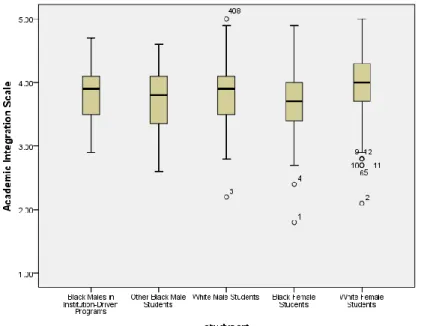
Figure 4.1. Box Plot of Academic Integration Subscale for Research Study Participants ... 86
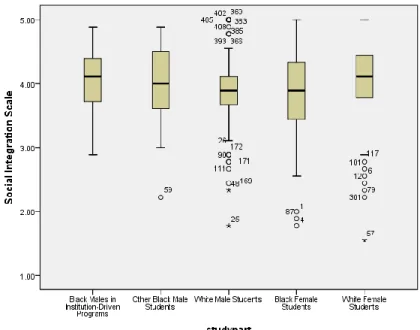
Figure 4.2. Box Plot of Social Integration Subscale for Research Study Participants ... 88
Figure 4.3. Box Plot of Campus Climate Subscale for Research Study Participants ... 90
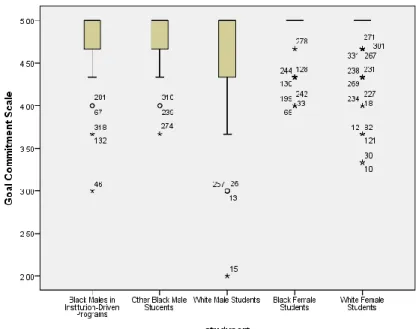
Figure 4.4. Box Plot of Goal Commitment Subscale for Research Study Participants ... 92
ABSTRACT
The study examined whether institution-driven programs improve persistence among Black male student participants. Using modified versions of Tinto’s Student Integration Model (SIM) as the theoretical framework, the researcher hypothesized that participants involved in institution-driven programs would be more connected to the academic and social spaces of the university. In turn, this would lead to improved persistence at the postsecondary level and ultimately degree completion.
Using a questionnaire to assess measures of student persistence, an electronic survey was administered to 475 students at a predominantly White institution in the southeast region of the U.S. For the quasi-experimental research design, Analysis of Variance (ANOVA) was used as the primary statistical procedure to determine group differences in academic integration, social integration, perception of campus climate, institutional commitment, and goal commitment between program participants (treatment group) and non-participants (control group). Certain background variables (academic major, family socioeconomic status, and high school
demographic type) were also used in the analysis to provide greater depth of insight into the educational experiences of Black male students compared to Black female students, White male students, and White female students. Further, Pearson product-moment correlation coefficient (r) was used to explore the relationship between the level of engagement and the measures of
persistence (i.e., academic integrations, social integration, etc.) among the designated study groups.
The findings showed no statistically significant differences between Black male students involved in institution-driven programs and other Black male students, however, differences
between Black male institution-driven program participants and the additional comparison groups were found among the various persistence measures. Statistically significant differences in the persistence measures were also found when examining the influence of academic major, socioeconomic status, and high school within the Black male student group, and among the aforementioned comparison groups. Moreover, level of engagement revealed positive correlations for the majority of persistence measures for White male students. However, for Black male students, there was no significant relationship for the majority of measures except social integration. The results of this investigation could aid university administrators and student affairs professionals in better understanding the degree to which these programs empirically impact persistence among Black male students and their collegiate experience.
CHAPTER ONE INTRODUCTION
In this chapter, the researcher provides an overview of the dissertation study. The researcher begins this chapter by giving the current background and contexts that impact the educational experiences of Black male college students in the U.S. Additionally, the researcher will explain why academic and leadership development programs designed to support such a small, yet important, percentage of the population are needed and how they potentially affect retention and persistence—significant areas of interest for higher education stakeholders.
Background and Context
Despite improvements in accessibility for historically underrepresented populations at the postsecondary level, Blackmales continue to lag behind their peers in the critical areas of
enrollment, achievement, and persistence (Cuyjet, 2006a). Support for this statement comes from a report by The College Board Advocacy Policy Center, which notes that African American male students comprised roughly 29.7% of students between the ages of 18 to 24 years old enrolled in colleges and universities, compared to 34.2% of their African American female and 41.7% of their White male counterparts in 2008. Additionally, African American males account for only 34.3% of bachelor’s degrees awarded to African Americans compared to 65.7% of African American females and 43.8% of White males during the same period (Lee & Ransom, 2011).
These figures help to illustrate a significant disparity between the persistence and the performance of African American males at the postsecondary level. As scholars mention (Cuyjet, 2006b; Harper, 2006a; Harper, 2006b; Palmer & Dancy, 2008), this gap will continue to widen if counteractive measures are not immediately taken. Yet, there is an abundance of research that provides some insight into the factors that cause this level of disparity among Black male
collegians, particularly those who attend predominately White institutions (PWIs). Studies suggest that institutional disengagement caused by a lack of support plays a major role in these students not persisting (Strayhorn, 2008a; Strayhorn, 2008b). This has prompted many higher education institutions (e.g., Louisiana State University, Ohio State University, Philander Smith College, University of Louisville, and the University of Maryland) to develop and implement targeted programs that specifically seek to address these issues. Through this quasi-experimental study, the researcher plans to examine the impact of institution-driven and student-driven
programs at a university in the southeastern region of the U.S. in order to determine the factors that are the most effective in supporting Black male students.
Statement of the Problem
Retention and persistence among Black male students remain important topics of interest for higher education scholars and personnel (i.e., university administrators, faculty, and staff) (Cuyjet, 2006a; Guffrida, 2005; Strayhorn & Terrell, 2010). Even with overall increases in enrollment at the nation’s public colleges and universities, it appears that a significant percentage of Black male collegians are still having difficulty obtaining a baccalaureate degree—
particularly at PWIs (Lee & Ransom, 2011). Various studies examining the educational
experiences of Black male students have provided multiple explanations for this problem such as deficiencies in pre-college readiness (Anglin & Wade, 2007; Brown, Donahoo, & Bertrand, 2001); inadequate support by university personnel (Harper, 2009a ); “chilly” and unwelcoming campus environments (Bonner & Bailey, 2006; Cabrera, Nora, Terenzini, Pascarella, &
Hagedon, 1999); and instances of racism and discrimination that can cause students to feel marginalized and detached from the overall campus community (Harper, 2009b; Solorzano,
Ceja, & Yosso, 2000; Strayhorn, 2008b ). For this reasoning, some level of intervention could be useful in helping to ease the factors most likely to affect persistence. As such, various programs and initiatives have been designed by these public institutions with the intended purpose of fostering more engagement and support for Black male students (Ellis, 2009 ), however, very few studies have been used to gage whether or not these interventions particularly impact their levels of academic and social integration within the spaces of the university.
Previous literature focused on the college experience, and how it affects students, emphasizes the importance that involvement both inside and outside of the classroom has in student commitment to their campuses and subsequently, degree-completion (Astin, 1999; Barefoot, 2000; Tinto, 1993 ; Upcraft, Gardner, & Barefoot, 2005 ). Pascarella and Terenzini (2005) provide support for this statement by reiterating the role that colleges and universities have in cultivating a culture conducive for student success through the promotion of services, activities, and programs that lead to positive outcomes. Comparatively, colleges and universities can cultivate a campus environment that influences positive perceptions towards the university by proactively engaging African American males through programming and support services (Barker & Avery, 2012). Current student affairs literature point out that student-driven peer networks oftentimes represented by Black student groups, Greek-letter fraternities, Black student unions, and other culturally-relevant groups or organizations for Black male collegians act as “buffers” shielding them from the adverse conditions of their racialized environments (Harper, 2006b). In turn, this aids in students feeling more a part of the university environment, further contributing to their decisions to persist.
Other supportive networks that encourage academic collaboration among college students from similar and dissimilar backgrounds to improve their success includes academic advising, peer-to-peer mentoring, specialized learning communities, and student study groups (Pascarella & Terenzini, 2005 ). Higher education authors note that such student networks focus heavily on the essentials of academic preparedness such as strong study habits, time management skills, and the encouragement of students to use available department and university resources (Atwater & Alick, 1990). While the evidence of literature supports the role that general student groups and programs have in improving resistance and retention of Black male students, it still remains a question of the degree to which these programs/initiatives influence the connections that students make to the academic and social spaces of their particular campuses.
Very limited research attention has been given to the programs/initiatives that specifically support the academic development and leadership development of Black male students and in particular, the differences that they share between other activities (e.g., student-driven). For instance, in a study conducted in the 1990s, Fortson (1997) found very little to no empirical evidence to support the hypothesis that a 10-week, career-focused class had a positive effect on the academic self-concept of African American male college students at a community college in the Midwest. Deficiencies in this particular study relate to a broader issue of generality to
primarily residential or large research campuses. In a slightly later study, Maton, Hrabowski, and Schmitt (2000) examined the effectiveness of a program designed to increase the number of underrepresented minorities pursuing graduate and professional degrees in the science, technology, engineering, and mathematics disciplines. The research findings demonstrated support for university-based interventions because they intensively engage participants through
bridge programs, the availability of financial support, and their ability to connect program
participants to resources that may not be known by the general student population. However, this study did not particularly examine if there were any differences in program effectiveness based on gender among the African American student sample.
One of the most intriguing papers highlighting programs that support the enrollment and retention of African American males comes a few years after the aforementioned study. In the study, Ellis (2009) identified four intervention programs that sought to address the educational plight of Black males at both the secondary and post-secondary institutional level. The author wrote that caring and trust were the qualities most often associated with successful programs designed for this population. The paper also noted the influence of program staff and the part that the schools, community, family, philanthropic funders, and the private sector have in supporting this population (Ellis, 2009). The writing of Ellis (2009) coincides with research findings by Strayhorn (2008c) that contend that supportive relationships with faculty and peers are positively connected to higher satisfaction levels among Black men in college. Moreover, in a qualitative investigation of the experiences of students in a Black Male Leadership Program (BMLP), Barker and Avery (2012) described how these programs influenced relationship-building among the participants with university administrators, faculty, and peers. Other findings in the study highlighted role modeling as an outcome of the BMLP, but as the authors mentioned, more inquiry needs to be done in this specific area.
Purpose of the Study
The purpose of this study was to determine whether institution-driven academic/leadership development programs improve measure of persistence among Black male student participants
by fostering more engagement with the university. The researcher hypothesized that participants who were involved in such programs would have more positive and meaningful relationships with faculty, administrators, and other students at the institution. Subsequently, this could contribute to students being more connected to the academic and social spaces of their
university, resulting in more commitments to their goals and the institution at-large. In turn, the programs would influence higher retention and completion statistics due to an increased sense of belonging. The following research questions more specifically guided the investigation:
1) Is there a statistically significant difference in the levels of persistence (academic integration, social integration, perceptions of campus climate, goal commitment, and institutional
commitment) between Black male students participating in institution-driven programs compared to other Black male students?
2) Is there a statistically significant difference in the levels of persistence (academic integration, social integration, perception of campus climate, goal commitment, and institutional
commitment) between Black male students participating in institution-driven programs compared to other student groups?
3) Do certain background variables (i.e., academic major, socioeconomic status, and high school type) have an impact on the levels of persistence and intentions to persist for Black male students? Are these patterns consistent with other student groups?
4) Are there significant differences in the relationship between level of engagement and the intentions to persist (i.e., return or plan to graduate/resign or take some time off) for Black males in comparison to other student groups?
Significance of the Study
With an increased emphasis on degree-completion among Black male college students, institutions are using academic/leadership development programs as a way to improve the educational outcomes of this group (Barker & Avery, 2012). Support for this statement comes from numerous higher education scholars that highlight the need for universities to take a more proactive role in supporting historically underrepresented student populations, especially those that demonstrate the intellectual capability of performing at a high academic level (Rendon, Jalomo, & Nora, 2000; Nora, Barlow, & Crisp, 2005; Woosley & Shepler, 2011). Braxton, Hirschy, and McClendon (2004) point out that students on campuses where they are the racial/ethnic minority oftentimes find the culture of their origin being dissimilar to that of the dominant culture, making it necessarily for students to develop cultural enclaves or affinity groups to share common interests. This, in turn, can result in students feeling more a part of the university campus environment, which represents an important variable in the college student persistence formula (Astin, 1999; Cabrera et al., 1999; Tinto, 1993). Furthermore, the
strengthening of academic connections for students through the improvement of faculty-to-student relationships and the development of certain skillsets (e.g., note-taking, time
management, etc.) can better foster degree-completion among underprepared students. As higher education theorists argue, some level of academic and social integration is necessary to better foster successful student outcomes (Astin, 1999; Cabrera et al., 1999; Tinto, 1993).
The significance of this study could lead to a better understanding of how a particular intervention impacts the overall educational experiences of its Black male student participants.
According to the theory of change, which answers the question of how and why a change program will bring about a set of desired outcomes, Anderson (as cited in Patton, 2008) wrote:
A Theory of Change defines all building blocks required to bring about a given long-term goal. This set of connected building blocks—interchangeably referred to as outcomes, results, accomplishments, or preconditions—is depicted on a map known as a pathway of change/change framework, which is a graphic representation of the change process (p. 347).
More broadly, the theory of change highlights the idea of cultivating a better understanding of central issues affecting a targeted population and providing that group with information in hopes of leading to some behavioral change (Cumming & Worley, 2009). For example, in the area of higher education and student affairs, Black male academic/leadership development programs, developed by specific departments to address the overall issue of student retention, could influence other best practices by higher education leaders. These programs operate under the auspice of providing students with the necessary information/resources needed for success. In turn, this would lead to students utilizing more services offered by the university with the hopes of curtailing student departure. The researcher hoped to examine through this dissertation study the significance of the academic and social connections made by student participants and similar interventions to learn how they impact persistence.
Institution-Driven Programs LA-Stem Research Scholars Program Overview
The Louisiana Science, Technology, Engineering, and Mathematics Program (LA-STEM)—a research program targeting minority students in the natural and physical sciences— seeks to promote diversity in the STEM disciplines at the postsecondary level by fostering more engagement among students from diverse backgrounds. With grant funding from the National
Science Foundation, the Louisiana Board of Regents, and the Research Corporation, LA-STEM was founded in 2003 on the campus Louisiana State University. The program uses a holistic approach to develop high-achieving students and to better connect them to the academic and social spaces of the university. Main components of LA-STEM Research Scholars Program include the recruitment of students that identify as having high ability; a cohort-based model; mentoring; early exposure to research and research faculty; a supportive academic system; involvement in community service and outreach; and specialized tutoring/advising. The LA-STEM Research Scholars Program is highly selective and admits potential participants through an application process.
Ronald E. McNair Scholars Program Overview
The Ronald E. McNair Scholars Program—one of the federal TRIO programs targeting first-generation, low-income, and underrepresented students—seeks to address the shortage of students at the graduate level. With funding provided by a grant from the US Department of Education TRIO programs, McNair Scholars are afforded various opportunities such as
conducting research under the mentorship of university faculty members and presenting research at national symposiums/conferences. The program prepares a cohort of students by providing resources that positively impact success at the undergraduate and the graduate levels. For instance, academic mentoring/advising sessions and assistance with the graduate school
application process are hallmarks of the program that contributes to successful matriculation; and ultimately, graduate level placement. The Ronald E. McNair Scholars Program is a selective program and admits potential participants through an application process.
Student Support Services Program Overview
The Student Support Services Program (SSS)—a federally funded TRIO program— provides support to a select group of undergraduate students at Louisiana State University. For example, the program provides this support to university students at different stages of their matriculation. This includes helping first-year students better transition to their first-year and by preparing senior students for post-graduation life. SSS also offers academic, personal, and career counseling to students as a way to better allow them to reach their goals. Family income,
financial aid assistance, first-generation status, and prior TRIO program participation are used to determine program eligibility. Potential participants are required to complete an application to be a part of the program.
Black Male Leadership Initiative Fellows Program Overview
The LSU Black Male Leadership Initiative Fellows Program (BMLI)—a leadership development and student retention program that targets Black male students—seeks to address a critical issue in higher education regarding the dismal persistence and performance of this particular student group. The program operates under the theory that students who are more connected to the academic (e.g., classroom) and social spaces of their university are more likely to remain in college, compared to students who are not (Berger & Braxton, 1998; Braxton & Lien, 2000; Tinto, 1993). The BMLI provides such support through various events and activities with the expectations of improving persistence and performance statistics. While not as selective as LA-STEM and the McNair Scholars Program, potential participants adhere to certain criteria and must submit an application to join.
Limitations
There were a few limitations associated with this particular study. First, caution should be considered when generalizing results. This was due largely to sampling occurring at a single institution with very high research activity (RU/VH) in the south (Carnegie Foundation, 2011). Inferences derived from this study and their applicability to different institutional types in different regions of the U.S. may be problematic due to the unique history and culture of the particular test site. The BMLI and other institution-driven programs used in the study were established on this particular campus partly due to the its history of racial exclusion experienced by a generation prior, and the survey results reflected those feelings. Second, limitations
regarding the duration of the study period (1 year academic year) should also be considered. Results of the study reflected the unique experiences of participants over the course of that particular academic year, further contributing to some degree of discretion when generalizing findings. Third, due to the nature of the dissertation study, findings reflect only the beginning of the researcher’s future research agenda. More expansive studies examining how institution-driven programs and BMLPs foster academic and social connections will be conducted in future studies. This will include investigating institutions that have similar programs. This should address the final limitation of the current study by increasing the sample size among this student subgroup (Black males).
Summary
Retention and degree-completion among Black male students remain a huge issue of concern for higher education stakeholders, especially in comparison to other student subgroups. As a result, colleges and universities have developed and implemented targeted initiatives that better support this particular student population. These initiatives provide this support through
various activities such as academic advising, peer mentoring, culturally-relevant programming, and leadership development workshops in the hopes of better connecting their participants to the academic and social spaces of the university. However, while these programs represent a
response to years of neglect, research into how they influence the connections that students make to the academic and social spaces of their campuses remains largely unknown. This dissertation study will offer more insight into this area.
Key Terms
1. African American/Black: These terms refer to individuals of African descent who were born in the United States or any of its territories. The term “African American” has more ethnic connotations than the term “Black,” which is a marker used to primarily identify skin color (Ray, 2010).
2. Attrition: This term refers to a reduction or decrease in enrollment from the fall semester to the spring semester through the course of an academic year (Pascarella & Terenzini, 2005). 3. Black Male Leadership Program (BMLP): This term refers to an academic or leadership
development program sponsored by the university that provides support primarily to Black male students through faculty-to-student mentoring, financial support, academic advising, and relevant cultural programming.
4. Ethnic Minority Students/Minority Students: This term refers to a group of students with different ethnicity, race, gender, wealth, health or sexual orientation backgrounds not identified as the dominant group. In the U.S., the most well-known racial ethnic minorities include African Americans, Asian Americans, Hispanic Americans, and Native Americans (Pascarella & Terenzini, 2005).
5. First-Generation Students: This term refers to students that identify as the first member of their family to attend or complete college (Pascarella & Terenzini, 2005).
6. Historically Black Colleges and Universities (HBCU): This term refers to colleges and universities established in the United States primarily responsible for educating people of African descent who were born in the United States.
7. Institution-driven: This term refers to the response of the institution in delivering its
resources, organizing curricula, and supporting services that prompt students to be actively engaged in activities that lead to positive outcomes (Kuh, 2005).
8. Retention: This term refers to continuous enrollment from the fall semester to the spring semester in a given academic year (Tinto, 1993).
9. Student-driven: This term refers to the time and effort that students invest in their academic studies and other meaningful academic activities (Kuh, 2005).
10.Persistence: This term refers to the behaviors that lead to the continuation of students towards a desired goal or outcome, with degree completion being the primary goal (Berger &
Braxton, 1998; Braxton et al., 2004; Tinto, 1997).
11.Predominantly White Institutions (PWI): This term refers to colleges and universities
established in the United States that prior to desegregation in 1964 were exclusively attended by White students and still remain largely populated by this demographic (Ray, 2010). 12.Student Departure: This term refers to students who abandon their educational pursuits at a
particular institution of higher learning to attend another institution or to explore other options, which may include options beyond college (Berger & Braxton, 1998; Braxton et al., 2004).
13.TRIO Programs: This term describes the three original outreach programs (i.e., Upward Bound, Talent Search, and Student Support Services) authorized by Title IV of the Higher Education Act and the programs (e.g., Ronald E. McNair Scholars Program) established years afterwards that assist low-income students and those students whose parents did not attend college in preparing for the rigors of postsecondary education from kindergarten to high school (McElroy & Armesto, 1998).
CHAPTER TWO
REVIEW OF THE LITERATURE
In this chapter, the researcher provides a review of the relevant literature surrounding the educational experiences of African Americans in the U.S. The researcher begins this chapter by discussing the historical, philosophical, social, economic, and political forces that have shaped the current outcomes of the aforementioned group. This should provide you, the reader, with a clearer understanding of the complex issues affecting this current generation of African American male students.
Brief Historical Perspective
The original nine colonial colleges serve as the precursors to contemporary higher education. These early colleges included New College (Harvard University) founded in 1636; The College of William and Mary founded in 1693; Collegiate School (Yale University) founded in 1701; Academy of Philadelphia (University of Pennsylvania) founded in 1740); college of New Jersey (Princeton University) founded in 1746; King’s College (Columbia University) founded in 1754; Rhode Island College (Brown University) founded in 1764; Queen’s College (Rutgers, The State University of New Jersey) founded in 1766; and Dartmouth College founded in 1769 (Thelin, 2004). The visionaries of education during this period used British predecessors Oxford and Cambridge University as templates for the early functioning of their colleges. For instance, only select individuals had the privilege to receive a formal education. These
individuals, who mostly consisted of a small number of White male students from affluent families, attended institutions that focused heavily on their development as clergy and responsible citizens. This development spurred the growing disparities in wealth gained by White males during this period and helped to maintain certain inequalities of early economical
life by using education to reproduce and maintain a social elite (Aronowitz & Giroux, 1993; Weinberg, 2002). The reproduction of such elitists through education meant that politically, the interests of other marginalized groups (e.g., enslaved workers, indentured servants, free women, etc.) would be governed by a privileged few who ascribed to White patriarchal capitalism, a term used to describe the social, political, and economic system in the U.S. primarily benefitting White males (Acker, 1999). According to Thelin (2004),
Class distinctions within the colony were sharp, and the colleges became increasingly distant from the world and experience of most American families. Clearly, a main purpose of the colleges was to identify and ratify a colonial elite. The college was a conservative institution that was essential to transmitting a relatively fixed social order (p. 25).
There were some records of diversity evidenced by the participation of Native Americans and White women having the opportunity to receive similar educational opportunities, but the
number of Native Americans and White women enrolled in these early colleges were minimal, at best (Thelin, 2004). Higher education historians noted that people of color during this period— particularly African Americans—were not afforded this level of equal treatment (Anderson, 1988; Thelin, 2004; Watkins, 2001).
The Antebellum (1785-1860) era marked pivotal moments in the advent of education in America. First, there was a proliferation of colleges established outside of the New England area during this time. Oberlin College (founded in 1833) and Antioch College (founded in 1850) constituted a very small number of institutions that enrolled African Americans, with these figures being represented in the single digits (i.e., less than 5 percent of their total enrollment) (Anderson, 2002). Institutional forms of racism by state governments limited, or prohibited people of color from receiving a formal education (Anderson, 2002). While this appeared to
make higher education more accessible to the masses, it was still limited to a particular population of students. For example, among the early groups that were excluded from the colonial colleges, women from affluent and wealthy families benefited greatly during the Antebellum period (Solomon, 1985). However, most of their involvement served as preparation for careers in teaching and other roles in society less valued by White males, which further supported an ideology of racial and gender hierarchy during this period (Farnham, 1994).
Additionally, slavery and the system of free labor fueled the nation’s growing agricultural economy. Because there was a need for inexpensive labor, landowners that benefitted from the agricultural-driven economy purposely withheld education as a form of racial oppression (Anderson & Gallman, 1977; Anderson, 2002; Galenso, 1981; West, 2004). White plantation owners recognized that the acquisition of knowledge had the ability to cultivate social mobility (Fredrickson, 1981). Anderson (1988) supported this statement further by mentioning how southern Whites initially objected to universal education. He stated,
The planters believed that state government had no right to intervene in the education of children and, by extension, the larger social arrangement. Active intervention in the social hierarchy through public education violated the natural evolution of society, threatened familial authority over children, upset the reciprocal relations and duties of owner to laborers, and usurped the functions of the church (Anderson, 1988, p. 4). The White patriarchal capitalistic system largely depended on limiting education as a means of continuing the status quo where one group primarily reaped the benefits of society. Surprisingly, while historians documented the contributions of denominational and philanthropic groups in the education of both enslaved and free Blacks, these efforts focused on minimal literacy training. Further, they were only permissible for religious purposes and for serving the business interests of White slave owners (Webb, 2006). These ideals permeated much of the early American
culture and continued to fuel an elitist attitude that viewed education and the fledging higher educational system as an avenue of resource attainment. However, as the economy and the politics that governed this period progressed, certain mechanisms (e.g., physical punishment, hard labor, etc.) that once exercised strict control over marginalized groups would slowly begin to loosen (Anderson, 1988).
The era of Reconstruction (1860-1890) marked a distinctive shift in the country. This shift, which was compounded by a change from an agricultural-driven economy to one that relied on an industrial-driven economy, forced some degree of compromises between the various factions involved in the Civil War (Cobb & Jenkins, 2001; Foner, 2011; Watkins, 2001). For Southern Whites, a better mechanism of control that relied less on braided whips and metal shackles as a means to maintain the system of oppression established by early colonists had to be found (Webb, 2006). Conversely, for the population of ex-slaves, who were liberated and were well aware of the benefits that an education could afford them, they sought a better life far beyond that of slavery. They also sought a way to develop a better social and educational ideology that defended them against the social power of the planter regime that still permeated much of the rural South (Anderson, 1988). The interests of Southern Whites and freed Blacks became a rallying point for White northern businessmen that wanted to capitalize on a rebuilding southern economy by harmoniously marrying the needs of both factions.
Samuel Chapman Armstrong, a northern businessman, provided an educational pedagogy and ideology that would mediate the concerns of Southern Whites and freed Blacks during this time (Engs, 1999; Wright, 1949). Along with his star pupil, Booker T. Washington, Armstrong recommended a curriculum focused primarily on a vocational and technical style education
through his school, the Hampton Normal and Agricultural Institute. The Hampton Model served as a way to confer the ideals of subservience to its students through an appreciation of manual labor and the industrial arts (Croom & Alston, 2009; Watkins, 2001). He felt that the model would be most effective because the students would go back to their communities after leaving Hampton to teach the ideals that they learned. For Armstrong, the model depended on the development of teachers and their ability to impart this curriculum to the rest of the masses. In turn, it functioned as a way to reproduce the ideals of social order set forth by elitist groups during the colonial period and as a compromise to the divisive racial and economic politics during the period (Croom & Alston, 2009). Anderson (1988) notes,
The primary aim was to work the prospective teachers long and hard so that they would embody, accept, and preach an ethic of hard toil of the “dignity of labor.” Then and only then, believed Armstrong, could his normal school graduates develop the appropriate values and character to teach the children of the South’s distinctive black laboring class (p.34).
This approach was effective because it helped to pacify the intense racial climate of the South by providing a much needed solution to ensure that Black labor would remain a prominent part of the southern economy. White businessmen from the north largely supported the model outlined by Armstrong, which resulted in a huge philanthropic movement towards the funding of Black education in the latter part of the 19th century (Watkins, 2001). Even though White southerners did not initially embrace the concept of universal education for Blacks, they were able to recognize how Armstrong’s ideas continued racial hierarchy in the South by ensuring that ex-slaves “fit” into the new political economy (Watkins, 2001). It was also mitigated by the ability of Southern Whites to ensure that they would receive a publicly funded education that was far
superior to their Black counterparts. There were other events during the 19th century that continued to widen the educational gap between Whites and Blacks.
The Morrill Land-Grant Acts of 1862 and1890—federal legislation that extended aid to states that created universities which supported scientific and technical instruction—both fostered and hindered educational opportunities for African Americans (Davis, 1998; Harper, Patton, & Wooden, 2009). For instance, many of the institutions established by the first Land-Grant Act largely excluded the participation of Blacks. Stefkovich and Leas (1994) articulate the prevailing feelings towards Black education during this time by asserting that “the Act did not specifically address the educational needs of Blacks” (p. 407). However, historical records do indicate that some southern states such as South Carolina, Virginia, and Kentucky did establish institutions that supported the education of African Americans (Preer, 1982). A second version of the act would build upon this trend.
The Morrill Act in 1890 receives much of the recognition for establishing the system of historically Black college and universities (HBCUs) that we know of today. However, its enactment was much more misleading than it initially appeared. For instance, while it fostered more opportunities for African Americans by encouraging the states to establish universities for the purposes of educating the descendants of former slaves (Brown II, Donahoo, & Bertand, 2001), it did so with the intention of purposely diverting attention away from the broader issue of access to the colonial institutions established years prior (Harper et al., 2009). Moore (2005) contends that the Morrill Act of 1890 aided in the doctrine of “separate but equal” outlined by Plessy v. Ferguson in 1896 and other discriminatory practices in the years that followed. The
events that concluded the 19th century cemented White patriarchal and racial hierarchy as the main principal that governed American thought.
The prevailing ideology during much of the Colonial (1607-1785), Antebellum (1785-1860) and Reconstruction (1860-1890) periods largely depended on limiting educational opportunities as a means of continuing the social and economic disparities where one group of citizens ultimately reaped the benefits of society (Anderson, 1988). The literature points to very distinct moments during the aforementioned time periods where race and gender played a critical role in the exclusiveness of learning during the early periods of public education. Watkins (2001) wrote, building upon the writings of Emile Durkheim, that education (i.e., “schooling”) has a distinctive political and social influence, particularly in a corporate-industrial landscape. Individuals in the majority oftentimes steer the dominant ideology in a way that appears subtle and natural, yet promote partisan views centered on corporate-capitalist interests (Watkins, 2001). As such, these interests not only fuel an elitist attitude of resource attainment but also one of resource detainment, with education/schooling (or a lack thereof) playing a significant role in the servility of the less informed and historically unrepresented. However, as the economy and the politics that governed this period progressed, the need for change became more pronounced.
There were a number of court cases following the 1900s that called into question the racial exclusiveness in higher education. For instance, State of Missouri ex rel. Gaines v. Canada in 1938; Sipuel v. Board of Regents of University of Oklahoma in 1948; Sweatt v. Painter in 1950; and McLaurin v. Oklahoma State Regents in 1950 examined access and equity for postsecondary students of color (Brown, 2004; Levy, 1999; Stefkovich & Leas, 1994). More importantly, these cases illustrated that the educational experiences of Black students were not
on par with their majority White counterparts and that changes were needed in order to ensure equal treatment and protection under the law (Bowen, Kurzweil, & Tobin, 2005). This would become a growing point of interest for Civil Rights activists during the mid to late 1900s and opened the doors for future legal proceedings.
On May 17, 1954 in Washington D.C., the monumental case of Brown v. the Board of Education of Topeka helped change the scope of educational accessibility in the United States for generations to come. The aftermath of the case led to a removal of the institutional controls of “separate but equal,” which were indoctrinated by the case Plessy v. Ferguson in 1896 and by acting as a precursor to future legislation. For example, with added pressure from the Modern Civil Rights Movement (1954-1965) (Stefkovich & Leas, 1994), the federal government became more proactive in eliminating discrimination in all public arenas, including higher education, by enacting Title VI of the Civil Rights Act of 1964. Moore (2005) noted,
Title VI of the Civil Rights Act of 1964 prohibited discrimination on the basis of sex, religion, race, color or national origin in public education and institutions of higher learning that receive federal funds. Title IV permits the U.S. Attorney General to investigate school districts and university systems that engage in racial segregation (p.79).
Due to the federal government’s influence, educational institutions had to quickly enact a series of approaches to become compliant with new mandates, and thus established more opportunities for previously excluded groups (i.e., Blacks). Interestingly, while these policies allowed for more accessibility, they failed to address completely the issue of educational equality among non-majority groups.
As a result of the Title VI legislation, the government acted in more immediate responses in the form of Affirmation Action policies. Affirmative Action, as part of President Lyndon B.
Johnson’s Executive Order 11246 on September 24, 1965, “required that [institutions] take affirmative action…without regard to race, color, religion, or national origin,” to improve minority representation in higher education (Garcia, 1997, p. 4). These policies, which were intended to promote racial equity by using race as criteria, would eventually incur a strong degree of backlash by individuals who argued that it violated their rights for equal treatment (Moore, 2005). Despite the early intentions of the government and higher education leaders to provide equal access to historically underrepresented groups, Affirmation Action policies caused an overwhelmingly negative response that manifested itself in the form of various high-profile courts cases such as University of California v. Bakke in 1978, and Hopwood v. University of
Texas Law School in 1996 (Lucas, 2006). More recent lawsuits include a White female student denied admission to the University of Texas due to the school’s use of race as a part of their admissions criteria (Fisher v. the University of Texas in 2008), and a White female
undergraduate student denied admission to the University of Michigan law school because of the school’s need to develop a “critical mass” of minority students (Grutter v. Bollinger in 2003). These would help further fuel arguments against the effectiveness of Affirmative Action policies and the need for more deeply rooted changes.
Other Federal Interventions
The Higher Education Act of 1965 (HEA), another key policy introduced that year by the federal government, promoted more access to postsecondary institutions by increasing the educational resources allotted to them and by providing financial assistance to students,
particularly those individuals from underserved backgrounds (Cervantes, Creusere, McMillion, McQueen, Short, Steiner, & Webster, 2005). The HEA builds upon earlier efforts by the
government to transform the country economically through the promotion of postsecondary education (Cervantes et al., 2005). Subsequently, postsecondary education would become a catalyst for growth by fostering a more skilled and trained workforce, therefore decreasing the number of citizens relying on government assistance programs.
A significant component of HEA (Title IV: Student Assistance Act) established grant and loan programs designed to help students achieve success at and/or beyond the postsecondary educational level (Stedman, 2003). With the growing sentiment in the nation that college was not a privilege but right of the people, Title IV presented low-income students with a way to pay for college due to its multitude of funding opportunities. For instance, Pell Grants, Federal Work-Study Programs, and Federal Stafford Loans are all examples of federal financial assistance opportunities allotted to students not originally included in educational attainment legislation such as the National Defense Education Act or the G.I. Bill. Stedman (2003) noted that the G.I. Bill targets a specific group (i.e., military veterans) and those seeking specific degree fields (i.e., math and science), with HEA expanding the inclusiveness of higher education opportunities.
Further, special outreach programs authorized by Title IV brought forth the existence of efforts designed primarily to assist low-income students and those students whose parents did not attend college in preparing for postsecondary education. Many of these programs, which became known as TRIO Programs (e.g., Upward Bound, Student Support Services, and Ronald E. McNair Scholars Program), represented a working partnership between public, non-profit, state and local-educational institutions in which students were prepared for the rigors of a college education from kindergarten to high school (McElroy & Armesto, 1998). Important components of these programs focus on tutoring, mentoring, and the dissemination of information about the
resources that lead to postsecondary educational success. To address the changing landscape of higher education, Congress reauthorizes the HEA every four years, with the next reauthorization occurring in 2014 (Stedman, 2003). Evidence of such programs is supported in the literature.
St. John, Cabrera, Nora, and Asker (2000); Kim (2004); Pascarella and Terenzini (2005); and Goldrick-Rab, Harris, and Trostel (2009) found that students from low-to-middle income levels who participated in institutional, state, or federal financial aid (e.g., grants, scholarships, loans, and work-study) programs were as likely to persist through college as those students from high income levels not receiving such aid. Further, findings from other higher education
research suggests that the availability of funding impacts important considerations such as college search, choice, enrollment and degree completion among students from low-income families (Cabrera & La Nasa, 2000; Hossler, Ziskin, Gross, Kim, & Cekic, 2009; Stater, 2009). This illustrates how federal and state need-based policies can help increase the probability that college students continue from year to year (Bettinger, 2004). In the same manner, TRIO Programs have an overall positive impact on the level of student access and college experiences by promoting more opportunities for both incoming and returning students to better connect with their educational institutions (Pitre & Pitre, 2009). However, there are concerns (e.g., merit-based versus need-merit-based aid) regarding student financial-aid and TRIO Programs.
The student financial-aid system has come under considerable debate over the past few years. For instance, the shift to more merit-based aid compared to need-based aid has had a significant influence on the nation’s low-income population (Long, 2010). Long (2010) wrote that the policy shift towards loans and theresulting concern regarding debt burden influences students’ decisions before and long after college enrollment. The author remarked that