Education Theses, Dissertations and Projects School of Education
2013
An Exploration of Factors Affecting Student
Persistence into Athletic Training Education
Programs
Heather Hartsell Gardner-Webb University
Follow this and additional works at:http://digitalcommons.gardner-webb.edu/education_etd Part of theHealth and Physical Education Commons, and theHigher Education Commons
This Dissertation is brought to you for free and open access by the School of Education at Digital Commons @ Gardner-Webb University. It has been accepted for inclusion in Education Theses, Dissertations and Projects by an authorized administrator of Digital Commons @ Gardner-Webb University. For more information, please [email protected].
Recommended Citation
Hartsell, Heather, "An Exploration of Factors Affecting Student Persistence into Athletic Training Education Programs" (2013). Education Theses, Dissertations and Projects.Paper 34.
An Exploration of Factors Affecting Student Persistence into Athletic Training Education Programs
By Heather Hartsell
A Dissertation Submitted to the
Gardner-Webb University School of Education in Partial Fulfillment of the Requirements
for the Degree of Doctor of Education
Gardner-Webb University 2013
ii
Approval Page
This dissertation was submitted by Heather Hartsell under the direction of the persons listed below. It was submitted to the Gardner-Webb University School of Education and approved in partial fulfillment of the requirements for the degree of Doctor of Education at Gardner-Webb University.
__________________________________ ________________________
Sydney Brown, Ph.D. Date
Committee Chair
_________________________________ ________________________
Jeffrey M. Hartman, Ph.D. Date
Committee Member
_________________________________ ________________________
Valerie Herzog, Ed.D. Date
Committee Member
_________________________________ ________________________
Jeffrey Rogers, Ph.D. Date
Dean of the Gayle Bolt Price School of Graduate Studies
iii Abstract
An Exploration of Factors Affecting Student Persistence into Athletic Training Education Programs. Hartsell, Heather, 2013: Dissertation, Gardner-Webb University,
Persistence/Prospective Athletic Training Students/Retention/Behaviors
This study was designed to examine the factors that contribute to student persistence into athletic training education programs (ATEPs). The researcher also gauged prospective athletic training students’ perceptions on experiences that contributed to their decision to either apply or not apply to ATEPs.
Invited study participants included all freshmen prospective athletic training students who were enrolled in the Athletic Training Introductory course/s at three participating
CAATE-accredited ATEPs with a secondary admissions process occurring in the fall. Contact persons from each ATEP were e-mailed a study introduction letter and asked to e-mail a student letter with a survey link to students in introductory course/s. The researcher merged two retention theories and developed a survey to gather data with regards to how program attributes, social, academic, clinical integration, and program commitment affect student persistence. Additionally, the survey included demographic items. The researcher also conducted semi-structured interviews with contact persons from each ATEP and gathered institution demographics, program demographics, and program attributes. Mann Whitney U tests were conducted to determine if differences among group responses existed. Spearman Rho correlation analyses were utilized to determine relationships between each independent variable (i.e., academic, social, clinical integration, program attributes, and program commitment) and each group (i.e., persisters and non-persisters). Establishing correlation significance allowed for the application of Binary Logistic Regression analysis to seek predictive variables. All qualitative
responses provided in the survey data were coded utilizing an interpretive method of data coding. Overall descriptive statistics were computed on all survey items.
With the results of this study, it was established that both a difference and relationship existed between each group and student persistence with Mann Whitney U and Spearman Rho correlations demonstrating significant results. Binary Logistic regression analysis did not yield predictive variables. The greatest correlation existed between program commitment and persistence. These findings suggested that strong program commitment is more influential in persistence than other variables. Qualitative results revealed that persisters and non-persisters manage the pre-application period differently, resulting in either persistence or non-persistence. Additionally, the rapport between athletes and athletic trainers serving as preceptors, the relationships between prospective athletic training students and athletic training students, and the mentorship displayed by athletic training students were all contributors to persistence.
iv
Table of Contents
Page
Chapter 1: Introduction ...1
Statement of the Problem ...1
Background/Justification ...3
Purpose of the Study ...7
Overview of Methodology ...7
Definition of Terms...9
Research Questions ...11
Chapter 2: Literature Review ...12
Retention Theories ...12
Factors Affecting Persistence ...17
The First-Year Experience ...25
Persistence in Healthcare Academic Programs...28
Athletic Training Education ...33
Persistence in Athletic Training ...35
Theoretical Model ...42 Summary ...44 Chapter 3: Methodology ...46 Introduction ...46 Design Statement ...46 Participants ...47 Instrumentation ...48 Procedures ...54 Statistical Analysis ...58 Null Hypotheses ...59 Delimitations ...60 Summary ...60 Chapter 4: Results ...61 Introduction ...61
Subject Pool and Return Rates ...62
Demographic Information ...63
Statistical Tool ...65
Statistical Analysis ...72
Summary ...95
Chapter 5: Discussion and Recommendations ...98
Introduction ...98
Discussion ...100
Implications for Practice ...109
Limitations ...113
Implications for Future Research ...117
Summary ...120
References ...122
Appendices A Athletic Training Student Persistence Survey-Revised ...128
v
E Athletic Training Education Program Director Introductory Letter ...139
F First-Year ATS Introductory Letter with Informed Consent ...141
G Scales and Corresponding Survey Items...143
Tables 1 Original and Added Survey Items...50
2 Research Questions with Correlating Survey Items ...53
3 Distribution of Age, Sex, and Race for All Participants ...63
4 Distribution of Age, Sex, and Race among Applying and Not Applying ...64
5 Demographics All Institutions ...65
6 Results of Cronbach’s Alpha per Program Attribute Subcategory ...66
7 Correlations among Construct Areas ...72
8 Correlations between Persistence and Construct Areas ...73
9 Summary of Admission Requirements ...76
10 Criteria for Formal Acceptance Summary ...77
11 Summary of Response Rate of Understanding of Program Requirements ...78
12 Response Rate of Knowledge of Introductory Course/s Grade Requirements ...79
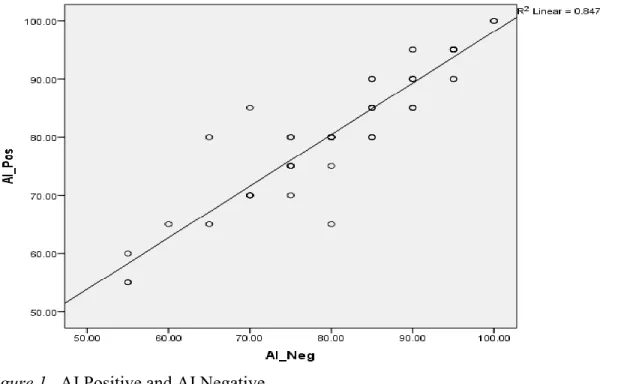
Figures 1 AI Positive and AI Negative ...68
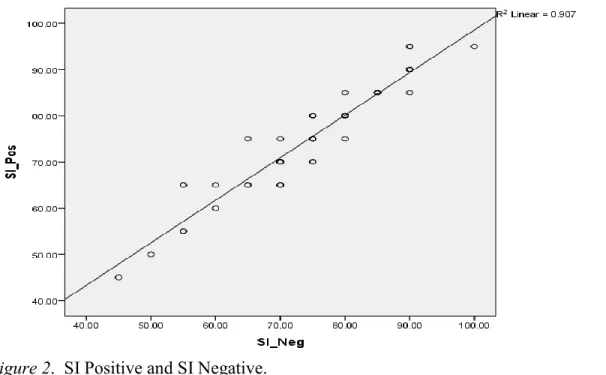
2 SI Positive and SI Negative ...69
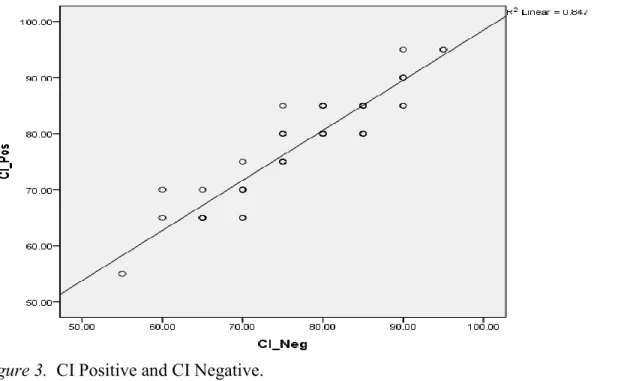
3 CI Positive and CI Negative ...71
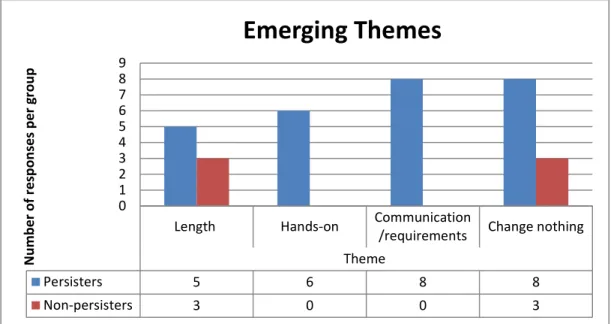
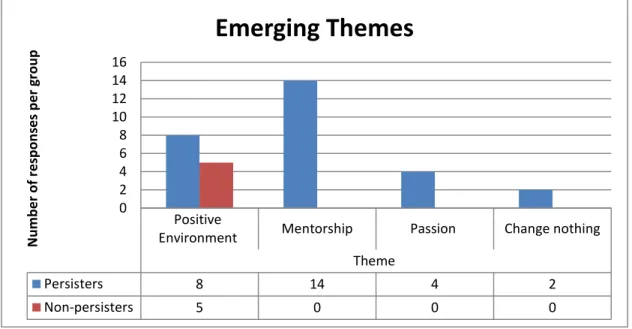
4 Emerging and Distribution of Themes for Pre-Application Structure ...82
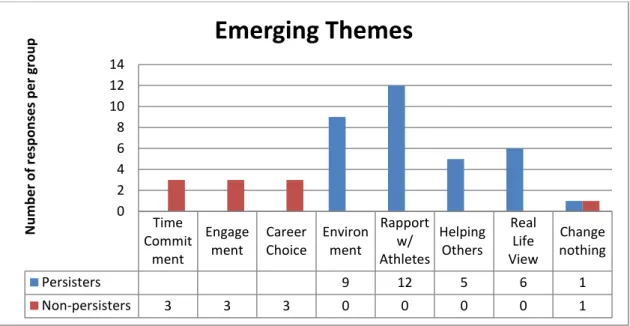
5 Emerging and Distribution of Themes for Social Integration ...85
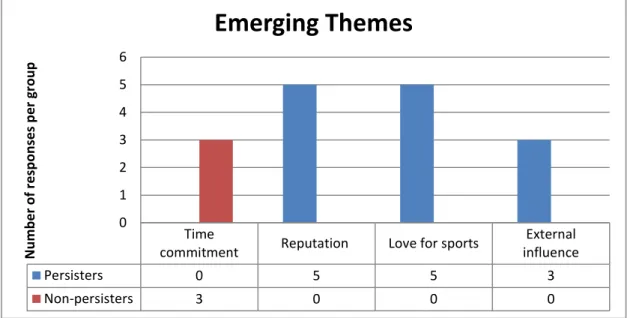
6 Emerging and Distribution of Themes for Academic Integration ...88
7 Emerging and Distribution of Themes for Clinical Integration ...93
Chapter 1: Introduction Statement of the Problem
Retaining students in higher education is not a new issue. Over the past several decades, there has been an increase in students starting programs of study and then leaving without degree completion (Assiter & Gibbs, 2007). Low retention rate is a major concern for colleges and universities, in part, because of the financial loss (on many differing levels) accrued by the college or university when a student begins a major of study and then does not continue with it (Bennett, 2003). Moreover, high student departure rates create an environment of instability for the institution while calling into question the quality of the programs offered by the institution (Berger & Braxton, 1998; Bowman & Dodge, 2011).
Seidman (2005) formally defined retention as students who remain at a particular
institution until degree completion, while student persistence is a student’s desire and
action to progress and graduate within the system of higher education. Understanding retention is a complicated endeavor because of the multiple viewpoints that exist on the topic, the various terminologies typically used interchangeably, as well as how an institution may be defining the student population. Retention literature often categorizes non-returning students into one population (Hoyt & Winn, 2004). Authors have
challenged this single-minded approach and have suggested the singular population should be treated as various subgroups to more clearly and accurately represent the retention issue.
Not all students leaving should be viewed in negative terms. For example, some students who attend college do so to complete or take only selected classes and once that goal has been reached, they discontinue their education at the institution (opt-outs), while
other students may transfer from one institution to another but remain in the system of higher education. For the purpose of this study, student persistence was defined as a student’s intent to be retained by a particular athletic training education program (ATEP) and was demonstrated by the student’s action of applying to the program (Berger & Braxton, 1998).
Retaining students is also a concern for specific professional majors of study, particularly in the allied health professions. With an expanding job market, especially in athletic training, there has been an increased focus in meeting the demands of providing quality healthcare to patients in a variety of settings (e.g., high schools, performing arts, athletics). This demand places pressure on allied healthcare majors to graduate
competent entry-level practitioners (Bowman & Dodge, 2011). Therefore, admitting and retaining quality students in such programs is essential.
It may be argued by those in healthcare and allied healthcare fields that a process to weed out students is necessary and must occur, and that most programs only want students who will succeed both academically and clinically. However, in the process of weeding out students, as practiced in athletic training by use of a secondary admissions process or pre-application process, actions or behaviors by those associated with the process may facilitate non-persistence of those exact individuals sought after. There is no common practice among ATEPs in relationship to how the admission and selection process is structured. Even though the intent of the selection process is a competitive one, and should be, good students may be alienated from programs because of program attributes or ineffective pre-application structure during the student’s first-year. Current admission and selection practices may undermine the effort by programs to graduate practitioners who can provide the healthcare needed for various patient populations.
Background/Justification
Research conducted in professional and allied healthcare fields has studied the causes of dropout or reasons for student persistence. For example, Blume and Krefetz (1997) found that students were leaving a Clinical Laboratory Technician program because of academic issues, dislike of the field, financial problems, and substance abuse problems. Additionally, Spouse (2000) and Harvey and McMurray (1997) found that students in nursing programs tended to persist and have increased levels of commitment if their perceptions meet reality. Spouse (2000) found that when the images nursing majors developed and created in their minds matched the actual role of practicing nurses, they were more likely to persist. Harvey and McMurray (1997) found that students’ perceptions prior to entry into the course (nurse education program) of what was involved in obtaining a nursing degree varied from reality, suggesting that those who continued in nursing education programs were less likely to find a discrepancy between what they expected nursing education to be and what was actually experienced in their nursing curriculum.
Taylor (2005) indicated students were leaving nursing programs for the same
reasons as general students, but also because of issues with/during clinical experiences.
Additional studies in nursing education, related to student persistence, demonstrated the importance of providing appropriate clinical education for students and that not doing so was a potential cause for student departure from education programs (Lofmark,
Thorkildsen, Raholm, & Natvig 2012; Mamchur & Myrick, 2003; McCarthy & Murphy, 2010).
There is abundant research on the topics of retention and student persistence in other allied healthcare major programs, but limited studies in the field of athletic training
(Bowman & Dodge, 2011; Dodge, Mitchell, & Mensch, 2009). However, interest in studying these two concepts has increased in the last several years (Bowman & Dodge, 2011; Dodge et al., 2009; Herzog, 2004; Herzog, Anderson, & Starkey, 2008). Studies specific to athletic training have used one of the most commonly cited retention theories,
Tinto’s (1975) Interactionalist Model,with modifications relevant to athletic training
education. Studies have also borrowed certain aspects of Bean’s (1980) Student Attrition Model to study student persistence. Tinto suggested that student persistence is dependent upon institutional fit demonstrated by how well students perceived they were integrated into the academic and social systems of the institution. Bean suggested that student withdrawal is analogous to workplace turnover, where the employee finds little satisfaction within the organization where they work.
The limited number of studies conducted in athletic training has supported the findings in overall retention literature that social and academic integration were factors that generally affected student persistence and retention rates. Additionally, outcomes of the research suggested that student satisfaction and motivation also affect student
persistence. Dodge et al. (2009) compared and examined the differences that led senior athletic training students to continue with athletic training as a major, and what led others to leave athletic training programs (major changers). Mensch and Mitchell (2008)
examined perceptions prospective athletic training students had about athletic training as a profession prior to entry into ATEP. Understanding such perceptions could potentially lead to better recruiting strategies by ATEP Directors. Bowman and Dodge’s (2011) research targeted graduates from an ATEP to determine why students persisted and graduated with a degree in athletic training. Herzog (2004) and Herzog et al. (2008) conducted research on student satisfaction with certain components of the first-year
experience prior to admissions to the ATEPs and how that satisfaction related to and affected secondary application rates. A more detailed discussion of both Tinto’s theory and organizational theories will be addressed in the review of literature in the subsequent section.
Retention research has also focused on how the first-year experience correlated with student retention. Research suggested that the experiences students have during their first year were defining factors of student departure from an institution, especially during and after the first year (Lau, 2003; Tinto, 2006; Pascarella, Terenzini, & Wolfle, 1986). Through years of study, research has revealed that interactions and experiences affect the level of integration into the academic and social systems of a particular institution, thus altering the student’s level of commitment. As a result, a trend of institutions looking inward and devoting time and allocating monies to campaigns that support the students who are already committed to the specific institution increased. Institutions have also directed their focus on design and structure of the first year to maximize retention of students (Seidman, 2005; Upcraft, Gardner, Barefoot, &
Associates, 2005). For example, many colleges and universities have employed first-year programs such as orientations and first-year seminar courses to help ensure that students are able to make the transition from high school to college (Seidman, 2005; Upcraft et al., 2005). Prior to focusing on internal fixes to retention, colleges and universities invested time and money into recruitment campaigns; but recruitment campaigns only get students to institutions, they do not keep them there (Seidman, 2005; Tinto, 1993).
Athletic training has only recently been recognized as an allied healthcare profession (Weidner & Henning, 2002b). It is an academic major of choice for many students, with an increase in interest in recent years as demonstrated by the number of
Commission on Accreditation of Athletic Training Education (CAATE) accredited ATEPs that exist across the United States (341), and by a steadily increasing membership (3,444 in 1974-35,542 in 2011) within the National Athletic Trainers’ Association
(NATA) (CAATE, 2008; NATA, 2012). The CAATE is responsible for oversight of ATEPs, which includes making sure that ATEPs meet and maintain certain standards designed to ensure the delivery of quality education for athletic training students (ATSs).
The CAATE gives autonomy to the individuals who oversee the ATEPs on how best to satisfy the standards; therefore, programs vary in structure both prior to entry into the ATEP and after entry into the ATEP (Turocy, 2002). For instance, many ATEPs practice a secondary admissions process, where admission into the ATEP is a separate process from the institution’s admissions process, and being admitted into an institution does not automatically equate to entry into ATEPs (Herzog et al., 2008). As a part of this process, students may be required to complete introductory classes, complete observation experiences with preceptors, participate in interviews, and/or meet a predetermined grade point average, among other variations. CAATE standards only require that ATEPs publish the requirements for admissions where individuals may access them easily and that all publications are consistent (CAATE, 2012). Because AT is still a fairly young profession and there is such autonomy from ATEP to ATEP, understanding the components of student persistence could ideally lead to more effective program
structuring and effective retention efforts. Results of this research will enhance existing knowledge about overall retention by using previous research as a framework and
focusing specifically on factors that affect student persistence. The more knowledge that is available to ATEP Directors about positive or negative influences on persistence and/or retention allows for those persons to make appropriate adjustments to the ATEPs during
the first year and to facilitate persistence of students who meet the necessary criteria and limit the alienation of qualified students because of program structure or behaviors. Purpose of the Study
Since ATEP Directors have autonomy and can structure the application process and program in any manner seen fit, as long as CAATE standards are met, there is very little consistency in structuring of the first-year experience or admissions process from program to program. Graduating entry-level athletic trainers (ATs) begins with recruiting quality students to college campuses who will apply and ultimately major in athletic training. Since a secondary admissions process is practiced by a large number of ATEPs and usually occurs sometime during the first year, it would be logical that ATEPs would concentrate on students’ first-year experiences and try to increase program enrollment through student persistence (Herzog et al., 2008).
Therefore, the purpose of this study is to continue the exploration of the factors that affect students’ decisions to persist (i.e., apply or not apply) to ATEPs by using specific components of Tinto’s (1975) Interactionalist Model combined with the concept of organizational attributes/characteristics.
Overview of Methodology
Participants included both students and ATEP Directors/Clinical Education Coordinators (CECs) from four CAATE accredited programs. The following parameters were met for students to be considered: students expressed interest in pursuing athletic training as their program of study, and students were enrolled in the ATEP’s fall
introductory course/s. Contact persons were sent an email that included an introduction letter explaining the purpose of the study, an additional introduction letter with consent for first-year students, as well as the survey link. For the purpose of this study, the
Athletic Training Student Persistent Survey-Revised (ATSPS-R) was used (Appendix A). Responses from participants from both closed- and open-ended survey items for each construct area were grouped and analyzed together by institution and holistically. Phone interviews with designated contact person (ATEP Directors or CECs) were conducted. Interview responses obtained provided information about institutional and program demographics, program admission requirements, as well as program attributes. Information collected from the interviews served as a reference and was compared to certain student participant responses.
Descriptive statistics were used to complete an initial analysis of the data. A mean for each construct area was calculated (e.g., all scores for program attributes from the individual surveys were calculated and a mean determined). A Spearman Rho correlation analysis was used to determine if a relationship existed between each independent variable and the dependent variable. Program attributes, academic, social, clinical integration, and program commitment served as the independent variables while student persistence was the dependent variable. A regression analysis was conducted to verify any predictor variables. This helped the researcher identify variables that may predict whether a student will persist and apply to the program. Finally, a Mann Whitney U test was used for each independent variable to determine if there were differences that existed between the two groups of participants (those who persist and those who do not persist) and whether or not those differences were significant. The significance level for
this study was p <.05. An inductive process was used to identify themes from participant
responses to the open-ended items on the ATSPS-R. The inductive process allowed the researcher to achieve theme saturation through interacting with the data by reading and rereading responses. Themes were identified for each group (persisters and
non-persisters). Identified themes were then compared across the two groups to determine commonalities and differences existing between the groups.
Definition of Terms
Within the context of this study, the following operational definitions are used. Academic integration. Perceived performance in athletic training courses and perceived degree of intellectual development as measured by a specific item on the ATSPS-R.
Approved clinical instructor (ACI) or clinical instructor (CI) also referenced as preceptor. An appropriately credentialed professional identified and trained by the athletic training program’s clinical instructor educator (CIE). The term ACI/CI will be used as it was for original studies but for this study clinical supervisors will be referenced as preceptors.
Athletic training student. A student who has been formally accepted into an athletic training education program and is currently completing course sequencing and clinical education.
CAATE accredited. A program that is in good standing by meeting the required
standards set by CAATE. A student must graduate from a CAATE accredited program to be eligible to take the Board of Certification (BOC) Exam to become credentialed as an AT.
Clinical education. The portion of the ATS’s professional preparation that involves the formal acquisition, practice, and evaluation of clinical proficiencies through classroom, laboratory, and clinical experiences in medical care environments (CAATE, 2008).
peers and ACIs/CIs (preceptors) during clinical observation experiences, as well as how engaged the student felt during clinical observation as measured by specific items on the ATSPS-R.
Clinical observation experience. The period of time (frequently recorded as observation hours) students spend observing preceptors prior to applying for official admittance into the ATEP.
Observation student. Prospective ATS completing clinical observation
experience.
Prospective athletic training student. A student in his/her first-year (freshmen) who has not been formally admitted into an ATEP, but is completing the observation or pre-professional phase prior to application.
Pre-application period. The time students spend prior to applying and being accepted into an ATEP. For this study, this includes the observation period, hours required, and introductory courses required for admittance.
Program director. The full-time faculty member of the host institution and a BOC-certified AT responsible for the administration and implementation of the ATEP (CAATE, 2008).
Program attributes. Categorized by communication, perceived fairness in
administration of policies and rules, and participation in organization decision making. Program commitment. A student’s desire to graduate with an athletic training degree and the student’s commitment to that particular ATEP as measured by specific items on the ATSPS-R.
Retention. The institution’s ability to keep a student until degree completion (Seidman, 2005).
Social integration. The quality and quantity of interactions with peers as well as faculty outside of clinical observations and classroom experiences as measured by specific items on the ATSPS-R.
Student persistence. A student’s intent to be retained by a particular ATEP demonstrated by their action of applying to the program.
Research Questions
Questions guiding this research are:
1. What is the relationship between perceived program attributes during the
ATEP’s first-year experience and student persistence into an ATEP?
2. What is the relationship between perceived level of social integration and
student persistence into an ATEP?
3. What is the relationship between perceived level of academic integration and
student persistence into an ATEP?
4. What is the relationship between perceived level of clinical integration and
Chapter 2: Literature Review
The purpose of this study was to explore the factors that may affect students’ decisions to persist (i.e., apply or not apply) in ATEPs. The first section of the literature review provides an overview of major retention theories, specifically Tinto’s (1975) Interactionalist Theory and Berger and Braxton’s (1998) Organizational Theory. The second part of the literature review explores studies that have attempted to identify factors that contribute to persistence at the institutional level. Since the targeted population of this particular study was first-year students, the third section includes a review of studies that have explored causes of student persistence during the first year of higher education. The fourth section of the literature review discusses persistence in healthcare education. Professions such as nursing, athletic training, and physical therapy have similar characteristics in that they are comprised of both didactic and clinical
components to education. This particular literature can serve as a guide while conducting research related to athletic training. The fifth portion discusses the attributes or
characteristics that define athletic training education. In an attempt to further guide this study, the final portion of the literature review presents studies that have explored persistence as it relates specifically to ATEPs.
There are multiple terms used throughout the research to discuss retention. These terms include stayers, attrition, leavers, dropouts, retained, wastage, and persistence. Within the body of this literature review, the terminology of the original authors will be used when discussing or citing their research.
Retention Theories
Authors have written extensively on the determinants of student persistence or departure from a particular institution. Student persistence is a topic that has been
studied for several decades and, as a result, the literature provides insight into why students persist and/or depart from colleges and universities (Berger & Braxton, 1998; Berger & Milem, 1999; Lau, 2003; Pascarella et al., 1986; Tinto, 1975, 1993). In addition, the decades of research have produced multiple theories that are used to try to predict and explain the phenomenon of student persistence. For instance, theories stemming from the economic perspective assess costs to benefits of persistence. The student weighs the cost of attending college to benefits gained (Seidman, 2005). If benefits do not outweigh the costs then a student may choose to withdraw from that particular institution.
Psychological theories target characteristics of the student and how a certain student characteristic profile influences student persistence. The organizational perspective explains how organizational structures, behaviors, attributes, and
characteristics interplay with student persistence (Bean, 1980, 1983; Berger & Braxton, 1998; Braxton & Brier, 1989). Finally, the sociological perspective delves into how the social structures and forces influence student persistence (Seidman, 2005). Authors such as Berger and Braxton (1998) and Pascarella and Terenzini (1980) have studied student persistence from a sociological standpoint. However, their research uses concepts derived most commonly from Tinto’s (1975, 1993) Interactionalist Theory.
Early retention theorists argued that student departure was a result of students’ inabilities to succeed in higher education. Tinto (1993) referenced this notion with the following quote: “For instance, dropouts have been frequently portrayed as having a distinct personality profile or as lacking in a particularly important attribute needed for college completion” (p. 3). Tinto did not negate that student characteristics or attributes do have some effect on persistence; however, he argued that the student’s ability to be
integrated properly has a greater effect on persistence. “The higher the degree of integration of the individual into the college system, the greater will be his commitment to the specific institution and to the goal of college completion” (Tinto, 1975, p. 96). Integration into an institution is driven by what the student experiences once on campus and is shaped by the interactions students have with those in the institution, including peers, professors, and administration.
Tinto (1975) adapted his model from Spady’s (1970, 1971) early work based on Durkheim’s (1951) Suicide Theory. Durkheim suggested that those persons who were not integrated into society were at higher risk for committing suicide. Tinto viewed colleges and universities as societies and used Durkheim’s Suicide Theory as a framework (especially as it related to integration) to shape his model.
Tinto (1975, 1993) suggested that college campuses are divided into academic and social societies or systems. His early model had 13 different predictors or constructs to student persistence (Tinto, 1975, 1993). Tinto’s (1975, 1993) model suggested a student’s initial commitment to an institution and to graduating is prejudiced by
anticipatory factors: precollege experiences such as academic achievement in high school indicated through high school GPAs or class rankings, family background, and personal attributes. However, once they were enrolled in the institution, persistence greatly depended on how well a student was integrated into the academic and social systems.
Tinto (1975, 1993) defined academic integration in terms of structural and normative dimensions. The structural dimension includes the student’s ability to meet the expected criteria set forth by the institution where the normative dimension focuses on the student’s perception of fitting into the normative structure of the institution (Seidman, 2005; Tinto, 1975, 1993). Social integration relates to the interactions that a
student has with peer groups, informal interactions with faculty beyond the classroom walls, as well as involvement in extracurricular activities (Pascarella et al., 1986; Seidman, 2005; Tinto 1975, 1993).
Tinto’s (1975) Interactionalist Theory has been tested for its validity in predicting student persistence, used to predict persistence, and has been adapted and refined by many authors (Berger & Braxton 1998; Christie & Dinham, 1991; Pascarella &
Terenzini, 1980). Even though it is one of the most extensively referenced models, being cited in the literature over 700 times, there are those who criticize Tinto’s model as it is used to predict those who may persist, but it does not reflect the reasons for this
persistence (Seidman, 2005). Tinto (1982) also acknowledged the shortcomings of his model and explained “the model was developed to explain certain, not all, modes or facets of dropout behavior that may occur in particular institutions” (p. 688).
Organizational theory is another prominent framework used to guide research of student retention, attrition, and persistence. Organization theorists may view
organizations through a variety of terms such as characteristics, behaviors, or specific attributes (Braxton & Brier, 1989). Organizational characteristics are often used to describe certain structural demographics (size, type of institution, control) of an institution and have been found to influence student persistence (Berger & Braxton, 1998). Organizational behaviors as described by Berger (2000, 2001) are the actions of the organizational agents, those who work within the institution. Berger (2000, 2001) identified five core dimensions (bureaucratic, collegial, political, symbolic, and systemic) and discussed the effect of each dimension on student persistence. Organizational
behavior at colleges and universities tends to be multidimensional, where the institution functions with a combination of behaviors. However, it has been suggested that one
organizational behavior may be more predominant than another, and that predominant behavior may either positively or negatively influence student persistence.
Bean (1980, 1983), one of the originators of the organizational perspective, posited that student attrition is analogous to turnover in work organizations. This implies that students leave for reasons similar to those reasons that cause employees to leave a place of employment. Bean (1980) derived his model of student attrition from Price’s (1977) model of employee turnover, but specifically focused on how workplace determinants affect satisfaction, which may influence leaving. Examples of Bean’s (1980) classifications of work place determinants include routinization, communication, distributive justice, participation (the degree of power an individual has in classroom decisions), and opportunity. Later, Bean (1983) revised his student attrition model, taking into consideration the changes Price and Muller (1981) made to their model of employment turnover. From Bean’s (1980, 1983) work, another perspective in the study of student attrition emerged. The organizational concept as conceptualized by Price and Muller (1981) could be used as a framework to view and predict student persistence in higher education.
Researchers such as Braxton and Brier (1989) and Berger and Braxton (1998) have argued that blending two well-supported theories may fill voids that exist within those theories and, by doing so, would greatly enhance our understanding of student persistence. Braxton and Brier were the first to integrate the two theories. The researchers’ model included constructs of Tinto’s (1975) Interactionalist Model and adapted Bean’s (1980, 1983) concept of organizational determinants and labeled them as organizational attributes. This model only tested select organizational attributes; and they were reframed as communication, participation in organizational decision making, and
fairness of administration in polices and rules. Berger and Braxton continued the study of student retention by using the concept of theory integration and built from the work of Braxton and Brier.
Additional research proposed a student’s opinion about an institution is formed early in the academic career, such as during the freshman year (Pascarella & Terenzini, 1980; Pascarella et al., 1986; Tinto, 2006; Upcraft et al., 2005). Research by Pascarella et al. (1986) suggested that the process of integration begins as early as orientation and that when orientation activities were focused toward providing a true understanding of the institution’s expectations and not just containing social activities, they led to an increase in the correct formulation of anticipatory factors about the academic and social environment/systems. By this formulation, a student’s commitment to the institution was increased and therefore students were more likely to persist.
Through the discussion and application of retention theories, multiple factors that
influence student persistence have been identified. The following section will include an elaboration on some of these factors, such as intention, commitment, involvement, and integration (specifically social and academic), as well as organizational behavior and attributes.
Factors Affecting Persistence
Intention and commitment. Tinto (1975, 1993) argued that colleges are made
up of both academic and social systems; therefore, integration into both of these systems is important and warranted. A student may be properly integrated into one system, yet still not persist because of lack of integration into the other system. Tinto stated that upon arrival, students have both initial intentions and commitments. Intentions are defined as educational or occupational goals, and are important to degree completion. It
is vital to understand that students enter into higher education with the intent to stay; however, some may choose to only enroll and complete certain classes, others may elect to transfer, and still others may be uncertain about their educational goals (Tinto, 1993).
Commitment, on the other hand, is determined by the students’ “willingness to commit themselves to invest time, money, and energy to meet academic and social
demands” (Tinto, 1993, p. 42). Individual commitment is further divided by Tinto (1993) into two major forms: goal and institutional. Goal commitment is the individual’s
commitment to personal and occupational goals, while institutional commitment is the individual’s commitment to attain his or her goals at a particular institution.
Commitment to a particular institution may be related to family tradition, perception of graduating from the institution, or because the institution offers a specific major that is an integral part of the student’s future occupation, such as nursing or athletic training. Both intentions and commitments can change over time and can be shaped (either increased or decreased) by interactions with members of the institution and the degree to which those experiences meet the individual student’s needs and interests.
Tinto (1993) asserted that if a student has a strong initial commitment to both the institution and to degree attainment, the chances the individual will persist increases. However, if there is little identification with the particular institution, the student may not seek out opportunities to invest and become a part of the culture. Furthermore, if
integration is lacking from a social perspective, then even a high degree of academic integration may not be enough for student persistence (Tinto).
Major commitment. The concept of institutional commitment as defined by
Tinto (1975) can be adapted to the commitment a student has to a particular degree of study. In theory, if a student initially has a high level of commitment to that particular
program of study, this would translate to higher student persistence. Student persistence, depending on how it is defined and studied, may be reflected by a student declaring a certain program of study, completing required secondary admissions requirements, and/or graduating with a degree in that major (Herzog et al., 2008; Hoyt & Winn, 2004).
According to Leppel (2001), those students who were undecided about their major had lower academic achievement and lower persistence rates, while those students who chose a major in education, arts and science, business, engineering, and health were more likely to persist. This was true for both men and women.
Willcoxson and Wynder (2010) confirmed the notion of commitment in their study comparing students who were in their first semester and pursuing majors in accounting, marketing, or completing a generic bachelor of business degree. Overall, they found that those students who did choose a career-specific major were more likely to persist to degree completion, and that they also had clearer reasons for attending a
university. This line of research suggests that students who have come to a university with a commitment to a predetermined major will most likely persist.
Involvement/integration. According to Tinto (1993), academic preparation for college is important; however, dismissal from a lack of preparation is still only a small portion of the total leaving equation; most still leave voluntarily. Tinto posited that most departures are a result of lack of integration into the social and academic systems, and that the experience is not satisfying; therefore, departure occurs. Tinto identified the lack of integration occurring from two sources—incongruence and isolation. Incongruence is the lack of fit and can arise from academic and social abilities, skills, and interests, as well as demands placed on the student by the academic institution. In this case, demands may be seen as either too hard or too easy. Isolation is the “absence of sufficient
interactions where integration would be achieved” (Tinto, p. 56).
Academic integration. Academic integration is conceptualized by a student’s grade performance and the degree of intellectual development. Tinto (1975, 1993) identified it in terms of structural and normative. Structural integration is meeting the standards set forth by the college/university, while normative integration focuses on how the individual identifies with the academic norms of the academic structure (Tinto 1975, 1993; Seidman, 2005). Even though academic integration is in part identified through the use of GPA, GPA alone has not been identified as a strong predictor of persistence
(Tinto, 1993, 1997).
Later, Tinto (1997) made the case that academic integration also included the interactions that occur between the faculty and students within the classroom. The concept of faculty and student interactions is supported by Thomas’s (2002) work, where the researcher notes that interactions between students and faculty seem to shape the attitude of learning and coping with difficulties academically. He described the classroom as being central to “educational activity” (Tinto, p. 599), and often it is the only place where social and academic integration merge. Academic integration “is associated with student grades, relationships with teachers, and overall performance within the classroom” (Dodge et al., 2009). Tinto noted that much of the research within the classroom has been focused on the “role of pedagogy” as opposed to faculty
behaviors (p. 596).
Mensch and Ennis (2002) identified that educational experiences are important in a student’s educational process. The overarching purpose of the study was to look at students’ educational experiences in accredited ATEPs. By focusing on instructors’ perceptions of their teaching, students’ perceptions of pedagogic strategies used in their
education, and viewing course syllabi, the researchers were able to examine how students learned in ATEPs. The following pedagogic strategies were identified as essential: use of scenarios and case studies, authentic athletic training experiences, and creating a positive environment. Although pedagogical strategies have demonstrated predictive value in student learning, Tinto (1997) indicated that the research has yet to link the interaction with faculty within the classroom and its effect on persistence.
Tinto (1997) attempted to fill the void in the research by examining a coordinated studies program. Students were enrolled in several classes that shared a common theme instead of being enrolled in separate standalone classes. The intention of the program was to use learning communities and collaborative learning strategies to change the classroom experience for students. His findings indicated that students who participated in the coordinated studies program were able to build a network of support, engage in shared learning, gain a voice, and experience a richer academic environment.
Additionally, students’ perceptions of intellectual gain and academic performance
increased. The idea was that the classroom can merge academic and social integration to affect learning.
The more students are involved, academically and socially, in shared learning experiences that link them as learners with their peers, the more likely they are to become more involved in their own learning and invest the time needed to learn (as cited in Tinto, 1997, p. 608).
Social integration. How students are socially integrated bears weight as to whether they persist in higher education (Christie & Dinham, 1991; Pascarella &
Terenzini, 1979, 1980). Social integration is a function of interactions with peers as well as faculty and is “associated with peer networks, social outlets, and basic support from
friends” (Dodge et al., 2009, p. 198).
Faculty interactions are seemingly one of the most important factors associated with integration into a college or university and can occur formally and informally. Within the context of Pascarella and Terenzini’s (1980) work, the formal settings were defined as the classroom and the informal settings as outside the classroom. The authors do not expand further on these definitions of settings. Pascarella and Terenzini supported previous research that suggested there was a “significant association with frequency of student-faculty informal contact and college persistence” (p. 72). In addition, their research showed that the quality and degree of student-faculty interactions may bear weight in student persistence, and that sufficient contact, or lack thereof, may be one of the single most contributing factors to student persistence. Furthermore, the specific type of informal contact may be linked to student persistence.
Pascarella and Terenzini (1979) found informal contact with faculty in regards to “intellectual or course-related matters had the single most significant partial correlation to freshmen persistence” (p. 216). Tinto (2006) restated his belief that faculty, more than any other group, represent the primary intellectual values and expectations of the institution, and their interactions outside of the classroom provide standards by which individuals come to judge the intellectual climate of the institution. Furthermore, as Goodman and Pascarella’s (2006) summary of research of first-year seminars
demonstrated, through use of such seminars, persistence increased from first to second year. The summary also noted that seminars often had a positive result of students generally having much more frequent and meaningful contact with faculty and peers.
Organizational behaviors/attributes. Organizational behavior/s is/are another important variable to bear in mind when considering the student persistence conundrum.
Berger (2000, 2001) attempted to shed some light on how organizations’ (or those individuals within the organization) behaviors affect student persistence. He identified and defined “five core dimensions of organizational behavior-bureaucratic, collegial, political, symbolic, and systemic” (Berger, 2001, p. 4). Overall, while the effects of bureaucratic behaviors are not as clear as the other four behaviors, the literature does tend to support that those institutions that are more bureaucratic in nature tend to have higher attrition rates. According to Berger (2001), the bureaucratic dimension “emphasizes rationality in organizational decision making through emphasis on the use of formal structure manifested in rules, regulations, hierarchy, and goals” (p. 5), thus creating a more impersonal environment. Bureaucratic behavior seems to prevent students from interacting with faculty and administrators potentially inhibiting the academic and social integration of the student (Berger, 2001). Recommendations for institutions based from the synthesized literature include having clear lines of communication about policies and procedures, allowing students to be formally and informally involved in decision-making processes, creating an environment that is fair, having balance between structure and responsiveness, having advocates for the students, understanding the organizational environment that exists on campus, and creating an idea of shared meaning (Berger, 2001).
Braxton and Brier (1989) were the first to attempt the merging of two well-supported retention theories. The purpose of the researchers’ study was to determine the effects of certain organizational attributes on student withdrawal by integrating constructs of Tinto’s (1975) Model with specific organization attributes from Bean’s (1980, 1983) work. The specific organizational attributes derived from Price’s (1977), Price and Muller’s (1981), and Bean’s (1980, 1983) research included participation in
organizational decision making, fairness in the administration policies and rules, and communication. Participation in organizational decision making was measured by how much a respondent felt s/he was able to participate in the decision-making process. Fairness in the administration of policies and rules was measured by the extent the respondent felt certain things were done fairly at the university. Lastly, communication was measured by how well the respondent felt s/he was informed on specific matters at the institution. Six total variables were used, five drawn from Tinto’s Model and one drawn from Bean (1980, 1983). Results indicated that each of the organizational attributes positively affected academic and social integration. Fairness of enforcing policies and rules had a direct effect on academic integration, whereas communication directly and positively affected social integration. Academic integration had a direct effect on commitment and, thus, had a direct effect on student persistence. Social integration did not yield the same results. The results of the study provided support for the melding of two theories; however, the results were mixed. None of the organizational attributes tested had an indirect effect on student persistence (Braxton & Brier, 1989).
Berger and Braxton (1998), through theory elaboration, considered how organizational attributes specifically affected social integration and withdraw rates of freshmen students. The researchers replicated previous work completed by Braxton and Brier (1989) where the authors revised Tinto’s (1975) Interactionalist Model by adding a variable of organizational attributes (i.e., institution communication, fairness in policies, participating in decision making). The dependent variable was measured as the student’s intent to return. Berger and Braxton omitted academic integration and initial goal and subsequent goal commitment and focused on social integration. Social integration was divided into two subscales, peer group relations and faculty relations. Researchers found
that each of the organizational attributes directly affected social integration, but in different ways. For example, institutional communication had a direct positive effect on peer relations, whereas participation in decision making had a positive effect on faculty relations. Additionally, results indicated that all three of the organizational attributes tested were found to have “significant indirect effects on students’ intent to persist” (Berger & Braxton, p. 110).
Participants of the current study are students in their first year at a particular institution. The next section discussed studies that explored student persistence concerns related specifically to the first-year experiences.
The First-Year Experience
Ample research has been directed at the first-year student in an effort to learn how to provide the appropriate amount of challenge and support for this particular population. While students can drop out at any given point in their academic career, mounting
research supports that the majority typically drop out at the end of the freshman year (Lau, 2003; Pascarella et al., 1986; Tinto, 2006). “The research on student persistence reveals that the largest proportion of institutional leaving occurs during the first year” (Upcraft, 2005, p. 28). These findings imply that the first-year experience is important and plays a vital role in student persistence, and that institutions should focus efforts on creating a first-year experience that fits the first-year student (Tinto, 2006).
Lau (2003) identified that freshmen students who leave institutions may do so for reasons outside of the institution’s control such as finances, personal circumstances, or changing career goals. Lau also asserted that there were other reasons for dropping out, including the institution’s inability to create an environment that was conducive to the student’s learning needs, students lacking the ability to manage course work or load, and
freshmen lacking the motivation to do well in school and not seeing the importance of attending college. Lau also demonstrated that institutional factors may play some part in student persistence. Lau categorized these institutional factors into three primary
categories: (a) institutional administrators, (b) faculty, and (c) students. Each category is further broken down into subcategories such as funding, facilities, and programs offered; honors and first year. Based on this assumption, the lack of persistence cannot be solely placed on students’ shoulders.
Christie and Dinham (1991), expanding on Tinto’s (1975) theory, elaborated on how external experiences can negatively affect a student’s social integration during the freshman year. The researchers found two predominant types of institutional experiences affect social integration, namely, living on campus and extracurricular activities.
Students who lived on campus met other students more easily, developed student
relationships, had access to information about events occurring on campus, and were able to separate themselves from high school friends. The researchers also pointed out that another important influence to consider was the student’s interaction with high school friends. Students who lived off campus and had access to their old high school friends had the toughest time with socially integrating into the university, while students who lived on campus and had prior high school friends attending the same college/university with them were more likely to become integrated socially; it was perceived by the students that they already had a support group. Christie and Dinham’s research also indicated that social integration was enhanced by participation in extracurricular
activities. Extracurricular activities allowed the students to meet and develop friendships with those having like interests.
orientation process had on student persistence during the freshman year. Using first-year orientation programs may be one way to have a positive effect on the anticipatory
socialization. It was found that students who attended the orientation sessions did, in fact, have higher levels of social integration. Additional analysis showed that students who attended the orientation session had an increased involvement in extracurricular activities and higher levels of informal interactions with faculty members, which supported Christie and Dinham’s (1991) work as it related to extracurricular activities and student persistence. Pascarella et al.’s study supported the notion that student orientation programs had an effect of anticipatory socialization. The orientation had a small indirect influence on persistence as a whole; however, it did strongly affect social integration and subsequent commitment to the institution.
Berger and Milem (1999) built upon earlier work in theory integration to explain the “relationship between behavioral involvement and perceptual integration in the college persistence” (p. 642). Involvement refers to “the amount of physical and psychological energy that the student devotes to the academic experience” (as cited in Berger & Milem, p. 641). Berger and Milem operationalized involvement by measuring the frequency of contact with faculty and peers, and by measuring how often students reported noninvolvement. The study was longitudinal with data collection occurring at three different points during the first year. Results indicated that those students who were involved with faculty in the fall semester had subsequent involvement with faculty in the spring semester. In addition, involvement appears to have an indirect effect on academic and social integration. Moreover, academic and social integration were shown to predict an increase in institutional commitment with social integration having a direct effect on persistence. In general, involvement with peers and faculty appeared to have positive
benefits for first-year students; however, it must be noted that different types of involvement may have negative effects. Overall, the study supported that early
involvement in the fall corresponded with persistence into the spring semester and into the second year. The following section provides an overview of research directed at persistence in healthcare education, such as nursing.
Persistence in Healthcare Academic Programs
Much of the information in the literature about retention in healthcare professions has been produced by nursing research (Blume & Krefetz, 1997; Kotecha, 2002; Spouse, 2000; Williams, 2010). Within this body of literature, multiple reasons for student departure from course of study have been identified. Prior research indicated that 15-20% of student nurses would not even complete the course (nurse training programs) (Nursing standard as cited in Lindop, 1987). Lindop (1987) sought to determine if reasons cited in the earlier literature about student departure still held true by analyzing student nurse training and pupil nurse training records between the years of 1981-1986. From this analysis, the following reasons were identified for withdrawal: not suited to nursing, stress, unsatisfactory performance, domestic and family problems, marriage or pregnancy, personality disorder, and undisclosed; stress was highlighted for both groups of students.
Lindop’s (1987) study served as a confirmation that little had changed over the years and that students were still, for the most part, leaving for the same reasons as found in earlier research. According to Lindop, the study highlighted “the need for a deeper understanding of personal reactions of nurses to training, as well as stressors and how these affect student and pupil during training” (p. 755). Outside of the nursing literature, Blume and Krefetz (1997) found that 80% of those individuals they studied left a Clinical
Laboratory Technician Associate Degree Program because of academic difficulties and dislike for the field, which supported Lindop’s findings.
Kotecha (2002) used Tinto’s (1975) student integration model as a way to view wastage (nurse learners who fail to complete nursing education) or persistence of the nurse learner. It was found that among those at the institution, nursing education was viewed via two different major discourses, an “apprentice discourse” and an
“autonomous discourse” (Kotecha, 2002, p. 213). Kotecha (2002) defined apprentice discourse as “nurse education in terms of training. This notion emphasized the
transmission of practical knowledge and skills within a clinical-based environment and subordinated the learning needs of trainees to the needs of the hospital” (p. 213).
Autonomous discourse was defined as “equal emphasis on academic knowledge within a broader range of educational settings” (Kotecha, 2002, p. 213). This type of discourse allowed for integration through encouragement of students taking responsibility for their own learning, and the needs of the learner were placed above the needs of service. Interestingly enough, it was not a matter of which discourse was predominant on campus
that had an effect on student persistence; it was how the discourses were read, or
perceived by the nurse learners. The nurse learners who persisted were able to manage
either discourse and use the discourse to their advantage. Kotecha (2002) noted, “It was the stayers who excelled at also using the discourses to positive ends” (p. 214).
In two additional studies, researchers established that students’ perceptions of the nursing field had an effect on persistence. Spouse (2000) found that when students clearly defined their own images and beliefs about nursing, and when those definitions aligned with reality, nursing students were more likely to persist in nursing programs. Oftentimes, when students enter a profession, they do so because they can identify with it
and have a strong affinity to that profession, or the idea of it. Harvey and McMurray (1997) found that students’ perceptions prior to entry in regards to what is involved in reaching professional nurse status was frequently different from the reality of what actually needed to be learned. The researchers found that 81.3% of leavers considered the content of their course to be different from what they originally thought a nursing student would learn, compared to 59.9% of stayers.
William’s (2010) research provided additional insight into common behaviors displayed by students who persist in nursing education programs (four major themes were identified). The first three themes spoke to the individual student’s mindset, while the last theme spoke to how students used the resources at their disposal. The first theme, keeping up, described students who viewed their course work in terms of keeping up instead of falling behind, and this mindset was a positive way to deal with a large
workload. The second theme, not giving up, explained those who persisted often viewed
their education in terms of not giving up. For example, even when faced with a bad grade or clinical experience, the thought was “I have wanted this all my life; therefore, I
am not going to give up.” The third theme, doing it, related to the concept of completing
the task regardless of the obstacle/s presented. Students who really wanted to become nurses just did what it took to complete the nursing education program. Finally, the
fourth theme was connecting, which was displayed through connections that students
made with various individuals. Students in the study made connections with peers, faculty, and family members that correlated to the concept of social integration
(Williams). Because students were able to make such connections with others, they did not feel isolated, which translated into increased student persistence. One student described this purposeful connection in the following way: “That first week, I would
always find someone, even if I didn’t know them, and ask them their phone number and email” (Williams, p. 365).
A vital component to most healthcare professions is the clinical learning environment (Laurent & Weidner, 2001; Lofmark et al., 2012; Mamchur & Myrick, 2003). Ideally, this environment is where “theory and practice complement each other” (Lofmark et al., 2012, p. 164), and students are able to integrate and apply the theoretical knowledge learned in the classroom setting within the practice setting (Mamchur & Myrick, 2003). The clinical learning experience, sometimes referred to as a
preceptorship, is a model of education that allows students to learn while working side-by-side with a professional who is employed in the practice or clinical setting (Mamchur & Myrick, 2003). This environment should help students develop their critical thinking skills and problem-solving skills and formulate their attitudes and behaviors about the profession (Mamchur & Myrick, 2003; Tang, Chou, & Chiang, 2004). However, frequently this experience for the students is plagued with struggles and frustrations and is riddled with conflict that, if left unresolved, can be detrimental to the student’s learning and self-concept (Mamchur & Myrick, 2003; Tang et al., 2004).
Nursing clinical experiences are most often overseen by a preceptor, an
individual, typically a clinical staff member, who is responsible for the direct teaching and learning relationship and is the “dominant role in supporting the students’ learning in clinical practice” (Lofmark et al., 2012, p. 165). Preceptors take on this responsibility in addition to their direct workload with patients and are often not compensated (McCarthy & Murphy, 2010). Criteria and preparation for this role varies internationally, ranging from a minimum of 1 year of experience and 2 hours of preparation courses, to 2 years of experience and 10 hours of preparation courses (McCarthy & Murphy, 2010). McCarthy
and Murphy (2010) found preceptors do not feel adequately prepared for the role, do not feel supported by various entities (undervalued and underappreciated), and the time and energy required to engage students in this clinical environment is sometimes considered a burden.
Support for preceptors could come in the form of more structured time to engage students, a reallocation of patient loads, and some advanced warning system to allow preceptors time to properly prepare for assigned students. McCarthy and Murphy (2010) identified time and workload by preceptors as predominant factors that prevented them from effectively fulfilling their roles. While it may be thought that any practicing nurse can assume the role as preceptor, it is often overlooked that the individual filling this role should have “an array of clinical, personal, and academic qualities” that may take time to develop and refine (McCarthy & Murphy, p. 234).
Multiple recommendations have been suggested to increase the effectiveness of the clinical environment. For instance, more time should be invested in educating and preparing preceptors for their role, and preceptors should be instructed in the art of providing proper feedback to their students (Mamchur & Myrick, 2003). Administrators should monitor preceptors for signs of stress and burnout and, if noted, provide the support needed. In addition, preceptors should also receive timely feedback on how they are doing in their role (McCarthy & Murphy, 2010). It is imperative that the complex relationship that exists between student and preceptor be nurtured because it directly affects student learning, positively or negatively (Tang et al., 2004). In addition, conflict may hinder proper integration of the student and change the perception the student has about nursing. “A poor clinical experience can result in student disillusionment about nursing and an inability to integrate and learn” (as cited in Mamchur & Myrick, 2003, p.
189). Athletic training mirrors the nursing education schema but also has its own unique characteristics. The following section provides an overview of athletic training
education.
Athletic Training Education
Athletic training is considered a relatively young profession in the allied health field. It was officially established in 1950 and recognized as an allied healthcare profession in 1990 (Weidner & Henning, 2002b). Those who are certified as ATs upon degree completion must sit and pass the BOC exam. The certification deems an
individual a competent entry-level athletic trainer who can practice and provide healthcare to patients.
Similar to other healthcare majors, athletic training education is a unique blend of academic course work (didactic) and clinical education provided by clinical experiences. These two components have to work in concert in order to create the most effective and complete education for students. Students are expected to develop and integrate both cognitive skills as well as psychomotor skills. Programs across the country vary in terms of structure, sequence of classes and clinical experiences, number of courses, etc.
(Turocy, 2002). However, specific competencies to be learned by students are articulated through the following content areas: (1) Evidence-Based Practice, (2) Prevention and Health Promotion, (3) Clinical Examination and Diagnosis, (4) Acute Care of Injuries and Illnesses, (5) Therapeutic Interventions, (6) Psychosocial Strategies and Referral, (7) Healthcare Administrations, and (8) Professional Development and Responsibility as published by the National Athletic Trainers’ Association Executive Committee for Education (2012).