Title Page
Supporting Student Success
by
Laurie Ann Sprankle
Bachelor of Arts, The Pennsylvania State University, 1989 Master of Arts, The Pennsylvania State University, 1992
Submitted to the Graduate Faculty of the School of Education in partial fulfillment
of the requirements for the degree of Doctor of Education
University of Pittsburgh 2020
Com mit tee Page
UNIVERSITY OF PITTSBURGH
SCHOOL OF EDUCATION
This dissertation was presented by
Laurie Ann Sprankle
It was defended on June 24, 2020 and approved by
Lori A. Delale-O’Connor, Ph.D., Assistant Professor of Education; The University of Pittsburgh Center for Urban Education
Brenda Trettel, EdD., Dean, Business and Information Technologies, CCAC Dissertation Director: M. Najeeb Shafiq, Ph.D., Professor of Education, Economics, and International Affairs; Executive Director of the Comparative and International Education Society
Copyright © by Laurie Ann Sprankle 2020
Abstract
Supporting Student Success Laurie Ann Sprankle, EdD University of Pittsburgh, 2020
Attrition rates for first year students enrolled in community colleges remains high and results in poor first to second year retention and overall poor retention. The average national attrition rate remains averages 38% resulting in poor retention and completion rates for students enrolling in community colleges (NCES, 2019). To address the issue of retention colleges have consistently engaged in a variety of efforts to increase retention. In recent years, such efforts have increasingly turned toward the use of first year experience courses to increase student retention.
This study was conducted during the pilot offering of a first year experience course, SEM 105, in the fall semester of 2019. Specifically, this study explores the impact that completing a first year experience course has on student perceptions of feeling prepared, empowered, and supported. During the semester, students were exposed to institutional resources and the college environment as core components of the course curriculum. Using an embedded pre and post survey and focus group, student perceptions of feeling supported in the community college setting were evaluated.
Central to understanding perceptions of the college environment is to allow students to identify any barriers that they find as either real or potential impediments to their successful completion of courses and programs. This dissertation is situated in the viewpoint that there is a need to reform the present systems to better meet the needs of students to identify and remove existing institutional barriers. Gaining an understanding of student perceptions of institutional
supports may provide a means to remove institutional barriers and affect substantive and positive change to increase student retention and success.
Table of Contents Preface ... xi 1.0 Introduction ... 1 1.1 Background ... 4 1.2 Study Context ... 11 1.3 Participants ... 15
1.4 Instrumentation and Protocols ... 16
2.0 Literature Review ... 19
2.1 Problem of practice ... 20
2.2 Interventions ... 22
2.3 Retention ... 24
2.4 The Performance Gap ... 27
2.5 Perspectives ... 30
2.6 First Year Experience Courses ... 32
3.0 Study Purpose... 37
3.1 Data Collection ... 38
3.2 Data Analysis Procedures ... 39
3.3 Stakeholders ... 41
3.4 Acknowledgement of Limitations ... 42
4.0 Data Analysis ... 44
5.0 Summary ... 62
5.1 Interventions ... 62
5.2 Retention and the Performance Gap ... 64
5.3 Student Perceptions ... 66
5.4 Implications for Research ... 67
5.5 Implications for Practice ... 71
Appendix A Approved Common Course Outline ... 75
Appendix B Confidence Survey ... 76
Appendix C Focus Group Question Protocol ... 77
Appendix D Library Guide ... 79
Appendix D.1.1 Student Landing Page ...79
Appendix D.1.2 General Landing Page ...80
Appendix D.1.3 Weekly Semester Timeline ...81
Appendix D.1.4 Faculty Resources ...82
Appendix E Coordinator Job Postings ... 83
Appendix E.1.1 College-wide Coordinator ...83
Appendix E.1.2 Campus Coordinator ...85
Appendix F Faculty Training ... 87
Appendix F.1.1 Faculty Training Landing Page ...87
Appendix F.1.2 Faculty Training Guide ...87
Appendix G “Plug and Play” Faculty Site ... 88
Appendix H IRB Approval CCAC ... 89
List of Tables
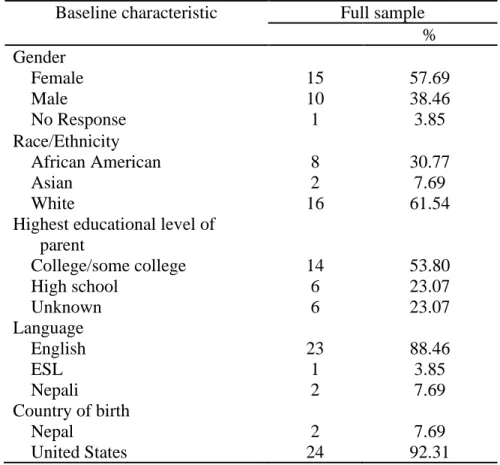
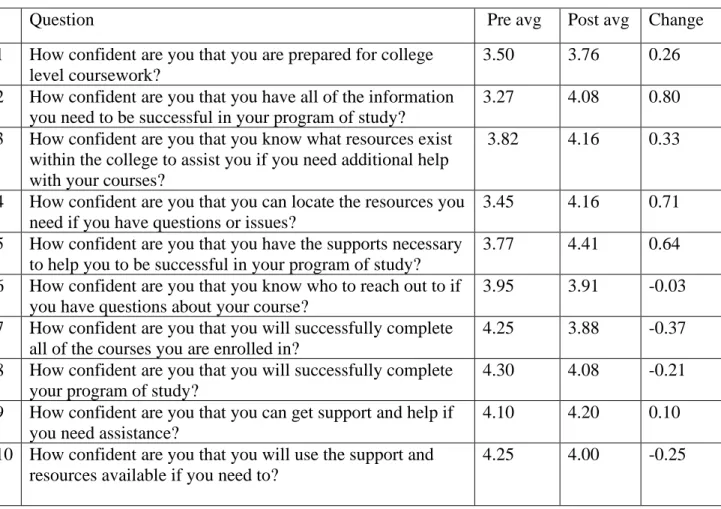
Table 1 Focus Group Composition by Educational and Demographic Characteristics ... 48 Table 2 Pre and Post Survey Average ... 54 Table 3 Focus Group Themes ... 60
List of Figures
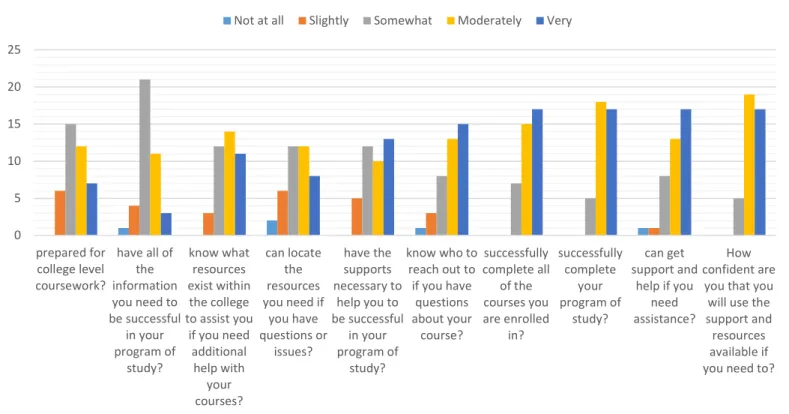
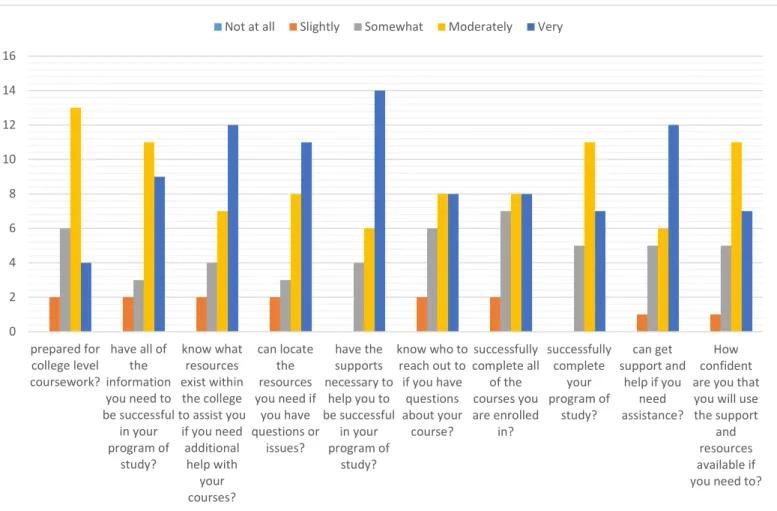
Figure 1 Pre Survey ... 50 Figure 2 Post Survey ... 53
Preface
I have been very fortunate throughout the process of completing the EdD program at the University of Pittsburgh to have had the support of many people. Though it is impossible to individually thank everyone who has encouraged me during this journey, it is important for me to offer my sincere gratitude to all of my colleagues, friends, and family who have encouraged and supported me during this process. While I cannot thank everyone individually, there are a few people who I would like to express my gratitude to who were essential to me successfully completing this program and dissertation.
First, I would like to express my gratitude to the members of my committee for helping me to grow as a researcher. In particular, I would like to thank my advisor and dissertation chair, Dr. M. Najeeb Shafiq for his mentorship during the time that I was enrolled in the EdD program at the University of Pittsburgh. His consistent support and encouragement allowed me to navigate the program and to understand the nuances and complexities central to this project. His guidance, suggestions, and insight allowed this study to become something that is beyond what I could have ever imagined.
Likewise, Dr. Lori Delale-O’Connor shared her expertise and insight assisting me to broaden my perspective something that resonates in both my dissertation and my daily practice. I am thankful for the opportunity to have worked with her as part of my committee as well as during the program something that has helped to widen my overall perspective. The same is true of Dr. Brenda Trettel who generously lent her vision and understanding to this dissertation. I am thankful for her contributions to this study as well as to her mentorship in our shared place of practice. She has been steadfast in her support and for that I am eternally grateful.
Though impossible to do so individually, I would like to acknowledge and thank all members of the college community who contributed their ideas, creative energy, and constructive criticism to aid in the development of SEM 105. The same is true of the students who were enrolled in the pilot sections of the course in the fall 2019. Thank you for your honest feedback and insight into the course design and approach. The course would not be what it is today without your insight and contributions.
In particular, I am thankful to have had the opportunity to work with Dr. Kelli Maxwell and Sara Conroy to design and develop SEM 105 and the associated structures. I am fortunate to have worked with both on this project and have been consistently impressed with the creativity, passion, and expertise that you have both shared during this process. Working with you both has been inspiring and I am grateful for your steadfast dedication to develop this course and your encouragement and support as I worked to complete this study. I am truly fortunate to have shared this journey with you.
I would also like to express my gratitude to the members of my SCAE cohort within the EdD program at the University of Pittsburgh. I feel fortunate to have navigated this program together and am thankful for the opportunity to have shared this with each of you. I am grateful that you took the time to listen, provided feedback and suggestions, and helped me to refine this project over the time that we shared in the program.
Finally, I would like to thank my family for their unwavering encouragement and support. I cannot express my gratitude for always believing in me and providing me with a resolute support-system that allowed me the chance to finish this process.
Thank you to my parents for your continued love and support. Above all thank you to my Mom who believed in me when I did not believe in myself and provided me with the steadfast
support needed to complete this process. You consistently give me the resolve and strength that I need to continue to move forward. I am so thankful for all that you do and could not have done this without your love and support.
I also thank my sister Sue, her husband Jason and my nieces Julia, Delaney, and Marin for always listening, encouraging, and supporting me in all that I do. The same is true of my sister Jeanne who has always supported and encouraged me. To my late brother Joe, you always stood with me, my one regret is we could not share this moment. I am grateful to have you all be part of this process and am so fortunate to have you as part of all that I do.
1.0 Introduction
The issue of retention for students enrolled in courses and programs is a topic of importance in all post-secondary institutions. For community colleges, attrition rates for first year students continue to remain high resulting in poor first to second year retention and poor retention rates overall. Markedly, over a decade ago in 2008 a four year study of 9,200 community college students enrolled for the first time in courses found that there existed “an average attrition rate of approximately 41% from first to second year” (Fike, 2008, p. 68).
Eight years later, the National Center for Education Statistics determined the national average attrition rate in 2016 was 38% for degree seeking first time enrolled students (NCES, 2019). In comparison to national trends, my place of practice, The Community College of Allegheny County (CCAC) had a higher attrition rate in 2015 of 45% for full time first time enrolled students from first to second year (PA Board of Education, 2015, p. 59). By 2017-2018 the attrition rate increased even more significantly to 50.3% (CCAC, Fall to Fall, 2019).
High attrition rates for full time first time enrolled students is a significant issue in my daily practice at The Community College of Allegheny County (CCAC). The impact of high attrition rates is multifold and impacts all stakeholders (students, faculty, administration, staff, and the community at large). As a result, students are negatively impacted in a variety of ways including financial losses the potential decrease in future opportunities that successfully earning credits, certifications, or a degree holds. That is, students who pay out of pocket or who use financial aid eligibility when they enroll in a course or program suffer a monetary loss if they do not successfully complete the courses or programs they are enrolled in. Students receiving federal or state financial
opportunities for future enrollment in post-secondary programs. Additionally, students who do not complete courses or programs decrease future professional opportunities and earning potential in fields where college level credentials are necessary for employment and advancement.
The losses are similar for other stakeholders within the college and the community that it serves. For example, faculty, staff, and administration are negatively impacted by poor retention and similarly incur losses financially including lost revenue and funding and ultimately decreases in courses and programs. The same is true of the surrounding community due to a loss of graduates who have the skills needed and necessary to continue to support a robust and vibrant local and regional economy. In short, poor retention in courses and programs negatively impacts all stakeholders within the community college and surrounding community.
Because of such factors, at the Community College of Allegheny County, the successful completion of courses and programs by students is of great importance and concern for all stakeholders. As a community college the primary mission of CCAC is “to provide affordable access to high quality career and transfer education delivered in a diverse, caring, and innovative learning environment” to prepare students to “succeed in a complex global society” (CCAC, College Mission, 2020). Reflective of the core mission statement of the college, the vision of the college is to advance individual and community success “through our commitment to learning, innovation, and positive social change” (CCAC, College Mission, 2020). To do so, the college strives to “become a global learning community that stands on the pillars of proactive, intentional access, inclusion, diversity, social justice and respect, to positively impact the vitality of the region” (CCAC, College Mission, 2020). Central to doing so is the commitment to increasing college completion, academic success, and equity by supporting students to reach their individual goals (CCAC, College Mission, 2020). To fulfill the mission, vision, and goals of the college,
CCAC is dedicated to developing “an approach to enrollment management that eliminates all institutional barriers to access and places every student on an intentional pathway to success” (CCAC, Strategic Plan, 2020).
With an open enrollment policy and a student population that reflects the overall characteristics of the community college setting, the majority of first time newly enrolled students at CCAC are non-traditional or first-generation college students. Specifically, non-traditional students are those who are defined as not going to school solely on a full-time basis, who often work full or part time and have additional demands on their time including raising or assisting in raising of a family, or are older or returning adults (Fike & Fike, 2008; Travers,2016). Additionally, such students are often first-generation students who likely lack family support, lack technology or transportation, and are unprepared academically for the rigors of college level work (Betts, 2014).
To date, a prevailing theme in the literature focusing on community college retention has typically characterized non-traditional or first generation students as “at-risk” and therefore more likely to drop-out and not complete courses and programs once admitted to a community college (Betts, 2014; Bonet & Walters, 2016; Lee & Choi, 2011). Rather than viewing students as being “at-risk,” studies have started to challenge the notion of the deficiencies of students focusing instead on the insufficiencies of the institutions they attend in providing the framework to ensure student success (Barhoum, 2018; Goldrick-Rab, 2010; Lane, 2018; Lyon & Denner, 2019; Reynolds et al, 2019).
This study reflects that viewpoint in that my belief is that there exists a need to reform the present system to better meet the needs of students. Rather, I share the emergent theme in more recent literature that the perspective of students must be understood in order to identify “the
confluence of institutional barriers” that set students back that are based in the system rather than the student ( Borhoum, 2018; Goldrick-Rab, 2010; Kezar & Kitchen, 2019; Lane, 2018; Lyon & Denner, 2019, p. 25 ). Only by doing so can substantive and meaningful changes begin to take place that hold the possibility of genuinely supporting student success in the community college setting.
It is therefore the onus of the institution to create an environment that encourages and empowers student success as Tinto and Pusser argue as part of fostering a “model of institutional action” (Tinto & Pusser, 2006, p. 5). To do so, requires institutions like CCAC to create a framework to support students by constructing policies that allow for more effective responses to the needs of students that prepare, support, and empower students to ameliorate existing barriers, rather than approaching such efforts from the lens of a “deficiency” of the student as developmental sequences fundamentally do (Goldrick-Rab, 2010).
For CCAC, doing so represents the achievement of strategic goals that include developing learning environments, encouraging curricular redesign and faculty innovation, connecting students to a supportive environment to improve and encourage student success (CCAC, Strategic Plan, 2020). This study aligns with such goals and seeks to leverage the commitment of the college to remove institutional barriers to affect positive and substantive change via the development of a first year experience course that embodies the strategic goals of the college.
1.1 Background
Like other post-secondary institutions, my place of practice, The Community College of Allegheny County (CCAC) provides a variety of institutional resources designed to assist in
helping students to fully realize our mission and vision of access and opportunity. Doing so reflects the effort to fulfill the strategic objective of the college that includes providing access to affordable and high-quality education within an innovative learning environment. As part of doing so, one of the pillars of the strategic plan of the college is to provide students with the motivation and support to achieve their individual goals by increasing college completion, academic success, and equity (CCAC, Strategic Plan, 2020).
To carry out such goals, part of the strategic plan of the college includes efforts to “scale up initiatives” that “have been shown to increase student engagement, persistence, and success” (CCAC, Strategic Plan, 2020). Accordingly, to date, the college has continually worked to provide a variety of supports to assist students to be successful in courses and programs including tutoring, counseling, registration and advising. In addition, Learning Assistance Centers (LAC) provide students with opportunities for assistance ranging from reading, writing, and a Math Café. To further support students, success coaches work to provide students with one on one assistance and support once enrolled in courses and programs. Together, existing institutional supports are designed and made available as part of the larger effort of the college to decrease the barriers that exist for students to increase retention and completion college wide.
In addition to the array of institutional supports available for students on campus, and online (i.e. Smarthinking), the college also participates in national efforts to better support students as a member of Achieving the Dream (ATD). Notably, in 2008, CCAC was selected as one of six colleges in Pennsylvania to become a member of the national Achieving the Dream (ATD) initiative. In particular, the primary focus of the more than two hundred ATD institutions is to help more low income and minoritized students to succeed in the post-secondary environment by providing opportunities via programs that support career, personal, and academic success. To
fulfill their mission, ATD engages in continual assessment of learning outcomes for courses and programs and institutional effectiveness at the institutional and national level (CCAC, ATD, 2020).
As part of ongoing institutional assessment, ATD research focused on high attrition rates at the college with a goal of addressing the barriers that first time newly enrolled students face as well as overall lack of retention. To that end, ATD research at CCAC concluded that though a variety of institutional supports and resources are available for students, in comparison to other post-secondary institutions, CCAC lacked some of the more recent supports that are found at similar institutions. That is, while a majority of two and four year post-secondary institutions have increasingly turned toward First Year Experience (FYE) courses to assist students to transition to the college environment and to increase retention, CCAC had yet to do so.
Concentrating on the findings of the Community College Research Center (CCRC), ATD members identified that the results of the 2012 Center for Community College Engagement (CSSE) survey highlighted that 84% of respondents offered some form of a student success or first year experience course as part of trying to increase student persistence (Karp et al, 2015). Accordingly, researchers at the Community College Research Center concluded in two working papers that first year experience or student success courses do hold the possibility of assisting students to transition to college and in turn be successful in completing courses and programs (Karp et al, 2012; Karp et al, 2015). What is key, however, is that such courses focus on active engagement and participation of students to assist them to gain the academic and other skills needed for long term success in the community college setting (Karp et al, 2015). In fact, by 2019 nearly 95% of colleges offer some form of First Year Experience (known as first year seminars, college success courses, etc) courses to “help students become more academically prepared and
emotionally engaged in ways that will encourage them to remain in college” (Reynolds, 2019, p. 104).
Encouraged by the growing evidence of the value of such courses identified by the institutional assessment conducted by ATD, a workgroup headed by Dr. Kelli Maxwell was created at CCAC to design and pilot a first year experience course that ultimately resulted in the creation of College Seminar 105 (SEM 105). Ultimately the decision was made to ensure that the workgroup and effort to create a first year experience course would be faculty driven and in addition to myself included professors Sara Conroy, Amie Erickson, Alex Tongchinsub, and Librarian Christopher Galuzzo. Though faculty led the overall effort, the entire college community lent their collective talent, energy, ideas, and contributions to create a first year experience course, SEM 105 at CCAC. While impossible to mention every stakeholder who participated, it is worth noting that there were significant contributions from every area of the college including Information Technology Services (ITS), Advisement and Registration, Counseling, Financial Aid, Student Success Coaches, and the college Administration. At various times during the development of the course and associated materials, contributions and feedback was provided and incorporated as part of the design process though the workgroup guided and curated such contributions.
One of the first decisions for the workgroup was to evaluate an existing course, SDS 102, Student Academic Success, to determine if the course aligned with the concepts commonly associated with first year experience courses. It was quickly determined that the course did not due to the fact that it was intertwined within the developmental course sequence and was focused on students who were either in the sequence (testing into two or more developmental topics) or for those students who were experiencing academic setbacks (probation or suspension). As a one
credit course those required to complete the course were students either in academic jeopardy or in the developmental sequence and revolved around study skills and student academic success strategies. As a result, the course excluded the remainder of the student body and did not reflect the overall scope of a typical first year seminar. Accordingly, the decision was made to develop a new two credit course that would be required for the majority of incoming newly enrolled students that focused on the scope of topics more commonly found in a first year experience course.
As part of the effort to build support within the college community and to encourage stakeholders to actively participate in the development of the course, a series of informational sessions were conducted system wide. For instance, the proposal and preliminary research supporting the development of a first year experience course was presented at several professional development sessions system wide to both introduce the concept of the course and to elicit contributions and feedback. Thereafter, information and discussions were conducted during advising in service sessions and in the fall of 2019 formal presentations, in conjunction with the team members of Achieving the Dream, were conducted at each of the campus locations as part of the fall orientation programs.
In each instance, feedback was elicited from the college community to ensure that all stakeholders were given the chance to participate and contribute to the development of the course. In short, such efforts were part of working to build a model of institutional action that involves the entire college community to create an effective educational environment that supports student success (Beaver & Weinbaum, 2012; Tinto & Pusser, 2006).
Using the feedback from the college community and the research conducted to date on first year experience courses as the guiding concepts, it was decided that the course should revolve around active student engagement to foster long-term gains for students enrolled in the course. As
the authors of White Paper No. 81 and No. 49 concluded, students who are actively engaged in first year experience courses are more likely to have long term gains that better help to support them as they progress into future courses and programs (Karp et al, 2012; Karp et al, 2015). As part of doing so, familiarizing students with institutional supports is essential to ensure that they have the knowledge of the resources available to support them.
Guided by such research, the workgroup determined that the curriculum would revolve around students being active participants in the class via a variety of instructional techniques including discussions, journaling, hands on work with student planning and other software, and hands on active engagement with technology essential to student success in the college environment. As a result, it was determined that a two-credit course would allow for the scope of content necessary to achieve the learning objectives in a meaningful way. Additionally, the group decided that the course should emphasize “seat-time” and be offered twice per week for full semesters (14 or 16 weeks). The purpose of doing so was to ensure that connections could be fostered between faculty and students, something the research to date concludes is a critical part of building a sense of connection for newly enrolled students to the college community. The use of online sections was therefore intentionally limited by the group to students who are only enrolled in fully online sections.
Such structures embody the characteristics of first year experience courses that impact students over the long term as advocated by the research to date. In particular, the literature collectively concludes that courses that emphasize active learning and that focus on building connections between students, faculty, and the college community hold long term benefits for students (Hatch et al, 2018; Karp et al, 2015; Karp et al, 2012; Reynolds, 2019). To do so requires the use of a broad range of instruction and the avoidance of assigning “busy work” to students.
Instead, successful courses build a sense of community, social connections, and focus on active learning strategies to assist students to learn how to problem solve and to be well versed on the college environment for long term gains to be achieved (Hatch et al, 2018; Karp et al, 2015; Karp et al, 2012; Reynolds, 2019). As part of doing so, Karp et al suggests embedding institutional supports into the course as part of a student-centered approach that prepares students for future application if the need arises (Karp et al, 2015).
Guided by such concepts, the curriculum of the course created at CCAC is rooted in a student-centered approach to encourage active learning and engagement to help students to transition into the college environment and help them to learn strategies to overcome any barriers that might arise as they work toward the completion of courses and programs. Accordingly, the course design includes the use of a variety of instructional techniques including the use of what Karp et al terms “worked examples” to help students to learn to successfully navigate the college environment (Karp et al, 2015, p. 5).
Likewise, one of the overarching goals of the course is to familiarize students with the variety of institutional resources that exist to support them in their effort to complete courses and programs at the community college. To that end, enrolled students create a Career Plan, an Academic Plan, and a Resource Plan to achieve the outcome of increasing student perceptions that they are supported, empowered, and prepared to move forward into future classes and to complete the programs they are enrolled in.
Such plans are designed to provide students with a series of resources that can continue to be used once the course has been completed to assist them as they move forward in their educational journey at the college. To assist in doing so during the semester, a Library Guide was created by a member of the workgroup, Librarian Christopher Galuzzo, that provides students with
access to a robust and diverse array of materials on the listed topics in the course. By design, the Library Guide remains accessible to students once they complete the course to ensure they can continue to have access to the resources to provide continued support as they work to complete future courses or programs.
In short, as students work to complete SEM 105 the curriculum revolves around the completion of three interconnected plans, the Career, Academic, and Resource plan, with emphasis on increasing the knowledge that students have of institutional resources to increase the probability that students will rely on such resources to assist them to successfully complete courses and ultimately programs. In particular, the focus is on increasing student knowledge and perceptions about institutional supports and the role they play in supporting student success.
1.2 Study Context
The study context therefore was a pilot offering of SEM 105 in the fall 2019 semester at the Community College of Allegheny County. The study was grounded in the theoretical foundation of epistemology with a focus on ascertaining a belief held regarding the scope of knowledge that students entering college level classes hold surrounding institutional supports (Twining et al, 2017). My inquiry design was improvement science. My aim was to provide a means to understand how to more effectively support first year students to increase retention and completion in courses and programs.
The purpose of this inquiry was to explore the perceptions that students have regarding their level of preparedness, empowerment, and support when newly enrolling in courses at the community college. As Bryk argues, improvement science enabled me to involve participants who
are “improvers seeking to generate strong evidence about how to achieve better outcomes more reliably” (Bryk, 2015, p. 9).
As a member of the workgroup that worked to design and deploy the course and the associated faculty training required for any future faculty teaching the course, I piloted one of the two sections and continued to work within the workgroup during the semester to measure how well the course curriculum met the stated course objectives. Following the proscribed governance process at our college, I created an experimental course (per the governance process at CCAC) to serve as the foundation to pilot SEM105. The course outline for the experimental course was created collaboratively by the workgroup and reflected the overall focus on active learning and engagement to facilitate long term gains advanced in the body of research (Karp et al, 2012; Karp et al, 2015). Thus, though I served as the sponsor of the experimental course that provided the opportunity for the pilot, the content and curriculum of the course was reflective of the collaboration of the workgroup and college community previously discussed.
Once approved, the experimental course served as the structure for the pilot sections offered in the fall of 2019. In addition to the section of the pilot that I taught, my colleague and fellow workgroup member Professor Sara Conroy taught a second section based on the same experimental course outline and proposal.
Specifically, the Learning Objectives of the course require students to apply independent learning strategies required for success in academic courses at the college level; develop an understanding of college culture, expectations, and procedures; demonstrate effective communication skills in order to interact respectfully and productively in a diverse learning environment; identify interests and resources related to career and transfer options; apply problem-solving strategies to manage issues that impact school performance; and demonstrate information
literacy using appropriate technological tools and resources necessary for academic success (CCAC, 2019). For this reason, listed topics emphasize active learning strategies to introduce students to the community college environment. In addition to topics typical to a first year experience course like time-management and goal setting, the final approved common course outline for SEM 105 includes a variety of topics to help students develop problem solving techniques and strategies for future use (Appendix A). In particular, listed topics demonstrate the emphasis on familiarizing students with institutional resources and to building connections to the college community.
To cover the listed topics and meet the learning objectives using a student-centered approach the sequence of the course ultimately was designed to introduce topics in the course deemed essential with a two week “Quick Start.” The first two weeks of the course introduce the students to technology with hands on instruction in a computer lab to assist students to ensure that they can access the course Blackboard site, email, and that their net ID is set up and working. The workgroup decided that this was critical to ensure that students were provided both instruction and the opportunity to work with the systems that are core to all classes college wide. To provide the variety of resources built into the course (i.e. the Library Guide and resources in Blackboard) would only be worthwhile if students are able to access them and become familiar with how use the technology necessary to do so. The long-term benefit is to also provide students with information and skills necessary to be successful in other courses.
Following the two week “Quick Start” the course is organized thereafter into five additional units of work. The “Quick Start” is followed by “Getting Started at CCAC” where topics include introducing students to the college environment, discussions of diversity, and campus resources. Thereafter, Unit 2, “Study Strategies” introduces students to techniques, strategies, and
institutional resources. Students then begin to complete their Career Plan in Unit 3 and begin to work with the Student Planning Software of the college to either confirm their existing plan or to explore other career options. In Unit 4 students build off of the Career Plan to complete their Academic Plan using the Student Planning Software to explore courses and program requirements. Part of completing the plan, purposefully timed to coincide with the registration cycle for the next semester, is to connect with student advisors or transfer counselors. Finally, using the foundations of both existing plans, students create a Resource Plan in the last unit of the course. The Resource Plan is designed to be a comprehensive plan that students can carry forward with them as they continue to work to complete courses and programs.
To ensure consistency in the way that such topics were covered with the pilot sections, we both followed the proscribed sequence designed by the workgroup as part of the effort to evaluate the design of the sequence of the curriculum. We also worked collaboratively during the semester sharing the same course materials, timeline, and collaborated to engage in continual assessment of the course as the semester progressed. In addition, we met on a weekly basis to discuss the progress of the course and used the variety of embedded assessment materials to assess and make adjustments in the course as the semester continued.
As part of doing so, we administered a pre survey the first week of the course to gauge student perceptions of the college and institutional resources. Doing so assisted us to make what we believed to be necessary adjustments to ensure we were able to meet the learning objectives of the course listed on approved course outline. Additionally, constant collaboration allowed for the ability to consistently assess the learning objectives, student perceptions of the curriculum, overall course structure and approach, and the emphasis on institutional resources.
1.3 Participants
The purpose of this study was to gain an understanding of what impact the completion of SEM 105 had on increasing student knowledge and perceptions that they are institutionally supported within the college environment. Answering this question could help faculty and administration to gain a better understanding of student perceptions of institutional supports as a means to increase student retention.
Using a qualitative measure embedded into the course materials for the initial pilot first year experience course increased the understanding of student perceptions of the efficacy of institutional resources. By gaining insight into student perceptions of institutional resources as part of the first year experience course, it allows for an evaluation of the role that such resources might play in increasing student retention for first to second year students in the community college setting.
Students enrolled in SEM 105 are those students at CCAC who have enrolled for 9 or more credit hours. Students who have completed a first year experience (or equivalent course) at a previous institution, dual enrolled (still enrolled in high school and taking classes concurrently), are enrolled in a workforce development certificate (i.e. welding, mechanics), or enrolled in Allied Health programs (Nursing, Radiology, etc), or who have successfully completed 15 credit hours at another post-secondary institution are exempt. Students who are first time enrollment are otherwise be required to complete SEM 105 to be eligible to continue to enroll in courses once they reach the threshold of 9 credit hours. The participants for the survey were the students enrolled in the two sections of SEM 105 piloted in the fall semester of 2019. Each section had a maximum enrollment of 25 total students. As the instructor for one of the sections, I worked
collaboratively with my colleague Professor Conroy who taught the second section to pilot the course that we both helped to create as part of the SEM 105 workgroup.
Two surveys, a pre and post survey, were embedded into the course materials and were administered in each pilot section of the course during a scheduled class period. The data obtained from the pre and post survey allowed for the collection of data to engage in a retrospective study of student perceptions of institutional supports.
In addition to the pre and post survey, additional data on student perceptions of the efficacy of completion of the course was obtained using additional embedded survey materials as well as an end of semester focus group discussion. Particular attention in the group sessions was paid to attempting to ascertain student perceptions of feeling prepared, supported, and empowered at the conclusion of the course.
All data was obtained from instruments embedded into the course materials and designed to provide data to allow for faculty and the workgroup to engage in authentic assessment of the achievement of learning outcomes by enrolled students.
1.4 Instrumentation and Protocols
The design of the study centered on the use of a pre and post course survey embedded into the course materials in the first year experience course, SEM 105. The survey gauged student confidence using a 5 point Likert scale (not at all confident, slightly confident, somewhat confident, moderately confident, very confident) focusing on student perceptions of support and knowing what to do in the post-secondary environment as newly enrolled community college students.
The survey was embedded into the course materials for the pilot administration of SEM 105 in the fall of 2019 and was administered at the end of the course. Specifically, SEM 105 is a course that ran for the first time in the fall semester of 2019 that will scale up in fall 2020 and will be required for the majority of first year students at the community college. The survey was embedded into the course materials as a self-assessment for students to complete to gauge their perceptions as they begin the course and then as they are about to conclude the course.
As an embedded assessment instrument, the confidence survey provided data on how well students who completed the course reached the learning outcomes of the course. In addition, for the purposes of this study, the survey data allowed for the ability to gauge the perceptions of students over time to try to determine if the course emphasis on gaining greater understanding of such resources and the role they play in supporting student efforts to complete courses and programs to determine if students feel more prepared, supported, and empowered at the completion of the course.
Additional insight was gathered via the use of an end of semester focus group. The focus group allowed for the ability to gain a greater depth and breadth of understanding of student perspectives after completing the course. Questions permit an evaluation of student perceptions of their feelings surrounding their participation in the course with specific attention on learning if students feel more prepared, empowered, and supported at the conclusion of the course.
The assessment of student opinions provided insight into how well the learning outcomes were being met with specific attention to eliciting student perceptions on institutional supports. Gaining such data will assist in better meeting the overarching goal of the first year experience course to move beyond just revising the existing institutional approach to informing students about existing resources and create a revised approach consisting of several points of contact to scaffold
and embed institutional resources. As a member of the workgroup that has designed and will now pilot the course, I wanted to explore how tailoring and embedding supports for students might serve to more effectively support learners beyond traditional institutional supports.
Specifically, my goal was to investigate the ways that supports can be effectively embedded into the content of a classroom to increase student perceptions about their level of preparedness, support, and empowerment to try to positively impact attrition in courses and programs. Though numerous existing institutional supports are available to support students, new students often do not have a working knowledge of what supports exist or how to access them. Additionally, students often stigmatize the use of institutional supports as something that demonstrates inadequacy or weakness rather than understanding how such resources can increase the probability of successfully completing courses and programs. To that end, I wanted to explore how tailoring and embedding institutional supports for students enrolled in courses and programs could more effectively support learners beyond existing traditional institutional supports to better prepare, support, and empower new students.
2.0 Literature Review
Student retention in courses and programs is an issue in higher education that impacts outcomes for stakeholders including students, faculty, institutions of higher education, and the community. High attrition rates among full time first time enrolled students is a subject that is of universal concern for all post-secondary institutions. For community colleges, poor retention from fall to spring and fall to fall remain high nationwide for first time enrolled students. In fact, according to the National Center for Education Statistics, the national average attrition rate for first time enrolled students was 38% in 2018 (NCES, 2019).
Students who attempt but do not successfully complete courses experience setbacks including financial, academic progress, and potential losses of future professional advancement. Other stakeholders including the faculty and the college are similarly impacted as decreased retention and completion of courses and programs negatively impacts the stability of courses, programs, and the institution. Decreases in retention negatively impact the institution otherwise with losses of revenue and funding that further decrease the ability of the college to provide supports to help students to successfully complete their studies.
For the community, a lack of student retention and completion translates into fewer graduates who can bring their human capital into the region and professions to contribute to the viability of the area and economy. In short, all stakeholders are impacted negatively when students do not successfully complete programs and courses.
2.1 Problem of practice
The topic of interest for my problem of practice centers on high attrition rates for first-time full-time community college students. As part of the mission to provide affordable and flexible options for students, community colleges, including my institution The Community College of Allegheny County (CCAC), have broadened course offerings to include traditional face to face courses, hybrid courses (60% on campus and 40% online), and to fully online courses to provide greater flexibility, affordability, and access to courses and programs (Beckford, 2015; Cochran, 2014; Huntingdon-Klein, 2017; Lee & Choi, 2011; Robichaud, 2016; Rovai, 2010:Travers, 2016; Wladis, 2015).
Though the increase of modalities in course offerings has proven a popular option for students and colleges, the various choices available to students have produced less than impressive success and retention rates. For instance, the average attrition rate for first time full time enrolled students at The Community College of Allegheny County is 45% from first to second year (PA Board of Education, 2015, p. 59).
As part of my daily practice, my interest for this study centered on the identification of how my current institution, The Community College of Allegheny County, could increase retention and success in our courses and programs. Particularly, I was interested in the role that institutional supports play in retention and success of our students and how we might move toward creating innovative and embedded resources that increase retention and success in our courses and programs. Specific attention was focused on how embedding such resources into a first year experience course might increase retention and student success in programs and courses to ensure that we can fulfill our mission to provide high quality, affordable, and quality education.
The topic represents an important in my daily practice due to the mission of our college to offer courses to provide the opportunity for students to enroll in and complete courses and programs at my current institution, The Community College of Allegheny County. As a faculty member who teaches courses and a department head attempting to meet the needs of students, the lack of completion of course and programs is of critical concern in my daily practice.
Assisting students to successfully complete courses is central to my roles as both an educator and department head. Student success is core to our mission as an institution of higher education to provide affordable, flexible, and quality educational opportunities to students seeking a post-secondary education. With this in mind, the mission, vision, and goals of CCAC include the delivery of high-quality programs including the delivery of instruction via innovative uses of technology to create an innovative learning environment (CCAC, Mission, 2016).
Though institutions like CCAC are meeting that mission statement to offer courses that are flexible and part of creating an innovative learning environment, the fact that student retention is decreasing is not reflective of achieving the goal to provide quality educational opportunities to students seeking a post-secondary education. With a mission two-fold of providing access and opportunity, the latter is diminished when students do not complete their program of study. To investigate the problem of high attrition rates in courses and programs, a review of the relevant literature was undertaken with an emphasis on the themes of interventions, retention, the performance gap, stakeholder perspectives, and first year experience courses.
2.2 Interventions
In the variety of articles examined for this study, the pattern of research concluded that students who enroll in courses in the community college setting drop out of courses due to a lack of interventions and institutional support. Though post-secondary institutions like CCAC offer such supports and resources, students do not take full advantage of or often are unaware that such resources exist to assist them to be successful in courses and programs. Moreover, traditional supports like writing centers, tutoring, advising, and counseling are often not individualized nor comprehensive in scope resulting in fewer benefits or impact for students (Kezar & Ktichen, 2019; Lyon & Denner, 2019)
To better meet student needs, Fike and Fike assert that institutions should ensure that supports are “tailored” to the particular institution to ensure that they can meet the “unique needs of the institutions and its students (Fike & Fike, 2008, p. 68). As the authors detail, students enrolled in the community college setting are unique in comparison to their peers at four-year institutions often due to open admissions policies. That is, students are often non-traditional students meaning they often are older, returning adults, or hold full or part-time employment and have other demands on their time (Fike & Fike, 2008). Many students are not “college ready” resulting in many requiring developmental courses or other supports to increase fundamental academic skills (Fike & Fike, 2008).
The authors concluded that the completion of developmental courses (reading in particular) is an important indicator for student retention due to the additional supports that students receive in such classes (Fike & Fike, 2008). Additionally, the authors argue that open admission policies and the different motivations students have for taking courses further increases attrition rates for students. Because students enter for various reasons (to complete a program, to earn credits to
transfer, to increase credentials) based on open admission policies, students are often less likely to continue in their students absent of supports to encourage completion (Fike & Fike, 2008).
Like Fike and Fike, Hatch and Garcia concluded that community college students are unique in comparison to their four-year institution counterparts due to the various roles that community colleges play and open enrollment policies (Hatch & Garcia, 2017). In particular, the authors argue that newly enrolled students confront “pitfalls” and other “institutional processes” that negatively impact student retention in the first few weeks of entering an institution (Hatch & Garcia, 2017). Significant to student retention is student engagement including orientations, social support, and academic support (Hatch & Garcia, 2017). The authors suggest that student persistence is increased by collective engagement efforts by colleges that build connections to create academic and social networks for students (Hatch & Garcia, 2017).
In both studies, the authors focused on interventions that were applicable to all first time full time enrolled students in the community college setting. To further support students and foster engagement, Bonet and Walters demonstrated the success at Kingsboro Community College in the creation of learning communities to provide institutional interventions and supports on a continual basis (Bonet & Walters, 2016). At Kingsboro, students were placed into learning communities or cohorts (often termed block scheduling at the community college level) based on either discipline-specific programs or level-based on placement testing or English proficiency. Analyzing enrollment and outcome data from students enrolled in learning communities in psychology and sociology courses (in both traditional on campus face to face and online courses), the authors concluded that such measures result in higher retention and improved grades in all courses no matter the modality (Bonet & Walters, 2016).
Such efforts reflect establishing what Tinto and Pusser characterize as a “model of institutional action” that create conditions within colleges that foster an environment that supports student success (Tinto & Pusser, 2006, p. 5). Burkholder et al agree concluding that the creation of a comprehensive “culture of retention and persistence” is needed, including providing interventions including adequate levels of support to students, including internal (academic based) and external factors (outside demands and barriers), and faculty engagement (Burkholder, 2013). Similarly, Teranishi and Bezbatchenko place emphasis on the importance of institutions actively providing interventions that focus on efforts to diminish barriers that impact marginalized groups as part of the national college completion agenda (Teranishi & Bezbatchenko, 2015). As this preliminary review of literature demonstrated, a variety of interventions or institutional supports are needed including orientations and embedded supports to create an environment that assists students to complete courses and programs.
2.3 Retention
In short, the body of literature surveyed proposed a variety of intervention strategies to improve retention among first time full time enrolled students in the community college setting. To do so, Feldmen asserts that it is first necessary to identify the factors that predict students who are more likely to drop out and who will not complete courses or programs in the community college setting.
Notably, Feldmen argues that the four main factors that can help to predict retention are enrollment status (full time or part time), age, ethnicity, and GPA (Feldmen, 2004). According to Feldmen, students who are enrolled part time in a community college are more likely to drop out
than their full-time counterparts. Similarly, students who are under the age 25 are less likely to complete courses and programs. The same is true of minoritized students who are more likely to drop out of community college programs and courses than their counterparts (Feldmen, 2014).
Though enrollment status, age, and ethnicity are all important predictors of persistence, for Feldmen GPA is the most important predictor of retention among community college students. In fact, the author concluded that “the single strongest predictor of retention was high school GPA. Each one-point increase in high school GPA was associated with a decrease in drop rate by a factor of .46” in the study conducted using data from Niagara Community College (Feldmen, 2014, p. 511). The author concludes that by identifying at-risk students early in the process of enrollment institutional interventions can be used to better support students to decrease dropout rates among community college students.
Like Feldman, Goldrick-Rab argues that student characteristics including age, enrollment status, socioeconomic status, and a lack of academic preparedness represent all negatively impact student success rates in the community college setting (Goldrick-Rab, 2010). Still, the author believes that rather than focusing on student “deficiencies” as predictors of retention in community colleges it might be more useful to focus on the policies that are created by community colleges to support student success. In particular, the author asserts that a more effective approach would be to craft more effective responses at multiple levels to create policies that positively serve students in the community college setting (Goldrick-Rab, 2010).
The author concludes that “among those institutional policies deserving more careful analysis are learning communities, first year support service programs, and adult literacy programs” (Goldrick-Rab, 2010, p. 457). Though a great deal of research to date has been conducted on increasing student retention, Goldrick-Rab believes that much work remains to be
completed though what is clear from her research is that there exists a need for a “multifaceted approach that is flexible enough to accommodate the variety of student needs and ambitious enough to create meaningful change (Goldrick-Rab, 2010, p. 459).
Kezar and Kitchen echo that call asserting that there exists a need to construct interventions that are comprehensive and system wide (Kezar & Kitchen, 2019). Thus, the authors argue that existing supports fall short because they are not intertwined in a meaningful way to provide support for students across the system. Though colleges have created various supports including first year experience courses, the authors conclude that the lack of a system wide series of aligned structures results in a continued failure to fully meet the needs of students.
As a result, rather than assisting students to be successful, existing supports represent multiple institutional and structural barriers that impede student progress and in particular stop underrepresented students from being successful in the community college setting (Kezar & Kitchen, 2019). Accordingly, the authors argue in favor of creating structures that are system wide and comprehensive from curriculum to supports external to the classroom (Kezar & Kitchen, 2019).
In short, the authors collectively concluded that only by providing comprehensive, multi-faceted, and individualized network of support can college truly begin to increase retention rates among first time enrolled students. Further, such supports would serve to begin to assist students to close the performance gap that results in a lack of completion of courses and in turn to higher drop-out rates among newly enrolled students.
2.4 The Performance Gap
The performance gap is an issue that is of great significance for first time enrolled students in the community college setting. According to Betts, students who work more than 20 hours per week, lack family support, hold a GED or equivalence rather than a high school diploma, lack transportation, are first generation college students, have family responsibilities, or are required to complete developmental (formerly known as remedial) courses are the least likely to complete courses and programs (Betts, 2014).
To increase student retention among community college students Betts asserts that there is a need to create a variety of institutional supports including individualized attention in the form of individualized instruction plans, advisors, tutors, and employing specific strategies to close the performance gap (Betts, 2014). Surveying such efforts in the North Carolina Community college system, Betts details how early initiatives increased retention in the first semester such efforts were employed (spring) resulting in a commitment to increasing such initiatives for health science students in particular to ensure that the gains achieved continue in the long term (Betts, 2010).
Bonet and Walters echo such conclusions as they surveyed students in colleges in New York State including Kingsboro Community College and detailed the success that embedded supports and learning communities have had to increase retention among non-traditional or first generation students (Bonet & Walters, 2016). Such initiatives have provided, as the authors demonstrate, the emotional and academic support that students benefit from especially those who must complete developmental courses or who are not prepared academically for college-level work (Bonet & Walters, 2016).
According to the author, the traditional use of placement testing and developmental courses disadvantage students, particularly minoritized students (Barhoum, 2018). In fact, Barhoum concludes that “many hopeful college students, with dreams of employment and life enrichment, have had their lives significantly altered for the worse because of these traditional, and in some cases discriminatory, practices that implement academic segregation” (Barhoum, 2018, p. 19).
Focusing on developmental writing courses, the author surveyed community college faculty nationwide to ascertain the structural deficiencies of existing developmental sequences. The resulting data revealed that such sequences represented barriers to student success primarily due to the length of the sequence and the lack of individualized support for enrolled students (Barhoum, 2018).
In response to such findings, the author concludes that decreasing the length of the developmental sequence coupled with a commitment to writing centers and mandatory tutoring could alter existing systems to better meet the needs of enrolled students. Specifically, Barhoum argues that tutoring and other institutional supports are fundamental to help to foster “the building of relationships with peers and other academically-focused individuals” is an important part of increasing the chances of student success (Barhoum, 2018, p. 21).
The focus of Barhoum and others on the developmental sequence as a structural barrier that decreases student success in the community college is an important aspect for consideration when exploring factors that impact student retention. Though of critical importance, in depth analysis and discussion of developmental courses and associated issues are outside of the scope of this study. Still, such structural barriers speak to the overall deficiencies of existing systems and the need to focus on building more effective and responsive systems to better foster student success.
As Beaver and Weinbaum (2012) assert, a high capacity educational institution is necessary to build an effective educational setting. Building student capacity, and to close the performance gap, requires institutions to create an effective educational environment that supports student achievement. Thus, to build capacity requires institutions to focus on human capital, social capital, program coherence and resources (Beaver & Weinbaum, 2012). Though the authors studied such trends in a total of eleven elementary and secondary institutions in Pennsylvania, the importance of creating an effective educational environment is applicable to post-secondary institutions. To determine capacity, the authors conducted on average five to six in-person interviews at each institution to assess the understanding and application of No Child Left Behind standards. Accordingly, Muilenburg and Berge reach similar conclusions in their study of distance education at every level (K-12, higher education, and professional development) further demonstrating the critical importance of creating a setting that can best overcome the barriers that students encounter when attempting online courses (Muilenburg & Berge, 2001).
Osborn similarly investigated the causes of attrition, or barriers, to student completion of courses concluding that factors like environment directly impact dropout rates for non-traditional students (Osborn, 2001). For Osborn characteristics like institutional environment, student characteristics, and faculty perceptions are all important forces that influence the drop-out rate of students in courses at four-year institutions (Osborn, 2001). Anderson et al similarly focused on the role of the institutional environment and the impact that it has on first-generation students with a focus on defining the concept of access (Anderson, et al, 2015). Such emphasis reflects the overall effort to evaluate the role that perspectives, student, faculty, and administration, play in student attrition rates all courses and programs.
2.5 Perspectives
The various perspectives of stakeholders at every level of education is a critical factor that shapes the overall character of post-secondary education. Student, faculty, and administration all play a role in determining the educational environment and in turn the success or lack of success for students enrolled in online programs and courses.
After surveying just over 50,000 students enrolled in ten community colleges nationwide, Sutton learned the top ten challenges identified by students as barriers to completion of courses and programs (Sutton, 2019). Specific barriers ranged from issues with parking, balancing work and demands of college life, faculty, registering for classes, expenses, modality, and academic experience (Sutton, 2019). For students, the lack of academic preparedness, developing a class schedule that balanced with other demands (work and family responsibilities), and lack of skills like time management, a lack of study skills, and a lack of motivation all represented obstacles to student success in the community college setting (Sutton, 2019).
To overcome such obstacles, the author suggests the need for systematic and thoughtful interventions designed to specifically address the barriers that students have identified that are part of structures within institutions. To that end, innovation is needed on the whole to ensure that students receive the institutional support necessary to ensure access and in turn success in the community college setting (Sutton, 2019).
Lyon and Denner similarly believe that gaining better insight into student perceptions can allow for a better understanding of the “lived experiences” of students (Lyon & Denner, 2019). Focusing on students enrolled in computer science programs designed for transfer to a four year institution, the authors interviewed students from fourteen community colleges to gain insight into their perspectives on the barriers that they identify to completion of programs and courses.
Using the metaphor of the board game “Chutes & Ladders” the authors survey the convoluted path that students often follow as they attempt to complete courses and programs in the community college setting. As students encounter setbacks (chutes) and shortcuts (ladders) they wind through a exacerbating system that discourages completion (Lyon & Denner, 2019). According to the student interviews conducted by the authors, the perceptions that students have of the process is one that is not conducive to their success. Specifically, barriers identified by students included poor advising, limitations of courses, ineffective instruction, classes that would not transfer, and disadvantages of being limited in the courses that could be retaken to improve grades and overall GPA for transfer (Lyon & Denner, 2019). The authors conclude that possible interventions might include targeted counseling, improved instruction (due to the critical role faculty play), greater flexibility for working students, and consideration of accommodation for grade forgiveness and course repeats to allow students to improve overall GPA standing to in turn increase the possibility of transfer to a four year institution (Lyon & Denner, 2019). Accordingly, the authors argue in favor of greater access to targeted support and ease of entry and reentry to allow students to continue to make progress rather than to push students out of the existing system (Lyon & Denner, 2019).
Similarly focusing on the concept of accessibility, Anderson et al concentrated on the attempt to define the concept of “what is access?” The authors question if four-year institutions, community colleges, and for-profit institutions, are equipped to deal with the complexity of needs of first generation, and minoritized students who are increasing in numbers due to government initiatives. The authors conclude that equity and quality in admissions and access should be integrated as core concepts in post-secondary education to help to address the performance gap among first generation students (Anderson, et al, 2015).
For Dobbs et al a survey of students both enrolled in traditional and online courses at a four-year institution enrolled in a Criminal Justice Program in the Southwestern United States reveled that all students argued that online courses are a greater challenge though the quality was equivalent. Some variations were found in the results depending on age groups (Dobbs et al, 2017). For Adnan and Boz, faculty teaching mathematics at a university in Turkey reached similar conclusions. The authors concluded that in the discipline of mathematics, the faculty who were surveyed determined that a blended approach results in greater success for students enrolled in online courses (Adnan & Boz, 2015).
In short, no matter the modality, a multiplicity of barriers exist for students exists when entering a community college for the first time. Additionally, other stakeholders including faculty similarly struggle to meet the needs of students in the rapidly changing educational environment. One approach to better meet the needs of students that has increasingly grown in use among post-secondary institutions is the use of a first year experience (FYE) course (also called student success, seminar, freshman seminar).
2.6 First Year Experience Courses
Student retention is an issue of importance in post- secondary education. The pattern of research to date demonstrates emergent factors including how the lack of engagement, a lack of academic skills, inadequate access to necessary technology, the performance gap, stakeholder perspectives, and alienation may contribute to the high drop-out rates in traditional and online courses and what interventions have proven useful to ameliorate such barriers.