1
Public Lighting Recommendations
A document prepared for the Road Management Office
Prof. Brian Espey, School of Physics, Trinity College Dublin
on behalf of the Dark Sky Ireland group
2
Prof. Brian Espey, School of Physics, Trinity College Dublin
on behalf of the Dark Sky Ireland group https://www.darksky.ie/
Contact info: email: [email protected] Ph: (01) 896-2680
3
Abstract
Public lighting accounts for €56 million in public expenditure annually and is a major item in council budgets. A large proportion of the 480,000 units in the lighting stock are in need of replacement with more efficient luminaires in order to meet energy and carbon reduction targets. The following document is predicated on the assumption that LED lighting will be increasingly used for public lighting and aims to mitigate the negative effects within the constraints of the drive for energy efficiency and lower carbon production. It is important to point out, however, that in line with the recommendations of bodies such as the Institution of Lighting Professionals the greatest savings will be made by dimming lights or removing unnecessary lighting. This document outlines aspects of public lighting in relation to the installation of LED lighting and the desirability to reduce both light levels and the blue spectral component. LED technology is known to have positive outcomes in terms of economic and environmental aspects (including carbon dioxide reduction) and the replacement of older lanterns with modern full cut-off designs which reduce or eliminate light emission above or near the horizontal provide further gains. We suggest that besides the introduction of this technology and also “trimming and dimming” of lighting levels, the colour of the spectrum produced by LED installations and its relationship to the behaviour of human vision at low light levels should be considered when specifying and installing exterior lighting. Consideration of lighting colour and its impact can lead to a reduction in the level of lighting, its impact on the environment, and also potentially reduce human health effects such as sleep disruption.
4
Contents
Abstract ... 3
Introduction ... 5
Review of Lighting Practices ... 5
US and Canada ... 5
EU guidance ... 7
Austria ... 7
Croatia ... 8
France... 8
Greece ... 8
Slovenia ... 8
United Kingdom ... 9
LED lighting Impacts ... 10
Environmental impacts: ... 10
Impacts on humans: ... 11
Astronomy and tourism: ... 14
Associations between light level/colour, collisions and crime? ... 14
Obstacle detection: ... 14
Feeling of security: ... 14
Road traffic collisions and crime: ... 15
Legal issues: ... 16
LED CCT choice ... 16
Source light distribution ... 17
Other issues ... 18
Summary... 19
Practical directions: ... 21
References: ... 23
Appendix 1: Spectral response of the human eye ... 28
Appendix 2: Spectral emissivity of lamps ... 28
Appendix 3: Glare & Upward Light ... 32
Appendix 4: Amber Lamps ... 35
5
Introduction
Public lighting is undergoing a major change with the mass introduction of LED light sources that introduce both economic and environmental gains including the reduction of light pollution. Formerly the choice of lighting was determined by the type of lamp while now the choice also involves the colour of the LED chip output. The introduction of this technology has progressed further in other jurisdictions and experience from these applications can be used to inform Irish decisions. LED lighting has brought with it the benefit of improved lantern design with full cut-off fixtures becoming more prevalent and resulting in improvements in the quality of the night sky in terms of light pollution and its impact on wildlife. Additionally, the introduction of LED lighting with a range of possible colours (e.g., “cool”, “neutral” or “warm”) and intensities has led to further discussion on the nature of the spectrum produced and the potential glare of some sources.
The introduction of LEDs can be said to be a truly disruptive technology as it has an impact on how and when we choose to light our environment with the potential for improvements in terms of the general environment as well as in terms of public lighting policy. The longevity of planned LED installations requires consideration of best practice and potential long-term consequences, as well as taking account of developments in LED efficiency such as continued efficacy improvements in “warmer” LED lighting and Green Procurement directives. The installation of LED luminaires can lead to wins in terms of energy and the environment as well as a reduction in light pollution that will facilitate the development of a sustainable “green” dark skies tourism, though the biggest savings come from the ability to reduce the level of lighting, or turn it off altogether. In the following pages we provide information on various aspects of LED implementation including examples of energy saving through reduction in light levels and more environmentally friendly warmer spectra.
Review of Lighting Practices
US and Canada
After publication of the American Medical Association Council on Science and Public Health (CSAPH) report on blue-rich LED lighting and its impact on human health in 2016, New York, Chicago, Tucson, Phoenix, Los Angeles, San Francisco, San Diego, Georgia, Denver, Toronto, Montreal, Canmore and many other cities changed their lighting plans to demand LED lighting with a correlated colour temperature (CCT) of 3000K or lower.1,2,3 In locations where LEDs with a CCT of 4000K wereinstalled, there are reports of immediate complaints from citizens about the harsh glare of bluish light and, in some cases such as Monterey and Davis in California, citizens even sued their cities and demanded a switch to 3000K or lower.4 The development of efficient lower CCT LEDs and the desire
1 CCT is the temperature of a hot body having the same visual appearance as the light source in question.
2https://www.ama-assn.org/councils/council-science-public-health/public-health-csaph-reports
3
https://www.piquenewsmagazine.com/whistler/mountain-news-banff-gateway-town-looks-into-dimming-glaring-lights/Content?oid=13591623
6
to reduce environmental impact has led the town of Jasper, Alberta, to switch to 1700K Lumican amber LEDs.5,6,7
The Illuminating Engineering Society has published its new comprehensive lighting recommendation (ANSI/IES RP-8-18) which recently won an award at LIGHTFAIR International for its new thinking on lighting in the age of LED.8 IES recommendations are historically widely used as the lighting bible for
cities and they now include many recommendations and discussions that highlight the concerns of the American Medical Association and the International Dark-Sky Association. Their concerns are seen as being in line with lighting that also provides the best visibility for all users. The following are highlights from the document:
1. Do not exceed the recommended light levels. Excessive light can create glare that can reduce visibility to the point where the visibility is worse than using no lighting at all plus headlights.9
2. For decorative lighting, use only shielded versions due to glare and light trespass problems with unshielded models.
3. Design for the impact of lighting on human health, animals, and the night sky. To minimize skyglow, choose longer wavelength LED color that scatters less in the atmosphere (lower blue and warmer white or amber in color), and avoid over lighting to minimize the amount of light reflected from the surface below. Bluer LEDs also disrupt circadian function by suppressing melatonin which in turn disrupts sleep and allows some hormone based cancers to grow faster at night.
4. Shorter wavelength light does allow better color rendition and peripheral acuity, but warm white provides very good visibility on major streets while reducing perceived glare and lower traffic areas do not need maximum brightness as headlights combined with less bright street lights work at slower speed limits.
5. Luminance (reflected light off the street) rather than illuminance (how much light is hitting the street) is the recommended calculation method for most roadway lighting and the new standard includes a calculation for veiling luminance.
As an example of recent developments in terms of both colour and lighting controls, the city of Tucson (pop 354,000) and neighbouring counties have lighting ordinances controlling light at night and have been using fully shielded low- and high-pressure sodium lighting for some years. Tucson has 19,546 public lights on its inventory though many residential streets do not have lighting at all. The city converted to 3000K LED installations from high pressure sodium lighting in 2017 and took advantage of the changeover to whiter light to reduce the total installed lumens from 445 to 145 megalumens as well as installing a control and reporting system. Public lighting starts the night at 90% of rated power to reduce output and prolong lifetime, but dims to 60% over most of the city after curfew with the exception of intersections and public crosswalks, reducing the total power required from 1.46 MW to 1.07 MW and saving 800 MWh annually. The change to warmer LED lighting and dimming is in response to lobbying and also light pollution abatement as the city is close to Kitt Peak National
5
http://forbes.com/sites/jeffkart/2018/05/23/dark-sky-friendly-lighting-lets-you-see-the-stars/#49602e447c3e
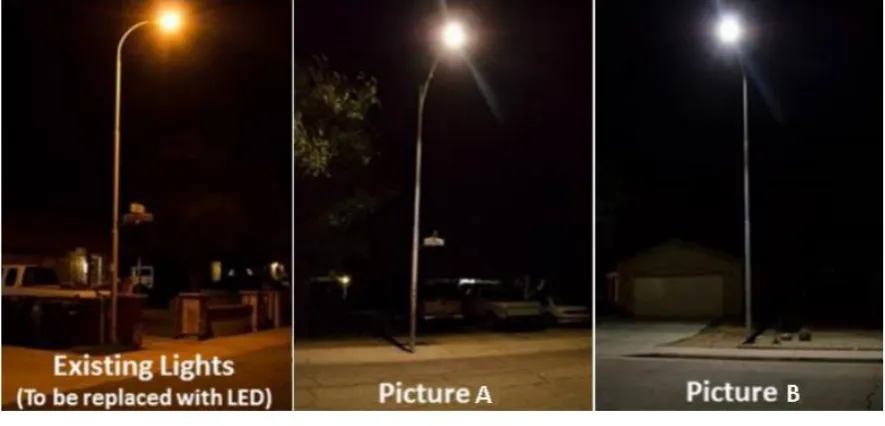
6http://mountaintownnews.net/2019/04/25/getting-street-lights-just-right/ 7 see Appendix 3 for an example of an image under a Lumican PC-Amber light 8https://webstore.ansi.org/Standards/IESNA/ANSIIESRP18
7
Observatory. 10 Comparison of sky brightness measurements taken in 2014 before the LED changeover
with those taken in 2017 show that light pollution has decreased by 7% over this period (Barentine et al. 2018).
EU guidance
The EU provides norms for lighting use such as EN13201, but regulation is under the control of the individual countries. Even within these regulations design can lead to further improvements. The recent European Green Public Procurement (GPP) document suggests that good lighting designers can save 30% on energy costs by suitable choice of lighting scheme (Donatello et al. 2019). There have been objections to the minimum lighting levels adopted in EN13201 in part because of the subjective nature of the lighting levels adopted (Fotios and Gibbons 2018) and also because of the their higher value relative to those adopted in Europe currently, which will result in increased energy, light waste, and light pollution.11 In relation to lighting practice, the Institution of LightingProfessionals (ILP) notes that there are many ways to deliver a chosen lighting scheme and there is no absolute right or wrong, but there are good and bad results. One way to evaluate the plan is to look for good uniformity and low energy use, together with fewer lights (within reason).
In terms of the application of EN13201 to individual countries It is interesting to note that considerable variations occur in the level of lighting provided in the EU and internationally and it has been noted by lighting engineers that lighting to the levels in EN13201 can result in higher light levels than is desirable. As an example of the variation in light levels, for London a typical sidestreet illuminance value is 10 lux, while for Leicester the typical value is 5 lux. In Germany and Austria light levels can be quite low: in Berlin the sidestreets can be quite dark relative to Irish and UK levels and in Graz (Austria) roughly 20% of the smaller streets have horizontal illumination which is much below 0.5 lux overall average. For comparison with capitals further afield, sidestreet levels in Sydney Australia can be as low as 1 lux.
The latest EU Joint Research Centre’s Science for Policy Technical Report on public lighting includes contributions from external experts and discusses both the question of colour temperature as well as energy efficiency of current and planned LEDs (Donatello et al. 2019). While not a binding law, this EU Green Public Procurement (GPP) document is intended to advise decision makers on implementation once the decision is taken to install new lighting. In terms of lighting levels it adheres to the principle of “as low as reasonably achievable” (ALARA) and also recommends that warmer colour LEDs be installed to restrict impacts on wildlife and sky quality as well as potential effects on human health. The document also recommends that the installation of LEDs with CCT values of 3000K or less be encouraged in city centres and residential areas to reduce annoyance complaints. In the residential context it also should be borne in mind that whereas drivers in residential streets will be subject to public lighting for relatively short intervals, residents will be most affected by choice of light type, intensity and colour.
Austria
As an example of focussed local lighting policy that differs considerably from the norm in order to meet an environmental agenda the example of the Austrian town of Flachau can be used. This ski resort town has a population of 4,000 with capacity for 9,000 tourists. The average illumination of both lit roads and sidestreets is 1 lux. Measurements at 8pm on the main road with traffic levels of approximately 300-400 cars per hour showed that the illuminance directly under two different types of road lamp was either 1 or 5 lux, respectively, while between the lamps the level fell to full moon levels of 0.03 lux. In this location LEDs with CCT of 3000K are used on the main streets and PC Amber8
LEDs with CCT of 1750K are used in the residential area with full LED shielding and glare control. Furthermore, residential lighting is reduced during the night and adaptive light is also used – in this case the public lighting contribution to road lighting was reduced as that of the Moon increased over the lunar month. The residents are reported as being very happy with the new lights which have levels much below the EU norm.
Croatia
Croatia’s light abatement law became effective in January 2019.12 The law has the followingcomponents which address public lighting: 1) the proportion of light emitted upwards – the Upper Light Output Ratio, or ULOR – must be 0% for non-amenity lighting; 2) public lighting is limited to a CCT of 2200K in parks and protected areas, and: 3) outside of parks and protected areas public lighting has a general upper CCT limit of 3000K. Article 5 of the law addresses “ecology lighting”, i.e. outdoor lighting standards including fully shielded lighting having 0% illumination above the horizontal, plus CCT below 2700K that will be the only form of lighting allowed outdoors. It is an important advance over existing national laws elsewhere in the world.
France
The French legislature enacted a new decree on 27th December 2018 that applies to lightpollution issues generally, including ports, sports, shop windows etc. In the public domain the decree includes heritage buildings and parks as well as to public roadway lighting. The law provides for trimming of light levels and also limits the CCT of installed lighting. Article 3, I.3 states “For exterior lighting … the colour temperature does not exceed the maximum value of 3 000K in built-up areas.” Further restrictions are discussed in Article 4 of the same decree which refer to national parks and places a limit of 2700K near urban areas of national parks and 2400K in park regions otherwise. This decree therefore falls into line with the recommendations of Donatello et al. (2019), and current implementations such as the Austrian and Croatian examples outlined above.
Greece
In 2018 the Technical Chamber of Greece published the “Technical Directive on the design and evaluation of street lighting installations” for the regulation of the upcoming light renovation project as well as new lighting projects related to outdoor lighting. 13 The directive adopts the selectionof lighting classes according to CEN/TR 13201-1, while it dictates the selection of nominal and adaptive control classes where possible. The absolute maximum LED CCT allowed by this document is 4000K, though the recommended LED colour temperature is 3000K. In addition, the upward lighting output ratio (ULOR) for all luminaires must be 0% and their tilt 0⁰ to the horizon although, in special cases, the tilt of the luminaires can be up to 10⁰. The lighting calculations should include also the calculation of the Power Density Indicator and the Annual Energy Consumption Indicator according to EN13201-5. New or renovated lighting installations should incorporate a lighting control system in order to implement the adaptive lighting classes during the night-time. All calculated lighting levels should not exceed the nominal level by more than 10% and this should also be verified by field measurements. A new National Regulation on street and tunnel lighting is under preparation and is expected to adopt the contents of the Technical Directive. Finally, in the case where the road network intersects with NATURA 2000 areas, the only acceptable light source is low pressure sodium or, for new installations, Amber LED lighting with CCT in the range 1750K – 2200K.
Slovenia
The Slovenian Light Pollution Law (The Decree on Limiting Values of Light Pollution) was adopted in 2007 and was the first strong national light pollution legislation. 14 Energy use for publiclighting of roads is capped at 5.5 kWh per capita and a ULOR of 0% is mandatory. The result has led to
12https://www.darksky.org/croatian-light-pollution-law/ 13http://library.tee.gr/digital/m2643.pdf
9
an energy reduction of up to 40% on some streets and with a reduction in both light and also glare reported (Mohar 2015). Despite initial fears that road collisions would increase due to the lower lighting levels, the collision rate has, in fact, dropped by half.
United Kingdom
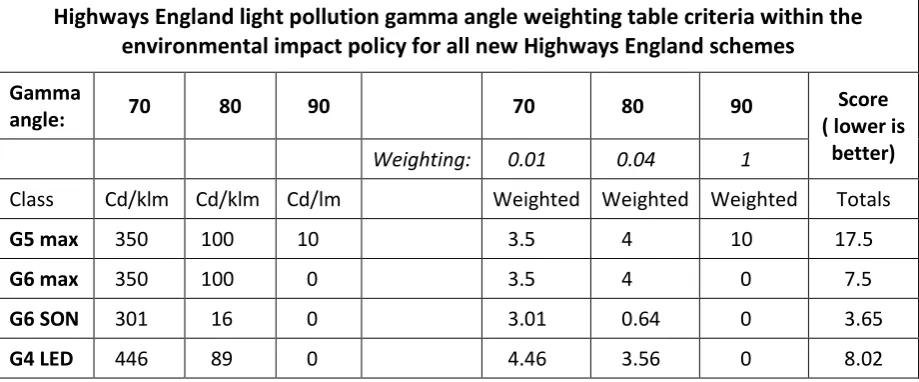
Irish lighting practice closely follows that of the UK and so we focus on current developments there in terms of both light level and their earlier experience of LED operation. There are approximately 7.5 million streetlights in the UK: the majority under local authority control with approximately 145,000 more on major highways under Highways England control. Most of the lighting needs updating and this has involved both the upgrading of older low pressure sodium (LPS) lighting to high pressure sodium (HPS) luminaires as well as to more modern LED installations. We note that the UK has been progressive on the topic of lighting in general with both Highways England and local councils implementing policies of the British Astronomical Association’s Campaign for Dark Skies (CfDS), and the Institution of Lighting Professionals (ILP) using some of their material in its courses, as well as distributing one of its documents.15In terms of legislation, since 2006 lighting has been regulated as a potential pollutant and since 2012 light pollution has been included in the UK’s National Planning Policy Framework. As well as the replacement of aging infrastructure there have been a number of major changes in practice, mainly driven by the need to reduce energy and environmental costs. A road is only lit by Highways England if an economic assessment shows that lighting will reduce the number of collisions, but the level of lighting has also come under scrutiny. Highways England also conducts practical lighting research including trials, e.g. where lighting has been reduced on roundabouts. Additional savings have been made by recognising that road light levels set to peak traffic flow are inappropriate for all-night use when traffic flows are reduced. The Institution of Lighting Professionals notes that reductions in light levels can be potentially more than one lighting class and, in some instances, lighting may not even be necessary at all. Additionally, studies of mesopic vision appropriate to such lighting conditions has led to the development of revised lighting levels depending on the colour of the light source (see Appendices 1, 4 & 5). The flexibility of LED lighting in terms of both colour and intensity has been an enabler of these developments. Because of the importance of the topic of adaptive lighting, as well as the range of issues involved, the Institution of Lighting Professionals has published a Professional Lighting Guide on adaptive lighting (ILP PLG08; see also Appendix 6).
With regards to the LED changeover, recent information from Nigel Parry reports that LEDs with a CCT of 3000K are becoming the default choice for residential roads in the UK and over the next year and the LED lighting industry is moving towards CCT values lower than 3000K. 16,17 He also notes that
energy conversion efficiencies between 3000K LEDs and the more common 4000K hardware are reducing to below 5% and is likely to reduce further in the coming years. 18 Parry also notes that a
recent European report suggests that good lighting designs can save 30% on energy costs by suitable choice of lighting scheme (Donatello et al. 2019). Hence scheme design is an area which should be optimised when searching for efficiencies either when planning new lighting scheme or re-evaluating existing ones, particularly with the flexibility provided by LED technology. However, the main gain in efficiency from application of LED technology arises from reducing energy waste by moving to full
15 See: https://www.britastro.org/dark-skies/cfds_about.php?topic=achievements
16 Private communication from N. Parry, ex-Director of the Institution of Lighting Professionals and Principal of
Orange Tek LED suppliers and installers
17 e.g www.holophane.co.uk/news/post/oxfordshire-upgrades-residential-streetlighting-to-s-line/ LEDs with CCT of 3000K are being installed in streets with designed average illumination of 3 – 5 lux.
18 For one manufacturer we checked the difference between their 4000K and 3000K offerings is 3.5% across
10
off luminaires and “trimming and dimming” operation, rather than from the installation of LEDs with a particular CCT.
The overall conclusion of this brief survey of lighting practices is that there is a range of lighting practices and lighting schemes currently operating. The EU norm allows for flexibility even within countries right down to the community level and the BS5489 document provides advice on how it might be achieved in the Irish case. Section A.3.3.4 of that BS5489 allows for variable lighting at different times of night or year due to changes in traffic flow or other parameters and Subclause 4.4.4 and ILP TR27 provide further guidance on implementation. (See Appendix 6)
LED lighting Impacts
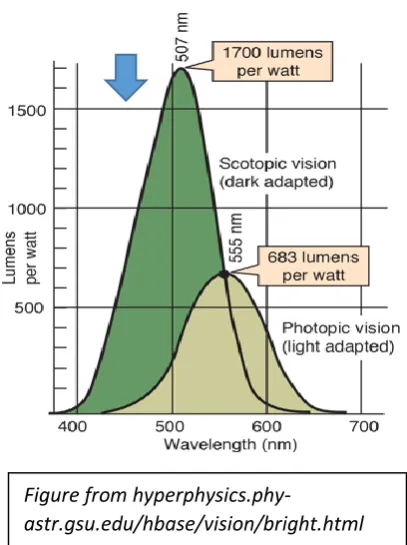
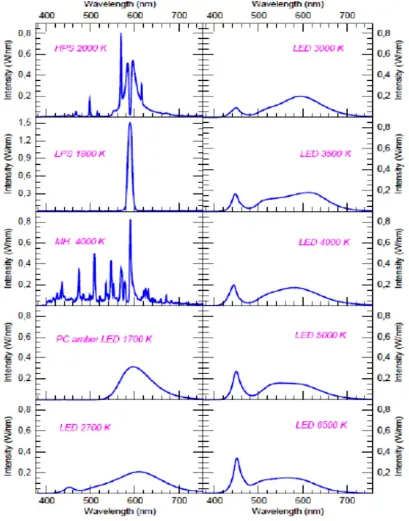
The introduction of lighting with a peak in the blue portion of the spectrum has raised concerns with regard to its impact on plants, insects and animals, including human health. The issues relate to the strength of the blue emission around 450 nm as this lies in a region of spectrum to which various species are sensitive. There has been much literature on this subject, but the following focusses on a number of aspects in a few broad categories.
Environmental impacts:
There are a wide range of areas which are impacted by artificial light at night in both plant and animal world. For trees near streetlights a recent survey found that bud burst arrived a week earlier than in darker locations and leaf fall can be delayed by three weeks and extended in duration (ffrench-Constant et al. 2016; Škvareninová et al. 2017).19 Aside from stressingthe tree itself, with the increase in stormy weather conditions and the usually unpredictable weather in spring and autumn, increased leaves in tree canopies could lead to falling branches and a resulting risk to nearby equipment or lives.
There has been much recent concern over the collapse of insect population with the best data is from moths and butterflies (Lepidoptera) showing strong evidence of 35% decline globally over 40 years.20
Light pollution is a factor that has been implicated in the collapse as attraction to lights can lead to insects such as moths becoming disorientated and exhausting themselves. It has also been implicated as a potential cause of the decline in UK moths while also pushing the pace of evolution (Grubisic et al. 2018; Fox 2013; Altermatt and Ebert 2016). The presence of increased numbers of insects around lights can also lead to increased predation from opportunistic predators such as the more agile smaller bat species. Even if beneficial to some species, the net result is a decrease in biodiversity. Besides affecting the predator-prey relationship between insects and bats, thus also affecting biodiversity, light-averse bats will avoid crossing a “light barrier” such as a lit hedgerow, thus potentially cutting off bats from direct routes between roosts and feeding zones (Stone, Harris and Jones 2015). While research shows that LED lighting is less attractive to insects than older lighting with a similar CCT, lower CCT temperatures will be even less attractive than identical lighting with a larger proportion of blue in the spectrum (Longcore 2018). Hence a solutions to both insect and bat issues is warmer spectrum and also lower intensity lighting (Stone, Harris and Jones 2015).
Lighting can also impact on water ecology. One proven effect relevant to the Irish situation is the negative impact of light intensity and colour on juvenile Atlantic salmon, a species which already in decline and which also serves as a model for the behaviour of other species (Longcore et al. 2018;
19 In Dublin a case has been seen of green leaves beside a 4000K LED in December.
11
Riley 2016). A surface lit by light levels as low as 0.2 lux can pose a barrier to salmon passing the light, and values of 1 lux and above affect smolt migration and affects both smolt mass and also potential sea lice infestation (Riley 2016; Stien et al. 2014). Increased predation in the presence of light pollution has also been shown in Pacific sockeye salmon. Given the proportion of Irish waters proximal to public lighting (coastal roads or promenades, marinas, harbours and bridges) the intensity and spectrum of lighting falling on those waters should be considered with lower (< 1 lux) and warmer light preferred. This finding is, of course, also of relevance for architectural lighting of bridges and structures, particularly where lighting is directed, or strongly reflected, onto the water surface.
While light may not be a major stressor, it may provide additional stress and affect populations already impacted by climate change. Lighting has also implicated in altering the timing of songbird morning song, causing robins to sing up to two hours earlier than normal, and additional effects include suppression of sexual maturity in blackbirds, mating behaviour, and also migratory birds (Da Silva et al. 2015; Watson et al. 2016). Neil Hatch of Birdwatch Ireland has reported seeing sparrowhawks – daytime birds which rely on their keen vision for their high-speed attack – hunting at night in Dublin City Centre. Our Irish Times Citizen Science survey had 464 Irish responses and in these data we found a moderate correlation between city respondents and reports that bird song starting earlier now than in previous years and they also reported a change in bird/bat/fox/insect behaviour over the past few years.21
Impacts on humans:
These are discussed below under broad headings, though there is some overlap between sections. Note that there are some common issues with LEDs including light flicker, but the focus here is on studies of differences between LED colour sources.Human Vision - Proximity to high output blue-rich light sources is a proven danger to human eyes and BS BS EN 62471 ‘Photobiological safety of lamps and lamp systems’ requires a Risk Group rating to be assigned to light sources. Highways England recommends that low risk lighting (class RG0 or RG1) is used, although it notes that this information is not always present on packaging. Road users and pedestrians will be sufficiently far from the light source that their eyes will not suffer from UV exposure, but there are other issues related to the spread of intense and blue-rich LED lighting even at lower light levels.
Field tests have been undertaken in a number of US locations, including in four cities where different types of LED lighting were compared against older LPS and HPS systems. The LED lighting outperformed HPS lighting in terms of colour reproduction and ability to identify targets in advance of stopping distance in the wet, even at lower illuminance levels. Whilst 4000K lighting has a slight advantage in this respect over lower CCT LED lighting, the detection distance was comparable even when operating at 50% of light output and both were better than the older HPS lighting (Clanton 2014). An improvement in peripheral vision has been noted with more blue-rich lighting of 4000K and above, but this improvement has often been overstated and is actually no more than 7% or so for normal driving conditions, and even less when for older drivers (van Bommel 2015). The gain from better peripheral vision is also a moot point in terms of residential streets, where speeds are relatively low. Additionally it must be noted that vision on-axis, i.e. where the driver is concentrating, does not gain from this sensitivity this is the region where cone vision is dominant, and it will also not apply to older drivers who have a reduced blue lens transmission of typically 30% of that of a 25-year-old’s eye.
21
12
Glare – Due to the nature of the spectrum, twenty-nine percent of the emission from 4000K LED lighting is emitted as blue light and this can lead to the perception that the light looks more harsh than lower CCT lighting with an “unnatural” or “clinical” feeling. In addition, the point source nature of LED lighting can give rise to glare, defined as “discomfort of impairment of vision when parts of the visual field are excessively bright in relation to the general surroundings”. Studies have shown that visibility of intense blue-white LED point sources leads to both discomfort and disability glare22 with warmer
spectrum LEDs being reported as less glaring (Lin et al. 2014). In terms of these two sources of glare, discomfort glare occurs when the intensity of the light source forces the eye to look away and disability glare occurs due to scattered light inside the eye that veils other images falling on the retina as it impairs vision by reducing the ability to see details.
The problem of disability glare due to blue-rich sources is more pronounced with older people as noted in the EU Scheer report.23 The eye’s response to glare is to immediately constrict the pupil
leading to a loss of acuity in the light’s surroundings and between fixtures and a tendency to look away in order to protect the eye. As noted above, the pupillary response of older citizens is slowed which, coupled with poorer eye quality and lower sensitivity and acuity leads to a worse glare situation.24 The
introduction of blue-rich light can then, paradoxically, lead to worse overall vision due to increased contrast as can be seen between areas lit by 4000K lighting and adjacent shadowed regions. An additional form of glare called nuisance glare is also recognised and is an issue primarily in urban areas where light levels and/or uncontrolled obtrusive lighting is an issue.
An independent study of LED lighting by Public Health England, the CIBSE, and SSL has discussed issues related to distraction and temporary visual discomfort or impairment (disability) due to the source intensity. 25 Besides these direct glare issues, non-uniform illumination can give rise to hotspots on the
road surface, particularly in wet conditions. Reduction in perceived glare is achieved when the general background lighting level is similar to that in the vicinity of the road surface, supporting a trend towards lower illuminance levels in rural environments (Kasahara et al. 2006).
The level of perceived glare appears to be similar for both drivers and pedestrians, though experimental evidence of the dependence on LED colour may be more subtle for the population in general compared with luminance effects (Lin et al. 2015; Villa et al. 2017; Huang et al. 2017). An improvement in appearance can be obtained with lighting that is simultaneously directed and diffuse, such as with the use of plastic optics or by being recessed as suggested in the PHE/CIBSE/SSL report. As noted above, use of warmer CCT lighting will also reduce perceived glare and this approach has been endorsed by the American Medical Association Council on Science & Public Health (CSAPH) adopted in 2016. This report noted that glare from LEDs could constitute a road hazard due to both disability and discomfort glare, but that 3000K LED light was preferred due to the lower proportion of
22Opinion of the French Agency for Food, Environmental and Occupational Health & Safety, October 19, 2010
https://web.archive.org/web/20140429161553/http:/www.anses.fr/Documents/AP2008sa 0408EN.pdf] 23https://ec.europa.eu/health/sites/health/files/scientific_committees/scheer/docs/scheer_o_011.pdf 24 In one study a glare recovery time of 3s was recorded for one of the oldest participants, with a mean value
of 2s for that group, whereas a typical participant in the youngest group had a recovery time of under a second.
25Public Health England, the Chartered Institution of Building Services Engineers and the Society of Light and
Lighting 2016 “Human responses to lighting based on LED solutions,” Available at:
13
blue light. Glare issues due to LEDs were also noted by the UK’s Chief Medical Officer in her 2017 report.26
Circadian rhythms – Blue light has a role to play in aligning the body’s internal clock and controlling our daily (circadian) rhythm. This light – which in the natural environment is provided by the blue light of the daytime sky – is detected by a non-imaging sensor in the retina which has a peak sensitivity in the same region as the blue emission of the LED driver light. Exposure to blue light suppresses the hormone melatonin with potential disruption of other hormone controlling body functions including the natural sleep cycle. Melatonin reduction has also been shown in some studies to be important in the development of cancers including breast cancer, and other impacts can include obesity and cardiovascular disease.27
The United States was an early adopter of LED lighting and undertook installations with very cool white light CCT of 5,000K or so because of the superior efficiency of these lamps in the mid-2000s. Such installations were met with some objections because of the clinical feel of the lighting, while the strength of the blue peak in such emissions led to concerns about the influence on the body. While the intensity and spectrum of light necessary to cause these issues (i.e. the dose-response relationship) is still a matter of debate and research, the American Medical Association Council on Science and Public Health 2016 Report concluded: “Thus, the Council recommends that communities considering conversion to energy efficient LED street lighting use lower CCT lights that will minimize potential health and environmental effects. The Council previously reviewed the adverse health effects of nighttime lighting, and concluded that pervasive use of nighttime lighting disrupts various biological processes, creating potentially harmful health effects related to disability glare and sleep disturbance.” (AMA2016). The statement of the Council was subsequently adopted unanimously at an AMA annual meeting with a recommendation that outdoor lighting – including public streetlighting – have a CCT of no more than 3000K.
The introduction of LED streetlighting in the Los Angeles area was implemented over the past decade and thus provides a long-term case for study. In all 67% of the total lighting stock was replaced with 4000K LEDs (141, 089 lamps in all at a cost of $57 million) with some reduction in light levels . A study by Jones (2018) considered the potential impact of LED streetlighting on “spillover” effects, i.e. effects which are not directly measured, but which might have significant policy implications. Examples of such effects are transportation collisions and homicides, while health effects include breast cancer and prostate cancer – both of which have decadal onset times. In the study efforts were made to standardise the comparison with external samples to account for more general societal changes. The result is that while the economic and carbon reduction benefits were immediately apparent, examination of the four potential impacts made the benefit less apparent, with perhaps two decades being required to show an overall positive gain across the board. Lighting internal to the home was not considered in this work, but follow-up studies of a similar nature are clearly indicated.
Sleep disruption – A further issue with bright exterior lighting is the disruption of sleep which has been shown in some studies to correlate with light external to the home (Obayashi et al, 2014, 2015;. Ohayan and Milesi 2016). Work is currently underway at Maynooth University on this topic and preliminary results suggests that, indeed, light external to the home is associated with sleep disruption and further work is proceeding to elucidate the underlying cause-effect relationship. In 2018 we
26https://assets.publishing.service.gov.uk/government/uploads/system/uploads/attachment_data/file/690846
/CMO_Annual_Report_2017_Health_Impacts_of_All_Pollution_what_do_we_know.pdf
14
conducted a Citizen Science survey in the Irish Times. We found that of 464 Irish respondents external light was reported as having a potential for sleep disruption, particularly in rural communities. In 70% of these responses public lighting is reported as the brightest external source of light in both rural and urban environments.28
Astronomy and tourism:
Dark skies tourism is developing in Ireland around the designated dark skies areas in Kerry and Mayo, with additional areas being proposed or in the initial planning stages. A Fáilte Ireland report on the topic due out imminently is expected to support and encourage this development. There is also a significant possibility of cross-Border co-operation on this issue with similar developments in Northern Ireland, e.g. in the Davagh Forest a dark sky experience is expected to open in November 2019. The sensitivity of dark skies sites to light comes from two effects: the high sensitivity of night vision, particularly at the blue end of spectrum, and the scattering of such light in the atmosphere. The end result can be increased light pollution, particularly from higher CCT LED lighting, despite the better lighting control of modern luminaires. Two effects are in play: a reduction in light pollution due to the introduction of new lanterns with better controlled light emission than older luminaires, and an increase due to the blue component of higher CCT LED lighting. Calculations using luminaire photometry together with realistic atmospheric scattering have demonstrated this effect (Baddiley 2018).Associations between light level/colour, collisions and crime?
Obstacle detection:
Experimental studies indicate that lower light levels are sufficient for obstacle detection than previously understood. For example, in terms of a 25mm high step, 1 lux is good, and 2 lux is ample for detection and there is no detectable improvement in detection efficiency for illumination values above this level. Observer age and light source S/P ratio affected detection only at the lowest illuminance used in that experiment, namely 0.2 lux (Fotios and Cheal 2009; Fotios and Uttley 2016; Fotios et al. 2019). Consideration of these results alongside those of Boyce (1996) suggests that a minimum photopic illuminance of 1.0 lux is sufficient light for pedestrians of all ages to safely detect and avoid trip hazards under any type of lamp.Feeling of security:
There is a common feeling that higher light levels provide a better feeling of security. In many older studies the survey was not conducted in a sufficiently rigorous fashion, e.g. with a matching of the feeling or crime rate between day and night for the same area and, at its simplest, the case of brightly lit inner cities is at odds with the proportionally higher crime levels compared with the suburbs. Hence the need to carefully match areas and day/night crime ratios in proper statistical fashion.Research has shown that the public will report the higher lighting level – no matter what its absolute value – as the one which provides the best feeling of security – this is the so-called “stimulus range bias” (Fotios et al. 2019). To quote their paper: “In many studies there are two levels of lighting (e.g. lower and higher levels of illuminance or brightness) and these tend to show a higher rating of safety with the higher light level. This is a trivial result because no matter what light levels are used, the higher level will always be rated as safer, leading to a recommendation for that higher light level. So, while in one study a horizontal illuminance of 1.31 lux was considered safe compared with 0.24 lux, an even higher illuminance of 12 lux is still inadequate because in a separate study it led to lower ratings of safety than did an illuminance of 17 lux. An explanation for this result is stimulus range bias,
28
15
as has been demonstrated in evaluations of perceived safety.” Another source of bias is range bias which arises from the inability of respondents to make absolute judgements of reassurance (or other quantitative evaluation), but instead map the range of observed stimuli to the range of available response categories. It should also be pointed out that when international comparisons are made US studies can suggest higher levels of lighting than equivalent studies in the UK (Fotios and Boyce 2015). On the topic of light spectrum an experimental study shows that while pedestrians prefer brighter light, no matter what light level, the spectrum of that light is not important for recognition (Yang and Fotios 2015). From these studies of both light intensity and colour it appears that feedback from the public does not, in itself, provide confirmation that the best levels of lighting have been achieved. Consideration should also be given to other factors, including uniformity as well as the application of lowest practicable levels in order to meet energy and environmental targets.
Road traffic collisions and crime:
Long-held belief holds that increased road lighting leads to a reduction in traffic collisions. This is supported by some studies which suggest increasing lighting on roads reduces the after dark crash rate and that lower light levels are associated with increased crash rates. Also, some crime studies suggest brighter lighting reduces crime. However, questions have been raised about the methodological and statistical rigour of the studies used to justify such claims. Examples of methodological issues include not having a research protocol lodged in advance and no protection against publication bias, while statistical issues include having no protection against regression towards the mean, inadequate treatment of confounding and, in crime studies in particular, problems in accounting for excess variability in the crime counts as well as a general lack of transparency and openness in such work (see Marchant 2017; 2018). A recent review of the basis of road lighting recommendations states the following: “Recommendations for the amount of light do not appear to be well-founded in robust empirical evidence, or at least do not tend to reveal the nature of any evidence. This suggests a need to reconsider recommended light levels, a need reinforced by recent developments in the science and technology of lighting and of lighting research” (Fotios and Gibbons 2018).In contrast to the qualitative studies mentioned above, research of methodological merit has been completed on the effects of changes in UK public lighting from the point of view of both traffic collisions and crime data. This work was undertaken as part of the ILP/LANTERNS project, a research programme undertaken by researchers at the University of London and initiated in 2013 which cost £414,000. The study involved 69 councils and covered 16,000 km of roads in England and Wales that have been switched to LED lighting.29 An initial analysis of fourteen years of data from 62 authorities
detected no change in collision rates due to the introduction of switch-off, dimming of light, or part night lighting, nor from the introduction of white light, nor from any increase in light level (Steinbach et al. 2015, with more details in Perkins 2015).
In terms of general studies of crime, UK Home Office figures show that most criminal activity occurs during daytime and, of the night-time events, 48% of break-ins occur in homes that have security lighting installed. Exterior lighting was not mentioned as a deterrent in a survey of convicted burglars (Hearnden and Magill 2004). The Perkins study mentioned above showed weak evidence of an overall reduction in national crime rates in areas associated with both white light and dimming strategies, although the range of the fitted relationship is also consistent with no change at the 95% level of significance. Statistics continue to be gathered, with 91% of the councils that are switching off
29 Local Authority Collabotators’ National Evaluation of Reduced Night-time Streetlight (LANTERNS)
16
streetlights after curfew collecting statistics, and 51% of those that are implementing dimming strategies.
Legal issues:
Driven by multiple demands to reduce energy, carbon production, and costs and to improve lighting, the UK has been replacing aging infrastructure. In 2013 the UK changed their national codes to allow a drop in lighting levels when more balanced lighting – lighting with Colour Rendering Index (CRI or Ra > 60) – is used in a residential context. Research since then has suggested that this may not be so easily applied more generally to traffic routes where better visibility and reaction time are required to cope with higher speeds.30In the UK there is no statutory requirement of local authorities to provide public lighting, and the situation Ireland under the Roads Act is understood to be similar. Provision of lighting is a power and not a duty, although there is a duty of care to the road user. As a result, the authority with responsibility for road maintenance should be able to demonstrate that they have systems in place to maintain the highway in a safe condition. The ILP recommendation is that local authorities have a written lighting policy in place that provides a high level, non-technical statement of the authority’s overall objectives for the street lighting service, and this is also recommended by the Campaign to Protect Rural England which has taken a stand on light pollution abatement.31,32 Such a lighting policy
document provides planning guidance within designated environmental zones and also serves as a justification for lighting actions such as dimming or switch-off strategies.
LED CCT choice
A number of studies have looked at the benefits of LED lighting in comparison with older lighting, particularly with high intensity discharge (HID) units which are known to have issues in terms of both the quality and distribution of emitted light - see, for example, the US DoE report from (US DoE 2008). Another DoE-related report is that based on a survey of four US cities undertaken by Clanton (2014). She found no statistical difference between LED lighting with CCT of 4100K or 3500K in terms of general acceptability and also the feeling of security compared with older HPS units of higher wattage. However, in two of the three cities which reported a preference the warmer CCT lighting was preferred.33 An increasing number of municipalities representing millions of inhabitants are switching
to warm white (3000K) LED lighting34, and the International Dark Sky Association anticipates that a
move to 2700K lighting may become the norm. In a survey of councils and authorities undertaken by the Campaign to Protect Rural England, 32% of respondents reported that their current installations use LEDs with CCT values below 3000K.
In an attempt to address the question of quantitative assessment of LEDs with different blue content, Jin et al (2015) published results in the IEE Photonics Journal of an assessment of the effect of LED streetlighting with differing CCT on measures of dark adaptation, colour perception, fog penetration, and light scattered to the sky (skyglow). They used a sample of fifty people and performed their tests
30 But see the next section on LED CCT choice.
31“Shedding Light: A survey of local authority approaches in England” available at:
https://www.cpre.org.uk
32 An example of such a document is that of Hampshire County Council, listed in the references. 33 Note that the tests were generally to compare LED lighting with older discharge lighting, and the
17
under both controlled laboratory and outdoor environments. With regards to atmospheric conditions they find that the transmission of light through air of reduced quality – whether in terms of air pollution or humidity – is inversely related to the CCT of the lamp. Blue-rich lighting can cause increased glare in fog conditions, through less-than-perfect windscreens and also within the eyes of older drivers. Such conditions will lead to an increase in veiling luminance, reducing visibility and road safety.
From the human perception point of view, Jin et al. find that near-perfect colour discrimination is achieved for CCT of 3007K and does not improve significantly as the colour temperature is increased further. Finally, they make the point that dark adaptation time increases as the blue content of the light increases which can lead to poorer vision when passing beyond the lit area. In their summary they conclude that LED light with a CCT of 3000K provides a good balance of properties. Note that the points above with regards to blue-rich lighting, vision and glare are even more important in the case of older people who have reduced blue sensitivity due to yellowing of the eye’s lens with age, reduced pupillary response time and degeneration of the retina. Hence, in terms of glare, exposed blue-rich LEDs will make this situation worse.
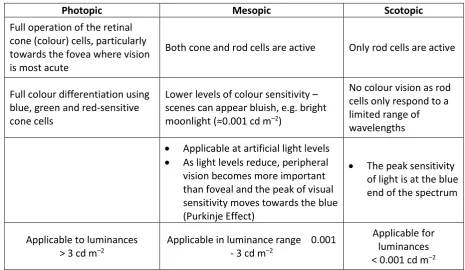
From the proceeding sections it is also evident that blue rich light is detrimental to the environment due to the higher atmospheric and aerosol scattering at the short wavelength of the spectrum. Additionally, in darker rural areas (including Dark Sky areas) scotopic vision, with its emphasis on the blue end of the spectrum, emphasises this light further leading to a preference for lower CCT lighting in such areas including amber lighting in dark sky or environmentally sensitive areas. This is supported by evaluations of the impact of metal halide and blue-rich LED spectra on human melatonin, photosynthesis as well as dark sky visibility which concluded that CCT of 2700K was preferred on these counts (Aubé, Roby and Kocifaj 2013). In general terms – all other factors being the same – the lower the CCT of the lamp, the lower the impact of the light on skyglow. We point out, however, that CCT is a proxy for the spectral distribution of light and that measurements should confirm the spectrum in practice (see, e.g., Fig 4 of this document). In this respect we note that most LED manufacturers do not produce spectral energy distributions for their lighting.
Source light distribution
Glare from LEDs is an issue due to the point source nature of the source and its high intensity and problems can arise with current luminaire designs. In order to meet illuminance uniformity requirements and, particularly, to work within existing pole placements formerly occupied by wide dispersion older low pressure sodium lighting, luminaires must throw light long distances. This can result in a wider beam spread that increases discomfort glare and also leads to light being broadcast into the wider environment, though this can be mitigated by better luminaire design including one or more of remote phosphors, mixing chambers, diffusing media, lenses, louvres and baffles.35
Dr. Chris Baddiley has modelled light propagation in his work for Worcestershire County Council’s plans for the Malvern Hills Area of Outstanding Natural Beauty (MHAONB). He has used luminaire photometry for representative examples of existing low and high pressure sodium luminaires and LED lighting with differing CCT values together with realistic scattering conditions from ground and atmosphere. The model took account of the wavelength-dependent propagation of light to monitor
18
how the sky will appear under mesopic and scotopic conditions when the eye has increased blue response. 36
Direct light emitted by luminaires to the sides or upwards contributes to scattered light in the sky (skyglow) and is accentuated when atmospheric conditions are poor, e.g. when air pollution and/or aerosol content is high. For comparison, Baddiley (2018) reports the integrated direct emission to the sky as a percentage of the total lamp lumens in the case of no aerosol scattering for a number of luminaires used in the UK. He finds an integrated ULOR emission of 7.6% for old design low pressure sodium lamps, 0.47% for a high pressure sodium lamp in a polycarbonate bowl, to 0.09% for a current LED design. When the albedo of road and grass verges is taken into account, these figures are all increased by roughly 5%. These results show that light bounced off the ground and producing an increase in zenith brightness is the dominant component for well-controlled LED lighting, whereas with the poor direction control of older luminaires the emitted light contributes mainly to low-angle light visible to greater distances.
Baddiley’s results support the position of the International Dark Sky Association that reduced blue content in LED lighting is more environmentally friendly due to lower atmospheric scattering, and he has finds that improved glare control – e.g. the use of luminaires with a G6 rating37 – has led to a fall
in measured sky brightness towards the zenith around the MHAONB and the change in colour due to the introduction of the white light LEDs in 2014-2015 can also be seen. Baddiley’s calculations show that emission from 30⁰ below the horizontal to 40⁰ above (i.e. 60⁰ to 100⁰ above nadir) contributes exponentially to an increase in sky brightness, doubling every 5⁰ of elevation. As this light is forward-scattered in the atmosphere it can travel a long distance, with the light from towns being seen up to 30 km away and that from cities up to 100 km away, contributing to the “light dome” effect seen above them when viewed from afar.38 The dominant contribution to observed sky brightness at lower
altitudes in the MHAONB is caused by poorer control of near-horizontal light emitted from more distant cities and towns, again showing that light can have an influence in a sensitive area well beyond the nominal area of an installation (Baddiley 2018).
Finally, he has also examined the consequences of tilted luminaires and found that the worst contribution to environmental light will be from poorly directed LED lighting which, because of its directional nature, can beam intense white light into the wider environment. An example of this is when LEDs are retrofitted to older brackets at an angle that cannot be compensated for within the luminaire (e.g. see Figure 10). A caveat from the work reported above is that it is a comparative study and any increase in installed lumens due to a push towards higher light levels – perhaps driven by a need for increased uniformity – will worsen the situation. It should also be noted that luminaire photometry may be untrustworthy as ULR figures of 0% are nearly impossible to measure in the laboratory, hence we recommend testing of pilot schemes in-situ to confirm their acceptability. Design of the lighting project is important here (see e.g. Nikolaou and Topalis 2016).
Other issues
A 2010 survey of 1,400 people by the CPRE found that 83% had their view of the night sky blighted by light pollution, and 50% of respondents had their sleep disrupted by intrusive light, though 71% had
36 Dr. Baddiley is scientific advisor to the British Astronomical Association’s Campaign for Dark Skies and whose
work has been adopted by Highways England as well as the ILP.
37 As outlined in EN13201-2:2015 - not to be confused with the “G” in the “BUG” rating, or the EU’s Green
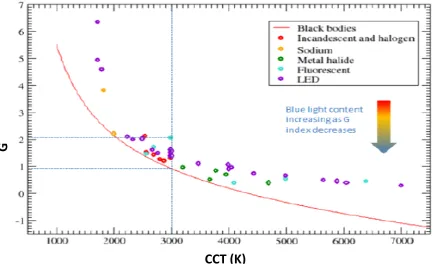
Public Procurement Document “G” rating for LED blue light content.
38 Due to aerosol optics, this light is also backscattered, leading to increased glow from the region directly
19
not complained to anyone. Of the 24% who did complain only 27% of them, i.e. less than 7% of all of those affected by lighting issues, had found some measure of a solution via. the support of their local council.39
The Institution of Lighting Professionals notes that consultations with residents and other stakeholders (e.g., police) be considered before implementing dimming plans, and that consideration be given to the use of presence detectors if pedestrians may be present. Similar issues were mentioned by Perkins et al. (2015) and Green et al. (2015) in their studies of the impact of reduced street lighting. They noted in their conclusions that reported behaviour after lighting changes suggested marginal, if any, changes in population mobility after dark, although those living in street which were lit part of the night reported feeling less safe walking after dark than those in areas with all-night lighting, despite no evidence of impact on mobility. An analysis of a survey of 15,786 responses commenting on attitudes to lighting changes for five regions in the UK shows that attitudes to lighting changes can be ambiguous. Of the 37% who reported a perceived change in lighting, roughly half noted it was about the same or better than before, and half noted it as worse, with negative feelings associated with a feeling of loss of control or where there was a direct personal affect, e.g. the removal of a lamp post outside a house (Fotios 2016). Both the Perkins & Green studies conclude that “given public concern about part-lighting and switch-off, alternative strategies utilising dimming and changes to white light/LEDs may be more acceptable to the public.” This is an area were an information campaign with public engagement as well as further study of UK outcomes would be useful.
Summary
In this brief review we have focussed on effects that are of relevance to road lighting, although they also apply more generally. The roll-out of efficient LED lighting provides an opportunity to make an impact in terms of energy use and carbon reduction, but the trend to use more light than necessary (the “rebound effect” which occurs when there is a reduction in the cost of use) should be resisted. Observations show that both worldwide lit area and light pollution is increasing by 2% annually, with lighting remaining stable or decreasing in only a few countries. Hence these data are not consistent with global scale energy reductions but rather indicate increased light pollution (Kyba et al. 2017). Even if we do save money, it will not help the overall environmental situation if we meet carbon requirements but at the same time have a deleterious impact on night-time pollinators or disturb the ecological balance. The introduction of improved LED luminaires with better controls will improve the general situation with regards to both light emission (better control of light direction) as well as efficacy (number of lumens per electrical Watt), though an additional metric to consider is the amount of light per km.
The introduction of LED lighting provides an opportunity to re-examine the amount and distribution of light required in both public and private spaces and to restrict the spread of light into neighbouring areas or the wider environment. As an illustration of the latter point, the light from Dublin City has been measured up to approximately 40 km away on a clear night in the Glendalough area due to scattering in the atmosphere around the intervening hills. Glare (light at towards horizontal or higher angles to the ground) should be well controlled so that light emitted near the horizontal does not
20
propagate into the wider environment and care taken in installation so that full cut-off lighting does not emit above the horizontal.40 An advantage of LED technology is that the appropriate selection of
LED lenses can optimize the lighting distribution and direct the light mostly towards the surfaces that intended to be lit. This both increases the efficiency of the lighting installation, reduces glare and, at the same time, minimises obtrusive light.
As a guide we recommend that the maximum CCT value be 3000K. Lower values should apply in more environmentally sensitive areas or in dark sky regions, or where communities request it and a safety assessment has been made, e.g. Dark Sky communities or eco villages. With the rapid pace of technological advances we are witnessing in the lighting industry leading to improved efficacy of lower CCT lighting, the International Dark Sky Association will reduce its CCT recommendation to 2700K or lower. The view of Nigel Parry of the ILP is that requests to use light with CCT < 4000K should be accommodated if possible, as there are potential issues with regards to bluer light, so minimisation of the risks based on the precautionary principle of avoiding harm and there should be no deleterious consequences because of such action. As noted in the text earlier, the move to warmer light with CCT < 3000K is consistent with the Parry’s information on how the situation in the UK is developing. In Ireland a number of councils permit warmer colour lighting and, in support of its goal for dark sky preservation and the development of astrotourism, Kerry County Council’s West Iveragh Local Area Plan for 2019-2025 contains an explicit commitment to move to warmer colour LEDs for all new external lights.41 We emphasise that we use CCT in this document as a guide but, as noted elsewhere
in the text, the limit should be more accurately specified in terms of the spectrum, or the equivalent such as the “G” class as outlined in Appendix 2 and discussed further in the EU GPP document. The intensity and spectrum should also be confirmed before installation and also tested when design verification is performed in situ.42
LED technology is a fast-moving field currently and the specification of lighting which will be in place for a number of decades requires us to consider the state of technology in the coming years. It should also be borne in mind that there are potential issues of concern which may have latency periods of many years and which require that the precautionary principle should be applied. This latter principle is one of the fundamental principles of the European Union governing policies related to the environment, health and food safety and can be paraphrased by the phase “as low as reasonably achievable (ALARA)”.43
The design of any lighting project should be carefully considered in terms of its ability to improve lighting quality and efficiency as well as the overall impact on a community. When retro-fitting existing units, consideration should be given to reduction of glare, particularly in the case of older design lanterns and wider pole spacings. Reduction in light levels with dimming or part-night lighting will save energy and also reduce the light burden on the environment. In environmentally sensitive areas the changeover from LPS or HPS lighting to amber LEDs should be considered as this changeover will be less obvious in terms of apparent light level, but will improve local conditions due to the improved
40 In Ireland instances of installations of LED lighting have been seen where the angle of the bracket is larger
than the adjustment range of the lantern resulting in light being projected skywards despite the nominal cutoff of the lantern – see Figure 6.
41http://kerrycoco.ie/home3/planning/west-iveragh-local-area-plan-2019-2025/ Objective DS-01 42 At least one instance has occurred of mislabelled Chinese-origin blue-rich luminaires with CCT of 6500K
being installed in a pilot project on a Greek motorway amongst high pressure sodium lighting. These lights remain in place.
21
light emission pattern, better colour reproduction and the efficacy of the LEDs. For long-distance routes dimming schemes should be followed on motorways and the national road network where sensors or road loops detect the number of vehicles and regulate the lighting levels in respect to the corresponding lighting classes.44
The information outlined in this document can probably be best summarised using the guidelines produced by the EU COST Action Loss of Night Network (LoNNe) to combat light pollution and a precautionary standpoint suggests these are also good guidelines from the points of view of environmental and human health aspects as well as in terms of energy-efficiency: 45
1. Every light needs to be justifiable
2. Limit the use of light to when it is needed 3. Direct the light to where it is needed
4. Reduce the light intensity to the minimum needed 5. Use light spectra adapted to the environment
6. When using white light, use sources with a “warm” colour temperature (less than 3000K) Given environmental, health and economic imperatives the onus should be on justifying the installation or increase of lighting rather than justifying its removal. In this respect, the energy-saving initiatives currently undertaken by TII in reducing unnecessary motorway lighting is to be applauded, as well as other dimming and trimming initiatives being planned. We note that the reported economic and safety outcomes from these changes are positive. 46,47
Practical directions:
In practical terms, we recommend the adoption of the recommendations of the Campaign to Protect Rural England which are appended. These recommendations were developed from the responses of 83 local authorities and have been included into the Mayo County Council manifesto for lighting. Lighting documents, including designation of environmental zones, should be developed by each authority to provide a practical framework and to address potential legal issues.
We reiterate that confirmation of the luminaire type and the design should be monitored for a pilot scheme in-situ preparatory to a more general roll-out to prevent issues which could prove costly to correct, such as incorrectly marked CCT or issues such as incorrect luminaire angles when retrofitted on older brackets or glare issues. 48 We also suggest that assessment be made of potential impact on
surrounding countryside, including sensitive locations such as Heritage Sites, Sites of Special Scientific Interest or Special Areas of Conservation. Finally we also point to engagement with the local community, e.g. in explaining the necessity of reduced lighting levels, and the utility in having
44 In terms of energy reduction with existing lighting stock, it should noted that the German company KD
Elektroniksysteme GmbH provides a dimmable solution for HPS lighting that is currently in use in hundreds of German communities. The company provides a retrofit dimmable solution which reduces lumen output by approximately 83% with up to 67% reduction in power: http://kd-elektroniksysteme.de/leistungen/light/ 45 EU Collaboration on Science & Technology ES1204 http://www.cost-lonne.eu/recommendations/ 46
http://irishtimes.com/news/environment/lights-switched-off-at-motorway-junctions-in-bid-to-cut-electricity-bill-by-1m-a-year-1.3721543
22
23
References:
Altermatt F. and Ebert, 2016 “Reduced flight-to-light behaviour of moth populations exposed to long-term urban light pollution,” Biology Letters 12: 20160111 doi:10.1098/rsbl.2016.0111
AMA2016 - American Medical Association Council on Science & Public Health (CSAPH) 2016 “Human and environmental effects of light emitting diode (LED) community lighting,” CSAPH report 2-A-16
https://www.ama-assn.org/councils/council-science-public-health/public-health-csaph-reports Aubé, M., Roby, J. and Kocifaj, M. 2013 “Evaluating Potential Spectral Impacts of Various Artificial Lights on Melatonin Suppression, Photosynthesis, and Star Visibility,” PLOS One 8 (7), 1-15
https://journals.plos.org/plosone/article?id=10.1371/journal.pone.0067798
Baddiley, C. 2018 “Light pollution modelling, and measurements at Malvern Hills AONB, of county conversion to blue rich LEDs,” Journal of Quantitative Spectroscopy and Radiative Transfer 219, 142-173. doi:10.1016/j.jqsrt.2018.05.011
Barentine, J. C., Walker, C. E., Kocifaj, M., Kundracik, F., Juan, A., Kanemoto, J., & Monrad, C. K. 2018 “Skyglow Changes Over Tucson, Arizona, Resulting From A Municipal LED Street Lighting
Conversion,” Journal of Quantitative Spectroscopy and Radiative Transfer 212, 10-23.
https://arxiv.org/abs/1802.03474
Boyce, P.R. 1996 “Illuminance selection based on visual performance – and other fairy stories,” Illum. Eng. Soc. 25, 41-49 doi:10.1080/00994480.1996.10748146
BS 5489-1:2013 “Code of practice for the design of road lighting Part 1: Lighting of roads and public amenity areas”
https://www.thenbs.com/PublicationIndex/documents/details?Pub=BSI&DocID=302587
Campaign to Protect Rural England 2014 “Shedding Light”
http://cpre.org.uk/resources/countryside/dark-skies/item/3608-shedding-light
Clanton, N. 2014 “Tale of Four Cities,” Clanton & Associates presentation. http://volt.org/wp-content/uploads/2014/09/Tale-of-Four-Cities-Nancy-Clanton.pdf
Da Silva, A., Valcu, M. and Kemenaers, B. 2015 “Light pollution alters the phenology of dawn and dusk singing in common European songbirds,” Philosophical Transations of the Royal Society B 370
doi.org:10.1098/rstb.2014.0126
Donatello S., et al., 2019 “Revision of the EU Green Public Procurement Criteria for Road Lighting and traffic signals,” EUR 29631 EN, Publications Office of the European Union, Luxembourg, ISBN 978-92-79-99077-9, JRC115406.
http://ec.europa.eu/environment/gpp/pdf/tbr/190125_JRC115406_eugpp_road_lighting_technical_ report.pdf
Doulos, L.T., I.Sioutis, I., P.Kontaxis,P., Zissis, G. and K.Faidas, K. 2019 “A decision support system for
assessment of street lighting tenders based on energy performance indicators and environmental criteria: Overview, methodology and case study,” Sustainable Cities and Society 51, Nov 2019, 10759, 1-17 doi.org:10.1016/j.scs.2019.101759
Falchi F, Cinzano P, Elvidge CD, Keith DM, Haim A. 2011 “Limiting the impact of light pollution on human health, environment and stellar visibility,” Journal Environmental Management 92, 2714-22.