REVIEW
Amphibious fishes: evolution and phenotypic plasticity
Patricia A. Wright* and Andy J. TurkoABSTRACT
Amphibious fishes spend part of their life in terrestrial habitats. The ability to tolerate life on land has evolved independently many times, with more than 200 extant species of amphibious fishes spanning 17 orders now reported. Many adaptations for life out of water have been described in the literature, and adaptive phenotypic plasticity may play an equally important role in promoting favourable matches between the terrestrial habitat and behavioural, physiological, biochemical and morphological characteristics. Amphibious fishes living at the interface of two very different environments must respond to issues relating to buoyancy/gravity, hydration/ desiccation, low/high O2 availability, low/high CO2 accumulation and high/low NH3 solubility each time they traverse the air–water interface. Here, we review the literature for examples of plastic traits associated with the response to each of these challenges. Because there is evidence that phenotypic plasticity can facilitate the evolution of fixed traits in general, we summarize the types of investigations needed to more fully determine whether plasticity in extant amphibious fishes can provide indications of the strategies used during the evolution of terrestriality in tetrapods.
KEY WORDS: Bimodal breather, Air breathing fishes, Acclimation, Air exposure
Introduction
The majority of fish species are solely aquatic, extracting oxygen (O2) from the water using the gills, but at least 49 families of fishes
have the capacity to extract O2from air (Graham, 1997). These
air-breathing fishes can be classified as either bimodal breathers, which typically remain aquatic while breathing air at the water surface, or amphibious fishes, which fully emerse and breathe air out of water (Graham, 1976). Here, we define amphibious species as those that naturally spend part of their life on land (Gordon et al., 1968; Graham, 1997). Emersion may be related to feeding and/or foraging, reproduction, predator avoidance, migration, competition, habitat drying and/or poor water conditions (Sayer and Davenport, 1991; Graham, 1997). Correspondingly, there is a tremendous diversity of strategies for coping with life out of water. The duration of emersion and the extent of activity on land vary considerably between amphibious species. In general, fishes that remain quiescent can emerse for long periods (e.g. lungfish), whereas species that are highly active on land move back and forth between water and air frequently (e.g. mudskippers). For recent reviews on some amphibious fish groups, readers are referred to a special issue ofJ. Fish Biol.(vol. 84:3, 2014; see also Martin, 2015; Turko and Wright, 2015).
Amphibious fishes can survive in two dramatically different environments: air and water. The differences in the physical and chemical properties of these disparate media present challenges that are never encountered by fully aquatic fishes. Amphibiousness has evolved repeatedly among fishes over millions of years, and requires traits that allow these species to maintain homeostasis when moving between water and air. Some authors have debated whether understanding the fixed adaptations for air breathing or terrestriality in extant amphibious fishes can provide insight into the evolution of tetrapods (e.g. Randall et al., 1981; Graham, 1997; Graham and Lee, 2004; Long and Gordon, 2004; Ashley-Ross et al., 2013) – in this Review, we have instead focused on phenotypic plasticity (see Glossary) or traits that are modified to increase performance out of water. In the literature, there are differences in the terminology used to discuss phenotypic plasticity. Physiologists sometimes describe phenotypic plasticity in terms of acclimation–a chronic response to a new set of external conditions in the lab–or acclimatization–a response to a change in the natural environment (Sherwood et al., 2005). Both of these phenomena are typically reversible and could be termed ‘phenotypic flexibility’ (see Glossary). Ecologists often use the term ‘reaction norm’ (see Glossary) to describe a set of phenotypes produced by a single genotype under different environmental conditions (Debat and David, 2001), i.e. the reaction to an environment. In this Review, for consistency with the literature, we use ‘phenotypic plasticity’to refer to all types of phenotypic change due to the environment.
Here, we discuss examples of plastic traits associated with locomotion, gas exchange, nitrogen excretion, ionoregulation and osmoregulation when fishes move onto land. Most of our discussion of phenotypic plasticity in amphibious fishes concerns phenotypic flexibility, although some aspects of developmental plasticity (see Glossary) are also discussed. The plasticity that allows amphibious fishes to move between water and air is not a perfect solution to optimize the match between phenotype and environment–it has costs and limits, which we have summarized below. Finally, we present evidence that selection on plasticity may lead to the evolution of fixed traits that become established adaptations.
Evolution of amphibious behaviour
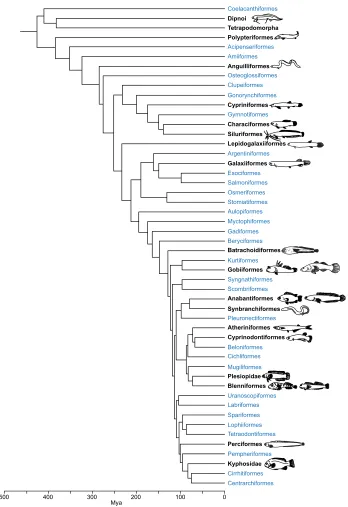
Amphibious habits have evolved independently many times in osteichthyan fishes (=Euteleostomi). Excluding tetrapods, which are nested within this group, >200 extant amphibious fishes have been reported, spanning 40 families and 17 taxonomic orders (Fig. 1; Table S1). This is twice the number of species estimated by Long and Gordon (2004), but is probably an underestimate–natural history information is lacking for numerous species, including many nested within highly amphibious clades (Graham, 1997; Hundt et al., 2014; Turko and Wright, 2015). Amphibious habits have also been suggested in bowfinAmia calva(Neill, 1950), cichlids (Beebe, 1945; Minshull, 2008) and several other fishes (e.g. Beebe, 1945); these deserve investigation. In some groups, only certain life stages are amphibious–for example, embryonic capelinMallotus villosus or sticklebackGasterosteus aculeatusmay benefit from increased Department of Integrative Biology, University of Guelph, Guelph, Ontario, Canada
N1G 2W1.
*Author for correspondence ( [email protected])
P.A.W., 0000-0003-4041-8885
Journal
of
Experimental
O2availability or reduced predation risk out of water (Martin and
Carter, 2013; Martin, 2014). Other groups–including oxudercine mudskippers (e.g. Ishimatsu et al., 1998, 2007), stichaeid pricklebacks (e.g. Coleman, 1992) and aplocheiloid killifishes (e.g. Wells et al., 2015)–may emerse at all life stages.
In general, the evolution of amphibiousness has allowed fishes to occupy ecological niches unavailable to fully aquatic species (Graham, 1997; Sayer, 2005). The characteristics of these niches vary widely, however, and thus exert different selection pressures. Some amphibious fishes leave the water only very briefly to inhabit generally hospitable aquatic environments. For example, inanga Galaxias maculatus(Urbina et al., 2011) and tide pool-inhabiting blennies and gobies (Graham, 1997) use emersion to escape short bouts of aquatic hypoxia. Other species use brief emersions to migrate over land and colonize unoccupied bodies of water (Jordan, 1923; Davenport and Abdul Matin, 1990; Schoenfuss and Blob, 2003). Sometimes, fish don’t leave the water, but water leaves the fish. Many intertidal fishes are able to exploit the supralittoral niche by tolerating emersion during low tides (Martin and Carter, 2013). More impressively, Misgurnus loaches, Clarias catfish and Protopterus lungfish can survive for months or even years without water during dry seasons or under drought conditions (Bruton, 1979; Oh and Park, 2009; Mlewa et al., 2011).
How can we explain this remarkable diversity of amphibious species? One hypothesis is that the abiotic factors that drive the evolution of amphibiousness, such as aquatic hypoxia and intermittent periods without water, are common in aquatic systems; thus, many lineages have had the opportunity to invade land independently (Graham, 1997; Graham and Lee, 2004). Furthermore, the colonization of these new adaptive zones by amphibious species may have allowed bursts of speciation in response to reduced competition or opportunities for ecological specialization (Heard and Hauser, 1995; Schluter, 2000). In this model,‘amphibiousness’in its most general sense may represent a key evolutionary innovation – a phenotypic trait that causes
increased species richness in the clade where it is present (Heard and Hauser, 1995; Hunter, 1998). It is not currently possible to rigorously test the key innovation hypothesis, and examples can be cherry-picked to support or reject this idea (see Box 1). However, a notable similarity among the most successful amphibious groups is the use of phenotypic plasticity when switching between environments–perhaps this responsiveness is key to their diversity (Pfennig et al., 2006, 2010; Moczek et al., 2011).
Challenges of life in and out of water
Amphibious animals must cope with two very different environments. The late French physiologist Pierre Dejours seconded the view of Bliss (1979) that the contrasting characteristics of air and water impose limitations on design and function (Dejours, 1988). Dejours (1988) said that, ‘For the physiologist there are some good reasons to divide the animal kingdom into aquatic and terrestrial animals’. Aquatic animals live in a hydrating (freshwater) or dehydrating (seawater), buoyant, dense medium with relatively low O2 content, whereas terrestrial
animals must resist the force of gravity in a highly dehydrating environment with comparatively more O2 available. What two
settings could be more opposite? Below, we discuss some of the challenges associated with life in and out of water and then review how phenotypic plasticity allows amphibious fishes to meet these challenges.
Each of the phenotypic changes we document below involves behavioural, physiological and/or biochemical plasticity of Glossary
Active plasticity
Coordinated changes in multiple gene regulatory pathways or neurochemical/hormonal pathways that produce complex alterations in multiple traits and feedback systems.
Aestivation
In amphibious fishes, a state where the animal burrows into mud and/or enters metabolic depression.
Developmental plasticity
Irreversible phenotypic plasticity in response to environmental conditions during early life stages.
Genetic assimilation
Fixed expression of genes involved in expressing a novel trait at the expense of plasticity.
Passive plasticity
Physiological or biochemical changes as a direct result of environmental changes in ectotherms over the short term that do not involve homeostatic regulation (e.g. temperature change and body fluid pH).
Phenotypic flexibility
Reversible phenotypic plasticity in response to environmental changes, acclimation/acclimatization responses.
Phenotypic plasticity
Biochemical, physiological, behavioural, morphological or life-history traits that change in response to the environment.
Reaction norms
A set of phenotypes produced by a single genotype in two or more environmental conditions.
Box 1. Testing the key innovation hypothesis
Incomplete natural history information about many species nested within clades of generally amphibious fishes, considerable phylogenetic uncertainty and a potentially problematic extant species bias (Hunter, 1998) currently limit our ability to rigorously test the key innovation hypothesis. These methodological considerations are important, because there is no clear relationship between the evolutionary origins of amphibiousness and species richness. In support of the key innovation hypothesis, a single evolution of amphibiousness probably occurred within the Oxudercinae, and these amphibious mudskippers outnumber those in the aquatic sister genusPseudapcryptes30 to 2 (Murdy, 1989, 2011). Similarly, the 22 amphibious species of the swamp eel family Synbranchidae are in sharp contrast to the monospecific aquatic sister genus Macrotrema (Rosen and Greenwood, 1976; Graham, 1997), and the highly amphibious Galaxiid subfamily Galaxiinae contains 48 species compared with 2 species in the sister Aplochitoninae (Begle, 1991). Amphibious killifish lineages also tend to contain higher diversity than their sister groups (Turko and Wright, 2015), as do amphibious blenny clades (Hundt et al., 2014). These examples of species-rich amphibious groups include fishes that remain active out of water (e.g. mudskippers, killifish), as well as those that remain quiescent (e.g. swamp eels, blennies), suggesting that patterns of speciation are not strongly influenced by amphibious habits. Support for the key innovation hypothesis is not universal, however. We found >20 cases of lone amphibious species nested within fully aquatic clades. Perhaps the most striking example is the highly amphibious salamanderfish Lepidogalaxias salamandroides, which belongs to a monotypic family (and probably even order) as the sister clade to the∼16,000 other species of Euteleostei (Li et al., 2010; Betancur-R et al., 2013). Clearly, evolving amphibiousness is not enough to drive an adaptive radiation. How, then, can we explain the radiations of many amphibious groups such as mudskippers, killifishes or synbranchid eels? One hypothesis is that the ability to use phenotypic plasticity when switching between media is critical to the success of these lineages (Pfennig et al., 2006, 2010; Moczek et al., 2011).
Journal
of
Experimental
neurohormonal pathways, genes, proteins and/or metabolites, plus associated changes in cells and tissues. We have attempted to provide examples of several types of plasticity observed across physiological systems – locomotion, ion and water balance, gas exchange, pH regulation, metabolism and nitrogen excretion–with some example species that display the same trait plasticity. These examples come with a caveat, however. So little research has been conducted on the ∼200 amphibious species, that we have only scratched the surface on the diversity of phenotypically plastic responses across this broad group of fishes. Much of our knowledge is limited to a few clades (e.g. blennies, gobies, killifishes, lungfish), and future work on the plasticity of other amphibious groups is required to determine the generality of these responses. Explicit comparisons of species with similar habits [e.g. active emersion or
aestivation (see Glossary)] in phylogenetically distant groups will be especially useful.
Buoyancy, gravity and movement on land
Water is 800 times denser and 60 times more viscous than air (Dejours, 1976, 1988; Table 1). Thus, aquatic animals must cope with greater frictional resistance (due to viscosity) and expend more work to combat inertia (due to density) relative to terrestrial animals. These physical factors have energetic and mechanical consequences for movement, which generally requires more effort in water than in air (Graham, 2006), affecting activities including feeding, locomotion and respiration. In water, some fishes can attain neutral buoyancy using a gas-filled swim bladder; by floating, they minimize energy expenditure at rest (McNeill Alexander,
500 400 300 200 100 0
Mya
Dipnoi Tetrapodomorpha Polypteriformes
Anguilliformes
Cypriniformes
Characiformes Siluriformes Lepidogalaxiiformes
Galaxiiformes
Batrachoidiformes
Gobiiformes
Anabantiformes Synbranchiformes
Atheriniformes Cyprinodontiformes
Plesiopidae Blenniformes
Perciformes
Kyphosidae
Coelacanthiformes
Acipenseriformes
Osteoglossiformes
Gonorynchiformes Amiiformes
Gymnotiformes Clupeiformes
Argentiniformes
Esociformes Salmoniformes
Stomiatiformes Aulopiformes Myctophiformes Gadiformes Osmeriformes
Beryciformes
Kurtiformes
Pleuronectiformes Syngnathiformes Scombriformes
Beloniformes Cichliformes Mugiliformes
Uranoscopiformes Labriformes Spariformes Lophiiformes Tetraodontiformes
Pempheriformes
[image:3.612.49.397.53.560.2]Cirrhitiformes Centrarchiformes
Fig. 1. Amphibious fishes are present in many osteichthyan orders, suggesting multiple evolutionary origins of the ability to survive out of water.Lineages that contain at least one amphibious species are highlighted in bold and accompanied by a sketch of a representative amphibious species from that group; fully aquatic groups are labelled in blue. A list of the >200 amphibious species used to create this tree is available in Table S1. The scale bar indicates time since divergence (Mya, millions of years ago). Many lineages have been omitted for simplicity. Relationships and divergence time estimates are modified from Betancur-R et al. (2013).
Journal
of
Experimental
1993) (although many small, marine amphibious fishes lack swim bladders; Martin, 2015). Once a fish emerses, the lack of buoyancy and increase in apparent gravity would compress tissues. Thus, terrestrial and amphibious animals tend to have more robust musculoskeletal systems (Ashley-Ross et al., 2013).
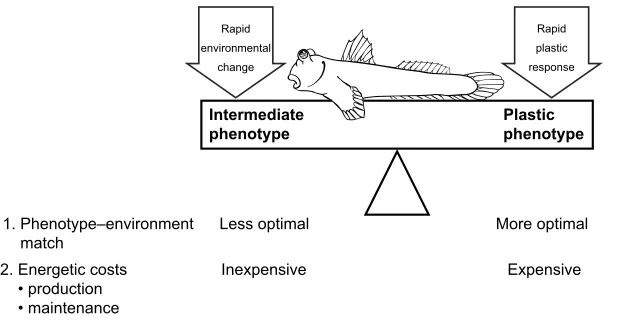
Amphibious fishes have adopted a diverse array of terrestrial movement strategies despite lacking appendages and generally having body forms much more suited for swimming (e.g. Harris, 1960; Ellerby et al., 2001; Swanson and Gibb, 2004; Sayer, 2005; Gibb et al., 2011; Ashley-Ross et al., 2013; Pronko et al., 2013; Close et al., 2014; Pace and Gibb, 2014; Standen et al., 2014; Bressman et al., 2015; Flammang et al., 2016). One strategy is to rely on fixed adaptations that are a compromise for movement in air and water. This is seen in mudskippers, which make short but frequent forays onto land (Harris, 1960). Another strategy is to express plastic locomotory behaviour and morphology. If amphibious fishes emerse for days to weeks, does the musculoskeletal system become stronger in response to the increased apparent gravity? Does terrestrial exercise in fishes (e.g. mudskippers on a treadmill; Jew et al., 2013) lead to the same training effect as observed with swimming (McClelland, 2012)? Do fishes need to balance trade-offs when adjusting locomotor performance for aquatic versus terrestrial locomotion and, if so, how do lag times in the induction and reversal of these responses influence the scope of plasticity in fishes with different amphibious habits (Fig. 2)?
Although we cannot currently answer many of these questions, we recently discovered reversible plasticity in locomotory function in the mangrove rivulus Kryptolebias marmoratus. Jumping performance on land improved dramatically in air-acclimated fish; they had lower lactate levels and increased aerobic muscle cross-sectional area compared with control fish held in water (E. Brunt, A.J.T., G. R. Scott and P.A.W., submitted). The stimulus for these changes is unknown, but is likely to be partly associated with the increase in apparent gravity, asK. marmoratus are quiescent on
land, which should minimize any training effect. Further work is necessary to understand how reversible plasticity in locomotory behaviour and morphology in amphibious fishes that emerse for prolonged periods may lead to functional improvements on land and whether mechanisms are conserved across species.
Some amphibious fishes modify terrestrial locomotion if raised for months out of water. For example, when juvenile Senegal bichirs (Polypterus senegalus) were exposed to a moist terrestrial habitat for 8 months, they developed differently shaped clavicle and cleithrum bones. These changes provided more space for the pectoral fins to move compared with water-reared cohorts, partly explaining their more efficient locomotion on land (Standen et al., 2014). There appeared to be no trade-offs with respect to aquatic locomotion; the air-raised bichirs swam just as well. Examination of the fossil record revealed that this developmental plasticity in bichir paralleled macroevolutionary changes apparent in early tetrapods (Standen et al., 2014). These findings raise intriguing questions about how similar plastic responses in ancient amphibious fishes might have played a role in the evolution of fixed locomotory traits in tetrapods (see‘Developmental plasticity’, below).
Water availability and ion balance
[image:4.612.49.553.69.176.2]Water is abundant in aquatic environments; freshwater promotes hydration whereas seawater is a desiccating medium (Table 1). Water availability is variable and potentially very low in terrestrial habitats. Desiccation on land represents a major challenge for the evolution of terrestrial life. Thus, land-dwellers must have mechanisms to reduce water loss and/or obtain sufficient water. Aquatic fishes either gain water passively across the gills (freshwater) or actively drink (seawater) to replace lost water, but once emersed, these mechanisms are unavailable to fishes. Nevertheless, marine amphibious fishes may have had water conservation mechanisms (owing to the desiccating nature of Table 1. Properties of water and air and the physiological consequences
Water Air Consequence
1. Viscosity 60 1 Reduced buoyancy in air requires greater body support
Density 800 1
2. Water availability FW hydrating/SW desiccating Highly desiccating Desiccation in air
3. O2and CO2diffusivity 1 8000 O2availability greater in air
O2solubility 1 30
CO2solubility 30 30 CO2retention and acidosis in air
4. NH3solubility 700 1 NH3excretion is easier in water
5. Ionic environment Variable – Ion balance in air is challenging
Adapted from Dejours (1975, 1988). Values are ratios. FW, freshwater; SW, seawater.
Intermediate phenotype
Plastic phenotype
1. Phenotype–environment match
Less optimal
2. Energetic costs • production • maintenance
Inexpensive
More optimal
Expensive
Rapid
environmental
change
Rapid
plastic
response
Fig. 2. The trade-offs between expressing plastic or non-plastic, intermediate traits when amphibious fish move from an aquatic to a terrestrial habitat.Theory predicts that phenotypically plastic responses to an environmental change (e.g. moving from water to land) will evolve when the environmental change is longer in duration than the time required for physiological, biochemical and/or morphological alterations (Padilla and Adolph, 1996; Alpert and Simms, 2002; Gabriel et al., 2005; Stomp et al., 2008). Plastic responses provide a more optimal match to the new environment, despite the high energetic costs incurred to produce and maintain the phenotype. Alternatively, intermediate phenotypes that may be less optimal in a particular environment, but do well enough across environments, will be selected for in situations where there is frequent or rapid environment change. See‘Plasticity– costs and limits’, below, for more details.
Journal
of
Experimental
[image:4.612.48.357.578.739.2]seawater) that preadapted them to life out of water. Amphibious fishes may be tolerant of some water loss for intervals when they emerse (Horn and Gibson, 1988; Evans et al., 1999), but many have strategies to remain in positive water balance (e.g. Litwiller et al., 2006; Wilkie et al., 2007; Frick et al., 2008a).
Behavioural strategies are often used to limit water loss and maintain hydration in fish out of water. One strategy is to seek refuge in moist terrestrial habitats, such as beneath rocks or vegetation, or inside rotting logs or other structures (Table 2). Some amphibious fishes seek margins (thigmotaxis) or group with conspecifics to reduce their surface area, whereas others (e.g. mudskippers) moisten their body surfaces by rolling in mud. In mudskippers, hormones associated with social behaviours and osmoregulation (arginine vasotocin and isotocin) have even been implicated in the propensity of these fish to emerse (Sakamoto et al., 2015).
The cutaneous surface is an important site of water and ion balance in emersed fishes. Mucus secreted onto the cutaneous surface may inhibit cutaneous water loss under some conditions; for example, lungfish secrete a thick mucus coating that hardens into a protective cocoon during aestivation (Smith, 1930; Sturla et al., 2002). Excess mucus production by the skin has been reported in a few other species out of water, but this is not ubiquitous (Table 2).
Altering cutaneous and renal water fluxes during emersion is another strategy to retain water. In terrestrial lungfish (Protopterus dolloi), whole-body water efflux decreased substantially by 1 week and remained low over 6 months out of water (Wilkie et al., 2007). Similarly, in the non-aestivatingK. marmoratus, whole-body water efflux was lower during emersion over a hypersaline (45 ppt; mimics seasonal drought) but not hyposaline (1 ppt) substrate (LeBlanc et al., 2010). Follow-up experiments on isolated skin preparations indicated that water influx was significantly enhanced in K. marmoratusacclimated to 7 days (not 1 day) of air over a hypersaline substrate, indicating that plastic responses involving skin remodelling (e.g. aquaporins, tight junction proteins) might be important in regulating water balance in emersed fish (Table 2; Q. Heffell, Skin permeability of the amphibious mangrove rivulus Kryptolebias marmoratus in response to emersion, MSc Thesis, University of Guelph, Guelph, Ontario, 2016). The reduction in whole-body water efflux in emersed lungfish and rivulus parallels the low epithelial water permeability in terrestrial tetrapods (Gray, 1928). For example, during anuran metamorphosis, the skin becomes keratinized and water turnover rates decline (Burggren and Just, 1992).
[image:5.612.47.561.331.700.2]In addition to the cutaneous surface, the kidney plays an important role in regulating water balance in animals. In aestivating
Table 2. Reversible plasticity in strategies for ion and water balance in emersed amphibious fishes
Plastic traits in air Species Terrestrial period References
1. Behaviours–seek refuge or margins, ingest water, moisten skin Alticus kirki
Anoplarchus purpurescens Pholis ornata
Cebidichthys violaceus Anoplarchus purpurescens Xiphister mucosus Xiphister astropurpureus Xererpes fucorum Kryptolebias marmoratus Sicyases sanguineus Periophthalmodon schlosseri Oxyeleotris marmorata Periophthalmodon sobrinus Galaxias‘nebula’
Parioglossus interruptus Periophthalmus modestus
4 h 6 h 6 h 4–6 h 4–6 h 4–6 h 4–6 h 4–6 h Weeks 6 h 6 h 6 h – 12 h 12 h 8 h
Brown et al., 1991 Barton, 1985 Barton, 1985 Horn and Riegle, 1981 Horn and Riegle, 1981 Horn and Riegle, 1981 Horn and Riegle, 1981 Horn and Riegle, 1981 Taylor et al., 2008 Marusic et al., 1981 Fenwick and Lam, 1988 Fenwick and Lam, 1988 Gordon et al., 1968 Magellan, 2015 Hendy et al., 2013 Sakamoto et al., 2015
2. Mucus production and mucous cells
Skin Kryptolebias marmoratus
Misgurnus mizolepis Protopterus aethiopicus
9 days Months >30 days
LeBlanc et al., 2010 Oh and Park, 2009 Smith, 1930
Gills Protopterus annectens Weeks Sturla et al., 2002
3. Water flux Kryptolebias marmoratus
Kryptolebias marmoratus Protopterus dolloi Protopterus dolloi
9 days 1–7 days 180 days 240 days
LeBlanc et al., 2010 Q. Heffell, 2016* Wilkie et al., 2007 Patel et al., 2009
Vasotocin mRNA–brain Protopterus annectens 90 days Konno et al., 2009, 2010
Aquaporin mRNA–kidney Protopterus annectens 90 days Konno et al., 2010
4. Ionocytes
Skin (SW) Kryptolebias marmoratus 9 days LeBlanc et al., 2010
Gill (FW) Kryptolebias marmoratus 9 days LeBlanc et al., 2010
Na+/K+-ATPase (gill) Neochanna apoda
Periophthalmus chrysospilos
14 days 1 day
Urbina et al., 2014 Lee et al., 1987
5. Ion flux Periophthalmodon schlosseri
Oxyeleotris marmorata Protopterus dolloi
6 h 6 h 8 h
Fenwick and Lam, 1988 Fenwick and Lam, 1988 Wood et al., 2005
Terrestrial period is the duration of exposure to air.
*Q. Heffell, Skin permeability of the amphibious mangrove rivulusKryptolebias marmoratusin response to emersion, MSc Thesis, University of Guelph, Guelph, Ontario, 2016.
SW, seawater; FW, freshwater.
Journal
of
Experimental
lungfish (Protopterus annectens), the hormone vasotocin may induce the upregulation of vasotocin V2 receptor and aquaporin
mRNA levels in the kidney to control water conservation (Konno et al., 2009, 2010). The V2receptor gene shows high homology to
amphibian sequences. This is an exciting finding that may be related to the complete shutdown of urine flow during aestivation in Protopterus(DeLaney et al., 1977). In the shorter term, renal water efflux was also substantially diminished after 2–6 days out of water in the American eel (Anguilla rostrata) relative to that of fish held in water (Butler, 1999). More work is needed to understand the mechanisms regulating decreased urine production and to determine whether these are conserved across diverse amphibious fish species during emersion.
Water balance is closely related to ion balance in fishes. The ionic environment is variable in aquatic habitats (which range from freshwater to hypersaline water), but essential ions may not be readily available on land; thus, ion balance in air may be far more challenging (Table 1). Typically, aquatic fishes obtain ions from the diet and through exchange across the gills via ion-transporting cells or ionocytes (also termed mitochondria-rich cells). The kidney plays a smaller role in ionic regulation, reabsorbing univalent ions in freshwater fishes and secreting divalent ions in seawater fishes (Marshall and Grosell, 2006). In emersed amphibious fishes, branchial ion exchange is typically eliminated, and the cutaneous surface–and possibly the kidney–becomes more important in ion balance.
Ion flux across the skin and the presence of cutaneous ionocytes have been documented in amphibious fishes (e.g. Yokota et al., 1997; LeBlanc et al., 2010; Itoki et al., 2012; Cooper et al., 2013). In K. marmoratus acclimated to air on a hypersaline surface, skin ionocyte cross-sectional area increased, although ionoregulation was not perfectly maintained, as whole-body Na+levels were 30%
higher relative to those of control fish in water (LeBlanc et al., 2010). The rate of ion flux may also be modulated to regulate ion balance on land. For example, in marine Periophthalmodon schlosseri and freshwater marble goby, Oxyeleotris marmorata, held out of water for 6 h, Ca2+ homeostasis was maintained by a
large decrease in cutaneous Ca2+efflux to almost zero (Fenwick and
Lam, 1988). Over longer periods of emersion, however, other species show little change in whole-body flux rates for Na+and Cl−
(P. dolloi, Wilkie et al., 2007;K. marmoratus, LeBlanc et al., 2010). The role of the kidney in ion regulation has not been examined in any species of amphibious fishes to our knowledge. During the evolution of terrestrial vertebrates, ion regulation shifted from the skin and kidneys in amphibians to the kidneys and salt glands in birds and reptiles. In amphibious fishes, it would be interesting to know whether renal responses to terrestrial acclimation are similar to the mechanisms of ion regulation in terrestrial vertebrates.
Gas exchange and metabolism
O2and CO2diffuse much faster in air relative to water, and O2is
much more soluble in air (Dejours, 1976, 1988; Table 1). Air holds ∼210 ml O2l−1, whereas water holds only 5–6 ml O2l−1
(depending on salinity) at 25°C (Graham, 2006). Thus, the respiratory systems of air breathers do not have to be quite so efficient as those of water breathers. Aquatic O2 levels also tend
to be more variable than in terrestrial environments. Amphibious fishes typically inhabit shallow waters, tide pools or transient aquatic habitats that can vary from hyperoxic (due to algal or plant photosynthesis) to hypoxic ( poor mixing, organismic respiration, low flow) either daily or seasonally (e.g. Bridges, 1988; Graham, 1985; Martin and Bridges, 1999; Currie et al., 2010). In addition, respiratory challenges in stagnant waters may be exacerbated by
high levels of CO2 or H2S, which interfere with O2 binding and
transport (Dehadrai and Tripathi, 1976; Abel et al., 1987). O2uptake across the gills is limited out of water in most aquatic
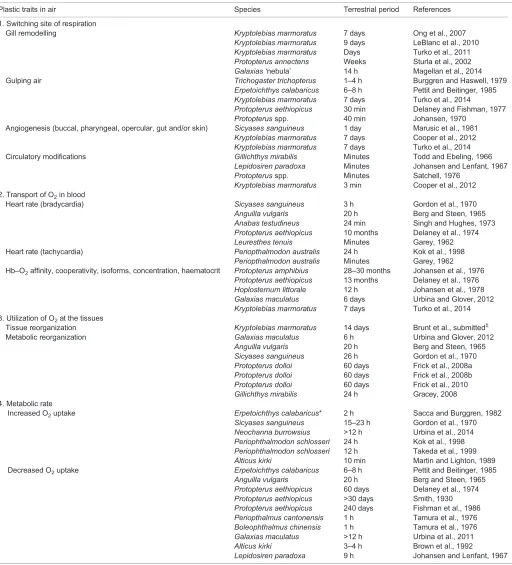
fishes, because the delicate gill filaments and lamellae collapse and coalesce (Randall et al., 1981). However, in some active amphibious species such as oxudercine mudskippers, which retain water within the opercular chamber and have fortified gills (reviewed by Sayer, 2005), the gill functions very well out of water–better than when fully immersed (Takeda et al., 1999). Other species that remain quiescent out of water actually reduce gill surface area when emersed. For example,K. marmoratusreversibly remodel their gills by developing a cell mass between the lamellae (Ong et al., 2007; Table 3), and in aestivating African lungfish the lamellae are thickened and mucus coated (Sturla et al., 2002). Thus, depending on the type of emergence (e.g. quiescent, long-term emersion versus regular active excursions), gill functionality out of water is quite variable across species.
Fishes that use extrabranchial sites of O2uptake when emersed
have evolved a diversity of air-breathing organs (ABOs), including the gut, cutaneous surface, buccal, pharyngeal or opercular lining, gas bladder and/or lung, and in many cases air gulping is initiated on emersion (Graham, 1997).‘Gulping’air may involve movement of air into an internal organ such as a lung (e.g. tidal air flow in lungfish) or opercular and buccal movements to aerate the epithelial lining of these cavities (e.g. unidirectional flow in intertidal fishes; Martin, 2015). Other amphibious fishes may keep their opercula closed most of the time but occasionally flutter them for variable periods of time (Brown et al., 1991). In contrast, a few species are able to continue to use their gills for air breathing while emersed (e.g. Synbranchus, Johansen, 1970; Periophthalmodon, Graham, 1997). The sensory systems required to switch the site of gas exchange in emersed amphibious fishes are not well characterized, but this process may involve pathways similar to those described for air-breathing fishes responding to hypoxia or hypercapnia (reviewed by Milsom, 2012). Once the site of respiration is switched from the gills to alternative sites, there are multiple steps along the O2 cascade from the respiratory surfaces to the
mitochondria in the tissues that undergo reversible changes. To increase blood flow and facilitate O2 transfer across respiratory
surfaces, including the cutaneous surface, there are rapid circulatory adjustments (Table 3). It is not clear in various amphibious fishes whether these gas exchange organs are primed and ready for aerial respiration, such as in the mudskipperP. schlosseri(Gonzales et al., 2011), or whether angiogenesis occurs in these extrabranchial respiratory surfaces as they acclimate to air exposure, as in the mangrove rivulus K. marmoratus; here, there is evidence of angiogenesis in the bucco-opercular lining, skin and fins after 7 days out of water relative to control fish in water (Cooper et al., 2012; Turko et al., 2014).
Following its uptake at the respiratory surface, O2 must be
delivered to the tissues. Generally, heart rate slows after emersion (Table 3). CO2retention and the lower blood pH of emersed fishes
(see below) both decrease the O2affinity of haemoglobin (Hb; Bohr
shift) and the blood O2-carrying capacity (Root shift) (Randall et al.,
1981); plasticity of the O2 delivery system may therefore be
necessary to offset the higher blood CO2content in air-breathing
fishes (Johansen, 1970). Indeed, many adjustments in O2-carrying
capacity and Hb have been described in emersed fishes, including increased Hb–O2affinity or cooperativity of Hb binding to O2, a
change in the relative amounts of different Hb isoforms, increased Hb concentration and/or elevated haematocrit (Table 3). Some of these changes also occur during aquatic hypoxia in fishes, raising
Journal
of
Experimental
the possibility that the aquatic hypoxia response is co-opted by amphibious fishes to cope with hypoxaemia in the initial stages of aerial ventilation upon emersion (e.g. Gracey, 2008). However, we have found that this is not the case inK. marmoratus(Turko et al., 2014). Here, terrestrial acclimation results in a significant increase in the affinity of Hb for O2, which is not observed in
hypoxia-acclimatedK. marmoratusin water. An alternative hypothesis is that some amphibious fishes may have co-opted regulatory pathways that maintain acid–base status, and it has been suggested that CO2
tolerance in fishes may have been a pre-condition for the evolution of air breathing in vertebrates (Ultsch, 1987, 1996; see ‘CO2
[image:7.612.50.562.67.632.2]retention and acid–base balance’, below). Table 3. Reversible plasticity in strategies for gas exchange and metabolism in emersed amphibious fishes
Plastic traits in air Species Terrestrial period References
1. Switching site of respiration
Gill remodelling Kryptolebias marmoratus
Kryptolebias marmoratus Kryptolebias marmoratus Protopterus annectens Galaxias‘nebula’
7 days 9 days Days Weeks 14 h
Ong et al., 2007 LeBlanc et al., 2010 Turko et al., 2011 Sturla et al., 2002 Magellan et al., 2014
Gulping air Trichogaster trichopterus
Erpetoichthys calabaricus Kryptolebias marmoratus Protopterus aethiopicus Protopterusspp.
1–4 h 6–8 h 7 days 30 min 40 min
Burggren and Haswell, 1979 Pettit and Beitinger, 1985 Turko et al., 2014
Delaney and Fishman, 1977 Johansen, 1970
Angiogenesis (buccal, pharyngeal, opercular, gut and/or skin) Sicyases sanguineus Kryptolebias marmoratus Kryptolebias marmoratus
1 day 7 days 7 days
Marusic et al., 1981 Cooper et al., 2012 Turko et al., 2014
Circulatory modifications Gillichthys mirabilis
Lepidosiren paradoxa Protopterusspp. Kryptolebias marmoratus
Minutes Minutes Minutes 3 min
Todd and Ebeling, 1966 Johansen and Lenfant, 1967 Satchell, 1976
Cooper et al., 2012 2. Transport of O2in blood
Heart rate (bradycardia) Sicyases sanguineus
Anguilla vulgaris Anabas testudineus Protopterus aethiopicus Leuresthes tenuis
3 h 20 h 24 min 10 months Minutes
Gordon et al., 1970 Berg and Steen, 1965 Singh and Hughes, 1973 Delaney et al., 1974 Garey, 1962
Heart rate (tachycardia) Periopthalmodon australis
Periopthalmodon australis
24 h Minutes
Kok et al., 1998 Garey, 1962 Hb–O2affinity, cooperativity, isoforms, concentration, haematocrit Protopterus amphibius
Protopterus aethiopicus Hoplosternum littorale Galaxias maculatus Kryptolebias marmoratus
28–30 months 13 months 12 h 6 days 7 days
Johansen et al., 1976 Delaney et al., 1976 Johansen et al., 1978 Urbina and Glover, 2012 Turko et al., 2014 3. Utilization of O2at the tissues
Tissue reorganization Kryptolebias marmoratus 14 days Brunt et al., submitted‡
Metabolic reorganization Galaxias maculatus
Anguilla vulgaris Sicyases sanguineus Protopterus dolloi Protopterus dolloi Protopterus dolloi Gillichthys mirabilis
6 h 20 h 26 h 60 days 60 days 60 days 24 h
Urbina and Glover, 2012 Berg and Steen, 1965 Gordon et al., 1970 Frick et al., 2008a Frick et al., 2008b Frick et al., 2010 Gracey, 2008 4. Metabolic rate
Increased O2uptake Erpetoichthys calabaricus*
Sicyases sanguineus Neochanna burrowsius Periophthalmodon schlosseri Periophthalmodon schlosseri Alticus kirki
2 h 15–23 h >12 h 24 h 12 h 10 min
Sacca and Burggren, 1982 Gordon et al., 1970 Urbina et al., 2014 Kok et al., 1998 Takeda et al., 1999 Martin and Lighton, 1989
Decreased O2uptake Erpetoichthys calabaricus
Anguilla vulgaris Protopterus aethiopicus Protopterus aethiopicus Protopterus aethiopicus Periopthalmus cantonensis Boleophthalmus chinensis Galaxias maculatus Alticus kirki
Lepidosiren paradoxa
6–8 h 20 h 60 days >30 days 240 days 1 h 1 h >12 h 3–4 h 9 h
Pettit and Beitinger, 1985 Berg and Steen, 1965 Delaney et al., 1974 Smith, 1930 Fishman et al., 1986 Tamura et al., 1976 Tamura et al., 1976 Urbina et al., 2011 Brown et al., 1992
Johansen and Lenfant, 1967
Terrestrial period is the duration of exposure to air. Hb, haemoglobin. *FormerlyCalamoichthys calabaricus.
‡E. Brunt, A.J.T., G. R. Scott and P.A.W., submitted.
Journal
of
Experimental
An important index for respiratory and metabolic change during emersion is whole-animal O2uptake, a proxy for metabolic rate.
Metabolic rate is often equivalent during water versus air breathing, but increases in some species during emersion while decreasing in others (reviewed by Graham, 1997; Martin, 2014; Table 3). In general, there are two life-history strategies–fishes that are active out of water for shorter durations show increased or unchanged metabolic rate, whereas those that are inactive on land for longer periods decrease metabolic rate. For example, in marine intertidal species (e.g. mudskippers) that move frequently between water and air and have short sojourns on land, metabolic rate is typically higher out of water (Table 3). However, for fishes that cannot ingest food out of water, prolonged emersion is linked to an overall decrease in energy use, such as the profound depression observed in aestivating lungfish (Smith, 1930; Amelio et al., 2008; Frick et al., 2010; Ballantyne and Frick, 2011; Table 3).
Overall, it is difficult to describe a conserved respiratory response to air breathing in emersed amphibious fishes. The great diversity of lifestyles and energetic demands is matched by the large variation in plastic responses to air. However, the increased reliance on non-branchial structures–particularly skin and lungs–when emersed resembles the developmental trajectory observed in amphibians.
CO2retention and acid–base balance
In water, CO2solubility is∼30 times higher than O2solubility, but
the values of CO2 and O2 solubility are similar in air (Table 1).
Consequently, water-breathing fishes maintain relatively high rates of ventilation to meet their O2 requirements, CO2 in the blood
rapidly diffuses into the environment, and the excreted CO2 is
diluted in a large volume of water (Rahn, 1966). Thus, air breathers have total blood CO2levels that are typically an order of magnitude
higher than those of water breathers (Rahn, 1966; Rahn et al., 1971). In cases where amphibious fishes rely on a lung for gas exchange, the relatively low efficiency of this tidal ventilatory system also contributes to CO2accumulation in body fluids (Piiper and Scheid,
1975). In contrast, amphibious fishes that breathe air with gills or ABOs often continue to eliminate CO2 at similar rates to their
aquatic counterparts during short sojourns out of water (Burggren and Haswell, 1979; Pelster et al., 1988; Martin et al., 1993; Graham, 1997; Martin, 2014). For those fishes that do retain CO2when
air-exposed, blood pH initially decreases ( passive plasticity; see Glossary) as a result of a respiratory acidosis (Heisler, 1982) or a combined metabolic and respiratory acidosis (DeLaney et al., 1977; Pelster et al., 1988; Hyde and Perry, 1987; Hyde et al., 1987; reviewed by Shartau and Brauner, 2014). Blood pH will also change in response to air temperature ( passive plasticity), decreasing if warmer conditions prevail on land (Martin and Bridges, 1999).
Maintaining acid–base homeostasis out of water without functional gills is a challenge, given that branchial HCO3−/Cl−
and Na+/H+ (NHE) exchangers and H+-ATPase are critical for
regulating internal pH (Evans et al., 1999). Despite these limitations, plasma HCO3− levels were reported to increase
gradually over a 7 month period of aestivation in Protopterus aethiopicus(DeLaney et al., 1977). In some species, the skin or gut may release acid or base equivalents (see ‘Nitrogen excretion’, below). Another strategy may be to offset intracellular acidosis by transfer of HCO3− from the extracellular fluid ( preferential pHi
regulation; Heisler, 1982) or to simply wait until reimmersion to compensate using branchial processes (Hyde and Perry, 1987; Evans et al., 1999). What is not clear – across the diversity of amphibious fishes with different lifestyles – is the degree of plasticity in acid–base transporters and associated regulatory
processes that facilitate acid–base homeostasis during emersion and reimmersion. This is an area ripe for discovery.
The retention of CO2 in amphibious fishes that remain out of
water for prolonged periods parallels the acid–base status of terrestrial vertebrates, as highlighted previously (e.g. Rahn, 1966; Rahn and Garey, 1973; Heisler, 1982). Whether acid–base compensatory mechanisms are conserved across amphibious fishes and air-breathing vertebrates is unknown. However, Shartau and Brauner (2014) have hypothesized that preferential pHi
regulation may have evolved in bimodal-breathing fishes in ion-poor, hypoxic and hypercapnic Devonian swamps to provide extraordinary CO2 tolerance and a mechanism to cope with the
respiratory acidosis that accompanies air breathing. There is much to uncover across a diversity of species in this regard.
Nitrogen excretion
Ammonia (NH3or NH4+) is formed from the catabolism of proteins
and amino acids and is an important nitrogenous waste product in animals. The unionized form NH3 is relatively toxic (Ip et al.,
2001c) and is far more soluble in water than in air (Table 1); therefore, mechanisms to rid the body of nitrogenous waste are often very different between water and air breathers. NH3diffuses across
the gills of fishes and is diluted in the abundant aqueous medium (Wilkie, 1997). Terrestrial animals convert NH3to urea or uric acid,
a process that is much more energetically expensive than simply excreting NH3, but these products can be excreted in far less water
(Wright, 1995; Walsh and Mommsen, 2001). Some amphibious fishes reversibly switch from branchial NH3excretion to alternative
modes of nitrogen excretion while out of water. The signal for switching to a terrestrial mode of nitrogen metabolism and excretion is unknown, but it is likely to be associated with an accumulation of endogenous ammonia, because many of the same mechanisms are shared between fishes exposed to high environmental ammonia in terrestrial and aquatic environments (Chew and Ip, 2014). Here, we have summarized four key reversible changes in nitrogen metabolism and excretion that amphibious fishes adopt when out of water (Table 4): ammonia excretion, ammonia detoxification via urea or via glutamine, and reduction in ammonia synthesis.
One strategy on land is to continue to eliminate ammonia through either active NH4+excretion or the release of NH3gas across a
non-branchial surface, such as the skin or gut. The dissociation constant, pK, of ammonia is∼9; thus, alkalinization favours unionized NH3
formation over ionized NH4+. Some amphibious species alkalinize
the gut epithelial or cutaneous epidermal surface through diminished H+ secretion (K. marmoratus; Litwiller et al., 2006;
Cooper et al., 2013) and/or possibly enhanced HCO3− secretion
(weatherloach, Misgurnus anguillicaudatus; Wilson et al., 2013), and NH3 is then volatilized into the air. There is increased
expression of mRNA encoding cutaneous ammonia transporters– Rhesus (Rh) glycoproteins – in emersed K.marmoratus (Hung et al., 2007), presumably leading to enhanced delivery of ammonia to the skin surface. NH3excretion by volatization can account for
∼8–40% of total ammonia excretion (Table 4).
Another strategy to eliminate ammonia in air is to excrete NH4+.
Active NH4+excretion may occur across the fortified gills of the
emersed mudskipperP. schlosseri(Randall et al., 2004). These fish retain a small volume of branchial water when emersed and, over time, this solution becomes acidified by CO2 and H+ excretion.
Active NH4+ excretion into acidified branchial water in emersed
P. schlosseri is thought to be the main mechanism of nitrogen excretion (Chew et al., 2007). Although the exact transport mechanisms have not been identified in mudskippers, active
Journal
of
Experimental
NH4+transport probably involves ammonia transporters (You et al.,
2014) and mitochondria-rich cells (Randall et al., 2004).
In other amphibious fishes, ammonia is detoxified by conversion to urea and/or glutamine, relatively non-toxic metabolites that can be stored. Glutamine is the N-donating substrate in the piscine ornithine–urea cycle (OUC), and it is formed from glutamate and NH4+in a reaction catalysed by glutamine synthetase (Anderson,
2001). Although all amphibious fishes synthesize urea to some degree, very few have a complete and functional OUC (Mommsen and Walsh, 1989). The hepatic OUC is induced in lungfish and in the Singhi catfishHeteropneustes fossilisduring terrestrial sojourns, and urea accumulates in the tissues until water returns (Table 4). During reimmersion of lungfish, the facilitated urea transporter is up-regulated to promote rapid elimination of urea (Wood et al., 2005; Hung et al., 2009; LeMoine and Walsh, 2015). In contrast, a few amphibious species simply store glutamine during air exposure (Table 4); this can be easily degraded by glutaminase to glutamate and NH4+when water returns.
Some emersed amphibious species reduce the rate of ammonia synthesis, presumably to diminish the potential for ammonia toxification (Table 4). The rate of proteolysis and amino acid catabolism is reduced and/or there is a change in the type of amino acids catabolized. For example, partial amino acid catabolism leads to the formation of alanine, allowing the mudskipperP. schlosserito utilize amino acids as fuel during exercise on land (Ip et al., 2001a;
reviewed by Chew and Ip, 2014). Alanine can remain in solution as a harmless compatible osmolyte (Yancey, 2001). The African sharptooth catfishClarias gariepinus, in contrast, appears to show no marked changes in amino acid metabolism or any other parameter that would indicate a plastic response to 4 days of air exposure (Ip et al., 2005)– ammonia levels in the plasma were >3 mmol l−1at the end of the terrestrial exposure, which would be
lethal to most fishes. Finally, some species adopt more than one strategy to deal with nitrogenous waste during emersion. For example, the sleeper Bostrichthys sinensis initially detoxifies ammonia to glutamine, but longer exposure to air results in a reduction in proteolysis and amino acid catabolism (Ip et al., 2001b).
Of these four plastic strategies adopted by emersed amphibious fishes, the detoxification of ammonia via glutamine and/or urea synthesis parallels the evolution of terrestrial vertebrates most closely. The OUC is essential for nitrogenous waste handling in adult amphibians, as well as in mammals at all life stages, although the N-donating substrate is NH4+, not glutamine (Brown et al.,
1959; Atkinson, 1995; Meijer, 1995). Nevertheless, glutamine synthesis is highly regulated in terrestrial vertebrates, and transfer of nitrogen in the blood to the hepatic OUC is in the form of non-toxic glutamine rather than NH4+(Nelson and Cox, 2000). Thus, plastic
[image:9.612.46.563.66.424.2]traits for glutamine and urea synthesis in fishes later became fixed adaptations for the handling of nitrogenous waste in tetrapods. Table 4. Reversible plasticity in strategies for nitrogen excretion in emersed amphibious fishes
Plastic traits in air Species Terrestrial period (days) References
1. Continue to excrete ammonia
NH3volatilization (gut) Misgurnus anguillicaudatus 3 Tsui et al., 2002
NH3volatilization (skin) Kryptolebias marmoratus 11 Frick and Wright, 2002
NH3volatilization Blennius pholis 1 Davenport and Sayer, 1986
Alkalinization (skin) Kryptolebias marmoratus Kryptolebias marmoratus
11 1
Litwiller et al., 2006 Cooper et al., 2013
Ammonia transporter mRNA (skin) Kryptolebias marmoratus 1 Hung et al., 2007
NH4+active excretion (gills) Periophthalmodon schlosseri 1 Chew et al., 2007
2. Detoxification of ammonia via urea
Urea synthesis (OUC) Protopterus aethiopicus
Protopterus aethiopicus Protopterus dolloi Protopterus dolloi Heteropneustes fossilis
>30 78–129 6 21–30 30
Smith, 1930
Janssens and Cohen, 1968 Chew et al., 2003 Wood et al., 2005 Saha et al., 2001
Urea transporter mRNA (skin) Protopterus annectens 33 Hung et al., 2009
3. Detoxification of ammonia via glutamine (GS)/glutamate (GDH) synthesis
Periophthalmus cantonensis Bostrichthys sinensis Oxyeleotris marmoratus Monopterus albus Monopterus albus Monopterus albus Misgurnus anguillicaudatus Protopterus dolloi Protopterus aethiopicus Protopterus annectens
3 1 3 1–40 6 1 3 40 6 6
Iwata et al., 1981 Ip et al., 2001b Jow et al., 1999 Tay et al., 2003 Chew et al., 2005 Tok et al., 2011 Chew et al., 2001 Chew et al., 2004 Loong et al., 2005 Loong et al., 2005
4. Reduced ammonia synthesis and/ or altered amino acid catabolism
Periophthalmus cantonensis Periophthalmodon schlosseri Periophthalmodon schlosseri Bostrichthys sinensis Monopterus albus Monopterus albus Misgurnus anguillicaudatus Kryptolebias marmoratus Alticus kirki
2 1 1 3 6 40 3 10 1
Iwata, 1988 Lim et al., 2001 Ip et al., 2001c Ip et al., 2001b Tay et al., 2003 Chew et al., 2005 Chew et al., 2001 Frick and Wright, 2002 Rozemeije and Plaut, 1993
Terrestrial period is the duration of exposure to air.
OUC, ornithine urea cycle; GS, glutamine synthetase; GDH, glutamate dehydrogenase.
Journal
of
Experimental
Developmental plasticity
There have been very few studies that have explored the impact of terrestrial rearing on the adult phenotype of amphibious fishes. Many amphibious fishes deposit embryos above the water line, in burrows or in temporary pools prone to desiccation (reviewed by Martin, 1999, 2015; Martin et al., 2004; Ishimatsu et al., 2007; Ishimatsu and Graham, 2011), but not all species show frequent or prolonged episodes of emersion as adults. Regardless, terrestrial rearing often has profound effects on the embryo. In some species, terrestrial incubation induces diapause, a spontaneous and reversible arrest that prevents eggs from hatching into an unfavourable environment. The capacity for embryos to enter diapause seems to have evolved independently six times within African and South American killifishes (Furness, 2015; Furness et al., 2015). Diapause results in a dramatic reduction in metabolic and developmental processes (e.g. annual killifishAustrofundulus limnaeus; Podrabsky and Hand, 1999). In other cases, embryos do not enter diapause but hatching is delayed until the appropriate hatching cues are present, even if embryos are hatching competent (e.g. California grunion Leuresthes tenuis; Moravek and Martin, 2011; Martin et al., 2011; Martin, 2015). Development may also be accelerated in air, for example inK. marmoratus(Wells et al., 2015) and Fundulus heteroclitus (Tingaud-Sequeira et al., 2009). Terrestrial incubation in K. marmoratus embryos also decreased the energetic costs of development relative to those of embryos reared in water, as shown by lower O2 uptake and opercular
movements and larger yolk reserves (Wells et al., 2015).Fundulus heteroclitus embryos in air downregulated aquaporin proteins, a process that may be a protective mechanism to avoid desiccation (Tingaud-Sequeira et al., 2009), and they differentially expressed 806 genes relative to control embryos in water (Tingaud-Sequeira et al., 2013). Thus, plasticity is demonstrated by embryos of many species in response to the rearing environment.
An adaptive view of developmental plasticity suggests that phenotypic changes that occur in response to terrestrial incubation of early stages should result in an enhanced ability of adults to perform or maintain homeostasis during emersion. Unfortunately, few studies to date have considered the long-term consequences of early terrestrial incubation. Irreversible developmental plasticity of locomotory structures and biomechanics that improved terrestrial performance was beautifully demonstrated in the bichir (Standen et al., 2014; see‘Buoyancy, gravity and movement on land’, above). In contrast, K. marmoratusembryos raised for 30 days in air or water had no detectable phenotypic differences at maturity (Wells et al., 2015). Are subtler measures of physiological and biochemical adjustments required to identify adaptive plasticity that increases the capacity for emersion in adults of this species? Or is developmental plasticity rare in amphibious fishes? Developmental plasticity should evolve when environmental conditions experienced by early life stages are predictive of the environments that adults will face (West-Eberhard, 2003). If the need for adult amphibious fishes to emerse is not correlated with their embryonic rearing environment, then developmental plasticity may not be advantageous–especially if there are trade-offs in function between aquatic and terrestrial environments–and reversible phenotypic flexibility may be more common. More work is needed to understand when these two types of plasticity occur, and how they are controlled mechanistically.
Plasticity–costs and limits
Researchers who have traditionally focused on phenotypic plasticity are interested in morphological, developmental and life-history variability and its impact on fitness and evolution.
Unfortunately, there has been limited‘spill over’of these ideas into comparative mechanistic physiology. A special issue of the Journal of Experimental Biology (vol. 209.12, 2006) provided some advances, with features on the plasticity associated with skeletal muscle, the brain and molecular mechanisms. An excellent small text for senior undergraduates called ‘The Flexible Phenotype’(Piersma and van Gils, 2011) goes a long way in integrating concepts of phenotypic plasticity from ecological, physiological and behavioural perspectives. Information often does not travel in the other direction either. For example, Piersma and van Gils (2011) suggested that ‘the phenotypic plasticity literature has mostly passed by the staggeringly large body of phenomena related to internal ( physiological), external, and seasonally cyclic (moult) and behavioural plasticity, especially in the higher vertebrates’. More integration of these two bodies of literature is needed, and we have made a first attempt below to understand the costs and limits of phenotypic plasticity with respect to amphibious fishes.
There are many examples of active phenotypic plasticity (see Glossary) in amphibious fishes. There are also examples of traits in some species that show little change between an aquatic and terrestrial environment. Why is this? The potential costs of plasticity and limitations associated with generating perfectly matched traits have been debated in the literature (DeWitt et al., 1998; Relyea, 2002; Callahan et al., 2008; van Buskirk and Steiner, 2009; see table 7 in Piersma and van Gils, 2011; Auld et al., 2010; Murren et al., 2015). Briefly, plasticity is costly because it involves energetic costs associated with both (1) building new structures (or molecules), including reversal costs, and (2) maintenance costs for genetic, sensory and physiological or regulatory mechanisms to detect and respond to environmental change (Fig. 2). The first of these represents the energetic cost of initially producing an alternative phenotype ( phenotypic cost); it is environment dependent and thus only incurred when plastic changes are expressed. Maintenance costs, the energetic ‘tax’paid for the ability to be phenotypically plastic, are incurred in all environments. Theoretically, maintenance costs are more likely than phenotypic costs to restrict the evolution of plasticity to animals in which environmental changes are relatively common and thus the benefits of plasticity can outweigh this expense (Auld et al., 2010). For example, emersed lungfish that switch from ammonia to urea synthesis expend energy to increase the expression of OUC enzymes, but also pay maintenance costs to retain the regulatory machinery to induce this pathway even in water when it is not required. If maintaining this response is very costly, or if emersions are rare and the pathway is not essential to survival, the ability to express plasticity may be lost even if the induced phenotype is beneficial when the fish are on land.
There are also limits to the ability of plasticity to produce phenotypes that are perfectly matched to the environment. For example, developmental plasticity may not be possible if neuroendocrine control systems are unable to respond fully at a particular life stage or if the environmental cues that trigger plastic changes are detected too late in development. In contrast, reversible phenotypic flexibility is mostly limited by the time it takes for a phenotypic response to be expressed and by‘ecological limits’or trade-offs that arise because of pleiotropic genes controlling plastic pathways or the multifunctional roles of tissues and organs (Auld et al., 2010). Lag-time limits to the effectiveness of plasticity may explain why reversible gill remodelling during air exposure, a morphological change that takes days to weeks to express, has evolved in species such as mangrove rivulus (Ong et al., 2007) and lungfish (Sturla et al., 2002)–which remain out of water during
Journal
of
Experimental
seasonal droughts –but not in mudskippers like Periophthalmus sobrinus, which move back and forth between air and water frequently during the day (Gordon et al., 1968). In the mangrove rivulus, the benefits of reduced gill surface area during long periods of emersion must also outweigh the temporary impairment of aquatic respiratory function during the lag time between the return to water and the expression of an‘aquatic’gill phenotype (Turko et al., 2012). More immediate adjustments, such as behavioural plasticity or circulatory changes, should be equally likely to evolve in lungfish, mangrove rivulus and mudskippers, as these changes have short lag times relative to the period of emersion. However, the effectiveness of even relatively fast expressions of plasticity is still limited by ecological trade-offs. For example, although increased skin thickness and mucous cell proliferation would reduce water loss in emersed K. marmoratus, these changes are not observed (LeBlanc et al., 2010; Turko et al., 2011). In this case, the effectiveness of plastic changes to conserve water is probably limited by the reliance on the skin for respiration and NH3
volatilization. A broad comparison of the degree of plasticity across phylogenetically diverse amphibious species with different life histories is needed to determine whether the theoretical predictions in Fig. 2 hold true.
Phenotypic plasticity and genetic evolution
There are many excellent papers on how phenotypic plasticity can lead to the evolution of specialization or adaptations (e.g. Via et al., 1995; West-Eberhard, 2003; Pigliucci et al., 2006; Lande, 2009; Pfennig et al., 2010). Most of the focus is on developmental plasticity. West-Eberhard (2003) proposed that developmental plasticity could lead to genetic assimilation (see Glossary) under some conditions, such as if environments become less variable. The environmentally sensitive developmental genetic pathways that underlie plasticity are not well understood (Pfennig and Ehrenreich, 2014), but understanding these pathways will eventually lead to an understanding of the molecular basis of plasticity and, ultimately, how plasticity influences evolutionary processes. Comparing transcription profiles between aquatic and terrestrially reared fish embryos is a first step (e.g. Tingaud-Sequeira et al., 2013), but it will also be necessary to characterize the potential phenotypic differences at later life stages. By comparing the embryonic stages of multiple amphibious species with different life histories, one could determine whether early exposure to air induces similar regulatory pathways, potentially providing evidence for parallel or convergent evolution. Furthermore, evidence that plasticity in amphibious fishes is regulated by gene expression patterns similar to those of tetrapods (for example, during the metamorphosis of an aquatic tadpole to a semi-terrestrial adult amphibian) would further support the hypothesis that the invasion of land involves the assimilation of inducible, phenotypically plastic traits.
Probably the best example of how phenotypic plasticity may lead to the evolution of fixed traits was demonstrated in the bichir (Standen et al., 2014). As described above (see‘Buoyancy, gravity and movement on land’ and ‘Developmental plasticity’), the developmental plasticity of locomotory behaviours and skeletal elements in emersed bichir mirrors the evolution of ancestral tetrapods, suggesting that phenotypic plasticity may have played a role in the evolution of more efficient terrestrial locomotion. Similar approaches could be used in other species and for other traits, although one major challenge is that for behavioural, physiological and biochemical plasticity there is no fossil record to help us understand the early stages of tetrapod evolution. However, a
comparative approach focusing on developmental plasticity in multiple amphibious fishes and amphibians may provide useful insights.
Acclimatization or phenotypically flexible responses to terrestrial exposure in adult amphibious fishes sometimes also recapitulates the evolution of fixed traits in terrestrial tetrapods, and it is theoretically possible that genetic assimilation can act on these forms of plasticity (Piersma and Drent, 2003). Expressions of plasticity in fishes that frequently emerse could become fixed if the fitness costs of maintaining the ability to be plastic are larger than the benefits of switching phenotypes when returning to water. Alternatively, genetic assimilation could simply occur through genetic drift if an amphibious species spends so much time out of water that there is no fitness cost to losing the ability to express ‘aquatic’phenotypes. Thus, a greater understanding of the breadth of phenotypic plasticity in amphibious fishes may eventually lead to a clearer comprehension of the steps along the evolutionary path to terrestrial life.
Conclusions
For over a century, biologists have been describing the remarkable ability of amphibious fishes to survive out of water. The ability to emerse and breathe air allowed ancestral fishes to exploit a new O2-rich habitat and avoid poor aquatic conditions and aquatic
predators. However, there are many negative consequences to breathing air (Table 1); thus, emersion must confer a significant survival advantage. Here, we have provided the first list of extant amphibious fish species, revealing a remarkable evolutionary diversity of form and function across >200 species. These amphibious fishes have met the challenges of life out of water by expressing a variety of plastic traits and relying on fixed adaptations that enhance survival on land. There is a tremendous diversity of life histories, from species that are highly active out of water but return to an aquatic refuge multiple times each day to other species that are quiescent on land and survive there for entire seasons. We understand little about the full extent of phenotypic flexibility and developmental plasticity in amphibious fishes and the underlying regulatory mechanisms. Early rearing in air has been shown to profoundly alter the phenotype of later life stages in Polypterus (Standen et al., 2014), but further exploration of developmental plasticity in other species may provide some insights into genetic assimilation and the evolution of terrestriality. Finally, there is inherent value in uncovering the physiological mechanisms ( plastic or otherwise) used by amphibious fishes with different life histories and evolutionary origins to cope with emersion, especially given that we only have data on a few taxonomic groups.
Acknowledgements
This review is based in part on the Fry Lecture given by P.A.W. at the 2015 Canadian Society of Zoologists meeting in Calgary, AB. We thank T. Blanchard, L. Ferguson, D. Gao and R. Simon for typographical assistance and I. Smith for producing the phylogeny and line drawings of amphibious fishes. We also thank three anonymous reviewers for their valuable comments.
Competing interests
The authors declare no competing or financial interests.
Author contributions
Both authors contributed equally to writing and editing the manuscript.
Funding
This work was funded by a Natural Sciences and Engineering Research Council of Canada (NSERC) Discovery grant to P.A.W. and a Natural Sciences and
Engineering Research Council of Canada (NSERC) graduate scholarship to A.J.T.