Smart Mobility Cities: connecting
Bristol and Kuala Lumpur
2
Preface
Financed by the British Council Institutional Links program this Smart Mobility Cities project has opened a fascinating window on a journey of discovery linking Bristol and Kuala Lumpur. This journey was in part directed towards the realisation of Smart Mobility solutions to the socio-economic and environmental challenges of global urbanisation. Beyond this, the journey was also concerned to strengthen research and innovation partnerships between the UK and the emerging knowledge economy of Malaysia, enabling UK social scientists to collaborate on challenging global issues with international researchers and vice versa.
This Smart Mobility Cities project report presents innovative, creative and yet fully practical solutions for these societal challenges. Solutions that explore a range of opportunities, which include those arising from new urban governance requirements, and which are in-line with visions for sustainable urban mobility.
These Smart Mobility solutions have arisen from intensive co-design and co-creation
engagement with a diversity of stakeholders. Research co-production has linked the principal university partners of the University of the West of England (UWE), Bristol, and Taylor’s
University, Kuala Lumpur, together with the Malaysia Institute of Transport (MITRANS), Universiti Teknologi Mara, and the University Sains Malaysia (USM) in intensive engagement with
stakeholder interests in both UK and Malaysia over a two-year period.
Foundations of a long-term global research partnership have also been established through the process of active research and innovation – linking research institutes, planners and social partners in addressing the challenges of urban transformation. The dynamics of social and technological innovation has driven and defined this emerging partnership, aiding the specification of transition pathways according to an architectural frame of integrated and participatory urban governance.
Indeed, common purpose binds this Bristol-Kuala Lumpur partnership, as global problems are drivers of change to invest cities with common solutions designed and delivered by cities. Cities are the developers and implementers of innovative solutions to these common problems, and in doing so explore the potentials for common solutions that ensure the realisation of global policy objectives towards the United Nations Sustainable Development Goals. Kuala Lumpur, Malaysian and ASEAN experience and expertise offers insights and understandings for Smart Mobility cities that resonate in Bristol and Europe, and vice versa.
Global transformations in urban economies, the opportunities arising from emerging new technologies allied with social innovation, and the requirements for governance delivering resilient and sustainable urban development represent some of the “grand challenges” of our time. This Smart Mobility Cities project report offers some innovative potential solutions for Kuala Lumpur as a contribution to drive, define and deliver the necessary transformational change agenda for sustainable global cities. The Smart Mobility Cities project team hope these suggested solutions will be of interest to policymakers and practitioners in the field. The emerging global partnership of universities that bridges Bristol and Kuala Lumpur aims to continue this work.
Acknowledgements
The Bristol and Kuala Lumpur Smart Mobility Cities project team would like to express their heartfelt thanks to everyone who has made the Smart Mobility Cities project, and its research, possible. On reflection, the research undertaken was a small part of our collaborative work together over the past two years. Both work-based and friendship relations have developed. We very much look forward to collaborating on future research projects.
We would like to express our sincere thanks to the following people and organisations, without whom this project would not have been possible:
Emeritus Professor Dato’ Dr Visweswaran Navaratnam, Senior Advisor to the Vice
Chancellor, Taylors University.
The British Council: Kuala Lumpur, Malaysia and London, United Kingdom.
Malaysian Industry-Government Group for High Technology (MIGHT), Malaysia.
Malaysia Institute of Transport (MITRANS), Universiti Teknologi MARA (UiTM), Selangor,
Malaysia.
Taylor’s University, Subang Jaya, Selangor, Malaysia.
The University of the West of England, Bristol, United Kingdom.
We would also like to say a huge thank you to the Bristol and Kuala Lumpur workshop participants, for being part of our conversations and offering your critiques and potential solutions.
Smart Mobility Cities Project and Report-writing Team
Dr. David Asirvatham, Associate Professor, Executive Dean, Faculty of Built Environment, Engineering, Technology and Design, Taylor’s University, Malaysia.
Dr. Sarfraz Nawaz Brohi, Lecturer, School of Computing & Information Technology, Taylor’s University, Malaysia.
Dr. Tan Ee Xion, Senior Lecturer, School of Computing & information Technology, Taylor’s University, Malaysia.
Dr. Toh Gaik Theng, Senior Lecturer, School of Biosciences, Taylor’s University, Malaysia. Dr. Ng Jeck Fei, Senior Lecturer, School of Biosciences, Taylor’s University, Malaysia.
Sukhminder Kaur, Senior Lecturer, School of Computing and Information Technology, Taylor’s University, Malaysia.
Dr. Thulasyammal Ramiah Pillai, Senior Lecturer, School of Computing and Information Technology, Taylor’s University, Malaysia.
Dr. Wong Seng Yue, Centre for The Institution of Talent Industrial Training, University of Malaya. Dr. Goh Wei Wei, Senior Lecturer, School of Computing & information Technology, Taylor’s University, Malaysia.
Dr. Harlina Suzana Jaafar, Director, Malaysia Institute of Transport (MITRANS), Universiti Teknologi MARA, Malaysia.
Dr. Shahrin Nasir, Deputy Director, Industry Linkages and Commercialisation, Malaysia Institute of Transport (MITRANS), Universiti Teknologi MARA, Malaysia.
Norminsham Abdul Karim, Associate Professor, Deputy Dean & Fellow at MITRANS, Universiti Teknologi MARA, Malaysia.
Dr. Azimah Daud, Senior Lecturer & Fellow at MITRANS, Universiti Teknologi MARA, Malaysia. Esther Zipori, Mobility Designer, Ph.D. Student: Urban Systems-Urban Environments track, New Jersey Institute of Technology, USA.
David Ludlow, Associate Professor, European Smart Cities, University of the West of England, UK. Dr. Laurence Carmichael, Head, WHO Collaborating Centre for Healthy Urban Environments, University of the West of England, UK.
Contents
Preface p.2
Acknowledgements and Report Contributors p.3
1. Cities and Urban Mobility: Trends and Challenges p.8
1.1 Global Urban Mobility Challenges 1.1.1 Rapid Urbanisation
1.1.2 Increased use of Private Transport 1.1.3 Environmental Degradation
1.2 Sustainable Urban Mobility Issues 1.2.1 Road Safety
1.2.2 Evolving Societal Changes
1.2.3 Government Commitment and Policies
2. Defining Smart Mobility City p.12
2.1 Smart City Concept and Definition 2.2 Smart City Dimensions
2.3 Smart Mobility City
3. Methodology p.17
3.1 Collaborative and Comparative Research 3.2 The Bristol Workshop
3.3 The Kuala Lumpur Workshop
4. Kuala Lumpur Smart Mobility: City Drivers and Trends p.22
4.1 Kuala Lumpur: City Features and Mobility Plans 4.1.1 Kuala Lumpur: City and City Governance 4.1.2 Kuala Lumpur
4.1.3 Kuala Lumpur City Structure Plan: Integrating Urban and Transport Planning 4.1.4 Kuala Lumpur Low Carbon Society Blueprint: Action Plan for Smarter Mobility 4.2 Kuala Lumpur Mobility Issues and Smart City Initiatives
4.2.1 Mobility Challenges in Kuala Lumpur
4.2.2 Smart Mobility in Kuala Lumpur: Example Initiatives
5. Bristol Smart Mobility: Drivers and Trends p.34
5.1 Bristol Governance 5.1.1 Bristol City
5.1.2 Bristol Metro-region: West of England 5.2 The West of England Transport Context
5.2.1 Transport Challenges in the West of England 5.2.2 Answering Transport Challenges
6. Kuala Lumpur Smart Mobility Challenges p.41
6.1 Governance Challenges
6.1.2 Lack of City-level Development Strategy on Smart Mobility 6.1.3 Inadequate Regulatory Framework
6.1.4 Shared Mobility Services Incentives 6.1.5 Managing City-level Change
6.2 Infrastructure and Physical Challenges 6.2.1 ICT & Infrastructure
6.2.2 Planning for an Enabling Environment 6.3 Behavioural and Information Challenges
7. Findings from the Bristol and Kuala Lumpur Workshops: Institutional p.46 and Governance Challenges
Findings from the Bristol Workshop: Institutional and Governance Interventions for Smart Mobility
7.1. Characteristics of Leadership, Community Engagement and Partnership for Smart Mobility 7.1.1. Leadership
7.1.2 Community Engagement 7.1.3 Partnerships
7.2. Resources and Policy Mechanisms to Facilitate Collaboration 7.2.1 The Cost of Smart Mobility
7.2.2 Resilient, Smart Mobility City Data: Transport Policy Formulation, Development, Implementation and Evaluation
7.3 Strategies for Partnership and Good Governance for Smart Mobility
7.3.1 Make the Economic Case to Economic Stakeholders and Fund the Smart Mobility Agenda 7.3.2 Promote Cross-sector Working and Networking
7.3.3 Integrate Policies: Spatial Planning and Transport
7.3.4 Avoid Fragmentation and Duplication of Agencies’ Roles and Functions 7.3.5 Include the International Agenda
7.3.6 Use Existing Data
Findings from the Kuala Lumpur Workshop: Learning and reflections on Governance for Kuala Lumpur
8. Findings from the Bristol and Kuala Lumpur Workshops: p.65
Infrastructure and Physical Challenges
Findings from the Bristol Workshop: Infrastructure and Physical Interventions for Smart Mobility 8.1 Transport Pollution
8.2 Strategies in the Smart Mobility Agenda 8.2.1 Sustainable Drainage Systems (SUDs) 8.2.2 Financial Instrument/Financial Incentives 8.2.3 Renewable Energy Technology
8.2.4 Urban/Transport Infrastructure
9 Findings from the Bristol and Kuala Lumpur Workshops: p.74 Behavioural Change Challenges
Findings from the Bristol Workshop: Behavioural Change Interventions for Smart Mobility
9.1 Towards a More Sustainable, Less Car Orientated Economy 9.1.1 Promoting the Health Benefits of Active Travel
9.1.2 Developing a Multi-layered Approach to Change Behaviour 9.1.3 Incentivise the Public: the Polluter Pays Principle
9.2 Case Study: How to Encourage Cycling 9.2.1 Adapting Infrastructure for Cycling 9.2.2 Building Cycling Skills
9.2.3 Changing Mentalities
Findings from the Kuala Lumpur Workshop: Learning and Reflections on Behavioural Change for the Kuala Lumpur Context
10. Vision 2030 p.81
10.1 The challenges of Vision 2030 10.2 International goals
10.3 Smart Mobility Goals 10.3.1 Electrification 10.3.2 Automation 10.3.3 Shared
10.3.3.1 Shared Mobility Principles for Liveable Cities 10.4 2030 Vision Toolbox
10.4.1 Active Travel and Human Scale Design
10.4.1.1 Retrofitting Urban Roadway (Physical Space) 10.4.1.1 Retrofitting Urban Roadway (Policy)
10.4.2 Governance 10.4.3 Behaviour Change
10.4.4 Technological Innovations 10.4.2.1 Information
10.4.2.2 Automation 10.4.2.3 Shared mobility
Bibliography p.93
Annex 1 p.99
01. Cities and urban mobility: trends and challenges
1.1 Global Urban Mobility Challenges
In this report, we define mobility as the movement of people (and things) all over the world and at all scales (Cresswell, 2006: 4). Mobility has many dimensions, such as intellectual, social, professional or spatial. It also brings countless opportunities, constraints, and freedoms that shape modern society “over time and across space” (Shaw and Hesse, 2010: 306).
In the global context, drivers such as rapid urbanisation, changes in production and increase in energy use, changing social preferences and rapidly advancing technology are playing a key role influencing the scale of mobility (Frost and Sullivan, 2012).
1.1.1 Rapid Urbanisation
Globally, over 50% of todays population lives in urban areas. This trend is expected to continue, in which by 2045, the number will increase by 1.5 times leading to 6 billion urban residents (World Bank, 2018). Rapid urbanisation and greater population density may offer many
promising prospects. Regarding the economy, a larger population means greater access to both large supplies of labour and a consumer market. Having good access to large markets allows higher product and service efficiency as well as lower costs of production. The McKinsey report,
Urban World: Cities and The Rise of Consuming Classes (Dobbs et al. 2012), highlights that it is
expected that more than one billion people in cities worldwide will be mainly consumers with enough income to buy necessities, who will drive the rapid demand for many goods
and services.
1.1.2 Increased use of Private Transport
Urban growth has led to an increase in the use of private cars as cars have always been the preferred choice due to their speed, cost and convenience. In our neo-liberal and individualist societies, cars have also been identified with people’s achievements and identities (symbolic value). Buying and driving cars can stimulate feelings of thrill, excitement, stress and
embarrassment (effective value). Thus, the car has been the ‘iron cage’ of modernity, motorised, moving and privatised. Automobility, thus produces desires for flexibility that only the car system seems to be able to satisfy (Urry, 2008). In Malaysia, for example, about 83% or 6 million trips were made using single occupancy private vehicles and the car is the main transport mode in Kuala Lumpur (Onn et al., 2014 ). Although travel by car is sometimes necessary, the increase in the number of cars on the road and its popularity has contributed to severe environmental problems to both human and non-human. An apparent consequence of urbanisation is rapid motorisation in all cities around the globe. The rapidly increasing motorisation leads to heavy traffic congestion in urban districts, especially in super cities. Sprawling cities, in particular, together with relocations of workplaces, schools and other urban amenities, lead to more people making more trips and travelling longer distance by car. The excessive use of private transport harms the urban mobility, resulting in damage to the population and the environment (Costa et al., 2017).
1.1.3 Environmental Degradation
Private car transport planning approaches have failed to cope with the externalities of the transport system, such as traffic congestion, air pollution, transport noise and degradation of the environment (EU, 2001). They have not responded to the challenges of energy scarcity and climate change, as for over two centuries people depend on abundant and cheap energy. Additionally, use of energy is not equal amongst various nations or population groups: 20% of humanity is responsible for 80% of the world’s consumption, energy use and greenhouse gas emissions (Wegener, 2013). In urban areas in Malaysia, emissions of carbon monoxide (CO), nitrogen dioxide (NO2), ozone (O3), sulphur dioxide (SO2), lead (Pb) and particulate matters (PM10) are the most common pollutants associated to car traffic (Mohamad et al., 2015). These pollutants, produced by vehicle emissions, have been linked to numerous health hazards, such as lung damage, mental health and asthmatic condition. Beyond localised air pollution problems, car traffic has also caused large-scale environmental problems, including climate change as a result of carbon dioxide (CO2) emissions, acidification of nature, agriculture and the landscape (Van Wee, 2007).
1.2 Sustainable Urban Mobility Issues
Mobility is one of today’s major technological challenges. From the beginning of the 20th century, the automotive industry has risen to the top, by providing mobility for public
standards and regulations are enforced, and manufacturers’ compliance is already established, greenhouse gas (GHG) emissions, stemming from urban transportation, are still often above the levels that can be compensated in the social and environmental sustainability (Cagri Kose et al., 2016). Sustainable urban mobility is about the ease, convenience, affordability and accessibility of travelling to one’s destination with minimal impact on the environment and others. Lam and Head (2012: 259) suggest that “accessibility and convenience can be increased with good urban design, behaviour change, advance technology, supportive policies, economic incentives, and city engagement and leadership”.
1.2.1 Road Safety
Rapid motorisation has also increased deaths and injuries from road accidents. The risk of injury or death increases when urban areas are designed for motor vehicles and not human scale or speed (human speed = 3 mph vs avg car speed of 30 mph). The risk of accidents also (i.e. the ratio of accidents/population) increases with the size of the towns and population. Thus, the level of safety may, therefore, deteriorate with urbanisation. Based on the OECD Road Safety
Annual Report 2017, road crashes kill about 1.3 million people worldwide every year and severely
injure an estimated of 50 million people; with nine out of ten lives lost in traffic being in low and middle-income countries (ITF 2017).
1.2.2 Evolving Societal Changes
Besides the economic benefits, denser population growth may create opportunities for social change to emerge. Many posit that rapid urbanisation and greater population density provide spaces for “social innovations” to take place. The World Urbanization Prospects by the United Nations (2014), highlights that increasing urbanisation has been accompanied by many innovations to deliver life-changing outcomes for both society and individual such as longer life expectancy and a reduction in poverty. However, easy and cheap travel opportunities may also facilitate wide networks of friendship and social relations. For example, spatial mobility facilitates social and job mobility, but also often enforces separation of partners and fragmented families. The idea of “automobiles for all” is ficticious, as large parts of the population (the elderly, the poor and the disabled) remain excluded (Wegener, 2013).
1.2.3 Government Commitment and Policies
Unfortunately, many urban models are not prepared to model policies, such as the promotion of more energy efficient vehicles or alternative fuels and the necessary refuelling infrastructure, redirection of transport investment to public transport, transport demand management,
anti-sprawl legislation, and the resulting distributive effects and social conflicts. Many do not consider travel costs in trip generation, trip destination and mode choice, or household travel and housing budgets. Many use price elasticity estimated in times of cheap energy. Leading, as a result, to an underestimation of rising transport costs (Wegener, 2013).
For example, the effort and commitment of advanced countries to reduce greenhouse emission by 80% by 2050, have led to what can be said to be a sad demonstration of the “tragedy of the commons” due to the unwillingness to give up the over-use of free common resources. Fuel consumption by transport, after some stabilisation during the economic crisis in 2009, has started to grow again. Technological progress in alternative fuels, electric cars or fuel cells has been slower than expected. If current trends continue, it is likely that without higher fuel prices, either by market developments or political intervention, the targets will not be achieved (Wegener, 2013).
The policy challenges, of energy scarcity and climate protection, for cities are closely related. New policies and policy packages in urban transport and land-use planning are needed to secure a reduction in fossil fuel use, increase in energy-efficient vehicles and alternative fuels, as well as changes in mobility and location behaviour such as:
• Promotion of more energy-efficient vehicles or alternative fuels • Investing in refuelling or charging infrastructure
• Redirecting transport investment into public transport • Managing transport demand to promote public transport
• Increasing tax and other incentives to promote cycling and walking: higher fuel taxes, road pricing, speed limits and other restrictions of car driving
• Introducing anti-sprawl legislation as well as minimum standards for access to basic services, such as retail, healthcare and education, for all population groups and in urban, in suburban and rural areas
These policies may take time to be developed and implemented. They might also generate significant financial and distributive problems as well as social conflicts. Planners will, therefore, have to identify groups or communities affected by energy scarcity and greenhouse gas
2. Defining smart Mobility City
2.1 Smart city concept and definition
The needs to improve quality of life and security, to manage resources and better mobility and connectivity, and to facilitate community living led to the rise of cities (Zubizarreta et al., 2016). The rapid growth of urbanisation and need for sustainability has led to the development of thinking around the concept of Smart Cities, an urban strategy using technology to increase the quality of life in urban space, both improving the environmental quality and delivering better services to the citizens (Hall, 2000).
But what does the concept entail? Despite considerable attempts by governments, industry practitioners and academicians to define the vision and ideal images of the Smart City (i.e. Smart Economy, Smart Governance, Smart Environment, Smart Mobility, Smart People, and Smart Living), there is no universally accepted definition, concept, components and frameworks for a Smart City. It will depend on human needs at a specific time but can develop and evolve. Empirical evidence suggests that the evolution patterns of a Smart City depend on the area or country-specific factors such as economy, regulation and culture. Obviously Smart Cities initiatives have been at the forefront in developed countries while cities in developing countries are still at the infancy stage of Smart City development.
Some equate Smart Cities to digital technology, others to the response needed for transport-related challenges, including pollution, congestion, accidents, public transport decline, environmental degradation, climate change, energy depletion, visual intrusion, and lack of accessibility for the urban poor. Many agree that cities have become too car-dominated and less sustainable (Arena et al., 2013). An overarching definition of a Smart City could be transformation and learning processes, which promote digital technology for cities to be more competitive, innovative, responsive, inclusive, resilient and sustainable.
Giffinger (2007) defines Smart Cities along six axes: (1) Smart Economy (2) Smart Environment, (3) Smart People, (4) Smart Living, (5) Smart Governance and (6) Smart Mobility.
Figure 1: Characteristics of a Smart City.
For McFedries (2014), the Smart City concept is not just an application; it is an infrastructure of information and an application system for the city. Hence, the Smart City concept can be streamlined into:
• Digital City • Green City
• Knowledge City (Benovolo et al. 2016)
The Smart City consists of various fields, with key tools being technology and urban development, as Figure 2 highlights.
No Definition Concept/tools
1 A high tech-tech intensive and advanced city that People connects people, information and city elements Governance using new technologies to create sustainable Environment greener city, competitive and innovative commerce Quality of life and an increase life quality (Barcelona City Hall). Mobility 2 The smart city specifically uses innovative technology Technology
and is willing to change behaviour related to energy Environment consumption in order to tackle climate goals for a more Quality of life sustainable city in which people’s quality of life is higher, Economy their environment more liveable and their economic
prospects stronger (Amsterdam City Hall).
3 The use of smart computing technologies to make the Governance critical infrastructure components and services of a city People which include city administration, education, healthcare, Infrastructure public safety, real estate, transportation and utilities- Mobility more intelligent, interconnected and efficient
(Washburn et al., 2010).
Figure 2: Smart City Definition and concept.
2.2 Smart City Dimensions
To build up a Smart City, urban planners need to take into account the needs of the city, as there are no prescriptive ways on how a Smart City should be developed.
The Smart City dimensions identified by Giffinger et al. (2007) will often be referred to in this report. The European Smart City Classification Standard (Zubizarreta et al., 2015) also uses this model:
a) Economy b) Mobility c) Environment d) People e) Living f) Governance Economy
Smart economy focuses on the ability the city to be innovative, entrepreneurial and productive. Mobility
Smart Mobility emphasises the accessibility, connectivity and sustainable transport system. Cities across the world strive to meet urban sustainability standards by improving public transport, encouraging non-motorised modes, creating pedestrian zones, limiting the use of private cars, and trying to undo the transformation of cities caused by automobile dominance. Environment
Reducing pollution and having sustainable resource management assists in having a smart urban environment.
People
Smart Cities are also concerned with ensuring people are educated and have skills allowing them to be creative and innovative. Education needs to be enhanced in accordance with the needs of Smart City development.
Living
Better quality of life is one of the attributes of a Smart City. City residents should be stress-free and able to enjoy life.
Governance
2.3 Smart Mobility City
Smart Mobility is a crucial element of a Smart City. As the population of cities has grown
exponentially, one of the biggest problems is accessibility (Nadeem, 2011). This has implications for numerous aspects of citizens’ quality of life and for delivering a quality environment for economic, social and environmental stakeholders. Smart Mobility is a key component of the smart transformation of the city (Aleta et al., 2017). It is one of the most complex issues to face metropolitan areas, requiring a clever balance between all the elements of sustainability, as well as advanced technology. It requires virtuous people behaviour, while taking into
consideration existing conditions of the transport system and the built environment (Benevolo et al., 2016). Ultimately, Smart Mobility can influence other smart city axes such as the economy, environment, people and governance. Smart Mobility, when part of a shared mobility strategy based on renewable energy, can enable public access to real-time information, and help
improve transport services by saving time, enhancing the journey, saving cost and reducing CO2 emissions.
For Chun and Lee (2015), Smart Mobility offers comprehensive and smarter future traffic service, in combination with smart technology.
For Lyons (2016), Smart Urban Mobility is using technology to generate shared data, information and knowledge, that in turn influences decisions: it uses technology to enhance vehicles,
infrastructure and services; it derives improvements for transport system operators and users and for shareholders; it also ensures sustainability by using technology. Garau et al. (2016), suggest three principal aspects of Smart Mobility for Italian cities, namely public transport, alternative mobility options and technological mobility services.
The objectives of Smart Mobility (Lawrence et al., 2006 & Bencardino et al., 2014) can be split into six categories:
• reducing pollution
• reducing traffic congestion • increasing people safety • reducing noise pollution • improving travel speed • reducing transfer costs
Three strategic requirements for Smart City mobility include:
• Network the system: An integrated public transport system should be in place to increase use and convenience of public transport, to support the value chain of integrated public transport service. It requires implementation of an advanced traffic management system and policy to reduce the use of a private vehicle in the city.
• Rethink the system: Cities with high private vehicle usage need to redesign the mobility system, so it promotes active travel and is more sustainability oriented.
• Establish a sustainable system: A Smart City needs to establish a sustainable mobility system to fulfil the demand without having to redesign the system in the near future. For a new Smart City, the technology embedded in the transport system should be equipped to meet the demands of future urban mobility (Lerner et al., 2011). To achieve an innovative and effective mobility strategy, these shortcomings need to be addressed:
• Lack of a collaborative platform • Absence of vision
• Lack of focus on customer needs
3. Methodology
3.1 Collaborative and Comparative Research
The Smart Mobility Cities project methodology was placed firmly within the Newton funding spirit to build innovative collaboration promoting economic development and social welfare of partner countries through knowledge sharing.
The purpose of the Smart Mobility Cities project was to explore Smart Mobility in Bristol and Kuala Lumpur and exchange experience, in particular identifying smart mobility challenges in Kuala Lumpur and exploring with Bristol academics and practitioners how to resolve these challenges by sharing good practice.
The hypothesis for knowledge sharing was that Smart Mobility challenges might be similar for both the Bristol region/West of England area and Kuala Lumpur and therefore that the exchange of ideas and solutions would be valuable to explore, despite the difference in scale between the two city regions.
The Kuala Lumpur team identified the challenges. These were organised into three themes: • Governance and Collaboration
• Infrastructure and Physical environment • Behavioural and Informational
Two workshops took place in Bristol (November 2017) and in Kuala Lumpur (January 2018) aimed to develop a Smart Mobility dialogue between Bristol and Kuala Lumpur’s experts, practitioners and academics. Both workshops were participatory, with participants chosen on the basis of their role and expertise in the fields of transport, urban planning, public health and local government.
3.2 The Bristol Workshop
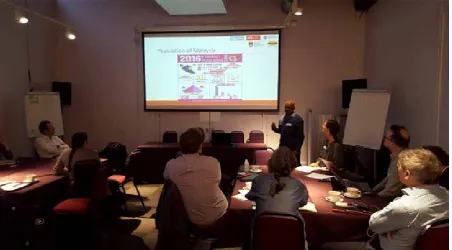
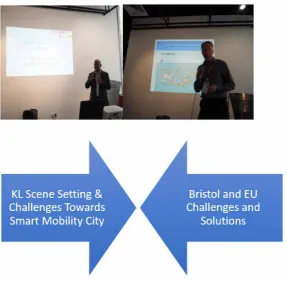
Figure 3: Malaysia Context presentation at the Bristol Workshop.
Source: Bristol SMC Project Team.
During the afternoon session, participants were asked to discuss solutions for the Smart Mobility challenges identified by Kuala Lumpur colleagues. How would these challenges be addressed in the Bristol context? Can good practice be identified in Bristol? (See Annex 1 for Bristol workshop participating organisations, workshop agenda and challenges questions).
Figure 4: Bristol Workshop ‘expert’ discussions.
[image:18.595.52.504.462.716.2]3.3 The Kuala Lumpur Workshop
The Kuala Lumpur workshop was held at Taylor’s University, Lakeside Campus, Subang Jaya on 9 January 2018. Twenty-five participants attended the workshop, from seventeen different organisations, in fields relating to Smart Mobility. The workshop was aimed at reviewing the Bristol workshop findings and gathering input, advice and experience from local stakeholders on the challenges, as well as considering the adoption of a Smart Mobility agenda for
[image:19.595.55.343.448.729.2]Kuala Lumpur. (See Annex 2 for Kuala Lumpur workshop participating organisations and workshop agenda).
Figure 5: Kuala Lumpur SMC Workshop Flow.
Source: Kuala Lumpur SMC Workshop, 9 January 2018.
Figure 6: SMC Project Team Presentation.
Kuala Lumpur workshop agenda:
Workshop participants were divided into three groups to:
1. validate the Kuala Lumpur challenges in the implementation of strategies and projects 2. highlight additional challenges
[image:20.595.51.368.166.401.2]3. propose innovative solutions to address those challenges
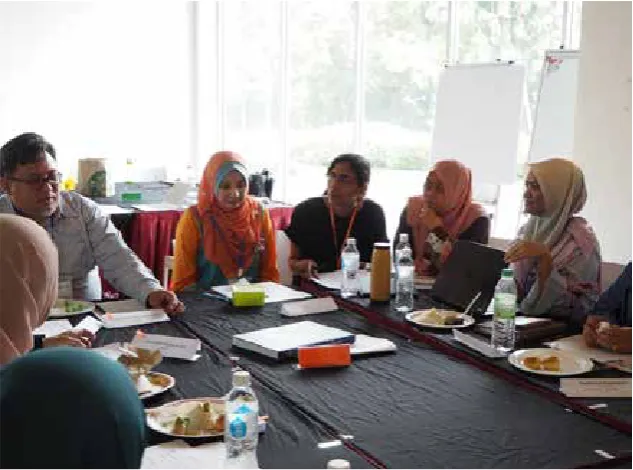
Figure 7: Round Table Dialogue at Kuala Lumpur SMC Workshop.
Source: Kuala Lumpur SMC Project Team.
Each group had a mixture of representatives from various ministries, agencies, user bodies, transport consultants and mobility activists.
Using a prepared feedback template, participants elaborated on the challenges, identified new challenges and constraints for consideration in their spheres of responsibilities and functions. From these open-table talks, interfaces and concrete ideas for a concerted effort were identified and mooted. The identification of challenges is a sensitive and delicate process as these
challenges are tied to government policies and the political willingness of the government to initiate a paradigm shift in policy making, planning and implementation structures.
The insights of the discussion, which took place at the break-out sessions, were then summarised to represent a general consensus amongst the participants.
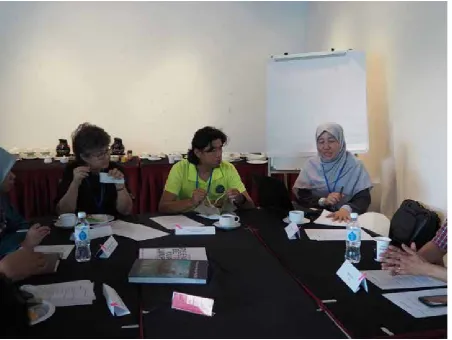
Figure 8: Round Table Dialogue at Kuala Lumpur SMC Workshop.
4. Kuala Lumpur Smart Mobility: City Drivers and Trends
[image:22.595.52.547.161.489.2]This chapter describes Kuala Lumpur city features and its mobility plans. It also contextualises general mobility challenges and the evolution of Smart Mobility in Kuala Lumpur, the capital city of Malaysia. Finally, it presents some operational challenges in translating Kuala Lumpur into a Smart Mobility city.
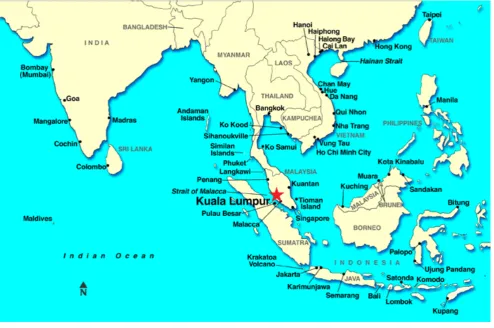
Figure 9: Kuala Lumpur in Malaysia Map.
Source: www.vacationtogo.com.
4.1 Kuala Lumpur: City Features and Mobility Plans
4.1.1: Kuala Lumpur: City and City Governance
Figure 11: Kuala Lumpur City Hall Building, Jalan Raja Laut.
[image:23.595.52.196.394.584.2]Source: Kuala Lumpur SMC Project Team.
Figure 10: KLCC Twin Towers.
Source: Kuala Lumpur SMC Project Team.
4.1.2 Kuala Lumpur
[image:24.595.65.519.214.535.2]Kuala Lumpur is also one of the largest cities in a large urban agglomeration called Greater Kuala Lumpur; which, along with the ten other municipalities surrounding it, creates a metropolitan area of 2,793.27 square km. Greater Kuala Lumpur has been supported by the Malaysian government, through its objectives within its Economic Transformation Plan (ETP), to become one of the top 20 most livable cities in the world and to increase the country’s Gross National Income (GNI) per capita by 2020, to a become a high-income nation. Kuala Lumpur it is currently considered to be a high middle-income country.
Figure 12: Kuala Lumpur (DBKL) on Greater Kuala Lumpur Map.
Source: Kuala Lumpur Smart Cities Conference 2014 by CHKL.
Intense urbanisation has posed significant challenges to government and city administrators. Cities globally face issues such as inadequate affordable housing, over-burdened public amenities, urban poor, declining health condition and well-being, traffic congestion, environmental pollution, shrinking green areas and public safety (Rosly D, 2015).
Figure 13: Kuala Lumpur Structure Plan.
Source: Kuala Lumpur SMC Project Team.
The main urban planning tool for the Kuala Lumpur area is the Kuala Lumpur Structure Plan
2020. The Structure Plan guides and coordinates the mobility planning and urban development,
so it becomes more efficient and systematic. In particular, the Structure Plan has to manage social, economic and physical development within the context of an increased number of urban residents in 2020. This Structure Plan guides the territorial development of a wide area in a manner consistent with the new form of local governance promoted by international and national standards. This Structure Plan also contains two overarching policy frameworks namely, the National Physical Plan (NPP) and the National Urbanisation Policy (NUP). The Structure Plan emphasises achieving the following objectives:
• Provide comprehensive and integrated transport system that caters to the need of inter and intra-city travel.
• Reverse the decline in public transport usage and to achieve a targeted public-private transport modal split of 60:40 by the year 2020.
• Optimise the road and rail transportation infrastructure so that it operates at its full capacity and maximum efficiency.
• Ensure that the overall configuration of land use is integrated with road and public transportation networks to optimise the development of land.
• Ensure that all areas of the city enjoy the same high quality and standard of provision of public transport services.
• Create a city that is highly accessible for all its occupants and users, in particular, one that is pedestrian and disabled-people friendly.
4.1.4 Kuala Lumpur Low Carbon Society Blueprint:
Action Plan for Smarter Mobility
Figure 14: Kuala Lumpur Low Carbon Society Blueprint 2030.
Source: Kuala Lumpur SMC Project Team.
The Kuala Lumpur Low Carbon Society Blueprint 2030 (KL LCSB 2030) is another milestone and innovative plan that guides the development of the entire city of Kuala Lumpur in a manner consistent with the new carbon emission targets of the United Nations Climate Change Conference in Copenhagen (UNCCC). As such, the KL LCSB 2030 includes the commitment to reduce the country’s carbon emission intensity of GDP by 45% by 2030. This blueprint outlines five Mobility Action Plans which aim to reduce Kuala Lumpur’s carbon emission by inducing a voluntary modal shift from motorised vehicles to walking and cycling for short and medium distance trips, while at the same time promoting public transport use. These Mobility Action Plans are: (1) active walking; (2) integrated public transportation; (3) development of low carbon vehicles; (4) enhancing traffic flow, and (5) green freight transportation. It is expected that the new dimensions of mobility actions by city administrators will create and promote a new culture of sustainable mobility in Kuala Lumpur city.
4.2 Kuala Lumpur Mobility Issues and Smart City Initiatives
The Economic Transformation Plan (ETP) under the 11th Malaysia Plan (11th MP) paves the way for transforming cities in Malaysia. The ETP specifies the role of Kuala Lumpur as the engine of Malaysia’s economic growth. This means that Kuala Lumpur needs to lead the agenda for green and sustainable growth, world-class public transport infrastructure and inclusive development. The 11th MP prioritises technology as the emerging solution/tool for propelling the sustainable green mobility agenda in Kuala Lumpur. Consequently, technological solutions should help the development of a new Smart City model for the city.
The Malaysian government is seen to be proactive and increasingly invests in Smart City initiatives. A number of positive steps have been taken, including the preparation of a Smart Cities Framework in relation to ICT Aspects. Additionally, several cities in Malaysia have been declared Smart Cities (Cyber Jaya, Petaling Jaya, Shah Alam and Malacca).
The next section will discuss the state of development of Smart Mobility in Kuala Lumpur, in particular, the city’s mobility challenges and the growing number of Smart Mobility initiatives.
4.2.1 Mobility Challenges in Kuala Lumpur
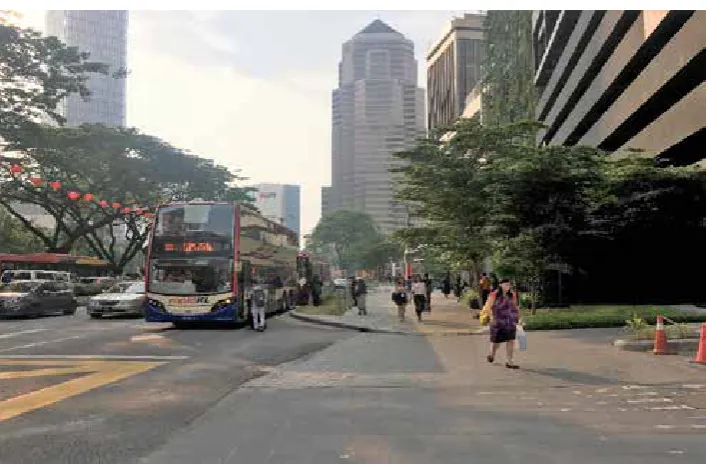
Figure 15: Traffic Congestion in Kuala Lumpur.
Source: Kuala Lumpur SMC Project Team.
New Straits Times 2017
4.2.2 Smart Mobility in Kuala Lumpur: Example Initiatives
Kuala Lumpur recognises the urgency for smart sustainable mobility. Clearly, the city authority must keep working on effective and smarter solutions, addressing dynamic and complex urban mobility problems with technological solutions. Smart Mobility is seen as one crucial element of a sustainable Kuala Lumpur. Smart Mobility and transport systems in Kuala Lumpur can be divided into the following areas: (1) Mass & Light Transit (2) Individual Mobility and (3) Intelligent Transport Systems. These are discussed below.
Figure 16: MRT Station.
The Klang Valley Mass Rapid Transit (MRT) that is already in operation is one of the innovative mobility solutions for Kuala Lumpur. This project was listed as an Entry Point Project (EPP) under the Malaysian Economic Transformation Program. The MRT Line 1 runs through the city centre of Kuala Lumpur. This service is expected to carry about 400,000 people, taking around 160,000 cars off the road, easing the city’s considerable congestion problem.
Monorail
Making Buses a More Attractive Option
At present, bus services play an important role in the overall transport system for Kuala Lumpur. They are important because they provide first and last mile connectivity for intracity and intercity travel. Several improvement measures have been planned and implemented since 2010, to make buses a more attractive option for Kuala Lumpur commuters. These measures include the Bus Network Revamp initiative in 2015, new fleets, upgrading of bus terminals and bus stops around Kuala Lumpur, provision of MRT Feeder Bus Routes and providing the free bus service Go KL. The new facelifts for bus services are aiming to help Kuala Lumpur commuters get around the city area.
Figure 18: Go KL Free Bus to improve public mobility in Kuala Lumpur Central Business District (CBD).
Personal Mobility
The creation of pedestrian-friendly infrastructure and cycling lanes add additional Smart
Mobility measures for Kuala Lumpur. In recent years improvement in the provision of pedestrian linkages has increased pedestrian’s mobility and accessibility to public transport services,
hence achieving mixed modal access and prioritising clean and non-motorised options of Smart Mobility.
Figure 19: Tactile Pedestrian Walkway – Jalan Bukit Bintang, Kuala Lumpur.
Figure 20: Bicycle lane in Kuala Lumpur.
Source: Kuala Lumpur SMC Project Team.
Active Travel Provision
The provision of dedicated cycling and walking facilities in the middle of the busy city is another remarkable effort made to promote active travel in Kuala Lumpur, thus reducing carbon
footprint. This includes dedicated cycle lanes, shared bike schemes, shared cycle, and pedestrian footpaths.
Figure 21: Shared bicycle scheme in Kuala Lumpur.
Figure 22: Shared Space Concept Along Jalan Ampang, Kuala Lumpur.
Source: Kuala Lumpur SMC Project Team.
Other Smart Mobility solutions adopted by Kuala Lumpur include vehicle technology (electric car and fuel technology), an intelligent transport system (ITS) for traffic management, collecting public transport real-time data about city buses, providing passengers of public transport about routes and arrival time and new mobility services (ride sharing).
Shared Footpaths
Figure 23: Smart Mobility Solutions.
Source: www.nst.com.my.
[image:33.595.58.282.432.698.2]5. Bristol Smart Mobility: Drivers and Trends
This chapter provides an overarching context for Smart Mobility in Bristol, through looking at the city region’s governance structures, mobility challenges and transport strategy. This chapter also provides a contextual comparison to the Kuala Lumpur city features, mobility plans
and Smart Mobility operational challenges detailed in Chapter 4.
.
5.1 Bristol Governance
5.1.1 Bristol City
Bristol City Council, a local unitary authority, is headed by the city Mayor who has powers over spending in Bristol and setting the corporate strategy. Local unitary authorities in England have responsibilities over fields of policy with links to Smart Mobility, including planning, transport, public health and environmental health. The current local plan is to be refreshed in 2018; a transport plan is in production with various strategies and guidance documents supporting the spatial and transport strategies (see Transport: https://www.bristol.gov.uk/streets-travel/ transport-plans-and-projects; Local plan: https://www.bristol.gov.uk/planning-and-building-regulations/local-plan) influencing the scale of mobility (Frost and Sullivan, 2012).
5.1.2 Bristol Metro-region: West of England
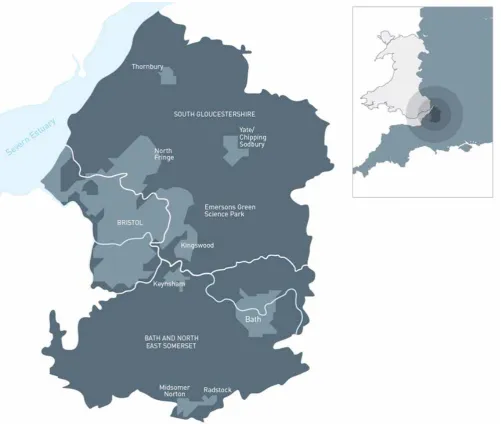
Bristol’s prosperity depends very much on the economic achievement of the West of England (WE) (Figure 24), the wider Bristol metro-region. However, administrative boundaries have, over the years, limited shared functions or policy cooperation between the four WE local
Figure 24: The West of England’s Combined Authority.
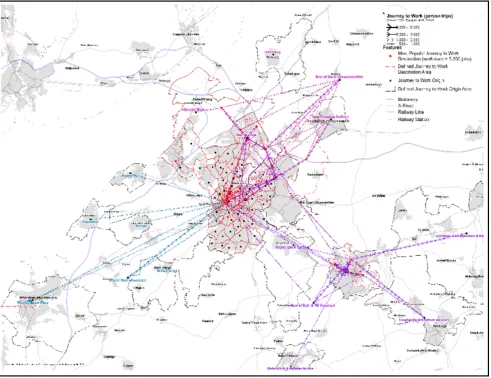
Figure 25: Travel to work area in the WE sub-region.
The WE strategic location (crossroad of M5 and M4 motorways) brings social and environmental challenges, in addition to significant pressures on local public finances for a population that has grown over the last decade, faster than the UK average, to more than 1.1 million people (see http://westofenglandlep.co.uk/about-us/the-west-of-england/).
[image:37.595.53.549.323.634.2]The WE transport system is subject to a high level of travel demand by the local population and by daily commuters. Traffic pressures are evidenced by daily traffic congestion on the road network (M4/M5/M32, A38 for instance), as well as capacity problems on local rail services (Figure 26).
Use of bus services has grown in Bristol in recent years. However, bus usage from WE locations is still extremely low, and car trips dominate. This is a particular issue on road corridors, such as the M32 and A370, where vehicle journey times are low, and bus priority measures are limited, meaning there is little reason to use the bus other than due to low car parking availability. For BCC transport strategy, improving express bus routes to areas, such as Yate, Winterbourne, East Fringe, Nailsea etc., are critical to getting people to switch from car to public transport. These need to be provided with comprehensive bus priority measures (BCC 2018).
Figure 26: Congestion hotspots and resilience challenges in the WE.
Source: ONS (2011).
Figure 27: Transport flows in Bristol City.
Source: Bristol City Council (2017).
5.2.2 Answering Transport Challenges
5.2.2.1 Bristol City Priorities
For BCC experts, Bristol needs to prioritise a reduction in car use (see Figure 28). With transport pressures comes an impact on the state of the environment and on the health of the local population. In Bristol, the concern is around NO2 emissions, as no substantial improvement has happened over the past 20 years. Diesel is responsible for this problem. A national plan is now in place with cities mandated to produce plans for compliance in the shortest possible time. That is likely to mean a charging Clean Air Zone (CAZ) in Bristol.
Figure 28: Prioritising City Centre traffic volume.
Bristol itself is also developing a cycling culture through consistently successful rounds of funding (see Box 6). As a result, cycling doubled between 2001 and 2011 (8,8108–16,211) and is still rising (see Figure 29 below). In 2005 only 4.5% of women cycled to work, by 2013 this had risen to 11%. Almost a fifth of people are choosing to walk or cycle to get to work. More people cycle to work in Bristol than Sheffield, Nottingham and Newcastle combined.
Figure 29: Change in transport use by mode in Bristol 2008 to 2015.
Figure 30: Map to show The WE spatial and transport priorities.
Source: http://westofenglandlep.co.uk/about-us/strategicplan.
5.2.2.2 WE Transport Strategy
6. Kuala Lumpur Smart Mobility Challenges
Kuala Lumpur is currently transforming into a Smart Mobility City. This chapter presents the challenges that need to be addressed for Smart Mobility to develop in Kuala Lumpur. Three themes have been identified:
• Governance Challenges
• Infrastructure and Physical Challenges • Behavioural Challenges
6.1 Governance Challenges
The role of government, as the implementing organisation in collaboration with stakeholders (e.g. infrastructure providers, city administrators and transport modes operators) is crucial to delivering Smart Mobility initiatives. Several challenges affecting governance are outlined below:
6.1.1 Private Sector Driven Approach
Many Smart Mobility initiatives are undertaken by big enterprises such as Cisco, Ericsson, IBM or Siemens. The advantages of this private sector led approach is that these companies have the strong economic capacity to implement and deliver solutions in a faster and efficient way. However, there is a risk associated with this kind of approach whereby large corporations monopolise Smart Mobility development to the extent that it kills creativity. Yet, due to limited public funding, the current arrangement offers the best solution to optimise resource and ensure interoperability of these initiatives. Another salient feature of the private sector-led approach is that it promotes too many fragmented and small-scale solutions, making it difficult to monitor. Smart collaboration and cooperation between governments and IT companies is a way forward to address this challenge.
6.1.2 Lack of City-level Development Strategy on
Smart Mobility
Lack of clear development strategy on Smart Mobility at the national level leads to
6.1.3
Inadequate Regulatory Framework
Technology offers opportunities to improve institutional functionality. However, integration of infrastructure, product and services for Smart Mobility faces implementation constraints due to the lack of legal powers and the legal responsibilities which are split between agencies. The limits of administrative control can lead to the weak enforceability of the policy. In general, the regulative mechanism for Smart Mobility implementation is largely incomplete and reactive to the problem.
6.1.3
Shared Mobility Services Incentives
The provision of incentives and taxes are key means through which city administrators can enable actions by private sectors organisation. One of the key issues is about finding the right, innovative business model for the partnership to take place.
6.1.4
Managing City-level Change
Competency in managing change is a pressing issue in Smart Mobility initiatives. Very often the competency to drive the agenda is so much higher among companies than among city government. This issue results in an inability to specify the needs and to properly evaluate the offer that city government receives from companies.
6.2 Infrastructure and Physical Challenges
6.2.1 ICT & Infrastructure
6.2.2 Planning for an Enabling Environment
It is observed that the implementation of technological solutions and products varies greatly. Some solutions are rather easy to be implemented, such as real-time data on travel information for users; while some are difficult because of the inherent complexity of the current rules, regulations, policies and their enabling eco-system.
The creation of an enabling eco-system is another challenge: well-functioning infrastructure is necessary as a platform to accelerate adoption, but it is not the only prerequisite for Kuala Lumpur to become a Smart Mobility city. Without real engagement and willingness from the users to start adapting and experimenting, there is no smartness in this infrastructure.
Infrastructure must emphasize how to move people physically. Thus, the element of accessibility and connectivity is of paramount importance to help people make intelligent decisions. The overall infrastructure for Smart Mobility is still a work in progress in Kuala Lumpur. Gaps exist between the theory of what Smart Mobility infrastructure can offer and their actual contribution to societal needs. Creation of more shared space, rather than road space, density with connectivity, walkable and cyclable streets and inclusive public environments all have an important role to play to promote Smart Mobility.
Figure 31 & Figure 32: Current public transport infrastructure in Kuala Lumpur.
6.3 Behavioural and Information Challenges
While the previous two sections have highlighted the “hard aspects” of Governance challenges and Infrastructure and Physical challenges for the development of Smart Mobility initiatives in Kuala Lumpur, this section will discuss the “soft aspect” of Behavioural and Information challenges.
Several major trends include the changes of land use patterns, lifestyles and demographic patterns of Kuala Lumpur residents over the last decades, thus making behavioural changes a real challenge. The discussion on behavioural change must concentrate on the linkage between city form and design, mobility practices and the well-being of urban residents.
A smart city focuses on the role of human and social capital in improving economic, social and environmental sustainability (Neirotti et al., 2014). Hence, changing human behaviour is crucial for securing the status of Smart Mobility for Kuala Lumpur. According to the Megacities on the
Move report by Forum for the Future (Gazibara et al. 2010: 47) “cities need to think about ways
in which mass behaviour and social norms can be influenced to get people to think about their current patterns of travel and ways of living.”
The discussion is now focused on two critical questions:
• How to change the current state of unsustainable mobility behaviour of the people in Kuala Lumpur?
• What kind of information is needed to mobilise behavioural change towards a smart mobility city?
Kuala Lumpur acknowledges the effective way to promote behavioural change by designing good transport solutions focused on people, not cars. Since 2010, many development efforts have been geared towards public transport improvement, in particular rail transport and the promotion of active travel. After nearly one decade of gradual, but massive improvement in the public transport system, 80% of Kuala Lumpur’s residents still depend on their own transport, i.e. personal cars to travel around the city, while only about 20% of people use public transport. This shows that public transport is still not a preferred mode choice among Kuala Lumpur city residents.
Car culture is a prime factor to be blamed for low usage of public transport in Kuala Lumpur. Pro-car policies and private sector strategies such as affordable car prices, subsidies for petrol, extensive car parks and highway projects to ease car travel have, over the years, encouraged car use. Besides, public transport planning was largely negligible in the past years. Obviously, in this context, breaking car culture requires time and an integrated regime. Kuala Lumpur needs smarter, more creative and coercive solutions to complement public transport (rail) with convenient and reliable buses, biking and walking, because only then will get people
to think beyond the car and opt for other modes of transportation. Soft measures to encourage public transport use and alternative modes evolve around creating awareness. Creating
Figure 33: Willingness to switch to sustainable modes of transport for a work trip.
7. Findings from the Bristol and Kuala Lumpur
Workshops: Institutional and Governance Challenges
This chapter presents the Institutional and Governance findings from the Bristol and Kuala Lumpur workshops. Firstly it details the proposed Smart Mobility solutions made by the Bristol workshop participants to address Kuala Lumpur’s Institutional and Governance challenges in relation to enabling Smart Mobility in Kuala Lumpur. Secondly, it presents the learning and reflections on Governance from the Kuala Lumpur workshop.
Findings from the Bristol Workshop: Institutional and
Governance Interventions for Smart Mobility
The Bristol workshop explored a number of aspects of the governance and collaboration required for promoting Smart Mobility: Kuala Lumpur colleagues had identified challenges in developing collaboration between stakeholders from private, public sector and communities (see Chapter 6). Bristol stakeholders explored, in particular, the following questions, within the context of their own experience in Bristol and the West of England (WE):
1. What are the characteristics of leadership, community engagement and partnerships for Smart Mobility?
2. What resources and policy mechanisms can facilitate collaboration in the field?
3. What strategies can be deployed for partnership and good governance for Smart Mobility?
7.1. Characteristics of Leadership, Community Engagement
and Partnership for Smart Mobility
7.1.1. Leadership
In recent years in the WE, political leadership has been given more power over spatial and transport policies through improved institutional and financial resources with the introduction of a Bristol ‘directly elected’, or ‘City Mayor’, and a devolution deal with a new WE Mayor. The Localism Act 2011 allowed the citizens of English cities, following local referenda, to directly elect Mayors with political functions (traditionally in England, Mayors are not elected by citizens and have only representative functions and no political power). Bristol city has had a City Mayor since 2012. In the field of Smart Mobility, change requires ‘policy entrepreneurs’ - individuals or institutions to create and lead change. Political leadership has allowed Bristol City Mayors’ to develop Smart Mobility projects. George Ferguson, the first City Mayor of the city of Bristol (2012-2016), was an entrepreneur in architecture and built environment and led on major ongoing changes in transport (e.g. neighbourhood parking enforcement and Metrobus). Initially unpopular - post-implementation, these policies may be seen more favourably, as has happened in other UK cities. For instance, London congestion charging was initially unpopular but offered environmental and traffic benefits and is now accepted. The Edinburgh tram was initially controversial but is now viewed favourably across the city.
Additionally, from 2017-2018 an agreement between the government, the Bristol City Mayor and the three other Council Leaders of the WE have devolved a range of powers and responsibilities to a West of England Combined Authority (WECA) and a new Mayor for the city region. The devolution agreement builds on a process of devolution of funding, building on the City Deal (agreed in 2012) and the Growth Deals (agreed in July 2014 and January 2015). The Devolution Deal gives more power to make decisions locally about transport, housing and business support and to secure more funding to improve transport infrastructure. It also allows the WECA to tackle key common issues such as of air quality, creating clean air zones to achieve air quality objectives.
The new WE Devolution Deal might mean that collaboration between the four local authorities in the west of England area may lead to more strategic plans for mobility in the region.
Devolution occurred in 2017-18, and hence it is too soon to say if the new WE structure will make any difference.
Within this context, the relationship between policy-makers and the public needs to be addressed. Policies which are unpalatable to the public are often withdrawn, but is it a good thing? Undertaking projects that will not fit within one political cycle might be difficult. Political fashions may mean that schemes’ palatability swings back and forth. Additionally, making long-term Plans remains difficult. Bristol City Council’s 20-year Plan constantly need to adjust to new priorities (for example, with regards to Brexit); such activity takes over from the long-term Plans. As such, it was commented that there could be too many long-term Plans, Strategies and Visions. Long-term Plans can be particularly difficult in the case of transport, where a 20 or 25-year vision can be difficult because what will be needed in 25 25-years may not be buildable or palatable to the public, in the present. Building in adaptability can be important in Plans. Participants in the workshop, with experience of new leadership models in Bristol and the WE, identified a number of strategies for City Mayors to develop their policies.
• Advantageous to pick projects that can be completed during a political tenure. • Local Authorities must have business acumen: means of developing projects that
Box 1: City Leadership in Bristol
On 3 May 2012, the citizens of Bristol voted to have an elected City Mayor. The first mayoral candidate to take up this position was George Ferguson, an architect - renown in Bristol for his south Bristol neighbourhood regeneration projects and cycling promotion - when he was voted in on 15 November 2012 (Hambleton et al. 2013). Ferguson held this position until May 2016 when he was superseded by the present elected Mayor, Marvin Rees (BBC 2016). During Ferguson’s tenure, he aimed to tackle Bristol’s road congestion and resulting poor air quality through pursuing a number of sustainability-focused
transport initiatives in the form of an optimal public transport system, encouragement of walking and cycling and car-use behaviour change.
• Projects that he implemented included:
o The increasing the city’s Park and Ride capacity o Introduction of 20mph limits across the city
o Introduction of Residents Parking Schemes within central Bristol. Neighbourhoods
o Investment in walking and cycling infrastructure
• Other smart transport initiatives Ferguson supported included:
o Joint Travel Plans with neighbouring unitary authorities o Taster bus tickets
o Smart ticketing
o Travel planning advice to encourage use of other forms of transport
• Ferguson’s tenure can also be credited with specific Smart =Mobility projects, such as:
o Winning £3m UK government funding which enabled public access to datasets of real-time air quality readings and traffic speeds o Bidding to pilot autonomous vehicles (Polis Network 2015)
7.1.2 Community Engagement
Community engagement is important at various stages of policy-making; it ensures co-production and provides the opportunity for deprived areas to address local issues, whether as bottom-up or top-down processes. Stakeholder/community engagement is undertaken on most planned urban developments, helping the right scheme to go ahead more easily with local support.
But how to get wide representation and not just the usual suspects? The workshop identified that the following activities could help support community engagement:
• Importance of setting a local presence within the community, e.g. community centres such as Knowle West Media Centre
• Getting communities involved in bidding for funding as this can benefit the dynamics and perceptions of a project
• Developing Living Labs
• Getting the ‘right person’ to convene in a neutral space
Box 2: Knowle West Media Centre
Knowle West Media Centre (KWMC), is a Bristol-based charity whose work
centres around helping people to make positive life and neighbourhood change
(Sustrans 2017).
KWMC has devised ‘The Bristol Approach’, which seeks to understand the issues that are important to people and provides support to enable their solutions. When ‘The Bristol Approach’ is specifically applied to Smart City or technology projects, it is referred to as ‘The Bristol Approach to Citizen Sensing’ as people are ‘sensing’ or gathering knowledge, resources and ideas for ways of using existing or bespoke technologies for societal benefit. Figure 35 below shows the six phases within ‘The Bristol Approach’ framework, also used within ‘Citizen Sensing’ projects.
Figure 35: The Bristol Approach Framework
Source: KWMC (2016).
Identification: work with people to identify their issues. Framing: gather data,
technology and resources to achieve aims. Address any knowledge gaps. Design: create tech tools. Deployment: test the tech tools in situ.
Orchestration: share the tech tools and findings with others.
Outcome: assess the findings against the original aims. Reward participants
and share learnings. Make any changes.
More detailed information can be found within the Bristol Approach booklet
(KWMC 2016).
‘The Bristol Approach to Citizen Sensing’ is currently being used in the
EU funded H2020 project ‘Replicate’ to engage with Bristol citizens and gather their ideas for using technology for smarter new travel options, as well as asking them to identify other challenges and smart solutions.
Suggestions include: E-bikes, taxis on demand and apps to aid parking (Connecting Bristol 2018).
[image:50.595.126.277.286.428.2]It is important for people active in the community to help generate bottom-up momentum, raise issues and funding to place Smart Mobility strongly on the political agenda. SUSTRANS has done so for the last 40 years (Box 3).
Box 3: The Sustrans Story
Figure 36: Sustrans.
Source: Sustrans (2018).
The Bristol-based active travel charity, Sustrans, began in 1977 as a pressure group, campaigning against the oil crisis and the dominance of traffic in the United Kingdom’s towns and cities. From these beginnings, Sustrans has become the UK charity that promotes cycling and walking - which is done in a number of ways.
National Cycle Network (NCN)
[image:51.595.54.546.148.594.2]Main streams of work for Sustrans include:
• Contributions to policy development for cycling, walking, and
public transport.
• The development of active travel strategies for local authorities and
other stakeholders.
• Community Engagement: involving local people in the design and development of user-friendly active travel routes and attractive, safe places to live.
• Sustrans also provides an online resource of links to academic literature relating to active travel and its health and economic benefits (Sustrans 2018b).
London Quietways
London Quietways is a new network of routes using quiet streets, parks and waterways in London. These are for all cyclists but are also encouraging non-cyclists to make journeys by bike. London Quietways also create safer and nicer neighbourhoods and improve public health, traffic congestion
and air quality. During the development of London Quietway Number 1, Sustrans ensured that complex route issues were overcome through the use of urban planning and legal expertise and that it was designed for disabled cyclists by working with disability support charity ‘Wheels for Wellbeing’.
7.1.3 Partnerships
In addition to leadership and community engagement, the workshop participants also identified a number of multi-sector partnerships which have helped develop the sustainable transport agenda, e.g. Bristol Health Partnership, Bristol Green Capital Partnership (see Box 4).
Box 4: Bristol – Partnership City
Bristol Health Partners: strategic collaboration between the city region’s
major health institutions, covering the Bristol, North Somerset and South Gloucestershire areas. These include its three NHS trusts, three clinical commissioning groups, two universities and Bristol City Council.
The partnership addresses lifelong health and how to prevent illness in the first place, promoting, for instance, active travel and physical activity. (see http://www.bristolhealthpartners.org.uk/)
Bristol Green Capital Partnership: founded in 2007, Bristol Green Capital
Partnership is a partnership of over 800 member organisations who have committed to working towards Bristol becoming a sustainable city with a high-quality of life for all http://bristolgreencapital.org/. It has developed in collaboration with Sustrans, a vision of a sustainable and resilient transport system” A Good Transport Plan for Bristol”
(see http://bristolgreencapital.org/wp-content/uploads/2016/01/ A-Good-Transport-Plan-for-Bristol-2016-PDF.pdf)
7.2. Resources and Policy Mechanisms to
Facilitate Collaboration
Resources are important for developing policy processes and strategies. Cost-benefit evaluation of new infrastructure and bidding for national or European funding can support the political buy-in, support planning and delivery of smart mobility solutions, building collaborations and resourcing research and development activities. While the creation of new knowledge is impor-tant, the ability to use existing data can also support the delivery of Smart Mobility ambitions.
7.2.1 The Cost of Smart Mobility
Box 5: The Health Economic Assessment Tool (HEAT)
for cycling and walking
The HEAT answers the question: if ‘x’ people cycle or walk ‘y’ distance on most days, what is the economic value of mortality rate improvements? Bristol used the HEAT to develop its cycling policy to increase the number of people cycling, using vital baseline data prior to providing infrastructure, such as bike lanes.
The HEAT is an online tool to estimate the value of reduced mortality that results from regular walking or cycling. It complements tools for economic valuation of transport interventions.
The HEAT can support the development of cycling or walking infrastructure by modelling the impact of different levels of cycling or walking. The tool facilitates the monetising of carbon improvement and health benefits (for reduced
respiratory problems) of improved air quality. It attaches a value to the e