B-GL-361-007/FP-001
ENGINEER FIELD MANUAL
COMBAT DIVING
(ENGLISH)
(Supercedes B-GL-320-008/FP-001, 1997-01-27) WARNING
ALTHOUGH NOT CLASSIFIED, THIS PUBLICATION, OR ANY PART OF IT, MAY BE EXEMPT FROM DISCLOSURE TO THE PUBLIC UNDER THE ACCESS TO INFORMATION ACT. ALL ELEMENTS OF INFORMATION CONTAINED HEREIN MUST BE CLOSELY SCRUTINIZED TO ASCERTAIN WHETHER OR NOT THE PUBLICATION OR ANY PART OF IT MAY BE RELEASED.
B-GL-361-007/FP-001
ENGINEER FIELD MANUAL
COMBAT DIVING
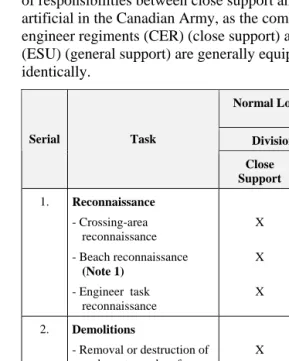
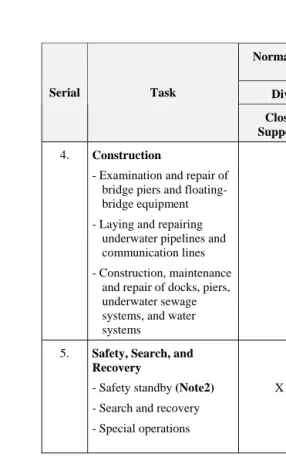
(ENGLISH)
(Supercedes B-GL-320-008/FP-001, 1997-01-27) WARNING
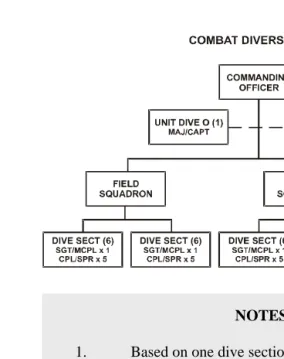
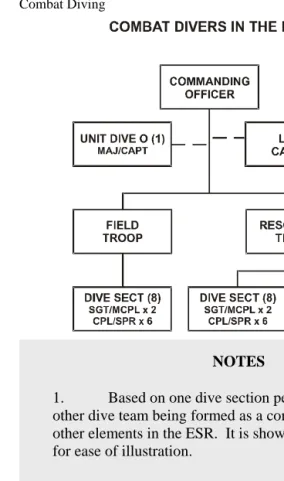
ALTHOUGH NOT CLASSIFIED, THIS PUBLICATION, OR ANY PART OF IT, MAY BE EXEMPT FROM DISCLOSURE TO THE PUBLIC UNDER THE ACCESS TO INFORMATION ACT. ALL ELEMENTS OF INFORMATION CONTAINED HEREIN MUST BE CLOSELY SCRUTINIZED TO ASCERTAIN WHETHER OR NOT THE PUBLICATION OR ANY PART OF IT MAY BE RELEASED.
Issued on Authority of the Chief of the Land Staff
FOREWORD
1. B-GL-361-007/FP-001 Combat Diving is issued on authority of the Chief of the Land Staff.
2. It is effective on receipt and supercedes B-GL-320-008/FP-001 (Interim) Combat Diving Manual, dated 27 Jan 1997.
3. Suggestions for amendments should be forwarded through normal channels to: Chief of the Land Staff, Attention DAD-8; information copy to the Army Dive Centre at the Canadian Forces School of Military Engineering (CFSME).
4. Unless otherwise noted, masculine pronouns apply to both men and women.
5. The NDID for the French version of this publication is B-GL-361-007/FP-002.
6. This publication is available electronically on both the Defence Information Nerwork (DIN) and the World Wide Web in the Army Electronic Library. Keyword—Army Electronic Library.
PREFACE AIM
1. The aim of B-GL-361-007/FP-001 Combat Diving
Operations is to provide information for combat divers, commanders, and their staff on the application of combat diving to support land operations.
SCOPE
2. The doctrine and concepts outlined in this publication are applicable to combat operations. Non-combat operations and training should follow the doctrine in this manual as far as possible.
3. This manual contains the information required for the planning and execution of combat diving operations. This manual does not supersede the diving safety procedures outlined in B-GG-380-000/FP-002 Canadian Forces Diving Manual, Volume 2, Compressed Air Breathing Apparatus.
4. The Chief of the Maritime Staff, through the Directorate of Dive Safety, is responsible for all aspects of diving safety, both equipment and procedural, for the Canadian Forces. Combat diving procedures are developed by the Army Dive Centre and are approved by the Directorate of Army Doctrine to ensure that they conform to army doctrine.
5. References pertinent to this manual are outlined at the back of this book.
TABLE OF CONTENTS
FOREWORD...I PREFACE
Aim ...iii
Scope ...iii
CHAPTER 1 COMBAT DIVING General... 1
The Role and Tasks of Combat Divers ... 2
The Combat Dive Team... 6
Employing Combat Divers ... 11
Equipment... 15
CHAPTER 2 OPERATIONAL PLANNING General Considerations... 17
Environmental Considerations... 20
Operational Characteristics of Breathing Apparatus... 27
Operating in Currents and Fast Water ... 30
Diving Support Boats ... 32
Cold Weather Operations... 34
Contaminated Water ... 36
CHAPTER 3 INSERTION AND EXTRACTION General... 39
Selecting Swimming or Diving Technique... 41
Underwater Navigation... 46
Dismounted Patrolling ... 50
Boat Cast and Recovery... 52
CHAPTER 4 MOBILITY (CROSSING AND BREACHING OPERATIONS)
General ... 63
Gap-crossing Operations ... 63
Underwater Obstacle Breaching ... 70
Minefield Breaching ... 72
Marking Approaches and Landing Sites... 76
CHAPTER 5 PROTECTION General ... 77
Counter-mobilty ... 78
Survivability ... 83
CHAPTER 6 SUSTAINMENT ENGINEERING General ... 85
Recovery of Equipment ... 85
Lift and Recovery ... 89
Battlefield Area Clearance... 93
Damage Assesment... 94
Construction ... 95
CHAPTER 7 ORGANIZATION, SAFETY, TRAINING, ADMINISTRATION, AND EQUIPMENT General ... 101
Key Army Dive Appointments ... 101
Disposition of Combat Divers ... 103
Safety... 104
Combat Diver Training... 107
Dive Preliminary Course ... 107
Combat Diving Administration, Equipment, and Stores .. 110
ORDERS AND REFERENCE PUBLICATIONS
Diving Safety and Procedures... 119
Diving Administration and Policy ... 119
Operational and Training Safety and Procedures ... 120
NATO ... 121
Equipment... 121
ANNEX A COMBAT DIVING TASK ESTIMATE— AIDE-MÉMOIRE... 125
ANNEX B ESTIMATED DURATION OF COMBAT DIVING TASKS Diving Operations Orders Format ... 133
Sample Dive Orders... 134
Diver Supervisor’s Dive Brief ... 136
LIST OF FIGURE
Figure 1-1: Combat Divers in a CER ... 7
Figure 1-2: Combat Divers in the ESR ... 8
Figure 2-1: Combat Diver Firing ... 25
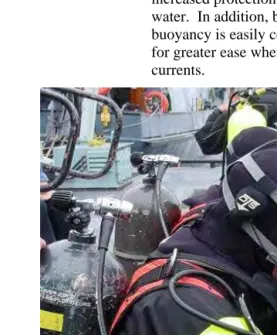
Figure 2-2: Preparing for a Dive with the LWSSDS... 29
Figure 3-1: Combat Divers Securing an Area Prior to a Recce... 45
Figure 3-2: Group Navigational Control System ... 50
Figure 4-1: Water Crossing Recce with 6 Divers... 66
Figure 4-2: Combat Divers Securing their Arcs During a Water-Land Transition ... 67
Figure 4-3: Minefield Breaching on Land... 74
Figure 4-4: Assault Breach... 74
Figure 5-1: Bottom Profile ... 79
Figure 7-1: LSSWDS ... 106
LIST OF TABLES Table 1-1: Combat Diving Tasks ... 5
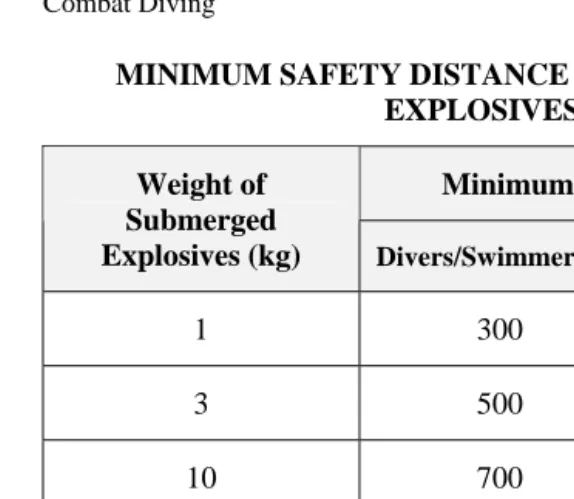
Table 2-1: Minimum Safety Distances for Demolitions Submerged in the Water... 24
Table 2-2: Diving Techniques in Relation to Current Speeds... 30
Table 3-1: Estimated Duration, in Minutes, of Standard Compressed air Cylinders ... 43
CHAPTER 1 COMBAT DIVING
GENERAL
1. Modern military diving dates back to the 1800’s when the Royal Engineers first provided divers for the Royal Navy. However, it did not develop its full military potential until WW II with the
introduction of closed and open circuit diving gear.
2. Diving in the Canadian Army began in the 1960’s when, as a result of the introduction of amphibious vehicles, it was essential to provide a diving capability to the safety organization for the swimming of the vehicles. Amphibious operations also required a better capability for the underwater reconnaissance of crossing sites. Following trials in 1966, diving sections were established in engineer units in 1969. Once the diving capability was established, additional tasks were added to make combat diving an extension of combat engineering into the water. Other tasks such as obstacle construction and breaching, employing and detecting landmines and limited underwater construction were added to the safety standby and reconnaissance tasks.
3. Combat divers provide the Army with the capability of performing combat engineer tasks underwater. They generally conduct tasks as part of the combined arms team; however, if required, they have the ability to execute tasks independently. Combat divers are combat engineers who perform combat diving as a secondary duty. They are grouped into mission-specific teams when a task is identified and ordered, to support operations. Engineer commanders must be able to advise their manoeuvre commanders on the use of combat divers; specific technical information will be provided by divers for difficult or unusual circumstances.
would be doing this reconnaissance with the support of the manoeuvre forces, which could assist the dive team with observation and
suppressive fire. Combat divers are armed as a means of self-defence and extraction.
5. The loss of the swim capability in the army’s vehicles has not reduced the need for divers to inspect far banks and the bottom of waterways. Amphibious crossings with allies or with rafts and ferries will have the same information and work requirements; the combat divers will have to lead with reconnaissance and obstacle clearing operations.
6. B-GL-361-007/FP-001 Field Engineer Manual, Combat Diving Operations expands on B-GL-361-001/FP-001 Land Force Engineer Operations, Chapter 10, “Combat Diving”.
THE ROLE AND TASKS OF COMBAT DIVERS
7. The role of the combat diver is to extend combat engineer operations into the water.
8. Tasks. Combat diving tasks, as with all engineer tasks, can be grouped into three of the six combat functions.1 The traditional engineer roles of mobility, counter-mobility, survivability, and sustainment engineering can be clearly seen in this grouping. Support to geomatics may be carried out as specifically tasked or as an incidental result of reconnaissance.2
a. Manoeuvre—maintain mobility:
(1) reconnoitre crossing areas and bridges;
1
See B-GL-361-001/FP-001 Land Force Engineer Operations.
2
Combat Diving (2) clear underwater obstacles and mines; and (3) support gap-crossing operations.
b. Protection—counter-mobility and enhance survivability:
(1) enhancement of natural obstacles by: (a) the preparation and execution of
obstacles, using non-explosive means and materials;
(b) creating obstacles through explosive demolition; and (c) laying landmines in shallow water
at potential crossing sites; and (2) removal of battlefield hazards.
c. Sustainment—sustainment engineering: (1) conduct damage assessment of bridges,
both civilian and military fixed-span, as well as inspections of ferries, boats, and rafts;
(2) recover essential military equipment; (3) conduct underwater repair of floating assets
in order to permit their recovery or continued use;
(4) clear underwater debris and rubble; (5) assist in clearance operations on the
battlefield, including recovery of vehicles and weapons and disposal of UXO; and (6) support civil-military co-operation (CIMIC)
9. Table 1-1 provides a summary of combat diving tasks and which divers could be expected to perform these tasks. The division of responsibilities between close support and general support tasks is artificial in the Canadian Army, as the combat divers in our combat engineer regiments (CER) (close support) and Engineer Support Unit (ESU) (general support) are generally equipped and trained
identically.
Normal Location of Divers that Conduct These Tasks
Division and Below
Serial Task Close Support General Support Corps and Theatre
1. Reconnaissance - Crossing-area
reconnaissance - Beach reconnaissance
(Note 1) - Engineer task
reconnaissance X X X X X X Special Forces X
2. Demolitions
- Removal or destruction of underwater and surface obstacles
- Destruction of piers, docks, and underwater installations - Underwater detection,
neutralization and destruction of unexploded ordnance as part of battlefield area clearance operations X X X X X X X
3. Mine Warfare and Obstacle Construction - Construction of
underwater obstacles, including placement of mines
[image:18.612.34.323.134.494.2]Combat Diving Normal Location of Divers that Conduct
These Tasks Division and Below
Serial Task Close Support General Support Corps and Theatre
4. Construction
- Examination and repair of bridge piers and floating-bridge equipment - Laying and repairing
underwater pipelines and communication lines - Construction, maintenance
and repair of docks, piers, underwater sewage systems, and water systems
X X
Specialized divers
X
5. Safety, Search, and Recovery
- Safety standby (Note2) - Search and recovery - Special operations
X X
X X X Special Forces NOTES
1. Currently the CF will not conduct amphibious landings from the ocean, other than unopposed landings to support logistics over-the-shore (LOTS) operations. Normally the navy will provide the dive support required for these operations. In some circumstances, combat divers may be tasked for this type of mission, which would require extensive re-grouping, training, and coordination.
[image:19.612.75.362.48.513.2]2. Combat divers may also perform safety standby duties in support of water-crossing operations. This is essential in peacetime training and may be required during combat, or other, operations.
THE COMBAT DIVE TEAM
10. There are dive sections in the close support units (CER) and the general support unit (ESU). Divers in the CER normally do close support tasks, but could also be required to do general support tasks, with some refresher training. Divers in the ESU will focus on general support dive tasks, but are also capable of augmenting close support units, with some refresher training.
11. Divers are organized in the engineer units including one dive supervisor and one storeman to manage the equipment, training, readiness, and provide assistance in dive tasks. The divers are normally grouped in a single section, based on a dive section per field squadron. This type of grouping gives the section an integral
capability to conduct dives, with their own dive supervisor, and reduces the turbulence of drawing divers from multiple sections for each dive task. If a formation and engineer unit are formed for an operation, the decision may be made to increase the number of dive sections.
Combat Diving
NOTES
1. Based on one dive section per field troop.
2. The optimum number of divers to execute a task is six. Within a field section, this will leave one driver and one crew commander with the section vehicle during a dive task.
[image:21.612.75.360.55.414.2]3. Dive stores section, held with the CER Support Squadron, consisting of one supervisor and one diver provides the capability to support a dive task. Additional divers may be assigned to dive stores depending on unit requirements.
Figure 1-2: Combat Divers in the ESR
NOTES
1. Based on one dive section per field troop, with one other dive team being formed as a composite team from other elements in the ESR. It is shown in Resources Troop for ease of illustration.
2. Dive sections within the ESR will be expected to conduct dive tasks that require longer periods at depth and of longer duration. An eight-person section provides greater flexibility and manpower for these tasks.
3. Dive stores, with one supervisor and one diver, provide the capability to conduct task reconnaissance and support dive tasks. Additional divers may be assigned to dive stores depending on unit requirements.
Combat Diving 13. A combat dive team with its stores and equipment has the ability to be self-sufficient for a limited range of tasks. For more sustained, technical, or difficult tasks the dive team will have to rendezvous with the dive stores for the additional equipment. Dive teams work with the field squadron or field troop and their supported manoeuvre unit. They rarely work independently.
14. Characteristics. The characteristics of a combat dive team are:
a. Flexibility. Combat divers can apply a wide range of engineering skills, resulting in a flexible and adaptable capability.
b. Mobility. Combat dive teams have limited mobility while conducting their tasks. They must enter the water relatively close to the task site and they cannot cross large bodies of water without boats. Based on a field section, the dive team has the same ground mobility as the rest of the Engineer unit.
c. Reliance on Equipment. Combat dive teams rely heavily on their equipment and breathing apparatus. Even surface swim operations will require the use of bulky personal issued equipment3 (suits, masks, etc.).
d. Vulnerability. Combat divers are vulnerable to unique environmental and operational hazards, which are further detailed in Chapter 2. They are vulnerable to direct and indirect fire as well as explosions transmitted through the water. They are affected by air and water temperature. Water depth could limit the length of time they can work on a particular task. Individual and collective training proficiency in combat diving skills will help to
3
counter some of these vulnerabilities, but some physiological ones cannot be changed.
15. Key Personnel. The key dive personnel within either of the engineer units and their responsibilities are as follows:
a. Unit Dive Officer. A qualified combat diving officer, usually holding the rank of major, is responsible to the CO for the administration and technical proficiency of the unit divers. He will advise the CO on technical aspects of combat diving tasks to support the formation, when required. Working through the unit operations officer and training officer, he will ensure adequate training is carried out. On operations, his role is limited to providing advice as required by the CO; he will rarely deploy to dive sites. The CO and OC of the field squadrons will provide advice to their manoeuvre commanders on the employment of divers.
b. Liaison Diving Officer. A combat diving qualified officer in the rank of captain/lieutenant is usually found in the RHQ or a field squadron HQ. This officer has the responsibility of understudying and assisting the unit dive officer in his tasks. He/she may be tasked to run a multi-team dive task. He/she may provide advice on the employment of divers to a squadron OC, as required.
c. Dive Stores Section Commander. A Sgt or MCpl, qualified as a combat diver supervisor, assists in the administration and training of unit divers and the maintenance of diving equipment and stores. He/she is available to assist in the planning of dive tasks if it is beyond the ability of the tasked dive section. He/she is responsible for the provision of the required dive equipment to the dive team. d. Dive Storeman. A Cpl, qualified combat diver, is
Combat Diving maintain dive stores and equipment and assist in delivering them to the dive team.
e. Diving Section Commander. The dive team leader, Sgt or MCpl, qualified as a combat diver supervisor, is responsible for actual detailed task planning and execution. He/she will be tasked through the chain of command and will be working for the field troop commander.
EMPLOYING COMBAT DIVERS
16. Combat divers execute tactical missions in support of army operations. They have the capability of crossing water obstacles and transporting limited amounts of equipment and stores for use in the water or near the shore. They can be employed on the far shore to support a crossing operation, but they normally carry weapons for self-defence and extraction.
17. A dive team will normally require a dive supervisor, although this may not be the case if a team is deployed on operations in which the risk is accepted by the commanding officer.4 Normally, the divers are grouped in a dive section of a field troop, with the section
commander a qualified dive supervisor. This allows the field
squadron commander to task a single troop and section for a dive task, using the section’s normal chain of command. A regimental dive task, with divers from different squadrons (or units), may be led by one of the section commanders, a unit dive LO of the regimental dive NCO. When combat divers support and conduct tasks with other engineers and arms, the senior diver present coordinates the dive task and advises the local engineer commander on dive related issues. 18. If the dive task requires equipment from the dive stores, sufficient warning time is required to bring that equipment to a
4
rendezvous with the dive team. At times, the dive stores could be pre-positioned with a field squadron.
19. Combat diving operations extend beyond the scope of other CF diving establishments. There are unique considerations relevant to the employment of combat divers as follows:
a. During operations combat divers will often conduct tasks independent of surface support personnel and safety organizations. The risk of deviating from accepted training safety standards must be analyzed, mitigation steps taken, and appropriate approval given for these deviations.
b. They will use explosives, small arms, equipment and tools on and under the water, with the inherent risks associated with using potentially dangerous equipment in a difficult environment.
c. Divers may be exposed to toxic industrial materials5 (TIM) during the routine conduct of their tasks. 20. Combat divers can use a wet suit or a dry suit, depending on operational or environmental conditions. Combat divers may conduct operations in one of the following ensembles:
a. Surface Swimming. Surface swimming is normally done wearing a wet suit, mask, snorkel and flippers (as a minimum). Combat divers, as surface swimmers, can cross water obstacles more rapidly than with full CABA (compressed air breathing apparatus); they are often used in this configuration if the water is relatively shallow. Speed of
deployment will also indicate the use of surface swimmers. Surface swimmers would also be used when the enemy threat is low or a hasty crossing is
5
Combat Diving being attempted, which precludes the issuing of CABA stores. The divers will be using their personally held dive kit. Given the proper conditions, surface swimmers can be effective; however, they are vulnerable to detection. If the enemy threat is too high, then suppressive fire and obscuration will have to be provided for the dive work.
b. Compressed Air Breathing Apparatus (CABA). CABA is the normal means of underwater operation. The equipment is normally held centrally within the units in the dive stores. While it is possible, under some circumstances, to detect CABA divers in still water, the CABA also allows the divers to swim deeper to avoid detection. If the enemy threat is too high, then suppressive fire or obscuration must be provided to support the mission. Combat divers with breathing apparatus can conduct tasks within their depth limitation, no decompression limits, and their personal endurance.
c. Closed or Semi-closed Circuit Breathing
Apparatus (CCBA). Closed circuit or semi-closed circuit breathing apparatus provides some different capabilities to CABA, such as increased diver endurance and stealth. This equipment is used by navy clearance divers for some of their tasks. This equipment is not currently fielded to combat divers, but future operational requirements may identify a need for combat divers to use it.
d. Light Weight Surface-supplied Diving-system (LWSSDS). This is an open circuit compressed air, surface-supplied, umbilical system. Combat divers can use this equipment to access drowned vehicles, confined spaces, or for sustainment tasks where concealment from surface observation is not important. This system allows audio
This system was designed for the safety standby of amphibious vehicles swimming and working underwater out of contact with the enemy. It is cumbersome and has limited flexibility.
21. Principles of Employment. The principles for employing combat divers are the same as for other engineer assets. The following are the principles for employing combat divers:
a. Integration With Other Combat Functions. Combat power is used to find, fix, and strike the enemy. All activities on the battlefield support the integrated combat power. The divers must be conducting tasks in order of priority that supports the achievement of decisive combat power in accordance with the commander’s plan.
b. Centralized Coordination. Combat diving assets are a limited resource. They need to be centrally coordinated at the highest practical engineer level.6 c. Decentralized Execution. Combat diving assets,
once tasked, are controlled at the lowest possible level necessary for the execution of the task. d. Allocation of Priorities. All effort on the
battlefield must be focused on the commander’s priorities. Engineers are not held in reserve; therefore dive tasks must be considered with the other priorities to ensure that sections are not pulled away from higher priority tasks to support a lower priority dive task.
e. Continuity. The combat dive team most familiar with the area operations and the situation should conduct the reconnaissance and the task. Once committed to a task, it may be tactically and logistically difficult to change that commitment.
6
Combat Diving f. Early Warning and Reconnaissance. Time is
needed to withdraw a dive section from other tasks, assemble equipment and conduct preparations and reconnaissance. Divers may also need to rest before a task. Foresight and anticipation of tasks are important, and a reconnaissance is essential. Some types of reconnaissance could be conducted by any engineer officer or reconnaissance Sgt, while some types of tasks will require a diver to conduct the reconnaissance.7
EQUIPMENT
22. Combat divers use both CABA and LWSSDS to execute tasks. The dive equipment holding of a CER is based on providing the ability to conduct minor combat diving tasks off the line of march, such as reconnaissance of a water obstacle. Major tasks, such as breaching water obstacles, will likely require the regrouping of dive stores from the support squadron.
23. The equipment holdings of the ESU is similar to the CER; however, their tasks will likely be in support of sustainment engineering operations, such as repair and recovery of military bridging equipment.
24. The operational characteristics of this equipment are detailed in Chapter 2. Chapter 2, Annex A outlines the basic equipment held by a combat diving establishment and Chapter 2, Annex B lists the
7
basic equipment normally issued to individual combat divers. This is not an equipment authorization table, but it provides general
CHAPTER 2
OPERATIONAL PLANNING
1. Combat divers bring a unique capability to the battlefield that must be employed efficiently, effectively, and safely to promote survivability and mission success. B-GG-380-000/FP-002 Canadian Forces Diving Manual, Volume 2, Compressed Air Breathing Apparatus details the operating procedures, rules, regulations, and safety restrictions governing compressed air diving operations in the CF. This chapter provides a general guide for the planning of combat diving operations.
2. The physiological effects resulting from the physics of diving must be considered when planning combat diving operations. These are unalterable parameters of a dive task, unless the commander assumes high risk to the divers’ health. Diving officers brief these limitations to the engineer commanders.
GENERAL CONSIDERATIONS
3. The success of a combat diving mission is the direct outcome of careful and thorough planning. The nature of each task will determine the scope of the planning effort, but certain general considerations apply to every operation. This section details these considerations and factors.
granted from the operational commander with advice from the unit dive officer. Combat divers and supervisors are qualified and trained to carry out the procedures to conduct safety stops in the event that a dive is authorized or exceeds the no-decompression limit. Depth and bottom time are directly related to each other when planning diving operations. However, a risk management process must be worked through to identify and analyze the risks and to mitigate them. The requirement for air medical evacuation (AME)8 or ground evacuation as well as diver unique medical support, such as decompression chambers, must be considered as part of the risk management process and briefing to the CO.
6. Emergency Assistance. Due the inherent risks of diving, specifically the potential to require recompression in the event of an accident, it is critical to coordinate emergency assistance support and the AME plan before the operation begins. Specialized equipment such as decompression chambers may not be available in local hospitals or within the deployed forces medical facilities. Naval ships in the area may have the equipment.
7. Surface Interval. The time spent on the surface between dives must be considered since it has a direct effect on the allowable bottom time and depth for successive dives.
8. Equipment. Combat diving tasks are dependent on equipment and stores. Most of the equipment is held centrally in the dive stores.
9. Operational Conditions. The nature of combat diving operations potentially exposes personnel to extreme operational conditions. Planners must plan mitigation techniques or procedures for these conditions. Section 2 details environmental and operational hazards.
10. Weather. Some types of adverse weather can affect combat diving operations. In other cases, the weather will provide a useful
8
AME covers CASEVAC (without medical personnel on board the
cover for the task.9 Dive planning must take into consideration the weather and try to use it to the best advantage, or mitigation techniques must be considered.
11. Security and Protection. The dive task planning must take into consideration the security and protection requirements of the site and mission. While divers may be on the far side of a water obstacle, they will still be protected by our own forces. Suppressive fire and obscuration should be on call, or used pre-emptively, to allow the divers to carry out the mission without enemy interference. The divers must also be aware of the situation and be prepared to remain
concealed or to defend themselves.
12. Task Appreciation. Annex A details the factors and related considerations for a combat appreciation when planning a combat dive task.
13. Task Duration. Many factors beyond the control of the dive team executing the task may influence the duration of a diving operation. The table in Annex B outlines the estimated duration of typical combat diving tasks and the suggested number of divers to conduct the task. The times indicated are for the time on the objective and do not account for battle procedure, movement to and from the task site, or pre- and post- dive procedures.
14. Orders and Battle Procedure. Combat diving operations use the standard format of orders and steps of battle procedure. However, there are some factors that should be considered due to the uniqueness of most combat diving operations and the coordination of the mission plan and the supporting dive plan. Annex C highlights relevant headings and points in the context of the standard orders format as applied to combat diving operations. Combat diving operations orders should consider the following:
a. There is normally an orders group and a dive briefing for the task.
9
b. The orders group for the task follows the normal orders format. All divers executing the task and support personnel should be present for the dive team leader’s orders group. Since the dive team is based on a field section and the dive team leader is the section commander, this is the normal means of giving orders.
c. The dive briefing is generally close to or on the dive site. In some circumstances, it may be necessary to give the dive briefing at the same time as the orders for the task.
d. There will likely be two supervisors: one to supervise the task and another to supervise the dive support personnel.
e. Proper use of the battle procedure process, including the proper chain of command, will increase the probability of mission success. If the chain of command and applicable SHQ do not know what is happening, they cannot anticipate or support the dive task.
ENVIRONMENTAL CONSIDERATIONS
15. The nature of combat diving operations will expose personnel to the extremes of operational and environmental conditions. It is beyond the scope of this manual to fully detail all the conditions, and it will be impossible to eliminate exposure to all these hazards.
However, they should be considered, and, whenever possible, measures should be taken to mitigate or minimize exposure and risk. Environmental and operational conditions have a major influence on the selection of divers, diving technique, and the equipment to be used. In addition to environmental hazards, a diver may be exposed to operational hazards that are unique to the diving environment. This section outlines the environmental and operational hazards that may impact an operation.
duration of the task. The dive supervisor will normally decide which suit is to be worn based on the mission and the environmental
conditions. Contaminated water diving will normally require dry suits and full face masks. While divers may want to decide on the type of suit, the supervisor will decide since he has the best understanding of the overall situation. The supervisor cannot afford to have a diver stop the dive because he has chosen inappropriate equipment for the conditions. Combat divers need to be familiar and capable with the issued equipment.
17. Underwater Visibility. Underwater visibility varies with depth, turbidity, and ambient light conditions. Horizontal visibility is almost always less than vertical visibility. The degree of underwater visibility influences the selection of dive techniques and can greatly increase the time required for a diver to complete a given task. 18. Water Temperature. A diver’s physical condition and dress will determine how long exposure to extreme temperatures can be endured. In cold water, the ability to concentrate and work efficiently will decrease rapidly. Even in water of moderate temperature (15– 22°C), the loss of body heat can quickly bring on exhaustion. Conversely, in warm water, dehydration becomes a critical factor in diver duration and survivability.
19. Currents. Combat diving operations generally take place within in-land waterways and rivers. As such,there are unique considerations when operating in rivers and currents. Section 4 of this chapter details these considerations.
manoeuvre commander after being advised on the risks by the engineer commander.10
21. Cold Weather Operations. The conduct of combat diving operations in cold weather and sub-arctic conditions increases the complexity of task execution and support. Divers are more vulnerable to cold-related injuries, and their endurance is greatly depreciated. The considerations for conducting combat diving operations in cold weather are outlined in Section 6 of this chapter.
22. Confined Spaces. Confined spaces are considered to be any dive area where a diver’s movements are reduced, free ascent to the surface is not possible, or natural or structural debris poses a risk to a diver. Some tasks require that a diver be placed in this situation, such as entering the hull of a drowned AFV to rescue a soldier. The recovery of vehicles, equipment, or bodies or personnel is rarely an urgent task, and careful steps must be taken to mitigate risks of operating in confined places. In these conditions, there is an increased risk of injury or fatality. Divers entering a restricted space will always be tended at the point of entry. The following are potential hazards when operating in confined spaces:
a. Snagging and Entanglement. The potential for snagging or becoming entangled in lines, harnesses, and debris is increased. The diver and tender must be vigilant to prevent such an occurrence and remain calm in the event the diver becomes fouled.
b. Entrapment. When possible, debris and obstructions in any area where a tended diver is working should be cleared to reduce the risk of submerged entrapment.
23. Contaminated Water. Operational necessity may require that tasks be conducted in contaminated water. Combat divers have the capability and equipment to safely operate in moderately contaminated water (MCW). Conducting tasks in heavily
10
contaminated water (HCW) requires techniques and equipment not inherent to combat divers and are the responsibility of navy clearance divers. Section 7 details the considerations when operating in MCW. 24. Altitude. Combat diving operations may take place in bodies of water at higher altitudes. Planning shall address the effects of the atmospheric pressures that may be much lower than those at sea level. In addition, transporting divers by aircraft after diving requires special consideration and planning due to the changes in altitude.
25. Underwater Obstacles. Various underwater obstacles, such as wrecks or discarded munitions, offer serious hazards to diving. The actual presence of obstacles might not be discovered until an operation begins. When feasible, a preliminary inspection dive should be considered prior to the actual working dive.
26. Electrical Shock. Electrical shock may occur when using electric power equipment on or around a dive site. All electrical equipment shall be in good working condition and be inspected before diving.
MINIMUM SAFETY DISTANCE FOR SUBMERGED EXPLOSIVES
Minimum Safety Distance (m) Weight of
Submerged
Explosives (kg) Divers/Swimmers Surface Vessels
1 300 10
3 500 25
10 700 40
100 1500 100
300 2000 200
[image:38.612.34.322.71.320.2]1000 3000 350
Table 2-1: Minimum Safety Distances for Demolitions Submerged in the Water
NOTES
1. These distances are for operational use only. During training, all divers will be out of the water prior to initiating the explosives.
2. These distances do not take into consideration any effects on the explosion shock wave due to the bottom topography.
3. Although water will reduce the effect of flying debris and shrapnel, in water depths less then 10 m, surface vessels should use the relevant safety distance based on the target material.
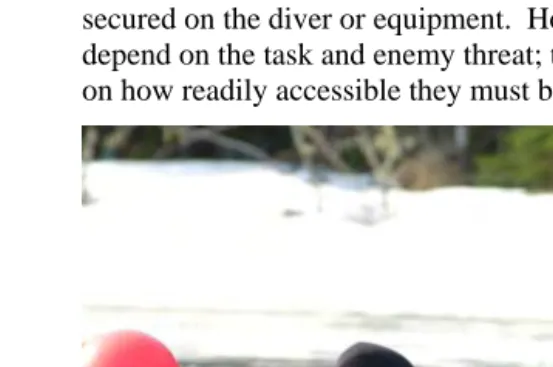
must keep their hands free, which means that the weapon must be secured on the diver or equipment. How securely it is fastened will depend on the task and enemy threat; the dive supervisor must decide on how readily accessible they must be.11
Figure 2-1: Combat Diver Firing
29. Prior to firing, water must be allowed to drain from the weapon body. The slide should be pulled back to let the water drain from the body and barrel. The barrel should not have any tape or other device on the muzzle since the water must be able to drain freely from the barrel. Water will get into the barrel in any case; therefore it is pointless to cover the muzzle for a dive task.12 If time permits, the rifle should be turned to allow water to drain from the magazine. Ball
11
If the task is to cross under the cover of friendly suppressive fire or obscuration, the divers may not need to use their weapons unless they are stranded on the far bank. On the other hand, if the dive team must land on the far bank, and the enemy is known to be present, the weapons may have to be immediately available.
12
ammunition can withstand moisture seepage and can be submerged for long periods with no added protection. Extra magazines should not be taped and sealed since that will prevent their use.
30. Explosives and Accessories. A combat diver can carry or tow approximately 20 kg of explosives and accessories while swimming. This affects both his physical endurance and the efficiency of his breathing apparatus, and these must be considered. Care must be taken to waterproof those explosive components and accessories that will be rendered useless by exposure to water.
31. Marine Life. Certain marine life, because of their aggressive or venomous nature, may pose a risk to combat divers. These are normally found in seas and oceans, but fresh water hazards include poisonous snakes, crocodiles, and alligators. Some species of marine life are extremely dangerous, while some are merely an uncomfortable annoyance. Most dangers from marine life are largely overrated because most underwater animals leave human beings alone. All divers should be able to identify dangerous species that are likely to be found in the area of operation and should know how to deal with each of them.
32. Vessel and Small Boat Traffic. The presence of water vessels can be a serious problem. In a tactical situation, the boat traffic will be either friendly, enemy, or neutral. In all cases, they must be avoided since it will normally be impractical to issue warnings to the operators, except for friendly vessels. In training, or non-combat operations, some sort of local notice to mariners should be issued. If only a few ships or vessels are likely to be affecting the dive operation, they should be individually notified. When operating in areas with many small boats, operated by people with varied levels of seamanship, divers should assume that these operators are not acquainted with diving signals and take the precautions required to ensure that these vessels remain clear of the diving area. Hazards associated with vessel traffic are intensified under conditions of reduced visibility.
a. Wireless Through-water Communications. These systems can provide sub-surface-to-surface or diver-to-diver communications.
b. Hardwire Systems. Generally, these systems are integral to the umbilical of surface-supplied breathing apparatus.
c. Hand-held Sonar or “Acoustic Pingers.” These may be used to track divers.
OPERATIONAL CHARACTERISTICS OF BREATHING APPARATUS
34. The two types of compressed air diving equipment that combat divers employ and their characteristics are detailed in this section.
a. Operational Characteristics of CABA. Compressed Air Breathing Apparatus (CABA) refers to an open circuit breathing system,
commonly called SCUBA. The following should be considered when planning a combat diving operation and utilizing this diving equipment:
(1) Mobility. Combat divers in CABA can cover a considerable distance. They can have an even greater range through the use of diver propulsion vehicles (DPVs), moving freely in any direction.
(2) Buoyancy. CABA equipment is designed to have nearly neutral buoyancy when in use, permitting the diver to change or maintain depth with ease. This allows the diver to work at any level within his depth limitation and qualification.
can be transported easily and put into operation with minimum delay. CABA offers a flexible method for accomplishing a range of combat diving tasks.
(4) Operational Limitations. Divers shall adhere to the operational limitations of their qualification. Bottom time is limited by the CABA equipment’s fixed air supply, which is depleted more rapidly when diving down deep or working hard.
(5) Environmental Protection. The CABA diver is not well protected from cold, contact with marine plants and animals, or water borne contaminants and is more easily affected by currents, tides, and waves.
35. Operational Characteristics of the Light Weight Surface-supplied Diving-system (LWSSDS). Combat divers use the LWSSDS consisting of a full face mask and surface umbilical. The characteristics of this diving equipment are as follows:
a. Mobility. Surface-supplied gear allows the diver almost as much mobility as the CABA; however, the length of his umbilical limits him. This equipment can be used for penetrating confined spaces, such as drowned vehicles, since it provides for maximum control of the diver and unlimited air supply. b. Buoyancy. The buoyancy associated with this
equipment makes it desirable for working on muddy bottoms, conducting lifeline searches, or when the working force of a tool is high.
d. Environmental Protection. Because of the full face mask and the use of a vulcanized rubber dry suit, combat divers using the LWSSDS have increased protection when working in contaminated water. In addition, because the diver’s negative buoyancy is easily controlled, this equipment allows for greater ease when diving in areas with strong currents.
OPERATING IN CURRENTS AND FAST WATER
36. The adverse effects on divers operating in currents and fast water are numerous. The risk of entanglement, loss of primary air supply, and impact injuries while operating in fast water is high. This section outlines the potential hazards to diving, procedures to reduce risks, and considerations when planning combat diving operations in these conditions.
37. Table 2-2 illustrates current speeds in relation to diving techniques and equipment. Operating in currents exceeding these speeds may be unsafe and ineffective. Experience of the diver and operational necessity have to be considered when operating in currents in excess of shown speeds. The final decision to execute the task remains with the combat diving supervisor and the divers executing the task.
TECHNIQUE OR ENSEMBLE MAXIMUM
CURRENT SPEED
Swimming in the CABA 1 m/sec
Tended in the CABA 1.2 m/sec
Swimming with the LWSSDS 2 m/sec
Plodding in the LWSSDS 3 m/sec
[image:44.612.29.317.251.415.2]Ice Diving 0.6 m/sec
Table 2-2: Diving Techniques in Relation to Current Speeds
38. Surface Current Generated by Wind. Wind-generated surface currents are temporary and depend on the force, duration, and direction of the wind. If the wind has been blowing steadily for some time, this current should be taken into consideration, especially when planning surface swimming.
potential hazards, divers and supervisors will be able to conduct diving operations with lower risk to the divers and greater possibility of mission success. Significant factors to consider are:
a. Underwater Obstacles. There is the potential for divers to snag on objects underwater. The hazard increases in currents, especially near logs, rock outcrops, tree roots, abandoned equipment, and debris from destroyed infrastructure.
b. Floating Objects. Objects carried along with the current, on or below the surface, may pose a risk to a diver. The hazards due to floating debris are greatest during flooding and spring run-off. If the situation allows, a snag line, boom, or fence may be positioned upstream of the dive site to minimize problems from material being carried in the current. The snag line or boom must be monitored in case large objects, or a large amount of objects, break free.
c. Whirlpools and Eddies. These hydraulic effects are caused by natural and manmade obstructions to current flow. Eddies and whirlpools can disorientate and trap a diver.
d. Current Fluctuations. Precipitation, tides, and structures such as dams and lock systems can affect the water levels or volume of water and current speed. The possibility of precipitation and its effect on the waterway must be considered and can usually be forecast. The geomatics support team, integral to the brigade engineer staff, can provide some useful data. The existence of upstream dams must be determined, as well as who controls them. Hydro-electric dams, in particular, could release large volumes of water without warning.
a. Mask and Regulator. Strong currents could tear off half masks. The currents could also make the regulators free flow. The use of a full face mask may reduce this risk.
b. Weight. Additional weight or the donning of a weight vest may assist in maintaining stability and depth.
c. Air Cylinders or Surface-supplied Air. A diver dressed in a surface-supplied system will be affected less by strong currents. Surface-supplied systems will also provide audio communications to the diver, and the umbilical can function as a safety tending line.
d. Plodding Boots or Dive Fins. Fins will allow the diver greater mobility but limited stability. Weighted boots assist in stability and provide protection. Soft river and lake bottoms make the use of boots difficult.
e. Personnel Protective Equipment. Purpose-built helmets, elbow and knee pads may be worn when feasible.
f. Communications. Standard line/rope
communications in fast water are generally not effective; however, encasing the line/rope into tubing may assist. Wireless audio communication systems may be interfered with by the background noise created by currents.
DIVING SUPPORT BOATS
used to support combat diving tasks. The general requirement is room for divers, equipment, and a design that allows divers to enter and exit the boat for the dives. Almost any inland or coastal water vessel can be adopted for use to support combat diving tasks. Boat operators must be skilled and practised in operating with divers. The boat operator must understand the effects of wind, current, tide, and the position of divers while moving the boat. Factors to consider when choosing a boat to work from are:
a. Nature of the task, when the divers could be expected to work a long time from the boat,
protected cabins, showers, and additional space may be required. A short drop-off, pickup, and return to shore task could use a more cramped boat.
b. The number of divers, surface support personnel, and equipment that must be carried.
c. Ease of exit and entry for the divers for the tasks. d. Seaworthiness. The dive supervisor must be
satisfied with the seaworthiness of the boat and with its load, intended mission, and weather conditions. This would also include making sure that the boat has:
(1) lifesaving and other safety gear; and (2) a reliable engine.
e. Shelter available for the divers and surface support personnel, especially in cold or cool weather operations.
COLD WEATHER OPERATIONS
42. This section details factors that affect or should be considered when planning combat diving operations in cold weather conditions. This information is not restricted to through-the-ice dives (which are rare or non-existent in operational theatres) but also applies to dives in near zero temperatures on open water. Some sustainment engineering dive tasks may require ice dives. B-GG-380-000/FP-002, Canadian Forces Diving Manual, Volume 2, Compressed Air Breathing Apparatus details standard operating procedures for ice diving.
43. Equipment Considerations. The effects of cold on diving equipment are numerous. An awareness of potential equipment problems is critical in order to anticipate and prevent malfunctions. The equipment, especially the CABA, will normally function well in near-freezing water. Above surface temperatures may subsequently cause problems. The following should be considered:
a. Belts and straps on the diver should not constrict blood circulation. Poor circulation will increase the effects of the cold.
b. Wet suits must fit properly and be well maintained to provide proper insulation and reduce the risk of hypothermia.
c. A dry suit will provide better insulation and should be worn when possible to improve a diver’s endurance. Punctures, torn suits, or a malfunctioning zipper will cause a loss of protection; the diver may have less protection against the cold than he would with a wet suit. The diver may have to abort the dive or reduce the dive time, depending on the severity of the leak and the water temperature. The power inflator and exhaust valves could also freeze.
could cause injury or unconsciousness. In cold conditions, on the surface, use of the oral inflator may be difficult. Persistent use of the power inflator increases the risk of a free flow in the valve causing an uncontrolled ascent.
e. Filling high-pressure air cylinders to capacity at very cold temperatures and then storing them in a warm place may cause the blow-off valve to function. f. To prevent regulator malfunctions, they must be
properly maintained and stored between dive operations. While conducting operations, the diver should attempt to minimize exposure of the wet regulator to subzero conditions.
44. Physiological Considerations. Combat diving operations in cold weather increase the risk of cold-related injury. Divers may be adequately protected in the water, to be subsequently affected by above surface conditions if there are no provisions for shelter or warmth. The following physiological and medical factors are pertinent to diving operations during cold weather:
a. Hypothermia. Divers are at risk both in the water and while tending and working on the surface. Properly dressed, fed, rested, and acclimatized personnel are less at risk. Supervisors must ensure their personnel are provided with the shelter necessary for the task at hand. Dive profiles and surface tasks should be planned and conducted to reduce the risk.
c. Frostbite. Wet and cold conditions will accelerate the effects of frostbite and wind chill. All personnel should be constantly vigilant for signs of frostbite. d. Laryngospasm Reflex. The initial immersion into
cold water or the loss of a mask underwater may cause a constriction of the upper throat and prevent normal breathing. It can induce panic in a diver. Divers must be aware of this reflex, its potential risk, and the fact that the sensation will pass allowing for normal respiration.
CONTAMINATED WATER
45. When the potential exists and it is operationally required for combat diving operations to be conducted in mildly contaminated water (MCW), extra precautions must be taken and special procedures must be followed. In general, MCW can be described as any water with a presence of biological or chemical contaminants in excess of that allowed for recreational swimming. Determining the exact levels and types of contaminant is a complex procedure generally requiring testing beyond the readily available resources of a dive team. When planning for operations in MCW, protective ensemble and appropriate preventative medical procedures shall be taken. Diving equipment that gives the diver maximum protection consistent with the threat shall be selected. The two main contaminants that combat divers are potentially exposed to are:
a. Biological Contamination. A diver working in waterways in which raw sewage is dumped may be exposed to biological hazards. CABA divers with half masks, open regulators, and wet suits are especially vulnerable to ear and skin infections when diving in waters that contain biological
contamination. Divers may also inadvertently take polluting materials into the mouth, posing
physiological problems.
the equipment. There may be chemical pollutants in the water due to poor environmental practices in the country of operation. Toxic materials or fuels can irritate the skin and damage equipment.
46. When operating in waters where a contamination threat is known or suspected, the risk to the diver must be considered in regard to the requirement to conduct the task; all necessary precautions should be implemented. B-GG-380-000/FP-002 Canadian Forces Diving Manual, Volume 2, Compressed Air Breathing Apparatus details the procedures and equipment for operating in contaminated water. General considerations are outlined below.
47. Pre-dive Procedures. When planning operations in unfamiliar water or if the presence of contaminants is suspected, the following may be evidence of possible contaminants and should be considered:
a. Intelligence Preparation. Consult with the unit intelligence officer and the geomatics support team through the brigade engineer staff for information on sewage, industries, damaged plants, environmental practices in the country, as well as NBC strikes that may affect the dive task location.
b. On Site. Look for visible indications of the presence of contaminants, such as:
(1) lack of marine, aquatic life, or vegetation; (2) concentrated algae;
(3) slicks on the surface; and (4) presence of foul odour.
d. Set up a wash down area for personnel and equipment.
48. Post-dive Procedures. Immediately after a diver surfaces, he should be sprayed down with potable water prior to removing his equipment. As his equipment is removed, he is further washed off and his equipment is cleaned and rinsed in detail.
49. Medical Follow-up. Exposure to a biological or chemical contaminant may result in an illness, hours or days, after the dive. The details of the dive should be logged, including any information from the water tests. If a diver shows any symptoms or illness, he must seek medical attention immediately and ensure that they are aware of the dive as a possible cause. The diver should also inform the chain of command so that other divers on the same site can be warned of potential problems. The need to examine all of the divers will be decided by the MO.13
13
CHAPTER 3
INSERTION AND EXTRACTION
GENERAL
1. On the ground, combat divers have the same mobility characteristics as the manoeuvre force they support. They have the added ability of being able to move and conduct tasks on and under the water. All combat diving tasks are conducted in support of the manoeuvre element. In some cases, a degree of stealth will be necessary to ensure security of the mission and its success. For example, when conducting reconnaissance tasks for a gap-crossing operation, stealth is an element required to prevent compromise of the future operation and intent.
2. A key consideration in combat diving operations is the method of insertion and extraction from a task site. Insertion and extraction are normally different than moving to and from the task site. The dive team (field section) moves to the task site in its section carrier. They could then be inserted and extracted by walking into the water or using an inflatable boat. The ground transport is not
considered part of insertion and extraction. This chapter details techniques, procedures, methods of transport, and equipment relevant to combat diving operations.
3. At times, direct access to a dive site may be restricted due to restrictions on reconnaissance, enemy activity, obstacles, or the operational security (OPSEC) plan. Rarely will a dive site be
inaccessible due to ground restrictions, as generally divers will only be operating where the army will be able to go with its vehicles. In the rare case of a displaced entry point (from the task site), the divers will have to choose a means of insertion and extraction. This may have to be covert, which will usually negate the use of powered craft or helicopters.
4. The following outlines the factors that should be considered when determining the method of insertion and extraction of combat divers:
The distance will determine the appropriate technique, diving ensemble, dress, breathing apparatus, and other equipment. Swimming distances depend on the physical fitness and endurance of the individual diver. There are also navigational difficulties with long-range swimming insertions. There is a limit, both in physical endurance and doctrine, since combat divers are not trained or equipped for long-range missions. The general planning figure, depending on the current, load and weather is 1500 metres; this distance should be considered the maximum one-way distance for swimming insertion. Whenever feasible, boats, motorized or manpowered, should be used to reduce swimming distances. However, the use of vehicles, boats, aircraft, or other propulsion vehicles cannot compromise mission security. b. Time. The length of time to travel to and from a
task and the duration of the task are directly linked to the required diving equipment and air supply for diving operations.
c. Air Consumption. When using breathing
apparatus, air consumption rates must be factored in. Section 2 further details consumption rates and endurance.
d. Enemy Threat and Capabilities. The presence of the enemy and surveillance methods and technology must be considered when determining method of insertion and extraction.
e. Security. Combat divers are limited in their ability to protect themselves. They are armed with the C8 carbine or C7 rifle for personal protection and generally will avoid contact with the enemy. This may require the protection or over-watch of other arms surveillance and weapon systems.
breathing apparatus, and diver’s dress are inter-related. Breathing apparatus and wet or dry suits are not conducive to dismounted movement over long distances. Section 4 details dismounted operations. g. Mission Equipment and Stores. Combat diving
operations often depend on large amounts of equipment, boats, and stores. The quantity and types of these items required to support a task will determine insertion and extraction methods.
h. Water Conditions. The water conditions, including depth, current, waves, and tides must be considered as they will determine swimming distance and technique, diver endurance, and the type of support vessel.
i. Environmental. Weather conditions and forecast, artificial and natural ambient light sources, and ambient noise in the target area all should be considered and can be both beneficial or detrimental to the method of insertion or extraction.
j. Deception Plan. It may be beneficial to coordinate a deception plan with supporting elements to cover the insertion and extraction of the dive team. For example, indirect fire support could be coordinated with the anticipated time on the objective of the dive team.
SELECTING SWIMMING OR DIVING TECHNIQUE
5. Combat divers are required to swim for extended periods of time and distances. In addition to their breathing apparatus, they often carry or tow equipment and stores to conduct tasks. They may often incorporate a combination of swimming while submerged and surface swimming. This section details characteristics and factors relevant to swimming on or beneath the surface.
and conduct tasks beneath the surface. Section 3 of Chapter 2, details the operational characteristics of breathing apparatus. Combat divers must be highly proficient in the skills and techniques required to use this equipment efficiently and safely to ensure successful arrival at the objective and subsequent execution of their assigned tasks. Some factors to consider are:
a. The distance a combat diver can swim beneath the surface varies greatly. Many factors will affect this distance, such as air supply, currents, and personal fitness. Generally, submerged swimming distances should be kept to a maximum of 1500 m.
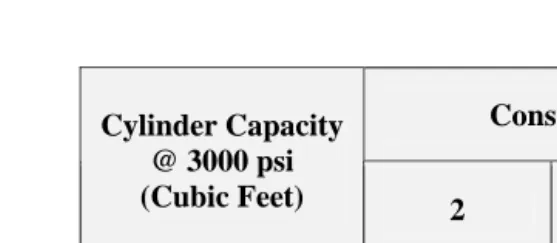
b. Submerged divers can easily become disorientated, and they are vulnerable to the effects of underwater explosions. The lack of reference points when submerged imparts a feeling of sensory deprivation. Section 3 details the factors relevant to underwater navigation. During the conduct of some tasks, such as reconnaissance of a water-crossing site, it is often preferable to make the final approach onto an objective after removing breathing apparatus, and swimming on the surface, or approaching on land. 7. Air Consumption. Air consumption rate is a critical factor when planning insertion and extraction phases of a tactical combat diving operation. Many factors affect consumption rate, some are environmental, such as depth and water temperature, and some are physiological, such as individual fitness level. The estimated duration based on different consumption rates is shown in Table 3-1.
Consumption Rate (cfm) Cylinder Capacity
@ 3000 psi
(Cubic Feet) 2 3 4
160 80 mins 53 min 40 min
100 50 mins 33 min 25 min
[image:57.612.77.356.56.177.2]80 40 min 27 min 20 min
Table 3-1: Estimated Duration, in Minutes, of Standard Compressed Air Cylinders
8. Buoyancy Control. The combat diver must be able to control his buoyancy. Buoyancy control is a key factor in maintaining a desired depth when travelling to an objective and while doing a task. Depth control and bottom times are directly related to air consumption and diver endurance. Failure to control buoyancy and exceeding the planned depth of the dive will affect a diver’s ability to conduct successive dives, increase the risk of decompression sickness, and therefore jeopardize the diver’s effectiveness and safety, as well as that of the team and mission success. When swimming, submerged combat divers should be in a state of neutral buoyancy. A diver’s ensemble, equipment load, and type of water affect buoyancy and will vary from task to task. Drills and rehearsals to adjust buoyancy must be included in battle procedure.
9. Surface Swimming. Combat divers will often surface swim to a task site. The distance is only limited by the physical endurance of the divers, and they are better able to negotiate the effects of currents and other obstacles. The surface swimming techniques used by combat divers promote efficiency, endurance, stealth, and concealment. Some factors with surface swimming are:
b. When surface swimming, divers are positively buoyant. Surface swimming eliminates the use of breathing apparatus, requires less equipment and preparation, and, in addition, the physiological aspects of water pressure do not affect the diver. 10. Towing Stores and Equipment. Combat divers can tow or carry equipment and stores to accomplish their mission. With the use of waterproof bags and load-bearing vests, a combat diver can efficiently transport about 20 kg of equipment and stores in excess of the diving equipment and personal weapon. Some factors with towing stores are:
a. Waterproof bags containing stores are towed behind a diver, swimming submerged or on the surface, tethered by a rope fastened to the diver’s body. Generally these towing systems are ad hoc, designed from locally available material.
b. The combat diver’s buoyancy control device or ensemble should never be considered integral to any buoyancy requirements for carried or towed
equipment and stores. If the load has to be ditched, the diver’s buoyancy should not change. Whenever possible, waterproof bags with oral and power inflator valves to control buoyancy should be used to provide and control the buoyancy of the towed equipment.
Figure 3-1: Combat Divers Securing an Area Prior to a Recce
a. Whenever conducted, stealth and noise discipline is crucial. If the approach was submerged, there may be a requirement to remove breathing apparatus in shallow water prior to surfacing.
b. During a transition, the divers must work together, generally as pairs, to provide assistance and security for each other. A general procedure is as follows: (1) The divers observe a listening halt. The
duration will depend on the surface and water conditions.
(2) Security on the bank is established. (3) Team members then exit the water, move