DISSEMINATION OF Yersinia pestis DURING BUBONIC PLAGUE
Rodrigo Javier Gonzalez
A dissertation submitted to the faculty at The University of North Carolina at Chapel Hill in partial fulfillment of the requirements for the degree of Doctor in Philosophy
in the Department of Microbiology and Immunology.
Chapel Hill 2014
Approved by: Peggy Cotter
William E. Goldman Thomas H. Kawula Zhi Liu
II
© 2014
ABSTRACT
Rodrigo Javier Gonzalez: Dissemination of Yersinia pestis during bubonic plague (Under the direction of Virginia L. Miller)
IV
an intradermal model of inoculation we implemented after comparing it with a subcutaneous model that has been traditionally used in the field (Chapter 4).
DEDICATION
VI
ACKNOWLEDGEMENTS
I am particularly thankful to Virginia L. Miller for her interest in my development as a researcher and in the advancement of my career. Her commitment and dedication to research and academia, along with other qualities, served as an example for me to follow.
TABLE OF CONTENTS
LIST OF TABLES ... xi
LIST OF FIGURES ... xii
LIST OF ABBREVIATIONS ... xiv
CHAPTER 1: Yersinia pestis AND PLAGUE ... 1
1.1. Overview ... 1
1.2. Natural history of plague ... 2
1.3. Epidemiology ... 5
1.4. Clinical manifestations and treatment ... 7
1.4.1. Bubonic plague ... 8
1.4.2. Pneumonic plague ... 9
1.4.3 Septicemic plague ... 10
1.4.4 Treatment ... 11
1.5. Yersinia pestis pathogenesis and host response ... 12
1.5.1. Virulence factors ... 12
1.5.2. Innate immunity and bubonic plague ... 14
1.6. Dissemination from the skin ... 20
1.8. Significance ... 23
1.7. Figures and Tables ... 24
VIII
CHAPTER 2: BIOLUMINESCENCE IMAGING TO TRACK BACTERIAL DISSEMINATION OF
Yersinia pestis USING DIFFERENT ROUTES OF INFECTION IN MICE ... 35
2.1. Overview ... 35
2.2. Introduction ... 36
2.3. Methods ... 39
2.3.1. Bacterial strains and cultures ... 39
2.3.2. Animal infections and tissues ... 39
2.3.3. In vivo Imaging ... 40
2.4. Results ... 42
2.4.1. The pGEN-‐luxCDABE vector is stable in Y. pestis during infection ... 42
2.4.2. BLI of Y. pestis after subcutaneous infection ... 43
2.4.3. Dynamics of bacterial dissemination after intradermal infection in the ear pinna ... 45
2.4.4. Bacterial dissemination during pneumonic plague ... 46
2.4.5. BLI to identify mutants with defects in dissemination or colonization ... 48
2.5. Discussion ... 49
2.6. Figure and Tables ... 53
REFERENCES ... 63
CHAPTER 3: BOTTLENECK FORMATION AND HOST EFFORTS TO CONTROL BUBONIC PLAGUE ... 66
3.1. Overview ... 66
3.2. Introduction ... 67
3.3.1. Bacterial strains and culture conditions. ... 69
3.3.2. Animal infections. ... 70
2.3.3. Whole ear imaging ... 71
3.3.4. Detection of oligonucleotide-‐tagged strains ... 72
3.3.5. Phagocyte depletion ... 73
3.4. Results ... 73
3.4.1. Y. pestis passes through a bottleneck during dissemination to the LN that drains the skin ... 73
3.4.2. The bottleneck defines the population that colonizes the host and is abrogated after subcutaneous inoculation ... 75
3.4.3. The bacteria that do not pass through the bottleneck are confined to the site of inoculation ... 76
3.4.4. Visualization of bacteria at the injection site, LNs, and lymphatic vessels that connect both tissues ... 77
3.4.5. Neutrophils control Y. pestis expansion in the dermis. ... 79
3.4.6. Dissemination of Y. pestis with the flow of lymph ... 82
3.5. Discussion ... 83
3.6. Figures and Tables ... 88
REFERENCES ... 97
CHAPTER 4: AN INTRADERMAL ROUTE OF BUBONIC PLAGUE REVEALS UNIQUE PATHOGEN ADAPTATIONS TO THE DERMIS ... 102
4.1. Overview ... 102
4.2. Introduction ... 103
X
4.3.1. Bacterial cultures and strains ... 105
4.3.2. Animal inoculations ... 106
4.4. Results ... 107
4.4.1. The ID inoculations result in faster kinetics but lower mortality rates when compared with SC inoculations ... 107
4.4.2. A deletion mutant lacking a putative autotransporter protein is attenuated when inoculated ID but not SC ... 109
4.4.3. A SC route of inoculation reveals a bottleneck in bacterial dissemination from LN to blood ... 110
4.5. Discussion ... 111
4.6. Figure and Tables ... 116
REFERENCES ... 120
CHAPTER 5: DISCUSSION ... 123
5.1. Summary of main findings ... 123
5.2. Implications for the study of bubonic plague ... 124
5.3. Caveats of our intradermal model of infection ... 126
5.4. Understudied aspects of Y. pestis dissemination. ... 128
5.4. Translational implications and impact to other fields ... 130
5.4. Future experiments ... 131
LIST OF TABLES
Table 1.1: Cases of human plague in 1994-2003 in the
XII
LIST OF FIGURES
Figure 1.1. Inflammation of the lung during pneumonic plague. ... 24
Figure 1.2. Skin micrographs showing mosquito-feeding patterns. ... 25
Figure 2.1. Bacterial loads in C57Bl/6J mice infected
subcutaneously with pGEN-luxCDABE-carrying
Y. pestis. ... 53
Figure 2.2. Bacterial loads in C57Bl/6J mice infected subcutaneously with either wild type or pGEN-luxCDABE-carrying Y. pestis. ... 54 Figure 2.3. BLI of C57BL/6J mice infected subcutaneously
with Yplux+ at a cervical site. ... 56 Figure 2.4. BLI of B6(Cg)-Tyrc-2J/J mice infected intradermally
with Yplux+ in the ear pinna. ... 57
Figure 2.5. BLI after Yplux+ intranasal inoculation in the left
nostril of B6(Cg)-Tyrc-2J/J mice. ... 60
Figure 2.6. BLI of C57BL/6J mice infected subcutaneously with Δcaf1ΔpsaA
Y. pestis carrying the pGEN-luxCDABE vector. ... 62
Figure 3.1. A bottleneck limits dissemination of Y. pestis to
the draining LN. ... 89
Figure 3.2. Bacteria that do not pass through the bottleneck
are confined to the site of inoculation. ... 90
Figure 3.3. Bacteria are visualized at the injection site and in
tubes at the base of the ear pinna. ... 91
Figure 3.4. Bacteria are visualized in LNs and in the lymphatic
vessels that connect these compartments with the ear. ... 92
Figure 3.5. Bacterial interactions with neutrophils
throughout infection. ... 94
Figure 3.6. Y. pestis colonization of the skin is restricted
by neutrophils. ... 95
Figure 4.1. Kinetics of infection and survival in mice
inoculated ID and SC. ... 117
Figure 4.2. Kinetics of infection of a deletion mutant (ΔyapH)
after ID and SC inoculation. ... 118
Figure 4.3. A bottleneck from LN to spleen revealed after
XIV
LIST OF ABBREVIATIONS BHI: Brain and heart infusion
BLI: Bioluminescence imaging
BSL3: Biosafety level three laboratory Carb: Carbenicillin
CFU: Colony forming units DC: Dendritic cell
GFP: Green fluorescent protein hpi: Hours post inoculation ID: Intradermal
IP: Intraperitoneal IV: Intravenous Kan: Kanamycin LN: Lymph node O.D.: Optical density
PAMP: Pathogen associated molecular pattern PRR: Pathogen recognition receptor
RFP: Red fluorescent protein ROS: Reactive oxygen species SC: Subcutaneous
1
CHAPTER 1: Yersinia pestis AND PLAGUE
1.1. Overview
Yersinia pestis is a Gram-negative bacterium and the etiological agent of plague (Stenseth et al., 2008). Mainly because of historical reasons, plague is one of the most widely recognized bacterial diseases. Three of the deadliest pandemics in history were caused by Y. pestis, making this pathogen a source of fear as well as a reminder of the threat that infectious diseases represent (Zietz and Dunkelberg, 2004). While the antibiotic era brought the threat of plague pandemics to an end, Y. pestis still circulates worldwide in animal reservoirs (Gage and Kosoy, 2005). These reservoirs represent a threat to human populations that live in close proximities and are the source of occasional outbreaks. More important concerns are raised when the potential use of Y. pestis as a bioweapon is taken into account (Inglesby et al., 2000). In addition, further concerns derive from reports describing the existence of antibiotic resistant strains in nature (Galimand et al., 2006).
Bacterial interactions with the host components have been addressed mostly in vitro rather than in vivo. In addition, because of the challenges of working with fully virulent Y. pestis, most of the research has been conducted with attenuated strains. For these reasons, the interactions of Y. pestis with the immune response, specifically with the phagocytes, are not fully elucidated. Moreover, the use of less than ideal approaches to study plague has generated ideas that are widespread in the field. However, these ideas might have little in common with observations made in a biologically relevant system where all the components of infection are taken into account.
1.2. Natural history of plague
3
Ricardo Jorge made an early observation with important consequences for plague persistence. Jorge demonstrated that Y. pestis was maintained in animal reservoirs in the wild, establishing plague as a zoonosis (Zietz and Dunkelberg, 2004). Besides explaining the occurrence of sudden outbreaks, this finding meant that control and elimination of plague would be a difficult, if not impossible task to accomplish. Indeed, plague currently exists in many parts of the globe, mainly in rodent reservoirs. The prevalence of Y. pestis in wild animals has been termed sylvatic plague. In addition to the role of rodents in the maintenance of Y. pestis, other animals are affected by the bacteria and may contribute to plague persistence. Lagomorphs (hares and rabbits), ungulates (hoofed mammals), marsupials, carnivores, primates, among others, have been described to succumb to infection (Gage and Kosoy, 2005). Cold blooded animals and birds do not appear to be susceptible to the disease. Sylvatic plague is also important because high spread episodes in animals (epizootics) result in the substantial lost of members of a species. In the United States, plague is distributed in areas inhabited by more than half of the animals considered endangered (Biggins and Kosoy, 2001). Species that are susceptible to the disease, such as the black footed ferret (Mustela nigripes), are considered endangered because of plague (Matchett et al., 2010).
hypotheses have been proposed but little research has been done to test them. One possibility is that the bacteria survive in hosts that are less susceptible to the effects of the disease and, thus, play the role of healthy carriers. It has been suggested that latency can occur during the winter in ground squirrels during hibernation (Bizanov and Dobrokhotova, 2007). These carriers could start new cycles of transmission once they are active in the spring. Another possibility is that fleas can remain infected with Y. pestis for long periods, during which their ability to transmit the bacteria varies. In this case, epizootics would be observed only during the periods where optimal transmission by the flea takes place, a phenomenon perhaps triggered by changes in temperature, humidity, or availability of a specific nutrient in a bloodmeal. In agreement with this hypothesis, it has been shown that the source of blood can affect many factors of flea transmission (Eisen et al., 2008). Feeding fleas on different sources (rat, mouse, and rabbit) affected bacterial loads and the ability of fleas to remain infected. Lastly, a bacterial dormant stage in the environment has also been proposed. Few studies have addressed this idea but one in particular claims to have found an induced dormant state in low temperature water (Pawlowski et al., 2011).
5
periods and perhaps to be transmitted to a carrion-eating animal with equal or less susceptibility to Y. pestis.
One or many of the scenarios mentioned above could contribute to the maintenance of sylvatic plague but so far none of them have been established as relevant. Determining how Y. pestis survives during inter-epizootic events could potentially be the next most important discovery in the field.
1.3. Epidemiology
Y. pestis is considered to be responsible for three major pandemics in history: The Justinian Plague, The Black Death, and the Third Pandemic (Zietz and Dunkelberg, 2004). Despite the large number of epidemics caused by Y. pestis, humans are considered incidental hosts. Most human cases are caused by fleabites in plague endemic foci (Perry and Fetherston, 1997). Transmission to humans can only be linked to specific groups of animals, since only some of the flea species that parasitize them can also feed on human blood. Squirrels, which carry fleas that feed on humans, are the major source of infections in the United States (Perry and Fetherston, 1997). Besides fleabites, other less common means of transmission exist. Ingestion of raw meat from camel resulted in infection of five individuals in the middle east (Abdulaziz A Bin Saeed, 2005). Y. pestis was isolated from left over meat and from fleas found in the surroundings where the camel was kept. This case is an example of a rare manifestation of the disease termed pharyngeal plague that is caused by ingestion of bacteria. Other uncommon means of transmission include handling of infected carcasses (Wong et al., 2009). A field biologist acquired the bacteria in the United States during a dissection of a mountain lion found dead in the wild. The researcher was found dead in his house and Y. pestis bacilli were isolated from his body and from the carcass of the mountain lion.
7
reported. Africa is the most affected continent but plague foci exist in every continent. Of importance is the reappearance of cases where the disease had not been seen in many years. Eighteen cases of bubonic plague were reported in 2003 in Algeria, a country that had no reported cases in the previous 50 years (Bertherat et al., 2007). Because of similar increases in reported cases in other countries, plague has been categorized as a re-emerging infectious disease. It has been suggested, however, that amplification and regression of existing sylvatic foci drive this apparent re-emergence (Duplantier et al., 2005). Whether this is true or new foci are starting to emerge is unknown.
Lastly, a role of climate change in plague cases around the world has been proposed. This hypothesis states that raising temperatures can influence the three factors that are important for plague transmission: fleas, hosts, and bacteria (Ben Ari et al., 2011). At a small scale, temperature can influence the ability of bacteria to replicate and perhaps to efficiently colonize fleas. At a higher scale, temperature affecting local weather can affect flea and rodent density. At an even higher scale, temperature can increase the probability of primary hosts establishing contacts with secondary hosts such as humans (Ben Ari et al., 2011).
1.4. Clinical manifestations and treatment
1.4.1. Bubonic plague
Bubonic plague is the most prevalent form of the disease and it takes place after bacteria penetrate the skin (Smego et al., 1999). This can occur when individuals handle contaminated material and experience skin abrasions, or most commonly, after the bite of an infected flea (Wimsatt and Biggins, 2009). Mortality rates range between 50 to 90% (Dennis and Staples, 2009; Prentice and Rahalison, 2007).
During the early stages of infection, pustules can develop in the area of contact. Disease progresses as Y. pestis abandons the skin and moves into the lymph node that drains this site (Sebbane et al., 2005). The bacteria that reach this compartment replicate at remarkably high rates. Colonization of lymph nodes results in severe inflammation causing major enlargement of the tissue (Smego et al., 1999). Enlarged lymph nodes are termed buboes, and constitute the hallmark of bubonic plague. From the Middle Ages on, the presence of buboes is one of the most important signs of bubonic plague infections (Walløe, 2008). Because fleabites take place more commonly in the extremities, buboes are typically found in the inguinal and axillary regions of the body (Smego et al., 1999).
9
other vessels of the body. It serves as a connection between the lymphatic system and systemic circulation as it drains into the left subclavian vein. The escape of Y. pestis from the lymph node is one of the most understudied aspects of plague. It is unknown if specific genes are upregulated in this compartment to either invade local blood vessels or to guarantee easy escape from efferent lymphatic vessels.
Once systemic dissemination occurs, the typical symptoms of sepsis are observed. Necrosis in the skin or other parts of the body such as entire limbs can occur. Digital gangrene has also been observed (Anisimov and Amoako, 2006). This is thought to be caused by bacterial blockage of capillary vessels, which results in irregular blood irrigation to the affected areas. Death is mainly caused by circulatory collapse and extended internal hemorrhage. In some cases, colonization of the lungs develops into secondary pneumonic plague, which can be an alternative cause of death.
1.4.2. Pneumonic plague
health as it provides the possibility that Y. pestis could be used as a bioweapon (Inglesby et al., 2000). For this reason, Y. pestis is currently categorized as a tier one select agent, which entails tight regulations for those who handle the bacteria in any setting.
A murine model of infection suggests that pneumonic plague progresses in two phases (Lathem et al., 2005). The pre-inflammatory phase is characterized by high levels of bacterial replication in the lung, and the absence of a local immune response. This is followed by a pro-inflammatory phase, when cytokine production, neutrophil influx, and disruption of the lung architecture are observed. The effects of this pro-inflammatory phase are responsible for pneumonia and death. Septic shock caused by bacterial escape to the bloodstream might also contribute to death.
During the pro-inflammatory phase, patients experience an array of symptoms. These symptoms include coughing, myalgia, malaise and weakness (Crook and Tempest, 1992). As pneumonia progresses, shortness of breath, chest pain and bloody or purulent sputum are observed. Other symptoms might include diarrhea and vomiting. Hemorrhages in the lung fill air spaces with blood, causing hemorrhagic pneumonia. Stridor and cyanosis precede terminal events, which include respiratory and circulatory collapse, and bleeding diathesis (Anisimov and Amoako, 2006).
1.4.3 Septicemic plague
11
patients do not display any of the lymphatic tissue-related symptoms, such as appearance of buboes. Laboratory intradermal models of infection using mice rarely result in septicemic plague. However, this changes when flea-murine models are employed. Flea infections have been reported to result in septicemic plague with no apparent lymph node involvement (Sebbane et al., 2006). It is challenging to determine if these cases are truly septicemic plague. This is because the criteria used to establish septicemic cases rely mainly on the absence of bubo formation. While a true direct passage from skin into blood might occur, an alternative explanation could be elimination of bacteria in lymph nodes after they have escaped to the bloodstream. Along with pneumonic plague, patients that experience septicemic plague rarely survive (Dennis and Staples, 2009).
1.4.4 Treatment
Misdiagnosis typically leads to delayed administration of prophylaxis, making these drugs inefficacious because bacterial numbers in circulation are too large. Important concerns have been raised because of reports that describe antibiotic resistant strains circulating in nature (Hinnebusch et al., 2002).
1.5. Yersinia pestis pathogenesis and host response
The genus Yersinia includes 15 species and belongs to the Enterobacteriaceae family (Zhou and Yang, 2009). Three species of this genus are considered pathogenic to humans: Y. enterocolitica, Y. pseudotuberculosis and Y. pestis. The first two are enteric pathogens that are acquired via food-oral routes. Y. pestis is a non-motile coccobacillus that shares a very high DNA sequence similarity with Y. pseudotuberculosis (Dennis and Staples, 2009). It is thought that Y. pestis emerged from a Y. pseudotuberculosis clone and subsequently acquired multiple genetic traits (Hinnebusch, 2005). These traits gave the bacterium the ability to survive in a new life cycle that involved a flea vector and that resulted in high pathogenicity to mammals. The three major pandemics thought to be caused by Y. pestis are associated with specific biovars. These three biovars are Antiqua, Medievalis, and Orientalis and are associated with the Justinian plague, the Black Death, and the Third Pandemic, respectively (Prentice and Rahalison, 2007). The strain used in this work, CO92, belongs to the biovar Orientalis (Parkhill et al., 2001).
1.5.1. Virulence factors
Y. pestis and Y. pseudotuberculosis diverge in ways that include gene
13
Fetherston, 1997). yadA and inv constitute examples of gene inactivations. The proteins encoded by these two genes are important for Y. pseudotuberculosis to cause enteric disease by helping the bacteria with adhesion and invasion of enteric tissues. These two genes are inactivated (present as pseudogenes) in Y. pestis, a trait that is thought to reflect a switch from an enteric to a vector-born lifestyle (Hinnebusch, 1997).
All pathogenic yersiniae carry the plasmid pCD1 (also known as pYV), which carries genes that encode the Ysc type III secretion system (T3SS) apparatus and the Yersinia outer proteins (Yops) secreted by it (Bleves and Cornelis, 2000). These genes are essential for abrogating immune responses of the host and, elimination of the pCD1 plasmid results in avirulent strains (Huang et al., 2006). Many of the Yops have been suggested to play specific roles during infection: YopE has been shown to interfere with actin polymerization of phagocytic cells; YopH is thought to induce apoptosis; YopM is suggested to be important to prevent blood clot formation. Many of the Yops are not fully characterized and their function remains to be confirmed in vivo (Amedei et al., 2011).
(bacteriocin pesticin), and pim (pesticin immunity protein) (Perry and Fetherston, 1997).
A third plasmid, pFra (also known as pMT1), carries ymt (murine toxin) and caf1 (capsular antigen) (Zhou et al., 2006). Their functions are not fully understood but most studies agree that Caf1 acts an antiphagocytic factor. The importance of this protein, however, has been shown to depend on the genetic background of the host in experiments using a murine model of bubonic plague (Weening et al., 2011).
Another gene that has been shown to be important to abrogate innate immune responses is psaA (pH6 antigen). As with caf1, this gene is thought to prevent phagocytosis (Huang and Lindler, 2004). Mutants lacking the psaA gene showed attenuation during mouse infections (Weening et al., 2011; Zav'yalov et al., 1996).
1.5.2. Innate immunity and bubonic plague
15
specialized cells process molecules produced by a specific pathogen. Long-lasting immune responses are then generated specifically against the pathogens that carry such molecules. Establishing an adaptive immune response requires approximately two weeks. This is twice the time it takes for plague-infected animals to succumb to disease (Lathem et al., 2005; Sebbane et al., 2005). For this reason, innate immunity is the only branch of the immune response that is believed to be relevant to plague pathogenesis and will be the focus of this section.
and Pamer, 2011; Slauch, 2011). Bacterial killing can be achieved by the release of molecules that are detrimental to the pathogen. However, killing of bacteria mostly occurs intracellularly, after phagocytosis. Any cell of the innate immune response that can engulf invaders is termed a phagocyte. Some of these cells are also called professional antigen presenting cells. This is because they present molecules from degraded pathogens to T cells in lymph nodes (Alvarez et al., 2008). Antigen presentation in lymph nodes marks the beginning of adaptive immune responses. DCs are the epitome of antigen presenting cells and, thus, are considered a link between innate and adaptive immunity (Ueno et al., 2007).
Another important aspect of innate immunity is inflammation. This mechanism of defense can act as a physical barrier to dissemination. In addition, inflamed tissues release alarm signals, which are molecules that alert the body about the invasion of a pathogen (Kolaczkowska and Kubes, 2013).
17
bacteria accomplish this function are simply known as antiphagocytic factors. In a murine model of plague using a reporter system to identify cells targeted by T3SS, Marketon et al. found that neutrophils, macrophages and DCs were injected by the apparatus (Marketon et al., 2005). In intranasal models that mimic pneumonic plague, similar results were shown but the most important group targeted was neutrophils (Pechous et al., 2013).
19
(Peters et al., 2008; Silva, 2010). In summary, Y. pestis might be eliminated by neutrophils in some cases and might be able to survive inside them as well. These contradictory properties of the bacteria might reflect adaptations of Y. pestis to the specific conditions used during experiments. They may also reflect how little we understand about neutrophil biology and, perhaps, even diversification.
1.6. Dissemination from the skin
Based on its anatomy and physiology, the skin can be divided into three main layers: epidermis, dermis, and hypodermis or subcutaneous space. The epidermis is in direct contact with the environment and is devoid of blood and lymphatic vessels (Combadiere and Liard, 2011). The dermis is the most active layer of the skin, physiologically and immunologically (Nestle et al., 2009; Teunissen et al., 2012). The dermis possesses high numbers of blood vessels, lymphatic vessels, and cells of the innate immune response. The presence of these three elements makes the dermis unique in its responses to invading microorganisms (Mathers and Larregina, 2006; Teunissen et al., 2012). The hypodermis contains blood and lymphatic vessels but in low densities. Furthermore, the lymphatic vessels in this layer of the skin vary considerably from those found in the dermis. The lymphatic vessels found in the dermis, termed superficial lymphatics, are adapted to readily take lymph from the surrounding tissue. The lymphatic vessels found in the hypodermis, termed deeper lymphatics or collectors, are surrounded by a basement membrane and smooth muscle cells (Shayan et al., 2006). These two elements make deeper lymphatics less efficient in the uptake of surrounding fluid. Furthermore, the lack of resident immune cells in the hypodermis makes this layer of the skin a less immunologically competent site in comparison with the dermis (Bonnotte et al., 2003; Combadiere and Liard, 2011).
21
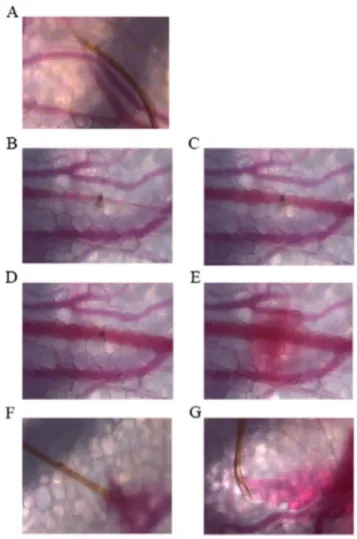
arthropod can insert a sucking mouthpart (proboscis) into the skin and feed directly from a blood vessel. Alternatively, specialized mouthparts can cut into the skin, which produces a lesion filled with fluids from which the arthropod can feed. While fleas possess cutting mouthparts, it is not known if they can be used to obtain blood directly from blood vessels or if they damage the surrounding area to obtain a bloodmeal. Most research has been done on mosquitoes, which were thought to probe directly into blood vessels to obtain blood. Recent intravital imaging experiments have shown that while that does occur, mosquitoes can also feed from other sites of the skin where blood accumulates as they probe (Choumet et al., 2012). This shows that the question of how a flea feeds might be a very complex one and how little we understand about how bacteria are deposited into the skin. Most research agrees, however, that the preferred site for blood feeding arthropods to obtain a meal is the dermis, and not the subcutaneous space (Chong et al., 2013). This has also been suggested specifically for plague (Hinnebusch, 2005; Sebbane et al., 2006). Determining how exactly the flea inoculates Y. pestis is critical for understanding the first moments of dissemination. If bacteria are deposited into blood vessels, they will disseminate in a direct route that goes from flea into blood. If, on the other hand, fleas probe on the surrounding tissue, bacteria must disseminate in a skin-lymph-blood route. Most of the research conducted so far suggests that the latter is a closer description of what happens during bubonic plague (Sebbane et al., 2005).
technological limitations, however, direct approaches to address this question are not readily available. Two possibilities exist as to how bacteria travel from the skin to lymph nodes through lymphatics. The first possibility involves bacteria traveling with the flow of lymph. In this case, bacteria are deposited into the skin and the pressure of lymph itself, along with the contractions of lymphatic vessels could drive movement to lymph nodes (Hegde et al., 2011). Knowledge on the lymphatic system in general is very limited, and the physiology of particle movement through it is not well understood. Perhaps for this reason, the possibility of pathogens moving with the flow of lymph in lymphatic vessels is scarcely addressed in the literature.
23
compartment. A “Trojan Horse” model of bacterial dissemination has been proposed for other pathogens (Guidi-Rontani, 2002). However, the model has received only modest experimental support (Mihret, 2012). An alternative model of dissemination has been proposed for Bacillus anthracis. In this alternative model, in addition to intracellularly, bacteria can also disseminate freely without the need of a phagocytic cell (Weiner and Glomski, 2012). Supporting a phagocyte-free model, a study on Salmonella abortusovis found that during the first 90 minutes of dissemination, 80% of bacteria are found in lymph vessels traveling freely to lymph nodes (Bonneau et al., 2006).
Recent advances in in vivo work and imaging are opening the possibilities of studying in more detail Y. pestis dissemination from the skin to the lymph nodes. Much experimental support will be needed for the field to accept a model where an intracellular stage is not required for bacteria to disseminate from the skin into lymph nodes and deeper organs.
1.8. Significance
pestis to cause disease is strictly linked to its proficiency to disseminate in the host. This makes it an ideal model to study bacterial dissemination. Understanding Y. pestis dissemination has the potential of providing valuable information that will result in new strategies to control or even prevent bacterial infections. In addition, studying host-pathogen interactions in vivo provides invaluable information with relevant implications to other fields such as vaccine development.
1.7. Figures and Tables
Figure 1.1. Inflammation of the lung during pneumonic plague.
25
Figure 1.2. Skin micrographs showing mosquito-feeding patterns.
Country Number of cases Case-fatality rate (%)
Congo 3619 10
Tanzania 3527 7
Mozambique 2387 1
Vietnam 1331 6
Malawi 900 2
Uganda 654 17
Peru 631 3
Zimbabwe 417 8
China 357 7
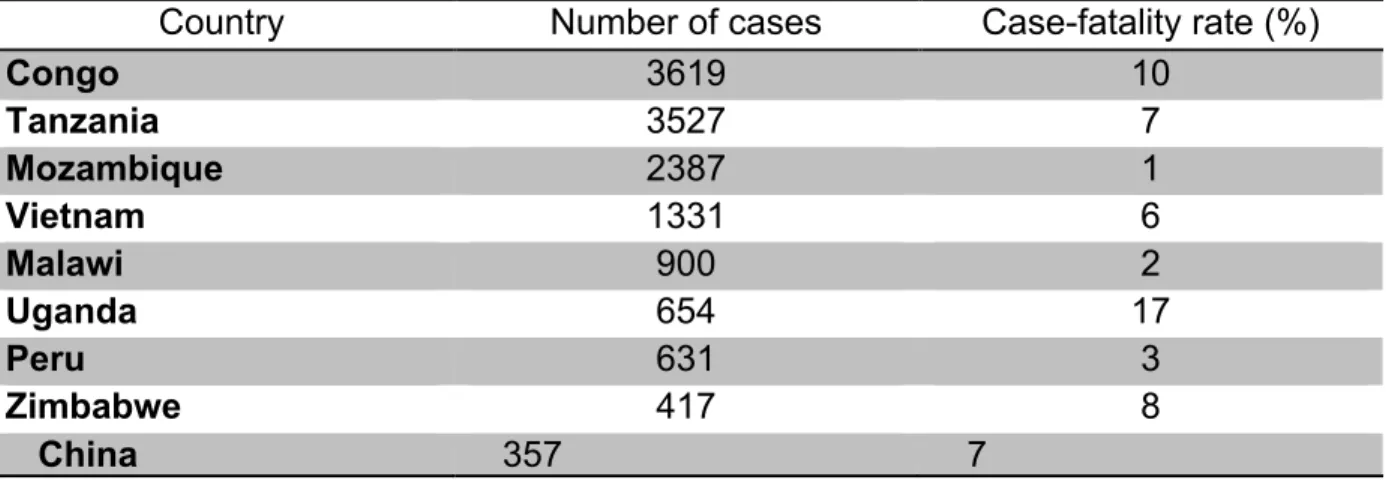
Table 1.1: Cases of human plague in 1994-2003 in the countries that reported >100 confirmed or suspected cases.
REFERENCES
Abdulaziz A Bin Saeed, N.A.A.-H.R.E.F. (2005). Plague from Eating Raw Camel Liver. Emerging Infect Dis 11, 1456.
Abraham, S.N., and St John, A.L. (2010). Mast cell-orchestrated immunity to pathogens. Nat Rev Immunol 10, 440–452.
Aepfelbacher, M., Trasak, C., and Ruckdeschel, K. (2007). Effector functions of pathogenic Yersinia species. Thromb Haemost 98, 521–529.
Akira, S., Uematsu, S., and Takeuchi, O. (2006). Pathogen recognition and innate immunity. Cell 124, 783–801.
Alvarez, D., Vollmann, E.H., and Andrian, von, U.H. (2008). Mechanisms and consequences of dendritic cell migration. Immunity 29, 325–342.
Amedei, A., Niccolai, E., Marino, L., and D'Elios, M.M. (2011). Role of immune response in Yersinia pestis infection. J Infect Dev Ctries 5, 628–639.
Anisimov, A.P., and Amoako, K.K. (2006). Treatment of plague: promising alternatives to antibiotics. Journal of Medical Microbiology 55, 1461–1475.
Bacot, A.W., and Martin, C.J. (1914). LXVII. Observations on the mechanism of the transmission of plague by fleas. J Hyg (Lond) 13, 423–439.
Ben Ari, T., Neerinckx, S., Gage, K.L., Kreppel, K., Laudisoit, A., Leirs, H., and Stenseth, N.C. (2011). Plague and climate: scales matter. PLoS Pathog 7, e1002160.
Bertherat, E., Bekhoucha, S., Chougrani, S., Razik, F., Duchemin, J.B., Houti, L., Deharib, L., Fayolle, C., Makrerougrass, B., Dali-Yahia, R., et al. (2007). Plague reappearance in Algeria after 50 years, 2003. Emerging Infect Dis 13, 1459–1462. Biggins, D.E., and Kosoy, M.Y. (2001). Influences of introduced plague on North American mammals: implications from ecology of plague in Asia. Journal of Mammalogy 82, 906–916.
Bizanov, G., and Dobrokhotova, N.D. (2007). Experimental infection of ground squirrels (Citellus pygmaeus Pallas) with Yersinia pestis during hibernation. J Infect 54, 198–203.
Bleves, S., and Cornelis, G.R. (2000). How to survive in the host: the Yersinia lesson. Microbes Infect 2, 1451–1460.
to draining lymph node. J Leukoc Biol 79, 268–276.
Bonnotte, B., Gough, M., Phan, V., Ahmed, A., Chong, H., Martin, F., and Vile, R.G. (2003). Intradermal injection, as opposed to subcutaneous injection, enhances immunogenicity and suppresses tumorigenicity of tumor cells. Cancer Research 63, 2145–2149.
Butler, T. (2009). Plague into the 21st century. Clin. Infect. Dis. 49, 736–742.
Carman, J.A. (1938). Prontosil in the treatment of oriental plague. East African Med J 14, 362–366.
Cavanaugh, D., and Randall, R. (1959). The role of multiplication of Pasteurella pestis in mononuclear phagocytes in the pathogenesis of flea-borne plague. J Immunol 83, 348–363.
Charnetzky, W.T., and Shuford, W.W. (1985). Survival and growth of Yersinia pestis within macrophages and an effect of the loss of the 47-megadalton plasmid on growth in macrophages. Infect Immun 47, 234–241.
Chong, S.Z., Evrard, M., and Ng, L.G. (2013). Lights, Camera, and Action: Vertebrate Skin Sets the Stage for Immune Cell Interaction with Arthropod-Vectored Pathogens. Front Immunol 4, 286.
Choumet, V., Attout, T., Chartier, L., Khun, H., Sautereau, J., Robbe-Vincent, A., Brey, P., Huerre, M., and Bain, O. (2012). Visualizing non infectious and infectious Anopheles gambiae blood feedings in naive and saliva-immunized mice. PLoS ONE 7, e50464.
Combadiere, B., and Liard, C. (2011). Transcutaneous and intradermal vaccination. Hum Vaccin 7, 811–827.
Crook, L.D., and Tempest, B. (1992). Plague. A clinical review of 27 cases. Arc Intern Med 152, 1253–1256.
DeLeo, F.R., and Hinnebusch, B.J. (2005). A plague upon the phagocytes. Nat Med 11, 927–928.
Dennis, D.T., and Staples, J.E. (2009). Plague. 597–611.
Diacovich, L., and Gorvel, J.-P. (2010). Bacterial manipulation of innate immunity to promote infection. Nat Rev Micro 8, 117–128.
29
(2010). The presence of professional phagocytes dictates the number of host cells targeted for Yop translocation during infection. Cell Microbiol 12, 1064–1082.
Easterday, W.R., Kausrud, K.L., Star, B., Heier, L., Haley, B.J., Ageyev, V., Colwell, R.R., and Stenseth, N.C. (2011). An additional step in the transmission of Yersinia pestis? Isme J 6, 231–236.
Eisen, R.J., Vetter, S.M., Holmes, J.L., Bearden, S.W., Montenieri, J.A., and Gage, K.L. (2008). Source of host blood affects prevalence of infection and bacterial loads of Yersinia pestis in fleas. J Med Entomol 45, 933–938.
Gage, K.L., and Kosoy, M.Y. (2005). Natural history of plague: perspectives from more than a century of research. Annu Rev Entomol 50, 505–528.
Galimand, M., Carniel, E., and Courvalin, P. (2006). Resistance of Yersinia pestis to antimicrobial agents. Antimicrob Agents Chemother 50, 3233–3236.
Guidi-Rontani, C. (2002). The alveolar macrophage: the Trojan horse of Bacillus anthracis. Trends Microbiol 10, 405–409.
Hegde, N.R., Kaveri, S.V., and Bayry, J. (2011). Recent advances in the administration of vaccines for infectious diseases: microneedles as painless delivery devices for mass vaccination. Drug Discov. Today 16, 1061–1068.
Hinnebusch, B.J. (1997). Bubonic plague: a molecular genetic case history of the emergence of an infectious disease. J Mol Med 75, 645–652.
Hinnebusch, B.J. (2005). The evolution of flea-borne transmission in Yersinia pestis. Curr Issues Mol Bio 7, 197–212.
Hinnebusch, B.J., Jarrett, C.O., Callison, J.A., Gardner, D., Buchanan, S.K., and Plano, G.V. (2011). Role of the Yersinia pestis Ail protein in preventing a protective polymorphonuclear leukocyte response during bubonic plague. Infect Immun 79, 4984–4989.
Hinnebusch, B.J., Rosso, M.-L., Schwan, T.G., and Carniel, E. (2002). High-frequency conjugative transfer of antibiotic resistance genes to Yersinia pestis in the flea midgut. Mol Microbiol 46, 349–354.
Huang, X.-Z., and Lindler, L.E. (2004). The pH 6 antigen is an antiphagocytic factor produced by Yersinia pestis independent of Yersinia outer proteins and capsule antigen. Infect Immun 72, 7212–7219.
Inaba, K., Swiggard, W.J., Steinman, R.M., Romani, N., and Schuler, G. (2001). Isolation of dendritic cells. Curr Prot Imm / Edited by John E Coligan [Et Al] Chapter 3, Unit3.7.
Inglesby, T.V., Dennis, D.T., Henderson, D.A., Bartlett, J.G., Ascher, M.S., Eitzen, E., Fine, A.D., Friedlander, A.M., Hauer, J., Koerner, J.F., et al. (2000). Plague as a biological weapon: medical and public health management. Working Group on Civilian Biodefense. Jama 283, 2281–2290.
Janssen, W.A., and Surgalla, M.J. (1969). Plague bacillus: survival within host phagocytes. Science 163, 950–952.
Kadowaki, N., Ho, S., Antonenko, S., Malefyt, R.W., Kastelein, R.A., Bazan, F., and Liu, Y.J. (2001). Subsets of human dendritic cell precursors express different toll-like receptors and respond to different microbial antigens. J Exp Med 194, 863–869. Klein, K.A., Fukuto, H.S., Pelletier, M., Romanov, G., Grabenstein, J.P., Palmer, L.E., Ernst, R., and Bliska, J.B. (2012). A Transposon Site Hybridization Screen Identifies galU and wecBC as Important for Survival of Yersinia pestis in Murine Macrophages. J Bacteriol 194, 653–662.
Kobayashi, S.D., Voyich, J.M., Burlak, C., and DeLeo, F.R. (2005). Neutrophils in the innate immune response. Arch Immunol Ther Exp (Warsz.) 53, 505–517.
Kolaczkowska, E., and Kubes, P. (2013). Neutrophil recruitment and function in health and inflammation. Nat Rev Immunol 13, 159–175.
Konstantinidou, K., Mantadakis, E., Falagas, M.E., Sardi, T., and Samonis, G. (2009). Venetian rule and control of plague epidemics on the Ionian Islands during 17th and 18th centuries. Emerging Infect Dis 15, 39–43.
Kumar, H., Kawai, T., and Akira, S. (2011). Pathogen recognition by the innate immune system. Int Rev Immunol 30, 16–34.
Lathem, W.W., Crosby, S.D., Miller, V.L., and Goldman, W.E. (2005). Progression of primary pneumonic plague: a mouse model of infection, pathology, and bacterial transcriptional activity. Proc Natl Acad Sci USA 102, 17786–17791.
Lathem, W.W., Price, P.A., Miller, V.L., and Goldman, W.E. (2007). A plasminogen-activating protease specifically controls the development of primary pneumonic plague. Science 315, 509–513.
31
Matchett, M.R., Biggins, D.E., Carlson, V., Powell, B., and Rocke, T. (2010). Enzootic plague reduces black-footed ferret (Mustela nigripes) survival in Montana. Vector Borne Zoonotic Dis 10, 27–35.
Mathers, A.R., and Larregina, A.T. (2006). Professional antigen-presenting cells of the skin. Immunol Res 36, 127–136.
Mihret, A. (2012). The role of dendritic cells in Mycobacterium tuberculosis infection. Virulence 3, 654–659.
Nestle, F.O., Di Meglio, P., Qin, J.-Z., and Nickoloff, B.J. (2009). Skin immune sentinels in health and disease. Nat Rev Immunol 9, 679–691.
O'Loughlin, J.L., Spinner, J.L., Minnich, S.A., and Kobayashi, S.D. (2010). Yersinia pestis two-component gene regulatory systems promote survival in human neutrophils. Infect Immun 78, 773–782.
Parkhill, J., Wren, B.W., Thomson, N.R., Titball, R.W., Holden, M.T., Prentice, M.B., Sebaihia, M., James, K.D., Churcher, C., Mungall, K.L., et al. (2001). Genome sequence of Yersinia pestis, the causative agent of plague. Nature 413, 523–527. Pawlowski, D.R., Metzger, D.J., Raslawsky, A., Howlett, A., Siebert, G., Karalus, R.J., Garrett, S., and Whitehouse, C.A. (2011). Entry of Yersinia pestis into the viable but nonculturable state in a low-temperature tap water microcosm. PLoS ONE 6, e17585.
Pechous, R.D., Sivaraman, V., Price, P.A., Stasulli, N.M., and Goldman, W.E. (2013). Early host cell targets of Yersinia pestis during primary pneumonic plague. PLoS Pathog 9, e1003679.
Perry, R.D., and Fetherston, J.D. (1997). Yersinia pestis--etiologic agent of plague. Clin. Microbiol. Rev. 10, 35–66.
Peters, N.C., Egen, J.G., Secundino, N., Debrabant, A., Kimblin, N., Kamhawi, S., Lawyer, P., Fay, M.P., Germain, R.N., and Sacks, D. (2008). In vivo imaging reveals an essential role for neutrophils in leishmaniasis transmitted by sand flies. Science 321, 970–974.
Ponnusamy, D., and Clinkenbeard, K.D. (2012). Yersinia pestis intracellular parasitism of macrophages from hosts exhibiting high and low severity of plague. PLoS ONE 7, e42211.
Prentice, M.B., and Rahalison, L. (2007). Plague. Lancet 369, 1196–1207.
Pujol, C., and Bliska, J.B. (2005). Turning Yersinia pathogenesis outside in: subversion of macrophage function by intracellular yersiniae. Clin Immunol 114, 216– 226.
Rescigno, M. (2002). Dendritic cells and the complexity of microbial infection. Trends Microbiol 10, 425–461.
Robinson, R.T., Khader, S.A., Locksley, R.M., Lien, E., Smiley, S.T., and Cooper, A.M. (2008). Yersinia pestis evades TLR4-dependent induction of IL-12(p40)2 by dendritic cells and subsequent cell migration. J Immunol 181, 5560–5567.
Sebbane, F., Gardner, D., Long, D., Gowen, B.B., and Hinnebusch, B.J. (2005). Kinetics of disease progression and host response in a rat model of bubonic plague. Am J Pathol 166, 1427–1439.
Sebbane, F., Jarrett, C.O., Gardner, D., Long, D., and Hinnebusch, B.J. (2006). Role of the Yersinia pestis plasminogen activator in the incidence of distinct septicemic and bubonic forms of flea-borne plague. Proc Natl Acad Sci USA 103, 5526–5530. Shannon, J.G., Hasenkrug, A.M., Dorward, D.W., Nair, V., Carmody, A.B., and Hinnebusch, B.J. (2013). Yersinia pestis Subverts the Dermal Neutrophil Response in a Mouse Model of Bubonic Plague. MBio 4, e00170–13..
Shayan, R., Achen, M.G., and Stacker, S.A. (2006). Lymphatic vessels in cancer metastasis: bridging the gaps. Carcinogenesis 27, 1729–1738.
Shi, C., and Pamer, E.G. (2011). Monocyte recruitment during infection and inflammation. Nat Rev Immunol 11, 762–774.
Silva, M.T. (2010). When two is better than one: macrophages and neutrophils work in concert in innate immunity as complementary and cooperative partners of a myeloid phagocyte system. J Leukoc Biol 87, 93–106.
Slauch, J.M. (2011). How does the oxidative burst of macrophages kill bacteria? Still an open question. Mol Microbiol 80, 580–583.
Smego, R.A., Frean, J., and Koornhof, H.J. (1999). Yersiniosis I: microbiological and clinicoepidemiological aspects of plague and non-plague Yersinia infections. Eur J Clin Microbiol Infect Dis. 18, 1–15.
Spinner, J.L., Cundiff, J.A., and Kobayashi, S.D. (2008). Yersinia pestis type III secretion system-dependent inhibition of human polymorphonuclear leukocyte function. Infect Immun 76, 3754–3760.
33
Stenseth, N.C., Atshabar, B.B., Begon, M., Belmain, S.R., Bertherat, E., Carniel, E., Gage, K.L., Leirs, H., and Rahalison, L. (2008). Plague: past, present, and future. PLoS Med 5, e3.
Straley, S.C., and Harmon, P.A. (1984). Yersinia pestis grows within phagolysosomes in mouse peritoneal macrophages. Infect Immun 45, 655–659. Teunissen, M.B.M., Haniffa, M., and Collin, M.P. (2012). Insight into the immunobiology of human skin and functional specialization of skin dendritic cell subsets to innovate intradermal vaccination design. Curr Top Microbiol Immunol 351, 25–76.
Ueno, H., Klechevsky, E., Morita, R., Aspord, C., Cao, T., Matsui, T., Di Pucchio, T., Connolly, J., Fay, J.W., Pascual, V., et al. (2007). Dendritic cell subsets in health and disease. Immunol Rev 219, 118–142.
Vance, R.E., Isberg, R.R., and Portnoy, D.A. (2009). Patterns of pathogenesis: discrimination of pathogenic and nonpathogenic microbes by the innate immune system. Cell Host Microbe 6, 10–21.
Velan, B., Bar-Haim, E., Zauberman, A., Mamroud, E., Shafferman, A., and Cohen, S. (2006). Discordance in the effects of Yersinia pestis on the dendritic cell functions manifested by induction of maturation and paralysis of migration. Infect Immun 74, 6365–6376.
Walløe, L. (2008). Medieval and modern bubonic plague: some clinical continuities. Med Hist Suppl 59–73.
Weening, E.H., Cathelyn, J.S., Kaufman, G., Lawrenz, M.B., Price, P., Goldman, W.E., and Miller, V.L. (2011). The dependence of the Yersinia pestis capsule on pathogenesis is influenced by the mouse background. Infect Immun 79, 644–652. Weiner, Z.P., and Glomski, I.J. (2012). Updating perspectives on the initiation of Bacillus anthracis growth and dissemination through its host. Infect Immun 80, 1626– 1633.
WHO (2004). Human plague in 2002 and 2003. Wkly Epidemiol Rec 79, 301–306. Wimsatt, J., and Biggins, D.E. (2009). A review of plague persistence with special emphasis on fleas. Journal of Vector Borne Diseases 46, 85–99.
Wong, D., Wild, M.A., Walburger, M.A., Higgins, C.L., Callahan, M., Czarnecki, L.A., Lawaczeck, E.W., Levy, C.E., Patterson, J.G., Sunenshine, R., et al. (2009). Primary pneumonic plague contracted from a mountain lion carcass. Clin Infect Dis 49, e33– e38.
Yersinia pestis, a novel bacterial Fc-receptor. FEMS Immunol Med Microbiol 14, 53– 57.
Zhang, P., Skurnik, M., Zhang, S.-S., Schwartz, O., Kalyanasundaram, R., Bulgheresi, S., He, J.J., Klena, J.D., Hinnebusch, B.J., and Chen, T. (2008). Human dendritic cell-specific intercellular adhesion molecule-grabbing nonintegrin (CD209) is a receptor for Yersinia pestis that promotes phagocytosis by dendritic cells. Infect Immun 76, 2070–2079.
Zhou, D., and Yang, R. (2009). Molecular Darwinian evolution of virulence in Yersinia pestis. Infect Immun 77, 2242–2250.
Zhou, D., Han, Y., and Yang, R. (2006). Molecular and physiological insights into plague transmission, virulence and etiology. Microbes Infect 8, 273–284.
35
CHAPTER 2: BIOLUMINESCENCE IMAGING TO TRACK BACTERIAL DISSEMINATION OF Yersinia pestis USING DIFFERENT ROUTES OF
INFECTION IN MICE
2.1. Overview
Introduction: Plague is caused by Yersinia pestis, a bacterium that disseminates inside of the host at remarkably high rates. Plague bacilli disrupt normal immune
responses in the host allowing for systematic spread that is fatal if left untreated.
How Y. pestis disseminates from the site of infection to deeper tissues is unknown.
Dissemination studies for plague are typically performed in mice by determining the
bacterial burden in specific organs at various time points.
Methods: To follow bacterial dissemination during plague infections in mice we tested the possibility of using bioluminescence imaging (BLI), an alternative
non-invasive approach. Fully virulent Y. pestis was transformed with a plasmid
containing the luxCDABE genes, making it able to produce light; this lux
-expressing strain was used to infect mice by subcutaneous, intradermal or
intranasal inoculation.
Results: We successfully obtained images from infected animals and were able to follow bacterial dissemination over time for each of the three different routes of
inoculation. We also compared the radiance signal from animals infected with a
attenuated in colonization of the lymph node and systemic dissemination. Radiance
signals from mice infected with the wild type strain were larger than values
obtained from mice infected with the mutant strain (linear regression of normalized
values, P < 0.05).
Conclusions: We demonstrate that BLI is useful for monitoring dissemination from multiple inoculation sites, and for characterization of mutants with defects in
colonization or dissemination.
2.2. Introduction
37
The disease manifests after inhalation of bacteria suspended in aerosols (pneumonic plague) or through contact with broken skin (bubonic and septicemic plague) (Prentice and Rahalison, 2007; Smiley, 2008). While pneumonic plague is the most virulent form of the disease, bubonic plague is the most prevalent perhaps due to its dynamics of transmission, for which a flea vector is essential (Wimsatt and Biggins, 2009) . Little is known about how Y. pestis disseminates within the host after infection. It is known, however, that at some point after infection, Y. pestis expresses a set of genes that impair host immune responses (DeLeo and Hinnebusch, 2005; Marketon et al., 2005; Matsumoto and Young, 2009) . These factors are thought to be essential for bacterial dissemination. Dissemination during bubonic plague traditionally has been studied through experiments where different organs from infected mice are harvested at various time points post inoculation. Harvested organs are then homogenized and plated to obtain bacterial burden. These experiments have suggested that Y. pestis travels from the site of infection to draining lymph nodes (LN) prior to disseminating throughout the rest of the body (Guinet et al., 2008; Sebbane et al., 2005) . Bacterial burden data from these experiments give a snapshot of a very narrow window (a specific organ at a specific time) through the course of infection. Furthermore, the approach is invasive, requires a large number of animals, and animals must be sacrificed at each time point making it impossible to keep track of the progression of infection on the same group of individuals.
Using BLI, researchers have described and studied dissemination of viral, parasitic and bacterial pathogens within a host in a non-invasive manner (Hutchens and Luker, 2007; Hyland et al., 2008; Kong et al., 2009; Zincarelli et al., 2008) . Thus, the same group of animals can be imaged for as long as desired over the course of infection. The system requires that the pathogen produce luminescence, and infected animals are then imaged with a high-sensitivity camera that detects very small amounts of light. Non-luminescent bacteria can be genetically modified to express the lux genes (luxCDABE), which encode a bacterial luciferase and other enzymes which are necessary to generate luciferin (Contag and Bachmann, 2002). In the presence of oxygen, luciferin is converted into oxyluciferin in a reaction catalyzed by luciferase and of which light is a byproduct (Hastings, 1996) . We transformed Y. pestis CO92 with plasmid pGEN-luxCDABE that contains the luxCDABE genes (Lane et al., 2007) . Using this strain of Y. pestis expressing the lux genes we determined that it is suitable for in vivo BLI after subcutaneous, intradermal and intranasal inoculation. In addition, we determined that BLI is suitable for the study of mutant strains that are attenuated or defective in dissemination or colonization during infection. This extends the findings of a recent report demonstrating the suitability of BLI to study Y. pestis infections by the subcutaneous route of inoculation (Nham et al., 2012) .
39
2.3. Methods
2.3.1. Bacterial strains and cultures
Y. pestis CO92 and Y. pestis CO92 Δcaf1ΔpsaA were transformed with
pGEN-luxCDABE (Lane et al., 2007) . This plasmid contains the Hok/Sok toxin/antitoxin
system enabling plasmid maintenance in vivo without antibiotic selection. Throughout the rest of the document we will refer to Y. pestis CO92 transformed with the pGEN-luxCDABE plasmid as Yplux+, to Y. pestis CO92 Δcaf1ΔpsaA transformed with the same plasmid as YpΔcaf1ΔpsaA lux+or simply as “double mutant” and to the pGEN-luxCDABE plasmid itself as pGEN-lux. Bacteria transformed with pGEN-lux were cultured in the presence of carbenicillin at 100
µg/mL, unless BHI alone is stated as growth medium. Bacteria were plated on brain heart infusion (BHI) agar (BD Biosciences, Bedford, MA) plates and incubated for 48 h at 26°C. For intranasal inoculations, liquid cultures were incubated at 37°C in the presence of 2.5 mM CaCl2 as previously described
(Lathem et al., 2005) . For subcutaneous and intradermal inoculations, liquid cultures were incubated at 26°C for 15 h. All strains (Yplux+, YpΔcaf1ΔpsaA lux+ and Y. pestis lacking pGEN-lux) showed comparable optical density (OD600) values
after culturing in liquid broth. To obtain the final inocula for all infections, liquid cultures were serial diluted in phosphate buffered saline (PBS). All procedures involving Y. pestis were conducted under strict biosafety level three conditions.
2.3.2. Animal infections and tissues
or intradermal (ID) inoculation after providing anesthesia (2% isoflurane for SC and ketamine/xylazine for IN and ID). For SC inoculations, a volume of 100 µL was injected in the subcutaneous space at an anterior cervical site. The ear pinna was injected with a volume of 10 µL for ID inoculations. A volume of 20 µL was delivered into the left nostril of the animal for IN inoculations. The inoculum for the SC and ID inoculations was ~200 CFU, and ~104 CFU for the IN inoculation.
For the determination of plasmid stability and strain characterization experiments, superficial cervical lymph nodes, spleens and lungs were removed from SC-infected mice after sacrificing the animals by injection of sodium pentobarbital. Plasmid stability was assessed by comparing bacterial counts after plating on BHI alone and BHI with carbenicillin. Strain characterization was determined by comparing bacterial counts of Yplux+ against Y. pestis lacking the plasmid.
All procedures involving animals were approved by the University of North Carolina and Duke University Animal Care and Use Committees, protocols 11-128 and A185-11-07, respectively.
2.3.3. In vivo Imaging
41
pestis outside the biosafety cabinet. We used four mice per group, as this is the maximum number of mice that can be placed in the isolation chamber to be imaged at one time. Mice were imaged with an IVIS Spectrum instrument (Caliper) at 0, 6, 24, 48, 72 and 96 hpi, unless animals died or had to be sacrificed because of advanced signs of plague. The same group of mice was imaged at each time point. Every image was taken after placing the mice in the isolation chamber in the same order relative to one another. After imaging the last time point, mice were sacrificed with an overdose of isoflurane and one animal per group was dissected. The dissected individual was imaged to identify luminescence from specific organs. Organs were then removed from the animal and imaged individually to confirm the origin of signal. The remaining animals were sacrificed and their organs (LN, spleens or lungs) were removed, macerated and plated to compare bacterial load with previous reports for each model and to confirm plasmid stability as described above. Radiance signal was measured in photons/sec/cm2/steradian and analyzed
observed after covering all other irradiating sites or if quantification of signal was below background levels. Radiance values from each ROI were transformed into log values to normalize their distribution. Linear regression analysis of these values was performed in STATA 12 (Stata Corp, College Station, TX) to test differences in average radiance between groups. A two sided P value <0.05 was set to determine statistical significance.
2.4. Results
2.4.1. The pGEN-luxCDABE vector is stable in Y. pestis during infection
43
Another important control experiment was to determine if pGEN-lux impacted the virulence of Y. pestis. Mice were inoculated with either Y. pestis alone or Y. pestis carrying pGEN-lux. Both groups of mice displayed signs of plague infection and mortality at similar times. However, the bacterial burden in tissues from mice infected with Y. pestis carrying pGEN-lux was lower in comparison to tissues from mice infected with Y. pestis without the plasmid (Figure 2.2). While bacterial counts suggest that pGEN-lux might cause a slight delay in the progression of infection, overt signs of plague were observed in all mice infected with either strain at comparable times. Additionally, all mice infected during our BLI experiments died at times expected from infections with a wild type strain. Since all strains used for BLI will carry the same plasmid, relative virulence attributes will be comparable despite the slight attenuation caused by pGEN-lux.
2.4.2. BLI of Y. pestis after subcutaneous infection
hpi. However, because of its low intensity, this signal is not evident in Figure 3A. All images in Figure 3A are standardized to the same radiance scale, thus low intensity spots are not visible. Low intensity spots, however, are visible when high intensity spots are covered. After covering high intensity spots from the neck with black opaque paper, we could visualize signal from the abdomen at 72 hpi (Figure 2.3B). Signal from the abdomen was not visualized before 72 hpi but quantification above background levels was obtained at 48 hpi (Figure 2.6C). At 96 hpi, radiance in the abdominal region increased in intensity (Figure 2.3A and B). From this and previous experiments, we observed that the presence and intensity of this signal tends to be variable among individuals. Also, from previous experiments where we imaged mice beyond 96 hpi, we determined that the presence of this signal, especially when high in intensity and spread in size, can be used as a predictor of death within the following 24 h. At time points subsequent to detection of light from the abdomen, signal was evident at sites where the skin was not covered by fur, such as the tail (data not shown). This might be the result of early stages of septicemia, where light from bacteria circulating in blood is only detectible from superficial vascularized tissue, such as the skin. At the latter stages of infection (>96 hpi), septicemia is evident as signal that can be detected from the entire animal.
45
organs. Therefore, mice were dissected to determine that signal indeed originated from LN, spleens and livers. These organs, along with the patch of skin where bacteria were inoculated, also were imaged individually at 96 hpi and found to emit light (Figure 2.3C). Thus, origin of light in specific organs is consistent with previous data measuring bacterial burden by plating macerated tissues.
2.4.3. Dynamics of bacterial dissemination after intradermal infection in the ear pinna
LNs) without compromising our well characterized C57BL/6J model for bubonic plague.
The ear pinna was inoculated with ~200 CFU and animals were imaged at different time points (Figure 2.4A). Low levels of signal from the site of infection could be detected in some animals at 6 hpi (data not shown). However, at 24 hpi, strong signal was consistently detected in the ear. In addition, some of the mice had detectible signal in the right side of the neck, approximately where the superficial parotid LN is located. At 48 hpi light signal from the site of infection appeared to increase considerably. At this same time point, signal from the parotid LN increased dramatically, and light was detected in the abdomen and rest of the body in some animals, indicating systemic dissemination. At 72 hpi only one mouse had survived and it showed high levels of signal from the whole body, indicating advanced stages of septicemic dissemination. The right superficial parotid LN was confirmed as the highest source of radiance from the neck after dissection of this mouse (Figure 2.4B). As previously reported for latter stages of infection (Sebbane et al., 2005) , the LN that drains the site of infection was not the only LN that appeared to be colonized. However, the superficial parotid LN that drains the site of infection (white asterisk, Figure 2.4B) appeared to emit higher levels of radiance in comparison to other LNs. Isolated spleens and livers were imaged to confirm them as the source of signal from the abdominal area (Figure 2.4B).
2.4.4. Bacterial dissemination during pneumonic plague
47
human (does not require a flea vector). We used BLI to follow dissemination of Y.
pestis after intranasal inoculation, a well-characterized model for pneumonic
plague (Lathem et al., 2005) . Lung tissue is the primary tissue colonized by Y. pestis during pneumonic infections. Because the lungs reside in the thoracic cavity covered by other organs and bone, we again used B6(Cg)-Tyrc-2J/J mice to increase the probability of detecting signal from lung tissue.
In some isolated cases, radiance was detected from the abdomen and from feces at 6 hpi (data not shown). This signal was not detected at any latter time points and presence of abdominal or fecal signal did not appear to alter the course of infection in the animals where it was detected.