The effect of a typical swim training period on forward head and forward shoulder posture in competitive swimmers
Reid Elizabeth Jones
A thesis submitted to the faculty of the University of North Carolina at Chapel Hill in partial fulfillment of the requirements for the degree of Master of Arts in the Department of Exercise & Sport Science in the College of Arts & Sciences (Athletic Training Specialization).
Chapel Hill 2013
Approved by:
Joseph Myers, PhD William Prentice, PhD
Abstract
REID ELIZABETH JONES: The effect of a typical swim training period on forward head and forward shoulder posture in competitive swimmers
(Under the direction of Joseph Myers)
TABLE OF CONTENTS
LIST OF FIGURES ... VIII
LIST OF TABLES ... IX
LIST OF APPENDICIES ... X
CHAPTER I ... 1
INTRODUCTION... 1
THE SPORT OF SWIMMING ... 1
TRAINING SCHEDULE ... 1
SHOULDER PAIN IN SWIMMERS ... 3
CONTRIBUTORS TO SHOULDER PAIN IN SWIMMING ... 4
POSTURE AND SHOULDER PAIN... 5
PURPOSE AND CLINICAL RELEVANCE ... 7
RESEARCH QUESTION ... 8
RESEARCH DESIGN ... 10
Variables ... 10
Null Hypothesis ... 10
Research Hypotheses ... 13
OPERATIONAL DEFINITIONS ... 15
ASSUMPTIONS ... 15
LIMITATIONS ... 16
CHAPTER II ... 17
REVIEW OF THE LITERATURE ... 17
INTRODUCTION ... 17
TRAINING SCHEDULE ... 18
The Training Period ... 19
The Taper period ... 20
SWIMMER’S SHOULDER ... 21
CONTRIBUTORS TO SHOULDER PAIN ... 23
Biomechanics ... 23
Range of Motion ... 25
Muscular Imbalances ... 26
Fatigue ... 28
Impingement ... 28
Posture ... 30
POSTURE AND SHOULDER PAIN... 32
INSTRUMENTATION FOR POSTURE MEASURES ... 33
PURPOSE AND CLINICAL RELEVANCE ... 35
CHAPTER III ... 37
METHODOLOGY ... 37
INTRODUCTION ... 37
POPULATION AND RECRUITMENT ... 37
Control Group ... 38
RESEARCH DESIGN ... 39
MEASUREMENTS AND INSTRUMENTATION ... 40
Procedures ... 40
DATA REDUCTION ... 42
STATISTICAL ANALYSIS ... 43
Data Analysis Plan ... 44
CHAPTER IV... 46
RESULTS ... 46
SUBJECTS ... 46
FORWARD HEAD POSTURE ... 47
FORWARD SHOULDER POSTURE ... 48
CORRELATIONS ... 50
CHAPTER V ... 54
DISCUSSION ... 54
FORWARD SHOULDER POSTURE ... 55
FORWARD HEAD POSTURE ... 61
PAIN SCORES ... 65
CLINICAL SIGNIFICANCE ... 66
LIMITATIONS ... 68
FUTURE RESEARCH ... 71
CONCLUSIONS ... 72
TABLES ... 79
APPENDICES ... 80
LIST OF FIGURES
FIGURE 1: Anatomical landmarks ... 73
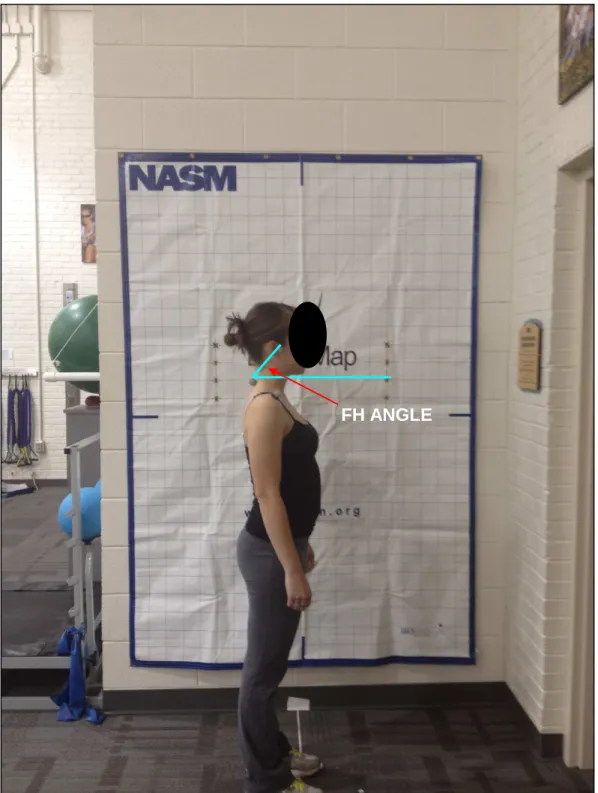
FIGURE 2: Forward Head Angle (FHA) ... 74
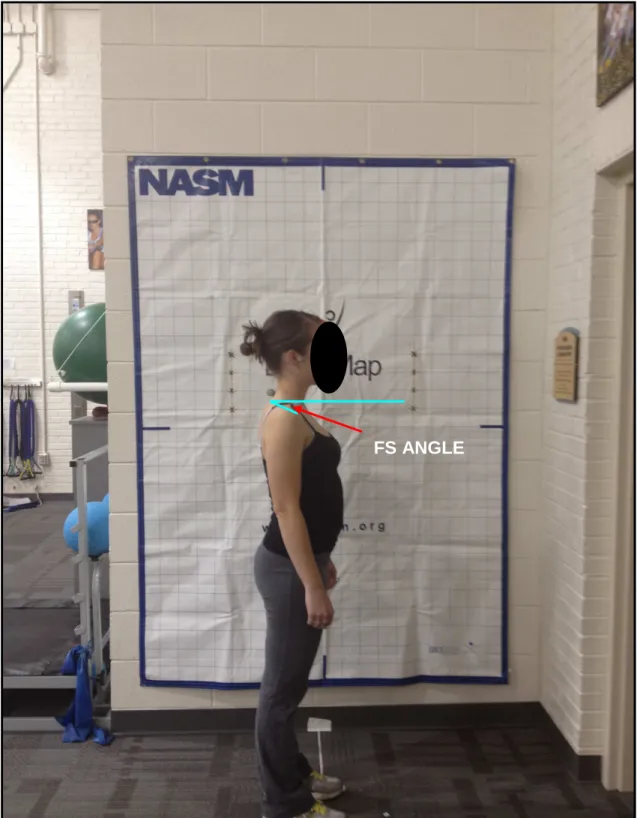
FIGURE 3: Forward Shoulder Angle (FSA) ... 75
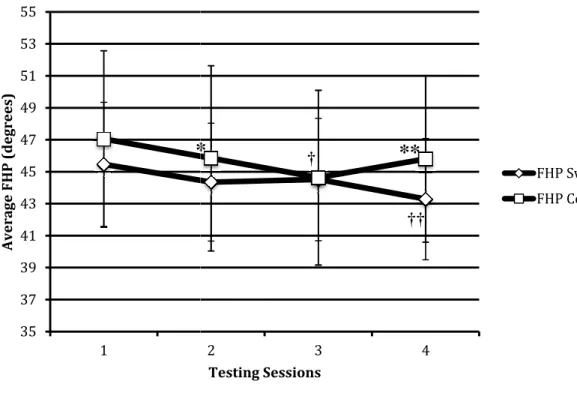
FIGURE 4: Average forward head posture at each testing session by group ... 76
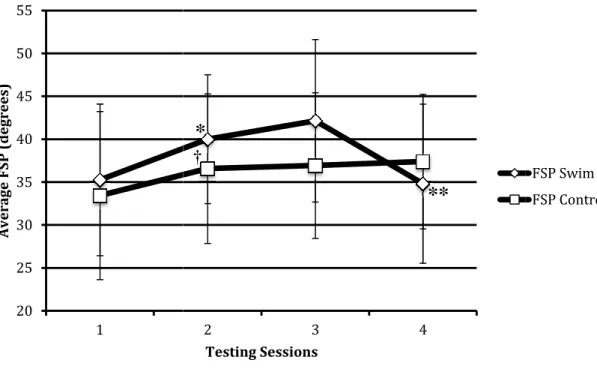
FIGURE 5: Average forward shoulder posture at each testing session by group ... 76
LIST OF TABLES
LIST OF APPENDICIES
CHAPTER I INTRODUCTION
THE SPORT OF SWIMMING
Amateur, club/collegiate and master’s level swimmers constitute the over one hundred million Americans who classify themselves as swimmers (Johnson, 1988; Stocker, Pink, & Jobe, 1995). Swimming is one of the most popular participation sports as people use it for leisure, cardiovascular fitness and/or competition (Kammer, Young, & Niedfeldt, 1999; Pink & Tibone, 2000; Sein et al., 2010). As organized master’s teams, whose ages range from 20 to 95, gain popularity and monetary incentives for elite swimmers become more common swimming continues to be a lifelong sport (Kammer, et al., 1999). In this study we will examine competitive, collegiate swimmers who make up one subset of the swimming population.
TRAINING SCHEDULE
McMaster, 1999; Sokolovas, 2003). Swim training uses periodization as the principal means for preparing for competition (Pyne, 2006). Periodization is defined as the division of the annual training plan into smaller, more manageable parts that helps to ensure correct peaking for the main competition of the year (Pyne, 2006). The smaller parts that make up the annual training plan include the mesocycle (long term cycle), the macrocycle (multi-week training cycle), and the microcycle (weekly/daily training cycle) all of which vary depending on individual competition goals (Pyne, 2006). Today, modern, competitive swimming has evolved into a year-round sport where swim yardage is maintained after the collegiate season is over (Kammer, et al., 1999; Wolf, Ebinger, Lawler, & Britton, 2009). Competitive swimmers transition from collegiate training to club training at the end of the collegiate season (mid-March) and continue to swim with their club teams until the collegiate season resumes in September. A week-long break, along with a transition to maintenance yardage, may be the only indicators of the transition from collegiate swimming to club swimming.
repetitive nature of competitive swimming may place these swimmers at an increased risk for injury.
SHOULDER PAIN IN SWIMMERS
the development of new injuries (Tovin, 2006). Limited information exists regarding the epidemiology of swimming injury patterns at the collegiate, elite, amateur and master’s levels (Wolf, et al., 2009) and this includes injury patterns that are influenced by poor posture.
CONTRIBUTORS TO SHOULDER PAIN IN SWIMMING
to fatigue throughout the shoulder and scapula musculature (Bak, 2010). Fatigue leads to the disruption of the optimal synchronous firing pattern of the scapular stabilizing muscles (Pink & Tibone, 2000; Weldon & Richardson, 2001) that may predispose a swimmer to shoulder pain and pathology. Glenohumeral joint laxity, defined as an increased translation at the glenohumeral joint, may develop into joint instability when the joint laxity becomes pathologic and begins to cause pain (Pink & Tibone, 2000). Finally, a common posture deviation seen in swimmers involves forward head, forward shoulder posture creating a common “s-configuration” of the back that is seen due to an enlarged thoracic kyphosis and enlarged lumbar lordosis (Bak, 2010). This can be an aggravating factor in the development of scapular dyskinesis which contributes to the reduction of subacromial space (Bak, 2010; Pink & Tibone, 2000). The reduction of subacromial space secondary to poor posture is included as a possible contributor to shoulder pain (W. B. Kibler, 1998). Thoracic kyphosis may alter the bony anatomy surrounding the shoulder and may result in excessive protraction of the scapula, contributing to secondary impingement (Allegrucci, et al., 1994; W. B. Kibler, 1998). Other contributors to shoulder pain, include a high repetition rate of shoulder revolution, taking the shoulder into extreme ranges of motion and the generation of high muscular forces on the shoulder in order to sustain the forward propulsive effort (Stocker, et al., 1995).
POSTURE AND SHOULDER PAIN
PURPOSE AND CLINICAL RELEVANCE
changes in forward head and forward shoulder posture in competitive swimmers will help to lay the foundation for future studies to continue exploring the relationship between posture and shoulder pain and the argument that posture is an indirect cause of shoulder pain.
RESEARCH QUESTION
• RQ1: What is the effect of a typical swim training period on forward head and
forward shoulder posture in collegiate swimmers?
o RQ1.1: What is the effect of a typical swim training period on forward
head posture in collegiate swimmers?
o RQ1.2: What is the effect of a typical swim training period on forward
shoulder posture in collegiate swimmers?
• RQ2: Does forward head and forward shoulder posture differ significantly
between the four testing sessions (late August/early September, mid-October, mid-December and late January) in the swimming group?
o RQ2.1: Does forward head posture differ significantly between testing
sessions in the swimming group?
o RQ2.2: Does forward shoulder posture differ significantly between testing
sessions in the swimming group?
• RQ3: Is there a relationship between the change in pain scores between testing
o RQ3.1: Is there a relationship between the change in FASS-TS pain
scores between testing sessions and the change in forward head posture in the swimming group?
o RQ3.2: Is there a relationship between the change in DASH_SM pain
scores between testing sessions and the change in forward head posture in the swimming group?
• RQ4: Is there a relationship between the change in pain scores between testing
sessions and the change in forward shoulder posture in the swimming group?
o RQ4.1: Is there a relationship between the change in FASS-TS pain
scores between testing sessions and the change in forward shoulder posture in the swimming group?
o RQ4.2: Is there a relationship between the change in DASH-SM pain
scores between testing sessions and the change in forward shoulder posture in the swimming group?
• RQ5: Is there a relationship between yardage completed between testing sessions
and the change in posture at testing session?
o RQ5.1: Is there a relationship between yardage completed between testing
sessions and the change in forward head posture at each testing session?
o RQ5.2: Is there a relationship between yardage completed between testing
sessions and the change in forward shoulder posture at each testing session?
• RQ6: Is there a relationship between the change in pain scores at each testing
o Is there a relationship between the change in FASS-TS pain scores at each testing session and yardage completed between testing sessions?
o Is there a relationship between the change in DASH-SM pain scores at each testing session and yardage completed between testing sessions?
RESEARCH DESIGN
• Cross sectional design
Variables
• Independent
o Time
- Pre-training period (late August/early September) - Middle of training period (mid-October, mid-December) - Post-training period (late January)
o Group
- Swimmers
- Control (Non-overhead athletes or non-athletes)
• Dependent
o Forward head angle measurements
o Forward shoulder angle measurements
o Pain Scores (FASS-TS, DASH-SM)
o Yardage
Null Hypothesis
o There will be no significant difference in the forward head posture in competitive swimmers compared to the forward head posture in the control group over the course of the typical swim training period
o Differences FHP swimmers = Differences FHP control
• H₀1.2
o There will be no significant difference in the forward shoulder posture in competitive swimmers compared to the forward shoulder posture in the control group over the course of the typical swim training period
o Differences FSP swimmers = Difference FSP control
• H₀2.1
o The forward head posture in competitive swimmers will not change between testing sessions 1, 2, 3 and 4.
o FHPswimmers T1 = FHPswimmers T2 = FHPswimmers T3 = FHPswimmers T4
• H₀2.2
o The forward shoulder posture in competitive swimmers will not change between testing sessions 1, 2, 3 and 4.
o FSPswimmers T1 = FSPswimmers T2 = FSPswimmers T3 = FSPswimmers T4
• H₀3.1
o There is no relationship between the change in FASS-TS pain scores between testing sessions and the change in forward head posture in the swimming group
o There is no relationship between the change in DASH-SM pain scores between testing sessions and the change in forward head posture in the swimming group.
• H₀4.1
o There is no relationship between the change in FASS-TS pain scores between testing sessions and the change in forward shoulder posture in the swimming group.
• H₀4.2
o There is no relationship between the change in DASH-SM pain scores between testing sessions and the change in forward shoulder posture in the swimming group.
• H₀5.1
o There is no relationship between yardage completed between testing sessions and the change in forward head posture at each testing session.
• H₀5.2
o There is no relationship between yardage completed between testing sessions and the change in forward shoulder posture at each testing session.
• H₀6.1
o There is no relationship between the change in FASS-TS pain scores at each testing session and yardage completed between testing sessions.
o There is no relationship between the change in DASH-SM pain scores at each testing session and yardage completed between testing sessions.
Research Hypotheses
• RH1.1
o The differences in forward head posture in collegiate swimmers will be greater at the end of the training period compared with the differences in forward head posture in the control group
o Differences FHP swimmers ≥ Differences FHP control
• RH1.2
o The differences in forward shoulder posture in collegiate swimmers will be greater at the end of the training period compared with the differences in forward head posture in the control group
o Differences FSP swimmers ≥ Differences FSP control
• RH2.1
o The forward head posture in swimmers will increase at every testing session
o FHPswimmersT1 < FHPswimmersT2 < FHPswimmersT3 < FHPswimmersT4
• RH2.2
o The forward shoulder posture in swimmers will increase at every testing session
o FSPswimmersT1 < FSPswimmersT2 < FSPswimmersT3 < FSPswimmersT4
o There will be a strong, positive correlation between changes in FASS-TS pain scores and changes in forward head posture in the swimming group at each testing session.
• RH3.2
o There will be a strong positive correlation between changes in DASH-SM pain scores and changes in forward head posture in the swimming group at each testing session.
• RH4.1
o There will be a strong, positive correlation between changes in FASS-TS pain scores and changes in forward shoulder posture in the swimming group at each testing session.
• RH4.2
o There will be a strong, positive correlation between changes in DASH-SM pain scores and changes in forward shoulder posture in the swimming group at each testing session.
• RH5.1
o There will be a strong, positive correlation between yardage completed between testing sessions and the change in forward head posture at each testing session.
• RH5.2
• RH6.1
o There will be a strong, positive correlation between the change in FASS-TS pain scores at each testing session and yardage completed between testing sessions.
• RH6.2
o There will be a strong, positive correlation between the change in DASH-SM pain scores at each testing session and yardage completed between testing sessions.
OPERATIONAL DEFINITIONS
• Collegiate Swimmers
o Competing on a college swim team during the academic year at the NCAA Division 1 level
• Control Group
o College-age students not participating in overhead athletics or not participating in athletics
• Training Volume
o As measured by yardage completed in the pool during practices
• Training Intensity
o As measured by yardage completed in a given amount of time
• Collegiate swimmers used in this study are representative of other collegiate swimmers
• Training volume/training intensity of collegiate swimmers at UNC- Chapel Hill reflects training volume/training intensity of other collegiate swim programs.
• Subjects will assume natural, normal upright posture when measurements are taken
DELIMITATIONS
• Only UNC-Chapel Hill varsity swimmers will be used for the swim group
• Only non-overhead athletes or non-athletes of comparable college age will be used in control group
LIMITATIONS
• An individual may inadvertently correct their “normal” posture during measurements if they know they are being tested for posture.
CHAPTER II
REVIEW OF THE LITERATURE
INTRODUCTION
There are four competitive strokes in swimming that include freestyle or crawl stroke, backstroke, butterfly stroke and breaststroke. Regardless of a swimmer’s level of ability or stroke specialization, eighty percent of training will be spent swimming the freestyle stroke (Allegrucci, et al., 1994; Pink & Tibone, 2000). Due to the large volume of training that occurs using the freestyle stroke, proper stroke biomechanics will aid the swimmer in performing well and pain free. The freestyle stroke can be divided into two parts. The pull-through phase is the portion of the time that the hand is maintained in the water and is often further divided into early pull-through (hand entry and catch phase), mid-pull through (insweep phase) and late pull-through or finish phase (Allegrucci, et al., 1994; J. Troup, 1999). The recovery phase is the time during which the arm is above the water (Allegrucci, et al., 1994) and is often further divided into early and late recovery phases (Allegrucci, et al., 1994). Subdividing the two parts of the freestyle stroke is done to analyze swimming mechanics.
TRAINING SCHEDULE
week as swim training is primarily endurance training (Johnson, 1988; Su, Johnson, Gracely, & Karduna, 2004; Weldon & Richardson, 2001) . Considering a competitive swimmer may swim forty-eight to fifty weeks out of the year, yardage would exceed seven million yards per year. Annual yardage logged throughout the year is not accrued in the same way during every practice or during every phase of the training cycle. Periodization is employed by coaches to split the total annual training into a training period and a taper period around major competitions to assist the swimmer in attaining peak performance as competition arrives.
The Training Period
The training period and taper period may be further broken down into phases that include preseason, aerobic development, anaerobic development, race-specific development and competition phases. The training period encompasses the preseason, aerobic development, anaerobic development and race-specific phases (Hannula & Thornton, 2001). The preseason and aerobic development phases focus on building general endurance by gradually increasing yardage and speed work to emphasize muscular strength and a solid cardiovascular base. Generally these two phases occur as swimmers are returning from a brief break where they have been out of regimented training for approximately two to three weeks. The anaerobic and race-specific portions of the training period help to lay the foundation for development leading up to competition (Hannula & Thornton, 2001).
The Taper period
Taper means “preparation to swim fast” and is also referred to as the competition
properly, the training period gradually builds a swimmer's endurance threshold throughout the fall and winter while the taper period, which follows in early spring, allows swimmers to peak in performance as the most important competitions approach.
SWIMMER’S SHOULDER
Swimming is a sport that requires year-round dedication and training in order to
continue to build ability and skill. Inherent in this high volume of training, however, is
the risk that injury may develop. Shoulder pain is one of the most common reasons for
swimmers to miss practice (Weldon & Richardson, 2001). The continuous movement at
the shoulder joint during the freestyle stroke puts stress on the shoulders that may lead to
repetitive microtrauma (Pink 2000). Bak (2010) asserted that one of the main factors in
the development of shoulder pain was high training volumes in the absence of a
supraspinatus is at risk for repetitive microtrauma and during the recovery phase, the subacromial bursa, the supraspinatus tendon and the posterior-superior labrum are at risk for repetitive microtrauma (Bak, 2010). This repetitive microtrauma that eventually results in shoulder pain is referred to as “swimmer’s shoulder”.
Type C is more complex and involves both extra-articular and intra-articular pathology. There is almost always minor instability and scapular dyskinesis is present with this type of swimmer’s shoulder. Type D is defined as minor instability accompanied by bilateral hyperlax shoulders. Pain is rare and scapular dyskinesis is present in all cases. Type E involves other pathologies such as acromioclavicular joint meniscus tears or arthritis. Scapular dyskinesis accompanies this type of swimmer’s shoulder. Many factors all contribute to shoulder pain experienced by swimmers. These factors may arise independent of the training volume and repetitive nature of the sport or they may arise secondary to the training volume that is part of swimming.
CONTRIBUTORS TO SHOULDER PAIN
Biomechanics, range of motion, muscular imbalances, fatigue, impingement, glenohumeral joint instability and posture are all contributing factors to shoulder pain. Poor swimming technique and faulty biomechanics may be one factor that contributes to shoulder pain in swimmers.
Biomechanics
during hand entry as upward rotation of the scapula occurs (Allegrucci, et al., 1994). Mid pull-through begins when the hand becomes perpendicular to the body at the deepest point in the water and ends when the arm is in ninety degrees of abduction and full internal rotation. During this portion of pull-through, the pectoralis major, teres minor, subscapularis and serratus anterior are active allowing the body to be pulled over the arm (Allegrucci, et al., 1994). Late pull-through begins when the arm reaches ninety degrees of abduction and full internal rotation and ends at hand exit with the palm facing the thigh. The latissimus dorsi is active throughout this phase of pull-through (Allegrucci, et al., 1994). As the hand begins its exit from the water at the end of pull through, this simultaneously signifies the beginning of the recovery phase of the freestyle stroke.
The recovery phase of the freestyle stroke may be subdivided into early and late periods. During the early portion of the recovery phase, the shoulder is internally rotating, extending and abducting while the scapula is retracting. With these motions the middle deltoid, supraspinatus, subscapularis and infraspinatus are all active (Allegrucci, et al., 1994). During the late portion of the recovery phase, the shoulder is abducting and internally rotating in order to position the hand for re-entry into the water. The infraspinatus is the primary mover during the late portion of the recovery phase as it works to control internal rotation of the shoulder (Allegrucci, et al., 1994). The biomechanics of the freestyle stroke are important to understand as it is the stroke used for the majority of swim training.
the hand placement in the water has been shown to be associated with shoulder pain in swimmers (Allegrucci, et al., 1994). Swimmers with painful shoulders have been observed to have hand placement further from the midline and in a less abducted position upon hand entry into the water (Allegrucci, et al., 1994). A dropped elbow during the late recovery phase and early pull-through phase is another biomechanical error that is commonly seen in swimmers with shoulder pain. This error is understood to be a signal of fatigue (Allegrucci, et al., 1994; Pink & Tibone, 2000). The biomechanics necessary to complete the freestyle stroke naturally places the shoulder in a compromised position (Allegrucci, et al., 1994). When these necessary biomechanics are performed poorly or become poor due to fatigue, the swimmers are at an increased risk of developing shoulder pain.
Range of Motion
Range of motion surrounding the shoulder girdle is another factor that may contribute to shoulder pain in swimmers. Many swimmers have an increased range of motion compared to non-swimmers. Increased range of motion and flexibility around the glenohumeral joint allows a swimmer to generate and increased amount of power through the entire pull-through phase (J. Troup, 1999). Flexibility is largely influenced by the functional anatomy of tendons and ligaments surrounding a joint combined with the size of the supporting musculature (J. Troup, 1999). External rotation range of motion, for example, has been shown to be ten degrees greater and abduction forty degrees greater in swimmers compared to non-swimmers (Beach, Whitney, & Dickoff-Hoffman, 1992).
This attribute may actually enhance swimming performance as it allows for increased
Richardson, 2001). This angle allows the body to be parallel to the surface of the water
which minimizes the forward axial surface area and reduces drag. Increased shoulder
range of motion also allows for greater stroke length which directly increases swimming
speed (Weldon & Richardson, 2001). Excessive range of motion, however, may also
contribute to the problems of shoulder pain in swimmers. Many times swimmers have an
increased amount of external rotation at the glenohumeral joint at the expense of internal
rotation (Beach, et al., 1992). This may indicate a tight posterior capsule that may
eventually contribute to pain over the posterior aspect of the shoulder (Beach, et al.,
1992). Increased shoulder range of motion may also contribute to less glenohumeral joint
stability. This leads to an increased amount of capsuloligamentous laxity which may
place the rotator cuff muscles in unfavorable positions to maintain the length-tension
relationship that allows them to maintain the humeral head centered over the glenoid
fossa (Weldon & Richardson, 2001). Joint laxity that becomes pathologic and leads to
disability in the form of shoulder pain is also known as instability (W. McMaster, 1999).
The increased amount of range of motion that swimmers have surrounding the
glenohumeral joint may be advantageous during competition but it can also be a
contributing factor to shoulder pain.
Muscular Imbalances
Fatigue
Fatigue is another contributing factor to shoulder pain in swimmers. Muscle activity increases with the onset of fatigue in an attempt to maintain pre-fatigue levels of force and power (J. Troup, 1999; J. T. Troup, S; Crickard, G et al., 1991). The high training volume that swimmers are subject to may lead to muscular fatigue especially when examining the serratus anterior, teres minor, infraspinatus and subscapularis muscles which are active throughout the entire stroke cycle (Pink & Tibone, 2000; Weldon & Richardson, 2001). The serratus anterior acts as a scapular stabilizing muscle and assists in positioning the scapula beneath the humeral head in such a way as to require the minimum amount of concavity compression from the rotator cuff muscles (Weldon & Richardson, 2001). Scapular instability is a result of serratus anterior fatigue. The rhomboid muscles attempt to contract to compensate for the fatigued serratus anterior. The rhomboids, however, are meant to be the antagonist muscle to the serratus anterior and contribute to normal scapular rotation. A fatigued serratus anterior disturbs the synchronous firing pattern that is meant to exist between the serratus anterior and the rhomboids leading to scapular dysfunction that may contribute to shoulder pain (Pink & Tibone, 2000; Weldon & Richardson, 2001).
Impingement
Posture
Poor posture is an observation that may be seen in both collegiate swimmers who are students as well as the general student population who are athletes or non-overhead athletes. Poor posture in the general, student population may be seen due to computer/laptop use, video game use, backpack use and study/classroom habits. Over eighty percent of college students today use notebook computers as their personal computers (Chang, 2008). Jacobs et al. (2011) pointed out that from 2006 to 2009, ownership of a notebook computer by university students increased from sixty-six percent to eighty-eight percent with this trend likely to continue as students embrace the portability, lightweight and space-saving features that laptops offer. Time spent in front of a computer continues to increase as more and more as students also use their notebook computers for many different daily tasks, including classroom use. With this increased use of laptops, students are at greater risk for developing what is known as upper extremity musculoskeletal disorders (Jacobs et al., 2011; Straker, 1997). Poor posture in student populations may be attributable to the increased number of hours spent in front of the computer as notebook computers have been shown to increase exposure to risk factors for musculoskeletal disorders due to their compact size, integrated monitor and less than ideal input devices (Chang, 2008). Poor posture is commonly seen in today’s student population. This student population includes collegiate swimmers.
Normal students who do not participate in athletics or who are not overhead athletes are not subjected to this extra factor. Swimmers who are student athletes, however, are subjected to the same posture-altering factors that normal students are subjected to along with the additional factor of the training period. It is important to understand why postural deviations are occurring in students and student-athletes in order to assist in the proper diagnosis and treatment of shoulder pain as it relates to posture
POSTURE AND SHOULDER PAIN
Typical swimming posture is forward head, forward shoulder posture combined with protracted scapulas that contribute to excessive thoracic kyphosis. Posture, as it relates to shoulder pain, is a relationship that continues to be explored as the two cannot be said to have a cause-effect relationship. The two seemed to be related through muscle length changes, fatigue and muscular imbalances that may exist between agonist and antagonist muscle groups on the anterior and posterior aspects of the shoulder. Muscle length changes in forward shoulder posture may result in abnormal scapulohumeral rhythm, impingement of the rotator cuff tendons, acromioclavicular joint degeneration, bicipital tendinitis and painful trigger areas (Peterson, et al., 1997). Forward head posture generally means that the suboccipital muscles and the upper trapeziums' are overly tight coupled with weak deep neck flexors (Page, 2005). Forward shoulder posture along with an increase in thoracic kyphosis indicates tight pectoral muscles coupled with weak middle and lower trapeziums'.
where the swimmer is prone in the water using the anterior musculature, including the pectoral muscles, the serratus anterior and the upper trapeziums', to generate power in the water (Peterson, et al., 1997). The constant use of this anterior musculature causes the muscles to become over-developed, tight and short and pulls the shoulder girdle forward in relation to a plumb line or an imaginary plumb line (Peterson, et al., 1997). Internal rotators and adductor muscles surrounding the shoulder girdle become stronger and hypertrophied relative to antagonist muscles leading to strength imbalances of the anterior shoulder muscles in relation to posterior shoulder muscles. These strength imbalances lead to forward shoulder and protracted scapulae that have been associated with painful shoulders in swimmers (Kluemper, Uhl, & Hazelrigg, 2006; Rupp, Berninger, & Hopf, 1995). The anterior pull on the shoulder girdle by the anterior musculature puts the posterior muscles, involved in pulling the scapulae back towards the spine, on a constant stretch that eventually causes them to lengthen and weaken which contributes to forward shoulder posture (Peterson, et al., 1997). Faulty postural alignment and poor posture over time can lead to abnormal stress on tissues that may contribute to shoulder pain (Page, 2005). Poor posture may be implicated in shoulder pain indirectly through muscle imbalances. These muscle imbalances may alter biomechanics, contribute to secondary impingement, contribute to joint instability and contribute to fatigue.
INSTRUMENTATION FOR POSTURE MEASURES
technique, this is a measurement method that would be applicable to the clinic setting but only has a moderate correlation with the standing radiographic measurements (Peterson, et al., 1997). The final two measurement techniques that have been used to quantify posture measurements for analysis are a ruler combined with a digital inclinometer. Forward head translation was measured with a ruler while forward head angle was measured using a digital inclinometer (Lynch, et al., 2009). Postural analysis has been performed using a variety of techniques. Radiographic measures are the most accurate measure of forward head, forward shoulder posture. This measure is not clinically applicable, however. The Baylor square method, the plumb line method and the ruler coupled with the digital inclinometer are the most reliable measures of posture that are clinically applicable and able to be performed relatively quickly with little expense.
PURPOSE AND CLINICAL RELEVANCE
CHAPTER III METHODOLOGY INTRODUCTION
This study looked at collegiate swimmers and compared their forward head and forward shoulder posture to a control group of non-swimmers or non-overhead athletes over the course of the training period. Forward head and forward shoulder posture was measured using digital photography to capture the angle of inclination between the line extending from C7 to tragus and the horizontal line and the angle of inclination between the line extending from C7 to the shoulder and the horizontal line respectively.
POPULATION AND RECRUITMENT Swimming Group
group as this was a readily available number of subjects on the UNC-Chapel Hill Swim team who met all inclusion/exclusion criteria.
Inclusion Criteria
Swimming group subjects were included in this study if:
• Members of the UNC-Chapel Hill Swim team
• Able to practice at least 5 times per week, 1-2 hours per practice session
• Minimum of five years of competitive swimming experience (Bak, 2010; Sokolovas, 2003).
Exclusion Criteria
Subjects in the swimming group were excluded from this study if:
• Unable to complete the specified yardage during practice on a daily basis more than two days per week
• Had a history of shoulder surgery (Ramsi, Swanik, Swanik, Straub, & Mattacola, 2004)
• Used an external, correctional posture device
• Performed rehabilitation (strengthening and stretching) to target posture deviations of forward head, forward shoulder posture
Control Group
Inclusion Criteria
Control subjects were included in this study if:
• Had not participated in overhead athletics for a minimum of 1 year
• Were enrolled “full time” in college
• Were gender and age-matched to the swimming group (18 to 25 years).
Exclusion Criteria
Control subjects were excluded from this study if:
• Had a history of shoulder surgery (Ramsi, et al., 2004).
• Used any type of external, correctional posture device
• Performed rehabilitation (strengthening and stretching) to target posture deviations associated with forward head, forward shoulder posture.
RESEARCH DESIGN
MEASUREMENTS AND INSTRUMENTATION
High resolution digital images, using a digital camera, were used for postural assessment of forward head and forward shoulder posture. Images were uploaded and stored on a personal computer for analysis of forward head and forward shoulder angles using Image J software (National Institute of Health, Bethesda, MD). Pain questionnaires, including the DASH-SM (Disabilities of the Arm, Shoulder and Hand Sports Model) and FASS-TS (Functional Arm Scale for Swimmers Total Score), were used to collect informational data regarding shoulder pain at each testing session.
Procedures
Subjects were introduced to the experiment and asked to sign an informed consent form approved by the University of North Carolina at Chapel Hill Institutional Review Board. If the participant had questions regarding the procedures or the study in general, he/she had the opportunity to ask questions of the primary investigator at any point during the consent process. After consent was obtained, the primary investigator ensured that the participant met the inclusion/exclusion criteria by using a screening form
designed for either the swimming group or the control group. If inclusion/exclusion
criteria were met, each participant underwent the following testing procedures: subjects
completed a questionnaire relating to demographics and general physical assessment
designed to allow subjects to report any injuries incurred between testing sessions.
statistics related to age, gender and physical activity. Pain questionnaires for each group were administered at each testing session and included the Disabilities of the Arm, Shoulder and Hand Sport Module (DASH-SM) questionnaire and the Functional Arm Scale for Swimmers Total Score (FASS-TS) questionnaire (adapted from the Functional Arm Scale for Throwers©). These questionnaires were used to examine the relationship between shoulder pain and postural changes throughout the research project.
Postural analysis was performed using Image J software (National Institute of Health, Bethesda, MD) and the landmarks that were defined by the reflective markers on each participant (tragus, C7, anterior tip of acromion). The landmarks were digitized to calculate the forward head angle (defined as the angle of inclination of the line extending from C7 to tragus and the horizontal line) and the forward shoulder angle (defined as the angle of inclination of the line extending from C7 to the shoulder and the horizontal line) for each participant. Pilot testing conducted prior to this study established intrarater reliability and precision for forward head posture (ICC = 0.99, SEM = 0.11) and forward shoulder posture (ICC = 0.99, SEM = 0.34) using this measurement technique.
DATA REDUCTION
Angles of inclination for forward head and forward shoulder posture will be calculated using Image J software (National Institute of Health, Bethesda, MD). Forward head and forward shoulder posture was averaged (using the three pictures taken following each squat set) for each testing session over the course of the training period (late August/early September to late January).
posture measures at each testing session. Finally, yardage totals were correlated with FASS-TS and DASH-SM pain scores.
STATISTICAL ANALYSIS
Data Analysis Plan
Research
Question Description Data Source Comparison Method
1
The effect of the training period on
forward head posture in collegiate swimmers Angle of inclination for forward head posture in swimming group versus control group at four different time
points
Angle of inclination for FHP in swimming group compared to
angle of inclination for FHP in control group at three different time
points
2x4 Mixed Model ANOVA
2
The effect of the training period on
forward shoulder posture in collegiate swimmers Angle of inclination for forward shoulder posture in swimming group versus control group at four different time
points
Angle of inclination for FSP
in swimming group compared to
angle of inclination for FSP in control group at three different time
points
2x4 Mixed Model ANOVA
3
The differences in forward head posture in the swimming group between testing sessions Angle of inclination for forward head posture in swimming group versus control group at four different time
points
Angle of inclination for FHP in swimming
group across four testing session (late Aug./early Sept., mid-Oct., mid-Dec., late Jan.
Paired samples t-tests
4
The differences in the forward shoulder posture in
the swimming group between testing sessions Angle of inclination for forward shoulder posture in swimming group versus control group at four different time
points
Angle of inclination for FSP
in swimming group across four
testing session (late Aug./early Sept., mid-Oct., mid-Dec., late Jan.
Paired samples t-test
5
The relationship between the change pain scores
and the change in forward head
posture in swimmers between
testing sessions.
∆
DASH-SM/∆FASS-TS
pain scores and
∆FHP for
swimmers between testing sessions.
Correlation between the change in posture and the change in pain scores in the swimming group between testing
sessions.
6
The relationship between the change in pain
scores and the change in forward shoulder posture in swimmers between testing sessions.
∆
DASH-SM/∆FASS-TS
pain scores and ∆ FSP for swimmers between
testing sessions.
Correlation between the change in posture and the change in pain scores in the swimming group between testing sessions. Pearson r Correlation 7 The relationship between yardage completed between testing sessions and the change in
forward head posture in the swimmers between
testing sessions.
Yardage completed between
testing sessions and ∆FHP for swimmers between testing sessions. Correlation between yardage completed between testing sessions and the change in
forward head posture in swimmers between testing sessions. Pearson r Correlation 8 The relationship between yardage completed between testing sessions and the change in forward shoulder
posture in the swimmers between
testing sessions.
Yardage completed between
testing sessions and ∆FSP for swimmers between testing sessions Correlation between yardage completed between testing sessions and the change in forward shoulder posture in swimmers between testing sessions. Pearson r Correlation 9 The relationship between yardage completed between testing sessions and the change in pain scores at each
testing session.
Yardage completed between
testing sessions
and ∆
DASH-SM/∆FASS-TS
pain scores at each testing session.
Correlation between yardage completed between
testing sessions and the change in pain scores at each
testing session.
CHAPTER IV RESULTS SUBJECTS
Forty-seven swimming subjects were screened, met the inclusion criteria and agreed to participate in this study prior to conducting the first testing session (late August/early September). The number of control subjects matched the number of swimming subjects at the beginning of the study. Swimmers and controls were matched by age and gender. Total subjects at the beginning of the study were ninety-four.
FORWARD HEAD POSTURE
Four testing sessions of forward head angle measurements (late August/early September, mid-October, mid-December and late January) were used to assess the effect of the training period on forward head posture in collegiate swimmers compared to a control group of non-athletes/non-overhead athletes. A 2x4 mixed model ANOVA was calculated to determine the interaction effect of time and group on forward head posture. Using Huynh-Feldt correction for equal variances not assumed, there was significant time by group interaction of forward head posture across the four time points (F1,82 = 4.351, p=0.007). Simple effects were evaluated due to the significant interaction term. Simple
effects were used to determine how the groups differed at each time point and how each group changed over the course of the research study.
Independent t-tests were used to examine the simple effects of group on forward head posture at each of the time points between the swimming group and the control group using an adjusted alpha level of p≤0.0125. Table 2 provides the means and standard deviations of forward head posture for both groups at each testing session. Independent t-tests (equal variances not assumed) indicate that there was no significant difference in the mean forward head posture between the swimming group and the control group at time 1 (t82=-1,449, p=0.152, md=-1.50), time 2 (t82=-1.308, p=0.195, md=-1.381), time 3 (t82=-0.021, p=0.983, md=-0.022) or time 4 (t82=-2.358, p=0.021,
md=-2.356).
using an adjusted alpha level of p≤0.017. Table 2 provides the means and standard deviations of forward head posture for both groups at each testing session. For the swimming group, there was no significant difference found between time 1 and time 2
(t41=2.041, p=0.048) or time 2 and time 3 (t41=-0.413, p=0.682) indicating that the mean
forward head posture for the swimming group did not change significantly between these testing sessions (Figure 4). A significant difference was found between time 3 and time 4 (t41=3.105, p=0.003) indicating that swimmers were moving into greater forward head posture between these testing sessions (Figure 4). For the control group, there was a significant difference found between time 1 and time 2 (t41=3.734, p=0.001), time 2 and time 3 (t41=2.886, p=0.006) and time 3 and time 4 (t41=-2.943, p=0.005). This indicates that the control group was moving into greater forward head posture between times 1 and 2 and times 2 and 3 but that the forward head posture of the control group was improving between times 3 and 4 (Figure 4).
FORWARD SHOULDER POSTURE
differed at each time point and how each group changed over the course of the research study.
Independent t-tests were used to examine the simple effects of group on forward shoulder posture at each of the time points between the swimming group and the control group using an adjusted alpha level of p≤0.0125. Table 3 provides the means and standard deviations of forward shoulder posture for both groups at each testing session. Independent t-tests (equal variance assumed) indicate that there was no significant difference in the mean forward shoulder posture between the swimming group and the control group at time 1 (t82=1.2, p=0.233, md=2.45), time 2 (t82=2.152, p=0.034, md=3.842) or time 4 (t82=-1.149, p=0.254, md=-2.188). There was a significant
difference in the mean forward shoulder posture between the swimming group and the control group at time 3 (t82=2.986, p=0.004, md=5.901) indicating that the swimming group had less forward shoulder posture than the control group at time 3.
indicating that forward shoulder posture for the swimming group did not change between these testing sessions. For the control group, there was a significant difference found between time 1 and time 2 (t41=-2.988, p=0.005) indicating that the forward shoulder posture for the control group was improving between these testing sessions (Figure 5). There was no significant difference found between time 2 and time 3 (t41=-0.095, p=0.925) and between time 3 and time 4 (t41=-0.581, p=0.564) indicating that the
forward shoulder posture for the control group was not changing between these testing sessions (Figure 5).
CORRELATIONS
Pearson r correlations were conducted to examine the relationship between the change in FASS-TS and DASH-SM pain scores between testing sessions and the change in posture at each testing session for the swimming group. These pain scores were also used to examine the relationship between the change in shoulder pain between testing sessions and yardage completed between testing sessions for the swimming group.
A Pearson r correlation coefficient was calculated to examine the relationship between the change in FASS-TS pain scores and the change in forward head posture in the swimming group. No significant relationship (p≤0.05) was found at time 2 (r40 =-0.006, p=0.970), time 3 (r40=0.108, p=0.498) or time 4 (r40=0.315, p=0.042). Changes
in FASS-TS pain scores between testing sessions are not related to changes in forward head posture in the swimming group.
the swimming group. No significant relationship (p≤0.05) was found at time 2 (r40 =-0.216, p=0.170), time 3 (r40=0.073, p=0.644) or time 4 (r40=0.275, p=0.078). Changes
in DASH-SM pain scores between testing sessions are not related to changes in forward head posture in the swimming group.
A Pearson r correlation coefficient was calculated to examine the relationship between the change in FASS-TS pain scores and the change in forward shoulder posture in the swimming group. No significant relationship (p≤0.05) was found at time 2 (r40=-0.148, p=0.349) or time 4 (r40=-0.064, p=0.689). A moderate, positive relationship that was significant (p≤0.05) was found at time 3 (r40=0.399, p=0.009), with an R2 of 0.156. Changes in FASS-TS pain scores between testing sessions 1 and 2 and testing sessions 3 and 4 are not related to changes in forward shoulder posture at those respective testing sessions in the swimming group. Changes in FASS-TS pain scores between testing session 2 and 3, while significant, may indicate that only a small amount (15.6%) of the change in shoulder pain as reported on the FASS-TS pain questionnaire can be explained by the change in forward shoulder posture at testing session 3.
A Pearson r correlation coefficient was calculated to examine the relationship between the change in DASH-SM pain scores and the change in forward shoulder posture in the swimming group. A moderate, positive relationship that was significant (p≤0.05) was found at time 3 (r40=0.330, p=0.033) with an R2 of 0.109. No significant relationship (p≤0.05) was found at time 2 (r40=0.051, p=0.747) or time 4 (r40=-0.006, p=0.970). Changes in DASH-SM pain scores between testing sessions 1 and 2 and 3 and
may indicate only a small amount (10.9%) of the change in shoulder pain as reported on the DASH-SM questionnaire can be explained by the change in forward shoulder posture at testing session 3.
A Pearson r correlation coefficient was calculated to examine the relationship between yardage completed between testing sessions and the change in forward head posture in the swimming group. No significant relationship (p≤0.05) was found at time 2
(r40=0.176, p=0.265), time 3 (r40=0.182, p=0.249) or time 4 (r40=0.145, p=0.360).
Yardage completed between each testing session is not related to changes in forward head posture at each testing session in the swimming group.
A Pearson r correlation coefficient was calculated to examine the relationship between yardage completed between testing sessions and the change in forward shoulder posture in the swimming group. No significant relationship (p≤0.05) was found at time 2
(r40=0.046, p=0.770), time 3 (r40=0.027, p=0.865) or time 4 (r40=0.094, p=0.553).
Yardage completed between each testing session is not related to changes in forward shoulder posture at each testing session in the swimming group.
CHAPTER V DISCUSSION
head and forward shoulder posture. Lastly, determining whether a relationship exists between yardage completed and changes in pain score contributes to evidence that training philosophies may have an effect on shoulder pain experienced by swimmers.
FORWARD SHOULDER POSTURE
There was a significant interaction between group (swimming or control) and testing session. Further analysis revealed that swimmers had significantly less forward shoulder posture at the third testing session, indicating improved posture, compared with controls. Significance seen at the third testing session may be attributable to the strength and conditioning and dryland programs that were completed throughout the fall semester for the swimming group. Strength and conditioning and dryland, in particular, emphasized posterior shoulder strengthening combined with mobility that included targeted stretching for tight, anterior shoulder musculature. The control group did not consist of collegiate athletes. Therefore, they did not participate in an organized, targeted strength and conditioning program to emphasize posterior shoulder musculature strength over the course of these three months. An organized, targeted strength and conditioning program to emphasize posterior shoulder strengthening aids in preventing postural deviations such as forward head and forward shoulders and helps maintain good posture. Had the control group participated in a more regimented strength and conditioning program, the significant interaction between group may not have been present.
indicating improvements, or a decrease in forward shoulder posture, were found in the swimming group between testing sessions one and two. This trend of improved forward shoulder posture continued between testing sessions two and three, though it was not a significant trend. Significant decreases in forward shoulder posture may have been attained between testing sessions one and two because of the aforementioned strength/conditioning and dryland programs implemented at the beginning of the collegiate season. Although researchers did not examine the exact strength/conditioning and dryland protocol that was being implemented during any portion of the training period, it is feasible that no significant decrease in forward shoulder posture was seen between testing sessions two and three because maximum strength gains and improvements in forward shoulder posture were reached between testing sessions one and two. A ceiling effect may have been reached where further improvements in forward shoulder posture may not have been anatomically possible. Alternately, the lack of significant improvement seen between testing sessions two and three may also be attributed to the possibility that yardage was increasing between testing session two and three more quickly than adjustments in the strength/conditioning and dryland programs were being made. Thus, strength/conditioning and dryland programs between those testing sessions could not combat the indirect effects of yardage completed as effectively.
week), at the beginning of the holiday break, where swimmers were training with their home, club teams. They returned to UNC swim training during the winter training trip that lasted for ten days. Upon returning to campus from the training trip, intense training was maintained through the end of January. Despite the fact that no relationship existed between yardage completed and changes in forward shoulder posture in the swimming group, yardage may be an indirect link to the changes in forward shoulder posture due to fatigue, overuse and muscle imbalances that occur due to the amount of yardage completed. Variations in the strength and conditioning and dryland programs over the course of training trip may also play a secondary role in the increase in forward shoulder posture seen between testing sessions three and four.
Swimmers are subject to early fatigue due to high training volumes (Bak, 2010) because muscle activity increases in an attempt to maintain pre-fatigue levels of force and output (J. Troup, 1999; J. T. Troup, S; Crickard, G et al., 1991). It has been shown that some of the scapular positioning muscles including the serratus anterior, teres minor, infraspinatus and subscapularis are all active throughout the entire stroke cycle in freestyle swimming (Weldon & Richardson, 2001). As these muscles start to fatigue,
posterior scapula stabilizing muscles such as the rhomboids attempt to compensate for
fatigue occurring through the rotator cuff and serratus anterior muscles (Pink & Tibone,
2000). With the winter training trip, yardage completed daily increased dramatically,
training trip, fatigued and overused muscles never had an opportunity for recovery. Figure 6 indicates average yardage completed over the course of the training period. Cumulative fatigue generated throughout the training period and fatigue following each individual training session while on training trip, likely combine to contribute to the increase in forward shoulder posture seen. Increases in duration and intensity of training sessions during training trip contributed to the role that fatigue plays in perpetuating forward shoulder posture. Fatigued posterior shoulder musculature would be unable to counteract the overactive and tight anterior shoulder musculature, thus perpetuating forward shoulder posture.
results in an anterior pull on the joint. Overdeveloped, tight and shortened pectoralis minor, serratus anterior and upper trapezium muscles, combined with weakened and lengthened lower and middle trapezium muscles that are unable to pull the scapulae toward the spine, all contribute to forward shoulder posture and protracted scapulae (Kluemper, et al., 2006; Page, 2005; Peterson, et al., 1997; Rupp, et al., 1995). It may be inferred that the yardage completed created an increased amount of adaptive shortening and muscular imbalance around the shoulder girdle. The longer that muscular fatigue and imbalance lasts, the harder it is to overcome to correct forward shoulder posture.
Strength and conditioning and the dryland programs completed over the winter training trip deviated significantly, however, from the program completed with the strength and conditioning coaches throughout the fall semester. This change may have further exacerbated the changes in forward shoulder posture seen in the swimming group between testing sessions three and four. The strength and conditioning and dryland programs were overseen by the swimming coaches over training trip, as opposed to the strength and conditioning coaches. This may have led to differences in or lack of proper form/technique coaching. Plyometric exercises were emphasized during dryland over winter training trip, rather than mobility, flexibility and postural exercises. Swimmers were also left to complete strength training largely on their own during winter training trip. They did not have the benefit of proper supervision for technique and form, which they had received throughout the fall from the strength and conditioning coaches.
Figure 5 also shows the changes in forward shoulder posture for the control group. The control group had significant improvements in forward shoulder posture between testing sessions one and two but then had no change in forward shoulder posture for the remainder of the training period. The fact that there is no significant change in forward shoulder posture in the control group for the remainder of the training period may further substantiate that it is, in fact, the swim training and the concurrent completion of regimented strength and conditioning and dryland programs that influence significant changes in forward shoulder posture for the swimming group.
FORWARD HEAD POSTURE
yardage/intensity training that the swimming group completes during the training period does not contribute towards further changes in forward head posture in the swimming group compared to the control group. No significant effect of the training period on forward head posture in the swimming group is further supported by the lack of relationship between yardage completed between testing sessions and the change in forward head posture between testing sessions.
Figure 4 represents the changes in forward head posture that occurred within the swimming group and the control group at each testing session when compared to previous testing sessions within each group. Though not significant, the swimming group shows trends of moving into increased forward head posture between the first and second testing sessions. Swimmers were returning to regular season practices from summer break and gradually increasing yardage through preseason workouts and early season training. This is the likely explanation for the trend seen. No statistically significant difference was seen for forward head posture in the swimming group between the second and third testing session. As mentioned in the discussion of forward shoulder posture, this may be attributable to the fact that enough strength gains had been attained at this point, due to the strength and conditioning and dryland programs, to counteract the effect of continued yardage increases and cumulative yardage completed to that point. A statistically significant increase in forward head posture for the swimming group was seen between the third and fourth testing sessions which may be attributed to the increases in forward shoulder posture also seen between these two testing sessions.
position, possibly contributing to shoulder pathologies (P. M. Ludewig & Cook, 2000; Lynch, et al., 2009). It may be inferred that the dramatic increase in yardage and training intensity completed over training trip coupled with the difference in the strength and conditioning and dryland programs between the fall semester and winter training trip had an indirect effect on the forward head posture of the swimmers. With strength and conditioning and dryland programs in place through the fall to assist in posterior shoulder strength and anterior shoulder flexibility, overuse of synergistic muscles (upper trapezium and levator scapulae) would be minimized, thus preventing them from becoming shortened and overly tight. Forward head posture data over the fall corresponds with this assumption as there were no significant differences in forward head posture between testing sessions one and two or two and three. Lynch et al. (2009) points out that few studies have investigated an intervention to target forward head posture deviations in isolation. Thus, it might be assumed that forward head posture was influenced secondary to forward shoulder posture due to the interventions targeted at forward shoulder posture. Despite a weak relationship between yardage and the change in forward head posture for the swimming group, forward head posture is likely indirectly affected by yardage through fatigue and muscle imbalances as well as changes in forward shoulder posture.
and levator scapulae muscles to become overly tight and shortened in relation to weak cervical flexors. Page (2005) described this combination of overly tight agonists coupled with weak, stretched antagonists as the primary scenario for developing forward head posture. If the upper trapezium and levator scapulae were not being overtaxed, forward head posture may not have changed between testing sessions three and four. The lack of focused strengthening for the cervical flexors corresponding with the lack of focused stretching for the upper trapezium and levator scapulae muscles further perpetuated the trend toward increased forward head posture between testing sessions three and four.