countries – a comparative study
by
Mareli Dippenaar
Thesis presented in partial fulfilment of the requirements for the degree Master of Accounting (Taxation)
in the Faculty of Economic and Management Sciences at Stellenbosch University
Supervisor: Mr R Nel
i
DECLARATION
By submitting this thesis electronically, I declare that the entirety of the work contained therein is my own, original work, that I am the sole author thereof (save to the extent explicitly otherwise stated), that reproduction and publication thereof by Stellenbosch University will not infringe any third party rights and that I have not previously in its entirety or in part submitted it for obtaining any qualification.
December 2014
Copyright © 2014 Stellenbosch University
ii
ACKNOWLEDGEMENTS
I am sincerely grateful to our Saviour, Jesus Christ, for giving me strength, keeping me motivated and for granting me the ability to complete this degree.
Special thanks to my husband, Dennis, for your constant words of encouragement, motivation, support, patience and love throughout this journey.
To my study leader, Rudie Nel, thank you for your insight, guidance and contributions during this study.
To my parents, thank you so much for your love and support throughout all my years of studies. I could not have done it without you.
iii SUMMARY
There is not a single country in the world that remains unaffected by climate change, caused, inter alia, by the emission of greenhouse gases (emissions). Urgent change is therefore needed and government intervention is necessary. There are many different government approaches and instruments that can be used to reduce the emissions from electricity generation and frequently a combination of instruments will be most effective. One such measure is tax instruments. The effective use of tax instruments could stimulate investment in renewable energy, energy efficiency or research and development relating to these fields and could indirectly contribute to the reduction of emissions associated with electricity generated from coal and other non-renewable sources.
A comparison is drawn across selected developing countries (South Africa, Brazil, China and India) that face similar climate change challenges to determine the primary focus of the countries in applying tax instruments to reduce their emissions from electricity generation (i.e. supply or demand; incentives or disincentives; direct or indirect taxes; and renewable energy, energy efficiency or research and development). The comparison also serves to determine whether the South African government’s use of tax instruments is in line with that of the comparative countries.
It was found that the tax instruments in South Africa and India focus almost equally on the supply and demand of electricity, while the tax instruments in China focus on the demand side and those in Brazil place slightly more emphasis on the supply side.
The primary focus in all the countries studied appears to be the use of incentives, rather than disincentives. The focus of their tax incentives appears to fall equally on the use of direct and indirect taxes, with the exception of South Africa, where hardly any indirect tax incentives are used.
iv
Furthermore, there seems to be an almost equal focus on renewable energy, energy efficiency and research and development in the countries studied, with the exception of China, where the number of tax instruments specifically aimed at energy efficiency significantly exceeds the number of instruments specifically aimed at renewable energy and research and development. Based on the findings, Brazil does not use tax instruments to target energy efficiency.
A number of tax instruments were identified which the South African government could also consider in an attempt to contribute to the reduction of emissions from electricity generation.
v
OPSOMMING
Daar is nie ʼn enkele land in die wêreld wat onaangeraak is deur klimaatsverandering, wat, onder andere, deur die vrystelling van kweekhuisgasse (vrystellings) veroorsaak word, nie. Dringende verandering is dus nodig en staatsingryping word genoodsaak. Daar is heelwat verskillende benaderings en instrumente wat die staat kan aanwend om die vrystellings wat deur elektrisiteitsopwekking veroorsaak word, te verminder en dikwels sal ʼn kombinasie van instrumente die effektiefste wees. Een so ʼn maatreël is belastinginstrumente. Die effektiewe gebruik van belastinginstrumente kan investering in hernubare energie, energiedoeltreffendheid of navorsing en ontwikkeling met betrekking tot hierdie velde stimuleer en kan indirek bydra tot die vermindering van vrystellings wat met die opwekking van elektrisiteit uit steenkool en ander nie-hernubare bronne verband hou.
ʼn Vergelyking word getref tussen uitgesoekte ontwikkelende lande (Suid-Afrika, Brasilië, China en Indië) wat aan soortgelyke klimaatsverandering-uitdagings blootgestel is, om te bepaal waar die lande se primêre fokus in die toepassing van belastinginstrumente om vrystellings uit die opwekking van elektrisiteit te verminder, lê (d.w.s. vraag of aanbod; aansporings of ontmoedigings; direkte of indirekte belastings; en hernubare energie, energiedoeltreffendheid of navorsing en ontwikkeling). Die vergelyking word ook getref om te bepaal of die Suid-Afrikaanse regering se gebruik van belastinginstrumente in lyn is met dié van die vergelykende lande.
Dit is bevind dat die belastinginstrumente in Suid-Afrika en Indië feitlik eweveel fokus plaas op die vraag en aanbod van elektrisiteit, terwyl die belastinginstrumente in China op die vraag-kant fokus en dié in Brasilië effens meer klem op die aanbod-kant plaas.
vi
Die primêre fokus in al die lande wat bestudeer is blyk die gebruik van aansporings, eerder as ontmoedigings, te wees. Die fokus van hul belastingaansporings blyk eweveel op die gebruik van direkte en indirekte belastings te wees, met die uitsondering van Suid-Afrika waar daar feitlik geen indirekte belastingaansporings gebruik word nie.
Daarbenewens blyk daar feitlik eweveel fokus op hernubare energie, energiedoeltreffendheid en navorsing en ontwikkeling in die lande wat bestudeer is te wees, met die uitsondering van China waar die getal belastinginstrumente wat spesifiek op energiedoeltreffendheid gemik is, die getal instrumente wat spesifiek op hernubare energie en navorsing en ontwikkeling gemik is, beduidend oorskry. Gebaseer op die bevindings, gebruik Brasilië geen belastinginstrumente om energiedoeltreffendheid te teiken nie.
Daar is ʼn aantal belastinginstrumente geïdentifiseer wat die Suid-Afrikaanse regering ook kan oorweeg in ʼn poging om by te dra tot die vermindering van vrystellings uit die opwekking van elektrisiteit.
vii
TABLE OF CONTENTS
LIST OF TABLES AND FIGURES... xii
LIST OF ABBREVIATIONS ... xiii
CHAPTER 1: INTRODUCTION ... 1
1.1 Background ... 1
1.2 Research problem ... 3
1.3 Research objective and value of research ... 4
1.4 Research design and methodology ... 5
1.5 Rationale for comparing South Africa to Brazil, India and China ... 6
1.6 Delimitation ... 8
1.7 Overview of chapters ... 9
CHAPTER 2: THE ROLE OF TAX INSTRUMENTS ... 11
2.1 Introduction ... 11
2.2 Rationale for government intervention and possible instruments to use ... 11
2.3 Effectiveness of tax instruments ... 14
2.3.1 General effectiveness of tax instruments ... 14
2.3.2 Effectiveness of tax instruments relating to renewable energy ... 18
2.3.3 Effectiveness of tax instruments relating to energy efficiency ... 20
2.3.4 Effectiveness of tax instruments relating to research and development ... 22
2.3.5 Conclusion ... 23
2.4 Effectiveness of tax instruments in targeting demand versus supply ... 24
2.4.1 Demand ... 25
2.4.2 Supply ... 26
2.4.3 Combination of demand and supply ... 26
2.5 Effectiveness of using carrots versus sticks ... 27
2.5.1 Use of tax incentives (carrots) ... 28
2.5.2 Use of tax disincentives (sticks) ... 30
2.6 Chapter conclusion ... 33
CHAPTER 3: TAX INSTRUMENTS USED IN SOUTH AFRICA ... 36
3.1 Introduction ... 36
3.2 Supply side: use of tax incentives (carrots) ... 37
viii
3.2.2 Clean development mechanism projects ... 38
3.2.3 Research and development incentives ... 40
3.2.4 Indirect taxes: VAT ... 42
3.2.5 Indirect taxes: customs duties ... 42
3.2.6 Other taxes or levies: property rates ... 43
3.3 Supply side: use of tax disincentives (sticks) ... 43
3.3.1 Other taxes or levies: environmental levy ... 43
3.3.2 Other taxes or levies: carbon tax ... 44
3.4 Supply side: conclusion... 45
3.5 Demand side: use of tax incentives (carrots) ... 45
3.5.1 Energy efficiency allowances ... 45
3.5.2 Industrial policy project incentives ... 47
3.5.3 Clean development mechanism projects ... 48
3.5.4 Research and development incentives ... 48
3.5.5 Indirect taxes: VAT ... 49
3.5.6 Indirect taxes: customs duties ... 49
3.6 Demand side: use of tax disincentives (sticks) ... 49
3.6.1 Other taxes or levies: environmental levy ... 49
3.6.2 Other taxes or levies: carbon tax ... 50
3.7 Demand side: conclusion ... 50
3.8 Chapter conclusion ... 50
CHAPTER 4: TAX INSTRUMENTS USED IN CHINA ... 52
4.1 Introduction ... 52
4.2 Types of taxes ... 52
4.3 Supply side: use of tax incentives (carrots) ... 53
4.3.1 High and new technology enterprise incentives ... 53
4.3.2 Clean development mechanism projects ... 54
4.3.3 Research and development incentives ... 55
4.3.4 Indirect taxes: VAT ... 55
4.3.5 Indirect taxes: business tax ... 56
4.3.6 Indirect taxes: import tax and duties ... 56
4.4 Supply side: use of tax disincentives (sticks) ... 56
ix
4.6 Demand side: use of tax incentives (carrots) ... 57
4.6.1 Energy management contract incentives ... 57
4.6.2 Clean development mechanism projects ... 58
4.6.3 High and new technology enterprise incentives ... 58
4.6.4 Research and development incentives ... 59
4.6.5 Energy conservation incentives ... 59
4.6.6 Indirect taxes: VAT ... 59
4.6.7 Indirect taxes: business tax ... 60
4.6.8 Indirect taxes: import tax and duties ... 60
4.7 Demand side: use of tax disincentives (sticks) ... 61
4.7.1 Other taxes or levies: carbon tax ... 61
4.7.2 Other taxes or levies: consumption tax ... 61
4.8 Demand side: conclusion ... 62
4.9 Chapter conclusion ... 62
CHAPTER 5: TAX INSTRUMENTS USED IN BRAZIL ... 65
5.1 Introduction ... 65
5.2 Types of taxes ... 66
5.3 Supply side: use of tax incentives (carrots) ... 67
5.3.1 SUDAM/SUDENE investment incentive plans ... 67
5.3.2 Research and development incentives ... 68
5.3.3 Clean development mechanism projects ... 70
5.3.4 Indirect taxes: state VAT ... 70
5.3.5 Indirect taxes: industrialised product tax (federal VAT) ... 71
5.3.6 Indirect taxes: federal social contributions ... 71
5.3.7 Indirect taxes: various (proposed REINFA) ... 72
5.4 Supply side: use of tax disincentives (sticks) ... 73
5.5 Supply side: conclusion... 73
5.6 Demand side: use of tax incentives (carrots) ... 74
5.6.1 SUDAM/SUDENE investment incentive plans ... 74
5.6.2 Research and development incentives ... 74
5.6.3 Clean development mechanism projects ... 74
5.6.4 Indirect taxes: industrialised product tax (federal VAT) ... 74
x
5.8 Demand side: conclusion ... 75
5.9 Chapter conclusion ... 75
CHAPTER 6: TAX INSTRUMENTS USED IN INDIA ... 77
6.1 Introduction ... 77
6.2 Types of taxes ... 78
6.3 Supply side: use of tax incentives (carrots) ... 80
6.3.1 Renewable energy incentives ... 80
6.3.2 Research and development incentives ... 81
6.3.3 Clean development mechanism projects ... 84
6.3.4 Indirect taxes: state VAT ... 85
6.3.5 Indirect taxes: various (special economic zones) ... 85
6.3.6 Indirect taxes: customs and excise duties ... 86
6.4 Supply side: use of tax disincentives (sticks) ... 87
6.5 Supply side: conclusion... 87
6.6 Demand side: use of tax incentives (carrots) ... 88
6.6.1 Energy efficiency incentives... 88
6.6.2 Research and development incentives ... 88
6.6.3 Indirect taxes: customs and excise ... 88
6.7 Demand side: use of tax disincentives (sticks) ... 88
6.8 Demand side: conclusion ... 89
6.9 Chapter conclusion ... 89
CHAPTER 7: A COMPARISON OF TAX INSTRUMENTS USED IN SELECTED COUNTRIES AND PROPOSED CONSIDERATIONS FOR SOUTH AFRICA ... 91
7.1 Introduction ... 91
7.2 Primary focus: supply or demand ... 92
7.3 Primary focus: incentives or disincentives ... 93
7.4 Primary focus: direct or indirect taxes ... 94
7.5 Primary focus: RE, EE or R&D ... 94
7.6 Proposed considerations for improvement of existing tax instruments ... 95
7.6.1 Accelerated depreciation allowances: renewable energy assets ... 96
7.6.2 Exempt proceeds from the disposal of certified emission reductions ... 97
7.6.3 Super allowances: qualifying research and development expenditure ... 98
7.6.4 Accelerated depreciation: research and development assets ... 100
xi
7.6.6 Incentives in respect of energy savings ... 102
7.7 Proposed considerations for expansion of existing tax instruments ... 104
CHAPTER 8: CONCLUSION ... 107
8.1 Concluding remarks ... 107
8.2 Recommendations ... 109
xii
LIST OF TABLES AND FIGURES
Table 1: Government policy categories and approaches ... 13
Table 2: Advantages and disadvantages of tax incentives ... 29
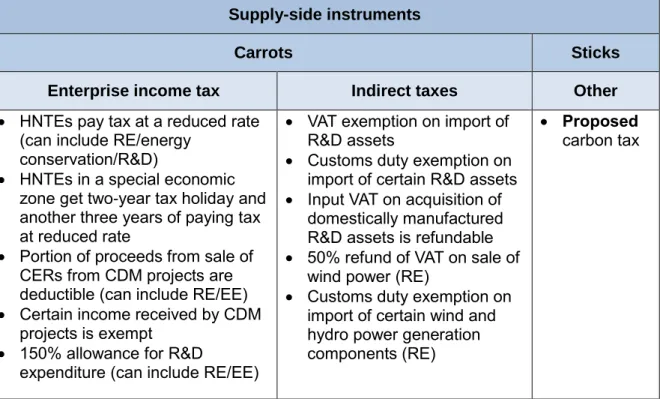
Table 3: Overview of tax instruments used in South Africa ... 51
Table 4: Overview of tax instruments used in China ... 63
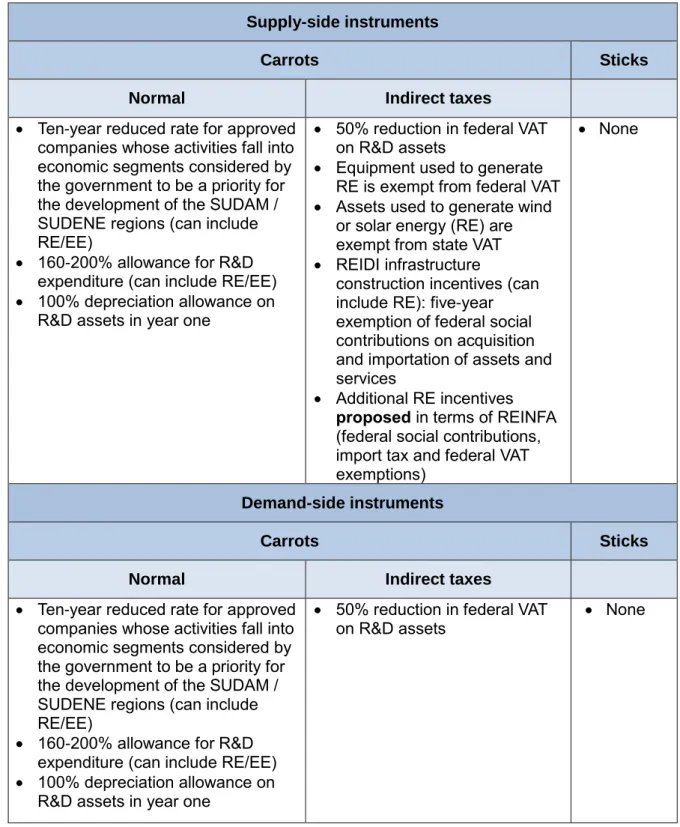
Table 5: Overview of tax instruments used in Brazil ... 76
Table 6: Overview of tax instruments used in India ... 90
Table 7: Number of instruments: supply or demand ... 92
Table 8: Number of instruments: incentives or disincentives ... 93
Table 9: Number of incentives: direct or indirect taxes ... 94
Table 10: Number of instruments: renewable energy, energy efficiency or research95 Table 11: Accelerated depreciation allowances: renewable energy ... 96
Table 12: Comparison of cumulative effect of accelerated depreciation allowance . 96 Table 13: Clean development mechanism incentives ... 97
Table 14: Allowances for research and development expenditures ... 99
Table 15: Accelerated depreciation allowances: research and development ... 100
Table 16: Customs duty exemption: renewable energy... 101
Table 17: Incentives in respect of energy savings achieved ... 103
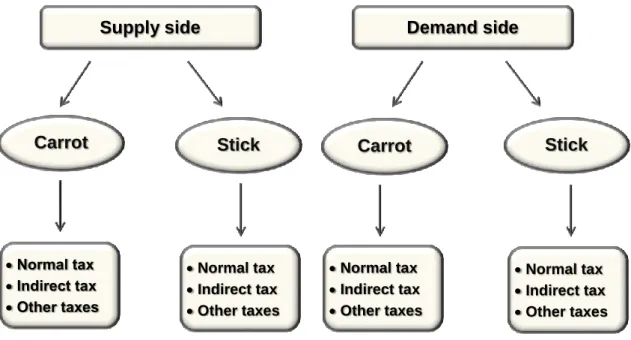
Figure 1: Areas of use of tax instruments ... 35
xiii
LIST OF ABBREVIATIONS
The following abbreviations, with their meanings attached, are used in this document:
BRICS BRICS association of countries, consisting of Brazil, Russia, India, China and South Africa
BASIC Emerging geopolitical alliance, consisting of Brazil, India, China and South Africa
CDM Clean development mechanism
CER Certified emission reduction
COFINS Brazilian federal social contribution tax
CO2 Carbon dioxide
CRS Centre for Resource Solutions CSLL Brazilian social contribution tax
DSM Demand-side management
EE Energy efficiency
EIT Enterprise income tax
EMC Energy management contract
ESCO Energy service company
HNTE High and new technology enterprise ICMS Brazilian state VAT
IPCC Intergovernmental Panel on Climate Change IPI Brazilian industrialised product tax
IPP Industrial policy project
xiv kWh Kilowatt hour
MAT Minimum alternative tax
MBI Market-based instruments
MW Megawatt
PIS Brazilian federal social contribution tax
PROINFA Incentive Programme for Alternative Sources of Energy (Brazil) R&D Research and development
RE Renewable energy
REIDI Special Incentives Regime for Infrastructure Development (Brazil)
REINFA Special Taxation Regime for the Development and Production of Alternative Energy Sources
SANEDI South African National Electricity Development Institute SUDAM Superintendency for the Development of the Amazon (Brazil)
SUDENE Superintendency for the Development of the Northeastern States (Brazil)
1
CHAPTER 1: INTRODUCTION
1.1 Background
South Africa, as in the rest of the world, is facing increasing growth in electricity demand, while growth in the supply of electricity is insufficient. In addition to this challenge of security of supply, the world faces the challenge of climate change that is caused, inter alia, by the emission of greenhouse gases (hereafter referred to as “emissions”). Urgent change is needed and government intervention is necessary. Government policies need to be properly planned and appropriately implemented to address these challenges.
The South African government is committed to helping reduce global emissions and aims to reduce their country’s emissions by 34 per cent and by 42 per cent below business as usual emissions levels by 2020 and 2025, respectively (Republic of South Africa, 2009a). The South African government has admitted that fiscal and energy policies need to be aligned, since fiscal policies can either promote or hinder the accomplishment of energy policy objectives (Republic of South Africa, 1998:16). In order to address the issues of electricity shortages and increasing emissions from coal-sourced electricity, either the demand for, or supply of, electricity, or both, could be addressed. This would reduce the demand for electricity generated from sources with high emissions and/or increase the supply of electricity from renewable sources. Unlike coal, which can be exhausted, renewable energy (RE) utilises natural sources of energy generated from the sun, wind, water, biomass or from the internal heat of the earth to produce electricity or other energy types (Republic of South Africa, 2004a:1) and generally does not produce any emissions. Coal is currently the largest contributor to South Africa’s electricity supply, but has the most waste problems, including emissions. In line with its commitment to reduce emissions, the government of South Africa focuses on energy efficiency (EE) on the demand side and on increasing RE on the supply side (Republic of South Africa, 2004a & 2009b).
2
The initial costs of generating electricity from renewable sources are high (Buffkins, 2012) and it is therefore difficult for these forms of electricity to compete with coal-generated electricity. Tax incentives, combined with other instruments, could, however, stimulate investment in RE and assist in meeting government’s RE contribution targets (CRS, 2005:25). In turn, this could improve electricity security and indirectly contribute to the reduction of the country’s emissions.
In addition, it is crucial that strategies relating to EE are developed in order to withstand the climatic conditions and alleviate the electricity supply constraints in South Africa. EE refers to the ability to produce the same output, but with less energy consumed (Niesing, 2012). Tax instruments can potentially play a role in managing the demand for and consumption of electricity in the form of incentives for EE, as evidenced by the success achieved in the Netherlands (Lomas, 2012), as well as in the form of penalties (disincentives) for using non-renewable electricity (Bierbaum & Friedman, 1992:59). Throughout the study, the term “tax instruments” is used as a collective noun for tax incentives, tax disincentives or both. Tax incentives also have the potential to encourage investment in research and development (R&D) of technologies for electricity generation and use that limit emissions, such as RE and EE technologies (KPMG, 2013b:17).
Although tax instruments are not the only instruments that can address the challenges of security of supply and reduction in emissions (Bierbaum & Friedman, 1992:59; Giraudet, Guivarch & Quirion, 2011:24), they could potentially play an important role (Ashiabor, 2005:295). Some economists and researchers argue that tax incentives are generally redundant and ineffective when trying to stimulate investment (Bird, 2008:9). However, tax incentives are still widely used, even though the empirical evidence on the cost-effectiveness thereof is highly inconclusive (Zee, Stotsky & Ley, 2002:1497). Although there are mixed opinions about the use and effectiveness of tax incentives, they still drive much of the tax policy in both developing and developed countries (Calitz, Wallace & Burrows, 2013:3). A study undertaken by the Centre for Resource Solutions (CRS) in America found that tax incentives, in combination with other policies, are powerful tools to help encourage RE technologies (CRS, 2005:25).
3
The actions taken by the South African government indicate that it is serious about increasing the contribution of RE to total energy usage and supply, and about improving EE. The Department of Minerals and Energy has acknowledged that RE developments in other countries need to be monitored, adapted and developed for local use (Republic of South Africa, 1998:80). It could therefore be valuable to consider the actions taken by governments of other countries in order to learn from their mistakes when developing policies for managing the challenge of high emissions from electricity generation. To the best of the author’s knowledge, based on a literature search pertaining to the topic, no other studies have been undertaken relating to tax instruments affecting the generation and use of electricity and neither has such a comparison been drawn among developing countries.
1.2 Research problem
The electricity supply in South Africa is under significant strain: the country’s economy has been growing significantly over a large number of years, leading to significantly higher electricity demand. However, the electricity supply has not been growing sufficiently to provide for this increased demand.
South Africa remains heavily reliant on the country’s inexpensive and abundant coal to generate electricity, but using coal has significant weaknesses, including the polluting effects of emissions. However, the South African government has committed to reducing its emissions by 2025 and to improving its EE. The government also plans to diversify the country’s energy supply and is encouraging the use of RE technology (Republic of South Africa, 2012b:170-171). One way of increasing the electricity supply without increasing emissions is to increase investment in RE. The effective use of tax instruments could stimulate such investment.
Another way of addressing the challenge of limited electricity supply and high emissions is by limiting the overall demand for electricity or by limiting the demand for electricity generated from non-renewable sources. Once again tax instruments can be used to encourage green behaviour, such as EE.
4
Tax instruments could therefore potentially play a role in promoting RE, EE and R&D relating to these fields. A consideration of the tax instruments used by governments of other countries in order to reduce the emissions from electricity generation would be useful. However, no other studies were identified which relate to tax instruments affecting the generation and use of electricity in developing countries and no comparison has been drawn between South Africa and other developing countries.
1.3 Research objective and value of research
Although there has been significant investment in RE in South Africa since 2012, when the country ranked among the top ten countries in the world on clean energy investment (Bloomberg New Energy Finance, 2013:27,43) and many projects have been undertaken to manage the demand of electricity, there is still room for improvement. The former South African Minister of Energy acknowledged that far more action is required to put the country on a low carbon path (Republic of South Africa, 2012a) and that progress in terms of EE has not been achieved as expected (Republic of South Africa, 2013a).
The objective of this study is to investigate which tax instruments are used to indirectly contribute to the reduction of emissions from the generation of electricity, or prevent it from increasing, in selected developing countries. A comparison is drawn between developing countries that face similar climate change challenges to determine if the South African government’s use of tax instruments to reduce its emissions from electricity generation is in line with the use of tax instruments by other developing countries. Four members of the BRICS association of countries, namely Brazil, India, China and South Africa, were chosen for this comparison. Tax perspectives on both the demand by consumers and the supply by producers of electricity are investigated.
5
The following specific research questions will be addressed, with reference to available literature:
Do the selected countries primarily focus on addressing the demand or the supply of electricity?
Do the selected countries primarily use tax incentives or disincentives?
Do the selected countries primarily use direct or indirect taxes?
Do the selected countries primarily focus on addressing RE, EE or R&D?
Which instruments identified in China, Brazil and/or India warrant consideration for use by the South African government?
The study can potentially highlight areas for improvement or, at the very least, for consideration by the South African government, in particular the Department of National Treasury. The study can potentially also assist investors in RE or EE technologies and taxpayers to understand the tax instruments currently available in South Africa, which might be applicable to them.
1.4 Research design and methodology
The research performed in this study follows a historical, non-empirical method and uses secondary data. A literature review is performed in order to understand the role of tax instruments in reducing emissions from electricity generation in South Africa, Brazil, India and China and a comparison is drawn across these countries.
Sources used include statutory laws (relevant sections from the countries’ income tax or other tax laws), academic articles in accredited journals, books, dissertations and articles in non-accredited journals and magazines. Preference is given to academic articles and dissertations.
The following key words and combinations thereof were mostly used in searching for relevant and useful sources: “renewable energy/electricity”, “green energy/electricity”, “tax”, “incentives”, “climate change”, “green tax”, “fiscal policy”, “market-based/economic/fiscal instruments”, “developing countries” and “BRICS”.
6
The searches were primarily performed in Ebscohost, Google scholar, National ETD portal, Google and the websites of accounting and auditing firms KPMG, PWC, E&Y and Deloitte.
1.5 Rationale for comparing South Africa to Brazil, India and China
The effects of global warming are likely to have a stronger impact on developing than developed countries. Developing countries are likely to experience the countless problems associated with global warming more severely, because of their sensitivity to such adverse impacts. Furthermore, these countries are less likely to have the resources, both financial and institutional, to effectively adapt in such circumstances and would not be able to escape the potentially significant adverse consequences of their energy challenges, which include reducing their energy-related emissions, unless their governments intervene (Ahuja & Tatsutani, 2009:7,10). Many industrialised countries have been relocating their carbon-intensive manufacturing activities to developing countries for various reasons, thereby worsening the problem for the latter. This has led to increased pressure for the developing countries to increase their environmental protection efforts and embark on more sustainable development pathways (Weiss & Jacobson 1998 and Blackman & Sisto 2006, cited in Freitas, Dantas & Iizuka, 2011:118). Although all developing countries are not the same, these countries do face similar economic challenges and have similar goals (Todaro, 2000:29-42).
There is an ongoing shift in RE activity from developed to developing countries. During 2012, investment in RE in developing countries increased by 19 per cent, while investment in developed countries decreased by 29 per cent in the same year. China and South Africa, inter alia, experienced sharp increases in RE investment in 2012, with China being the top scorer globally in respect of RE investment in 2009, 2010 and 2012 (Bloomberg New Energy Finance, 2011 & 2013:11). India, South Africa and Brazil also made significant investments in RE and were seventh, eighth and ninth respectively in RE investment in 2012 (Bloomberg New Energy Finance, 2013:23,25). According to the United Nations Industrial Development Organization (UNIDO, 2009:18), Brazil, India and China are examples of countries where government policies have assisted in establishing an RE market. Not only are
7
the four selected countries, namely South Africa, Brazil, India and China, actively promoting RE; they are actively using tax instruments to achieve their green policy objectives (KPMG, 2013b).
In addition, the four selected countries are all developing economies with electricity supply shortages and very high emissions from the burning of fossil fuels and all have committed to reduce their emissions. The selected countries also all form part of the BRICS association of major emerging economies: Brazil, Russia, India, China and South Africa.
The BRICS countries have unique economic characteristics and the association was formed in order to leverage on their trading characteristics (Nteo, 2012:5). The BRICS countries are largely dependent on fossil fuels and the per capita carbon emissions of this group of countries are relatively high: roughly two-thirds of the global average. These countries have similar ambitions for human development and social improvement, but the funds invested in education, health and infrastructure, as a percentage of their savings, vary significantly among them (May, 2008:4). The BRICS countries are experiencing significant challenges to the continued growth of their economies, but without proportionately large increases in their emissions (Freitas et al., 2011:118).
Finally, Brazil, India, China and South Africa are all non-Annex countries in the Kyoto Protocol, while Russia is an Annex I country. As a result, Russia has very different responsibilities in terms of the protocol than the other countries. The protocol is an international agreement linked to the United Nations Framework Convention on Climate Change that sets internationally binding targets for the reduction of emissions on Annex I and II countries (UNFCCC, 2014a), while non-Annex countries are merely encouraged to voluntarily reduce their emissions. Russia is likely to have very different government policies for addressing climate change challenges than the other BRICS countries. This is likely to make Russia less comparable to South Africa than the other three BRICS countries and therefore Russia is excluded from the study. In further support of this exclusion, the other four BRICS countries, excluding Russia, have formed a group called BASIC: an emerging geopolitical alliance, to strengthen their negotiating muscle (Nteo, 2012:6) as they
8
committed themselves to act jointly at the United Nations Climate Change Conference in Copenhagen in 2009 (Dasgupta, 2009).
1.6 Delimitation
This study is limited to an investigation of the role of tax instruments in addressing the challenge of high emissions from electricity generation, and not that of other government measures or combinations of instruments. The study further proposes tax instruments which the South African government could consider for future use. The impact of the use of such proposed tax instruments on the revenue authorities, including the earmarking of tax revenue, the administration of these tax instruments and the funding of tax incentives, is not addressed.
In order to determine the primary focus of the tax instruments applied by the selected countries, only tax instruments which are currently effective are considered. Furthermore, the number of different tax instruments identified in each country is compared, regardless of the financial impact of the instruments, the effectiveness of the instruments in truly changing human behaviour, the remaining period of the instruments before they will be phased out or withdrawn, and the ease of compliance with the requirements for the respective incentives.
Only literature written in English is considered. It is recognised that sources in other languages could contain tax proposals relevant to this study, but this could serve as a basis for expansion in future research by other researchers fluent in such other languages.
9 1.7 Overview of chapters
The proposed study is set out in the following chapters: Chapter 2: The role of tax instruments
This chapter investigates the role that tax instruments can play in achieving governments’ goals and targets regarding RE, EE and emission reductions. It includes a discussion of the following research questions:
Is government intervention justified to address environmental challenges?
Can tax instruments be used successfully to address environmental challenges?
Are tax instruments effective in stimulating investment in RE, EE and R&D?
Is it more effective to address the demand or the supply of electricity when using tax instruments to address the challenges of high emissions from electricity generation?
Which of the two - tax incentives or disincentives - is considered to be the most effective instrument to address the challenge of high emissions from electricity generation?
Chapters 3 to 6: The tax instruments used in each of the selected developing countries (South Africa, China, Brazil and India)
These four chapters discuss the tax instruments used in each of the selected countries to indirectly contribute to the reduction of emissions from electricity generation. It differentiates between tax instruments used to address the supply of electricity and tax instruments used to address the demand for electricity. Furthermore, it differentiates between normal taxes, indirect taxes and other taxes or levies. Lastly, each of these four chapters concludes on the primary focus of the tax instruments used in that country with regards to the following:
supply or demand;
incentives or disincentives;
direct or indirect taxes; and
10
The findings in these chapters will facilitate the comparison between the selected countries in Chapter 7.
Chapter 7: A comparison of the tax instruments used in the selected countries and proposed considerations for South Africa
This chapter compares the tax instruments applied by the selected countries and discusses the following research questions:
Do the selected countries primarily focus on addressing the demand or the supply of electricity?
Do the selected countries primarily use tax incentives or disincentives?
Do the selected countries primarily use direct or indirect taxes?
Do the selected countries primarily focus on addressing RE, EE or R&D?
Which instruments identified in China, Brazil and/or India warrant consideration for use by the South African government?
Chapter 8: Conclusion
The last chapter concludes on the results of the study and also highlights specific tax instruments that the South African government can consider for future use, as identified in the comparative countries. It summarises all the findings and addresses the research problems that were identified.
11
CHAPTER 2: THE ROLE OF TAX INSTRUMENTS
“In the battle against climate change, government leadership is indispensable. Through legislation and regulation, governments exert a stronger influence on environmental
practices than any other force motivating businesses.” (PWC, 2010:9)
2.1 Introduction
This chapter investigates the role that tax instruments can play in achieving governments’ emission reduction goals and targets. In order to reduce the emissions from electricity generation, either the demand for, or the supply of, electricity, or both, can be addressed. On the demand side, EE could be encouraged in order to reduce the demand for electricity overall or to reduce the demand for electricity generated from non-renewable sources, specifically. On the supply side, RE could be encouraged, i.e. the generation of electricity from renewable sources with fewer emissions. In addition, the R&D of EE or RE technologies can be encouraged to affect both the supply and demand of electricity.
This chapter discusses the following aspects in order to determine the role that tax instruments can play in reducing emissions from electricity generation:
the rationale for government intervention, which might include the use of tax instruments, to address environmental challenges;
the effectiveness of tax instruments in promoting RE, EE and R&D;
the effectiveness of tax instruments in targeting the demand for electricity versus the supply of electricity; and
the effectiveness of using tax incentives (carrots) versus tax disincentives (sticks).
2.2 Rationale for government intervention and possible instruments to use Prices of goods and services generally do not include environmental costs and benefits. Externalities can therefore arise. Negative externalities arise when certain costs arising from activities between producers and consumers are not included in market prices, resulting in these costs being carried by society as a whole, instead of
12
by the parties involved in the activities (Republic of South Africa, 2004a:v,27). Government intervention is often necessary where there are environmentally-related market failures, for example externalities (Republic of South Africa, 2013b:8). It is important to incorporate the environmental costs and benefits into the prices of goods and services in order to allocate the cost of environmental damage and climate change back to the producers or consumers who are responsible for the damage (Gerhard, 2012:26). The concept of “the polluter pays” is often used by environmentalists to describe this principle of reflecting the external environmental costs of economic activities in the prices of goods or services in order to transfer the costs to the person creating the pollution (Ashiabor, 2005:298). According to Ahuja and Tatsutani (2009:10), developing countries would not be able to escape the potentially significant adverse consequences of their energy challenges, which include reducing energy-related emissions, unless their governments intervene.
Market mechanisms, such as market-based instruments (MBIs), are increasingly used by governments to promote environmentally friendly behaviour. Such instruments are no longer only used by developed countries, but are also increasingly being implemented by developing countries (Economy, 2006 cited in Nteo, 2012:12). As a result of all the environmental challenges faced globally, attention has been shifted away from government regulations for environmental governance to the use of market mechanisms (Economy, 2006:173).
MBIs are instruments that governments can use to influence consumer behaviour through price signals (Hockenstein, Stavins & Whitehead, 1997:14), as such instruments aim to correct environmental market failures through the price mechanism (Republic of South Africa, 2006:2). Broad examples are taxes (negative MBIs) and tax incentives (positive MBIs). MBIs consist of those that use existing markets and those that create new markets. MBIs that use existing markets are those that aim to improve environmental outcomes by building on markets and prices that already exist. In other words, such an instrument aims to internalise un-priced environmental costs and benefits by incorporating them into price structures. Examples of such instruments include fiscal measures, such as subsidies, tax instruments and user charges (Republic of South Africa, 2006:44).
13
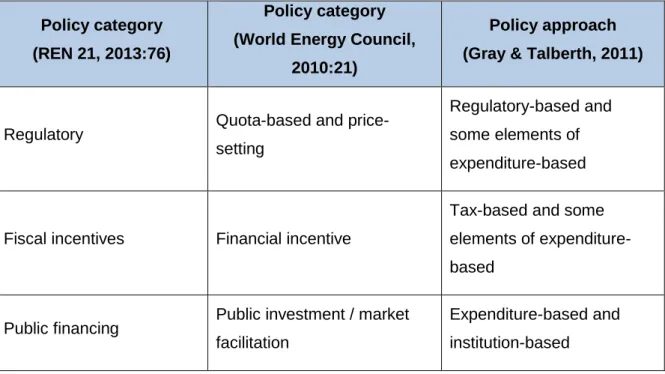
There are a number of different ways in which governments can intervene to help promote a transition to a greener industry. Some approaches that can be followed are shown in Table 1. This table differentiates between three different government policy categories or approaches. The measures identified by different researchers are then matched across the various categories and approaches. These types of government policies are all proven to be effective in promoting RE (KPMG, 2013a:1,5).
Table 1: Government policy categories and approaches
Policy category (REN 21, 2013:76)
Policy category (World Energy Council,
2010:21)
Policy approach (Gray & Talberth, 2011)
Regulatory Quota-based and price-setting
Regulatory-based and some elements of expenditure-based
Fiscal incentives Financial incentive
Tax-based and some elements of expenditure-based
Public financing Public investment / market facilitation
Expenditure-based and institution-based (Source: own compilation)
Tax instruments form part of the fiscal or financial incentives category and are optional government instruments to use when aiming to promote a transition to a greener economy. Tax instruments that target RE, for example, indicate to investors that the government is committed to RE (Bahnemann, 2009 cited in Chacon, 2013). The key to successful government intervention is to plan and design the appropriate policies thoroughly prior to implementation (Geller, Harrington, Rosenfeld, Tanishima & Unander, 2006:570).
The following section explores the effectiveness of tax instruments in targeting governments’ environmental objectives.
14 2.3 Effectiveness of tax instruments
2.3.1 General effectiveness of tax instruments
Ashiabor (2005:295) found that economic instruments, for example fiscal incentives such as tax instruments, can be useful in constraining pollution, if applied correctly. He also found that positive fiscal policy instruments, such as tax incentives, tax subsidies, tax credits and grants, have been the primary instruments for addressing the issues of fuel security and environmental protection since the 1970s (Ashiabor, 2005:300).
MBIs, in the form of environmentally-related taxes and charges, may address certain environmental concerns more efficiently than traditional regulatory approaches (Republic of South Africa, 2006). According to Cargill (2011:32), the use of MBIs is perhaps the most cost effective manner to achieve environmental goals. Bierbaum and Friedman (1992:64) agree that market-based approaches, such as carbon taxes or marketable permits, can be effective in lowering emissions in the electric utilities sector, but point out that government regulations, such as limits on allowable emissions and EE standards, could also be effective in lowering emissions. According to Niesing (2012:16) though, government regulations alone are not enough to reduce demand for energy and energy prices and incentives have a significant role to play. In order to operate effectively, MBIs, for example subsidies and taxes, require some form of regulatory measures, monitoring and enforcement (Republic of South Africa, 2006:44). Bierbaum and Friedman (1992:58) and the Department of National Treasury (Republic of South Africa, 2013b:7) point out that a combination of regulatory and market-based policies is required to prevent global warming.
There is no one-size-fits-all government approach to effectively create a green economy and frequently a combination of policy instruments, which might include tax instruments, is necessary to reduce emissions (Republic of South Africa, 2006:43; Bierbaum & Friedman, 1992:63; Nteo, 2012:59). According to Winkler (2005:31), studies have indicated that a combination of policy instruments is likely to be the most effective in achieving the largest environmental and economic benefits. Denmark is an example of a country that successfully used a combination of
15
complementary policies, including tax incentives, to encourage the development of its wind energy industry (Wiser, Hamrin & Wingate, 2002:3). Nteo (2012:59,67) explains that an array of country-specific characteristics must be considered and governments should establish a combination of instruments that is appropriate for their circumstances. The combination of instruments used in different countries is therefore likely to differ.
When considering the effectiveness of tax incentives specifically, certain researchers regard them as effective, but only when used in combination with other instruments (CRS, 2005:25). Other economists and researchers argue that tax incentives are generally redundant and ineffective when attempting to stimulate investment (Bird, 2008:9). Nevertheless, tax incentives are still widely used, even though the empirical evidence on the cost-effectiveness thereof is highly inconclusive (Zee et al., 2002:1497; Nathan-MSI Group, 2004). The benefits of investment tax incentives are often overstated, while the costs are often underrated or completely overlooked (Nathan-MSI Group, 2004). Incentives focussed on investment may be successful, but too often problems arise, inter alia, as a result of competing policies, substitutability between capital and other inputs, impact of long-term incentives and competition from other countries. These problems can mitigate or exacerbate the impact of incentives (Calitz et al., 2013:5-6). Although there are mixed opinions about the use and effectiveness of tax incentives, they still drive much of the tax policy in both developing and developed countries (Calitz et al., 2013:3).
Tax incentives might be justified; however it is important to remember that many other factors, including other economic, non-economic and social policy considerations, drive investment decisions (Calitz et al., 2013:7). There is empirical evidence on the effectiveness of tax incentives, but a country’s overall economic characteristics may play a more important role than tax incentives (Zee et al., 2002:1509). The Nathan-MSI Group (2004) agrees that tax can affect investments, but that non-tax considerations are far more important in determining most investment decisions. Although some believe that tax incentives distort investment decisions and are often ineffective, inefficient and prone to abuse and corruption (Easson & Zolt, 2002:1), tax incentives are likely to remain part of development policy in South Africa and around the world (Calitz et al., 2013:22).
16
Green taxes (disincentives) can be effective in fighting climate change. These taxes lead to increased revenue and decreased pollution and, over the long term, the circumstances of societies will improve and less global warming will occur. Such taxes are, however, not necessarily practical for developing countries, as they can affect a country’s competitiveness: green tax increases the producer’s costs and if it is only imposed within one country or region and not outside of it, this will have a negative impact on the country’s exports (Anjum, 2008).
It is not clear whether tax instruments are effective at targeting governments’ environmental objectives, or which government instrument is the best to use. It is difficult to determine the impact of tax instruments on specific governmental objectives, as tax instruments often form part of a combination of government measures. As discussed, certain researchers believe that MBIs, which can include tax instruments, are the most cost effective way to achieve environmental goals and that carbon taxes can be effective in reducing emissions. Some believe that MBIs may address certain environmental concerns more efficiently than regulatory measures, while others believe that MBIs should be accompanied by regulatory measures to prevent global warming. Certain researchers believe that tax incentives are effective, while others believe that they are ineffective. Nteo (2012:59,67) and the Nathan-MSI Group (2004) point out that the most effective instrument would depend on a country’s specific circumstances and governments should exercise judgement when selecting appropriate instruments. Many researchers agree that there is no one-size-fits-all government approach and that frequently a combination of instruments, which might include tax instruments, would be necessary.
17
According to Deloitte (2010:2), the challenge faced by all governments is to create incentives that offer good returns during the early stages to promote an industry, and then to phase the incentives out as the industry develops. Green taxes (disincentives), on the other hand, should be phased in over time (Anjum, 2008). Other aspects to consider when designing effective tax instruments are:
The instruments should also address other societal and economic development objectives (Ahuja & Tatsutani, 2009:10) and governments should be careful not to focus their attention on the design of tax incentives and neglect other important government policies (Nathan-MSI Group, 2004).
The cost or benefit and opportunity costs involved should be considered (Calitz et al., 2013:4).
Instruments should be easy to understand and assess (Deloitte, 2010:2).
Proper incentives should be made available over the long term, as investment processes, operational lives of plants, and transmission and distribution infrastructure usually stretch over decades (Bouttes, Dassa & Crassous, 2011).
Incentives should be based on a clear combination of price signals and related regulatory measures at production and consumption level. In other words, they should reflect total real cost and steps must be taken to ensure timely investments and smooth integration of intermittent electricity generation (Bouttes et al., 2011).
The instruments should contain sufficient details to ensure that they create the desired effect (Bouttes et al., 2011).
The next section explores the effectiveness of tax instruments relating to RE specifically, to determine if the same conclusion is reached about the effectiveness of tax instruments.
18
2.3.2 Effectiveness of tax instruments relating to renewable energy
Countries must compete with each other to offer attractive regimes, in order to attract investors to industries which governments aim to promote, such as an RE industry (World Energy Council 2010:56). By increasing the RE contribution to total energy usage and supply, emissions can be reduced (Republic of South Africa, 2004a:27). The challenges pertaining to electricity security and high emissions from electricity generation can therefore be addressed, inter alia, by increasing the generation of RE.
As is evident worldwide, economic instruments, such as green taxes (disincentives), fiscal incentives, market instruments and other direct regulatory measures, can be used to increase RE generation (Ashiabor, 2005:295). KPMG performed a study among 28 countries to determine the tax instruments and other incentives used by governments to promote an RE industry. Regulatory policies, fiscal incentives and public financing were used by the countries studied. Fiscal incentives include grants, subsidies or rebates, as well as certain tax incentives (KPMG, 2013a:1). The World Energy Council (2010:21) and the Department of Minerals and Energy (Republic of South Africa, 2004a) state that government intervention, in the form of financial incentives, can be used to promote an RE industry. The use of fiscal incentives is one type of government approach that is proven to be effective in promoting an RE industry (KPMG, 2013a:1,5).
According to KPMG (2013b:20), governments of both developed and developing countries are most active in using tax incentives in the RE policy area, as opposed to the other eight green policy areas identified by KPMG, which include EE, inter alia. The CRS (2005:25) examined a number of countries worldwide to learn from their tax incentive policies to promote RE and concluded that tax incentives are effective, powerful and highly flexible instruments to promote RE industries. The World Resources Institute (2008:1) and the Intergovernmental Panel on Climate Change (IPCC) agree that certain tax instruments are effective. According to the IPCC (2007 cited in Nortje, 2009:6), carbon taxes (disincentives) and tax incentives for the production, consumption and R&D of RE, inter alia, are effective tax instruments to address the challenges of climate change. Carbon taxes are taxes or
19
levies on carbon emissions or on the use of non-renewable energy or energy sources with high emissions (Nortje, 2009:6). The United Nations Industrial Development Organisation (UNIDO, 2009:18) agrees that tax instruments are potentially effective as they found that tax credits, inter alia, have been used successfully to promote RE in developing countries.
Tax incentives in isolation are, however, not the most effective instruments to promote an RE industry (CRS, 2005:20,25) and, since it is unlikely that one financial incentive on its own will be sufficient, a combination of incentives that complement one another can play a significant role (Gouchoe, Everette & Heynes, 2002). On the other hand, although tax disincentives, such as carbon taxes, discourage high energy consumption and encourage reductions in emissions, a tax alone is insufficient. There are many different decision makers and therefore a larger arsenal of policy instruments is needed (Bierbaum & Friedman, 1992:59). Giraudet et al.
(2011:214) agree that there is not one specific instrument, nor is there a combination of instruments, that can be used in all circumstances.
Apart from encouraging investors, government measures such as tax incentives are also necessary to encourage and support R&D activities in the early stages of an RE industry. However, as soon as the industry is established and more mature, the focus should be on other types of policies, including, inter alia, feed-in tariffs, RE certificates or renewable portfolio standards that are possibly supported by tax credits (World Energy Council, 2010:21-22).
Tax incentives should comply with the following guidelines in order to effectively stimulate an RE industry (CRS, 2005:20-24):
Tax incentives should target the stage of development of the industry: R&D and investments should initially be encouraged, production should be encouraged later and, eventually, the incentives should be phased out.
Incentives should be large enough to ensure competitiveness of the renewable technology.
A sufficient tax liability is required to benefit from the total tax incentive.
20
Tax-exempt public sector organisations should also be able to participate in the incentive programmes.
The public should be made aware of and informed regarding the incentives.
They should be credible and enforceable, the qualifying requirements should not change radically and all participants must be treated fairly and uniformly.
They should be subject to quality and safety standards.
The incentives should be technology neutral, in other words, they should not limit the RE technologies that qualify for the incentives.
They should be predictable and consistent.
In the next section the effectiveness of tax instruments relating to EE will be discussed.
2.3.3 Effectiveness of tax instruments relating to energy efficiency
According to KPMG (2013b:11), it is becoming more common for governments all over the world to adopt policies that combine RE and EE. EE is often the preferred approach as an inexpensive and easy way of addressing the challenges of limited supply and climate change, as opposed to building new renewable electricity plants.
The acceptance of EE measures can be encouraged by the use of financial incentives, which can include tax incentives. Subsidies for fossil fuels can be removed or energy or carbon taxes (disincentives) can be implemented in order to improve EE. It should, however, be borne in mind that the demand for energy is relatively price inelastic in the short run (Geller et al., 2006:571). This means that the demand for energy would not change significantly in the short term if energy prices are increased, as energy is a necessity and generally does not have many substitutes, if any at all. A larger impact on energy demand can, however, be achieved if a portion of the tax revenue is used to support EE programmes (Geller et al., 2006:571).
21
EE can be promoted by using carefully designed financial incentives, aimed at avoiding expensive efforts that will not have a significant effect on the marketplace. This can be achieved by following these guidelines (Geller et al., 2006:571):
Offer incentives for newly commercialised technologies, especially those with high initial costs, but good prospects for cost reduction, as demand and production increases and learning takes place.
Retain such policies for at least ten years in order to ensure an orderly development of EE markets.
Revise these policies periodically.
Phase the incentives out as particular technologies become well established and more cost effective.
Balance the desire to provide stable and predictable policies to businesses with the desire to revise policies as market conditions change.
Involve the private sector.
KPMG studied 21 major economies of the world to establish which tax instruments are used in the area of green policies. The majority of these countries use tax incentives to encourage EE in business (KPMG, 2013b:11). It is difficult to conclude on the effectiveness of tax instruments in achieving EE since evidence is sparse (KPMG, 2013b:11). However, one example of the success thereof is the Dutch energy investment allowance scheme that contributed to the country’s increased business investment in EE in 2012 (Lomas, 2012). According to Zhou, Levine and Price (2010:6445), the use of tax and fiscal policies, such as taxes on energy consumption, tax rebates for EE and tax credits for investment in EE measures, inter alia, have been found to be effective instruments to encourage EE in certain countries.
22
2.3.4 Effectiveness of tax instruments relating to research and development Tax instruments aimed at encouraging R&D have the potential to encourage R&D of RE and EE technologies, which could, in turn, contribute to the reduction of emissions from electricity generation. KPMG found that 18 of the 21 countries studied use tax instruments to promote R&D. This is because innovation is critical to governments’ green policy goals. R&D drives down the cost of technologies, improves the business case for private sector investment, reduces costs to governments and enables solutions to be delivered at scale (KPMG, 2013b:17).
One of the benefits of using a disincentive, such as a carbon tax, is that it creates dynamic incentives for R&D of low-carbon technologies (Republic of South Africa, 2013b:9). Sawyer (2005:148) analysed the impact of tax credits (incentives) on R&D expenditure levels, by studying the results of other researchers’ studies. He concluded that additional tax credits will normally produce additional R&D expenditure and will generally be cost effective. The IPCC (2007 cited in Nortje, 2009:6) also found that tax incentives for the R&D of RE, inter alia, are effective instruments to address climate change.
According to the CRS (2005:14), in order for tax credits to effectively encourage R&D, the industry should be large enough and profitable enough to ensure that the tax credits will result in an appropriate level of useful research being undertaken. In the early stages of the industry, when substantial income taxes are not yet paid, other forms of government support may be more appropriate. In such circumstances, government funding might be more effective.
23 2.3.5 Conclusion
Some researchers believe that tax incentives are effective in stimulating investment, while others believe that tax incentives are generally ineffective in this regard, as other non-tax considerations generally have a larger impact on investment decisions. Tax disincentives can effectively fight climate change, but are not necessarily practical for developing countries, as they can impact negatively on a country’s competitiveness.
According to KPMG, governments of both developing and developed countries actively use tax incentives to encourage an RE industry and the CRS found that tax incentives, in combination with other incentives, can effectively stimulate an RE industry. The IPCC regards carbon taxes and tax incentives for the production, consumption and R&D of RE, inter alia, as effective instruments to address climate change.
Tax instruments, such as taxes on energy consumption, tax rebates for EE and tax credits for investment in EE measures, inter alia, have been found to be effective measures to encourage EE. KPMG found that it is becoming more common for governments all over the world to adopt policies that combine RE and EE.
Sawyer found that additional tax credits will normally produce additional R&D expenditure and that they will generally be cost effective. The IPCC found that tax incentives for R&D of RE, specifically, are effective in addressing climate change. The CRS agrees that tax credits can be effective in stimulating R&D, as long as the industry is large enough and profitable enough in order for the tax credits to result in an adequate uptake of R&D activities.
It is clear that tax instruments could be effective in reducing emissions from electricity generation, depending on a country’s specific circumstances. In general, a combination of instruments, which could include tax instruments, is likely to be more successful.
24
2.4 Effectiveness of tax instruments in targeting demand versus supply
In order to address the issue of high emissions from coal-sourced electricity, either the demand for, or supply of, electricity, or both, could be targeted. Tax instruments can play a role in managing the demand for electricity in the form of incentives for EE and/or disincentives for using non-renewable electricity. On the supply side, tax incentives can encourage the generation of renewable electricity, by making it more cost-effective in order to compete with less expensive coal-generated electricity. Tax incentives for R&D also have the potential to encourage investment in R&D of technologies for electricity generation and use that limit emissions, such as RE and EE technologies. This section addresses the question of whether it is more effective to focus tax instruments on the demand or supply side.
Government intervention is needed on both the supply and demand side of electricity generation. High initial costs make it difficult for the RE industry, on the supply side, to compete with conventional (non-renewable) energy options in the short to medium term and therefore government support is needed to establish the RE industry (Republic of South Africa, 2004a:27) and accelerate the shift towards a greener industry (Gray & Talberth 2011). On the demand side, Ahuja and Tatsutani (2009:10) have found steady historical improvement in EE and energy intensity, but point out that, without government intervention, such improvements are unlikely to keep pace with the continued growth in demand, especially in countries that are still in the early stages of industrialisation. Apart from the necessity of government support in order to promote the RE market and to encourage EE, government support is also needed in the early stages of R&D (Ahuja & Tatsutani, 2009:13).
25 2.4.1 Demand
Demand-side management (DSM) is defined as organised activities that are used by governments and utilities to influence the amount and/or timing of electricity use for the benefit of the electricity utility, the electricity consumer and the community (Charles River Associates, 2005:6). DSM is an efficient solution, especially for short-term shortages in supply and it makes use of, inter alia, EE measures or methods to shift electricity usage from peak to off-peak periods. DSM initiatives take only a few months to implement, whereas the construction of a new power station to alleviate supply constraints can take up to eight years (Eskom, 2008 cited in Slambert, 2010:8). Examples of DSM initiatives include, inter alia, promoting the use of EE technologies, such as compact fluorescent lamps, solar water heating systems and smart meters (Slambert, 2010:15). Although DSM initiatives have numerous benefits, the concept of DSM, as such, generally does not make use of tax instruments to target the challenges of emissions and electricity supply shortages and is therefore not discussed further in this study. However, the benefits highlighted here regarding the short implementation period of DSM, as opposed to building new power stations, are relevant for this study. Tax instruments focussed on the demand side, such as EE, may be more effective in the short term, although tax instruments focussed on the supply side, for example the generation of renewable electricity, are also necessary in the long term.
Numerous sources agree that it is effective to target EE as a demand-side measure (Niesing, 2012:22; Winkler, 2007:34). Many different instruments can be used to target EE, of which tax instruments are just one such type. Ahuja and Tatsutani (2009:10) found that EE improvements offer the largest and least costly emissions reduction potential and can ease supply constraints. Furthermore, they found that small, incremental and cumulative improvements in EE over long periods can deliver enormous benefits by making the economies of countries less wasteful, more productive and more competitive (Ahuja & Tatsutani, 2009:11). According to Niesing (2012:21), EE begins with a change in human behaviour and EE and DSM are significantly affected by government interventions, such as incentives. He agrees that EE can have the largest positive effect in reducing the emissions in the world in the short term (Niesing, 2012:22). Furthermore, he points out that EE presents the