Developing Toolkits and Guidelines to
Improve Safety Performance in the
Construction Industry in Oman
TARIQ UMAR
https://orcid.org/0000-0002-1197-8181
A thesis submitted in partial fulfillment of the requirements of London South Bank University for the degree of Doctor of Philosophy in Construction Management
Developing Toolkits and Guidelines to Improve Safety Performance in the Construction Industry
in Oman Page 1
I confirm that this work has not been submitted for an award
of a degree or diploma in any university. The thesis does not
contain any material previously published or written by
another author except where due references are made in the
thesis itself.
Tariq Umar
June 2019
Developing Toolkits and Guidelines to Improve Safety Performance in the Construction Industry
in Oman Page 2
Firstly, all the glory and my heartiest thanks go to God Almighty for His provisions, mercy, and help, without which this doctoral research would have been impossible to achieve. I would like to express my sincere gratitude to my principal advisor Prof. Charles Egbu for the continuous support of my Ph.D. study and related research, for his patience, motivation, and immense knowledge. His guidance helped me in all the time of research and writing of this thesis. I could not have imagined having a better advisor and mentor for my Ph.D. study.
Besides my advisor, I would like to thank the rest of my thesis committee: Prof. Yamuna Kaluarachchi, Prof. George Ofori, and the School’s Ethical committee, for their insightful comments and encouragement, but also for the hard question which incented me to widen my research from various perspectives.
The thesis would not have been completed without the assistance of the following individuals who generously contributed valuable help in the data collection phase.
Engr. Muhammad Adnan (High Aim LLC) Engr. Arshad Khan (High Aim LLC)
Engr. Muhammad Wajid (Larson and Turbo) Mr. Sixtor Rosario (Larson and Turbo) Engr. Martyn Harris (Parson International) Dr. Usma Khan (STFA/ HLG)
Engr. Muhammad Saleem (STFA/ HLG) Mr. Shyju Rajan, Safety Advisor (STFA/ HLG)
I would be failing in my duty if I don’t thank all my colleagues of A’Ssharqiyah University, Oman for their encouragement and moral support.
Last but by no mean least, my heartiest word of gratitude and final acknowledgment is to my family members: Father (Muhammad Umar Khan); Mother (Noor Ul Huda); Wife (Sana Tariq); Daughter (Saba Umar); Son (Zarak Umar); Sister (Ghaida Begum); and Brothers (Hazrat Umar, Hazrat Usman, Sadiq Umar, and Hazrat Ali). I thank you all from the bottom of my heart for your unmatched love, patience, endless support (moral and financial) and constant prayers.
Developing toolkits and Guidelines to Improve Safety Performance in the Construction Industry in Oman Page 3 Contents Contents ... 3 List of Tables: ... 7 List of Figures: ... 8 Abstract: ... 14 Chapter 1: Introduction ... 17 1.1 Introduction: ... 17 1.2 Research Rationale: ... 17 1.2.1 Research Aims: ... 21 1.2.2 Research Objectives: ... 21 1.3 Research Methodology:... 22
1.3.1 Stage I: literature review: ... 22
1.3.2 Stage II: Data Collection: ... 23
1.3.3 Stage III: Data Analysis: ... 23
1.3.4 Stage IV: Writing the Thesis: ... 23
1.4 Scope of the Research: ... 23
1.5 Thesis Structure: ... 24
1.6 Summary: ... 26
Chapter 2: Literature Review ... 28
2.1 Introduction: ... 28
2.2 The Construction Industry:... 29
2.2.1GCC’s Construction Industry: ... 32
2.2.2 Construction Safety and Health: ... 37
2.2.3 Construction Safety and Health in GCC Countries: ... 44
2.3 Causes of Accidents: ... 49
2.4 Cost of Accidents: ... 54
2.5 Heat Stress: ... 62
2.6 Occupational Safety and Health Regulations: ... 69
2.7 Workers Health Factors and Body Pain: ... 75
2.8 Safety Culture and Safety Climate: ... 82
2.8.1 Management or Organizational Commitment towards Safety: ... 84
Developing toolkits and Guidelines to Improve Safety Performance in the Construction Industry in
Oman Page 4
2.8.3 Employees Involvement in Safety: ... 85
2.8.4 Workers Safety Behavior: ... 86
2.8.5 Safety Communication: ... 87
2.8.6 Safety Accountability and Justice: ... 88
2.8.7 Supervisory Leadership: ... 89
2.8.8 Safety leadership: ... 90
2.9 Construction Organizations and Construction Workers in Oman: ... 94
2.10 Summary: ... 96
Chapter 3: Research Methodology ... 100
3.1 Introduction: ... 100
3.2 Research Methodology: ... 100
3.2.1 Research Methods in Construction: ... 104
3.2.2 Quantitative research Method: ... 105
3.2.3 Qualitative Research Method: ... 107
3.2.4 Semi-Structured Interview: ... 108
3.2.5 Research Philosophy: ... 109
3.3 Research Methods: ... 112
3.3.1 Research Method (Research Objective No. 1: Causes of Accidents): ... 112
3.3.2 Research Method (Research Objective No. 2: Costs of Accident in Construction): ... 116
3.3.3 Research Method (Research Objective No. 3: Heat Stress): ... 119
3.3.3 (i) Stage I: ... 120
3.3.3 (ii) Stage II: ... 121
3.3.3 (ii) Stage III: ... 123
3.3.4 Research Method (Research Objective No. 4: Occupational Safety and Health Regulations): ... 125
3.3.5 Research Method (Research Objective No. 5 and 6: Health Factors and Body Pain): ... 126
3.3.6 Research Method (Research Objective No. 7: Safety Climate Factors): ... 130
3.3.6 (i) Internet Search: ... 131
3.3.6 (ii) Semi-Structured Interview: ... 132
3.3.6 (iii) Questionnaire Survey: ... 137
3.3.6 (a) The t-test (two-tailed): ... 141
Developing toolkits and Guidelines to Improve Safety Performance in the Construction Industry in
Oman Page 5
3.3.6 (c) Cronbach’s alpha coefficients (coefficient of reliability): ... 142
3.3.6 (d) Spearman’s Correlation Coefficient: ... 143
3.3.6.1 Sample Size (Safety Climate Study): ... 143
3.3.6.2 Safety Climate Assessment Tool: ... 145
3.4 Summary: ... 146
Chapter 4: Results, Analyses and Discussion ... 151
4.1 Introduction: ... 151
4.2 Causes of Accidents in Construction in Oman: ... 151
4.3 Cost of Accidents in GCC: ... 158
4.3.1 Cost of Accidents in Qatar: ... 158
4.3.2 Cost of Accidents in Oman: ... 160
4.3.3 Cost of Accidents in Saudi Arabia: ... 163
4.4 Heat Stress: ... 169
4.4.1Trends of Accidents in Selected Project: ... 169
4.4.2Results and Analyses of Semi-Structured Interview: ... 171
4.4.3 Result and Analyses of BMI and blood pressure: ... 172
4.5 Occupational Safety and Health Regulations: ... 176
4.5.1 Fall Protection: ... 176
4.5.2Hazard Communication (Chemicals): ... 178
4.5.3 Scaffolding: ... 180
4.5.4 Status of International Labor Organization (ILO) Conventions in Oman: ... 181
4.6 Construction Workers Health Factors: ... 181
4.6.1 Demographic Information and BMI: ... 182
4.6.2 Blood Pressure and Heart Rate: ... 184
4.6.3 Musculoskeletal Pain: ... 184
4.6.4 Treatment of Pain: ... 185
4.6.5 The impacts of Pain on Workers Life:... 186
4.7 Discussion: ... 188
4.7.1 Causes of Accidents: ... 189
4.7.2 Costs of Accidents in Construction: ... 190
4.7.3 The effects of heat stress on construction workers: ... 192
4.7.4 Guidelines for protecting workers from heat stress: ... 195
Developing toolkits and Guidelines to Improve Safety Performance in the Construction Industry in
Oman Page 6
4.7.6 Construction Workers Health Factors: ... 200
4.7.7 Body Pain Experience of Workers: ... 201
4.8 Summary: ... 202
Chapter 5: Safety Climate Assessment Tool ... 206
5.1 Introduction: ... 206
5.2 Results and Analyses of Literature Review: ... 206
5.3 Results and Analyses of Semi-Structured Interview: ... 210
5.3.1 Effectiveness of Safety Climate for Safety Improvement: ... 210
5.3.2 Safety Climate Factors: ... 210
5.3.3 Format of the Safety Climate Assessment Tool: ... 211
5.3.4 Effectiveness of Safety Climate Assessment Tool: ... 212
5.4 Results and Analyses of Questionnaire Survey: ... 213
5.5 Developing Safety Climate Assessment Tool: ... 229
5.5.1Guidelines for Using the Newly Developed Tool: ... 231
5.6 Discussion: Safety Climate: ... 234
5.7 Summary: ... 236
Chapter 6: Conclusion and Recommendations ... 238
6.1 Introduction: ... 238
6.2 Conclusion: ... 239
6.2.1 Causes of Accidents: ... 239
6.2.2 Cost of Accidents in Construction: ... 240
6.2.3 Heat Stress: ... 241
6.2.4 Occupational Safety and Health Regulations: ... 243
6.2.5 Construction Workers Health Factors and Body Pain: ... 245
6.2.6 Safety Climate Factors and Safety Climate Tool: ... 246
6.3 Recommendations: ... 247
6.3.1 Recommendations: Causes of Accidents: ... 248
6.3.2 Recommendation: Cost of Accidents: ... 249
6.3.3 Recommendations: Heat-Stress: ... 249
6.3.4 Recommendations: Occupational Safety and Health Regulations: ... 250
6.3.5 Recommendations: Workers health factors and Body Pain: ... 251
6.3.6 Recommendations: Safety Climate: ... 251
Developing toolkits and Guidelines to Improve Safety Performance in the Construction Industry in
Oman Page 7
6.5 Limitation of the Study: ... 253
6.6 Further Research: ... 254
References: ... 255
Appendix I: Ministerial Decision No.19/1982 [Regulation Coverage] ... 279
Appendix II: Pain Experience Questionnaire ... 280
Appendix III: Safety Climate Questionnaire ... 283
Appendix IV: Ethical Approval letter ... 292
Appendix V: Safety Climate Assessment Tool ... 293
Appendix VI: Research Publications ... 303
1. Journal Publications: ... 303
2. Conference Papers: ... 304
List of Tables:
Table 2. 1: Value of Construction Work Done in September 2018 in the USA ... 31Table 2. 2: Number of Establishments and Workforce in Different Economic Sectors of U.AE (MHRE, 2018) ... 36
Table 2. 3: Number of Injuries and Recovery Status in the Industrial Sector of Saudi Arabia – 3rd Quarter 2018 (GOSI, 2018) ... 48
Table 2. 4: Costs of Accidents Incurred by Stakeholders (Ikpe et al., 2012) ... 57
Table 2. 5: Direct Cost of Accidents in the UK (HSE, 2011) ... 60
Table 2. 6: OSHA Guidelines on Heat Index ... 67
Table 2. 7: Heat Disorders with Prolonged Exposure Activity ... 68
Table 2. 8: Interpretation of BMI Results (CDCP, 2019) ... 76
Table 2. 9: Classification of Blood Pressure (BPA, 2008) ... 78
Table 2. 10: Serious Musculoskeletal Disorders claims by occupation in Australia ... 80
Table 2. 11: Bodily location of Musculoskeletal Disorders in Australia ... 81
Table 2. 12: Distribution of Workforce in Construction Organizations (OSC, 2016) ... 94
Table 2. 13: Distribution of Expatriate by Education Level in Private Sector in Oman (NCSI, 2015) ... 96
Table 2. 14 Gaps in Knowlege ... 98
Table 3. 1: Key difference in Quantitative and Qualitative Research Methods ... 105
Table 3. 2: Classification of Accidents ... 113
Table 3. 3: Contractors Registered with Tender Board of Oman (TBO, 2018)... 114
Table 3. 4: Z-Score for Different Confidence Level ... 115
Table 3. 5: Description of the Interview Questions ... 134
Developing toolkits and Guidelines to Improve Safety Performance in the Construction Industry in
Oman Page 8
Table 3. 7: Distribution of Expatriate by Nationalities and Gender in Private Sectors in
Oman (NCSI, 2015) ... 139
Table 3. 8: Description of Research Methods and Samples ... 147
Table 4. 1: Model for Tracing Roots Causes of Accidents ... 153
Table 4. 2: Classification of Accidents ... 154
Table 4. 3: Summary of Internal and External Inspections on the Project (September 2011 to April 2016) ... 155
Table 4. 4: Summary of Accidents Classification and Root Causes of Investigated Accidents ... 157
Table 4. 5: Causes of Injuries Cases Disbursed by PASI ... 161
Table 4. 6: Types of Benefits Disbursed Against Injuries Cases by PASI ... 162
Table 4. 7: Types of Expenditure against Work-Related Injuries ... 163
Table 4. 8: Costs of Accidents in Different Sectors of Saudi Arabia ... 164
Table 4. 9: Different Types of Accident in Saudi Arabia in 2018 (GOSI, 2018) ... 166
Table 4. 10: Benefits against Disabilities and Deaths Arising from Accidents (GOSI, 2018) ... 168
Table 4. 11: Benefits against Disabilities and Deaths Arising from Accidents (GOSI, 2018) ... 168
Table 4. 12: Result of BMI and its Classification ... 174
Table 4. 13: Descriptive Analyses of Different Age Groups with BMI and BP of the Participants ... 175
Table 4. 14: One Way ANOVA Results Based on Age Groups, BMI, and BP ... 176
Table 4. 15: Acts and Regulations Controlling Chemical Hazards in South Africa ... 179
Table 4. 16: Demographic Information of the Participants ... 183
Table 4. 17: Frequent Reported Areas for Musculoskeletal Pain ... 185
Table 4. 18: Severity of Musculoskeletal Pain ... 185
Table 4. 19: Impacts of Pain on Workers Abilities ... 187
Table 4. 20: Results of One Way ANOVA-The Impact of Body Pain on Daily Life ... 188
Table 4. 21: Guidelines for protecting workers from heat stress ... 196
Table 5. 1: Details of Safety Climate Assessment Tools Factors ... 209
Table 5. 2: Mean Score of Different Safety Climate factors ... 217
Table 5. 3: Spearman’s Coefficient of Correlation among Different Elements ... 220
Table 5. 4: Significant of Different Safety Climate Factors’ Element (One Way ANOVA) ... 222
Table 5. 5: Ranking of Items in Different Safety Climate Factors ... 228
Table 5. 6: Ranking of Safety Climate Factors ... 230
List of Figures:
Figure 1. 1: Average Minimum and Maximum Temperature in Oman (DGM, 2018) ... 20Developing toolkits and Guidelines to Improve Safety Performance in the Construction Industry in
Oman Page 9
Figure 1. 2: PhD Thesis Structure ... 26
Figure 2. 1: Global Construction Industry Growth (Statista, 2017). ... 30
Figure 2. 2: Employment in the Australian Construction Industry. ... 31
Figure 2. 3: Planned and Ongoing Construction Projects in Oman (Deloitte 2015) ... 33
Figure 2. 4: Comparison of Awarded Construction Contracts In GCC (Ventures, 2018). ... 33
Figure 2. 5: Oman Infrastructure and Construction Industry Forecasts (2016-2026). ... 34
Figure 2. 6: Distribution of foreigner workers in construction organizations of Oman (OSC, 2016) ... 35
Figure 2. 7: Employment in Different Sectors of Bahrain (LMRA, 2018)... 37
Figure 2. 8: Global GDP and Cost of Poor Occupational Safety and Health Practices (Deloitte, 2017) ... 39
Figure 2. 9: Construction Worker Fatalities and Fatal Injury Rate in USA-2016 Data (BLS, 2018). ... 41
Figure 2. 10: Occupational Fatal Injuries in UK 2017-2018 (HSE, 2018) ... 42
Figure 2. 11: Number of fatalities and fatality rate in Australia (2003 – 2016) - (SWA, 2018) ... 43
Figure 2. 12: Distributions of Fatalities in Australian Industries (SWA, 2018) ... 44
Figure 2. 13: Number and Percentage of Injuries in Different Sectors in Saudi Arabia – 3rd Quarter 2018 (GOSI, 2018). ... 47
Figure 2. 14: Different Causes of Injuries in Saudi Arabia – 3rd Quarter 2018 (GOSI, 2018). ... 47
Figure 2. 15: Australian Construction: Priority industry snapshots (2018). ... 51
Figure 2. 17: Typical Relationship Between Accident Costs and Prevention Costs ... 58
Figure 2. 18: Causes of Fatal Accidents in the Sample (6 out of 100) ... 59
Figure 2. 19: Different Causes of Accidents in the Sample (total = 100 accidents) ... 60
Figure 2. 20: Average Costs of Accident (UK, USA, ASU, SA) ... 62
Figure 2. 21: Buried services strikes by time of day (USAG, 2015) ... 64
Figure 2. 22: Average Annual Temperature (maximum and minimum) in Oman ... 66
Figure 2. 23: An Increase in OS&H Expenditures with Respect to Active Inssurees in Oman (PASI, 2012; PASI, 2013; PASI, 2014; PASI, 2015; PASI, 2016). ... 71
Figure 2. 24: Causes of Work-Related Injuries in Oman (PASI, 2016) ... 72
Figure 2. 25: Process of Using Safety Climate to Improve Safety Performance (Umar and Wamuziri, 2017) ... 83
Figure 2. 26: Integral Components to the Definition of Safety Leadership (Daniel (2015) . 94 Figure 2. 27: Distribution of Expatriate Workers in Omani Construction Industry ... 95
Figure 3. 1: Research Activities Diagram ... 103
Figure 3. 2: The Process of Quantitative research (Bryman, 2015)... 107
Figure 3. 3: Process of Qualitative Research ... 108
Figure 3. 4: Methods for Cost of Accidents ... 119
Figure 3. 5: Annual Temperature in Oman (DGM, 2018) ... 120
Developing toolkits and Guidelines to Improve Safety Performance in the Construction Industry in
Oman Page 10
Figure 3. 7: Description of Research Methodology (Internet Search) ... 132
Figure 3. 8: Two-tailed t-test with normal distribution ... 141
Figure 3. 9: Representation of p-value ... 142
Figure 4. 1: Costs of Accidents in Construction in Qatar ... 159
Figure 4. 2: Costs of Accidents in Oman ... 161
Figure 4. 3: Contracts Awarded During 2015-2018 in Saudi Arabia ((Venture Onsite, 2018) ... 164
Figure 4. 4: Description of Interviewees ... 169
Figure 4. 5: Day and Time of Different Accidents in the Project ... 170
Figure 4. 6: Accidents Involving Injuries and their time ... 171
Figure 4. 7: Trade Classification of Participated Workers ... 183
Figure 4. 8: Pain Relieving Methods ... 186
Figure 4. 9: Workers Taking Rest During Break Time on Ground and Scaffolding ... 193
Figure 4. 10: The Distribution of Disbursement by age Group (PASI, 2014) ... 195
Figure 5. 1: PRISMA Flow Diagram Adopted in the Research ... 208
Figure 5. 2: Distribution of respondent Based on Their Nationalities ... 214
Figure 5. 3: Occupation of Respondents ... 215
Figure 5. 4: Distribution of Respondents Based on their Age Group ... 215
Figure 5. 5: Distribution of Respondents Based on their Qualification ... 216
Figure 5. 6: Distribution of Respondents Based on the Experience ... 216
Figure 5. 7: Safety Climate Factors Scores by Different Occupational Group ... 226
Developing toolkits and Guidelines to Improve Safety Performance in the Construction Industry in
Oman Page 11
Abbreviations:
ABS: Australian Bureau of Statistics
ACSA: Alberta Construction Safety Association AHA: American Heart Association
AIChE: American Institute of Chemical Engineers APA: American Psychological Association
AUS: Australia
AWI: Alternate Work Injury
BERA: British Educational Research Association BLS: Bureau of Labour Statistics
BMI: Body Mass Index BP: Blood Pressure
BPA: Blood Pressure Association BPS: British Psychology Society
CDCP: Centers for Disease Control and Prevention CDM: Construction Design and Management
CIB: International Council for Research and Innovation in Building and Construction CIC: Construction Industry Council
CISCIS: Construction Industry Safety Climate Index Software CPWR: Center for Protection of Worker’s Right
CWCP: Construction Work Code of Practice DGM: Directorate General of Meteorology DH: Department of Health
EUCS: European Union Construction Sector FAI: First Aid Injury
GCC: Gulf Cooperation Council
GCHC: Guidance on the Classification of Hazardous Chemicals GDP: Gross Domestic Product
Developing toolkits and Guidelines to Improve Safety Performance in the Construction Industry in
Oman Page 12
GOSI: General Organization for Social Insurance HCSC: Hazardous Chemical Substances Regulations HSE: Health and Safety Executive
ILO: International Labour Organization
INSAG: International Nuclear Safety Advisory Group ITUC: International Trade Union Confederation kg: kilogram
LMRA: Labour Market Regulatory Authority LTI: Loss Time Injury
m: meter
MD: Muscat Daily
MFI: Movement for Innovation
MHRE: Ministry of Human Resources and Emiratizations MoM: Ministry of Manpower
MTI: Medical Treatment Injury NAO: National Audit Office
NCSI: National Center for Statistic and Information
NIOSH: National Institute of Occupational Safety and Health NRC: National Research Council
NSC: National Safety Council
NTSB: National Transportation Safety Board OLL: Oman Labor Law
ONS: Office for National Statistics OSC: Oman Society of Contractors
OSHA: Occupational Safety and Health Administration OSHR: Occupational Safety and Health regulations PASI: Public Authority of Social Insurance
Developing toolkits and Guidelines to Improve Safety Performance in the Construction Industry in
Oman Page 13
RD: Royal Decree SA: South Africa
SANS: South African National Standards SD: Sultan’s Decree
SHJ: Statistical Handbook of Japan SWA: Safe Work Australia
TBO: Tender Board of Oman TOM: Time of Oman
UK: United Kingdom
USA: United States of America
USAG: Utility Strike Avoidance Group WHO: World Health Organization WRI: World Resources Institute
Developing toolkits and Guidelines to Improve Safety Performance in the Construction Industry in
Oman Page 14
Abstract:
For the past few decades, there have been large infrastructure developments in the Gulf Cooperation Council (GCC) member countries consisting of the main oil and gas exporting countries that include Saudi Arabia, United Arab Emirates, Oman, Bahrain, Kuwait, and Qatar. This rapid growth has attracted international construction organizations and the workforce to the region. At the same time, occupational safety and health remained one of the key issues of the industry in the region. The aim of this research was, therefore, to find the solutions, develop toolkits and guidelines which could help construction organizations in the region to improve their safety performance. This study has considered the key areas of safety that include causes of accidents, costs of accidents, heat stress, occupational safety and health regulations, worker's health factors, and safety climate. There are some studies which considered these areas related to safety and health, but most of these studies are carried out in developed countries which have different environmental and social variables as compared to GCC in general and Oman in specific. For instance, the temperature in Oman in summer reaches 50° C. A toolkit developed for construction workers working in mild temperatures would not be effective for workers working in extreme hot and humid climatic conditions. To achieve the aims of the research associated with these areas, a mixed research method which includes both quantitative and qualitative research methods was adopted.
The accident tracing model developed in this thesis was applied to 623 different types of accidents that took placed in two main construction organizations. The results show that “workers” were the cause of 42% of the total accidents under consideration. Construction organizations will be in a better position when they know the root causes of accidents in their projects. This will help them to develop strategies that encounter such accident causes. Improved safety performance cannot be achieved without investment in safety. Construction organizations are normally reluctant to spend on safety as they don’t properly understand the financial consequences. It was therefore attempted in this research to estimate the cost of accidents in the GCC construction industry. While there have been some issues in estimating the costs of accidents; however the total costs of an accident in Oman, Saudi Arabia, and Qatar are estimated at US$ 415,620, US$ 91,940 and US$ 205,526 respectively.
Developing toolkits and Guidelines to Improve Safety Performance in the Construction Industry in
Oman Page 15
GCC region is well known for its hot and humid environment which could heavily affect the workers’ performance related to safety and productivity. The interviews held with 20 construction workers involved in different accidents confirm that a hot and humid environment was one of the reasons for the accident in which they were involved. In order to protect workers from heat stress; guidelines have been prepared considering GCC region climatic conditions.
One of the key aspects which can guarantee improved safety performance is the presence of robust occupational safety and health regulations and its implementation. The existing GCC occupational safety and health regulations were compared with the regulations applicable in the USA, UK, AUS, and SA. The discussion revealed that the current regulations in GCC countries related to the (a) Fall from height, (b) Hazard communication standard related to chemicals, (c) Scaffolding, (d) Respiratory protection (e) Control of hazardous energy, (f) Ladders, (g) Powered industrial trucks, (h) Training, (i) Machinery and machine guarding, and (j) Eye and face protection, needs to be updated considering latest industrial requirements and standards.
It is a universal fact that healthy worker's acts will not only make workers safer but such workers will be more productive as well. The results of this study show that the majority of construction workers in the region, based on the results of BMI and BP are not healthy. Similarly, the majority of them reported musculoskeletal pain. Such pain was confirmed to be affecting the worker's productivity. A balanced diet, healthy lifestyle, improved accommodation, workplace facilities and control on tobacco product are some of the key areas which could be considered to improve the workers’ health.
Finally, a study has been carried out in the area of safety climate which resulted in a new safety climate assessment tool suitable for the GCC construction industry. The newly developed tool has a total of seven main dimensions including (i) Aligning and Integrating Safety as Value, (ii) Training At all Level, (iii) Improving Site Safety Leadership (iv) Management commitment, (v) Empowering and Involving Workers, (vi) Ensuring Accountability, and (vii) Improving Communication. Brief guidelines have been provided on how to use this assessment tool and how to interpret the results to make plans to achieve the required level of maturity.
The key tools/guidelines developed in this research project were, a) tracing model for the root causes of accidents, b) guidelines for protecting workers from heat stress, c)
Developing toolkits and Guidelines to Improve Safety Performance in the Construction Industry in
Oman Page 16
recommendations for revising occupational safety and health regulations, and d) the safety climate assessment tool. Although, the safety climate assessment tool developed in this research was validated through email interviews, however, longitudinal studies are still recommended to evaluate the effectiveness of the proposed tool.
Developing toolkits and Guidelines to Improve Safety Performance in the Construction Industry in
Oman Page 17
Chapter 1: Introduction
1.1 Introduction:
This is the primary chapter of the thesis which aims to provide an introduction to the research undertaken. The focus of the thesis is on construction safety and health with a specific reference on the GCC region and Oman. Every year a significant portion of the world GDP is spent on the matter arising from the poor occupational safety and health conditions. Construction is among those industries which are classified as most of the hazardous where the risk of accidents is comparatively high particularly in the industries of developing countries. The situation around the safety and health in Oman and other GCC countries is particularly poor due to the lack of knowledge on the causes and costs of accidents, implications of heat stress and workers health of their safety performance, occupational safety, and health regulations, and non-availability of a safety climate assessment tool. This research, therefore, aims to investigate the solutions which could lead to improved safety performance in construction. This chapter introduces the research rationale, aims, and objectives of the research, research methodology and the thesis structure in separate sections. The next section provides a brief overview of the research rationale followed by a detailed description of the research aims and objectives, research methodology and structure of the thesis.
1.2 Research Rationale:
Statistics around safety and health in the construction sector in the GCC region indicate that the situation is comparatively worse when the number of accidents is taken into account. This means that every year the construction sector and the government will have to bear a huge financial cost due to these accidents. There could be several reasons which result in a large number of accidents in GCC construction. These reasons include the lack of the causes of accidents, costs of accidents, the implication of heat stress and workers' health on their safety performance, occupational safety, and health regulations, and non-availability of a safety climate tool for the GCC construction industry. This research, therefore, aims to develop toolkits and guidelines that could be used by the construction organizations in Oman and other GCC countries to improve their safety performance. For instance, what causes an accident or an injury in construction in Oman? If the top management of the construction organizations knows this, they will be able to develop strategies to avoid such causes or factors in their future projects. It is, therefore, necessary that top management of
Developing toolkits and Guidelines to Improve Safety Performance in the Construction Industry in
Oman Page 18
construction organizations know what exactly causes the accidents in construction. For this, construction organizations need to have a toolkit that they can use easily to trace the root causes of accidents and develop strategies to avoid such causes in the future. Accidents in a construction project may not happen on a daily basis, and apparently, management remains reluctant to spend on such issues that don’t appear frequently. The main component that management may be ignoring is that although the accidents may not be occurring on regular basis in their projects, however whenever an accident happens the cost of accident such accidents may be overwhelming, greater than the cost of prevention of accident. Thus, it has become important to know the cost of accidents in construction. Similarly, the existence of occupational safety and health regulations and its implementation in a country plays a significant role in the reduction of occupational accidents. For instance, in the United States, worker deaths before the establishment of the Occupational Safety and Health Administration authority in 1970 were 38 per day and this fell to 14 per day in 2016 (OSHA, 2018). This reflects that the presence of occupational safety and health regulations brings a significant improvement in safety performance at the country level. The construction, Design, and Management (CDM) regulations which were enforced first time in 1995, in the United Kingdom were reviewed and amended periodically and the current 2015 CDM regulations are the third version of the actual regulations become effective in 2015 (CDM, 2015). It is clear that the review of the current occupational safety and health regulations on a periodic basis helps countries and organizations to monitor the effectiveness of their regulations and to make necessary changes when required. The benchmarking of a country safety regulations with another country which displays an improved safety performance can help the decision-maker proposed the necessary amendment to the existing regulations. This research project, therefore, aims to benchmark the occupational safety and health regulations in Oman and propose amendments so that the regulations can be brought at par of some of the advanced countries which display improved safety performance.
One of the most important factors which contribute to the performance of workers both in terms of safety and productivity is the worker's wellbeing. Especially when it comes to GCC countries, the hot and humid environment could significantly affect the workers' performance. Indeed studies in different parts of the world indicate that worker's performance is directly linked to environmental conditions such as humidity and temperature (Xiang et al., 2014; Yi and Chan, 2017). Other researchers have also
Developing toolkits and Guidelines to Improve Safety Performance in the Construction Industry in
Oman Page 19
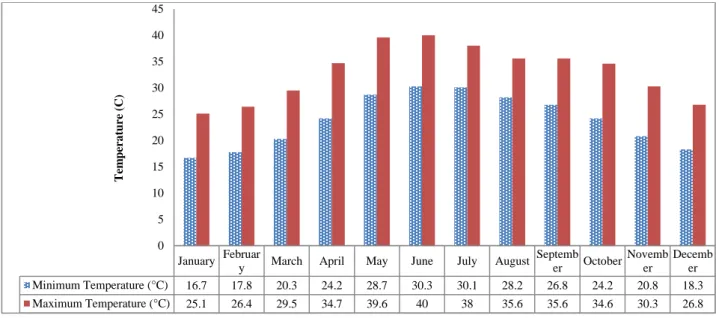
established that the human response process is highly affected by their physical health (Beevers and MacGregor, 1999; Yi and Chan, 2016). The physical health of workers can be easily assessed by their body mass index, blood pressure, and heart rate. There is however no comprehensive study in this area in any GCC country which considered these factors despite the fact that all GCC countries are well known for the extreme hot and humid climatic condition. For instance, the Qatar Meteorology Department data shows that the mean air temperature in Doha in the month of July remains at 35.4o C, while the mean relative humidity in the same month stands at 49%. Similarly, the highest temperature recorded in 2010, in Doha was 50.4o C (Meteorology Department, 2018). The official data in Oman shows that the average maximum temperature in Oman reaches 40o C as shown in figure 1.1 (DGM, 2018). The maximum temperature in Oman reported by different newspapers is so far more than the one reported by official authorities. A news article published in daily newspapers in 2017, reported the maximum temperature in Oman at 50oC. (MD, 2016). Similarly, another daily newspaper reported that the maximum temperature recorded in Oman in 2015 was 48o C (TOM, 2015). The effect of heat stress on construction worker's performance in the GCC region, therefore, appears to be more due to extreme environmental conditions as compared to any other part of the world. Similarly, the worker's body pain supplemented by the extensive temperature may have an impact on their response process and can affect their safety and productivity. During the construction process, workers are required to work in an awkward position for a long time. This may significantly contribute to body pain in specific areas. This study, therefore, aims to consider the hot and humid climatic conditions along with the physical parameters of workers such as Body Mass Index, Blood Pressure and Heart Beat and develop guidelines to protect such workers from heat stress.
Developing toolkits and Guidelines to Improve Safety Performance in the Construction Industry in
Oman Page 20
Figure 1. 1: Average Minimum and Maximum Temperature in Oman (DGM, 2018)
While there have been several concepts and methods to improve safety performance and avoid accidents at the construction site, safety culture and safety climate have attracted a large number of researchers and practitioners worldwide due to its significant impact on safety improvement (kines et al., 2011). The concept of safety culture and safety climate gets more appreciation since 1980 when the theories of human age factors were adopted in organization performance. The safety culture represents the overall culture of an organization reflecting how the safety is considered or treated. For example, if safety negligence in organizations is a routine practice, the organization will reflect poor safety culture. Such a culture normally results in a large number of accidents. On the other hand, if an organization's safety is strictly followed and safe acts are appreciated by the management, thus such an organization will display a rich safety culture and the number of accidents will be comparatively low than the organization which holds a poor safety culture. Overall, safety culture is contributed by the workers; however, it is highly influenced by the organization's top management. For example, if the top management gives values to safety and will help to develop a rich safety culture.
Safety climate is a subset of organization climate which is based on the worker's or employee's perceptions. The assessment of safety climate is considered as a barometer of safety culture, therefore a mature safety climate will reflect a rich safety culture (Zohar, 2002). The results of the safety climate can be regarded as more effective as it tells the management very clearly in which dimension the organization needs improvement to achieve the required level of maturity (Kines et al., 2011). Worldwide, there have been
January Februar
y March April May June July August
Septemb er October Novemb er Decemb er Minimum Temperature (°C) 16.7 17.8 20.3 24.2 28.7 30.3 30.1 28.2 26.8 24.2 20.8 18.3 Maximum Temperature (°C) 25.1 26.4 29.5 34.7 39.6 40 38 35.6 35.6 34.6 30.3 26.8 0 5 10 15 20 25 30 35 40 45 T em p er a tu re ( C )
Developing toolkits and Guidelines to Improve Safety Performance in the Construction Industry in
Oman Page 21
several tools developed for the assessment of safety climate which addresses a number of industries including construction. Although, there is no such tool developed or used in the GCC countries. The construction industry in GCC has its own parameters and dimensions. A tool developed and used in the United Kingdom or United States may not be effective in GCC countries due to a variety of factors pertaining to the industry itself. This clearly reflects that there could be a gap in understanding the safety climate factors which may have a high influence on the safety climate in the GCC countries. This research, therefore, aims to develop a safety climate assessment tool that could be used in Oman and other GCC countries.
Keeping in view the above discussion, a number of research aims and objectives are set for this research project which is explained in the next section.
1.2.1 Research Aims:
Considering the current situation of safety and health in the GCC region, this research aims to find solutions that could help construction organizations in the region, particularly in Oman to improve their safety performance. This study, therefore, considered the key areas of safety that include causes of accidents, costs of accidents, heat stress, occupational safety and health regulations, worker's health factors, and safety climate and develop toolkits and guidelines that could be used by construction organizations to improve safety performance. The research objectives set for this research project are outlined in the next section.
1.2.2 Research Objectives:
The overall objective of this research is how safety performance can be improved in construction considering a number of parameters. These parameters are associated with the causes and cost of accidents in construction, occupational safety and health regulations, heat stress, worker's health, and body pain, and safety climate. Each associated parameter thus becomes an individual objective resulting in a total of seven objectives for this research. In brief, these research objectives are mentioned below.
1. To evaluate the causes of accidents from literature and develop a model to trace the causes of accidents.
2. To evaluate and compare the costs of accidents in GCC construction.
3. To investigate the effect of heat stress on the construction worker's safety performance and develop guidelines for protecting workers from heat stress.
Developing toolkits and Guidelines to Improve Safety Performance in the Construction Industry in
Oman Page 22
4. To benchmark the Occupational Safety and Health Regulations in Oman with advanced countries and identify gaps for improvement.
5. To assess the construction worker's health factors that affect their safety performance. 6. To study the body pain experience of workers and its impact on worker's safety and productivity.
7. To investigate the relevant safety climate factors and develop a safety climate assessment tool for construction organizations.
The next section describes the research methodologies adopted to accomplish the set objectives for this research.
1.3 Research Methodology:
A mix research approach that includes quantitative and qualitative research methods was adopted to achieve the aims and objectives of this research. The complete research methods are explained in chapter 3. Briefly, this research was carried out in a total of four stages including literature review, data collection, data analysis, and writing the thesis.
The next sections describe the different activities of the four stages used to complete this research project. These activities are discussed in more detail in chapter 3.
1.3.1 Stage I: literature review:
1. Background research.
2. Research proposal development, submission, revision, and approval. 3. Development of Data Collection Tools, submission, revision and approval. a) Interview questionnaire for heat stress.
b) Interview questionnaire for worker's health profile. c) Interview questionnaire for safety climate factors. d) Pain assessment questionnaire.
e) Safety climate questionnaire.
Developing toolkits and Guidelines to Improve Safety Performance in the Construction Industry in
Oman Page 23
5. Ethical approval from School Ethical Committee.
6. Selecting and requesting construction organizations for data collection.
1.3.2 Stage II: Data Collection:
1. Visiting the requested organizations and persons for data collection. 2. Selecting the respondents to avoid language barriers where applicable.
3. Briefing the organization's heads and the respondents on the interview process, physical tests such as BMI and blood pressure, etc. where applicable.
4. Assisting the respondents to complete the questionnaire completely.
1.3.3 Stage III: Data Analysis:
1. Checking the collected responses that they are completed and readable before entering into the SPSS (23.0) for processing.
2. Calculating different averages and ratios as part of descriptive analysis. Applying different statistical techniques such as descriptive statistics approach, regression analysis, and content analysis. Applying T-test, One-way analysis of variance (ANOVA), p-vale and Cronbach's alpha coefficient.
1.3.4 Stage IV: Writing the Thesis:
1. Writing up the thesis and submission.
The next section briefly describes the structure of the thesis.
1.4 Scope of the Research:
Considering the aims and objectives of this research, the scope set was to develop toolkits and guidelines for safety improvement in Oman involving data collection from construction workers working in construction organizations registered as grade one and above in Oman. Grade 2 and below organizations were not considered in this study due to the time constraint and due to the fact that most of the construction works (=95%) in Oman are carried out by grade one and above construction organizations. Lower-grade construction companies are normally part of these contracts as sub-contractors, thus overall, this limitation doesn’t affect the generalization of the results presented in this thesis. A detail description of the construction organizations registered in Oman in different grade is
Developing toolkits and Guidelines to Improve Safety Performance in the Construction Industry in
Oman Page 24
provided in section 2.9 of chapter 2 and section 3.3.1 of chapter 3. Similarly, the safety climate toolkits developed were validated through email interviews held with construction professionals in Oman. Longitudinal studies were not carried out due to the time constrain.
1.5 Thesis Structure:
Overall the whole thesis is divided into six chapters explained in figure 1.2.
Chapter 1 is an introduction chapter that indicates the problem by highlighting the key issues associated with construction safety in Oman and other GCC countries. This chapter also derives the research rationale highlighting specific industry and climatic related factors. The rationale of the research considered some of the key elements of the research including, causes and costs of accidents, heat stress and workers' health factors, occupational safety and health regulations and safety climate approach to improve safety performance. A brief of the research methodology adopted to achieve different objectives set for this research project is also given in this chapter. Chapter 1 paved the road for the next chapter by providing elements to focus on.
Chapter 2 of the thesis is a comprehensive chapter on the literature review associated with the aim and objectives of this research project. In general, the literature review chapter has the following sections.
i. Causes of Accidents in Construction ii. Cost of Accidents in Construction iii. Heat Stress
iv. Occupational Safety and Health Regulations v. Worker's health factors
vi. Workers Body Pain vii. Safety Climate
The literature review chapter also briefly describes the different research methods used in similar research from the literature.
The detail of different research methods used in this research project is explained in chapter 3 entitled “Research Methodology”. This chapter describes and justifies the research design
Developing toolkits and Guidelines to Improve Safety Performance in the Construction Industry in
Oman Page 25
to achieve different objectives of the research. In general two research methods, known as quantitative research methods and qualitative research methods are employed. The chapter explains how the data was collected, analyzed and interpreted. An extensive justification is provided on the selection of respondents and sample size considering the scope of the research and statistical justifications in each research method. The chapter further describes each tool (questionnaire) used in this research project, either it is a structured one or simply the interview one, in detail. The different statistical tests employed in the analysis of the data are explained with their relevance to the objectives of the research. Although the data was collected after the due approval of the Research Ethical Committee of the London South Bank University, the specific ethical guidelines of some of the international organizations are quoted in this chapter.
Chapter 4 of the thesis is the results, analyses and discussion chapter which are divided into many sections and sub-sections. Section 4.1 of chapter 4 is an introduction section. Section 4.2 is related to the “Causes of Accidents in Construction in Oman” which has further five sub-sections. Similarly, section 4.3 describes the “Cost of Accidents in GCC” which is divided into a total of three sub-sections. Heat stress is covered under section 4.4 which has further three sub-sections. Occupational safety and health regulations and construction worker's health factors are covered in sections 4.5 and 4.6 respectively. Discussion on the results and analysis are presented in section 4.7 which has a total of seven sub-sections. The summary of chapter 4 is provided in the last section (section 4.8) of the chapter.
The results, analyses, and discussion of safety climate are described in a separate chapter (chapter 5) which has six main sections five sub-sections. The introduction of chapter five is placed in section 5.1. Analyses and results arising from the systematic literature review are presented in section 5.2. Section 5.3 presents the results and analyses of the semi-structured interview held with professionals working at a managerial position in the construction industry in Oman. This section has further four sub-sections. Analyses and results of the data collected through the questionnaire appended in Appendix II are placed in section 5.4. Section 5.5 explains the newly developed safety climate assessment tool. This section is supported by a sub-section (section 5.5.1) which provides guidelines on how to use and interpret the results of the tool developed in this chapter. Discussion on the results and analysis are presented in section 5.6. The summary of chapter 5 is provided in section 5.6.
Developing toolkits and Guidelines to Improve Safety Performance in the Construction Industry in
Oman Page 26
Chapter 6 of the thesis provides conclusions and recommendations on the different aspects of the research. Considering the scope of the chapter, it has three main sections. Section 7.1 is the introduction section; follow by section 7.2 which is the conclusion section and finally section 7.3, which is the recommendations section. Chapter 6 also provides an insight into the limitation of the research and highlights the knowledge contribution of the thesis.
Figure 1. 2: PhD Thesis Structure
The next section of the chapter provides a summary of chapter 1.
1.6 Summary:
Chapter 1 provides an overview of the research project from instruction to the structure of the thesis. The research rationale section indicates that how different parameters such as causes of accidents, cost of accidents, heat stress, occupational safety and health regulations, safety culture, and safety climate could be helpful to achieve a required level of
Chapter I Introduction Chapter II Literature Review Chapter III Research Methodology Chapter IV Analysis and Results
Chapter V Safety Climate Assesment Tool Chapter VI Conclusion and Recommendation
Developing toolkits and Guidelines to Improve Safety Performance in the Construction Industry in
Oman Page 27
safety performance. The literature review around these parameters is discussed in detail in chapter 2. Chapter 1 also provides the aims and objectives of the research project and the research methodology adopted to achieve these objectives. The detail research methodology is described in chapter 3 of the thesis.
The next chapter of the thesis is the literature review chapter which provides a detailed review of the components associated with the research objective of the thesis.
Developing toolkits and Guidelines to Improve Safety Performance in the Construction Industry in
Oman Page 28
Chapter 2: Literature Review
2.1 Introduction:
Chapter two of the thesis is the literature review chapter which describes the literature review undertaken in completing this research project. A systematic review approach consistent with the research objectives was adopted to ensure that the gap in the knowledge is effectively identified and that the methodology applied to accomplish the research objectives are best aligned with the existing approaches. The literature review is considered very important in writing research papers and thesis. Randolph (2009) suggested that a defective literature review is one of the many reasons which can derail the thesis, paper or dissertation. A faulty literature review may result in a flawed thesis or dissertation due to the fact that comprehensive research cannot be performed without a full understanding of the existing literature in the relevant area (Boote and Beile, 2005). The literature review of the thesis also gets due considerations by the examiner as well. A research conducted by the Mullins and Kiley (2002) concluded that most of the examiners get a perception of the whole thesis from the literature review. If the literature review is found poor, the examiners assume that the rest of the thesis would also have problems. To ensure that the literature review is best aligned to the research objectives of the project, the literature review is divided into a total of eight sections in this chapter. The aim, objectives and the research rationale discussed in chapter 1 served as a guide to engage with the literature review associated with different parts of the research. The literature review presented in this chapter provided a base to finally proceed towards the development of toolkits and guidelines to improve the safety performance in the construction industry in Oman. It was considered important to start from the construction industry itself; therefore, section 1 of this chapter highlights the construction industry in different countries and regions including Oman. In section 2, the literature review on the causes of accidents in construction is presented. Section 3, of the chapter, presents the literature on the cost of accidents in construction. The literature review on the heat stress and its implication in construction is outlined in section 4. The Occupational Safety and Health Regulations applicable in construction are covered under section 5. In section 6, the construction worker's health factors that affect their safety and productivity performance are discussed. The literature review on the body pain experience of workers and its impact on worker's safety and productivity are presented in section 7. Finally, in section 8 of this chapter, the literature
Developing toolkits and Guidelines to Improve Safety Performance in the Construction Industry in
Oman Page 29
review on the safety culture and safety climate is presented. All these sections of the literature review are further expanded one by one in the next sections.
2.2 The Construction Industry:
The construction industry is not only contributing to the social and economic development of countries but is also a major industry around the world which provides jobs to the millions of peoples and contributes to countries and world economy. This fact has been confirmed in different studies, including Beven (2010), Umar and Egbu (2018). The construction industry is further reported for a major portion of gross domestic product (GDP) in different countries, for instance, 6.10% in the United Kingdom, 5.50% in Japan and 9.0% in Oman (ONS, 2017; SHJ, 2017; NCSI, 2017-a). In the European Union (EU) member countries, the construction sector provides jobs to approximately 18 million peoples and contributes up to 9% of the total EU’s GDP (EUCS, 2016). Overall, the construction industry employing 7% of the total world’s workforce and accumulate 13% of the global GDP (Deloitte, 2017). In the United Kingdom, there are 296,096 construction firms that employed approximately 2,731,370 people giving a firm to employment ratio of 1:11 (Statista, 2018-a). The world population review shows the UK population in 2018 as 66,723,105. Thus the percentage of construction workers in the UK becomes 4% of the total population. It is expected that the construction industry will more than double in size (of 2010) by 2020, representing an estimated growth rate of 110% which will lead this industry to become a $7 trillion market, representing an overall proportion of 17.2% of the GDP in 2020 (Beven, 2010). Similarly, another forecast indicates that the global construction industry will reach 14 trillion US$ in 2025 which was 9.5 trillion US$ in 2014, reflecting a 67% growth as shown in figure 2.1 (Statista, 2017). Although both of these forecasts estimate a different value of the growth, however, what is clearly evident that the construction industry is rapidly growing. In the Australian construction industry, the employment rose from 1.0 Million people to 1.10 Million during one year's time from November 2016 to November 2017, resulting in an employment increase rate of 8.5% (Parliament of Australia, 2018). During the same period, the percentage of employment in construction in Australia (out of the total employment) rose from 8.9% to 9.4% (figure 2.2). The total population in Australia by the end of 2017 was 24.6 Million, thus the percentage of the population employed in construction become 5% (ABS, 2018). The growth in the construction industry is further expected to be growing as this industry will be utilized to address some of the key challenges which the human are facing on the earth. A report
Developing toolkits and Guidelines to Improve Safety Performance in the Construction Industry in
Oman Page 30
published by the World Resources Institute shows that approximately 1.20 billion people in urban areas around the world do not have access to affordable housing. The report further indicates that this number will rise by 30% by 2025, reaching 1.60 billion people who will not have access to affordable housing (WRI, 2017). Similarly, the World Health Organization report published in 2017 shows that 2.10 billion people have no access to clean and reliable water. The people who do not have access to clean sanitation, stand at 4.50 billion (WHO, 2017-a). The challenges clearly indicate that the expansion of the construction industry will be compulsory considering the future human requirements.
Figure 2. 1: Global Construction Industry Growth (Statista, 2017).
2014 2015 2016 2017 2018 2019 2020 2021 2022 2023 2024 2025 Spending (US $ (Trillion) 9.5 10 10.5 10.9 11.4 11.4 11.9 12.4 12.9 13.4 13.9 14
0 2 4 6 8 10 12 14 16 US $ ( T rillio n)
Developing toolkits and Guidelines to Improve Safety Performance in the Construction Industry in
Oman Page 31
Figure 2. 2: Employment in the Australian Construction Industry.
In September 2018, the construction employment in the United States of America (USA) was 7,286,000 representing 2.23% of the total population. The USA Census Bureau data shows that a total of 1,329,452 Million US $ were spent on the construction only in the month of September of 2018 (Census Bureau, 2018). The value of the private construction spending was the highest which stood at 1,020,358 Million US $ as shown in table 2.1.
Table 2. 1: Value of Construction Work Done in September 2018 in the USA Construction Sector Sending (US$ Million)
Private (Residential) 556,424
Private
( Nonresidential) 463,934
Public (State and
Local) 288,112
Public ( Federal) 20,982
Total 1,329,452
The above section provided a global snapshot of the construction industry; however, since the focus of this research is on the GCC region particularly in Oman, the next section explains the GCC construction industry with a specific reference to Oman.
8.6 8.7 8.8 8.9 9 9.1 9.2 9.3 9.4 9.5 1020 1040 1060 1080 1100 1120 1140 1160 1180
Nov 2016 Feb 2017 May 2017 Aug 2017 Nov 2017
% P eo ple Em plo y ed in Co ns truct io n (0 0 0 ) People Employed in Construction (000) % of Employment (out of Total Employment)
Developing toolkits and Guidelines to Improve Safety Performance in the Construction Industry in
Oman Page 32
2.2.1GCC’s Construction Industry:
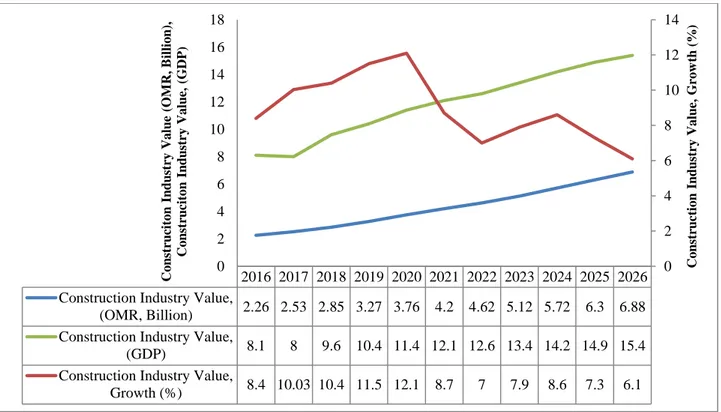
There are five member countries of the Gulf Cooperation Council (GCC), including Saudi Arabia, Oman, Qatar, Bahrain, and Kuwait. In this region, the economy is heavily reliant on oil and gas export which constitute more than 50% of its GDP (Umar, 2018). Despite the dip in oil prices in recent years and its effect on the GCC economy, investment in infrastructure projects continues. The value of the planned and ongoing construction project in all GCC countries in the year 2015 was 1,300 billion led by the United Arab Emirates, followed by Saudi Arabia as shown in figure 2.3 (Deloitte, 2015). A report published in Arabian Business (AB, 2017) in late 2017 indicates that there were 20,000 active construction projects worth US$ 2.4 trillion. According to Oman’s budget report, the spending on development projects was estimated at US$ 3.12 billion (Omani Rials (OMR) 1.20 billion), representing the amount paid during the year 2017, as the actual work progresses (TOM, 2017). A comparison of the contract awarded in the GCC countries, in the first quarter of 2017 and 2018 shows an overall decline of US $ 5.0 Billion (Ventures, 2018). The construction contract awarded in the first three months of 2017 and 2018, in GCC countries is shown in figure 2.4. While there is an impact on the construction industry due to the economic situation, however different studies show that construction will be growing in the near future. A research conducted on the occupational safety and health regulations reported that the value of the construction industry in Oman will grow to 6.88 Billion Omani Rial, which was 2.26 Billion Omani Rial in 2016 (Umar et al., 2018). Moreover, the construction GDP in Oman is forecast to grow to 15.4% of the total GDP by 2026. Overall, they reported that the construction growth rate is forecasted to be at peak in 2020 (figure 2.5).
Developing toolkits and Guidelines to Improve Safety Performance in the Construction Industry in
Oman Page 33
Figure 2. 3: Planned and Ongoing Construction Projects in Oman (Deloitte 2015)
Figure 2. 4:Comparison of Awarded Construction Contracts In GCC (Ventures, 2018).
Bahrain Kuwait Oman Qatar Saudi
Arabia UAE Amount US $ M 30967 80080 43160 139843 475218 539793 0 100000 200000 300000 400000 500000 600000 Amount US $ M 11511 9033 13900 8557 11264 9594
January February March
US$ Billion
Developing toolkits and Guidelines to Improve Safety Performance in the Construction Industry in
Oman Page 34
Figure 2. 5: Oman Infrastructure and Construction Industry Forecasts (2016-2026).
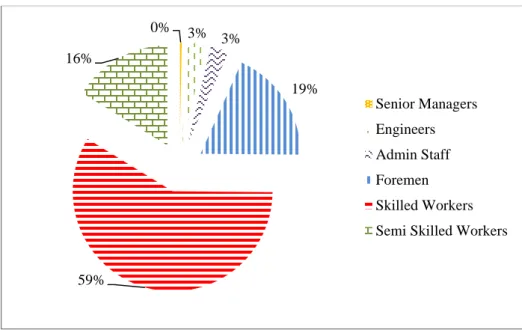
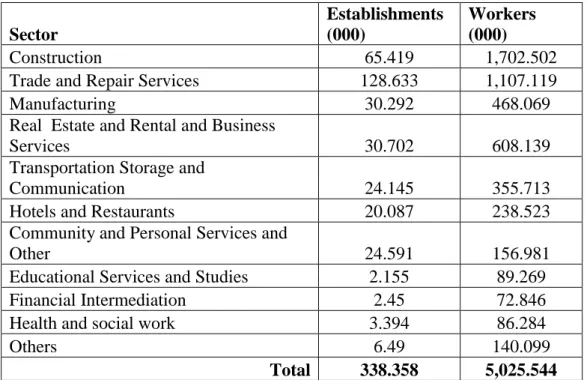
All GCC countries are highly dependent on foreign workforce. Statistics published by the GCC Centre for Statistics show that the number of expatriate workers in different GCC countries was 13.86 million by the end of December 2017, which accounts for 69.3% of the total workforce in these countries (GCC Stat, 2018). The majority of these workers are from Asian and African countries. For example, workers from Bangladesh constitute the largest group of expatriate workers in Oman (NCSI, 2017-b). The total population of Oman in 2018 was 4,655,435 with an expatriate population of 2,047,788 making up 44% of the total Omani population (PC, 2018). In 2016, the construction workforce in Oman was approximately 725,000, of which 92% were foreign workers (Umar, 2016). The construction workforce thus, therefore, constitutes 16% of the total population of Oman. These calculations are the official data, which represent the workers who have a work permit/visa related to the construction profession. It is possible that the actual number of the workforce may be higher than this. To represent an insight of the GCC’s construction workers, figure 2.6 is placed to shows the classifications of foreign workers in the construction industry in Oman (OSC, 2016). Similarly, table 2.2 shows the number of establishments by economic sectors and the workforce of these sectors including construction in the United Arab Emirates for the years 2018. Table 2.2 clearly shows that the construction industry is on the top of the list providing jobs to 1.70 million peoples with
2016 2017 2018 2019 2020 2021 2022 2023 2024 2025 2026 Construction Industry Value,
(OMR, Billion) 2.26 2.53 2.85 3.27 3.76 4.2 4.62 5.12 5.72 6.3 6.88 Construction Industry Value,
(GDP) 8.1 8 9.6 10.4 11.4 12.1 12.6 13.4 14.2 14.9 15.4 Construction Industry Value,
Growth (%) 8.4 10.03 10.4 11.5 12.1 8.7 7 7.9 8.6 7.3 6.1 0 2 4 6 8 10 12 14 0 2 4 6 8 10 12 14 16 18 Co n str u ctio n In d u str y V a lu e, G ro w th (% ) Co n str u cito n In d u str y V a lu e (O M R, B il li o n ), Co n str u cito n In d u str y V a lu e, (G DP)
Developing toolkits and Guidelines to Improve Safety Performance in the Construction Industry in
Oman Page 35
a total number of establishments of 65,419. If the construction sector of the United Arab Emirates is compared with the trade and repair services sector and the ratio of both the sector considering the number of establishments and the number of workforces, the construction sector has a ratio of 1:26 while the trade and repair sector has a ratio of 1:16. This clearly reflects that the construction sector provides more jobs which are almost double the jobs provided by the trade and repair sector per establishment (MHRE, 2018).
Figure 2. 6: Distribution of foreigner workers in construction organizations of Oman (OSC, 2016) 0% 3% 3% 19% 59% 16% Senior Managers Engineers Admin Staff Foremen Skilled Workers Semi Skilled Workers
Developing toolkits and Guidelines to Improve Safety Performance in the Construction Industry in
Oman Page 36
Table 2. 2: Number of Establishments and Workforce in Different Economic Sectors of U.AE (MHRE, 2018) Sector Establishments (000) Workers (000) Construction 65.419 1,702.502
Trade and Repair Services 128.633 1,107.119
Manufacturing 30.292 468.069
Real Estate and Rental and Business
Services 30.702 608.139
Transportation Storage and
Communication 24.145 355.713
Hotels and Restaurants 20.087 238.523
Community and Personal Services and
Other 24.591 156.981
Educational Services and Studies 2.155 89.269
Financial Intermediation 2.45 72.846
Health and social work 3.394 86.284
Others 6.49 140.099
Total 338.358 5,025.544
Bahrain is another small country that is a member of the GCC and 765.3 square kilometers in size. According to the Gulf Research Center, Bahrain's total population was 1,501,116 in 2017. The number of expatriates stood at 823,610 representing 55% of the total population (GRC, 2018). The total number of workforce in the construction industry is 174,912 representing 12% of the total population of Bahrain (LMRA, 2018). The number of Bahraini national in the employed in the construction sector is the same as of Oman which stood at approximately 8% (12,235) of the total construction workforce (174,912) as shown in figure 2.7. Both the Omani and Bahraini construction industries employed more peoples as compared to the UK construction industry. More specifically the employment ratio in the Omani construction industry is 4 times more than the employment ratio of the UK construction industry. Similarly, the Bahrain construction industry employment is 3 times more than the UK construction industry.