University of Windsor University of Windsor
Scholarship at UWindsor
Scholarship at UWindsor
Electronic Theses and Dissertations Theses, Dissertations, and Major Papers
9-16-2019
Are Emotions Influenced by their Sequence? An Experimental
Are Emotions Influenced by their Sequence? An Experimental
Study of Emotional Processing
Study of Emotional Processing
Stephanie Nardone University of Windsor
Follow this and additional works at: https://scholar.uwindsor.ca/etd
Recommended Citation Recommended Citation
Nardone, Stephanie, "Are Emotions Influenced by their Sequence? An Experimental Study of Emotional Processing" (2019). Electronic Theses and Dissertations. 7825.
https://scholar.uwindsor.ca/etd/7825
This online database contains the full-text of PhD dissertations and Masters’ theses of University of Windsor students from 1954 forward. These documents are made available for personal study and research purposes only, in accordance with the Canadian Copyright Act and the Creative Commons license—CC BY-NC-ND (Attribution, Non-Commercial, No Derivative Works). Under this license, works must always be attributed to the copyright holder (original author), cannot be used for any commercial purposes, and may not be altered. Any other use would require the permission of the copyright holder. Students may inquire about withdrawing their dissertation and/or thesis from this database. For additional inquiries, please contact the repository administrator via email
Are Emotions Influenced by their Sequence?
An Experimental Study of Emotional Processing
By
Stephanie Nardone
A Thesis
Submitted to the Faculty of Graduate Studies through the Department of Psychology in Partial Fulfillment of the Requirements for
the Degree of Master of Arts at the University of Windsor
Windsor, Ontario, Canada
2019
Are Emotions Influenced by their Sequence? An Experimental Study of Emotional Processing
by
Stephanie Nardone
APPROVED BY:
______________________________________________ J. Grant
School of Social Work
______________________________________________ J. Jarry
Department of Psychology
______________________________________________ A. Pascual-Leone, Advisor
Department of Psychology
iii
DECLARATION OF ORIGINALITY
I hereby certify that I am the sole author of this thesis and that no part of this thesis has been published or submitted for publication.
I certify that, to the best of my knowledge, my thesis does not infringe upon anyone’s copyright nor violate any proprietary rights and that any ideas, techniques, quotations, or any other material from the work of other people included in my thesis, published or otherwise, are fully acknowledged in accordance with the standard referencing practices. Furthermore, to the extent that I have included copyrighted material that surpasses the bounds of fair dealing within the meaning of the Canada Copyright Act, I certify that I have obtained a written permission from the copyright owner(s) to include such material(s) in my thesis and have included copies of such copyright clearances to my appendix.
iv ABSTRACT
The present study examined whether resolution of lingering anger and sadness about an
interpersonal interaction depends on the sequence in which anger and sadness are experienced. Within a total sample of 104 participants, two groups were identified based on presenting emotional concern: individuals with predominantly lingering anger about an interpersonal
interaction (n = 26), and individuals with predominantly lingering sadness about an interpersonal interaction (n = 56). Participants completed a written emotional processing intervention in one of two randomly assigned conditions (i.e., anger-before-sadness condition or sadness-before-anger condition), which differed only by the order in which participants were guided to feel anger and sadness. Regardless of whether participants presented with lingering anger or sadness, they experienced a greater decline in the desire to hold a grudge when they were guided to feel sadness first and anger second (d = .59), as opposed to anger first and sadness second (d = .31). Moreover, individuals who presented with lingering anger reported that the intervention was more useful when sadness preceded anger, as opposed to the inverse sequence (d = .94).
v
ACKNOWLEDGEMENTS
This project would not have been possible without the support and contributions of so many individuals.
To Dr. Antonio Pascual-Leone: Thank you for believing in me and for your unwavering guidance. I am privileged to have you as my mentor.
To my committee members, Dr. Josée Jarry and Dr. Jill Grant: Thank for your insight, feedback, and dedication to this project.
To my fellow research lab members: Thank you for your thoughtfulness, and your willingness to help without hesitation. You are an inspiration to me.
To my friends and family: Thank you for your constant support, during the tough times and the happy ones.
vi
TABLE OF CONTENTS
DECLARATION OF ORIGINALITY………..….iii
ABSTRACT………..………...iv
ACKNOWLEDGEMENTS..………...…v
LIST OF TABLES………..………...x
LIST OF FIGURES………..………….…xii
LIST OF APPENDICIES……….xiii
CHAPTER I INTRODUCTION……….1
Emotions as Units of Information………..1
Emotional Processing Appears to Resolve Lingering Interpersonal Distress……….3
Emotional awareness as an initial step in overcoming an interpersonal greivance………...4
Expression and regulation of intense emotion may both be instrumental in resolution of unfinished business………...……….………...4
Narrative reflection on activated emotion may heal emotional injury………..……...…..5
New emotion may be used to transform other lingering painful emotions……….6
The Sequence in which Incongruent Emotions are Experienced Appears to Impact Distress…...…6
Feelings of sadness appear to defuse anger………..……..…...….7
The emotion sequence of anger-then-sadness may alleviate lingering anger………..………..…8
Feelings of anger appear to counteract sadness………..………..…9
The sequence of sadness-then-anger may reduce the intensity of lingering sadness………..….11
The Sequential Model of Emotional Processing (Pascual-Leone & Greenberg, 2007)……..……11
Emotion sequence for the resolution of lingering anger……….…….…12
Emotion sequences for the resolution of lingering sadness……….…....13
Theories in which the Order of Emotions is not Identified as Predictor of Distress Resolution...14
Rationale for Study……….…..15
Rationale for Method……….…...18
Present Study………....20
Research questions and hypotheses……….….…....21
vii
Participants……….24
Measures………...27
Demographics measure………..27
Measures of individual differences……….27
Process measures………....30
Outcome measures………..31
Design……….34
Emotion facilitation segments………...37
Task A: Sentence stems………...…………38
Task B: Somatic sensations………...40
Task C: Action tendency………..42
Task D: Unmet needs………...42
Task E: Message to other person………44
Procedure………44
Participant recruitment………...44
Study procedure………...47
CHAPTER III RESULTS……….…..51
Inspection to Assess Adherence to Intervention Protocol………...51
Missing Data Analysis……….51
Correspondence between Self-Identified Group and Self-Reported Emotional State after Mood Induction………52
Experimenter-identified groups………...56
Statistical Assumptions for Planned Analyses……….60
Preliminary Analyses………...72
Between-group demographic differences……….…....78
Manipulation check of mood induction………78
Manipulation check of anger facilitation segment………...80
Manipulation check of sadness facilitation segment………84
viii
Hypothesis Testing………...90
Hypotheses 1a and 2a: Unfinished business………..90
Hypotheses 1b and 2b: Unforgiveness………...92
Predicting variance in the Avoidance subscale of the Transgression-Related Interpersonal Motivations Inventory………...95
Predicting variance in the Revenge subscale of the Transgression-Related Interpersonal Motivations Inventory………...96
Hypotheses 1c and 3a: Anger intensity……….97
Hypotheses 2c and 3b: Sadness intensity………..99
Hypotheses 1d and 2d: Usefulness………...100
Exploratory Analyses………102
Research Question 4: Changes in other emotions………102
Pre-post intervention changes in unfinished business, unforgiveness, and emotional state; across all groups………...103
CHAPTER IV DISCUSSION……….……….105
Summary of Current Findings………...106
The best sequence sometimes depends on the presenting emotion………106
To relinquish a grudge, express sadness before anger………..111
After expressing anger and sadness, shame is the only emotion to reduce as an outcome…...112
Unfinished business declines during emotional processing, regardless of presenting emotion or sequence……….114
Research Implications………....115
Unfinished business may be more likely to present as sadness than anger………...115
Unfinished business may present in the context of unpolarized emotion………...117
The experimental protocol successfully manipulated a precise emotional experience……...117
Clinical Implications………..119
Computer-mediated interventions for emotional processing………...119
Sequences of emotional processing within psychotherapy………....120
Limitations and Future Research Directions………...…..120
ix
x
LIST OF TABLES
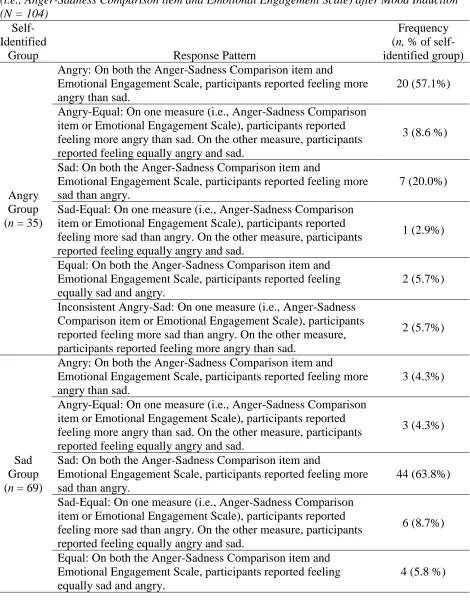
Table 1: Self-Identified Group and Response Patterns to Two Measures of Anger and Sadness Intensity after Mood Induction………..………....54
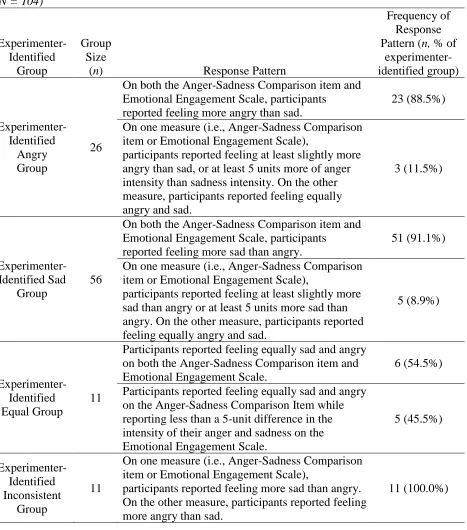
Table 2: Experimenter-Identified Groups and Corresponding Response Patterns for Total
Sample………...58
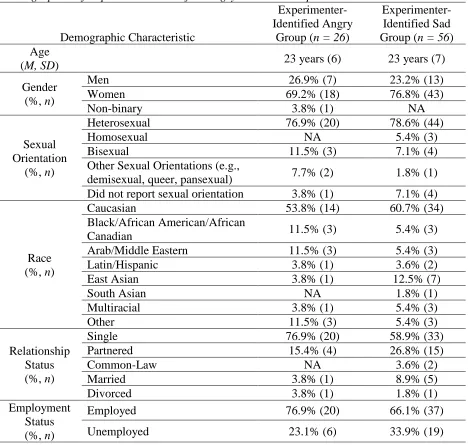
Table 3:Demographics of Experimenter-Identified Angry and Sad Groups………...….59
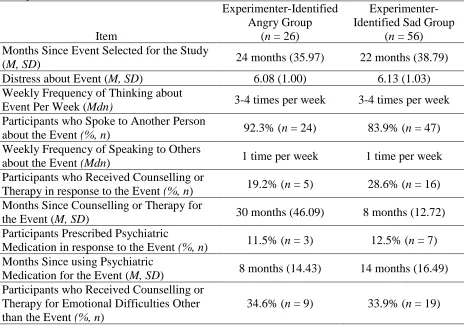
Table 4: Interpersonal Event Questionnaire Responses from Experimenter-Identified Angry and Sad Groups……….60
Table 5: Total Sample by Condition and Experimenter-Identified Groups………...61
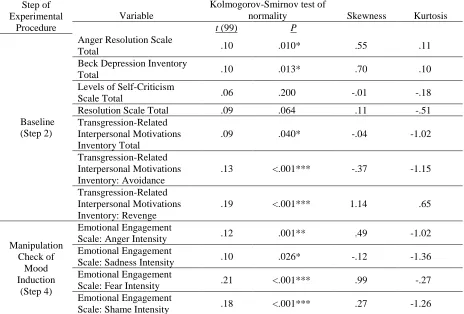
Table 6: Normality for Variables of Interest across the Total Sample………..63
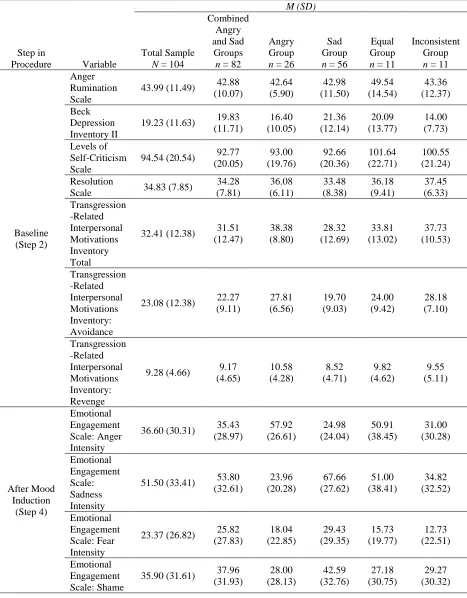
Table 7:Means and Standard Deviations for Variables of Interest by Experimenter-Identified Group……….73
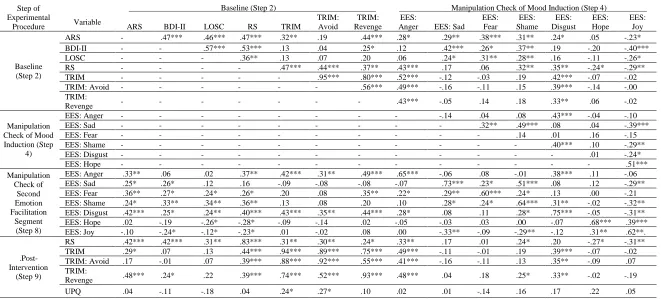
Table 8: Pearson’s Bivariate Correlations between Variables of Interest among Combined Angry and Sad Experimenter-Identified Groups………..76
Table 9:Stepwise Multiple Regression Analysis to Predict Post-Intervention Unfinished
Business………..………..91
Table 10: Condition and Experimenter-Identified Group Predicting Post-Intervention Unfinished Business………....92
Table 11: Condition and Experimenter-Identified Group Predicting Post-Intervention
Unforgiveness………93
Table 12:Condition and Experimenter-Identified Group Predicting Post-Intervention Desire to Avoid……….96
xi
Table 14:Condition and Experimenter-Identified Group Predicting Post-Intervention Anger....98
Table 15: Condition and Experimenter-Identified Group Predicting Post-Intervention
xii
LIST OF FIGURES
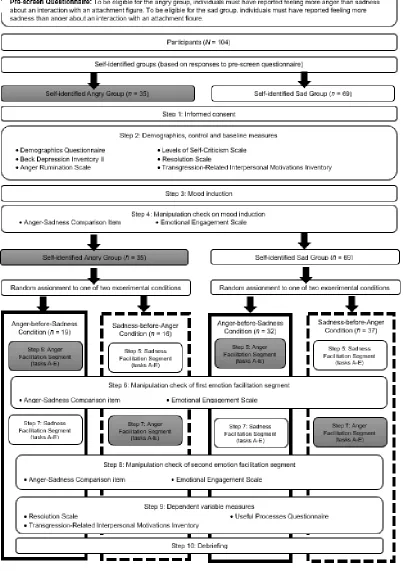
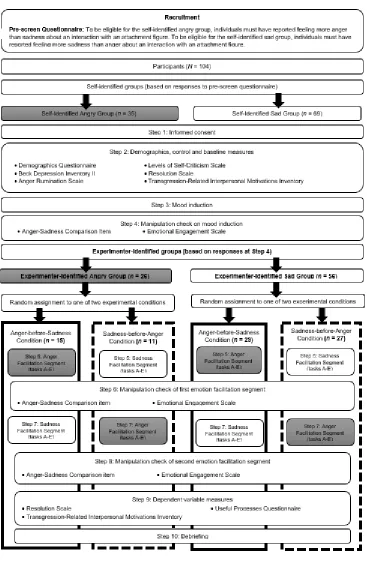
Figure 1: Study procedure, design, and measures………..36
Figure 2: Experimenter-identified groups in study design and procedure……….62
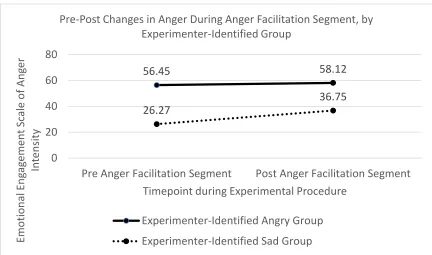
Figure 3: Pre-post changes in anger during anger facilitation segment, by experimenter-identified group………..84
Figure 4: Pre-post changes in sadness during sadness facilitation segment, by experimenter-identified group………...87
Figure 5: Changes in anger and sadness intensity within the anger-before-sadness condition, for both groups combined………..….88
Figure 6: Changes in anger and sadness intensity within the sadness-before-anger condition, for both groups combined………..….89
Figure 7: Pre-post intervention changes in unforgiveness by experimental condition, for the experimenter-identified angry and sad groups combined………..………94
Figure 8: Self-reported usefulness of the intervention by experimental condition and
xiii
LIST OF APPENDICES
Appendix A: Demographics Questionnaire……….……….144
Appendix B: Interpersonal Event Questionnaire………..145
Appendix C: Anger-Sadness Comparison Item………146
Appendix D: Emotional Engagement Scale………..147
Appendix E: Useful Processes Questionnaire………...149
Appendix F: Pre-screen Questionnaire Item for Recruitment through the University of Windsor Psychology Participant Pool……….153
Appendix G: Pre-screen Questionnaire Items for Recruitment through Email to University of Windsor Student Body, Amazon Mechanical Turk, and Social Media………155
Appendix H: Debriefing Item………157
Appendix I: Pearson’s Bivariate Correlations between Variables of Interest among Total Sample………...158
Appendix J: Changes in Anger and Sadness Intensity by Experimenter-Identified Group, within the Anger-before-sadness Condition……….160
1 CHAPTER I INTRODUCTION
Within theories of psychotherapy, emotional processing refers to awareness, expression, regulation, and transformation of, as well as reflection on, an activated emotion state (Pascual-Leone, Paivio, & Harrington, 2016). Recent research on emotional processing suggests that the intensity and trajectory of emotions are influenced by the sequence in which they are
experienced (e.g., Pascual-Leone, 2018). If the intensity and trajectory of emotions are indeed affected by their temporal order, then certain sequences of emotion may be more helpful for resolving certain types of emotional problems. In particular, there is evidence to suggest that the specific emotional sequence of feeling anger first followed by sadness second may aid resolution of lingering anger (Narkiss-Guez, Zichor, Guez, & Diamond, 2015; Rochman & Diamond, 2008), whereas the sequence of sadness first and anger second may be instrumental in the resolution of lingering sadness (Choi, Pos, & Magnusson, 2016; Zhan et al., 2017a). Through an experimental design, the present study was intended to systematically examine whether the resolution of lingering anger vs. lingering sadness depends on the order in which anger and sadness are experienced. Participants were individuals experiencing either lingering anger or lingering sadness following an interaction with an attachment figure, and they were randomly assigned to different sequences of emotional experience. The results of this study are of interest to researchers investigating whether the sequence in which emotions are experienced impacts the trajectory of recovery from lingering emotional distress. It is also of interest to clinicians seeking empirical support for their treatment plans if they hope to guide clients towards emotion
2
Across a number of theoretical frameworks, emotion has been defined as a finite state manifesting in physiological, expressive motor, and cognitive systems (Ekman, 1977; Greenberg & Safran, 1989; Kleinginna & Kleinginna, 1981; Lazarus, 1975; Leventhal, 1974; Izard, 1971; Ruch, 1962). Changes in physiology, including heart rate, finger temperature, and skin
conductance levels, as well as changes in expressive motor systems, including posture (Camras, Sullivan, & Michel, 1993; Ekman & Friesen, 1974) and facial expression (Ekman, 1993) have each been associated with changes in emotion state (Christie & Friedman, 2004; Ekman, Levenson, & Friesen, 1983; Kleinginna & Kleinginna, 1981). Emotions also involve cognitive changes, including the simultaneous activation of autobiographical memory, semantic memory (i.e., general knowledge), and sensation networks (Greenberg & Pascual-Leone, 2001; Lane, Ryan, Nadel, & Greenberg, 2015).
In addition, emotions automatically orient individuals towards (e.g., Bradley & Lang, 2000; Frijda, 1986, 2004, 2010; Lang & Bradley, 2010; Lowe & Ziemke, 2011; Rolls, 1999) or immediately provoke (e.g., Damasio, 1994, 2010; Ekman, 1972; Levenson, 2003, 2011,
Levenson, Carstensen, Friesen, & Ekman, 1992; Lowe & Ziemke, 2011; Panksepp, 1998, 2000, 2007; Stephens, Christie, & Friedman, 2010) a series of actions that are intended to accomplish a goal (Kagan, 1978) or fulfill an unmet need (Greenberg, 2011). This propensity to orient
towards, or ultimately engage in, certain goal-directed behaviours has been referred to as an
action tendency (Ekman, 1972, Frijda; 2010; Greenberg, 2010).
3
behaviours than avoidance behaviours, whereas individuals with low levels of trait anger engaged more quickly in avoidance behaviours than approach behaviours (Veenstra, Schneider, Bushman, & Koole, 2017). In contrast, during periods of depression (i.e., sadness), individuals tend to engage in withdrawal and avoidance behaviour (Burton, McKinstry, Tătar, Serrano-Blanco, Pagliari, & Wolters, 2013). In a study of learned helplessness, Mikulincer (1988) also showed that anger predicted improved performance on a set of problems (i.e., participants approached the task), whereas sadness predicted a decline in performance (i.e., participants withdrew from the task). Because emotion conveys information about personal needs and prepares one to engage in the actions required to achieve one’s goals, it has been conceptualized as a “densely packaged unit of information” (Pascual-Leone et al., 2016, p. 149).
Emotional Processing Appears to Resolve Lingering Interpersonal Distress
When painful emotions persist, emotional processing allows one to work through and ultimately alleviate distress. Within a behaviourist perspective, emotional processing refers to the awareness, expression, and regulation of emotion (Foa & Kozak, 1986; Rachman, 1980),
4
Further, each method of emotional processing has been associated with resolution of lingering distress, including unfinished business, which is defined as lingering negative emotions about an interpersonal grievance (Rhode et al., 2015). Specifically, resolution of unfinished business entails a decline in the intensity of painful lingering emotions, and in some cases, forgiveness of the transgressor (Greenberg, 2011).
Emotional awareness as an initial step in overcoming an interpersonal grievance.
Emotional awareness, which refers to the act of recognizing and readily engaging with emotion (Greenberg, 2011; Pascual-Leone et al., 2016), appears instrumental in healing interpersonal distress. Reductions in alexithymia, which is a personality trait characterized by low emotional awareness, have been found to predict decreased severity of interpersonal problems (Ogrodniczuk, Sochting, Piper, & Joyce, 2012). Furthermore, both the frequency and depth of engagement with emotion have been associated with resolution of unfinished business (Paivio, Hall, Holowaty, Jellis, & Tran, 2001).
Expression and regulation of intense emotion may both be instrumental in
resolution of unfinished business.
5
Consequently, when describing past research on emotional expression, the impact of sample demographics will be considered as a factor that may influence whether the findings generalize to the sample in the current study.
In contrast to the aroused expression of emotion, active down regulation of affect is the act of decreasing emotional arousal or intensity (Greenberg, 2011; Pascual-Leone et al., 2016). Despite evidence that expression of aroused emotion is instrumental in therapeutic emotion change, clients suffering from depression (i.e., lingering sadness) have been found to make the greatest therapeutic recovery from depression when highly aroused emotion is expressed at a moderate frequency (i.e., emotional intensity is regulated; Carryer & Greenberg, 2010). Excessive emotional activation, without regulation, may be detrimental to the resolution of lingering emotional injuries.
Narrative reflection on activated emotion may heal emotional injury.
Narrative reflection on emotion involves thinking about and exploring the meaning of emotional experience (Greenberg, 2011; Pascual-Leone et al., 2016); for example, one may reflect on an unmet need that has prompted an emotion, such as an unmet need for support that has led to feelings of sadness. Literature on experiential therapy suggests that resolution of distress depends on the degree to which one reflects on aroused emotion (e.g., Auszra,
Greenberg, & Hermann, 2013; Pos, Paolone, Smith, & Warwar, 2017), and reflection in the form of identifying unmet needs has been associated with resolution of unfinished business
6
Activation of emotion without narrative reflection may therefore be insufficient to heal an emotional injury sustained through an interpersonal grievance.
New emotion may be used to transform other lingering painful emotions.
Changing emotion with emotion (also referred to as emotional transformation or transformative emotional sequences) is an additional form of emotional processing in which new emotion states are activated to alter and alleviate other lingering, painful emotion states (Greenberg, 2011; Pascual-Leone et al., 2016; Welling, 2012). Both positive (e.g., self-compassion) and negative emotions (e.g., sadness, anger) are used to transform other negative feelings, so long as the newly emerging feelings are incongruent with the lingering painful emotions (Welling, 2012).
Incongruent emotions are emotion states with action tendencies that conflict and cannot be completed simultaneously (Shen & Bigsby, 2010). For example, one cannot simultaneously engage in the approach behaviours that are associated with anger and the withdrawal behaviours that are associated with sadness; therefore, anger and sadness are incongruent emotion states. In support of the notion of changing emotion with emotion, there is evidence that an emerging emotion state can have a transformative impact on a preceding incongruent emotion (Zhan, Ren, Fan, & Luo, 2015; Zhan et al., 2017), including an emotion presenting as unfinished business (Rochman & Diamond, 2008).
The Sequence in which Incongruent Emotions are Experienced Appears to Impact Distress
7
nervous system, as measured by indices of cardiovascular reactivity, was contingent on the subsequent emotion state (Frederickson et al., 2000). Specifically, following anxiety induction, the induction of positive emotion decreased sympathetic activation at a faster rate than the induction of sad emotion or an emotionally neutral control task (Frederickson et al., 2000). In contrast to Frederickson and colleagues’ program of research on positive emotion, much of the research on incongruent emotions and emotion sequences has focused on feelings of sadness and anger.
Feelings of sadness appear to defuse anger.
Recent literature suggests that feelings of sadness may reduce the intensity of anger and inhibit the aggressive behavioural tendencies associated with anger. Using the framework of traditional Chinese philosophy, Zhan et al. (2015) investigated the ability to alleviate anger with sadness. Participants in the study were students at universities in Beijing. The sample was also 50% male and 50% female. The authors found that among individuals guided to feel angry, a sadness induction task led to lower levels of aggressive behaviour than either a fear induction or a control (i.e., distraction) task, as well as lower levels of anger intensity and greater intensity of positive emotion than a fear induction task.
8
2009). Results also suggested that under physiologically stressful conditions, changing emotion with emotion may be a more effective method of emotional regulation than cognitive
reappraisal, which entails thinking about an experience in a different way (Zhan et al., 2017b). A cognitive reappraisal task reduced anger intensity, but only in the absence of physiological stress. Moreover, regardless of whether physiological stress was induced, cognitive reappraisal did not reduce skin conductance or aggression (Zhan et al., 2017b). After the experimental task, participants who had completed the cognitive reappraisal task showed higher cortisol levels than those who had completed the sadness induction or a control task, but cortisol levels did not differ significantly across the groups at baseline, which suggests that cognitive reappraisal may further increase stress when under stressful conditions (Zhan et al., 2017b).
The findings of another recent study (Lutz & Krahé, 2018) suggest that sadness may defuse anger, regardless of the temporal sequence of these emotion states. Participants were American residents recruited through Amazon Mechanical Turk, with a mean age of 36 years. The sample also consisted of even numbers of men and women. Among individuals made to feel angry, a sadness induction task was associated with lower levels of aggressive behaviour than a control task, whether sadness was induced before or after anger (Lutz & Krahé, 2018). Based on the above findings, it appears that feelings of sadness may be used to counteract anger.
The emotion sequence of anger-then-sadness may alleviate lingering anger.
9
arousal among individuals who were experiencing lingering anger towards an attachment figure. Participants were Israeli undergraduate students, and over 85% of participants identified as women. The study also involved an experimental procedure that paralleled a session of emotion-focused therapy, in which painful emotion states are expected to transform when they are activated simultaneously with, or immediately prior to, other incongruent emotion states (Greenberg, 2010).
In their research, Rochman and Diamond (2008) found that physiological arousal increased when participants experienced anger first and sadness second, but not when these emotions were experienced in the reverse sequence. Moreover, the observed increase in physiological arousal was not a function of time spent in states of either anger or sadness (Rochman & Diamond, 2008). Results suggest that among individuals with lingering anger, the specific sequence of anger first and sadness second produces a unique increase in physiological arousal. The expression of emotion at high levels of arousal has been associated with resolution of unfinished business (Greenberg & Foerster, 1996; Greenberg & Malcom, 2002); therefore, further study is warranted to investigate whether the emotion sequence of anger-then-sadness contributes to the resolution of longstanding anger sustained through interpersonal injury.
Feelings of anger appear to counteract sadness.
10
was Native American. Within opposite action training, individuals are instructed to identify their current emotion and their associated action tendency, and then to engage in an opposite action tendency, thereby activating an incongruent emotion (Pascual-Leone, in preparation; Rizvi & Linehan, 2005). Opposite action training immediately reduced the intensity of the current emotion state, and after 10-14 days of the intervention, there was a significant reduction in psychological distress and depression symptoms (Rizvi et al., 2011). Although anger was not explicitly used to counteract sadness, the intervention allowed participants to use a variety of emotions, including anger, to counteract sadness. Therefore, the findings suggest that perhaps one may recover from lingering sadness (i.e., depression) by activating anger.
Similarly, research on the Affect Phobia model of short-term dynamic therapy (McCullough-Vaillant, 1997) suggests that anger may be used to heal persistent sadness (Schanche, Stiles, McCullough, Svartberg, & Nielsen, 2011). The Affect Phobia model
11
(Schanche et al., 2011). It is therefore possible that approach-oriented emotion states (e.g., anger) defuse the intensity of withdrawal-oriented emotion states (e.g., sadness), which may contribute to recovery from self-criticism and accompanying depression or lingering sadness.
Within the framework of traditional Chinese philosophy, Zhan et al. (2017a) also examined the ability to transform sadness with anger. Participants were students of universities in Beijing. Over 55% of the sample identified as women, while the remaining participants identified as men. Individuals experiencing lingering sadness about a recent event reported a greater reduction in the intensity of sadness when they completed an anger induction task, as opposed to a joy induction or neutral task (Zhan et al., 2017a). Overall, these findings suggest that anger activation may be a means of regulating sadness.
The sequence of sadness-then-anger may reduce the intensity of lingering sadness.
Similar to findings on resolution of lingering anger, at least one study has demonstrated that the sequence in which sadness and anger are experienced may influence resolution of lingering sadness. Within the context of emotion-focused therapy, Choi et al. (2016) examined sequences of expressed emotion among clients who were successfully treated for self-critical depression (i.e., lingering sadness). Clients were two men and three women living in Canada, with a mean age of 35 years. Among clients who experienced a substantial increase in self-esteem during treatment, the most frequent naturally occurring pattern of emotion in
psychotherapy was sadness accompanied by the articulation of unmet existential needs, and then anger (Choi et al., 2016). Results suggest that individuals may recover from lingering sadness by experiencing sadness first, followed by anger second.
12
The Sequential Model of Emotional Processing (Pascual-Leone & Greenberg, 2007; Pascual-Leone, 2018) is a model of emotion change that was originally developed from the study of emotion-focused therapy and has since been empirically supported in a number of other therapies (Pascual-Leone, 2018). This model is a suitable framework for the present study because it provides empirically-supported emotion sequences that are associated with resolution of unfinished business, including feelings of lingering anger or sadness. According to this model, to recover from longstanding emotional injuries, individuals must progress from a series of emotion states called early expressions of distress to primary adaptive emotion states.Early expressions of distress include expression of secondary emotions and maladaptive emotions. On the other hand, primary adaptive emotions are states that occur in response to one’s situation and
guide one towards a suitable response to that situation (Greenberg, 2011; Pascual-Leone, 2018). Primary adaptive states are also characterized by a sense of meaning, including insight into negative beliefs about the self and an understanding of what one needs (Pascual-Leone, 2018). It is important to note that both early expressions of distress and primary adaptive states are critical in the resolution of emotional injuries (Pascual-Leone, 2018). Thus, the hypotheses derived from this model will describe resolution for individuals in an early expression of distress as well as individuals in a primary adaptive emotion state.
Emotion sequences for the resolution of lingering anger.
If individuals are experiencing lingering anger, they may be experiencing rejecting anger, which is an early expression of distress characterized by high arousal but minimal
understanding of one’s emotional state, such that one is aware only of what one does not want, as
13
anger. As they reflect on their emotion and gain insight into their needs, they should then
experience assertive anger, which is a primary adaptive state that is characterized by moderate to high levels of arousal and a clear sense of what one needs (Pascual-Leone & Greenberg, 2005; Pascual-Leone, 2018). Then individuals should experience hurt/grief, which is another primary adaptive state characterized by sadness about loss or injury, without self-criticism or
hopelessness (Pascual-Leone, 2018). Alternatively, individuals presenting with unfinished business in the form of lingering anger may be experiencing assertive anger (Pascual-Leone & Greenberg, 2005; Pascual-Leone, 2018). To resolve this form of unfinished business, the model prescribes a sequence of assertive anger, followed by hurt/grief.
Emotion sequences for the resolution of lingering sadness.
Individuals presenting with lingering sadness may be experiencing global distress, which is an early expression of distress that is characterized by a high level of arousal but minimal understanding of one’s feelings (Pascual-Leone & Greenberg, 2007; Pascual-Leone, 2018).
Although this state is undifferentiated, it is commonly described as feeling “hopeless”, “empty”, or “lonely”, and individuals who report feeling sad may be in a state of global distress (Rohde et
14
It is also possible that individuals presenting with lingering sadness may be experiencing hurt/grief, as opposed to global distress. To resolve this form of sadness, individuals must first thoroughly express and explore their feelings of hurt/grief, and subsequently experience assertive anger. Evidently, regardless of whether individuals present with sadness in the form of global distress or hurt/grief, sequences for resolution of lingering sadness are theorized to involve the expression of sadness first followed by the expression of anger.
Theories in which the Order of Emotions is not Identified as a Predictor of Distress
Resolution
Both traditional (Beck & Haigh, 2014) and third wave cognitive theories (Hayes, 2004) purport that maladaptive thoughts cause negative emotions and can be modified (in the case of traditional theories) or accepted (in the case of third wave cognitive theories) to alleviate lingering distress. Within a cognitive framework, the sequence in which emotions are experienced is not expected to impact resolution of emotional injuries (Sawashima, 2018). Within behavioural theories (e.g., exposure theory; Foa & Kozak, 1986; Rauch & Foa, 2006), emotion is viewed as a conditioned response to a conditioned stimulus (Foa, 2011). These theorists posit that by eliciting a persistent, painful emotion through repeated exposure to a stimulus, such as writing about a negative interpersonal interaction, the intensity of the persistent emotion gradually decreases, and the conditioned emotional response is extinguished
15
optimal process for alleviating distress. Once again, from that perspective, the sequence in which negative emotions (e.g., anger, sadness) are experienced is not expected to impact resolution of distress, including unfinished business (Sawashima, 2018). Evidently, there are multiple theories in which the ordered sequence of anger and sadness is not identified as an important predictor of recovery from unfinished business.
Rationale for Study
The study of sequences of emotion will inform theoretical perspectives of affective functioning. Within emotion-focused theory, emotions are assumed to be influenced by the order in which they are experienced (Pascual-Leone, 2018); however, other theories (i.e., cognitive theory, behavioural theory, theories of positive psychology) assume that emotions are not influenced by their temporal sequence (Sawashima, 2018). An empirical study will help investigate the merit of these competing perspectives.
To date, several researchers have investigated whether emotion is influenced by the sequence in which it is experienced. Rochman and Diamond (2008) demonstrated that among individuals with lingering anger, the specific sequence of anger first and sadness second
16
feel sad, as opposed to afraid or neutral. It is important to emphasize that the anger that was the focus of the intervention was experimentally induced during the study and presumably less intense than a lingering emotion presenting in the context of highly personal and idiosyncratic unfinished business.
Among participants treated successfully for self-critical depression (i.e., lingering sadness), Choi et al. (2016) found that the most common emotion sequence expressed during treatment was sadness, then anger. It is important to emphasize that treatment success was evaluated based on pre-post treatment changes in self-esteem, as opposed to resolution of lingering sadness. Although the results of Choi et al.’s study suggest the expression of sadness
first and anger second may aid individuals who feel lingering sadness and self criticism, it is unclear whether this specific emotion sequence is helpful to individuals with other lingering emotions, such as those individuals who present with anger. Similar to Choi and colleagues, among individuals experiencing lingering sadness about a recent event, Zhan et al. (2017a) found that an anger induction task led to a greater reduction in sadness than a joy induction or neutral task (Zhan et al., 2017a). In this case, the emotion that was the target of the intervention (i.e., sadness) was based on a previous personal experience, but the subsequent emotions were experimentally induced and unrelated to the target issues of sadness.
17
have yet compared the effectiveness of different emotion sequences in alleviating different types of emotional problems.
Furthermore, although a growing body of literature has demonstrated that experiencing anger and sadness in a specific sequential context appears to impact the intensity of negative emotions, there are few studies examining which emotions are impacted, as well as the
magnitude of any observed impact. For example, Diamond, Rochman, and Amir (2010) found that when female, Israeli undergraduate students with lingering anger were guided to experience anger before sadness, they experienced changes in vocal quality associated with an increase in the intensity of sadness and fear. This finding suggests that the experience of anger before sadness may impact the intensity of emotion states other than anger and sadness. However, the authors did not examine changes in the intensity of anger during the intervention. In contrast, when participants experienced sadness before anger, Zhan et al. (2017a) observed an increase in anger intensity, a decrease in sadness intensity, a decrease in self-reported feelings of tension, and no changes in general positive or negative affect; however, the authors did not compare the magnitude of the observed changes in anger intensity, sadness intensity, and self-reported feelings of tension. It is possible that the specific emotion sequence of sadness-before-anger has a targeted impact on the intensity of anger and sadness, with negligible impact on other forms of negative affect (e.g., tension, fear, disgust) or positive affect (e.g., happiness, hope). Further research is needed to identify the types of emotional changes that occur during sequences of anger and sadness.
18
emotional processing (e.g., emotional arousal, reflection on emotion, changing emotion with emotion) is generally targeted to address a presenting emotional concern, based on an
individual’s goals for emotion change (Pascual-Leone, 2018). For example, when an individual
seeks to resolve distressing anger, emotional processing is assumed to have a greater impact on anger than sadness. Similarly, when an individual seeks to resolve distressing sadness, emotional processing is assumed to have a greater impact on sadness than anger. Indeed, results from a study by Lindhiem, Bennett, Orimoto, and Kolko (2016) suggest that psychotherapy, which involves emotional processing, has a larger beneficial impact on specific personal goals than on general symptoms. However, it is unclear whether changes in an emotion state depend on the presenting emotion, during an emotional processing exercise. This line of inquiry was examined in the present study.
Unfinished business affords an excellent context for studying sequences of anger and sadness because it commonly presents as feelings of lingering anger or lingering sadness (Paivio & Greenberg, 1995). Research has also demonstrated that specific forms of emotional
processing, including the expression of emotion at moderate to high levels of emotional arousal and the verbal identification of unmet existential needs, are associated with resolution of unfinished business (Greenberg & Foerster, 1996; Greenberg & Malcom, 2002). In addition, although unfinished business is inherently subjective and personal, it has common features that occur across all cases, such as a triggering interpersonal event and feelings of discord towards another person (Greenberg, 2011), which allow some standardization of participants’ inherently subjective emotional state. For these reasons, it is appropriate to examine helpful sequences of emotion within this context.
19
An extensive body of literature suggests that expressive writing permits recovery from various forms of emotional distress (e.g., Frattaroli, 2006; Pascual-Leone, Yeryomenko, Morrison, Arnold, & Kramer, 2016; Pennebaker, 1997). Even a single session of expressive writing has been demonstrated to reduce negative emotion following a distressing event (Fernandez & Paez, 2008; Henry, Schlegel, Talley, Molix, & Bettencourt, 2010). Moreover, expressive writing has been found to promote resolution of unfinished business. For example, when individuals experiencing negative emotions about an interpersonal transgression were assigned to an expressive writing condition, as compared to a control writing condition, they reported a faster decline in negative affect, and 4 weeks after the intervention, reported a slower increase in negative affect (Liao, Wei, Russell, & Abraham, 2012). Expressive writing also appears to encourage forgiveness following an interpersonal transgression (McCullough, Root, & Cohen, 2006; Romero, 2008), which can contribute to the resolution of unfinished business (Greenberg, 2011).
In addition, expressive writing interventions permit structure and standardization within the study of emotional processing. Prior researchers have used structured writing tools informed by emotion-focused therapy, including sentence stems to facilitate specific emotion states and identification of unmet existential needs (Pascual-Leone, 2010), to facilitate emotional
processing among a non-clinical population (Kramer & Pascual-Leone, 2016; Rohde et al., 2015). Through written prompts, these tools are intended to facilitate the emotional processes that occur within psychotherapy that focuses on emotion. The completion of such tasks has been associated with becoming more engaged in working on one’s problem (e.g., “problem
20
Pascual-Leone, 2016; negative affect, Rohde et al., 2015), and the resolution of unfinished business (Rohde et al., 2015).
Although researchers have examined sequences of emotion in the context of
psychotherapy (e.g., Pascual-Leone, 2018), the observation of naturally occurring patterns in archival data does not permit researchers to guide participants towards specific sequences of emotion. Other studies of sequences of emotion have used film clips (e.g., Zhan et al., 2015) or distressing tasks (e.g., Lutz & Krahé, 2018) to activate target emotions, but these procedures lack the ecological validity of an autobiographical expressive writing task. An experimental context would allow researchers to systematically examine the impact of emotion sequences on
processing different types of genuine emotional problems.Therefore, it is appropriate to examine sequences of emotion through a single-session, structured expressive writing task informed by emotion-focused therapy.
Present Study
21 Research questions and hypotheses.
Research question 1: The impact of emotion sequence on anger. For individuals who present primarily with lingering anger, does the outcome of an emotional processing exercise depend on the sequence in which anger and sadness are experienced?
Hypothesis 1. Individuals who present primarily with lingering anger will report that an emotional processing exercise is more helpful when they experience the presenting emotion (anger) first and an incongruent emotion (sadness) second, as opposed to the inverse order (i.e., of sadness first and anger second). Specifically, when individuals with lingering anger are guided to experience anger first and sadness second (as opposed to the inverse order of emotions), they will report:
a) greater resolution of unfinished business,
b) a greater decline in unforgiveness,
c) a greater decline in anger intensity,
d) the emotional processing exercise as being more useful.
Research question 2: The impact of emotion sequence on sadness. For individuals who
present primarily with lingering sadness, does the outcome of an emotional processing exercise depend on the sequence in which anger and sadness are experienced?
Hypothesis 2. Individuals who present primarily with lingering sadness will report that an
22
a) greater resolution of unfinished business,
b) agreater decline in unforgiveness,
c) a greater decline in sadness intensity,
d) the emotional processing exercise as being more useful.
Research question 3: The impact of presenting emotion (anger/sadness) on the intensity of anger and sadness. Does the presenting emotion impact the intensity of anger and
sadness in an emotional processing exercise?
Hypothesis 3. As such, following an emotional processing intervention, the reduction in
intensity of a target emotion (i.e., anger or sadness) will depend on the presenting emotional concern as opposed to being a general change effect that is unrelated to individual differences in presentation. More specifically:
Hypothesis 3a. Because individuals who present primarily with lingering anger are reporting their anger as more distressing than sadness, during an emotional processing intervention, they will experience a greater reduction in anger intensity than participants who present with lingering sadness.
Hypothesis 3b. Because individuals who present primarily with lingering sadness are reporting that their sadness is more distressing than their anger, during an emotional processing intervention, they will experience a greater reduction in sadness than participants who present with lingering anger.
Research question 4: The impact of presenting emotion and emotion sequence on the
23
24
CHAPTER II METHOD Participants
Total sample (N = 104). A total of N = 155 participants participated in the present study. After cases were removed due to missing data and non-adherence to instructions for written exercises (for more information, see the Results section), a total sample of N = 104 remained. All participants were residents of the United States or Canada. In addition, all participants provided informed consent prior to participation and were treated in accordance with ethical guidelines.
Two groups of participants were recruited in parallel, using analogous procedures. Group membership was based on participants’ responses to screening items; as such, the groups were considered “self-identified”. The first was an “angry group” of participants (n = 35) who had
been experiencing primarily lingering anger, relative to sadness, because of a distressing interaction with an attachment figure (e.g., parent, present or former romantic partner, sibling, close friend). The second group was a “sad group” of participants (n = 69) who, in contrast to the
previous group, had been experiencing primarily lingering sadness, relative to anger, because of a distressing interaction with an attachment figure (e.g., parent, present or former romantic partner, sibling, close friend).
25
duration of time for lingering emotions. In addition, a meta-analysis of expressive writing studies demonstrated that the perceived effectiveness of the interventions did not depend on the duration of time that had passed since the distressing event selected for the expressive writing intervention (Frattaroli, 2006). Moreover, expressive writing had a greater beneficial effect on psychological health when participants selected more recent events (Frattaroli, 2006). Overall, within the present sample, over 72.1% of participants (n = 75) reported experiencing anger or sadness for at least 6 months, whereas the remaining 27.9% (n = 29) reported experiencing anger or sadness for less than 6 months.
Among participants in the total sample, 66.3% (n = 69) were recruited from the
University of Windsor Psychology Participant Pool, 16.3% (n = 17) were recruited through an email sent to the general University of Windsor student body, 13.5% (n = 14) were recruited from Amazon Mechanical Turk, and 3.8% (n = 4) were recruited from social media. Each recruitment method is described in further detail in the Procedure section.
Total sample (N = 104) demographics. Within the total sample, over 76.9% of
26
identified as homosexual (n = 5), 6.7% were bisexual (n = 7), 3.0% identified using other sexual orientations (n = 3), and 4.8% (n = 5) did not report sexual orientation. Most participants (68.3%;
n = 71) were single, 20.2% (n = 21) were partnered, 7.7% (n = 8) were married, 1.9% (n = 2) were in common-law relationships, and 1.9% (n = 2) were divorced. Over 73.1% (n = 76) of the sample was employed. Among those employed, 25% (n = 19) were employed full-time and 73.7% (n = 56) were employed part-time. Among the participants recruited through the University of Windsor, 13.0% (n = 11) were first-year students, 42.0% (n = 36) were second-year students, 23.2% (n = 20) were third year students, and 21.7% (n = 19) were in year four and up.
Participants also provided information about the event that they had selected as the focus of the study. The time that had elapsed since the event varied, ranging from less than 1 month (n
27
Moreover, 12.5% of participants (n = 13) indicated that they had been prescribed psychiatric medication to help manage distress about the event selected for the study. On average, the participants had last used the medication 1 year ago. In addition, 31.7% (n = 33) of the sample had previously received psychotherapy or counselling for emotional difficulties other than the distressing event selected for the study.
Measures
Demographics measure.
A demographics questionnaire was used to assess participant gender, sexual orientation, age, year of study, employment status, marital status, and race/ethnicity (see Appendix A).
Measures of individual differences.
The Beck Depression Inventory (BDI-II; Beck, Steer & Brown, 1996). The BDI-II is a 21-item, 4-point Likert-type self-report measure of depression symptoms. Possible responses range in value from 0 to 3, and higher scores on this measure indicate greater severity of depression symptoms. A sample item on this measure is “Loss of Pleasure” in which the
response options are “I get as much pleasure as I ever did from the things I enjoy”, “I don’t enjoy things as much as I used to”, “I get very little pleasure from the things I used to enjoy”, and “I can’t get any pleasure from the things I used to enjoy.” This measure was found to have strong internal consistency reliability among a non-clinical sample of undergraduate students ( = .91;
Dozois, Dobson, & Ahnberg, 1998) and strong test-retest reliability over a one-week period among outpatients ( = .93; Beck et al., 1996), as well as convergent validity (i.e., higher BDI-II
28
to which participants experience symptoms of depression. Within the present sample, the scale had strong internal consistency ( = .93).
Rumination Scale (ARS; Sukhodolsky, Golub, & Cromwell, 2001). The Anger-Rumination Scale is a 19-item self-report measure of the tendency to ruminate on feelings of anger. Items are evaluated on a 4-point Likert-type scale with possible responses ranging from
almost never (1) to almost always (7). Higher scores on this measure indicate more anger rumination. A sample item on this measure is, “I keep thinking about events that angered me for a long time.” (Sukhodolsky et al., 2001, p. 694). This measure contains four subscales assessing various aspects of anger rumination: Angry Afterthoughts, Thoughts of Revenge, Angry
Memories, and Understanding of Causes. Each subscale includes between four to six items. Sukhodolsky et al. (2001) have demonstrated that this scale has strong internal consistency reliability, ( = .93) and good test-reliability over one month ( = .77). In addition, the
Anger-Rumination Scale has been found to have convergent validity. Higher Anger-Anger-Rumination Scale scores were found to be significantly associated with higher scores on the trait anger scale of the State-Trait Anger Expression Inventory (Spielberger, 1988; Sukhodolsky et al., 2001) and with higher scores on a measure of rumination on depression symptoms (Ruminative Response Scale; Gilbert, Cheung, Irons, & McEwan, 2005; Nolen-Hoeksema and Morrow, 1991). In the present study, this measure was used to assess the degree to which participants tend to engage in maladaptive ruminative thinking patterns after the feeling of anger has been activated. In the current sample, the scale had strong internal consistency reliability ( = .93).
Levels of Self-Criticism Scale (LOSC; Thompson & Zurroff, 2004). The Levels of Self-Criticism Scale is a 22-item self-report measure of the degree to which one evaluates oneself
29
not at all to very well. Higher scores on this measure indicate greater levels of self-criticism. A
sample item on this measure is: “Failure is a very painful experience for me.” (Thompson &
Zurroff, 2004, p. 424). The measure contains two subscales that each assess a unique form of
self-criticism: The Comparative Criticism subscale (12 items) and the Internalized
Self-Criticism subscale (10 items).Internal consistency reliability was very good for both the
Comparative Self-Criticism subscale (= .81 to .84) and the Internalized Self-Criticism subscale ( = .87 to .88; Thompson & Zurroff, 2004). Based on strong positive correlations with
self-criticism (as measured by the Depressive Experiences Questionnaire; Blatt, D’Afflitti, & Quinlan, 1976), moderate positive correlations with psychological distress, and moderate negative correlations with self-esteem, this scale appears to have adequate convergent validity
and discriminant validity (Thompson & Zurroff, 2004). In the present study, this measure was
used to evaluate participants’ self-criticism prior to the intervention because there is evidence to
suggest that the tendency to criticize oneself may impact the experience of anger (Choi et al., 2016; Kramer & Pascual-Leone, 2016; Whelton & Greenberg, 2005). This data was used for exploratory purposes when examining the impact of self-criticism on participant performance in the experimental intervention. Within the present sample, internal consistency for the scale was strong ( = .90).
Interpersonal Event Questionnaire (Pascual-Leone & Sawashima, 2018). The
30
time spent thinking and speaking to others about the event. A sample item is, “On average, how many times per week do you speak to someone else about this issue?”, to which possible
responses include 0, 1, 2, 3-4, 5-6, and daily or more. Process measures.
Anger-Sadness Comparison item (Pascual-Leone & Nardone, 2019; developed for use in the present study). This is a single item self-report measure of the relative intensity of
participants’ state anger and sadness (see Appendix C). Through the prompt, “When I think
about this interaction, I feel…”, participants are asked to compare their current feelings of anger and sadness on a 9-point scale on which possible responses range from “Only angry, not at all sad” to “Only sad, not at all angry”. Typically, measures of emotional arousal assess the intensity
of each emotion state individually. However, in the present study, when evaluating the intensity of each emotion state, it was important for participants to directly compare the intensity of their anger to the intensity of their sadness and to provide responses that indicate the relative strength of these emotions. For this reason, the item was developed for use in the present study.
Emotional Engagement Scale (EES; as used in research by Narkiss-Guez et al., 2015
and Rochman & Diamond, 2008). The Emotional Engagement Scale is a single-item self-report measure that is used to assess the intensity of a specific emotion state (e.g., anger, sadness; see Appendix D). Participants are asked to rate the present-moment intensity of an emotion on a 100-point scale, and higher scores on this scale indicate greater emotional arousal. A
31
which aligns with the tendency to approach during feelings of anger (Greenberg, 2010). In addition, Emotional Engagement Scale scores during silent reflection on sadness have been associated with emotion regulation in the form of parasympathetic activation. In particular, higher Emotional Engagement Scale ratings of sadness intensity were associated with greater high frequency of heart rate variability (Rochman & Diamond, 2008), which corresponds with the tendency to withdrawal and conserve resources during feelings of sadness (Lazarus, 1991). In the present study, a written seven-item version of the Emotional Engagement Scale was used to assess the intensity of state anger, sadness, fear, shame, disgust, hope, and joy at three points during the experiment. The item wording was modified slightly for written administration. The original Emotional Engagement Scale for anger and sadness asks, “On a scale of 1 to 10, with 1
being the least and 10 being the most, how intensely did you feel [angry/sad]?” (Rochman & Diamond, 2008; p. 98), whereas the modified version asks, “Right now, on a scale of 1 to 100, how intensely do you feel . . . [angry/sad/afraid/ashamed/disgusted/hopeful/joyful]?” and is
presented with a 100-point scale in which 1 is labelled as “Least Intense” and 100 is labelled as “Most Intense.” The Emotional Engagement Scale was used to assess the efficacy of the
experimental manipulation in activating a target emotion, and to measure changes in the intensity of various of emotion states from before to after the intervention.
Outcome measures.
Unfinished Business Resolution Scale (RS; Singh, 1994). The Resolution Scale is an 11-item, 5-point Likert-type self-report measure of unfinished business. Possible responses range from not at all (1) to very much (5), and higher scores on this measure indicate greater levels of unfinished business. A sample item on this measure is “I feel troubled by my persisting
32
(Singh, 1994, p. 254). The measure contains four subscales (each with two to three items) that assess different facets of unfinished business: Degree of Distress associated with Lingering Feelings, Not Having Needs Met, Perceptions of the Self, and Perception of the Other. The Resolution Scale was found to have good internal consistency among a clinical sample seeking therapy for unfinished business ( = .74; Singh, 1994), and very good internal consistency
among a clinical sample who completed therapy for unfinished business ( = .84; Singh, 1994).
This measure was also found to have convergent validity. For example, higher Resolution Scale scores were significantly associated with higher therapist and client ratings of global resolution, and higher Resolution Scale scores were significantly associated with higher scores on the Inventory of Interpersonal Problems (Horowitz, Rosenberg, Baer, Ureno, & Villasenor, 1988; Singh, 1994). Although the Resolution Scale was originally developed to assess unfinished business during psychotherapy (Singh, 1994), it has been used to assess unfinished business among a nonclinical sample within an experimental intervention (Rohde et al., 2015).
In the present study, the original instructions for the Resolution Scale were modified to better reflect the study’s focus on a single interpersonal grievance with an attachment figure. The original instructions stated, “This is a list of items that asks you how you feel in relation to a
significant other with whom you have unfinished business.”, whereas the current modified version stated, “These items ask how you feel in relation to the person (e.g., parent, current or
past romantic partner, sibling, close friend) who was involved in the interaction you selected.” Also, in the present study, the Resolution Scale was used to assess unfinished business before and after the experimental intervention. Within the present sample, the pre-intervention Resolution Scale had good internal consistency ( = .76), whereas the post-intervention
33
Transgression-Related Interpersonal Motivations Inventory (TRIM; McCullough,
Rachal, Sandage, Worthington, Brown, & Hight, 1998). The Transgression-Related
Interpersonal Motivations Inventory is a 12-item self-report measure of the degree to which one is motivated to not forgive another person against whom one has an interpersonal grievance. This construct is sometimes referred to as “unforgiveness” (Wade & Worthington, 2003) and
essentially refers to the drive to “hold a grudge.” It is important to note that although forgiveness always involves a decrease in unforgiveness, a decline in unforgiveness does not necessarily involve forgiveness (Wade & Worthington, 2003). Each item in this measure is rated on a 5-point Likert-type scale, with possible responses ranging from strongly disagree (1) to strongly agree (5), and higher scores indicate higher levels of unforgiveness. There are two subscales, the Avoidance subscale (seven items) and Revenge subscale (five items), which each evaluate a distinct form of unforgiveness. An example item from the Avoidance subscale is “I cut off the relationship with him/her”, and example item from the Revenge subscale is “I'm going to get even.” (McCullough et al., p. 1603). In past research, Cronbach alpha statistics ranged from =
.84 to = .94 for the measure subscales, which indicated that internal consistency reliability was
very good to strong (McCullough et al., 1998). Moreover, for the measure subscales, test-retest reliabilities over a 3-week period ranged from r = .79 to r = .86 and test-retest reliabilities over a 9-week period ranged from r = .64 to r = .65 (McCullough et al., 1998). In addition, the measure was demonstrated to have predictive and discriminant validity (McCullough et al., 1998). In the present study, this measure was used to evaluate unforgiveness before and after the intervention. Within the present study, internal consistency was strong for the pre-intervention Related Interpersonal Motivations Inventory ( = .93), and the post-intervention
34
Useful Processes Questionnaire (UPQ; Pascual-Leone & Sawashima, 2018). The
Useful Processes Questionnaire is a 17-item, 5-point Likert-type self-report measure of the usefulness of a process intended to alleviate emotional distress, regardless of whether it occurs within a therapy session or an experimental intervention (see Appendix E). Possible responses range from not at all (1) to very much (5), and higher scores on this measure indicate greater usefulness. Two subscales are present in the Useful Processes Questionnaire. The Sense of Direction subscale is a seven-item measure of the perceived productivity of a specific process, and the extent to which a process provides a sense of direction for emotional recovery. An example item from the Sense of Direction subscale is, “I have a sense that working this way or with this intervention is a promising direction for me.” The Self-Awareness subscale is a five-item measure of self-insight into the cause, effects, and nature of one’s personal distress. A sample item from the Self-Awareness scale is “I have come to understand myself, my feelings, or my actions better.” In a prior study, the overall Useful Processes Questionnaire was
demonstrated to have very good internal consistency (α = .84), as did the Self-Awareness subscale (α = .83). The Sense of Direction subscale had good internal consistency (α = .72; Sawashima, 2018). In the present study, the Useful Processes Questionnaire was used to assess participants’ views on the usefulness of the emotional processing exercise. Within the present
sample, internal consistency was strong (α = .95) for the Useful Processes Questionnaire. Design
35
36
37 Emotion facilitation segments.
Within each emotion facilitation segment, participants were asked to complete five expressive writing tasks (tasks A through E; outlined below) intended to activate the target emotion (i.e., either anger or sadness, depending on the condition). These tasks were deliberately ordered from most concrete to increasingly abstract forms of emotional processing, in order to maximize the likelihood that participants would be able to complete them effectively (Pascual-Leone et al., 2016). The emotion facilitation segments, including tasks A through E, represent an intervention tool that should be cited as Pascual-Leone & Nardone (2019). Although each
emotion facilitation segment only required about 15 minutes to complete, prior studies using guided emotional sequences have demonstrated that therapeutic emotional change can occur in a single-session exercise (Narkiss-Guez et al., 2015; Zhan et al., 2017a).
For each of the groups, the emotion facilitation exercises began with either the anger facilitation segment or sadness facilitation segment. The instructions seemed more natural when participants were asked to express their presenting emotion of concern, as opposed to an
incongruent emotion. For example, the instructions were more natural when participants from the angry group were asked to express their anger, as opposed to sadness. When participants
completed an emotion facilitation segment that was inconsistent with their presenting emotion, the segment was preceded by a prompt explaining that it is possible to experience emotions other than the current dominant emotion. For example, when the angry group was asked to complete the sadness facilitation segment, they were informed that, “Sometimes when people feel angry,
38
emotion facilitation segment were intended first and foremost as an experimental intervention, not as assessment tools.
Task A: Sentence stems. Participants were asked to complete a modified version of a
written task that was based on the Sequential Model of Emotional Processing (Pascual-Leone & Greenberg, 2007) and intended to activate specific emotion states (Pascual-Leone, 2010). Participants were presented with 10 sentence stems that permit expression of target emotions in the facilitation segment and were asked to finish four incomplete sentences. To encourage
reflection on the sentence stems, participants were unable to proceed to the next task until at least 2.5 minutes had elapsed. The original version of this task has been used in prior experimental studies to activate target emotions (Kramer & Pascual-Leone, 2016; Rohde et al. 2015). It is possible that participants experienced both maladaptive and primarily adaptive forms of anger or sadness during the emotional processing exercise; therefore, sentence stems associated with maladaptive as well as primary adaptive emotion states were included in a randomized order (a prior body of research has indicated these kinds of emotions as either adaptive or not, see Pascual-Leone, 2018). For example, in the anger facilitation segment, participants were presented with 10 sentence stems: five intended to activate rejecting anger (which is not
considered adaptive), and five that were intended to activate assertiveanger (which is considered adaptive). The task used in the anger facilitation segment is presented below:
Below are a series of incomplete sentence “stems” related to anger that you felt about the interaction. From the list below choose the sentence stems that seem most significant, meaningful, or true for what you feel about the situation. Please complete a total of 4 sentences. For example, you may write something like: “I hate…him for what he did,” or