Scholarship at UWindsor
Scholarship at UWindsor
Electronic Theses and Dissertations Theses, Dissertations, and Major Papers
12-22-2015
Do the Words People Write Capture Their Process of Change
Do the Words People Write Capture Their Process of Change
Orrin-Porter MorrisonUniversity of Windsor
Follow this and additional works at: https://scholar.uwindsor.ca/etd
Recommended Citation Recommended Citation
Morrison, Orrin-Porter, "Do the Words People Write Capture Their Process of Change" (2015). Electronic Theses and Dissertations. 5655.
https://scholar.uwindsor.ca/etd/5655
This online database contains the full-text of PhD dissertations and Masters’ theses of University of Windsor students from 1954 forward. These documents are made available for personal study and research purposes only, in accordance with the Canadian Copyright Act and the Creative Commons license—CC BY-NC-ND (Attribution, Non-Commercial, No Derivative Works). Under this license, works must always be attributed to the copyright holder (original author), cannot be used for any commercial purposes, and may not be altered. Any other use would require the permission of the copyright holder. Students may inquire about withdrawing their dissertation and/or thesis from this database. For additional inquiries, please contact the repository administrator via email
Do the Words People Write Capture Their Process of Change
By
Orrin-Porter Morrison
A Thesis
Submitted to the Faculty of Graduate Studies through the Department of Psychology in Partial Fulfillment of the Requirements for
the Degree of Master of Arts at the University of Windsor
Windsor, Ontario, Canada
2015
Do the Words People Write Capture Their Process of Change
By
Orrin-Porter Morrison
APPROVED BY:
______________________________________________ Dr. Nicole Markotic
English Language, Literature, and Creative Writing
______________________________________________ Dr. Alan Scoboria
Psychology
______________________________________________ Dr. Antonio Pascual-Leone, Advisor
Psychology
Declaration of Originality
I hereby certify that I am the sole author of this thesis and that no part of this thesis has been published or submitted for publication.
I certify that, to the best of my knowledge, my thesis does not infringe upon anyone’s copyright nor violate any proprietary rights and that any ideas, techniques, quotations, or any other material from the work of other people included in my thesis, published or otherwise, are fully acknowledged in accordance with the standard referencing practices. Furthermore, to the extent that I have included copyrighted material that surpasses the bounds of fair dealing within the meaning of the Canada Copyright Act, I certify that I have obtained a written permission from the copyright owner(s) to include such material(s) in my thesis and have included copies of such copyright clearances to my appendix.
Abstract
The current study examined the use of commonly used word categories, less
commonly used word categories, and change in word use over time in an expressive
writing task. A sample of 250 undergraduate students from an archival study who were
still experiencing unresolved feelings wrote about a targeted distressing experience for 15
minutes on each of three consecutive days. Narratives were analyzed using the Linguistic
Inquiry and Word Count Program (LIWC). Results showed that six word categories
predicted change in outcome, namely first-person singular pronouns, words related to
causation, inhibition, certainty, past-tense verbs, and word count. Words related to
cognitive processing as well as past-tense verbs changed in their usage over the three
writing sessions, but their rate of change did not predict outcome. Word usage also
differed by writing condition. The results confirm the importance of word categories
Acknowledgements
I would like to express my gratitude to many individuals that have supported me. First, I
want to thank Dr. Antonio Pascual-Leone for your patience, insight, and unwavering
support for this project and for me. Your assistance helped me navigate through difficult
challenges and has made my life on and off campus more enriched. I am also grateful to
Dr. Alan Scoboria and Dr. Nicole Markotic for the contributions and advice you provided
to improving the quality of my thesis. To Sarah Mackay, thank you for providing high
quality detailed work that saved me countless hours of time and effort. I am also
appreciative to Kelly An, Behdokht Rekabdar, and the other friends and colleagues that
TABLE OF CONTENTS
Declaration of Originality ... iii
Abstract ... iv
Acknowledgements ...v
List of Tables ... ix
List of Figures ...x
List of Appendices ... xi
CHAPTER 1 ...1
Introduction ... 1
Expressive Writing: a Way of Coping with Trauma ...1
Original Design. ... 2
Benefits of Expressive Writing. ... 2
Underlying Mechanisms of Expressive Writing ...4
Linguistic Pattern Analysis Can Discern Tacit Psychological Differences ...5
Linguistic markers of social, demographic, and personality variables. ... 5
Linguistic markers of internal or hidden processes. ... 7
Linguistic markers of psychological wellbeing... 8
Linguistic Markers as Process Variables that Describe Psychological Change ...10
Commonly explored linguistic predictors of change. ... 10
Lesser known linguistic predictors of change. ... 13
Temporal patterns of change in use of linguistic markers. ... 15
Combined analyses of word use. ... 16
Methods for Discerning Patterns in Linguistics ...19
The Current Study and Hypotheses ...22
Hypothesis 1: Change in use of linguistic categories predicts outcome of expressive writing. ... 23
Hypothesis 3: The pattern of change (slope) for linguistic categories over time will
predict changes in outcome. ... 24
Hypothesis 4: The pattern of change of linguistic categories for the expressive writing condition will be different from that of the control condition. ... 25
CHAPTER 2 ...26
Methods ... 26
Participants ...26
Measures ...26
Process measure: Linguistic Inquiry and Word Count (LIWC) ... 27
Treatment outcome measure ... 29
The Impact of Events Scale-Revised. ... 30
Procedures ...30
Recruitment in archival study. ... 30
Expressive writing task. ... 31
Outcome data collection. ... 32
CHAPTER 3 ...33
Results ... 33
Preliminary Analyses: Data Cleaning...33
Assumptions of hypothesis 1. ... 33
Assumptions of hypothesis 2. ... 34
Assumptions of hypothesis 3. ... 34
Assumptions of hypothesis 4. ... 35
Testing Hypotheses...35
Hypothesis 1: Change in Use of Linguistic Categories Predicts Outcome of Expressive Writing. ... 35
Hypothesis 2: Linguistic patterns change over time. ... 37
Hypothesis 3: The pattern of change (slope) for linguistic categories over time will predict changes in outcome. ... 39
Hypothesis 4: The pattern of change of linguistic categories for the expressive writing condition will be different from that of the control condition. ... 39
Discussion ... 43
Overview of Findings ...43
Word Categories Predict Outcome ...44
Change in Word Use Occurred during the First and Second Writing Sessions ...47
Change in Word Use over Time does not Predict Outcome...48
Expressive Writing Condition Wrote differently than the Control Condition ...48
Strength, Limitations, and Future Research Directions ...51
Conclusions ...54
References ...56
Appendix A ...82
Appendix B ...84
List of Tables
Table 1: List of Word Categories Organized by Theme ... 71
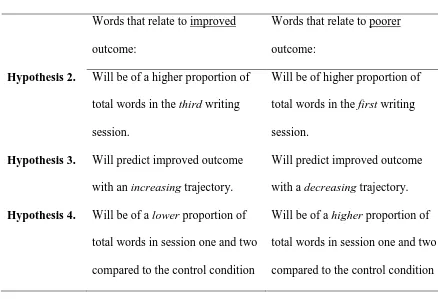
Table 2: Summary of Hypotheses ... 72
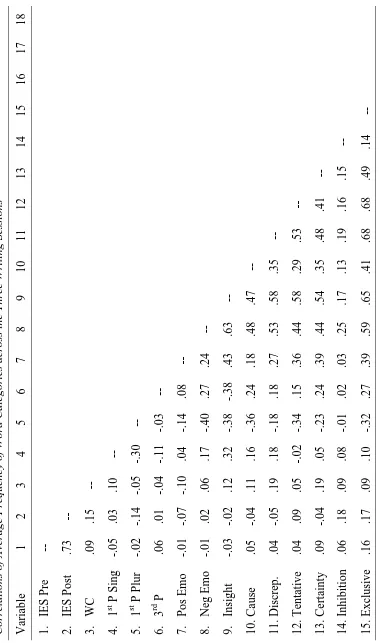
Table 3: Correlations of Average Frequency of Word Categories ... 73
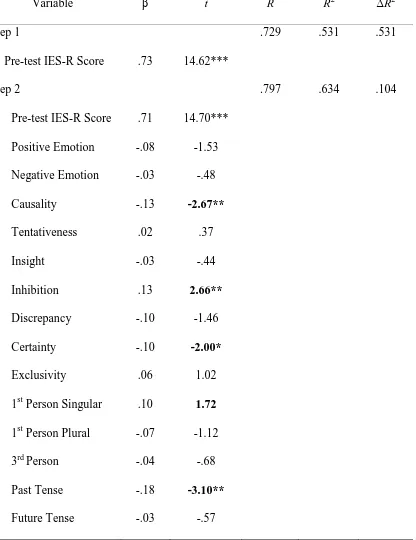
Table 4a: Summary of Hierarchical Analysis for Variables Predicting IES-R Post-Test Scores ... 75
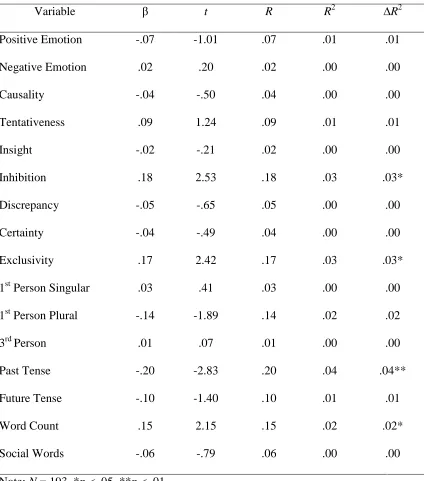
Table 4b: Summary of Individual Hierarchical Regressions Predicting Change in IES-R Post-Test Scores for 16 Word Categories ... 77
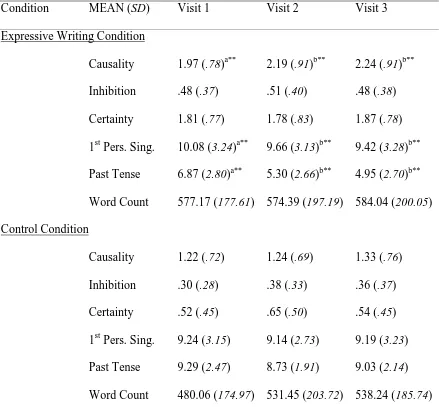
Table 5: Frequencies and Standard Deviations of the Six Word Categories across the Three Writing Sessions ... 78
List of Figures
Figure 1: Frequency of Use for Words Related to Cognitive Processing by Condition ... 80
List of Appendices
Appendix A: Impact of Events Scale – Revised ... 82
CHAPTER 1
Introduction
Expressive Writing: a Way of Coping with Trauma
Although experiencing a traumatic event has been faced by as much as 76.1
percent of the Canadian population (van Ameringen, Mancini, Patterson, & Boyle, 2008),
the lifetime risk at age 75 for posttraumatic stress disorder (PTSD) is 8.7% when using
the DSM-IV (American Psychological Association, 2013). Consequently, many
individuals are affected by PTSD and suffer from behavioural and psychological
symptoms, including intrusive memories and flashbacks, avoiding reminders or
associated situations with the trauma, negative alterations on cognitions, and changes in
reactivity associated with the event (American Psychological Association, 2013).
One effective method for assisting these individuals to recovery and to alleviating
the psychological symptoms has been through writing about thoughts and feeling
regarding the distressing experience (Sloan, Marx, Epstein, & Lexington, 2007).Writing
about one’s distress is an efficient and parsimonious task that has shown a small but
reliable alleviation for a wide range of symptoms, including those of PTSD (Smyth,
Hockemeyer, & Tulloch, 2008), depression (Gortner, Rude, & Pennebaker, 2006), and
low-quality of life (Lu, Zheng, Young, Kagawa-Singer, & Loh, 2012). This efficacious
tool has a wide range of implications that can be enhanced by further research. For
investigators, using a writing task as a research paradigm helps to understand why
disclosure may be important as well as provides a framework to analyze the underlying
mechanisms that lead to change. For therapists, understanding how the writing task helps
Original Design. To better understand the effects of disclosing experiences of
distress on health without the influence of the social context of a listener, Pennebaker and
Beall (1986) asked participants to write about a distressing experience for 15 minutes on
four consecutive days. Participants were assigned to one of four conditions: group 1 wrote
solely about the facts of the distressful event, group 2 wrote solely about the feelings
experienced about the distressful event, group 3 wrote about both the facts and feelings
regarding the distressful event, and group 4 (a control group) wrote about a trivial,
non-emotional subject. Subjects were permitted to write about the same or separate events
during each writing session, but they were not permitted to change conditions. Data on
participants’ records from health and counseling centres were collected prior to the study
and six months after. Findings from this study showed that individuals in the combined
fact and emotion group visited health care centres less often than the other three groups.
Benefits of Expressive Writing. Since Pennebaker and Beall’s study, an
extensive literature has developed echoing the positive effects that expressive writing has
on individuals (Murray & Segal, 1994; Possemato, Ouimette, & Geller, 2010). Sloan,
Marx, Epstein, and Lexington (2007) studied the effects of expressive writing on
individuals experiencing moderate posttraumatic stress symptoms regarding a distressing
event. In the study, participants wrote about the same distressing event on three
consecutive days for 20 minutes each day. Participants were assigned to either group 1, an
emotionally expressive condition with instructions to focus the content of their narratives
on emotion and feeling regarding the distressing event; group 2, an insight and cognitive
assimilation condition with instructions to write about how the event changed their lives
and what the event meant to them; or group 3, a control condition with instructions to
one-month follow up, both expressive writing groups (1 and 2) reported fewer PTSD
symptoms and fewer depressive symptoms than the control group, with the emotionally
expressive condition displaying significantly fewer PTSD and depressive symptoms.
The benefits of expressive writing extend beyond the alleviation of trauma
symptoms. Several studies have demonstrated the beneficial effects of expressive writing
on depression severity (Sloan et al., 2007; Smyth, Hockemeyer, & Tullock, 2008; Sloan,
Feinstein, & Marx, 2009), somatic symptoms associated with cancer (Henry, Schlegel,
Talley, Molix, & Bettencourt, 2010; Stanton, et al., 2002; Lu, Zheng, Young,
Kagawa-Singer, & Loh, 2012), and asthma (Smyth, Stone, Hurewitz, & Kaell,1999; Warner et al.,
2006). Some studies have investigated the impact of expressive writing on adverse work
incidents, citing quicker reemployment after a job loss (Spera, Buhrfeind, & Pennebaker,
1994) and decreased anger and intentions to retaliate for workplace injustices (Barclay &
Skarlicki, 2009) when individuals who wrote about their thoughts and feelings regarding
the event.
Frattaroli’s (2006) meta-analysis of 146 studies using expressive writing
demonstrated a consistent positive effect of writing about an upsetting or distressing event
across many domains, i.e., the subjective impact of the intervention, physiological
functioning, psychological health, self-reported health, and general functioning and life
outcomes. The meta-analysis did not show improvement in health-related behaviours,
such as self-reported upper respiratory problems. Of the 146 studies, 102 studies (70%)
had a positive effect size, 8 studies (5%) had an effect size of zero, and 36 studies (25%)
had a negative effect size. Overall, the effect of expressive writing was R = .075, which
although small is noteworthy nonetheless due to the task’s simplicity and ease of
Underlying Mechanisms of Expressive Writing
Although much literature has examined the effects of expressive writing on a
range of outcomes, few studies have studied why expressive writing is beneficial, and
those that have do not form a consensus as to why. Sloan and Marx (2004) stated “little
attention has been paid to understanding why this procedure appears to result in physical
and psychological gains” (p. 2). Originating from Freud (Baikie & Wilhelm, 2005), the
theory of catharsis postulated that decreased physical symptoms and arousal were derived
from the disclosure of previously undisclosed and suppressed thoughts and emotions
through the reduction of negative affect and the increase of positive affect. Pennebaker
and Beall’s (1986) original study attempted to determine to what extent the theory of
catharsis or the theory of inhibition explained the benefits of disclosing a personal trauma
or distressing event, and concluded that catharsis was not the sole determinant of outcome
in expressive writing. This was shown as individuals’ heart rate and negative affect
increased from pre- to post-writing, which runs counter to the catharsis theory, which
predicts that a more relaxed state should occur after disclosure.
Inhibition theory, a theory suggesting that actively inhibiting thoughts and
emotions regarding a distressful event taxes the psychosomatic symptoms of the body
causing psychological and physical symptoms, was supported by one study (Francis &
Pennebaker, 1992) but not supported by others (Greenberg & Stone, 1992; Greenberg,
Wortman, & Stone, 1996). A study by Greenberg and Stone (1992) illustrates the limits
of the inhibition theory as no differences in the benefits of writing were observed between
those who wrote either about an undisclosed or a previously disclosed distressful event.
Other theories also have been used to help explain various aspects of why
extinction, have similarly shown mixed results: Some studies support these theories
(Klein & Boals, 2001), while others have not (de Moor, et al., 2002; Lepore, 1997).
Studies investigating self-regulation theories have also produced contradicting results
(Frattarolli, 2006; King, 2001). Cognitive processing theories have explained some of the
benefits (Pennebaker, 1993) as individuals focus on making sense, gaining insight, and
organizing and integrating an upsetting experience into their self-schema. However,
cognitive processing theories have demonstrated limitations. A study by Greenberg,
Wortman, and Stone (1996) showed that individuals who experienced a distressful event
but then were asked to write about some other imaginary distressful event (i.e., not their
own) benefitted equally as those who followed the original expressive writing task of
writing about their own distress. This indicates that other processes besides cognitive
processing of one’s personal concerns are occurring and that these other processes should
be investigated in relation to writing about one’s own distress instead of an imaginary
one. In brief, King’s (2001) statement continues to hold, namely that the answer as to
why expressive writing is beneficial is still unknown, and further investigation is needed
into how people change via this writing task.
Linguistic Pattern Analysis Can Discern Tacit Psychological Differences
One way to study the underlying mechanisms of expressive writing is through the
analysis of the content of what individuals write. Some research on expressive writing has
involved identifying linguistic categories that relate both to individual differences and to
treatment outcomes.
Linguistic markers of social, demographic, and personality variables. The
words people use can reveal a number of things about a speaker: sex, age, social status,
close or distant, thoughtful or shallow (Pennebaker, Mehl, & Niederhoffer, 2003). As a
case in point, a review by Newman, Groom, Handelman, and Pennebaker (2008) of
14,000 text files across 70 studies indicated that males discuss more external events and
objects, such as their occupation or money, while females use more pronouns, more
emotion words, and more words relating to social contexts. Many studies have found
similar results for higher pronoun use by females and more object-reference by males
when describing themselves or their daily activities (Groom & Pennebaker, 2005;
Pennebaker, Groom, Loew, & Dabbs, 2004), although one study found no gender
differences in word use when participants were describing their own heart failure
experience or that of a spouse (Rohrbaugh, Mehl, Shoham, Reilly, & Ewy, 2008).
In regards to age, Beaudreau, Storandt, and Strobe (2006) found no difference in
length of verbally-told stories regarding negative and positive events between older and
younger adults, but differences in age have been associated with other linguistic aspects.
Seider, Hirschberger, Nelson, and Levenson (2009) found that couples between the age of
60 and 70 used more first-person plural pronouns than couples aged 40 to 50. Pennebaker
and Stone (2003) found that an increase in age was associated with the use of fewer
negative affect words, past-tense verbs, self-references, and an increase in future-tense
words as well as a general pattern of increasing cognitive complexity. When looking at
age at time of writing, both social words (Pressman & Cohen, 2007) and activated
emotion words, such as “lively,” “vigorous,” and “humorous” (Pressman & Cohen,
2012), were associated with longevity when analyzing autobiographies of influential
researchers.
In terms of cultural differences, two studies Tsai, Simeonova, and Watanabe,
negative childhood experiences and the second on marital conflicts with a partner. In both
studies, less acculturated Chinese Americans living in the United States used more social
words and somatic words compared to more acculturated Chinese Americans and
European Americans living in the United States. No differences were found in the use of
negative and positive emotion words. These findings presumably reflect cultural
differences when referring to emotion, as Chinese culture tends to combine body and
social states as part of an emotional experience.
Word use has been further used to differentiate between the Big Five personality
dimensions (Baddeley & Singer, 2008; Lee, Kim, Seo, & Chung, 2007; Mehl, Gosling, &
Pennebaker, 2006; Pennebaker & King, 1999). These findings highlight the utility of
word use as markers of age, sex, and other characteristics.
Linguistic markers of internal or hidden processes. Word usage can go beyond
identifying demographics and explain some aspects involved in the internal processes of
individuals. Freud (1901) acknowledged the importance of speech when referring to
parapraxes as indicators of deeper motives. Lacan (1968) treated language as a bridge to
reality, where the unconscious asserts itself. From a linguistic perspective (Pennebaker &
Francis, 1996), cognitive processes and emotional states should be reflected in word
choice. Word choice should mirror the thought process of an individual, thus using words
such as “because,” “reason,” and “cause” should indicate an investigation into meaning
and causality while using the words such as “realise,” “understand,” and “reconsider”
should indicate an attempt to gain understanding. A study by Davis and Brock (1975)
found that individuals sitting in front of a mirror used more first-person words, such as
“me” and “I,” than when completing a questionnaire without a mirror in view. Word
negative affect uses words reflecting that state. Moreover, articulating affect helps
budding emotional experience develop into conscious verbally labelled experiences
(Pascual-Leone, Paivio, & Harrington, 2015; Pennebaker & Francis, 1996).
Linguistic markers of psychological wellbeing. In a review of studies looking at
satisfaction in relationships experienced by couples, the frequency of certain pronouns
was associated with a distressed relationship or marital satisfaction. When engaging in a
problem solving interaction regarding their relationship, partners in non-distressed
relationships used “we” more frequently while partners in distressed relationships used
“you” and “me” more often (Williams-Baucom, Atkins, Sevier, Eldridge, & Christensen,
2010). Further support for the importance of pronouns in dialogue between couples was
seen in a study by Seider, Hirschnerger, Nelson, and Levenson (2009), who found that
greater use of “me” and “you” in conversations of couples who have a conflict was
related to dissatisfaction in relationship while the use of “we” was associated with lower
negative emotion by both partners and lower physiological arousal for the partner that
was listening. Similar results were obtained by Simmons, Gordon, and Chambless (2005),
indicating that a higher use of first-person plural pronouns was related to positive
problem solving with couples. These studies highlight the negative outcomes associated
with a greater use of first-person singular pronouns.
When psychiatric outpatients with either psychotic symptoms, intellectual
disabilities, or alcohol and drug dependence were compared to nonclinical controls based
on the way that they described themselves and how their situation was affecting them, the
psychiatric patients used fewer words relating to exclusion (e.g., “but,” “without,”
“exclude”), discrepancy (e.g., “should,” “would,” “could”), inhibition (e.g., “block,”
verbs than the nonclinical sample (Arntz, Hawke, Bamelis, Spinhoven, & Molendijk,
2012). These differences suggest that psychiatric outpatients process information
differently than nonclinical populations.
The observation that the words one utters, sometimes even unintentionally, may
be a glimpse into the psyche has influenced psychological measures. Subjective
assessment tests were developed with the notion that individuals’ thoughts, intentions,
and motives are reflected in how they describe ambiguous stimuli and that this could
provide information with regard to mental health. The Rorschach (Rorschach, 1942) and
the Thematic Apperception Test (TAT; McClelland, 1979) are two such tests that
interpret individuals’ explicit word choice (semantics) as well as context (pragmatics) to
uncover indicators of motives, affiliation, power, and achievement. From psychotherapy
process research, measures such as the Client Experiencing Scale (Klein,
Mathieu-Coughlan, & Kiesler, 1986) indicates to what extent individuals engage their thoughts and
feelings regarding an event. The measure’s levels are determined by individuals’ content
(what individuals talk about) and style (how they talk about it). As such, first-person
singular pronouns, emotion words, and cognitive words are indicators of one’s state of
experiencing. How individuals use their vocabulary has been an integral part in
psychology, for clinicians and researchers alike.
The ability to articulate one’s thoughts and feelings has many benefits, including
health improvements, when working through distressing content. Pennebaker (1997,
2003) surmised that one’s pattern of language use influences health through the
organization of emotions and cognitions into a coherent narrative. The first study to
attempt to isolate the mediating processes of the health benefits of expressive writing took
narratives and both long-term physical health and academic performance (Pennebaker &
Francis, 1996). Within the expressive writing group, those participants who were found to
use more insight-related, causation-related, and positive emotion words displayed greater
health improvements. In a later study, women in treatment for breast cancer who were
rated as talking more about their emotions (i.e., using a higher proportion of emotion
words) were associated with improved health self-perceptions and lower psychological
distress (Stanton et al., 2000). In regards to affect, the intensity of an emotion can be
diminished simply by verbally labelling the emotion (Berkowitz & Troccoli, 1990;
Keltner, Locke, & Audrain, 1993; Schwarz, 1990).
Linguistic Markers as Process Variables that Describe Psychological Change
Commonly explored linguistic predictors of change. Since the work of
Pennebaker and Francis (1996) other studies have identified other mediating linguistic
categories. The linguistic categories that are most often associated with positive change
are a greater use of words relating to cognitive processing, relatively high frequency of
positive emotion words, moderate frequency of negative emotion words, and a varied use
of first-person pronouns (Pennebaker, Chung, Ireland, Gonzalez, and Booth, 2007). In a
study by Boals and Klein (2005), individuals wrote once for 20 minutes regarding a
breakup of a romantic relationship in the last 12 months and completed a questionnaire
regarding the intrusiveness of thoughts and avoidance coping mechanisms related to a
stressful experience. Results indicated that greater avoidance of the breakup was
associated with more negative emotion and positive emotion word use as well as a greater
use of first-person singular and fewer first-person plural pronouns in the narratives.
Higher levels of intrusive thoughts and grief about the event were related to a higher
McCullough, Root, and Cohen (2006), the number of positive and negative emotion
words used in trauma narratives written over three occasions were negatively correlated
with motivations for revenge at someone for an offence, according to self-reports. Words
relating to cognitive processing were negatively correlated with motivations for revenge
and avoidance behaviours. Affect word use has been analyzed in expressive writing since
the first study on this topic, which related higher levels of positive words use with
improved health (Pennebaker & Francis, 1996). Hoyt and Pasupathi (2008) rated trauma
blogs for degree of recovery and found that a change to a more positive affect tone
predicted greater extent of recovery.
Among individuals with rheumatoid arthritis who wrote at home for 15 minutes
for four weekly sessions regarding an emotional event, higher use of positive emotion
words was related to an improvement in depressed and cheerful moods one-week and
three-months after writing, while negative emotion words use was unrelated to any
changes (van Middendorp & Geened, 2008). A higher frequency of cognitive processing
word use was related to the same psychological improvement but only at the one-week
follow-up. An increase in positive emotion and anxious words were related to better
physical quality of life at a three-week follow-up for individuals with leukemia or
lymphoma who wrote once for 20 minutes regarding their cancer (Morgan, Graves,
Poggi, & Cheson, 2008).
With an eye to design the current study, a methodological aside seems important
at this point, for the interpretation of “emotion words” as a variable. Some of the
abovementioned studies that examined emotion word use created a “change in affect”
variable by subtracting the number of negative emotion words used from the number of
Mayne, & Francis, 1997), but this integration assumes that the relationship between
positive and negative affect is bipolar. However, elsewhere emotion researchers have
found that a two-factor model (Diener, Smith, & Fujita, 1995) as well as a four-factor
model (Gregg & Shepherd, 2009; Huelsman, Nemanick, & Munz, 2003) of affect fit the
data significantly better than a one-factor (bipolar) model. As a case in point, the widely
used self-report measure, Positive and Negative Affect Schedule (PANAS; Watson &
Clark, 1994), was predicated on a two-factor model of affective experience. Such findings
indicate that the relationship between positive and negative affect should not be viewed as
bipolar but either as separable or orthogonal, indicating that positive and negative
emotions words would probably be better examined separately.
Cognitive processing words have been sub-divided into categories relating to
causality, tentativeness, discrepancy, certainty, inhibition, inclusivity, as well as
exclusivity (Tausczik & Pennebaker, 2010) and have be examined in in various studies.
Schwatrz and Drotar (2004) conducted a study of caregivers who were responsible for
hospitalized youth with chronic illness. Caregivers were organized into either an
expressive writing condition or a condition that wrote about summer activities. The study
found that an increase use of cognitive-related words predicted better health-related
quality of life, and that caregivers in the expressive writing condition used more
cognitive-related words than the control group. The use of words indicating causality in
expressive writing tasks have been linked to higher grades, better health, and improved
immune functioning among students who wrote about their thoughts and feelings
regarding coming to college compared to students who wrote about a trivial topic (Klein
& Boals, 2001; Petrie, Booth, & Pennebaker, 1998), while insight, self-discrepancy, and
Finally, the use of first-person pronouns was related to greater levels of depression
as well as physical and emotional pain when currently-, formerly-, or never-depressed
college students wrote a single essay regarding coming to college (Rude, Gortner, and
Pennebaker, 2001). Similar relations between the use of first-person pronouns and
depression have been found by others as well (Stirman & Pennebaker, 2001; Weintraub,
1981).
Lesser known linguistic predictors of change. Although many studies have
examined word usage, the majority of studies have studied a small range of linguistic
categories, focussing on positive and negative emotions, words relating to cognitive
processing and its various sub-categories, and the use of first-person pronouns. These
categories have proved insightful in providing information regarding how individuals
work through writing about a distressing event. But there are more linguistic categories
that exist that can provide meaningful information about what has already been observed.
Verb tense has been an indicator of symptoms in some studies, with some
evidence that focussing on the future relates to better outcomes while focussing on the
past relates to poorer outcomes. In a study by Manne (2002), parents of children who
successfully completed cancer treatment mailed a narrative to the researchers about their
deepest thoughts and feelings, memories, and worst aspect of their child’s treatment and a
completed trauma symptom self-report measure. Parents also completed a structured
interview over the phone. From the analyses of the written accounts, the inclusion of
fewer past-tense words was associated with more avoidance symptoms and total trauma
symptoms; and more future-tense words were related to greater re-experiencing,
avoidance, hyperarousal, and total trauma symptoms. When analyzing narratives
higher amount of grief and intrusive thoughts (Boals & Klein, 2005). In a study by
Guastella and Dadds (2006), individuals were randomly assigned to five expressive
writing conditions: group 1 was an exposure group that recounted the distressful event in
great detail, group 2 was a devaluation group that identified what was still upsetting
regarding the event, group 3 was a benefit-finding group that focussed on the benefits
gained from the experience, group 4 was a standard control group that focussed on the
thoughts and feelings of the event, and group 5 was a control group focussed on a trivial
topic. The benefit-finding group used the highest proportion of present-tense and
future-tense verbs, as well as more positive emotion and insight-related words and also reported
the lowest levels of distress compared to the other experimental groups. Alternatively, the
exposure group used the greatest number of past-tense verbs and used a greater
proportion of negative emotion words while reporting the greatest amount of
anxiety-related body symptoms.
Another study has looked at negations (Arntz, Hawke, Bamelis, Spinhoven, &
Molendijk, 2012) and found that the use of negations accounted for more than 80% of
themes focussed on what the writers did not have, could not do, or was missing from their
life. These examples reinforce the notion that thus far nonconventional linguistic
categories have the potential to offer additional insights into why expressive writing is
beneficial. Additional markers that have received a moderate amount of attention are
first-person plural and third-person pronouns. As mentioned earlier, studies have
indicated that person plural is linked to better satisfaction in relationships than
first-person singular (Seider, Hirschnerger, Nelson, & Levenson, 2009; Simmons, Gordon, &
Chambless, 2005). A review of Mayor Giuliani’s press conferences (Pennebaker & Lay,
of crises. During his personal upheaval earlier in life and during the attacks on the World
Trade Centre, Mayor Giuliani’s usage of first-person plural (e.g., we, us) increased
significantly, a switch also captured by Stone and Pennebaker (2002) in analyzing chat
rooms discussions after the wake of Princess Diana’s death. This change in word usage
exemplifies how a change in circumstances of one’s life can affect the manner in which
one speaks and can be noticed by looking at lesser known word categories.
Temporal patterns of change in use of linguistic markers. The focus of
linguistic markers thus far has been centered on what categories are meaningful. Another
integral part of studying word use is understanding the temporal aspect: the effect of the
linguistic categories changes depending on when they are used. When writing once a
week for three weeks regarding an upsetting experience, participants shifted in what they
wrote from the first to the last session (Guastella & Dadds, 2006). Earlier narratives used
more past-tense words while later narratives contained more present- and future-tense
words. There was also an increase in positive, causation, and insight related words from
the first to the last session. A review of six trauma-writing studies (Pennebaker, Mayne,
& Francis, 1997) indicated that an increase in the number of causal and insight words
from the first to the last day of writing was linked to a decrease in the frequency of
physician visits and the number of physical symptoms reported. This increase in words
relating to cognitive processing was further linked in the study to students’ higher grades
and faster re-employment for engineers. When the researchers examined affect, an
increase in negative emotion words and a decrease in positive emotion words were
associated with increased physical symptoms and physician visits. In a study by
Hamilton-West and Quine (2007), individuals suffering from ankylosing spondylitis (a
experience. Participants completed questionnaires assessing depression and ability to
function with ankylosing spondylitis at baseline and at one-month and three-month
follow-up session. Their results indicated that an increase in positive emotion word use
and a decrease in sadness word use as sessions progressed were related to individuals
rating their disease as less debilitating. Moreover, an increase in words relating to
tentativeness and a decrease in words relating to certainty (e.g., always, never) from the
first writing session to the last were associated with improvement in depression scores.
Combined analyses of word use. Margola, Facchin, Molgora, and Revenson
(2010) conducted a thorough analysis of word use in written narratives after inviting
adolescents who witnessed a classmate’s sudden and unexpected death in class, to write
about it. The classmates who participated in the study wrote for 15 minutes on three
consecutive days, with the first writing session occurring 15 days after the boy’s death.
Classmates completed measures on the first day of writing, one week following the final
writing session, and four months following the final writing session. The researchers
found that those whose symptom reports revealed they still found the event distressing
four months after writing had used during and after completion of the study more
first-person pronouns, causation words, inhibition words, and negative affect words in their
narratives as compared to students who were no longer symptomatic. Moreover, those
who reportedly were no longer distressed by the event used more future-tense and
cognitive words, especially tentative and discrepancy words.
Through the use of two statistical techniques, the researchers were able to
determine similarities and differences between linguistic categories as well as between
sessions using correspondence analysis (similar to factor analysis). They were also able to
the specificity analysis that is based on the chi-squared technique. The content of the first
writing session compared to the second and third used more words relating to the body
(i.e., in reference to the student falling down) as well as the student’s name more often.
The first writing session also included an overuse of words relating to death and an
underuse of future-tense and positive emotion words, indicating a preoccupation with the
passing of the classmate. The second writing session appeared to be a transition in that
there were still a high proportion of words relating to death but also an overuse of positive
emotion words and future-tense words in comparison with the other writing sessions,
indicating an increase in emotional processing. This change persisted to the third writing
session as it contained few words relating to death and a high proportion of positive
emotion, negative emotion, and future-tense words when compared to the first two
writing sessions. Moreover, the third writing session had an overuse of words relating to
causation, family, and school. The change in the third writing session is indicative of
greater emotional and cognitive processing with a clear change in topic from the event of
the death to the significance of the event in social and personal spheres. Margola and
colleagues’ (2010) study is one of the few to examine a wide range of linguistic patterns
over time, However, despite that strength, results from their study may not be
generalizable to other populations as the study was based on a small sample (N = 26) of
adolescents with a mean age of 15 years.
Another study that investigated many linguistic categories was conducted by
Arntz, Hawke, Bamelis, Spinhoven, and Molendijk (2012) that tracked the progress of
individuals with personality disorder through treatment. Individuals were assessed at
intake, one-year, and two-years after beginning treatment. During each assessment,
experience life currently, and where they see themselves in the future. Participants also
completed questionnaires regarding personality disorders, general symptoms, and quality
of life. Participants were randomly assigned to one of three treatments: schema therapy,
clarification-oriented psychotherapy, and treatment as usual. A non-clinical control group
– individuals without a personality disorder – was also included in the study. These
participants wrote about the same topic but only wrote at intake (no follow-up sessions).
The analysis of the essays across the three assessment periods demonstrated
important changes in how participants wrote as participants significantly decreased from
one assessment to the next in self-reported personality disorder symptoms, personality
disorder beliefs, and psychiatric symptoms while increasing in self-reported quality of
life. Across all treatments, the essays decreased in the use of first-person singular
pronouns, negative emotion, and causation words as well as past and future-tense verbs.
Furthermore, essays increased in the use of positive emotion words and present-tense
verbs. The majority of these changes in word use occurred between baseline and the
one-year follow up assessment. In an exploratory analysis, the researchers found twelve
additional linguistic categories that changed over the two-year time period, namely the
change in the number of unique, social, metaphysical, hearing, death, optimism, and
negation (e.g., no, not, didn’t) words as well as articles, pronouns, words greater than six
letters, the number of sentences, and the word count. The researchers also compared each
assessment period to the control group and found that while positive emotion words
increased over time, they remained significantly lower than word counts for the control
group. When comparing conditions on negative emotion word use, the proportion of
negative emotion words by the experimental condition was higher than control
from controls during the first writing session: narratives from individuals with personality
disorders showed greater baseline use of causation words and lower use of present-tense
verbs.
When controlling for baseline scores, two linguistic categories predicted changes
in outcome measures. A reduction in negative emotion words predicted a reduction in
personality disorder beliefs and a reduction in negative emotion and negation words both
predicted a reduction in general distress and diagnostic criteria as well as an increase in
quality of life. Although these findings demonstrate the value of analysing word use, the
study differs from expressive writing tasks as the study tracked the treatment of a
personality disorder, not a distressing event, and asked the participants to describe their
life’s progress, not to describe their thoughts and feelings regarding a specific event.
Methods for Discerning Patterns in Linguistics
Linguistic categories have been analyzed through two approaches: by way of
ratings by expert judges (typically clinical psychologists or psychiatrists part of the
study), or through computer programs. Historically, judges’ ratings have been a preferred
method as text is multilayered and was previously considered too complicated for
computer interpretation (Tausczik & Pennebaker, 2010). Initially, judges’ ratings were
highly qualitative and were used to determine broad impressions of a text based on
previously agreed dimensions. In the 1950s, judges scored phrases looking for Freudian
themes, such anxiety, hostility towards others, and various psychological and
interpersonal topics (Gottschalk, Gleser, Daniels, & Block, 1958). Over time, judges’
impressions were categorized and statistically interpreted, known as thematic content
analysis. Judges’ ratings determined the presence of a critical theme or concept and have
1963; Winter 1994), psychiatric syndromes (Gottschalk, 1997), goal structures (Stein et
al., 1997), arousal patterns associated with cultural shifts (Martindale, 1990), and levels
of thinking (Pennebaker et al., 1990). In an attempt to perform text analysis via judges’
rating, Weintraub (1981, 1989) hand counted everyday words people used. Throughout
the decade that he analyzed political and medical speeches, he reported that first-person
singular pronouns were reliably linked to people’s levels of depression (Tausczik &
Pennebaker, 2010). Although judges’ ratings integrate complex information and coding
schemes, there are still several limitations (see Tauszkik & Pennebaker, 2010). Judges do
not always have inter-observer agreement on key dimensions when rating the content of
deeply personal stories. Moreover, the training for this can be extensive and the research
costs can be expensive.
In an effort to address these limitations, computer programs were developed to
minimize the reliability problems of ratings while reducing the time otherwise required to
manage a large volume of open-ended responses (Tov, Ng, Lin, & Qiu, 2013).
Considered the forerunner of subsequent computer text analysis programs, the “General
Inquirer” was developed by Stone and colleagues (1966) for the purpose of replacing the
method of complex scoring conducted by judges of achievement imagery in the TAT. The
program analyzed homographs, or ambiguous words with context dependent meanings,
and then clarified the homographs using disambiguation rules. This two-step analytic
process gave the General Inquirer a unique flexibility because a user-defined dictionary
allowed it to perform word counts that took some context into account. The obvious
limitation to this program was the length of time required to create a custom dictionary
The General Inquirer was the first computer program to work with text analysis,
and many computer programs have been developed since its introduction for a wide
variety of purposes. A text analysis program known as TAS/C was another system for
linguistic analysis developed by Mergenthaler (1996) for the identification of words
related to emotional tone and conceptual abstraction in transcripts from psychotherapy
sessions. In this method, “emotional tone” referred to the extent to which emotion words
were used throughout a text, and “abstractions” referred to the use of abstract nouns (i.e.,
nouns with –ity, -ness, -ment, -ing, or –ion suffixes). The TAS/C has been used in
verbatim transcripts of psychotherapy from a number of treatment orientations
(Mergenthaler, 1996; Pfäfflin, Böhmer, Cornehl, & Mergenthaler, 2005) as well as in
attachment interviews (Buchheim, Mergenthaler, 2000; Pennebaker, Mehl, &
Niederhoffer, 2003), but is limited by its focus on a small subset of linguistic styles.
Analyzing political speeches, Hart (2001) developed a text analysis program called
DICTION that reveals the verbal tone of a text by determining the extent of five
independent categories: activity, optimism, certainty, realism, and commonality. The
program creates a profile on the five categories using either absolute values or norm
scores based on 20,000 samples of verbal discourse. Analysis using DICTION focuses on
the style of writing and has been used in analysis of presidential and campaign speeches,
political advertising, public debates, and media coverage (Hart, 2001).
In an attempt to understand trauma narratives, a text program was developed by
Tausczik and Pennebaker (2010) to quantify the use of basic linguistics (pronouns, verbs,
affect) and those developed from theory (inhibition, discrepancy). The Linguistic Inquiry
and Word Count (LIWC) determines the extent that various linguistic or word categories
psychological processes (words referring to affective or cognitive processes), personal
concerns (words referring to work, achievement, religion), and nonfluencies (“Um,”
“uh”). The intended use of the program was to predict subsequent health improvements
from writing about trauma. Use of the program has since been linked to a wide range of
outcomes (as described above). The LIWC has not only been applied to understanding
links between word categories and outcome measures, but has been used to distinguish
between distressed and non-distressed individuals who experienced the same upsetting
event (Margola et al., 2010). The LIWC has shown its utility in studying trauma and
stress via the expressive writing framework (Nazarian & Smyth, 2013; Margola, et al.,
2010), online chat room communications (Stone & Pennebaker, 2002), press conferences
(Pennebaker & Lay, 2002), everyday conversations (Mehl, Gosling, & Pennebaker,
2006), or transcribed oral descriptions (Graves, et al., 2005). The software may even be
amenable to examining responses from some projective assessment methods, including
the Rorschach and the TAT (Burke & Dollinger, 2005). As such, this method is a
promising way of identifying the linguistic markers that predict the benefits of expressive
writing.
The Current Study and Hypotheses
The goal of this study was to analyze the presence of linguistic markers in positive
changes and recovery from psychological distress. Unlike previous studies that have used
only a few linguistic aspects, such as affect words, words referring to cognitive
processing, and specific pronouns, the current study aimed to include a greater range of
linguistic categories. The purpose of doing this was to provide a more enriched
description of what word categories are used in a written narrative that is most predictive
journaling. Moreover, this research project examined word usage and writing patterns in a
large adult sample to further clarify what processes are related to recovery from a
distressing event.
In order to analyze linguistic markers, a framework where individuals could
disclose their experience and undergo treatment was required. Pennebaker and Beall’s
(1986) seminal work on expressive writing offered a paradigm for conducting the study
of linguistic processes as predictors of outcome. Expressive writing involves individuals
writing about a distressing event for 15 minutes on each of three consecutive days. The 15
minutes are reserved to write about one’s thoughts and feelings in a confidential and
private setting. With the use of computers, narratives can easily be typed and submitted
electronically.
Linguistic markers have been used as an additional tool when investigating many
of the theories that address why expressive writing works and therefore may allow one to
interpret findings from a broad range of psychological frameworks. This is important for
furthering research within the scope of expressive writing, to help researchers identify
key factors that bring about change when writing about a distressful event. These key
factors can eventually lead to improved treatment services, tools, and therapies. In the
current study, word use was investigated in two ways: (1) to determine which linguistic
categories predict outcome and (2) to understand how the influential linguistic markers
change over time to effect outcome.
Hypothesis 1: Change in use of linguistic categories predicts outcome of
expressive writing. Linguistic categories (See Table 1) were hypothesized to predict
changes in the impact of the distressful event. As identified by the literature, the use of
hypothesized to predict positive changes in outcome while the use of negative emotion
words, words relating to inhibition, and first-person singular pronouns were hypothesized
to predict negative changes in outcome. The use of additional word categories were
expected to have an influence on changes of outcome, but since this was an exploratory
hypothesis, no valence of change (i.e., positive or negative) could be stated with
confidence.
Hypothesis 2: Linguistic patterns change over time. It was hypothesized that
influential linguistic categories (those that predicted changes in the impact of the
distressful event) would change in expected patterns over the course of the three writing
sessions. These patterns would reflect change in emotional and cognitive processes, such
that difference would be apparent from the first writing session to the last. This will be
tested using two sub-hypotheses. H2.1. The first writing session, as compared to the third
writing session, was expected to include a higher frequency of words in each of the word
categories that have been identified from H1 as relating to negative change in outcome.
H2.2. The last writing session, as compared to the first, was expected to include more
words that have been identified from H1 as relating to positive change in outcome.
Hypothesis 3: The pattern of change (slope) for linguistic categories over time
will predict changes in outcome. Word categories that significantly changed in usage
across the three writing session (as found in H2) were retained for the current hypothesis.
This was an exploratory hypothesis with the aim to understand the effect of the rate of
change (i.e., possibly with a linear or quadratic slope) of word categories on outcome.
H3.1. A decrease in trauma symptoms was hypothesized to be related to an increasing
H3.2. A decrease in trauma symptoms was hypothesized to be related to a decreasing rate
of use of words that have been identified from H1 as relating to poorer outcome.
Hypothesis 4: The pattern of change of linguistic categories for the expressive
writing condition will be different from that of the control condition. The pattern of
the control condition for each of the word categories was expected to be no change, such
that the amount of use of each word category will not vary across the three days (not
increase or decrease). This acted as a baseline measure for comparison with the
expressive writing condition. The pattern of the expressive writing condition was
hypothesized to either decrease for word categories relating to negative outcome or
increase for word categories relating to positive outcome. This was tested using two
sub-hypotheses. H4.1. The expressive writing group was expected to use a greater number of
words relating to poorer outcome as identified in H1 than the writing-control condition,
but this difference would be negligible by the third writing session. H4.2. The expressive
writing condition was expected to use fewer words associated with improved outcome as
identified in H1, but this difference would be expected to be negligible by the third
CHAPTER 2
Methods
Participants
A sample of undergraduate students (N = 250; Pascual-Leone, et al., 2012) came
from a secondary source and were recruited from the Psychology Participant Pool at
University of Windsor from October 2010 to December 2012. The sample consisted of
mostly female (n = 213) participants, with the dominant ethnicity being Caucasian (56.3
%), with other ethnicities reported (African Canadian, South Asian, Middle Eastern,
Hispanic, east Asian, and Aboriginal). Most participants reported being single (52.5%) or
partnered (33.0%). Although participants’ age was not asked for, the average age in the
psychology participants pool at the University of Windsor while the study was running
was 21.13 years (SD = 4.20) and ranged from a minimum of 18 years to a maximum of 53
years. Students were recruited from all years of undergraduate experience.
Although the requirements to enter the study stipulated that individuals must have
experienced a stressful event, a few participants indicated that they had not experienced a
trauma (9.2%) or were not sure (21.8%). When asked how upsetting the trauma was, most
(83.6%) rating the experience at least as a level 5 with almost half (42.9%) rating the
trauma a 7 (very upsetting) on a 1-7 Likert scale. In querying about participants’ trauma,
some participants were receiving therapy or counselling (10.3%) during the study or were
taking medication, including antidepressants (8.0%).
Measures
The study involved generating a secondary data set from the set of expressive
writing narratives collected from the study by Pascual-Leone et al. (2012). The second
independent variables. Outcome measures were previously established and as such
represented data inherited directly (unmodified) from the archival data.
Process measure: Linguistic Inquiry and Word Count (LIWC). The LIWC is
a word count program, developed by Tausczik & Pennebaker (2010), to analyze the
frequency of word categories in narratives. Originally developed in 1992 and 1994, the
program underwent revisions in 1997 and 2007 to update its dictionaries and provide a
broader range of analysis. These dictionaries contain over 4,500 words and word stems,
with each category referring to a collection of words. In an analysis of 24,000 writers
totalling over 168 million words from over 72 studies of emotional writing, writing about
a trivial topic, science journals articles, blogs, or novels demonstrated that the LIWC
dictionaries captured approximately 86 percent of the total words used (Pennebaker,
Chung, Ireland, Gonzales, & Booth, 2007). This is in part due to the use of function
words, which account for 55 percent of the words spoken, heard, or written (Tausczik &
Pennebaker, 2010). Function words include prepositions, articles, prepositions,
conjunctions, and auxiliary verbs – a collective list of about 500 words.
Some of the dictionaries are hierarchically organized, such that a word may be
counted as part of multiple dictionaries. For example, the word “annoyed” will be
counted under the dictionaries of “anger,” “negative affect,” and “overall affect,” as well
as “past-tense verb” and “common verb.” If desired, user-defined dictionaries can also be
created. The program generates 80 output variables per text analysis, including total word
count, words per sentence, percentage of words captured by the dictionary, percent of
words longer than 6 letters, and the percentage of each of the 76 word dictionaries. The
dictionaries have been translated into multiple languages, including Spanish, German,
To create the dictionaries, various steps were undertaken to assign words
appropriately. For all subjective categories, an initial selection of word candidates was
gleaned from dictionaries, thesauruses, questionnaires, lists made by research assistants,
and from common rating scales (e.g., Positive Affect and Negative Affect Scale). Groups
of three judges then independently rated whether each word should be included into its
intended category. The various dictionaries were updated based on three rules: (a) a word
remained in a dictionary if two judges agreed on its inclusion; (b) a word was deleted if at
least two judges agreed on its exclusion; and (c) a word was added if at least two judges
agreed on its inclusion (Pennebaker, Chung, Ireland, Gonzales, & Booth, 2007). This
entire process was then repeated a final time by a separate group of three judges that
focused on the hierarchical dictionaries. The final percentages of judges’ agreement for
this second rating phase ranged from 93% to 100% agreement. Some dictionaries did not
undergo a rating process due to their objectivity (e.g., pronouns, articles, verbs). In the
1997 revision, an analysis of 8 million words from several dozen studies was used to
determine base rates of the dictionaries. Some of the original dictionaries were omitted
from the program if they had been used infrequently (base rates lower than 0.3 percent of
total word count) or had poor reliability or validity. Internal reliability was determined by
the degree to which the words in a dictionary were used across a select number of texts
(Pennebaker, et al., 2007). Intercorrelations of the word use were then calculated via a
binary method (presence or absence) and an uncorrelated method based on percentage of
total word counts. Both methods were employed as the binary method, which can
overestimate reliability due to essay length while the uncorrelated method can
underestimate due to variable base rates. The majority of the reliability rates were above
judges’ ratings were compared with the LIWC categories and resulted in strong
relationships in the predicted directions, with Pearson correlations ranging from .35 to
.75.
One common criticism of the LIWC is that it fails to regard the context or implied
meaning of a word, as the LIWC will identify the word “happy” in the sentence “I am not
happy” as a positive emotion, indicating that there is some measurement error.
Pennebaker and Francis (1996) found that such changes in meaning due to context
resulted in only a minimal amount of miscalculation, and thereby did not detract from the
integrity of the program in any substantive way. Moreover, context-independent analysis
may provide information that context-dependent interpretations cannot give, as found in a
study conducted by Pennebaker, Mayne, and Francis (1997). Closer examination of word
contexts indicated individuals were more likely to increase in self-reported happiness
when they wrote, “I am not happy,” rather than writing, “I am sad,” in discussing a
personally distressing event. Findings like this provide some reassurance to skeptics about
the validity of this method which reduces the rich meaning in prose to simply number
crunching the raw counts of word usage.
Treatment outcome measure (from archival data; Pascual-Leone et al., 2012).
A battery of self-report measures was administered in the study by Pascual-Leone et al.
(2012) at three time points: prior to the first expressive writing task, two weeks after, and
five weeks after. Based on preliminary results from Pascual-Leone et al., only the Impact
of Events Scale-Revised (Weiss & Marmar, 1997; -- described below) was used for the
current study since, on theoretical grounds, as it most related to the symptoms under
investigation and was expected to have the potential to reveal differences in analysis. This
event, and was used in the current study as the indices for psychological well-being
following the expressive writing task. Additional measures administered in the study by
Pascual-Leone and colleagues (2012) but not proposed for use in this research are Anger
Rumination Scale (ARS; Sukhodolsky, Golub, & Cromwell, 2001), The State-Trait
Anxiety Inventory (STAI; Spielberger, Gorsuch, Lushene, Vagg, & Jacobs, 1983), the
Center for Epidemiologic Studies Depression Scale (CESD; Randloff, 1977), the Current
Assessment of Somatic Symptoms Inventory (CASSI; Sirois & Gick, 2002) & Global
Health rating, the Post-Traumatic Growth Inventory-SF (Tedeschi & Calhoun, 1996), the
Resolution Scale-adapted (Singh, 1994), and the Satisfaction with Life Scale (SWLS;
Diener et al., 1985; Pavot & Diener, 2009).
The Impact of Events Scale-Revised (Horowitz, Wilner, & Alvarez, 1979;
IES-R). The IES-R is widely used within the trauma literature, recording the self-reported
subjective distress in relation to a trauma, focusing on intrusion, avoidance, and
hyperarousal. These areas are evaluated by having individuals indicate to what extent
they experience each of 22 symptoms over the past week and rate their response on a
5-point Likert scale ranging from 0 (not at all) to 4 (extremely). Examples include “I had
trouble falling asleep” and, “I felt irritable and angry” (See Appendix A). The IES-R has
demonstrated adequate internal consistency (Cronbach’s alpha = .84 to .94), high
concurrent validity (ranging from .71 to .86), and high test-retest reliability (ranging from
.89 to .94; Beck, et al., 2008). Pre-test and post-test scores were taken as part of the
parent-study.
Procedures
Recruitment in archival study. Participants were given access to sign up for the
experienced a distressing event and reported that they still had troubled feelings in
regards to the incident. Participants signed up for three visits either in the morning or
afternoon. During the initial visit, participants signed a consent form, were assigned a
numerical code, completed base line measures, and were given 15 minutes to write about
the distressing event.
Expressive writing task. Participants wrote for 15 minutes on three consecutive
days. The basic writing instructions were modified from Pennebaker and Beall (1986) and
given to the participants in the expressive writing condition (n = 208) as follows:
“During the next 15 minutes, please write down your deepest thoughts and
feelings about the most upsetting or traumatic experience of your entire life (i.e.,
the topic you have chosen for this study). In your writing, we’d like you to really
let go and explore your very deepest thoughts and feelings. You might tie your
topic to your relationships with others, including parents, lovers, friends, or
relatives. You may also link this event to your past, present, or your future; or to
who you have been, who you would like to be, or who you are now. Once you
begin writing, continue to do so without stopping for the entire 15 minutes without
regard to spelling, grammar, or sentence structure. All of your writings will be
completely confidential.”
Participants in the control condition (n = 53) also wrote for 15 minutes on three
consecutive days. Their writing instructions were designed to limit writing to a mundane
and non-emotive topic as follows:
“During the next 15 minutes, please write down in as much detail as possible what
as objective as possible. So, try to avoid adding personal thoughts and feelings as
you describe the last 24 hours.
Outcome data collection. Measures were given during the initial visit before