Best possible future self writing: Effects on well-being,
self-regulation, and related processes
BEAN, Megan Rose
Available from Sheffield Hallam University Research Archive (SHURA) at: http://shura.shu.ac.uk/24808/
This document is the author deposited version. You are advised to consult the publisher's version if you wish to cite from it.
Published version
BEAN, Megan Rose (2019). Best possible future self writing: Effects on well-being, self-regulation, and related processes. Doctoral, Sheffield Hallam University.
Copyright and re-use policy
See http://shura.shu.ac.uk/information.html
i
Best possible future self writing: Effects on well-being,
self-regulation, and related processes
Megan Rose Bean
A thesis submitted in partial fulfilment of the requirements of
Sheffield Hallam University
for the degree of Doctor of Philosophy
ii
Candidate Declaration
I hereby declare that:
1. I have not been enrolled for another award of the University, or other academic or professional organisation, whilst undertaking my
research degree.
2. None of the material contained in the thesis has been used in any other submission for an academic award
3. I am aware of and understand the University’s policy on plagiarism
and certify that this thesis is my own work. The use of all published or other sources of material consulted have been properly and fully acknowledged.
4. The work undertaken towards the thesis has been conducted in accordance with the SHU Principles of Integrity in Research and the SHU Research Ethics Policy.
5. The word count of the thesis is 81,128 (82,911 after corrections)
Name Megan Rose Bean
Date February 2019 (May 2019 after corrections)
Award Ph.D.
Faculty Social Sciences and Humanities
iii
Acknowledgements
I have had the most wonderful supervisory team. Dr. Katie Ward and Professor John Reidy, I am incredibly thankful for your guidance, your encouragement, and your support. I could not have asked for any more from you and am aware that you have at times gone above and beyond what you had to do. Thank you for working so very hard with me on this project and for making the Ph.D. a possibility. I am indebted to both of you. Thank you also to Mrs. Melanie Gee for joining our team for the systematic review. I appreciate your dedication, tuition and kindness. I am privileged to have had the three of you as my supervisors and to have had the opportunity to work with and learn from you.
Thank you to the Psychology postgraduate students and staff. All of you have been a supportive team to be part of, and some of you have become true friends. Special thanks to Dr. Jennie Drabble, Crystal Thompson, Rebecca Denniss, Helen Basu Chaudhuri and Lee Wallace who have been incredibly supportive throughout this process. You are some of the kindest, most selfless people I have ever met and have made the pressures and challenges of the Ph.D. so much easier.
I am indebted to the individuals who volunteered to take part in my experimental studies, and to the Psychology staff members who allowed me to advertise my studies in their lectures and classes. Thank you for giving your time to me. Thank you to the authors of manuscripts I was unable to access for sharing your work with me for my systematic review, and to Sarah Owers for assisting with my document supply requests. I would also like to thank Samm Wharam and Christy Bannister for patiently answering my near-constant questions.
iv Abstract
Best possible future self (BPFS) writing has consistently been shown to
immediately increase positive affect and may elicit sustained improvements in well-being (e.g. Frein & Ponsler, 2014; King, 2001). It has been suggested that the well-being benefits of BPFS writing occur because the intervention
increases self-regulation (King, 2001; 2002). This explanation is conceivable because of similarities between BPFS writing and future-oriented mental simulation, which has been found to benefit self-regulatory processes (e.g. Pham & Taylor, 1999). However, prior to the current research-programme, effects of mental simulation in comparison to writing about a BPFS had not been explored, and effects of BPFS writing on self-regulation had not been measured. The overarching aim of this thesis was to explore the suggestion that BPFS writing improves physical and psychological well-being through
increasing regulation. In the first study BPFS writing bolstered
v
Table of Contents
Candidate Declaration ... ii
Acknowledgements ... iii
Abstract ...iv
List of Tables ...xi
List of Figures ...xii
CHAPTER ONE: INTRODUCTION TO THE THESIS 1.1 Background to the thesis ... 1
1.2 Structure of the thesis ... 2
CHAPTER TWO: LITERATURE REVIEW 2.1 Overview ... 5
2.2 Writing interventions ... 5
2.2.1 The origins of writing interventions: Expressive writing ... 5
2.2.1.1 The first writing intervention study ... 5
2.2.1.2 Short-term costs of long-term benefits ... 7
2.2.1.3 Physiological reactivity ... 8
2.2.1.4 Long-term psychological effects of EW ... 9
2.2.1.5 Long-term physical effects of EW ... 10
2.2.1.6 Effects of EW on immune-function ... 12
2.2.2 Proposed mechanisms of the effects of EW on health ... 15
2.2.3 Positive writing and the self-regulation theory ... 19
2.2.3.1 Writing about best possible future selves ... 22
2.3 Mental simulation ...27
2.3.1 Definition ... 27
2.3.2. Features of mental simulation ... 28
2.3.2.1 Mental simulation increases perceived likelihood of events ... 28
2.3.2.2 Mental simulation facilitates planning ... 29
2.3.2.3 Mental simulation elicits emotions ... 30
2.3.3 Translation of thoughts and intentions into action ... 31
2.3.4 Types of mental simulation ... 32
2.4 Overall summary ...37
CHAPTER THREE: AIMS AND OBJECTIVES 3.1 Aims ...38
3.2 Objectives ...39
vi
4.2 Aims ...44
4.3 Method ...45
4.3.1 Design ... 45
4.3.2 Power analysis ... 45
4.3.3 Participants ... 46
4.3.4 Materials ... 46
4.3.5 Procedure ... 49
4.3.6 Ethical considerations ... 53
4.4 Results ...53
4.4.1 Attrition ... 53
4.4.2 Data preparation ... 55
4.4.2.1 Reliability analysis ... 55
4.4.2.2 Missing data ... 55
4.4.2.3 Testing assumptions of parametric analyses ... 55
4.4.3 Checking adherence to task instructions ... 58
4.4.4 Checking for between-group differences at baseline ... 60
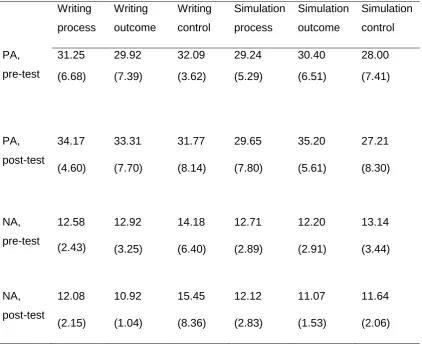
4.4.5 Immediate effects of writing/ simulation on PA and NA ... 61
4.4.6 Long-term effects ... 63
4.4.6.1 Psychological and physical well-being ... 63
4.4.6.2 Self-regulation and self-efficacy ... 65
4.5 Discussion ...68
4.6 Directions for further research ...72
CHAPTER FIVE: STUDY TWO. WRITING ABOUT A BEST POSSIBLE FUTURE SELF: A PARTIAL REPLICATION OF KING (2001) 5.1 Introduction ...74
5.2 Aims ...75
5.3 Method ...76
5.3.1 Design ... 76
5.3.2 Power analysis ... 76
5.3.3 Participants ... 77
5.3.4 Materials ... 77
5.3.5 Procedure ... 79
5.3.6 Ethical considerations ... 82
5.4 Results ...82
5.4.1 Exclusion and Attrition ... 82
5.4.2 Data preparation ... 86
vii
5.4.2.2 Missing data analysis ... 86
5.4.2.3 Testing assumptions of parametric analyses ... 86
5.4.3 Checking adherence to task instructions ... 87
5.4.4 Checking for between-group differences at baseline ... 89
5.4.5 Immediate effects of writing on PA and NA ... 91
5.4.6 Long-term effects ... 93
5.4.6.1 Psychological and Physical Well-being ... 93
5.4.6.2 Self-regulation and Future-orientation ... 94
5.5 Discussion ...95
5.6 Directions for further research ...99
CHAPTER SIX: IS WRITING ABOUT A BEST POSSIBLE FUTURE SELF BENEFICIAL FOR PHYSICAL AND PSYCHOLOGICAL WELL-BEING? A SYSTEMATIC REVIEW 6.1 Introduction ...101
6.2 Aims ...107
6.3 Method ...107
6.3.1 Inclusion/ exclusion criteria ... 108
6.3.2 Searches ... 110
6.3.3 Data extraction ... 114
6.3.4 ROB assessment ... 115
6.3.5 Data synthesis ... 116
6.3.6 Ethical considerations ... 117
6.4 Results ...117
6.4.1 Study selection ... 117
6.4.3 Participant characteristics ... 121
6.4.4: Results of individual studies ... 132
6.4.5: Risk of bias (ROB) assessment results ... 168
6.5 Narrative synthesis ...186
6.5.1 Physical health outcomes ... 186
6.5.1.1 Self-reported physical symptoms ... 186
6.5.1.2 Medical care utilisation (MCU) ... 187
6.5.2 Physiological outcomes ... 188
6.5.2.1 Salivary-cortisol ... 188
6.5.2.2 Blood pressure ... 189
6.5.3 Psychological health outcomes ... 190
6.5.3.1 Positive affect (PA) ... 190
viii
6.5.3.3 Optimism, positive and negative future-expectancies, and optimistic
explanatory-style ... 196
6.5.3.4 Anxiety ... 203
6.5.3.5 Stress ... 203
6.5.3.6 Depression ... 204
6.5.3.7 Neuroticism ... 206
6.5.3.8 Burn-out ... 207
6.5.3.9 Life-satisfaction ... 208
6.5.3.10 Mental well-being ... 209
6.5.3.11 Happiness ... 209
6.5.3.12 Self-esteem ... 212
6.5.3.13 Body-esteem and body-comparison ... 213
6.5.3.14 Self-compassion, self-reassurance, and self-criticism ... 214
6.5.3.15 Dependency ... 215
6.5.3.16 Perfectionism ... 216
6.5.3.17 Hostility (and hostile affect) ... 217
6.5.3.18 Fearful and guilty affects ... 218
6.5.3.19 Need-satisfaction ... 218
6.5.4 Cognitive-process outcomes ... 219
6.5.4.1 Self-efficacy ... 219
6.5.4.2 Mindfulness ... 220
6.5.4.3 Flow ... 220
6.5.4.4 Future-orientation ... 222
6.5.4.5 Working-memory ... 222
6.5.4.6 Set-shifting ... 223
6.5.4.7 Attentional-bias ... 224
6.5.4.8 Self-regulation ... 225
6.5.4.9 Emotion-regulation ... 226
6.5.5 Effects of procedural variations on intervention outcomes ... 227
6.5.5.1 Temporal spacing of writing sessions ... 227
6.5.5.2 Setting of writing sessions ... 228
6.5.5.3 Number of writing sessions ... 229
6.5.5.4 Process versus outcome focus ... 230
6.6 Summary of evidence, evaluation and conclusions ...234
6.6.1 Summary of evidence... 234
ix
6.6.1.2 Psychological health outcomes... 235
6.6.1.3 Cognitive-process outcomes ... 238
6.6.1.4 Physiological outcomes ... 242
6.6.1.5 Effects of procedural variations ... 244
6.6.2 Evaluation ... 246
6.6.3 Conclusions ... 249
CHAPTER SEVEN: GENERAL DISCUSSION 7.1 Summary of findings ...252
7.2 Contributions to knowledge and implications ...254
7.2.1 Effects of mental simulation of a BPFS ... 254
7.2.2 Effects of BPFS-W on physical and psychological well-being ... 255
7.2.3 Effects of BPFS-W on self-regulation ... 258
7.3 Limitations and directions for future research ...259
7.4 Summary and Conclusion ...263
References ...266
Appendices ... 1
A.1 Conference presentation ... 1
A.2 Study One advertisement for research participation site ... 2
A.3 Study One participant information sheets... 3
A.3.1 Information sheet before recruitment modifications ... 3
A.3.2 Information sheet after recruitment modifications ... 5
A.4 Study One participant consent form ... 7
A.5 Study One debrief sheet ... 8
A.6 Study One ethics proformas and approval letters ... 9
A.6.1 Ethics proformas ... 9
A.6.2 Approval letters ... 37
A.7 Study One SPSS outputs from main analyses ... 39
A.7.1 Immediate effects ... 39
A.7.2 Long-term effects ... 43
A.8 Study Two advertisement for participants ... 89
A.9 Study Two participant information sheet ... 90
A.10 Study Two participant consent form ... 92
A.11 Study Two debrief sheet ... 93
A.12 Study Two ethics proforma, data management plan, and approval letter ... 94
A.12.1 Ethics proforma ... 94
A.12.2 Data Management Plan ... 106
x
A.13 Study Two SPSS output from main analyses ... 109
A.13.1 Immediate effects ... 109
A.13.2 Long-term effects ... 125
A.14 Systematic review PRISMA checklist... 142
A.15 Systematic review Prospero protocol ... 144
A.16 Search terms used in database searches ... 147
A.17 Excluded studies and reasons for exclusion ... 148
A.18 Sample data extraction form ... 153
A.19 Systematic review ethics checklist and approval letter ...154
A.19.1 Ethics checklist ... 154
xi
List of Tables
Table 4.1: Transformations used to correct outliers ... 56
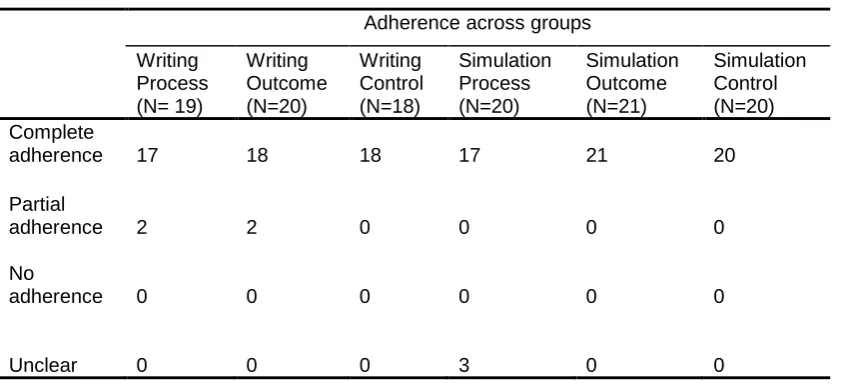
Table 4.2: Adherence to task instructions across groups ..………58
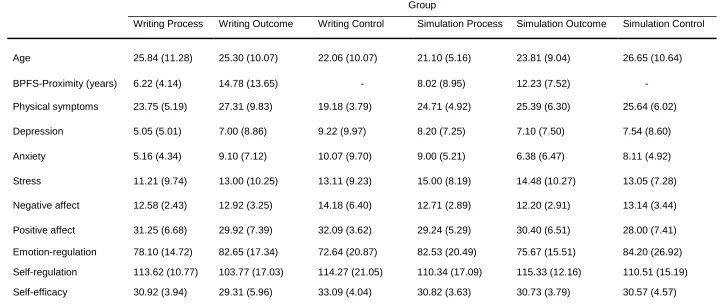
Table 4.3: Means and SDs of age and outcome variables at baseline ... 59
Table 4.4: Means and SDs of positive and negative affect scores as functions of modality and task ... 61
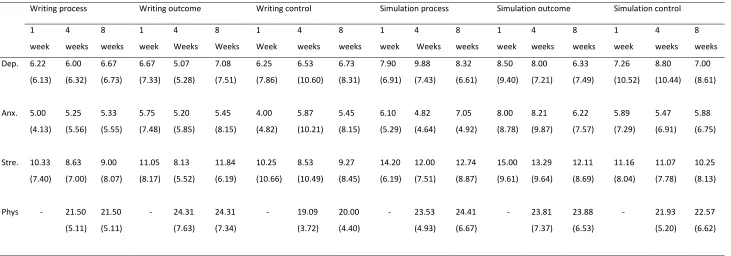
Table 4.5: Means and SDs of all well-being outcomes at follow-ups ... 63
Table 4.6: Means and SDs of self-regulation, emotion-regulation and self-efficacy at follow-ups ... 65
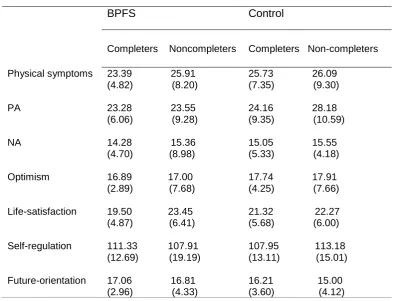
Table 5.1: Means and SDs of baseline scores on outcome variables in completers and non-completers ………..83
Table 5.2: Adherence to task instructions and essay word counts across groups ……88
Table 5.3: Means and SDs for age and outcome variables at baseline ... 90
Table 5.4: Means and SDs of affect scores as functions of day and pre- or post-writing ... 91
Table 5.5: Means and SDs of well-being outcomes at follow-ups ... 93
Table 5.6: Means and SDs of self-regulation and future-orientation at follow-ups ... 94
Table 6.1: Publication characteristics of included studies... 119
Table 6.2: Participant characteristics in included studies ... 121
Table 6.3: Effects of BPFS-W on physical and physiological health indicators ... 133
Table 6.4: Effects of BPFS-W on psychological well-being indicators ... 139
Table 6.5: Effects of BPFS-W on cognitive-process outcomes ... 161
xii
List of Figures
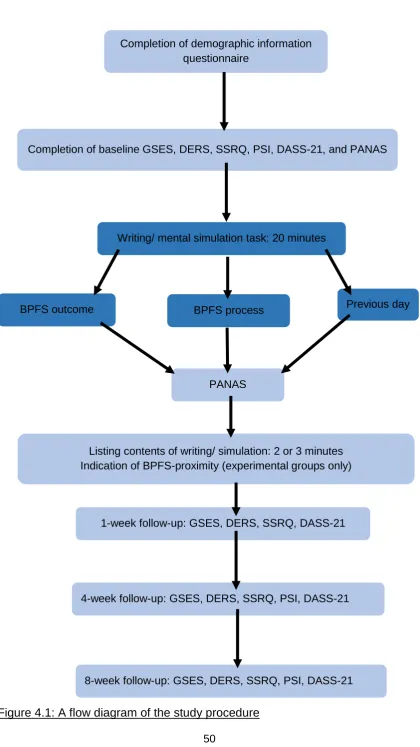
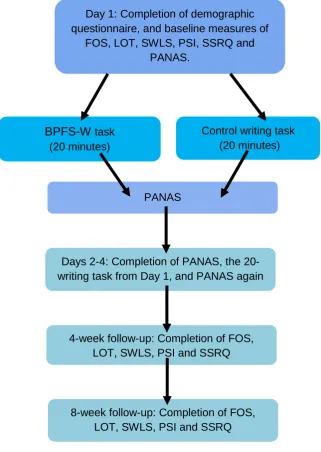
Figure 2.1: TOTE unit (Carver & Scheier, 2012; Miller et al., 1960; Reid, Vignali & Barker, 2015) ... 25 Figure 4.1: A flow diagram of the study procedure ... 50 Figure 4.2: Diagram adapted from Consolidated Standards of Reporting Trials
(CONSORT, 2010) showing participant-flow and attrition (Schulz, Altman & Moher, 2010). ... 54 Figure 5.1: A flow diagram of the study procedure ... 80 Figure 5.2: Diagram adapted from Consolidated Standards of Reporting Trials
xiii
List of abbreviations
This list describes the meaning of abbreviations used throughout the thesis:
Abbreviation Meaning
AAS Affect-Adjective Scale
AIDS Acquired immunodeficiency virus ABPM Ambulatory blood pressure monitoring
ANS Autonomic nervous system
ASQ Attributional Style Questionnaire BPFS Best possible future self
BPFS-W Best possible future self writing BPS British Psychological Society DHP Division of Health Psychology
CES-D Centre for Epidemiologic Studies-Depression Scale
ConA Concanavalin A
CONSORT Consolidated Standards of Reporting Trials CRD Centre for Reviews and Dissemination DASS-21 Depression, Anxiety and Stress Scale-21 DERS Difficulties in Emotion-Regulation Scale DES Differential Emotions Scale
DV Dependent variable
EBV Epstein-Barr virus
ECPP European Conference on Positive Psychology EF(s) Executive function(s)
EHPS European Health Psychology Society
EPQ-N Eysenck Personality Questionnaire- Neuroticism subscale
EW Expressive writing
FES Future Expectancies Scale FOS Future Orientation Scale
GSES Generalised Self-Efficacy Scale HIV Human immunodeficiency virus HPA axis Hypothalamus-pituitary-adrenal axis
xiv
LIWC Linguistic Inquiry and Word Count LOT Life Orientation Test
LOT-R Life Orientation Test- Revised MCU Medical care utilisation
NA Negative affect
N-FEX Negative future expectancies NMI Negative mood induction
OSPAN Arithmetic operation-word memory span
PA Positive affect
PANAS Positive and Negative Affectivity Scale
PANAS-X Positive and Negative Affectivity Scale- Expanded form P-FEX Positive future expectancies
PGIS Personal Growth Initiative Scale
PHA Phytohemagglutinin
PILL Pennebaker Inventory of Limbic Languidness PNS Parasympathetic nervous system
PRISMA Preferred Reporting Items for Systematic Reviews and Meta-Analyses
PSI Physical Symptoms Inventory
ROB Risk of bias
SD Standard deviation
SESP Society for Experimental Social Psychology SHS Subjective Happiness Scale
SNS Sympathetic nervous system
SPANE Scale of Positive and Negative Experience SPT Subjective Probability Test
SRQ Self-Regulation Questionnaire SSRQ Short Self-Regulation Questionnaire STADI State-Trait-Anxiety-Depression Inventory SWLS Satisfaction with Life Scale
1
Chapter One
Introduction to the thesis
1.1 Background to the thesis
The physical and psychological well-being effects of writing about thoughts and feelings have been explored for over 30 years. In the first study of writing as a therapeutic intervention, Pennebaker and Beall (1986) found that when
individuals wrote emotively about a personally traumatic experience their physical well-being increased four months later. Since then, numerous studies have been conducted to explore the effects of writing about trauma and they have shown that writing does, at least sometimes, benefit physical and psychological health (e.g. Hemenover, 2003; Smyth, Hockemeyer & Tulloch, 2008, but see also Sbarra, Boals, Mason, Larson & Mehl, 2013). However, the benefits of writing about trauma come at a cost. Consistently, it elicits
immediate short-term residual distress (e.g. Kloss & Lisman, 2002; Schroder, Moran & Moser, 2018), which has been found to be unrelated to the subsequent benefits (Smyth, 1998). More recently, researchers have experimented with positively-valanced writing topics, which have been found to benefit well-being without the initial short-term distress (e.g. Burton & King, 2004; Wing, Schutte & Byrne, 2006). One of these topics is writing about a best possible future self (BPFS; King, 2001). This variation on Pennebaker and Beall’s (1986) writing
intervention consistently induces short-term positive affect (PA; e.g. Frein & Ponsler, 2014; Hanssen, Peters, Vlaeyen, Meevissen & Vancleef, 2013), and regularly yields beneficial changes in physical and psychological well-being (King, 2001; Peters, Meeviseen & Hanssen, 2013).
The effects of BPFS writing (BPFS-W) have been suggested to occur due to increases in self-regulation (e.g. King, 2001; 2002). This suggestion is
2
which benefits self-regulatory processes such as planning as well as goal performance (e.g. Pham & Taylor, 1999). However, the effects of BPFS-W in comparison to future-oriented simulation were yet to be explored, and self-regulation had not yet been directly measured as an outcome of the BPFS-W intervention. The first experimental study of the current thesis was designed to compare the effects of BPFS-W and future-oriented mental simulation on physical and psychological well-being, as well as on self-regulation.
1.2 Structure of the thesis
In Chapter Two the literature surrounding BPFS-W is reviewed. The chapter begins with an overview of the intervention’s origins in expressive writing about
trauma, followed by a discussion of the transition from trauma writing to positive writing including BPFS-W. The theories surrounding the mechanisms through which these interventions may impact well-being are also evaluated. In Section 2.2.3.1, King’s (2001; 2002) self-regulation theory is presented. This leads into
a review of the literature surrounding future-oriented mental simulation (Section 2.3); a self-regulatory activity suggested by King (2001) to be comparable to BPFS-W (e.g. Pham & Taylor, 1999). The aims and objectives of this thesis are presented in Chapter Three.
The findings of Study One are reported in Chapter Four. Literature suggests that mental simulation of the process goals towards an outcome is more
effective than simulation of the outcome itself (e.g. Pham & Taylor, 1999; Taylor & Pham, 1999). The comparative effects of process and outcome BPFS
3
The lack of change in physical and psychological well-being following BPFS-W was surprising. It was suggested that this may be attributable to procedural differences between Study One and King’s (2001) original BPFS-W study. For
example, a single writing session was used in Study One, whereas King (2001) used four sessions. Given that Study One was the first BPFS-W study to
include self-regulation as an outcome, it remained unknown whether the gains seen in self-regulation following a single writing session were generalisable to other procedures than the one used in Study One (e.g. King’s (2001) protocol).
Therefore, it also remained unknown whether the well-being and self-regulation benefits of BPFS-W required different procedural parameters to be promoted. The difference in effects of BPFS simulation and writing on self-regulation suggested that they are dissimilar in terms of the procedural parameters required to harvest optimum effects. For this reason, the focus of the thesis turns to BPFS-W alone from Chapter Five onwards.
In Chapter Five, Study Two of the thesis is presented. In this study, King’s
(2001) procedure was replicated as closely as possible, to explore the effects of four BPFS-W sessions on self-regulation and well-being. Findings were
unexpected; there was no effect of BPFS-W on both well-being and self-regulation. The null findings may be attributable to remaining procedural differences between Study Two and King’s (2001) study— as well as
differences between Study Two and Study One— which may have lowered the efficacy of the intervention, such an online rather than laboratory setting.
4
5
Chapter Two
Literature Review
2.1 Overview
The broad aim of this thesis was to investigate King’s (2001; 2002) suggestion
that writing about a best possible future self (BPFS) increases self-regulation and, in turn, benefits physical and psychological well-being. The current chapter has been written to review the literature surrounding BPFS writing (BPFS-W), beginning with its origins in expressive writing. The transition from traditional writing interventions centred around past trauma to writing about future life goals is described, and theories of mechanisms of effect are critically-evaluated. King’s (2001) self-regulation theory of how BPFS-W brings about health
benefits is then discussed, and the possibility that the intervention works in a similar way to mental simulation— an activity which has been found to benefit self-regulation (e.g. Pham & Taylor, 1999; Taylor & Armor, 1997, as cited by Taylor, Pham, Rivkin & Armor, 1998)— is introduced. Finally, literature
surrounding the effects of mental simulation on self-regulation is discussed, along with the possible mechanisms through which these effects occur.
2.2 Writing interventions
2.2.1 The origins of writing interventions: Expressive writing
2.2.1.1 The first writing intervention study
Emotional expression— observable manifestations of emotions (Vogel, Wade & Hackler, 2008)— is associated with better physical and psychological health
6
and Beall (1986), active inhibition of thoughts, feelings and behaviours over time is cumulatively stressful and is associated with low-level physiological work (see also Pennebaker, 1989, Pennebaker & Chung, 2007). It is these stress and arousal effects of inhibition which are thought to be damaging (Lepore, Greenberg, Bruno & Smyth, 2002). Individuals with lower emotional expression are more likely to suffer from psychiatric conditions such as anorexia nervosa (Espeset, Gulliksen, Nordbø, Skårderud & Holte, 2012), and have physical illness and lower life-satisfaction (Finkenauer & Rimé, 1998; Pennebaker & O’Heeron, 1984). Suppression of emotions is also associated with lowered
immune-functioning (Petrie, Booth & Pennebaker, 1998), and physical diseases such as cancers (Kune, Kune, Watson & Bahnson, 1991; Shaffer, Graves, Swank & Pearson, 1987).
Given the association between inhibition and illness, it is unsurprising that many psychotherapies encourage open discussion of individuals’ problems
(Pennebaker, 1997; Smyth & Helm, 2003). However, emotional expression outside of a therapeutic environment is not always possible, because of perceptions that it is socially unacceptable, or absence of social support (Lepore, Silver, Wortman & Wayment, 1996; Wortman & Silver, 1989;
Pennebaker & Beall, 1986; Smyth, Nazarian & Arigo, 2008). Written disclosure of feelings undercuts these barriers; it allows expression without a need for social interaction (McGihon, 1996; Smyth et al., 2008). It was upon this premise that writing interventions began to be investigated.
Early writing interventions focussed upon disclosure of trauma. The first study of the effects of writing about trauma was conducted by Pennebaker and Beall (1986). This study was designed to test their inhibition theory, that is, to explore whether the damaging effects of inhibition on health could be ameliorated by written disclosure. 46 students were allocated to four writing conditions: trauma-facts (factual details of an emotional experience), trauma-emotions (emotions surrounding the experience), trauma-combination (both facts and emotions) and control (benign topics, for example their shoes). Participants attended a
7
experiences including sexual abuse, death of close loved-ones and drug abuse. The majority (54.6- 75.0%) of those in the trauma groups wrote about an
experience that they had not shared before, suggesting that writing was an acceptable means of expression to them. Expressive writing (EW) about emotions surrounding personal trauma evoked an increase in negative mood immediately post-writing, as well as elevated systolic blood pressure. However, it resulted in reduced physical illness four months post-writing. When asked to describe how EW had affected them, participants reported that it had been beneficial; it had given them peace of mind, made thinking about their traumatic experience less painful, and generally made them feel better. Pennebaker and Beall’s (1986) findings suggested that individuals may not need a therapist or
social support network to reduce inhibition and enjoy the health benefits of emotional expression.
Since publication of Pennebaker and Beall’s (1986) study, a plethora of
investigations into the healing power of written disclosure has been conducted. Findings are discussed in the following sections of this chapter.
2.2.1.2 Short-term costs of long-term benefits
Pennebaker and Beall’s (1986) findings suggested that writing about emotions
8
studies (Smyth, 1998). The immediate physiological reaction to the intervention, however, appears to be implicated in the long-term effects (Sloan & Marx, 2004a).
2.2.1.3 Physiological reactivity
Exposure to stressors exerts powerful effects on physiological systems
(Kemeny, 2003). These effects are thought to have evolved to allow individuals to cope with threat; physiological systems required for an effective threat
response are activated, and those which are not required are suppressed (Kemeny, 2003). Physiological arousal is controlled by the autonomic nervous system (ANS). The ANS is comprised of two distinct neurological networks; the parasympathetic nervous system (PNS) and the sympathetic nervous system (SNS). Activation of the ANS prepares the body for the fight or flight mechanism (Sadi, Finkelman & Rosenberg, 2013; Ziegler, 2012). The PNS exerts inhibitory effects and governs relaxation-related functions such as reductions of heart-rate (Levenson, 2014). The SNS exerts excitatory effects and governs arousal-related functions including elevations in pulse- and heart-rates and respiration (Kemeny, 2003; Levenson, 2014, Ziegler, 2012). It is these excitatory processes which are needed for fight or flight (Kemeny, 2003). The SNS overrides the PNS in the presence of physical or psychological stressors, resulting in
cardiovascular reactivity (Applehans & Luecken, 2006; Loft et al., 2007; Ziegler, 2012).
EW about trauma has immediate physiological effects (e.g. Epstein, Sloan & Marx, 2005; Pennebaker & Beall, 1986; Sloan & Marx, 2004a). This is
unsurprising, because it requires confrontation of threatening stimuli in the form of negative thoughts, feelings and memories. As previously discussed,
Pennebaker and Beall (1986) found a significant increase in systolic blood pressure immediately following their first writing session, and a decrease in systolic blood pressure following further sessions. Similarly, Sloan and Marx (2004a) found a significantly greater increase in salivary-cortisol, a biomarker for stress, in EW participants than controls following the first writing session, but not at later sessions. They also found that increases in cortisol at the first
one-9
month follow-up. This finding indicates a possible biological pathway through which EW may lead to health benefits.
2.2.1.4 Long-term psychological effects of EW
Short-term, EW generally results in transient distress and associated
physiological arousal (e.g. Pennebaker & Beall, 1986). Long-term, it may have beneficial effects on psychological well-being, although results are inconsistent.
Several studies have demonstrated positive psychological effects of EW. In healthy students, it has been found to result in reduced depression (Sloan, Marx, Epstein & Dobbs, 2008), fewer intrusive thoughts (Klein & Boals, 2001), reduced anxiety and interpersonal sensitivity (Hemenover, 2003), improved mood (Pennebaker et al., 1988; Smyth, Hockemeyer & Tulloch, 2008), gains in post-traumatic growth (Smyth et al., 2008) and increased self-acceptance, personal growth and mastery (Hemenover, 2003). These benefits are
generalisable to other populations. Soliday, Garofalo and Rogers (2004) found that adolescents who completed EW reported decreased NA and depressive symptoms, two and six weeks post-writing. Lepore and Greenberg (2002) found, in individuals who had recently experienced a romantic relationship break-down, a greater increase in tension and fatigue in control participants than EW participants two weeks post-writing, suggesting that EW buffered against negative effects of the break-up. EW has also been found to be beneficial for physically unwell and clinical groups. Craft, Davis and Paulson (2013) found that EW improved the quality of life of breast cancer survivors, and Bernard, Jackson and Jones (2006) found that it reduced severity of
post-traumatic stress following first-episode psychosis, five weeks post-writing. Positive findings from distressed or unwell groups are important, as they suggest that writing interventions may have clinical applications.
between-10
group differences in anxiety and depression in healthy students and community members, nine and three months post-writing, respectively. Null findings appear to be as generalisable across populations as findings suggesting psychological benefits. Deters and Range (2003) and Giannotta, Settanni, Kliewer and
Ciairano (2009) found no significant difference in post-traumatic stress symptoms between EW and control participants, in students who had experienced trauma and in adolescents, respectively. Rivkin, Gustafson, Weingartern and Chin (2006) found no effect on depression in human
immunodeficiency virus (HIV) positive individuals, and in Lepore, Revenson, Roberts, Pranikoff and Davey’s (2015) sample of colorectal cancer patients no
change in depression or cancer-related quality of life was found. Importantly, Greenberg, Wortman and Stone (1996) found that EW was damaging to
psychological well-being one month post-writing; female students with history of a severe trauma who wrote for 30 minutes reported significantly greater
avoidant thoughts about the event and greater fatigue, relative to controls and those who wrote about an imaginary trauma. Sbarra, Boals, Mason, Larson and Mehl (2013) also found EW to be detrimental; in individuals searching for
meaning in their marital separation, EW resulted in reduced emotional well-being nine months later, relative to a control task. It is unclear why
inconsistencies in findings occur, although they may be attributable to differences in participant characteristics or intervention procedures across studies (e.g. Frattaroli, 2006; Reinhold, Bürkner & Holling, 2018; Smyth, 1998). It is clear, however, that sometimes the intervention is effective, but other times it is not. The evidence surrounding the effects of EW on physical health— particularly evidence from studies of immune-function— is more consistent.
2.2.1.5 Long-term physical effects of EW
Pennebaker and Beall’s (1986) exploratory investigation suggested that EW is
beneficial for physical health. Since then, multiple studies have been conducted to explore its sustained effects on physical health. Participants have
11
Brown & Graziano, 2004; Smyth et al., 2001) relative to controls. It appears that the potential for physical health benefits of EW is generalisable across several populations. Significant effects have been found in healthy students (e.g.
Pennebaker & Beall, 1986), as well as in clinical populations such as individuals with cancers (e.g. Henry, Schlegel, Talley, Molix & Battencourt, 2010), chronic pain (Norman, Lumley, Dooley & Diamond, 2004), asthma and arthritis (Smyth, Stone, Hurewitz & Kaell, 1999). Nevertheless, some studies have not yielded significant improvements in physical health outcomes across both healthy and clinical populations (e.g. Jensen-Johansen et al., 2018; Lu & Stanton, 2010; Niles et al., 2014). Moreover, Sheffield, Duncan, Thomson & Johal (2002) found that EW was detrimental to physical health at a three-week follow-up. As with contradictory results surrounding effects on psychological health, possible causes of inconsistency in findings regarding the effects of EW on physical health and moderators of effects are not yet fully-understood and continue to be explored (e.g. Baikie, 2008; Norman et al., 2004; O’Connor & Ashley, 2008; O’Connor, Walker, Hendrickx, Talbot & Schaefer, 2013; Rude & Haner, 2018;
Sloan & Marx, 2018; Smyth & Pennebaker, 2008).
The measures most commonly used to assess physical health in EW studies are indirect. Records of health care visits for illness are not a clear indicator, as studies do not distinguish between visits for genuine illness and unnecessary visits (Pennebaker, et al., 1988). Equally, participants may have had physical symptoms for which they did not feel medical attention was required.
Retrospective reports of physical symptoms and behaviours (i.e. self-reported sick-days) are also subjective. They depend upon the participant’s memory and perception of their symptoms and behaviours (i.e., their ‘self-theory’; Pennebaker, 2004) and are susceptible to demand characteristics
(Pennebaker et al., 1988). The fragility of these measures is illustrated by the findings from Sheese et al.’s (2004) study; participants who wrote about trauma
12
More objective, robust evidence for the effects of EW about traumatic or stressful experiences on physical health can be drawn from a growing number of studies which have been undertaken to explore effects on immunological function (Pennebaker et al., 1988).
2.2.1.6 Effects of EW on immune-function
Stressful life experiences have been found to exert adverse effects on the immune system (Bartrop, Lazarus, Luckhurst, Kiloh & Penny, 1977; Kiecolt-Glaser et al., 1984; Marketon & Kiecolt-Glaser, 2008). They reduce circulating levels of lymphocytes (immunological cells) and inhibit their functions (e.g. proliferation in response to a foreign substance), and reduce the rate of integrated immune responses, such as wound healing (Ader, 2001; Kemeny, 2003). The interaction between stressful events and immunity is mediated by the
hypothalamus-pituitary-adrenal (HPA) axis and the sympathetic adreno-medullary nervous system (Lutgendorf & Costanzo, 2003). These networks are considered the peripheral limbs of the stress system, and are critical for effective
immunoregulation (Chrousos, 1995; Elenkov, 2007; Elenkov, Wilder, Chrousos & Vizi, 2000; Ziemssen & Kern, 2007). Under chronic stress, both networks are vulnerable to dysregulation (Chrousos, 1995). Psychological and behavioural interventions can reduce the effects of chronic stress on immune-function (e.g. Kiecolt-Glaser, McGuire, Robles & Glaser, 2002; Robinson, Norton, Jarrett & Broadbent, 2017; Woods, Lowder, & Keylock, 2002). Modulation of the HPA axis and the sympathetic adreno-medullary nervous system through these interventions is thought to relieve allostatic load, caused by chronic stress, from the body and re-establish normal endocrine- and immune-function (Lutgendorf & Costanzo, 2003; Seeman & McEwan, 1996).
The first investigation of the immunological effects of EW was published by Pennebaker et al. (1988). The authors used two mitogens (phytohemagglutinin (PHA) and concanavalin A (ConA)) and assessed the proliferation of
T-lymphocytes1 at baseline, following the final of four 30-minute writing sessions, and at a six-week follow-up. Results demonstrated that EW participants had a
1 Proliferation-rate of lymphocytes in response to mitogens (foreign substances) is an in-vitro
13
significantly higher response to PHA immediately post-intervention and at follow-up than controls. Data from the response to ConA were available only at baseline and at the final writing session, due to a difficulty in ConA preparation. The ConA response pattern was comparable to that for PHA but failed to reach statistical significance. Pennebaker et al. (1988) also found that EW participants who had written about an experience that they had not disclosed before (thus had likely inhibited) demonstrated greater improvements in mitogen responses relative to those who wrote about an experience that they had discussed with others2. These findings suggest that written emotional disclosure improves immune-function and provide support for Pennebaker and Beall’s (1986) and Pennebaker’s (1988) theory that it does so by lowering inhibition.
The results of Pennebaker et al.’s (1988) study were the first to indicate that EW
may enhance immune-function. Since then, multiple studies have been conducted which demonstrate its effects on immunity. Esterling, Antoni,
Fletcher, Margulies and Schneiderman (1994) asked healthy Epstein-Barr virus (EBV) seropositive students to engage in writing or talking about a stressful personal experience, or a control topic. Results showed that there were lower EBV antibody titres in blood samples from the emotional disclosure group in comparison to controls at a one-week follow-up, indicating greater cellular immune control over latent EBV. Several studies have demonstrated faster wound healing following punch biopsy when participants had completed EW, in healthy students and university staff, healthy older adults and community members (Koschwanez et al., 2013; Robinson, Jarrett, Vedhara & Broadbent, 2017; Weinman, Ebrecht, Scott, Walburn & Dyson, 2008). Furthermore, Petrie, Booth, Pennebaker, Davison & Thomas (1995) found that EW resulted in better immune-function response to a hepatitis B vaccination, relative to controls. EW has also been demonstrated to benefit healing following surgery in participants high in alexithymia (but not in those low in alexithymia); Solano, Donati, Pecci, Persichetti & Colaci (2003) found that alexithymic participants who completed EW had shorter stays in hospital following papilloma resection, relative to
2 Those who wrote about an undisclosed experience showed greater decreases in blood pressure from
14
writing controls. This is an indirect marker of improved immune-function, given that hospital stay tends to end once the surgical wound has healed
satisfactorily, indicated by an absence of blood in lavage fluid as well as an absence of symptoms and signs of infection (Solano et al., 2003). Importantly, it also appears that EW is beneficial for immune-function in clinical populations. Petrie, Fontanilla, Thomas, Booth and Pennebaker (2004) found that EW about a personal trauma resulted in an increase in CD4+ lymphocytes in individuals with HIV. This is important, because reductions in CD4+ lymphocytes are indicative of progression towards acquired immunodeficiency virus (AIDS).
Although findings are generally positive with regards to the effects of EW on immune-function, there is some inconsistency. Koschwanez et al. (2017) asked individuals undergoing laparoscopic bariatric surgery (gastric band) to write for 20 minutes a day over three consecutive days (two weeks pre-surgery) about either a traumatic experience or daily activities. During the surgical procedures, expanded polytetrafluoroethylene tubes were placed into laparoscopic port sites. 14 days later, the tubes were removed and examined for deposition of hydroxyproline (a substance in collagen and a robust biomarker of healing; Jorgensen, Sorensen, Kallehave, Schulze & Gottrup, 2001). Results
demonstrated that EW patients had significantly less hydroxyproline deposition in their tubes than controls. They also had significantly lower levels of tumor necrosis factor alpha (a proinflammatory cytokine involved in regulation of wound repair; Werner & Grose, 2003) in wound fluid collected from a drain during the 24-hour period following surgery. These findings suggest that EW was not as beneficial as the control task for immune-function. Koschwanez et al. (2017) suggest that the control task may have allowed patients to plan how they were going to spend their time leading up to surgery, and that this may have made them feel more prepared.
Although inconsistency exists, it appears that generally EW enhances immune-function, at least for some people (e.g. Solano et al., 2003) or in some
15
2.2.2 Proposed mechanisms of the effects of EW on health
Overall, evidence surrounding the effects of EW is mixed. However, it does sometimes exert beneficial effects on health. Pennebaker and Beall’s (1986)
proposal that written emotive disclosure can lead to health benefits was
therefore accurate. It was the inhibition theory by Pennebaker and Beall (1986) and Pennebaker (1988) which drove the beginnings of empirical investigation of the effects of EW. Much of the evidence logically suggests that lowering of inhibition could be a possible mechanism of effect; participants write about traumatic events, and in doing so they confront negative aspects of their life story which are usually actively avoided (Pennebaker, 1988). The consequence of this is an immediate increase in physiological arousal and NA, followed, at times, by long-term health benefits.
16
back from discussing emotional experiences with others (Pennebaker & Chung, 2007). More convincing evidence against inhibition theory is provided by
Greenberg et al.’s (1996) investigation. In this study, participants were allocated
to three conditions: writing about a traumatic personal experience, writing about an imagined traumatic experience, and a control group. Results demonstrated that participants who had written about a traumatic experience had fewer health-centre visits relative to controls, irrespective of whether the traumatic experience was real or imaginary. Inhibition theory cannot explain benefits of EW about an imaginary trauma; if the participants did not experience it, then they can not have inhibited feelings surrounding it. Multiple alternative theories have been proposed as explanations for the effects of EW. Detailed discussions of these theories are beyond the scope of this chapter, however key
propositions will be outlined (see Frattaroli (2006), Pennebaker and Chung (2007) and Sloan and Marx (2004b) for comprehensive accounts).
17
observed only when movement was combined with EW. This suggests that repeated confrontation and expression of emotion is unlikely to be sufficient. Pennebaker and Chung (2007) suggest that the translation of emotions into language is important, and that beyond habituation and lowering of inhibition, change must occur at the cognitive level.
There is a small body of evidence to suggest that changes in cognitive
processes occur following EW. Several studies have provided indirect evidence for improved cognitive function, such as increased academic grades amongst students who wrote about a stressful event (e.g. Cameron & Nicholls, 1998; Frattaroli, Thomas & Lyubomirsky, 2011; Lumley & Provenzano, 2003;
Pennebaker et al., 1990). There is also direct evidence of cognitive gains. Klein and Boals (2001) found that students who wrote expressively about their
thoughts and feelings about starting University had increased working-memory capacity at a seven-week follow-up (as measured by performance on an
arithmetic operation-word memory span task; OSPAN; Turner & Engle, 1989). This was accompanied by a decrease in intrusive and avoidant thoughts about starting university. Klein and Boals (2001) suggest that the decrease in intrusive and avoidant thoughts (and possible increases in coherence of encoding and storage of the stressful memory) made a larger proportion of working-memory resources available for coping with stressors which would otherwise cause health problems. More recently, Kellogg, Mertz and Morgan (2010) found that EW was associated with greater improvements in OSPAN performance, relative to writing about a control topic. However, in this study, no effect of writing group was found on intrusive and avoidant thoughts. Kellogg et al. (2010) suggest that working-memory gains may occur following EW due to a reduced emotional cost of thoughts about a traumatic experience, rather than a reduction in frequency of intrusive or avoidant thoughts.
18
19
2.2.3 Positive writing and the self-regulation theory
The cognitive processing theory described above is a feasible explanation for most of the effects of writing on health described so far in this chapter.
However, there are variations on the EW paradigm that cannot be explained through reduction of frequency or emotional cost of intrusive thoughts about trauma.
The traditional EW instructions encourage participants to write about traumatic, upsetting or stressful experiences (Pennebaker & Beall, 1986). In most studies, participants have been required to select a personal event to write about (e.g. Donnelly & Murray, 1991; Frayne & Wade, 2006; Greenberg & Stone, 1992; Kelley, Lumley & Leisen, 1997; Lumley & Provenzano, 2003; Park, Ayduk & Kross, 2016; Park & Blumberg, 2002; Petrie et al., 2004). In others, they have been asked to write about a specific event, such as a pet’s serious illness (Hunt,
Schloss, Moonat, Poulos & Wieland, 2007), sexual assault (Brown & Heimberg, 2001), a classmate’s death (Margola, Facchin, Molgora & Revenson, 2010),
natural disaster (Smyth, Anderson, Hockemeyer & Stone, 2002), loss of employment (Spera, Buhrfeind & Pennebaker, 1994), stressful experiences related to body-image (O’Connor et al., 2011) and a loved one’s suicide (Kovac
& Range, 2000). However, there are some studies which have deviated from this approach of writing about negative personal experiences and the deep thoughts and emotions connected to them.
20
events need not feature in writing tasks at all for the benefits of writing to occur; writing about an intensely positive experience is effective. In this variation of the EW intervention, participants write about the happiest, most wonderful
experience of their lives (see Burton & King, 2004). It has been found to result in lower physical illness (Burton & King, 2004; 2008), higher life-satisfaction (Wing, Schutte & Byrne, 2006) and lower dietary restraint (an element of disordered eating; Kupeli et al., 2018). Furthermore, writing about a positive personal experience immediately boosts PA (Kupeli et al., 2018; Burton & King, 2004). It appears, then, that the benefits of writing can be obtained without the short-term emotional cost associated with EW about trauma.
Any theory which depends upon confrontation or expression of negative emotions does not explain why positive writing elicits health benefits. Instead, the findings from these positively-oriented writing tasks have been explained using a self-regulation theory (King, 2001; 2002). This stance rests upon a simple definition of self-regulation as an individual’s ability to attempt to behave
in a way that will enable them to achieve their goals, to attend to feedback on the efficacy of their pursuits, and to respond to feedback by adjusting their behaviour if necessary (King, 2002). According to this conceptualisation, individuals adopt higher-order goals which they pursue by way of working and monitoring progress towards lower-order goals (King, Richards & Stemmerich, 1998). Therefore, self-regulation in this way is expected to be bolstered by activities which encourage clarity and accuracy of goal-identification, improve feedback-monitoring, and facilitate production of multiple strategies through which goals can be pursued (King, 2002). According to Carver and Scheier (1982), affective states function as feedback sources in self-regulation. Individuals experience positive emotions when their actual progress towards personally-salient goals mirrors or exceeds their expected progress, and negative emotions when it does not (King, 2002).
21
Negatively-valanced writing activities may alleviate the disruption to self-regulation caused by traumatic experiences (King, 2002), and help individuals to adjust to these experiences through gaining understanding and developing coping strategies (Cameron & Nicholls, 1998). Traumatic experiences can mean that higher-order goals must change, which has consequences for lower-order goals (King, 2002). Perhaps writing about traumatic experiences provides clarity around goals, for example by helping the individual to consider which lower-order goals are obsolete and should be abandoned (King, 2002).
Abandonment of unattainable goals is related to improved subjective well-being and physical health (Heckhausen, Wrosch & Fleeson, 2001; Tunali & Power, 1993; Wrosch, Miller, Scheier & De Pontet, 2007). Negative emotions elicited by traumatic experiences can mask the affective feedback which is so critical in the maintenance of self-regulatory action; perhaps writing about traumatic
experiences reduces the negative emotions which remain from them, and in doing so restores purity and strength of the affective feedback-loop (King, 2002). The more an individual’s emotions depend upon their behaviour towards
22
distress (Bowlin & Baer, 2012). Psychological well-being, in turn, is associated with physical health (Diener & Chan, 2011; Nicholson, Kuper & Hemingway, 2006; Okun, Stock, Haring & Witter, 1984; Penninx, 2017).
It is possible that increases in self-regulation explain why writing about both positive and negative topics is associated with health improvements. The first writing task created with the intention of specifically targeting self-regulation was developed by Cameron and Nicholls (1998). In this study, students wrote about either their thoughts and feelings surrounding coming to university (e.g. about leaving their family behind, and about who they are or want to become), their thoughts and feelings as well as coping plans (to encourage self-regulation), or a control topic. They wrote for 20 minutes per week over three weeks. Results demonstrated significantly fewer health-centre visits following the disclosure and self-regulation conditions relative to controls. University adjustment decreased in the control and disclosure groups but was maintained in the self-regulation group; the self-regulatory writing task likely buffered against a decrease in adjustment. Furthermore, NA was found to increase over time in the control group, but not in the self-regulation or disclosure groups. Mood was most stable in the self-regulation group, again suggesting that the activity acted as a buffer. The results of this study provide indirect evidence for self-regulation as a mechanism of effect; by including instructions which directly encouraged self-regulation, the effects of writing about coming to university (a major, stressful life event; King, 2001) on health were increased.
2.2.3.1 Writing about best possible future selves
The self-regulatory view of writing activities was a cornerstone of the writing intervention explored in the current thesis. King (2001) investigated the effects of writing about a best possible future self (BPFS) on physical health and psychological well-being. This activity involves writing about a time in the future ‘‘when everything has gone as well as it possibly could’’ (King, 2001, p. 801).
Participants write about having worked hard and reached all of their goals and are told to ‘‘think of this as the realisation of your life dreams’’ (King, 2001, p.
23
traumatic or stressful experiences. King (2001) required participants (students) to write about either their BPFS, a past trauma, both their BPFS and a past trauma (combination group), or about their plans for the day (control group). All groups wrote for 20 minutes a day for four consecutive days (the combination group wrote about a past trauma for the first two days, and a BPFS for the second two days). A main effect of BPFS-W on immediate PA emerged, in that writing activities which included a BPFS resulted in higher PA immediately post-writing than post-writing activities which did not. Unsurprisingly, PA was significantly lower in the trauma-only group than in each of the other three groups.
Furthermore, participants rated writing about trauma but not a BPFS as significantly more upsetting than the control task. Both were rated to be significantly more important than the control task. Participants perceived the BPFS topic as important, but it did not upset them or reduce their PA.
Long-term, there was significantly higher psychological well-being in
participants who wrote about a BPFS in comparison to those who did not write about a BPFS, three weeks post-writing3. There was no significant benefit of writing about trauma. For physical health, both the trauma-only and BPFS-only groups made fewer health-centre visits in the five months post-writing relative to controls, when the number of visits made in the three months before writing were controlled for. Overall, King’s (2001) findings demonstrate that BPFS-W is
perceived by participants as being important, but unlike writing about trauma it does not result in temporary residual distress. Longer-term, it appears to be as effective as writing about trauma in terms of physical health outcomes, and more effective in terms of psychological well-being. King’s (2001) findings have
been replicated. BPFS-W consistently induces PA immediately (e.g. Frein & Ponsler, 2014; Hanssen, Peters, Vlaeyen, Meevissen & Vancleef, 2013), and often (although not always; e.g. Austenfeld, 2007; Austenfeld & Stanton, 2008) results in long-term, beneficial changes to well-being (e.g. Peters, Meevissen &
3 Psychological well-being was measured using the Satisfaction with Life Scale (SWLS; Diener,
24
Hanssen, 2013; Shapira & Mongrain, 2010). These findings suggest that BPFS-W does indeed appear to be (at least at times) beneficial, and they demonstrate that NA and confrontation of traumatic memories are not necessary, active components of the mechanisms of writing interventions.
King (2001; 2002) explains the beneficial effects of BPFS-W in terms of self-regulation. King’s (2001; 2002) approach is grounded in Control Theory (Carver
& Scheier, 1982; 2012; Powers, 1973; as cited by Carver & Scheier, 2012). A comprehensive account of Control Theory is beyond the scope of the current chapter. However, the key principles are central to King’s (2001; 2002)
self-regulation theory of the effects of BPFS-W.
According to Control Theory, behaviour is regulated by way of a series of ‘reference values’ which exist in a motivational hierarchy of goal-directed
actions (Carver & Scheier, 2012; Powers, 1973). The levels of this hierarchy range from lower-order, narrow, specific actions to higher-order, broad, abstract goals and values (Carver & Scheier, 2012). Goals positioned higher on the motivational hierarchy are pursued through regulation of action towards lower-order goals (Carver & Scheier, 2012; King et al., 1998). Reference values serve as standards to which current states are compared (Carver & Scheier, 2012). Discrepancies between these standards and current states are continually monitored to assess progress (King et al., 1998). Goal-directed action occurs if a discrepancy is found according to information generated by a negative
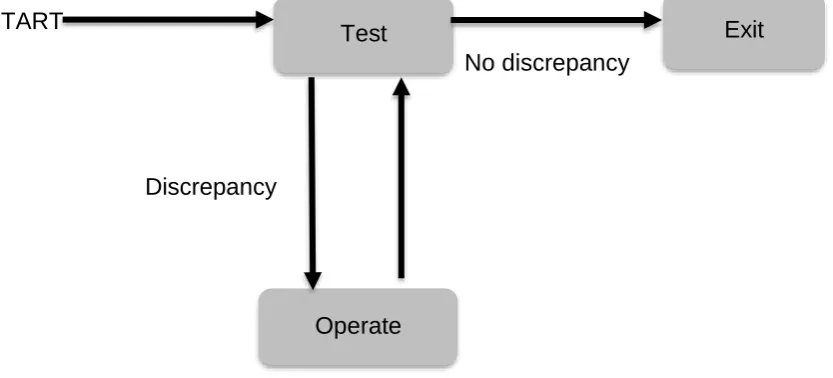
feedback-loop (Carver & Scheier, 2012). The information from the loop includes affective responses to progress, for example feeling sad if actual progress is below expected progress (Carver & Scheier, 1982; King, 2002). The negative feedback-loop is best explained in terms of the ‘test-operate-test-exit’ (TOTE)
25
sequence ends (exit stage). Negative feedback-loops work in this way throughout the motivational hierarchy (Carver & Scheier, 2012; King, 2002). Standards in lower-order levels are specified by goals in higher-order feedback-loops (Carver & Scheier, 2012). To explain using the thermostat example above, an individual may have the higher-order goal of conserving energy, and as such may decide to set the thermostat to a lower desired temperature standard (Carver & Scheier, 2012).
START
No discrepancy
[image:40.595.121.538.219.408.2]Discrepancy
Figure 2.1: TOTE unit (Carver & Scheier, 2012; Miller et al., 1960; Reid, Vignali & Barker, 2015)
King (2002) suggests that activities which facilitate individuals in the
identification of their goals, monitoring of feedback (e.g. affective responses; Emmons & Kaiser, 1996), and generation of goal-pursuit strategies should increase this type of self-regulation. Writing about a BPFS is likely to do this. Possible selves are part of the self-concept; what individuals wish to become, as well as what they fear becoming (Markus & Nurius, 1986; Markus & Wurf, 1987). They are derived from past representations of the self (as well as from cultural contexts and social comparisons) and are connected to the current self yet are distinct from these aspects of the self-concept (Markus & Nurius, 1986). Possible selves are vivid cognitive manifestations of enduring, self-relevant aspirations, fears and goals (Markus & Nurius, 1986). They are, as such, the connection between the self-concept and motivation and exist as standards against which the current self can be evaluated, as well as incentives for
self-Test
Operate
26
regulated action (Markus & Nurius, 1986; Niedenthal, Setterlund & Wherry, 1992; Oyserman & Markus, 1990). According to King (2001), possible selves likely exist on a high level of the motivational hierarchy (see discussion of
Control Theory above), and as such may beless often attended to in day-to-day life than standards positioned on lower levels. BPFS-W may therefore enable an individual to explore an area of their motivational life that has not previously been considered to a great degree (King, 2001). In doing so, BPFS-W may facilitate self-regulation by promoting clarity of individuals’ life goals and
priorities and by reducing goal-conflict (King, 2001; 2002). Self-regulatory processes, as well as physical and psychological wellbeing, are threatened by goal-conflict (Emmons & King, 1988; Gray, Ozer & Rosenthal, 2017; Stroebe, Mensink, Aarts, Schut & Kruglanski, 2008). Goal-conflict is particularly
damaging to well-being when it occurs at the higher levels of the motivational hierarchy, where an individual’s future self who has achieved all their life goals
would be positioned (Russ, 2018). As such, it is quite possible that BPFS-W increases self-regulation and, in turn, improves health through this mechanism.
King (2002) stated that there are two conclusions which can be drawn with regards to the effects of writing interventions. ‘‘First, expressive writing has health benefits. Second, no one really knows why’’ (King, 2002, p. 119). This
statement remains true today. The self-regulation theory of the effects of BPFS-W has been cited and endorsed by several authors since the publication of King’s (2001) study (e.g. Frein & Ponsler, 2014; Layous, Nelson & Lyubomirsky,
2013; Sheldon & Lyubomirsky, 2006). However self-regulation has not, to the knowledge of the author, yet been directly measured as an outcome of the BPFS-W intervention. It is therefore unknown whether BPFS-W does increase self-regulation, and whether an increase in self-regulation mediates effects on physical and psychological health. BPFS-W is a promising intervention and is attractive because it is accessible and free from costs of trained health
27
therefore timely to broaden understanding of its effects and the mechanisms through which these effects occur.
King’s (2001; 2002) self-regulation theory of the effects of BPFS-W is feasible.
King (2001; 2002) draws a comparison between BPFS-W and a known self-regulatory activity; mental simulation of future events. Mental simulation of goals is beneficial for goal-directed action (an element or product of self-regulation; Carver & Scheier, 2012), and according to King (2001) it is quite possible that writing and simulation share therapeutic properties and mechanics and that BPFS-W may involve mental simulation.
2.3 Mental simulation
2.3.1 Definition
Mental simulation is defined as the imitative, cognitive representation of genuine or possible scenarios (Taylor & Pham, 1999). This may constitute a mental repetition of a past event, such as an argument, with the aim of working out how the conversation became heated (Pham & Taylor, 1999; Taylor et al., 1998). It may also be the construction of a future event, such as deciding how to
approach a difficult conversation (Pham & Taylor, 1999; Taylor et al., 1998). To be clear, mental simulation is different to simply thinking about an event; it is conscious enactment, whereby the individual engages in self-projection into the imagined event sequence (Klein & Crandall, 1995; Waytz, Hershfield & Tamir, 2015). It has been suggested that future-oriented mental simulation is a self-regulatory process, which facilitates management of emotions and aids
planning (Taylor et al., 1998; Taylor & Schneider, 1989). Projecting the self into positive end-states has been found to increase task-persistence and effort (Ruvolo & Markus, 1992), and improve behaviour in adolescents (Oyserman, Terry & Bybee, 2002).
28
mental simulation which render it useful for envisioning future events and goals, planning how these goals will be materialised, and translating thoughts into behaviour (Hayes-Roth & Hayes-Roth, 1979; Taylor et al., 1998; Taylor & Pham, 1996; Taylor & Schneider, 1989). Mental simulation elevates an individual’s perception that an event is true or likely, generates plans, and
evokes emotional (and accompanying physiological) reactions, and in doing so encourages self-regulation and goal-directed action (Taylor & Pham, 1996; Taylor & Schneider, 1989). These features are discussed in the following paragraphs, and their proposed roles in facilitating the transition of imagined behaviours into authentic action are considered.
2.3.2. Features of mental simulation
2.3.2.1 Mental simulation increases perceived likelihood of events
The first feature of mental simulation which makes it useful for self-regulation is that it increases the perceived likelihood of events (Taylor & Pham, 1996). When an individual mentally-enacts an event sequence in a concrete, specific form, the event appears true (Taylor et al., 1998). For example, Garry, Manning, Loftus and Sherman’s (1996) participants reported the likelihood that they had
experienced events during childhood, such as becoming stuck in a tree. Two weeks later, they mentally-simulated some of the events, and again rated the likelihood that they had experienced them. Events that were initially rated as being unlikely to have occurred were rated as more likely to have occurred at the second time-point, if those events had been simulated. This effect did not occur for non-simulated events. Here, mental simulation altered participants’
memories, suggesting that the impact of mental simulation on perceived likelihood is sufficiently powerful to exert a deleterious effect upon genuine representations of the past. Garry et al.’s (1996) findings are not unique;
29
explanation, given that perceived likelihood becomes inflated following mental simulation of future events.
A large amount of research effort has been invested into exploration of the impact of mental simulation on the perceived likelihood of future events (e.g. Anderson, 1983). For this reason, it has been used as a persuasive tool in advertising and health promotion (e.g. Green & Brock, 2000; Gregory, Cialdini & Carpenter, 1982; Jeong & Jang, 2016). For example, Jeong and Jang (2016) found that when participants imagined going to a fast-food restaurant, seeing a new healthy menu option and choosing that option, they reported greater
intentions to purchase the healthy option. According to Taylor and Pham (1996) and Pham and Taylor (1999), this feature of mental simulation forms a bridge between thought and action. They suggest that mental simulation increases the perceived probability that an event will occur in future, and therefore— given that simulation by its very nature involves mental rehearsals of actions— primes
individuals for action.
2.3.2.2 Mental simulation facilitates planning
The second characteristic of mental simulation which aids self-regulation is that it encourages the generation of plans through its organisation of sequences of actions (Taylor et al., 1998). Miller et al. (1960, as cited by Taylor et al., 1998) suggest that mental simulation helps individuals to assess whether their plans are viable and to screen them for errors and pitfalls. Roth and Hayes-Roth’s (1979) work describes how simulating how events will unfold provides
information about the events including alternative options. For example, if an individual simulates their walk to a shop, the imagery may unveil additional opportunities such as other shops that they need to visit, or what action should be taken if a desired shop is closed (Taylor et al., 1998; Taylor & Schneider, 1989). Simulation of a chain of actions or behaviours aids individuals in the development of a plan for performing it efficiently (Hayes-Roth & Hayes-Roth, 1979; Taylor & Schneider, 1989).
30
1998). They are as specific as reality; unlike abstract imagery they entwine information about specific social settings, roles and individuals (Taylor & Pham, 1996). Mentally-simulated events are imaginary, but they are not miraculous or implausible (Kahneman & Miller, 1986; Taylor et al., 1998). Downhill elements (those which remove unpredictable aspects and add predictable aspects of a scenario) are more likely to be present in mental simulation than uphill elements (those which add unlikely aspects; Kahneman & Tversky, 1979; Wells, Taylor & Turtle, 1987). These parameters of plausibility mean that mental simulation aids anticipation and planning of future events, insofar as imagined action-plans are not likely dependent upon the occurrence of unlikely scenarios (Taylor et al., 1998; Taylor & Schneider, 1989).
2.3.2.3 Mental simulation elicits emotions
Mental simulation is not a dry cognitive process (Ji, Heyes, MacLeod & Holmes, 2016; Taylor and Schneider, 1989). Its likeness to reality extends beyond
parameters of plausibility to the emotional experience of events; during mental simulation, individuals assimilate their present affective state with that of the simulated experience (Larsen & Ketelaar, 1991; Morrow & Nolen-Hoeksema, 1990; Strack, Schwarz & Gschneidinger, 1985). This is a specific property of mental simulation, rather than a product of any thought-process surrounding an emotional event, object or scenario. Taylor and Schneider (1989) describe how affective states are influenced only by concrete construction of events in a time-ordered sequence rather than by abstract recall or thought (Strack et al., 1985). These emotional responses are accompanied by the physiological reactions which would occur if the event were truly experienced (e.g. Qualls, 1983). Simulation of e