Lone Parents
Forum Report No. 20
PUBLISHED BY THE NATIONAL ECONOMIC AND SOCIAL FORUM
Copies of the Report may be obtained from the GOVERNMENT PUBLICATIONS SALES OFFICE Sun Alliance House, Molesworth Street, Dublin 2.
or
THE NATIONAL ECONOMIC AND SOCIAL FORUM Frederick House, South Frederick Street,
Dublin 2.
Price IR£6.00 -
€
7.62
Page
Foreword vii
Section I Introduction and Overview 3
Section II Setting the Context 17
Section III Access to and Delivery of Public Social Services 33
Section IV Education, Training and Work Issues 57
Section V Family Formation:
Cohabitation and Social Welfare Issues 79
Section VI Family Formation:
Issues relating to Non-Resident Fathers 99
Annex 1 References 113
Annex 2 Project Team’s Terms of Reference 126
Annex 3 Eligibility Across Programmes/Schemes for Lone Parents 127
Annex 4 Implications of Welfare, Education/Training and
Employment Options for Lone Parents 128
Annex 5 Impact of Paid Employment on the Income of a
Lone Parent with One Child 133
Annex 6 International Models of Lone Parents’ Requirement to Work 135
Annex 7 Guidelines for Officers in relation to Cohabitation 136
Annex 8 Transition Options for Lone Parents 141
Terms of Reference and Constitution of the Forum 143
Membership of the Forum 145
Page
Table 2.1 Number of Lone Parent Households as a Percentage of all Private Households Classified by Composition and Size,
1986-1996 20
Table 2.2 Marital Status of One-Parent Households, 1996 22
Table 4.1 Participation by Lone Parents on Mainstream Education,
Training and Work Programmes, 2000 58
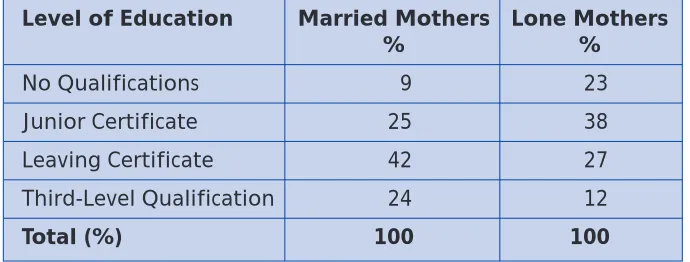
Table 4.2 Highest Educational Qualifications of Married and
Lone Mothers, 1996 65
Page
Figure 2.1 Recipients of Lone Parent Allowance/OFP, 1979-2001 19
Figure 2.2 Recipients of Lone Parent Allowance/OFP by Age
Group, 1991-1999 22
Figure 3.1 Households on Local Authority Waiting Lists, 1999 38
Figure 4.1 Levels of Educational Attainment among Lone Parents, 1997 66
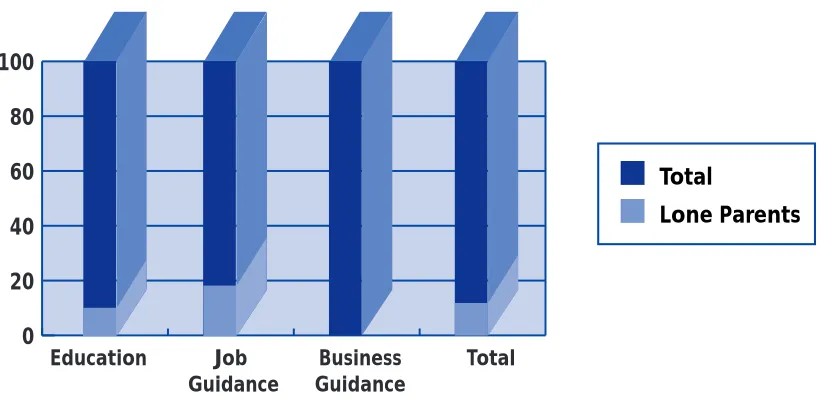
Figure 4.2 Percentage of Lone Parents in Local Partnership
Programmes, 1999 71
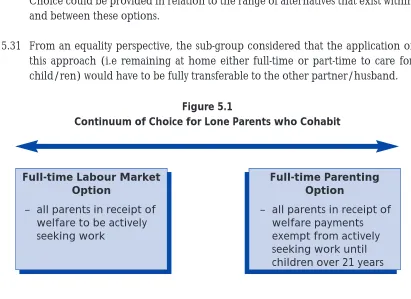
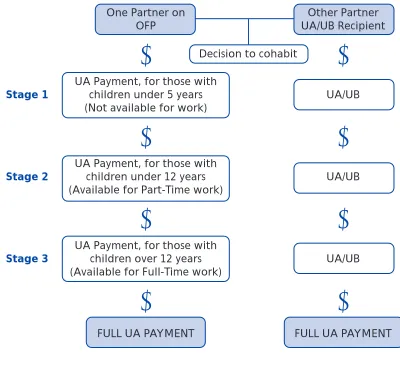
Figure 5.1 Continuum of Choice for Lone Parents who Cohabit 89
Figure 5.2 Illustrative Example of Household where Lone Parent
Cohabits with/Marries UA Recipient 90
Page
Box 1.1 Summary of Project Team’s Recommendations 8
Box 2.1 Provision for Lone Parents: A Chronology 18
Box 2.2 The One-Parent Family Payment (OFP) 19
Box 2.3 Profile of OFP New Claimants, 1999 25
Box 3.1 Consultations with Key Government Departments,
Measures to Improve Service Delivery 34
Box 3.2 Views of MABS Personnel on Income Support for Lone Parents 44
Box 3.3 Department of Social, Community and Family Affairs Pilot
Family Services Project 47
Box 4.1 Waterford Student Mothers’ Group 67
Box 4.2 Some Best Practice Principles Identified by Local
Given the NESF’s remit from the Government on social inclusion and equality issues, the underlying focus of the present Report is on lone parents who are living in consistent poverty. While the overall number of lone parents has increased by over 20 per cent over the last decade, this has been associated at the same time with an alarming rise of almost 50 per cent in the number of these parents with children under 15 years of age who are living in poverty.
Key findings of the attached Report, which has been prepared by a Project Team established under the NESF’s new working methods, are:
● The number of young lone parents (those in the under 25 age group) has been declining relatively in recent years, and almost 60 per cent of lone parents are now concentrated in the 25-39 age group;
● Participation by lone parents in the labour force (at about 35 per cent) is well below that in other countries e.g. in Finland the rate is 65 per cent;
● Almost half of lone parents have only primary level education, and they make up less than 2 per cent of those on mainstream training, education and work programmes;
● Two-thirds of first-time applicants for the One Parent Family Payment (OFP) are living with their parents; and
● Lone parents still experience stigma in our society and need a wide range of supports to access public services at local level.
It is now widely accepted and, as experience has shown in recent years, the best way out of poverty is through taking up paid employment. In this regard, the present Report builds on that of last year’s review of the OFP (Department of Social, Community and Family Affairs, 2000) and submits a comprehensive set of recommendations across a wider range of policies and programmes relating to lone parents, most notably:
● Enhanced delivery and quality of public social services, especially those dealing with
– housing and accommodation;
– income supports; and
– health and personal services.
● Improved access for lone parents to
– education;
– training; and
The Report also highlights the need to tackle other barriers such as the need for more family-friendly arrangements, more childcare facilities and greater integration between the income tax and social welfare systems, if lone parents are to participate more fully on the above programmes.
The Report is for the most part based on the findings of a number of local hearings that the Team held at different locations (both urban and rural areas) with community groups, statutory providers as well as with lone parents themselves.
In its work, the Project Team also looked at the issue of cohabitation and considered a number of options as to how the regulations in this area could be eased to facilitate lone parents to form new families or develop relationships with a new partner.
Another important issue examined by the Project Team was that of those fathers, not living with the mother of their children, and whose needs have tended to be neglected in policy-making debates up to now.
Section I
Overview and Context
1.1 The Government’s National Anti-Poverty Strategy (NAPS) has, as part of its guiding principles “the reduction of inequalities and in particular, addressing the gender
dimension of poverty” (National Anti-Poverty Strategy, 1997). Research has shown
the increasing risk of poverty for lone parent households, particularly those headed by women and the factors that have a bearing on this increase over time (e.g Nolan and Watson, 1999). In 1987, lone parent households faced roughly the same risk of poverty as couples with children and there was no difference between male and female lone parents. By 1994, however, the risk had increased sharply for female lone parents who were household heads (Nolan and Watson, 1999: 19). Factors which influence the risk of poverty include reliance on welfare payments, educational disadvantage, access to employment and availability of childcare. All of these in turn have a significant bearing on a lone parent’s decision to participate in the labour market. This Report explores the range of issues which impact on the lives of lone parents and examines the current policy context in relation to lone parenthood.
1.2 This Section is divided into five parts:
● Project Team,
● Scope of the Project,
● Consultation and Research Undertaken,
● Recommendations and
● Acknowledgements.
Project Team
1.3 The decision to establish a Project Team on Lone Parents was made at the Forum’s Plenary Session, held on the 22nd June 1999 when the current Work Programme was discussed and finalised. Given that the number of lone parents in the population is increasing, and that they constitute one of the groups most at risk of poverty, it was considered timely that the Forum assemble a Project Team to identify the main issues of concern to lone parents in terms of social and economic
life, and to make clear recommendations for the improvement of their situation within the policy context. Particular emphasis was placed on the need for greater and more effective integration of the wide range of social services that impact on lone parents.
1.4 The membership of the Project Team was as follows:
Frances Byrne (One Parent Exchange and Network (OPEN))
Paul Cunningham (Department of Social, Community and Family Affairs)
Rosheen Callender (SIPTU)1
Camille Loftus (INOU)
Aebhric McGibney (IBEC)
Mary Murphy (St. Vincent de Paul)2
Enda Nolan (Local Authorities)
Mary O’Hara (ICA)
Maria Pierce (Independents)
Anne Vaughan (Department of Social, Community and Family Affairs)
Forum Secretariat: Sarah Craig
1.5 A copy of the Team’s terms of reference is attached (see Annex 2).
Scope of the Project
1.6 The Project Team was set up in June 2000 and met regularly (mostly at monthly intervals). A sub-group of the Team also met from time to time to progress specific issues. A wide range of issues pertaining to lone parenthood was considered before agreeing the terms of reference. In this respect, particular regard was paid to the fact that the Department of Social, Community and Family Affairs was undertaking a major Review of the One-Parent Family Payment (OFP). This was published in September last. The Team was, therefore, especially keen to ensure that its work would add value to the work undertaken as part of the Department’s Review (referred to hereafter as the Review of OFP, 2000) and, in particular, that it would build on the key issues identified in that Review.
1.7 In the course of establishing the Project Team’s priorities a number of issues were identified. Many of these are sensitive and complex and enmeshed in broader sociological and ideological debates on the changing concept of the family in Irish society. Goals of family policy with particular reference to lone parent families are outlined in Section VI3. By and large, lone parents are highly
sensitive to the needs of their children and the potential disadvantages which may accrue by virtue of their categorisation as the children of lone parents have
1. Replaced Kathleen Flanagan.
2. Acted as Chairperson to the Project Team.
been noted in the literature (e.g. Ryan, 1997; Department of Social, Community and Family Affairs, 2000).
1.8 We acknowledge that many lone parents do an excellent job in rearing their children and provide positive role models for parenting. We also recognised that for others, the absence of supports, particularly financial support, can lead to marginalisation and exclusion which result in a range of social problems that cannot be easily addressed in the short-term.
1.9 The key concerns of the Team were as follows:
● Promoting access for lone parents to public social services at a local level, given that the majority of them depend on social welfare as their main or only source of income. We agreed to look at key public social services in relation to income support, housing and health and social services. In this respect, this Report is broader in scope than the Review of OFP (2000) which is primarily about the OFP as a method of income support; and
● Enhancing opportunities and choices for lone parents to access the labour market including education, training and work opportunities and against the backdrop that their participation in the workforce is 35 per cent (Central Statistics Office, 1997).
In addressing these issues, the Team was aware that there is a dearth of data and statistical information from which firm policy conclusions can be drawn.
1.10 In the course of its work, the Team identified a number of gaps in the analysis of lone parenthood and broadened the scope of its work to encompass some of these. It emerged in our local consultations that the issue of cohabitation and the application of the cohabitation rule was also having a bearing on lone parents’ decisions to form new families or to continue/develop a relationship with a partner. While not all lone parents want to enter into a cohabiting relationship, the Team’s view was that they should not be discouraged or penalised for doing so. Despite the evidence that the incidence of cohabitation among lone parents is low, the anecdotal evidence from our consultations was that it is higher than statistics suggest. The Team, therefore, examined this issue in more depth to devise ways of addressing it as a barrier to family formation.
situations of these fathers differ greatly. For example, they may be absent from the lives of their children, or may see them during access visits. Some fathers may occupy the status of lone parent with full responsibility for the rearing of their children. It was agreed that fathers would be examined in the context of family formation issues and the changing profile of Irish families. Although the initial brief was to interview young fathers, this had to be expanded as it proved difficult to get in contact with young men who were willing to be part of the research. The Section of this Report on fathers is, therefore, presented as a contribution to the debate, based on the research undertaken with a range of different fathers. As such, it is more discursive in nature than the remainder of the Report. Nonetheless, it makes a valuable contribution to our understanding of the complex roles and relationships that make up the changing family structures that are now evident in Ireland today.
Consultation and Research Undertaken
1.12 A series of consultations with groups and individuals who work with or have an interest in lone parent issues was undertaken in a number of different locations throughout the country. The Project Team consulted with a wide range of stakeholders and gathered information through a number of data collection processes. In particular, the Team was eager to engage with lone parents to establish their views on parenting alone and their experiences in relation to the range of services they access. Local hearings took place in Dublin, Longford and Cork to collect information in a local context. These hearings provided a wealth of information and detail about lone parenthood. In particular, the views of lone parents themselves gave a valuable insight into the issues and problems that exist for them in their everyday lives.
1.13 These consultations took place with a range of groups:
● Lone parents in receipt of social welfare payments; three focus groups were held with lone parents4; these were contacted through community
development and locally-based projects in their area; approximately thirty lone parents participated;
● Local statutory service providers including Investigation Officers and Information Officers from the Department of Social, Community and Family Affairs, Community Welfare Officers, Public Health Nurses and Social Workers from the Health Boards and Local Authority Housing Officers and other personnel. Staff from other statutory initiatives, including the Money Advice and Budgetary Service were also invited to attend;
● Lone parent organisations and other community and voluntary sector groups in each area; and
● Non-resident fathers; participants for these focus groups were accessed through a variety of sources including formal and informal contacts. Six groups were convened, and in all forty fathers participated. Three of the groups were attended by fathers from disadvantaged backgrounds with no formal affiliations to father advocacy groups. The other groups were attended by fathers who are affiliated to groups whose primary purpose is to advocate the rights of fathers. In this respect, their views may differ from those in the rest of the Report which are based primarily on the views of disadvantaged lone mothers in receipt of the One-Parent Family Payment (OFP).
1.14 In addition to the local hearings, other sources of information used to compile this Report included:
● A range of nationally-based lone parent organisations and other projects/initiatives were contacted and invited to send the Team any relevant documentation which would inform its deliberations. Their representatives were also invited to attend a meeting of the Team to consider recommendations and to make suggestions for areas of development;
● Representatives of Government Departments also outlined their Department’s policies and programmes to the Team. This included the Departments of Education and Science, Environment and Local Government, Enterprise, Trade and Employment, Health and Children, Justice, Equality and Law Reform, Social, Community and Family Affairs and Sport, Tourism and Recreation as well as Area Development Management Ltd. Each Department also provided a written brief for the Team;
● A briefing on the Department of Social, Community and Family Affairs pilot Family Services Project was also arranged;
Recommendations
1.15 A summary list of the Project Team’s recommendations follows in Box 1.1.
Box 1.1
SUMMARY OFPROJECTTEAM’SRECOMMENDATIONS
(NUMBERS REFER TO CORRESPONDING PARAGRAPHS IN THEREPORT)
Section II: Setting the Context
In relation to data issues, the main recommendation is:
2.37 Greater coverage of lone parenthood should be included in the official statistics that are collected regularly including the Census of Population and the Quarterly National Household Survey.
Other recommendations include:
2.38 A programme of research should be developed and supported by the Department of Social, Community and Family Affairs to provide better information to inform the policy debate on lone parenthood and family formation issues.
2.38 A reformulation of the unit of analysis in official statistics should also be considered by the National Statistics Board so that non-resident parents and families within families are more fully taken account of.
2.38 A system of tracking lone parents should be devised in conjunction with the main delivery agencies and data gathered on programme participation and completion.
Section III: Access to and Delivery of Public Social Services
In relation to housing and accommodation services for lone parents, the main recommendation is:
3.30 Lone parents’ particular accommodation needs in relation to social housing should be considered in the design, development and allocation by local authorities of a range of housing sizes and types that take account of the changing make-up of families.
Other recommendations include:
3.19 Bed and breakfast emergency accommodation for families with children should provide adequate facilities for laundry and cooking.
should be set up as a matter of priority to look at rent levels and to check on malpractice by landlords. We recommend that the Board particularly addresses the discrimination by some landlords against lone parents on Rent/Mortgage Interest Supplement and that it play a role in enforcing standards and implementing rent reviews.
3.25 The review of Supplementary Welfare Allowance reasonable rent limits which determine the maximum amount payable through the Rent/ Mortgage Interest Supplement should take account of rents charged in the market, particularly in larger urban areas.
3.30 Provision should be made by local authorities within housing estates for community support facilities.
3.33 The Joint Public/Private Rental Accommodation for Persons on the Rent Subsidy Initiative should be introduced by the Department of Environment and Local Government and once implemented should be monitored in order to establish its relevance for lone parents.
3.34 Direction should be given at the highest political levels to the Department of Environment and Local Government’s Planning Group on a new Local Authority Based Rental Scheme to ensure that its work on supply issues addresses the currently unmet needs of many lone parents.
The main recommendation in relation to income support is:
3.35 The OFP should be benchmarked and uprated taking into account the findings of the Partnership for Prosperity and Fairness Working Group on Indexing Adequacy.
Other recommendations include:
3.38 Issues with regard to maintenance should be reviewed by the Department of Social, Community and Family Affairs on a regular basis.
3.40 Back to School Clothing and Footwear Allowances should be paid automatically to recipients of means-tested payments.
3.41 User-friendly guidelines should be developed for Supplementary Welfare Allowance by the Department of Social, Community and Family Affairs, in particular, in relation to Rent/Mortgage Interest Supplement and Exceptional Needs Payments.
The main recommendation for health, social services and other support is that:
3.9, ‘Family Services Workers’ should be appointed by the Department of 3.46 Social, Community and Family Affairs to work with families, especially lone
Other recommendations include:
3.44 The Family Services Project should be extended to other areas; its focus on lone parent families should continue. The Family Services Workers should be located in the Family Services Project and Family Resource Centre structures, where available.
3.47, The administration of the OFP should be localised and
3.48 Department of Social, Community and Family Affairs local office staff should receive training on issues relating to lone parenthood. This training should be developed in partnership with lone parent organisations.
3.50 A programme of support is needed at both school and community levels to ensure that both young men and women have access to the range of information that they require regarding relationships, sexuality and parenting issues.
3.56 A budget line should be provided by the Department of Social, Community and Family Affairs for the development of peer support networks for lone parents as a matter of priority.
3.57 RAPID area implementation teams in urban areas and CLAR teams in rural settings should consult with lone parents as a matter of priority.
3.61 The valuable learning from community-based transport initiatives should be transferred to more rural areas.
Section IV: Education, Training and Work Issues
The main recommendation in relation to addressing barriers for lone parents to participate in education, training and work is:
4.13 Greater flexibility needs to be applied in the reimbursement of childcare costs for those participating in programmes; in particular, community projects rather than individual participants should be given responsibility by the main delivery agencies to vouch for programme participants’ childcare costs. We also recommend that the £50 limit currently being applied to a range of initiatives be increased to keep pace with rising childcare costs.
Other recommendations include:
4.7 Within each Government Department, an official should be designated responsibility for identifying mainstreaming perspectives and the lessons learned in pilot initiatives. In particular, the newly-established National Employment Services Advisory Committee should play a role in mainstreaming the learning from valuable pilot labour market programmes.
childcare places, supported through the work of the National Childcare Co-ordinating Committee.
4.15 Support should be made available for capacity-building for community groups who move from provision of sessional childcare to both sessional and full-day care provision, thereby allowing for a greater level of choice at local level. At central level, more planning is required to link needs with service provision.
The main recommendation in relation to education is:
4.28 Resources should be provided by the Department of Education and Science for mainstreaming the Waterford Student Mother’s Project and other similar early intervention and support projects.
Other recommendations include:
4.31 Vocational Training Opportunities Schemes (VTOS) should be provided by the Department of Education and Science on a part-time basis to facilitate participation of groups such as lone parents.
4.33 Lone parents in third level education should be assessed for grants in their own right, as is the case for means-testing for the OFP.
On training the main recommendation is that:
4.43 Greater levels of flexibility should be introduced in the design and delivery of active labour market programmes by FÁS and other agencies for lone parents. In particular, the learning from Community Employment should be taken into account in the upcoming review of active labour market programmes by the Standing Committee on the Labour Market.
Other recommendations include:
4.22 A package of supports including pre-training, taster courses and personal development should be put in place for lone parents who participate in active labour market programmes.
4.23, Targeted active labour market programmes should be made available and 4.36 accessible to lone parents, following an assessment of their needs through the LES network, where it exists. Progression should be built into the options developed with individual lone parents by the main delivery agencies.
The main recommendation with regard to employment is that:
players with an interest in issues relating to welfare/work transitions to explore the development of a welfare to work strategy for groups like lone parents.
Other recommendations include:
4.19 Guidelines developed by the Department of Health and Children in conjunction with the Health Boards on retention of the medical card on taking up employment should be published and disseminated by them.
4.10 Family-friendly policies which are developed for all parents should have due regard for the specific needs of lone parents.
Section V: Cohabitation and Social Welfare Issues
The main recommendation is that:
5.2 The Team’s deliberations on changes in the current social welfare arrange-ments in relation to cohabitation should be taken up and developed, in the first instance by the Oireachtas Committee on Family, Community and Social Affairs.
Other recommendations include:
5.11 The Department of Social, Community and Family Affairs should monitor the operation of the cohabitation guidelines to ensure that they are applied in a consistent manner across all regions. Training and regular updates should be given to Inspectors on difficulties encountered. Where appropriate, the Department should consult with lone parent groups as part of this process.
5.11 Support should be given by the Department of Social, Community and Family Affairs to advice centres/local groups to provide information on cohabitation and its effect on the OFP.
5.11 Information on how cohabitation is assessed should be issued by the Department of Social, Community and Family Affairs when a lone parent is initially awarded the OFP.
Section VI: Issues relating to Non-Resident Fathers
On the basis of its findings, the Team supports the following recommendations with regard to non-resident fathers:
Acknowledgements
1.16 The Project Team would like to acknowledge the contribution played by a range of individuals and organisations who assisted with its work. In particular, Mr. Paul O’Doherty of Hay Management Consultants who assisted at the early stages in the process of team-building. We would also like to thank Ann Clarke, Dr. Kieran McKeown and Dr. Mary Corcoran who undertook research on our behalf. The Team is also grateful to Freda Keeshan who acted as rapporteur for the local hearings and produced a summary report of the meetings held around the country.
1.17 The Team would like to thank the Longford Women’s Centre, Ballyphehane/ Togher Community Development Project and Tallaght Lone Parents Centre. We would also like to acknowledge Tallaght Unmarried Fathers, Parental Equality, and the Finglas Youth Development Project for their help in setting up focus groups with non-resident fathers. The Men’s Centres in Ballymun also provided assistance in our consultations.
1.18 The Department of Social, Community and Family Affairs greatly assisted the work of the Team by providing relevant data and expertise. The Secretariat was also helped by Joan O’Connor, a postgraduate student from Trinity College Dublin who was on temporary work placement.
– joint parenting and custody issues, – access issues,
– liable relatives and maintenance and – rights of married and unmarried parents.
Other recommendations include:
6.12 Social support networks should be developed for young fathers and community based programmes on parent/child communication should be provided to assist young fathers in making a contribution towards their child’s development.
6.30 Housing policy should take account of the needs of non-resident fathers who have overnight access to their children.
Section II
Introduction and Overview
2.1 Significant changes have occurred in the structure of Irish society over the last twenty years. Included in these changes are the decline in the marriage rate, the growth in births outside marriage and the increase in separations and divorces. There has also been a significant increase in the number of couples cohabiting, either as a precursor to or as a long-term alternative to marriage.
2.2 Traditional family structures and patterns of family formation are changing dramatically. Research undertaken by Fahey and Russell (2001, forthcoming), for example, shows a general trend towards an increase in single-family unit households including lone parent households while multi-family units have decreased. The Review of OFP (2000) also highlighted family formation changes. In short, there has been a reconfiguration of relationships between mothers and fathers, between parents and their children, and between different generations within the family. In this context, therefore, it is timely to look at the experience of lone parent families and how they are treated as a particular target group for policy purposes.
This Section is divided into seven parts:
● Identifying the Lone Parent Population,
● The One Parent Family Payment (OFP),
● Statistical Profile of Lone Parents,
● Risk of Poverty,
● Current Policy Issues,
● Overall Policy Framework and
● Data Deficiencies.
Identifying the Lone Parent Population
Definitional issues
2.3 One of the significant issues in the study of lone parenthood is that there is no consensus on the appropriate definition of a lone parent. Statistically, a lone parent is defined as one parent with one or more usually resident never married children of any age (Central Statistics Office). For the purposes of establishing eligibility for State benefits, lone parenthood has been defined as “a parent
rearing a child/children without the support of a partner” (Swinburne, 1999). Lone
lone parenthood. As a consequence, their treatment in the policy context has varied over time.
2.4 Since lone parents do not represent a homogenous group, there are different needs within the lone parent population and a range of solutions is, therefore, required for policy purposes. From the outset, the Project Team was most concerned with lone parents at a particular risk of poverty. In this regard, the emphasis was placed on those who are marginalised by virtue of their status as welfare dependents. We, therefore, concentrate on recipients of the One-Parent Family Payment (OFP) rather than on lone parents per se. The focus of the Report is primarily on this group of the lone parent population.
The One-Parent Family Payment
2.5 Policies for lone parenthood have developed over time in response to a range of situations and the OFP is now the main provision for lone parents. Box 2.1 below sets out the key developments.
Box 2.1
PROVISION FORLONEPARENTS: A CHRONOLOGY
The main developments, which resulted eventually in the One-Parent Family Payment include:
● 1935: Legislation to provide for widows was passed.
● 1970: The means-tested Deserted Wife’s Allowance was introduced.
● 1973: Deserted Wife’s Benefit was introduced as a social insurance mechanism.
● 1974: Introduction of the Unmarried Mother’s Allowance made provision for income maintenance for this group.
● 1989: Introduction of Widower’s Non-Contributory Allowance.
● 1990: Introduction of the Lone Parent Allowance, which was designed to: – unify the various schemes available for lone parents,
– introduce equality and
– remove the need for separated people to prove desertion.
The term ‘unmarried mother’ was also removed from the social welfare code at this time.
● 1994: Introduction of an earnings disregard as part of a pro-employment strategy.
2.6 As the chronology shows, the present OFP scheme is a culmination of several policies responding to the range of situations that constitute parenting alone. The number in receipt of a lone parent payment (see Figure 2.1) shows an increase from just over 10,000 in 1979 to just over 73,000 in 2001. Since its introduction in 1997, the number of recipients of OFP has increased by almost 20 per cent (Department of Social, Community and Family Affairs, 2000). The features of the present payment are described in Box 2.2 below.
Figure 2.1
Recipients of Lone Parent Allowance/OFP, 1979-2001
Source: Department of Social, Community and Family Affairs, Statistical Information on Social
Welfare Services, various years.
2.7 The main features of the present OFP are that it is a means-tested payment, that an earnings disregard applies and that claimants must make an effort to secure maintenance (see Box 2.2).
Box 2.2
THEONE-PARENTFAMILYPAYMENT(OFP)
● The present maximum rate of OFP for a lone parent aged under 66 is £85.50 per week plus an additional £15.20 per week paid in respect of each qualified child. (The maximum rate for a lone parent aged over 66 is £95.50 per week plus an additional £15.20 per week paid in respect of each qualified child).
● The qualifying condition for receipt of OFP is that the claimant must have main care and charge of at least one qualified child and be parenting alone i.e. not married or cohabiting.
0
10,000
20,000
30,000
40,000
50,000
60,000
70,000
80,000
10,127
12,551
31,453
70,387
73,282
Statistical Profile of Lone Parents
2.8 Until the Review of the OFP (2000) was published, there was very little data on the profile of lone parents in Ireland. There are still gaps in our understanding of the extent of lone parenthood. We know that the number is increasing and that, as in other countries, this can be accounted for in large part by the increasing number of births outside marriage. In Ireland, these births accounted for 1.6 per cent of all births in 1960, 8.5 per cent in 1985 and 24.8 per cent of all births in 1996 (Drew et al., 1998). In 2000, the most recent year for which statistics are available, just over 30 per cent of all births were outside marriage. Not all of these can be attributed to lone parents, however. Almost 84 per cent of births in the under 25 years age group were outside marriage (Central Statistics Office, 2000), although the number of teenage births has not shown any decisive increase in recent years.
[image:24.595.103.510.550.705.2]2.9 Table 2.1 below shows the number of lone parent household units in the State, classified by composition and size for 1986 and 1996.
Table 2.1
Number of Lone Parent Households as a Percentage of all Private Households Classified by Composition and Size, 1986-1996
Source: Census of Population, 1986, 1996.
1986 1996
No. % No. %
Lone mother with children 66,156 6.8 88,342 7.9 Lone father with children 14,931 1.5 17,049 1.5 Lone mother with children and other persons 13,876 1.4 16,762 1.5 Lone father with children and other persons 3,026 0.3 3,339 0.3
Total lone parent households 99,975 10.0 127,488 11.2
Total households 976,304 100 1,123,238 100
● Claimants must satisfy a means test; all gross earnings up to £115.38 per week are disregarded, and one half of all earnings in excess of £230.76 per week are disregarded.
2.10 It will be noted from the above Table that the number of lone parent households, as a percentage of households overall, remained relatively static in the 1986-1996 period. Nevertheless, the actual number of lone parent households increased substantially in that period. The number of mothers parenting alone increased by 22,000 in the ten years.
2.11 Data from the Quarterly National Household Survey (previously the Labour Force Survey) differ somewhat from Census of Population figures, reflecting the difficulties in measuring and enumerating the lone parent population. The main differences between the two are that the Census of Population is based on the total population and is taken at one point in time, every five years. As a result, absent parents can lead to a miscount in the number of lone parent households. In addition, lone parents may be miscounted if they are living in the family home as they are not enumerated as a separate family unit5. The
Quarterly National Household Survey, on the other hand is based on a sample of the population. Certain demographic characteristics are requested that facilitate a more accurate count than that of the Census of Population. For example, it allows for short-term absences and counts family units using a reference person, which permits enumeration of lone parent units within households.
2.12 Labour Force Survey/Quarterly National Household Survey figures show that between 1989 and 1997, there was an increase of almost a quarter (23.7 per cent) overall in the number of lone parents. More significantly, from a poverty perspective, there has been an almost 50 per cent increase (47.3 per cent) in the number of lone parents with children under 15 years in the same period. The findings show that the majority of lone parents are women but that there is also an increasing number of lone fathers.
2.13 The Irish situation is broadly consistent with that across the European Union (EU) as a whole. In the EU, lone parents currently represent 14 per cent of all families with dependent children, compared to 13 per cent in this country6
(Barry, Gibney, and Meehan, 1998).
Marital Status and Age of OFP Recipients 1991-1999
2.14 Table 2.2 shows Labour Force Survey data on the marital status of one-parent households for 1996. The figures show that over half (51 per cent) were separated and over one-third (37 per cent) was never married. The breakdown
5. In the next Census of Population persons absent temporarily from the household will be recorded. In addition, an ‘Other’ category will be provided on each household member’s relationship to the household head. This will allow respondents to record category of grandchild where lone parents with child/ren are living at home with their parents.
by marital status of lone parents claiming a welfare payment changed in the period 1991-1999. The Review of OFP (2000) noted that there was an increase in the number of unmarried and separated parents and prisoners’ spouse recipients and a decrease in the proportion of widows receiving payments.
Table 2.2
Marital Status of One-Parent Households, 1996
Source: Fahey, Fitzgerald and Maitre, (1998: 196), based on the Labour Force Survey, 1996. In this Table the concept of family is restricted to those families where there is at least one child under 15 years.
2.15 The age profile of OFP recipients has also changed over the period 1991-1999 (Figure 2.2). The picture is one of decreasing numbers of recipients under 25 years and those over 50 and an increase across all other age bands. This may be due to the increasing level of marriage breakdown and divorce. For further details see Review of OFP (2000).
Figure 2.2
Recipients of Lone Parent Allowance/OFP by Age Group, 1991-1999 (expressed as percentages)
Source: Department of Social, Community and Family Affairs, 2000: 22.
Under
25
Category One-Parent Household
%
Separated 51
Never married 37
Widowed 12
[image:26.595.100.422.502.722.2]Tracking change over time
2.16 Very little research has been undertaken in an Irish context on the longitudinal effects of lone parents and welfare. A recent study (Swinburne, 1999) examined a sample of unmarried lone parents in receipt of Lone Parent Allowance in 1988 and compared it with a similar sample of OFP recipients in 1998. The research also attempted to document where the 1988 sample was in 1998. Over the ten-year period, there was an increase in the numbers of lone parents in local authority housing (up from 7 per cent to 10 per cent) as well as a substantial increase in the number paying rent in the private sector (up from 15 per cent in 1988 to 26 per cent in 1998). Of the 1988 sample, just over half (52 per cent) were still in receipt of payment in 1998. The average duration of claims was 7.5 years over the ten-year period7. Of those who were no longer receiving any
payment, half had married and 18 per cent were cohabiting.
2.17 Swinburne (1999) also found that a much higher proportion of lone parents (25 per cent) in 1998 was in the workforce as compared to four per cent in 1988. This undoubtedly reflects the general upswing in the economy in the intervening period and the changes in the welfare code which makes it easier for OFP recipients to work and retain their benefits.
2.18 Nevertheless, it is notable that this figure falls well short of the labour force participation rates among lone parents in other countries. For example, a study comparing economic activity among lone parents in Ireland and Finland (Ryan, 1997) found that 22 per cent of lone mothers in Ireland were employed compared with 65 per cent in Finland. This can be accounted for in part by cultural factors and, more significantly, from the perspective of this study, the range of supports that are available to working mothers in the Finnish context.
Risk of Poverty
2.19 Lone parents have been identified as a grouping at particular risk of consistent poverty in the European context (Eurostat, 2000). This is also the case in Ireland where between 1987 and 1994 there was an increased risk of poverty for households in the State headed by a woman (Nolan and Watson, 1999). While the overall risk of poverty increased from 17.3 per cent in 1987 to 29 per cent in 1994, the risk of poverty for female-headed households with pre-school children (i.e. those less than 4 years of age) rose from 34.1 per cent to 59.9 per cent during the same period (Nolan and Watson, 1999: 27). Significantly, the study demonstrated the positive effect of paid employment in reducing a lone mother’s risk of consistent poverty. A non-earning lone mother’s risk of consistent poverty increased from 39 per cent in 1987 to 67 per cent in 1994. If
on the other hand, she worked outside of the home, her risk of poverty in 1994 had dropped to 3 per cent (compared to 17 per cent in 1987) (Nolan and Watson, 1999: 70). This issue is discussed in greater detail in Section IV of the Report.
2.20 The risk of consistent poverty has deleterious effects not only on the lone parent, but also on the children within the household. A recent study of child poverty highlighted the increased risk of poverty for children in lone parent families:
“Households where the head is working full-time in the home … contain 17 per cent of all children below the 50 per cent line. In-depth examination of these households reveals that almost three-quarters of the household heads are never married lone parents”
(Nolan, 2000).
2.21 Previous studies (e.g. McCashin, 1996) have analysed in some detail the adequacy of incomes of welfare-dependent lone parents. McCashin’s study identified an average income for the economy as a whole and looked at the poverty lines (of 40, 50 and 60 per cent) of this threshold. One third of the sample (32 per cent) were below the 50 per cent line and almost half (47 per cent) fell below 60 per cent of this threshold.
2.22 McCashin’s study also showed that the lifestyles and living standards of many lone parents were very meagre:
“Virtually none of the women [in the sample] enjoyed what might be called a social life. Almost none of them had had a holiday in recent years, very few of them had a hobby or leisure activity or even bought a newspaper” (McCashin, 1996: 99).
A more recent study by Russell and Corcoran (2000) endorses McCashin’s findings.
2.23 Box 2.3 presents in summary a general profile of lone parents taken from a random sample of one thousand new claimants of the OFP. The information provides a broad profile of lone parents in receipt of social welfare at that stage8.
It suggests that lone parents continue to be among the most vulnerable groups with regard to poverty. As noted earlier, lone parents in receipt of the OFP represent a discrete sub-set of lone parents who have a broad range of needs that in many cases are not being adequately addressed, or at least not being addressed in any integrated way at present. In addition, this group of lone parents are most likely to experience exclusion from the labour market and from other opportunities. This is perpetuated by a range of barriers which prevent lone parents from taking up opportunities in education, training or work (see Section IV). Given that the average age of a lone mother in receipt of OFP is 24 years (Swinburne, 1999), this group is also unlikely to have any meaningful work experience.
Source: Department of Social, Community and Family Affairs, 2000.
Current Policy Issues
2.24 The incremental development of policy regarding lone parents noted earlier has been based on a range of underlying features of the current welfare system. A number of features of the OFP relevant to our later discussion of lone parenthood are summarised beneath:
2.25 Contingency: The Irish welfare system is based on provision relating to a range of contingencies including unemployment, lone parenthood and old age and the need to provide supports for particular situations. The OFP is based on the contingency of lone parenthood and the need for social welfare support for parents with children. This element of contingency is expressed in the objectives of the OFP which aims to provide “the relief of hardship where a person has not secured
adequate, or any maintenance from the spouse or the other parent of their children”
(Department of Social, Community and Family Affairs, 2000). The Review of OFP (2000) concluded that the payment is still justified, as the contingency of lone parenthood remains valid.
Box 2.3
PROFILE OFOFP NEWCLAIMANTS, 1999
● The overwhelming majority (90 per cent) of new claimants were unmarried, while just under one tenth (9.2 per cent) were separated;
● Two-thirds of the sample (66.2 per cent) were aged between 20 and 22 years while 11.3 per cent were aged between 17 and 19 years;
● Two per cent of new claimants were male;
● Eighty-nine per cent of claimants had one child, 6.7 per cent had two children;
● About a quarter of those sampled (25.3 per cent) were in employment;
● At initial claims stage, 20 per cent of the sample were being paid maintenance;
● With regard to housing tenure, 28.9 per cent were paying rent or mortgage at an average of £63 per week;
2.26 Conditionality: The long-term nature of the OFP is increasingly regarded by policy makers as inappropriate and one which can lead to welfare dependency. Under current provision, a lone parent can receive the payment until his/her child is 18 years old (22 years if in full-time education). The Working Group on the Treatment of Married, Co-habiting and One-Parent Families (Department of Social, Community and Family Affairs, 1999) looked at this problem but did not agree on a strategy to address it. Equally, the Review of OFP recognised that “developments in relation to compulsory work tests or time limits on claiming may be
neither practical nor acceptable at this point in time” (Department of Social,
Community and Family Affairs, 2000: 83). The lack of childcare was highlighted as the key barrier to any such approach. However, it also recommended that the issue be reviewed again within two years when access to childcare, training and education opportunities and progression paths to employment are more supportive. This issue is revisited in Sections IV and V.
2.27 Cohabitation and Custody: As with the issue of conditionality, the Review of OFP (2000) found it difficult to arrive at solutions to the issues of cohabitation and custody of children, two of the main issues in the provision of OFP. One of the concerns about cohabitation is how it is defined. No definition currently exists in statute law. Also, cohabitation is defined differently for social welfare and tax purposes.
2.28 With these policy features in mind, the Project Team has examined three key priority areas; access to social services, opportunities for education, training and employment and family formation.
Outline of the Report
2.29 Section III examines access to social services for lone parents. Given that they have a higher than average dependency on social services, the key questions are what can be done to improve current service delivery and access and what mechanisms can most effectively be used in this regard?
2.30 Section IV outlines the current situation with regard to education, training and access to the labour market for lone parents. In the Team’s view, increased support for individual lone parents is needed to deal with issues that arise in the transition from welfare to work. In addition, it explores some of the features of existing provision and what barriers exist with regard to their delivery and to increased participation.
welfare system which work favourably for the lone parent while he or she remains alone, but which result in substantial loss of income if the lone parent changes his/her status through co-habitation or marriage:
● The social welfare system has identified parenting alone as a specific contingency that ‘merits’ additional support through a more flexible means-test arrangement than, for example, that which applies to Unemployment Assistance (UA); and
● Entitlement to OFP is not linked to a work test (as is UA) but implicitly recipients of OFP are encouraged to take up employment because of the earnings disregard available to them.
2.32 The key policy question is, therefore, what particular supports, including OFP, are needed and how can tax and welfare provisions be improved and better integrated to reduce disincentives and encourage self-reliance? The long-term nature of the OFP is increasingly regarded as inappropriate and as a failure to encourage self-reliance among people of working age and ability. Section V of the Report discusses these issues in more detail.
2.33 A further concern with regard to family formation issues is that, in reviewing the situation of lone parents, the focus has almost exclusively been on the mother and child. This is not just the case in Ireland, but in other countries too. Fathers in so far as they feature do so mainly in relation to the often thorny issues of maintenance payments and custody arrangements. The Team agreed, therefore, to explore the experience of a small number of fathers with regard to issues around becoming a parent and the supports that are needed (see Section VI).
Overall Policy Framework
2.34 A number of cross-cutting considerations and overarching frameworks have been taken into account by the Team in compiling the Report. In this regard, specific account was taken of the broader anti-poverty and equality frameworks that underpin current policy, and most notably, the commitments under the
Programme for Prosperity and Fairness. In particular, the Team considers that the
broad principles outlined in the Equality Framework of the Programme for
Prosperity and Fairness - which makes illegal, discrimination on the basis of gender
and marital status - will have significance to the lone parent debate, as will the
National Anti-Poverty Strategy (NAPS) whose aim is to promote equal access and
opportunity as well as self-reliance. Lone parents are one of the target groups specifically identified in the NAPS (1997). The Review of NAPS, which is currently taking place, provides a particular opportunity to strengthen the commitment to addressing the social exclusion which lone parents experience.
Management Initiative (SMI). Quality customer service is one of the key aims of
the SMI, which underpins the current modernisation of the public service. The high level of commitment to this change is reflected in the Programme for
Prosperity and Fairness, which identifies the next phase of modernising the public
service. The current phase is set to continue to embed the strategic management approach to improve service standards. In this context, it is important to note that the Programme states:
“Improved standards of service follow from a strong focus on the needs of recipients, the setting of challenging standards in service delivery, and making the best use of available resources. … it is essential to provide for consultation with, and feedback from, both the providers and users of the services in order to identify the required improvements and validate the progress being made subsequently in improving service delivery”
(Programme for Prosperity and Fairness, 2000: 21).
2.36 The Team wishes to particularly emphasise that all of its recommendations should be seen in light of the above frameworks and that the principles underpinning these frameworks should be applied to all policies regarding lone parents. The Team also considers that its recommendations are consistent with the maintenance of sound fiscal policies as outlined by the Broad Economic Policy Guidelines and the Maastrict Criteria.
Data Deficiencies
2.37 The task of reviewing policy for lone parents was made all the more difficult by the fact that there is so little statistical data available on them as a target group. This applies equally to the manner in which official statistics both count and describe lone parent households as well as to the data collected on participation of and usage by lone parents of the range of programmes and services on offer. To address this, the Project Team recommends improvements in data-collection in the following key areas:
● Greater coverage of lone parenthood in the official statistics that are collected regularly. This would include:
– Collection of additional information on fathers as well as mothers at the birth of each child (Vital Statistics), such as the household status, marital status, and education and employment status of both parents.
2.38 Other areas which need to be addressed include:
● The development of a programme of research to provide better information to inform the policy debate on lone parents. In particular, information is needed on the social and psychological well-being of lone parents and their children. A major gap is the absence of a longitudinal study, which would track the experiences of lone parents over time. As a result, it is virtually impossible to gauge people’s route into lone parenthood, dependency on the OFP and out-flows. The Family Affairs Unit in the Department of Social, Community and Family Affairs might consider supporting this work.
● Specific research needs to be undertaken with fathers to address, in detail, their experiences in relation to the development of policy for families and how that impacts on them. Again, the Family Affairs Unit should support the development of a feasibility study for this work.
● A reformulation of the unit of analysis in official statistics should also be considered so that non-resident parents and families within families are taken into account9.At present, a family unit is defined as:
(1) a husband and wife (or cohabiting couple);
(2) a husband and wife (or cohabiting couple) together with one or more usually resident never-married children (of any age);
(3) one parent together with one or more usually resident never-married children (of any age) (Central Statistics Office, 1996: 3).
This makes no allowance for non-resident parents (mothers as well as fathers) who may have a substantial degree of contact with their children. This issue is discussed in more detail in Section VI.
● Within education, training and employment programmes, a system of tracking participants should be developed to provide a more comprehensive picture of the options that lone parents have access to and of their impact at both national and local levels.
Section III
Access to and
Delivery of
Public Social Services
Introduction and Overview
3.1 This Section outlines the key issues in relation to lone parents’ access to social services. Here, the discussion concentrates on social services delivered by Government at national, regional or local level, including social protection measures for vulnerable groups. These include income support and welfare delivered by the Department of Social, Community and Family Affairs, health and welfare services delivered by the Health Boards and the Department of Health and Children, taxation services delivered by the Revenue Commissioners and housing and other services delivered by the Local Authorities and the Department of Environment and Local Government. It is important to note that public services often overlap as does provision in conjunction with the voluntary and community sector. This often makes it difficult to determine where the lone parent should go to get assistance, as need is not defined in the same way as services are organised. In its deliberations, the Team concentrated on three broad policy areas; housing, income support and health and personal social services and their impact on lone parents.
The main areas covered in this Section are:
● Policy Concerns,
● Needs of Lone Parents in Service Provision,
● Housing and Accommodation Services,
● Income Support Services,
● Health and Personal Social Services and
● Conclusions.
3.2 Much of the information in this Section is drawn from the consultations undertaken by the Project Team at central and local level (see Section I). On the basis of these consultations, the Project Team identified a number of recommendations in the three policy areas that we examined.
Policy Concerns
summary, lone parents, because they parent alone, do not have access to the same level of resources, family and social support mechanisms or childcare back-up as two-parent families.
3.4 Notwithstanding the fact that a myriad of services has been developed over time, some of these may be unsuitable, difficult to access or lone parents may not know that they exist. There may also be reluctance on the part of some lone parents to take up some of the services on offer. In considering these issues, we have to take account of, and differentiate between, those interventions provided generally to all by statutory bodies, those provided specifically to lone parents by statutory providers and those provided by the community and voluntary sector (with or without the support of Exchequer funds). Our Report concentrates, for the most part, on the first two.
3.5 Moreover, a distinction needs to be made between central policy direction and local delivery. To deepen its understanding of the issues involved, the Team invited Government Departments to present their current policies and provision with regard to lone parents. Following on from this, the Team found that there was a lack of coherence between what these Departments understood was happening with regard to support services for lone parents and what was actually happening on the ground. Generally, central Departments accepted the need for greater co-ordination between them in addressing the cross-cutting issues that pertain to a range of target groups, including lone parents. Central policy makers also accepted the need for specific changes in the way services are delivered and these are outlined in Box 3.1.
3.6 A range of institutional mechanisms exists at central policy level to address the issue of integrated service delivery. The Team stresses, however, the need for delivery mechanisms to be refocused to enhance the interaction between
Box 3.1
CONSULTATIONS WITHKEYGOVERNMENTDEPARTMENTS: MEASURES TOIMPROVESERVICEDELIVERY
● The need for training for front line officials within public service agencies who deal with lone parents on a regular basis.
● The refocusing of the SMI. The SMI is the driving force behind policy at Departmental level but often in the implementation process, it does not filter down adequately to the operational levels. It is often at this level that most barriers and blockages occur.
statutory agencies and Government Departments at central policy level to improve co-ordination and to develop greater integration.
Service Delivery Issues
3.7 At the outset of the Project, the Team identified a number of general issues which apply to the delivery of services for lone parents. First of all, interventions targeted at lone parents are often delivered by agencies that may not fully understand the realities of life for lone parents from disadvantaged backgrounds. The Team agreed that the important role that community development projects play in keeping in touch with the grassroots feelings should be especially acknowledged in addressing, inter alia, the gap that often exists between statutory providers and their constituencies.
3.8 Second, while structures such as Local Development Partnerships and County Development Boards have helped to improve co-ordination between and within agencies and to improve service delivery, this has also placed extra demands on time and resources for the main agencies engaged in delivery of services at local level. Although much has been achieved10 with regard to improving service
delivery, there are still issues that remain unresolved.
3.9 In our consultations with lone parents, it was suggested that agencies do not work together in any co-ordinated fashion to address the needs of their target groups. For example, it was highlighted that the same information is demanded by each agency before decisions are made about eligibility for and availability of services. To address this, the Project Team recommends that an official should be designated at the local level to work with families, particularly, lone parent families. The role of this ‘Family Services Worker’ would be to identify and remove barriers and blockages within and between agencies. He/she would work within a local context on behalf of families using a self-help approach to addressing problems identified. He/she would also secure the commitment of agencies at a local level to the development of co-ordinated service delivery. Although support would be available to all families, the Family Services Worker would particularly target lone parents who have a greater dependence on services and who may require active support. The Family Services Worker would play a key role at particular crisis points in the lone parent’s life, perhaps at initial claims stage or when there is a difficulty in relation to specific services. This recommendation is returned to later in this Section.
Improving Service Delivery
3.10 Attempts have been made to improve service delivery across the range of services that are now available to specific target groups such as lone parents. For example, the Commission on the Family recommended that local offices of the Department should be developed to provide a customised local service to families (Commission on the Family, 1998). The Commission also identified the need to develop an integrated package of support for lone parents and saw the customised service for families as having a distinct role in providing this support. The Team welcomes the Department of Social, Community and Family Affairs’ ‘Families First’ approach to the development of policies and services which encompasses a range of measures and programmes introduced in line with the Commission on the Family’s recommendations. Such measures include Family Services Projects (discussed later), a families research programme, the development of parenting awareness programmes and the establishment of a Family Affairs Unit in the Department. The Family Resource Centres funded by the Department of Health and Children, where they exist, also provide valuable services at a local level.
3.11 In its work, the Team found that, for lone parent families, a number of initiatives have been developed in recent years as pilot programmes, usually in response to a specific identified need. However, the Team considers that the time has now come to mainstream much of the good work that is being undertaken at a local level. One of these initiatives is the Integrated Services Process (ISP), which is a pilot project to promote integration of State agency services in consultation with local communities in four targeted disadvantaged urban areas. Its aim is to develop new procedures to ensure a more focused and better co-ordinated response by the statutory authorities to the needs of the community (Department of Tourism, Sport and Recreation, 2000b). The Team’s view is that the ISP model offers a lot of potential with regard to developing an integrated approach to service delivery. Other initiatives we examined which attempt to address integrated service delivery are discussed later.
Cross-cutting Delivery Issues
3.12 In looking at mechanisms of delivery, a number of cross-cutting issues was identified by the Team. These issues relate more to delivery and access than to any individual service or policy area and include:
● Need for greater local coverage: At local level, the findings of the Team indicate
● Need for greater integration: The Team considers that, at present, there is a lack
of integration across the services that are available for lone parents. It strongly endorses the findings of the NESF’s Report No. 6 on Quality Delivery
of Social Services (NESF, 1995) on the need for a set of operating principles to
improve delivery of services to lone parents.
● Need for more accessible information: The availability of information for
decision-making with regard to changes in an individual’s welfare status is very important. The Team’s consultations revealed a perception among lone parents that there is a lack of clear information and that they have to rely on informal networks to gain information about entitlements and services11.
Needs of Lone Parents in Service Provision
3.13 A high level of dependence by lone parents on social services means that they have regular contact with service providers and with the range of agencies that operate at local level. A recent policy briefing by the National Council for One-Parent Families (NCOPF) in the United Kingdom (NCOPF, 2000b) supports the principle that improved health, education, childcare and personal social services all have a major part to play in tackling poverty in lone parent families but how they are delivered is crucial:
“Attempts to streamline provision of information and improve the systems for claiming and receiving payments of benefit are all welcome. Making services accessible and seeking the views of service users would also be a great step forward” (NCOPF, 2000b: 15).
3.14 Difficulties with regard to delivery can sometimes be compounded by the fact that lone parents as a user group experience a lack of social acceptance. For example, early studies of single mothers and deserted wives in Ireland (O’Higgins, 1974; Darling, 1984) documented the stigma that many lone mothers experience. McCashin (1996) also explored the issue of stigma in his work with lone parents. In the United Kingdom, a recent study on housing and support needs of young mothers (NCOPF, 2000a) found that stigma is still something that lone parents experience when accessing services. In this study, young women commented on the lack of information about the process of applying for housing and feeling stereotyped by housing officers. Our local consultations also revealed that, in the Irish context, stigma still exists for lone parents with regard to delivery of services. The issues identified in relation to specific services are discussed below.
Housing and Accommodation Services
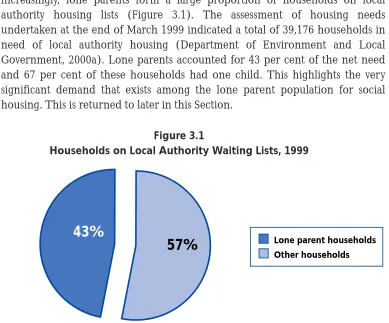
[image:40.595.126.515.177.500.2]3.15 Young lone parents in particular, often find themselves catapulted simultaneously into independent adulthood and parenthood. Research shows that many lone parents have to establish an independent home quickly and with limited family support (Speak, 1995). Their poor economic status has meant that increasingly, lone parents form a large proportion of households on local authority housing lists (Figure 3.1). The assessment of housing needs undertaken at the end of March 1999 indicated a total of 39,176 households in need of local authority housing (Department of Environment and Local Government, 2000a). Lone parents accounted for 43 per cent of the net need and 67 per cent of these households had one child. This highlights the very significant demand that exists among the lone parent population for social housing. This is returned to later in this Section.
Figure 3.1
Households on Local Authority Waiting Lists, 1999
Source: Department of Environment and Local Government, 2000a.
Living in the Parental Home
3.16 The Review of OFP (2000) found that two-thirds of lone parents, at initial claims stage, live in the parental home. The benefits of living at home are access to family support and lower financial outlay on rent. However, these are counter-balanced by difficulties such as overcrowding, inter-generational tension, and confusion over roles regarding parenting. A number of the lone parents that we consulted expressed dissatisfaction at the way their own mothers got involved in the parenting process and that this caused considerable friction. A further issue raised in the discussions was that many mothers of lone parents need support themselves. They may be relatively young, may have returned to the labour market but often have to leave again to provide childcare while their daughter goes back to school or work.