Page 1 of 57 Name of service area:
North Dublin Dates of inspection:
24, 25, 26 April 2017 Number of fieldwork days:
3 Lead inspector:
Ruadhan Hogan
Support inspector(s): Caroline Browne
Grace Lynam Susan Geary
Sabine Buschmann Niamh Greevy
Type of inspection: Announced Unannounced
Full Themed
Monitoring Event No:
0019026
Statutory foster care service inspection
report
Health Information and Quality Authority
Regulation Directorate monitoring inspection
Page 2 of 57
About monitoring of statutory foster care services
The Health Information and Quality Authority (the Authority) monitors services used by some of the most vulnerable children in the state. Monitoring provides assurance to the public that children are receiving a service that meets the requirements of quality standards. This process also seeks to ensure that the wellbeing, welfare and safety of children is promoted and protected. Monitoring also has an important role in driving continuous improvement so that children have better, safer services.
The Authority is authorised by the Minister for Children and Youth Affairs under Section 69 of the Child Care Act, 1991 as amended by Section 26 of the Child Care (Amendment) Act 2011 to inspect foster care services provided by the Child and Family Agency and to report on its findings to the Minister for Children and Youth Affairs. The Authority monitors foster care services against the National Standards for Foster Care, published by the Department of Health and Children in 2003.
In order to promote quality and improve safety in the provision of foster care services, the Authority carries out inspections to:
assess if the Child and Family Agency (the service provider) has all the elements in place to safeguard children
seek assurances from service providers that they are safeguarding children by reducing serious risks
provide service providers with the findings of inspections so that service providers develop action plans to implement safety and quality improvements
inform the public and promote confidence through the publication of the Authority’s findings.
The Authority inspects services to see if the National Standards are met. Inspections can be announced or unannounced.
As part of the HIQA 2017 Monitoring programme, HIQA are conducting thematic inspections across 17 Tusla Services areas focusing on the recruitment,
Page 3 of 57
thematic inspections will be announced, and will cover eight standards relating to this theme.
This inspection report sets out the findings of a monitoring inspection against the following themes:
Theme 1: Child-centred Services Theme 2: Safe and Effective Services Theme 3: Health and Development
Theme 4: Leadership, Governance and Management Theme 5: Use of Resources
Theme 6: Workforce
1.
Inspection methodology
As part of this inspection, inspectors met with the relevant professionals involved in foster care services, and foster carers. Inspectors observed practices and reviewed documentation such as case files, foster carers assessment files, and relevant documentation relating to the areas covered by the theme.
During this inspection, the inspectors evaluated the:
assessment of foster carers safeguarding processes
effectiveness of the foster care committee
supervision, support and training of foster carers reviews of foster carers.
The key activities of this inspection involved: the analysis of data
meeting with the area manager, 13 social workers, two team leaders and one principal social worker
Page 4 of 57
focus groups with foster carers, link social workers and child in care social workers
review of the relevant sections of 57 foster carers files as they relate to the theme
observing the foster care committee meeting.
Acknowledgements
The Authority wishes to thank the staff and managers of the service for their
Page 5 of 57
2.
Profile of the foster care service
2.1 The Child and Family Agency
Child and family services in Ireland are delivered by a single dedicated State agency called the Child and Family Agency, which is overseen by the Department of Children and Youth Affairs. The Child and Family Agency Act 2013 (Number 40 of 2013) established the Child and Family Agency with effect from 1 January 2014.
The Child and Family Agency has responsibility for a range of services, including:
child welfare and protection services, including family support services existing Family Support Agency responsibilities
existing National Educational Welfare Board responsibilities pre-school inspection services
service response to domestic, sexual and gender-based violence services.
Child and family services are organised into 17 service areas and are managed by area managers. The areas are grouped into four regions each with a regional manager known as a service director. The service directors report to the chief operations officer, who is a member of the national management team.
Page 6 of 57 2.2 Service Area
North Dublin is one of 17 service areas in the Child and Family Agency. It is situated in North Leinster and forms part of the Dublin North East region. It encompasses two geographical local authority catchment areas namely Fingal County Council and Dublin City Council. The North Dublin area stretches from Howth and Sutton on the east side and inland to Oldtown and the Meath border to Stamullen. The area also encompasses Coolock, Raheny, Darndale, Edenmore, Kilbarrack, Donaghmede and newly developed areas such as Clongriffen and Racecourse in Baldoyle. In October 2013 the boundary of North Dublin was extended to include all of Dublin 15 resulting in the Fingal part of the area becoming co-terminus with Fingal County Council boundaries.
Data from the 20111 census showed that the total population for the newly aligned North Dublin area based on the 2011 Census of Population was 348,729 with 34.6% of the Dublin North East regional child population coming under the North Dublin area’s remit.
The area was under the direction of the service director for the Child and Family Agency Dublin North East region and was managed by the area manager.
North Dublin foster care service was comprised of one fostering team which was line managed by two team leaders, who reported to the Principal Social Worker. The team was located in Swords, Co. Dublin. The area had a foster care committee. Fostering social workers carried out assessments of relative and general carers, in addition to providing support and supervision to foster carers. There was also a regional team who carried out assessments of general foster carers for the Dublin North East region. In addition, the area funded a private foster care agency to carry out assessments.
Page 7 of 57
According to the data returned to HIQA prior to the inspection, there were 187 foster care households in the service area, 117 general foster carers and 70 relative foster carers.
Page 8 of 57
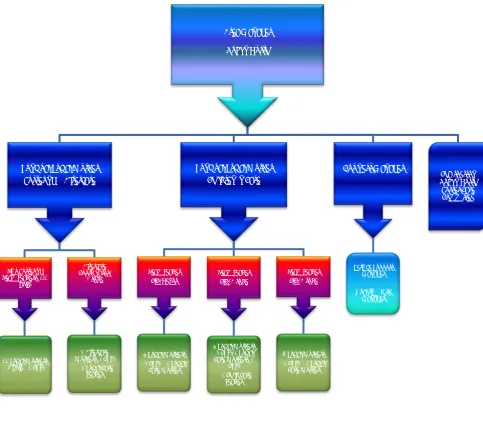
Figure 1: Organisational structure of Statutory Foster Care Services, in North Dublin Service Area*
* Source: The Child and Family Agency
Area Manager Dublin North
Principal Social Worker Fostering & Aftercare
Two Fostering Team Leaders (1.1
HTE)
11 Social Workers (8 HTE & 1 CPL)
Aftercare Coordinator,
Airside
3 Aftercare Workers (2 CPL)
& 1 Social Care Leader
Principal Social Worker Children in Care
Team Leader CIC, Nexus
6 Social Workers (3 CPL) & 1 Social Care Worker
Team Leader CIC, Airside
6 Social Workers (3 CPL), 2 Social Care Workers (1
CPL) & 1 Child Care
Leader
Team Leader CIC, Airside
5 Social Workers (1 CPL) & 1 Social Care Worker
Business Manager
Service Support Manager
Quality & Risk Manager
Page 9 of 57
3.
Summary of inspection findings
The Child and Family Agency has the legal responsibility to promote the welfare of children and protect those who are deemed to be at risk of harm. Children in foster care require a high-quality service which is safe and well supported by social
workers. Foster carers must be able to provide children with warm and nurturing relationships in order for them to achieve positive outcomes. Services must be well governed in order to produce these outcomes consistently.
This report reflects the findings of the thematic inspection, relating to the
recruitment, assessment, approval, supervision and review of foster carers, which are set out in Section 5. The provider is required to address a number of
recommendations in the attached action plan.
In this inspection, HIQA found that of the eight standards assessed:
four standards were substantially compliant
four standards were compliant of which one was identified as moderate non-compliance and three major non-non-compliances.
Page 10 of 57
The area appropriately screened relative foster carers before emergency placements were made. Assessments of both relative and general carers were of good quality. There had been significant drift in six relative foster care assessments that had been completed but had not yet been recommended for approval by the committee and there was no system in place to track the progress of these assessments and escalate them so that timely action could be taken. Inspectors escalated the lack of timely action in relation to the approval of these relative foster care assessments to the fostering management team and a satisfactory response was subsequently received from the area.
With the exception of one foster care file reviewed by inspectors, foster carers had formal Garda vetting completed and recorded on their files. Inspectors escalated one foster care household where Garda vetting had not been completed for three adult members of the house. The area subsequently provided assurances that Garda vetting would be applied for these adults. The process in place for foster carers who transferred into the service was not followed through comprehensively and was not in line with the transfer protocol in foster care committee policy and procedures. This meant that the committee did not have appropriate oversight of the transfers and the area could not adequately review their full history of fostering and assure themselves that carers could safely and appropriately care for children in their care.
The majority of fosters carers had an allocated link worker and were, in general, well supported. Foster carers that met with inspectors indicated that they were satisfied with the service that was provided. The arrangements for the supervision of foster carers who were allocated were good. Foster carers were visited regularly and received regular phone calls. However, there was no dedicated out-of-hours service to support foster carers outside of office hours.
Where foster carers were unallocated the area was unable to verify when the last visit had been to these carers by the fostering department. Therefore the oversight of and safeguarding arrangements in place for unallocated foster carers in the area was insufficient. Three foster carers had not been visited by a link worker in a
Page 11 of 57
oversight of this and had commenced an audit of all foster carers and corresponding children in care to provide assurance on visits that were required.
Foster carers received foundational training before their approval as foster carers. The area did not always ensure relative foster carers attended the introduction to fostering training. The area held regular training and ensured foster carers were informed of training dates. There was no overall training strategy for foster carers. A comprehensive training needs analysis had not been carried out and there was no comprehensive structured programme of training in place that responded to the training needs of foster carers.
Where reviews were completed, they were of good quality. These reviews were comprehensive and included the voice of the child placed with carers. Reviews of foster carers were not up to date for 155 foster carers, who had not had a review for more than three years. Inspectors escalated the significant delay in completing foster care reviews. The area manager provided written assurances to HIQA that all reviews would be up-to-date by June 2018 which allowed for the backlog to be addressed along with on-going reviews. The area was not routinely completing
reviews where a report of a serious complaint or allegation had been made against foster carers. As part of the plan to address the deficits in reviews, these foster carers were to be prioritised by the area.
The Foster Care Committee was in compliance with the national policy, procedure and best practice guidance on foster care committees. The work of the committee was effective and they made clear decisions. The committee operated an induction program for new members. Committee members had Garda vetting and attended training. The committee maintained a log of serious concerns and allegations, however, they did not track the progress of investigations or follow up to ensure they were completed.
Page 12 of 57
Page 13 of 57
4.
Summary of judgments under each standard and or
regulation
During this inspection, inspectors made judgments against the National Standards for Foster Care. They used four categories that describe how the Standards were met as follows:
We will judge a provider to be compliant, substantially compliant or non-compliant with the regulations and/or standards. These are defined as follows:
Compliant: A judgment of compliant means that no action is required as the provider or person in charge (as appropriate) has fully met the standard and is in full compliance with the relevant regulation.
Substantially compliant: A judgment of substantially compliant means that some action is required by the provider or person in charge (as appropriate) to fully meet a standard or to comply with a regulation.
Non-Compliant: A judgment of non-compliance means that substantive
action is required by the provider or person in charge (as appropriate) to fully meet a standard or to comply with a regulation
National Standards for Foster Care Judgment
Theme 2: Safe and Effective Services
Standard 10: Safeguarding and child protection Non Compliant - Major
Standard 14a: Assessment and approval of non-relative foster
carers
Substantially Compliant
Standard 14b: Assessment and approval of relative foster
carers
Non Compliant - Major
Standard 15: Supervision and support Substantially compliant
Standard 16: Training Non Compliant -
Moderate
Standard 17: Reviews of foster carers Non Compliant - Major
Theme 4: Leadership, Governance and Management
Standard 23: The Foster Care Committee Substantially compliant
Theme 5: Use of Resources
Standard 21: Recruitment and retention of an appropriate
range of foster carers
Page 14 of 57
5.
Findings and judgments
Theme 2: Safe and Effective Services
Services promote the safety of children by protecting them from abuse and neglect and following policy and procedure in reporting any concerns of abuse and/or neglect to the relevant authorities. Effective services ensure that the systems are in place to promote children’s welfare. Assessment and planning is central to the identification of children’s care needs. In order to provide the care children require, foster carers are assessed, approved and supported. Each child receives the
supports they require to maintain their wellbeing.
Summary of inspection findings under Standard 10
The area took appropriate action to protect children in the care of foster carers where child protection concerns or allegations had been made against foster carers.
The Dublin North East protocol for the management of allegations and serious concerns against foster carers and relative carers (2010) was the protocol in use in the area in the 12 months prior to inspection. A revised protocol (2017) was
introduced for immediate implementation by senior Tusla management during the inspection. The 2010 protocol stipulated that upon receipt of a report that alleges harm to a child in the care of a foster carer, an assessment should take place to establish whether it should be classified as a serious complaint or an allegation of abuse of neglect. This was the responsibility of the child’s social worker and social work team leader and/or the fostering social worker and fostering team leader. Once this assessment was completed and a decision reached on whether it was a serious complaint or an allegation of abuse of neglect, the responsibility for managing the serious concern was with the fostering department while the allegation was to be managed by the child protection social work department, in line with Children First: National Guidance for the Protection and Welfare of Children (2011). In both
Standard 10: Safeguarding and child protection
Page 15 of 57
circumstances, the area manager, principal social worker, the foster care committee and the Tusla National Quality Assurance Directorate fostering monitoring officer were to be notified within five working days.
Data provided by the area showed that there were eight child protection concerns or allegations against foster carers in the 12 months prior to inspection. Inspectors reviewed all of these concerns and a further two files where complaints had been made against foster carers. From a review of all of these files records showed that, in all of the cases, the area took timely and appropriate action to protect children in care. Inspectors found evidence of good quality safeguarding arrangements while investigations were ongoing including safety plans, unannounced visits and good quality joint working with the child in care social worker and partner agencies.
The area did not consistently classify initial reports that alleged harm to a child in the care of a foster carer in line with the local area policy to ensure those that
required a child protection response were managed in line with Children First (2011). Inspectors found there was conflicting opinions in the fostering management as to how the process should be followed. In four circumstances, the decision on
classification of the report was made after the investigation had been completed. During interviews link workers acknowledged that one of these serious concerns met the threshold for an allegation under Children First (2011) despite being classified as a serious complaint. In one case the decision on classification was made by the link worker which was not objective or in line with the 2010 protocol. There was no recorded decision on the classification throughout the investigation. A final report subsequently processed the report as a serious complaint. This allegation was
escalated to the area management for a review to be promptly completed. The area subsequently gave assurances that these foster carers would have a foster care review completed by an independent social worker which would be forwarded to the committee once completed.
According to the data returned to HIQA, there had been no serious incidents
Page 16 of 57
circumstances such as a lack of formal An Garda Síochána (police) vetting and delays in completing a relative assessment in one case.
With the exception of one foster care file reviewed by inspectors, foster carers had formal Garda vetting completed and recorded on their files. Inspectors escalated one foster care household where Garda vetting had not been completed for three adult members of the house. The area subsequently provided assurances that Garda vetting would be applied for these adults. Newly assessed foster carers had Garda vetting as part of the assessment process. Data provided by the area showed that 27 foster carers or 14% of all foster carers had not had their Garda vetting updated in more than three years. The area manager told inspectors that a system was being put in place to track Garda vetting and that she would oversee this system and send out requests to ensure foster carers had up-to-date Garda vetting completed every three years.
The area did not have a system in place to ensure that foster carers who were established and had been fostering for a number of years had up-to-date training in the areas of safe care and Children First: National Guidance for the Protection and Welfare of Children (2011). Records showed that general foster carers were required to attend foundational training prior to their approval. This training addressed issues including safe care practices and understanding and managing behaviour that
Page 17 of 57
Staff were familiar with the principals of whistleblowing and how to make a protected disclosure.
The system in place to ensure appropriate safeguarding for unallocated foster carers was not managed appropriately. There was insufficient home visits completed to some unallocated carers and the system in place to ensure visits to unallocated foster carers and relative carers were conducted was not appropriately overseen. Of the 187 foster carers in the service, there were four general foster carer households and eight relative carer households without a link worker. The area did not have any children in foster care households without a social worker placed with foster carers without a link worker. The social work team leaders said that a link worker was allocated to manage the waiting list of unallocated carers in the area. This person was new to the role and during interviews with inspectors, they said that they had not yet visited all foster carers and were in the process of completing an audit of the unallocated foster carers. The social work team leaders were unable to verify when the last visit had been to these carers by the fostering department. They also did not know when the child in care was last visited by their social worker. Inspectors
reviewed seven of the 12 unallocated cases and found that two foster carers had not been visited in almost 12 months and a third foster carer had not received a visit in almost two years. These cases were escalated to the principal social worker for visits to be carried out immediately for which the area provided a prompt and suitable response. During the inspection, the area manager said she was aware of these issues and had began an audit, as a matter of urgency, of all foster carers and corresponding children in care to establish which carers and children required visits.
Page 18 of 57
Summary of inspection findings under Standard 14
There was a national policy on the assessment and approval of foster carers and this was followed in the area. Foster carers were facilitated to attend the foster care committee meeting when recommendation to approve them was being considered and they received all relevant information in writing. A regional assessment team was in place to undertake assessments of general foster carers. Inspectors found that assessments of both relative and general carers were of good quality.
There were seven general foster care assessments carried out in the area in the 12 months prior to inspection. Six of these had been carried out by a private agency, one assessment was carried out by the regional team. The local area team did not carry out any assessments in the 12 months prior to inspection. Inspectors reviewed one assessment completed by the private provider and found is was of good quality and completed in a timely manner. The area had a system in place to oversee these assessments.
The area had a safe system for placing children with relative carers in emergencies. Inspectors reviewed seven files where emergency placements were made with relative carers. Records showed that immediate checks, for example, An Garda Síochána (police) checks, child protection checks and references had completed in line with regulations. Following a home visit, a link worker completed an initial report which was sent to the Fostering Principal Social Worker (PSW) for approval. If the
Standard 14a: Assessment and approval of non-relative foster carers
Foster care applicants participate in a comprehensive assessment of their ability to carry out the fostering task and are formally approved by the health board3 prior to any
child or young person being placed with them.
Standard 14b: Assessment and approval of relative foster carers
Page 19 of 57
PSW approved the emergency placement with relatives, the foster carers then participated in an assessment by a qualified social worker.
Assessments of relative foster carers completed in the area were good quality. There were 10 assessments of relative foster carers carried out and approved by the
committee in the area in the 12 months prior to inspection. Six of the relative assessments had been carried out by a private foster care agency and four of them had been carried out by the local area team. Inspectors reviewed four of the
assessments carried out by a private agency and two assessments carried out by the local area team. The timeliness of the assessment process varied in each of the assessments. Assessments were found to have delays of between three and 11 months from when the application was received to when the assessment started. Once they began, they took between five and 12 months for the assessment to be completed and heard by the foster care committee. The assessments reviewed were comprehensive and of good quality. Records showed candidates for fostering were interviewed several times and were met by a team leader from the local area. There was also evidence of managerial oversight from the local area.
Inspectors reviewed six relative foster care assessments that had been completed but had not yet been recommended for approval by the committee. Inspectors found that there were significant delays in these assessments being completed, presented and approved by the committee, and as a result children remained in unapproved placements for a considerable period of time. Three assessments had been completed and were waiting to be approved, however, as a child in care plan had not been completed and sent to the local committee, a decision to approve them could not be made, without all the necessary documents. Two of these had been waiting for over 18 months for a statutory child in care plan. Another
Page 20 of 57
placement pending approval by the committee. There was no system in place to track the progress of these assessments. Of the six files reviewed, five showed significant drift and records didn’t show they had been escalated to the area
manager so that appropriate and timely action could be taken. As a result, children were living with foster carers who were not overseen by the committee. It was also likely that these foster carers would require updated assessments before they could be recommended to foster. Inspectors escalated the lack of timely action in relation to the approval of relatives to the fostering management team and received an appropriate response.
Foster carers were recommended for approval by the committee. This process was clear and was in line with national policy, procedures and guidance. The committee required a comprehensive assessment report, Garda Síochána (police) vetting, medicals, references and health and safety checks to recommend approval. The committee members reviewed the documentation and met with the relevant link worker and prospective carers, and sought further clarification where necessary. The committee then made decisions to recommend carers for approval or not, and
attached any relevant conditions.
Of the files reviewed, inspectors found that Garda vetting was completed for the majority of adults in the foster care home. Inspectors found that in two
circumstances, where foster carers had transferred from one area or service into the North Dublin area, Garda vetting had not been completed for all adult members of the foster care household. These two cases were escalated to the area manager who promptly provided assurances that Garda vetting would be applied for immediately after the inspection.
Page 21 of 57
leaders told inspectors that they did not routinely present the information on foster carers who transferred over to the local committee. Therefore, assessment reports and all relevant documentation were not presented to the committee, who did not then have appropriate oversight of the transfer into the area. In addition, the
fostering team did not have the full file which meant that they could not adequately review the full history of fostering and assure themselves that carers could safely and appropriately care for children in their care.
Not all foster carer files contained contracts. Inspectors sampled nine files to see if they had foster care contracts. Six files contained contracts signed by the foster carers or relative applicants while three did not have signed contracts on the files reviewed.
Judgment: Standard 14a:Substantially Compliant
Page 22 of 57
Summary of inspection findings under Standard 15
Summary of inspection findings under Standard 15
Foster carers who did have an allocated link social worker were provided with good quality support. Data returned to HIQA by the area prior to inspection showed that 94% of fosters carers had an allocated link worker. The fostering teams in the area comprised of 11 link workers (8.3 Whole Time Equivalent), three quarters of which were employed on a part time basis. There were two fostering team leaders each employed on a part time basis. Records showed that that the link workers were supervised regularly by their team leaders. Link workers told inspectors that their case loads were manageable and they were supported to carry out their role.
Inspectors reviewed a sample of 21 foster care files for the supervision and support they received and found that link workers were in regular contact with foster carers and were familiar with household circumstances. Some records showed weekly phone calls to foster carers. 15 of these files showed that the link workers visited a minimum of five times and sometimes up to 12 times per year. The practice
however was not consistent, as inspectors found that in two files, foster carers had only been visited once in the previous year. The area held monthly support groups or coffee mornings for foster carers. These were an opportunity for foster carers to discuss issues that were pertinent to them. The social work team leaders told inspectors that attendance was poor at these events but was improving. Inspectors met with four foster carers who said they were satisfied with the level of support they received from their link worker.
The area did not record formal supervision visits to foster carers. Home visits by link workers were recorded as part of case notes held on the foster carer files rather than on a specific template. The area did ensure other methods of appropriate supervision of foster carers was in place. Inspectors found evidence of unannounced
Standard 15: Supervision and support
Page 23 of 57
visits to the foster carer households on the majority of allocated foster care files. Where supervision issues with foster carers arose, records showed that these were addressed with foster carers.
Inspectors found there were an adequate range of supports in place for foster carers caring for children with complex needs. Foster carers and the children in placement were provided with supports in the community including medical specialists,
psychiatry and psychological services, and other professionals such as occupational therapists and speech and language therapists. Records showed that two foster carers were funded for extensions to the family home to support the placement of children with them. The area also provided family therapy to support placements, when this need was identified. Child in care social workers told inspectors that the fostering team were accessible, provided prompt communication following visits or where there were issues identified, and were available for joint visits if necessary. Inspectors saw evidence of good quality communication between the child in care social work department and the fostering department which helped with the coordination of supports for children with complex needs.
Inspectors reviewed a sample of four files where placements ended in an unplanned manner. In two cases, foster carers were provided with extra supports and visits to help stabilise the placement. In two other cases, foster carers did not receive enough supports from the fostering department. For example, in one of these
circumstances, link worker visits were recommended every six-eight weeks. Records showed regular phone calls to the foster carer, however, they did not receive the recommended visits every 6-8 weeks to support the placement.
There was no dedicated out-of-hours service to support foster carers outside of office hours. There was a national Tusla out-of-hours service in place but, in order to access this service, foster carers would have to phone An Garda Síochána and they would, in turn, contact the out-of-hours social work service. This meant that the situation that arose in a foster carer household may be dealt with by a social worker who was not familiar with the fostering service or the family concerned.
Page 24 of 57
Summary of inspection findings under Standard 16
Foster carers received foundational training before their approval as foster carers but there were no systems in place in the area to ensure that all foster carers
participated in ongoing training following approval. The foundational training
included information on areas such as child development and attachment, safe care, family contact and behaviours of children in care. Specific training for relative foster carers was also available.
Once foster carers were approved, there was little in place to incentivise carers to attend training. As a result, attendance was poor. The social work team leaders said they had held consultative groups with foster carers to look at what type of training foster carers want, in an effort to improve attendance.
The area did not always ensure relative foster carers attended the introduction to fostering training. Inspectors reviewed a sample of 11 relative foster carer files for completion of the introduction to relative fostering training. Four of these relative foster carers had attended, while six did not attend. Another two had attended three out of four sessions of the training. Link workers told inspectors that relative carers signed a declaration to say they would attend the introduction to fostering training, after a child had been placed with them. However, it became difficult to ensure their attendance at this training as the placement progressed.
There was no overall training strategy for foster carers in the area, a comprehensive training needs analysis had not been carried out and there was no comprehensive structured programme of training in place that responded to the training needs of foster carers. The area manager said that when reviews were implemented for all foster carers, this would be used to inform the individual training needs of foster carers.
Standard 16: Training
Page 25 of 57
In the interim before this review system was established, foster carers were offered whatever training was being facilitated. The area had a training plan for the first six months of 2017 with the training for second half of the year yet to be finalised. This covered topics such as after care, managing behaviours, minding yourselves as carers and aspects of African culture. More in depth training was also facilitated by the area in the form of therapeutic training and training to help restore bonds of respect.
Training records for foster carers were maintained in the area. The social work team leaders maintained a log of all training facilitated in the area in 2016 and 2017. When a carer attended a particular training, their attendance was recorded on this log. Attendance at coffee mornings was also recorded. However, the quality of training records on foster carers’ files was varied. The files had invitations for the various training and coffee mornings. While some files showed training attended and scheduled for carers, others did not have any training records. Records did not show where foster carers had gaps in essential areas such as training in Children First (2011) and safe care.
Page 26 of 57
Summary of inspection findings under Standard 17
Reviews of foster carers were not up to date for a significant number of carers. Data returned to HIQA by the area prior to the inspection indicated that 155 foster carers or 82% had not had a review for more than three years. According to the Standards, the first review should take place one year after the first placement and subsequent reviews should take place at three-yearly intervals. Reviews provide the fostering service with the opportunity to consider the foster carers performance, and assure themselves that the foster carers have the capacity to continue to provide adequate and safe care. They also provide an opportunity to update An Garda Síochána (police) vetting, health and safety assessments and medicals. They also consider other issues such as supports, training needs and changes in circumstances within the family. As reviews were not routinely being carried out, this meant the area was not addressing these issues for the majority of carers in the service. The area
manager told inspectors that they were aware of the significant delays in completing reviews. Shortly after the inspection, the area put a plan in place to update reviews of foster carers and the area manager provided written assurances to inspectors that all reviews would be updated by June 2018 which allowed for the backlog to be addressed along with on-going reviews. HIQA requested the area to provide regular
three month updates to this plan following the inspection to monitor the progress of the plan.
The area was not routinely completing reviews where a report of a serious complaint or allegation had been made against foster carers. Of 10 files sampled for serious complaints or allegations made against foster carers, none of these had a review completed and therefore could not notified to the foster care committee. These
Standard 17: Reviews of foster carers
Page 27 of 57
reviews were included as priority reviews in the plan regarding outstanding reviews that was returned to HIQA following the inspection.
According to the data returned to HIQA prior to the inspection, the area completed 28 foster care reviews over the 12 months prior to inspection. Only seven of these completed reviews were notified to the committee. Of the 28 foster care reviews that were completed over the last 12 months, a sample of seven were reviewed by inspectors. This included reviews that were notified to the committee and those that were not. The majority of these reviews were comprehensive and included the voice of the child placed with carers. The reports were comprehensive and included
consideration of the foster carers’ performance, health, circumstances, training needs, support needs and any health and safety issues. There was evidence that Garda vetting was renewed for foster carers and any adults in the foster care households. Views on the placement and the suitability of the match with children were included. In addition, opinions were sought from children in care social workers, birth parents, the foster carers as well as the children concerned.
All but one of these reviews sampled had evidence of a formal review meeting held. Team leaders chaired the review meetings which were attended by the foster carers and the link social workers. Records did not show whether Foster Carers were given a copy of the reviews. The decisions made at these reviews were clearly recorded. However, follow up of recommendations following the review was not always clearly recorded. As a result, it was not known if the recommendation of the review was followed through on in a timely manner.
Page 28 of 57
Theme 4: Leadership, Governance and Management
Effective governance is achieved by planning and directing activities, using good business practices, accountability and integrity. In an effective governance structure, there are clear lines of accountability at individual, team and service levels and all staff working in the service are aware of their responsibilities. Risks to the service as well as to individuals are well managed and the system is subject to a rigorous quality assurance system. Services provided on behalf of the area are robustly monitored. The Foster Care Committee is a robust mechanism for approving both placements and foster care applications.
Summary of inspection findings under Standard 23
The Foster Care Committee was in compliance with the national policy, procedure and best practice guidance on foster care committees.
The committee comprised of a chairperson, a full time secretary and eight other members including an education welfare officer, a principal social worker, a social work team leader, a foster carer, and a manager of a child and family project in the area. Earlier committee meetings conducted had a public health nurse as part of the committee. The chairperson told inspectors that professional expertise, including an area medical advisor could be accessed by the committee if required. The
chairperson also acknowledged that they had difficulties recruiting a young adult who has been through care themselves.
The chairperson was employed full time in the area as a child protection case conference chairperson. She carried out the committee chairperson role two days per month on top of the child protection conference role and said that she was able to manage both. She reported to the area manager. She had significant experience in social work and as a manager of a social work service. She was very
Standard 23: The Foster Care Committee
Page 29 of 57
knowledgeable of the requirements and responsibilities of the committee. From observations of the committee, inspectors found she managed the role very well.
The committee met 13 times in the 12 months prior to inspection and was scheduled to meet almost every month in 2017. A quorum of six members was required for meetings to proceed and this requirement was adhered to. When the required quorum was not met for a particular meeting, the committee meeting was
postponed. Records showed this happened on one occasion in the last 12 months.
The committee had a wide-ranging remit. Committee records showed that they considered and made recommendations based on consideration of assessment reports on prospective foster carers, care plans for children, disruption reports following placement breakdown, reports on the investigation of allegations, requests for changes to approval status of foster carers, foster carer reviews and from social workers who presented to the foster care committee.
The agenda and format for the committee meeting was well managed. An agenda was set for each committee meeting and members were sent copies of the reports a week prior to the meeting. The committee members were well prepared for the meeting by reading through the various reports and had notes made. The
chairperson asked each member for feedback on individual reports. A member was appointed to collate the questions for the social worker or social work team leader who presented the report. Questions put to the professionals and answers provided by the individuals presenting the reports was then recorded by the committee secretary. A decision was then taken and recorded. On the day that inspectors observed the committee meeting, two foster carers attended to hear the decision taken. Inspectors found that professionals and foster carers who attended the meetings were treated sensitively and with respect.
Page 30 of 57
documentation was presented to them. The chairperson said that the committee would not consider matters without having all required documentation. Records showed that they requested further information when required.
The committee operated an induction program for new members. Potential new members had the opportunity to observe a meeting prior to accepting the offer to become a member. The chair said that new committee members, who were not familiar with social work standard operating procedures and terminology were given time to familiarise themselves with processes and the language used. There was a training program for committee members which included a specialist training day for committee members.
The majority of members of the committee had Garda vetting. One member who had been recently appointed to the committee did not have Garda vetting, however this member was employed by a different organisation whose director provided written assurance that this professional had up-to-date Garda vetting, while vetting was being applied for by Tusla. The committee was in the process of applying for Garda vetting for this member.
The area managers office maintained a ‘live’ panel list with names of foster carers, their addresses, their application numbers, dates of the closure of files when this occurred and all other information recommended by the national policy, procedure and best practice guidance to be included in the foster carer panel record. This list was accessible to the fostering management. As such, this functioned as the single, integrated record of the foster carer panel for the area. The committee did not maintain a separate panel of foster carers nor did they review the panel of foster carers in the area.
Page 31 of 57
concerns and allegations nor did the committee analyse the log to identify trends such as whether multiple reports had been made against a particular foster carer. This meant that the committee did not have oversight of the progress of
investigations and could not ensure that the relevant persons were held to account when investigations were unduly delayed.
Inspectors found there were appropriate arrangements for the approval of foster carers from other services. Based on a review of committee files and observation of the committee, inspectors found that appropriate arrangements were in place to ensure the committee had sufficient information at their disposal in order to make a decision regarding the approval of foster carers assessed by private agencies
The committee produced an annual report of its activities for 2016 which was reviewed as part of the inspection. This gave an overview of its main activities
including meetings held, items discussed by topic and an analysis of the activity with an overview of recommendations made. The committee did report statistical
information on a quarterly basis. This was sent to a national information analyst who sent reports to the senior management team and the area managers. This
information was used by Tusla to assist in tracking performance nationally and some of this information was published on the Tusla website. The committee did not contribute to the Review of Adequacy of Children and Family Support Services as required under Section 8 of the Child Care Act 1991 as they had not been requested to do so.
Page 32 of 57 Theme 5: Use of Resources
Services recruit sufficient foster carers to meet the needs of children in the area. Foster carers stay with the service and continue to offer placements to children.
Summary of inspection findings under Standard 21
The area did not have sufficient resources in place to assess carers. However, they funded a private foster care agency to complete assessments when required. The area was resourced to recruit foster carers. There were three campaigns held locally in the 12 months prior to inspection, with information evenings. While the regional team supported the area with campaigns, managers told inspectors that all of the local activities were organised and facilitated by local staff.
There was no overall formal recruitment strategy in place in the area. The area had a modest response to the campaigns in 2016 with 17 new foster care applicants in the 12 months prior to inspection. Eight applications were approved to foster and a further eight were undergoing assessment at the time of inspection. However, data also showed that 13 foster carers left the foster care panel voluntarily during the previous 12 months while only eight foster carers had been approved and added to the panel during that time, a net loss of four foster carers.
The area manager and principal social worker (PSW) said that regionally and
nationally, the recruitment of foster carers was becoming more challenging and the area did not have sufficient placements to meet the needs of the service. Data provided by the area showed that there were ten foster care households where the number of unrelated children in placement exceeded the standards for example, three children who were unrelated in a foster care placement at the same time. In addition, there were six foster care households who were providing placements outside of their approval status, for example, foster carers providing long-term placements although they were approved for short-term placements. Staff identified
Standard 21: Recruitment and retention of an appropriate range of foster carers
Page 33 of 57
a need for more general carers and in particular, placements for teenagers. The attendance at information evenings held by the area had been poor. The PSW said that one of the recent local fostering campaigns had been run at a time when the portrayal of fostering in the media may have been perceived as negative and this may have had an impact on recruitment of foster carers.
In response, the area team said they intended to pilot a number of new and creative initiatives in the area to address the shortfall in recruitment of foster carers. During interviews with inspectors, the PSW outlined a number of ideas which had been researched for which tentative plans were drawn up. These included engaging a business school in one of the universities to conduct market research to inform an understanding of the motivations and barriers to considering foster care. The funding for the research was approved and a proposal had been drawn up with dates to begin the interviews and surveys yet to be identified. The PSW also said they engaged a consultancy group to facilitate visits to fostering departments of Local Authorities in the United Kingdom along with a fostering charity. The purpose of these visits was to research alternative recruitment campaigns and strategies. Documentation seen by inspectors showed that the visits were due to take place some weeks after the inspection. These ideas were creative and sought to expand the range of effective recruitment methods that were responsive to the demographic of the area. However, the area didn’t have an overall strategy with accompanying action plan to ensure a timely delivery on these ideas.
The area was supported by a regional team covering Dublin North East who were dedicated to conducting assessments of general foster carers. The regional team leader and principal social worker (who was also the principal social worker for the North Dublin area Fostering team) advised inspectors during interviews that
Page 34 of 57
the local fostering team leader and files were transferred to the local area in which the carer lived.
There were governance arrangements in place across the service area for oversight of recruitment and retention of foster carers. A Dublin North East service area
fostering group meeting was held on a quarterly basis. This included PSW’s from the four areas in Dublin North East that included the North Dublin area. The Service Director for Dublin North East also attended these meetings. The agenda items covered recruitment, progress of assessments and specialist training provided to foster carers across the service area along with other topics. The PSW also for North Dublin wrote progress reports in relation to the Regional Recruitment and
Assessment Team. These reports helped provide assurance on the coordination of resources across the service area.
The area did not have an overall formal retention strategy for foster carers in place. The area supported children in placements as the main priority towards retaining foster carers. The area did not routinely conduct exit interviews with foster carers who voluntarily left the foster care panel during the previous 12 months in order to learn from and improve the service. According to data returned to HIQA by the area prior to the inspection, there were 13 foster carers who left the foster care panel voluntarily in the last 12 months. Inspectors reviewed a sample of six of these files for the reasons those foster carers left the panel. One carer said they did not receive enough support and were disillusioned with fostering. Another left fostering
following a placement breakdown. The remaining four were no longer available for fostering due to changes in personal circumstances. The area held two consultative groups with foster carers over the last 12 months as a means of addressing
retention of foster carers. The purpose of the meetings was to listen to foster carers experience and find new and creative ways of supporting foster carers to continue.
The foster care panel was not reviewed periodically to ensure there was an
appropriate number and range of foster carers to meet the needs of children in the area.
Page 35 of 57
Appendix 1 -- Standards and Regulations for Statutory Foster
Care Services
National Standards for Foster Care (April 2003)
Theme 1: Child-centred Services
Standard 1: Positive sense of identity
Children and young people are provided with foster care services that promote a positive sense of identity for them.
Standard 2: Family and friends
Children and young people in foster care are encouraged and facilitated to maintain and develop family relationships and friendships.
Standard 3: Children’s Rights
Children and young people are treated with dignity, their privacy is respected, they make choices based on information provided to them in an age-appropriate manner, and have their views, including complaints, heard when decisions are made which affect them or the care they receive.
Standard 4: Valuing diversity
Children and young people are provided with foster care services that take account of their age, stage of development, individual assessed needs, illness or disability, gender, family background, culture and ethnicity (including membership of the Traveller community), religion and sexual identity.
Child Care (Placement of Children in Foster Care) Regulations, 1995 Part III Article 8 Religion
Standard 25: Representations and complaints
Health boards¥ have policies and procedures designed to ensure that children and
young people, their families, foster carers and others with a bona fide interest in their welfare can make effective representations, including complaints, about any aspect of the fostering service, whether provided directly by a health board or by a non-statutory agency.
¥ Where reference is made to Health Boards these services are now provided by the Child and Family
Page 36 of 57
National Standards for Foster Care (April 2003)
Theme 2: Safe and Effective Services
Standard 5: The child and family social worker
There is a designated social worker for each child and young person in foster care.
Child Care (Placement of Children in Foster Care) Regulations, 1995 Part IV, Article 17(1) Supervision and visiting of children
Standard 6: Assessment of children and young people
An assessment of the child’s or young person’s needs is made prior to any placement or, in the case of emergencies, as soon as possible thereafter.
Child Care (Placement of Children in Foster Care) Regulations, 1995 Part III, Article 6: Assessment of circumstances of child
Standard 7: Care planning and review
Each child and young person in foster care has a written care plan. The child or young person and his or her family participate in the preparation of the care plan.
Child Care (Placement of Children in Foster Care) Regulations, 1995 Part III, Article 11: Care plans
Part IV, Article 18: Review of cases Part IV, Article 19: Special review
Standard 8: Matching carers with children and young people
Children and young people are placed with carers who are chosen for their capacity to meet the assessed needs of the children or young people.
Child Care (Placement of Children in Foster Care) Regulations, 1995 Part III, Article 7: Capacity of foster parents to meet the needs of child Child Care (Placement of Children w ith Relatives) Regulations, 1995 Part III, Article 7: Assessment of circumstances of the child
Standard 9: A safe and positive environment
Foster carers’ homes provide a safe, healthy and nurturing environment for the children or young people.
Standard 10: Safeguarding and child protection
Page 37 of 57
National Standards for Foster Care (April 2003)
Standard 13: Preparation for leaving care and adult life
Children and young people in foster care are helped to develop the skills, knowledge and competence necessary for adult living. They are given support and guidance to help them attain independence on leaving care.
Standard 14a: Assessment and approval of non-relative foster carers
Foster care applicants participate in a comprehensive assessment of their ability to carry out the fostering task and are formally approved by the health board2 prior to
any child or young person being placed with them.
Child Care (Placement of Children in Foster Care) Regulations, 1995 Part III, Article 5 Assessment of foster parents
Part III, Article 9 Contract
Standard 14b: Assessment and approval of relative foster carers
Relatives who apply, or are requested to apply, to care for a child or young
person under Section 36 (1) (d) of the Child Care Act, 1991 participate in a
comprehensive assessment of their ability to care for the child or young person
and are formally approved by the health board1.
Standard 15: Supervision and support
Approved foster carers are supervised by a professionally qualified social worker. This person, known as the link worker, ensures that foster carers have access to the information, advice and professional support necessary to enable them to provide high-quality care.
Standard 16: Training
Foster carers participate in the training necessary to equip them with the skills and knowledge required to provide high-quality care.
Standard 17: Reviews of foster carers
Foster carers participate in regular reviews of their continuing capacity to provide
2Formally known asHealth Boards at time of writing Standards, now known as The Child and Family
Page 38 of 57
National Standards for Foster Care (April 2003)
high quality care and to assist with the identification of gaps in the fostering service.
Standard 22: Special Foster care
Health boards provide for a special foster care service for children and young people with serious behavioural difficulties.
Standard 23: The Foster Care Committee
Health boards have foster care committees to make recommendations regarding foster care applications and to approve long-term placements. The committees contribute to the development of health boards’ policies, procedures and practice.
Child Care (Placement of Children in Foster Care) Regulations, 1995 Part III, Article 5(3) Assessment of foster carers
Child Care (Placement of Children w ith Relatives) Regulations, 1995 Part III, Article 5(2) Assessment of relatives
Theme 3: Health and Development
Standard 11: Health and development
The health and developmental needs of children and young people in foster care are assessed and met. They are given information, guidance and support to make appropriate choices in relation to their health and development.
Child Care (Placement of Children in Foster Care) Regulations, 1995 Part III, Article 6 Assessment of circumstances of child
Part IV, Article 16 (2)(d) Duties of foster parents Standard 12: Education
Page 39 of 57
National Standards for Foster Care (April 2003)
Theme 4: Leadership, Governance and Management
Standard 18: Effective policies
Health boards have up-to-date effective policies and plans in place to promote the provision of high quality foster care for children and young people who require it.
Child Care (Placement of Children in Foster Care) Regulations, 1995
Part III, Article 5(1) Assessment of foster carers
Standard 19: Management and monitoring of foster care agency
Health boards have effective structures in place for the management and monitoring of foster care services.
Child Care (Placement of Children in Foster Care) Regulations, 1995
Part IV, Article 12 Maintenance of register
Part IV, Article 17 Supervision and visiting of children
Standard 24: Placement of children through non-statutory agencies
Health boards placing children or young people with a foster carer through a non-statutory agency are responsible for satisfying themselves that the non-statutory requirements are met and that the children or young people receive a high quality service.
Child Care (Placement of Children in Foster Care) Regulations, 1995 Part VI, Article 24: Arrangements with voluntary bodies and other persons Theme 5: Use of Resources
Theme 6: Workforce
Standard 20: Training and Qualifications
Page 40 of 57 Action Plan
This Action Plan has been completed by the Provider and the Authority has not made any amendments to the returned Action Plan.
Provider’s response to
Monitoring Report No: MON - 0019026 Name of Service Area: North Dublin
Page 41 of 57
These requirements set out the actions that should be taken to meet the identified child care regulations and National Standards for Foster Care.
Theme 2: Safe and Effective Services
Standard 10
Non-compliant - Major
The provider is failing to meet the National Standards in the following respect:
The area did not consistently classify initial reports that alleged harm to a child in the care of a foster carer in line with the local area policy to ensure those that required a child protection response were managed in line with Children First (2011).
Notifications of outcomes of allegations were not always sent to the foster care committee in a timely way.
An Garda Síochána (police) vetting was not updated for all foster carers within the required timeframe.
Not all foster carers were trained in Children First (2011) and in safe care practices.
Appropriate safeguarding arrangements were not in place to supervise foster carers without an allocated link worker.
The area was not able to verify when foster carers were last visited by a link worker and when the corresponding children in care were visited by the child in care social worker.
Action required:
Under Standard 10 you are required to ensure that:
Children and young people in foster care are protected from abuse and neglect.
Please state the actions you have taken or are planning to take:
Page 42 of 57
identified by the Inspection will be dealt with in a timely way and this Action Plan will be fully completed.
2. On 27 April 2017 the Chief Operations Officer of TUSLA issued an Interim Protocol for managing concerns and allegations of abuse or neglect against Foster Carers and Section 36 (relative) Foster Carers. This protocol became operative on 3 May 2017. A working group at national level will issue a full protocol addressing these issues with a plan for implementation by the end of 2017. In future all matters which reach the threshold as an allegation under Children First will be referred to the Dublin North Duty Social Work Team to ensure independent management and assessment as per the Interim Protocol. An in-house Children First Briefing session will be provided for all members of the Fostering Team by a Team Leader from the Child Protection and Welfare Team.
All serious Concerns and allegations against Foster Carers for 2016/2017 will be reviewed by the Principal Social Worker for Fostering, Fostering Team Leaders and allocated Fostering Link Social Worker and will be reclassified if necessary. Minutes of these reviews will be recorded on files. In future the monthly Fostering Area Governance meeting will oversee the decision making with regard to all concerns and allegations of abuse or neglect against foster carers and relative carers. The Principal Social Worker will ensure that all concerns and allegations of abuse or neglect against foster carers and relative carers are notified to the Foster Care Committee.
3. All outstanding Garda Síochana vetting renewals have been identified and are in process. A Protocol has been issued to all Fostering Link Social Workers for use with an automatic email system to alert Social Workers to the timely renewal of Garda vetting. Scheduled monthly supervision between Team Leader and Fostering Link Social Worker will note Garda vetting dates.
4. There are 4 scheduled Children First (2011) training sessions to take place in September 2017. This training will be aimed at carers who have not completed Children First training within the last 3 years. For those carers who cannot attend any of these sessions their link worker will complete this training individually, in the carer’s home by the end of November 2017.
Page 43 of 57
received visits in a timely fashion. Since the inspection all three have been visited. To address this issue a social worker on the Fostering Team has been assigned to manage all unallocated foster carers. The fostering link worker will carry out twice yearly visits and any issues of concern will be escalated to Team Leaders and the Principal Social Worker in Fostering and Children in Care. The dates of these visits are recorded on supervision records. All foster carers including unallocated carers have been visited within the last 6 months. Unallocated foster carers are being reviewed on a monthly basis by the Team Leaders and the Fostering Link Social Worker assigned to this task. A Risk Assessment Tool, i.e. a scale used to determine risk and prioritisation for allocation of a Fostering Link Worker, will be completed for each unallocated carer. A business case for an additional Fostering Link Social Worker to address allocation of unallocated foster carers has been submitted. 6. A governance meeting between the Principal Social Worker for Children in Care and
Fostering is now in place to ensure managerial oversight of the unallocated cases. For example during the inspection it was identified that there was inadequate communication between the child in care social worker and the fostering team for an allocated foster carer. The governance meeting will ensure that all information is shared with Fostering and Children in Care Teams. The first meeting took place on 1 June 2017. This meeting produced a Local Practice Matter for use in communication and in risk management. between Children in Care and Fostering on all unallocated cases.
Proposed timescale:
Action 1: 16 May 2018 (Monthly)
Action 2: 31 December 2017
Action 3: 30 September 2017
Action 4: 30 November 2017
Action 5: 1 June 2017 (Quarterly)
Action 6: 17 May 2017 (Monthly)
Person responsible:
AM – Area Manager
FPSW – Fostering Principal Social Worker CICPSW – Children in Care Principal Social Worker
FTL – Fostering Team Leader
FLSW – Fostering Link Social Worker FCC – Foster Care Committee
AM/FPSW / FTL / FLSW
National Office / FPSW / FTL / FLSW/CICPSW
FPSW/ FTL / FLSW
FPSW / FTL / FLSW
FPSW / CICPSW
Page 44 of 57 Standard 14a
Substantially Compliant
The provider is failing to meet the National Standards in the following respect:
Contracts were not in place for all foster carers who had children placed with them.
Garda vetting had not been completed for all adult members of the foster care households.
Due diligence had not been followed where foster carers had transferred into the area from another service as the area did not have the full fostering file and foster carers were not presented to the committee.
Under Standard 14(a) you are required to ensure that:
Foster care applicants participate in a comprehensive assessment of their ability to carry out the fostering task and are formally approved by the health board prior to any child or young person being placed with them.
Please state the actions you have taken or are planning to take:
1. A review is underway to ensure this breach in standards (no contract on the file) is limited to a small number of foster carers indentified in the inspection. This review is being carried out during individual supervision sessions with fostering link workers.
2. A memo on the need for Garda vetting for all members of the foster care household (over 16 years of age) has been sent to the Social Workers on the Fostering Team. A review of this is underway and Garda vetting will be processed accordingly. A Garda vetting application has been completed for the adult member of the foster care household identified by inspectors as in need of Garda vetting.