Turkish
Corresponden 0452 226525 Received: Oct doi:10.11114/j Abstract The aim of thi was carried o semi-structure teachers’ conc different persp personality tra of the barriers creativity were than those of t Keywords: cr 1. Introductio Researchers, t motivating fac the European and innovatio the focus on th projects in edu the school cu International M highlight the i creative think Turkey. The d creativity are education is to because few teachers (Kan development practices. On explores conc 1.1 Creativity Although rese definition of concept (Ervy presented mor creativity, mo individual’s p problem or to Treffinger, Yo production ofHigh Sch
nce: Meral Ca 0, Turkey
tober 9, 2015 jets.v4i2.1123
is research is to out using qua ed interviews ceptions of cre pective. Creat aits by the teac s to fostering c
e narrow and th the teachers th reativity, creati on
teachers, and p ctor in educati
Union announ on, skills which
hese skills in a ucation which urriculum has
Mathematics a importance of
ing has been e development of among the ai o promote mat studies exist ndemir & Gür of creativity d
the other han eptions of crea
earchers emph creativity has ynck, 1991). re than a hund ost of the extan production of s o make somet oung, Selby, an f something no
hool Teac
ansız Aktaş, D
Accepted: O U
o explore Turki alitative resea were used as eativity were l tive mathemati hers. Standard creativity. The he factors inhib hemselves.
ive thinking, m
politicians con ion (Hondzel, nced 2009 as th
h play an imp areas such as e h have called f been increas and Science S creative probl emphasized wi f creative think ims in primary thematical cre
about creativi r, 2007; Kıym due to the fac nd, little is kn ativity held by
hasized the im been reached Mann (2006) dred definition nt definitions something new
thing useful o nd Shepardson vel, that is, the
chers’ Co
Meral Department o
October 20, 20 URL: http://dx.d
ish high schoo arch methods. a data collect limited to deve ics teachers w dized tests, curr e study shows
biting creativit mathematics te
nsider creativit 2013). It is re he European Y
ortant role in education, busi for fostering cr sing since the Study (TIMSS)
lem solving (S ith laws, regul king skills and y education an
ativity. Howev ity in mathem maz, 2009). It ct that they a nown about h y high school m
mportance of c d (Meissner, 2
examined the ns of creativity were vague an w and unpredi or novel from (2002) and Sh e definitions w
onception
l Cansız Aktaş of Elementary
015 Onlin doi.org/10.111
l teachers’ con The sample tion tool. Ana eloping a diffe were described riculum limitat that Turkish h ty were attribu eachers, teache
ty to be a com egarded import Year of Creativ individual, so iness, culture a reativity in edu e end of the
) and the Prog Sheffield, 2005
lations, and cu d the education
nd secondary ver, this conce matics and the is obvious th re the main m how mathemat mathematics te
creativity, the 2005) and that
e research car y. Sriraman (2 nd complicate ictable (Pehko m something or
hriki (2010) ar were related to
Journ I
ns of Crea
ş
y Education,
ne Published: O 114/jets.v4i2.1
nceptions of cre consisted of alysis of the re erent perspecti as having som tions, and the e high school m uted to characte ers’ conception
mponent in pro tant nearly in vity and Innov cial, and econ and research. T ucational settin 1990s (Craft, gram in Intern 5). In this cont urriculum by th
of individuals education regu ern has had mi ey were condu hat the teache mediators betw
tics teachers c achers in Turk
literature does t creativity ha rried out in a 2005) remarke
d. For exampl nen, 1997) an rdinary (Hwan rgued that the e the production
nal of Educatio Vol. 4 SSN 2324-805X Published URL
ativity in
Ordu UniverOctober 23, 20 123
eativity in math f seven mathe esponses indic
ive and findin me profession education syste mathematics tea eristics of the e ns
omoting econo every field. In ation to raise a nomic develop
The number of ngs and incorp
2003). In ad national Stude text, the impor he Ministry of s who are fully ulations. A pu inimal impact ucted with pre ers certainly p ween the curri conceptualize key.
s not show th as been descri an attempt to
d that due to le, creativity h nd an ability to
ng, Chen, Du extant definitio n of an outcom
on and Training , No. 2; Febru X E-ISSN 2 by Redfame P L: http://jets.redf
Mathem
rsity, Ordu, T
015
hematics. The ematics teach cated that math ng a solution u nal abilities rat em were given achers’ concep education syste
omic productio n accordance w awareness of c
ment, and to r f policy statem porating creati ddition, the T nt Assessmen rtance of creati f National Edu y developed in
urpose of math on research in e-service math play a key rol
iculum and cl creativity. Th
hat a consensu ibed as an un define creativ the complex n has been defin
o offer a solut ung, and Yang ons of creativi me. Furthermor g Studies uary 2016 324-8068 Publishing fame.com
matics
Tel.: +90 research ers, and hematics sing this ther than n as some ptions of em ratheron and a with this, creativity reinforce ments and vity into rends in t (PISA) ivity and cation in terms of hematics n Turkey, hematics le in the lassroom his study
Journal of Education and Training Studies Vol. 4, No. 2; February 2016
studies (Isaksen, Dorval, & Treffinger, 2000; Lev-Zamir & Leikin, 2011) adopt fluency, flexibility, originality, and elaboration as the main components of creativity. Fluency relates to the different responses, the algorithms, which are procedures for solving problems, or the number of new questions formulated. Flexibility is associated with the number of different categories of responses, methods, or questions. On the other hand, originality is characterized by solutions, methods, or questions requiring unique ways of thinking. Elaboration is the ability to generate an idea and develop it further.
1.2 Creativity in Mathematics
Florida and Goodnight (2005) argue that creativity is valuable for individuals and society, is universal, and is essential for growth in any field. Creativity in mathematics can be characterized in many ways: the application of non-algorithmic ways (Ervynck, 1991); the offering of perceptive and unusual solutions to the problem, the generation of new questions, and/or the solution of an old problem using a new perspective which requires imagination (Sriraman, 2005); domain-specific thinking processes used by mathematicians to solve non-routine problems (Chamberlin and Moon, 2005); students’ ability to solve routine, non-routine problems, and even ill-structured problems (Chiu, 2009); and divergent and flexible thinking which enables the pursuit of different ways and perspectives while solving a problem (Haylock, 1997). As it is seen, mathematical creativity does not have a definition which is accepted by everyone. Mann (2006) stated that the lack of an accepted definition impedes relevant research efforts. In fact, Haylock (1987) reviewed the relevant literature between 1966 and 1985 and noted that the subject of mathematical creativity was neglected in mathematics education research. When reviewing the studies from 1999 to 2009, Leikin (2009, 2011) demonstrated that the situation did not change and very few publications were devoted to creativity when compared to the studies conducted on mathematical thinking, learning, and instruction. One of the reasons for this might be that mathematics is considered to be one of the courses which offer fewer opportunities for creativity (Pehkonen, 1997). In this context, Beghetto (2007) argued that creative thinking was neglected by teachers in courses such as mathematics, where acquiring algorithms are considered to be superior and creativity was regarded as diversion.
1.3 Creative Teaching in Mathematics
Best and Thomas (2007) suggest that teachers’ professional and personal traits are important for creative teaching in mathematics. The professional domain includes the teacher’s role in developing creativity during instruction and the personal domain includes a variety of traits such as self-confidence, openness to experience, flexibility of thoughts, and imagination. Many qualities related to the professional domain, such as avoiding rote learning, benefiting from a variety of teaching methods and technology (Horng, Hong, ChanLin, Chang & Chu, 2005), and including open-ended and non-routine problems which give students freedom to use their imagination and find new methods or solutions (Shriki, 2008), foster creativity in learning environments. Among these problems, multiple solution tasks are mainly associated with mathematical creativity (Ervynck 1991; Leikin, 2009). Sheffield (2008) stressed although it is important to calculate and solve routine problems in mathematics, to be creative, students should recognize and define the problems, solve these problems in different ways, reason, and justify the results. According to Sheffield (2008), students were not born with these skills and they cannot develop them on their own resulting in close attention to the development of these skills.
1.4 Teachers’ Conceptions of Creativity
Shriki (2005, in Shriki, 2010) argues that though many mathematics teachers value the growth of creativity, most of them do not have the essential skills to reinforce students’ creativity, such as lack of experience. Educators share the common responsibility that students be taught and encouraged to be creative. Thus, because creativity can either be promoted or hindered in the classroom, it is important to understand the factors which affect teachers’ conceptions of students’ creativity (Rubenstein, McCoach & Siegle, 2013). There is no doubt that if teachers show awareness of this topic, individuals can be equipped with creative thinking skills in mathematics. Thus, it becomes important to examine how teachers think about creativity.
Journal of Education and Training Studies Vol. 4, No. 2; February 2016
transformations of mathematical activities and different solutions to problems or the use of various kinds of teaching. The category of mathematical originality includes the generation of original mathematical activities which are not included in the textbook. Teachers’ pedagogical flexibility is related to transformation of the instructional setting and adaptation of the activities to the students’ cognitive level, namely, the generation of new pedagogical ideas. Pedagogical originality includes curriculum and in-class implementations and teachers’ actions and statements that are unconventional or unusual. On the other hand, student-directed conceptions of creativity include the categories of flexibility, which consists of various student-generated solutions to problems that are different from those generated previously; originality, which includes generating new and original ideas and offering rare, perceptive solutions to a problem; and elaboration, which includes student actions such as generalizing mathematical ideas and raising the level of mathematical discussions.
1.5 Rationale and Problem Statement
Teachers’ conceptions of creativity can influence the ways they attempt to encourage creativity in the classroom (Bryant, 2014). However, there is a gap in the literature in understanding which conceptions teachers have about the promotion of creativity. Teachers are usually unaware of the primary qualities of creative students, most teachers misunderstand creative students or they have negative perceptions of them, and creativity is usually discouraged in the schools (Aljughaiman & Mowrer-Reynolds, 2005; Hondzel, 2013, Sriraman, 2005). Although there are some studies about teachers’ conceptions of creativity around the world (Lev-Zamir & Leikin, 2011, 2013; Leikin, Subotnik, Pitta-Pantazi, Singer & Peltzer, 2013), there are not enough studies which reveal mathematics teachers’ conceptions of creativity in Turkey. Therefore research are needed to gain insights into the Turkish context and to understand what Turkish teachers consider being creative in mathematics. I think that identifying Turkish mathematics teachers’ conceptions of creativity is important for the following reasons: First, teachers’ conceptions of creativity reflect cultural values (Hong & Kang, 2010) and differences in educational systems in different countries are reflected in teachers’ conceptions (Leikin, Subotnik, Pitta-Pantazi, Singer & Peltzer, 2013). Because a similar study has not been carried out with high school mathematics teachers in Turkey, the findings which will be obtained from the study will contribute to reveal teachers’ conceptions of mathematical creativity in Turkish culture. Moreover, I believe that this research study will make contributions to similar studies which will be carried out on mathematical creativity, as this is a field of research which has been ignored by research studies in Turkey. The determination of teachers’ conceptions can be the first step in defining ways to foster creativity in schools (Beghetto & Plucker, 2006). It is also a requirement for any policy that will be developed about creativity in education (Cachia & Ferrari, 2010). Furthermore, whether teachers have misconceptions or prejudices about creativity will be determined and introducing what is needed to eliminate these weaknesses will provide a basis for including better implementations for promoting creativity in classes (Newton & Newton, 2009). Due to the reasons stated above, I believe that this research will make a contribution to the literature. In this context, the aim of this research is to explore Turkish high school teachers’ conceptions of creativity in mathematics. This study sought answers to the following questions:
1. What are mathematics teachers’ definitions of creative thinking?
2. What do mathematics teachers think are characteristics of creative mathematics teachers and students? 3. What kinds of activities do mathematics teachers use in the classroom in order to foster creativity? 4. What do mathematics teachers believe are the barriers to creativity?
2. Method
2.1 Research Model and Sample
The research was carried out using qualitative research methods. The focus of this study is creativity in mathematics. The sample consisted of seven mathematics teachers with different demographic characteristics. The participants in the study were chosen using criterion sampling, a purposeful sampling technique. The criterion sampling method allows the researcher to compose a criterion or a criteria list which is prepared before the study. In this study, teaching experience, graduation, and post-graduate study were determined as criteria. The demographic qualities of the teachers were coded as T1–T7 and are presented in Table 1.
Table 1. Demographic qualities of the participants.
Teachers Teaching experience Graduation Post graduate studies
T1 15-19 years Faculty of Letters and Science No
T2 10-14 years Education Faculty No
T3 20-25 years Education Faculty No
T4 20-25 years Faculty of Letters and Science No
T5 15-19 years Faculty of Letters and Science No
T6 10-14 years Education Faculty Yes
Journal of Edu
2.2 Data Colle
Semi-structure to determine Mowrer-Reyn Pitta-Pantazi, did not partici Expert opinio suggestions an the following what kind of were carried o minutes and w
2.3 Data Anal
The data wer clustered with quotations. Te (2007) catego examined in te 2013). For the was calculated agreements an 3. Results
3.1 Mathemat
A model gene
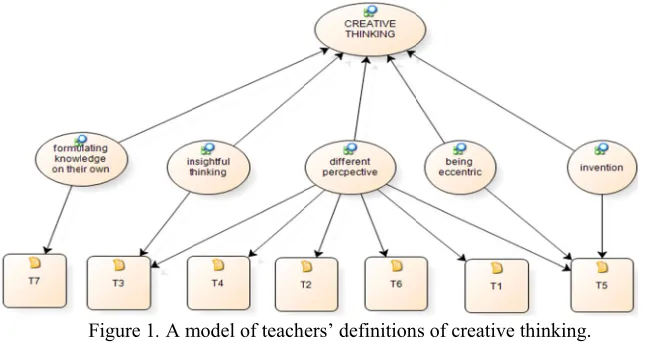
Figure 1 show own (T7), insi and invention developing a conclusions ab and T6, Generati impleme existing sufficien strategie In addition to thought to the knowledge on something wh
ucation and Tra
ection Instrum
ed interviews w teachers’ co nolds, 2005) a Singer & Pelt ipate in the stu ns were obtain nd views, the
topics: how t activities they out in the scho were taped. The
lysis
re coded using hin the frame eachers’ statem ories of profess erms of their a e reliability of d at 92% using nd disagreemen
tics’ Teachers’
erated using tea
ws that the tea ightful thinkin n (T5). What d
different per bout a subject ing various so enting them, an
knowledge to nt for a solutio
s.
o this, T3 defin e very end, ob n one’s own: “ hich has not e
aining Studies
ment
were used as a onceptions w
and creativity tzer, 2013). A udy. After this ned from two questions wer they defined c y used in class ool where the e teachers veri
g content anal ework of the ments about the sional abilities accountability f the coding, a g Miles and Hu
nts).
Definitions of
achers’ definiti
Figure 1. A m achers defined ng (T3), develo draws attentio spective, e.g., t by looking a olutions to a p
nd finding a so produce new on, actualizing ned creative th btaining a resu “The skill of f existed before
a data collectio ere prepared y in mathema A pilot study us process, interv faculty memb re finalized. D creative thinkin s to foster crea
teachers work ified transcript
lysis with NV themes gener e characteristic s and personal
with teacher-d another researc
uberman’s (19
f Creative Thin
ions of creativ
model of teach creative think oping a differen on here is that
T1, “Develo at it from a dif problem differ olution… It inc knowledge an g interim work hinking with t
ult.” T7 defin formulating an , thinking diff
on tool in the r based on pr atics (Lev-Zam
sing draft ques view questions bers who exam During the inte
ng, the qualiti ativity, and the ked while they
tions of the rec
Vivo 9 softwar rated and the cs of a creative
ity traits and t directed concep
cher was aske 994) formula (r
nking
e thinking is s
ers’ definition king with expr nt perspective t except T7, a oping a differe
fferent perspec rent from tho cludes all the s nd beginning to k or operation the following ned creative th nd constructing ferently from
research. The i revious studie mir and Leik stions was then s were reviewe mined the inte erviews, the tea
es of creative e factors whic y were not in cl cordings of the
e. Codes whic ey were prese
e teacher were the professiona ptions determi ed to code the
reliability = nu
hown in Figur
ns of creative th ressions coded (T1, T2, T3, T all teachers gav ent perspectiv ctive from whi se existing w skills of realiz o solve a probl ns, and determ
statement: “In hinking with th
g knowledge o everyone, bei
Vol. 4,
interview ques es on creativ kin, 2011, 20
n carried out w ed and necessa
rview question achers were a
mathematics ch hamper crea
lass. The inter eir interviews.
ch were simil ented descript e examined usi
al abilities wh ned by Lev-Za
data again an umber of agree
re 1.
hinking. d as formulatin T4, T5, and T6 ve definitions ve on any con
ich many peop with the help o zing that it is n
lem believing mining the res nsightful think
he expression on your own.”
ing eccentric,”
, No. 2; Febru
stions which w vity (Aljugha
13; Leikin, S with two teach ary changes we ns and, based sked their opin
teachers and ativity. The in rviews lasted n
ar to each oth tively by usin
ing Best and T hich were defin amir and Leiki nd inter-rater re
ements/total nu
ng knowledge 6), being eccen which were c ncept”; T2, “D ple could not v of learned kno not an obligatio that core skill sult using the
ing and pursu coded as form ” T5 stated, “In
” which was c
Journal of Edu
being eccentri
3.2 Character
The statement groups, person Table 2. Chara
Teachers T1 T2
T3 T4 T5
T6
T7
Table 2 show described them different aspe quality (a crea
Mathema teaching For exam T7 said the fo
[A teach curiosity obsessed subject…
3.3 Character
A model gene
ucation and Tra
ic and inventio
ristics of a Cre
ts of the teach nality traits an acteristics of a Professional A Tries to make l Proves importa
Guide Presents examp Concretizes Solves a compl Applies mathem Generates a me Listens to the s Evokes the imp Solves problem Keeps abreast o Follows the cha Aims at develo Guide Creates feeling Makes the topi Gives import functional know ws that T2 desc
m using profes cts of the char ative mathema atics must be it and the pro mple, thePytha
llowing: her] who does y within the stu d with the ord ….
ristics of Creat
erated using tea
aining Studies
on.
eative Mathema
hers about the d professional a creative math
Abilities learning fun ant properties
ples to show how licated problem matics to everyd ethod which has students portance of think ms which require of latest develop anges in the cur oping high-order g of curiosity
c interesting tance to conc
wledge cribed creative ssional abilitie racteristics of tics teacher be taught only as operties which agorean Theor
not provide k udents. [A tea der of operati
tive Students
achers’ stateme
Fig
atics Teacher
e characteristic l abilities, and hematics teache
w the concept is
day examples s not been discov
king e creative thinki pments about the rriculum
r thinking skills
ceptual knowle e mathematics es. Another po a creative mat eing a guide). O
s mathematics h are very imp rem…Mathema
knowledge, can acher] must ma
ions. [A teach
ents about crea
gure 2. Creative
cs of a creativ presented in T er.
s used
vered before
ing e course
edge rather t s teachers only
int which draw thematics teac On this topic T
, not as a prep portant and wil
atics is theorem
n only guide y ake the topic a her] must pay
ative students i
e students in m
ve mathematics Table 2.
Personali
Has an in Knowled Hardwork Undeterr
than
y using person ws attention is
her. Only two T1 stated,
paration to any ll have an imp ms and proofs.
you. [A teach attractive and y attention to
in mathematic
mathematics.
Vol. 4,
s teacher were
ity Traits
nterest in techno dgeable
king red
nality traits wh s that the teach
teachers (T3, y exam.… Th pact on a stude
.
er] must certa interesting. [A the concept a
cs is presented
, No. 2; Febru
e categorized
ological events
hile the other hers usually m T7) stressed t here must be fu
ent must be pr
ainly raise a fe A teacher] mus and the them
in Figure 2.
ary 2016
into two
teachers mentioned the same un while roved.…
Journal of Edu The responses abilities. For between math A creativ knowled mathema utilize ta Similarly, whi with reasoning is someone w solving a prob problem: “A s make a differe questions (T2) the causes an brains actively than anybody mathematics.”
3.4 Applying C
A model obta skills in the le
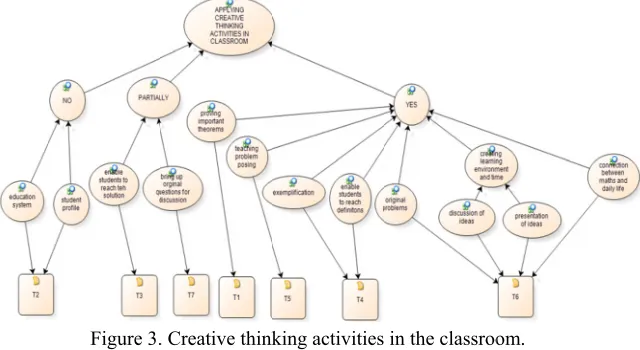
Figure 3 reve included such thinking skills system and stu include activit their use. Inst teachers who I scarcel work. Ho for discu every sin written? T6, one of the this statement
I try to u of spend situation and time
ucation and Tra
s shown in Fi example, T6 hematical conc ve student is dge from differ
atics in geome ables and graph ile talking abo g: “A creative who questions blem.” T5 con student who c ence with such ) were qualifie nd effects of s
y in forming n else,” and T2 ”
Creativity-foste
ained using the essons is presen
eals that T2 di h tasks, and T s and stated: “ udent profile. ties which ena tead of such a stated that he p ly employ crea owever, I certa ussion. I certai ngle answer. F e teachers who t:
use different so ding time on h ns, help them t e for them to pr
aining Studies
gure 2 indica noted that a epts:
a student wh rent learning fi etry problems hics during pro out a creative s student is som why and reas nnected the cr an solve a pro h qualities as s ed as creative s solutions, seek
new formation 2 stated, “A s
ering Activitie
e coded statem nted in Figure
Figure 3. d not include 1, T4, T5, an “I teach the co Since creative able creative th activities, he t partially emplo ative thinking ainly bring up inly bring up For example, i
o stated that h ources so that m having students
to think, and se resent and disc
ate that teache creative stude ho when solv ields rather tha
and geometry oblem solving
student in mat meone who no sons. A creativ reative student oblem which h seeking solutio students. For e k other ways t ns.” T4 stated, student who is
es in the Classr
ments of mathe 3.
. Creative think tasks which r nd T6 include ourse by maki thinking does hinking skills b
teaches by ma oyed creative t skills in my c the question, “ such concepts is the expressi he employed cr my students ca
s acquire basi ee that what th cuss their ideas
ers believed th ent in mathem ving problems
an the field wh y in mathemat
can be include thematics, T7 m otices the way
ve student is t in mathemat he has not con ons (T3, T4, an example, T3 st
to solve, alway “A student w s curious and
rooms
ematics teache
king activities required creati d them. T2 d ing students m s not exist in th because the ed aking students thinking skills course due to “Is a polygon s as empty set,
ion “people y reative thinkin an see original c learning out hey learn serv s.
hat a creative matics must ha
produces mu hich the proble tics problems ed in this group mentioned cha
to the solution a student who tics to the stu nfronted before
nd T7), develo tated, “Creativ
ys seek new s who makes solu worldly and
rs about activi
in the classroo ive thinking sk did not employ memorize basic he system, how ducation system s memorize so
, stated, the quality of a circle when , line, and plan et to be born” ng in his lesso problems whi tcomes and I a
es a purpose.
Vol. 4,
student shou ave the ability ultiple solution em belongs to.
are examples p.
aracteristics w n from beginni o tries to prod udent who has e.” On the oth oping a perspe ve students are solutions, and utions to probl who asks diff
ities which req
om.
kills in lesson y practices wh c concepts bec w can I use it?” m and student p ome basic con f the students the number of ne for discuss ” a set? Can a on, explained th
ich will trigger attempt to pre I also create a
, No. 2; Febru
uld have math y to make con ns by making . Students who of this. Stude which can be as ing. A creative duce multiple s an ability to her hand, stude ective (T1), an
students who d consistently u
lems in a diffe ferent question
quire creative
s, T3 and T7 hich required cause of the e ” Note that T2 profile do not a ncepts. T7, on
in the school f the sides is in sion and I try a similar expre he way he tau r them to think sent different a learning envi
ary 2016
Journal of Edu
3.5 Barriers to
A matrix form presented in F
Figure 4 revea T6, and T7 ov and standardiz obtained by cl
As shown in teacher, resou teachers (T2, T and T7) were teachers ment subjects to cov of teacher-bas barriers. The f Exam an parents… departme Society ( God”), e Lack of physical 4. Discussion Treffinger, Yo concerned wit creativity exi solution based
ucation and Tra
o Fostering Cr
mulated with t Figure 4.
als that all the veremphasized zed tests (T7) lustering the co
Figure 5, the urces, and cont
T3, T5, T6, an e viewed as po tioned such p ver (T1 and T sed barriers an following extra nxiety; too ma … For exampl
ent… (T1) (must show gr education syste time, heavy conditions, ov
oung, Selby, a th the product st in the liter d on this differ
aining Studies
reativity
the coded stat
Fi e teachers exce d this subject. M
) were regarde odes demonstr
F barriers to fo textual obstacl nd T7). Specifi osing obstacles oints as inade 6). On the oth nd exam anxie acts are examp any subjects, w
e, a student w reat respect to em (education and tight curr vercrowded cla
and Shepardso tion of an outc rature. Teacher rent perspectiv
tements of ma
igure 4. Barrie ept for T4 rega Moreover, the c ed as barriers rating the barri
Figure 5. The ostering creativ
les. What stand ically, the curre s. When the b equacy of text her hand, the vi ety and wrong ples of teacher
whether neces who won’t be people with cr system is base riculum, inade assrooms, inco
on (2002) arg come that is no
rs’ definitions ve; Turkish ma
athematics tea
ers to fostering arded textbook current educat
to fostering c iers to fosterin
sources of the vity were clas ds out here is t ent education barriers fitting
tbooks (T6 an iews stating te major choices s’ opinions: ssary or not; s
successful at reative thinkin ed on rote learn equate textboo ompatible exam
gue that creati ovel. They bas s emphasize d athematics teac
achers about th
g creativity ks as barriers tion system (T2 creativity. The ng creativity.
barriers. ssified into the
that contextua system (T2, T3
into the them nd T7), lack o
eachers’ old ha s were explore students who w
applied scien ng), beliefs (w ning and it lack oks, lack of g m questions, te
ivity is an ind se this on the fa developing a
chers’ definitio
Vol. 4,
he barriers to
to fostering cr 2, T3, and T4) themes prese
ese groups by l obstacles we 3, and T5) and me of resource of time (T4 an abits were exam
ed under the th were pushed t nces studying e have a sayin ks the asking o gains and skill
eachers’ habits
dividual activi fact that more t different persp ons show som
, No. 2; Febru
fostering crea
reativity skills ), crowded clas
nted in Figure
the teachers: ere mentioned b d standardized
es were exami nd T6), and to
mined under th heme of stude to the classes in an applied ng “creation be
of questions) ( ls in curriculu
… (T6)
ity which is p than 100 defin pective and f me similarities
ary 2016
ativity is
, but T1, sses (T6), e 5 were
student, by many tests (T6 ined, the oo many he theme nt-based by their sciences elongs to
T5) um, poor
primarily nitions of finding a
Journal of Education and Training Studies Vol. 4, No. 2; February 2016
definitions in the literature. However, many researchers (Alughaiman & Mowrer-Reynolds, 2005; Isaksen, Dorval, & Treffinger, 2000; Runco, 2007) state that creativity consists of divergent thinking, fluent and flexible thought, and the ability to elaborate on an idea. This study reveals that the expressions that teachers used in their definitions did not include any similar definitions of creativity. The teachers did not mention generating various solutions for a problem or coming to a solution via different algorithmic patterns, but they stressed thinking differently from everyone and reaching a conclusion. This view was mentioned in many studies in the form of the ability to produce unexpected, original, and useful work (Sternberg & Lubart, 2000) and to produce a novel and useful outcome (Plucker &Beghatto, 2004; Chamberlin & Moon, 2005, p. 38); however, these are not enough for creativity. In the studies which explored teachers’ perceptions and beliefs of creativity, teachers defined creativity as an ability or a process which results in products that are unexpected and novel (Diakidoy & Phtiaka, 2002) or an ability to produce original ideas that can be developed in the classroom (Aljughaiman & Reynolds, 2005). Teachers’ perceptions of creativity in these studies concur with the idea of developing a different perspective which was articulated by teachers in this current study.
It is very clear that a teacher has a key role in teaching creative thinking skills, which are basic skills in the mathematics curriculum which the students are expected to acquire. All the participants in this study except T2 qualified teachers with some set of professional abilities as creative mathematics teachers. However, Renzulli, Gentry, and Reis (2007) show that though it is possible for teachers to use their influence to foster creativity, they can resist it. Karakale (2000) suggests that in order to promote creativity, teachers should encourage students to ask questions, start the lesson or the unit with a question, have students realize that questions do not have one right answer, and emphasize different perspectives and alternatives. On the other hand, according to Özden (2005), a creative teacher is a teacher who respects and responds to unusual questions, values learners’ ideas while listening to them and makes them feel respected, encourages learners to learn independently, and helps students learn to cope with failure and frustration and accept them as part of the process. Of the teachers in the current study, only one teacher (T6) made similar statements. T6 listens to his students, makes an effort to make them feel that thinking is important even if they think wrongly, and adjusts the planned course of the lesson to students’ needs and responses. T6’s responses concur with the conceptions explained in Lev-Zamir and Leikin’s (2011, 2013) category of pedagogical flexibility, one of the teacher-directed conceptions. Morever, some participants considered a teacher who tries to make learning fun (T1), fosters curiosity (T7), and makes the lesson interesting (T7) to be creative. These characteristics concur with the conceptions explained in the category of pedagogical originality. However, the participants did not use expressions which could be associated with mathematical flexibility, such as teachers solving problems in different ways and using different models in instruction, or with mathematical originality, such as generating original mathematical tasks which are not included in the textbook. Meissner (2008) states that mathematical knowledge is not enough to prompt and foster creativity and adds that mathematical knowledge must already have been acquired by understanding the qualities of the concepts and relations between the concepts. In this study, according to T6, a creative student is a student who can use multiple representations in mathematics. Morever, students with mathematical abilities such as reasoning (T3 and T7) and problem solving (T5) and students who ask questions (T2) and make a difference with their points of view (T1) were qualified as creative students by the teachers. However, some teachers (T3, T4, and T7) defined students who make a difference by seeking solutions as creative in mathematics. The teachers’ expressions which included students’ generating various solutions to a problem are similar to the student-directed conceptions presented previously by Lev-Zamir and Leikin (2010, 2013). Describing students who generate various solutions to a problem or approach a problem from different angles as creative reveals that teachers actually have suggested views which can be the indicators of divergent thinking in literature. However, they did not mention any practices they employed in the classroom to help students acquire these qualities. This may be due to the teachers’ belief that creative students can do these things on their own. Another possibility is that teachers may prefer to employ practices intended to find one right answer rather than multiple solutions in order to cover the content of the course in the allotted time. Aljughaiman and Mowrer-Reynolds (2005), who obtained similar findings, determined that this situation might have resulted from teachers considering helping students gain creative thinking skills to be an issue separate from the curriculum.
Journal of Education and Training Studies Vol. 4, No. 2; February 2016
and creating an environment and time for students to discuss and present their opinions. Mann (2006) argues that students should be provided with opportunities to design and answer their own problems in order to foster creativity. In our study, since only one teacher (T5) mentioned this point, teachers usually did not employ such practices in their lessons. Sriraman (2004) remarks that students should be given the opportunity to solve non-routine problems that require in-depth thinking, motivation, and perseverance in order to promote mathematical creativity in the class. In this research, only T6 stated that he included original problem situations, which reveals that teachers usually employed practices other than those designed to foster creative thinking skills that were stated in the literature (Sriraman, 2004). In this study, barriers which teachers considered as barriers to creativity show similarities to those shown in previous studies. For example, standardized tests that determine students’ future were demonstrated as barriers to fostering creativity by teachers. Studies (Geist & Horn, 2009; Longo, 2010) have shown that teachers could not employ practices which foster creativity and were pressured by the priority to help students succeed in exams. Kıymaz (2009) stated that the university preparation process had an important effect on pre-service teachers’ employment of creative thinking skills during problem-solving situations and, because of time pressure during exams, problem-solving behaviors of many students were product oriented in order to reach a solution correctly and quickly. Heavy and tight curriculum, the low level of students, education systems, etc., were among the barriers teachers mentioned, but the teachers did not mention themselves as reasons for hindering creativity. This shows that teachers did not hold themselves accountable for hindering creativity (Leikin, Subotnik, Pitta-Pantazi, Singer & Peltzer, 2013).
In this study, teachers’ conceptions of creativity were explored via interviews. I suggest that classroom observations should be included in future research in order to examine any difference between what teachers say and do in the classroom. Since the study was conducted using qualitative research methods, the findings obtained are not generalizable. Therefore, further research conducted with a larger population using qualitative or mixed research methods can provide an opportunity to examine the topic from a different and broader perspective.
Note: This research is the extended format of the paper which was presented at EJER Congress 2014 in İstanbul, Turkey.
References
Aljughaiman, A., & Mowrer-Reynolds, E. (2005). Teachers' conceptions of creativity and creative students. Journal of Creative Behavior, 39, 17-34. http://dx.doi.org/ 10.1002/j.2162-6057.2005.tb01247.x
Beghetto, R. A. (2007). Does creativity have a place in classroom discussions? Prospective teachers' response preferences. Thinking Skills and Creativity, 2, 1-9. http://dx.doi.org/ 10.1016/j.tsc.2006.09.002
Beghetto, R. A., & Plucker, J. A. (2006). The relationship among schooling, learning and creativity. In J. C. Kaufman & J. Baer (Eds.), Creativity and reason in cognitive development (pp. 316–332). New York: Cambridge University Press. http://dx.doi.org/10.1017/CBO9780511606915.019
Best, B., & Thomas, W. (2007). The Creative Teaching and Learning Toolkit. Continuum International Publishing Group: New York.
Bryant, S. L. (2014). Queensland teachers' conceptions of creativity: A phenomenographic investigation. (Doctoral dissertation). http://eprints.qut.edu.au/70237/1/Sandra_Bryant_Thesis.pdf.
Cachia, R., & Ferrari, A. (2010). Creativity in Schools: A Survey of Teachers in Europe. Seville: European Commission - Joint Research Centre -Institute for Prospective Technological Studies. http://ftp.jrc.es/EURdoc/JRC59232.pdf. Chamberlin, S. A., & Moon, S. M. (2005). Model-Eliciting activities as a tool to develop and identify creatively gifted
mathematicians. The Journal of Secondary Gifted Education, 17, 37–47. http://dx.doi.org/ 10.4219/jsge-2005-393 Cheng, V. M. Y. (2010). Tensions and dilemmas of teachers creativity reform in a Chinese context. Thinking Skills and
Creativity, 5, 120-137. http://dx.doi.org/10.1016/j.tsc.2010.09.005
Chiu, M. S. (2009). Approaches to the teaching of creative and non-creative mathematical problems. International Journal of Science and Mathematics Education, 7(1), 55-79. http://dx.doi.org/ 10.1007/s10763-007-9112-9
Craft, A. (2003). The limits to creativity in education: Dilemmas for the educators. British Journal of Educational Studies, 51. http://dx.doi.org/10.1111/1467-8527.t01-1-002299
Diakidoy, I. N., & Phtiaka, H. (2002). Teachers’ beliefs about creativity. In S. P. Shohov (Ed.), Advances in psychology research, 15. (pp. 173-188). Hauppauge, NY: Nova Science Publishers, Inc.
Ervynck, G. (1991). Mathematical Creativity. In Advanced Mathematical Thinking. D. Tall (Ed.), (p. 42−53). Dordrecht: Kluwer Academic Publishers.
Journal of Education and Training Studies Vol. 4, No. 2; February 2016
Geist, E., & Horn, J. (2009). Encouraging creativity in the face of administrative convenience: How our schools discourage divergent thinking. Education, 130, 141-150.
Haylock, D. (1997). Recognizing mathematical creativity in school children. Zentralblatt für Didaktik der Mathematik, 29, 68–74.
Haylock, D. W. (1987). A framework for assessing mathematical creativity in school children. Educational Studies in Mathematics, 18(1), 59-74. http://dx.doi.org/10.1007/s11858-997-0002-y
Hondzel, C. D. (2013). Fostering creativity: Ontario teachers’ perceptions, strategies, and experiences (Doctoral dissertation).
Hong, M., & Kang, N. H. (2010). South Korean and the US secondary school science teachers' conceptions of creativity and teaching for creativity. International Journal of Science and Mathematics Education, 8(5), 821–843. http://dx.doi.org/10.1007/s10763-009-9188-5
Horng, J. S., Hong, J. C., ChanLin, L. J., Chang, S. H., & Chu, H. C. (2005). Creative teachers and creative teaching strategies. International Journal of Consumer Studies, 29(4), 352-358. http://dx.doi.org/ 10.1111/j.1470-6431.2005.00445.x
Hwang, W., Chen, N., Dung, J., & Yang, Y. (2007). Multiple representation skills and creativity effects on mathematical problem solving using a multimedia whiteboard" system. Educational Technology & Society, 10, 191–212. Isaksen, S., Dorval, K., & Treffınger, D. (2000). Creative approaches to problem solving. Dubuque, Iowa: Kendall/Hunt
Publishing Company.
Kandemir, M. A., & Gür, H. (2007). Creativity training in problem solving: A model of creativity in mathematics teacher education. New Horizons in Education, 55(3), 107-122.
Karakale, S. (2000). Yaratıcılık ve yaratıcılığın geliştirilmesinde eğitimcilerin rolü. Yasadıkça Eğitim, 67, 11-15.
Kıymaz, Y. (2009). Ortaöğretim matematik öğretmen adaylarının problem çözme durumlarındaki matematiksel yaratıcılıkları üzerine nitel bir araştırma (Doctoral dissertation). https://tez.yok.gov.tr/UlusalTezMerkezi/tezSorguSonucYeni.jsp
Leikin, R. (2009). Exploring mathematical creativity using multiple solution tasks. In Creativity in mathematics and the education of gifted students, ed. R. Leikin, A. Berman, and B. Koichu, 129_45. Rotterdam, the Netherlands: Sense Publishers.
Leikin, R. (2011). The education of mathematically gifted students: On some complexities and questions. Montana Mathematical Enthusiast Journal, 8(2), 167-188.
Leikin, R., Subotnik, R., Pitta-Pantazi, D., Singer, M., & Peltzer, I. (2013). Teachers’ views on creativity in mathematics education: An international survey. ZDM. The International Journal on Mathematics Education, 45(2), 309-324. http://dx.doi.org/10.1007/s11858-012-0472-4
Lev-Zamir, H., & Leikin, R. (2011). Creative mathematics teaching in the eye of the beholder: focusing on teachers' conceptions. Research in Mathematics Education, 13(1), 17-32. http://dx.doi.org/ 10.1080/14794802.2011.550715 Lev-Zamir, H., & Leikin, R. (2013). Saying versus doing: teachers’ conceptions of creativity in elementary mathematics
teaching. ZDM, 45, 295-308. http://dx.doi.org/ 10.1007/s11858-012-0464-4
Longo, C. (2010). Fostering creativity or teaching to the test? Implications of state testing on the delivery of science instruction. The Clearing House, 83, 54-57. http://dx.doi.org/ 10.1080/00098650903505399
Mann, E. L. (2006). Creativity: The essence of mathematics. Journal for the Education of the Gifted, 30(2), 236-260. Meissner, H. (2005). Creativity and Mathematics Education. Proceeding of The Third East Asia Regional Conference
on Mathematics Education. Shanghai, Nanjing, Hangzhou.
Meissner, H., (2008). Intuitive–Creative–Gifted–Logical. An Analysis for the Discussion Group 9 at ICME 11. Proceedings of the Discussing Group 9: Promoting Creativity for All Students in Mathematics Education, The 11th International Congress on Mathematical Education. Monterrey, Mexico. http://dg.icme11.org/tsg/show/10
Miles, M. B., & Huberman, A. M. (1994). An expanded source book: Qualitative data analysis. (2nd ed.) London: SAGE Publications.
Newton, D. P., & Newton, L. D. (2009). Some student and teachers´ conceptions of creativity in school science. Research in Science & Technological Education, 27, 45-60. http://dx.doi.org/10.1080/02635140802658842
Journal of Edu
Pehkonen, E.
29(3), 63 Plucker, J. A., Potential http://dx. Renzulli, J. S.
Gifted an
Rubenstein, L teachers’ 324-334. Runco, M. A. Academi Sheffield, L.
Proceedi
Hangzho Sheffield, L. J the Discu Congress Shriki, A. (20
Mathema Shriki, A. (20
In R. Le
Educatio
Shriki, A. (20 creativity 10.1007/ Sriraman, B. ( Sriraman, B.
Educatio
Sternberg, R. Handboo Treffinger, D. Research
This work is l
ucation and Tra
(1997). The 3-67. http://dx. , Beghetto, R. l, pitfalls, an .doi.org/10.120 ., Gentry, M.,
nd Talented Int
L. D., McCoac perceptions http://dx.doi.o . (2007). Crea
ic Press. J. (2005). U
ing of The T
ou.
J. (2008). Prom ussing Group s on Mathemat 05). What do t atics, Technion 08). Towards p eikin (Ed.), P on of Gifted Stu
010). Working y through gene /s10649-009-92 (2004). The ch
(2005). Are
on, 17, 20–36. h J., & Lubart, ok of creativity J., Young, G. h Center on the
icensed under
aining Studies
state-of-art in doi.org/ 10.10
A., & Dow, G nd future di 07/s15326985e
& Reis, S. M.
ternational, 22
ch, D. B., & S of factors tha org/ 10.1080/1
tivity. Theorie
Using creativity
Third East As
moting Creativ 9: Promoting tical Education teachers know n (In Hebrew). promoting crea
Proceedings of udents (pp. 201 g like real ma erating new c 212-2 haracteristics o
giftedness an http://dx.doi.o T. I. (2000). T y (pp. 93–115).
C., Selby, E. C e Gifted and Ta
a Creative Co
mathematical 007/s11858-997 G. T. (2004). W irections in
ep3902_1 . (2007). Enric
2, 39–47. Siegle, D. (20 at allow for th 10400419.2013
es and themes:
y techniques
sia Regional
vity For All Stu Creativity for n. Monterrey, M w about creativ
ativity in math
f the 5th Inte
1- 210). Haifa. athematicians: oncepts. Educ
of mathematica nd creativity s org/ 10.4219/js
The concept o . New York: C C., & Shepard alented.
ommons Attrib
l creativity. In
7-0001-z Why isn’t creati
creativity res chment cluster 013). Teaching he teaching o 3.813807
: Research, de
to add depth
Conference o
udents in Math All Students Mexico.
ity? Unpublish hematics of pre
ernational Co
.
: developing p
cational Studie
al creativity. Th
synonyms in ge-2005-389 of creativity: P Cambridge Uni dson, C. A. (20
ution 3.0 Licen
nternational Jo
ivity more imp search. Educa
rs for developi g for creativity of creativity. C evelopment and
h and comple
on Mathemati
hematics Educ in Mathematic hed paper, Kes e-service teach
onference on
prospective te
es in Mathema
he Mathematic
mathematics? Prospects and
versity Press. 002). Assessing
nse.
Vol. 4,
ournal on Ma
portant to educ
ational Psych
ing creativity a y scales: an i
Creativity Res
d practice. Bu exity to the m
ics Education
cation: An Ove cs Education, sher-Ham – Isr hers: The case
Creativity in
eachers’ aware
atics, 73,
159-cs Educator, 14 The Journal
paradigms. In
g creativity. St
, No. 2; Febru
athematical Ed
cational psycho
hologist, 39, and high-end l instrument to
search Journa
urlington MA: mathematics c
n. Shanghai, N erview. Procee
The 11th Inter rael National C of creating a d
Mathematics
eness of math -179. http://dx
4(1), 19–34.
l of Secondary
R. J. Sternbe orrs, CT: The
ary 2016
ducation, ologists? 83–96. learning. examine
l, 25(3), Elsevier curricula. Nanjing, edings of rnational Center of definition.
and the
hematical x.doi.org/
y Gifted