Original Research Article
The consequence of the first attack of acute rheumatic
fever with subclinical carditis
Doaa Abdel-Moez Heiba*
INTRODUCTION
RF continues to be a major public health problem in developing countries, where it is the most common cause of acquired cardiac disease in children and young adults.1 The prevalence of clinically silent rheumatic heart disease (21.1 per 1000 people, 14.1-31.4) was about seven to eight times higher than that of clinically manifest disease (2.7 per 1000 people, 1.6-4.4).2 According to reports published by the World Health Organization (WHO) in 2005, the prevalence of RHD worldwide is at least 15.6
million.3 Every year, 2,80,000 new cases of RHD occur and 2,30,000 people die secondary to RHD.3
An epidemiologic study conducted in the early 90s has revealed the incidence rate of ARF in Alexandria to be 126.2 per 1,00,000.4 Another study has found the prevalence rate of RHD among school children in Alexandria to be 6.1 per 1000 children.5
The importance of environmental and socioeconomic factors in the epidemiology and pathogenesis of RF has
ABSTRACT
Background: Immune mediated damage of RF occurs most prominently in the heart, joints, brain, skin and subcutaneous tissues, however RF leaves no lasting damage to the brain, joint or skin, it is the leading cause of acquired heart disease in children and adolescents worldwide, therefore carditis is the most important manifestation of RF. Echocardiography along with color; Doppler imaging is now worldwide used for early detection of cardiac involvement even in the absence of clinical evidence, which in this case is called subclinical carditis (SCC) and was reported to cause similar consequences to clinically evident carditis.
Methods: A retrospective study carried out on 35 patients already diagnosed to have RF and subclinical RHD and attending the cardiology clinic at Alexandria University Children’s Hospital (AUCH) from December 2015 to November 2016. Data collected from patients' files and then appropriately updated during subsequent follow-up visits.
Results: 35 children already diagnosed to have RF and subclinical RHD were included in the current study, 22 patients (66.6%) improved completely with no residual cardiac lesion, 10 patients (30.3%) had persistent lesion and one patient (3.1%) had worsened condition.
Conclusions: The most important predictors of poor prognosis according to the current study were recurrence and lack of regular compliance to long acting penicillin (LAP). Furthermore the outcome was not influenced by the treatment given in the initial attack.
Keywords: Rheumatic fever, Rheumatic heart disease, Subclinical carditis, Echocardiography Department of Paediatrics, Alexandria University, Alexandria, Egypt
Received: 03 July 2019
Revised: 18 July 2019
Accepted: 19 July 2019
*Correspondence:
Dr. Doaa Abdel-Moez Heiba, E-mail: [email protected]
Copyright: © the author(s), publisher and licensee Medip Academy. This is an open-access article distributed under the terms of the Creative Commons Attribution Non-Commercial License, which permits unrestricted non-commercial use, distribution, and reproduction in any medium, provided the original work is properly cited.
been recognized for decades. In developing countries, overcrowding, poverty, poor nutrition, poor hygiene, and poor access to health care are common and contribute to rapid spread (respiratory droplets) and increased virulence of GAS.6,7
Rheumatic fever is recognized as one of the diseases in which there is molecular mimicry between a foreign agent (group A streptococci) and host tissue (e.g., heart, brain). Many antigens or components of group A streptococci have been shown to cross react directly with various human tissues which induce both a humoral and a cell-mediated immune response that cross reacts with the host tissues.8 The pathologic changes that occur with RF are characterized by inflammation of connective tissue in the heart, joints, and subcutaneous tissues. The pathologic changes in rheumatic carditis are primarily perivascular and interstitial Aschoff nodule, considered pathognomonic for, and the morphologic hallmark of RF and RHD.5
The diagnosis of ARF is based on the Jones criteria, established in 1944 and updated in 1992.Based on the Jones criteria, two major or one major and two minor manifestations, plus evidence of antecedent group A streptococcus infection, are required for diagnosis of ARF. Major criteria include carditis, arthritis, chorea, erythema marginatum and subcutaneous nodules. Minor criteria include fever, arthralgia, elevated ESR or CRP and prolonged PR interval in ECG. Chorea and indolent carditis do not require evidence of antecedent group A streptococcus infection.9
With the recent advance of cross-sectional echocardiography and color flow Doppler imaging, it has been claimed that mitral regurge and aortic regurge can be detected in up to 90% of RF patients who have no clinical evidence of carditis.10 Echocardiography can provide early evidence of valvular involvement, can confirm suspected valvular regurgitation, and can exclude non-rheumatic causes of valvular involvement, up-till now echocardiography is not mandatory to establish the diagnosis of rheumatic fever although it is an important role in detection of SCC.11
SCC is a term applied to patients with RF who present with chorea or polyarthritis, or whom identified during echocardiography screening programs without significant murmur, and are found to have a pathological valvular lesions consistent with WHO echocardiographic criteria for RHD.12
Aim
Aim of the present work was to evaluate the natural history and determine the outcome of subclinical carditis in children diagnosed to have rheumatic fever. The study covers patients having their follow-up at Alexandria University Children’s Hospital (AUCH).
METHODS
The current study was a retrospective study carried out on 35 patients already diagnosed to have RF and subclinical RHD and attending the cardiology clinic at Alexandria University Children’s Hospital (AUCH) for assessment, follow-up and management from December 2015 to November 2016, the outcome of SCC was thoroughly assessed.
Inclusion criteria
Inclusion criteria were a documented evident attack (first episode) of ARF without any clinical heart involvement, the diagnosis is based on the Jones criteria; completed and filed initial data of the patient on admission should be available; documented evidence of valvular affection by Doppler echocardiography without evident murmur by auscultation; first attack of ARF since at least 2 years and within the last 15 years.
Exclusion criteria
Patients suffering from overt rheumatic carditis and congenital heart disease.
The following data was collected from the patients’ files and then appropriately updated during subsequent follow-up visits-
Personal characteristics
Child name, age, sex and address were recorded. Data of any previous hospitalization was obtained, especially those related to disease activity or complication. Past medical and surgical history was obtained. In addition family history of RF specifically and of any other medical condition was obtained.
Clinical examination
Complete physical examination was done with specific emphasis on cardiac examination to detect the impact of the disease and compare the current status to the previous clinical data.
Laboratory investigations
Laboratory investigations were done to diagnose recent rheumatic activity using ESR or CRP. Also ASOT was typically used in the current study as a marker of antecedent streptococcal infection in case of recent activity or recurrence. D-Plain chest x-ray.
ECG
Echocardiography
Patients had serial echocardiographic studies as a part of their regular follow-up. (Different modes of echo-cardiography e.g. M-mode, two-dimensional and Doppler echocardiography were used).
The majority of studied patients had recent clinical evaluation, recent ECG and recent echo study during.
The past 3-6 months. Unfortunately, this most recent assessment could not be implemented for the remaining patients due to lack of regular follow-up.
Statistical analysis
The collected data were coded, tabulated, and statistically analyzed using IBM SPSS statistics (statistical package for social sciences) software version 21.0 IBM Corp., Chicago, USA, 2013. Descriptive statistics were done for quantitative data as minimum and maximum of the range as well as mean±SD (standard deviation) for quantitative parametric data, while it was done for qualitative data as number and percentage. Inferential analyses for independent variables were done using Chi square test for differences between proportions and student t-test for continuous variables, for more than two group ANOVA test was used, Pearson correlation coefficient was used to find the correlation between each two variables. The level of significance was taken at P value less than 0.05 is highly statistically significant, otherwise is nonsignificant.
RESULTS
This is a retrospective study reviewing 150 rheumatic fever (RF) patients’ files who attended cardiology clinic at Alexandria University Children’s Hospital (AUCH) for follow up. The patients were divided according to the clinical presentation of the first attack into three categories: patients with carditis (n=113) comprising 75.3%, patients with arthritis (n=80) comprising 53.3%, and patients with chorea (n=9) comprising 6%, it is evident that some patients had more than one of the major criteria mentioned above.
Patient with carditis were divided into two categories, those who had structural and functional changes on echocardiography consistent with rheumatic heart disease (RHD) in the presence of pathological cardiac murmur at the time of presumed first attack "clinical carditis" (n=78) comprising 55% of all RF patients, and those who had echocardiographic structural or functional evidence of valve lesion consistent with RHD but in absence of pathological audible murmur "subclinical carditis (SCC)" (n=35) comprising 30.9% of patients with carditis and 23.3% of all RF patients, in the current study the focus was on those 35 patients with subclinical rheumatic heart disease.
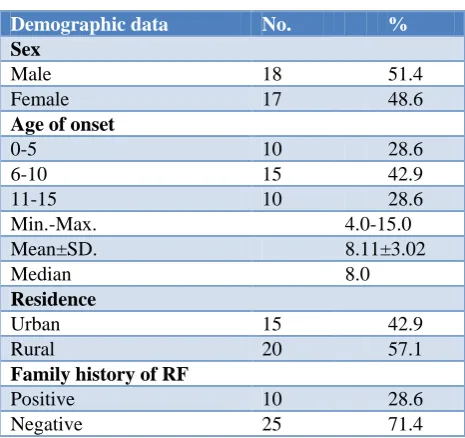
Table 1:Demographic data of SCC cases of RF
(n=35).
Demographic data No. %
Sex
Male 18 51.4
Female 17 48.6
Age of onset
0-5 10 28.6
6-10 15 42.9
11-15 10 28.6
Min.-Max. 4.0-15.0
Mean±SD. 8.11±3.02
Median 8.0
Residence
Urban 15 42.9
Rural 20 57.1
Family history of RF
Positive 10 28.6
Negative 25 71.4
The demographic features of this group of 35 patients are summarized in (Table 1), 18 patients were male (51.4%) and 17 were female (48.6%), age of the patient at first presentation ranged from 4 to 15 years with the mean of 8.11±3.02 years and median of 8 years, 20 (57.1%) of the patients were from rural areas and 15 (42.9%) from urban countries, vital signs and anthropometric measurements of all patients were within normal range for age, 10 patients (28.6%) had positive family history of RHD.
By reviewing the files of 35 patients with SCC detected by echocardiography during initial presentation it was found that SCC compromising 23.3% (35/150) of all patients with RF and constituted 44.4% (4/9) of patient diagnosed with chorea and 36.3% (29/80) of patient presented with rheumatic arthritis, statically there was significant relation between SCC and rheumatic arthritis (p<0.001), However there was no significant relation with SCC and Sydenham chorea (Table 2).
As regard the evidence of preceding GAB infection which is a prerequisite of diagnosis of RF according to modified Jones criteria, it was found that only 3 patients had positive throat cultures, while 25 had high or rising ASOT (≥320 IU/ml) which is the most reliable and the most widely used test and 28 had definite history of preceding follicular tonsillitis.
Table 2:Prevalence of SCC among cases of Sydenham chorea and rheumatic arthritis.
N
Subclinical
X2
P
Negative (n=115) Positive (n=35)
No. % No. %
Arthritis
Negative 70 64 91.4 6 8.6
15.988* <0.001* Positive 80 51 63.8 29 36.3
Chorea
Negative 141 110 78.0 31 22.0
2.385 FEp= 0.214 Positive 9 5 55.6 4 44.4
x2: value for chi square test. FE: Fisher Exact, *: Statistically significant at p≤0.05
Table 3:Distribution of the study cases according to major "Jones" criteria in the first episode of ARF
(n=35).
Presentation No. %
Arthritis 27 77.1
Chorea 2 5.7
Arthritis and chorea 2 5.7
Subclinical carditis 4 11.4
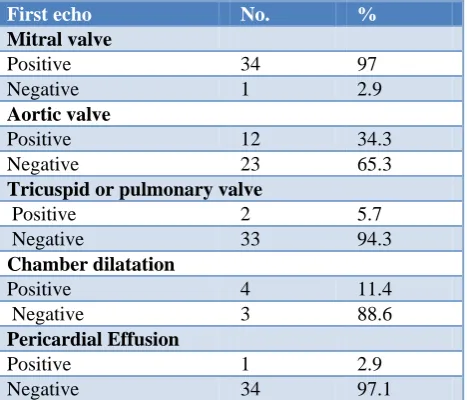
Table 4:Echocardiographic finding in the studied group at presumed first episode of RF.
First echo No. %
Mitral valve
Positive 34 97
Negative 1 2.9
Aortic valve
Positive 12 34.3
Negative 23 65.3
Tricuspid or pulmonary valve
Positive 2 5.7
Negative 33 94.3
Chamber dilatation
Positive 4 11.4
Negative 3 88.6
Pericardial Effusion
Positive 1 2.9
Negative 34 97.1
Echocardiographic valve affection in all studied cases was in the form of valve regurgitation, mitral valve was affected in 34 (97.1%) cases, alone in 23 patients (65.7%) and combined with aortic valve in 11 patients (31.4%) sparing one patient who had aortic regurge only as the sole lesion of rheumatic carditis (2.9%), associated features were detected as tricuspid valve regurgitation among 2 cases, left ventricular dilatation among 4 cases, and minimal pericardial effusion in only one case during acute attack which resolved later in follow up (Table 4).
Other echocardiographic morphological features of mitral valve also detected, excessive leaflet tip motion which
lead to mitral valve prolapse was detected in 10 cases, anterior mitral valve leaflet thickness (AMVL) ≥3 mm among 7 patient and reduced valve mobility mostly due to chordal thickening among 5 patients (Table 5).
Table 5: Mitral valve lesions detected by
echocardiography at presumed first RF episode.
Echo 1 No. %
Mitral valve
Normal morphology 1 2.9 Mitral regurgitation 31 88.6 Mitral valve prolapse (MVP) 10 28.6 Valve thickness 7 20.0 Reduced mobility 5 14.3
Table 6: Fate of subclinical valvular lesions in the study group (n=33).
Fate No. %
Free 22 66.7
Persist 10 30.3
Progress 1 30.0
NA* 2
*NA: not available data; NA excluded from percentage calculation.
current study group ranged from 3-20 years with a mean of 10.89±4.4.
In relation to their previous echocardiographic findings the current study found that 22/33 patients (66%) resolved completely, 10/33 patients (30%) had persistent valvular disease and one patient (3%) had progressive valve lesions mainly due to recurrence (p=0.03) (Table 6).
A significant relation was found between recurrence and fate of the disease (p=0.031) which indicates that recurrence is a risk factor for persistence of valvular lesion (Table 7).
When assessing treatment received at the initial attack it was found that 8 patients (33%) received salicylate only,
while 27 patients (77%) received salicylate and corticosteroid. There was no proven advance by adding corticosteroid over using salicylate alone in the fate of the disease (Table 8).
On studying different parameters that would affect the natural history of the disease, it was found that recurrence is the most important predictors of the disease outcome. There was significant association between the LAP compliance and the recurrence which influence the outcome. By detecting the outcome of the studied patients we reported that SCC is not a transient condition. It can persist for a prolonged time, which extends the exposure of patients to the potential risks of increasing the degree of valvular lesions with recurrences.
Table 7: Relation between fate of SCC valvular lesions and recurrences.
Fate
Recurrences
X2 MCp
Negative (n=29)
Positive (n=4)
No. % No. %
Free 21 72.4 1 25.0
6.349 0.031
Persist 8 27.6 2 50.0
Progress 0 0.0 1 25.0
X2: value for chi square test, MC: Monte Carlo test.
Table 8: Relation between fates of SCC valvular lesions with treatment given.
Treatment given
Fate
X2 MCp
Free (n=22)
Persist (n=10)
Progress (n=1)
NA (n=2)
No. % No. % No. % No. %
Salicylate 5 22.7 2 20.0 0 0.0 1 50.0
1.752 0.720 Corticosteriods +
Salicylate 17 77.3 8 80.0 1 100.0 1 50.0
X2: value for Chi square test, MC: Monte Carlo test
DISCUSSION
The appropriate echocardiographic criteria for the diagnosis of RHD, in the absence of a ‘clinically significant’ murmur on auscultation have been much discussed, World Health Organization (WHO) also recommends echocardiographic screening of RHD in endemic areas.3 In the current study all cases that followed up in AUCH cardiology clinic were recruited, it was found that 35 cases of RF that where diagnosed by echo had SCC among 150 RF patient.
In the current study 18 patients (51.4%) were males, 20 patients (57 %) were from rural areas, mean age of the patients during acute attack 8±3 years, family history of RF was positive in 10 patients (28.6%), while at the time of study mean age was 18±4.9 years, and hence mean duration of the disease follow up was 10.9±4.4 years, there was no significant difference in the occurrence of SCC with gender.
When the present results were compared with other studies it was found that same results were obtained from Pakistan in a study carried out over a period of six months, SCC was more common in male 53%.13 In Kerala males were 64.8%, again in Paar et al male represented 51% of the cases.14,15 In the opposite to these results female was more affected in many other studies that may be due to male preference especially in rural areas of Egypt which encourage parents to seek medical advice earlier.2,10,17,18
disease ranging from 8 to 20 years (mean, 13.9±3.9 years).8 In contrast to that many other studies as Paar, Bhaya, Saxena, Beaton, Zuhlke et al, with a short follow up period of 12 months, 15 months, 2 years, 2.3 years and five years respectively.15,19,20-22 The longer duration of the disease follow up which extended to more than 10 years in most of patients would be attributed to adherence follow up in our hospital even after exceeding the pediatric age.
In the current study it was found that SCC was detected in 23.3% (35/150 patients) of all patients with rheumatic fever. SCC constituted 44.4% (4/9) of patient diagnosed with chorea and 36.3% (29/80) of patient with rheumatic arthritis.
In some previous studies evaluating all patients with RF the prevalence of SCC in patients with RF ranged from 14% to 35%, the differences in the frequency of subclinical carditis may be due to the frequency of use of echocardiography, and/or to insufficient use of echocardiographic criteria for differentiating pathological from physiological valve regur-gitation.17,18,23-31
The current study demonstrated that MV was the most common valve affected (97%), then aortic valve in (65%), in the form of regurgitation. Right cardiac valves were affected in acute stages which resolved after that, also pericardial effusion was detected in one case, pathological mitral regurge (97.1%), pathological aortic regurge was sole lesion in one case (2.9%). Morphological lesion was detected, excessive leaflet tip motion which leads to mitral valve prolapse was the most common (28.6%), followed by valve thickness (20%), and reduced valve mobility was the least common (14.3%), it was noticed that some patients had more than one morphological features, mitral valve was the most commonly affected valve.
Same results was detected by Ozkutlu et al, examined 40 patients, from 7 to 16 years of age, with Doppler evidence of mitral and aortic regurgitation, but in the absence of any pathologic murmur.32 Of these, 33 patients (82%) had mitral regurgitation, 6 patients (15%) had combined mitral and aortic regurgitation, and 1 patient (2.5%) had isolated aortic regurgitation.
Data collected by Sahin et al, was consistent with our results, it showed that most of the cases had mitral insufficiency (84.4%), mild aortic insufficiency was detected in 22 (13.9) of the patients, combined AR and MR 16/158 (10.%).16
Again parallel to the present results, Araújo et al reported mitral regurgitation was the predominant valvular lesion in both clinical and subclinical carditis as well as in the chronic phase.17 In Beaton et al MR was detected in 100% of cases, combined MR and AR in 25%, no cases were detected with aortic valve affection alone.21
In the current study 22 patients (66%) resolved completely, 10 patients (30%) had persistent valvular disease, and one patient (3%) had progressive valve lesions mainly due to recurrence, and 2 cases didn’t attend for follow up. It was noticed that all 4 patient who presented after a period with recurrence, had irregular compliance to LAP and there was a significant relation between compliance to penicillin and recurrence, furthermore 3 patients had their recurrence during 2 years from 1st attack, one patient had his recurrence in the 5th year. Consistent with the present study results data collected by Ozkutlu et al as around 60% of the lesions improved, and around 30% persist.33
The high rate of complete improvement and less rate of persistent lesions in the current study than most of others are mainly contributed to multiple factors, first of all the long duration of the disease and follow up in the current study, and also it may be attributed to the compliance of the patients to LAP which not prescribed to all patients in those studies, nature of the study also may be implicated as the current study is retrospective reviewing filed data of patients who already were attending for follow up, while percentage of patients who lost to be followed in other prospective studies is much higher.
In the carapets meta-analysis follow up data after 3-23 months was available in only 99 patients with average complete resolution of 48% of the cases, persistence in 48% and progression of SCC of 4%, that indicate that SCC is not a transient pathology so echocardiographic criteria should be included in the criteria of RF for early detection and early prevention of the disease.10
Recently, a scientific statement from the AHA has published an update to the Jones criteria including use of Doppler echocardiography in the diagnosis of ARF that including SCC as a major criteria in low, moderate and high risk people.34 Up till now WHO don’t include SCC as major criteria for diagnose but recommend echocardiography for patient with rheumatic fever even in absences of cardiac murmur.12 The current study found no significant difference in the outcome of patients treated with corticosteroid or salicylate and this was comparable to results of other studies, the use of glucocorticoids and other anti-inflammatory medications in rheumatic carditis has been studied in a meta-analyses, these meta-analyses failed to suggest any benefit of glucocorticoids or IVIG over placebo, or of glucocorticoids over salicylates.21,33-35
ages of the patients assessed were in the second and third decade. Small sample size was also considered a problem.
CONCLUSION
ARF and RHD still constitute a major health problem in developing countries and severe complications could happen if secondary chemoprophylaxis isn't strictly applied. SCC is not a transient condition. It can persist for a prolonged time, which extends the exposure of patients to the potential risks of increasing the degree of valvular lesions with recurrences.
Recommendations
The current study recommends the increase of the public awareness of RF and RHD and the appropriate use of antibiotics to treat streptococcal tonsillitis is essential because of the widely prevalent wrong practice regarding the use of antibiotics. This is of ultimate importance to prevent the occurrence of RF. Also onsite echocardiography should be very useful for improving the detection rates of subclinical RHD especially in developing word.
ACKNOWLEDGEMENTS
The author is grateful to all the patients included in the current study for their helpful cooperation.
Funding: No funding sources Conflict of interest: None declared
Ethical approval: The study was approved by the Institutional Ethics Committee
REFERENCES
1. Tani LY. Rheumatic fever and rheumatic heart disease in: Allen HD, Driscoll DJ, Shaddy RE, eds.Moss and Adams’ heart diseases in infant, children and adolescent. 7th ed. Baltimor: WolterKluwev; 2008: 1290-1320.
2. Rothenbühler M, O'Sullivan CJ, Stortecky S, Stefanini GG, Spitzer E, Estill J, et al. Active surveillance for rheumatic heart disease in endemic regions: a systematic review and meta-analysis of prevalence among children and adolescents. Lancet Glob Health. 2014;2(12):717-26.
3. Carapetis JR, McDonald M, Wilson NJ. Acute rheumatic fever. Lancet. 2005;366(9480):155-68. 4. Kassem AS, Rasmia Z, Zaher SR. Rheumatic fever
and rheumatic heart disease in Alexandria, Egypt: Present status. Egypt Heart J. 1995;47:129-36. 5. Kassem AS, Zaher SR. An international comparison
of the prevalence streptococcal infections and rheumatic fever in children. Pediatr Ann. 1992;21(12):835, 839-42.
6. Kumar RK, Rammohan R, Narula J, Kaplan E. Epidemiology of streptococcal pharyngitis,
rheumatic fever, and rheumatic heart disease. In: Narula J, Virmani R, Reddy KS, Tandon R, eds.Rheumatic Fever. Washington, DC: American Registry of Pathology; 1999: 41-68.
7. Bisno AL. Group A streptococcal infections and acute rheumatic fever. New Engl J Med. 1991;325(11):783-93.
8. Pruksakorn S, Currie B, Brandt E, Phornphutkul C, Hunsakunachai S, Manmontri A, et al. Identification of T cell autoepitopes that cross-react with the C-terminal segment of the M protein of group A streptococci. Int Immunol. 1994;6(8):1235-44. 9. WHO. Rheumatic Fever and Rheumatic Heart
Disease: Report of a WHO Expert Consultation, Geneva, 2001. Geneva: World Health Organization; 2004.
10. Tubridy-Clark M, Carapetis JR. Subclinical carditis in rheumatic fever: A systematic review. Int J Cardiol. 2007;119(1):54-8.
11. Narula J, Kaplan, EL. Echocardiographic diagnosis of rheumatic fever. Lancet. 2001;358:20002010. 12. Reményi B, Wilson N, Steer A, Ferreira B, Kado J,
Kumar K, et al. World Heart Federation criteria for echocardiographic diagnosis of rheumatic heart disease: an evidence-based guideline. Nat Rev Cardiol. 9(5):297-309.
13. Beg A, Sadiq M. Subclinical valvulitis in children with acute rheumatic fever. Pediatr Cardiol. 2008;29(3):619-23.
14. Nair B, Viswanathan S, Koshy AG, Gupta PN, Nair N and Thakkar A. Rheumatic heart disease in Kerala: a vanishing entity? An echo Doppler study in 5-15 years-old school children. Int J Rheumat. 2015;14:930790.
15. Paar JA, Berrios NM, Rose JD, Cáceres M, Peña R, Pérez W, et al. Prevalence of rheumatic heart disease in children and young adults in Nicaragua. Am J Cardiol. 2010;105(12):1809-14.
16. Sahin M, Yildirim I, Özkutlu S, Alehan D, Özer S, Karagözet T. Clinical features and mid-and long-term outcomes of pediatric patients with subclinical carditis. Turk J Pediatr. 2012;54(5):486-92.
17. da Rocha Araújo FD, de Andrade Goulart EM, Meira ZM. Use of Doppler echocardiography to support the decision to discontinue secondary prophylaxis for patients with rheumatic fever and normal cardiac auscultation. Pediatr Cardiol. 2013;34(5):1073-80.
18. Ozdemir O, Işık S, Abacı A, Hizli S, Akelma Az, Kislal F, et al. Silent enemy in acute rheumatic fever: subclinical carditis. Turk Kardiyoloji Dern Ars. 2011;39(1):41-6.
19. Bhaya M, Beniwal R, Panwar S, Panwar RB. Two years of follow-up validates the echocardiographic criteria for the diagnosis and screening of rheumatic heart disease in asymptomatic populations. Echocardiography. 2011;28(9):929-33.
Utilisation and Monitoring Actuarial Trends in Indian Children) study. Heart. 2011;97(24):2018-22. 21. Beaton A, Okello E, Aliku T, Lubega S, Lwabi P,
Mondo C, et al. Latent rheumatic heart disease: outcomes 2 years after echocardiographic detection. Pediatr Cardiol. 2014;35(7):1259-67.
22. Zühlke L, Engel ME, Lemmer CE, van de Wall M, Nkepu S, Meiring A, et al .The natural history of latent rheumatic heart disease in a 5 year follow-up study: a prospective observational study. BMC Cardiovascular Disorders. 2016;16:46.
23. Wilson NJ, Voss L, Morreau J, Stewart J, Lennon D. New Zealand guidelines for the diagnosis of acute rheumatic fever: small increase in the incidence of definite cases compared to the America Heart Association Jones criteria. N Z Med J. 2013;126(1379):50-9.
24. Figueroa FE, Fernández MS, Valdés P, Wilson C, Lanas F, Carrión F, et al. Prospective comparison of clinical and echocardiographic diagnosis of rheumatic carditis: long term follow up of patients with subclinical disease. Heart. 2001;85(4):407-10. 25. Cann MP, Sive AA, Norton RE, McBride WJ,
Ketheesan N. Clinical presentation of rheumatic fever in an endemic area. Arch Dis Child. 2010;95:455-7.
26. Meira ZM, Goulart EM, Colosimo EA, Mota CC. Long term follow up of rheumatic fever and predictors of severe rheumatic valvar disease in Brazilian children and adolescents. Heart. 2005;91(8):1019-22.
27. Karaaslan S, Demirören S, Oran B, Baysal T, Başpinar O, Uçar C. Criteria for judging the improvement in subclinical rheumatic valvitis. Cardiol Young. 2003;13(6):500-5.
28. Caldas AM, Terreri MT, Moises VA, Silva CM, Len CA, Carvalho AC, et al. What is the true frequency of carditis in acute rheumatic fever? A prospective clinical and Doppler blind study of 56 children with
up to 60 months of follow-up evaluation. Pediatr Cardiol. 2008;29(60:1048-53.
29. Lanna CC, Tonelli E, Barros MV, Goulart EM, Mota CC. Subclinical rheumatic valvitis: a long-term follow-up. Cardiol Young. 2003;13(5):431-8. 30. Vijayalakshmi IB, Mithravinda J, Deva AN. The
role of echocardiography in diagnosing carditis in the setting of acute rheumatic fever. Cardiol Young. 2005;15(6):583-8.
31. Ozer S, Hallioğlu O, Ozkutlu S, Celiker A, Alehan D, Karagöz T. Childhood acute rheumatic fever in Ankara, Turkey. Turk J Pediatr. 2005;47(2):120-4. 32. Ozkutlu S, Ayabakan C, Saraclar M. Can subclinical
valvitis detected by echocardiography be accepted as evidence of carditis in the diagnosis of acute rheumatic fever? Cardiol Young. 2001;11(3):255-60.
33. Ozkutlu S, Hallioglu O, Ayabakan C. Evaluation of subclinical valvar disease in patients with rheumatic fever. Cardiol Young. 2003;13(6):495-9.
34. Gewitz MH, Baltimore RS, Tani LY, Sable CA, Shulman ST, Carapetis J, et al. American Heart Association Committee on Rheumatic Fever, Endocarditis and Kawasaki Disease of the Council on Cardiovascular Disease in the Young. Revision of the Jones criteria for the diagnosis of the rheumatic fever in the era of Doppler echocardiography: a scientific statement of the American Heart Association. Circulation. 2015;131(20):1806-18.
35. Eroğlu AG. Acute rheumatic fever 2015 Jones criteria. Turk Pediatri Ars 2016;51(1):1-7.