R E V I E W
Open Access
Vitamin K antagonist use: evidence of the
difficulty of achieving and maintaining
target INR range and subsequent
consequences
Jeff R. Schein
1, C. Michael White
2,3, Winnie W. Nelson
1, Jeffrey Kluger
3, Elizabeth S. Mearns
2and Craig I. Coleman
2,3*Abstract
Vitamin K antagonists (VKAs) are effective oral anticoagulants that are titrated to a narrow therapeutic international normalized ratio (INR) range. We reviewed published literature assessing the impact of INR stability - getting into and staying in target INR range - on outcomes including thrombotic events, major bleeding, and treatment costs, as well as key factors that impact INR stability.
A time in therapeutic range (TTR) of≥65 % is commonly accepted as the definition of INR stability. In the
real-world setting, this is seldom achieved with standard-of-care management, thus increasing the patients’risks of thrombotic or major bleeding events. There are many factors associated with poor INR control. Being treated in community settings, newly initiated on a VKA, younger in age, or nonadherent to therapy, as well as having polymorphisms of CYP2C9 or VKORC1, or multiple physical or mental co-morbid disease states have been associated with lower TTR. Clinical prediction tools are available, though they can only explain <10 % of the variance behind poor INR control.
Clinicians caring for patients who require anticoagulation are encouraged to intensify diligence in INR management when using VKAs and to consider appropriate use of newer anticoagulants as a therapeutic option.
Keywords:Vitamin K antagonists, International normalized ratio, Anticoagulation, Atrial fibrillation, Venous thromboembolism
Background
Vitamin K antagonists (VKAs) such as warfarin inhibit the enzyme vitamin K epoxide reductase and conse-quently the recycling of inactive vitamin K epoxide back to its active, reduced form [1]. Vitamin K in its active form is required for the synthesis of various clotting factors (II, VII, IX and X) involved in the coagulation cascade (as well as the anti-clotting proteins C and S); and thus, VKAs result in the depletion of these factors
(within 72–96 h after dosing) and an anticoagulated state.
VKAs are indicated for the prevention of thrombotic events in patients with atrial fibrillation (AF) and follow-ing venous thromboembolism (VTE) [2, 3]. For stroke prevention in AF patients, VKA therapy that is dose-adjusted to maintain an international normalized ratio (INR) range of 2.0 to 3.0 is associated with a 64 % reduction in the risk of stroke compared to placebo [4]. In patients suffering an acute VTE (either deep vein thrombosis (DVT) or pulmonary embolism (PE)), adjusted-dose VKA use (preceded by a parenteral anti-coagulant) significantly reduces the risk of recurrence of thrombotic events [3, 5, 6]. Adjusted-dose VKAs are included in clinical guidelines for AF and VTE [2, 3, 7, 8] with a target INR range of 2.0–3.0.
* Correspondence:[email protected]
2
Department of Pharmacy Practice, University of Connecticut School of Pharmacy, 69 N. Eagleville Road, Storrs, CT 06269-3092, USA
3Hartford Hospital Division of Cardiology, 80 Seymour Street, Hartford, CT 06102-5037, USA
Full list of author information is available at the end of the article
The objective of this paper is to provide an assessment of“INR stability”with VKA use and patient outcomes in contemporary practice. INR stability refers to achieving and maintaining target INR range (typically 2–3, but not always). Therefore, if target INR range is not achieved or maintained this would be considered INRinstability.
We will determine: 1) to what extent INR instability can be anticipated, 2) whether INR instability is predict-able, and 3) the consequences of INR instability.
Metrics of INR
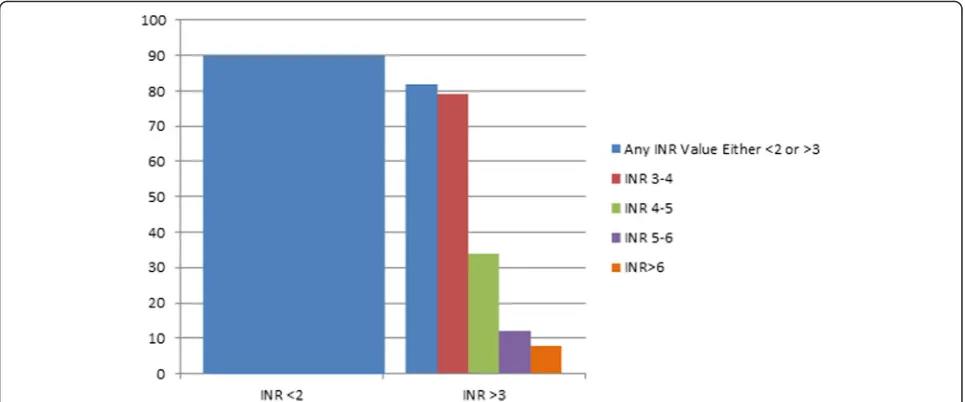
Despite 60 years of clinical experience, the maintenance of stable INR in patients using VKA remains a challen-ging task. While numerous metrics have been used in clinical studies of VKAs to assess the quality of anticoa-gulation control [9, 10], time in therapeutic range (TTR) (most commonly calculated using Rosendaal’s method of linear interpolation [11]) is the most frequently reported. Experts have suggested that the minimum target TTR should be no less than 65 % [12–15] but this goal is often not met [16–22] even in modern day RCTs [23–32] (Table 1). A large observational assessment of 40,404 patients in the VA population demonstrated that 42 % of patients had INR stability (defined as TTR > 70 %) while 34 % had moderate instability (TTR 50 to 70 %), and 23 % had high instability (TTR <50 %) [33]. A recently published retrospective analysis from the CoagClinic™ database assessed 9433 patients who met the inclusion criteria and had been using warfarin for over 6 months [34]. In these chronic warfarin patients, more than 90 % had at least one value below 2 and 82 % had at least one value above 3 (Fig. 1).
Using data from the multicenter ORBIT-AF (Outcomes Registry for Better Informed Treatment of Atrial Fibrillation) registry, the INR stability of 3749 patients
on chronic warfarin therapy for 6 months was assessed [35]. Only 26 % (95%CI: 24 to 27 %) of patients had 80 % or more of their INRs between 2 and 3. Among this sub-group with INR stability, 92 % (95%CI: 90 to 94 %) had at least one value outside of the normal INR range while 36 % (95%CI: 33 to 39 %) had an INR below 1.5 or above 4 over the subsequent year. Thus, even the“cream of the crop” –those patients able to achieve most of their values within target range within a 6-month period – had at least occasional out-of-range values over longer-term follow-up.
Multiple meta-analyses of randomized and real-world studies have been performed in order to estimate the quality of INR control in AF and VTE populations re-ceiving VKAs [16–20, 22]. These meta-analyses dem-onstrate poor INR control to be ‘the rule rather than the exception’ with TTRs and proportion of INR measurement in range typically falling near or below 60 % and nearly twice the amount of time being spent below versus above the therapeutic INR range (Table 2) [16–20, 22].
The literature from clinical trials and observational studies substantiate that INR stability is not readily at-tainable and when it occurs, is rarely susat-tainable over time.
Consequences of INR Instability Outcomes
The consequences of INR instability are multifaceted. INR instability was associated with clinical events, higher level of medication non-persistence and discontinuation, utilization of more healthcare resources, and therefore, higher costs. According to meta-analyses of AF or mixed populations assessing INR control and associated events [18, 36–38], greater than half of all thromboembolic events occurred when patients have an INR < 2.0, while
Table 1Mean time in the therapeutic range observed in recent atrial fibrillation and venous thromboembolism randomized controlled trials of novel target oral anticoagulants
Study Disease state Mean TTR TTR in month 1a TTR in later monthsa
ARISTOTLE NVAF 62 %
ENGAGE-TIMI-48 2013 NVAF 65 %
RE-LY 2009 NVAF 64 %
ROCKET-AF, 2010 NVAF 55 %
AMPLIFY VTE 61 % NR NR
EINSTEIN-DVT DVT 58 % 54 % 66 % (month 10)
EINSTEIN-PE PE 63 % 58 % 73 % (month 11)
Hokusai-VTE VTE 64 % NR NR
RECOVER 1 VTE 60 % 53 % 66 % (month 6)
RECOVER 2 VTE 57 % 51 % 54–62 % (months 3–6)
DVTdeep vein thrombosis,NRnot reported,NVAFnonvalvular atrial fibrillation,PEpulmonary embolism,TTRtime in the therapeutic range,VTE venous thromboembolism
a
over 40 % of all hemorrhagic events occurred at an INR >3.0. In VTE patients, subtherapeutic INRs were found to be present during 58 % of recurrent VTEs [17].
An observational study by Nelson et al, [38] using the Veterans Health Administration (VHA) dataset, explored the relationship between out-of-range INRs and clinical outcomes in 34,346 patients with non-valvular AF (NVAF) who were newly initiated on warfarin therapy. When INR values were below range (<2), patients were much more likely to experience adverse thrombotic or embolic events (Fig. 2). Patients were at an increased risk of major
bleeding with both subtherapeutic INR values (RR = 2.58 95%CI: 2.19–3.03) as well as supratherapeutic INR values, (RR = 1.55, 95%CI: 1.21–1.97). All event rates were qualitatively the highest when patients had an INR < 2. While most of these events were stroke associated with sub-therapeutic values, increased bleeding events were also observed. While only speculative (and we could not identify supportive literature) it is possible the increased bleeding associated with sub-therapeutic INRs is due a lag in time between the actual event and the true INR value. This emphasizes the need for
Fig. 1Percent of patients with≥1 INRs outside the normal therapeutic range. This figure displays the % of people in an analysis [34] of the
CoagCheckTM database with at least one INR value outside of the normal therapeutic range with blue boxes showing the percent of patients who were either below 2.0 (90 %) or above 3.0 (82 %). The red, green, purple, and orange boxes display the percent of people who ever achieved a level of 3.0–4.0, 4.0–5.0, 5.0–6.0, and >6.0, respectively. The same individual could be represented in multiple categories given their INRs achieved over time including being below 2.0 and above 3.0
Table 2Results of meta-analyses evaluating the international normalized ratio stability in atrial fibrillation or venous thromboembol-ism patients
Meta-Analysis, Year Population TTR, % (95 % CI)
TBR, % (95 % CI)
TAR, % (95 % CI)
PINRR, % (95 % CI)
PINRBR, % (95 % CI)
PINRAR, % (95 % CI)
Mearns 2014 AF 61 (59 to 62) 25 (23 to 27) 14 (13 to 15) 59 (53 to 59) 26 (23 to 29) 13 (11 to 17)
Mearns 2014 VTE 61 (59 to 63) 25 (23 to 26) 15 (14 to 17) 59 (54 to 64) 26 (23 to 29) 13 (9 to 19)
Erkens 2012 (Month 1) VTE 54 (NR) 42 (NR) 12 (NR) NR NR NR
Erkens 2012 (Months 1–3) 56 (NR) 35 (NR) 19 (NR) NR NR NR
Erkens 2012 (Month 1–6+) 60 (NR) 24 (NR) 17 (NR) NR NR NR
Erkens 2012 (Month 4–12+) 75 (NR) 21 (NR) 12 (NR) NR NR NR
Wan 2008 (RCT) AF 67 (44 to 73) 20 (18 t to 40) 14 (9 to 17) 67 (48 to 84) 24 (14 to 32) 8 (2 to 24)
Wan 2008 (Prospective) 61 (56 to 66) 21 (14 to 29) 14 (13 to 30) — — —
Wan 2008 (Retrospective) 59 (29 to 75) 25 (9 to 52) 14 (9 to 39) 53 (34 to 68) 26 (10 to 51) 17 (14 to 29)
Cios 2009 AF 59 (57 to 61) NR NR NR NR NR
Reynolds 2004 AF 61 (NR) 26 (NR) 13 (NR) 61 (NR) 25 (NR) 14 (NR)
AFatrial fibrillation,CIconfidence interval,NRnot reported,PINRARproportion of INRs above range,PINRBRproportion of INRs below range,PINRRproportion of INRs in range;RCTrandomized controlled trial,TARtime above range,TBRtime below range,TTRtime in range,VTEvenous thromboembolism
close INR monitoring to prevent subtherapeutic war-farin dosing.
Further evidence showed the link between INR in-stability and clinical events. In meta-analyses that exam-ine the relationship between TTR and the prediction of adverse events, a significant negative relationship has been observed [19]. In patients with AF, 1 thrombotic or major hemorrhagic event per 100 patient-years could be avoided by improving TTR by 7 % or 12 %, respectively [19]. Likewise in patients with VTE, for every 1 % in-crease in TTR, recurrent thromboembolic events may be reduced by 0.46 % per year and major hemorrhagic events reduced by 0.30 % [17]. Furthermore, in a nested case control analysis of the Atrial fibrillation Clopidogrel Trial with Irbesartan for prevention of Vascular Events (ACTIVE W) study, patients who experienced an ische-mic stroke had a TTR 9.5 % lower than those without any ischemic event [39]. The TTR of patients with a major hemorrhage was 7.2 % lower when compared to those without an event, again, suggesting that TTR is a useful predictor for both hemorrhagic and thrombo-embolic events. Of note, ACTIVE W also found that patients spent a greater amount of time out of range in the 1–2 months preceding a major bleeding event or stroke which suggests even a temporary period out of range can lead to a bleeding event or stroke.
Inability to achieve high TTR in clinical practice is associated with non-persistence and medication discon-tinuation [40]. In an analysis of longitudinal anticoagula-tion management records from 15,276 US patients with NVAF, discontinuation of therapy occurred in less than
4 months among patients with unstable INR. Patients who achieved INR stabilization were 10 times more likely to remain on warfarin therapy beyond 1 year. In another observational study using the Symphony Health Solutions’ Patient Transactional Database, patients who were prescribed rivaroxaban had a lower risk of treat-ment nonpersistence [HR 0.66 (95%CI: 0.60–0.72)] com-pared to patients who were prescribed warfarin [41]. A similar analysis of the Truven Health Market Scan Re-search Databases showed comparable findings, that NVAF patients who received rivaroxaban were 46 % less likely to discontinue therapy compared to those receiv-ing warfarin [42]. Continued protection by anticoagula-tion is particularly important for patients with NVAF, since the risk of stroke is expected to increase with age and additional comorbidities [43].
Costs
INR instability was associated with higher healthcare utilization and costs. In an observational study using the Premier Perspective Comparative Hospital Database, hospital length of stay was 5.27 days vs. 4.46 days, lead-ing to significant differences in hospitalization costs ($13,255 vs. $11,993, P < 0.001) [44, 45]. In another comprehensive cost analysis of 23,588 patients with NVAF who were on warfarin for at least 30 days from the US Veteran’s Administration, investigators randomly selected an INR value from a patient and classified it as being below 2, 2–3, or above 3 and then evaluated total direct costs (i.e. inpatient, outpatient medical, and out-patient pharmacy costs) over the next 30 days. Mean
Fig. 2Risks of adverse outcomes for people with INRs <2.0 or >3.0. Adapted from data from an observational study using the Veterans Health
direct costs over 30-days after exposure to an INR <2.0, between 2 and 3, and >3.0 were $5126, $2355 and $3419 (Fig. 3) [46]. These findings remained robust in a sensi-tivity analysis with a more stringent definition of the co-hort. The substantial cost difference between in-range and out-of-range time is significant across a broad war-farin population with atrial fibrillation.
The literature suggests that INR instability has import-ant clinical and financial consequences which under-score the need for greater vigilance on achieving INR stability or the use of a novel oral anticoagulant which provides more consistent pharmacologic effects.
Predicting INR Instability Predictors
Based on data from adjusted meta-regression or multi-variate analyses of large datasets, INR stability is known to vary greatly based upon various study- and patient-level factors (Table 3) [15–17, 21, 47, 48]. The use of anticoagulation clinics can positively impact higher TTR attainment but only ~1/3 of VKA patients have access to these advanced services [49]. Therefore, a broad under-standing of factors predicting INR instability is beneficial for clinical practice.
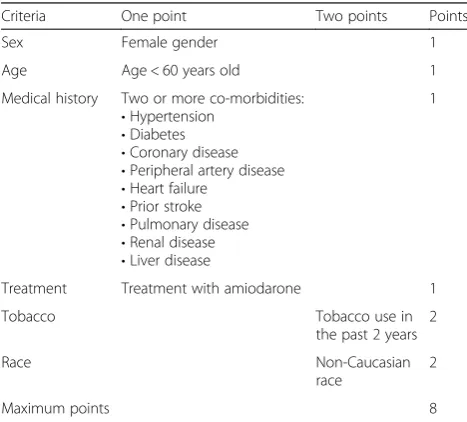
Two of the most extensive studies were conducted by Apostolakis et al. (SAMe-TT2R2) [14] and Rose et al. (VARIA) [48] and provided insight into factors affecting anticoagulation control. Apostolakis and colleagues [14] used data from the 1061 patients in the Atrial Fibrillation Follow-up Investigation of Rhythm Management (AFFIRM) trial to identify clinical factors associated with TTR. Based upon these results, the SAMe-TT2R2 score was derived
(and eventually validated) whereby 1 or 2 points are assigned for important patient factors (Table 4). Scores≥2 were found to be associated with decreased odds of achiev-ing a TTR ≥65 % (previously described as the minimum target TTR) [14].
The Veterans AffaiRs study to Improve Anticoagula-tion (VARIA) [48] used data from over 124,000 veterans receiving warfarin for any indication (55 % AF, 35 % VTE, 10 % other) between 2006 and 2008; and evaluated the effect of various patient characteristics on TTR in those starting warfarin (first 6 months of therapy) and who were experienced (on therapy for >6 months). Like the SAMe-TT2R2 derivation/validation study, female gender, younger age, minority status and co-morbid physical conditions were also found to be associated with lower TTR in VARIA (in both the inception or ex-perienced cohorts) but there were a large number of additional factors which were identified, such as alcohol abuse, number of hospitalizations, and various comor-bidities, such as heart failure, diabetes, chronic kidney disease, and others. The VARIA investigators also created a clinical prediction tool but eliminated race be-cause they did not wish to perpetuate disparities in care, eliminated poverty and distance to drive to receive care because they felt it was hard to assess, and eliminated other factors to simplify the model. Their model is avail-able in a downloadavail-able excel spreadsheet from Supple-mental Appendix 3S at http://onlinelibrary.wiley.com/ doi/10.1111/j.1538-7836.2010.03996.x/full. In addition to the factors in the SAMeTT2R2 score, this tool also assesses the indication for use, total number of chronic medications, substance abuse, mental illnesses, number
Fig. 3Costs Associated with In Range and Out of Range INRs. Adapted from data from a US Veterans Administration dataset [46] where the
of hospitalizations, and the general quality of TTR at-tainment in other patients within that healthcare setting. Even with all of these additional factors, the R-squared value only ranged from 3.2 to 6.8 % suggesting that the much of the variability in TTR is not explained by this model. Furthermore, while the study assessed TTR at therapy initiation and after chronic therapy, the authors stated that the prediction tool is not to be used as a means to assess long term control, and that clinical experience from past VKA therapy is the preferred method [48].
Factors that effect INR instability
Two reasons why the clinical prediction tools are in-adequate may be related to genetics and adherence to therapy. Patient genotype plays an important role in INR stability [12, 50–52]. At least 30 genes contribute to the anticoagulant effects of VKAs, with one third of the variance in warfarin dosing related to mutations in genes leading to the synthesis of CYP2C9 and vitamin K epoxide reductase (VKORC1) [12, 50–52]. Patients with CYP2C9*2 and CYP2C9*3 polymorphisms have decreased enzymatic activity, metabolize warfarin (and to a lesser extent acenocoumarol) more slowly, have a 1.4- to 3.6-fold increased risk of supratherapeutic
Table 4SAMe-TT2R2 scoring system and implications
Criteria One point Two points Points
Sex Female gender 1
Age Age < 60 years old 1
Medical history Two or more co-morbidities: •Hypertension
•Diabetes •Coronary disease •Peripheral artery disease •Heart failure
•Prior stroke •Pulmonary disease •Renal disease •Liver disease
1
Treatment Treatment with amiodarone 1
Tobacco Tobacco use in
the past 2 years 2
Race Non-Caucasian
race
2
Maximum points 8
The SAMe-TT2R2 score allows an initial patient assessment to discern who is unlikely to achieve a TTR≥65 %. Patients that score≥2 have reduces odds of achieving TTR≥65 %. It does not include the risk associated with instability after initiation, only the ability to achieve longer term control [17]
Table 3Summative assessment of factors shown to positively or negatively impact INR stability
Factor Data source Significant factors the impact INR stability
Poorer INR Stability
VKA Use in Community Setting vs. Anticoagulation Clinic Meta-Regression ↓TTR by 7.1 to 7.2 %
VKA Naïve vs. VKA-Experienced Meta-Regression ↓TTR by 5.3 %
Heart Failure Multivariate Analysis OR 1.41 for TTR Instability
Diabetes Mellitus Multivariate Analysis OR 1.28 for TTR Instability
Stroke History Multivariate Analysis OR 1.15 for TTR Instability
Higher CHADS2 Score Multivariate Analysis ↓TTR by 7.6 % (SAMe-TT2R2)
Female Gender Multivariate Analysis ↓TTR by 6.0 % (SAMe-TT2R2)
Younger Age Multivariate Analysis ↓TTR by 20.3 % Age <50 (SAMe-TT2R2)
↓TTR by 7.7 % Age 50–60 (SAMe-TT2R2)
Minority Status Multivariate Analysis ↓TTR by 18.5 % (SAMe-TT2R2)
Smoking Multivariate Analysis ↓TTR by 10.8 % (SAMe-TT2R2)
Amiodarone Use Multivariate Analysis ↓TTR by 7.7 % (SAMe-TT2R2)
Better INR Stability
VKA Self Management vs. No Self Management Meta-Regression ↑TTR by 7.0 %
European/United Kingdom Treatment vs. Elsewhere Meta-Regression ↑TTR by 9.7 %
Non-Warfarin VKAs vs. Warfarin Meta-Regression ↑TTR by 9.2 %
Male Gender Multivariate Analysis OR 0.78 for TTR Instability
Hypertension Multivariate Analysis OR 0.86 for TTR Instability
Beta-Blocker Use Multivariate Analysis ↑TTR by 4.8 % (SAMe-TT2R2)
Verapamil Use Multivariate Analysis ↑TTR by 6.3 % (SAMe-TT2R2)
INR, and often take longer to achieve stable dosing [53–55]. VKORC1 polymorphisms can result in either a heightened (group A haplotype) or reduced effect (group B haplotype) of warfarin which alters the risk of thromboembolism and bleeding accordingly [12]. Based on this data, the Food and Drug Administration al-tered the package insert recommending clinicians con-sider genetic testing before initiating warfarin therapy [56]. However, the cost-effectiveness of this approach is questionable; with economic models suggesting genotyp-ing of patients would cost more than $170,000 per AF patient quality-adjusted life-year (QALY) gained (far above the commonly accepted willingness-to-pay threshold of $50,000 per QALY) [57].
Medication adherence was highlighted as an important variable in VKA INR stability in the American College of Chest Physicians (ACCP) guidelines [12]. Identified predictors of VKA nonadherence include not being mar-ried, not having a vehicle for transportation, education levels beyond high school, currently employed, lower levels of mental health functioning, poor cognitive func-tioning, and greater drug regimen complexity [58, 59]. In addition, studies have identified patient dissatisfaction with care as a cause of medication non-adherence in pa-tients with cardiovascular disease states [60]. This is noteworthy since patient satisfaction with warfarin ther-apy has been shown to be poor in recent studies of AF [61] and VTE patients [62]. In the above-mentioned studies, poor patient satisfaction in either AF or VTE patients (measure by the Anti-Clot Treatment Scale) was related to the burden and frustration of taking VKAs resulting from fear of bleeding/bruising, diet and alcohol interactions and the perceived hassle of INR monitoring. One of the frequently cited studies evaluat-ing the association between VKA non-adherence and INR control is the International Normalized Ratio Adherence and Genetics (RANGE) Study [63]. IN-RANGE was a prospective cohort study conducted at 3 US anticoagulation clinics and assessed warfarin ad-herence using a medication electronic monitoring sys-tem (MEMS). The study followed 136 patients taking warfarin for a variety of reasons (but predominantly AF and VTE) for a mean of 32-weeks and found that missed warfarin doses (missed MEMS bottle open-ings) were common, with 92 % of patients missed at least 1 dose, and one-third missed more than 20 % of their doses. A total of 1490 INRs values were col-lected, with 40 % out of range and 26 % being below range. Upon multivariable regression analysis, re-searchers found that for every 10 % increase in missed warfarin doses (days without a dose), there was a 14 % increase in the adjusted odds of under-anticoagulation (having an INR < 2.0); and patients who missed >20 % of their doses (missed 20 days of
warfarin therapy) had a 2.10-fold (95%CI: 1.48–2.96) increase in their odds of having an INR < 2.0 [63].
Existing research provided good understanding of the drivers behind poor INR control. The research findings indicate that many of the patient factors are not modifi-able and are also not sufficiently relimodifi-able to predict whether VKA will perform well for a particular patient.
Modalities to optimize clinical management of VKAs
There are several modalities to improve the clinical management of patients on VKAs including computer assisted dosing and patient self-testing or management. In a randomized study of 13,219 patients conducted in 32 centers around the world, the impact of software pro-gram guided VKA therapy was compared with experi-enced clinician dosing [64]. Unadjusted INR time in range was 67 and 66 % with computer-assisted versus experienced clinician dosing. However, in order to elicit these comparable results, the experienced medical staff randomized to use the computer assisted program pro-vided 11 % of the dosages because the computer failed to provide it and the dose was changed 11 % of the time because the results were felt inaccurate. In addition, the computer-advised appointment intervals were changed by experienced clinicians 34 % of the time. More data is needed to truly determine the impact of computer assisted dosing in less experienced clinicians versus very experienced clinicians/anticoagulation specialists.
Point of care testing by the patient or clinician allow rapid determination of the INR without the need for a centralized laboratory to acquire and analyze the sam-ples. In a meta-analysis of 22 studies, including 4 studied deemed of high methodological quality, the precision and accuracy of the CoaguChek XS, INRatio, ProTime/ ProTime3, and Smartcheck INR coagulameter systems were assessed [65]. The CoaguChek system was the most commonly assed and yielded a coefficient of variation that ranged from 1.4 to 5.9 and the concordance ranged between 93 to 100 % showing congruence. The other systems have coefficients of variation ranging from 3.7 to 8.4 and concordance values ranging from 81 to 97 % (with the exception of one trial of the ProTime system where the concordance was only 39 %. In general, point of care testing is accurate and can facilitate patient self-testing (where the patient self-tests the INR but clinician doses) or patient self-management (where the patient self-tests and self-adjusts VKA therapy based on the INR.
timeframe for which to reassess the INR. The mean pro-portion of INR values in therapeutic range among sub-jects in the PSM and physician-management groups was 82 and 80 %, respectively (p= 0.82). Ten of the 11 pa-tients preferred PSM to physician management and elected to continue with this strategy after study com-pletion (P= .001). No calls or visits were made to the physician regarding dose adjustment during the pa-tient self-management period. There were no episodes of major bleeding or thromboembolic events. Studies like this are promising but preliminary and it is un-clear whether this is an effective therapy for highly motivated and intelligent patients or patients with health disparities or care barriers.
Conclusions
While experts recommend that patients spend at least 65 % of their TTR, this is seldom achieved or sustained over time. A more common pattern – based on the literature–is that there is high variability, and even the patients who achieve target INR range do not remain in this target range for long. Patients are more likely to have INR below the therapeutic range, exposing them to significant risk of adverse clinical events. Not achieving a high TTR can result in thrombotic and major bleeding events, inability to remain on therapy, and higher cost of care. To avoid the adverse consequences of unstable INR, careful evaluation of patients prior to initiating therapy is important. Clinical prediction tools are avail-able, though they can only explain <10 % of the variance behind poor INR control because of the complex drivers of genetic variation and patient medication adherence. Clinicians caring for patients who require anticoagula-tion are encouraged to apply intensified diligence in INR management when using VKAs.
Abbreviations
ACCP, American College of Chest Physicians; ACTIVE W, Atrial fibrillation Clopidogrel Trial with Irbesartan for prevention of Vascular Events; AF, atrial fibrillation; CI, confidence interval; DVT, deep vein thrombosis; GARFIELD, Global Anticoagulant Registry in the FIELD; ICER, incremental cost-effectiveness ratio; ICH, intracerebral hemorrhage; INR, international normalized ratio; IN-RANGE, International Normalized Ratio Adherence and Genetics; MEMS, medication electronic monitoring system; NOAC, novel oral anticoagulant; PE, pulmonary embolism; PINRR, proportion of INR measurements in range; QALY, quality-adjusted life-year; RCT, randomized controlled trial; TTR, time in therapeutic range; UK, United Kingdom; VARIA, Veterans AffaiRs Study to Improve Anticoagulation; VKA, vitamin K antagonist; VKOR, vitamin K epoxide reductase
Acknowledgements
None.
Funding
This review was funded by Janssen Scientific Affairs, LLC, Raritan, NJ, USA. The authors maintained full control over the content of the review and preparation of the manuscript. Janssen reviewed the final manuscript prior to submission.
Availability of data and materials
The dataset(s) supporting the conclusions of this article is (are) included within the article.
Authors’contributions
Review concept and design: CIC, JRS. Acquisition of data: CMW, ESM, JK, CIC. Analysis and interpretation of data: JRS, CMW, WWN, ESM, JK, CIC. Drafting of the manuscript: CMW, JRS, WWN, ESM, CIC. Critical revision of the manuscript for important intellectual content: CMW, JRS, WWN, CIC, JK. Administrative, technical, or material support: CIC. Study supervision: CIC, JRS. CIC and JRS had full access to all the data in the review and take responsibility for the integrity of the manuscript. All authors read and approved the final manuscript.
Competing interests
Dr. Coleman has received honoraria for participation on advisory boards and Speaker’s bureaus and has received research funding from Janssen Scientific Affairs, LLC, Raritan, NJ. Drs. Schein and Nelson are employees of Janssen Scientific Affairs, LLC and are stockholders of Johnson & Johnson. Drs. Mearns, Kluger and White have no conflicts to report.
Author details
1Janssen Scientific Affairs, LLC, Health Economics & Outcomes Research, Raritan, NJ, USA.2Department of Pharmacy Practice, University of Connecticut School of Pharmacy, 69 N. Eagleville Road, Storrs, CT 06269-3092, USA.3Hartford Hospital Division of Cardiology, 80 Seymour Street, Hartford, CT 06102-5037, USA.
Received: 12 April 2016 Accepted: 9 June 2016
References
1. Coumadin (warfarin sodium) tablets prescribing information. Bristol-Myers Squibb, Princeton, NJ. Available at: http://packageinserts.bms.com/pi/pi_ coumadin.pdf (last accessed on August 4, 2014).
2. You JJ, Singer DE, Howard PA, Lane DA, Eckman MH, Fang MC, Hylek EM, Schulman S, Go AS, Hughes M, Spencer FA, Manning WJ, Halperin JL, Lip GY. Antithrombotic therapy for atrial fibrillation: Antithrombotic Therapy and Prevention of Thrombosis, 9th ed: American College of Chest Physicians Evidence-Based Clinical Practice Guidelines. Chest. 2012;141(2 Suppl):e531S–75.
3. Kearon C, Akl EA, Ornelas J, Blaivas A, Jimenez D, Bounameaux H, Huisman M, King CS, Morris TA, Sood N, Stevens SM, Vintch JR, Wells P, Woller SC, Moores L. Antithrombotic Therapy for VTE Disease: CHEST Guideline and Expert Panel Report. Chest. 2016;149:315–52.
4. Hart RG, Pearce LA, Aguilar MI. Meta-Analysis: Antithrombotic therapy to prevent stroke in patients who have nonvalvular atrial fibrillation. Ann Intern Med. 2007;146:857–67.
5. Brandjes DP, Heijboer H, Büller HR, de Rijk M, Jagt H, ten Cate JW. Acenocoumarol and heparin compared with acenocoumarol alone in the initial treatment of proximal-vein thrombosis. N Engl J Med. 1992;327:1485–9.
6. Gallus A, Jackaman J, Tillett J, Mills W, Wycherley A. Safety and efficacy of warfarin started early after submassive venous thrombosis or pulmonary embolism. Lancet. 1986;2:1293–6.
7. January CT, Wann LS, Alpert JS, Calkins H, Cleveland JC Jr, Cigarroa JE, Conti JB, Ellinor PT, Ezekowitz MD, Field ME, Murray KT, Sacco RL, Stevenson WG, Tchou PJ, Tracy CM, Yancy CW. 2014 AHA/ACC/HRS Guideline for the Management of Patients With Atrial Fibrillation: Executive Summary: A Report of the American College of Cardiology/American Heart Association Task Force on Practice Guidelines and the Heart Rhythm Society. J Am Coll Cardiol. 2014. doi:10.1016/j.jacc.2014.03.021. [Epub ahead of print]. 8. Association European Heart Rhythm, European Association for Cardio-Thoracic
Surgery, Camm AJ, Kirchhof P, Lip GY, Schotten U, Savelieva I, et al. Guidelines for the management of atrial fibrillation: the Task Force for the Management of Atrial Fibrillation of the European Society of Cardiology (ESC). Europace. 2010;12(10):1360–420. doi:10.1093/europace/euq350.
10. Fitzmaurice DA, Kesteven P, Gee KM, Murray ET, McManus R. A systematic review of outcome measures reported for the therapeutic effectiveness of oral anticoagulation. J Clin Pathol. 2003;56:48–51.
11. Rosendaal FR, Cannegieter SC, van der Meer FJ, Briët E. A method to determine the optimal intensity of oral anticoagulant therapy. Thromb Haemost. 1993;69:236–9.
12. Ageno W, Gallus AS, Wittkowsky A, Crowther M, Hylek EM, Palareti G, American College of Chest Physicians. Oral anticoagulant therapy: Antithrombotic Therapy and Prevention of Thrombosis, 9th ed: American College of Chest Physicians Evidence-Based Clinical Practice Guidelines. Chest. 2012;141(2 Suppl):e44S–88.
13. Connolly SJ, Pogue J, Eikelboom J, Flaker G, Commerford P, Franzosi MG, Healey JS, Yusuf S; ACTIVE W Investigators. Benefit of oral anticoagulant over antiplatelet therapy in atrial fibrillation depends on the quality of international normalized ratio control achieved by centers and countries as measured by time in therapeutic range. Circulation. 2008;118:2029–37. 14. Apostolakis S, Sullivan RM, Olshansky B, Lip GY. Factors affecting quality of
anticoagulation control among patients with atrial fibrillation on warfarin: the SAMe-TT2R2score. Chest. 2013;144:1555–63.
15. Costa GL, Lamego RM, Colosimo EA, Valacio RA, Moreira MC. Identifying potential predictors of high-quality oral anticoagulation assessed by time in therapeutic international normalized ratio range: a prospective, long-term, single-center, observational study. Clin Ther. 2012;34:1511–20.
16. Mearns ES, White CM, Kohn CG, Hawthorne J, Song JS, Meng J, Schein JR, Raut MK, Coleman CI. Quality of vitamin K antagonist control and outcomes in atrial fibrillation patients: a meta-analysis and meta-regression. Thromb J. 2014;12:14.
17. Mearns ES, Kohn CG, Song JS, Hawthorne J, Meng J, White CM, Raut MK, Schein JR, Coleman CI. Meta-analysis to assess the quality of international normalized ratio control and associated outcomes in venous
thromboembolism patients. Thromb Res. 2014;134:310–9. 18. Erkens PM, ten Cate H, Büller HR, Prins MH. Benchmark for time in
therapeutic range in venous thromboembolism: a systematic review and meta-analysis. PLoS One. 2012;7(9):e42269.
19. Wan Y, Heneghan C, Perera R, Roberts N, Hollowell J, Glasziou P, Bankhead C, Xu Y. Anticoagulation control and prediction of adverse events in patients with atrial fibrillation: a systematic review. Circ Cardiovasc Qual Outcomes. 2008;1:84–91.
20. Cios DA, Baker WL, Sander SD, Phung OJ, Coleman CI. Evaluating the impact of study-level factors on warfarin control in U.S.-based primary studies: a meta-analysis. Am J Health Syst Pharm. 2009;66:916–25. 21. van Walraven C, Jennings A, Oake N, Fergusson D, Forster AJ. Effect of study
setting on anticoagulation control: a systematic review and metaregression. Chest. 2006;129:1155–66.
22. Reynolds MW, Fahrbach K, Hauch O, Wygant G, Estok R, Cella C, Nalysnyk L. Warfarin anticoagulation and outcomes in patients with atrial fibrillation: a systematic review and metaanalysis. Chest. 2004;126:1938–45.
23. Patel MR, Mahaffey KW, Garg J, Pan G, Singer DE, Hacke W, Breithardt G, Halperin JL, Hankey GJ, Piccini JP, Becker RC, Nessel CC, Paolini JF, Berkowitz SD, Fox KA, Califf RM; ROCKET AF Investigators. Rivaroxaban versus warfarin in nonvalvular atrial fibrillation. N Engl J Med. 2011;365:883–91.
24. Connolly SJ, Ezekowitz MD, Yusuf S, Eikelboom J, Oldgren J, Parekh A, Pogue J, Reilly PA, Themeles E, Varrone J, Wang S, Alings M, Xavier D, Zhu J, Diaz R, Lewis BS, Darius H, Diener HC, Joyner CD, Wallentin L, RE-LY Steering Committee and Investigators. Dabigatran versus warfarin in patients with atrial fibrillation. N Engl J Med. 2009;361:1139–51.
25. Giugliano RP, Ruff CT, Braunwald E, Murphy SA, Wiviott SD, Halperin JL, Waldo AL, Ezekowitz MD, Weitz JI,Špinar J, Ruzyllo W, Ruda M, Koretsune Y, Betcher J, Shi M, Grip LT, Patel SP, Patel I, Hanyok JJ, Mercuri M, Antman EM; ENGAGE AF-TIMI 48 Investigators. Edoxaban versus warfarin in patients with atrial fibrillation. N Engl J Med. 2013;369:2093–104.
26. Granger CB, Alexander JH, McMurray JJ, Lopes RD, Hylek EM, Hanna M, Al-Khalidi HR, Ansell J, Atar D, Avezum A, Bahit MC, Diaz R, Easton JD, Ezekowitz JA, Flaker G, Garcia D, Geraldes M, Gersh BJ, Golitsyn S, Goto S, Hermosillo AG, Hohnloser SH, Horowitz J, Mohan P, Jansky P, Lewis BS, Lopez-Sendon JL, Pais P, Parkhomenko A, Verheugt FW, Zhu J, Wallentin L; ARISTOTLE Committees and Investigators. Apixaban versus warfarin in patients with atrial fibrillation. N Engl J Med. 2011;365:981–92.
27. Schulman S, Kearon C, Kakkar AK, Mismetti P, Schellong S, Eriksson H, et al. Dabigatran versus warfarin in the treatment of acute venous
thromboembolism. N Engl J Med. 2009;361:2342–52.
28. Schulman S, Kakkar AK, Goldhaber SZ, Schellong S, Eriksson H, Mismetti P, Christiansen AV, Friedman J, Le Maulf F, Peter N, Kearon C; RE-COVER II Trial Investigators. Treatment of acute venous thromboembolism with dabigatran or warfarin and pooled analysis. Circulation. 2014;129:764–72.
29. EINSTEIN investigators. Oral rivaroxaban for symptomatic venous thromboembolism. N Engl J Med. 2010;363:2499–510. 30. EINSTEIN-PE investigators. Oral rivaroxaban for the treatment of
symptomatic pulmonary embolism. N Engl J Med. 2012;366:1287–97. 31. Agnelli G, Buller HR, Cohen A, Curto M, Gallus AS, Johnson M, Masiukiewicz
U, Pak R, Thompson J, Raskob GE, Weitz JI; AMPLIFY Investigators. Oral apixaban for the treatment of acute venous thromboembolism. N Engl J Med. 2013;369:799–808.
32. Hokusai-VTE Investigators, Büller HR, Décousus H, Grosso MA, Mercuri M, Middeldorp S, Prins MH, Raskob GE, Schellong SM, Schwocho L, Segers A, Shi M, Verhamme P, Wells P. Edoxaban versus warfarin for the treatment of symptomatic venous thromboembolism. N Engl J Med. 2013;369:1406–15. 33. Razouki Z, Ozonoff A, Zhao S, et al. Improving quality measurement for
anticoagulation: adding international normalized ratio variability to percent time in therapeutic range. Circ Cardiovasc Qual Outcomes 2014;7:Doi:10. 1161/circoutcomes.114.00804/-/DCI.
34. Nelson WW, Desai S, Damaraju CV, et al. International normalized ratio stability in warfarin-experiences patients with nonvalvular atrial fibrillation. Am J Cardiovasc Drugs. 2015;15:205–11.
35. Pokorney S, Simon DN, Thomas L, et al. The myth of the stable INR patient: results from ORBIT-AF. J Am Coll Cardiol. 2015;65(Suppl 10S):A344. 36. Oake N, Fergusson DA, Forster AJ, van Walraven C. Frequency of adverse
events in patients with poor anticoagulation: a meta-analysis. CMAJ. 2007;176:1589–94.
37. Oake N, Jennings A, Forster AJ, Fergusson D, Doucette S, van Walraven C. Anticoagulation intensity and outcomes among patients prescribed oral anticoagulant therapy: a systematic review and meta-analysis. CMAJ. 2008;179:235–44.
38. Nelson WW, Wang L, Baser O, Damaraju CV, Schein JR. Out-of-range INR values and outcomes among new warfarin patients with non-valvular atrial fibrillation. Int J Clin Pharm. 2014. doi:10.1007/s11096-014-0038-3. 39. Nieuwlaat R, Connolly BJ, Hubers LM, Cuddy SM, Eikelboom JW, Yusuf S,
Connolly SJ; ACTIVE Investigators. Quality of individual INR control and the risk of stroke and bleeding events in atrial fibrillation patients: a nested case control analysis of the ACTIVE W study. Thromb Res. 2012;129:715–9. 40. Nelson WW, Desai S, Damaraju CV, Lu L, Fields LE, Wildgoose P, Schein
JR. International normalized ratio stabilization in newly initiated warfarin patients with nonvalvular atrial fibrillation. Curr Med Res Opin. 2014;30(12):2437–42.
41. Laliberte F, Cloutier M, Nelson WW, et al. Real-world comparative effectiveness and safety of rivaroxaban and warfarin in nonvalvular atrial fibrillation patients. Curr Med Res Opin. 2014;1:1–9. doi:10.1.1185/ 03007995.2014.907140.
42. Nelson WW, Song X, Thomson E, Coleman CI, Damaraju CV, Schein JR. Medication Persistence and Discontinuation of Rivaroxaban and Warfarin Therapy among Patients with Non-valvular Atrial Fibrillation. Curr Med Res Opin. 2014;30:2461–9.
43. Lip GY, Nieuwlaat R, Pisters R, Lane DA, Crijns HJ. Refining clinical risk stratification for predicting stroke and thromboembolism in atrial fibrillation using a novel risk factor-based approach: the euro heart survey on atrial fibrillation. Chest. 2010;137(2):263–72.
44. Laliberte F, Raut MK, Nelson WW, et al. Hospital length of stay: is rivaroxaban associated with shorter inpatient stay compared to warfarin among patient with non-vavlular atrial fibrillation? Curr Med Res Opin. 2014;30:645–53.
45. Laliberte F, Pilon D, Raut MK, et al. Is rivaroxaban associated with lower inpatient costs compared to warfarin among patients with non-valvular atrial fibrillation? Curr Med Res Opin. 2014;8:1521–8.
46. Nelson WW, Wang L, Baser O, Damaraju CV, Schein JR. Out-of-range international normalized ratio values and health care cost among new warfarin patients with non-valvular atrial fibrillation. J Med Econ. 2015;18:333–40.
48. Rose AJ, Hylek EM, Ozonoff A, Ash AS, Reisman JI, Berlowitz DR. Patient characteristics associated with oral anticoagulation control: results of the Veterans AffaiRs Study to Improve Anticoagulation (VARIA). J Thromb Haemost. 2010;8:2182–91.
49. Nutescu EA, Bathija S, Sharp LK, Gerber BS, Schumock GT, Fitzgibbon ML. Anticoagulation patient self-monitoring in the United States: considerations for clinical practice adoption. Pharmacotherapy. 2011;31:1161–74. 50. Wadelius M, Chen LY, Eriksson N, Bumpstead S, Ghori J, Wadelius C, Bentley
D, McGinnis R, Deloukas P. Association of warfarin dose with genes involved in its action and metabolism. Hum Genet. 2007;121:23–34.
51. Krynetskiy E, McDonnell P. Building individualized medicine: prevention of adverse reactions to warfarin therapy. J Pharmacol Exp Ther. 2007;322:427–34.
52. Rieder MJ, Reiner AP, Gage BF, Nickerson DA, Eby CS, McLeod HL, Blough DK, Thummel KE, Veenstra DL, Rettie AE. Effect of VKORC1 haplotypes on transcriptional regulation and warfarin dose. N Engl J Med. 2005;352:2285–93.
53. Muszkat M, Blotnik S, Elami A, Krasilnikov I, Caraco Y. Warfarin metabolism and anticoagulant effect: a prospective, observational study of the impact of CYP2C9 genetic polymorphism in the presence of drug-disease and drug-drug interactions. Clin Ther. 2007;29:427–37.
54. Aithal GP, Day CP, Kesteven PJ, Daly AK. Association of polymorphisms in the cytochrome P450 CYP2C9 with warfarin dose requirement and risk of bleeding complications. Lancet. 1999;353:717–9.
55. Higashi MK, Veenstra DL, Kondo LM, Wittkowsky AK, Srinouanprachanh SL, Farin FM, Rettie AE. Association between CYP2C9 genetic variants and anticoagulation-related outcomes during warfarin therapy. JAMA. 2002;287:1690–8.
56. Food and Drug Administration. FDA Approves Updated Warfarin (Coumadin) Prescribing Information. August 16, 2007. Available at : http:// www.fda.gov/NewsEvents/Newsroom/PressAnnouncements/2007/ ucm108967.htm (Last accessed on August 4, 2014).
57. Eckman MH, Rosand J, Greenberg SM, Gage BF. Cost-effectiveness of using pharmacogenetic information in warfarin dosing for patients with nonvalvular atrial fibrillation. Ann Intern Med. 2009;150:73–83. 58. Orensky IA, Holdford DA. Predictors of noncompliance with warfarin
therapy in an outpatient anticoagulation clinic. Pharmacotherapy. 2005;25:1801–8.
59. Platt AB, Localio AR, Brensinger CM, Cruess DG, Christie JD, Gross R, Parker CS, Price M, Metlay JP, Cohen A, Newcomb CW, Strom BL, Laskin MS, Kimmel SE. Risk factors for nonadherence to warfarin: results from the IN-RANGE study. Pharmacoepidemiol Drug Saf. 2008;17:853–60. 60. Morisky DE, Ang A, Krousel-Wood M, Ward HJ. Predictive validity of a
medication adherence measure in an outpatient setting. J Clin Hypertens (Greenwich). 2008;10:348–54.
61. Coleman CI, Coleman SM, Vanderpoel J, Nelson W, Colby JA, Scholle JM, Kluger J. Patient satisfaction with warfarin- and non-warfarin-containing thromboprophylaxis regimens for atrial fibrillation. J Investig Med. 2013;61:878–81.
62. Bamber L, Wang MY, Prins MH, Ciniglio C, Bauersachs R, Lensing AW, Cano SJ. Patient-reported treatment satisfaction with oral rivaroxaban versus standard therapy in the treatment of acute symptomatic deep-vein thrombosis. Thromb Haemost. 2013;110:732–41.
63. Kimmel SE, Chen Z, Price M, Parker CS, Metlay JP, Christie JD, Brensinger CM, Newcomb CW, Samaha FF, Gross R. The influence of patient adherence on anticoagulation control with warfarin: results from the International Normalized Ratio Adherence and Genetics (IN-RANGE) Study. Arch Intern Med. 2007;167:229–35.
64. Poller L, Keown M, Ibrahim S, et al. An international multicenter randomized study of computer-assisted oral anticoagulant dosage vs. medical staff dosage. J Thromb Haemost. 2008;6:935–43.
65. Christensen TD, Larsen TB. Precision and accuracy of point of care testing coagulometers used for self-testing and self management of oral anticoagulation therapy. J Thromb Haemost. 2011;10:251–60. 66. Grunau BE, Wiens MO, Harder KK. Patient self-management of warfarin
therapy: pragmatic feasibility study in Canadian primary care. Can Fam Physician. 2011;57:e292–8.
• We accept pre-submission inquiries
• Our selector tool helps you to find the most relevant journal
• We provide round the clock customer support
• Convenient online submission
• Thorough peer review
• Inclusion in PubMed and all major indexing services
• Maximum visibility for your research
Submit your manuscript at www.biomedcentral.com/submit

![Fig. 2 Risks of adverse outcomes for people with INRs <2.0 or >3.0. Adapted from data from an observational study using the Veterans HealthAdministration dataset [38] showing the relative risk (RR) of adverse thrombotic or embolic events in patients with s](https://thumb-us.123doks.com/thumbv2/123dok_us/786816.1575744/4.595.59.540.88.287/outcomes-adapted-observational-veterans-healthadministration-relative-thrombotic-patients.webp)
![Fig. 3 Costs Associated with In Range and Out of Range INRs. Adapted from data from a US Veterans Administration dataset [46] where thetotal costs are displayed in blue and the constituent costs of inpatient, outpatient, and outpatient pharmacy costs are i](https://thumb-us.123doks.com/thumbv2/123dok_us/786816.1575744/5.595.57.539.487.683/associated-veterans-administration-displayed-constituent-inpatient-outpatient-outpatient.webp)