ANIMAL BITE INJURIES IN NORTH CAROLINA: EMERGENCY DEPARTMENT VISITS AND RISK FACTORS FOR HOSPITALIZATION
Sarah Kathleen Rhea, DVM, MPH
A dissertation submitted to the faculty of the University of North Carolina at Chapel Hill in partial fulfillment of the requirements for the degree of Doctor of Philosophy in the
Department of Epidemiology.
Chapel Hill 2013
Approved by:
David J. Weber, MD, MPH
Charles Poole, ScD, MPH Steven Meshnick, MD, PhD
ii ABSTRACT
SARAH KATHLEEN RHEA, DVM, MPH: Animal Bite Injuries in North Carolina: Emergency Department Visits and Risk Factors for Hospitalization
(Under the direction of David J. Weber, MD, MPH)
Animal bites may lead to costly healthcare utilization, such as emergency
department (ED) visits, hospitalization, and rabies post-exposure prophylaxis. Directed public health interventions may reduce the animal bite burden but require knowledge of current epidemiology. Within the cohort of North Carolina (NC) residents from
2008-2010, 38,971 incident animal bite-related visits were identified from statewide ED
surveillance data. Rates were calculated using census denominators. ED visit and patient
characteristics were examined. By age 10, a NC child had a 1 in 50 risk of dog bite injury. Although dog bite incidence among adults declined steeply with age, this trend was reversed for cat bites and scratches, which reached peak incidence among residents
age >79 years. For both dog bites and cat bites and scratches, secular incidence trends showed pronounced seasonal patterns which peaked in spring and early summer.
Infection was diagnosed in 3% of dog bites and 17% of cat bites or scratches. Hospitalization occurred in 3% of animal bite visits.
Risk factors for hospitalization after dog bite injury have not been examined
quantitatively. A case-cohort study of ED patients evaluated for dog bite injury from 2000-2011 was conducted to examine the association between the following risk factors
iii
previous evaluations, and anatomic location of bite. Cases (n=111) were more likely to be male, white, or insured by Medicaid than subcohort members (n=221). Using logistic
regression, all factors evaluated were associated with increased risk of hospitalization. However, infection was associated with the largest relative risk (odds ratio=7.8, 95%
confidence interval 3.8, 16.0). Having had ≥1 prior evaluation for the dog bite was associated with a lower risk of hospitalization for females than males and for whites than non-whites.
In NC, dog bite prevention efforts should be directed toward children ≤14 years in early spring. Older adults should be educated on avoidance of cat bites and scratches.
iv
ACKNOWLEDGEMENTS
My dissertation advisor and committee:
David, for your guidance and mentorship throughout my time at UNC
Charlie, for teaching with patience and good stories
Steve, for thoughtful comments, from grant writing through the dissertation Chuck, for your enthusiastic support of my projects, from tick bites to dog bites
Carl, for your insight as a fellow veterinarian
Anna Waller, Amy Ising, and everyone at the Carolina Center for Health Informatics
UNC Department of Emergency Medicine
North Carolina Division of Public Health
Much love and appreciation to my husband, Gene, for your encouragement, patience, and faith in me
Mom and Dad, for instilling in me the joy of learning and supporting me wholeheartedly
Rachel and Ben, for always cheering me on
The Rhea family, for your support throughout this journey
v
TABLE OF CONTENTS
LIST OF TABLES ... viii
LIST OF FIGURES ... ix
LIST OF ABBREVIATIONS ...x
Chapter I. BACKGROUND ...1
A. Overview ...1
B. Animal bite incidence studies conducted in the United States ...4
B.1. Incidence of reported dog bites in a city or county ...4
B.2. Incidence of reported animal bites or exposures in a city or state ...5
B.3. Incidence of self-reported dog bites ...6
B.4. Incidence of animal bites treated in hospitals and emergency departments ...7
C. Descriptive epidemiology of animal bites in the United States ...9
C.1. Biting animal species ...9
C.2. Age and gender of animal bite victim ...10
C.3. Anatomic location of animal bite injuries ...12
vi
C.5. Seasonality of animal bites ...14
C.6. Animal bite wound infections ...14
C.7. Geography, socioeconomic factors, and animal bites ...15
D. Characteristics of patients hospitalized after dog bite injury ...16
E. Potential determinants of hospitalization after dog bite ...18
E.1. Infection and previous treatment for the dog bite injury ...18
E.2. Anatomic location of the dog bite and complicated injury ...21
E.3. Host defense abnormalities and dog bites ...22
F. Summary and Public Health Significance ...24
II. SPECIFIC AIMS ...26
III. METHODS ...33
A. Overview of study designs ...33
B. Study of animal bite incidence in North Carolina using statewide emergency department visit data ...34
B.1. Population and study design ...34
B.2. Analytic approach ...37
C. Evaluation of risk factors for hospitalization after a dog bite injury ...38
C.1. Population and study design ...38
C.2. Data collection and quality assurance ...39
C.3. Analytic approach ...41
D. Human subjects research...43
vii
A. Overview ...44
B. Introduction ...46
C. Methods...47
D. Results ...50
E. Discussion ...53
V. MANUSCRIPT 2: RISK FACTORS FOR HOSPITALIZATION AFTER DOG BITE INJURY: A CASE-COHORT STUDY OF EMERGENCY DEPARTMENT VISITS ...69
A. Overview ...69
B. Introduction ...70
C. Methods...72
D. Results ...76
E. Discussion ...78
F. Conclusions ...82
VI. CONCLUSIONS...91
A. Recapitulation of Specific Aims ...91
B. Summary ...95
APPENDIX A: DATA COLLECTION FORM FOR CASE-COHORT STUDY ...98
APPENDIX B: DIRECTED ACYCLIC GRAPH (DAG) FOR CASE-COHORT STUDY ...111
viii
LIST OF TABLES
Table 1. Animal bite-related emergency department (ED) visit incidence rates by patient age group, patient sex, and biting animal species, North Carolina Disease Event Tracking and Epidemiologic
Collection Tool (NC DETECT), 2008-2010 ...58
Table 2. Animal bite-related emergency department (ED) visit age-adjusted incidence rates and rate differences by rural versus urban county of residence, North Carolina Disease Event Tracking and Epidemiologic
Collection Tool (NC DETECT), 2008-2010 ...61
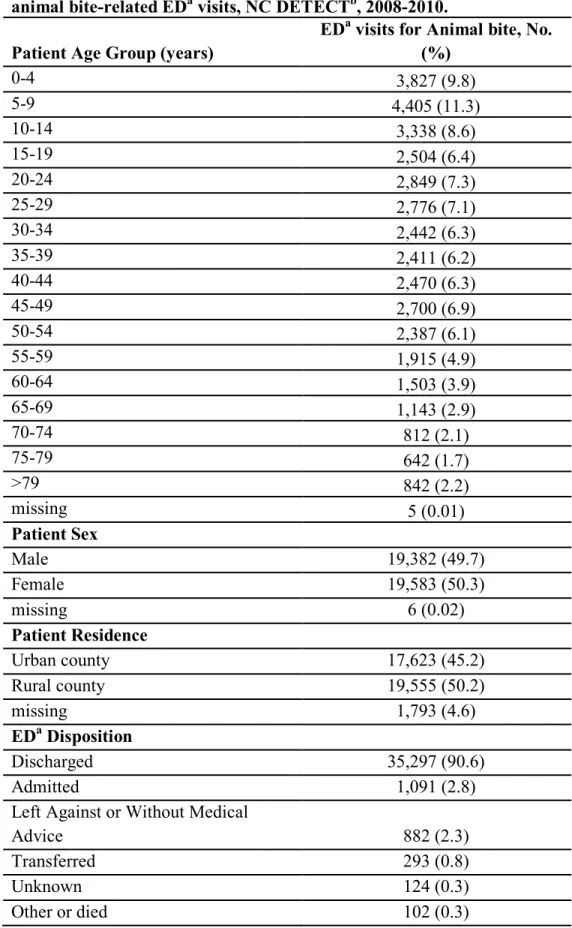
Table 3. Patient attributes and emergency department (ED) visit characteristics for incident animal bite-related ED visits, North Carolina Disease Event Tracking and Epidemiologic Collection Tool (NC DETECT),
2008-2010 ...62
Table 4. International Classification of Diseases, 9th revision - Clinical Modification (ICD-9-CM) diagnosis code groupings of animal bite injury from incident animal bite-related emergency department (ED) visits, North Carolina Disease Event Tracking and
Epidemiologic Collection Tool (NC DETECT), 2008-2010 ...65
Table 5. Characteristics of case and subcohort emergency department
(ED) visits for dog bite injury, UNC Health Care, 2000-2011 ...83
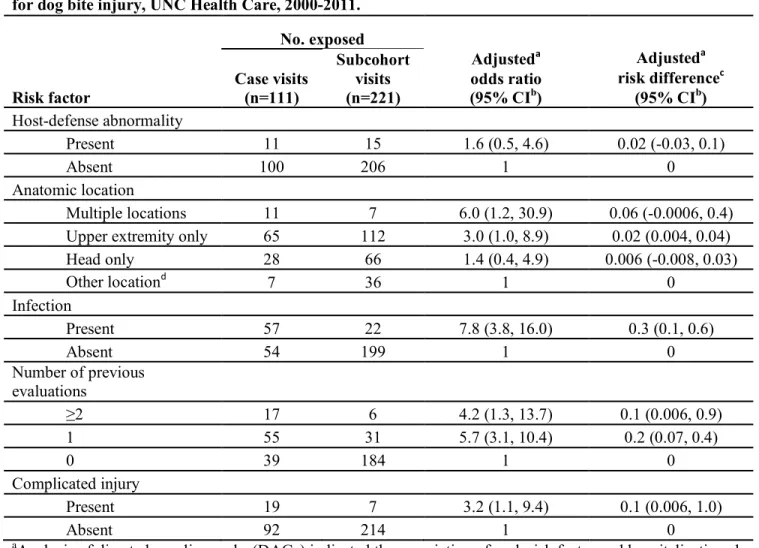
Table 6. Odds ratios and risk differences for hospitalization by risk factor among emergency (ED) visits for dog bite injury,
UNC Health Care, 2000-2011...86
Table 7. Analysis of prior evaluations and the risk of hospitalization after dog bite injury by patient sex and race, emergency department
ix
LIST OF FIGURES
Figure 1. Animal bite-related emergency department (ED) visit incidence rates by patient age group and biting animal species, North Carolina Disease Event Tracking and Epidemiologic Collection
Tool (NC DETECT), 2008-2010 ...67
Figure 2. Animal bite-related emergency department (ED) visit incidence rates by month and year and biting animal species, North Carolina Disease Event Tracking and Epidemiologic Collection Tool
(NC DETECT), 2008-2010 ...68
Figure 3. Design for case-cohort study of risk factors for hospitalization after dog bite injury, UNC Health Care, 2000-2011; (a) case-cohort
x
LIST OF ABBREVIATIONS
CC Chief Complaint
CDC Centers for Disease Control and Prevention CI Confidence Interval
CLD Confidence Limit Difference CLR Confidence Limit Ratio E-code External cause of injury code
ED Emergency Department EMM Effect Measure Modification
EMR Electronic Medical Record
GEE Generalized Estimating Equations HCUP Health Care Utilization Project
HIPPA Health Insurance Portability and Accountability Act HIV Human Immunodeficiency Virus
IC Interaction Contrast
ICARIS Injury Control and Risk Survey
ICD-9-CM International Classification of Diseases – 9th Revision, Clinical Modification
MRSA Methicillin-resistant Staphylococcus aureus NC North Carolina
NC DETECT North Carolina Disease Event Tracking and Epidemiologic Collection Tool
NC DPH North Carolina Division of Public Health
xi
NHAMCS National Hospital Ambulatory Medical Care Survey
OR Odds Ratio
PEP Post-exposure prophylaxis
py Person-years
RD Risk Difference ROR Ratio of Odds Ratios
RR Relative Risk
SD Standard Deviation spp Species (plural)
TN Triage Note
CHAPTER I BACKGROUND
A. Overview
Animal bites continue to be an important public health issue with potentially
devastating consequences. Substantial trauma, infection, rabies exposure, hospitalization, psychological effects, and, rarely, death may result from animal bites (1-5).
Approximately 45% of children are bitten by a dog before they graduate from high school
(6). Nationally, an estimated 0.2% to 1.1% of emergency department (ED) visits are animal bite-related (7).
Animal bite reports have been monitored by local health departments and animal control agencies for decades (1, 8). However, the precise incidence of animal bites is difficult to obtain. Methods for recording and storing animal bite data and the quality of
that data vary significantly among municipalities. North Carolina does not have a
statewide system for reporting and surveillance of animal bites, and a national system for
animal bite reporting does not exist. Additionally, many animal bites are likely not reported to the appropriate agencies. It has been estimated that only about 17% of dog bites are reported to medical or legal authorities (9).
Despite these difficulties, several data sources have been used previously to describe the epidemiology of animal bites and estimate animal bite incidence in cities,
2
department visit records. In most instances, researchers focus on dog bites only. The few studies that have included bites from animal species other than dogs use data that is now
nearly 20 years old. No published studies have described the epidemiology of animal bites using ED visit data from a statewide syndromic surveillance system.
There are two likely reasons why the majority of animal bite-related studies include only dog bites. Dog bites constitute the majority of reported bites and bites requiring medical care (10). And, a specific International Classification of Diseases, 9th
revision - Clinical Modification (ICD-9-CM) external cause of injury code (E-code) exists for dog bites, making identification of dog bite-related medical visits more
straightforward than identification of medical visits for injury caused by other animal species (11). E-codes for other animal species are typically grouped. For example, ICD-9-CM code E906.0 is “Dog bite”. In contrast, ICD-ICD-9-CM code E906.3 is “Bite of other
animal except arthropod”, including cats, rodents (except rats), moray eel, and shark. Nationally, approximately 2.5% of dog bite-related ED visits are hospitalized
(12). Several authors have described the distribution of patient and ED visit
characteristics in populations hospitalized for dog bite-related injury (12-15). However, no previous studies have examined the relationship between patient and injury
characteristics and the risk of hospitalization after a dog bite-related ED visit. Findings may assist physicians during patient assessment, impact treatment decisions, and reduce
hospitalizations for dog bite injury.
Chapter IV (Manuscript 1) describes the incidence and epidemiology of animal bite-related ED visits in North Carolina from 2008-2010 using North Carolina Disease
ICD-3
9-CM E-codes and Chief Compliant and Triage Notes data were used to identify animal bite-related ED visits. For instances when the ICD-9-CM E-code was not specific for an
animal species (e.g. E906.3), the Chief Complaint and Triage Notes data was used to identify the biting animal species. Statewide, patient age-specific, patient sex-specific,
biting species-specific, and patient residence rural and urban-specific incidences were determined. Patient and ED visit characteristics were described. Benefits of using NC DETECT ED visit data for animal bite research include the ability to conduct a statewide
population-based animal bite-related ED visit incidence study and to describe patient and ED visit characteristics across the state using one, comprehensive data source.
Chapter V (Manuscript 2) examines the relationship between risk factors and hospitalization after dog bite-related ED visit. A case-cohort study was conducted using UNC Health Care medical records. The cohort consisted of ED visits to the UNC Health
Care ED between January 1, 2000 and December 31, 2011 with an ICD-9-CM E-code for dog bite (E906.1). Cases were defined as cohort ED visits that met the above criteria and
resulted in an inpatient admission to UNC Health Care directly from the ED. A simple random sample from the cohort was selected as the subcohort. Logistic regression models were used to describe the relationship between each of the following risk factors
and hospitalization: anatomic location of the dog bite, presence of complicated injury, number of previous medical evaluations for the dog bite, presence of host defense
abnormality, and presence of infection. Effect measure modification (EMM) was
4
The following review provides a background and summary of the animal bite literature. A comparison of animal bite incidence studies leads the discussion, followed
by an explanation of the descriptive epidemiology of animal bites. Risk factors for hospitalization after dog bite injury are then explored, paying particular attention to those
risk factors examined in the case-cohort study. Finally, the public health significance of the dissertation manuscripts is outlined.
B. Animal bite incidence studies conducted in the United States
Animal bite incidence rates differ by the biting animal species and the human
population under study. The review that follows includes findings from animal bite studies of multiple species and from dog bite only studies. In the United States (US) and other developed nations, many aspects of animal bite and dog bite epidemiology are
similar. However, the focus of this review is on animal bite and dog bite incidence in the US.
B.1 Incidence of reported dog bites in a city or county
Multiple researchers have examined the incidence of reported dog bites in cities or counties in the US. One of the earliest such studies was conducted in New York City
from 1965 through 1970 (16). Harris et al. discovered an increasing incidence of
reported dog bites, from 353.3 per 100,000 persons in 1965 to 456.6 per 100,000 persons
in 1970. From a similar time period, Morton used dog bite report data from the Norfolk, Virginia Rabies Control Program to find 319 dog bites per 100,000 population in a 6 month time period in 1971 (17). Beck et al. examined the dog bite problem in St. Louis,
5
increased from 1972 to 1973. In a 1989-1991 Milwaukee, Wisconsin study, Ndon et al. found an incidence of 171 reported dog bites per 100,000 persons per year and a
geographic association between reported dog bites and poverty (18). Chang et al. employed a capture-recapture approach to address the known difficulty of gaining
accurate dog bite incidence information (19). Using reports from multiple municipal and health providers in Pittsburgh, Pennsylvania in 1993, Chang et al. found a crude
incidence of 21.4 dog bites per 10,000 persons and an adjusted 58.9 dog bites per 10,000
persons. Shuler et al. reported an incidence of 93 dog bites per 100,000 persons per year in one Oregon county in 2002-2003 (20). Healthcare provider dog bite reports were used
by Borud et al. to calculate an incidence of 0.85 dog bites per 1,000 persons per year in New York City in 1998 (21). In that study, children 7-9 years of age had the highest incidence, and 18% of all reported dog bites were in children under 18 years old. Finally,
Tan et al. used capture-recapture methods to estimate the incidence of dog bites in children in three Georgia counties using multiple agency sources (22). They estimated
4.6 dog bites per 1,000 children per year and discovered that local hospital EDs are an
especially useful source of dog bite data.
B.2 Incidence of reported animal bites or exposures in a city or state
Although most animal bite incidence studies have included only dog bites, some have examined incidence of all animal bites in a region without regard to biting animal
species. One of the first such studies was by R. Moore et al. in 1971-1972 (23). Animal bite records from 12 states, plus Washington D.C., Trenton, New Jersey, and the
Manhattan borough of New York City were compiled. Incidence ranged from 20 animal
6
depending on the region and the year. In a more geographically defined study, Berzon et al. examined the animal bite epidemic in Baltimore, Maryland between 1970 and 1976
and found an incidence of 579 to 791 animal bites per 100,000 persons per year (24). More recently, the epidemiology of reported animal bites in Indiana from
1990-1992 was described by Sinclair et al (3). Age and sex-specific incidence rates ranged from 38 reported animal bites per 100,000 persons per year for females >60 years of age to 360 reported animal bites per 100,000 persons per year for males aged 5-9 years. D.
Moore and colleagues described reported animal exposures in 65 of 67 Pennsylvania counties in 1995 (8). Animal exposures included any potential rabies exposure or animal
exposure leading to medical follow-up. The overall incidence of animal exposures was 137.2 exposures per 100,000 persons per year, while dog exposure incidence was 104 per 100,000 persons per year and cat exposure incidence was 23.6 per 100,000 persons per
year. Children under 5 years of age had the highest incidence with 324.9 animal bites per
100,000 persons per year.
A 1985 study examining reported cat bites in Dallas, Texas found that the
incidence of cat bites was highest in 25-34 year-olds (8.9 cat bites per 10,000 persons per year) and lowest in 18-24 year-olds (4.5 cat bites per 10,000 persons per year) (25).
Approximately 60% of the cat bite victims in that study were females. B.3 Incidence of self-reported dog bites
It is believed that many animal bites are not reported to authorities (9). In an attempt to better quantify the true number of animal bites, some researchers have performed telephone surveys to obtain information about unreported bites. Sacks et al.
7
Risk Survey (ICARIS) to derive a national 5 month-incidence estimate of 18 dog bites per 1,000 persons and 3 dog bites requiring medical attention per 1,000 persons (26). A
follow-up 2001-2003 ICARIS-2 study found an overall incidence of 15.8 dog bites per 1,000 persons and 3.1 dog bites requiring medical attention per 1,000 persons over the 3
year period (27).
B.4 Incidence of animal bites treated in hospitals and emergency departments
The first national study of dog bite-related ED visits was by Weiss and colleagues
in 1996 (7). Using 1992-1994 National Hospital Ambulatory Medical Care Survey (NHAMCS) data, the authors estimated that 12.9 dog bite injuries per 10,000 persons per
year were treated in United States EDs and that approximately 0.4% of all ED visits were
due to dog bite injuries. Using 1994 data from the national Health Care Utilization Project (HCUP) database, Quinlan et al. reported that hospitalizations from dog bites
ranged from 1.2 per 100,000 persons for 15-19 year olds and 5 per 100,000 persons for 0-4 year olds (28). More recently, 2008 HCUP data was used to estimate a national
incidence of 103.9 ED visits for dog bite injuries per 100,000 persons per year and 3.1 hospitalizations for dog bite injuries per 100,000 persons per year (12). Holmquist et al. showed that, nationally, 2.5% of ED dog bite injury visits were hospitalized. One
national study examined nonfatal dog bite-related injuries in EDs in 2001 using the National Electronic Injury Surveillance System-All Injury Program (NEISS-AIP) (29).
Gilchrist and CDC colleagues reported an estimated incidence of 129.3 nonfatal, ED-treated dog bite injuries per 100,000 persons per year. Approximately 1.8% of ED visits for non-fatal dog bite-related injuries were hospitalized. The most recent national study
8
period 2005-2009 (30). Quirk reported an average annual rate of 107.2 nonfatal, ED-treated dog bite injuries per 100,000 persons. An estimated 2.0% of such ED visits were
hospitalized.
Several statewide studies and one citywide study have utilized hospital discharge
data to examine the incidence of dog bite injuries. In their 1998-2005 Minnesota study of hospital discharge data, Day et al. found an incidence of 62.4 dog bite-related ED visits per 100,000 persons per year during that time period (31). Another statewide study of
dog bite injuries was performed by Feldman et al. in California using 1991-1998 hospital discharge data (14). In this report, the authors published an incidence of 2.6 dog
bite-related hospitalizations per 100,000 persons per year. A 1991-1992 Alaskan study utilized data from the state’s trauma registry and found that 3.8 hospitalizations from dog bites occurred per 100,000 population per year (13). A 1998-2002 Kansas City, Missouri
study reported an incidence of 157 dog bite-related ED visits per 100,000 persons per year and 4.3 dog bite-related hospitalizations per 100,000 persons per year during that
time period (15).
ED surveillance data was used in one study to examine the incidence of dog bites, cat bites, and other animal bites in New York City from 2003-2006 (32). Inclusion
criteria for the study included any ED visit record with the word “bite” and a
recognizable mammalian animal or the word “animal” in the patient’s chief complaint.
9
including unidentified animals, ranged from 2.8 per 100,000 persons for females ≥65 years of age to 7.9 per 100,000 persons for males 2-4 years of age.
C. Descriptive epidemiology of animal bites in the United States
C.1 Biting animal species
Several animal bite studies have discussed the distribution of biting animal species. In a study of animal exposures presenting to 11 university-affiliated urban EDs
between 1996 and 1998, 80% of visits were due to dog exposures, 13% were due to cat exposures, and the remaining were due to various small mammals, livestock, and wildlife
(10). Similarly, Sinclair et al. found that 78% of reported animal bites in Indiana in 1990-1992 were dog bites, 16% were cat bites, and the remaining 6% were from other species (3). D. Moore’s 1995 Pennsylvania study of reported animal exposures found
that 75% were due to dogs, 17.2% due to cats, 1.3% due to rodents, 1% due to squirrels and chipmunks, and <1% due to other species (8). A 1989-1991 Milwaukee, Wisconsin
study found that 83% of reported animal bites were dog-related, 16% were cat-related, and the remaining 1% were related to other species (18). O’Neil and colleagues’ 2001-2004 national study reported the epidemiology of non-canine bite and sting injuries in US
EDs (33). Although the majority of these visits were for insect, bee and spider bites, 7.3% of these visits were from cat bites. A 2003-2006 ED surveillance data study in New
10 C.2 Age and sex of animal bite victim
The incidence of reported animal bites is consistently highest for children ≤14
years of age, especially for those ≤9 years old (3, 8). In Indiana from 1990-1992, 5-9 year olds had a reported animal bite incidence of 613 bites per 100,000 persons per year,
more than any other age group in the study (3). Using reported animal exposures in 60 Pennsylvania counties in 1995. D. Moore et al. found that children <5 years of age had the highest incidence of any age group, 324.9 animal exposures per 100,000 persons per
year (8). Alternatively, there were 137.2 reported animal exposures per 100,000 persons per year for the overall Pennsylvania population. Similar findings have been described in
studies of reported dog bites. Approximately 44% of all reported dog bites in Milwaukee, Wisconsin from 1989-1991 were in children ≤14 years (18).
Emergency department visits for dog bites have a similar distribution among age
groups as reported animal bites. A national study of 2008 hospital discharge data found that 5-9 year-olds had an incidence of 199.3 dog bite-related ED visits per 100,000
persons and those <5 years had an incidence of 175.0 dog bite-related ED visits per 100,000 persons (12). Subsequently, children <10 years of age had the highest incidence rates. This is in contrast with the overall national incidence of 103.9 dog bite-related ED
visits per 100,000 persons in 2008. Weiss et al., Gilchrist et al, and Quirk found that children 5-9 years old had the highest incidence of dog bite-related ED visits, with
Gilchrist et al. reporting 278.2 dog bite-related ED visits per 100,000 persons per year and Quirk reporting 214.5 per 100,000 persons per year (7, 29, 30). Similarly, Bregman et al. found that in New York City children 5-12 years had the highest incidence of dog
11
Compared to females, males have a higher incidence of reported animal bites, reported dog bites, and dog bite-related ED visits (3, 8, 15, 30, 32). Sinclair et al. found
that the overall incidence of reported animal bites in Indiana from 1990-1992 was higher for males than for females, other than the 41-60 year age group which had similar
incidence rates for males and females (3). In Shuler et al.’s 2002-2003 study of reported dog bites in one Oregon county, males had a higher incidence than females (20). The incidence of ED visits for dog bite-related injuries was also higher in males than in
females in 3 national studies (12, 29, 30) and 1 citywide study (32).
Several studies have examined bites from other specific animal species, finding
slightly different epidemiology than that of aggregated animal bites or dog bites only. The occurrence of cat bite or scratch injuries has consistently been highest in adult females (10, 25, 32, 33). Wright’s 1985 study of reported cat bites or scratches in
Dallas, Texas, found an incidence of 8.9 cat bites per 10,000 persons per year for 25-34 year olds, the age group most affected (25). Fifty-nine percent of reported cat bites or
scratches occurred in females. Bregman et al. reported the highest incidence of cat bite-related ED visits in females aged 40-64 years (18.0 per 100,000 persons per year) (32). Females were more likely than males to incur injuries or exposures requiring medical
attention from gerbils, hamsters, and rabbits in Steele et al.’s study of 11 urban EDs (10). Approximately 80% of non-dog and non-cat injuries and exposures were in adults.
However, children were 3 times more likely than adults to have injury from gerbils, hamsters, and rabbits. In Bregman et al.’s study in New York City, rates of rat and mouse bites were similar in males and females except for the 2-4 year-old age group, in
12 C.3 Anatomic location of animal bite injuries
The types of injuries inflicted by animal bites can vary greatly and depend on the
biting species, anatomic location of the bite, and the significance of the bite (1, 34). Wounds may include minor scratches and abrasions, puncture wounds, vascular and
nerve damage, limb amputation, and other disfigurement (1). Although rare, death may occur with severe injury (2). Children are especially at risk for severe injury.
The literature describing anatomic location of bites or animal exposure wounds
mainly includes dog bites and cat bites or scratches. When considering victims of all ages, 40-47% of dog-inflicted wounds occur to the arm or hand (8, 10, 18, 29); 19-29%
are to the head, neck, or face (7, 8, 10, 18, 29); and 24-35% are to the leg or foot (10, 18, 29). The remaining percentage of dog bite injuries occur to other anatomic locations. Bites or scratches occur to the arm and hand in 72-90% of cat-inflicted bite or scratch
injuries (8, 10, 25).
Children <10 years old are more likely than other age groups to incur head, neck,
or face wounds as a result of bite or exposure from any animal species. This injury pattern reflects the fact that young children are usually at or below face level of an animal and are, therefore, more prone to facial injuries (35). Injuries to the face, neck, and head
may also be more serious than injuries to other anatomic locations (36, 37). Dog bites to children <10 years of age occur to the face, neck, or head in 65-73% of cases (7, 29).
13
C.4 Circumstances of animal bite and relationship of animal to victim
Several dog bite studies have examined the circumstances of the bite and the
relationship of the dog to the victim (9, 10, 38, 39). Two manuscripts identified the relationships between cat and human victim for reported cat bites or scratches (8, 25).
No studies could be found describing the circumstances of bites from other animal species.
In a Pennsylvania study, owned dogs were responsible for 92.6% of dog
exposures reported to animal control authorities and owned cats were responsible for 62% of reported cat exposures (8). A study of reported dog bites in Milwaukee,
Wisconsin found that owned dogs were responsible for approximately 50% of reported dog bites (18). The most frequently reported circumstance of animal bite injury in Balsamo et al.’s Louisiana study of reported animal bites was children playing with
familiar animals (40). Shuler et al.’s study of an Oregon county found that 36% of victims reporting a dog bite did not know the dog that bit them (20). However, among
children <5 years of age who were dog bite victims, 46% were bitten by the family dog. The only study examining cat bites and scratches exclusively showed that 57% of reported cat bites were due to stray cats (25).
Weiss et al. estimated that 58% of dog bite injuries examined in the nation’s EDs occurred at the patient’s home (7). Research using Minnesota hospital discharge data
14
while petting, playing with, or feeding the dog (10). This is in contrast to adults, who were more commonly bitten by dogs while breaking up a “dog fight”.
C.5 Seasonality of animal bites
Animal bites, specifically dog bites, appear to have seasonality, as multiple
studies have found an increased incidence during the summer months (3, 7, 18, 20, 21, 25, 29, 32). This may be attributed to increased outdoor activity of humans, especially children, and animals during warmer weather. Ndon et al. found that 67% of dog bites in
Milwaukee, Wisconsin occurred between April and September (18). In New York City and nationally, peaks of dog bite activity were shown to occur in June and July (21, 29).
Reported cat bites and scratches were more frequent during summer months in Dallas, Texas in 1985 (25).
C.6 Animal bite wound infections
Due to differences in oral flora and dentition, the potential for infection of an animal bite wound varies between species (34, 41). Infection is typically caused by the
biting animal’s oral bacteria. However, environmental pathogens, or commensal or pathogenic bacteria on human skin and mucous membranes may also cause animal bite wound infections. Previous reports have indicated that 1%-30% of dog bites and
29%-50% of cat bites become infected (41-44). This differing infection risk is likely related to the deep puncture wounds resulting from most cat bites. Such wounds are difficult to
clean and provide a favorable environment for anaerobic bacterial growth. Another factor associated with the differing infection risk between dog and cat bites is the differing oral flora of dogs and cats. Infectious agents most commonly isolated from
15
species (spp.), Streptococcus spp., Fusobacterium spp., Bacteroides spp., and Capnocytophaga canimorsus (5, 41, 44, 45). The most common bacterial pathogen
isolated from infected cat bites is Pasteurella multocida. Other common pathogens of cat bites include Staphylococcus spp., Streptococcus spp., Fusobacterium spp., Bacteroides
spp., Porphyromonas spp., and Moraxella spp. Mixed aerobic and anaerobic infection is found in over 50% of infected dog and cat bite wounds.
C.7 Geography, socioeconomic factors, and animal bites
Several authors have included information about patient residence in studies of reported animal bites and dog bite-related ED visits or hospitalizations. In a study of
reported animal bites in Indiana, Sinclair et al. found that residents of urban counties were more likely to have reported an animal bite than residents of less populated metropolitan or rural counties (3). In contrast, a Pennsylvania study showed a higher
incidence of reported animal bites or exposures in less populated areas (8). Holmquist’s national study of ED discharge data found that there were 4 times as many dog bite
-related ED visits in rural areas as in urban areas (12).
Socioeconomic factors may also be associated with the occurrence of animal bites, specifically dog bites. Ndon et al.’s Milwaukee, Wisconsin study of reported dog
bites found a positive correlation between the number of dog bites reported and the percentage of households below the poverty level in census tracts (18). In a Minnesota
16
in census blocks with incomes below the county median were 50% more likely to be reported as a biting dog (20).
D. Characteristics of patients hospitalized after dog bite injury
Approximately 2.5% of all ED visits for dog bite are admitted to the hospital (7). Characteristics of these hospitalized patients and the potential determinants of their hospitalization have been described. Several authors have hypothesized that children and
the elderly may be at increased risk of hospitalization after dog bite (12, 13, 15, 28). Children <5 years of age typically have the highest dog bite-related hospitalization rates
of any age group, ranging from 4 hospitalizations per 100,000 persons per year in one national study to 15.1 hospitalizations per 100,000 persons per year in an Alaskan study (13, 28). Children 5-9 years of age usually have the second-highest incidence of
hospitalization from dog bite injury. The incidence of dog bite-related hospitalization declines fairly steadily with age until 65 years-of-age, beyond which the incidence
increases.
A few studies have examined ED visits and hospitalizations for dog bite injury in children only. In their 1979 review of ED visits for dog bite at one Chicago, Illinois
children’s hospital, Chun et al. reported that 11 of 199 (6%) dog bite ED patients were admitted to the hospital (46). A similar study in 1997 at a Pittsburgh, Pennsylvania
17
Indiana and found that of 1,347 pediatric dog bite-related injury visits, 66 (5%) were hospitalized as inpatients and 56 (4%) were hospitalized as 23 hour observation(47).
Although males seek ED treatment for dog bite-related injuries with a higher frequency than females, males and females generally have a similar incidence of
hospitalization after dog bite (12). In Holmquist el al.’s 2008 national study, there were 3.1 hospitalizations per 100,000 persons for both males and females. A Kansas City, Missouri study found males had 4.4 dog bite-related hospitalizations per 100,000 persons
while females had a similar incidence of 4.3 dog bite-related hospitalizations per 100,000 persons per year (15).
Few published reports of dog bite-related hospitalizations include information on race and/or ethnicity. Hoff et al. reported that although the percentages of dog bite-related ED visits were approximately the same for whites and blacks, the incidence of
hospital admittance was higher for whites (15). Feldman et al.’s study using statewide hospital discharge data for California found that the incidence of dog bite-related
hospitalizations was similar for whites and blacks (3.0 and 3.1 hospitalizations per 100,000 persons per year, respectively) but less for Hispanics (2.3 hospitalizations per 100,000 persons per year) (14).
Several previous studies of hospitalization after dog bite have included information on urban versus rural status of patient residence or median income of
patient’s community. Holmquist et al. reported that, nationally, patients who lived in rural areas had an incidence of 2.9 dog bite-related hospitalizations per 100,000 persons in 2008 while patients living in urban areas had an incidence of 0.9 dog bite-related
18
in Minnesota found that rates of hospital-treated dog bite injuries were inversely
proportional to the median income of the individuals’ communities (31). Neither study
addressed the distinction between patient residence and the geographic location where the bite occurred.
Few authors have described the medical bill payer of dog bite-related
hospitalizations. Holmquist et al. looked at the prevalence of payer options nationally in their 2008 dog bite-related hospitalization study and found that private insurance was the
primary payer for 42.9% of dog bite-related hospital stays (12).
E. Potential determinants of hospitalization after dog bite
Potential determinants of hospitalization after dog bite include infection, previous evaluations for the dog bite, anatomic location of the bite, complicated injury, and host
defense abnormalities. Some of these potential determinants have been described in populations hospitalized after dog bite injury (12, 14, 15) and in the clinical literature as
indicators for hospitalization after dog bite (44, 48). However, quantitative methods have not been used previously to examine the relationships between these determinants and the risk of hospitalization after a dog bite injury. A better understanding of risk factors for
hospitalization may reduce dog bite-related hospitalizations and improve patient outcomes.
E.1 Infection and previous treatment for the dog bite injury
Previous reports have indicated that 1%-30% of dog bites become infected (41, 43, 44). A mix of aerobic and anaerobic bacteria both from the patient’s skin and the
19
spp. is the most common pathogen isolated from infected dog bites, specifically Pasteurella canis (41, 44, 45, 49). Other common dog bite wound pathogens include
Pasteurella multocida,Staphylococcus spp., Streptococcus spp., Fusobacterium spp., Bacteroides spp., and Capnocytophaga canimorsus (5). Methicillin-resistant
Staphylococcus aureus (MRSA) and other antibiotic resistant bacteria may also be
transmitted via dog bite (45, 50).
Most dog bite infections are limited to the soft tissue. The presence of local soft
tissue infection was described by principal ICD-9-CM diagnosis codes for hospital stays in several dog bite studies (12, 14, 15). Cellulitis and abscess were the principal
diagnoses in the majority of hospitalizations in two studies (12, 15). Hoff et al. reported 57% of primary diagnoses were cellulitis or abscess, while Holmquist et al. indicated that 43.2% of primary diagnoses were skin and subcutaneous tissue infections. Feldman et al.
reported 20.1% of primary diagnoses were for cellulitis and abscess.
Dog bite injuries may also result in more complicated infections, such as
osteomyelitis, septic arthritis, tenosynovitis, and subcutaneous abscess (45, 51). Depending on microbial and patient characteristics, systemic infection and septicemia can also occur. Capnocytophaga canimorsus infection is often associated with severe
septicemia, especially in immunocompromised individuals and chronic alcohol users, and has a case fatality rate as high as 28% (5, 34, 44, 45, 52).
20
treatment planning. Blood culture may be performed for confirmation of systemic infection.
Certain bite characteristics and patient factors may predispose dog bite injuries to infection. Dire et al. concluded that deep full-thickness wounds, wounds with crushed or
devitalized tissue that require debridement, patient age >50 years, and female gender were risk factors for infection (43). Other authors have suggested additional risk factors, including patient age <2 years; presence of immunocompromising and comorbid
conditions; contaminated wounds; wounds to the hand, wrist, or foot; complicated injury of bone, joint, tendon, or neurovascular structure; and delayed treatment (>24 hours since
injury) (41, 44, 53, 54).
Treatment of a clinically infected dog bite requires administration of appropriate oral and/or intravenous antibiotics chosen empirically or, ideally, with the assistance of
culture and susceptibility results. Controversy exists regarding the use of prophylactic antibiotics for uninfected dog bite wounds (44, 45). However, most authors agree that
prophylactic oral antibiotic therapy for low risk wounds provides little advantage over thorough wound irrigation (53-57). Low risk wounds include those that are superficial, easily cleansed, and <8 hours old.
Prophylactic antibiotic therapy should be considered for high risk wounds, such as complicated or contaminated wounds and wounds to the extremities, as well as wounds
undergoing primary closure (44, 45). Effective empirical therapy should provide microbial coverage against Pasteurella spp., Staphylococcus spp., Streptococcus spp., and Capnocytophaga canimorsus. Amoxicillin-clavulanic acid, second-generation
21
cephalosporins (e.g. ceftriaxone) are suitable single agents. For patients with penicillin allergy, clindamycin and a fluoroquinolone (e.g. levofloxacin) or doxycycline alone are
acceptable for prophylaxis (44, 45). The typical duration of therapy is from 7 to 14 days but may vary depending on the severity of the bite, complications, and patient
comorbidities (44).
Hospitalization for dog bite injury may be related to suboptimal antimicrobial therapy at preceding medical consultations (58). The use of first generation
cephalosporins (e.g. cephalexin), erythromycin, or clindamycin alone should be avoided, as these agents provide poor coverage against Pasteurella spp. Despite appropriate
antimicrobial regimens, some dog bites will become infected and require hospitalization for intravenous antibiotic administration and/or surgical debridement (59).
E.2 Anatomic location of the dog bite and complicated injury
Anatomic location of dog bite injury varies by patient age group. When
considering victims of all ages, 40-47% of dog-inflicted wounds occur to the arm or hand
(8, 10, 18, 29); 19-29% are to the head, neck, or face (7, 8, 10, 18, 29); and 24-35% are to the leg or foot (10, 18, 29). Alternatively, dog bites to children <10 years occur to the face, neck, or head in 65-73% of cases (7, 29).
In several studies of patients hospitalized for dog bite injury, anatomic location of the bite is described by principal ICD-9-CM diagnosis code. Feldman et al.’s 1991-1998
California study of patients hospitalized from dog bite injury found that 74% of children
<10 years of age incurred wounds to the head and face compared with only 10% of those ≥10 years of age(14). However, only 18% of children <10 years of age had documented
22
national study of 2008 hospital discharge data, Holmquist et al. reported that, across all age groups, open wounds of the extremities were more frequent than open wounds of the
head, neck, or trunk (12).
Injuries to the face, neck, and head may be more severe than injuries to other
anatomic locations (36, 37). This is especially true in children. Facial dog bites may result in lacerations or avulsions of ocular adnexa, lips, ears, or nose. Significant
vascular, tracheal, esophageal, or spinal cord injury can occur from bites to the neck (36,
60). Dog bite injury to the head may result in skull fractures, blunt head trauma and intracranial pathology. Severe, complicated injuries to the face, neck, or head typically
require surgical repair under general anesthesia and may be at increased risk for infection (61).
Extremities, especially the hand, wrist, and forearm, are particularly vulnerable to
complicated injury and infection. These anatomic structures consist of multiple small bones, joints, nerves, and enclosed compartments (45). Dog bite injury to the hand, wrist
and forearm may result in fractures; nerve, tendon, or vascular damage; or infection, such as septic arthritis, tenosynovitis, compartment syndrome, or osteomyelitis (44, 45). These complicated injuries often require surgical debridement, hospitalization, and
significant follow-up care (62).
E.3 Host defense abnormalities and dog bites
Host defense abnormalities are conditions in which the normal immune response is disrupted in some way. Certain comorbid conditions, including diabetes mellitus, human immunodeficiency virus (HIV) infection, liver disease, renal disease, or cancer,
23
characteristics, such as asplenia or use of immunosuppressive medication(s), may also jeopardize the host immune response.
Comorbid conditions differ in their affect on the host immune system. In both Type I and II diabetics, cell-mediated immunity is most disrupted, with abnormalities to
neutrophils, monocytes, and lymphocytes (63). HIV-related immunodeficiency involves a depletion of CD4 T cells and eventual impairment of every arm of the immune system
(64). Patients with chronic liver disease, such as cirrhosis, typically have defects to both
cell-mediated and humoral immunity and compliment deficiency may be present (65). Chronic renal disease and uremia often result in a state of cellular activation and chronic
inflammation with reduced phagocytosis and natural killer cell activity (64, 66). Corticosteroid use inhibits phagocytosis and intracellular killing of bacteria and causes lymphocytopenia and decreased production of inflammatory cytokines (67). Although
the method of host defense impairment may differ, each results in a disrupted immune response and increased susceptibility to local and systemic infection.
Some comorbid conditions have been associated with age and race. For example, age ≥45 years and non-white race are risk factors for Type II diabetes. Individuals with a history of diabetes, hypertension, or cardiovascular disease, all conditions associated with
advancing age, are at increased risk for chronic renal disease (68). Therefore, these factors should also be considered when evaluating the relationship between host defense
24 F. Summary and Public Health Significance
Animal bite injuries continue to be a major public health concern in the US.
However, accurate incidence of animal bites is difficult to determine due to several factors, including the lack of a national reporting system and variations in bite report
documentation by municipality. Currently available incidence data includes information on dog bites only or is based on data that is nearly 20 years old.
NC DETECT is a unique public health surveillance system that collects ED visit
data from 113 of 114 acute care hospitals in North Carolina (69). The use of this data source to study the incidence of animal bites in North Carolina is novel. No published
studies have used a statewide syndromic surveillance system of ED visit data to
determine age-specific, sex-specific, biting animal species-specific, and patient residence rural and urban-specific incidence rates. A statewide examination of the animal bite
burden in North Carolina has not been previously published. Additionally, NC DETECT ED visit data provide information on patient demographics and ED visit characteristics
which have not been explored in previous animal bite studies. In contrast to the existing literature, this dissertation provides current information on animal bite epidemiology by using data from 2008-2010. Current, statewide animal bite incidence data is useful for
public health practitioners in North Carolina. Populations with increased incidence of animal bite-related ED visits may be identified, allowing for targeted public health
interventions.
Approximately 9,500 dog bite-related hospitalizations occurred nationally in 2008 (12). Descriptive epidemiologic studies of patients with a dog bite-related hospitalization
25
hospitalization after dog bite injury. A quantitative examination of risk factors for hospitalization after a dog bite injury provides valuable insight for physicians as they
CHAPTER II SPECIFIC AIMS
Animals are an integral part of the lives of many Americans. An estimated 39% of US households own at least one dog and 33% own at least one cat (70). As suburban
sprawl continues, humans are increasingly placed in contact with wildlife. Many occupations and certain hobbies also put individuals at elevated risk for injury from animals. With numerous potential exposures, animal bites continue to be a major public
health concern and a burden on the healthcare system (1).
Consequences of animal bites include trauma, pain, infection, possible rabies
exposure, and, rarely, death. Animal bites may lead to costly healthcare utilization, such as ED visits, hospitalization, and rabies post-exposure prophylaxis (PEP) (1, 9, 12). In the US, the cost of care for upper extremity dog and cat bites alone is estimated at >$850
million per year (62). Unintentional dog bite injuries are associated with an estimated average lifetime medical cost, including treatment and rehabilitation, of >$630 for a treat
and release ED visit and >$18,000 for hospitalization (12, 71). The aggregated cost of dog bite-related hospitalizations in the US is approximately $53.9 million per year.
Animal bites are largely preventable injuries. Directed public health interventions
may reduce the animal bite burden but require knowledge of current animal bite epidemiology. Incidence rates of dog bites are available but not routinely compiled (7,
27
a single city are from the early to mid-1990s and now outdated (3, 8). These studies examined animal bite and saliva exposures reported to local or state health departments.
However, many animal bites are not reported to the appropriate agencies (6, 9). Therefore, ED visit data provide an alternative and, in some ways, superior means of
examining the animal bite burden (32, 72).
Previous national estimates indicate that 0.2% to 1.1% of all ED visits are due to animal bites (7). Approximately 80% of bites are from dogs, while about 15% are from
cats (10). Bites from other mammals, including rodents, livestock, and wildlife, are reported infrequently in the ED. National incidence rates ranging from 103 ED visits for
dog bites per 100,000 persons per year to 129 ED visits for dog bites per 100,000 persons per year have been published (7, 12, 29).
Prior studies have used the ICD-9-CM E-code, E906.0, to identify ED visits for
dog bite (7, 12, 15, 29-31). However, no previous studies have used additional E-codes to identify ED visits for other animal bites and a keyword search of ED visit Chief
Complaints and Triage Notes to identify additional animal bite-related ED visits not assigned a bite-related E-code. The additional E-codes, Chief Complaints, and Triage Notes provide more accurate incidence rates and, for the first time on a statewide level,
biting species-specific ED visit incidence rates. Additionally, this dissertation provides an example of the use of comprehensive, statewide ED syndromic surveillance data for
determination of animal bite incidence rates and description of ED visit characteristics and patient attributes.
ED visit data collected through NC DETECT were used to examine and describe
28
surveillance system created in 2004 by the North Carolina Division of Public Health (NC DPH) in collaboration with the Carolina Center for Health Informatics at the University
of North Carolina, Department of Emergency Medicine. Currently, more than 99% (113 of 114) of acute care hospitals in North Carolina submit ED visit data daily to NC
DETECT, including Chief Complaints, Triage Notes, and up to 11 ICD-9-CM final diagnosis codes or E-codes. In 2008, NC DETECT received data on approximately 4 million patient visits, about 99% of visits made to North Carolina EDs.
Incident animal bite-related visits were identified from statewide ED surveillance data by ICD-9-CM E-codes and Chief Complaint and Triage Note keyword searches for
the time period January 1, 2008 through December 31, 2010. Incidence rates of animal bite-related ED visits were calculated using person-time denominators from US Census Bureau North Carolina population estimates (73). A cross-sectional analysis of incident
animal bite-related ED visits was performed to examine ED visit and patient
characteristics, including mode of transport to the ED, visit month, payment method,
administration of rabies PEP, patient sex, patient age, anatomic location of bite(s), ED disposition, biting animal species, and urban versus rural patient residence.
Nationally, approximately 2.5% of all emergency department visits for dog bite
are admitted to the hospital (12). The majority of these admitted patients require intravenous antibiotics and/or surgical repair of wounds. Dog bite-related
29
Guidelines for hospital admission after dog bite injury typically recommend consideration of the patient’s age, as well as other characteristics, including comorbid
conditions, systemic or severe local infection, anatomic location of the bite, and presence of complicated or severe injury (44). Comorbid conditions, such as diabetes mellitus or
HIV infection, may impair healing or increase the risk for infection (44, 48). Patients with dog bites resulting in severe local infection or in systemic infection are frequently candidates for inpatient intravenous antibiotic administration (41, 44). The most
common anatomic locations of dog bite wounds in hospitalized patients include the head and extremities. Complicated wounds that involve injury to bone, joint, or tendon may
require surgical intervention and inpatient care.
Risk factors for hospitalization after a dog bite injury have not been examined quantitatively. A comprehensive understanding of patient and injury characteristics that
result in an increased risk for hospitalization after a dog bite injury may reduce
hospitalizations and improve patient outcomes. Findings may assist physicians during
patient assessment and impact treatment decisions.
A case-cohort study was conducted to further explore the relationship between the following risk factors and hospitalization after a dog bite-related ED visit: presence of
infection, complicated injury, host defense abnormalities, number of previous evaluations for the injury, and anatomic location of the bite. A medical record review was conducted
30
Cases were defined as cohort members who were admitted to UNC Health Care directly from the ED. From the cohort, a simple random sample was selected as the subcohort.
With this dissertation, the following hypotheses are tested:
Hypotheses for Manuscript 1:
The incidence of dog bite-related ED visits for patients with urban residence is greater
than the incidence for patients with rural residence. Children 5-9 years of age have the highest incidence of dog bite-related ED visits. The incidence of cat bite-related ED
visits is higher for women than for men. Hypotheses for Manuscript 2:
Patients with dog bite(s) to the head, neck, or face have an increased risk of being
admitted to the hospital after dog bite-related ED visit compared to those with dog bite(s) other anatomic locations. Infection of dog bite wounds will be associated with a greater
risk of hospitalization after dog bite-related ED visit than other potential determinants of hospitalization.
With this dissertation, the following aims are addressed:
Specific Aim 1 (Manuscript 1):
Using NC DETECT ED visit data from January 1, 2008 to December 31, 2010, calculate animal bite incidence rates and 95% confidence intervals (CIs) over the 3-year study
31
group, rural or urban residence, and biting animal species with age-adjustment to the US Census Bureau 2008 Intercensal Population Estimates for North Carolina by 5-year age
groups. Calculate rate differences and 95% CIs.
Specific Aim 2 (Manuscript 1):
Describe incident animal bite-related ED visit and patient characteristics, including mode of transport to the ED, visit month, payment method, administration of rabies PEP,
patient sex, patient age, anatomic location of bite(s), ED disposition, biting animal species, and urban versus rural patient residence.
Specific Aim 3 (Manuscript 2):
Using an administrative dataset from the University of North Carolina, Department of
Emergency Medicine, identify patients with a dog bite-related ED visit that will be included in the case-cohort study. Create a data collection instrument and data base in
preparation for medical record review. Perform a review of UNC Health Care medical records and collect relevant demographic and clinical data on each ED patient included in the study.
Specific Aim 4 (Manuscript 2):
Using logistic regression models, describe the relationship between the following risk factors and the risk of hospitalization after a dog bite-related ED visit: presence of
infection, complicated injury, host defense abnormalities, number of previous evaluations
32
relationship between each risk factor and hospitalization based on directed acyclic graphs (DAGs).
Specific Aim 5 (Manuscript 2):
CHAPTER III METHODS
A. Overview of study designs
Animal bites may lead to trauma, pain, infection, possible rabies exposure, and,
rarely, death. Costly healthcare utilization such as ED visits and hospitalization may follow. Incidence rates of dog bites are available but not routinely compiled (7, 29, 30). The most recent published rates of all animal bites for a population larger than a single
city are from the early to mid-1990s and are now outdated (3, 8). Risk factors for hospitalization after a dog bite injury have not been examined quantitatively. A
comprehensive understanding of patient and injury characteristics that result in an increased risk for hospitalization after a dog bite injury may reduce hospitalizations and improve patient outcomes.
A cohort study of North Carolina residents from 2008-2010 was conducted to determine the incidence of animal bite-related ED visits. ED visit data from NC
DETECT, a statewide syndromic surveillance system, was used for this study. More than 99% of acute care hospitals in North Carolina submit ED data to NC DETECT daily, including Chief Complaints, Triage Notes, and up to 11 ICD-9-CM codes and E-codes
(69). Statewide age, gender, rural or urban residence, and biting animal species incidence rates were calculated using US Census denominators (73). A cross-sectional analysis of
34
A case-cohort study was conducted to examine the association between the following factors and the risk of hospitalization: infection, complicated injury, host
defense abnormalities, number of previous evaluations for the injury, and anatomic location of the bite. The cohort consisted of ED patients evaluated for a dog bite injury
between January 1, 2000 and December 31, 2011 at UNC Health Care (74). Cases were defined as cohort members who were admitted as inpatients to UNC Health Care directly from the ED. From the cohort, a simple random sample was selected for the subcohort.
Logistic regression models were used to describe the relationship between each risk factor and hospitalization. Effect measure modification was examined by patient sex and
race for the relationship between previous evaluation for the dog bite injury and hospitalization.
B. Study of animal bite incidence in North Carolina using statewide emergency department visit data
B.1 Population and study design
NC DETECT was the source of ED visit data for this study. NC DETECT is a statewide syndromic surveillance system created by the NC DPH in collaboration with
the Carolina Center for Health Informatics in the Department of Emergency Medicine, University of North Carolina at Chapel Hill (69). NC DETECT collects ED visit data as
part of a state-mandated bio-surveillance initiative. No recruiting or enrollment procedures are in place, as all ED visits from reporting hospitals are included. From 2008-2010, 108 to 113 of the 114 acute care hospitals in North Carolina submitted ED
35
Not all animal bite-related injuries are treated at EDs. Animal bite victims may also seek care at private medical practices and urgent care centers, and some may not
seek medical care at all. An individual with more severe animal bite wounds may visit an ED rather than a private medical practice or an urgent care center. Uninsured or
underinsured individuals may preferentially seek care for animal bite wounds at an ED (75). Despite these limitations, the NC DETECT ED database provides the most comprehensive, complete, and cost-effective source of animal bite data in the state.
This study was a statewide, population-based cohort study including males and females of all ages and races. The incidence of animal bites treated in North Carolina
EDs was determined. Animal bite-related ED visits have not previously been quantified in North Carolina. North Carolina is the 10th largest state by population with >9.5 million residents in 2010 and has approximately equal numbers of residents living in urban and
rural areas (76). An updated population-based study of the incidence and epidemiology of animal bites in North Carolina may be relevant to similar states and to the nation.
A cross sectional study design was used to examine the prevalence of ED visit characteristics and patient attributes at the time of the ED visit. The NC DETECT ED database contains information on patient age, sex, presenting chief complaint, arrival date
and time, ICD-9-CM final diagnosis and injury codes, mode of transport to the ED, ED discharge disposition (e.g. discharged, admitted, transferred), procedure codes (e.g.
36
ED visits made by North Carolina residents from January 1, 2008 through
December 31, 2010 and included in NC DETECT data were eligible for inclusion. North
Carolina residency was based on the patient’s self-reported home county and zip code. ED visits were included in the dataset only once. Eligible visits meeting at least one the
following criteria were included.
1) Contained E-code E906.0 (11)(dog bite) 2) Contained E-code E906.1 (rat bite)
3) Contained E-code E906.3 (bite from other animal except arthropod) and was determined to be a mammalian or unidentified animal bite upon review of the CC
and TN
4) Contained E-code E906.5 (bite from unspecified animal) and was determined to be a mammalian or unidentified animal bite upon review of the CC and TN
5) The CC or TN indicated a mammalian or unidentified animal bite, cat scratch, or bat scratch, but an animal bite E-code was not present. ED visits with CCs or
TNs indicating cat or bat scratches were counted together with bites, as in previous research (25, 42), due to the difficulty in distinguishing bites from scratches by these species.
The following types of visits were not included in the dataset: 1) visits with CCs and TNs indicating bat exposure but no bite or scratch; 2) visits for “cat scratch fever”
37
Recheck visit(s) by a patient to the same ED or an ED in the same health system could be identified through a masked identification number, but recheck visit(s) to a
different ED or an ED outside the health system could not be identified. Visits to an ED in the same health system were considered the equivalent of visits to the same ED.
Each patient’s first animal bite-related ED visit in calendar time was considered an incident visit, with the exception of recheck visits that occurred in January 2008. A recheck was defined as a visit that occurred ≤30 days from an incident visit. The first
visit to occur >30 days after the most recent incident visit was considered another incident visit.
The possibility of including a recheck visit for rabies vaccination in the incidence calculations was minimized by defining recheck visits as those that occurred ≤30 days from an incident visit. Traditionally, the rabies PEP schedule included a total of 5 doses
of rabies vaccines, the fifth of which was given on day 28 (77). The recommendation for use of a reduced 4-dose vaccine schedule for rabies PEP was released by the Advisory
Committee on Immunization Practices on March 19, 2010 and may not have been implemented until near the end of the study period.
Using E-codes, CCs, and TNs, each visit was individually coded by biting animal
species. A wildlife bite included a bat bite or scratch or a bite from one of the following animals: raccoon, squirrel or chipmunk, fox, opossum, beaver, groundhog or woodchuck,
prairie dog, mole, skunk, bear, coyote, wolf, otter, or hedgehog. B.2 Analytic approach
Incidence rates of animal bite-related ED visits were estimated with person-time
38
for North Carolina (73). Rates and 95% CIs were calculated over this 3-year period and within yearly and monthly intervals for the entire state and by sex, age group, rural or
urban residence, and biting animal species with age-adjustment to the US Census Bureau 2008 Intercensal Population Estimates for North Carolina by 5-year age groups. Rate
differences and 95% CIs were calculated using Episheet© (78). Rural versus urban residence, based on self-reported county of residence, was classified as a dichotomous variable in which 85 of the 100 North Carolina counties are rural and 15 are urban (76).
Frequencies and percentages of incident animal bite-related ED visit and patient characteristics were described. Animal bite injuries were examined by ICD-9-CM
diagnosis code group (11).
C. Risk factors for hospitalization after a dog bite injury
C.1 Population and study design
A case-cohort study was conducted at UNC Health Care, a large, integrated,
teaching hospital (806 licensed beds) in North Carolina (74). The cohort consisted of patients seen at UNC Health Care ED between January 1, 2000 and December 31, 2011 with an ICD-9-CM E-code for dog bite (E906.1) (11). Additional criteria for inclusion
into the study were as follows: 1) A physical examination was performed in the ED by a physician or a nurse practitioner. (UNC Health Care ED does not employ physician
assistants.) 2) The ED visit chief complaint indicated a dog bite injury or the sequelae from such an injury (e.g. laceration). ED visits for rabies PEP or tetanus vaccination only and without evaluation of or medical care for a dog bite injury were not eligible for
39
injuries from a dog and another animal species (e.g. cat) were not eligible for inclusion. 4) The ED visit medical record was complete and available for review.
Cases were defined as cohort members who met the above criteria and were admitted as inpatients to UNC Health Care directly from the ED. From the cohort, a
simple random sample was selected for the subcohort. Therefore, cases were eligible to be subcohort members. After considering the number of available cases and the
approximate time commitment associated with the medical record review, it was my goal
to include at least 100 cases and 200 subcohort members in the study. Based on published estimates of infection prevalence in the source population of patients
hospitalized for dog bite-related injury, this sample size would have 80% and 90% power to detect odds ratios in the range of 2.6 and 2.9, respectively, at an alpha of 0.05.
It is possible that more severe dog bite-related injuries present to UNC Health
Care than to smaller, non-teaching hospitals. Therefore, results of this analysis may not be generalizable to patients treated at smaller, non-teaching hospitals.
C.2 Data collection and quality assurance
Demographic characteristics, clinical data, and medical history for each ED visit included in the study were collected from UNC Health Care medical records. Data on
risk factors, the outcome, and covariates were collected from the ED medical record for the specific visit included in the study or from the demographics page of the EMR.