Dongqiuye Pu. Evaluation of A Prototype of Computerized Health Knowledge
Summaries. A Master’s Paper for the M.S. in I.S degree. April, 2014. 38 pages. Advisor: Javed Mostafa
Physicians raise two questions in every three patients they see and around 50% of those questions are not even pursued due to various reasons. These unanswered questions represent huge knowledge gap and could result in less than desirable treatment outcomes. The situation becomes even worse with the emergence of internet technologies which brought explosively increasing information and knowledge into everybody’s lives. To make medical information more readily available and to facilitate physicians’ decision making process, we designed and developed a medical knowledge summary system that automatically extract and synthesize relevant medical evidence from major resources including UpToDate and PubMed. We performed a pilot usability study to evaluate the effectiveness of the system and used the feedback from physicians to further the development effort. Physicians in general found our system intuitive to use and information delivered very valuable in filling in their knowledge gaps.
Headings:
Clinical Decision Support
User Evaluation
Data Visualization
User Interface Design
EVALUATION OF A PROTOTYPE OF COMPUTERIZED HEALTH KNOWLEDGE SUMMARIES
by Dongqiuye Pu
A Master’s paper submitted to the faculty of the School of Information and Library Science of the University of North Carolina at Chapel Hill
in partial fulfillment of the requirements for the degree of Master of Science in
Information Science.
Chapel Hill, North Carolina
April 2014
Approved by
_______________________________________
Table of Contents
Introduction ... 2
Literature Review... 3
Physicians’ Information Needs ... 3
Physicians’ Information Seeking Behavior ... 6
Current Progress in Clinical Decision Support Systems... 8
Evaluation of A Clinical Knowledge Summary System... 13
Project Background ... 13
Project Methodology ... 15
Project Results and Discussion ... 22
Summary ... 27
Bibliography ... 29
Introduction
Although physicians are familiar with approximately 400 diseases that are frequently
encountered in practice, they don’t, nor are they expected to, possess detailed knowledge
regarding new diseases, rare diseases, comorbidity problems, or the latest technological
developments. However, it’s beneficial to both physician and patient populations if
doctors keep up with clinical evidence and advancement. With updated knowledge
repertoire, physicians are equipped to make better, more cost-effective diagnostic and
treatment decisions. In the last century before most computerized technologies and
solutions were introduced, physicians mainly turned to their colleagues for consultation
and advice as the major information resource, followed by reading medical books and
journals. These styles of information seeking behavior often led to prolonged decision
process, suboptimal decision and lower quality of care. Time factor is critical in clinical
settings, especially with acute and time-sensitive diseases. Delayed decision-making
process may produce aggravated disease unsatisfactory outcome. Making the matter
worse, the information needs are often unmet due to limited resources at the time of care,
which ultimately leads to questionable clinical decisions.
Since the introduction of computerized technologies late last century, it has
broadly penetrated the healthcare field with the promise of improving the ways that
physicians access medical information. A large number of quality medical databases have
healthcare professionals. Therefore, it’s not an overstatement that physicians are fortunate
to have access to enormous clinical evidence and knowledge. However, health
professionals’ information needs are still largely unmet and physicians often find
themselves drowned in oceans of information and they are generally frustrated with the
information seeking process. The reasons for this are many. However, it is mainly either
due to overwhelmingly irrelevant information presented by electronic systems, or
systems that are highly intrusive to the clinical workflow. Therefore, incorporating
existing information databases into clinical workflow and mining and presenting the most
relevant clinical evidence at the point of care remains an elusive challenge to overcome.
Literature Review
In this section, literature in relevant areas will be summarized that include physicians’
information needs, physicians’ information seeking behavior and current progress in
clinical decision support systems.
Physicians’ Information Needs
Investigation of physician's information needs has started about three decades ago when
Covell et al. reported that physicians raise two questions for every three patients they see
in office settings [1]. Only 30% of physicians' information needs were met during the
patient visit, usually by another physician or other health professional. The key factors
behind low use of print sources included the age of textbooks in the office, poor
knowledge of an appropriate source, and the time required to find the desired
information.
Since then numerous studies have been performed to investigate the information
needs of a variety of healthcare professionals in the course of patient care, using diverse
methods. Green et al was among the first to study the information needs of residents. The
focus in residents as study group to analyze profiles of information needs was interesting
because of their lack of clinical experience [2]. The study was performed in a
university-based primary care internal medicine program where residents were interviewed after
each patient encounter to determine whether they had any remaining clinical questions.
The results showed that residents identified approximately 2 questions for every 3
patients, and the most frequent types of questions were related to therapy or diagnosis.
Closer analysis of the questions raised by residents revealed that only 80% of these
questions were pursued, most commonly by consulting textbooks, original articles, or
attending physicians. More interestingly, by performing statistical analysis, the authors
found that residents’ belief that the patient expected the answer and their fear of
malpractice exposure strongly influenced information pursuit. Lack of time and
forgetting the question were the most frequent reasons for failing to pursue unanswered
questions. These results greatly impacted the design of curricula to assist medical
students to be more equipped to answer questions arising in the course of care.
Another interesting study conducted by Ely's group analyzed patterns of questions
asked by physicians with the purpose of facilitating the development of knowledge bases
for physicians and healthcare professionals [3]. The authors visited doctors office for two
prescribing, obstetrics and gynaecology and adult infectious disease were most common
and comprised 36% of all questions asked. The taxonomy of generic questions included
69 categories; the three most common types, comprising 24% of all questions, were
"What is the cause of symptom X?" "What is the dose of drug X?" and "How should I
manage disease or finding X?" Answers to most questions (64%) were not immediately
pursued, but, of those pursued, most (80%) were answered. Doctors spent an average of
less than 2 minutes pursuing an answer, and they used readily available print and human
resources. Clearly, those unanswered questions represent great knowledge gap and could
lead to suboptimal clinical decisions. Although no statistical results were obtained by this
study, these results were helpful in influencing developers to re-think the design of
clinical decision support systems.
While realizing the information needs of physicians at point of care and the
urgency of providing knowledge to unanswered questions, researchers also saw the
inefficiency of information tools that are presented to clinicians [4]. Textbooks, journals
and other paper based information tools were not adequate for answering the questions
that arise: textbooks are usually out of date and the "signal to noise" ratio of journals is
too low for them to be practically useful in daily practice. In fact, some researchers seen
the need of new computer systems that would be able to extract and present clinical
knowledge and evidence with unprecendented speed and relevance. Although vast
progress has been made to integrate CDS systems into clinicians' daily workflow, we
haven't seen dramatic increase of adoption rate of computer systems, due to a variety of
More recently, a systematic analysis of clinical questions revealed that more than
two-thirds of physician questions fell into one of five competencies: cause of a clinical
finding, test selection, prevention, treatment selection and prognosis [5]. In addition to
benefiting educators in developing programs that directly address the information needs
and questions of learners, it could greatly facilitate system developers in designing
knowledge bases and corresponding interfaces.
In summary, by reviewing literature spanning two decades regarding physicians'
information needs, it was obvious that information needs, measured by frequency of
questions raised, has stayed the same in the past two decades or so. Granted, the
increased medical complexity could be a contributing factor that masked the
accomplishment that has been made in improving medical information systems.
However, with current rate of unanswered clinical questions and the corresponding
clinical knowledge gap, challenges still remain in satisfying the physicians' information
needs and improving the clinical outcome.
Physicians’ Information Seeking Behavior
Understanding the information seeking process of physicians is critical for designing
CDS systems that have higher adoption rate. An array of studies have investigated the
behaviour of physicians when confronted with unanswered questions. They mainly
checked the frequency of information seeking, resources being utilized during the process
and obstacles that prevent physicians from pursuing answers in clinical settings. By
reviewing the literature, it has become clear that primary care physicians seek answers to
pattern is the time factor, as physicians are typically under enourmous pressure when
attending patients.
Regarding the motivation for information seeking in clinical settings, different
studies have presented interesting findings and hypothesis. Herma et al reported that
independent predictors of information-seeking behavior seemed to be 1) the urgency of a
patient problem and 2) the expectation that a clear answer existed [7]. The authors
identified two phases of information seeking: whether information is sought at all
depends on the expected benefits, and the method of seeking is influenced by the
expected costs of various search strategies. The obstacles and difficulties encountered by
physicians while seeking information include a lot of irrelevant material, difficulty in
finding correct search terms, inefficient indexes in books and journals, and badly
organized volumes in their own practice. These difficulties were categorized according to
five steps: acknowledge a gap in information, formulate a question, seek relevant
information, formulate an answer, and apply the answer to patient care. These
observations are also confirmed in several other research reports [8, 9, 10]
In another literature review, the authors reached interesting conclusions regarding
the categories of questions encountered by doctors at point of care [8]. Specifically, 60%
of the questions are simple (that is, only one concept) such as the dose of a drug. We
observed that doctors should be comfortable answering questions such as these with a
minimal amount of training on computers. For these cases, questions are easily
formulated and a simple search would suffice in finding the answer. However, the
remaining 40% are relatively complex questions and often require multiple steps in
strategic plans and conclusions based on evidence found. Extensive literature searching
and information gathering are required to arrive at sensible conclusions, which is
probably the reason why most of those complicated questions remain unanswered in
clinical settings.
Current Progress in Clinical Decision Support Systems
Based on findings of previous literature reviews, it is clear that physical books and
journals are still the favorite resources when it comes to information seeking in clinical
settings. However, with the explosion of medical knowledge and evidence over the past
two decades, it is also clear that innovative approaches of seeking information have to be
explored. With the introduction of personal computers late last century, and the smart
handheld devices and the wide adoption and use of smart wearable more recently have
changed our perceptions in how information could be collected, managed and sought
after. Here, I will review several recent studies and reports regarding the progress made
in clinical decision support systems as well as their influence in decision making at point
of care.
A literature review published by Pluye et al summarized most of key research
focusing on information retrieval of clinical information before 2005 and their impact on
information seeking by physicians [11]. Impact was defined as an effect or influence of
the use of clinical information-retrieval technology. They found out that over one-third of
the information searched by information retrieval technologies had a positive impact on
physicians. However, results from several studies did not support greater impact of
educational material. The general conclusion was that modern information retrieval
technology may affect physicians information seeking behavior as well as the outcome,
but further research needs to be conducted to examine its impact in everyday practice.
Peter et al reported a study that associated the adoption of a clinical knowledge
support system with improved patient safety, reduced complications and shorter length of
stay in acute care hospitals in US [12]. The authors compared hospitals with online
access to UpToDate resource with other acute care hospitals on a variety of performance
dimensions such as quality and efficiency. Prespecified outcomes were risk-adjusted
mortality, complications, the Agency of Healthcare Research and Quality Patient Safety
Indicators and hospital length of stay among Medicare beneficiaries. Results of statistical
analysis showed that hospitals with access to UpToDate were associated with
significantly better performance than other hospitals in the Thomson database per each of
the metrics mentioned before. This research complements the previously mentioned on in
that it demonstrates the impact of technology on clinical outcomes. However, this study
was retrospective and observational and could not fully account for additional feature at
the included hospitals that may have contributed towards better health outcomes. Another
similar study basically confirmed the conclusion in this study, stating that patients
admitted to hospitals using UpToDate had shorter lengths of stay than patients admitted
to non-UpToDate hospitals overall based on six prespecified conditions [13]. Further,
patients admitted to UpToDate hospitals had lower risk-adjusted mortality rate for 3 of
the 6 conditions.
In a separate study, Patel et al compared the speed, validity, and applicability of
protocols investigated were MEDLINE first versus pre-appraised resources first. The
findings indicated that searching MEDLINE was perceived by residents to take longer
than appraised resources, although reisdents needed both MEDLINE and
pre-appraised resources to answer questions generated during clinical care of patients. The
implication of this study is that though pre-appraised resources were useful in answering
clinical questions, access to the primary literature was still required to answer the
questions; this observation may sreve as an essential component of training in
information skills provided to clinicians.
UpToDate and MEDLINE are two of the most popular clinical knowledge
resources used by physicians, and Arjen et al compared these two resources extensively
in clinical settings [15]. A variety of outcomes, including the percentage of answers
retrieved by these information resources, searching results with regard to different
medical topics and time spent searching for an answer using these resources respectively,
were evaluated. The study setting was internal medicine and they found that UpToDate
answered more questions than PubMed on all major medical topics, but a significant
difference was detected only when the question was related to etiology or theropy. Also,
it typically took less time for physicians to answer a question using UpToDate than
PubMed, although the result was not statistically significant. They concluded that
specialists and residents in internal medicine generally use less than 5 minutes to answer
patient-related questions in daily care and more questions are answered using UpToDate
than PubMed on all major medical topics.
Aiming at providing easy-to-access tools for physicians at point of care,
analyze effectiveness in satisfying information needs of physicians. Elizabeth et al
described that physicians usually found it difficult to directly apply research in their
practices [16]. The authors implemented a question-answering service trying to ease the
way of applying research evidence to point-of-care settings. They found that focus group
participants appreciated critically appraised summaries of evidence and stressed the
time-saving benefit of the service. Clinicians without a medical training were least confident in
applying evidence. Attitudes to research were positive, but concern was expressed about
its potential misuse for political purposes. Therefore, education about the use of research
may help clinicians to be more evidence based. Another study evaluated the
question-answering service of the information center of the Emma Children's Hospital AMC to
determine the role of a specialised information center in an academic children's hospital,
identifying the appropriate resources for the service and potential positive effects [17].
They concluded that taking over the task of providing readily available, good quality
information that healthcare professionals can use to inform their patients will lead to less
time investment of these more expensive staff members. Additionally, a specialised
information service can anticipate the information need of parents and persons involved
with the pediatric patient. Such a service improves information by providing with
relatively simple resources that has the potential to improve patient and parent
satisfaction and coping and medical results. Therefore, a specialized information center is
a valuable and affordable asset to an academic children's hospital.
Another very interesting study performed an analysis of whether online discussion
forum help establish social network of practitioners and thus facilitate the communication
emergency practitioners as they have very little time in responding to unanswered
questions during practice and have to seek answer to questions asynchronously with their
working pace. Content analysis indicated that an online discussion forum could be useful
for seeking various categories of knowledge across a range of content topics. It is
possbile that formal facilitation sessions at each site and longer exposure to the tool may
assist in building trust in this online community of practice and may increase network
density measures. The volume of sharing events linked with the seeking events suggests
that this medium presents another alternative for practitioners looking for evidence-based
information to support their practice. The authors also stated that a follow-up study is
required to determine if practitioners would indeed transfer the knowledge gained in this
environment to their pactice setting.
Infobuttions are decision support tools that provide linked within electronic
medical record systems to relevant content in online information resources [19]. They
gained significant attractions within clinical communities as they aim to help clinicians
promptly meet their information needs. Guilherme et al performed a study in 2008
evaluating whether infobuttons linkes that direct to specific content topics ("topic links")
are more effective than links that point to general overview content ("nonspecific links").
They found out that subjects with access to topic links spent significantly less time
seeking information than those only with access to nonspecific links. It is unclear whether
the statistical difference demonstrated will result in a clinically significant impact.
However, the overall results confirm previous evidence that infobuttons are effective at
helping clinicians to answer questions at the point of care and demonstrate a modest
Finally, as smart handheld devices are becoming increasingly important for
information seeking, a recent study evaluated the effectiveness of wireless handheld
computers for online information retrieval in clinical settings and the role of MEDLINE
in answering clinical questions raised at the point of care [20]. They used MD on Tap, an
application for handheld computers, as a reference tool to evaluate the information
seeking process. They concluded that handheld computers with internet access are useful
tools for healthcare providers to access MEDLINE in real time and MEDLINE citations
can answer specific clinical questions when several medical terms are used to form a
query. The MD on Tap application is an effective interface to MEDLINE in clinical
settings, allowing clinicians to quickly find relevant citations. This study outlined a
potential of using mobile devices in clinical settings for information seeking.
Evaluation of A Clinical Knowledge Summary System
Project Background
As discussed in the introduction and literature review sessions, physicians raised
approximately two questions for every three patients seen in both outpatient and inpatient
settings. In over 70% of the cases, these questions were not answered, due to various
reasons including lack of time, lack of belief that they would locate the information in
relatively short time, lack of education on how to efficiently and effectively retrieve
medical information especially with the new computer technology, and so on. To a large
extent, information needs are related to gaps in medical knowledge that providers need to
gaps lead to suboptimal decisions, lowering the quality of care. In addition, unanswered
clinical questions represent important missed opportunities for self-directed learning and
possibly for changes in practice patterns. The increasingly rapid pace at which medical
knowledge is produced is likely to aggravate this problem.
Numerous online health knowledge resources have become available, especially
with the advent of the web. Although knowledge resources have the answers to most
clinicians' information needs, major barriers hinder a more efficient and effective use of
these resources. To overcome these barriers, tools are needed to help providers quickly
identify relevant, high quality knowledge in the context of need.
"On demand" access to summarized evidence and best practices has been
considered a sound strategy to satisfy clinicians' information needs and enhance
decision-making. Effective and efficient use of online knowledge resources is limited by barriers,
such as lack of time, doubt that an answer exists, and poor searching skills. As a result,
clinicians seldom use these resources to fulfill their information nedds. According to a
systematic review, clinicians use knowledge resources from 0.3 to 9 times a month.
To that end, our team is motivated to provide easier and more organized approaches
of accessing and searching information online. In this project, we designed and evaluated
methods to improve clinician decision-making by generating clinician-tailored and
patient-specific knowledge summaries (Figure 1). Knowledge summaries consists of
semantic fragments (i.e., small units of text that provide meaningful information) that are
relevant to a clinician’s patient-specific information needs. Semantic fragments are
extracted from online knowledge resources (e.g., PubMed, UpToDate) leveraging data in
factors that contribute to clinicians’ information needs and information-seeking behavior.
We are pursuing this kind of decision support because clinicians often raise information
needs in the course of patient care and these needs are largely unmet. Unmet information
needs are missed opportunities for self-directed learning and improved patient care. We
hypothesized that given sufficient convenience and relevance, this form of decision
support will help providers meet their information needs and enhance decision-making.
Answers to clinicians’ questions can often be found in online health knowledge
resources. But significant barriers limit the use of these resources for patient care,
especially clinicians’ lack of time. An increasingly popular approach to lowering these
barriers is to provide context-sensitive “infobutton” links within EHR systems. Based on
the clinical context, infobuttons anticipate clinicians’ information needs and provide
relevant links to knowledge resources. Infobuttons are simple to implement and are being
increasingly adopted by knowledge resources and EHR systems. Infobuttons do a good
job helping clinicians’ meet simple information needs, especially drug reference
information while prescribing or reviewing a patient’s medications. Infobuttons are less
optimal when (i) answers cannot be easily found without substantial cognitive effort
scanning the information retrieved; and (ii) the information need is associated with data
not displayed on the EHR screen.
Project Methodology
The clinical decision support system we designed consists of two major components:
backend information extraction, retrieval and ranking component and frontend
information representation component.
Backend algorithm development
The algorithm and service which generates relevant sentences and knowledge were
developed and published in a previous study and thus will only be mentioned briefly here
[21]. The backend system to generate knowledge summaries is built as a pipeline that
combines the following natural language processing (NLP) tools and resources: Unified
Medical Language System (UMLS) Metathesaurus for extracting concepts, SemRep for
extracting semantic predications, and the TextRank algorithm for ranking the sentences
that contain those semantice predications. The whole pipeline consists of four major
steps: query processing, information retrieval, information extraction, and sentence
ranking. One important note is that the algorithm breaks down the abstract of articles
from PubMed into individual sentences and information extraction process is thus taking
place at the sentence level. At the end, two case studies were used to evaluate the
effectiveness of the system: depression and Alzheimer's disease. The strength of the
sentence retrieved by the system was rated based on four attributes: relevant, conclusive,
comparative and contextually-constrained. Overall, the system retrieved a high rate of
relevant sentences (96% for depression and 88% for Alzheimer's disease). This is highly
desirable, given that clinicians' lack of time is one of the main barriers to using
knowledge resources at the point of care. Sentence rank was not significantly associated
study, which leaves little room for improvement. Nevertheless, relevancy could be further
enhanced by improving the precision of SemRep. Importantly, only about one-third of the
sentences retrieved included a conclusive statement. Retrieving conclusive sentences is
challenging but could be approached through a combination of methods such as sentence
position, comparative predications, and linguistic cues such as hedges. In that study,
conlcusive sentences were located much closer to the end of the abstract than
non-conclusive sentences. In addition, structured abstracts include a Conclusion section that is
typically composed of conclusive sentences. Although only a small number of Medline
citations contain a structured abstract, the percentage of structured abstracts in Medline
increased from 2.4% in 1992 to 20.3% in 2005. Finally, sentences with treatment and
comparative predications may be more likely to be conclusive sentences. The knowledge
and information revealed in the study were critical in designing the representation
interface as well as in evaluating the testing the overall performance of the system.
Web interface design and implementation
The other major component of the system is the representation layer which we designed
to be a web system. The overall design philosophy is to make the interface intuitive and
simple to use. Information overloading is another barrier for physicians' information
seeking as they can easily be drowned with overwhelmingly large amount of information
being presented to them at point of care. We used a highly interactive website design tool
Balsamiq (http://balsamiq.com/) to mockup our interface design and share with team
The web interface is a simple but highly interactive representation as user has
many options of how they would like the information to be presented. An iterative design
strategy was implemented in that design cycles were kept intentionally short and
improvements were built up gradually based on evaluation results. On the technical side,
the interface was implemented mainly in Javascript as well as its associated jquery
library.
Case Vignettes Design
Eight case vignettes were carefully designed including rheumatoid arthritis, diabetes
mellitus, vesicoureteral reflux, chronic obstructive pulmonary disease, urethritis,
congestive heart failure, atrial fibrillation and depression. These vignettes intentionally
mimic a clinical setting where the testing subject is trying to treat the patient referred in
the case vignette. The vignette text was presented at the beginning of every evaluation
session to bring the testing physician into clinical context. Note that the case vignettes
used during the study were all from standard resources that have been proved to be
effective and manageable by previous studies.
Post-Evaluation Questionnaire Design
At the end of each vignette session, physicians are asked to complete a questionnaire that
summarized the evidence gathering experience. The questionnaire include the following
categories of questions: 1) what is the physician’s prior experience regarding the vignette;
2) are they successful in locating the evidence that is needed to answer the treatment
question in the vignette and if so what are those; 3) how helpful is the
answers which are normally classified into five different levels. At the very end of the
study, physicians are asked to complete a final questionnaire for rating different features
in the knowledge summary tool that we designed. Note that both questionnaires are
attached in the appendix session of this paper.
Subject Recruitment
Physician subjects were recruited both at our collaboration site (University of Utah) and
our home site (University of North Carolina at Chapel Hill) independent of their
specialties. Our study protocol was approved by the Institutional Review Board (IRB) at
both universities. The total targeting sample size was 20, with 13 from University of Utah
and 7 from UNC-Chapel Hill. Recruitment strategies include direct contact, email
recruiting and advertisement at medical conferences and meetings.
Study Design
Each study session lasted for approximately 40 minutes in length including a warm-up
session and two formal testing sessions. A study script was designed to ensure the
smoothness of the evaluation session. Hypercam 2 was used to capture the computer
screen as well as audio during the study. At the start of the study, physician was
presented with a relatively simple case vignette with the purpose of getting themselves
familiar with the system. A series of straightforward questions were asked to assist the
process of navigating through the tool (e.g., “what is the title of the article?”, “what
would you do if you want to read more systematic review articles?”). The physician was
asked to speak aloud as they proceed with the warm-up session. Two more case vignettes
questions within the vignette text. Two search methods (knowledge summary and manual
search on PubMed and UpToDate) were compared in the study and each case vignette
was randomly assigned with a search method before the test. The subjects were not
required to voice their thoughts during the formal testing sessions but they were
encouraged to highlight the information they were focusing on at the moment as they
went through. Also, we asked the subjects to clearly signal the starting and the ending
moment of each session so that we could accurately record the session time later on. At
the end of each testing session, we presented the subject a questionnaire to record their
final decisions regarding the vignette as well as their comprehensive impression of the
whole searching experience. At the very end of the study, we further provided an
additional questionnaire gathering their opinions regarding the different features we
designed for the system. As part of iterative design process, our research team regrouped
after every few sessions to discuss feedback and suggestions from subjects and possible
improvement points and aspects. Therefore, to verify the possible improvement aspects
of the system, we typically initiated a quick discussion session at the end to gather
opinions and general comments.
Data Analysis and System Improvement
As mentioned previously, the whole study session was screen-captured and
audio-recorded by using the software Hypercam 2. Each audio-recorded video was studied extensively
by all the team members to extract valuable feedbacks from the subject. Important
searching behavior and pattern were typically revealed from the video and possible
(A)
(B)
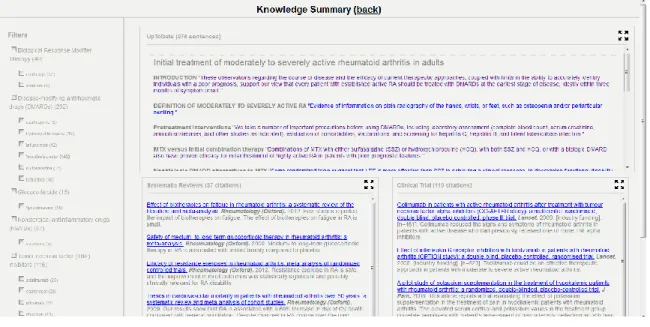
Figure 1. The figures shown here reflect the original interface design (A) and the improved interface after the first round of testing session (B).
User Interface Description
Figure 1(A) shows the original interface design before iterative testing. Three content
left. In the parenthesis after each medication shows the number of sentences and articles
retrieved for that particular filter. This was designed to assist physicians estimate the
amount of information available for each treatment alternative and thus the information
consumption time. In the UpToDate content box, when hovering over each sentence, a
callout box will be presented within which we show the proceeding and following
sentence with regard to the selected sentence. It was designed to provide more contextual
information to physicians. Similarly, when hovering over article titles in Systematic
Review and Clinical Trial boxes would present callout boxes within which the results and
conclusion part of the article were presented. In all cases, clicking on the sentence would
lead user to corresponding articles or sentences. Figure 1(B) shows the improved
interface design based on user feedback and discussions within research group. Changes
mainly took place in UpToDate content box which was the most used information
reference during testing sessions. The titles of UpToDate articles were presented first
while hiding all sentences to accelerate the scanning process of physicians. Furthermore,
callout boxes were replaced with “show more” button as callout boxes usually interfered
with user’s reading process.
Project Results and Discussion
This study was not intended to test any hypothesis based on statistically significant
numbers, but rather to observe the physician behavior as they interact with the system to
improve the algorithm and system design. Recorded video was reviewed and studied to
reflect on any comments, suggestions, frustration that testing subjects may have during
reviewed for further feedback physicians had on each of the case vignette. Findings were
listed and discussed in much more detail below.
Simple and Intuitive Interface Makes the Knowledge Tool Easier to Adopt
In general, physicians were very quick in adjusting to the new interface and were able to
navigate through the system with ease after the warm-up session. Several physicians
explicitly expressed the impact of simple interface design on more efficient information
seeking at the point of care, with constrained time limit. The three content boxes on the
main interface were obvious enough to the physicians allowing them to jump right into
the content resource that they were most interested in. Almost all the physicians found it
helpful to have the full screen as well as the “more” button that would show more
contents when clicked. However, two physicians also pointed out that other two content
boxes are too much distraction when they were trying to focus on one box. They
suggested that instead of showing all three boxes at the landing page, it would be
beneficial to show only one of the boxes and hide the other two while providing a means
to access to them. They implied that it would mean less clicking and more focused on the
core content.
Despite the quick pick-up of the content boxes, physicians were not so keen on
filtering the contents using the medication panel on the left. At the beginning of the pilot
study, the title of the left panel was designed as “Medication” and physicians found it
difficult to realize the connection between the medications and the right side contents.
When asked about the possible consequences of clicking the medications, several
physicians responded that they had no idea. As a result, we changed the title of the left
immediately realized the reduced number of contents displayed on the right. The filter
highlighting feature was important and critical for physicians to visualize the effect of
filtering and the fact that the contents are displayed based on their selection of filters.
Despite this change of title, physicians were still reluctant to use the filtering mechanism
which was evidenced by lack of exploration during the study session. Most physicians
were not even aware of some of the features embedded within the filtering box, such as
“only” button that limit the selection only to the clicked medication and exclude all
others, as well as the “clear” button that uncheck all the medications in order for
physicians to restart their seeking process. Some of physicians did not possess deep
knowledge in the area related to the case vignette entails and thus did not start by filtering
the content, but rather self-educate themselves with the contents shown on the right. After
a while of self-education, they were usually able to locate and click the relevant piece of
information which would lead them directly to the corresponding resources. After
following these steps, they usually stayed in that resource and utilized the searching
functions provided by the particular site until they were either satisfied with the evidence
gathered or frustrated with the process and gave up. Even physicians with relatively high
technical skills spent very little time exploring the filtering feature which prompted us to
investigate the reason for this behavioral pattern. When asked about this matter, one
physician mentioned that it would be really helpful to specify the medication information
in more detail, such as which medications the patient is already on and what are the
alternatives. This information would trigger physician’s desire of streamlining their
information seeking process by first clicking on the medication the patient is already on
Furthermore, the numbers between the parenthesis are confusing to the physicians
as they interact with the system. One physician suggested that we could consider adding
the units after the number, such as articles or sentences. On another note, the numbers
after the title of each content box were confusing to physicians as well because they
overwhelmingly exceeded the actual number of articles/sentences displayed on the
screen.
Physicians Use UpToDate More Frequently Than PubMed
It’s no secret that most physicians prefer UpToDate site much more than PubMed
because the information found in UpToDate are generally more actionable whereas
PubMed resource is more research-oriented and thus is less useful at the point of care
when timing is critical. We observed the very same trend in that physicians only explore
systematic review and clinical trial contents during the warm-up session. During the
actual evaluation, they all jumped directly to UpToDate content box, enlarged the box
and started gathering information from there. In realizing this matter during the design
stage, UpToDate box was intentionally placed at the bottom of the screen below
systematic review and clinical trial boxes. However, after two interviews, it was clear that
this design has flaws and often distracts and frustrates the physicians during the
information seeking process. And as mentioned in the above session, some physicians
even suggested that we should only display UpToDate content box in the landing page
while providing buttons to access other content resources.
UpToDate sentences were extracted with text mining algorithms and ranked purely based
on their relevance to the selected medications. The algorithm is completely agnostic of
the location of the sentences within the original article. Therefore, this leads to the
discontiguous flow of sentences extracted and displayed on the screen. During most of
the sessions, physicians were presented with case vignettes that were outside of their
expertise areas. Thus, most of them started by trying to read general materials regarding
the disease situation and medications. Algorithmically, first few sentences are usually
extremely relevant and actionable. However, they were overly specific which made them
look out of context. Physicians usually kept scrolling down until they found the summary
and conclusion session so that they could learn the gist of the article before jumping into
treatment details. This observation suggested that we should add rules into the extraction
algorithm so that more weight is placed on sentences from conclusion sections. However,
this change is debatable upon further consideration since the desired target use cases will
be physicians answering questions they came across within their expertise, in which case
they are already familiar with general background and want direct case-related
information.
Most Physicians Spend Small Amount of Time in Searching For Information
It is well-known that time is a critical factor when it comes to pursuing answers to
questions encountered in clinical settings. This was further confirmed by our observation
that if physicians were informed of the testing environment, they will usually spend
between 10 and 15 minutes before they stopped either because they have gathered
and ready to give up. This critical timing factor calls for more efficient content delivery
system. It’s been found that our algorithm is able to deliver highly relevant and
actionable items particularly to those with specialty related to case vignettes.
Physician Specialty Will Affect Their Perception of the System
We’ve consistently found that the seeking behavior is highly related to the physicians’
specialty. Specifically, if physicians were not familiar with the disease situation described
in the vignette text, they would start with summary section of the article, followed by
more specific and actionable items. However on the other hand, physicians who were
already familiar with the case would start from the first sentence. This observation
suggests that we should collect more information regarding the physician’s background,
such as how long they have graduated from medical school, their years of experience,
their own perception of technical level and so on. This information would help us
normalize the quantitative results we measured such as session time, etc.
Summary
In summary, we have designed and developed a clinical knowledge summary system that
intends to extract the relevant information and evidence from various medical resources
(including UpToDate and PubMed) and present them to physicians at point of care. As
mentioned in literature review session, it has been shown that physicians raised
approximately two questions in every three patients they see. Around 50% of those
questions were not even pursued due to various factors including limited time and lack of
knowledge gaps and lead to unsatisfactory clinical outcomes. The recent information
explosion with the emergence of computer technology only makes it even more difficult
to sift through the ocean of information and find the desired evidence, especially given
the time constraint at the point of care. With that in mind, we started off with the goal of
providing a simple, straightforward, easy-to-use and yet highly accurate knowledge
summary tool that could automatically extract relevant information from medical
resources given physician’s searching criteria. Based on the feedback we received from
physicians, we were successful in designing an intuitive interface which minimized the
presentation of irrelevant information. However, the key features must be further refined
to improve information access and facilitate decision making during patient diagnosis and
Bibliography
1. Covell DG, Uman GC, Manning PR. Information needs in office practice: are they
being met? Ann Intern Med. 1985;103(4):596-9.
2. Green ML, Ciampi MA, Ellis PJ. Residents' medical information needs in clinic: are
they being met? Am J Med. 2000;10(3):218-23.
3. Ely JW, Osheroff JA, Ebell MH, Bergus GR, Levy BT, Chambliss ML, et al. Analysis
of questions asked by family doctors regarding patient care. BMJ.
1999;319(7206):358-61.
4. Smith R. What clinical information do doctors need? BMJ. 1996;313(7064):1062-8.
5. Ebell MH, Cervero R, Joaquin E. Questions asked by physicians as the basis education
needs assessment. J Contin Educ Health Prof. 2011;31(1):3-14.
6. Dawes M, Sampson U. Knowledge management in clinical practice: a systematic
review of information seeking behaviour in physicians. Int J Med Inform.
2003;71(1):9-15.
7. Coumou HC, Meijman FJ. How do primary care physicians seek answers to clinical
questions? A literature review. J Med Libr Assoc. 2006;94(1):55-60.
8. Davies K, Harrison J. The information-seeking behaviour of doctors: a review of the
9. Haug JD. Physicians' preferences for information sources: a meta-analytic study. Bull
Med Libr Assoc. 1997;85(3):223-32.
10. McKnight M, Peet M. Health care providers' information seeking: recent research.
Med Ref Serv Q. 2000;19(2):27-50.
11. Pluye P, Grad RM, Dunikowski LG, Stephenson R. Impact of clinical
information-retrieval technology on physicians: a literature review of quantitative, qualitative and
mixed methods studies. Int J Med Inform. 2005;74(9):745-68.
12. Bonis PA, Pickens GT, Rind DM, Foster DA. Association of a clinical knowledge
support system with improved patient safety, reduced complications and shorter length of
stay among Medicare beneficiaries in acute care hospitals in the United States. Int J Med
Inform. 2008;77(11):745-53.
13. Isaac T, Zheng J, Jha A. Use of UpToDate and outcomes in US hospitals. J Hosp
Med. 2012l7(2):85-90.
14. Patel MR, Schardt CM, Sanders LL, Keitz SA. Randomized trial for answers to
clinical questions: evaluating a pre-appraised versus a MEDLINE search protocol. J Med
Libr Assoc. 2006;94(4):387.
15. Hoogendam A, Stalenhoef AF, Robbe PF, Overbeke AJ. Answers to questions posed
during daily patient care are more likely to be answered by UpToDate than PubMed. J
Med Internet Res. 2008;10(4):e29.
16. Barley EA, Murray J, Churchill R. Using research evidence in mental health:
user-rating and focus group study of clinicians' preferences for a new clinical
17. Kruisinga FH, Heinen RC, Heymans HS. Analysisi of the question-answer service of
the Emma Children's Hospital Information centre. Eur J Pediatr. 2010.
18. Curran JA, Abidi SS. Evaluation of an online discussion forum for emergency
practitioners. Health Informatics J. 2007;13(4):255-66.
19. Del Fiol G, Haug PJ, Cimino JJ, Narus SP, Norlin C, Mitchell JA. Effectiveness of
topic-specific infobuttons: a randomized controlled trial. J Am Med Inform Assoc.
2008;15(6):752-9.
20. Hauser SE, Demner-Fushman D, Jacobs JL, Humphrey SM, Ford G, Thoma GR.
Using wireless handheld computers to seek information at the point of care: an evaluation
APPENDIX A: POST_VIGNETTE QUESTIONAAIRE
1. What is your perceived complexity of the vignette? (1=least complex; 5=most
complex)
2. What is your experience managing patients like the one in the vignette? (1=least
experience; 5=most experience)
3. What is your final decision for this patient?
4. Could you please summarize in 1-2 sentences the gist of the evidence that guided your
decision?
5. What other types of information could have helped you understand the gist?
6. The information I found 1=strongly disagree 5=strongly agree
1 2 3 4 5
Enhanced my decision-making
Increased my knowledge
Increased my level of uncertainty
Frustrated me with the information-seeking
process
Increased my confidence in making the right
decision
Improved my comfort in managing this patient
Made me more likely to refer this patient to a
specialist
Surprised me
Took significant effort scanning / skimming
information
7. Rate the following types of information found for this vignette (1=Not at all; 5=A great
deal; NA = not applicable):
Helped with
my decision
Updated my
knowledge
Required significant
effort scanning /
skimming
trials
Systematic
reviews
APPENDIX E: POST-EVALUATION QUESTIONAAIRE
1. How useful do you find each type of information?
1=Not useful 5=Very useful
1 2 3 4 5
1. Article titles
2. Study sample size
3. Study funding source
4. Link to abstract on PubMed
5. Treatment filters
6. Zoom button
7. Hovering over UpToDate sentence brings up surrounding
sentences
8. Clicking on UpToDate sentence takes to sentence within
2. Do you have any other suggestions or comments regarding the knowledge summary [