272
THE DETERMINATION OF CHEMICAL COMPOUNDS FROM
ARISTOLOCHIA CLEMATITIS FROM SPONTANEOUS FLORA NEEDED
WITH INFLUENCE OF ARISTOLOCHIC ACID
OLIMPIA PANDIA, SĂRĂCIN ION, BOZGĂ ION,MARIN GHEORGHE
Key words: toxicity, tests, typing, clorofilieni pigments, aristolohic acid
ABSTRACT
The present work intends to analyze both the toxicity of this plant produced especially by the aristolohic acid which is a powerful carcinogen, as well as of other compounds existing in this plant (De Broe ME, the exposure to aristolohic acid being a strong nefrotoxin "), and the complex physiological processes taking place in the life of the plant, in order to enter into the common medicinal plants classified list.
For this purpose were determined clorofilieni pigments, the content of nitrogen, phosphorus and potassium found in the gathered samples, which differ from one plant to another depending on the place of growth and the vivacity of the plant at different times in the growing season, climate and soil. To obtain accurate results, chemical soil analyses were made, we tried to obtain an AC infusion, followed by conducting other analyses together with other specialized institutions in order to determine its effectiveness in horology for different treatments.
INTRODUCTION
Because nature has always stood by man for help and many of its beneficial resources have been or still are unknown, and most of the times they have been forgotten or less popularized by those who know them, some plants from the spontaneous flora which are real remedies for human health still remain in the background/ unknown.
The supremacy of chemically obtained medicines by large producing firms, have pushed into oblivion downright miraculous plants, used for hundreds of years in herbal treatments with miraculous effects in treating various diseases, treatments less expensive but very effective.
Thus, one of the plants referred to as miraculous because of the multitude of diseases it can cure is Aristolochia Clematitis, withdrawn from pharmacies due to unknowing the plant full preparation mode, and because of being considered toxic.
In countries like Germany, Spain, Hungary, this plant is used in treating the disease, its genetic value being recognized, while we were able to dig out of the official medicinal plants classified list.
In the ’80s, scientists studied this herb and they were impressed by the immune-stimulating effects, endeavouring to isolate a semi synthetic drug with internal administration, but separated from it the aristolohic acid became toxic to the body and they gave up studying it, leaving its use to the mercy of popular medicine.
The therapeutic miracles done by this plant in popular medicine and the long impressive list of illnesses cured from infections to even benign and malignant tumours increased the interest in placing it again on the list of accepted medicinal plants.
MATERIAL AND METHOD
273
Spectrophotometric determinations for soil and plant and by using the clorofilieni method to plant pigments.
Soil and plants samples were collected from the 20 to the 23rd august 2013, when some plants were blooming and others were turning into fruit.
The perimeter chosen for sampling was on the Northern slope of the hill with an exhibition at the base of the village, where there is a sort of argic soil.
RESULTS AND DISCUSSION
The analyses carried out and gathered from six different places and the results obtained are shown in the tables below.
Figure.1. Determination of the chemical properties of chernozem soil in the study argil to a depth of 20 cm
274
Figure.3. Determine the physiological processes of stems
Nr.probatio n
275
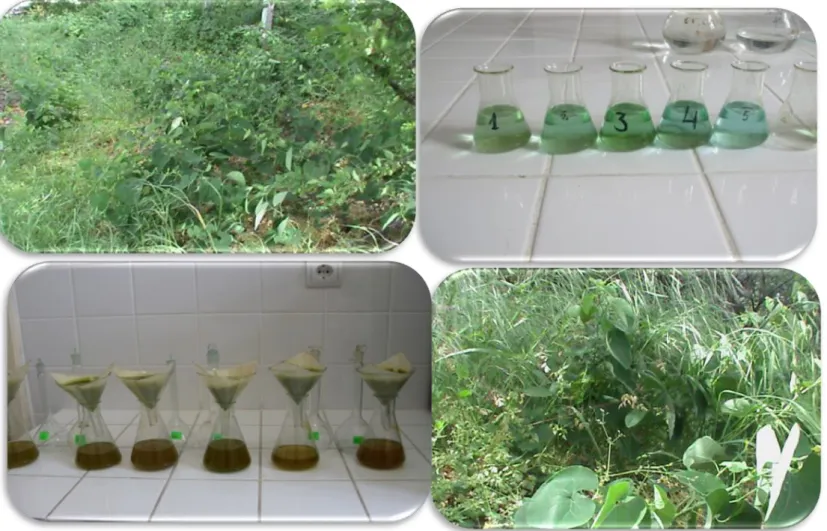
Fig.4. Determinations to soil and plants in the laboratory
Based on the presented information, we identified and characterised chemical properties with therapeutic values extracted from Aristolochia Clematitis, from the two vegetative organs, young leaves and stems, studying the ones harvested in the vineyard with the best results at performed analyses and we prepared a tincture from leaves and another one from stems. Loose, which we chopped finely by cutting with scissors, pressed in a mortar until we obtained a uniform paste. The obtained paste was transferred in a bowl with glass stopper and we added 960 ethylic alcohol until we covered the preparation, and then we closed it tightly. The obtained mixture was periodically stirred and was left to soak for 15 days.
We applied the same procedure to (AC) harvested stems. After soaking, the resulting liquids were filtrated filter paper resulting in a clear green liquid.
276
Next step consists of chromatography analysis (GC-FID) and gas-chromatography mass spectrometry (GC/MS). The methods will be applied in order to characterise the tincture prepared from this plant and to make a comparison between the alcoholic extracts from stems and leaves.
Based on the obtained results from the two methods, continuing research is proposed by external application of the analysed tincture in treating certain illnesses under the supervision of specialists in medical and pharmaceutical field.
CONCLUSIONS
By using the spectrophotometer method, we were able to determine N, P2O5, K2O in leaves and stems, and the method of determining chlorophyll pigments led to identifying Chlorophyll A, Chlorophyll B, Carotene.
The presence of Aristolochia Clematitis components differs from a plant to another, from a place of harvesting to another, from a vegetative organ to another.
The presence of determinate elements in leaves and stem differs in value according to the place where the plant developed, type of soil and chemical properties respectively.
The obtained results as a whole from Aristolochia Clematitis harvested in the vineyard are emphasised, where the analyses of soil samples resulted from the presence of chemical fertilisers, as well as the effect of mechanical works which influence the physical properties of the soil.
BIBLIOGRAPHY
1. De Broe ME., 2012 - Chineză ierburi nefropatia endemică balcanică şi nefropatie: spre o singură entitate, nefropatia acidul aristolohic. Rinichi Int.2012 Mar; 81 (6):513-5.Doe: 10.1038/ki.2011.428.
2. Grollman, Arthur P. et al., 2007 - Acidul aristolohic şi Etiologia endemice (Balcani) Nefropatia", Proceedings of Academia Nationala de Stiinte, 104: 12129 -12134
3. A. Hostage, M. Staiger, K. Haag, W. Gerok,, Klin Wochenschr 67:6-15, 1989. 4. W. F. Balistreri, H. H. A-Kader, K.D.R. Setchell, D. Gremse, F.C. Ryckman, T. J. Schroeder, Annals of Clin, Lab. Sci., 22:162-174, 1992.
1. http://revistaplafar.ro/plante-de-la-a-la-z/68/marul-lupului.html
2. http://naturaplantif.ro/?page_id=5&category=13&product_id=38
3.
http://www.infobrasov.net/content/reportaj_14072_marul-lupului-%28aristolochia-clematitis%29-i.html
4.
http://webcache.googleusercontent.com/search?q=cache:-Ipkc7AeXfIJ:www.terapii.boom.ru/index14.html+marul+lupului&cd=11&hl=ro&ct=clnk&gl=r o&client=firefox-a