The Effects of Non-Steroidal Anti-Inflammatory Drugs (NSAIDs) on Blood Pressure in Patients with Hypertension
Hisham S. Aljadhey
A dissertation submitted to the faculty of the University of North Carolina at Chapel Hill in partial fulfillment of the requirements for the degree of Doctor of
Philosophy in the Division of Pharmaceutical Outcomes and Policy
Chapel Hill 2008
Approved by:
Michael D. Murray, Pharm.D., MPH Susan J. Blalock, Ph.D.
D. Craig Brater, M.D. Richard A. Hansen, Ph.D.
ABSTRACT
Hisham S. Aljadhey: The Effects of Non-Steroidal Anti-Inflammatory Drugs (NSAIDs) on Blood Pressure in Patients with Hypertension
(Under the direction of Michael D. Murray, PharmD, MPH) Dysregulation of blood pressure control in hypertensive patients using nonsteroidal anti-inflammatory drugs (NSAIDs) could increase morbidity, mortality, and health care costs. The aims of this research were to examine the association between NSAIDs and blood pressure in hypertensive patients, compare the effects of various NSAIDs on blood pressure, and determine if NSAIDs were associated with changes in antihypertensive therapy.
A total of 3,928 eligible patients were prescribed NSAIDs or acetaminophen. Compared to acetaminophen, prescription for NSAID was associated with a 2 mmHg increase in systolic blood pressure (P = 0.004), and a 6 mmHg increase in those concurrently prescribed beta-adrenergic blocker (P = 0.008). Ibuprofen was associated with a 3 mmHg increase in systolic blood pressure compared to
naproxen (P = 0.015), and a 5 mmHg increase compared to celecoxib (P = 0.035). Ibuprofen was associated with a higher risk of systolic blood pressure increase of ≥ 20 mmHg compared to naproxen (odds ratio, 1.57; 95% confidence interval, 1.10 to 2.25; P = 0.014). Dose effects were not observed for either ibuprofen or naproxen. There was no evidence of intensification in antihypertensive therapy in patients prescribed NSAIDs.
ACKNOWLEDGEMENTS
I would never have been able to successfully complete my dissertation without first the guidance of my advisor and the other members of my dissertation committee and second the support of my family and friends.
I want to sincerely thank my academic advisor, Dr. Michael Murray, for his continuous guidance and support throughout my graduate study. I have enjoyed working with him over the last six years. Without his help and advice, I would not have been able to write this dissertation. He inspired me to do my best to
accomplish my goals. He helped me in the design and analysis stages of my research, and carefully reviewed and gave highly pertinent comments on the
dissertation. He helped me to grow professionally and I learned many skills from him that will be of great assistance in my future career. He cared about me and, when needed, was there to help and support me. He was an excellent model and mentor who knew when to advise me and when to let me work independently.
I sincerely thank Dr. Susan Blalock, Dr. Craig Brater, Dr. Richard Hansen, and Dr. Wanzhu Tu for their participation in my dissertation committee. They provided me with valuable comments that significantly improved the dissertation. When needed, they provided me with advice and suggestions that helped me to stay focused on my project. It was an honor to work with them during my graduate
I want to thank my professors and mentors in the graduate program from whom I learned both inside and outside the classroom. Also, I want to thank the staff at the Division of Pharmaceutical Outcomes and Policy who provided the necessary support for me to accomplish my graduate studies. Also, I want to thank the
graduate students at the division for their support and comments.
TABLE OF CONTENTS
LIST OF TABLES... x
LIST OF FIGURES...xii
LIST OF ABBREVIATIONS...xiv
I. INTRODUCTION... 1
Significance of NSAID-induced Blood Pressure Increase ... 2
Overview of Non-Steroidal Anti-Inflammatory Drugs... 5
Biological Mechanisms of NSAID-induced Blood Pressure Increase ... 10
Specific Aims ... 15
II. REVIEW OF RELATED LITERATURE ... 23
Effect of NSAIDs on Blood Pressure in Non-hypertensive Patients... 23
Effect of NSAIDs on Blood Pressure in Hypertensive Patients... 30
Effect of NSAIDs on Blood Pressure in Hypertensive Patients by Type of Antihypertensive Medication ... 33
Summary ... 38
Conceptual Framework ... 40
III. RESEARCH DESIGN AND METHODS ... 48
Design ... 51
Control Group ... 53
Sample Size ... 55
Dependent Variables ... 56
Independent Variables... 58
Propensity Score Analysis ... 66
Over The Counter NSAIDs ... 79
Time to Blood Pressure Measurement ... 81
Average of Systolic Blood Pressure Measurements... 82
Clinically Significant Increase in Systolic Blood Pressure... 83
IV. RESULTS ... 84
Baseline Characteristics ... 84
Results for Aim 1 ... 88
Sensitivity Analysis of Exposure to the Index Drug ... 89
Results for Aim 2 ... 92
Results for Aim 3 ... 96
V. DISCUSSION ... 98
Summary of the Results ... 98
Interpretation of the Results ... 99
Limitations ... 106
Suggestions for Future Research ... 108
Summary and Conclusions... 109
APPENDICES ... 111
Appendix A. Tables ... 111
Appendix B. Categories of Antihypertensive Medications... 142
LIST OF TABLES
Table 1 . Summary of Short-term Trials Examining the Effect of NSAIDs on Blood Pressure ... 111 Table 2 . Summary of Observational Studies Examining the Effect of
NSAIDs on Blood Pressure ... 112 Table 3. Baseline Characteristics by Treatment Group... 113 Table 4. Number of Eligible Subjects at Baseline by
Study Aim and Hypothesis... 114 Table 5. Type, Unit and Definition of Variables Included
in the Statistical Models ... 115 Table 6. Baseline Characteristics by Treatment Group... 116 Table 7. Comparison of Covariate Balance between NSAIDs
and Acetaminophen before and after Propensity Score Matching ... 118 Table 8. Difference in Systolic Blood Pressure between NSAIDs
and Acetaminophen after Propensity Score Matching ... 121 Table 9 . Difference in Systolic Blood Pressure between NSAIDs
and Acetaminophen in Patients Using Combinations of
Antihypertensive Medications after Propensity Score Matching ... 122 Table 10. Difference in Systolic Blood Pressure between NSAIDs and
Acetaminophen in Sensitivity Analysis of Medication Possession Ratio and Refills per Month for Index Drug after Propensity Score Matching ... 123 Table 11. Comparison of Covariate Balance between Naproxen
and Ibuprofen before and after Propensity Score Matching... 124 Table 12. Difference in Systolic Blood Pressure between Naproxen
and Ibuprofen after Propensity Score Matching... 127 Table 13. Difference in Systolic Blood Pressure between Naproxen
Table 14. Comparison of Covariate Balance between Celecoxib and Ibuprofen before and after Propensity Score Matching... 129
Table 15 . Difference in Systolic Blood Pressure between Celecoxib and Ibuprofen or Naproxen after Propensity Score Matching ... 132
Table 16. Comparison of Covariate Balance between Celecoxib and Naproxen before and after Propensity Score Matching ... 133
Table 17. Comparison of Covariate Balance between NSAIDs and Acetaminophen before and after Propensity Score Matching ... 136 Table 18. Comparison of Covariate Balance between Naproxen
LIST OF FIGURES
Figure 1. NSAIDs General Mechanism of Action ... 10
Figure 2. Mechanism of Adverse Cardiovascular Effects Mediated by Cyclooxygenase Enzyme... 12
Figure 3. Mechanisms of Blood Pressure Increase Associated with NSAIDs ... 14
Figure 4. Hypotheses by Population, Treatment, and Outcome of the Study ... 18
Figure 5. Conceptual Model... 41
Figure 6. Comparison between Incident User and Prevalent User Designs ... 52
Figure 7. Different Scenarios for Patients’ Follow-up Periods... 53
Figure 8. General Steps to Conduct Propensity Score ... 67
Figure 9. Nearest Neighbor Matching Method (1 to 1) ... 69
Figure 10. Nearest Neighbor Matching Method (1 to 2) ... 69
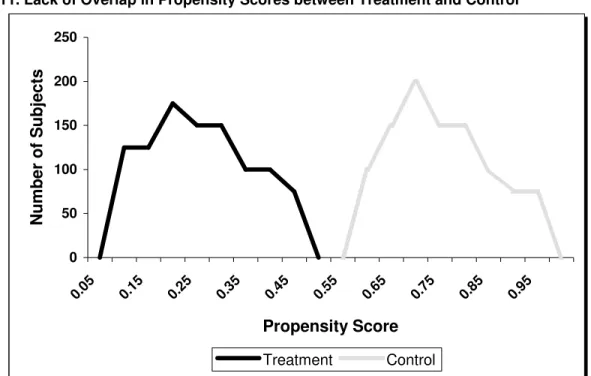
Figure 11. Lack of Overlap in Propensity Scores between Treatment and Control ... 71
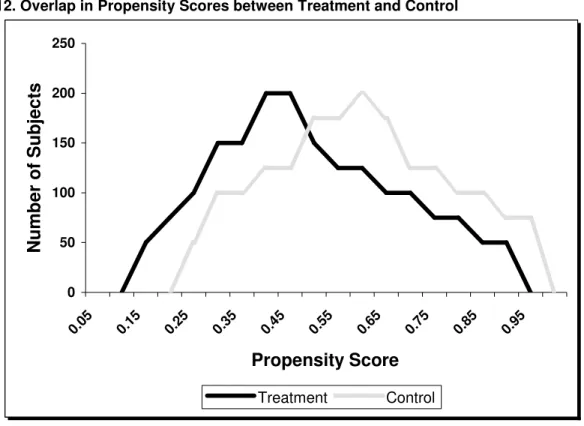
Figure 12. Overlap in Propensity Scores between Treatment and Control ... 72
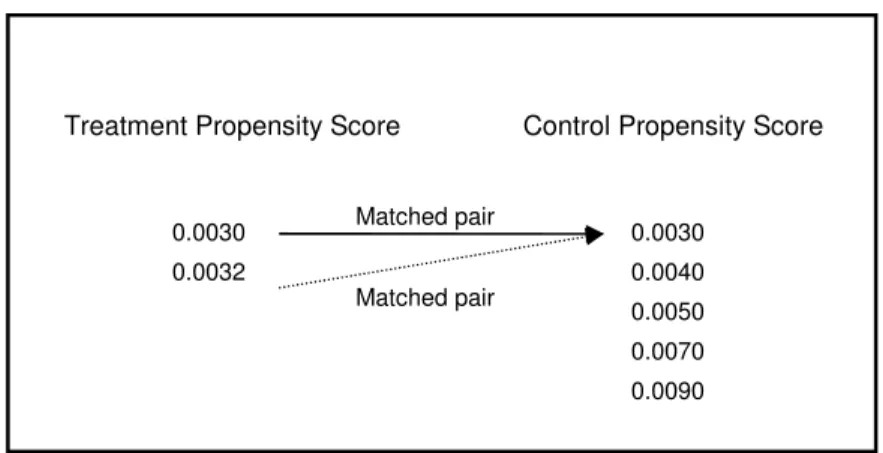
Figure 13. Nearest Neighbor Matching Method with Replacement ... 73
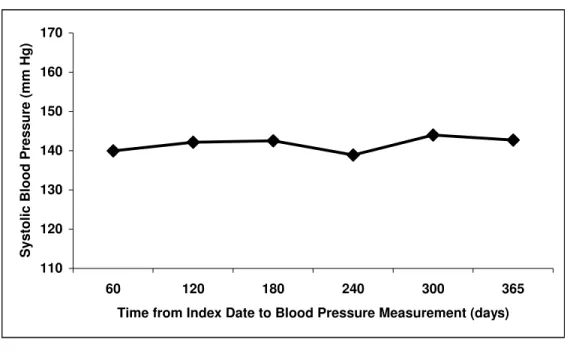
Figure 14. Systolic Blood Pressure by Time from Index Date until Blood Pressure Measurement... 82
Figure 15. Derivation of Cohort Size ... 85
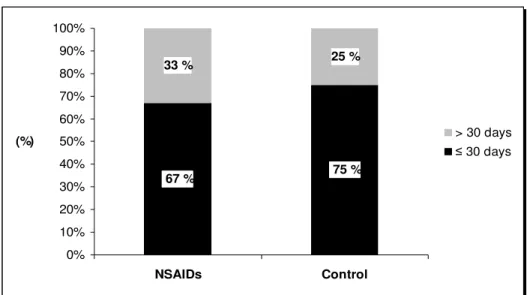
Figure 16. Percentage of Subjects in each Category of Time from Baseline Systolic Blood Pressure Measurement to Index Date by Index Drug... 85
Figure 18. Mean Change in Systolic Blood Pressure by Time to First Blood Pressure Measurement... 87
Figure 19. Percentage of Subjects in each Refill per Month Category by Index Drug ... 90 Figure 20. Percentage of Subjects in each
Medication Possession Ratio (MPR) Category by Index Drug... 90 Figure 21. Blood Pressure Fluctuation Over 24 Hours
Based on Dosing Frequency of NSAIDs ... 104
LIST OF ABBREVIATIONS
NSAIDs: Nonsteroidal anti-inflammatory drugs
ACE-I: Aangiotensin-converting enzyme inhibitor
CCB: Calcium channel blockers
COX: Cyclooxygenase
GFR: Glomerular filtration rate
JNC 7: The Seventh Report of the Joint National Committee on Prevention, Detection, Evaluation, and Treatment of High Blood Pressure
MAR: Missing at random
MCAR: Missing completely at random
MPR: Medication possession ratio
NMAR: Not missing at random
OA: Osteoarthritis
OTC: Over The Counter
PGs: Prostaglandins
RA: Rheumatoid arthritis
I. INTRODUCTION
Nonsteroidal anti-inflammatory drugs (NSAIDs) are broadly used for acute and chronic conditions including rheumatoid arthritis and osteoarthritis (1-3). However, it is widely known that NSAIDs are associated with adverse
gastrointestinal effects. These adverse effects led to the development of selective cyclooxygenase-2 (COX-2) inhibitors in an attempt to provide safer NSAIDs. However, concerns have arisen that selective COX-2 inhibitors and non-selective NSAIDs cause adverse cardiovascular effects such as myocardial infarction,
exacerbation of heart failure, and increase in blood pressure (4-8). These concerns increased following the withdrawal from the market of two selective COX-2 inhibitors, rofecoxib in 2004 and valdecoxib in 2005.
Blood pressure increase in hypertensive patients can lead to deleterious cardiovascular effects. In users of NSAIDs, maintaining or achieving blood pressure control would prevent morbidity and mortality and reduce health care costs (9). Others have estimated that achieving or maintaining blood pressure control in users of selective COX-2 inhibitors would prevent more than 70,000 deaths from stroke and 60,000 others from coronary heart disease; such control would also result in direct health care cost savings of more than 3.8 billion dollars (9).
The effect of NSAIDs on blood pressure in patients prescribed
observational studies. These trials have shown that NSAIDs increase blood pressure in patients who were using antihypertensive medications including
angiotensin-converting enzyme inhibitors (ACE-I), diuretics, and beta-adrenergic antagonists (10-16). However, clinical trials are susceptible to selection bias since patients enrolled in these trials are different from those in real-world settings (17, 18). In contrast, populations included in observational studies are from clinical practice settings. Few studies have been published on the effect of NSAIDs on blood pressure in patients who are taking more than one antihypertensive medication. This is important since more than two-thirds of hypertensive patients require two or more antihypertensive medications from different drug classes to control their blood pressure (19).
The next section starts with a discussion about the significance of NSAID-induced blood pressure increase, followed by an overview of the main
characteristics of NSAIDs that may explain how they affect blood pressure. The biological mechanisms whereby NSAIDs may cause blood pressure increase are discussed. This leads to the specific aims and hypotheses of this research.
Significance of NSAID-induced Blood Pressure Increase
every 20 mmHg systolic or 10 mmHg diastolic increase in blood pressure, the risk of mortality doubles for both ischemic heart disease and stroke (19).
Blood pressure control in hypertensive patients is essential to prevent morbidity and mortality, reduce health care utilization, and ultimately lower health care costs (9). The Seventh Report of the Joint National Committee on Prevention, Detection, Evaluation, and Treatment of High Blood Pressure (JNC 7) sets goals for patients with hypertension to control blood pressure (19). Blood pressure is only controlled in 35% of hypertensive patients (21). It has been estimated that
inadequate blood pressure control in hypertensive patients results in about 40,000 cardiovascular events, more than 8,000 cardiovascular deaths, and direct medical expenditure of one billion US dollars per year (22, 23).
Treatment of hypertension is affected by several factors, including
medications that increase blood pressure. NSAIDs are frequently used for various types of pain by hypertensive patients. Even a slight increase in blood pressure associated with the use of NSAIDs is considered significant. Decreasing systolic blood pressure by just 2 mmHg lowers stroke mortality by 10% and ischemic heart disease mortality by 7% (24).
United States, more than 20 million patients receive concomitant treatment for arthritis and hypertension (31); often NSAIDs are prescribed to relieve symptoms of arthritis. The association between NSAIDs and blood pressure increase in patients who are taking antihypertensive medications has only been investigated in a meta analysis (10) and short-term clinical trials (3, 12-16, 32-43); it has not been the subject of observational studies where populations are more broadly relevant to most clinical settings. In addition, some of these previous studies did not include the more commonly prescribed NSAIDs.
Previous studies do not indicate whether NSAIDs affect blood pressure in patients who are taking multiple antihypertensive medications. This is important since most patients are prescribed more than one medication to control their blood pressure. In fact, more than two-thirds of hypertensive patients require two or more antihypertensive medications from different classes (19). No previous study has examined changes to antihypertensive therapy made by prescribers after patients started to use NSAIDs.
Prescribers must first decide whether to prescribe NSAIDs for their
hypertensive patients, select the NSAID that has the least effect on blood pressure regulation, and choose the dose at which the risk of blood pressure dysregulation is minimal. The results of this research will help practitioners to control blood pressure in hypertensive patients started on NSAIDs. It also will improve health policy
In contrast to previous studies, this research used propensity score matching techniques to balance covariates between compared groups (44) and adopted incident user design to prevent the inclusion of prevalent user bias (45). This research examined the association between NSAIDs and blood pressure in
hypertensive patients who were prescribed multiple antihypertensive medications. Also, it investigated the intensification of antihypertensive therapy by prescribers. This research addressed important unanswered questions regarding the use of NSAIDs in hypertensive patients. The results of this study will help practitioners to select NSAIDs with minimal effect on blood pressure for patients with hypertension.
Overview of Non-Steroidal Anti-Inflammatory Drugs
It is important to highlight the characteristics of NSAIDs that are related to their effects on blood pressure. This section provides an overview of NSAIDs that include indications, differences in pharmacokinetics, main adverse effects, and mechanism of action. The most commonly used NSAIDs in practice were included in this research, namely ibuprofen (short-acting NSAID), naproxen (long-acting
NSAID), and celecoxib (the only selective COX-2 inhibitor in the market).
Indications
relief of mild to moderate pain, acute gout, dysmenorrhea, and headache (1-3, 46-48).
Pharmacokinetics
Non-selective NSAIDs are rapidly and completely absorbed. Because they are highly bound to proteins, they have small volume of distribution. They are metabolized in the liver through cytochrome P450 or by glucuronidation and
excreted through the kidney as metabolites. The half-life of NSAIDs varies from one hour up to 50 hours depending on the agent (1, 49). This variation in half-life could explain some of the differences in adverse effects between individual NSAIDs.
Ibuprofen is well absorbed and peak plasma concentrations are achieved within one to two hours after administration. Ibuprofen has short half-life of about 3.5 hours. This short half-life leads to an intermittent effect during the day. Thus, the effect of ibuprofen on blood pressure may not last for a whole day without repeated dosing. It is mainly metabolized in the liver, with less than 10 percent excreted unchanged in the urine and bile (47).
emphasizes the importance of controlling for renal function when studying the adverse effects of naproxen.
Celecoxib has a bioavailability of about 40% and is highly bound to protein, mainly to albumin. Because of its lipophilicity, celecoxib has a high volume of distribution. The half-life of celecoxib ranges from 11.2 to 15.6 hours. Celecoxib is extensively metabolized in the liver through oxidation by cytochrome P450 2C9, and less than 2% is excreted unchanged in urine (48, 51).
Overview of Adverse Effects
The major adverse effects reported with the use of NSAIDs are
gastrointestinal, renal, hepatic, cardiovascular, and hematological. Other adverse effects which occur less frequently include skin reactions and central nervous system reactions such as headache and dizziness.
The most frequent adverse effects with the use of NSAIDs are gastrointestinal. Dyspepsia is the most prevalent, while peptic ulcer and its
complications are much less common. PGs have an important role in maintaining normal gastrointestinal physiology. Inhibition of PGs by NSAIDs could lead to gastrointestinal effects that include gastric erosion, peptic ulcer formation and
significantly fewer serious adverse gastrointestinal effects than treatment with nonselective NSAIDs (48).
The risk of adverse cardiovascular effects increases with the use of NSAIDs. These effects include myocardial infarction, stroke, heart failure, and increased blood pressure (4, 8, 52-57). The use of NSAIDs is associated with various renal toxicities, which may lead to acute renal failure and nephropathy (50, 58). Hepatitis and liver function abnormalities can occur with the use of NSAIDs. However, clinical hepatitis and hepatic death are rare adverse effects. Other rare but dangerous adverse hematological effects that could occur include agranulocytosis and aplastic anemia (46).
Mechanism of Action
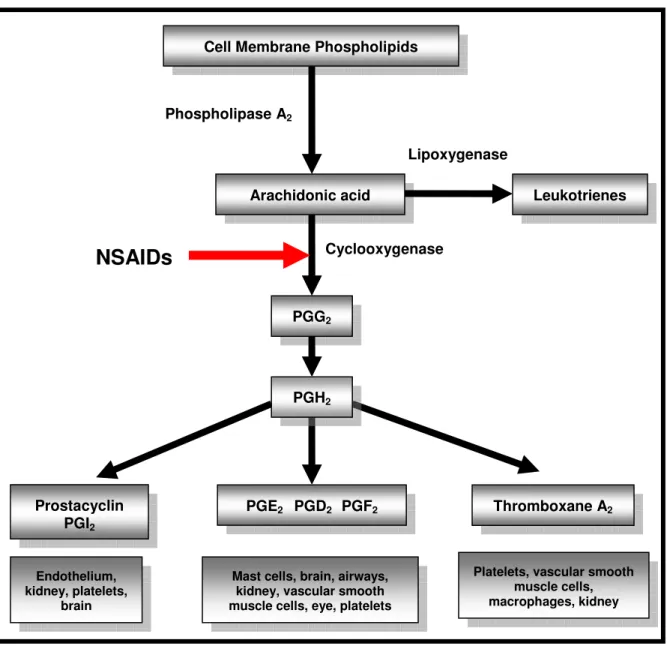
NSAIDs have antipyretic, analgesic, and anti-inflammatory properties. The major mechanism for their effect is the inhibition of an enzyme called
cyclooxygenase (COX) (Figure 1). The COX enzyme catalyzes the formation of prostanoids (which include PGs, prostacyclins, and thromboxanes) from arachidonic acid. When NSAIDs inhibit the COX enzyme, the synthesis of PGs will be stopped and inflammation will therefore be reduced.
gastrointestinal effects associated with non-selective NSAIDs. However, COX-2 is not expressed in the stomach and is induced during inflammation by cytokines and inflammatory mediators. Therefore, compared to the non-selective NSAIDs, selective COX-2 inhibitors possess similar pharmacological actions but are associated with a lower risk of adverse gastrointestinal effects (48, 52, 53, 59).
Figure 1. NSAIDs General Mechanism of Action
References: (48, 50, 61). NSAIDs: Non-steriodal anti-inflammatory drugs; PG: Prostaglandin.
Biological Mechanisms of NSAID-induced Blood Pressure Increase
The main mechanisms for the cardiovascular and renal effects of NSAIDs are related to the inhibition of PGs. This section briefly discusses the cardiovascular mechanisms before focusing on the mechanisms that are hypothesized to explain NSAID-induced blood pressure increase. This is followed by a discussion of several
Cell Membrane Phospholipids
Phospholipase A2
Arachidonic acid
Cyclooxygenase
PGG2
PGE2 PGD2 PGF2 Thromboxane A2 Prostacyclin
PGI2
NSAIDs
Leukotrienes Lipoxygenase
PGH2
Endothelium, kidney, platelets,
brain
Mast cells, brain, airways, kidney, vascular smooth muscle cells, eye, platelets
hypotheses that have been put forward to explain the effect of NSAIDs on blood pressure control, when these are taken in conjunction with antihypertensive drugs.
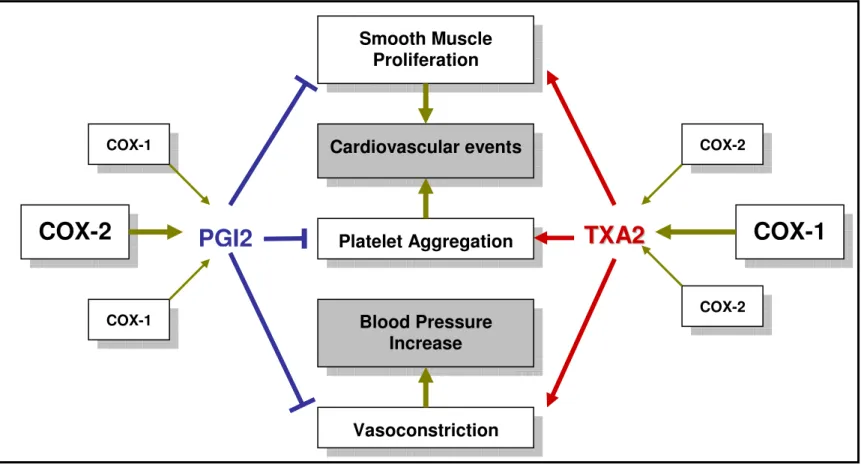
The COX-1 enzyme mediates the production of thromboxane A2. This explains the pro-thrombotic effect of NSAIDs. Thromboxane A2 causes platelet aggregation, vasoconstriction, and smooth muscle proliferation (Figure 2). These effects lead to the formation of a thrombus, resulting in a cardiovascular event. Since aspirin inhibits COX-1 in the platelets irreversibly, it is used as a prophylactic of thromboembolic disease. However, NSAIDs do not sufficiently inhibit COX-1 to suppress the synthesis of thromboxane A2. This explains the lack of cardio-protective effects of NSAIDs.
1
2
Figure 2. Mechanism of Adverse Cardiovascular Effects Mediated by Cyclooxygenase Enzyme
COX-2
PGI2
T
T
X
X
A
A
2
2
COX-1
Vasoconstriction Platelet Aggregation
Smooth Muscle Proliferation
Blood Pressure Increase
Cardiovascular events
COX-1 COX-1
The biological mechanisms that hypothesized to explain NSAID-induced blood pressure increase involve the inhibition of PGs (Figure 3). A direct
vasoconstriction effect of NSAIDs might be caused by inhibiting the systemic
vasodilation of PGI2. The inhibition of PGs in the kidney by NSAIDs causes sodium and water retention, weight gain, and, ultimately, increases in blood pressure
through three main pathways. Firstly, inhibition of prostaglandin E2 (PGE2) enhances the reabsorption of sodium at the thick ascending loop of Henle in the kidney. Secondly, PG inhibition in the kidney causes vasoconstriction in the afferent renal arteriole which leads to a decrease in renal blood flow. Thus, reabsorption of sodium increases in the proximal tubule. Thirdly, PGs inhibition by NSAIDs
Figure 3. Mechanisms of Blood Pressure Increase Associated with NSAIDs
PG: Prostaglandin; ↑: Increase; ↓: Decrease. References: (31, 50, 57, 58, 63-67).
Previous studies have suggested that NSAIDs attenuate the effects of antihypertensive drugs including ACE-I, diuretics, and beta-adrenergic antagonists (10, 12-14, 16, 37, 39, 42). The main mechanism explaining the blunting effect of NSAIDs on these antihypertensive medications is related to the inhibition of PGs. It is hypothesized that some of the antihypertensive effects of ACE-I are achieved through polypeptides called kinins, whose vasodilating effect is mediated by PGs. Thus, inhibition of PGs with NSAIDs reduces the antihypertensive effect of ACE-I
Use of NSAIDs
↓ PGE2 / PGI2
Sodium & Water retention
↑Renal endothelin-1
↑ Blood pressure
↑Na reabsorption at Loop of Henle
Systemic circulation
↓ Renal blood flow Vasoconstriction
↑Na proximal reabsorption
(14, 42, 65). Prostacyclin is essential for thiazide diuretics to decrease peripheral vascular resistance. NSAIDs interfere with the antihypertensive effect of thiazides by inhibiting prostacyclin synthesis (49, 68).
Inhibition of PGs by NSAIDs explains the loss of blood pressure control achieved by beta-adrenergic blockers. PG inhibition by NSAIDs increases sensitivity to the vasoconstrictor effects of noradrenaline, angiotensin II, and sympathetic
nervous system stimulation (68). By blocking beta-receptors the increased sensitivity to alpha-adrenergic stimulation caused by NSAIDs increases, resulting in loss of the blood pressure lowering effect of beta-adrenergic antagonists (68). Calcium channel blockers (CCBs) exert their antihypertensive effect independently of PGs. CCBs lower blood pressure by causing a direct vasodilation in the peripheral arteries of the vascular smooth muscle. (35, 69).
Based on the fluid retention mechanism of NSAIDs, it is expected that the blood pressure increase associated with NSAIDs is dose dependent. Lower doses of these medications may be a reasonable option for some patients with milder forms of arthritis. However, no observational study has examined the effect of NSAID dose on systolic blood pressure in hypertensive patients. The dose effect of NSAIDs was investigated in this study.
Specific Aims
within a week of starting NSAIDs (3, 11, 13, 40). In hypertensive patients, adequate blood pressure control is essential to prevent morbidity and mortality and reduce health care costs (9).
This research addresses important questions that were not answered in previous studies regarding the association between blood pressure and NSAIDs in hypertensive patients who are taking multiple antihypertensive medications.
Previous studies that examined the effect of NSAIDs on blood pressure are limited and various aspects of this effect remain unclear. For example, although rofecoxib was associated with increased blood pressure in previous studies, celecoxib did not change blood pressure significantly (2, 3, 15, 29, 40, 43, 70, 71). The effect of NSAIDs on incident hypertension has been investigated, but the magnitude of changes in blood pressure has not been thoroughly examined. Existing
observational studies lack the measurement of blood pressure or did not control for important confounding variables. Moreover, these studies did not compare the effects on blood pressure of non-selective NSAIDs and selective COX-2 inhibitors. The effect of NSAIDs on blood pressure in patients using antihypertensive
medications was investigated in clinical trials only; it has not been studied in
observational studies, where populations are more similar to those in typical clinical settings.
The first aim of this dissertation was to investigate the effects of NSAIDs on blood pressure in hypertensive patients compared to a control group of
patients using any antihypertensive medication except CCB (13, 35, 36, 39). The second aim was to compare the effects of ibuprofen and naproxen on blood
pressure. Ibuprofen has a shorter half-life, leading to an intermittent effect during the day; while the half-life of naproxen is longer, leading to continuous PGs suppression. Thus, any effect on blood pressure presumably will last longer with naproxen.
Celecoxib’s effect on blood pressure was compared to that of naproxen and
ibuprofen. Since celecoxib selectively inhibits COX-2, it might present a different risk for blood pressure increase compared to non-selective NSAIDs.
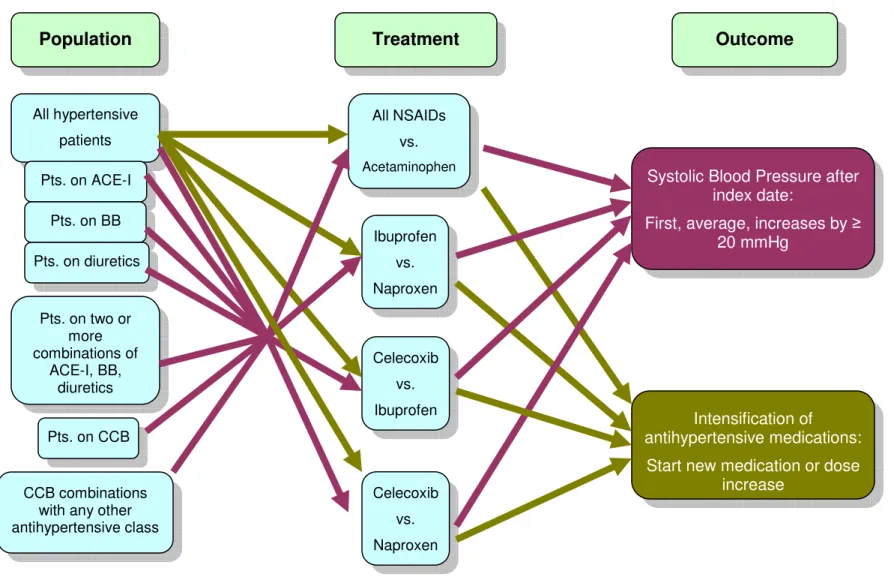
The specific aims of this study were: (1) to examine the association between NSAIDs and blood pressure compared to acetaminophen in patients with
1
8
Figure 4. Hypotheses by Population, Treatment, and Outcome of the Study
Population Treatment
All NSAIDs
vs.
Acetaminophen
Outcome
Systolic Blood Pressure after index date:
First, average, increases by ≥ 20 mmHg
Intensification of
antihypertensive medications:
Start new medication or dose increase
Ibuprofen
vs.
Naproxen
Celecoxib
vs.
Ibuprofen
Celecoxib
vs.
Naproxen All hypertensive
patients
Pts. on ACE-I
Pts. on CCB
CCB combinations with any other antihypertensive class
Pts. on BB
Pts. on diuretics
Pts. on two or more combinations of
Aim 1: To examine the association between NSAIDs and blood pressure
compared to acetaminophen in patients with hypertension
Hypothesis H1: Compared to acetaminophen, NSAIDs cause a greater
increase in systolic blood pressure in patients receiving beta-adrenergic antagonists, diuretics, ACE-I, or a combination of these antihypertensive drugs.
Hypothesis H2: NSAIDs taken in conjunction with CCBs are not associated with a greater increase in systolic blood pressure compared to acetaminophen.
Hypothesis H3: Compared to acetaminophen, NSAIDs are not associated with an increase in systolic blood pressure in patients concomitantly receiving CCBs with drugs from other antihypertensive classes.
This aim compared the effect of NSAIDs on blood pressure to a similar control group of patients who were prescribed acetaminophen. The effect of NSAIDs on blood pressure in patients using antihypertensive medications was examined, as this has not been thoroughly investigated in previous studies. The effect of NSAIDs on blood pressure in patients using diuretics, ACE-I, angiotensin II antagonists, and CCBs was investigated in short-term interventional trials. The results of some of these trials were conflicting (3, 12-14, 16, 33-39, 41, 42, 72, 73). No observational studies were found that explore the effect of NSAIDs on blood pressure in patients taking various antihypertensive medications. In addition, this aim examined the effect of NSAIDs on blood pressure in patients prescribed multiple antihypertensive
Previous clinical trials show that NSAIDs are not associated with blood pressure increase in patients using CCBs (13, 35, 36, 39). This class of antihypertensive medications could be an alternative option to control blood
pressure in patients who need to use NSAID chronically. In this part of the research, the effect of NSAIDs on blood pressure was examined in patients who are using CCB and those who are using CCB with other combinations.
Aim 2: To compare the effects of various NSAIDs on blood pressure in
patients with hypertension
H1: Ibuprofen, naproxen, and celecoxib do not differ in their propensity to increase systolic blood pressure.
H2: As the dose of ibuprofen or naproxen increases, patient’s systolic blood pressure increases.
H3: In patients taking antihypertensive medications other than CCBs, the use of naproxen or ibuprofen is associated with an increase in systolic blood pressure.
H4: In patients prescribed CCBs, naproxen or ibuprofen is not associated with increases in systolic blood pressure.
This part of the research compared individual NSAIDs that are commonly used in practice with each other. From the non-selective NSAIDs, the focus was on comparing ibuprofen to naproxen. The effect of naproxen on blood pressure has not been compared to ibuprofen in observational studies. In one short-term
interventional trial included patients stabilized on hydrocholorothiazide, differences between naproxen and ibuprofen were suggested since the mean arterial pressure increased with ibuprofen but not with naproxen (12). However, it is unknown if naproxen and ibuprofen differ in their effect on blood pressure for patients using other antihypertensive medications.
Previous observational studies have not compared the effect of selective COX-2 inhibitors on blood pressure to non-selective NSAIDs. Since celecoxib is the only selective COX-2 inhibitor on the market, it was compared to the non-selective NSAIDs included in this study. Unlike previous studies, this research explored the association between the dose of NSAIDs and blood pressure increase.
Aim 3: To examine changes in antihypertensive therapy after starting
NSAIDs
H1: Compared to acetaminophen, NSAIDs increase the likelihood of adding a new antihypertensive medication or increasing the dose of a currently prescribed antihypertensive medication.
H2: Ibuprofen, naproxen, and celecoxib do not differ in the need to add a new antihypertensive medication or increase the dose of the current
Prescribers should respond to blood pressure increase in patients by intensifying antihypertensive therapy. They may increase the dose of the current antihypertensive medication or add a new medication from another antihypertensive class. Previous studies have not examined whether intensification in
II. REVIEW OF RELATED LITERATURE
Investigators have examined the effects of NSAIDs on blood pressure in both healthy and hypertensive patients. Although some studies examined the association between blood pressure increase and selective COX-2 inhibitors, most previous studies have focused on non-selective NSAIDs. Various designs have been used in previous studies. These designs include meta-analyses of published clinical trials, short-term interventional trials, and observational studies.
This chapter discusses those studies that have examined the association between NSAIDs and blood pressure increase. It begins with studies that focus on the effect of NSAIDs on blood pressure in non-hypertensive individuals. Studies involving hypertensive patients will follow. Finally, studies of the effect of NSAIDs on blood pressure in patients using specific antihypertensive medications are
discussed.
Effect of NSAIDs on Blood Pressure in Non-hypertensive Patients
Studies have been conducted to examine the effects of non-selective and selective COX-2 inhibitors on blood pressure in non-hypertensive individuals. These studies include meta-analyses of clinical trials, short-term clinical trials, and
A recent meta-analysis examined the association between selective COX-2 inhibitors and the risk of hypertension in 19 clinical trials (2). Compared to non-selective NSAIDs and placebo, the risk of hypertension did not increase significantly in users of selective COX-2 inhibitors. However, the results were significant when the researchers examined each selective COX-2 inhibitor separately. Rofecoxib was associated with a significant increase in the risk of hypertension compared to other non-selective NSAIDs (relative risk, 1.78; 95% confidence interval, 1.17 to 2.69) and placebo (relative risk, 2.63; 95% confidence interval, 1.42 to 4.85). Nonetheless, celecoxib was associated with a non-significant decrease in the risk of hypertension as compared to other non-selective NSAIDs (relative risk, 0.82; 95% confidence interval, 0.68 to 1.00) and placebo (relative risk, 0.81; 95% confidence interval, 0.13 to 5.21) (2). The investigators of this meta-analysis appropriately used the Der Simonian and Laird method (74) to calculate relative risk within the framework of heterogeneous studies. This meta-analysis demonstrates that each selective COX-2 inhibitor needs to be studied separately, as they may have opposite effects on blood pressure.
Conclusions cannot be drawn from this meta-analysis due to several limitations and biases. Most of the blood pressure values were not collected as a primary endpoint, and the definition of hypertension may vary among the trials included. Further, many of the trials lacked information about pre-existing
hypertension and the use of antihypertensive medications. Meta-analyses are based on clinical trials, where many participant exclusions are applied, and, as such,
To primarily examine the effect of NSAIDs on blood pressure, specific short-term interventional trials have been conducted. Table (1) summarizes the design, sample size and population, drug and dose, duration, and the main results of previous short-term interventional trials. Most of these studies show an increase in blood pressure with NSAIDs. For example, ibuprofen was associated with an increase in blood pressure in a randomized, three-way, crossover study (72). The study included ten young subjects, fourteen elderly subjects, and fourteen further elderly subjects with renal insufficiency. The subjects were randomized to 800 mg ibuprofen three times a day, 20 mg piroxicam, and 200 mg sulindac twice a day. Compared to sulindac, ibuprofen increased the systolic blood pressure by 9.7 mmHg (P = 0.0002) and diastolic blood pressure by 6.0 mmHg (P = 0.005). In elderly
subjects with renal insufficiency, the use of ibuprofen was associated with a
significant increase of 15 mmHg in systolic and 6 mmHg in diastolic blood pressure from baseline (72).
Celecoxib was not associated with an increase in blood pressure in clinical trials (75, 76). Twelve young subjects and twelve elderly subjects were randomized to celecoxib or diclofenac for two weeks. The change in blood pressure was not statistically significant in either group (75). A recent randomized study that included 24 healthy volunteers found insignificant changes in blood pressure in users of rofecoxib, celecoxib, or diclofenac (76).
to a control group. When they are designed appropriately, and researchers use the information on the pharmacokinetics and pharmacodynamics of medications, causality can be established between the use of a medication and a particular adverse effect. However, these trials include small numbers of patients (usually less than 20) and many patients are excluded. In contrast, observational studies include patients from real world practices.
Observational studies have been conducted to assess the association between NSAIDs and the risk of hypertension or the frequency of starting
antihypertensive medications (Table 2). Increased blood pressure was associated with the current use of NSAIDs in a cross-sectional community based study (77). The researchers interviewed 470 elderly individuals and medication use was recorded from the labels of medication containers. The analysis included only the use of prescription drugs over the preceding two weeks and non-prescription drugs in the past week. Interviewers measured and recorded sitting blood pressure. The investigators controlled for age, gender, body mass index, use of antihypertensive drugs, and the presence of pain. NSAIDs users had an insignificant 4.86 mmHg increase in systolic blood pressure compared to non- NSAIDs users (95%
confidence interval, − 0.02 to 9.74). However, NSAID users were more likely to have systolic blood pressure above 140 mmHg (odds ratio, 2.19; 95% confidence interval, 1.33 to 3.61) (77). This study is limited in establishing causality since the
Another cross-sectional community-based study found an increase in the prescription of antihypertensive medications among 2,805 elderly individuals who were using NSAIDs (25). Registered nurses interviewed the subjects, recorded the use of medications, and measured blood pressure. Use of medication was
ascertained by either inspection of drugs’ containers or lists of drugs provided by subjects. Blood pressure was calculated as the average of two measurements after sitting for 10 minutes. A logistic regression model was used to control for age, gender, body mass index, coronary heart disease, smoking, and alcohol use. The risk of using antihypertensive medications was 1.4 times higher in those who used NSAIDs compared to non-users (95% confidence interval: 1.1 to 1.7). The risk of either using antihypertensive medications or untreated high blood pressure was higher in NSAID users compared to non-users (odds ratio, 1.2; 95% confidence interval, 1.0 to 1.5). However, the use of NSAIDs was not associated with an increase in systolic or diastolic blood pressure (25). A confounding bias could have affected the results of this study as covariates such as diabetes mellitus and renal insufficiency were not included in the analysis. In addition, a cross-sectional study cannot establish causality. Therefore the NSAID’s use may not have precipitated the diagnosis of hypertension; rather, patients may coincidently have had hypertension and started using NSAIDs.
patients who filled a first prescription for an antihypertensive medication. Drug claims were searched for the use of NSAID during the one-year period before the cases. The investigators adjusted for age, gender, race, nursing home residence, number of prescriptions filled, intensity of physician utilization, and days hospitalized. The odds ratio for initiating antihypertensive therapy for recent (less than 60 days) users of NSAIDs compared with nonusers was 1.66 (95% confidence interval, 1.54 to 1.80). The risk of starting antihypertensive therapy was higher for recent compared to former users of NSAIDs (odds ratio, 1.66; 95% confidence interval, 1.54 to 1.80 versus odds ratio, 1.42; 95% confidence interval, 1.30 to 1.55). Also, the risk increased as the daily dose of NSAIDs increased (78). This case-control study did not control for important confounders such as pre-existing heart and renal diseases.
Sub-analyses of large prospective studies show conflicting results on the association between NSAIDs and the risk of hypertension. Two large prospective analyses from the Nurses’ Health Study found a significant increase in the risk of hypertension diagnosis among women using NSAIDs and acetaminophen. Bias could be introduced in these studies since self-report was used to ascertain hypertension diagnosis and NSAID use (26, 27). In a prospective study of 8,229 male physicians followed for a mean of 5.8 years, NSAID use did not significantly increase the risk of hypertension (28). Again, self-report was used to ascertain
However, various NSAIDs may differ in their effects on blood pressure. Since self-report was used to ascertain both exposure and outcome, misclassification bias is a major threat to these results.
A recent case-control study found an increase in the risk of hypertension diagnosis in users of rofecoxib, but not celecoxib (29). The study included 3,915 cases of newly diagnosed hypertensive patients aged ≥ 65 years. Exposure to selective COX-2 inhibitors was ascertained during the previous 90 days. A backward selection procedure was used to build a multiple logistic regression model. The investigators adjusted for age, gender, race, hospitalization, number of ambulatory care visits, number of comorbidities, glucocorticoids use, coronary artery disease, diabetes, rheumatoid arthritis, and osteoarthritis. Compared to celecoxib, the odds ratio of developing hypertension in the rofecoxib group was 1.6 (95% confidence interval, 1.2 to 2.1). Compared to non-selective NSAIDs, the risk of hypertension increased significantly in users of rofecoxib (odds ratio, 1.4; 95% confidence interval, 1.1 to 1.9). Compared to celecoxib, the risk of hypertension associated with
rofecoxib increased in patients with congestive heart failure, liver disease, or renal disease (odds ratio, 2.1; 95% confidence interval, 1.0 to 4.3) (29). The results of this study revealed that celecoxib is not associated with an increased risk of
with NSAIDs by using systolic blood pressure measurements as the dependent variable.
A recent study examined the effects of switching patients from celecoxib to rofecoxib on the blood pressure of 120 Native American patients (79). The
investigators gathered clinical data, including blood pressure, from medical records. Using simple paired t-tests, blood pressure increased when patients switched from celecoxib to rofecoxib (systolic blood pressure increased by 2.9 mmHg, and diastolic blood pressure increased by 1.5 mmHg). This study did not control for covariates likely to affect blood pressure such as changes in antihypertensive medications (79).
The above-mentioned studies show that the risk of hypertension increases in non-hypertensive individuals who are prescribed non-selective NSAIDs or rofecoxib. However, celecoxib was not associated with an increase in the risk of hypertension. The next obvious research question is how NSAIDs affect blood pressure control in patients who already have hypertension. The following section discusses studies that investigate the effect of NSAIDs on blood pressure in hypertensives.
Effect of NSAIDs on Blood Pressure in Hypertensive Patients
indicated a significant increase in mean arterial pressure (MAP) in hypertensive patients only, with an increase of 3 mmHg in indomethacin and naproxen users (P <0.001). Ibuprofen, piroxicam, and sulindac did not significantly increase blood pressure (57). Since the average age of patients was 46 years (subjects ranged from 28 to 62 years) and patients with severe hypertension were excluded, the results of this meta-analysis can be generalized to only healthier younger patients. As older patients and those with severe hypertension were excluded, this meta-analysis is likely to have underestimated the effect of NSAIDs on blood pressure.
In short-term interventional clinical trials of hypertensive patients, blood pressure increased with the use of rofecoxib but not with celecoxib (3, 43). In a randomized double-blind clinical trial, 810 hypertensive elderly patients with osteoarthritis were randomized to rofecoxib or celecoxib (3). The investigators excluded patients with renal disease, hepatic diseases, or congestive heart failure. The change from baseline in mean systolic blood pressure was significantly greater for rofecoxib (+ 2.6 mmHg) compared to celecoxib (– 0.5 mmHg) (P = 0.007) (3). A recent randomized double-blind twelve-week trial included 404 patients with
osteoarthritis, hypertension, and diabetes mellitus. Patients were randomized to rofecoxib 25 mg, celecoxib 200 mg, or naproxen 1000 mg daily. Blood pressure increased significantly in the rofecoxib group only, where the systolic pressure increased by 4 mmHg and the diastolic increased by 2 mmHg (P <0.01) (43).
rofecoxib (70). The investigators included blood pressure values that were available within 90 days before and after the prescription of selective COX-2 inhibitors. They adjusted for age, race, hypertension, number of hypertension medications,
cardiovascular disease, hyperlipidemia, and dose of selective COX-2 inhibitor. Systolic blood pressure increased by 5 mmHg after the start of treatment with rofecoxib (P = 0.044). In those 65 years of age and older, systolic blood pressure increased in the rofecoxib group by 7 mmHg (P = 0.02). However, celecoxib use was associated with a non-significant decrease in blood pressure of 1 mmHg (95%
confidence interval, − 6.19 to 3.87) (70).
changes could diminish the effect of selective COX-2 inhibitors on blood pressure. In addition, this study did not control for some covariates likely to affect blood pressure. The effect of selective COX-2 inhibitors on blood pressure was not examined by type of antihypertensive medication (71).
In these abovementioned studies, the use of some NSAIDs was associated with blood pressure increase in hypertensive patients. However, analyses did not control for the use of antihypertensive medications. Also, investigators did not examine the specific antihypertensive type. This is important, as the effect of NSAIDs on blood pressure may vary based on the antihypertensive class. The following section discusses studies that included hypertensive patients who were using specific antihypertensive medications.
Effect of NSAIDs on Blood Pressure in Hypertensive Patients by Type of Antihypertensive Medication
Meta-analysis and clinical trials have examined the effects of non-selective and selective COX-2 inhibitors on blood pressure in hypertensive patients using specific types of antihypertensive medications such as ACE-I, angiotensin II receptor antagonists, CCBs, diuretics, and beta-adrenergic antagonists. No observational studies were found that examined the association between NSAIDs and blood pressure increase in hypertensive patients who used any of these antihypertensive medications.
significant blood pressure increase (10). Two of the authors independently reviewed each identified trial and decided whether to include it in the meta-analysis. Overall, the use of any non-selective NSAID increased the mean blood pressure by 5 mmHg (95% confidence interval, 1.2 to 8.7). However, NSAIDs did not significantly alter body weight, daily urinary sodium output, creatinine clearance, plasma renin activity, or 24-hour urinary PG E2. Only the use of piroxicam was associated with a
significant increase in the mean blood pressure of 6.2 mmHg (95% confidence interval, 0.8 to 11.5 mmHg). In contrast, no changes in blood pressure were observed with the use of ibuprofen or naproxen. Analysis was also performed according to the use of antihypertensives. Patients who were prescribed beta-adrenergic antagonists had a significant increase in blood pressure after using any non-selective NSAID (blood pressure increase, 6.2 mmHg; 95% confidence interval, 1.1 to 11.4 mmHg). There was no significant increase in blood pressure in patients prescribed diuretics or vasodilators (10).
sub-samples of patients who were prescribed various combinations of antihypertensive medications.
A one week trial showed that blood pressure increased in users of ACE-I but not in users of CCBs (13). This randomized-crossover study included 18 patients who responded to four-weeks of treatment with enalapril or nifedipine defined as diastolic blood pressure <90 mmHg or a fall of >10 mmHg from baseline diastolic blood pressure. Patients were started on aspirin (100 mg/day for 2 weeks) followed by indomethacin (75 mg/day for 1 week). Indomethacin increased blood pressure significantly only in the enalapril group (6.8 mmHg increase in systolic blood pressure and 4.6 mmHg increase in diastolic blood pressure) (P <0.01). Since indomethacin reduced the fractional excretion of sodium in both the enalapril and nifedipine groups and blood pressure only increased in the enalapril group, the mechanism of blood pressure increase is not due to decreased renal sodium excretion. Rather, it is presumably due to inhibition of vasodilatory PG production induced by ACE inhibitors (13).
Another study was conducted to investigate the effects of rofecoxib on blood pressure (15). The investigators included twenty hypertensive patients who had stable blood pressure with ACE-I and beta-blockers. Rofecoxib was not associated with an increase in day-time blood pressure, but night-time systolic blood pressure increased by 15.7 mmHg, and diastolic by 8.5 mmHg (P <0.05) (15). Another
randomized multi-center trial involved 385 patients who were stable on ACE-I for one month. Patients were randomized to ibuprofen, celecoxib, nabumetone, or a
ibuprofen group as compared to the placebo group (P <0.01) (42). However,
celecoxib and diclofenac were associated with a 4 mmHg increase in systolic blood pressure in osteoarthritis patients who were treated with ACE-I (P <0.005) (16).
In 178 hypertensive patients whose blood pressure was controlled by
lisinopril, the use of celecoxib 400 mg daily did not significantly affect blood pressure (41). This result is consistent with previous studies examining the effect of celecoxib on blood pressure (3, 43, 70, 71). In a six-week trial, mean systolic blood pressure increased significantly in users of rofecoxib (+ 3 mmHg) compared to users of celecoxib (-0.4 mmHg) (P <0.001). Systolic blood pressure increase was greater in users of rofecoxib, who were controlled on ACE-I and beta blockers (approximately 5 mmHg) (P ≤0.04). However, changes in systolic blood pressure were not statistically significant in those controlled on CCBs or diuretics (40). The results of this study support the hypothesis that destabilization of blood pressure depends on the type of antihypertensive medication.
In previous clinical trials, the blood pressure lowering effect of CCBs was not affected by NSAIDs (13, 35, 36, 39). A randomized multi-center double-blind study included 162 hypertensive patients who had their blood pressure controlled with verapamil. Neither ibuprofen nor naproxen significantly affected blood pressure (35). The use of naproxen for four weeks did not change blood pressure significantly in 100 patients who had their blood pressure controlled with nicardipine, a calcium channel blocker (36). Another double-blind crossover study included 61 hypertensive patients who were controlled on amlodipine or enalapril. The use of indomethacin was associated with a 10 mmHg increase in systolic blood pressure when compared to placebo. This increase was observed only in the enalapril group. Diastolic blood pressure did not increase significantly in either group (39). In another trial,
indomethacin did not affect blood pressure in users of CCBs (13).
Related literature shows conflicting results on the destabilization of blood pressure associated with the use of NSAIDs in patients on diuretics (12, 33, 34, 37). In two randomized clinical trials, the addition of ibuprofen did not affect blood
pressure control in patients receiving thiazide diuretics alone (33, 34). However, another double-blind, randomized, multi-center clinical trial included 97 hypertensive patients who were taking hydochlorothiazide (12). Subjects were randomized to either ibuprofen or naproxen. Ibuprofen use was associated with an increase in diastolic blood pressure by 2.6 mmHg (P = 0.004) and mean arterial pressure by 2.7 mmHg (P = 0.019). Naproxen was associated only with an increase in diastolic blood pressure by 1.8 mmHg (P = 0.043) (12). Another randomized double-blind,
hydrochlorothiazide. Systolic blood pressure increased significantly by about 4 mmHg in the ibuprofen group as compared to the placebo group. No significant changes in diastolic blood pressure occurred (37).
These above studies examined the effect of NSAIDs on blood pressure stabilization in patients who were controlled on one antihypertensive class of medication. However, no study has examined the effect of NSAIDs in patients who are taking more than one antihypertensive medication. This is important since more than two-thirds of hypertensive patients require two or more antihypertensive
medications from different drug classes to control their blood pressure (19).
Summary
Previous studies have examined the association between NSAIDs and blood pressure increase in non-hypertensive individuals, hypertensive patients, and
the blood pressure in users of beta-adrenergic antagonists or diuretics. Clinical trials have shown that NSAIDs do not attenuate the antihypertensive effect of CCBs.
Several research questions have not been answered by previous studies. The effect of NSAIDs on incident hypertension has been investigated, but the magnitude of change in blood pressure was not thoroughly examined. Observational studies did not compare the effect on blood pressure of individual NSAIDs. This comparison is important since some NSAIDs may lack such effect and be useful for patients with hypertension. Previous observational studies have not studied the effect of NSAIDs on blood pressure in patients using various antihypertensive medications. The dose-effect of NSAIDs was not examined in previous observational studies. Nor did
previous studies examine changes in antihypertensive therapy after starting NSAIDs.
Designs used in previous studies included meta-analyses of published clinical trials, short-term interventional trials, and observational studies. The limitations of meta-analyses include combining heterogeneous clinical trials and excluding
patients with comorbidities. Short-term interventional trials provide useful information on the association between medications and adverse effects. However, these trials include small numbers of patients (usually less than 20) and many patients are excluded.
controlled for known confounders using the propensity score method to balance covariates between the compared groups.
Conceptual Framework
Overview
A conceptual framework was created to demonstrate the relationship between the use of NSAIDs, blood pressure increase, and changes in antihypertensive
therapy (Figure 5). Several factors could affect the exposure to NSAIDs and the outcomes of interest in this study. Controlling for these factors in the analysis is important. Patients are prescribed NSAIDs according to their individual
characteristics. For example, the presence of comorbidities could influence the prescribing of selective COX-2 inhibitors rather than non-selective NSAIDs.
4
1
Figure 5. Conceptual Model
Patient’s characteristics
Use of NSAIDs
Increase in Blood Pressure
Confounders
Changes in Antihypertensive
Therapy
Age
Cardiovascular diseases and other comorbidities
Demographics
Studies need to control for demographic covariates such as race, age, and gender when examining the effect of medications on blood pressure. Prevalence and severity of hypertension varies across race in the US population. For example, hypertension is more severe in the African-American than in the white population (19). Age is a risk factor for hypertension and other cardiovascular diseases. Data from previous studies show that older adults are at higher risk of developing
hypertension (19). Indeed, the prevalence of hypertension increases in over 60-year-olds to more than fifty percent (19). Several changes in vascular and cardiac
physiology due to aging lead to hypertension, congestive heart failure,
atherosclerosis, and stroke (80, 81). The increased risk of hypertension with aging is presumably an increase in systolic blood pressure (19). In addition to the increased risk of hypertension, the elderly suffer from multiple chronic conditions, such as rheumatoid arthritis and osteoarthritis, and thus they are prescribed NSAIDs more frequently (82, 83).
Comorbidities
1. Renal insufficiency
Renal insufficiency augments the risk of blood pressure increase. Prescribing selective COX-2 inhibitors increases in patients with renal insufficiency (86). It was found that selective COX-2 inhibitors are 2.5 times more likely to be used by patients with renal insufficiency (86). Since sicker patients, including patients with renal
insufficiency, are at a higher risk of gastrointestinal effects, they are often prescribed selective COX-2 inhibitors.
2. Cirrhosis with ascites
Deterioration of renal function associated with cirrhosis may increase blood pressure. Renal synthesis of PGs increases in patients with cirrhosis and ascites. Thus, inhibition of PGs by NSAIDs results in deterioration of renal function because PGs are essential in maintaining both glomerular filtration rate (GFR) and sodium and water excretion. In patients with hepatic cirrhosis and ascites, the use of NSAIDs was associated with a 50% reduction in GFR and a 42% reduction in sodium excretion (50, 87). However, GFR did not change significantly in cirrhotic patients without ascites (87). The number of patients with cirrhosis and ascites is small in the general population and in the database used for the present study, but it is important to consider this disorder in the analysis.
3. Systemic lupus erythematosus
renal toxicities in patients with lupus. In one study, the use of NSAIDs in patients with systemic lupus erythematosus was associated with a 60% reduction in GFR (87). Therefore, patients with lupus are at a higher risk for NSAIDs’ adverse renal effect, which may result in blood pressure increase. Again, the number of patients with lupus is small.
4. Rheumatoid arthritis and osteoarthritis
NSAIDs are prescribed for the pain and inflammation associated with rheumatoid arthritis and osteoarthritis. Rheumatoid arthritis (RA) affects 1% of the adult population in the US (88). RA is an autoimmune disorder that may result in progressive joint destruction, deformity, and disability. Patients with RA suffer from pain, stiffness, swelling, and limitation in the motion of multiple joints (89). According to the American College of Rheumatology guidelines, NSAIDs are considered one of the first line treatments for RA (88).
Osteoarthritis (OA) affects more people than RA. It has been estimated that about 12% of Americans aged 25 and older suffer from symptoms of OA (90). OA causes pain and swelling of joints in the fingers, hips, knees, feet, and spine (91). Relief of moderate joint pain in patients with OA can be achieved with
acetaminophen as effectively as with NSAIDs (92).
5. Diabetes mellitus
Diabetes is a major risk factor for cardiovascular diseases, including
associated with NSAIDs (19). Treatment of hypertension should be intensified in diabetic patients, to prevent morbidity and mortality (93). The target of blood
pressure control for hypertensive patients is to achieve a systolic blood pressure less than 140 mmHg and diastolic less than 90 mmHg. However, for patients with
diabetes or renal disease the target is stricter, to levels of less than 130 mmHg systolic blood pressure and less than 80 mmHg diastolic. Hence, most diabetic patients will be on two or more antihypertensive medications to achieve this level of blood pressure control (19, 93).
Health Status
When studying the effect of NSAIDs on blood pressure, controlling for health status could prevent bias resulting from a comparison to healthier or sicker patients. Several studies indicate that sicker patients are prescribed selective COX-2
inhibitors to avoid the gastrointestinal effects associated with non-selective NSAIDs (94-97). An observational study conducted in France included 46,581 patients and found that more users of selective COX-2 inhibitors had gastrointestinal and
Channeling bias occurs when certain medications are prescribed to patients with major prognostic differences (98).
The Use of Antihypertensive Medications
The use of antihypertensive medications confounds the association between NSAIDs and blood pressure. Patients with hypertension are often started on lifestyle modifications that include diet and exercise to control their blood pressure. When these lifestyle modifications are insufficient to control blood pressure, or if the patient fails to implement them properly, the physician will usually start antihypertensive medications.
JNC 7 recommends starting patients with stage two hypertension (systolic blood pressure of ≥160, or diastolic blood pressure of ≥100) on two antihypertensive medications (19). However, physicians may start patients on a single drug. Then, after maximizing the dose, they may add a second medication from another class to control blood pressure.
Current hypertension guidelines recommend starting patients on thiazide diuretics because they are associated with better clinical outcomes and less
diabetes mellitus. In addition to lowering blood pressure, ACE-I protects renal function (93). After starting any of the antihypertensive medications, the blood pressure response could vary between patients depending on the class used and whether the patient is taking it as prescribed.
Adherence to Antihypertensive Medications
Adherence to antihypertensive medications directly affects blood pressure (99). Adherent patients should have better blood pressure control than those who are non-adherent. In addition, controlling for adherence could work as a proxy for other unmeasured factors, such as adherence to lifestyle modifications and
socioeconomic factors. Therefore, adherence to antihypertensive medications needs to be controlled for in the analysis.
It is important to include the above-mentioned covariates in the model when studying the association between NSAIDs and blood pressure. One of the
advantages of the source database used in this research is the availability of all these clinical factors, enabling them to be controlled in the analysis. The next
III. RESEARCH DESIGN AND METHODS
Subjects
This research required an appropriate database that contains accurate and complete clinical information. Although several large claim databases exist, they have limitations that make them unsuitable for addressing certain clinical questions. Since many databases have been constructed for non-clinical purposes, the validity of the clinical information, especially diagnosis, is uncertain (100). The main
objective of the current study was to examine the magnitude of changes in systolic blood pressure. Claim databases do not collect blood pressure measurements. In contrast, the Regenstrief Medical Record System (RMRS) database contains clinical data including blood pressure measurements that have been collected for clinical purposes.
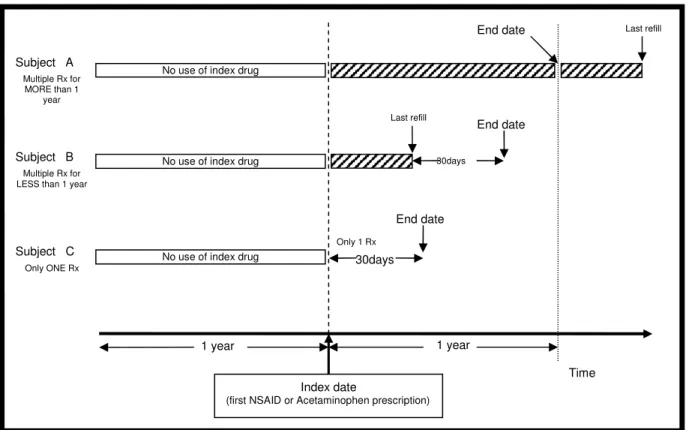
The index date was defined as the date of the first NSAID or acetaminophen prescription. The index drug is the NSAID or acetaminophen that was initiated at the index date. The baseline is the time within a year before the index date. Post-index is the time after the index date and before the end date. The study was approved by the Institution Review Boards at the University of North Carolina at Chapel Hill and Indiana University-Purdue University at Indianapolis.
Patients were included in this research if they had received a prescription for any NSAID, were aged 18 years or older, and had a clinical diagnosis of
hypertension at baseline. Patients could not have had an active prescription for any NSAID during the year preceding the index date. Included patients must have had at least one sitting systolic blood pressure measurement at baseline. Because these medications could increase blood pressure, patients using cyclosporine, tacrolimus, cisplatin, or carboplatin were excluded.
For the first two aims of this study that examine the association between NSAIDs and systolic blood pressure, included patients must have had at least one post-index measurement of sitting systolic blood pressure. Patients were required to have received the same index drug and had stable antihypertensive therapy until the measurement of blood pressure. Patients were therefore excluded if their
For the third aim that examines the association between NSAIDs and changes in antihypertensive therapy, the same aforementioned inclusion criteria were used except that patients were not required to have had post-index blood pressure measurement and patients who had changes in antihypertensive therapy were not excluded.
Possible Endogeneity of Changes in Antihypertensive Therapy
Controlling for changes in antihypertensive therapy in the regression analysis is an option when studying the association between NSAIDs and blood pressure. However, the inclusion of changes in antihypertensive therapy in the model as an independent variable may present a problem of endogeneity. Endogeneity occurs when the effect of one independent variable is predicted by other independent variables in the same model. The endogenous variable is correlated with the error term and results in a biased estimate. In this study, changes in antihypertensive therapy were determined by other variables that should be included in the main model.
One option to handle the endogeneity problem is to include an instrumental variable in the model. An instrumental variable is one that is related to the
of NSAIDs used. Therefore, caution is required when interpreting the results. A better option is excluding patients who have had changes in antihypertensive therapy. In this study, the latter option was adopted to provide the least biased estimate.
Design
A retrospective design was used to include incident users of NSAIDs (Figure 6). Incident users are those patients who started the medication for the first time after a specific period of non-use. In contrast, prevalent users are those patients who have been taking the drug prior to entry into the study. The inclusion of prevalent users can introduce two types of bias: 1) under-ascertainment of adverse effects that occur early in treatment and 2) the inability to control for some risk factors that may be altered by the study drugs. When the risk of adverse effects is higher at the beginning of drug treatment, the inclusion of prevalent users will underestimate the risk associated with the drug (45). Prior research indicates that blood pressure may increase within a few days after starting NSAIDs. Therefore, studying the effects of NSAIDs on blood pressure is vulnerable to this bias, as patients may stop NSAIDs once they experience adverse effects.