OUT-OF-HOME PLACEMENT AND EDUCATIONAL WELL-BEING OF BLACK ADOLESCENTS: AN EXAMINATION OF SCHOOL ENGAGEMENT AND SPECIAL
EDUCATION INVOLVEMENT
Phylicia Fitzpatrick Fleming
A dissertation submitted to the faculty at the University of North Carolina at Chapel Hill in partial fulfillment of the requirements for the degree of Doctor of Philosophy in School Psychology in the
School of Education.
Chapel Hill 2016
Approved by:
Rune J. Simeonsson Dana Thompson Dorsey
© 2016
Phylicia Fitzpatrick Fleming ALL RIGHTS RESERVED
Phylicia Fitzpatrick Fleming: Out-of-home placement and educational well-being of Black adolescents: An examination of school engagement and special education involvement
(Under the direction of Rune J. Simeonsson)
Using an ecological systems framework, this study aimed to investigate the relationship between out-of-home placement and educational outcomes for Black adolescents, focusing
specifically on school engagement and special education involvement. By analyzing the relationship between the two, this study provides insight into the experiences of children with significant out-of-home placement histories. Secondary data analysis was employed to extract data from the National Survey for Child and Adolescent Well-being –Wave 3, paying particular attention to Black
ACKNOWLEDGEMENTS
I have had the privilege and good fortune of being supported and mentored by a wonderful and vast community. I am especially grateful for my advisor and dissertation chair, Dr. Rune Simeonsson, who encouraged and supported me throughout my time at Carolina. His kindness, patience, and flexibility have been invaluable throughout my graduate school career. Dr. Steve Knotek has provided continued support and a listening ear, making this journey more manageable. And to the School of Education faculty who willingly and eagerly stepped in: Thank you.
I am grateful to my NYU Steinhardt family for laying the foundation upon which much of my doctoral work was built. I would like to thank Dr. Howard Friedman for introducing me to a field that I have grown to love, and for showing me that school psychology does not have to be an “either/or field.” Many thanks to you, Dr. Friedman, for setting me on this path.
This project has also benefited from the support and insights of friends and colleagues. Loren Wright, Latasha Woods, Melissa Senior, and so many others: thank you.
TABLE OF CONTENTS
LIST OF TABLES ... ix
CHAPTER 1: INTRODUCTION ... 1
History of Child Welfare Movement... 2
Public Child Welfare ... 2
Black Children and Child Welfare ... 4
Disproportionality in Child Welfare ... 6
History of Special Education ... 7
Legal and Legislative History ... 9
Policy and Practice in Special Education ... 11
Disproportionality in Special Education ... 13
Achievement Gap ... 18
Theoretical Framework ... 21
Ecological Systems Theory ... 21
CHAPTER 2: REVIEW OF LITERATURE ... 28
Maltreatment ... 28
Impacts of Maltreatment on Development ... 28
Impact of Maltreatment on Educational Outcomes... 29
Out-of-home Placement ... 33
Kinship Care... 34
Residential Group Care ... 38
Special Education ... 39
Grade Retention ... 41
School Engagement ... 43
Behavioral Engagement ... 44
Emotional/Affective Engagement ... 45
Sociocultural Influences on Engagement ... 47
Rationale... 49
CHAPTER 3: METHODS ... 52
Data Source ... 52
Participants ... 56
Assessment and Measures ... 57
Statistical Analysis ... 59
Ethical Considerations ... 60
CHAPTER 4: RESULTS ... 61
Question 1: ... 61
Question 2: ... 62
Question 3: ... 64
Question 4: ... 66
Question 5: ... 67
CHAPTER 5: DISCUSSION ... 73
In-home Services v. Out-of-home Services ... 73
School Engagement Differences by Placement Type ... 75
IEP and Grade Progression ... 77
Out-of-home Placement as a Predictor of Educational Outcomes... 78
Limitations... 80
Future Directions ... 82
Conclusions and Implications ... 83
Appendix 1A: Tables ... 86
Appendix 1B: Figures ... 105
LIST OF TABLES
Table 1. Race Description for All NSCAW-II Wave 3 Participants (Weighted Percent) ... 53
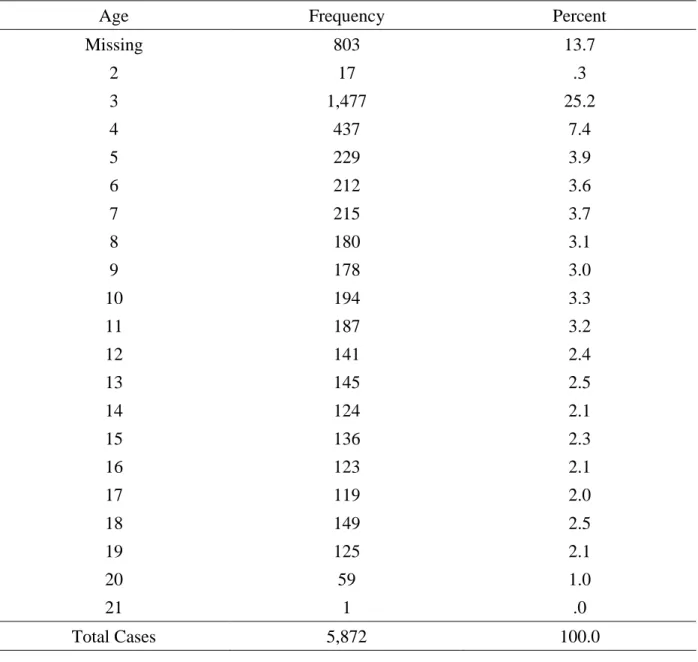
Table 2. Age Description for All Wave Three Participants ... 54
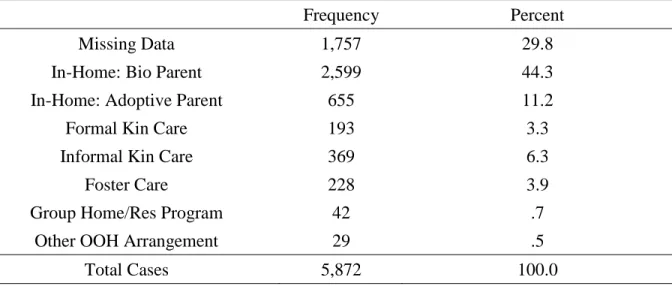
Table 3. Setting (Service Type) Description for All NSCAW-II Wave 3 Participants ... 55
Table 4. Demographic Characteristics of Wave 3 Black Adolescents Age 11 to 17 ... 56
Table 5. School engagement items ... 58
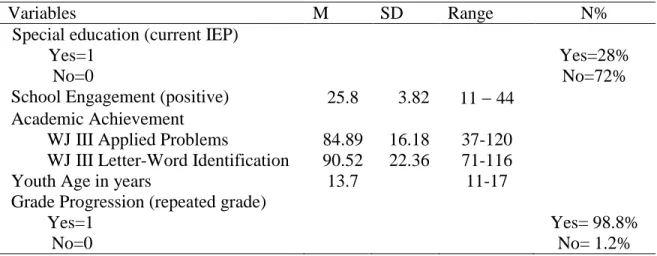
Table 6. Variables and Descriptive Statistics ... 59
Table 7. Results of t-test and Descriptive Statistics for School Engagement ... 62
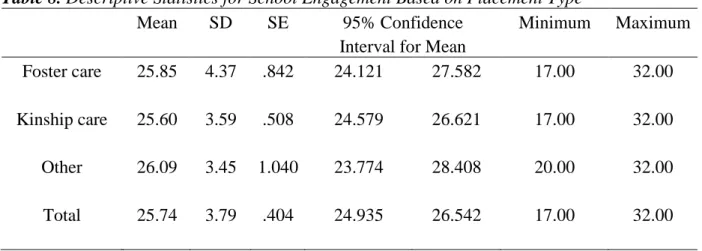
Table 8. Descriptive Statistics for School Engagement Based on Placement Type ... 63
Table 9. ANOVA Statistic for School Engagement Based on Placement Type ... 63
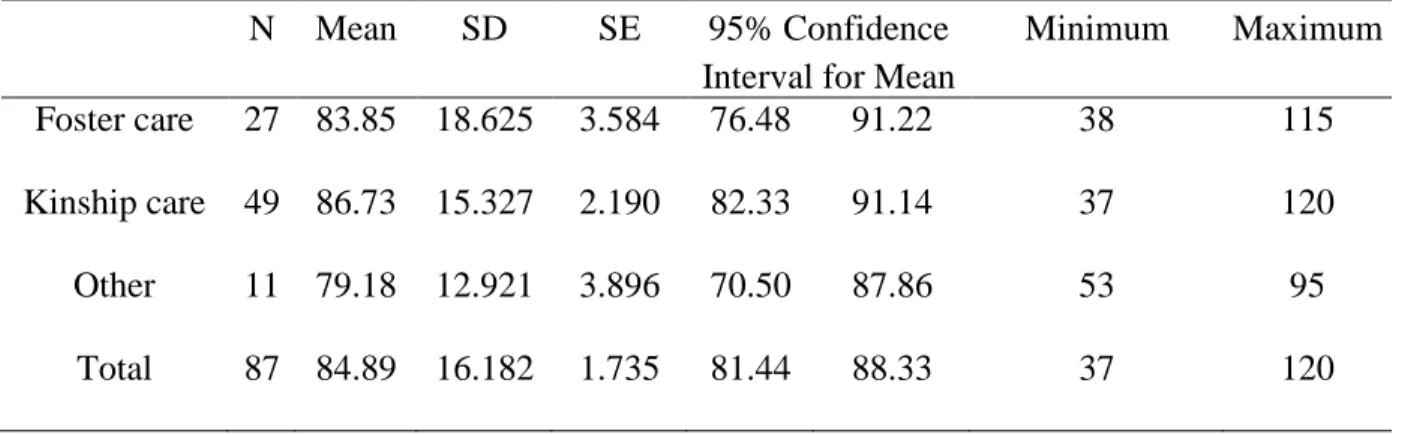
Table 10. Descriptive Statistics for Applied Problems by Placement Type ... 64
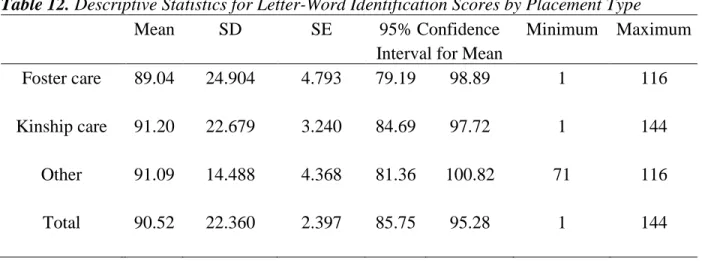
Table 12. Descriptive Statistics for Letter-Word Identification Scores by Placement Type ... 65
Table 13. ANOVA Statistic for Letter-Word Identification Scores Based on Placement Type . 65 Table 14. Results of Chi-square Test for Grade Retention by IEP Status ... 67
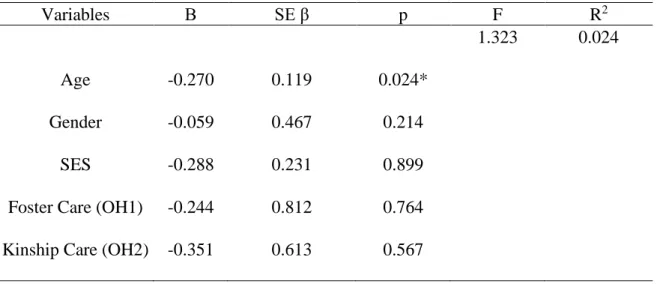
Table 15. Summary of School Engagement Regression Analysis ... 68
Table 16. Summary of Applied Problems Regression Analysis ... 69
Table 17. Summary of Letter-Word Identification Regression Analysis ... 70
Table 18. Summary of Grade Progression Regression Analysis ... 70
CHAPTER 1: INTRODUCTION
Child maltreatment is a complex issue that impacts children and families across the United States and throughout the world. According to the U.S. Department of Health and Human Services, 2013 witnessed approximately 679,000 victims of child abuse and neglect that led to subsequent involvement with child welfare services (U.S. Department of Health and Human Services, 2015). The majority of these victims belonged to three primary racial and ethnic categories—White
(44.0%), Hispanic (22.4%), and African-American (21.2%). While African-American children had a lower percentage rate, they had, nevertheless, the highest rates of victimization at 14.6 per 1,000 children. Hispanic and White children had lower rates of victimization at 8.5 and 8.1 per 1,000 children, respectively (U.S. Department of Health and Human Services, 2015).
In 2012, nearly 400,000 children were living in foster care in the United States (U.S. Department of Health and Human Services, 2013). For over 20 years, several studies have demonstrated that youth in foster care are often educationally vulnerable and are more likely to experience academic, social, and behavioral difficulties than their peers in the school environment (Blome, 1997; Vacca, 2008). Children in foster care consistently score 15-20% lower on
standardized achievement tests in reading and math, and receive poorer grades in these subjects (Leone & Weinberg, 2010; Zetlin, 2006). It is estimated that three-fourths of children in foster care perform below grade level, and more than half of these students have been retained at least one grade level (Zetlin et al., 2010). They are also disproportionately represented in special education
formerly involved in the foster care system drop out of high school before graduation (Leone & Weinberg, 2010).
Any examination of the outcomes of children within the child welfare system and the
services this system provides necessitates a review of how child welfare systems emerged as well as the contexts in which these systems have evolved. In other words, the numbers and statistics related to child maltreatment and out-of-home placement are best analyzed in relation to a broader web of social, political, and policy-oriented dynamics that have informed this statistical information and the contemporary realities of child welfare, with particular reference to educational outcomes.
History of Child Welfare Movement
Public Child Welfare
Concern with the impact of childhood maltreatment has an extensive history in the United States, with origins as early as the 19th century (Schene, 1998). During this early historical movement, private associations known as anticruelty societies formed with the aim of protecting children from abuse. In 1877, New York State passed the first law to protect children and punish those who harm them. This legislation gave anticruelty societies the legal recourse and power to identify children who were being mistreated by their families. As the 20th century began, more states followed suit and passed laws protecting children from abuse (Schene, 1998). This marked the beginning of the modern child protective movement, but framed child maltreatment as a problem isolated to the family context (McGowan, 1983).
It was not until almost a century later that this mindset changed. During the mid-twentieth century, the issue of child protection shifted to focus on rescuing children from unhealthy
governmental agencies. The growing acceptance by local governments of the responsibility for child protection marked a new era in the child welfare movement (Schene, 1998). This new era was characterized by the federal government’s first venture into the child welfare arena, with the passage of the Social Security Act of 1935—more specifically, Title-IV-BChild Welfare Services Program (McGowan, 1983). This important legislation gave states federal funding to develop preventive and protective services for vulnerable children. However, in practice, states used these funds to pay for foster care instead of providing support and services to families whose children remained in the home (Schene, 1998).
In the 1960s, medical professionals began to call attention to what they identified as evidence that parents and caregivers routinely inflicted physical injuries upon children. For example, Henry Kempe and his colleagues (1962) used x-rays and other documentation of children’s physical injuries to publicize what they called the “battered child syndrome.” As a result of Kempe’s public
campaign, many parents hoped to avoid detection by seeking care for their injured children at different hospitals. Parents’ and caregivers’ attempts to outmaneuver such detections prompted national efforts to keep track of potential perpetrators and victims. The eventual publication of Kempe et. al’s The Battered-Child Syndrome catapulted these issues into the public eye, and thereby led to increased awareness of child maltreatment among medical professionals and society more broadly. In this way, child maltreatment was further transformed into, and perceived as, a social problem rather than an issue confined to the family and the home (Kempe, et al., 1962). The publicity from the Kempe and colleagues’ publication helped to usher in the establishment of child abuse laws. Child abuse and neglect, therefore, became national issues, and the role that government agencies played in identifying and responding to child maltreatment expanded significantly.
child abuse and neglect: The Child Abuse Prevention and Treatment Act (CAPTA). In exchange for federal funding for child abuse prevention and treatment, CAPTA required states to establish child abuse reporting procedures and investigation systems. In response, all 50 states implemented mandated child abuse reporting laws, along with the expansion of their foster care programs (Cicchetti & Carlson, 1989). This resulted in rapid growth in the number of children who were removed from their homes and placed in foster care (Cicchetti & Carlson, 1989). Since then, several pieces of legislation, such as the Adoption Assistance and Child Welfare Act of 1980, the Adoption and Safe Families Act (ASFA) in 1997, and the Fostering Connections Act of 2008, have affirmed that child maltreatment is a social problem that deserves examination and intervention (Child
Welfare Information Gateway, 2011). CAPTA was reauthorized in 2010, making it the most current national legislation related to child abuse and neglect. The 2010 reauthorization included the
addition of adoption opportunities programs and the Abandoned Infants Assistance Act (Child Welfare Information Gateway, 2011). Such recent legal and legislative measures index the continued role of federal authority in managing instances of child maltreatment. Despite such advancements and national attention, acts of child maltreatment persist.
Black Children and Child Welfare
shared responsibility grew not only out of economic necessity, but also out of deeply rooted cultural practices that have historically animated relationships between and among Black peoples throughout the global geographies of the African diaspora. In this vein, there is considerable research that posits community responsibility for children as a constitutive dimension of various African societies
(Turner, 1991, Jimenez, 2006). In West African cultures, for example, shared parenting was a common practice. And even after a sizeable portion of West African populations were enslaved and transported to the New World, many of these traditions continued to be a mainstay of the relations that developed within enslaved communities (Jimenez, 2006). West African societies featured extensive kinship systems in which most people in a tribe were related. The stability of the extended family was one of the most important characteristics of West African societies. Even though slavery fractured and disrupted West African families, these kinship networks, particularly practices of shared parenting, continued to thrive and operate as common communal practices in the thick of New World slavery (Jimenez, 2006). The role of protecting Black children from abuse and neglect, then, has often fallen to extended family and other individuals who are members of African diasporic communities.
Jimenez, 2006). It was this kinship and community system that formed the basis of the “shadow” system that emerged in earlier epochs that found Black people excluded from the public child welfare system. It is important to note that this tradition of community responsibility remains a constitutive part of Black communal practices, even as the United States ostensibly moves toward the inclusion of Black children in the public child welfare system—a trend that was set in motion during the 1960s. What this means, then, is that Black children have historically, and continue to, live under informal kinship care arrangements (Jimenez, 2006).
Disproportionality in Child Welfare
Whereas Black children were originally excluded from the public welfare system, they have, in recent years, become increasingly overrepresented in this same system (Smith & Devore, 2004). Not only do Black children have the highest rates of victimization based on population sampling, but a disproportionate number of them are in state custody—a reality that is both alarming and
staggering. Researchers continue to find that Black children: (1) are more likely to be placed outside of the home than children of other ethnic groups who come into the child welfare system; (2)
comprise the largest group in the foster care population; (3) are more likely to be placed in foster care that other groups; and (4) are less likely to be reunited with their parents (Brown & Bailey-Etta, 1997; Chipungu & Bent-Goodley, 2004; Gould, 1991). According to Roberts (2003), Black children make up more than two-fifths of the foster care population, although they represent less than one-fifth of children in the U.S. Additionally, Roberts (2003)—citing a 1998 report on child
and characteristics as their white counterparts (Child Welfare Information Gateway, 2014). Such abrupt displacement from the home has serious and potentially long-lasting
consequences on victims of child maltreatment. It disrupts their relationships to the environments in which their very sense of self has been forged—though such disruptions are often lifesaving. Even still, these transitions in environment significantly impact victims of child maltreatment, and therefore have the potential to affect their educational outcomes. This relationship between
environment and child well being is a useful theoretical framework to consider the possible influence of environment upon this population’s educational outcomes. As the recent literature on
disproportionality within child welfare has revealed how, even in the contemporary moment, these issues not only persist but also are exacerbated by factors such race and culture.
These issues of disproportionality impact outcomes for children within the child welfare system in multiple and varied ways, especially for those students who are removed from their homes. Youth in out-of-home placements in general are disproportionately overrepresented in the special education population (Barrat & Berliner, 2013; George, Voorhis, Grant, Casey, & Robinson, 1992; Smithgall et al., 2004). Additionally, Black children are overrepresented in certain special education categories and underrepresented in others (Artiles, Kozleski, Trent, Osher, & Ortiz, 2010). Just as the history of how child welfare systems emerged and evolved is pertinent to understanding outcomes for children involved in this system, so too is a review of the ways in which special education evolved in an ever-changing public education system.
History of Special Education
at the discretion of local school districts (Martin, Martin, & Terman, 1996). Students with
disabilities were historically either excluded from public education, educated in separate classrooms, or placed in general education classrooms with little to no support (Drury & Baer, 2011). According to Winzer (2013), these special classes were both the cause and result of, new medical and scientific knowledge, increasing social fears, and a climate of interventionist social reform.
Legal and Legislative History
Reforms in special education can be traced back to the 1960s. The Elementary and Secondary Education Act (ESEA) of 1965 was the first major federal effort to subsidize direct services to selected populations in public elementary and secondary schools, and it remains the primary vehicle for federal support of public schools today. While the original ESEA did not provide for direct grants on behalf of children with disabilities, in the second year of that Congress, Public Law 89–313 provided that children in state-operated or state-supported schools “for the handicapped” could be counted for entitlement purposes, and special Title I funds could be used to benefit this relatively small population of children in state schools.
During the early 1970s, two cases were catalysts for change: Pennsylvania Assn. for Retarded Children v. Commonwealth of Pennsylvania (PARC) and Mills v. Board of Education of District of
Columbia. PARC dealt with the exclusion of children with mental retardation from public schools.
In the subsequent settlement, it was agreed that educational placement decisions must include a process of parental participation and a means to resolve disputes (Martin, Martin, & Terman, 1996) . Mills involved the practice of suspending, expelling and excluding children with disabilities from the District of Columbia public schools. The school district’s primary defense in Mills was the high cost of educating children with disabilities. The ruling found, (1) the failure of the District of Columbia to provide publicly supported education and training to plaintiffs and other “exceptional” children, members of their class, and (2) the excluding, suspending, expelling, reassigning and transferring of “exceptional” children from regular public school classes without affording them due process of law (Yell, Rogers, & Rogers, 1998).
education of students with disabilities (Winzer, 2009). This movement sparked Congress to pass the Education for All Handicapped Children Act (EHCA or P.L. 94-142) in 1975. The law stated that public schools must provide children with special needs the same opportunities for education as other children and provide one free meal a day for these children. The hallmark of this seminal legislation included the guarantee of a Free and Appropriate Public Education (FAPE) for all children with disabilities, ages 5-21. It also required that, to the maximum extent appropriate, all children and youth with disabilities be educated in the least restrictive education (LRE) environment. Public schools were required to provide special education classes for students with disabilities and develop an Individualized Education Plan (IEP) for each student with a disability (Katsiyannis et al., 2001). In 1986, an amendment (P.L. 99-457) to the EHCA, extended its purpose to include children ages 0-5. This amendment guaranteed a FAPE to children with disabilities, ages 3-5 and established early intervention programs for infants and toddlers with disabilities.
The Individuals with Disabilities Education Improvement Act of 2004 (IDEA) was reauthorized to ensure “equality of opportunity, full participation, independent living, and economic self-sufficiency for individuals with disabilities” (Individuals with Disabilities Education Improvement Act, 2004). This act demanded that students with disabilities be
granted a “free and appropriate public education” in the “least restrictive environment” (as cited in Drury & Baer, 2011, p. 595). As a result of this legislation, disabled children may be
educated in the regular classroom with necessary supports. The IDEA also indicates that states should implement policies and procedures to prevent the inappropriate over-identification of disabilities or overrepresentation of students in special education settings by race or ethnicity (Individuals with Disabilities Education Improvement Act, 2004).
The IDEA now delineates thirteen categories of impairments, which qualify for special education services (National Dissemination Center for Children with Disabilities, n.d.). The categories range from hearing and sight impairments to autism and intellectual disability
(National Dissemination Center for Children with Disabilities, n.d.). The most prevalent type of impairment is a specific learning disability, which comprises approximately 39% of those receiving special education services (U.S. Department of Education, 2010). The IDEA has succeeded in some ways, such as overall increases in placement of students with disabilities in regular education classrooms. On the other hand, the IDEA has not been successful in
decreasing disproportionality; African-American students remain underrepresented in general education and overrepresented in special education (Skiba et al, 2006).
Policy and Practice in Special Education
may exhibit difficulties in school. The No Child Left Behind Act of 2001 (NCLB) set legislative standards that required schools to be more accountable by increasing intervention practices for all children earlier and more effectively (Yell & Drasgow, 2005). NCLB, the reauthorization of the federal Elementary and Secondary Education Act, was founded on four pillars: stronger accountability, more freedom for states and communities (i.e., greater local control), use of proven educational methods (i.e., scientifically-based research), and more choices for parents. Its purpose was to make sure that every student has access to and achieves a quality education based on high standards (Yell & Drasgow, 2005).
NCLB required that individual states use assessments that align with academic standards, set by each state’s Department of Education, to measure the achievement of all students in each grade level (U.S. Department of Education, 2006). Schools were held accountable for their students’ achievement through these assessments (NCLB, 2001). Since the enactment of NCLB, the pressure for public schools to ensure academic achievement for all students has grown (NCLB, 2001).
The IDEA (2004), guarantees a free and appropriate public education in the least restrictive environment for students with disabilities, with a focus on individualization and protection under due process (Turnbull, Huerta, & Stowe, 2006). The most recent
reauthorization of IDEA emphasized access for students with disabilities to the general education curriculum and participation in general large-scale assessments, in alignment to NCLB. Thus, NCLB and IDEA both focus on what to teach (curriculum) and where to teach it (instructional environment) and suggest what is valued and desired in the education of students with disabilities.
Intervention (RTI) approach for identifying students who require assistance in gaining the necessary reading and/or mathematic skills to become college and career ready and who may be eligible for specific learning disability services were adopted in schools across the United States. Before the reauthorization of IDEA in 2004, schools utilized the IQ - achievement discrepancy model to identify children with learning disabilities (Fletcher, Lyon, Fuchs, & Barnes, 2007). IQ - achievement discrepancy is a diagnostic procedure that was approved in the Education of All Handicapped Children Act of 1975. This diagnostic model identified children as learning disabled only if there was significant underachievement when compared to what would be expected based on a child’s intelligence quotient. The current model, reflected in IDEA 2004, recognizes “a pattern of strengths and weaknesses in performance, achievement, or both, relative to age” (U.S. Department of Education, 2004). Today, the general practice has moved away from relying on the traditional diagnostic method of the IQ - achievement discrepancy model towards the multi-tiered RTI approach for identifying children with weaknesses in reading and/or mathematics. However, despite the attempts to focus on interventions and progress, Black children and children involved in the child welfare system remain overrepresented in special education.
Disproportionality in Special Education
of foster care children were found to qualify for special education programs. Employing a random effects model yielded an odds-ratio showing that children in foster care were five times more likely than peers living in their original housing placement, to be identified as needing special education services.
Berliner and Lezin (2010) attribute the placement of foster care youth in special education to several factors. The first factor they note is making the determination with incomplete or missing information from parents and teachers. The second factor Berliner and Lezin note is the myth that special education means the child will get more services and that more services are always better for the child. The authors also fault group home operators, who may get higher fees for special education youth, thereby pushing a youth to be given a special education label. Foster parents, teachers, and case workers may also believe that special education services will serve as a way for the youth to catch up on schooling they have missed because of their multiple placements
Meanwhile, the disproportionate representation of minority students in special education has been a topic of interest in the United States for almost 50 years (Skiba, Simmons, Ritter, Gibb, Rausch, Cuadrado, & Chung, 2008). Debates surrounding disproportionality in special education tend to pivot around overrepresentation in the high incidence disability categories (learning disabilities, emotional disturbances (ED), intellectual disability) and
as having ED, compared to only 8% of White students (Office of Special Education Services, 2011). More recently, there has been significant debate as to whether or not Black and other minority students are actually overrepresented in special education. This debate centers on issues of research methodology and individual similarities/differences. What follows is a brief introduction to key sides of the debate.
One side of this recent critical debate focuses on overrepresentation, which has received by far the most attention in the research literature. The evidence of minority disproportionality in special education suggests that students of color, and African American students in particular, may receive differential access to educational services (Skiba, Poloni-Staudinger, Gallini, Simmons, & Feggins-Azziz, 2006). Research suggests that African American students are overrepresented in more
restrictive educational environments and underrepresented in less restrictive environments (Fierros & Conroy, 2002; Serwatka, Deering, and Grant, 1995). Fierros and Conroy (2002) found that among students with disabilities, 55% of White students, compared to 37% African American students, were educated in inclusive settings.
Additionally, Serwatka, Deering and Grant (1995) found that African American students are placed in more restrictive environments than White students across a range of disability categories. In their study of special education students in Indiana, Skiba, et.al., (2006) found that despite representing only 13% of students served in special education, African American special education students were the least likely to be educated in the general education setting. According to
behavior disorders at the national and state levels.
Furthermore, there is evidence suggesting that English language learners (ELLs) are
disproportionately enrolled in special education and placed in more restrictive settings in California and New Mexico (Artiles, Rueda, Salazar, & Higareda, 2005; de Valenzuela, Copeland, Qi, & Park, 2006). Scholars on the overrepresentation side of the debate propose several explanations for overrepresentation in certain special education categories. Hosp and Reschly (2003), for example, offer three key factors that contribute to overrepresentation: “labeling effects, segregation of placement, and presumed ineffectiveness of special education services” (Hosp & Reschly, 2003, p. 68).
Most recently, scholars have argued that African American children and other minorities are underrepresented in special education services and less likely to be referred for services.
Specifically, Morgan, Farkas, Hillemeier, Mattison, Maczuga, Li, & Cook (2015), in their investigation of whether minority children attending U.S. elementary and middle schools were disproportionately represented in special education, used hazard regression models to identify factors predicting children’s identification as disabled. They argue that when compared to otherwise similar White, English-speaking children, minority children were consistently less likely to be identified as disabled and to receive special education services (Morgan et al., 2015).
Similarly, Hibel, Farkas, and Morgan (2010), found that after controlling for academic achievement and behavior, students of minority race/ethnicity are equally or less likely than non-Hispanic whites to be placed into special education in general. Essentially, they found that the disproportionality of African American children with learning disabilities subsided or disappeared when their model controlled for the academic achievement of children when they started
they were to be placed in special education. They also found that students exhibiting externalizing behaviors, such as being off task and behaving inappropriately in class, were more likely to be placed in special education (Hibel et al., 2010). These researchers then added school-level variables and found that when the percentage of minority enrollment was added to the model, much of the effect of being placed in special education could be attributed to minority student race at high minority schools (Hibel et al., 2010); schools with low-SES populations also increased the chances of students being placed in special education.
While disproportionality cannot be explained simply or by one identifiable cause, research does show that students placed in special education are at risk for poor academic and behavioral outcomes, which affects their short-term academic life while negatively impacting their long-term academic and employment outcomes. According to Morgan and colleagues (2015), the
disproportional underrepresentation of African American and other minority students argument centers on child-, family-, and school-level factors, which confound estimates of these students’ involvement in special education; when these confounds are controlled, these groups are
Students receiving special education services (and Black students regardless of special education involvement) tend to have achievement gaps relative to their school-age peers. For example, in a longitudinal study with youth aged thirteen to sixteen, Wagner et al. (2006) investigated gaps in achievement in reading and math among special education youth and general population students. The authors found that while special education students significantly performed below that of students without a disability, outcomes varied by impairment type. Youth with intellectual disabilities or multiple disabilities had significantly lower performance in both reading and math. Overall, White youth performed significantly better, and low socio-economic students had significantly worse achievement.
Low achievement for special education and Black students has long been a concern for educators, especially for those students with social, emotional, and behavioral difficulties. Students with emotional and behavioral disorders are at risk for severe deficits in academic functioning. These children are more likely to experience low achievement, suspensions and expulsions, school dropouts, involvement with the juvenile justice system, psychiatric
hospitalization, and residential treatment (Cannon, Gregory, & Waterstone, 2013). What follows is a brief introduction to the ways in which gaps, specifically related to achievement for Black children, impact educational outcomes.
Achievement Gap
Continuing research found that African Americans, on average, lagged behind their White peers in terms of academic achievement (US Department of Education, 2013). While overall math and reading scores have increased since 1990, according to the 2014 National Assessment of Educational Progress (NAEP), White students, on average, still had overall higher scores than Black students on all assessments. And while the nationwide gaps in 2013 were narrower than in previous assessments at both 4th and 8th grade in mathematics and at 4th grade in reading, White students had average scores at least 26 points higher than Black students in each subject. On the 2013 main National Assessment of Educational Progress reading assessment, a higher percentage of White students scored at or above proficient than did Black students in 12th grade (National Center for Educational Statistics, 2014).
There have been several arguments to explain the documented achievement gap. Steele (1997) suggested that African Americans have historically faced a history of judgment by teachers who have low expectations of them, which influences how these students perceive their capabilities. This phenomenon, called stereotype vulnerability or stereotype threat, is a process by which teachers communicate negative stereotypes to students and students, in turn,
(Warren, 2005, p. 134).
Other researchers have attributed the achievement gap to uneven distributions of financial resources. As they point out, schools in disadvantaged neighborhoods have been historically underfunded. In another vein, they have highlighted the inadequate attention paid to multicultural education as part of these school’s curricula (Banks, 2004; Gay, 2004; Grant, 2003). Some scholars, in fact, have even argued that underprepared teachers in urban areas contribute to the achievement gap by not adequately meeting the needs of diverse learners (Sleeter, 2001; Cochran-Smith, 2004; Zeichner, 2002).
Research done by Ogbu (1986) argued that African Americans have the same cognitive abilities as European Americans, including the capacity to “remember, generalize, form
concepts, operate with abstraction, and reason logically” (Ogbu, 1986, p. 34). However, he argues that academic failure among Black students is due to a long history of inferior education and exclusion from middle-class, white-collar jobs that require advanced cognitive skills. He theorized that as a reaction to racial discrimination, many African Americans have become disillusioned about future job prospects and the value of schooling, which leads to scholastic underachievement (Ogbu, 1986).
time availability to provide children with academic support (Ratcliff & Hunt, 2009). Children from low SES environments may acquire language skills more slowly, exhibit delayed letter recognition and phonological awareness, and are at risk for reading difficulties (Aikens & Barbarin, 2008).
For minority youths, poverty and poor academic achievement continue to be salient concerns. Racial and cultural backgrounds continue to be critical factors influencing academic achievement in the United States (House & Williams, 2000). African American children are three times more likely to live in poverty than White children (National Center for Education Statistics, 2009). Research also suggests three main factors to explain the lower academic achievement of minority students: (1) minorities are more likely to live in low-income
households and/or in single parent families; (2) their parents are likely to have less education; and (3) they often attend underfunded schools (Sirin, 2005). Thus, although schools must make an effort to educate children equitably, the effects of racism and poverty often compromise these efforts (Warren, 2005). What this previous research points to is the importance of considering environment and the ways in which it bears upon educational outcomes, particularly for children in out-of-home placement.
Theoretical Framework
Ecological Systems Theory
Urie Bronfenbrenner developed ecological systems theory in the early 1970s as a means of understanding how children grow and develop in their environments. According to
how an individual perceives his or her environment, but also how that individual interacts with his or her environment.
Because there are multiple levels of influences on the developmental outcomes of children in out-of-home placement, it is important to understand the interrelations between the individual and the environment. The ecological systems theory has been posited as an
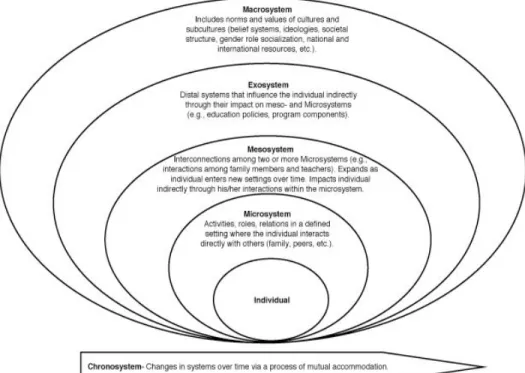
appropriate framework for the design of intervention approaches that address complex issues (Anderson & Mohr, 2003; Bronfenbrenner 1977, 1994; Schweiger & O’Brien, 2005). According to this theory, the interrelations among the five systems levels affect children’s developmental outcomes: microsystem (immediate settings or environment), mesosystem (link between two or more microsystems), exosystem (settings not directly affecting the individual but that influence the microsystem), macrosystem (broader society and culture that encompasses the other systems), and chronosystem (consistency or change over the life course).
Bronfenbrenner observed the keys ways in which humans’ surrounding environments
Figure 1. Ecological Model of Interaction Among Persons and Environments
Source: Based on Bronfenbrenner, 1989, 2006; as cited by McEathron & Beuhring, 2011.
Bronfenbrenner posited that individual human development is influenced by the
Secondly, the mesosystem refers to interactions between microsystems. These include, for example, interactions between families and teachers. Although proximal processes within the family are considered as the primary mechanism of development, the links between the different contexts in which the child is directly situated also affect their developmental
trajectories (Schweiger & O’Brien 2005). Experiences at the microsystem level, or experiences involving a direct interaction, may influence another microsystem. Examination of the
mesosystem may be important in understanding the relationships between the microsystems, which include, for example, kinship caregivers, foster parents, house parents, and biological families. Few research studies suggest that children in out-of-home placements are likely to maintain ties with their birth families, to experience continuity of relationships and community environment, to develop cultural identity, and to enter into the home of a known person
(Schwartz, 2007).
structure, representing their socio-economic status; 2) the relationship between the caregiver and the care recipient; 3) the demands and conditions of caregiving; 4) the caregivers’ social
network attachment and the level of their integration into the community or neighborhood; 5) the caregivers’ personal assets and resources; and 6) the caregivers’ use of formal community services.
Next, the macrosystem refers to larger institutions of culture, such as the economy, and customs (Bronfenbrenner, 1979). Ecological systems theory emphasizes the impact of wider society on individual level factors, such as how families function and view themselves (Schweiger & O’Brien 2005). The macrosystem level has commonly been referred to as a ‘‘cultural blueprint’’ that may influence social structures and activities in the immediate system levels (Bronfenbrenner 1977; as cited in Eamon 2001). Examples of macrosystem level include, for example, race/ethnicity and policies, which affect the particular conditions and processes occurring in the microsystem, such as caregiver-child relationships. As reported by a number of studies (e.g., Beeman et al. 2000; Chipman et al. 2002; Ehrle & Geen 2002; Schwartz 2007), a disproportionate number of children placed in foster care are racial minority children,
particularly African Americans. African American children are overrepresented in the child welfare system and are more likely to live in poverty than children of other racial/ethnic groups (Strozier & Krisman, 2007). Additionally, IDEA specifically outlines provisions for individual education rights. The statutes and tenets of the law are formulated through structures of the macrosystem, and are enacted by individuals who deliver services that directly impacts students’ lives.
and policy changes that directly influenced outcomes for children. As child welfare and educational policies change over the life course, so too will the outcomes for students.
In recent years, researchers have extended the ecological systems theory to examine the relationship between environment and education. For example, Johnson (2008) recently applied the ecological framework to schools, arguing that student achievement could only be understood through examining the complex ecological contexts in which schools are located. According to Johnson (2008), determinants of individual student achievement are not only located within the school (micro-level) but also within students’ home environment (meso-level, due to the
interaction of school and family), the cultural, political, social and economic climate of the local community (macro-level), and the changes within these systems that occur over time (chrono- level).
As ecological systems theory has developed, the interactions between the individual, systems of influence, and processes that impact development have been described.
graduating high school may impact her belief about her child’s ability to graduate high school. Demands from the social environment may also enable or disrupt proximal processes. Such demands could include expectations in school and unsafe neighborhoods (Brofenbrenner & Morris, 1998).
Overall, ecological systems theory posits that children develop within multiple,
interdependent systems, and that the immediate family system—the system in which the child has relationships with caring adults—is the most important for the child (Bronfenbrenner, 1979). Children who are removed from their homes because of maltreatment may be
particularly at risk for poor educational outcomes because of the disruption in their immediate family system. This disruption may also cause them to withdraw from other systems (Font & Maguire-Jack, 2013). Bronfenbrenner argued, “the ecological environment is conceived as a set of nested structures, each inside the next, like a set of Russian dolls” (Bronfenbrenner, 1979, p. 3).
CHAPTER 2: REVIEW OF LITERATURE
This study examines the relationship between out-of-home placement and educational
outcomes for Black children removed from their homes because of maltreatment, abuse and neglect. In the literature, the definition of child maltreatment is ambiguous. For the purposes of this
particular study, the term maltreatment will be used as an all-encompassing term covering both abuse and neglect.
Maltreatment
The literature associated with child maltreatment over the past 25 years bears witness to the reality that the effects of maltreatment often echo throughout the lifetime of a child (Bank & Burraston, 2001; Browne & Winkelman, 2007; Carlson, Furby, Armstrong, & Shales, 1997;
Cicchetti & Carlson, 1989). Child maltreatment has been recognized to have negative consequences, which include school difficulty, emotional behavioral challenges, substance abuse, and even early death (Anda et al., 2006; Dube, Felitti, Dong, Chapman, Giles, & Anda, 2003; Shields & Cicchetti, 1998; Shonk & Cicchetti, 2001). Furthermore, the diminished ability of the child to learn and to regulate behavioral and emotional states, which is associated with child maltreatment, often results in a negatively altered developmental trajectory (Nickoletti & Taussig, 2006).
Impacts of Maltreatment on Development
cascade of events while measuring the release of stress hormones, which, according to these
researchers, enhances the turnover of neurotransmitters in key brain regions. They found that severe stress generates large amounts of neurotransmitter and neurohumeral effects that produce long-lasting changes in brain functioning, and varying degrees of impairment (Teicher, Polcari, Andersen, Anderson & Navalta, 2003). When facing a threat, the body responds by increasing and activating cortisol and other hormones, which in turn triggers the flight or fight response (Davies, 2002). If the child continues to experience ongoing real and perceived danger, the physiological changes begin to negatively impact the body, affecting systems as they develop (Cook et al., 2005; Davies, 2002).
Researchers at Harvard, using brain scans, found that stress in early childhood affected the corpus callosum, the neural pathway connecting the hemispheres. These findings indicate that left and right hemispheric integration may be impacted by the experience of early stress associated with maltreatment. This area of the brain was also shown to be up to 40% smaller in children who experienced early stress than children who did not experience such stress in early childhood (Davies, 2002; Teicher et al., 2003). With deficits in neural communication between the left and right hemispheres, more complex thinking that requires abstract reasoning and planning cannot fully occur (Cook et al., 2005). These neurological differences may directly influence the ways in which children who are maltreated perform in the school environment.
Impact of Maltreatment on Educational Outcomes
Resource Institute described “sensory and emotional deprivation” as having the utmost influence on cognitive development. They found that children who experience trauma demonstrate less creativity and flexibility in problem solving, and have significant delays in receptive and expressive language. These children were also found to have lower IQ scores (Cook et al., 2005; Marcus & Sanders-Reio, 2001).
Daignalt and Hebert (2009) in a study of social, behavioral, and academic functioning in sexually abused girls found that a substantial amount of girls showed academic-specific difficulties. They used a cluster analysis to develop school functioning profiles. In the academic specific
impairment cluster, the girls experienced severe and long-lasting academic difficulties; however, their social and emotional functioning was within the average range. A review of academic history indicated that these particular girls were significantly more likely to have been retained in the past (75%) or to have had other academic problems (50%) prior to the abuse. Daignault and Hebert (2009) found that below-average cognitive functioning was the most common difficulty experienced by this population. This is consistent with other studies indicating that sexual abuse cases have higher rates of learning disability diagnosis (Jonson-Reid, Drake, Kim, Porterfield & Han, 2004). The authors assert that such findings may speak to a larger paradigm of abuse related academic difficulties.
In a similar vein, Jonson-Reid and colleagues (2004) found that even after controlling for other variables, abuse experience precipitated children’s involvement in special education. They also concluded that abuse impairs cognitive development and contributes to other risk factors that influence academic success. Similarly, in a study estimating the potential that the initial
academic performance, including falling grades, increasing absenteeism, being retained and special education involvement. According to Cook and colleagues, similar results can be found across maltreatment experiences and are not accounted for by other variables such as poverty (Cook et al., 2005).
maltreatment demonstrated a statistically significant relationship on Reading and Language scores only (Fantuzzo, Perlman, & Dobbins, 2011). These results indicate that early maltreatment may have a more detrimental impact on academic performance than maltreatment that occurs later in development. Furthermore, these studies highlight the importance of taking into consideration both the type of maltreatment and the developmental period when examining the impact of child
maltreatment on child academic performance.
Maltreated children often manifest multiple forms of academic risk, show more externalizing and internalizing behavior problems, and have more involvement with special education services (Hoffman-Plotkin & Twentyman, 1984; Shonk & Cicchetti, 2001). Sullivan and Knutson (2000) found that mental retardation, emotional disorders, and learning disabilities were the most prevalent disabilities among children who experience maltreatment. They are also the most prevalent types of disabilities in U.S. special education. These findings, although significant, do not speak to larger issues surrounding whether or not these types of experiences themselves are precursors to
underachievement or whether or not the symptoms associated with such experiences contribute to school and academic difficulties.
grade, but has limited impact thereafter. These findings highlight the complexities of the
relationship between maltreatment and educational outcomes. As such, a study that examines this relationship, even indirectly, is timely and necessary to the advancement of the field. This study seeks to contribute to this body of knowledge.
Out-of-home Placement
Being placed outside of the home in substitute care arrangements, such as foster care, kinship care and other residential facilities, represents one type of risk experienced by children involved in the child welfare system. Studies demonstrate that children with out-of-home placement histories have higher risk for poor academic achievement while in school and experience high risk for school drop out (Fantuzzo & Perlman, 2007). Using an epidemiology framework, Fantuzzo and Perlman (2007) examined the impact of out-of-home placement and the mediating effects of child
maltreatment and homelessness on academic achievement and school adjustment. They found that children with out-of-home placement histories were at increased risk for poor literacy and science achievement, even when they controlled for demographics (Fantuzzo and Perlman, 2007).
Additionally, children with a history of out-of-home placement evidenced reading delays and were more likely to perform below grade level in math, language and overall performance when compared to their peers (Zima et al., 2000; Mitic & Rimer, 2002). These findings highlight the importance of understanding the educational well-being of children in out-of-home placements.
(Stein, 1997). Similarly, Zima et al. (2000) found that 34% of children who had been in out-of-home placement had at least one classroom related behavioral problem. A study conducted by Canning (1974) found that children in out-of-home placement were more likely to evidence aggressive and withdrawn behaviors in the classroom. In a longitudinal study conducted by Fanshel and Shinn (1978), children in out-of-home placements had higher rates of school absences than their peers. Likewise, in a population-based study by Weiss and Fantuzzo (2001), children in out-of-home placement were at 28% greater risk of having poor attendance than children without a history of out-of-home placement. Taken together, previous research demonstrates that out-out-of-home placement severely compromises children’s educational well-being across academic and behavioral adjustment outcomes.
Research also demonstrates that placement types may differ in terms of caregiver ability to respond to the academic needs of children. For example, some scholars argue that kinship
placements are not monitored and supported as well as other types of placements by the child welfare system (Berrick, Barth & Needell, 1994; Dubowitz et al., 1993). Relative caregivers are, on average, more likely to be African-American, have lower levels of educational attainment, are more likely to receive welfare benefits, and experience higher rates of unemployment, and are older than non-kin caregivers (Ehrle & Geen, 2002). These findings fit within the larger paradigm of the child welfare system, where African-American families are overrepresented, as well as the larger societal context.
Kinship Care
examined academic and behavioral difficulties for children in kinship care (Benedict et al., 1996; Iglehart, 1994; Shin, 2003; Shore, Kelly, LeProhn, & Keller, 2002). In general, children in kinship care are rated by caseworkers, teachers, and parents as behaving better in both home and school settings. Dubowitz and Sawyer (1994) in their study of children in kinship care arrangements in Baltimore found that children in kinship care had lower reading and mathematics scores on the California Achievement Test and lower scores on the Cognitive Abilities test, based on teacher and caregiver reports. However, children in kinship care were slightly less likely to have problematic attendance, suspensions, or expulsions when compared to other Baltimore school children (Dubowitz & Sawyer, 1994).
Few studies have specifically focused on academic or cognitive outcomes for children in either kinship or non-relative care. Primarily descriptive work suggests similar levels of academic difficulties among children in kin and non-relative foster care (Farmer, 2009; Iglehart, 1994; Sawyer & Dubowitz, 1994) or higher school competence among kin-placed children (Tarren-Sweeney & Hazell, 2006), though these studies are unable to account for confounding factors. One study, using NSCAW, found no significant difference between placement types for the developmental trajectories of children ages 0 to 6 (Stacks, Beeghly, Partridge, & Dexter, 2011). However, for older children, another empirical study suggests a decrease in school grades for children spending more time in kinship care (Taussig & Clyman, 2011).
grandparents are more likely to have been retained compared to children reared in a two-parent home, but performed similarly to children raised by one biological parent (Solomon & Marx, 1995). These findings suggest that it may be important to consider the possible impact of who the primary caregiver will be in kinship care arrangements.
Foster Care
Research has consistently found that child maltreatment and subsequent placement in foster care often results in poor educational outcomes (Leone & Weinberg, 2010; Stone, 2007). However, it is unclear whether these children enter the system already academically behind and in need of special education services, or if the experience of foster care creates these challenges. Nonetheless, it is evident that children in foster care tend to have greater academic, social and behavioral difficulty in school (Zeitlin et al., 2010).
Evans (2001), in a study of virtually all (90%) school-aged children (i.e., at least six years old) entering foster care between 1995 and 1999 in Arkansas, found that school-aged children entering foster care had a mean IQ of 88, which falls into the low average range. Additionally, Evans found discrepancies between measured IQ and achievement in basic reading, math
calculation, and written expression skills. Children who were neglected had significantly lower IQs and higher rates of underachievement in basic reading, reading comprehension, and written
expression. However, neglected children did not exhibit greater risks for underachievement in math calculation or math reasoning than children entering care for other reasons. This work reflects the general cognitive lags of children at entry to foster care and echoes findings generated from samples of maltreated youth about differences in the type of maltreatment experienced.
sample of youth. When compared to the community sample, teachers were more likely to rate foster children as performing below grade level in reading and math, and less likely to possess special skills (i.e., talents or particular strengths). Stein also found that teachers were more likely to rate children in foster care as having relational difficulties with both teachers and peers. Additionally, even after controlling for cognitive delays and special education involvement, teachers were more likely to rate foster children below average in reading and math.
Blome (1997), using the High School and Beyond study, matched youth with a reported history of foster care placement to a comparison group on age, gender, and race to examine outcomes for children in foster care. When controlling for standardized reading and math
achievement scores, relative to this comparison group, youth with a foster care placement history were more likely to be placed in general track classrooms and were less likely to enroll in college preparatory courses. These youth were also found to spend less time on homework, to have lower grades and more disciplinary problems and suspensions, and to have lower education-related expectations. Additionally, the youth with foster care placement histories were more than twice as likely to have dropped out, and less likely to receive a GED. Similarly, Buehler, Orme, Post, & Patterson (2000) compared adults who reported a history of foster care placement to a comparison group (matched on gender, race, age, and other characteristics), and to a random sample of adults. They found that although those adults with foster care placement histories were less likely than the random sample to have completed high school, their educational attainment was equivalent to the matched comparison group. As such, individuals with foster care placement histories may be at greater risk for poor educational attainment than individuals without foster care experiences.
childhood factors to the development of favorable outcomes in middle childhood for children in foster care. They found that a lack of environmental stress had a positive relationship with emotional regulation and school adjustment. They also found that placement instability compounds the
negative consequences of abuse and neglect (Healey & Fisher, 2011). This study took a resilience perspective for examining outcomes for children in foster care and highlighted that children in foster care placement (and other out-of-home placements) can exhibit resiliency in the face of adversity.
Residential Group Care
Residential group care encompasses a variety of group settings including group homes, residential treatment facilities, and shelters. These sites not only provide services for youth receiving child welfare services, but also include homeless and runaway youth (Strack,
Anderson, Graham, & Tomoyasu, 2007). A national estimate of youth receiving child welfare services that reside in group homes or similar residential facilities is between 15- 30% (Strack, et al., 2007). This population in child welfare experience a high number of placement changes, significant incidences of mental health disorders, and spend longer periods in out-of-home placements (Freundlich &Avery, 2005; James, Landsverk, Leslie, Slymen, & Zhang, 2008).
placed in group care immediately after removal from their home environments (DeSena et al., 2005). Similarly, negative outcomes were also found for adolescents placed in group-care settings. In one study, adolescents placed in group-care through child welfare services were more likely than youth in foster care to be arrested in the five-year period following placement (Ryan, Marshall, Herz, &Hernandez, 2008). These studies indicate that when compared to their foster care counterparts, children and adolescents in group-care placement experience worse outcomes across multiple indicators such as special education involvement.
Special Education
Research suggests that students identified as at-risk are often over-represented in special education classes. While this disproportionate placement may be due in part to culturally insensitive diagnostic tests, ethnicity, and low socio-economic status, special education status directly influences outcomes for students (Artiles & Trent, 1994). It is estimated that up to 80% of children in foster care have emotional and behavioral disorders and 48% of children referred for maltreatment have clinically significant emotional and behavioral problems (Burns et al., 2004). Approximately 30-50% (compared to 10-12% for the general child population) of children in a foster care placement receive special education services (California Education Collaborative for Children in Foster Care, 2008). Wulczyn et al. (2009) found that
approximately 45% of sixth to eighth graders in out-of-home care were classified with a documented disability (compared to 16% in a general population sample).
including English Language Learners (ELLs), low SES, and special education. They used state databases from the California Department of Education and California Department of Social Services, and pulled individual educational data for all public California students enrolled in the 2009-2010 school year. They also found that on the reading section of the California High School Exit Exam (CAHSEE), foster care youth scored 10 percentage points lower than students in the low SES group. Only 29% of foster care youth scored in the proficient range, while 24% of youth in the special education subgroup scored in the proficient range. The researchers refer to these discrepancies as an achievement gap. On the math portion of the CAHSEE, foster care youth had the lowest scores of all subgroups, including ELLs, low SES, and special education (Barrat and Berliner, 2013).
Smithgall and colleagues (2004) at the University of Chicago used information from their Integrated Database on Children and Family Services, which is pulled from the Chicago Public School Information System and Children and Youth Center Information System, to examine the scores of youth in out-of-home placements on the Iowa Test of Basic Skills. They found that in June 2003 among youth in out-of-home care in grades 3 through 8, almost half scored in the bottom quartile in reading. The number of out-of-home care youth scoring in the bottom quartile was higher than other Chicago Public School students (Smithgall, Gladden, Howard, George, & Courtney, 2004).
significance was the fact that these youth were twice as likely to be in a more restrictive
placement than non-foster care youth with disabilities. These findings highlight the importance of understanding the significance of special education services to the overall educational outcomes of students in out-of-home placements.
Grade Retention
In addition to the increased involvement with special education services, students in out-of-home placements also experience challenges related to grade retention. Grade retention has traditionally been defined as requiring a student who has completed a grade to repeat that grade for an additional year (Jimerson, 2001). The primary premise of retention is that if students who are not reaching grade level expectations are given an extra year in the same grade, they will develop the academic skills they were initially unable to demonstrate, in turn reducing the likelihood of school failure in the future (Dombek & Connor, 2012; Silberglitt, Appleton, Burns, & Jimerson, 2006). According to Scherr (2007), 33 % of youth in foster care had been retained at least once during their school careers. Scherr’s meta-analysis highlights that in the 1980s and 1990s, retention rates for foster care youth peaked at 45 % and 41 %, respectively. However, more recently they have decreased to about 22 %. Despite these decreases, it appears that grade retention continues to plague students in out-of-home placements.
There have been several common reasons for retention cited in the literature including: failure to meet grade level expectations, especially on high stakes testing; inability to make “adequate progress” or poor performance in one or more content areas (e.g., reading and math); and immaturity or age (Dombek & Connor, 2012). However, research has consistently
and that retention rates are higher for students of minority status, particularly Black and Hispanic students (Jimerson et al., 2006; Tingle et al., 2012).
Furthermore, research suggests that there are significant limitations to realizing the positive effects that retention sets out to achieve (Tingle et al., 2012). For example, 86% of studies in the review by Holmes (1989) showed negative achievement outcomes, and all reported that any benefits diminished rapidly over time (as cited in Tingle et al., 2012). Any of the small, positive effects that have been seen in students who have been retained are not maintained beyond a few years (Roderick, 1995). Additionally, in Jimerson’s review (2001), 95% of 169 achievement comparisons indicated statistically significant differences favoring promoted students and 47% favored comparison groups of low-achieving peers. Jimerson and colleagues (2006) reported, “results of the meta-analyses comprising nearly 700 analyses of achievement, from over 80 studies during the past 75 years, do not support the use of grade retention as an early intervention to enhance academic achievement” (p. 88).
These studies also indicate that retaining students can have harmful effects on socio-emotional and behavioral adjustment (Tingle et al., 2012). Students have also ranked grade retention among the top three of stressful events (Anderson, Jimerson, & Whipple, 2005; Yamamoto & Byrnes, 1987). Students who are retained generally have difficulty with their peers and display poorer social adjustment, more negative attitudes toward school, less frequent attendance, and more problem behaviors (Byrnes, 1989; Holmes, 1989; Shepard & Smith, 1990). Finally, while few studies have examined long-term follow up of retained students, those studies that do exist indicate that students who are retained have poorer long-term outcomes and drop out more frequently than their matched low achieving, but socially promoted peers
Research has found that grade retention has increased due to the No Child Left Behind Act, further impacting outcomes of at-risk youth (Jimerson, 2001). With the increased emphasis on high stakes testing as a demonstration of academic success brought on by NCLB,
standardized assessments have been used to make educational decisions. “States increasingly use performance on these tests to evaluate schools and to reach decisions about promotion of children to the next grade level” (Wu et al., 2008, p. 727). Grade retention under high stakes testing often assumes that the problem lies within the student and disregards other factors, like life circumstance and school engagement, that may be undermining the student’s success. Employing an ecological systems framework to examine the intricacies of out-of-placement, particularly as it relates to Black youth, sheds light on the interconnection between a student’s environment and grade retention. The environment, in other words, is central to understanding educational outcomes, namely in a way that takes seriously key environmental circumstances that give meaning to students’ educational experience. School engagement is another front upon which these dynamics are made manifest.
School Engagement
School engagement is a multidimensional construct that is made up of three components: behavior, emotion, and cognition (Fredericks, Blumenfeld, & Paris, 2004). Behavioral
engagement represents the actions and practices that students direct toward school and learning. It can include students’ conduct, like attending class and completing schoolwork, as well as students’ involvement in learning and academic tasks and participation in extracurricular activities. Emotional engagement refers to a student’s affective reactions and sense of
metacognitive skills such as students’ ability to plan, monitor, and evaluate their own cognition (Connell & Wellborn, 1991; Zimmerman, 1989).
Behavioral Engagement
Previous research has demonstrated a positive relationship between behavioral engagement and achievement outcomes, such as standardized test scores and grades, for elementary, middle, and high school students (Connell, Spencer, & Aber, 1994; Marks, 2000; Skinner, Wellborn, & Connell, 1990; Connell & Wellborn, 1991). Discipline problems have been associated with lower school performance across grade levels (Finn & Rock, 1997). Finn and Rock (1997) found significant differences in behavioral engagement among high school students classified as resilient (still in school and academically successful), non-resilient completers (still in school and not academically successful) and non-completers (dropped out). Additionally, the Beginning School Study (Alexander, Entwisle, & Dauber, 1993; Alexander, Entwisle, & Horsey, 1997) showed that behavioral engagement (as rated by teachers) in the first grade were related to achievement test score gains, grades over the first 4 years, and decisions to drop out of high school.