BARRIERS TO RECRUITMENT OF DIVERSE WOMEN WITH SUICIDALITY IN CLINICAL RESEARCH
Hafsah Ahmed Tauseef
A thesis submitted to the faculty at the University of North Carolina at Chapel Hill in partial fulfillment of the requirements for the degree of Master of Science in the Department of Allied
Health (Clinical Rehabilitation and Mental Health Counseling).
Chapel Hill 2018
©2018
ABSTRACT
Hafsah Ahmed Tauseef: Barriers to Recruitment of Diverse Women with Suicidality in Clinical Research
(Under the direction of Eileen Burker)
Suicide is the 10th leading cause of death in the United States. It is important to establish effective treatments and prevention efforts. Progression toward these goals has been stagnant because it difficult to recruit representative samples of suicidal individuals in studies. By describing the results of recruitment efforts in a clinical trial examining the role of ovarian hormones in female suicidality, this study aimed to clarify the barriers to recruitment of women with suicidality in research. We hypothesized that barriers to recruitment would be low
socioeconomic status, negative attitudes toward research, more severe clinical presentation, and minority race. We conducted t-tests and chi square analyses to compare differences in our
expected barriers between eligible women who did enroll and eligible women who did not enroll. Only racial minority status was associated with lower enrollment among eligible women. Future research should aim to refine recruitment strategies so that samples accurately reflect an
increasingly diverse US population.
Dedicated to Eyad Atieh and Tory Eisenlohr-Moul, because you believed in me until the very end. And for all the amazing women I have worked with and will work with, may my efforts
TABLE OF CONTENTS
LIST OF TABLES ... vii
CHAPTER 1: INTRODUCTION ... 1
Low Socioeconomic Status and Related Factors as a Barrier to Research Participation ... 4
Attitudes Towards Clinicians and Researchers as a Barrier to Research Participation ... 5
Barriers to Minority Participation in Clinical Research ... 6
Severity in Clinical Picture as a Barrier to Research Participation ... 8
The Present Study ... 10
Hypotheses ... 11
CHAPTER 2: METHODS ... 12
Participants ... 12
Measures ... 12
Online Screener ... 13
Post-screening Phone Contact ... 14
Procedure ... 15
Data Analysis ... 16
CHAPTER 3: RESULTS ... 17
Socioeconomic Barriers ... 20
Psychiatric Diagnosis ... 20
Race Factors ... 20
CHAPTER 4: DISCUSSION ... 22
CHAPTER 5: CONCLUSION ... 32
APPENDIX A: DEMOGRAPHIC QUESTIONS ... 33
APPENDIX B: PSYCHIATRIC HISTORY ... 34
APPENDIX C: SUICIDE HISTORY ... 35
APPENDIX D: COMMON BARRIERS ... 36
APPENDIX E: ADVERTISEMENTS USED ... 37
LIST OF TABLES
Table 1. Demographic information of eligible women ... 18 Table 2. Comparing the difference between eligible women who enrolled with
CHAPTER 1: INTRODUCTION
Suicide is the action or attempt of taking one’s own life voluntarily and intentionally (Center for Disease Control and Prevention [CDC], 2017). According to the Center of Disease Control and Prevention and American Foundation for Suicide Prevention, death by suicide is the 10th leading cause of death in America (CDC, 2016; American Foundation for Suicide
Prevention [AFSP], 2016). Despite significant prevention efforts, the past 100 years has seen no significant decrease in suicide rates (Linehan, Comtois, & Ward-Ciesielski, 2012); each year, 42,773 individuals die by suicide. Despite these statistics suggesting a dire need for effective treatments, there have been relatively few randomized clinical trials conducted testing the efficacy of suicide prevention interventions. Only 46 randomized control trials have been
published examining interventions specifically aimed at reducing suicidal behavior, compared to 396 trials for schizophrenia, 214 trials for bipolar disorder, 904 trials for anxiety disorders, and 1,989 trials for depressive disorders (Linehan et al., 2012). Therefore, more clinical trials are needed to investigate the efficacy of treatments specifically aimed at reducing suicide risk.
makes a suicide attempt, potential stress of responding to participant suicidal crises, and possible scrutiny or study delay due to unfavorable review from ethical bodies (i.e., IRBs) who may be accustomed to the exclusion of suicidal individuals from trials (Linehan et al., 2012). Despite these barriers, Linehan et al. (2012) have argued that it is imperative that clinical researchers begin to rigorously study the mechanisms of suicidality and related disorders in people who actually experience suicidal thoughts and behaviors.
Although many clinical researchers may agree that studying individuals with suicidality is important, they have valid concerns about the feasibility of recruiting, engaging, and retaining these participants. There is a dearth of literature on recruitment of suicidal individuals such that it is not known whether attrition rates are higher amongst suicidal individuals than non-suicidal individuals (Hom & Joiner, 2016). There is also very little information regarding effective recruitment of suicidal individuals (Bhar, Stirman, Zembroski, McCray, Oslin, Brown, & Beck, 2013). Therefore, it is critical to begin trying to identify the factors that influence recruitment of individuals with suicidality.
Even after participants are recruited, attrition risks among individuals with suicidal symptoms may ultimately affect the generalizability of the research study, threaten internal validity, and reduce statistical power (Gibbons, Stirman, Brown, & Beck, 2010). Often there are qualitative differences between those who finish the study and those who drop out (Gibbons et al., 2010). Therefore, it is also important to try to determine the various reasons why individuals with suicidality drop out of treatment and research.
First, we begin with a brief review of the factors that we expected to predict recruitment of participants with suicidality in clinical research, and list our hypotheses. In the results, we describe the factors associated with successful enrollment (vs. no failure to enroll) of eligible individuals. Finally, we discuss our findings, indicate key topics for future research in this area, and make preliminary suggestions for the recruitment of women with suicidality in biomedical research studies.
We hypothesized that low socioeconomic status (SES), race, clinical symptoms, and attitudinal factors would be recruitment barriers for women entering the CLEAR study. For this specific paper we considered these barriers independent of one another, although we recognize that outside of research settings, these variables often interact, integrate, and ultimately affect each other. It is important to note that in the United States, there is significant and persistent data that shows racial differences in SES, such that individuals from minority groups are less likely to belong to a higher SES. New emerging data also indicates that racial health disparities exists, even at every level of SES. This is especially problematic since these SES and racial disparities to healthcare are contributing factors to earlier onset of illness and more severe diseases for minorities, when compared to their white counterparts (Williams, Mohammad, Leavell, &
Low Socioeconomic Status and Related Factors as a Barrier to Research Participation
Depression and anxiety rates are highest amongst individuals with low SES (CDC, 2013; Steel, Dewa, & Lee, 2007; Woodall, Morgan, Sloan, & Howard, 2010), yet research shows that individuals from these populations underutilize mental health services and are less likely to participate in clinical research (Steel et al., 2007). Because of this paradox, it is particularly important to further clarify the barriers preventing socially disadvantaged groups from participating in clinical research. There are several specific SES -related factors that may contribute to low rates of recruitment. These factors include, but are not limited to, access to transportation, access to phone/internet, transient lifestyle, and poor health literacy (Bhar et al., 2013; Farmer et al., 2007; Gibbons et al., 2010; Steel et al., 2007).
There are logistical factors of daily life that make it difficult for individuals with low SES to participate in research (Bhar et al., 2013; Farmer et al., 2007; Gibbons et al., 2010). For
example, some individuals with low SES have a difficult time affording a stable home. Those participants are often transient and have very sporadic contact with their family and friends, making them difficult to contact and recruit (Gibbons et al., 2010; Woodall et al., 2010). If participants entered a rehabilitation facility or a homeless shelter, recruitment may be further complicated, as these institutions do not permit contact due to confidentiality and treatment policies (Gibbons et al., 2010). Additionally, lack of technology is often a barrier, as participants may not own a phone with a long-term contract (with an associated stable phone number) or computer where they could be contacted or reminded of their appointments (Gibbons et al., 2010). Transportation barriers can also be an issue for individuals with low SES (Farmer et al., 2007; Woodall et al., 2010). Previous research shows that providing transportation or
al., 2010). Another example is that people of color and individuals from low SES reported conflicting demands on their time, such as having children, working full time or being a single head of household, which also hindered their ability to participate in research (George, Duran, & Norris, 2014). Specifically, women of color and white women from low SES reported having more difficulty finding childcare services (Farmer et al., 2007). Wavering availability and affordability of childcare, non-reliable contact information, nomadic lifestyle, lack of access to phone/internet, time constraints, and transportation issues are all challenges which especially affect low SES groups, and all of which may be expected to contribute to low participation rates in suicide research. Given these SES barriers, we hypothesized that lower SES and related issues, such as access to childcare, transportation, cell phone, internet, and income would be associated with poor recruitment and engagement.
Attitudes Towards Clinicians and Researchers as a Barrier to Research Participation
A recurrent theme in mental health literature is the distrust participants have of medical providers and researchers. More broadly, participants often express fear, suspicion, distrust, and confusion related to clinical research (Gibbons et al., 2010; Woodall et al., 2010). Individuals from low socioeconomic groups have additionally reported that they perceive a lack of concern for their (the participant’s) overall well being, typically stemming from negative personal
experiences with the health care system (Farmer et al., 2007). Some individuals report hesitation in entering a research study and therefore refuse to be contacted (Bhar et al., 2013; Gibbons et al., 2010). Individuals have previously reported feeling fearful because they believed that they would be treated as lab rats or guinea pigs (Fisher, & Kalbaugh, 2011; Farmer et al., 2007; George et al., 2014; Scharff et al., 2010). Mistrust also comes from participants’ lack of
distrust of medical professionals and researchers would be associated with poor recruitment and engagement.
Barriers to Minority Participation in Clinical Research
Similar to SES, racial minority status determines participation in research. Racial and ethnic minority participation in research is imperative, not only for generalizability, but also for health care equality and accuracy of ethnicity-specific analysis (George et al., 2014; Woodall et al., 2010). In 1993 the National Institute of Health (NIH) mandated the inclusion of minorities and women in clinical trials (Durant, Legedza, Marcantonio, Freeman, & Landon, 2011). Despite the overall need for recruiting and retaining minorities, researchers still struggle to do so (Farmer et al., 2007; George et al., 2014; Scharff et al., 2010; Woodall., 2010). There are several factors that contribute to poor minority participation, such as mistrust, stigma, lack of diverse
researchers, and language (Farmer et al., 2007; George et al., 2014; Scharff et al., 2010; Woodall., 2010).
Mistrust of researchers is a common barrier when trying to recruit and retain minorities (Farmer et al., 2007; George et al., 2014; Scharff et al., 2010; Woodall., 2010). Distrust towards researchers is often cited as the most frequent disincentive for research participation amongst minorities (Durant et al., 2011). Efforts to sterilize American Indians highlight some of the gross mistreatment of minorities in health care research (George et al., 2014; Scharff et al., 2010). Mistrust is the highest amongst African Americans, which is logical given the history of
successful operation on white women when he perfected the procedure and additionally he would offer them anesthesia (Wall, 2006) . Importantly, it is not only historical events, but the persistent disparities and institutional racism faced in healthcare that may make people of color distrust both medical providers and researchers (Scharff et al., 2010). For example, in a study conducted by Schulman et al., showed that African American women were less likely to be referred for a cardiac catheterization (Fisher, & Kalbaugh, 2011). Minorities often believe that research will only benefit white individuals, and that the benefits of research will not reach their respective communities (Farmer et al., 2007; Fisher, & Kalbaugh, 2011; George et al., 2014; Scharff et al., 2010). Some African Americans also believe that research will be used to affirm negative stereotypes about their ethnic group (Scharff et al., 2010). Many people of color also believe that researchers hide information from participants and do not disclose all of the information in order for them to make informed decisions about participating (Fisher, & Kalbaugh, 2011). This mode of thought stems from studies like Tuskegee where individuals were not properly informed, debriefed or treated (Scharff, et al., 2010).
Fear of being stigmatized by an individual’s own community may also be a persistent barrier (Farmer et al., 2007; George et al., 2014; Woodall., 2010). The stigma of mental illness may prevent many minorities from participating in mental health research and seeking treatment (Woodall., 2010). Individuals from minority communities, especially Asian Americans,
women were asked to describe their beliefs about depression, they often said that they were not susceptible, and that they thought those who aresusceptible to depression were “weak minded, troubled spirited, and lacked self-love” (Ward & Heidrich, 2010, p. 482).These stigmatized beliefs about mental health amongst African Americans discourage them from disclosing their mental health information to their community, for fear of being viewed as contagious or an ill-fit member (Ward & Heidrich, 2010). When looking at successful strategies for recruiting
minorities, studies show that recruitment increases amongst minorities when advertisements avoid using stigmatizing mental illness terms (Woodall et al., 2010).
While there are some generalizable barriers for minority populations, it is important to realize that the recruitment of each minority group in clinical research may have its own unique challenges. While many more barriers exist to minorities participating in research, for the purpose of this study we focused on mistrust of researchers and stigma. We hypothesized that higher levels of mistrust and stigma would be associated with lower levels of recruitment in minority participation.
Severity in Clinical Picture as a Barrier to Research Participation
history of attempted suicide (Crane & Williams, 2010). Participants were more likely to drop out if they had high levels of depressive ruminations and brooding (Crane & Williams, 2010). Additionally, individuals who were not taking antidepressants were more likely to drop out compared to their counterparts (Crane & Williams, 2010).
Work with other high risk populations highlights other factors that may contribute to individuals with suicidality dropping out (Hom & Joiner, 2016). These include worse clinical severity, complex clinical diagnosis, comorbid disorders, poor functioning, and personality disorders, all of which have contributed to high attrition rates in past studies (Hom & Joiner, 2016). Consistent with this work, a study by Hom and Joiner in 2016 showed that individuals with a more severe clinical picture, such as comorbid substance abuse, depressive disorder, suicidal symptoms or comorbid disorders, were more likely to withdraw from the study early (Hom & Joiner, 2016). Engaging individuals with suicidality can be further challenging if they have high rates of substance abuse and dependence (Gibbons et al., 2010; Hom & Joiner, 2016). Help negation is a term used to describe when a complicated clinical presentation leads to low engagement with health care providers, treatment, and research (Gibbons et al., 2010; Hom & Joiner, 2016).
Therefore, in this study we hypothesized that more severe clinical presentation such as increased severity of suicidality, comorbid disorders, and number of previous suicide attempts would result in a lower likelihood of enrollment among eligible individuals.
The Present Study
The present study reports on the recruitment results of a larger study [Clarifying the Endocrinology of Acute Risk (CLEAR)] that used clinical trial methods to study the effects of perimenstrual hormone withdrawal and suicide risk. Previous research has shown that the perimenstrual phase of the menstrual cycle, characterized by rapid withdrawal from the ovarian steroid hormones estradiol and progesterone, is linked to greater risk of hospitalization for suicide attempts, more lethal attempts, and suicide deaths (Baca- Garcia, 2003; Baca-Garcia et al., 2010; Baca-Garcia, Diaz-Sastre, & Leon 2000; Leenaars, Girdhar, Dattagupta, & Leenaars, 2009; Saunders & Hawton, 2006). Given that suicide is the second leading cause of death amongst reproductive-age women, the purpose of the CLEAR study was to experimentally identify the role of perimenstrual ovarian steroid hormone withdrawal on acute suicide risk. The aim of this larger study was to identify the biological and behavioral predictors of acute suicide risk in order to eventually improve behavioral and pharmacological suicide prevention.
was attending her appointment. We hoped to identify these obstacles in order to better facilitate the participation of at-risk individuals and additionally provide viable solutions to these barriers.
Hypotheses
We hypothesized that a variety of barriers would predict difficulty with recruitment of females with suicidality.
1. We hypothesized that eligible individuals with lower SES (measured by reported income, and 6-point likert scale ratings of difficulty with transportation, accessing a phone or internet service, or child) would be less likely to enroll in the study.
2. We hypothesized that eligible racial minorities would be less likely to enroll compared to Caucasians due to distrust of researchers (as measured with a single straightforward item) and mental health stigma (based on 6-point likert scales as to whether family would support them if they sought mental health services or participated in mental health research and whether they trusted researchers.)
3. We hypothesized that eligible individuals with a more complicated clinical picture (i.e., high number of suicide ideation items endorsed, self-report of psychiatric diagnoses) were less likely to enroll.
CHAPTER 2: METHODS
Participants
Participants were recruited through social media advertisements seeking women for a study on ‘the biology of depression, stress and suicidal thoughts.” Female participants were recruited if they had suicidal ideation, but were at a low imminent risk for suicide attempt. Specifically, they were deemed appropriate for participation if they reported past-month suicidal ideation but no concrete past-month suicidal planning with intent and no suicide attempts within the last year. Women were between age 18-45, had normal menstrual cycles, were seeing a mental health provider at least once every 3 months, were not pregnant, were not breastfeeding, were not trying to get pregnant, were not taking hormone supplements like birth control, had a normal weight, and were not smokers. In regard to psychiatric diagnoses, participants were not recruited if they had a history of manic episodes or psychosis, as there is an increased risk for difficult-to-predict suicide in these groups (Bryan & Rudd, 2006; Joiner, Walker, & Rudd, 1999). A majority of our participants had major depressive disorder, borderline personality disorder or anxiety disorder. Participants were compensated $700 for completion of the study.
Measures
Online Screener
In the online screener phase, individuals interested in participating in the study completed an online questionnaire on the Qualtrics survey platform. The demographic questionnaire
included multiple-choice questions about household income and race. To examine SES status and related factors, we asked individuals to report their household income by selecting from a range of predetermined income brackets, ranging from less than $15,000 to above $100,000. We also asked individuals on 6 point likert scale if struggle to find access for transportation and childcare so that they can engage in school, work, or other activities. To measure race, we asked individuals to select their race from predetermined category, which included Caucasian, African American, Asian, American Indian, Alaskan Native, Native Hawaiian or Pacific Islander, more than one race, or other-to which they wrote in their race. Individuals could also decline to answer this question. See Appendix A for these items. The psychiatric history section of the survey was a self-report about a history of common psychiatric diagnoses. Finally, to measure their clinical symptoms we asked if a doctor has ever told them they had one of the following conditions, anxiety disorder, borderline personality disorder, bipolar disorder/ mania, psychotic disorder, substance use disorder, postpartum depression or psychosis, or premenstrual dysphoric disorder. Additionally, we asked about life time experience with suicidal thoughts and behaviors,
In another section of the survey we asked about history of lifetime experience of suicidal symptoms, including items about passive suicidality (wishing one was dead, wanting to go to sleep and not wake up, feeling that friends and family would be better off), active suicidality (wanting to kill myself or considering killing self), suicide attempt (history of suicide attempt), and non-suicidal self-injury (self-injury). See Appendix C for this questionnaire. Finally, there was a section that asked about common issues and barriers that are thought to reduce an individual’s likelihood to participate in research, including access to communication methods (telephone, internet), access to childcare, and access to transportation. Other attitudinal and cultural barriers assessed include familial support (feeling that one’s family would support them in seeking counseling or participating in research), and an item evaluating the degree of trust participants feel towards researchers. Participant responded to all these survey items using a 6-point Likert scale (from 1= “strongly disagree” to 6= “strongly agree”). See Appendix D for questionnaire.
Post-screening Phone Contact
investigator. They received one detailed reminder email, one text reminder, and a phone call reminder if they did not confirm their appointments following the email and text reminders.
For the purposes of the present paper, the main outcome was whether or not an individual who was eligible following the phone screen successfully scheduled and attended an enrollment visit.
Procedure
During this study, we recorded barriers to recruitment of women with suicidality. We were particularly interested in understanding the difference between eligible women who chose to enroll and those who chose not to enroll.
Three hundred and fifty individuals completed the initial web-based screening survey for the study. Of the 350 individuals who completed the online screener, 210 were not eligible or were lost to follow-up, and 140 completed the phone screen (either because they appeared
eligible or because they had provided incomplete eligibility information in the online screen). Of the 62 eligible participants after phone screener, 39 enrolled and 23 did not enroll.
Given our awareness of potential barriers that may prevent eligible women from entering the study, we expressed to potential participants that we would provide practical supports as necessary. For example, in addition to the $700 compensation, we offered to cover costs of child care and transportation. To better help recruit women with severe clinical symptoms, we
emphasized our strong desire to understand women with suicidality, reinforced the notion that we wish to understand depression and suicide, and that we were willing to work with them on an outpatient basis provided that imminent risk of suicide remained low.
these advertisements, we used African American and Asian models instead of Caucasian models, we emphasized a need for women of color in our study, and we changed the language of the advertisement. In our original advertisements we used terminology such as ‘depressed’ and ‘suicidal’, but for some of our advertisements aimed at recruiting women of color, we used less stigmatizing words such as ‘sad’ and ‘stressed’ (see Appendix E for copies of the
advertisements). We did so to address the stigma that persists in minority culture regarding mental health issues. The staff for the study were primarily non-white; however, this would not have been clear to participants prior to the enrollment visit, which occurred after our main outcome (enrollment visit scheduling).
Data Analysis
The key predictor variables for this study were socioeconomic status and related factors (i.e., income, education, access to phone/internet), attitudes towards clinicians and researchers (i.e., mistrust, familial support), and clinical presentation (i.e., previous suicide attempts, substance abuse, comorbid issues). The dependent variable was enrollment of eligible individuals after the phone screener. We used chi-square analyses to test for differences in recruitment rates across each categorical independent variable (e.g., race, access to
CHAPTER 3: RESULTS
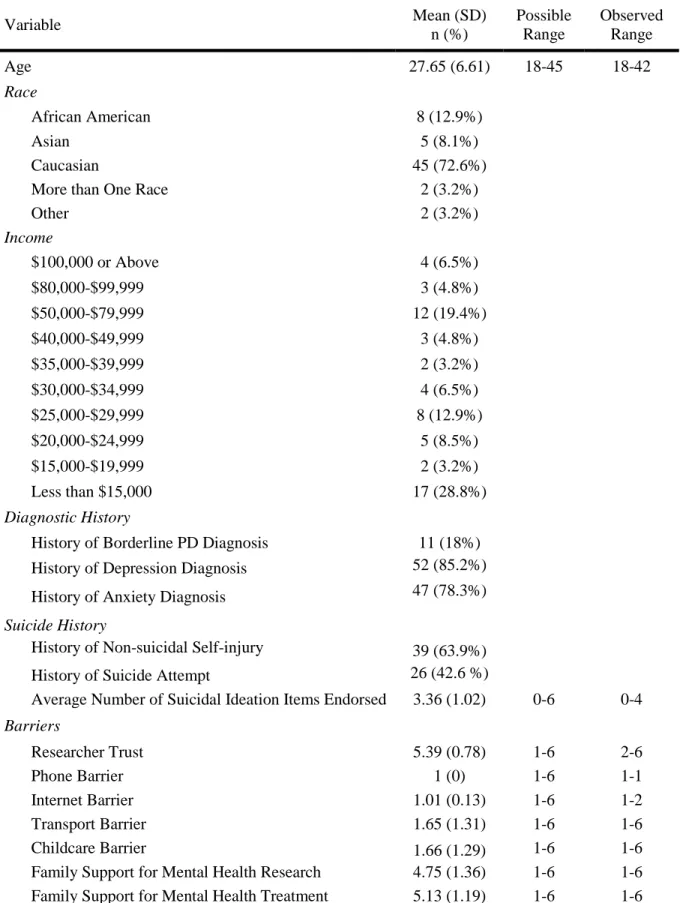
Table 1. Demographic information of eligible women
Variable Mean (SD)
n (%)
Possible Range
Observed Range
Age 27.65 (6.61) 18-45 18-42
Race
African American 8 (12.9%)
Asian 5 (8.1%)
Caucasian 45 (72.6%)
More than One Race 2 (3.2%)
Other 2 (3.2%)
Income
$100,000 or Above 4 (6.5%)
$80,000-$99,999 3 (4.8%)
$50,000-$79,999 12 (19.4%)
$40,000-$49,999 3 (4.8%)
$35,000-$39,999 2 (3.2%)
$30,000-$34,999 4 (6.5%)
$25,000-$29,999 8 (12.9%)
$20,000-$24,999 5 (8.5%)
$15,000-$19,999 2 (3.2%)
Less than $15,000 17 (28.8%)
Diagnostic History
History of Borderline PD Diagnosis 11 (18%)
History of Depression Diagnosis 52 (85.2%)
History of Anxiety Diagnosis 47 (78.3%)
Suicide History
History of Non-suicidal Self-injury 39 (63.9%)
History of Suicide Attempt 26 (42.6 %)
Average Number of Suicidal Ideation Items Endorsed 3.36 (1.02) 0-6 0-4
Barriers
Researcher Trust 5.39 (0.78) 1-6 2-6
Phone Barrier 1 (0) 1-6 1-1
Internet Barrier 1.01 (0.13) 1-6 1-2
Transport Barrier 1.65 (1.31) 1-6 1-6
Childcare Barrier 1.66 (1.29) 1-6 1-6
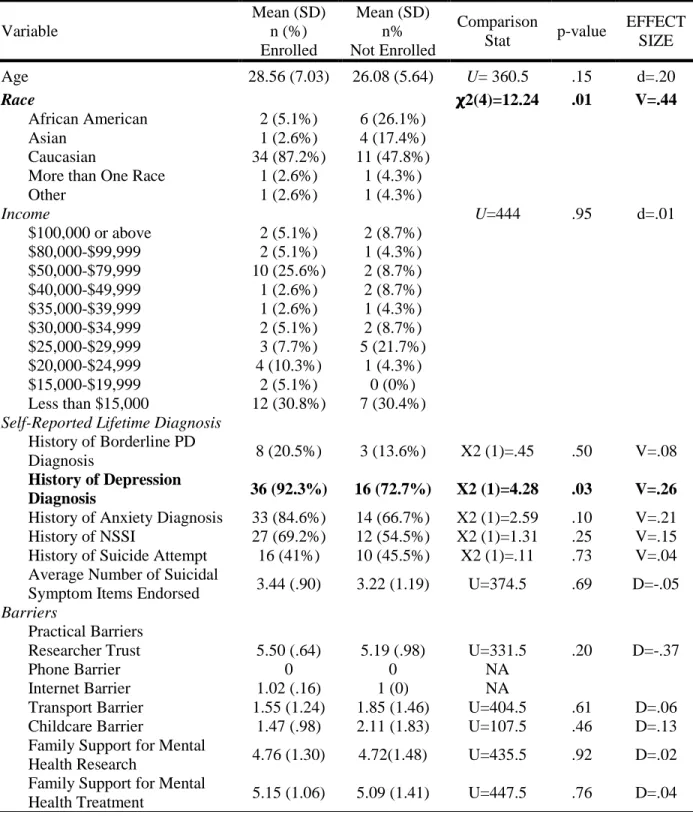
Table 2. Comparing the difference between eligible women who enrolled with eligible who did not enroll on our predicted barriers
Variable Mean (SD) n (%) Enrolled Mean (SD) n% Not Enrolled Comparison
Stat p-value
EFFECT SIZE
Age 28.56 (7.03) 26.08 (5.64) U= 360.5 .15 d=.20
Race 𝛘2(4)=12.24 .01 V=.44
African American 2 (5.1%) 6 (26.1%)
Asian 1 (2.6%) 4 (17.4%)
Caucasian 34 (87.2%) 11 (47.8%)
More than One Race 1 (2.6%) 1 (4.3%)
Other 1 (2.6%) 1 (4.3%)
Income U=444 .95 d=.01
$100,000 or above 2 (5.1%) 2 (8.7%)
$80,000-$99,999 2 (5.1%) 1 (4.3%)
$50,000-$79,999 10 (25.6%) 2 (8.7%)
$40,000-$49,999 1 (2.6%) 2 (8.7%)
$35,000-$39,999 1 (2.6%) 1 (4.3%)
$30,000-$34,999 2 (5.1%) 2 (8.7%)
$25,000-$29,999 3 (7.7%) 5 (21.7%)
$20,000-$24,999 4 (10.3%) 1 (4.3%)
$15,000-$19,999 2 (5.1%) 0 (0%)
Less than $15,000 12 (30.8%) 7 (30.4%)
Self-Reported Lifetime Diagnosis History of Borderline PD
Diagnosis 8 (20.5%) 3 (13.6%) X2 (1)=.45 .50 V=.08
History of Depression
Diagnosis 36 (92.3%) 16 (72.7%) X2 (1)=4.28 .03 V=.26
History of Anxiety Diagnosis 33 (84.6%) 14 (66.7%) X2 (1)=2.59 .10 V=.21
History of NSSI 27 (69.2%) 12 (54.5%) X2 (1)=1.31 .25 V=.15
History of Suicide Attempt 16 (41%) 10 (45.5%) X2 (1)=.11 .73 V=.04 Average Number of Suicidal
Symptom Items Endorsed 3.44 (.90) 3.22 (1.19) U=374.5 .69 D=-.05 Barriers
Practical Barriers
Researcher Trust 5.50 (.64) 5.19 (.98) U=331.5 .20 D=-.37
Phone Barrier 0 0 NA
Internet Barrier 1.02 (.16) 1 (0) NA
Transport Barrier 1.55 (1.24) 1.85 (1.46) U=404.5 .61 D=.06
Childcare Barrier 1.47 (.98) 2.11 (1.83) U=107.5 .46 D=.13
Family Support for Mental
Health Research 4.76 (1.30) 4.72(1.48) U=435.5 .92 D=.02
Family Support for Mental
Socioeconomic Barriers
We predicted that individuals from a lower SES background would be less likely to enroll. Subsequently, we predicted that lack of access to phone, internet, transportation, and childcare would contribute to poor recruitment. Individuals reported a wide range of incomes. Means and standard deviations for phone barriers, internet barriers, transportation barriers, and childcare barriers ranged from strongly disagree and disagree somewhat. Results of independent Mann-Whitney U tests indicated no significant differences on self-reported transportation, childcare, phone, and internet barriers, as well as income level, between those who did and did not enroll in the study.
Psychiatric Diagnosis
We hypothesized that a more severe clinical picture (e.g. higher number of suicidal symptoms endorsed) would result in lower likelihood of enrollment. Frequencies for self-reported lifetime histories of psychiatric diagnoses indicated that 83.9% (n= 47) had been diagnosed with a depressive disorder, 76.4% (n= 42) had been diagnosed with an anxiety disorder, and 12.5% (n=7) had been diagnosed with borderline personality disorder.
Approximately sixty-six percent (n=37) reported a history of non-suicidal self-injury, and 41% (n=23) of individuals had attempted suicide in the past. Results of a chi-squared analysis indicated that eligible women with a history of diagnosed depression were more likely to enroll than those without a history of diagnosed depression.
Race Factors
We predicted that we would have a difficult time enrolling eligible minority participants. Among individuals who were eligible after the phone screener, a majority of individuals
‘more than one race’ consisted of 6.4% (n=4) of this sample. Results of a chi-squared analysis indicated that there was a significant difference in race amongst those who enrolled and those who did not enroll, such that African Americans and Asians were significantly less likely to enroll than would be expected given the number of eligible African American (n=6) and Asian individuals (n=4), and Caucasians were more likely to enroll than expected given the number of eligible Caucasian individuals.
Attitudinal Barriers
We hypothesized that low family support for seeking mental health treatment and participating in mental health research would result in poor recruitment. We also predicted that mistrust of researchers would result in a lower likelihood of recruitment. The mean for family support of research was between “agree slightly” and “agree somewhat,” and the mean for family support for mental health treatment was “agree somewhat.” Self-reported trust in mental health research was also high. Results of a Mann-Whitney U test suggested no significant differences in family support for treatment seeking or research, or in self-reported trust of researchers between eligible individuals who did and did not enroll.
CHAPTER 4: DISCUSSION
Despite their lethality, suicidal thoughts and behaviors are understudied in clinical research, and best practices for recruiting patient populations for suicide-related clinical trials is lacking. Further, clinical research—and especially suicide research—has historically struggled to engage diverse samples with respect to demographics. The purpose of the present study was to use the recruitment data from a clinical trial looking at females with suicidality to understand the factors that predict successful recruitment of individuals with suicidality.
In the present study, factors such as income, socioeconomic status, trust in researchers, familial support for mental health and mental health research were not associated with
enrollment among eligible individuals. We were successful at enrolling individuals with a past history of depression, indicating that our recruitment strategies for these individuals were successful. Finally, race was a significant predictor of enrollment among eligible individuals. Despite significant effort from the researchers to engage a diverse sample, African Americans and Asian Americans who were eligible for this study had a lower-than-expected rate of enrollment. This research thus indicates that we need to determine potential attributing factors for poor engagement, and subsequently develop better recruitment strategies for women of color in suicide research.
consider eligible for the study; consequently, this led to an extensive preliminary online
questionnaire. Realizing that potential participants may be experiencing symptoms of avolition, we kept the online screener as short and easy to read as possible. Given that, we included a very limited number of questions measuring attitudinal barriers. We believe that additional questions may have allowed us to better gauge their attitudes about and interest in mental health research and treatment. Although our questions had face validity, we believe that more subtle questions would have led to greater variability in responses, preventing social desirability bias. Future researchers should focus on asking attitudinal questions in a different way, perhaps by asking about previous experiences with mental health professionals/researchers, inquiring about any unique experiences that friends and family may have faced regarding research, or whether or not individuals were familiar with the Tuskegee studies or the 1970’s forced sterilization of Native American women (George et al, 2014).
We also predicted that lower SES, as measured by access to phone, internet, transportation, childcare, and income, would be a barrier for recruitment. However, results indicated that these barriers were not significant. We hypothesized that the high compensation, $700, for participation in this study may have been a strong incentive to participants in lower SES groups. For those with high SES, these barriers were not as prominent. Anecdotally, these individuals tended to seem more interested in the study itself, rather than the compensation associated with it. Despite the assumed digital divide among individuals from a higher
and transportation costs if they enrolled in the study. Thus, for this study, relief for those specific barriers was provided to participants. It is possible that through compensation we were able to mediate some effects for individuals with lower SES, thus enabling their participation.
Previous researchers have struggled to recruit individuals with suicidality and depression. This is often because of the impaired daily functioning and symptoms of depression these
individuals experience, such as rumination, brooding, or avolition. We believe we were successful in recruiting individuals with higher rates of depression because our advertisements were very clear that we were recruiting women with suicidality. We used social media,
specifically Facebook, to recruit participants. We then verified eligibility with a phone call and an interview. When individuals were asked questions about their clinical picture, we prompted them to answer as truthfully as possible, reinforcing the notion that we wished to understand them and that we were willing to work with them on an outpatient basis provided that imminent risk of suicide remained low. We also made it clear that their clinical picture regarding
depression and suicidality would not disqualify them from participating. Finally, we recognized that individuals may wish to discuss questions with a researcher, we allowed individuals to talk to a staff member on the phone, rather than answer the questions online. Our aim was to make every participant feel comfortable discussing their clinical symptoms, without the feeling of judgement or stigmatization. As such, we believe we were able to successfully recruit individuals with depression and suicidality.
Despite our efforts, we were less likely to enroll African American and Asian American women. We theorized that the factors associated with poorer recruitment of African Americans and Asian Americans, in comparison to their Caucasian counterparts, would be socioeconomic status, income, trust in researchers, familial support for mental health and research; however, we did not find associations of any of these factors with recruitment—only race was a significant predictor. We looked at the intersection of these barriers specifically for women of color because in the United States, these factors often overlap. For example minority women tend to report more mental health and research stigma in their communities than their white counterparts (Woodall., 2010). There were no significant results with regard to the interaction between race and other barriers in the current study.
A majority of research on effective recruitment strategies has predominantly been based on white participants, and translating those recruitment strategies to racial and ethnic minorities has been ineffective (George et al., 2014). Research shows that passive recruitment strategies are more effective than active strategies for minorities and women (Farmer et al., 2007). Passive recruitment styles include announcement in congregations, advertisements in news, and posting fliers (Farmer et al., 2007). Active strategies include sending targeted emails, telephone calls, and face to face contact (Farmer et al., 2007). As such we believed that Facebook
advertisements would be a more effective tool for recruitment of women of color. Providing compensation for transportation and additional incentives, and clinically staffing culturally diverse individuals have also proven to be effective strategies for recruiting women and minorities (Farmer et al., 2007). Therefore, we offered compensation for child care and
It is important to study the interactions of race and other intersectionalities (i.e.,
socioeconomic barriers, attitudinal barriers, and clinical picture). As mentioned earlier, it is often difficult to clearly distinguish between the effects of race, SES, clinical symptoms, and
attitudinal factors. These concepts overlap and are often codependent on one another, as such we hypothesize that rather than a singular factor affecting recruitment outcomes, it was possibly the integration of all of them. We predicted one variable to stand out amongst others, but it seems more plausible that for African American and Asian women, it’s the same barriers interacting with one another that ultimately affected recruitment rates.
Another explanation for our findings is that African Americans and Asian Americans may have less suicidality than Caucasian women. Specifically looking at African Americans, despite racial discrimination, lower SES, cultural persecution, and poor access to resources, suicide rates remain relatively low compared to Caucasian (Gibbs, 1997). This enigma is often referred as the racial suicide paradox (Spates, 2014). Research indicates that trends of suicide amongst African Americans are different than Anglo-Americans, for example black women are less likely than black men to attempt suicide and are less likely to use lethal means for
completing suicide (Gibbs, 1997). Since the 1970’s, white female suicide rates have been consistently twice as high as rates for black females (Gibbs, 1997; Spates, 2014). Given the history of racism and discrimination in the United States, it is theorized that the African American communities have developed multifaceted survival strategies that may also be
and less racially integrated areas), and social support (suicide rates tend to be lower for African Americans when they are more involved with their family units) (Gibbs, 1997).
The racial suicide paradox is also consistent for Latinos as well (Spates, 2014). Strong social support from family and friends during stressful times help Latinos effectively cope with social and psychological issues (Spates, 2014). Although Asian American groups are
substantially growing in the United States, there is limited data reflecting on their individual experiences related to suicide (Cheng et al., 2010). Similar to African Americans, Asian Americans are less likely to seek mental health services for psychological pain (Cheng et al., 2010). Some reported protective mechanisms for Asian Americans and Native Hawaiian and Pacific Islander youths have been higher self-esteem, bicultural identity (i.e. acculturation & enculturation), school involvement, peer relationship, collective ethnic self-esteem, family support, spirituality, and ethnic belonging (Wyatt, Ung, Park, Kwon, & Trinh-Shevrin, 2015).
There could also be other attitudes, which we were unable to measure, that may contribute to poor research engagement. Many African Americans believed that mental health issues can be remedied without help from a health care professional (Ward & Heidrich, 2010). In a study looking at coping behaviors amongst African Americans, they were less likely to endorse mental health symptoms and antidepressants as acceptable treatments. African Americans
Minorities often believe that research will only benefit white individuals, and that the benefits of research will not reach their respective communities (Farmer et al., 2007; George et al., 2014; Scharff et al., 2010). This ideology stems from poor access to health care for racial and ethnic minorities (Alegria et al., 2008; McGuire & Miranda, 2008). Health disparities is defined as inequitable access to health care; which is not attributed to the needs or preferences of the patient but rather inequality in access to good providers, differences in insurance coverages, and discriminations from professionals (McGuire & Miranda, 2008). In the United States, racial and ethnic minorities have less access to mental health services than Caucasian individuals (Alegria et al., 2008; McGuire & Miranda, 2008). In the past ten years there has been no
significant change in closing the racial disparities in Mental Health Access (McGuire & Miranda, 2008). Minority individuals who are less acculturated in the United States are more likely to go undetected for depression due to limited effectiveness of facilities (Alegria et al., 2008). Across different ethnicities and races, individuals vary in symptom presentations, for example Latino individuals are more likely to report somatic symptoms of psychiatric issues (Alegria et al., 2008). In the case for African American women, they are often associated with stereotypes such as a being a strong matriarch, angry, and living on welfare (George et al., 2014). These
stigma and poor treatment availability, there is a higher rate of attrition among minority individuals that white individuals (McGuire & Miranda, 2008).
The belief that research will predominantly benefit Caucasian individuals is supported in the considerable scientific literature and oral history of many minorities (Corbie-Smith, Moody-Ayers, & Thrasher, 2004). These experiences of health disparities unfortunately will affect future research participation from minority individuals (Corbie-Smith et al., 2004). It is the responsibility of clinical researchers to address the racial health disparities in research
participation and mental health services. Researchers can do so by analyzing data in way that challenges the underlying assumptions, interpreting the differences in health outcomes for various minorities, and investing more time outside of data collection with community members to build rapport and trust (Corbie-Smith et al., 2004). Minority members often state that
researchers are ‘helicopter’ researchers who drop into the communities, receive the data that they need, and pull out once they have received that information (Corbie-Smith et al., 2004;
Horowitz, Robinson & Seifer, 2010). It is imperative that future researchers consider the needs of minority communities and create studies that will also benefit them, by recognizing the existing deficits.
There were several limitations to our study. First and foremost, due to the nature of the CLEAR study and the need for an extensive screener, we were unable to include a large number of questions in the screeners. While our questions were clear and concise, our measurement could have been improved had we asked questions in various and subtler ways. For example, rather than asking, “On a scale of strongly disagree to strongly agree, do you trust researchers?”, it may have been beneficial to ask supplementary questions such as, “Have you heard of the Tuskegee study?”, and “Do you believe researchers disclose and debrief effectively?”, and “How comfortable are you with researchers?” Finally, we did not measure interest in the study, or if participants believe this research will benefit them. Future studies should include questions that help understand the construct of research trust from varying perspectives. The second limitation to the study is the statistical power of our study. We had a relatively small sample size (n= 62) after eligibility, reducing statistical power to detect significant differences. If we had a larger sample size, we may have been able to see more prominent results on our barriers. Our third limitation of the study was although we had a non majority white staff, participants did not come into contact with these individuals until they enrolled in the study. Future studies should increase to contact between all research staff and their participants, especially for participants of color.
increasing interest and trust early on in the process may be to develop a specific recruitment script for African American and other minorities. The goal of this specific script is to highlight how the study might ultimately benefit them and their communities if they participate. It may also be useful to communicate the racial disparities in clinical trials participation, and how our research strives to bridge those gaps by including minority individuals and examining how our variables of interest relate to minority risk specifically. Finally, although we believe that
CHAPTER 5: CONCLUSION
This is the first study to examine factors associated with effective enrollment in a clinical trial for women with suicidality. Attitudinal factors, socioeconomic factors, and severity in clinical picture were not significant barriers for individuals in this study. Unlike some previous research, we were able to effectively recruit individuals with depression and suicidality. We attribute this high recruitment rate to using social media as a recruitment platform, using advertisements which made it clear that we are looking for women with suicidal thoughts, and encouraging women during the study to accurately describe the extent to which they feel depressed and suicidal. We established rapport with our participants by conveying that we wish to understand them and would work with them on an outpatient basis given that they did not show express clear imminent risk of suicide attempt.
Despite significant efforts to recruit minority participants, such as creating specific ads for minorities, and having a diverse staff, race was a barrier to recruiting African American and Asian American women. At this point, it remains largely unknown why we were unsuccessful in recruiting minority women. This is especially unclear given that traditionally assumed barriers were not associated with failure to enroll. It is imperative that future researchers include suicidal women in clinical research and determine why minority women are less likely to enroll in these studies. By determining the true barriers that prevent minority women from participating in research, we will be able to make research more inclusive so that the results of our studies can
REFERENCES
American Foundation for Suicide Prevention. (2016). Suicide Statistics. Retrieved from https://afsp.org/about-suicide/suicide-statistics/
Alegría, M., Chatterji, P., Wells, K., Cao, Z., Chen, C., Takeuchi, D., … Meng, X.-L. (2008). Disparity in Depression Treatment among Racial and Ethnic Minority Populations in the United States. Psychiatric Services (Washington, D.C.), 59(11), 1264–1272. doi:
http://doi.org/10.1176/appi.ps.59.11.1264
Baca-Garcia E. (2003) Association between the menses and suicide attempts: A replication study. Psychosomatic Medicine, 65(2), 237-244.
doi:10.1097/01.PSY.0000058375.50240.F6.
Baca-Garcia, E., Díaz-Sastre, C.,& Leon, D.J. (2000). The relationship between menstrual cycle phases and suicide attempts. Psychosomatic medicine, 62(1), 50-60.
Baca- Garcia, E., Diaz-Sadtre, C., Ceverino, A., Perez-Rodriquez, M.M., Navarro-Jimenez, R., Lopez- Castroman, J., Saiz-Ruiz, J., Leon, J.D., & Oquendo, M.A. (2010). Suicide attempts among women during low estradiol/low progesterone states. Journal of Psychiatric Research, 44 (4), 209-214. doi:
http://dx.doi.org/10.1016/j.jpsychires.2009.08.004
Bhar, S.S., Wiltsey-Stirman, S., Zembroski, D., McCray, L., Oslin, D.W., Brown, G.K., & Beck,A.T. (2013). Recruiting older men for geriatric suicide research. International Psychogeriatrics, 25 (1), 88-95. doi:http://dx.doi.org/10.1017/S104161021200138X Bryan, C.J., & Rudd, M.D. (2005). Advances in the assessment of suicide risk. Journal of
Clinical Psychology, 62(2), 185-200. doi: 10.1002/jclp.20222
Centers for Disease Control and Prevention. (2016). Leading causes of death. Retrieved from http://www.cdc.gov/nchs/fastats/leading-causes-of-death.htm
Center for Disease Control and Prevention (2013). Depression. Retrieved from https://www.cdc.gov/mentalhealth/basics/mental-illness/depression.htm
Center for Disease Control and Preventions (2017). Violence Preventions. Retrieved from https://www.cdc.gov/violenceprevention/suicide/definitions.html
Cheng, J. K. Y., Fancher, T. L., Ratanasen, M., Conner, K. R., Duberstein, P. R., Sue, S., & Takeuchi, D. (2010). Lifetime Suicidal Ideation and Suicide Attempts in Asian Americans. Asian American Journal of Psychology, 1(1), 18–30.
http://doi.org/10.1037/a0018799
Crane, C., & Williams, J.M.G. (2010). Factors associated with attrition from mindfulness-based cognitive therapy in patients with a history of suicidal depression. Mindfulness, 1(1), 10-20. doi:10.1007/s12671-010-0003-8
Durant, R. W., Legedza, A. T., Marcantonio, E. R., Freeman, M. B., & Landon, B. E. (2011). Different Types of Distrust in Clinical Research Among Whites and African
Americans. Journal of the National Medical Association, 103(2), 123–130.
Farmer, D. F., Jackson, S. A., Camacho, F., & Hall, M. A. (2007). Attitudes of African American and low socioeconomic status White women toward medical research. Journal of Health Care for the Poor and Underserved, 18(1), 85-99. doi:10.1353/hpu.2007.0008
Fisher, J. A., & Kalbaugh, C. A. (2011). Challenging Assumptions About Minority Participation in US Clinical Research. American Journal of Public Health, 101(12), 2217–2222. http://doi.org/10.2105/AJPH.2011.300279
George, S., Duran, N., & Norris, K. (2014). A systematic review of barriers and facilitators to minority research participation among African Americans, Latinos, Asian Americans, and Pacific Islanders. American Journal of Public Health, 104(2), E16-E31. Retrieved from
http://libproxy.lib.unc.edu/login?url=http://search.proquest.com/docview/1499845148?ac countid=14244
Gibbons, C.J., Stirman, S.W., Brown, G.K., & Beck, A.T. (2010). Engagement and retention of suicide attempters in clinical research. The Journal of Crisis Intervention and Suicide Prevention, 31 (2), 62-68. doi:10.1027/0227-5910/a000018
Gibbs, J. T. (1997). 8 African‐American Suicide: A Cultural Paradox. Suicide and Life-Threatening Behavior, 27(1), 68-79.
Hom, M.A., & Joiner, T.E. (2016). Predictors of treatment attrition among adult outpatients with clinically significant suicidal ideation. Journal of Clinical Psychology, 73(1), 1-11. doi: 10.1002/jclp.22318
Horowitz, C. R., Mimsie Robinson, R., & Seifer, S. (2009). Community-Based Participatory Research from the Margin to the Mainstream: Are Researchers Prepared? Circulation, 119(19), 2633–2642. http://doi.org/10.1161/CIRCULATIONAHA.107.729863
Joiner, T.E.J., Walker, R.L., Rudd, M.D., & Jobes, D.A. (1999). Scientizing and routinizing the assessment of suicidality in outpatient practice. Professional Psychology: Research and Practice, 30(5), 447- 453. doi:10.1037//0735-7028.30.5.447.
Linehan, M.M., Comtois, A., &Ward-Ciesielski, E.F. (2012). Assessing and managing risk with suicidal individuals. Cognitive and Behavioral Practice, 19 (2), 218-232. doi:
http://dx.doi.org/10.1016/j.cbpra.2010.11.008
McGuire, T. G., & Miranda, J. (2008). Racial and Ethnic Disparities in Mental Health Care: Evidence and Policy Implications. Health Affairs (Project Hope), 27(2), 393–403. doi: http://doi.org/10.1377/hlthaff.27.2.393
Saunders, K.E.A., & Hawton, K. (2006). Suicidal behaviour and the menstrual cycle. Psychological Medicine, 36(7), 910-912. doi:
https://doiorg.libproxy.lib.unc.edu/10.1017/S0033291706007392
Scharff, D.P., Mathews, K.J., Jackson, P., Hoffsuemmer, J., Martin, E., Edward, D. (2010). More than Tuskegee: Understanding mistrust about research participation. Journal of Health Care for the Poor and Underserved, 21(3), 879-897, doi: 10.1353/hpu.0.0323.
Spates, K. (2014). Racial suicide paradox. In S. Thompson (Ed.), Encyclopedia of diversity and social justice. Lanham, MD: Rowman & Littlefield Publishers. Retrieved from
http://libproxy.lib.unc.edu/login?url=https://search.credoreference.com/content/entry/row mandasj/racial_suicide_paradox/0?institutionId=1724
Stanley, I.H., Hom, M.A., & Joiner, T.E. (2015). Mental health service use among adults with suicide ideation, plans, or attempts: Results from a national survey. Psychiatric Services, 12(66), 1296-1302, doi: 10.1176/appi.ps. 201400593
Steele, L., Dewa, C., & Lee, K. (2007). Socioeconomic status and self-reported barriers to mental health service use. Canadian Journal of Psychiatry, 52(3), 201-6. Retrieved from http://libproxy.lib.unc.edu/login?url=http://search.proquest.com/docview/222841488?acc ountid=14244
Wall, L. L. (2006). The medical ethics of Dr J Marion Sims: a fresh look at the historical record. Journal of Medical Ethics, 32(6), 346–350. http://doi.org/10.1136/jme.2005.012559 Ward, E. C., & Heidrich, S. M. (2009). African American Women’s Beliefs About Mental
Illness, Stigma, and Preferred Coping Behaviors. Research in Nursing & Health, 32(5), 480–492. http://doi.org/10.1002/nur.20344
Williams, D. R., Mohammed, S. A., Leavell, J., & Collins, C. (2010). Race, Socioeconomic Status and Health: Complexities, Ongoing Challenges and Research Opportunities. Annals of the New York Academy of Sciences, 1186(1), 69-101. doi:
https://doi.org/10.1111/j.1749-6632.2009.05339.x
Wang, M., Seippel, L., Purdy, R.H., & Bäckström, T. (2013) Relationship between symptom severity and steroid variation in women with premenstrual syndrome: Study on serum pregnenolone, pregnenolone sulfate, 5 alpha-pregnane-3,20-dione and 3 alpha-hydroxy-5 alpha-pregnan-20-one. The Journal of Clinical Endocrinology and Metabolism, 81(3), Wyatt, L. C., Ung, T., Park, R., Kwon, S. C., & Trinh-Shevrin, C. (2015). Risk factors of suicide
and depression among Asian American, Native Hawaiian, and Pacific Islander youth: a systematic literature review. Journal of Health Care for the Poor and Underserved, 26(2 0), 191–237. http://doi.org/10.1353/hpu.2015.00591076-1082.