ScholarWorks @ Georgia State University
ScholarWorks @ Georgia State University
Middle-Secondary Education and Instructional Technology Dissertations
Department of Middle-Secondary Education and Instructional Technology (no new uploads as of Jan. 2015) 12-18-2014
Investigating the Effects of Delivering Content Based on a Waves
Investigating the Effects of Delivering Content Based on a Waves
Learning Progression on Learning Outcomes in an Online High
Learning Progression on Learning Outcomes in an Online High
School Physics Unit
School Physics Unit
Timothy Maley
Follow this and additional works at: https://scholarworks.gsu.edu/msit_diss
Recommended Citation Recommended Citation
Maley, Timothy, "Investigating the Effects of Delivering Content Based on a Waves Learning Progression on Learning Outcomes in an Online High School Physics Unit." Dissertation, Georgia State University, 2014.
https://scholarworks.gsu.edu/msit_diss/142
This Dissertation is brought to you for free and open access by the Department of Middle-Secondary Education and Instructional Technology (no new uploads as of Jan. 2015) at ScholarWorks @ Georgia State University. It has been accepted for inclusion in Middle-Secondary Education and Instructional Technology Dissertations by an authorized administrator of ScholarWorks @ Georgia State University. For more information, please contact
ii
ACCEPTANCE
This dissertation, INVESTIGATING THE EFFECTS OF DELIVERING CONTENT BASED
ON A WAVES LEARNING PROGRESSION ON LEARNING OUTCOMES IN AN ONLINE
HIGH SCHOOL PHYSICS UNIT, by TIMOTHY W. MALEY, was prepared under the direction
of the candidate’s Dissertation Advisory Committee. It is accepted by the committee members in
partial fulfillment of the requirements for the degree, Doctor of Philosophy, in the College of
Education, Georgia State University.
The Dissertation Advisory Committee and the student’s Department Chairperson, as
representatives of the faculty, certify that this dissertation has met all standards of excellence and
scholarship as determined by the faculty. The Dean of the College of Education concurs.
_________________________________ ________________________________
Anton Shiran Puvirajah, Ph.D. Laurie Brantley-Dias, Ph.D.
Committee Co-Chair Committee Co-Chair
_________________________________
Kadir Demir, Ph.D.
Committee Member
_________________________________ Christine Thomas, Ph.D
Committee Member
_________________________________ Date
_________________________________
Dana Fox, Ph.D.
Chairperson
Department of Middle and Secondary Education
________________________________ Paul A. Alberto, Ph.D.
Dean
By presenting this dissertation as a partial fulfillment of the requirements for the advanced degree
from Georgia State University, I agree that the library of Georgia State University shall make it
available for inspection and circulation in accordance with its regulations governing materials of
this type. I agree that permission to quote, to copy from, or to publish this dissertation may be
granted by the professor under whose direction it was written, by the College of Education’s
Director of Graduate Studies, or by me. Such quoting, copying, or publishing must be solely for
scholarly purposes and will not involve potential financial gain. It is understood that any copying
from or publication of this dissertation which involves potential financial gain will not be allowed
without my written permission.
All dissertations deposited in the Georgia State University library must be used in accordance
with the stipulations prescribed by the author in the preceding statement. The author of this
dissertation is:
Timothy W. Maley 803 Autry Oak Ct. Johns Creek, GA 30022
The director of this dissertation is:
Anton Shiran Puvirajah
Department of Middle and Secondary Education College of Education
Timothy W. Maley
ADDRESS: 803 Autry Oak Ct.
Johns Creek, GA 30022
EDUCATION:
PROFESSIONAL EXPERIENCE:
2014-Present Virtual Learning Program Specialist Fulton County Schools
2009-2014 Science Department Head
Johns Creek High School
1992-2009 Science Teacher
North Springs High School
PRESENTATIONS AND PUBLICATIONS:
Puvirajah, A., Martin-Hansen, L., Gilbert, Y., Maley, T. Dennis, J., Hill, C., Shealey, G. (2012). Recruiting minority high school students into STEM careers through immersive
experiences in learning to be a science and mathematics. Paper presented at ASTE 2012, Clearwater, FL.
Martin-Hansen, L., Dennis, J., Hill, C., Maley, T. (2011). Examining the Effectiveness of the
Academy for Future Teachers Program. Paper presented at SASTE 2011, Kennesaw, GA.
Dias, M., Maley, T. (2011). Science Talk: Allowing Students to Take Ownership of the
Discussion Around a Big Idea of Science. Presentation at SASTE 2011, Kennesaw, GA.
Maley, T., Stoll, W., Demir, K. (2013). Seeing an Old Lab in a New Light: Transforming a
Traditional Optics Lab into Full Guided Inquiry. The Physics Teacher.51(6), 368-371
PROFESSIONAL SOCIETIES AND ORGANIZATIONS
2014 International Association for K-12 Online Learning
2014 Online Learning Consortium
2012 Association for Science Teacher Education
Ph.D. 2014 Georgia State University
Middle & Secondary Education
Specialist Degree 2005 Lincoln Memorial University
Education Administration & Leadership
Masters Degree 1998 Southern Polytechnic State University Computer Science
LEARNING PROGRESSION ON LEARNING OUTCOMES IN AN ONLINE HIGH SCHOOL PHYSICS UNIT
by
TIMOTHY W. MALEY
Under the Direction of Anton Shiran Puvirajah
ABSTRACT
Effective instruction starts with an understanding of the learner’s pre-existing knowledge
(Bransford, Brown, & Cocking, 2000). That being said, online instruction often involves
inflexible content presented the same way to each student regardless of their current level of
understanding (van Rosmalen, Vogten, van Es, Passier, & Poelmans, 2006).The shortcomings of
static instruction are intensified in online high school learning because online learning is often
used for remediation and credit recovery for students that have not been successful in their
traditional class (Queen & Lewis, 2011). Learning progressions, which are research-based,
testable models of how learners develop their understanding of a concept over time (National
Research Council (NRC), 2007), offer a model of student thinking that can lead to online
instruction that accounts for the learner’s thinking. The purpose of this design-based research
study is to use a two-phase, sequential mixed methods (Creswell, 2009) approach to investigate
the use of a learning progression to inform the specific instruction delivered in an online high
school physics unit on waves. No significant difference in learning outcomes were found
units were found. In addition, the design based research processed followed resulted in a
refinement of the waves learning progression and the online unit based on the progression.
WAVES LEARING PROGRESSION ON LEARNING OUTCOMES IN AN ONLINE PHYSICS UNIT FOR HIGH SCHOOL STUDENTS
by
TIMOTHY W MALEY
A Dissertation
Presented in Partial Fulfillment of Requirements for the
Degree of
Doctor of Philosophy
in
Teaching and Learning in
the Department of Middle and Secondary Education
in
the College of Education
Georgia State University
Copyright by Timothy W Maley
ii DEDICATION
I dedicate this work to Wendy, Ellie, and Quincy. Thank you for your support and
ix
I thank Dr. Puvirajah and Dr. Dias for their support and guidance during this the planning,
execution, and completion of this study. I have learned so much from the both of you. Thank you
Dr. Demir for the mentorship you provided in our seminars and in the crafting of our article.
Thank you Dr. Thomas for the help and guidance you provided in preparing my prospectus. I also
ix
TABLE OF CONTENTS
LIST OF TABLES ...v
LIST OF FIGURES ... vii
LIST OF ABBREVIATIONS ... ix
CHAPTER 1: INTRODUCTION ...1
Problem ...2
Research Purpose and Questions ...4
Significance of the Study ...5
Theoretical Perspective ...7
Terms & Definitions ...10
Limitations ...12
Summary ...12
CHAPTER 2: REVIEW OF THE LITERATURE ...14
Online Learning ...14
Learning Progressions ...22
Waves ...38
Summary ...40
CHAPTER 3: METHODOLOGY ...42
Design-Based Research ...42
Waves Learning Progression ...47
Designing the Waves Learning Progression Based Unit ...54
Research Purpose and Questions ...63
Research Context ...65
Phase One – Experiment ...66
Phase Two ...77
CHAPTER 4: RESULTS ...89
Part 1: Pre-Test-Post-Test Control-Group Experiment...89
Part 2: Question 1: Refining the waves LP ...91
ix
Table 1: Constructs B and C from the Hypothetical LP (Shea & Duncan, 2012, p. 5) ...33
Table 2: Refinements of Construct B (Shea & Duncan, 2012, p. 9) ...33
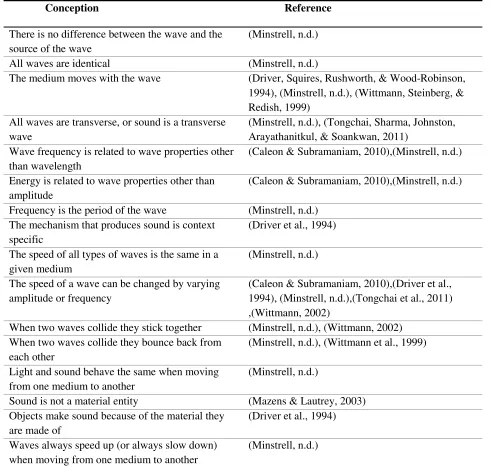
Table 3: Common Student Conceptions about Waves ...39
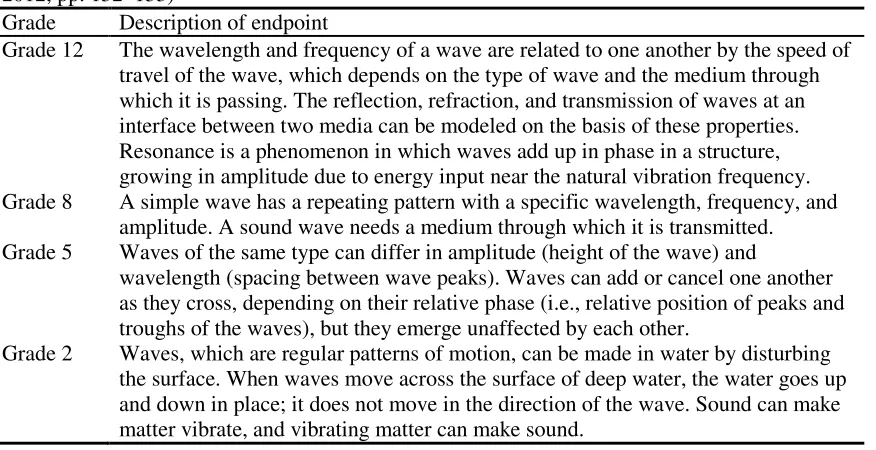
Table 4: Grade Band Endpoints for Waves from the Framework for K-12 Education (NRC, 2012, pp. 132–133) ...50
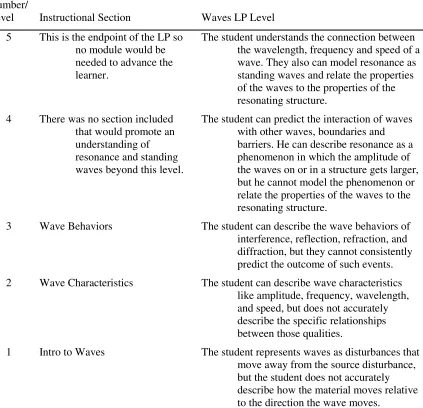
Table 5: Initial Version of the Waves Progression ...53
Table 6: Alignment of Unit Sections to the Waves LP ...57
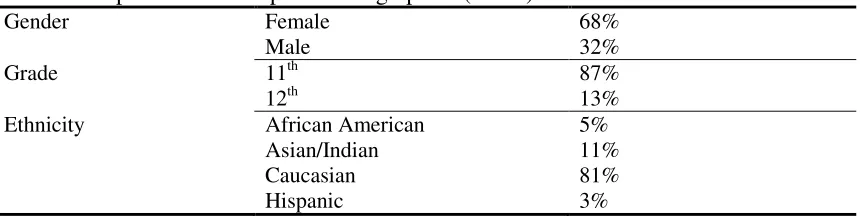
Table 7: Experiment Participant Demographics (N=37) ...68
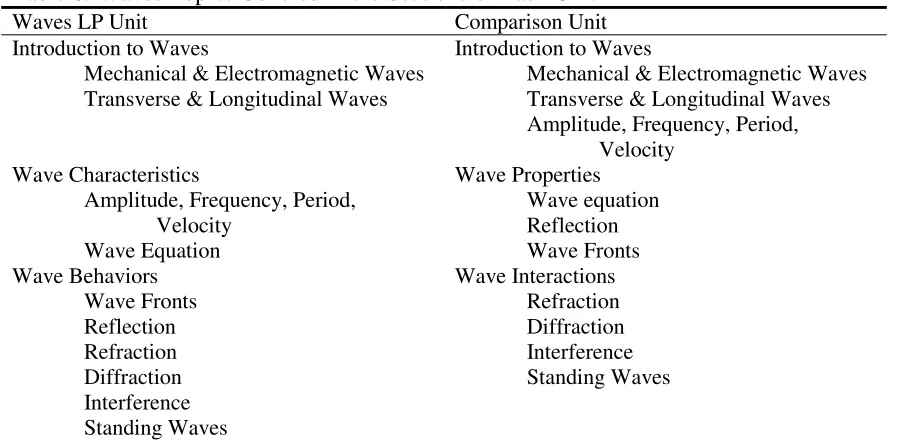
Table 8: Waves Topics Covered in the Sections of Each Unit ...74
Table 9: Mapping of Data Collected to Research Question ...79
Table 10: Where Each Group’s Data was incorporated in Phase 2’s Analysis ...80
Table 11: Phase 2 Participant Demographics (N = 130)...84
Table 12. Descriptive Statistics ...89
Table 13. ANOVA Results ...90
Table 14: Distribution of Student Reasoning on Waves (N= 1523 Coded Responses)...102
Table 15: Fraction of Students Using Reasoning about Waves not in Original LP ...102
Table 16: Item Difficulty Estimates and Fit Statistics ...104
Table 17: Difficulty Estimates for Assessment Items...107
Table 18: Difficulty Estimates for Assessment Items after 10% Winsorisation ...109
Table 19: Test for Normality after 10% Winsorisation ...110
Table 20: Student Ideas Most Frequently Employed in the Two Units ...112
ix
Table 23: Student Reasoning Added to the Waves LP ...142
Table 24: Final Waves Learning Progression ...144
Table 25: Part 1 Research Question Conclusions. ...164
Table 26: Part 2 Research Question 1 Conclusions. ...165
ix
Figure 1: The McKenney and Reeves Model of Design-Based Research (McKenney & Reeves,
2012, p. 77) ...43
Figure 2: Components of the Waves Unit...56
Figure 3: Components of the Waves Characteristics Section ...56
Figure 4: Diagram of Instructional Module Structure ...59
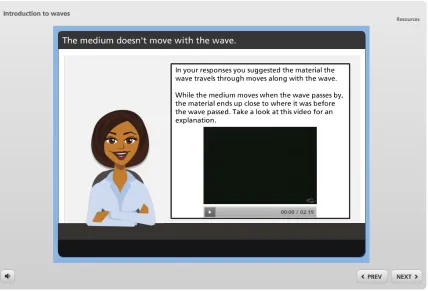
Figure 5: Introducing the Content and Activating Prior Knowledge in Module 1 ...59
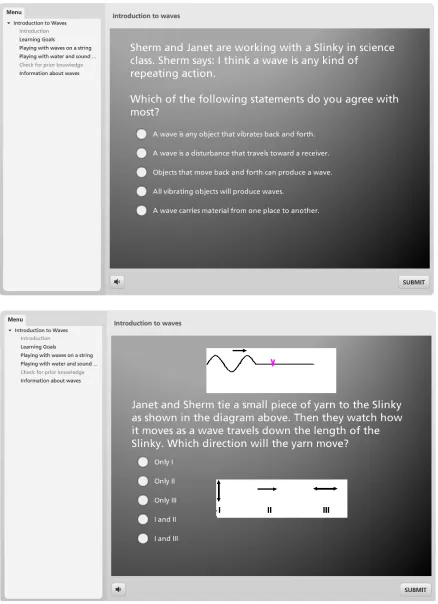
Figure 6: Sample OMC Questions from the Module 1 Check for Prior Knowledge ...60
Figure 7: Example of Targeted Instruction from Module 1 ...63
Figure 8: Boxplot of the Pretest Scores by Group. ...72
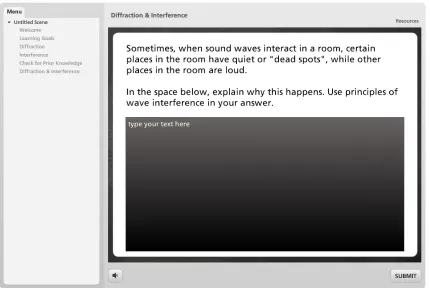
Figure 9: Sample Open Ended Question from the Diffraction & Interference Knowledge Check81 Figure 10: Box Plot of the Posttest Scores of Each Group ...91
Figure 11: Boxplot of Difficulty Estimates vs. Waves LP level...108
Figure 12: Boxplot of Difficulty Estimates vs. Waves LP level after 10% Winsorisation ...110
Figure 13: Boxplots of Average Evaluation Response for Both Groups ...114
Figure 14: Boxplots of Average Evaluation Response for Both Groups after Outlier Removed115 Figure 15: Boxplots for the Average Clarity Responses from Each Group ...117
Figure 16: Boxplots of the Average Interesting Responses for the Two Groups ...118
Figure 17: Boxplot of the Average Responses to the Helpfulness of Assessments...119
Figure 18: Box Plot of Average Responses to Interest in PhET Simulations ...120
Figure 19: Average Helpfulness of PhET Simulations ...121
Figure 20: Factors Contributing to the Construct Validity of a Learning Progression ...138
ix
AAAS American Association for the Advancement of Science
ANCOVA analysis of covariance
IRT item response theory
LMS learning management system
LP learning progression
MWCS Mechanical Waves Conceptual Survey
NAS National Academy of Sciences
NRC National Research Council
OE open ended
CHAPTER 1: INTRODUCTION
K-12 Virtual schools first appeared in the United States in 1997 with the establishment of
the Virtual High School and the Florida Virtual School (Barbour & Reeves, 2009). Since that
time, the K-12 online learning trend has expanded rapidly. By the end of 2011, all fifty states and
the District of Columbia offered some form of K-12 virtual school program (Watson, Murin,
Vashaw, Gemin, & Rapp, 2011). One of the contributing factors to the rapid growth of K-12
online learning is that it is seen as a vehicle to expand access to education and to provide flexible
instruction to students (Barbour & Reeves, 2009; Cavanaugh, 2001; Smith, Clark, & others,
2005). Currently, online learning provides many K-12 students access to instruction that they
cannot get locally through traditional face-to-face instruction. Online learning is also used
extensively to provide remediation and credit recovery to students who have been unsuccessful
in traditional settings (Queen & Lewis, 2011). While online K-12 learning is now widely used to
address the needs of K-12 students, there are a number of research issues that need to be
investigated if online learning’s affordances are to be fully realized in the K-12 arena (Barbour &
Reeves, 2009).
The primary research focus during the early growth of online learning was to determine
its effectiveness compared to traditional face-to-face instruction (Abrami, Bernard, Bures,
Borokhovski, & Tamim, 2011). Many studies (Bernard, Abrami, et al., 2004; Cavanaugh, Gillan,
Kromrey, Hess, & Blomeyer, 2004; Means, Toyama, Murphy, Bakia, & Jones, 2009) revealed
that online learning can be as effective as traditional instruction in a brick and mortar classroom.
While there is now considerable research that suggests that online instruction is an effective
educational vehicle, several researchers (Abrami et al., 2011; DiPietro, Ferdig, Black, & Preston,
contribute to its effectiveness. Abrami et al. (2011) state that more studies that compare online
learning treatments to each other are needed. They further point out that well designed studies
using randomized controlled trials are rare in the literature, and that studies across all levels
including K-12 are needed.
Concern over developing effective instruction has not been limited to online learning.
Over the past decade learning progressions (LPs) have been gaining attention in the science
education research community as a way to align curriculum, instruction, and assessment
(Corcoran, Mosher, & Rogat, 2009). Based on the idea that learning progresses through stages,
LPs are research-based, testable models of how learners develop their understanding of a concept
over time (National Research Council (NRC), 2007). LPs have been developed to describe how
learners’ scientific ideas typically advance in areas like atomic theory (Smith, Wiser, Anderson,
& Krajcik, 2006), buoyancy (Mohan, Chen, & Anderson, 2009), and forces (Alonzo & Steedle,
2009). There is a growing body of research related to developing and validating LPs (Duschl,
Maeng, & Sezen, 2011; Salinas, 2009), but there is little empirical research that examines the
effectiveness of instruction based on LPs compared to other forms of instruction (Corcoran et al.,
2009).
Problem
LP’s are based on a cognitive perspective of learning which emphasizes the importance
of the learner’s existing knowledge on his ability to make sense of a learning situation. Effective
instruction starts with an understanding of the learner’s pre-existing knowledge (Bransford et al.,
2000). That being said, online instruction often involves inflexible content presented the same
way to each student regardless of their current level of understanding (van Rosmalen et al.,
not consider the learner’s current thinking (Hestenes, Wells, & Swackhamer, 1992), an online
course designed to transmit the same static content to all learners is unlikely to be effective as
well. However, in the absence of a body of research on effective online practices to guide its
implementation and growth, online learning experiences continue to be created ad-hoc and
assembled from existing content that is easily moved online (van Rosmalen et al., 2006). Very
often online courses are assembled using a knowledge transfer model where a collection of static
content is posted on the web (Shute & Towle, 2003; van Rosmalen et al., 2006). As a result, even
though online instruction has the ability to expand educational access and provide flexible
instruction, it is not always been implemented in ways that allow it to do so (Barbour & Reeves,
2009). Even when in some instances online learning was informed by effective practices derived
from research in traditional classroom-based instruction, these were not necessarily effective
online (Davis & Roblyer, 2005). In order to establish their effectiveness in an online
environment, those techniques need to be studied in that context.
The shortcomings of static instruction are intensified in online high school learning. This
is because online learning is often used for remediation and credit recovery for students that have
not been successful in their traditional class (Queen & Lewis, 2011). Research shows that a
successful online student is one that demonstrates motivation, self-reliance, and that possesses
developed academic skills like effective writing and reading comprehension (Bernard et al.,
2009; Kerr, Rynearson, & Kerr, 2006; Roblyer & Wiencke, 2003). Successful online students
demonstrate characteristics associated with success in traditional classes. Nevertheless, high
school online science courses are often used to provide credit recovery opportunities for students
who have been unsuccessful in a traditional classroom. Since many existing practices in online
alternative online practices need to be developed and studied in order to improve the
effectiveness of high school online science instruction for all students.
The problem this study addresses is that online instruction based on static content is not
well suited to meet the needs of many online high school science students, and there is little
existing research to guide the improvement of online instruction.
Research Purpose and Questions
The purpose of this design-based research study was to use a two-phase, sequential mixed
methods (Creswell, 2009) approach to investigate the use of a learning progression to inform the
specific instruction delivered in an online high school physics unit on waves.
First Phase
Waves are disturbances in a medium that transmit energy and momentum. In the school
system where the study took place, physics students typically study wave phenomena at the end
of the school year. The first phase of this study consisted of a random assignment pre and
posttest experiment to compare the instructional efficacy of a waves LP to the more normative
waves instruction based on static content in a high school online physics course. The study
participants were high school physics students at a suburban public high school. The independent
variable was the online instruction format and the dependent variable was the score on a concept
inventory posttest.
First phase research question.
The first phase of the study was guided by the following research question. Does the use
of a waves learning progression to inform the design of an online high school physics unit lead to
differences in learning outcomes as measured by a waves concept inventory? The null
H0: There is no significant difference in the scores on the waves concept inventory
post-test between the students working in the online unit based on the waves learning
progression and those of the students working in the comparison group that uses static
content.
This was tested against the alternative hypothesis:
HA: There will be a significant difference in the scores on the waves concept inventory
post-test between the students working in the online unit based on the waves learning
progression and those of the students working in the comparison group that uses static
content.
Second Phase
Information from the first phase was explored further in the second phase of the study. In
the second phase qualitative and quantitative data from the first phase was analyzed to refine the
waves LP and the online waves unit.
Second phase research questions.
1. What changes to the waves learning progression are suggested by an analysis of the
students’ responses during the unit?
2. What changes to the online unit based on the waves learning progression are
suggested by the data gathered during the first phase?
Significance of the Study
There is not a large amount of research related to teaching science online, much less in
the high school environment. Additionally, there is very little research that compares one online
instructional technique to another. I attempted to locate existing research on teaching high school
science, on the following databases: Academic Search Complete, ERIC, Library Information
Science & Technology, PsycINFO, & PubMed. The initial search returned 1396 results in
academic journals. I limited the results to those that also included one or more of the following
terms: internet in education, science, web-based instruction, science – study and teaching,
distance education, internet, online courses, & computers in education. That search located one
article on conducting laboratory work in online university science courses, one article
recommending a framework for online science courses, and one article describing teaching
physical science online at a university. I have conducted similar searches on JSTOR, Web of
Science, Google Scholar, and ScienceDirect. Initial searched found no articles related to
empirical studies comparing online science instructional techniques in a high school
environment. I have since found relevant research involving empirical studies comparing online
treatments with each other and present them in the following literature review. Most of the
studies found are from post-secondary educational settings. The lack of research available has
been discussed by several researchers (see Abrami et al., 2011; DiPietro et al., 2008; Downing &
Holtz, 2008; M. Roblyer et al., 2008; Schwartzman, 2007).
Empirical studies that compare online treatments to other online instructional treatments
are needed (Abrami et al., 2011). The first phase of this study helps fill the gap in the online
learning literature by providing an empirical study on the effectiveness of a LP-based online
instructional approach for online high school science students. The first phase also helps fill a
gap in the literature on LPs. While studies are underway to verify the construct validity of some
existing LPs, research is needed to determine if the use of LPs results in measurable gains in
learning outcomes (Corcoran et al., 2009). This study compared online high school science
phase of this study provide data to investigate if the use of LPs to deliver content leads to
improved learning outcomes.
Existing LPs only cover a small portion of the K-12 curriculum (Corcoran et al., 2009).
The first research question in the second phase of the study helped refine the waves learning
progression developed for the study. The waves LP contributes to the growing body of LPs. In
addition, the second research question in the second phase helps refine the waves unit developed
through design-based research. The waves based unit contributes to the literature on effective
approaches for developing online high school science instruction.
Theoretical Perspective
This study approaches learning from a cognitive perspective. Cognitive learning theories
are informed by cognitive psychology which focuses on the organization of the mind and how
thought is generated in the brain (Anderson, 2009). Prior to cognitive approaches to learning, the
prevailing psychological perspective was behaviorism (Schuh & Barab, 2008). Behavioral
approaches view learning as acquiring stimulus-response associations. These associations
combine to form basic skills that are components of more complex skills. Stimulus-response
associations can be strengthened or weakened through learning activities that reinforce desired
associations (NRC, 2001). The behaviorist perspective attempts to explain learning based on
observable behavior of the learner. The inherently empirical nature of this perspective led to a
considerable body of research on learning that continues to influence instruction (Driscoll, 2007;
NRC, 2001). Instruction that utilizes learning objectives, or breaks a domain into component
knowledge and skills demonstrates a behaviorist influence. Likewise, measuring learning in a
domain with content tests also implies a behaviorist approach. In that context, the learner’s
occurred. The behaviorist approach to learning was limited because it did not focus on, or in the
case of radical behaviorism explicitly ignored, the reasoning behind the learner actions
(Bransford et al., 2000).
The cognitive approach to learning focuses on the mind’s organization and how people
create and use knowledge structures. It studies the learner’s reasoning behind their actions in
addition to their directly observable actions. This approach came to prominence in the late
twentieth century as new methodologies, technologies, and analytical techniques became
available. These innovations allowed researchers to empirically test hypothesis on cognitive
processes and models (Bransford et al., 2000). One of the central theories of this perspective is
cognitive architecture.
Cognitive Architecture
Cognitive architecture describes how information is accessed, manipulated, and stored in
the mind. While there are some variations between theories, it is generally accepted that there are
three main components to human cognitive architecture: sensory memory, short term memory,
and long term memory. Sensory memory represents memory buffers from senses like vision and
hearing. Short term memory, more completely described as working memory, represents the
conscious mind (Goldstein, 2008). Baddeley (2000) describes working memory as a
multi-component system organized around the central executive. The central executive controls
attention and it is supported by three subsystems: the visiospacial sketchpad, the phonological
loop, and the episodic buffer. Long-term memory is the unconscious portion of the mind where
factual and procedural information is stored for retrieval and manipulation by the working
memory. Unlike the very small size of the working memory, long term memory is essentially
A key finding for working memory is that an individual is limited to manipulating about
seven informational items at any point in time. If a learner is faced with a learning event that
requires manipulating more items than he can hold in working memory, the working memory
becomes overloaded and the information being manipulated is lost (Sweller, 1988). It has been
found that existing knowledge can affect the complexity of the information a learner can
manipulate without overloading working memory. If the information being manipulated is
connected in some way in the learner’s mind, he or she can “chunk” the pieces information
together in working memory as a single informational item (Simon, 1974). Chunking
information allows the learner to use knowledge stored in long term memory to greatly increase
what they can attend to at any point in time. So while the number of informational items in
working memory is constrained, the complexity and size of a given item is not (Sweller et al.,
1998). This means is that a learner’s existing knowledge has profound influence on what the
learner can successfully attend to in a learning situation.
Schema Theory
Existing knowledge is housed subconsciously in long-term memory. According to
schema theory, human knowledge and skills are stored in modules called schema (Brewer &
Nakamura, 1984). The function of a schema is to organize informational elements and skills to
facilitate their storage and use. A schema can be any set of information that can be grouped as a
unit, and can vary in complexity from associating small bits of information to integrating other
complex schema into a single unit (Sweller et al., 1998). As an individual attends to a learning
event using working memory, they draw on existing schema to help process that information. As
a result of that attention, the learner may generate new schema, alter existing schema, or adjust
learning situation will depend on the existence of accurate and relevant schema that they can
draw on while attending to the information in the lesson. If the learner does not have existing
schema that will help them chunk information, their working memory might become overloaded.
If their existing schema includes inaccurate information, it could lead to misinterpreting the
meaning of the learning event.
Implications for Learning
Regardless of the cognitive architecture model used to represent the knowledge stored in
long-term memory, a fundamental tenet of the cognitive perspective of learning science is that
knowledge is not something that can be transferred during teaching. Instead personal knowledge
is constructed by an individual using existing knowledge to make sense of the material they are
attending to. Consequently, a student’s existing ideas have significant influence on learning.
Static content in online courses cannot account for the student’s current understandings. The
cognitive perspective of learning holds that effective learning experiences must consider the
prior knowledge and current understanding of the learner. In this study the efficacy of a waves
LP to model the student’s current understanding and to prescribe appropriate instructional
content is investigated.
Terms and Definitions
asynchronous instruction – “communication between learners and instructors that does not take
place simultaneously” (Chapman, 2008, p. 671).
construct map –a one dimensional continuum that represents the range of understanding or
ability that a learner might possess for a given concept (Wilson, 2010)
credit recovery – the act of enrolling in a course to earn credit after the learner had failed to
design-based research – an approach to studying learning “in context through the systematic
design and study of instructional strategies and tools (The Design-Based Research
Collective, 2003, p. 5) .”
elearning – see online learning.
hypothetical learning progression – A learning progression developed on the logic of the
discipline and current learning research to describe a route for students to move from
more naïve conceptions to a level of understanding closer to that of an expert (S. Y.
Stevens, Shin, & Krajcik, 2009, p. 2)
learning progression - “descriptions of successively more sophisticated ways of thinking about
an idea that follow one another as students learn” (NRC, 2005, p. 3). They are based on
research on how students develop their thinking while learning a particular domain.
While theoretical, they are testable hypotheses that describe definite developmental
stages that a typical student might pass through with the appropriate instruction.
learning trajectory - descriptions of children’s thinking and learning in a specific mathematical
domain and a related, conjectured route through a set of instructional tasks designed to
engender those mental processes or actions hypothesized to move children through a
developmental progression of levels of thinking with the intent of supporting children’s
achievement of specific goals in that mathematical domain (Clements & Sarama, 2004, p.
83).
online learning - “teacher-led education that takes place over the internet, with the teacher and
ordered multiple choice question – a multiple choice question in which the incorrect answer
choices correspond to intermediate understandings of the topic. (Briggs, Alonzo,
Schwab, & Wilson, 2006)
static content – online content that is the same for all learners. Examples may be text, video,
animations, or multimedia that is presented the same way to all learners.
wave – a disturbance in a medium that transmits energy and momentum.
Limitations
The results of this study are constrained by several limitations. First, even though the
participants were randomly assigned to their groups, they were not randomly selected. The
participants in the study came from a population convenient to the researcher. This fact limits the
generalizability of the study’s quantitative results. In order to make those results more
generalizable, the study would need to be repeated using students from other populations.
Second, the experiment only investigated one LP. This limits generalizing the study to other LPs
or instruction based on other LPs. Repeating the experiment with instruction based on other LPs
would expand the generalizability of the results. Third, the comparison of the LP based waves
unit to the direct instruction model occurred after only one design iteration of both the waves LP
and the LP based unit which occurred during the pilot study. This limitation results from the time
constraints of the project and could affect the strength of the conclusions that there is no
significant difference between the treatment group and the comparison group.
Summary
Online learning has become common in high school science instruction, but it is often
designed in ways that do not accommodate the varied characteristics of high school learners. The
learning, and LPs offer a promising model for designing online content that considers the
learners current thinking. This study used design-based research to investigate and refine a
CHAPTER 2: REVIEW OF THE LITERATURE
This study used a waves learning progression to inform the development of an online
high school physics unit. In this review I discuss research on online learning, learning
progressions, and student conceptions of waves. I begin by introducing online learning and
teaching science online. I then discuss the student and course factors found to influence student
success online. I close my discussion of online learning with a presentation of research on
effective online instructional techniques. The next section of the literature review provides
background on LPs. I begin that section by describing LPs in general and then discuss their
development and refinement. The final section of this review discusses literature related to
student conceptions of waves.
Online Learning
Online learning is a form of distance education, a concept whose meaning has evolved
since its beginnings as mail correspondence study. Online learning, also known as e-learning, is
defined as “teacher-led education that takes place over the internet, with the teacher and student
separated geographically (Watson et al., 2011). Students may participate in e-learning in a
variety of ways; for example it could be part of an online course offered by a virtual school, or
the online learning could be one component of a course that also meets face-to-face in a
traditional classroom. This second form of online instruction is known as blended learning.
While high school online learning in the recent decade has primarily been through virtual
schools, the instances of blended learning in secondary schools has been growing
Learning Science Online
Learning science online has expanded alongside online learning in general. While
research into learning science online started with the formation of the internet (Scanlon, 1997), a
body of research related to it has been slow to develop. Even today there is limited literature
available specifically related to online science courses and it has not lead to a collection of
pragmatic information that can inform distance educators (Kennepohl & Shaw, 2010). This is a
problem because teaching science online offers unique challenges. The nature of science content
requires the learner to work with many complex concepts that build on each other. In addition,
providing a laboratory component requires special considerations.
Recent books (Downing & Holtz, 2008; Kennepohl & Shaw, 2010) have attempted to
collect the available research and theory into a coherent set of effective practices. Downing and
Holtz (2008) center their book, Online Science Learning: Best Practices and Technologies, on
the assertion that practical work is a necessary part of learning science, and they maintain that
practical work can be designed to effectively teach science online. They describe practical work
as learning activities that link ideas with objects and observable things. Demonstrations,
animations, simulations, home/virtual/remote labs and experiments, collaborative experiences,
and virtual field trips are all examples of practical work that can be used in an online science
class. While their work is grounded in theory, research, and their experience with teaching
science online, their text does not discuss research that compares one online approach to another.
Kennepohl and Shaw (2010) discuss three main themes in their book: learning online,
laboratory work, and the logistics of teaching online. Their presentation of learning online is a
discussion of the theory behind online interaction. The chapters on laboratory work present
discussion of the logistics of teaching science online and the problems that are common to the
field. Their text is meant as a practical guide for establishing on online science course or
program but is not a discussion of the research that investigates the effectiveness of specific
techniques.
These books do describe teaching science online at both the K-12 and undergraduate
levels. They filled a need by collecting theory and research relevant to teaching science online
and organized them, but they do not present research that compares online instructional
techniques with other online instructional techniques. Such studies could promote more effective
online learning experiences and support student success in online courses.
Student Factors Related to Student Success Online
Factors that affect student success in the traditional classroom also apply to distance
learning (Simonson, Smaldino, Albright, & Zvacek, 2009) and research shows that student
success is influenced by characteristics of the student and of the instruction. Looking at academic
success in online instruction, general ability, often measured by GPA, has been found to be a
success predictor (Bernard, Brauer, Abrami, & Surkes, 2004; Cheung & Kan, 2002; Simonson et
al., 2009). Experience in the subject area and in other online courses has also been found to be a
factor contributing to success (Cheung & Kan, 2002; Slykhuis & Park, 2006). This poses a
challenge for K-12 distance education because of one of the primary reasons for offering online
learning in the K-12 environment is to provide students with opportunities for credit recovery. In
the 2009-2010 school year, medium and large public education districts cited using distance
education to offer credit recovery courses more often than for any other curricular reason (Queen
& Lewis, 2011). This means that public education districts are using distance education to
likely to be successful in the environment. If K-12 online education is to be effective in meeting
the needs of students enrolled for credit recovery, it will need to become more accessible to that
group.
Another measure of success is course completion. Since the advent of online learning, the
retention rates of online students have been found to be lower than students in traditional brick
and mortar classes. This finding has persisted over time (Bernard, Abrami, et al., 2004).
Research into the causes of high dropout rates in online courses have looked at both student and
course related factors (Roblyer et al., 2008). Roblyer et al. found that a combination of student
and environmental factors were significant to student retention. They developed a tool, the
Educational Success Prediction Instrument, for testing various factors associated with student
success. The tool is a sixty item Likert scale instrument with questions related to organization,
achievement beliefs, responsibility, risk-taking, and technology skills. They found that the
student’s total score on the prediction instrument, age, and self-reported GPA were significant
student factors. They also found that having a class period dedicated to the online course while at
school and having a home computer were significant environmental factors related to success.
Another tool, the Test of Online Learning Success, was developed by Kerr, Rynearson, and Kerr
(2006) to investigate student cognitive factors that contribute to success in an online course.
They also found several attributes were significant predictors of success. Based on their findings,
they describe the successful online student as “self-directed, independent, personally responsible
for her learning, and has self-confidence, proficient reading and writing skills, time management
skills, and motivation to learn”(Kerr et al., 2006, p. 102) . This image of a successful online
student is similar to the one described by Barbour and Reeves(2009) who go on to cite the fact
as the student population participating on online learning grows, e-learning needs to be able to
accommodate a more heterogeneous mix of students. The need to support online students that do
not possess characteristics that promote success is critical if online learning is to realize its full
potential to expand educational access for all students (Roblyer et al., 2008). The reported
benefit of the research into student characteristics is that the tools developed can help identify at
risk students for support and remediation early with the aim of improving the student’s chances
of success. Unfortunately, the current research has not established what interventions or
remediation are likely to be successful (Barbour & Reeves, 2009).
Course Factors Related to Student Success Online
Course characteristics that affect student success are less well established. While there
has been considerable research comparing online education with traditional classroom based
instruction, several researchers (Abrami et al., 2011; Bernard et al., 2009; Cavanaugh et al.,
2004; DiPietro et al., 2008) have cited that there has been little research comparing online
instruction techniques with each other.
As virtual schools have become more established, sets of standards and guidelines have
been published addressing effective practices in online teaching and course design (International
Association for K-12 Online Learning, 2011a, 2011b; National Education Association, 2006).
Many ideas in these guidelines have been based on ideas that have been adapted from effective
practices in face-to-face instruction including high quality interaction, content expertise,
communication and instructional design (Cavanaugh, Barbour, & Clark, 2009; DiPietro et al.,
2008). While this is a logical and good starting place, the unique aspects of online learning
produce situations where teachers and techniques that are effective in face-to-face instruction are
While it is understood that teachers have an effect on student success in online learning,
there is limited research that describes what teacher qualities and behaviors promote online
success. To help establish a body of research on effective teaching in online courses, DiPietro et
al. (2008) used the techniques of grounded theory to investigate sixteen effective online teachers
to develop a description of their teaching. They found that the teachers in the study were
motivated, knowledgeable of content, technology and pedagogy, communicated with and cared
about their students, and took steps to engage their students. This study represents the beginning
of a line of inquiry aimed at understanding the characteristics of an effective online teacher.
In addition to teacher characteristics having an influence on student success, the design of
the online course also factors in. One instructional design factor that research has shown to
provide a positive effect on student success in online learning is the quality of interactions in the
course. Bernard et al. (2009) performed a meta-analysis of distance education studies using the
concept of interaction proposed by Moore (1989). Interactions in online courses were
categorized as student-student, student-teacher, and student-content. Student-student interaction
occurred between students through such mediums as email, chat rooms, and discussion threads.
Student-teacher interactions involve communication through activities like email, or video
conferencing. Finally student-content interaction describes the student interacting with the course
material. This could involve activities like reading text, watching videos, or interacting with
multimedia or simulations.
Their findings were that online instruction designs that increased any type of interaction
produce significantly positive results. In looking at the different types of interaction, they found
that student-content interactions had a larger effect than student-student or student-teacher
one at a time showed that only strengthening student-content interaction increased the effect size
of the achievement outcomes. The average effect size for student-content interaction of any level
was .39, and the effect size increased linearly to .60 for high strength interactions. This suggests
that treatments that improve the quality of interaction between the student and the content lead to
higher achievement outcomes. Also, treatments involving combinations of student-content with
student-student or student-content with student-teacher interactions had significant effects. While
the analysis predicts that treatments that increase interaction will lead to positive outcomes, it
does not suggest what specific treatments that increase interaction should be employed, or why
they would be successful. Research into these questions is needed.
Research on Effective Instructional Techniques
There has been some research comparing online instructional treatments to each other. In
an early work Smith (1993) compared the learning outcomes between students in a video course
in cultural anthropology. The treatment group could interact with the course material and control
their route through the content, and the control group could not. The control group passively
experienced the course content. The treatment group demonstrated significantly higher
performance on the posttest with an effect size of .346. This finding aligns with the idea that
stronger student-content interaction leads to improved learning outcomes. This study took place
in a learning lab involving videos loaded on computers. Also, the study involved college students
and the format was not the same as a modern online course. Studies are needed that examine
online learning as practiced in the K-12 environment with K-12 students.
In a more recent study, Kohlmeier et al. (2003) used a random assignment posttest
experiment to investigate the effect adapting online content based on a pre-assessment had on
In the study the treatment group bypassed instruction related to questions they answered
correctly on the pretest. The control group experienced all the content regardless of responses on
the pretest. Kohlmeier et al. found that the scores on the posttest were not significantly different
between the groups with the treatment group scoring slightly lower than the control group. While
there was no difference in learning outcomes, they found the treatment group preferred the
abbreviated content because it required less time. This study showed that adjusting the
instruction based on the existing knowledge of the learner can provide benefits for the learner.
In a another study, Cook et al. (2008) used a randomized crossover trial to investigate the
use of adaptive modules for teaching ambulatory medicine concepts to medical students. In the
modules the learners were presented with questions based on medical cases. Participants in the
control group were then presented with content related to answering the question regardless of
whether they answered correctly or not. In the treatment group learners that answered the
question correctly could skip the corresponding content. The results showed no statistical
difference in learning outcomes between the treatment and control groups with the treatment
group scoring slightly lower than the control. Like the study by Kohlmeier et al. (2003) the
treatment group spent less time in the learning modules. In this experiment the treatment group
spent 18% less time to work through the modules than the control group. In addition 75% of the
participants favored the adapted modules over the modules with static content. The authors cited
the reduction in learning time as an important advantage of adapting the instruction.
While these studies are informative, they involve medical school students who can be
considered very successful students. The participants in these studies are more mature and more
successful as students than most online high school students. Similar experiments need to be
environment. Also, in these studies answering questions correctly exempted a learner from
receiving content related to the question. On the other hand, all the learners that answered the
question incorrectly received the same content regardless of the reasoning they used to select
their response. While testing for prior knowledge is consistent with a cognitive approach to
learning, the cognitive approach to learning suggests that effective instruction considers the
learners thinking too. This study used the learners responses to formative assessments to assign
content based on the reasoning their answers implied. The learner’s incorrect answers were used
to identify their reasoning and content specific to the reasoning was provided. The study used a
waves LP to model the learner’s reasoning and identify appropriate content.
Learning Progressions
The recent application of LPs to science education offers a cognitive model of student
thinking that can inform instruction at many levels including the classroom (Corcoran et al.,
2009). Originally proposed to model the developmental stages of a law student’s thinking
(Lustbader, 1997), LPs are “descriptions of successively more sophisticated ways of thinking
about an idea that follow one another as students learn” (NRC, 2005, p. 3). They are based on
research on how students develop their thinking while learning a particular domain. While
theoretical, they are testable hypotheses that describe definite developmental stages that a typical
student might pass through with the appropriate instruction. According to Duncan and
Hmelo-Silver (2009), LPs are defined in terms of four key characteristics: LPs
1. focus on a few foundational and disciplinary ideas and practices,
2. are bounded by what is known about students’ skills and knowledge as they enter
the progression, and by what the students are expected to know and do at the end
3. describe intermediate levels between the two bounds (the intermediate steps are
informed by research on student thinking and empirical studies of the
progressions), and
4. are mediated by targeted instruction and curriculum.
LPs vary in scope and granularity. The National Research Council (2007) described them as
spanning six to eight years, but proposed LPs are often smaller. Schwarz et al. (2009) proposed a
two to three year LP on scientific modeling and Alonzo and Steedle (2009) use a LP to describe
a learner’s progress through a single unit on forces. These different scales describe the learner’s
progress in different detail.
Wilson (2009) described several different models for LPs of varying scope and
granularity. He used construct maps (Wilson, 2010) as the building blocks for LPs. A broad LP
might be composed of several construct maps in serial, parallel, or combinations of both. A small
LP might be represented by a single construct map. A construct map, also referred to as a
progress variable (Wilson & Sloane, 2000), is a theoretical continuum of a construct, which is
the conceptual object being studied. For example, a construct could be a learner’s understanding
of waves. Construct maps assume a continuum from one end of the construct to the other while
LPs hypothesize defined levels of understanding. According to Wilson (2010) construct maps
can be also be used to represent ideas like a LP that have defined intermediate levels.
Duncan and Hmelo-Silver (2009) describe three ways that LPs are developed. One is
through teaching experiments at multiple grade levels to determine what students are capable of
understanding at each grade level. Another is through studying student reasoning on a particular
of existing empirical research and analysis of the topic. The construct validity of LPs developed
this way are determined through empirical studies involving their implementation.
Developing Learning Progressions
Recently the number of proposed LPs has grown rapidly (Sikorski & Hammer, 2010)
because they are seen as an organizing framework for science education research that can align
curriculum, assessment, and instruction (Corcoran et al., 2009). The scope of these LPs vary
from covering all of K-12 (Roseman, Caldwell, Gogos, & Kurth, 2006) to describing progress
through a single unit (Alonzo & Steedle, 2009). The recent focus on LPs grew out of work by the
National Academy of Sciences (NAS) aimed at aligning curriculum, instruction, and assessment
(NRC, 2005, 2007). When the NAS initially proposed the use of LPs, they commissioned Smith,
Wiser, Anderson, & Krajcik (2006) and Catley, Lehrer and Reiser (2005) to develop learning
progressions in order to help shape the direction of LP research and to provide examples for
researchers. Since both progressions were similar in that they were hypothetical descriptions of
how students would progress through two important K-12 topics, I will only discuss one to show
the science LP concept as proposed by the NAS.
Smith et al. (2006) describe successive student understanding of matter and
atomic-molecular theory between K-8 given appropriate instruction. They used standards from the Atlas
of Science Literacy (AAAS, 2001) and the National Science Education Standards (NRC, 1996)
to inform part of their progression. To improve the coherence of the standards, they organized
them around big ideas and key questions. The resulting progression revolved around six big
ideas that provide the answers to three key questions. In addition to the content standards, Smith
et al. described several key scientific practices that learners should develop in parallel with the
authors. They stated that traditional standards were problematic because “They specify the
knowledge that children at different grades should have, but not the practices – what the children
should be able to do with that knowledge.” (Smith et al., 2006, p. 4). The complete progression
included representative assessment items that would evaluate the learners’ progress through the
sequence. The hypothetical LP presented by Smith et al. represents the LP concept presented by
the NAS in Taking Science to School (NRC, 2007).
Hypothetical learning progressions propose likely pathways a student will follow as she
develops her understanding of a concept (S. Y. Stevens, Shin, et al., 2009). They are informed by
national standards documents and expert experience, but they are grounded in research on how
learning in that domain progresses (Corcoran et al., 2009). Once proposed hypothetical learning
progressions are validated through research. The construct validity of the proposed LP is
examined to make sure the theorized steps to concept master match the paths students really
follow. Consequential validation of LPs is needed to determine if instruction based on LPs leads
to improved learning (Corcoran et al., 2009).
While one of the original goals for LPs expressed by the NRC was for progressions to
focus on both science content and process as shown in the examples by Smith et al. (2006) and
Catley et al. (2005), the subsequent LPs proposed in the research sometimes only focus on
content (Plummer & Krajcik, 2010) or process (Berland & McNeill, 2010). Plummer and Krajcik
presented their process of working towards a learning progression describing astronomical
phenomena as observed from Earth. Working at the lower grade levels of understanding, they
represent the ways learners developed their understanding of four phenomena: the sun’s path
across the sky, the moon’s path across the sky, the pattern and path of the stars across the sky,
connected concept so they modeled them as four separate smaller progressions. They used the
term learning trajectory to describe each concept progression.
Learning trajectories were first proposed in mathematics education about a decade (M. A.
Simon, 1995) before LPs became a focus in science education research (NRC, 2005). Clements
and Sarama (2004) define learning trajectories as:
descriptions of children’s thinking and learning in a specific mathematical domain and a
related, conjectured route through a set of instructional tasks designed to engender those
mental processes or actions hypothesized to move children through a developmental
progression of levels of thinking with the intent of supporting children’s achievement of
specific goals in that mathematical domain (Clements & Sarama, 2004, p. 83).
In the field of mathematics education, learning trajectories are focused on the instructional tasks
that take students through speculative routes from one stage in a domain to another.
Plummer and Krajcik began with an analysis of the literature related to children’s ideas
on celestial motion. Using the literature and logic of the domain they identified the end points of
the trajectories first and then beginning and intermediate levels. The authors refined the
trajectories by comparing them to changes in student understandings of the concepts after an
instructional intervention. They used the number of students that held each conception as a way
of determining which concepts were more fundamental. Their findings suggest that some
concepts are taught out of order based on the number of students that held each concept level
before instruction. Their findings also support the assumption that a learner’s progress along a
LP can be mediated by instruction.
Berland and McNeil (2010) developed a learning progression on science argumentation
science education, but it is rarely practiced in classrooms. They developed their progression
based on the literature on the process and their experience promoting argumentation in the
classroom. They divided the progression along three dimensions: instructional context,
argumentative product, and argumentative process. They then used examples from their prior
works to explain the progression. Their progression serves as a framework for students and
teachers to develop the science process skill of argumentation.
While the authors of the two studies did not state why they only focused on either science
content or process, the waves LP used in this study focuses on science content to limit the scope
of the study. The waves LP implemented in this study focuses on a hypothetical model of how a
learner progresses in his understanding of waves. The approach used to establish the initial
waves progression was modeled after examples from LP research (Alonzo & Steedle, 2009;
Duncan, Rogat, & Yarden, 2009; Roseman et al., 2006).
Roseman et al. (2006) offered a LP that describes the conceptual sequence of ideas
spanning grades K-12 intended to produce a coherent understanding of the DNA’s role in
heredity and the characteristics of an organism. The work developed out of Project 2016’s
textbook evaluation process. The authors assembled the learning goals related to the molecular
basis of heredity outlined in the Benchmarks for Science Literacy (AAAS, 1993) along with
some learning goals from other existing standards documents including the Atlas of Science
Literacy (AAAS, 2001). Based on the logic of the domain they determined which goals were
necessary before students could learn others. Their process was to collect the standards from the
documents and then hypothesize the order that they would need to be learned to produce a
coherent understanding of the ideas. The resulting progression suggested that the common order
basis of heredity. The authors intend to confirm the progression through assessment and
curriculum materials being developed by Project 2061.
Roseman et al.(2006) only used statements of correct thinking to create their learning
progression. They did not include intermediate naïve understandings that students might employ
before they develop an understanding of the concepts consistent with science theory. Like
Roseman et al. (2006), Duncan et al. (2009) used national standards documents to develop a LP
describing modern genetics spanning grades 5 – 10. In addition, Duncan et al. used a review of
research on student thinking on the topic and their own analysis of the domain to inform their
progression. Following Smith et al. (2006) they organized the progression around big ideas and
two essential questions. Their analysis of the standards and research on student thinking on
genetics lead to a three level progression. The levels of their progression correspond to grade
bands: level 1 corresponds to grades 5&6, level 2 to 7&8, and level 3 to 9&10. To move learners
along their progression, the authors suggested the use of some research based assessments that
have been shown to help K-12 learners develop more sophisticated understandings of genetics.
While these two LPs are grounded in standards documents and in the case of Duncan et al.
research on student conceptions of the topics, at the time of their publishing the construct validity
of the progressions had not been confirmed by empirical research (Duncan et al., 2009). It is
important to validate the hypothetical learning progressions to make sure they are accurate
descriptions of how students develop their understanding of the scientific ideas modeled. One of
the proposed benefits of developing learning progressions is that they have the potential for
improving assessment and instruction. The LPs must have construct validity if this is to actually
Anderson and Steedle (2009) proposed a LP on force and motion, and then went on to
investigate assessment techniques for locating students along the progression and for
determining the construct validity of their force and motion LP. Their development of the force
and motion LP are presented here and the refinement and testing of the LP are discussed in the
next section. Like Duncan et al. (2009), Alonzo and Steedle (2009) used both standards
documents and literature on student ideas to set up their LP. They developed their preliminary
force and motion LP by using the National Science Education Standards (NRC, 1996) and the
Benchmarks for Science Literacy (AAAS, 1993) to set the highest level of the progression. The
authors chose to paraphrase the expected eighth-grade standards from these documents to
establish the upper bound of the progression:
Student understands that the net force applied to an object is proportional to its resulting
acceleration (change in speed or direction), and that this force may not be in the direction
of motion. Student understands forces as an interaction between two objects (Alonzo &
Steedle, 2009, p. 397).
They then created lower levels in the LP based on an analysis of literature on common student
conceptions about force and motion. They used existing research, the logic of the domain, and
their knowledge of the domain to created five lower levels in the LP. For example, they
hypothesized student reasoning consistent with level 1 would be represented by the following
ideas and common errors:
Student understands forces as a push or pull, but believes that only living or supernatural things can cause forces.
Common Errors:
• Forces are caused by living things.
• Forces are associated with physical activity or muscular strength.
• Weight, motion, activity, and strength are important in determining an object’s
Once the initial version of the force and motion LP was developed, the authors conducted several
studies to validate the force and motion LP and to study the use of ordered multiple choice
(OMC) and open ended (OE) assessments to locate learners along the progression. I will discuss
that portion of their work in the next section.
Refining and Validating Learning Progressions
Research on LPs is just beginning, and at this point there is little in the literature detailing
how researchers refine their progressions (Shea & Duncan, 2012). Alonzo and Steedle (2009)
and Shea and Duncan (2012) are two of the few examples of published descriptions of how LPs
were refined. Alonzo and Steedle (2009) described a pilot study along with two other studies
involving the force and motion LP. The pilot study was an investigation of ordered multiple
choice items (OMC) they intended to use for locating learners on the force and motion LP.
OMC questions are multiple choice questions in which the incorrect answer choices correspond
to intermediate understandings of the topic (Briggs et al., 2006). In the pilot study 112 eighth
grade students answered combinations of OMC and open ended (OE) questions about force and
motion and other science topics. Each student answered 2-4 force and motion items. The focus of
the pilot study was to evaluate and revise the OMC questions and to test and revise the learning
progression. The results of the pilot study lead to revising several of the OMC items. The authors
did not make changes to the force and motion LP because 94% of the students’ responses to the
OE questions could be evaluated using LP.
The authors referred to the study they conducted after the pilot as the first study. The
first study involved forty-four seventh grade students that had just completed an inquiry unit on
force and motion. The students were given five OMC items from the pilot study that were