Thesis by John M. Joern
In Partial Fulfillment of the Requirements for the Degree of
Doctor of Philosophy
California Institute of Technology Pasadena, California
2003
Acknowledgements
I am happy to acknowledge several individuals who contributed to this work and to my intellectual and personal development during my time at Caltech. As my thesis advisor, Dr. Frances Arnold has been instrumental in the success of this project. She has continuously supplied direction and fresh ideas while at the same time giving me a great deal of freedom to try new approaches and
experimental designs. I can only continue to aspire to her scientific excellence and vision.
As I started my research at Caltech, I had no experience with molecular biology. These skills were to a large extent conveyed by Akira Arisawa who agreed to be my mentor in the laboratory for a summer. This was a fun and exciting time and I am especially grateful to Dr. Arisawa.
I am happy to thank two collaborators: Peter Meinhold, who developed an effective method for high-throughput sequence characterization, and Lillian Pierce, who successfully applied this method. Their data became integral to my project as a whole.
always willing to take time to think about my problems, propose explanations and carefully explain new methods. Joff Silberg, Chris Otey, Chris Voigt and Lillian Pierce have been useful reviewers of my writing. I have had helpful discussions with more people than I can name from the Arnold group, and I have enjoyed their friendship and camaraderie over the years.
My parents are truly the best parents anyone could have and deserve special thanks. Through immense effort, they have brought out my natural talents and encouraged my interest in the physical sciences.
Abstract
Due to the unique and difficult chemistry they perform, the aromatic
ring-hydroxylating dioxygenases are of interest as industrial catalysts. Unfortunately, an application-specific array of problems limits their utility. To address these problems through laboratory evolution, I developed methods for high-throughput screening of tens of thousands of dioxygenase variants. These methods rely on a phenol detection reagent (Gibbs reagent) and can be applied to liquid cultures or to growing bacterial colonies expressing variant enzymes.
Recombination of genes encoding homologous enzymes ("family shuffling") has emerged as a promising tool for evolutionary protein engineering. Using the dioxygenases as a model system, I have investigated the value of recombination as a search strategy for laboratory evolution. Chimeric dioxygenase libraries constructed by DNA shuffling are first evaluated for biases that limit sequence diversity using a probe hybridization approach in lieu of sequencing. This analysis shows that crossovers preferentially occur in regions with high sequence identity and that certain parent sequences can be preferred at particular gene positions.
sequence is shown to be a primary determinant of substrate specificity for the enzymes studied. Furthermore, several sets of variant enzymes with similar functionality are shown to have sequence similarities.
Recombination and random mutagenesis are compared as search strategies for generating functionally-diverse dioxygenases. I screened similarly sized libraries of chimeric and mutant dioxygenases for variants with altered substrate
Chapter 1
Introduction... 1
Outlook for biocatalysis and the role of directed evolution ... 2
Outlook for biocatalysis and the role of directed evolution ... 2
Recombination as a search strategy for directed evolution... 5
Dioxygenases and their applications... 9
Previous application of laboratory evolution strategies to dioxygenases... 12
Project aims and overview of thesis ... 14
References... 18
Chapter 2 Dioxygenase structure and mechanism: implications for directed evolution... 24
Functional roles for the components of the dioxygenase system... 25
Mechanism of dioxygenases... 27
Dioxygenase structure ... 28
References... 31
Chapter 3 Construction of plasmids for expression and evolution of three dioxygenases... 34
Introduction ... 35
Gene arrangement of three natural dioxygenase cistrons... 35
Design of a plasmid for expression and cloning of dioxygenase variants ... 36
Sequencing of wildtype plasmids ... 38
Analysis of expression level by SDS-PAGE... 39
References... 41
Chapter 4 Colorimetric assays for dioxygenase activity... 42
Preface... 43
Introduction ... 43
Materials ... 46
Methods ... 47
Notes... 51
References... 53
Chapter 5 A versatile high-throughput screen for dioxygenase activity using solid-phase digital imaging ... 54
Preface... 55
Abstract... 55
Introduction ... 56
Materials and methods... 59
Liquid-phase screening for activity toward chlorobenzene... 59
Solid-phase screening for activity toward chlorobenzene ... 60
Digital imaging and analysis ... 61
Solid-phase determination of dioxygenase activity ... 64
Quantitation of dioxygenase activity ... 65
References... 70
Chapter 6 A protocol for high-efficiency DNA shuffling ... 73
Preface... 74
Introduction ... 75
Materials ... 76
Methods ... 77
Obtaining DNA fragments for shuffling ... 77
Reassembly of DNaseI fragments ... 79
Amplification of full-length sequences... 79
Notes... 80
References... 83
Chapter 7 Analysis of shuffled gene libraries ... 85
Abstract... 86
Introduction ... 87
Results and Discussion... 89
Creation of family shuffled libraries... 89
DNA sequencing results ... 90
Probe hybridization characterization of shuffled gene libraries ... 93
Average number of crossovers... 95
Biases in parental incorporation ... 98
Frequency of wild-type genes in the shuffled library ... 101
Crossover biases in DNA shuffling ... 102
A sequence-based model for homology-dependent recombination... 103
Recombination and protein function ... 107
Identification of important functional regions... 111
Relevance to laboratory evolution ... 114
Conclusions ... 115
Materials and Methods... 117
References... 124
Chapter 8 Functional genomics of a library of chimeric enzymes ... 128
Abstract... 129
Abstract... 129
Introduction ... 130
Results and Discussion... 133
Chimeric library construction and characterization... 133
Activities of chimeric dioxygenases toward ten different substrates... 134
Analysis of sequence-function relationships ... 137
Structural interactions implied by activity conservation ... 143
Acquisition of activity toward hexylbenzene... 145
Statistical comparison of evolved clones to the naïve libraries... 149
Implications for selecting parents for DNA shuffling... 151
Conclusions ... 154
Materials and Methods... 155
References... 162
Chapter 9 Empirical comparison of recombination and random mutagenesis as search strategies for enzyme engineering ... 167
Abstract... 168
Introduction ... 169
Results ... 172
Library construction and characterization ... 172
Screening for altered substrate specificity and data analysis ... 174
Principal component analysis ... 179
Evolution of improved total activity... 181
Acquisition of activity toward n-hexylbenzene... 183
Discussion... 184
Significance of results: important considerations ... 185
Implications for the selection of a search strategy for laboratory evolution... 186
Localization and "between-ness" in catalytic task space... 188
Conclusions ... 191
Materials and Methods... 192
References... 194
Appendix Calculation of the actual average number of crossovers from probe hybridization data ... 199
Preface... 200
Preface... 200
Calculation of NabX from probe data ... 200
Nomenclature... 205
Matlab simulation instructions ... 207
Chapter 1
Outlook for biocatalysis and the role of directed evolution
Biocatalysis will continue to be driven by the increasing demand for more
complex molecules and the growing emphasis on environmentally friendly
chemical processes. Several industries, including specialty chemical, fragrance,
high-tech materials and especially the pharmaceutical industry, have turned to
highly complex chemicals as product candidates. For example, many of today's
new drugs are large molecules with multiple chiral centers that are difficult and
expensive to produce in large quantities. Nature synthesizes such compounds
seemingly without effort, but not necessarily the ones we desire. As we develop
methods to discover natural pathways and then engineer them to better suit the
needs of industry, biocatalysis will become a fixture in the pharmaceutical and
specialty chemical industries. In addition, the increased emphasis on
environmental protection will continue to drive efforts to reduce waste treatment
costs associated with solvent usage, toxic heavy-metal catalysts and disposal of
byproducts. In contrast to the reactions of conventional chemical synthesis,
enzymatic reactions typically result in few byproducts and proceed with high
regio- and enantioselectivity. Enzymes require no organic solvents and are
themselves completely biodegradable. As enzyme technology improves and
environmental laws tighten, biocatalysis may be poised to move into large-scale
chemical markets.
Despite the promise of biocatalysis, a host of problems confronts the engineer
stability under process conditions, low expression level and cofactor
requirements. These common enzyme problems are in many cases are a direct
result of constraints imposed by natural evolution. Thus it is fitting that directed
evolution (which mimics natural evolution) is an effective strategy for the
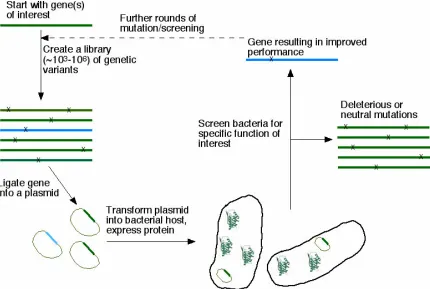
[image:12.612.110.540.264.553.2]industrialization of natural enzymes in the laboratory (see Figure 1).
Figure 1. Schematic of directed evolution algorithm. As shown here, random mutation is applied to the gene coding for the protein to be engineered. This library of genes is ligated into an expression plasmid which is then transformed into bacteria. Individual bacterial clones are screened for the desired property. Genes from clones with improved performance are used to start the next
generation. In this way, beneficial mutations can be accumulated.
While directed evolution is routinely effective in changing the substrate specificity
often too slow to apply to processes that require quick development. To
successfully evolve an enzyme, the bioprocess engineer must define an assay
chemistry, turn that assay into a high-throughput screen, validate that screen to
ensure reproducibility, construct a library of variants, and finally screen that
library and repeat the process if a suitable enzyme is not identified. For many
industrially interesting enzyme reactions there is no suitable high-throughput
screen for the desired product, (e.g., hydroxylation of alkanes or alkyl moieties)
and most high-throughput screening methods are blind to regio- and
stereospecificity--the very properties enzymes are renowned for.
These concerns should shift (and to some extent have shifted) the focus of
directed evolution research to the following question: Can we advance the
theory of molecular evolution to the point that we can make small (< 1000
members), highly focused libraries that can be screened on the time scale of a
couple weeks by general chemical assay techniques (e.g., GC, HPLC or TLC) to
yield significant improvements in enzyme performance or even novel
functionalities? Over the last several years, a greater theoretical understanding
of molecular evolution has been attained through experience with directed
evolution searches and to some extent through computational studies [1-3].
Others are using computational, structure-based strategies to build more focused
libraries, with the eventual goal of a priori prediction of function-altering mutations
[4,5]. This approach is of course limited to the subset of interesting proteins that
In this work, the in vitro recombination of homologous proteins is examined as a
search strategy for enzyme engineering. A number of reports have shown this
technique to be highly effective [6-11], but it is notoriously difficult to construct a
diverse library ([9] and several researchers' unpublished observations), and the
benefits of recombination over other strategies are not well-established. Thus a
major goal of this work is to determine whether and how recombination can be
used to create the small yet functionally diverse libraries that could potentially
expand the utility of directed evolution.
Recombination as a search strategy for directed evolution
Directed evolution is an effective way to circumvent some of the problems that
plague the application of enzymes to industrial processes. What is unclear is the
optimal laboratory evolution method for a desired phenotypic modification. As we
understand how to apply evolutionary techniques more effectively we will
approach the ideal scenario discussed earlier: obtaining the desired outcome
from a small library that can be screened by general analytical methods.
Two techniques are currently commonly used to generate diversity for a directed
evolution search. One is random mutagenesis of the entire gene that codes for
the enzyme of interest [12-16], and the other is recombination of homologous
random mutations: in a library with 2-3 amino acid substitutions per gene, a
significant fraction of the library (~50%) will be nonfunctional or drastically
reduced in functionality [17]. So when applying random mutagenesis, we are
faced with two conflicting constraints: 1) limiting the number of mutations to avoid
the accumulation of deleterious mutations (and stop codons) and 2) maintaining
a level of diversity that will allow for the desired phenotypic change.
Recombination of homologous genes at first appears to be a better strategy
because the mutations incorporated into the library have already been successful
(or neutral) in the context of at least one of the parent enzymes. This allows us
to change a large fraction (5-20%) of residues and still land in functional regions
of sequence space [10,18]. In contrast, randomly mutating even 5% of the gene
sequence of an enzyme would yield a library that is for all practical purposes
completely nonfunctional. What is unclear is whether the sequence diversity
accessible with recombination is enriched in functional diversity, or whether the
amino acid changes made are too conservative.
The utility of recombination is well-demonstrated in many fields. For example,
new patentable inventions often arise from a new combination of components
[19,20]. Recombination is revered in the field of genetic algorithms as an
efficient search technique for semi-rugged landscapes and has been used even
in the evolution of artificial life in silico [21,22]. Nature herself employs
recombination at practically every branch in the tree of life, often at the expense
recombined are noninteracting. For instance, consider the task of building a
better sailboat given a fleet of boats with known performance characteristics.
One strategy might be to combine the bow of an especially speedy boat with the
stern of an easily maneuverable vessel. As you cut through these unfortunate
boats, you would discover that these parts are highly interacting. Because there
are so many contact points, it is unlikely that the decks would be at the same
level and even more unlikely that the shape of the hull would be the same at the
cut point. An alternate strategy would be to put the sail, mast, and riggings of
one boat on the hull of the other. We can readily see that this would be a better
strategy; the abstract reason is the relative lack of interactions between hull and
sail.
Enzyme structures are chock-full of interactions between noncontiguous
residues, and thus it might seem that exchanging sequence elements from
homologous proteins would be much like exchanging the bow from one sailboat
and the stern from another. But as it turns out, much of the nonidentity we
observe between homologous proteins occurs in residues that are noninteracting
or weakly interacting (simultaneous nondisruptive mutation of interacting
residues is quite rare), and thus important interactions are generally conserved.
Current theoretical work is beginning to show that active variants from chimeric
libraries have crossover points that minimize the disruption of interactions [23].
chimeric libaries with a higher percentage of active members by applying this
theory.
Though we are beginning to understand how to create hybrid enzymes that will
remain active, we have little understanding of how to access functional diversity.
We would like to know, for example, the sequence identity the parents should
share, whether the parents should be functionally similar, and how many
crossovers to apply in order to create libraries containing high functional
diversity. In order to obtain chimeras with multiple random crossovers using
current methods, the sequence identity of the parents should be >70%. In most
enzyme families, these highly identical parents are functionally quite similar, and
it is unclear whether functional diversity can be generated in these cases
(functionally distinct parents have been used in all reported, successful studies).
The crossover frequency is likely to be another crucial variable for recombination,
yet no consensus has emerged in the literature. This is because generally only
evolved chimeras are sequenced, and not chimeras from the library as a whole.
Sequencing and comparison of both populations could allow assessment of
whether the crossover frequency was too low or too high.
The advantages to using recombination over random mutagenesis with respect
to improving catalyst performance or generating functional diversity are currently
not well-understood. To date, one study has attempted a comparison of the two
cephalosporinases were recombined to create a chimeric library, and also
mutated individually to create four mutant libraries. Enzymes from the chimeric
libraries conferred >30-fold higher resistance than the best mutants, and the
authors conclude that recombination “accelerates directed evolution.” However,
the two best chimeric enzymes were reported to have either 14 or 33 amino acid
substitutions†, and no effort was made to determine to what extent the mutations
were required for improved resistance. Furthermore, the average number of
mutations incorporated in the mutant libraries was not determined; in all
likelihood, few mutations were made, and this hampered the mutagenic search.
In the case of this study, recombination provided the most highly active variants,
but because of the lack of library characterization, this study does not allow us to
attribute these functional changes to mutation or recombination.
Dioxygenases and their applications
Because of their potential utility in bioremediation and biocatalysis, I selected the
aromatic ring-hydroxylating dioxygenase family as an evolution system.
Degradation by dioxygenases is a major pathway by which aromatic compounds
are mineralized in the environment. To cope with the enormous diversity of
aromatic compounds created by diagenesis of organic material, this enzyme
family has evolved remarkably broad substrate specificity. Dioxygenases are
† Our group’s (and my) experience with random mutagenesis has been that 2-3 nucleotide
known to oxidize hundreds of substrates including linked and fused aromatics,
aliphatic olefins, and highly substituted compounds such as tetrachlorobenzene
[25]. In the prokaryotes and fungi, dioxygenases are found both chromasomally
and on catabolic plasmids. In fact, in one Sphingomonas strain, genes encoding
49 possible dioxygenase systems were found on a single plasmid [26].
PCR-based studies of microorganisms from soil samples have revealed that
dioxygenases are ubiquitous in the natural world and that we are nowhere near a
full understanding of the diversity of these enzymes [27].
Since the discovery of dioxygenases over thirty years ago, much has been
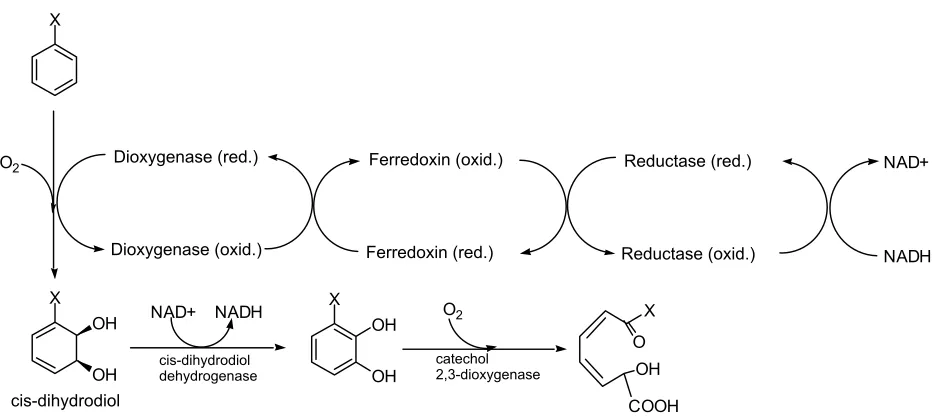
learned about this pathway (See Figure 1). In the first step, both atoms of
dioxygen are added into the substrate to form a cis-dihydrodiol. Though the
reaction of aromatics with oxygen is highly exergonic, the activation energy is
significant. This energy barrier is overcome by transfer of electrons from NADH
through a reductase and ferredoxin to the active site of the dioxygenase. NADH
is regenerated in the next step which aromatizes the cis-dihydrodiol to a
catechol. Interestingly, similar catechols are formed by the monoxygenase
pathway at the additional cost of two NADHs. An extradiol dioxygenase cleaves
the catechol, and the resulting compound is metabolized to carbon dioxide by the
tricarboxylic acid cycle.
O2 X OH OH cis-dihydrodiol NAD+ NADH cis-dihydrodiol dehydrogenase X OH OH O2 catechol 2,3-dioxygenase X O OH COOH Dioxygenase (red.) Dioxygenase (oxid.) Reductase (red.) Reductase (oxid.) Ferredoxin (oxid.) Ferredoxin (red.) NAD+ NADH
Figure 2. Degradation of a generic aromatic compound by the Class II dioxygenase pathway.
The stereospecific addition of molecular oxygen to an aromatic compound to
form a cis-dihydrodiol (Figure 2) is the rate-limiting step of the pathway shown
and results in the most interesting molecule from the standpoint of the synthetic
chemist. The regio- and stereospecific oxidation of an unactivated aromatic
compound is very difficult to accomplish using conventional chemical techniques,
which typically produce an array of byproducts that must be separated and
destroyed. Their potential for derivatization through arene functionalities makes
cis-dihydrodiols valuable synthetic building blocks for the synthesis of biologically
important pinitols, conduritols, and acyclic sugars [28] as well as the drugs
Indinavir [29] and pancratistatin [30].
As discussed in the general sense in the previous section, the usefulness of
dioxygenases is significantly diminished by an application-specific array of
(especially in vitro), low substrate solubility, and cofactor requirements. One of
the successes of the current work is to demonstrate a general, high-throughput
(10,000 variants/day) screening method suitable for directed evolution of the
dioxygenase enzyme that has allowed us to address the problem of low activity
toward nonnatural substrates and could be used to improve stability and
expression level.
Previous application of laboratory evolution strategies to dioxygenases
Because dioxygenases are potentially useful catalysts, there has been
considerable interest in developing and implementing methods for their evolution
in the laboratory. The target application for many of these studies has been
bioremediation of polychlorinated biphenyls (PCBs). Commercially available
PCB mixtures (e.g., Aroclor) contained a variety of PCB congeners, thus
enzymes with a broad substrate specificity are thought to be required. Highly
substituted PCBs are highly recalcitrant and especially resistant to metabolism by
natural dioxygenase pathways.
Three studies have recombined biphenyl dioxygenases from Burkholderia
cepacia LB400 and Pseudomonas pseudoalcaligenes KF700, which share 95%
amino acid identity, in order to evolve enzymes with broadened specificity
[31,32]. Despite their high level of sequence identity, these enzymes have
parent enzymes [32]. Furukawa and others have evolved enzymes with altered
substrate specificity and enhanced activity toward trisubstituted PCBs; some of
these chimeras exhibit improved activity toward toluene and benzene, which are
poorly accepted by the parent enzymes [31]. Similar results are reported in
another study, where chimeras of these biphenyl dioxygenases have improved
activity toward monocyclic, alkyl-substituted substrates [33].
In another study, LB400 is recombined with biphenyl dioxygenases from
Comomonas testosteroni B-356 and Rhodococcus globerulus P6, which share
64-75% amino acid identity [34]. Here impressive degradation rates were
reported for several PCBs not accepted by these parent dioxygenases. The
broadened specificity of these evolved chimeras results primarily from just four
polymorphisms located close to the active site.
Random mutagenesis of dioxygenase has also been shown to affect profound
functional changes. In one case, point mutations introduced to biphenyl
dioxygenase strain KF707 gave rise to variants with improved activity toward
several substrates [35]. Improvements both in activity toward 4-picoline [12] and
in product selectivity [36] have been accomplished through random mutagenesis
The evolution of dioxygenases in the laboratory has been hampered by the lack
of quantitative, widely applicable high-throughput screening methods. Activity
toward biphenyl and PCB can be assayed by coexpressing the catechol
2,3-dioxygenase to produce yellow meta-cleavage products [31,32] or by another
method with (currently) undefined chemistry [34], but these assays have low
sensitivity and only apply to a limited range of substrates. More sensitive and
widely applicable methods for high-throughput screening are needed and have
been developed in the course of my work in collaboration with Dr. Takeshi
Sakamoto.
Project aims and overview of thesis
The manuscript is composed of chapters that address the following aims:
1) Dioxygenase structure and mechanism: implications for directed evolution
In Chapter 2, I discuss what is known about the structure and mechanism of
dioxygenase and how this knowledge was used to develop a directed evolution
strategy.
2) Development of bacterial plasmids and high-throughput screening techniques
to enable the directed evolution of dioxygenases.
Plasmids used for expression of dioxygenase in laboratory strains of bacteria are
dioxygenase could be evolved simultaneously.
In Chapter 4, schemes for the assay of dioxygenase activity are explained and
the versatility and performance of each is assessed. Chapter 5 describes the
application of the Gibbs’ phenol detection reagent to high-throughput screening
of enzyme variants, both in microtiter plates (as first conceived by Dr. Takeshi
Sakamoto) and in a solid-phase approach that enables higher throughput. The
screening techniques described here are versatile, cheap and fast and should
find application in the evolution of several dioxygenase properties beyond what I
specifically investigated, including stability, expression level and activity toward a
variety of aromatic substrates.
3) Construction of highly diverse chimeric dioxygenase libraries
A variety of experimental methods have been devised to create libraries of
chimeric genes from homologs sharing > 60% sequence identity [8,37-40].
Chapter 6 describes an in vitro recombination method based on the “DNA
shuffling” protocol [8]. The chapter focuses on troubleshooting and optimization
of the DNA shuffling protocol.
4) Characterization of sequence biases in chimeric dioxygenase libraries
In order to assess biases resulting from in vitro recombination by DNA shuffling,
genes. Peter Meinhold developed this method and subsequently used it to
characterize several dioxygenase libraries. In Chapter 7, results for two
dioxygenase libraries are presented which show important biases inherent to this
recombination method. A predictive model is described that determines which
sites are preferred for recombination.
5) Sequence-function analysis of shuffled dioxygenases
In Chapter 8, I demonstrate a systematic method for determining functional loci in
protein sequences based on recombination and sequence-function analysis.
Libraries of chimeric dioxygenases are screened for activity toward ten
substrates. These activity data are coupled with sequence data from the probe
hybridization experiments to extract sequence-function relationships. Also in
Chapter 8, I identify chimeric enzymes that metabolize n-hexylbenzene, a
substrate not measurably accepted by the parent enzymes, and show that many
of the sequences of these clones are similar in some respects.
6) Comparison of functional diversity generated by recombination and
mutagenesis
In Chapter 9, I compare two commonly used search strategies, random
mutagenesis and recombination, with respect to their ability to generate
functional diversity. I used two evolutionary tasks to evaluate these strategies:
References
1. Voigt, C.A., Mayo, S.L., Arnold, F.H. & Wang, Z.G. (2001). Computationally
focusing the directed evolution of proteins. J. Cellular Biochem. 37:58-63.
2. Voigt, C.A., Kauffman, S. & Wang, Z.G. (2001). Rational evolutionary design:
The theory of in vitro protein evolution. Advances in Protein Chemistry 55
,79-160.
3. Voigt, C.A., Mayo, S.L., Arnold, F.H. & Wang, Z.G. (2001). Computational
method to reduce the search space for directed protein evolution. PNAS
98:3778-3783.
4. Kraemer-Pecore, C.M., Wollacott, A.M. & Desjarlais, J.R. (2001).
Computational protein design. Curr. Opin. Chem. Biol. 5:690-695.
5. Hayes, R.J., Bentzien, J., Ary, M.L., Hwang, M.Y., Jacinto, J.M., Vielmetter,
J., Kundu, A., & Dahiyat, B.I. (2002). Combining computational and
experimental screening for rapid optimization of protein properties. PNAS
99,15926-15931.
6. Ness, J.E., Welch, M., Giver, L., Bueno, M., Cherry, J.R., Borchert, T.V.,
Stemmer, W.P.C. & Minshull, J. (1999). DNA shuffling of subgenomic
sequences of subtilisin. Nat. Biotechnol.17, 893-896.
7. Stemmer, W.P.C. (1994). Rapid evolution of a protein in vitro by DNA
shuffling. Nature 370, 389-391.
8. Stemmer, W.P.C. (1994). DNA shuffling by random fragmentation and
reassembly: In vitro recombination for molecular evolution. Proc. Natl Acad.
methods for the in vitro evolution of enzymes. Gene236:159-167.
10. Chang, C-C.J., Chen, T.T., Cox, B.W., Dawes, G.N., Stemmer, W.P.C.,
Punnonen, J. & Patten, P.A. (1999). Evolution of a cytokine using DNA
family shuffling. Nature Biotechnol.17, 793-797.
11. Raillard, S., Krebber, A., Chen, Y.C., Ness, J.E., Bermudez, E., Trinidad, R.,
Fullem, R., Davis, C., Welch, M., Seffernick, J., Wackett, L.P., Stemmer,
W.P.C. & Minshull, J. (2001). Novel enzyme activities and functional plasticity
revealed by recombining highly homologous enzymes. Chem. & Biol.8,
891-898.
12. Sakamoto, T., Joern, J.M., Arisawa, A. & Arnold, F.H. (2001). Laboratory
evolution of toluene dioxygenase to accept 4-picoline as a substrate. Appl.
and Environ. Microbiol. 67, 3882-3887.
13. Rai, G.P., Sakai, S., Florez, A.M., Mogollon, L. & Hager, L.P. (2001).
Directed evolution of chloroperoxidase for improved epoxidation and
chlorination catalysis. Adv. Synth.Catal. 343, 638-645.
14. Bosma, T., Damborsky, J., Stucki, G. & Janssen, D.B. (2002).
Biodegradation of 1,2,3-trichloropropane through directed evolution and
heterologous expression of a haloalkane dehalogenase gene. Appl. Environ.
Microb. 68, 3582-3587.
15. Giver, L., Gershenson, A., Freskgard, P.O. & Arnold, F.H. (1998). Directed
16. Wintrode, P.L., Miyazaki, K. & Arnold, F.H. (2000). Cold adaptation of a
mesophilic subtilisin-like protease by laboratory evolution. J. Biol. Chem.275,
31635-31640.
17. Daugherty, P.S., Chen, G., Iverson, B.L. & Georgiou, G. (2000). Quantitative
analysis of the effect of the mutation frequency on the affinity maturation of
single chain Fv antibodies. PNAS 97:2029-2034.
18. Christians,F.C., Scapozza,L., Crameri,A., Folkers,G. & Stemmer,W.P.C.
(1999). Directed evolution of thymidine kinase for AZT phosphorylation using
DNA family shuffling. Nat. Biotechnol. 17, 259-264.
19. Gilfillan, S. (1935). Inventing the Ship. Follett Publishing Co., Chicago, IL.
20. Nelson, R.S. & S. Winter. (1982). An Evolutionary Theory of Economic
Change. Belknap Press, Cambridge, MA.
21. Adami, C. (1998). Introduction to Artificial Life. Springer, New York.
22. Kauffman, S. (1993). The Origins of Order : Self-organization and Selection in
Evolution. Oxford University Press, New York.
23. Voigt, C.A., Martinez, C., Wang, Z.G., Mayo, S.L. & Arnold, F.H. (2002).
Protein building blocks preserved by recombination. Nat. Structural Biol.9,
553-558.
24. Crameri, A., Raillard, S.A., Bermudez, E. & Stemmer, W.P.C. (1998). DNA
shuffling of a family of genes from diverse species accelerates directed
evolution. Nature391, 288-291.
Microbial transformation of organic compounds. ASM Press, Washington,
D.C.
27. Yeates, C., Holmes, A.J. & Gillings, M.R. (2000). Novel forms of
ring-hydroxylating dioxygenases are widespread in pristine and contaminated
soils. Environ. Microbiol. 2:644-653
28. Sheldrake, G.N. (1992). Biologically derived arene cis-dihydrodiols as
synthetic building blocks. Chirality in Industry. John Wiley & Sons.
29. Buckland B.C., Drew, S.W., Connors, N.C., Chartrain, M.M., Lee, C., Salmon,
P.M., Gbewonyo, K., Zhou, W., Gailliot, P., Singhvi, R., Olewinski, R.C. Jr.,
Sun, W.J., Reddy, J., Zhang, J., Jackey, B.A., Taylor, C., Goklen, K.E.,
Junker, B., Greasham, R.L. (1998). Microbial conversion of indene to
indandiol: a key intermediate in the synthesis of CRIXIVAN. Metabolic
Engineering1:63-74.
30. Hudlicky, T., Tian, X., Konigsberger, K., Maurya, R., Rouden, J. & Fan, B.
(1996). Toluene dioxygenase-mediated cis-dihydroxylation of aromatics in
enantioselective synthesis. Asymmetric total syntheses of pancratistatin and
7-deoxypancratistatin, promising antitumor agents. J. Am. Chem. Soc.
118:10752-10765.
31. Kumamaru, T., Suenaga, H., Mitsuoka, M., Watanabe, T. & Furukawa, K.
(1998). Enhanced degradation of polychlorinated biphenyls by directed
32. Bruhlmann, F. & Chen, W. (1999). Tuning biphenyl dioxygenase for
extended substrate specificity. Biotechnology and Bioengineering 63,
544-551.
33. Suenaga, H., Mitsuoka, M., Ura, Y., Watanabe, T. & Furukawa, K. (2001).
Directed evolution of biphenyl dioxygenase: Emergence of enhanced
degradation capacity for benzene, toluene, and alkylbenzenes. J. Bacteriol.
183, 5441-5444.
34. Barriault, D., Plante, M.M. & Sylvestre, M. (2002). Family shuffling of a
targeted bphA region to engineer biphenyl dioxygenase. J. Bacteriol.184,
3794-3800.
35. Suenaga, H., Goto, M. & Furukawa, K. (2001). Emergence of multifunctional
oxygenase activities by random priming recombination. J. Biol. Chem. 276,
22500-22506.
36. Zhang, N., Stewart, B.G., Moore, J.C., Greasham, R.L., Robinson, D.K.,
Buckland, B.C. & Lee, C. (2000). Directed evolution of toluene dioxygenase
from Pseudomonas putida for improved selectivity toward cis-indandiol during
indene bioconversion. Metabolic Engineering2, 339-348.
37. Zhao, H., Giver, L., Shao, Z., Affholter, A. & Arnold, F.H. (1998). Molecular
evolution by staggered extension process (StEP) in vitro recombination. Nat.
Biotechnol.16, 258-261.
38. Volkov, A.A., Shao, Z. & Arnold, F.H. (2000). Random chimeragenesis by
recombination: an effective tool for directed evolution. Nucleic Acids Res. 26,
681-683.
40. Coco, W.M., Levinson W.E., Crist M.J., Hektor, H.J., Darzins, A., Peinkos,
P.T., Squires, C.H. & Monticello, D.J. (2001). DNA shuffling method for
generating highly recombined genes and evolved enzymes. Nat. Biotechnol.
Chapter 2
Dioxygenase structure and mechanism: implications for
Before undertaking a directed evolution experiment, it is important to consider the
mechanism and structure of the enzyme system to be evolved. This is especially
true with the dioxygenase enzyme system, which consists of several protein
components and thus lends itself to a variety of evolutionary engineering
approaches. For example, genetic variation could be applied to any combination
or all of the components. Understanding the role of these components assists in
tailoring the evolutionary strategy to the property to be evolved. In addition,
structural and mechanistic information may suggest particular regions of a single
protein that are important contributors to an evolvable property. In any case,
understanding this information can help us interpret the results of a directed
evolution search and may suggest alternate search strategies or add to our
existing knowledge of structure-function relationships.
Functional roles for the components of the dioxygenase system
Microbial degradation of aromatic compounds through the dioxygenase pathway
requires several components, as discussed in Chapter 1. Dioxygenase,
ferredoxin, reductase and cis-dihydrodiol dehydrogenase are of the most interest
here due to the synthetic utility of the cis-dihydrodiols and 3-substituted
catechols. Dioxygenase itself carries out the initial oxidation to yield cis
-dihydrodiols and thus is an important determinant of substrate specificity. The
polypeptides and are not strongly associated with dioxygenase [1]. Wolfe and
others report that artificially reducednaphthalene 1,2-dioxygenase (NDO) does
not require these electron transfer components to oxidize naphthalene and that
the rate of oxidation is not accelerated by their presence [2]. Thus these
components do not act as effectors and probably do not have a role in
determining substrate specificity [3,4]. However, the role of these components
in transferring electrons from NADH and in redistributing electrons between
dioxygenase subunits [2] contributes to the overall activity of dioxygenase. For
the toluene dioxygenase (TDO) [5] system, the electron transfer proteins do not
limit the total activity [6].
After initial oxidation by dioxygenase, cis-dihydrodiol dehydrogenase converts
the cis-dihydrodiol to a catechol while regenerating NADH. My experiments with
the TDO system show that this step proceeds significantly (4-10 times) faster
than initial oxidation and, in addition, that toluene cis-dihydrodiol dehydrogenase
is highly promiscuous (data not shown).
Since dioxygenase is likely to be rate-limiting at least for the TDO system and
seems to determine substrate specificity, it is probably the only component that
requires modification for the evolution of enzymes with new substrate specificities
or with improved activity toward a particular substrate. For other properties such
as stability, activity at high or low pH, or activity in organic solvent, it may be
We are just beginning to understand the catalytic cycle of dioxygenases. Though
conventional chemical agents such as KMnO4 and OsO4 do carry out cis-addition
of molecular oxygen into aromatic compounds, the analogous catalytic reaction
requires significant complexity. In dioxygenase, two metal cofactors are the
actors for catalysis: mononuclear Fe at the active site and a 2Fe-2S Rieske
cluster that transfers electrons from ferredoxin to the active site. Spectroscopic
study of purified components of NDO has suggested the mechanism shown in
Figure 1 [2]. At the start of the catalytic cycle, all iron atoms are in the Fe3+ state.
Two electrons from NADH are transferred to dioxygenase through reductase and
then ferredoxin to reduce iron in the Rieske cluster and active site to Fe2+. The
aromatic substrate binds either before or after reduction but before dioxygen is
coupled to the mononuclear iron to form an apparent Fe-peroxo species. After
binding the substrate and molecular oxygen, the cis-dihydrodiol product is formed
through a still-unknown mechanism that likely involves a Fe3+-OOH intermediate.
This activated iron species is reactive enough to catalyze an array of diverse
oxidation reactions. Dioxygenases are known to catalyze monooxygenation
[7-11], oxidative dealkylation [7,8], sulfoxidation [12], desaturation [12], and
oxidative dehalogenation [8]. In general, these cytochrome 450-type reactions
occur with highly substituted aromatic substrates, bicyclic substrates, and highly
substituted aliphatic substrates. In some cases, diols are produced along with
monols [8,10]. Thus reactions besides cis-dihydroxylation of aromatics are
Figure 1. Catalytic cycle for naphthalene 1,2-dioxygenase. Reproduced with modification from [2] with permission.
Dioxygenase structure
The structure of naphthalene 1,2-dioxygenase (NDO) has been solved both in
the presence and absence of the substrate indole [1,13]. This enzyme is a
distant homolog (~30% amino acid identity) of the three dioxygenases
investigated in this work, toluene dioxygenase (TDO) [5], tetrachlorobenzene
dioxygenase (TCDO) [7] and biphenyl dioxygenase (BPDO) [14]. NDO is a
hexamer of three large subunits (α subunits) of 449aa and three smaller subunits
(β subunits) of 193aa. Many dioxygenases are thought to have this subunit
arrangement, though some are composed only of α subunits [15]. The enzyme
has a mushroom-like tertiary structure, with the three β subunits forming the
Figure 2. Orthogonal views of the tertiary structure of naphthalene dioxygenase, reproduced from [1] with permission. Subunits are differently colored, and the Rieske domain of the green α subunit is shown in yellow. Fe atoms are shown in red, and S atoms (from Rieske clusters) are shown in yellow. Panel (a) shows both α and β subunits and the mushroom configuration, and in panel (b) only α
subunits are in full view.
The structure of NDO has elucidated some features of the catalytic mechanism.
Because the Rieske center and active site are distant on a single α subunit but
close on neighboring α subunits, it is thought that electrons are passed from the
conserved Asp residue [1]. The active site Fe is buried in a gorge of 15Å that is
lined with hydrophobic residues. Many of these residues contact the substrate
and probably determine the substrate specificity to some extent.
The β subunit is not in close proximity to either of the cofactors, and no functional
role for this subunit could be ascertained from the structure. However, studies
where an α subunit from one dioxygenase is coexpressed with a β subunit from
another convincingly demonstrate that the β subunit can affect the substrate
specificity [3,4,16,17]. For this reason, genetic variation is applied to both
References
1. Kauppi,B., Lee,K., Carredano, E., Parales,R.E., Gibson,D.T., Eklund,H. &
Ramaswamy, S. (1998). Structure of an aromatic-ring-hydroxylating
dioxygenase-naphthalene 1,2-dioxygenase. Structure 6, 571-586.
2. Wolfe, M.D., Parales, J.V., Gibson, D.T. & Lipscomb, J.D. (2001). Single
turnover chemistry and regulation of O2 activation by the oxygenase
component of naphthalene 1,2-dioxygenase. J. Biol. Chem. 276,1945-1953.
3. Hirose, J., Suyama, A., Hayashida, S. & Furukawa, K. (1994). Construction
of hybrid biphenyl (bph) and toluene (tod) genes for functional-analysis of
aromatic ring dioxygenases. Gene138, 27-33.
4. Furukawa, K., Hirose, J., Hayashida, S. & Nakamura, K. (1994). Efficient
degradation of trichloroethylene by a hybrid aromatic ring dioxygenase. J.
Bacteriol.176, 2121-2123.
5. Zylstra, G.J. & Gibson, D.T. (1989). Toluene degradation by Pseudomonas
putida F1 – Nucleotide sequence of the todC1C2BADE genes and their
expression in Escherichi coli. J. Biol. Chem. 264, 14940-14946.
6. Sakamoto, T., Joern, J.M., Arisawa, A. & Arnold, F.H. (2001). Laboratory
evolution of toluene dioxygenase to accept 4-picoline as a substrate. Appl.
Environ. Microbiol. 67, 3882-3887.
7. Lehning, A., Fock, U., Wittich, R.M., Timmis, K.N. & Pieper, D.H. (1997).
Metabolism of chlorotoluenes by Burkholderia sp. strain PS12 and toluene
toluene and chlorobenzene dioxygenases. Appl. Environ. Microbiol. 63,
1974-1979.
8. Lange, C.C. & Wackett, L.P. (1997). Oxidation of aliphatic olefins by toluene
dioxygenase: Enzyme rates and product identification. J. Bacteriol. 179,
3858-3865.
9. Spain, J.C., Zylstra, G.J., Blake, C.K. & Gibson, D.T. (1989).
Monohydroxylation of phenol and 2,5-dichlorophenol by toluene dioxygenase
in Psuedomonas putida F1. Appl. Environ. Microbiol.55, 2648-2652.
10. Resnick, S.M. & Gibson, D.T. (1996). Oxidation of
6,7-dihydro-5H-benzocycloheptene by bacterial strains expressing naphthalene dioxygenase,
biphenyl dioxygenase, and toluene dioxygenase yields homochiral monol or
cis-diol enantiomers as major products. Appl. Environ. Microbiol.62
,1364-1368.
11. Robertson, J.B., Spain, J.C., Haddock, J.D. & Gibson, D.T. (1992).
Oxidation of nitrotoluenes by toluene dioxygenase: evidence for a
monooxygenase reaction. Appl. Environ. Microbiol.58, 2643-2648.
12. Resnick, S.M., Lee, K. & Gibson, D.T. (1996). Diverse reactions catalyzed
by naphthalene dioxygenase from Psuedomonas sp. strain NCIB 9816. J. of
Indust. Microbiol. & Biotechnol. 17, 438-457.
13. Carredano, E., Karlsson, A., Kauppi, B., Choudhury, D., Parales, R.E.,
Parales, J.V., Lee, K., Gibson, D.T., Eklund, H. & Ramaswamy, S. (2000).
Substrate binding site of naphthalene 1,2-dioxygenase: Functional
Pseudomonas strain LB400 genes encoding polychlorinated biphenyl
degradation. J. Bacteriol. 171, 1725-1732.
15. Mason, J.R. & Butler, C.S. (1997). Structure-function analysis of the
bacterial ring-hydroxylating dioxygenases. Adv. Microbial Phys. 38, 47-84.
16. Hurtubise, Y., Barriault, D. & Sylvestre, M. (1998). Involvement of the
terminal oxygenase β subunit in the reactivity pattern toward chlorobiphenyls.
J. Bacteriol.180, 5828-5835.
17. Parales, J.V., Parales, R.E., Resnick, S.M. & Gibson, D.T. (1998). Enzyme
specificity of 2-nitrotoluene 2,3-dioxygenase from Pseudomonas sp. strain
JS42 is determined by the C-terminal region of the α subunit of the
Chapter 3
Construction of plasmids for expression and evolution
Introduction
A plasmid-based expression system allowing for high functional expression
levels and facile cloning of gene libraries greatly facilitates the laboratory
evolution of enzymes. This section describes the construction of such plasmids
for this study for the expression of three dioxygenases. The approach is based
on plasmids constructed by Akira Arisawa using the ptrc99A expression system
(Amersham Pharmacia). This plasmid contains the strong (and leaky) trc
promoter and confers resistance to ampicillin. As discussed in the previous
chapter, there is good reason to believe that both subunits of the dioxygenase
contribute to substrate specificity. Thus the plasmid construction for laboratory
evolution should allow for removal of these genes by restriction digestion so that
DNA libraries created by PCR methods can be ligated into the plasmid.
Gene arrangement of three natural dioxygenase cistrons
Three parent dioxygenase systems were selected for this study. Toluene
dioxygenase (TDO) from Pseudomonas putida F1 was obtained from D. T.
Gibson whose group cloned part of the dioxygenase cistron into plasmid
pDTG602 [1]. Plasmid pSTE7 containing the tetrachlorobenzene dioxygenase
(TCDO) and other genes from the tetrachlorobenzene degradation pathway of
Burkholderia sp. Strain PS12 was provided by D. H. Pieper [2]. Pseudomonas
[3]. These cistrons have similar gene organization, with genes encoding the α
subunit, β subunit, ferredoxin, reductase and cis-dihydrodiol dehydrogenase
occurring in that order. For these three cistrons, a noncoding region of 97-110
bp occurs between the genes encoding the α subunit and β subunit. Genes
encoding the β subunit and ferredoxin are separated by 8 bp in the TDO and
TCDO systems, while BPDO contains an ORF of 420 bp between these genes.
In all three cases, the start codon of reductase overlaps with the stop codon for
ferredoxin.
Design of a plasmid for expression and cloning of dioxygenase variants
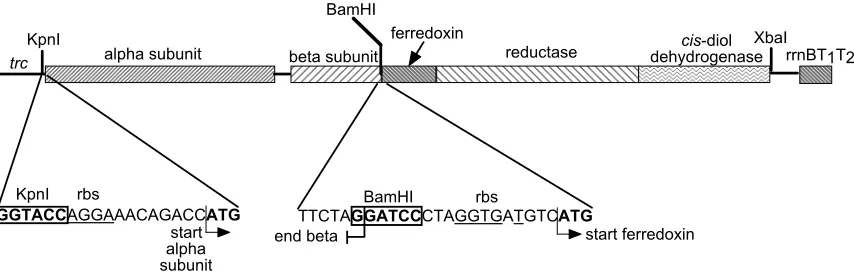
Figure 1 shows the plasmid design used for dioxygenase evolution. In order to
express wildtype dioxygenases, plasmids pJMJ2, pJMJ6 and pJMJ7 were
constructed in order to express TDO, TCDO and BPDO, respectively. KpnI and
BamHI restriction sites from the multicloning site (group of unique restriction
sites) of ptrc99A flank the genes encoding the α and β subunits. Genes
encoding ferredoxin, reductase and cis-dihydrodiol dehydrogenase are inserted
between the BamHI and XbaI cloning sites. Though ptrc99A has a ribosome
binding site (rbs) upstream of the multicloning site, I have used a rbs that was
shown by Dr. Akira Arisawa to give higher total activity, presumably resulting
from higher expression of the α subunit (see Figure 1). In order to insert this rbs
and a KpnI site during plasmid construction, I incorporated these sequences on
KpnI
BamHI
XbaI alpha subunit beta subunit
ferredoxin
reductase dehydrogenasecis-diol
TTCTAGGATCCCTAGGTGATGTCATGBamHI end beta
rbs
start ferredoxin GGTACCAGGAAACAGACCATG
KpnI rbs
start alpha subunit
[image:46.612.111.538.99.236.2]trc rrnBT1T2
Figure 1. Schematic showing arrangment of dioxygenase genes in context of ptrc99A expression vector.
In the natural TDO and TCDO cistrons, the β subunit and ferredoxin genes are
separated by an 8bp sequence which contains an rbs. This leader sequence for
ferredoxin was left intact, and a BamHI cloning site was inserted after the stop
codon for the β subunit (see Figure 1). Using primers containing BamHI and
XbaI sites, I amplified ferredoxin, reductase and cis-dihydrodiol dehydrogenase
genes and ligated this PCR product to the corresponding sites in the multicloning
region of ptrc99A.
All of the plasmids and plasmid libraries used in this work contain the ferredoxin,
reductase and cis-dihydrodiol dehydrogenase genes from the TDO parent only.
These genes from TDO have previously been shown to function in concert with
the dioxygenase from the TCDO system [4]. The wildtype constructs all are
functioning dioxygenase systems, although decreased activity might be expected
for the TCDO and BPDO expressing plasmids (pJMJ6 and pJMJ7) due to the
components. I chose this design because my main goal is to evolve substrate
specificity, a property which these components are thought not to influence.
Sequencing of wildtype plasmids
Genes encoding the α and β subunits from pJMJ2, pJMJ6 and pJMJ7 have been
sequenced. The mutations shown in Table 1 below presumably resulted from
PCR used to clone these genes. The mutations on the TDO construct are
thought to be functionally neutral since pJMJ2 performed nearly as well as a
similar strain constructed by Dr. Akira Arisawa when assayed
contemporaneously for activity toward chlorobenzene.
plasmid mutation aa change subunit
pJMJ2 (TDO) g841a Val281Ile α
pJMJ2 (TDO) g1105a Gly369Ser α
pJMJ2 (TDO) t1540c Val26Ala β
pJMJ6 (TCDO) g249a Arg83Arg α
pJMJ7 (BPDO) t48c Val16Val α
pJMJ7 (BPDO) a1599g Glu34Glu β
pJMJ7 (BPDO) a1781g Lys95Arg β
Table 1. Mutations present in constructed dioxygenase-expressing plasmids. Nucleotide mutations are numbered according to the 2023-2064 bp of each αβ
gene pair, while amino acid changes are numbered based on the particular subunit in which they occurred. Synonomous mutations are italicized.
As shown in Figure 2, pJMJ2 had an insertion located upstream of the start
during PCR. This insertion was removed by KpnI digestion followed by religation
to create plasmid pJMJ11, which exhibits 3- to 4-fold higher activity than the
pJMJ2 construct.
....AATTCGAGCTCGGTACCAGGAAACAGACCATGGTCTGTTTCCTGGGGTACCAGGAAACAGACCATG....KpnI rbs KpnI rbs (multicloning site)
start TDO
Figure 2. Sequence of pJMJ2 upstream of α subunit start codon.
Analysis of expression level by SDS-PAGE
E. coli BL21(DE3) (Stratagene) containing plasmids pJMJ11, pJMJ6, pJMJ7 and
ptrc99A were grown, induced and then lysed with Bugbuster (Novagen)
according to manufacturer's instructions. Cell extracts were analyzed by
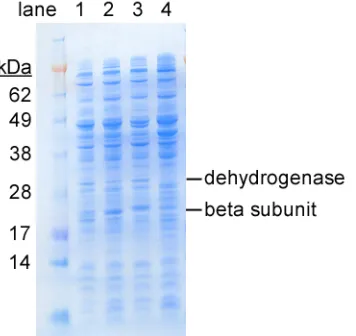
SDS-PAGE as described [5] (Figure 3). Most of the dioxygenase proteins are not
visible due to low expression level or the obscuring effect of native proteins.
Toluene cis-dihydrodiol dehydrogenase (28.7 kDa) is visible, and there is
increased density where the β subunit should appear, around 22 kDa. Though
the calculated molecular weight for the β subunit of the three dioxygenases is
nearly identical (21.9 - 22.1 kDa), the BPDO β subunit appears larger by
approximately 1kDa. These results show that the dioxygenase system does not
constitute a large fraction of the total soluble protein. The expression level
Figure 3. SDS-PAGE analysis of cell extracts from E. Coli BL21(DE3)
References
1. Zylstra,G.J. & Gibson,D.T. (1989). Toluene degradation by Pseudomonas
putida F1 – Nucleotide sequence of the todC1C2BADE genes and their
expression in Escherichia-coli. J. Biol. Chem. 264, 14940-14946.
2. Beil, S., Happe,B., Timmis,K.N.& Pieper,D.H. (1997). Genetic and
biochemical characterization of the broad spectrum chlorobenzene
dioxygenase from Burkholderia sp. strain PS12-Dechlorination of
1,2,4,5-tetrachlorobenzene. Eur. J. Biochem. 247,190-199.
3. Mondello,F.J. (1989). Cloning and expression in Escherichia coli of
Pseudomonas strain LB400 genes encoding polychlorinated biphenyl
degradation. J. Bacteriol. 171, 1725-1732.
4. Beil, S., Mason, J.R., Timmis, K.N. & Pieper, D.H. (1998). Identification of
chlorobenzene dioxygenase sequence elements involved in dechlorination of
1,2,4,5-tetrachlorobenzene. J. Bacteriol. 180, 5520-5528.
5. Sakamoto, T., Joern, J.M., Arisawa, A. & Arnold, F.H. (2001). Laboratory
evolution of toluene dioxygenase to accept 4-picoline as a substrate. Appl.
Chapter 4
Preface
This chapter is adapted from work coauthored with Christopher R. Otey entitled
“High-throughput screen for aromatic hydroxylation” to be published in the book
Methods in Molecular Biology by Humana Press (F. H. Arnold and G.
Georgiou, Eds.). The goal of this series is to publish protocols that, unlike the
primary literature, provide enough detail to be followed with little difficulty the first
time. Thus the protocols described here are written with frequent annotation and
discussion of steps that may require optimization upon application to a new
problem. I have removed material primarily contributed by the coauthor of this
work, though I am indebted to him for organization of the data and rewording of
some of the text presented here.
Introduction
As discussed in Chapter 1, the conventional chemical hydroxylation of
unactivated aromatic compounds generally requires extremes of temperature
and pressure, results in an array of byproducts, and often requires expensive
and/or toxic heavy metal catalysts. One alternative that avoids these problems is
enzymatic hydroxylation by enzymes such as the cytochrome P450
monooxygenases, other non-heme monooxygenases, and the dioxygenases.
These catalysts are often not well-suited for industrial applications, but can be
genetic variation and screening for improvements. Thus broadly applicable
methods for screening enzyme candidates quickly and reproducibly are highly
valuable.
In this chapter, two colorimetric assays for hydroxylated aromatic compounds are
discussed that can be implemented in high-throughput and thus are useful for
biocatalyst discovery and engineering by directed evolution. These assays
employ compounds that react with a variety of phenols to yield highly colored
products; two such compounds are Gibbs’ reagent and Fast Violet B (FVB)
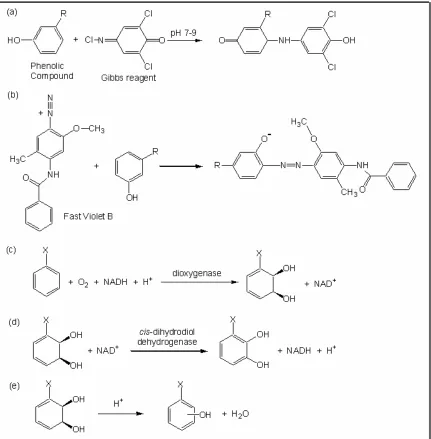
(Figure 1(a,b)). Both of these assay chemistries can be used to assess the
performance of dioxygenases expressed in E. coli. Dioxygenases insert both
atoms of molecular oxygen into aromatics to yield cis-dihydrodiols with high
(>97%) enantiomeric excess (Figure 1(c)). These products are converted to
phenols to enable detection using the reagents described here (Figure 1(d,e)).
Other enzymes such as oxidative dealkylases or dehalogenases could be
Figure 1. Chemistry of assay methods. (a) Coupling of Gibbs' reagent to a phenolic compound [1]. (b) Coupling of Fast Violet B to a phenolic compound [2]. (c) Reaction performed by dioxygenases to yield a cis-dihydrodiol. (d)
Dehydrogenation of a cis-dihydrodiol to form a catechol. (e) Acidification of a cis -dihydrodiol to form phenols.
Some issues need to be considered when applying these assays to
biotransformations using whole cells or cell extracts. When a whole cell system
substrate to the enzyme. To access the enzyme, the substrate must be soluble
and must readily permeate the cell membrane. Solubility can be increased in
most cases by adding a nontoxic organic solvent [3]. The antibiotic Polymyxin B
increases the permeability of many aromatic and non-aromatic substrates,
including long chain fatty acids [4,5]. Though TB or LB-media are commonly
used for whole cell growth, these rich broths contribute a significant amount of
background in the assays discussed here (especially the Fast Violet B assay).
This is easily remedied by using a synthetic medium such as M9 minimal
medium [6]. Supplying the substrate in the vapor phase is sometimes successful
when the substrate is volatile and is particularly convenient when screening
colonies using a solid-phase format [7].
Materials
1. 0.4% (w/v) 2,6-Dichloroquinone-4-chloroimide in ethanol (Gibbs’ reagent).
Store at 4°C and prepare fresh every 4 months.
2. 0.25% (w/v) Fast Violet B in ddH2O (FVB). Prepare fresh every 2-3 days.
3. 1 M Tris-HCl, pH 8.5
4. 100 mM HCl.
5. 96-well microtiter plates, e.g., R-96-OAPF-ICO (Rainin, Emeryville, CA).
6. Spectrophotometer/plate reader (Model Spectra max Plus 384, Molecular
25R Centrifuge (Beckman Coulter, Fullerton, CA).
8. Pipette robot: Multimek 96 Automated 96-Channel Pipetter (Beckman
Instruments, Palo Alto, CA).
9. Multichannel pipetter.
10. Incubator at 37°C.
Methods
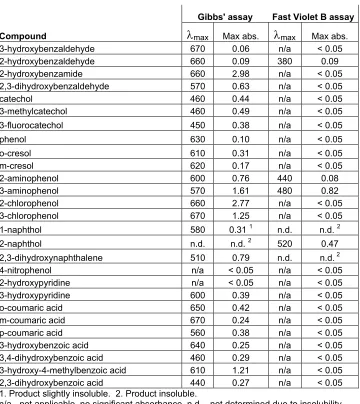
Gibbs’ reagent was able to detect most of the ortho- and meta-substituted
phenolic compounds I have tested (Table 1). It is also useful for assaying
para-substituted compounds where the substituent is a halide or alkoxy group [8].
Fast Violet B (FVB) is typically less useful due to its reactivity with cells and
various media, and it did not provide sensitive detection for most of the tested
phenols. The absorbance recorded for these assays is linearly dependent on
concentration for all of the phenols we have examined [7]. The wavelength of
maximal absorbance varies based on the structure of the phenol and thus should
be determined for each expected phenolic product. It may also be useful to
adjust reagent concentrations to reduce background when optimizing a new
assay system.
Since these assays are able to determine the products of multiple types of
substrate concentration, cell harvesting/lysis, etc.) will vary considerably and will
not be discussed here.In the assay descriptions below, “sample” refers to the
solution containing the phenolic product to be determined and may be a cell
extract or supernatant depending on which type of bioconversion is chosen. The
absorbance recorded after addition of the phenol detection reagent reflects the
total activity of the cellular biocatalyst. Times for color development are
suggested below, but this is another factor that varies from substrate to substrate
Gibbs' assay Fast Violet B assay
Compound λmax Max abs. λmax Max abs.
3-hydroxybenzaldehyde 670 0.06 n/a < 0.05
2-hydroxybenzaldehyde 660 0.09 380 0.09
2-hydroxybenzamide 660 2.98 n/a < 0.05
2,3-dihydroxybenzaldehyde 570 0.63 n/a < 0.05
catechol 460 0.44 n/a < 0.05
3-methylcatechol 460 0.49 n/a < 0.05
3-fluorocatechol 450 0.38 n/a < 0.05
phenol 630 0.10 n/a < 0.05
o-cresol 610 0.31 n/a < 0.05
m-cresol 620 0.17 n/a < 0.05
2-aminophenol 600 0.76 440 0.08
3-aminophenol 570 1.61 480 0.82
2-chlorophenol 660 2.77 n/a < 0.05
3-chlorophenol 670 1.25 n/a < 0.05
1-naphthol 580 0.31 1 n.d. n.d. 2
2-naphthol n.d. n.d. 2 520 0.47
2,3-dihydroxynaphthalene 510 0.79 n.d. n.d. 2 4-nitrophenol n/a < 0.05 n/a < 0.05
2-hydroxypyridine n/a < 0.05 n/a < 0.05 3-hydroxypyridine 600 0.39 n/a < 0.05 o-coumaric acid 650 0.42 n/a < 0.05 m-coumaric acid 670 0.24 n/a < 0.05 p-coumaric acid 560 0.38 n/a < 0.05 3-hydroxybenzoic acid 640 0.25 n/a < 0.05
3,4-dihydroxybenzoic acid 460 0.29 n/a < 0.05 3-hydroxy-4-methylbenzoic acid 610 1.21 n/a < 0.05
2,3-dihydroxybenzoic acid 440 0.27 n/a < 0.05 1. Product slightly insoluble. 2. Product insoluble.
[image:58.612.108.468.81.485.2]n/a - not applicable, no significant absorbance n.d. - not determined due to insolubility
Table 1. The spectroscopic signals resulting from coupling of various phenols to Gibbs' reagent and Fast Violet B. Compounds were diluted in M9 minimal medium to a concentration of 0.25 mM and assayed as described. For the
Gibbs' reagent and Fast Violet B assays, 0.1ml of phenol solution was assayed in a 96-well microtiter plate, and thirty minutes or 10 minutes, respectively, were allowed for the reaction to occur before recording the visible spectra using a 96-well spectrophotometer.
Phenol quantitation with Gibbs’ reagent
2. Mix and allow 3-30 minutes for color development (see Note 1).
3. Record spectrum or wavelength.
Phenol quantitation with Fast Violet B
1. To 100 µL of sample (see Note 5) add 10 µL 0.25% of (w/v) Fast Violet B.
2. Mix and allow 10 minutes for color development (see Note 2, Note 1).
3. Record spectrum or wavelength.
Applying phenol detection with Gibbs reagent to dioxygenases
Initial oxidation of aromatic compounds by dioxygenase results in arene cis
-dihydrodiols, as shown in Figure 1(c). These compounds are difficult to detect in
the background of a cell extract or supernatant but are easily converted to
detectable phenolic compounds using one of two methods. One is to convert the
cis-dihydrodiol to a catechol by coexpressing the cis-dihydrodiol dehydrogenase
that resides on the dioxygenase cistron, as shown in Figure 1(d). The
dehydrogenase from the toluene dioxygenase cistron of Pseudomonas putida F1
is highly expressed in laboratory strains of E. coli. Another method for converting
cis-dihydrodiols to phenols is acidification, as shown in Figure 1(e) [7] (see
procedure below). The ratio of ortho- to meta-phenols is difficult to predict, but
from a biotransformation performed in M9 minimal medium [6] with 100 µL of
0.1M HCl (see Notes 3-5).
2. Incubate at 37°C for 30 minutes.
3. Add 25 µL of 1M Tris-HCl, pH 8.5 (see Note 3).
4. Add 20 µL of 0.4% (w/v) Gibbs’ reagent.
5. Record spectrum or wavelength after 3-30 minutes (see Note 1).
Notes
1. Optimal development time depends on the phenol assayed and, in some
cases, accumulation of background absorbance over time. When assaying
for improved enzyme function, only the wavelength of the product is taken
and not the entire spectrum.
2. Increasing the pH to basic levels before addition of Fast Violet B can be
useful in increasing the maximum absorbance value. It is not necessary,
however.
3. For the cis-dihydrodiol products of dioxygenation of toluene and
chlorobenzene, pH <2.5 should be reached after adding 0.1M HCl.
Incubation at low pH may or may not be required for acidification of other cis
-dihydrodiols. Reaction with Gibbs’ reagent proceeds best at pH 7-9, thus the
pH should be near or above neutral after addition of Tris buffer. If media
made, and the amount of acid and Tris buffer added should be adjusted to
match these pH ranges.
4. A pipetting robot can be useful when doing multiple 96-well microtiter plate
assays, but is not necessary.
5. Removal of cell debris is not necessary for the Gibbs’ assay, however it
increases the sensitivity and reproducibility of the screens. It is necessary for
![Figure 1. Catalytic cycle for naphthalene 1,2-dioxygenase. Reproduced with modification from [2] with permission](https://thumb-us.123doks.com/thumbv2/123dok_us/306550.1031945/37.612.111.539.72.333/figure-catalytic-cycle-naphthalene-dioxygenase-reproduced-modification-permission.webp)
![Figure 2. Orthogonal views of the tertiary structure of naphthalene dioxygenase, reproduced from [1] with permission](https://thumb-us.123doks.com/thumbv2/123dok_us/306550.1031945/38.612.108.359.72.463/figure-orthogonal-tertiary-structure-naphthalene-dioxygenase-reproduced-permission.webp)